San Miguel de Allende Budget Guide 2026: Cost Breakdown
Key Takeaways:
- Daily budget ranges from $35-45 USD (backpacker) to $200+ USD (luxury) per person in 2026
- Mid-range travelers can enjoy comfortable experiences for $80-120 USD per day including accommodation
- High season (December-April) costs 30-40% more than low season (May-November)
- Street food and local markets offer exceptional value at $2-5 USD per meal
- Accommodation costs €25-35 per night (budget hostels) to €200+ (luxury boutique hotels)
- Most museums and galleries charge 50-100 MXN ($3-6 USD) admission with some offering free entry on specific days
Planning Your San Miguel de Allende Budget 2026
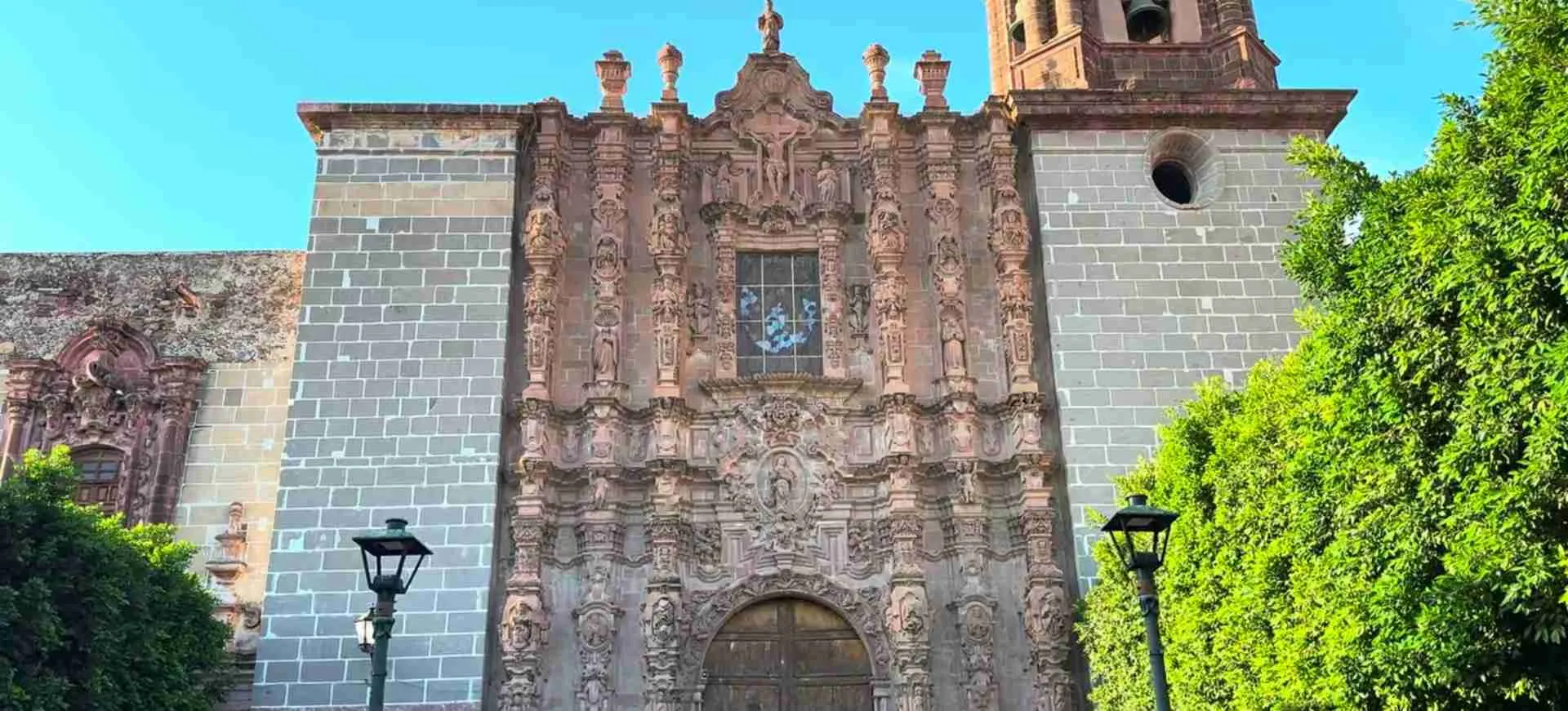
San Miguel de Allende stands as one of Mexico’s most enchanting colonial cities, where cobblestone streets wind past centuries-old churches and art galleries fill every corner. This UNESCO World Heritage site attracts travelers seeking cultural immersion, architectural beauty, and authentic Mexican experiences. Understanding the costs for visiting San Miguel de Allende in 2026 enables strategic planning that maximizes your experience while staying within your financial comfort zone.
The city accommodates every budget level, from backpackers staying in shared hostel rooms and eating street tacos to luxury travelers enjoying boutique hotels and rooftop dining. Your daily expenses depend primarily on accommodation choices, dining preferences, and activity selection. San Miguel’s compact centro histórico means most attractions lie within walking distance, significantly reducing transportation costs compared to larger Mexican cities.
Budget planning for 2026 requires understanding seasonal pricing fluctuations. High season runs December through April when temperatures stay pleasant and cultural events fill the calendar. During these months, accommodation prices increase 30-40% above low season rates, restaurants get crowded, and popular cooking classes fill up weeks in advance. Low season (May through November) offers substantial savings despite occasional afternoon rain showers, with fewer tourists and more negotiating power for extended stays.
Currency considerations matter for 2026 budgeting. The Mexican peso (MXN) fluctuates against major currencies, with exchange rates typically ranging 16-20 MXN per USD. This guide provides costs in both Mexican pesos and USD approximations based on current exchange rates. Check current official rates when planning your trip, as favorable exchange rates can significantly impact your purchasing power.
People Also Ask About San Miguel de Allende Budget 2026
How much money do you need per day in San Miguel de Allende 2026?
Daily budget requirements in San Miguel de Allende for 2026 range from $35-45 USD for backpackers to $80-120 USD for mid-range travelers, and $200+ USD for luxury experiences. Backpacker budgets cover hostel beds ($12-15 USD), street food and market meals ($8-12 USD daily), free walking tours, and local bus transportation. This budget requires careful spending and taking advantage of free attractions like church visits, jardín people-watching, and Tuesday market exploration.
Mid-range budgets ($80-120 USD daily) include comfortable double-occupancy hotel rooms ($40-60 USD per person), three restaurant meals with drinks ($25-35 USD), museum entries and paid activities ($15-20 USD), occasional taxi rides ($10-15 USD), and evening drinks or entertainment. This budget level provides authentic experiences without constant price-consciousness, allowing spontaneous cafe stops and craft market purchases.
Luxury travelers spending $200+ USD daily enjoy boutique hotels ($150-250+ USD per room), fine dining at renowned restaurants ($50-80 USD per person), private tours and cooking classes ($60-120 USD), spa treatments, and curated experiences. This budget eliminates financial constraints and enables the highest-quality accommodations, exclusive experiences, and premium services throughout your stay.
Is San Miguel de Allende expensive in 2026?
San Miguel de Allende costs more than most Mexican destinations but remains affordable compared to U.S. or European cities. The large expat community and international reputation push prices above typical Mexican standards, particularly for accommodation and dining in tourist areas. Boutique hotels charge $100-250 USD nightly versus $30-60 USD in less-touristy Mexican cities. Restaurant meals in the centro histórico run $15-25 USD per person compared to $8-12 USD in local neighborhoods or other Mexican towns.
However, budget options exist throughout the city. Hostels offer beds for $12-18 USD, neighborhood taquerías serve meals for $3-6 USD, and many cultural attractions charge minimal admission or open free on certain days. The city’s walkability eliminates extensive transportation costs. Strategic choices mixing high and low-price options create balanced budgets. Eat street food for breakfast and lunch, then splurge on dinner at a rooftop restaurant. Stay in a budget hotel but invest in a premium cooking class.
Seasonal timing dramatically affects costs in 2026. Visit during low season (May-November) for 30-40% lower accommodation prices, easier restaurant reservations, and better negotiation leverage for extended stays. Avoid major events like Semana Santa (Holy Week) or Day of the Dead when prices spike and availability drops. Your San Miguel budget depends more on your choices and timing than the destination’s inherent expense level.
What is the best budget accommodation in San Miguel de Allende 2026?
Budget accommodation in San Miguel de Allende for 2026 centers on hostels in the centro histórico and budget hotels in residential neighborhoods. Hostel Alcatraz offers dorm beds for 250-300 MXN ($14-17 USD) nightly with included breakfast, rooftop terrace, communal kitchen, and social atmosphere. The property occupies a restored colonial building three blocks from El Jardín, combining historic architecture with modern hostel amenities and regular social events for solo travelers.
Hostel Inn provides similar pricing at 280-350 MXN ($16-20 USD) for dorm beds, with private rooms available for 600-800 MXN ($35-45 USD) nightly. The location sits slightly outside the centro histórico (10-minute walk to main plaza) but offers quieter surroundings, better value, and easier parking for those arriving by car. Both hostels maintain high cleanliness standards, provide lockers for valuables, and employ English-speaking staff familiar with local recommendations.
Budget hotels like Hotel Posada de las Monjas charge 700-900 MXN ($40-52 USD) for basic double rooms with private bathrooms, colonial courtyard, and central location. These properties lack luxury amenities but provide clean, secure accommodation with authentic Mexican character. Casa de la Cuesta offers similar rates with rooftop views, though rooms vary in size and condition (request to see the room before committing). Budget hotels work best for couples or friends sharing costs, bringing per-person nightly rates down to $20-26 USD.
How much do meals cost in San Miguel de Allende 2026?
Meal costs in San Miguel de Allende for 2026 vary dramatically based on venue choice and neighborhood. Street food and market stalls offer tacos for 15-25 MXN ($1-1.50 USD) each, with three tacos plus a drink creating a filling meal for 70-100 MXN ($4-6 USD). The Tuesday Tianguis market features dozens of food vendors selling tortas, quesadillas, fresh fruit, and regional specialties for similar prices. Panaderias (bakeries) sell conchas, pan dulce, and breakfast pastries for 10-20 MXN ($0.60-1.20 USD) each.
Local neighborhood restaurants charge 120-180 MXN ($7-10 USD) for comida corrida (daily set menus) including soup, main course, rice, beans, tortillas, and agua fresca. These restaurants operate primarily during lunch hours (1-4 PM) when Mexicans eat their main meal. Taquerías and fondas (small family restaurants) serve individual plates for 80-150 MXN ($4.50-9 USD) throughout the day. Cafes charge 45-70 MXN ($2.50-4 USD) for coffee drinks and 60-100 MXN ($3.50-6 USD) for breakfast dishes.
Centro histórico restaurants targeting tourists charge higher prices: 180-280 MXN ($10-16 USD) for lunch entrees, 250-400 MXN ($14-23 USD) for dinner mains, and 80-120 MXN ($4.50-7 USD) for alcoholic drinks. Fine dining establishments like Aperi, The Restaurant, or Áperi charge 500-800 MXN ($29-46 USD) for multi-course tasting menus, 150-250 MXN ($9-14 USD) for appetizers, and 350-600 MXN ($20-35 USD) for main courses. These restaurants deliver exceptional quality, creative presentations, and sophisticated service justifying premium pricing for special occasions.
Extended multi-day tours – 5+ days
Featured San Miguel De Allende Multi-Day Tour Packages

1 days
San Miguel de Allende Tour: A Marvelous Colonial Town Plus Queretaro
- ✓ Comprehensive San Miguel De Allende tour
- ✓ Expert local guides included
- ✓ All accommodation arranged
- ✓ Transportation provided
6 days
Independence Route
- ✓ Comprehensive San Miguel De Allende tour
- ✓ Expert local guides included
- ✓ All accommodation arranged
- ✓ Transportation provided
2 days
Mexico: San Miguel de Allende, Queretaro – 2 days
- ✓ Comprehensive San Miguel De Allende tour
- ✓ Expert local guides included
- ✓ All accommodation arranged
- ✓ Transportation provided
7 days
Viceregal Route from Guadalajara
- ✓ Comprehensive San Miguel De Allende tour
- ✓ Expert local guides included
- ✓ All accommodation arranged
- ✓ Transportation provided
Multi-day tour packages powered by TourRadar. Prices and availability subject to change.
Understanding San Miguel de Allende Costs 2026
The cost structure in San Miguel de Allende reflects its dual identity as both a UNESCO World Heritage colonial city and an international arts community with significant expat population. This combination creates a tiered pricing system where budget and luxury options coexist, allowing travelers to customize spending based on priorities and preferences. Understanding these cost dynamics enables strategic planning that maximizes value while experiencing the city’s cultural richness.
Geographic pricing patterns emerge clearly across the city. The centro histórico (historic center) commands premium prices for its colonial architecture, walkable access to attractions, and tourist-oriented businesses. Accommodation, dining, and shopping in this zone cost 30-50% more than similar offerings in residential neighborhoods like Colonia San Antonio, Guadalupe, or areas beyond the periférico (ring road). However, the centro’s convenience, atmosphere, and concentration of galleries, restaurants, and cultural sites justify higher costs for many travelers.
Seasonal pricing fluctuations significantly impact 2026 budgets. High season (December-April) brings perfect weather, major festivals like Semana Santa and Day of the Dead, and peak tourist numbers. Hotels raise rates 30-40%, popular restaurants require reservations days in advance, and cooking classes fill up weeks ahead. Mid-season (October-November, May) offers moderate prices and pleasant conditions with occasional rain. Low season (June-September) delivers the deepest discounts despite afternoon thunderstorms, with hotels offering 40-50% off high-season rates and greater flexibility for negotiating extended stays.
The Mexican peso’s value against major currencies affects purchasing power for international visitors. Exchange rates typically range 16-20 MXN per USD, 18-22 MXN per EUR, and 20-24 MXN per GBP. Favorable exchange rates increase your budget’s effectiveness, while unfavorable rates require adjusting expectations. Monitor exchange trends when planning 2026 travel, as a 10% currency swing translates directly to 10% more or less purchasing power for all expenses paid in pesos.
Local economic factors influence costs. San Miguel’s popularity among wealthy Mexican nationals and international buyers has driven up real estate prices, which cascade to rental costs for businesses. This pressure pushes retail and restaurant prices higher than typical Mexican standards. However, the large local Mexican population maintains neighborhood markets, affordable eateries, and budget services catering to residents rather than tourists. Accessing these local resources requires venturing beyond the centro histórico and seeking recommendations from locals or Spanish-speaking sources.
Accommodation Budget Breakdown 2026
Accommodation represents the largest single expense for most San Miguel de Allende visitors, with costs ranging from budget hostel beds to luxury boutique suites. Understanding the accommodation landscape enables strategic choices balancing comfort, location, and budget considerations. The city’s compact size means even budget properties outside the centro histórico remain within 15-20 minute walks of major attractions, offering savings without sacrificing accessibility.
Budget Accommodation Options 2026
Budget accommodation in San Miguel de Allende for 2026 primarily consists of hostels and basic hotels offering essential amenities without luxury touches. Hostel dorm beds cost 250-350 MXN ($14-20 USD) per night in high season, dropping to 180-250 MXN ($10-14 USD) during low season. These properties typically occupy restored colonial buildings, providing architectural character alongside budget pricing. Dormitories hold 4-8 beds with lockers for valuables, shared bathrooms, and communal spaces encouraging social interaction among travelers.
Private rooms in hostels range 600-900 MXN ($35-52 USD) nightly for doubles, offering more privacy while maintaining hostel atmosphere and budget pricing. These rooms often feature private bathrooms, basic furniture, and windows overlooking courtyards or streets. Some hostels include breakfast (typically coffee, pastries, and fruit), while others provide fully equipped communal kitchens enabling meal preparation for maximum budget control. Rooftop terraces, social events, and tour booking services add value beyond the basic accommodation.
Budget hotels charge 700-1,200 MXN ($40-70 USD) for double rooms with private bathrooms. Properties like Casa de la Cuesta, Hotel Posada de las Monjas, or Casa Schuck occupy colonial buildings with interior courtyards, traditional tile work, and period architectural details. Rooms vary in size and condition, with those facing interior courtyards offering quieter stays while street-facing rooms provide more light and ventilation. These hotels rarely include breakfast but often feature rooftop terraces with city views, complimentary WiFi, and basic room amenities like towels, soap, and toilet paper.
Airbnb and vacation rental studios provide budget alternatives ranging 800-1,500 MXN ($46-87 USD) nightly. These properties work particularly well for extended stays, with weekly and monthly discounts bringing costs down significantly. Studios typically include kitchenettes enabling meal preparation, private bathrooms, and more space than hotel rooms. However, vacation rentals lack daily housekeeping, front desk services, and the social atmosphere of hostels. Location matters greatly for vacation rentals, with centro histórico properties commanding premium prices while slightly outlying neighborhoods offer better value.
Mid-Range Hotels 2026
Mid-range accommodation in San Miguel de Allende for 2026 delivers comfortable stays with colonial character, central locations, and reliable amenities. These properties charge 1,500-3,000 MXN ($87-174 USD) per night for double occupancy, providing the sweet spot between budget constraints and luxury comfort. Most mid-range hotels occupy beautifully restored colonial buildings with interior courtyards, fountains, traditional tilework, and period architectural details creating atmospheric stays.
Properties in this category typically include complimentary breakfast (continental or full Mexican breakfast), WiFi throughout, daily housekeeping, and helpful front desk staff providing recommendations and tour bookings. Rooms feature comfortable beds, private bathrooms with hot water, air conditioning or ceiling fans, safes for valuables, and windows providing natural light. Some properties offer swimming pools, rooftop terraces with city views, on-site restaurants, and bars serving cocktails and local craft beer.
Recommended mid-range properties include Casa Rosada Hotel Boutique (1,800-2,400 MXN/$104-139 USD), Hotel Casa Catrina (1,600-2,200 MXN/$93-127 USD), and Suites La Parroquia (2,000-2,800 MXN/$116-162 USD). These hotels balance authentic Mexican character with modern comfort, maintaining high cleanliness standards while preserving colonial aesthetics. Location within 3-5 blocks of El Jardín provides walkable access to attractions, restaurants, and galleries without the noise and bustle of staying directly on the plaza.
Mid-range hotels appeal to couples, solo travelers seeking comfort beyond hostel dormitories, and older travelers prioritizing quiet, cleanliness, and reliable service. The daily breakfast inclusion adds value by eliminating one meal’s cost and planning burden. Rooftop terraces provide peaceful spaces for morning coffee, afternoon reading, or evening drinks away from street activity. The consistent quality standards in this category reduce booking risk compared to budget properties where room conditions vary unpredictably.
Luxury Properties 2026
Luxury accommodation in San Miguel de Allende for 2026 showcases the city’s finest boutique hotels, with nightly rates ranging 4,000-8,000+ MXN ($232-464+ USD) for standard rooms and suites reaching 10,000-15,000 MXN ($580-870 USD). These properties deliver exceptional service, exquisite design, premium amenities, and often include gourmet restaurants, full-service spas, heated pools, and rooftop terraces with panoramic city views. Most luxury hotels occupy meticulously restored colonial mansions or purpose-built properties maintaining architectural harmony with the historic district.
Renowned luxury properties include Rosewood San Miguel de Allende (6,000-12,000 MXN/$348-696 USD), featuring the city’s premier spa, multiple restaurants, and colonial elegance throughout. Hotel Matilda (5,500-10,000 MXN/$319-580 USD) showcases contemporary art throughout, operates the acclaimed Moxi restaurant, and provides a more modern aesthetic contrasting with colonial surroundings. Casa Sierra Nevada, a Belmond Hotel (6,500-11,000 MXN/$377-638 USD) delivers traditional luxury across multiple restored mansions with lush gardens, exceptional service, and refined Mexican hospitality.
Luxury hotels provide comprehensive concierge services arranging private tours, restaurant reservations, transportation, and special experiences like hot air balloon rides or temazcal ceremonies. Rooms feature fine linens, premium toiletries, spacious bathrooms with soaking tubs, curated art collections, and thoughtful design details. Many properties offer in-room spa treatments, 24-hour room service, and personal butler services for suite guests. The included breakfast often features extensive buffets with made-to-order items, fresh juices, and specialty coffee drinks.
Luxury accommodation appeals to travelers prioritizing exceptional comfort, personalized service, and seamless experiences. The concierge expertise proves invaluable for accessing exclusive experiences, securing reservations at popular restaurants, and navigating local logistics. For special occasions like anniversaries, honeymoons, or milestone birthdays, luxury properties create memorable stays through attention to detail, anticipatory service, and ability to arrange surprise celebrations or special touches. Extended stays of 4-7 nights sometimes yield discounts of 15-20%, improving value for luxury-seeking travelers planning longer visits.
Food and Dining Costs 2026
Food represents both a budget consideration and a cultural highlight of visiting San Miguel de Allende. The city’s culinary scene ranges from authentic street tacos to internationally acclaimed fine dining, with options satisfying every budget level and gastronomic preference. Understanding the food cost landscape enables strategic dining choices that balance budget control with culinary exploration, ensuring you experience San Miguel’s renowned food culture without overspending.
Street Food and Markets Budget
Street food and markets provide the most economical and authentic eating experiences in San Miguel de Allende for 2026. Taco stands throughout the city sell tacos for 15-25 MXN ($0.87-1.45 USD) each, with most people eating 3-4 tacos creating meals costing 60-100 MXN ($3.50-5.80 USD). Popular stands like Tacos Don Felix (carnitas), Tacos de Canasta near the market, or the evening taco vendors on Ancha de San Antonio draw local crowds indicating quality and value.
The Tuesday Tianguis market (outdoor market) attracts vendors selling prepared foods including tamales (20-30 MXN/$1.15-1.74 USD each), gorditas (25-35 MXN/$1.45-2.03 USD), fresh fruit cups (30-40 MXN/$1.74-2.32 USD), and regional specialties like enchiladas mineras or mole. The market operates from dawn until early afternoon, with peak activity between 9 AM and noon. Bring cash as vendors don’t accept cards, and arrive hungry ready to sample multiple items across different stalls.
Panaderías (bakeries) throughout San Miguel sell fresh bread, pastries, and baked goods for remarkably low prices. Conchas, roles, and pan dulce cost 10-18 MXN ($0.58-1.04 USD) each, while bolillos (crusty rolls) go for 5-8 MXN ($0.29-0.46 USD). Local favorite La Buena Vida bakery produces organic breads and pastries with slightly higher pricing (18-30 MXN/$1.04-1.74 USD) but exceptional quality. Pick up fresh bread for breakfast or lunch, potentially saving 100-150 MXN ($5.80-8.70 USD) daily compared to cafe breakfast costs.
Juice stands and licuadoras (smoothie shops) create fresh juices for 30-50 MXN ($1.74-2.90 USD) and smoothies for 40-60 MXN ($2.32-3.48 USD). These provide nutritious, refreshing options using seasonal fruits like mango, papaya, watermelon, and local varieties. The Central Market (Mercado San Juan de Dios) houses multiple juice vendors alongside butchers, produce stands, and prepared food stalls. Shopping the market for fresh ingredients enables cooking meals if your accommodation includes kitchen access, dramatically reducing food costs below restaurant dining.
Local Restaurant Pricing 2026
Local restaurants serving Mexican cuisine in neighborhood settings provide authentic experiences at reasonable prices. Fondas (small family-run restaurants) charge 80-150 MXN ($4.64-8.70 USD) for plates of enchiladas, mole, chile relleno, or regional specialties including rice, beans, and tortillas. Comida corrida (daily set menu) restaurants operate primarily during lunch hours (1-4 PM), offering soup, main course, rice, beans, tortillas, and agua fresca for 120-180 MXN ($6.96-10.44 USD). These multi-course meals provide exceptional value and insight into everyday Mexican home cooking.
Taquerías and casual eateries charge 100-200 MXN ($5.80-11.60 USD) for individual dishes with sides. Restaurants like La Alborada, Taco Lab, or Berlin serve creative Mexican food in relaxed atmospheres with moderate pricing. Tortas (Mexican sandwiches) cost 70-120 MXN ($4.06-6.96 USD), while breakfast dishes like chilaquiles or huevos rancheros run 90-140 MXN ($5.22-8.12 USD). Coffee drinks (espresso, cappuccino, lattes) cost 40-70 MXN ($2.32-4.06 USD) at neighborhood cafes versus 60-90 MXN ($3.48-5.22 USD) in tourist-oriented centro histórico establishments.
Mid-range restaurants in the centro histórico charge higher prices reflecting prime locations and tourist appeal. Lunch entrees run 180-280 MXN ($10.44-16.24 USD), while dinner mains cost 250-400 MXN ($14.50-23.20 USD). Appetizers range 120-200 MXN ($6.96-11.60 USD), desserts cost 90-140 MXN ($5.22-8.12 USD), and cocktails run 120-180 MXN ($6.96-10.44 USD). These restaurants deliver higher quality ingredients, more refined presentations, and attentive service compared to neighborhood fondas, creating pleasant dining atmospheres for special meals or when seeking variety from street food and casual eateries.
Beer costs vary based on setting: convenience store bottles run 25-35 MXN ($1.45-2.03 USD), neighborhood bars charge 40-60 MXN ($2.32-3.48 USD), and tourist bars command 70-100 MXN ($4.06-5.80 USD) for domestic beers or 90-140 MXN ($5.22-8.12 USD) for craft or imported options. Wine by the glass ranges 80-150 MXN ($4.64-8.70 USD) in mid-range restaurants, while bottles start at 300-400 MXN ($17.40-23.20 USD) for house wines and climb to 800-2,000+ MXN ($46.40-116+ USD) for premium selections at fine dining establishments.
Fine Dining Experiences 2026
Fine dining in San Miguel de Allende showcases the city’s culinary sophistication, with renowned restaurants attracting food-focused travelers from around the world. Reservations at top establishments cost 500-800 MXN ($29-46 USD) per person for multi-course tasting menus in 2026. Check restaurant websites for current official pricing as costs may vary seasonally and with menu changes. These experiences deliver creative cuisine blending Mexican traditions with international techniques, exceptional service, carefully curated wine lists, and sophisticated ambiances justifying premium pricing.
Aperi operates in a historic building with rooftop terrace, serving modern Mexican cuisine with tasting menus around 750 MXN ($43.50 USD) plus wine pairings at 400-600 MXN ($23.20-34.80 USD). The Restaurant at Villa María Cristina features farm-to-table cuisine highlighting regional ingredients in multi-course experiences priced similarly. Áperi (different from Aperi) offers contemporary Mexican fine dining with menus evolving seasonally based on ingredient availability and chef inspiration. These restaurants require reservations weeks in advance during high season, with booking essential for weekend dinners.
À la carte fine dining provides more budget control than tasting menus. Appetizers cost 150-250 MXN ($8.70-14.50 USD), main courses range 350-600 MXN ($20.30-34.80 USD), and desserts run 120-180 MXN ($6.96-10.44 USD). Ordering appetizer, main, and dessert per person plus wine or cocktails typically totals 800-1,200 MXN ($46.40-69.60 USD) per person. This approach allows customizing the experience based on hunger levels and budget considerations while accessing high-quality cuisine without committing to fixed tasting menu pricing.
Special occasion dining warrants the investment in San Miguel’s finest restaurants. The combination of exceptional food quality, beautiful historic settings, impeccable service, and reasonable pricing compared to similar establishments in major U.S. or European cities creates value for food enthusiasts. Budget one or two fine dining experiences per week-long trip, balancing these splurges with street food and casual dining the remainder of the time. The contrast highlights San Miguel’s culinary range while keeping overall food budgets manageable.
Transportation Costs 2026
Transportation costs in San Miguel de Allende remain minimal due to the city’s compact, walkable centro histórico where most attractions, restaurants, and hotels cluster within a 15-20 minute walk. Local buses provide economical transportation to outlying neighborhoods and nearby sites, while taxis offer convenient point-to-point service at reasonable rates. Understanding the transportation options enables efficient movement around San Miguel without significant budget impact.
Walking constitutes the primary transportation mode for most visitors. The centro histórico spans roughly 1.5 kilometers across, with key sites like El Jardín, Parroquia church, Fabrica La Aurora art galleries, and most restaurants accessible on foot. The city’s hillside location creates elevation changes requiring some uphill walking, but the colonial architecture, colorful facades, and street life make walking pleasant despite occasional exertion. Comfortable walking shoes with good support prove essential given cobblestone streets and uneven sidewalks throughout the historic district.
Local buses cost 10 MXN ($0.58 USD) per ride regardless of distance traveled within the city. Buses connect the centro histórico with outlying neighborhoods, the Central de Autobuses (bus station), and nearby sites like Atotonilco sanctuary. Routes operate from approximately 6 AM to 9 PM daily, with more frequent service during peak hours (7-9 AM, 5-7 PM). Buses display destination neighborhoods on windshields, and drivers provide change for bills up to 50 MXN. The system works best for travelers comfortable with basic Spanish and willing to ask drivers or passengers for routing help.
Taxis charge 50-80 MXN ($2.90-4.64 USD) for most rides within the centro histórico and to nearby neighborhoods. Longer trips to sites like Fabrica La Aurora or the bus station run 70-100 MXN ($4.06-5.80 USD). Uber operates in San Miguel with similar or slightly lower pricing than traditional taxis, plus the benefits of cashless payment, route tracking, and driver ratings. Request taxis at your hotel, flag them on main streets, or use taxi stands near El Jardín and the market. Always confirm the fare before departing to avoid misunderstandings or inflated tourist pricing.
Uber rides typically cost 40-70 MXN ($2.32-4.06 USD) for centro histórico trips and 60-90 MXN ($3.48-5.22 USD) to outlying areas. The app displays exact fares before confirmation, eliminating negotiation and price uncertainty. Uber availability varies throughout the day, with more drivers active during peak hours and evening times. Cell service and WiFi connectivity work well in San Miguel, making Uber reliable for most transportation needs. Split rides with travel companions to reduce per-person costs further.
Rental cars provide flexibility for exploring surrounding regions like Guanajuato, Queretaro, or San Miguel’s artisan villages. Daily rental rates range 600-1,200 MXN ($34.80-69.60 USD) depending on vehicle class, season, and rental duration. However, parking challenges in the centro histórico, narrow cobblestone streets, and excellent local transportation make rental cars unnecessary for most San Miguel visits. Consider renting only for day trip excursions to surrounding areas, keeping the vehicle just 1-2 days rather than your entire stay.
Activities and Attractions Budget 2026
Activities and attractions in San Miguel de Allende range from free cultural experiences to premium cooking classes and private tours. Understanding the activity cost landscape enables strategic planning that balances budget constraints with meaningful experiences. The city’s rich cultural offerings mean budget-conscious travelers can create fulfilling itineraries without expensive paid attractions, while those prioritizing hands-on experiences find excellent value in classes and guided tours.
Free attractions provide substantial cultural immersion without budget impact. The Parroquia de San Miguel Arcángel (parish church) opens daily for free visits, allowing appreciation of the iconic neo-Gothic facade and interior. El Jardín (main plaza) offers free people-watching, street performers, and the authentic pulse of daily life. Numerous churches throughout the historic center welcome visitors at no charge, including Templo de San Francisco, Oratorio de San Felipe Neri, and Templo de la Salud with their baroque architecture and religious art.
Art gallery visits cost nothing as galleries primarily function as retail spaces showing works by local and international artists. Fabrica La Aurora, a former textile factory converted to art studios and galleries, houses dozens of galleries displaying paintings, sculptures, textiles, and crafts. Tuesday market (Tianguis) provides free entertainment and cultural insight as you browse produce, crafts, and local goods. Sunday concerts in El Jardín, performed by the town band, offer free evening entertainment in the plaza’s festive atmosphere.
Museum admissions in San Miguel de Allende cost 50-100 MXN ($2.90-5.80 USD) at sites like Casa de Allende (historic house museum), Museo de San Miguel (local history), and Centro Cultural El Nigromante (former convent with galleries). Check specific museum websites for current official admission pricing as rates may vary. These modest fees provide access to well-curated exhibitions explaining San Miguel’s colonial history, Independence movement connections, and cultural development. Some museums offer free admission on Sundays or specific weekdays, enabling budget-conscious planning.
Cooking classes represent San Miguel’s most popular paid activity, with prices ranging 1,200-2,000 MXN ($69.60-116 USD) for half-day experiences. These classes typically include market tours, hands-on preparation of 4-5 traditional dishes, lunch featuring your prepared food, and recipe cards. Check class websites for current official pricing and availability as rates may vary seasonally. Popular options include Casa Jacaranda, La Compañía, and various private chefs offering home-based experiences. The investment provides skills you’ll use beyond your trip while offering meaningful cultural immersion and social interaction with fellow food enthusiasts.
Hot springs visits (Escondido Place or La Gruta) cost 150-250 MXN ($8.70-14.50 USD) admission plus 80-120 MXN ($4.64-6.96 USD) for bus transportation each way. These natural thermal pools provide relaxing afternoon experiences in beautiful settings. Spanish language classes range 300-500 MXN ($17.40-29 USD) per hour for private lessons, with group classes at language schools costing less but requiring week-long commitments. Private tours to San Miguel’s artisan villages or nearby colonial cities cost 800-1,500 MXN ($46.40-87 USD) per person depending on duration and group size.
Sample Budget Scenarios 2026
Understanding realistic daily budget scenarios helps plan your San Miguel de Allende visit for 2026. These detailed breakdowns illustrate how different budget levels translate to specific accommodations, meals, activities, and experiences. Use these scenarios as starting points for customizing your own budget based on priorities, travel style, and planned duration of stay.
Backpacker Budget 2026
Backpacker budget travelers can experience San Miguel de Allende for $35-45 USD per person daily through strategic choices prioritizing experiences over luxury comforts. This budget level requires staying in hostel dormitories, eating primarily street food and market meals, utilizing free attractions, and walking rather than taking taxis. The approach works well for solo travelers, students, and anyone comfortable with basic accommodations and social hostel environments.
Accommodation: Hostel dorm bed 280 MXN ($16 USD) including basic breakfast (coffee and pastries). Transportation: Walking throughout centro histórico (free), one bus ride 10 MXN ($0.58 USD). Food: Breakfast pastries from panaderia 30 MXN ($1.74 USD), street tacos lunch 80 MXN ($4.64 USD), grocery snacks 40 MXN ($2.32 USD), neighborhood restaurant dinner 140 MXN ($8.12 USD), drinks and treats 60 MXN ($3.48 USD). Activities: Free walking tour (15 MXN tip/$0.87 USD), church visits (free), El Jardín people-watching (free), Tuesday market browsing (free), gallery visits (free). Miscellaneous: 50 MXN ($2.90 USD) for water, sunscreen, or small purchases. Total day cost: 610-690 MXN ($35.38-40.02 USD) per person.
This budget enables authentic San Miguel experiences while maintaining financial discipline. The hostel’s social atmosphere often leads to meeting travel companions for shared meals or activities, further reducing costs through group dynamics. Free walking tours provide historical context and neighborhood orientation, enhancing self-guided exploration the remainder of your stay. The modest budget requires foregoing cooking classes, paid museums, and fine dining, but the wealth of free cultural attractions means you’ll never lack engaging activities.
Weekly budget on this level totals approximately $245-280 USD, making extended stays financially feasible for budget-conscious travelers. Negotiate weekly hostel rates for additional savings, potentially dropping accommodation costs by 15-20%. Shop the Tuesday market for fresh produce and prepare occasional meals if your hostel provides kitchen access. One or two slightly splurge experiences per week (museum visit, nicer restaurant dinner, hot springs trip) add cultural depth without significantly impacting overall budget.
Mid-Range Traveler Budget 2026
Mid-range travelers enjoy comfortable San Miguel de Allende experiences for $80-120 USD per person daily (assuming double occupancy for accommodation). This budget level provides pleasant hotels with colonial character, mixture of street food and quality restaurant meals, some paid activities and classes, and occasional taxi rides for convenience. The approach balances authentic experiences with comfortable logistics, appealing to couples, friends traveling together, and solo travelers seeking more comfort than hostels provide.
Accommodation: Mid-range hotel with double occupancy 1,800 MXN ($104 USD) total, or $52 per person nightly including breakfast. Transportation: Mostly walking (free) with 2-3 taxi or Uber rides 150 MXN ($8.70 USD). Food: Hotel breakfast included, street food snack 50 MXN ($2.90 USD), lunch at mid-range restaurant 220 MXN ($12.76 USD), afternoon coffee and pastry 80 MXN ($4.64 USD), dinner at centro histórico restaurant 350 MXN ($20.30 USD), drinks 120 MXN ($6.96 USD). Activities: Museum entry 70 MXN ($4.06 USD), afternoon activity or small purchase 150 MXN ($8.70 USD). Miscellaneous: 100 MXN ($5.80 USD) for water, snacks, tips. Total day cost: 1,420-1,620 MXN ($82.36-93.96 USD) per person.
This budget accommodates one premium experience every 2-3 days without financial stress: cooking class, private tour, hot springs visit, or fine dining dinner. The comfortable hotel provides peaceful retreat after days exploring cobblestone streets, with rooftop terraces offering relaxing spaces for afternoon reading or evening drinks. The included breakfast eliminates morning planning and costs, letting you start each day relaxed and fueled for exploration.
Weekly mid-range budget totals approximately $575-660 USD per person, enabling one week stays combining comfort and cultural immersion. The flexibility to mix street food lunches with nice restaurant dinners prevents food fatigue while maintaining budget control. Reserve cooking classes or tours in advance, particularly during high season when popular experiences sell out. This budget level provides the sweet spot for many travelers, delivering authentic Mexican experiences without constant price consciousness or luxury price tags.
Luxury Traveler Budget 2026
Luxury travelers experience San Miguel de Allende’s finest offerings at $200-300+ USD per person daily (assuming double occupancy). This budget provides boutique hotels, fine dining, private tours, spa treatments, and premium experiences without financial constraints. The approach suits special occasions like honeymoons or anniversaries, travelers prioritizing comfort and curation, and those seeking seamless, elevated experiences throughout their stay.
Accommodation: Luxury boutique hotel with double occupancy 6,500 MXN ($377 USD) total, or $188.50 per person nightly including gourmet breakfast. Transportation: Private car service for day trip 1,200 MXN ($69.60 USD) or taxis as needed 200 MXN ($11.60 USD). Food: Hotel breakfast included, lunch at acclaimed restaurant 500 MXN ($29 USD), afternoon coffee and treats 150 MXN ($8.70 USD), fine dining dinner with wine 1,200 MXN ($69.60 USD), cocktails or nightcap 200 MXN ($11.60 USD). Activities: Cooking class 1,600 MXN ($92.80 USD), or private tour 1,400 MXN ($81.20 USD), or spa treatment 1,800 MXN ($104.40 USD). Shopping/Miscellaneous: 500 MXN ($29 USD) for gallery purchases, crafts, or spontaneous experiences. Total day cost: 3,600-4,200 MXN ($208.80-243.60 USD) per person.
This budget enables booking the city’s finest accommodations like Rosewood, Hotel Matilda, or Casa Sierra Nevada with their exceptional service, beautiful design, and premium amenities. The concierge arranges restaurant reservations, private experiences, and logistical details, eliminating planning burden while ensuring smooth, elevated experiences. Daily spa access, in-room amenities, and attentive service create resort-like relaxation within the historic city center.
Luxury travelers can access exclusive experiences unavailable at other budget levels: private cooking classes in historic homes, after-hours museum tours, hot air balloon rides over the countryside at dawn, or multi-day private photography workshops with renowned local artists. Weekly luxury budget totals approximately $1,400-2,100 USD per person, delivering truly memorable San Miguel experiences celebrating special occasions or providing exceptional comfort for discerning travelers. Extended stays often yield hotel discounts of 15-20% for bookings of 5+ nights, improving value without compromising luxury standards.
Money-Saving Strategies 2026
Strategic planning and informed choices significantly reduce San Miguel de Allende costs without sacrificing experience quality. Understanding where to splurge and where to save creates balanced budgets maximizing value. These money-saving strategies apply across budget levels, helping backpackers stretch pesos further while enabling mid-range and luxury travelers to afford additional premium experiences within their financial parameters.
Eat like locals by seeking restaurants where Mexicans dine rather than tourist-oriented establishments. Neighborhood fondas and taquerías charge 40-50% less than centro histórico restaurants while often delivering more authentic flavors. The Tuesday Tianguis market provides incredible value for fresh produce, prepared foods, and artisan goods at local prices. Shopping the market for breakfast items, snacks, and drinks reduces daily food costs by 100-200 MXN ($5.80-11.60 USD). Buy fruits at market stands rather than convenience stores, saving 30-40% while supporting local vendors.
Time your visit during low season (June-September or early October) for hotel savings of 30-40% compared to high season rates. Many properties also offer better negotiating leverage during slower periods, particularly for extended stays of one week or longer. Direct booking sometimes yields better rates than online travel agencies, especially when negotiating extended stay discounts. Call or email hotels directly, mentioning your planned length of stay and asking if weekly rates apply. Some properties provide 15-20% discounts for week-long bookings or longer.
Take advantage of free attractions and experiences that deliver authentic cultural immersion. Free walking tours (tip guides 100-200 MXN/$5.80-11.60 USD) provide excellent historical context and neighborhood orientation. Church visits offer access to stunning baroque architecture and religious art without admission charges. Sunday evening concerts at El Jardín create festive atmospheres with free entertainment. Gallery hopping at Fabrica La Aurora costs nothing and showcases impressive contemporary art. Simply wandering cobblestone streets admiring colonial architecture, colorful doorways, and street life provides hours of free entertainment.
Share expensive experiences with travel companions to reduce per-person costs. Cooking classes priced per person sometimes offer group rates for 3-4 participants. Private tours to nearby towns divide the total cost across group members, making private experiences affordable compared to joining larger group tours. Uber and taxi rides split among multiple passengers dramatically reduce per-person transportation costs. Hotel rooms with double occupancy cost far less per person than solo travelers paying for entire rooms themselves.
Prepare some meals yourself if your accommodation provides kitchen access. Shopping the market for fresh ingredients and preparing breakfast or lunch saves 150-250 MXN ($8.70-14.50 USD) daily compared to restaurant meals. Even simple provisions like bread, cheese, fruit, and yogurt from markets enable picnic lunches while exploring the city. The savings accumulate quickly over multiple days, freeing budget for splurge dinners or premium experiences like cooking classes. Many hostels and some hotels offer communal kitchens or kitchenettes in rooms, making self-catering feasible.
Limit alcohol consumption as drinks represent significant expense at bars and restaurants. Beer at convenience stores costs 25-35 MXN ($1.45-2.03 USD) versus 70-140 MXN ($4.06-8.12 USD) at tourist bars. Purchasing beer or wine from markets for in-room or rooftop consumption saves substantially while still enabling evening drinks. When dining out, drink water or soft drinks rather than cocktails and wine, potentially saving 200-400 MXN ($11.60-23.20 USD) per meal. Reserve alcohol spending for special dinners or experiences where drinks enhance the overall enjoyment rather than default ordering at every meal.
Book activities and tours directly with operators rather than through hotel concierges or third-party booking sites. Direct booking often provides lower pricing without commission markups, saving 10-15% on cooking classes, tours, and activities. Research and contact operators via their websites or social media, making reservations independently. This approach requires more advance planning but delivers better value while supporting local businesses directly. Ask about group rates or off-season discounts when booking, as many operators offer flexibility for budget-conscious travelers.
Seasonal Budget Planning 2026
Seasonal cost variations significantly impact San Miguel de Allende budgets throughout 2026. Understanding these patterns enables strategic timing that optimizes value based on your priorities regarding weather, crowds, prices, and cultural events. The city experiences three distinct seasons affecting costs differently, with high season commanding premium prices for perfect weather and major festivals while low season delivers substantial savings despite occasional afternoon rains.
High season (December-April) brings peak tourism, optimal weather, and maximum costs. Accommodation prices increase 30-40% above low season rates, with boutique hotels charging premium pricing during Christmas, New Year’s, Semana Santa (Holy Week in March/April), and Day of the Dead (November 1-2). Restaurant reservations require advance planning, popular cooking classes fill weeks ahead, and the centro histórico bustles with visitors. Daily budget requirements increase 25-35% during high season compared to low season, with mid-range travelers needing $100-140 USD daily versus $80-100 USD in slower periods.
Weather during high season stays reliably pleasant with daytime temperatures 70-80°F (21-27°C), minimal rainfall, and comfortable evenings requiring light jackets. The consistent weather enables outdoor activities, terrace dining, and exploring without weather concerns. Major cultural events like Semana Santa processions, Independence Day celebrations (September 16), and Day of the Dead festivities create memorable experiences justifying higher costs for culture-focused travelers. Book accommodation 2-3 months in advance for high season travel, as popular properties sell out entirely.
Shoulder season (May, October-November) offers moderate pricing, decent weather, and fewer crowds. Hotel rates drop 15-25% below high season peaks while remaining 10-20% above low season lows. The weather stays generally pleasant with increased rain probability but not the daily afternoon thunderstorms of peak rainy season. May brings warming temperatures (75-85°F/24-29°C) with occasional hot days, while October-November features comfortable temperatures following rainy season’s end. These months provide the sweet spot for value-conscious travelers accepting occasional weather uncertainty in exchange for better prices and thinner crowds.
Low season (June-September) delivers maximum savings with hotel rates 40-50% below high season pricing. Budget travelers can find excellent accommodation deals, mid-range travelers access luxury properties at moderate prices, and negotiating power for extended stays reaches its peak. Daily budget requirements drop to their lowest levels, with mid-range travelers comfortable at $70-90 USD daily. The tradeoff involves afternoon thunderstorms (typically 3-6 PM) and higher humidity, though mornings usually stay clear for exploration and activities.
Low season strategies maximize value by planning indoor activities (cooking classes, museum visits, gallery hopping) during typical storm hours while exploring outdoor sites during clear mornings. Many travelers embrace low season specifically for the savings and authentic atmosphere with minimal tourist presence. Restaurants, cafes, and attractions feel more relaxed without crowds. Local interactions increase as businesses have more time for conversations. The occasional rain provides atmospheric experiences in colonial courtyards and covered arcades while contributing to San Miguel’s lush gardens and vibrant colors.
Month-specific considerations for 2026 budget planning include avoiding Semana Santa (March 30-April 6) when prices spike and availability drops severely. December 12 (Virgin of Guadalupe celebrations) and December 16-24 (posadas and Christmas) bring Mexican national tourism overwhelming the city. New Year’s week sees similar crowding and premium pricing. January-February and November offer optimal balance of reasonable weather, moderate prices, and manageable crowds for budget-conscious travelers seeking value without complete low season commitment.
Frequently Asked Questions
How much does a week in San Miguel de Allende cost in 2026?
A week in San Miguel de Allende costs $245-315 USD for backpackers, $575-840 USD for mid-range travelers, and $1,400-2,100+ USD for luxury travelers in 2026 (per person). Backpacker budgets cover hostel dorms, street food, free attractions, and walking transportation. Mid-range budgets provide comfortable hotels, restaurant meals mixing local and tourist spots, some paid activities, and occasional taxis. Luxury budgets enable boutique hotels, fine dining, cooking classes, private tours, and premium experiences throughout the week. All estimates assume double occupancy for accommodation costs except backpacker hostels.
Are credit cards widely accepted in San Miguel de Allende?
Credit cards work at hotels, established restaurants, galleries, and shops catering to tourists in San Miguel de Allende. However, many local restaurants, market vendors, street food stands, taxis, and small shops operate cash-only. ATMs throughout the centro histórico dispense Mexican pesos using international debit cards, typically charging 35-50 MXN ($2.03-2.90 USD) withdrawal fees. Carry sufficient cash daily for small purchases, transportation, tips, and meals at local establishments. Notify your bank of Mexico travel dates to prevent card blocks from fraud detection systems.
Should I exchange money before arriving in San Miguel de Allende?
Skip airport exchange counters offering poor rates (often 10-15% below market rates). Instead, withdraw pesos from San Miguel ATMs using your debit card immediately upon arrival. ATMs provide market exchange rates minus small withdrawal fees (35-50 MXN/$2.03-2.90 USD per transaction). Major banks like Santander, BBVA, and Banorte operate ATMs throughout the centro histórico. Withdraw larger amounts less frequently (1,500-2,500 MXN) to minimize total fees. Casa de cambio (currency exchange offices) offer slightly better rates than hotels or airports but worse than ATM withdrawals.
How much should I budget for tips in San Miguel de Allende 2026?
Restaurant tips range 10-15% of the bill at casual eateries and 15-20% at upscale restaurants in San Miguel de Allende. Check if service (propina) is already included on your bill before adding additional tips. Tip taxi drivers 10-15 MXN ($0.58-0.87 USD) for standard trips or round up the fare. Hotel housekeeping deserves 30-50 MXN ($1.74-2.90 USD) daily left in your room. Free walking tour guides typically receive 100-200 MXN ($5.80-11.60 USD) tips. Street musicians and performers appreciate 10-20 MXN ($0.58-1.16 USD) for their entertainment. Budget approximately 150-250 MXN ($8.70-14.50 USD) daily for various tipping situations.
What items cost more in San Miguel de Allende than typical Mexico destinations?
Accommodation costs significantly more in San Miguel de Allende compared to most Mexican cities, with budget hotels at $40-60 USD versus $20-35 USD elsewhere. Restaurant meals in the centro histórico run 30-40% higher than similar quality food in less-touristy Mexican destinations. Boutique shopping, galleries, and artisan crafts command premium prices reflecting San Miguel’s affluent expat community and international art reputation. However, street food, markets, transportation, and neighborhood restaurants outside the tourist zone maintain typical Mexican pricing, enabling budget-conscious travelers to access authentic experiences at standard costs.
Can I live cheaply in San Miguel de Allende for extended stays?
Extended stays enable substantial savings through weekly or monthly accommodation rates, typically 20-30% below nightly pricing. Renting apartments or studios for one month costs $600-1,200 USD depending on location and amenities, dramatically reducing per-night accommodation expenses. Shopping local markets, preparing meals yourself, and living in residential neighborhoods rather than the tourist centro histórico cuts costs by 30-50%. Many digital nomads and long-term travelers maintain comfortable lifestyles at $1,200-1,800 USD monthly including accommodation, food, transportation, and entertainment by adopting local living patterns rather than tourist consumption habits.
Are prices negotiable in San Miguel de Allende?
Negotiation works primarily in market settings and with artisan vendors at Fabrica La Aurora or Tuesday Tianguis. Polite haggling can yield 10-20% discounts, especially when purchasing multiple items from the same vendor. Hotels sometimes negotiate rates for extended stays (one week+), particularly during low season. Restaurants, established shops, museums, and tour operators maintain fixed pricing. Negotiating with street vendors and market sellers respects local customs, while attempting to bargain at fixed-price establishments appears disrespectful. Always negotiate respectfully, accept when vendors decline, and recognize that market prices already provide fair value for artisan goods.
How does San Miguel de Allende budget compare to other Mexican UNESCO sites?
San Miguel de Allende costs more than most Mexican UNESCO World Heritage sites including Guanajuato ($10-15 USD cheaper daily), Morelia ($15-20 USD cheaper), or Oaxaca ($12-18 USD cheaper). Only Mexico City and popular beach destinations like Tulum or Los Cabos exceed San Miguel’s costs. The higher prices reflect significant expat population, international art reputation, and luxury tourism focus. However, San Miguel delivers exceptional colonial architecture, vibrant cultural scene, sophisticated dining, and walkable charm justifying premium pricing for travelers prioritizing cultural immersion, art appreciation, and architectural beauty within a compact, accessible historic center.
What free or low-cost activities provide the best value in San Miguel de Allende?
Free walking tours deliver exceptional value, providing 2-3 hours of historical context, neighborhood orientation, and insider tips for minimal cost (100-200 MXN/$5.80-11.60 USD tips to guides). Church visits throughout the centro histórico showcase stunning baroque architecture and religious art without admission charges. El Jardín people-watching offers hours of authentic cultural observation and entertainment. Gallery hopping at Fabrica La Aurora provides access to impressive contemporary art collections at no cost. Tuesday Tianguis market exploration combines cultural immersion with shopping for local products at authentic prices. Simple neighborhood wandering reveals hidden courtyards, architectural details, and street life creating memorable experiences without financial outlay.
Should I bring USD or exchange to pesos for San Miguel de Allende?
Bring a small amount of USD ($100-200) for emergencies but plan to use Mexican pesos for all daily expenses in San Miguel de Allende. Some upscale hotels and tourist shops accept USD but offer poor exchange rates (15-20% below market value). Pesos provide better value, wider acceptance, and eliminate confusion over exchange calculations. Withdraw pesos from ATMs as needed using international debit cards, accessing market exchange rates with minimal fees. This approach provides flexibility, security (avoiding carrying large cash amounts), and ensures you receive proper value for all purchases rather than losing money on unfavorable USD-to-peso conversions at individual businesses.