San Juan with Kids 2026: Complete Family Travel Guide
This comprehensive guide addresses the practical realities of San Juan family travel in 2026: which fortress features captivate different age groups, how to structure days balancing education with beach time, where to find kid-friendly restaurants serving familiar foods alongside local specialties, and how to budget realistically for family experiences. The guide draws on proven family travel strategies, current 2026 pricing, and practical insights about traveling with children in Caribbean UNESCO heritage sites.
Key Takeaways
- Family-Friendly UNESCO Heritage: El Morro and Castillo San Cristóbal offer interactive exploration, open spaces for kids to run, and dramatic ocean views that captivate young imaginations
- Affordable Family Experience: Fort admission costs $10 for adults (kids under 15 free), making San Juan one of the most budget-friendly UNESCO destinations for families in 2026
- Perfect Year-Round Destination: Caribbean climate maintains 80-85°F temperatures throughout 2026, with summer’s slight heat easily manageable through beach breaks and shaded fortress walls
- Compact Walkable Layout: Old San Juan’s 0.47-square-mile historic district allows families with strollers to explore colorful streets, fortresses, and beaches within easy walking distance
- Educational Adventure Balance: Combine UNESCO heritage exploration with Caribbean beaches, creating perfect mix of learning and play that keeps kids engaged throughout multi-day visits
- No Passport Required: US citizens need only standard ID, simplifying international travel logistics for families while offering authentic Caribbean cultural immersion
Planning Your San Juan Family Adventure in 2026
San Juan transforms UNESCO World Heritage exploration into an exciting family adventure where massive Spanish fortresses become playgrounds for imagination, colorful colonial streets offer endless photo opportunities, and Caribbean beaches provide the perfect reward after historical exploration. The San Juan National Historic Site—encompassing El Morro, Castillo San Cristóbal, and the surrounding colonial fortifications—creates an exceptionally family-friendly destination where kids actively engage with 500 years of history rather than passively observing museum displays behind glass.
The 2026 family travel landscape in San Juan combines remarkable affordability with practical convenience. Children under 15 enter the historic fortresses free, while adults pay just $10 for 7-day access to both major fortifications. This pricing structure—combined with Puerto Rico’s status as a US territory requiring no passports for American families—makes San Juan significantly more accessible than comparable Caribbean destinations where international travel documentation, currency exchange, and language barriers create additional complexity.
Old San Juan’s compact geography proves ideal for families with young children. The entire historic district spans less than half a square mile, with flat, paved streets accommodating strollers and tired little legs. Families base themselves within this walkable area, accessing fortresses, beaches, restaurants, and cultural attractions without lengthy transportation logistics that exhaust children and parents alike. The Caribbean climate maintains consistent warmth year-round, eliminating seasonal travel restrictions that limit other destinations.
People Also Ask About San Juan Family Travel 2026
Is San Juan safe for families with kids in 2026?
Old San Juan ranks among the Caribbean’s safest tourist districts in 2026, with heavy security presence around UNESCO heritage sites and tourist areas. The National Park Service maintains 24/7 security at El Morro and Castillo San Cristóbal, while local police patrol the colorful streets of the colonial district throughout the day and evening. Families walking between fortresses, beaches, and restaurants during daylight hours experience the same security levels as major US tourist destinations.
Common-sense precautions apply as in any tourist destination: keep valuables secured, stay in well-populated areas, and use registered taxis or rideshare services for evening transportation. The compact nature of Old San Juan means families rarely venture into areas beyond tourist zones, naturally maintaining higher security throughout visits. Beach areas near El Morro—popular with local families—benefit from constant activity and visibility.
Practical health considerations matter more than crime concerns for most families. Puerto Rico’s tropical climate requires sun protection, hydration, and awareness of heat exhaustion symptoms in young children. The fortresses offer numerous shaded areas, but families need water bottles and sunscreen for extended fortress exploration. Standard travel health insurance covers medical needs, with modern hospitals and clinics readily accessible throughout San Juan.
How much does a San Juan family vacation cost in 2026?
A moderate San Juan family vacation costs $175-250 per day for a family of four in 2026, excluding accommodation. This budget includes fortress admission at $20 for two adults (kids under 15 free), three meals daily ($80-120 for family dining), local transportation ($15-25 for taxis or Uber), and incidental expenses like ice cream and snacks ($20-35). Check National Park Service for current official admission rates as pricing may vary.
Accommodation adds $120-200 per night for family-friendly hotels in or near Old San Juan, with vacation rentals offering kitchen facilities to reduce dining costs. Budget-conscious families reduce expenses through breakfast at accommodations, picnic lunches at fortress grounds, and strategic dinner timing to access early-bird specials at local restaurants. Many fortresses and beaches charge no admission, allowing families to structure affordable days around free activities with occasional paid experiences.
Higher-end family experiences—private tours, upscale dining, luxury beachfront resorts—increase daily costs to $350-500, while budget strategies (vacation rentals with kitchens, street food, free beach time) reduce expenses to $100-150 daily. The 7-day fortress pass at $10 per adult proves remarkably cost-effective compared to single-day admissions at other UNESCO sites.
What’s the best age for kids to visit San Juan in 2026?
Children ages 6-14 gain maximum educational and entertainment value from San Juan’s fortresses in 2026, with developmental readiness to appreciate historical significance while physically capable of exploring multi-level fortress structures. Six-year-olds navigate stairs and ramps safely while engaging with ranger-led programs designed for elementary-age comprehension. Teenagers appreciate architectural sophistication and military strategy while still enjoying the adventure of exploring centuries-old battlements.
Families with toddlers and preschoolers (ages 2-5) successfully visit San Juan by adjusting expectations and itineraries. Young children enjoy the fortress tunnels, cannons, and ocean views as adventure playgrounds rather than historical sites. Parents balance fortress visits with extended beach time, allowing toddlers to burn energy in sand and surf rather than expecting sustained attention to historical interpretation. Stroller-accessible routes exist throughout Old San Juan, though some fortress areas require baby carriers for steep staircases.
Families with infants find San Juan manageable through strategic planning: morning fortress visits during cooler temperatures, shaded nursing areas throughout historic sites, and flexible scheduling accommodating nap times. The compact geography allows easy returns to accommodations for diaper changes and rest periods without sacrificing entire days to logistics. Caribbean climate maintains consistency, eliminating weather-related schedule disruptions common in seasonal destinations.
Do kids enjoy the San Juan fortresses in 2026?
Children consistently rate El Morro and Castillo San Cristóbal among their favorite historical sites because these fortresses function as interactive adventure spaces rather than static museums. Kids run through tunnel systems connecting battery levels, climb to lookout posts commanding ocean views, touch centuries-old cannons, and explore secret staircases built into fortress walls. The National Park Service encourages this physical engagement, recognizing that active exploration creates deeper historical understanding than passive observation.
Ranger-led programs specifically target family audiences in 2026, with costumed interpreters demonstrating colonial weapons, interactive exhibits explaining fortress defense strategies, and Junior Ranger programs allowing kids to earn badges through educational activities. These programs transform abstract historical concepts into tangible experiences: children understand military strategy by standing where Spanish soldiers watched for invading ships, comprehend fortress construction by examining massive walls withstanding Atlantic hurricanes, and connect with Caribbean colonial history through hands-on engagement.
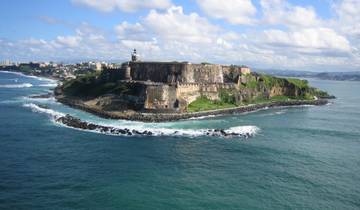
The dramatic setting enhances appeal beyond educational value. El Morro’s position on a high promontory creates stunning ocean vistas that impress adults while giving kids the sense of adventure from high fortress walls. The massive grassy field fronting El Morro serves as a natural playground where families fly kites, play soccer, and picnic while fortresses provide dramatic backdrop. This combination of structured educational programming and unstructured play time addresses different learning styles and attention spans.
Extended multi-day tours – 5+ days
Featured Puerto Rico Multi-Day Tour Packages

7 days
Puerto Rico Family Holiday 7Nights/6Nights
- ✓ Booking needs min. 2 travelers
6 days
PUERTO RICO – Natural Wonders & Adventure
- ✓ Comprehensive Puerto Rico tour
- ✓ Expert local guides included
- ✓ All accommodation arranged
- ✓ Transportation provided

6 days
Tailor-Made 6 Days Best Private Puerto Rico Tour, Daily Depart & Fully Guided
- ✓ Comprehensive Puerto Rico tour
- ✓ Expert local guides included
- ✓ All accommodation arranged
- ✓ Transportation provided
4 days
Puerto Rico Experience 4Days/3Nights
- ✓ Booking needs min. 2 travelers
Multi-day tour packages powered by TourRadar. Prices and availability subject to change.
Essential Planning Information for 2026
Best Time to Visit San Juan with Kids in 2026
San Juan’s Caribbean location creates remarkably consistent weather patterns year-round, liberating families from the seasonal travel windows that constrain destinations with extreme winter cold or summer heat. Temperatures hover between 80-85°F throughout 2026, with minimal variation between January and July. This consistency allows families to plan San Juan vacations around school schedules, work commitments, and personal preferences rather than weather optimization.
December through April represents traditional high season in 2026, when North American families escape winter weather and Caribbean cruise ships increase Old San Juan foot traffic. These months deliver perfect beach weather with minimal rainfall, but create larger crowds at fortresses and higher hotel rates. Families comfortable with busier tourist environments benefit from optimal weather conditions and full availability of tours, restaurants, and activities. Hotel rates peak during winter holidays and spring break weeks.
May through November brings slightly higher temperatures, increased humidity, and afternoon rain showers characteristic of Caribbean wet season. These conditions prove entirely manageable for families: morning fortress exploration occurs before heat peaks, afternoon rain provides natural breaks for indoor museum visits or hotel rest time, and reduced tourist crowds create more intimate fortress experiences. Hotel rates drop 30-40% compared to winter months, significantly impacting family vacation budgets.
Hurricane season extends June through November, with September and October representing peak risk months. However, San Juan’s fortress architecture—specifically designed to withstand Atlantic storms—meant historical sites rarely close even during severe weather warnings. Families monitoring weather forecasts can adjust outdoor activities on threatened days while maintaining overall vacation plans. Travel insurance covering weather-related cancellations provides additional security for families booking during hurricane season.
Spring break (March) and summer vacation weeks (July-August) create the busiest family travel periods regardless of weather patterns. Families seeking quieter experiences target September through early December—after summer crowds dissipate but before winter holiday rush—or January-February outside major holiday weekends. The fortress 7-day pass at $10 per adult makes extended stays economically practical, allowing families to spread fortress visits across multiple days and avoid peak afternoon crowds.
Fortress Admission and Family Costs 2026
The San Juan National Historic Site operates under National Park Service management, maintaining admission pricing at $10 for adults with children under 15 entering free in 2026 (check nps.gov/saju for current official rates as pricing may vary). This single admission provides 7-day access to both El Morro and Castillo San Cristóbal, creating exceptional value for multi-day family visits. A family of four with two adults and two children (under 15) pays just $20 total for week-long access to Puerto Rico’s premiere UNESCO heritage sites.
This pricing structure compares remarkably favorably to other UNESCO heritage destinations: European fortress complexes charge €15-25 per person including children, while Caribbean colonial sites often implement $25-40 family admission fees. The 7-day access window proves particularly valuable for families with young children who benefit from shorter, multiple visits rather than exhaustive single-day exploration. Families stay in Old San Juan accommodations, making morning or afternoon fortress visits without daily admission charges.
Additional fortress-related costs remain minimal and optional. Ranger-led tours cost nothing beyond admission, audio guide rentals run $5-7 per device, and Junior Ranger program materials are free. The National Park Service bookstore sells historical books, reproductions, and educational materials ($10-30 range) for families wanting tangible souvenirs, but no mandatory purchases exist beyond basic admission.
Strategic budget planning extends beyond admission costs to comprehensive family vacation expenses. Dining at nearby Old San Juan restaurants costs $15-25 per person for lunch, $20-40 for dinner, with kid-friendly options (pizza, hamburgers, chicken fingers) widely available at $10-15 per child meal. Local transportation within Old San Juan remains unnecessary—the entire district spans half a square mile—but taxis from Luis Muñoz Marín Airport to Old San Juan cost $25-35, Uber $20-28.
Kid-Friendly Facilities and Amenities 2026
The National Park Service maintains family-oriented facilities throughout San Juan National Historic Site in 2026, recognizing that successful family visits depend on practical amenities as much as historical interpretation. Clean restrooms with changing tables exist at both fortress visitor centers, with additional facilities strategically located at mid-fortress points for families with young children. Water fountains throughout both sites allow bottle refills, critical for Caribbean heat management.
El Morro and Castillo San Cristóbal provide shaded areas, covered corridors, and indoor spaces where families escape direct sun during midday heat. The fortress architecture—with thick stone walls and underground passages—creates naturally cool spaces even during summer months. These shaded zones serve double duty as rest areas where parents manage exhausted children, nursing mothers find privacy, and families regroup between exploration phases.
Stroller accessibility varies by fortress area and family tolerance for challenges. The main paths at El Morro accommodate strollers on paved walkways leading to primary viewpoints and grassy kite-flying fields. However, exploring the full fortress—including tunnels, battery levels, and wall ramparts—requires stairs and uneven stone surfaces necessitating baby carriers or hip carriers for infants and toddlers. Castillo San Cristóbal’s multi-level layout proves even more challenging for strollers, with most families opting for carriers when visiting with pre-walking children.
Food and beverage options within fortress grounds remain limited by National Park regulations, with no restaurants or cafeterias inside historic structures. However, the compact Old San Juan layout places numerous family-friendly restaurants, cafes, and convenience stores within 5-10 minute walks of fortress exits. Many families pack snacks and water bottles, picnicking on El Morro’s expansive lawn where National Park Service allows outside food in designated areas. This flexibility enables budget-conscious families to manage meal costs while accommodating children’s unpredictable hunger schedules.
Age-Appropriate Activities for 2026 Family Visits
Activities for Toddlers and Preschoolers (Ages 2-5)
Families with young children structure San Juan visits around physical activity and sensory exploration rather than historical comprehension. El Morro’s massive lawn area serves as the primary attraction for this age group, offering open space for running, kite flying, and ball games with dramatic fortress backdrop. Local vendors near the fortress entrance sell colorful kites for $5-12, creating an affordable activity that toddlers enjoy while parents appreciate ocean views and colonial architecture.
The fortress tunnels and corridors fascinate toddlers as adventure spaces to explore. Young children run through connected rooms, echo sounds off stone walls, and peer through gun ports at ocean views below. Parents frame this exploration as “discovering secret passages” or “looking for hidden treasure,” transforming architectural features into imaginative play opportunities. The fortress’s multiple levels and stairways provide physical challenges that burn energy while creating sense of adventure.
Castillo San Cristóbal’s moats and drawbridges particularly captivate preschoolers, who understand these defensive features from storybooks and animated films. The dry moats become “secret valleys,” drawbridge mechanisms demonstrate moving castle parts, and thick fortress walls provide dramatic scale that impresses even very young visitors. Parents explain these features in simple terms—”walls kept the castle safe” or “soldiers watched for ships from tall towers”—creating age-appropriate context without overwhelming limited attention spans.
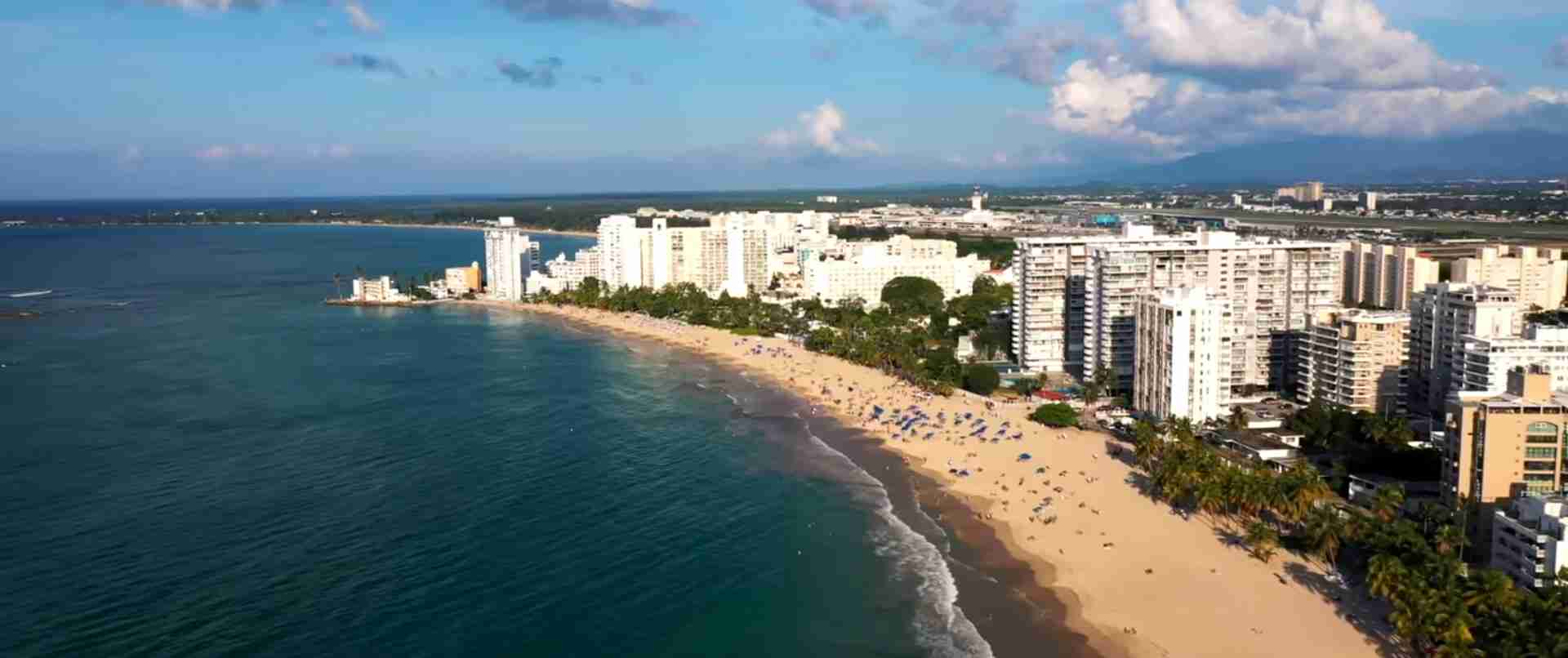
Beach time balances structured fortress visits, with nearby beaches providing afternoon rewards after morning educational activities. The small beach at Escambrón (15-minute walk from Old San Juan) offers calm waters, bathroom facilities, and local food vendors selling snacks and drinks. Toddlers play in shallow water and sand while parents relax in Caribbean setting. This rhythm—morning fortress exploration followed by afternoon beach play—prevents exhaustion and maintains positive associations with historical sites.
Activities for Elementary Age Children (Ages 6-11)
Elementary-age children engage meaningfully with San Juan’s historical significance while appreciating the adventure aspects that captivate younger siblings. The National Park Service Junior Ranger program specifically targets this age group, providing activity booklets that guide kids through fortress exploration while teaching colonial history, military strategy, and architectural concepts. Children complete age-appropriate activities—identifying architectural features, learning Spanish colonial terms, understanding fortress defense systems—earning official Junior Ranger badges upon completion.
Cannon demonstrations and weapons displays hold particular fascination for this age group. Rangers explain how Spanish soldiers loaded and fired fortress cannons, demonstrating the physical labor and coordination required. Children examine reproduction weapons, learn about gunpowder storage in fortress magazines, and understand the sounds and smells of 16th-century warfare. These hands-on educational programs transform abstract historical concepts into tangible experiences that elementary students remember long after vacation ends.
The military strategy aspects of fortress design appeal to logical thinking developing at this age. Children walk the ramparts understanding how walls created defensive advantages, explore sentry boxes where soldiers stood watch, and learn why fortress builders positioned structures on specific high points. Rangers use maps and diagrams to explain how San Juan’s fortresses protected Spanish treasure fleets, connecting local history to larger patterns of colonial trade and military conflict.
Scavenger hunts—either self-guided using National Park Service materials or structured through ranger programs—challenge elementary students to find specific architectural features, historical markers, or strategic positions throughout fortresses. These activities maintain engagement during extended fortress visits, giving children clear objectives beyond passive walking and looking. Parents use smartphone cameras to document discoveries, creating photo records of completed challenges.
The combination of educational programming and physical exploration proves ideal for this age group. Children climb to fortress peaks, descend into underground passages, traverse connecting walls between batteries, and explore the full three-dimensional complexity of military architecture. This physical engagement reinforces learning while accommodating the active nature of elementary-age kids who struggle with museum-style observation without movement.
Activities for Teenagers (Ages 12-17)
Teenage visitors appreciate San Juan’s historical complexity and architectural sophistication while still enjoying the adventure of fortress exploration. This age group engages with the strategic military thinking behind fortress design, understanding why Spanish engineers positioned defenses at specific locations, how fortress builders adapted medieval European military architecture to Caribbean geography, and why these structures successfully defended against English, Dutch, and privateer attacks for centuries.
Photography opportunities throughout the fortresses appeal to teenagers’ social media interests. The dramatic ocean views from El Morro’s highest points, colorful colonial architecture in Old San Juan’s streets, ancient cannons silhouetted against Caribbean sunset, and geometric patterns of fortress walls create Instagram-worthy content that teenagers value. Parents encourage this documentation, recognizing that digital engagement increases overall trip satisfaction for this age group.
The walking tour between El Morro and Castillo San Cristóbal along Old San Juan’s fortification walls provides appropriate physical challenge for teenagers while offering continuous historical context. This 45-minute walk traces the complete defensive perimeter that protected colonial San Juan, with interpretive signs explaining military strategy, architectural features, and historical events. Teenagers appreciate being treated as capable of understanding complex historical concepts rather than simplified children’s interpretations.
Evening activities in Old San Juan—street performers, local musicians, vibrant restaurant scene—engage teenagers in Caribbean cultural immersion. The colonial district’s European-style plaza culture, where families gather in public squares for socializing and entertainment, provides appropriate independence for teenagers traveling with families. Parents establish clear boundaries and meeting times while allowing age-appropriate exploration of this safe, compact district.
The historical connections between San Juan’s fortresses and larger patterns of colonial conflict, trade, and cultural exchange appeal to teenagers studying world history in school curricula. These UNESCO heritage sites become tangible illustrations of textbook concepts: mercantilism, colonial competition, military technology evolution, and cultural syncretism between Spanish, African, and indigenous Caribbean influences. Teachers often see improved historical understanding after students visit sites where abstract concepts become concrete experiences.
Sample Family Itineraries for 2026
Three-Day San Juan Family Adventure
Day 1: El Morro and Old San Juan Exploration
Begin your San Juan family adventure at Castillo San Felipe del Morro, arriving at 9 AM when fortress opens and temperatures remain moderate. Purchase 7-day passes at visitor center ($10 per adult, kids under 15 free), grab Junior Ranger booklets for elementary-age children, and start with ranger-led orientation tour if available. Spend 2-3 hours exploring fortress levels, walking ramparts, and letting kids imagine defending against pirate attacks from centuries-old sentry boxes.
Exit the fortress around noon, spreading a picnic lunch on El Morro’s expansive lawn area. Local families fly colorful kites here year-round, with vendors selling inexpensive kites ($5-12) if you didn’t pack one. After lunch, walk through Old San Juan’s colorful streets back toward your hotel, stopping at San Juan Cathedral (free admission) and Fortaleza Street for photo opportunities among rainbow-painted colonial buildings.
Late afternoon, head to Escambrón Beach (15-minute walk) for swimming and beach play. The protected cove offers calm waters suitable for younger children, with local food stands selling fresh fruit, coconut water, and snacks. Return to Old San Juan for dinner at family-friendly restaurant like Café Puerto Rico or Barrachina, where kids enjoy familiar foods while adventurous eaters sample local specialties like mofongo or tostones.
Budget Breakdown Day 1: El Morro admission $20 (two adults), picnic lunch from local market $25-35, kite purchase $10, beach snacks $15-20, dinner $80-100, incidentals $15-25. Total day cost: $165-210 per family of four (excluding accommodation).
Day 2: Castillo San Cristóbal and Cultural Immersion
Start Day 2 at Castillo San Cristóbal, San Juan’s larger fortress complex covering 27 acres across multiple defensive levels. Arrive at 9 AM (your 7-day pass covers admission), participating in ranger programs if scheduled. The fortress’s massive scale and complex tunnel systems fascinate kids, with underground passages connecting different defensive positions. Spend 2-3 hours exploring the five independent fortification units designed to slow invaders.
Exit around noon for lunch at nearby restaurants in Old San Juan’s Plaza de Armas area, where numerous options accommodate picky eaters alongside adventurous family members. After lunch, visit the Museum of the Americas (suggested donation $3 per adult, children free) for cultural context about Caribbean history, indigenous peoples, and Spanish colonial influence. The museum’s artifacts and interpretive displays take 60-90 minutes to explore, providing air-conditioned respite from midday heat.
Mid-afternoon, take the short walk (10 minutes) to Paseo de la Princesa, a waterfront promenade where local artisans sell crafts, street performers entertain tourists, and the famous Raíces Fountain commemorates Puerto Rico’s indigenous, Spanish, and African heritage. Kids enjoy the open space, ocean views, and outdoor atmosphere while parents shop for souvenirs and take family photos.
Evening brings exploration of Old San Juan’s vibrant restaurant scene. Consider early dinner (5-6 PM) to access family-friendly atmospheres before establishments transition to adult evening crowds. Restaurants like Marmalade or Verde Mesa offer creative Puerto Rican cuisine with options for various tastes and budgets.
Budget Breakdown Day 2: Lunch $70-90, museum donation $6, snacks and drinks $15-20, artisan crafts $20-40, dinner $90-120, incidentals $20-30. Total day cost: $221-306 per family of four (excluding accommodation $120-200 per night).
Day 3: Beach Day and Flexible Exploration
Structure Day 3 around beach time and flexible fortress revisits using your 7-day pass. Begin with continental breakfast at your hotel or nearby café, then head to Condado Beach (short taxi ride from Old San Juan, $8-12) for extended beach time. This public beach offers better facilities than Escambrón, with bathroom access, umbrella rentals ($15-20), and numerous food vendors.
Spend morning and early afternoon at beach, allowing kids to burn energy in sand and surf while parents relax in Caribbean setting. Pack picnic lunch or purchase food from beach vendors selling fresh fruit, empanadas, sandwiches, and cold drinks. The investment in umbrella rental pays dividends through extended beach comfort, particularly with young children needing shade breaks.
Late afternoon (4-5 PM), return to Old San Juan for final fortress visit or neighborhood exploration. Many families return to El Morro for sunset photography and evening kite flying, when cooler temperatures and golden light create memorable final experiences. Alternatively, explore Old San Juan streets you missed earlier, visit the Capilla del Cristo (small historic chapel), or relax at outdoor cafés watching plaza activity.
Final evening dinner allows celebration of successful family vacation, perhaps splurging on upscale dining experience or returning to favorite restaurant discovered earlier in trip. Old San Juan’s compact geography means you’re never far from multiple dining options suiting various moods and budgets.
Budget Breakdown Day 3: Beach taxi $20 round trip, umbrella rental $20, beach lunch and snacks $60-80, ice cream treats $15-20, final dinner $90-130, souvenirs $30-50. Total day cost: $235-320 per family of four (excluding accommodation).
Three-Day Total: Approximately $621-836 for family of four (excluding accommodation), averaging $207-279 per day. This represents moderate spending with restaurant meals, organized activities, and flexibility for treats and souvenirs. Budget-conscious families reduce costs through vacation rental kitchens, street food, and free beach time, while luxury-oriented families increase spending through upscale dining, private tours, and premium accommodations.
Family-Friendly Dining Options 2026
Kid-Friendly Restaurants in Old San Juan
Café Puerto Rico, operating since 1907, serves as reliable family dining headquarters combining authentic Puerto Rican cuisine with familiar American options that satisfy picky eaters. The restaurant’s extensive menu includes traditional mofongo, arroz con gandules, and local seafood alongside hamburgers, chicken fingers, and pasta dishes recognizable to hesitant young diners. Lunch costs $15-25 per person, dinner $20-35, with children’s portions available at reduced prices. The casual atmosphere tolerates active children, and the central Old San Juan location (208 O’Donnell Street) makes it easy walking from fortress sites.
Barrachina, famous as the claimed birthplace of the piña colada, offers family-friendly environment with open courtyard seating and tropical atmosphere. The menu balances Puerto Rican specialties with international options, and the restaurant serves virgin piña coladas for children alongside adult versions for parents. Lunch averages $18-28 per person, dinner $25-40. The location on Fortaleza Street places it directly on routes between fortresses and hotels, convenient for families managing tired children.
Chocobar Cortés specializes in chocolate-themed Puerto Rican cuisine, creating instant appeal for children drawn to chocolate-infused dishes and desserts. The menu features creative items like chocolate-spiced chicken, cacao-rubbed pork, and elaborate desserts that excite young diners while sophisticated flavors satisfy adult palates. Lunch costs $20-30 per person, with shareable desserts ($8-15) becoming family highlights. The restaurant occupies a restored colonial building at 210 San Francisco Street, offering both indoor air conditioning and outdoor courtyard seating.
Pizza and casual dining options proliferate throughout Old San Juan, with Il Nuovo Bongustissimo serving authentic Italian pizza ($15-25 for large pies feeding families) in relaxed environment. The restaurant’s wood-fired pizzas, simple pasta dishes, and affordable pricing make it popular with families seeking familiar foods after days of cultural cuisine exploration.
Budget-Friendly Family Meal Strategies
Vacation rentals with kitchen facilities dramatically reduce food costs for multi-day San Juan visits. Local supermarkets—including Pueblo and Selectos in nearby Condado area—stock familiar American brands alongside local products. Families prepare simple breakfasts (cereal, fruit, yogurt), pack sandwiches for fortress picnics, and cook easy dinners (pasta, grilled chicken, local fresh fish), reserving restaurant meals for special evenings. This strategy cuts daily food costs from $100-150 for restaurant meals to $40-60 for groceries.
Street food vendors throughout Old San Juan offer authentic local flavors at fraction of restaurant prices. Empanadillas (fried turnovers with various fillings) cost $2-4 each, alcapurrias (fritters made from plantains or yuca) run $3-5, and fresh fruit cups sell for $3-6. These items make excellent snacks or light meals, introducing children to Puerto Rican cuisine without committing to full restaurant experiences that might not suit younger palates.
The central market in Old San Juan provides fresh produce, local cheeses, and prepared foods at prices significantly below tourist restaurant rates. Families purchase fresh mangoes, pineapples, and papayas ($2-5 per fruit), local bread from panaderías ($3-6 per loaf), and Puerto Rican snacks to enjoy during fortress picnics. This market shopping becomes cultural experience itself, exposing children to local commerce and food traditions.
Strategic timing of restaurant meals maximizes value and minimizes stress. Many Old San Juan restaurants offer early-bird specials (5-6 PM) with reduced prices and quieter atmospheres suitable for families with young children. Lunch portions at upscale restaurants cost 30-40% less than dinner menu prices for identical dishes, allowing families to experience higher-end dining affordably. These timing strategies balance budget consciousness with occasional splurges on memorable meals.
Family Accommodation Options for 2026
Hotels in Old San Juan
Hotel El Convento, a converted 17th-century Carmelite convent, offers family-friendly luxury in the heart of Old San Juan. The property provides connecting rooms for families, rooftop pool for afternoon cooling down after fortress visits, and central location within walking distance of all major sites. Standard rooms accommodate up to four guests, with rates ranging $250-400 per night depending on season and room configuration. The hotel’s courtyard restaurant serves breakfast, eliminating early-morning logistics with young children.
Sheraton Old San Juan Hotel provides familiar American chain reliability combined with prime waterfront location. Family rooms and suites accommodate various group sizes, the rooftop pool and fitness center appeal to active families, and the property sits directly across from cruise ship piers where public buses, taxis, and walking routes begin. Rates run $180-320 per night, with frequent promotional packages reducing costs for multi-night stays. The hotel’s casino area separates cleanly from family zones, allowing parents evening entertainment options without compromising child-friendly atmosphere.
Gallery Inn, a boutique property overlooking Old San Juan bay, creates unique atmosphere in restored colonial mansion. The property’s resident parrots, peacocks, and artistic decor fascinate children, while small size (23 rooms) provides intimate service. Room configurations vary widely, with some family suites featuring kitchenettes and separate sleeping areas. Rates range $200-350 per night, positioning it as mid-to-upper tier option for families prioritizing character over conventional hotel amenities.
Vacation Rentals and Alternative Accommodations
Vacation rental apartments throughout Old San Juan provide cost-effective alternatives to hotels, particularly for extended family groups or multi-day stays. Two-bedroom units with full kitchens, living areas, and laundry facilities rent for $120-220 per night, often housing families of four or five comfortably while providing space for meal preparation, evening downtime, and spreading out after busy sightseeing days. Platforms like VRBO and Airbnb list hundreds of Old San Juan properties, with guest reviews helping families identify truly kid-friendly options.
Kitchen facilities in vacation rentals transform budget calculations for family travel. Breakfast preparation (cereal, eggs, fruit, coffee) costs $10-15 compared to $60-80 for restaurant family breakfast. Packed fortress picnic lunches cost $15-25 versus $70-90 for restaurant dining. The flexibility to accommodate children’s unpredictable schedules—early wake-ups, necessary nap times, evening fatigue—proves more valuable than hotel amenities for many families.
Condado area hotels (1-2 miles from Old San Juan) offer beachfront properties with larger facilities at lower prices than comparable Old San Juan hotels. Properties like La Concha Renaissance and Condado Vanderbilt provide extensive pool complexes, direct beach access, multiple restaurants, and family programming. The tradeoff involves daily transportation to Old San Juan historical sites ($8-12 taxi each way, or $2 bus per person), adding $15-25 daily to vacation costs but potentially saving $30-80 on accommodation rates. Families weighing these options consider their fortress visiting patterns, beach priorities, and children’s ages when deciding between historical district immersion and beachfront resort amenities.
Practical Family Travel Tips for 2026
Caribbean Climate Management
San Juan’s tropical climate maintains 80-85°F temperatures year-round, with high humidity levels requiring strategic heat management for family comfort. Start fortress visits early (8-9 AM arrivals) when temperatures remain cooler and children’s energy levels peak. The National Park Service opens El Morro and Castillo San Cristóbal at 9 AM daily, with first visitors enjoying nearly empty fortresses and optimal lighting for photography.
Hydration proves critical for children playing in Caribbean heat. Pack reusable water bottles for each family member, refilling at fortress water fountains throughout visits. Children need frequent hydration reminders, as they often don’t recognize thirst signals while engrossed in play and exploration. Signs of dehydration—unusual fatigue, headache, decreased urination—require immediate attention through water intake, shade rest, and potential medical consultation if symptoms persist.
Sun protection requires vigilant application and reapplication. Caribbean sun intensity demands SPF 50+ sunscreen on all exposed skin, with reapplication every 90-120 minutes regardless of “all-day” product claims. Wide-brimmed hats protect faces and necks, while lightweight long-sleeve UV protection shirts (available at most sporting goods stores) provide superior sun defense compared to repeated sunscreen application. The fortress stones reflect intense sunlight, increasing exposure beyond direct overhead sun.
Schedule afternoon breaks during peak heat hours (1-4 PM). Return to air-conditioned accommodations for rest time, visit indoor museums like Museum of the Americas, or head to beach areas where ocean breezes moderate temperatures. This midday break pattern aligns with traditional Caribbean rhythms while preventing heat exhaustion in children unaccustomed to tropical climates. Evening fortress visits (5-7 PM) offer comfortable temperatures, beautiful lighting, and often fewer crowds than midday peak times.
Transportation Logistics with Kids
Luis Muñoz Marín International Airport sits 10 miles east of Old San Juan, requiring ground transportation for arriving families. Official airport taxis charge fixed rates ($25-35 to Old San Juan), providing licensed, insured service without haggling. Uber and Lyft operate throughout San Juan, typically costing $20-28 for airport transfers with advantage of upfront pricing and electronic payment. Pre-arrange pickup at designated rideshare zones to avoid confusion with tired children and luggage.
Rental cars prove unnecessary for families staying in Old San Juan, where walking provides primary transportation between fortresses, beaches, restaurants, and accommodations. The compact 0.47-square-mile historic district makes driving impractical, with narrow colonial-era streets, limited parking ($15-25 daily in garages), and pedestrian zones throughout tourist areas. Families save $300-500 per week on rental cars, insurance, parking, and fuel by relying on walking and occasional taxis.
Stroller navigation through Old San Juan requires realistic expectations. The historic district features cobblestone streets, uneven sidewalks, and periodic steep hills challenging even high-quality all-terrain strollers. Families with infants and toddlers find baby carriers or hip carriers more practical for comprehensive neighborhood exploration, reserving strollers for flat areas like El Morro lawn and waterfront promenade. Many hotels store strollers during fortress visits, allowing families to pick up carriers for active exploration then retrieve strollers for evening neighborhood walks.
Cultural Sensitivity and Language
Puerto Rico’s bilingual culture creates welcoming environment for English-speaking families while providing opportunity for cultural learning. Spanish remains the primary language among locals, but English proficiency is widespread in tourist areas, hotels, and restaurants serving international visitors. However, basic Spanish phrases—”gracias” (thank you), “por favor” (please), “buenos días” (good morning)—demonstrate respect for local culture and provide simple learning opportunities for children.
Teaching children about Puerto Rico’s complex political status as US territory enriches their cultural understanding. Explain that Puerto Ricans are US citizens who cannot vote in presidential elections, experience different economic conditions than mainland states, and maintain distinct cultural identity combining Spanish, African, and indigenous influences. These conversations introduce children to nuanced concepts of citizenship, colonialism, and cultural pride appropriate for elementary and teenage comprehension levels.
The relaxed “island time” pace sometimes conflicts with families accustomed to precise scheduling. Restaurants may serve meals more slowly, shops keep flexible hours, and casual attitudes toward punctuality require patience. Frame this as cultural learning opportunity rather than frustration source, teaching children that different cultures organize time differently. This flexibility often reduces vacation stress as families adapt to Caribbean rhythms rather than imposing mainland expectations.
Family Safety and Health Considerations 2026
Medical Services and Emergency Planning
Modern medical facilities throughout San Juan provide high-quality care equivalent to mainland US standards. Centro Medico de Puerto Rico in Río Piedras (3 miles from Old San Juan) operates as comprehensive medical center with pediatric emergency services, while smaller clinics throughout tourist districts handle routine medical needs. Many doctors received US medical training and maintain English fluency, eliminating language barriers for families seeking medical care.
Standard travel health insurance covers Puerto Rico visits for US residents, as Puerto Rico functions as US territory despite Caribbean location. Verify coverage specifics before departure, ensuring policies cover emergency room visits, urgent care consultations, and prescription medications. Keep insurance cards and policy information easily accessible throughout vacation, with digital copies backed up in email or cloud storage. Many families photograph insurance cards with smartphones, ensuring information availability if physical cards are lost.
Common travel health issues include sunburn, heat exhaustion, minor scrapes from fortress exploration, and occasional gastrointestinal upset from new foods or increased fruit consumption. Pack basic first aid supplies: adhesive bandages, antibiotic ointment, children’s pain reliever (acetaminophen or ibuprofen), anti-diarrheal medication, and any prescription medications family members require. Puerto Rico pharmacies stock familiar US brands, but having immediate supplies prevents emergency medication hunts with sick children.
Ocean safety requires vigilance at beach areas. Even calm-appearing Caribbean waters contain currents, undertows, and occasional jellyfish. Supervise children constantly in water, enforce buddy systems for older kids, and respect local warning flags and beach closures. The protected beach at Escambrón offers safer conditions than open ocean beaches, making it preferable for families with young children. Life guards staff major public beaches during daylight hours, but their presence doesn’t eliminate need for parental supervision.
Security Considerations for Families
Old San Juan’s tourist-focused security presence creates safe environment for family travel, with police patrols, National Park Service rangers at fortresses, and business district security creating visible protection. Standard urban precautions apply: secure valuables in hotel safes, maintain awareness of surroundings, avoid displaying expensive jewelry or electronics unnecessarily, and keep children close in crowded areas. These same precautions apply in major US tourist destinations, making San Juan security protocols familiar to experienced family travelers.
Teach children basic safety protocols appropriate to their ages. Elementary-age kids need clear instructions about staying with family groups, identifying uniformed park rangers or police if separated, and not accepting food or invitations from strangers. Teenagers gaining increased independence require specific meeting locations and times, charged cell phones for contact, and clear boundaries about acceptable exploration areas. Many families use “buddy system” rules, ensuring no child explores alone regardless of age.
Pickpockets and opportunistic theft represent primary security concerns in any tourist destination. Use cross-body bags rather than backpacks in crowded areas, split cash and credit cards among multiple family members, and avoid placing phones or wallets in easily accessible pockets. These precautions become teaching moments for children learning responsible travel behaviors applicable to future independent travel.
Maximizing Educational Value for 2026 Visits
Pre-Trip Learning and Preparation
Families maximize educational benefits through pre-trip preparation introducing historical context, cultural background, and site significance. Children’s books about Puerto Rico, Spanish colonialism, and Caribbean history create foundational understanding making fortress visits more meaningful. Titles like “Island Born” by Junot Díaz or “Drum Dream Girl” by Margarita Engle introduce Caribbean culture through age-appropriate narratives. The National Park Service website offers downloadable educational materials, virtual tours, and historical background suitable for various age groups.
Map study before departure helps children understand San Juan’s strategic Caribbean location, explaining why Spanish Empire invested heavily in fortress construction protecting treasure fleets sailing from South American colonies to Spain. Discuss concepts like trade routes, colonial competition between European powers, and military architecture evolution from medieval castles to gunpowder-age fortifications. These conversations provide context transforming fortress visits from abstract old buildings to tangible connections with world history patterns.
Language learning opportunities begin before departure. Elementary-age children easily learn basic Spanish phrases, numbers, and greetings through apps like Duolingo Kids or educational YouTube videos. Teenagers practice conversation skills through language apps, gaining confidence for interactions with local vendors, restaurant staff, and cultural guides. This preparation creates smoother travel experiences while providing practical foreign language practice unavailable in classroom settings.
On-Site Learning Enhancement
The National Park Service Junior Ranger program provides structured educational framework for elementary-age children. The activity booklets guide kids through fortress exploration with age-appropriate questions, observational challenges, and historical information. Children completing programs earn official Junior Ranger badges, creating tangible recognition of learning achievements. The program’s combination of physical exploration and educational content addresses multiple learning styles while maintaining engagement throughout extended fortress visits.
Ranger-led programs scheduled throughout days provide expert interpretation families cannot replicate through independent exploration. Rangers demonstrate colonial weapons, explain military strategy behind fortress design, and share stories about famous battles and sieges. These programs typically run 30-45 minutes, appropriate for children’s attention spans while providing depth beyond simple fortress walking. Check daily schedule boards at visitor centers or National Park Service website for current program times.
Photography challenges create engagement opportunities for teenagers and tweens. Assign specific documentation tasks: photograph five different cannon types, capture architectural details showing Spanish colonial design, document fortress features explaining military strategy, or create photo essay telling fortress’s story. These assignments encourage closer observation while producing digital souvenirs meaningful to technology-oriented youth. Family photo sharing sessions each evening allow kids to present their daily discoveries.
Post-Trip Educational Follow-Up
Extended learning continues after returning home through various follow-up activities. Children create school presentations about Puerto Rico’s UNESCO heritage sites, write travel journals documenting their experiences, or develop research projects exploring topics sparked by fortress visits. Teachers often welcome these student-initiated projects, recognizing that first-hand historical site visits create deeper understanding than textbook learning alone.
Family photo albums and digital collections preserve memories while reinforcing learning. Children caption photographs with historical facts learned during visits, creating personalized educational resources referencing throughout school years. Consider printing favorite photos for display in children’s rooms, maintaining ongoing connection with travel experiences and cultural learning gained during vacation.
Connect San Juan experiences to ongoing current events and historical studies. When world history classes discuss colonial empires, Caribbean slavery, or Caribbean independence movements, children contribute informed perspectives based on direct experience with colonial heritage sites. This connection between classroom learning and lived experience creates lasting educational impact beyond immediate vacation benefits.
Special Needs and Accessibility Considerations 2026
Physical Accessibility for Families
The National Park Service maintains accessibility standards at San Juan National Historic Site, though the 16th-century fortress architecture presents inherent challenges. Wheelchair-accessible routes exist at both El Morro and Castillo San Cristóbal, allowing visitors with mobility limitations to access primary viewpoints, visitor centers, and significant fortress areas. However, exploring complete fortress complexes—including underground passages, upper battery levels, and wall ramparts—requires navigating stairs and uneven stone surfaces incompatible with wheelchairs or strollers.
Families with mobility-challenged members contact National Park Service in advance (787-729-6777) to discuss specific needs and available accommodations. Rangers provide detailed accessibility information, suggest optimal routes maximizing fortress experience within mobility constraints, and offer assistance coordinating visits. The fortress’s massive scale and multiple levels mean that even visitors unable to access all areas experience substantial historical sites and dramatic views.
Sensory-sensitive children may find fortress environments challenging during peak visitation times when crowds, echoing stone corridors, and bright Caribbean sunlight create overwhelming sensory input. Families managing autism spectrum conditions or sensory processing issues plan visits during quieter times (early morning, late afternoon), bring noise-canceling headphones for overstimulated children, and structure shorter visits with frequent breaks. The open spaces at El Morro lawn provide escape areas when fortress exploration becomes overwhelming.
Dietary Restrictions and Food Allergies
Managing food allergies and dietary restrictions in Puerto Rico requires advance planning and clear communication. Many restaurants accommodate common allergies (peanuts, shellfish, gluten) when informed clearly, though cross-contamination risks exist in any commercial kitchen. Families with severe allergies carry epinephrine auto-injectors, wear medical alert bracelets, and inform restaurant staff explicitly about allergy severity. Spanish translations of allergy terms—”soy alérgico a…” (I’m allergic to…)—prevent miscommunication.
Vacation rentals with kitchen facilities provide maximum control over food preparation for families managing multiple allergies or strict dietary requirements. Local supermarkets stock familiar American brands alongside Puerto Rican products, with ingredient labels in English and Spanish. Fresh produce, plain proteins, and basic staples allow families to prepare safe meals while occasionally venturing to restaurants for social dining experiences when suitable options exist.
Religious dietary requirements (kosher, halal, vegetarian) find accommodation in San Juan’s diverse restaurant scene, though dedicated kosher or halal establishments remain limited. Vegetarian and vegan options appear on most restaurant menus, with traditional Puerto Rican cuisine featuring numerous plant-based dishes based on rice, beans, plantains, and tropical fruits. Families with strict religious dietary requirements research specific restaurants in advance or prepare meals through vacation rental kitchens.
Frequently Asked Questions About San Juan Family Travel 2026
Do I need a passport for my kids to visit San Juan?
US citizens—including children—need no passport for Puerto Rico visits, as Puerto Rico functions as US territory. Standard government-issued ID suffices for adults (driver’s license, state ID card), while children typically need no identification for domestic air travel though airlines recommend bringing birth certificates. This documentation simplicity makes San Juan significantly easier than international Caribbean destinations requiring passport processing, renewal tracking, and border crossing logistics.
Can I drink tap water in San Juan with kids?
Puerto Rico’s water supply meets US Environmental Protection Agency standards, making tap water safe for drinking throughout the island. Many families choose bottled water for taste preferences or extra precaution with sensitive stomachs adjusting to travel, but municipal water poses no health risks. Hotels and vacation rentals provide filtered water dispensers, combining safety assurance with environmental consciousness by reducing plastic bottle waste.
What should kids wear to visit the fortresses?
Comfortable walking shoes with good traction prove essential for fortress exploration, as stone surfaces become slippery and uneven paths challenge inadequate footwear. Closed-toe shoes protect feet during climbing and exploring, while lightweight athletic shoes balance comfort with support. Clothing should include sun protection (hats, lightweight long-sleeves) while remaining cool in tropical humidity. Many families pack swimsuits in day bags, allowing immediate beach transitions after fortress visits without hotel returns.
Are the fortress tunnels scary for young children?
Most children find fortress tunnels exciting rather than frightening, experiencing them as adventure spaces to explore. The passages remain well-lit with natural light from gun ports and artificial lighting in darker sections. Parents gauge individual children’s comfort levels, staying close during initial tunnel exploration and allowing kids to proceed at their own pace. Very few children express fear strong enough to avoid tunnel systems, and those who do still enjoy fortress grounds, ramparts, and open-air areas.
Can we bring food into the fortresses?
The National Park Service allows food and non-alcoholic beverages throughout San Juan National Historic Site, with picnicking encouraged on El Morro’s expansive lawn area. Families pack lunches, snacks, and water bottles, enjoying scenic picnics while managing costs and accommodating children’s unpredictable meal schedules. Only restriction prohibits glass containers for safety reasons. This policy creates significant budget savings compared to UNESCO sites prohibiting outside food and requiring on-site purchases.
How long does it take to visit both fortresses?
Comprehensive exploration of El Morro requires 2-3 hours, while Castillo San Cristóbal’s larger size demands 2.5-3.5 hours. Most families spread visits across multiple days using their 7-day passes, avoiding exhaustion from attempting both fortresses in single outings. A relaxed “fortress morning + beach afternoon” pattern works well for families with elementary-age and younger children, while teenagers manage both fortresses in single day if sufficiently motivated.
Is San Juan good for solo parent travel with kids?
San Juan’s compact geography, walkable layout, and family-friendly atmosphere make it excellent for solo parents traveling with children. The UNESCO fortresses provide structured activities occupying kids while solo parents manage logistics, restaurants accommodate single-adult family groups without awkwardness, and safe environment allows appropriate independence for older children. Solo parents appreciate destinations where they needn’t drive rental cars, navigate complex public transportation with luggage and kids, or worry about safety walking between accommodations and attractions.
What if it rains during our fortress visit?
Caribbean rain typically arrives as brief afternoon showers rather than all-day downpours, with fortress architecture providing numerous covered areas for waiting out weather. The thick fortress walls, covered corridors, and interior rooms allow continued exploration during rain. Visitor centers offer indoor activities, interpretive films, and bookstore browsing until showers pass. Smart families pack lightweight rain jackets in day bags but rarely cancel fortress plans due to weather forecasts.
Are there lockers for storing bags at the fortresses?
San Juan National Historic Site provides no locker facilities, requiring families to carry belongings throughout visits. Pack light day bags with only essentials: water bottles, sunscreen, snacks, phones, and perhaps a light jacket for air-conditioned indoor spaces. Leave valuables, excess clothing, and unnecessary items at accommodations. The compact Old San Juan layout allows easy returns to hotels between morning and afternoon activities if needed.
Can teenagers visit Old San Juan independently during family trips?
Old San Juan’s safe, compact layout makes it appropriate for supervised teenage independence during family vacations. Establish clear boundaries (geographic limits, time expectations, check-in requirements), ensure teenagers carry charged cell phones, provide emergency contact information, and set meeting locations for scheduled regrouping. This balanced approach gives teenagers valued independence while maintaining family connection and parental oversight appropriate to ages and maturity levels.
Planning Your Memorable 2026 San Juan Family Experience
San Juan represents an ideal introduction to international travel for families, combining the cultural richness and historical significance of Caribbean UNESCO heritage sites with the practical simplicity of domestic US travel. The fortresses captivate children’s imaginations while teaching substantive history, colorful colonial streets provide endless photo opportunities, and nearby beaches balance education with recreation. The affordability—with fortress admission at $10 per adult and children under 15 free—makes multi-generational family trips financially feasible where European or Asian UNESCO destinations prove prohibitively expensive.
Success in family San Juan travel comes from balancing structured historical exploration with unstructured beach play, maintaining realistic expectations about children’s attention spans and energy levels, and embracing the relaxed Caribbean pace rather than rushing through packed itineraries. The 7-day fortress pass encourages spreading visits across multiple days, allowing families to experience sites thoroughly rather than superficially checking boxes on hurried single-day marathons.
The educational value extends beyond immediate vacation experiences, creating lasting memories and foundational understanding that enriches future learning. Children who walk the ramparts where Spanish soldiers defended treasure fleets develop tangible connections to colonial history studied in school curricula. Teenagers who photograph fortress architecture and understand military strategy gain appreciation for historical preservation and cultural heritage protection. These lessons resonate throughout lifetimes, justifying the investment in family travel experiences.
Start planning your 2026 San Juan family adventure by researching accommodation options, booking flights during optimal seasonal windows for your budget and weather preferences, and preparing children through pre-trip education about Puerto Rican history and culture. The compact geography, walkable layout, affordable pricing, and family-friendly atmosphere create ideal conditions for successful multigenerational travel experiences. San Juan awaits your family with open fortress gates, colorful colonial streets, and Caribbean hospitality welcoming young explorers to discover where history comes alive.