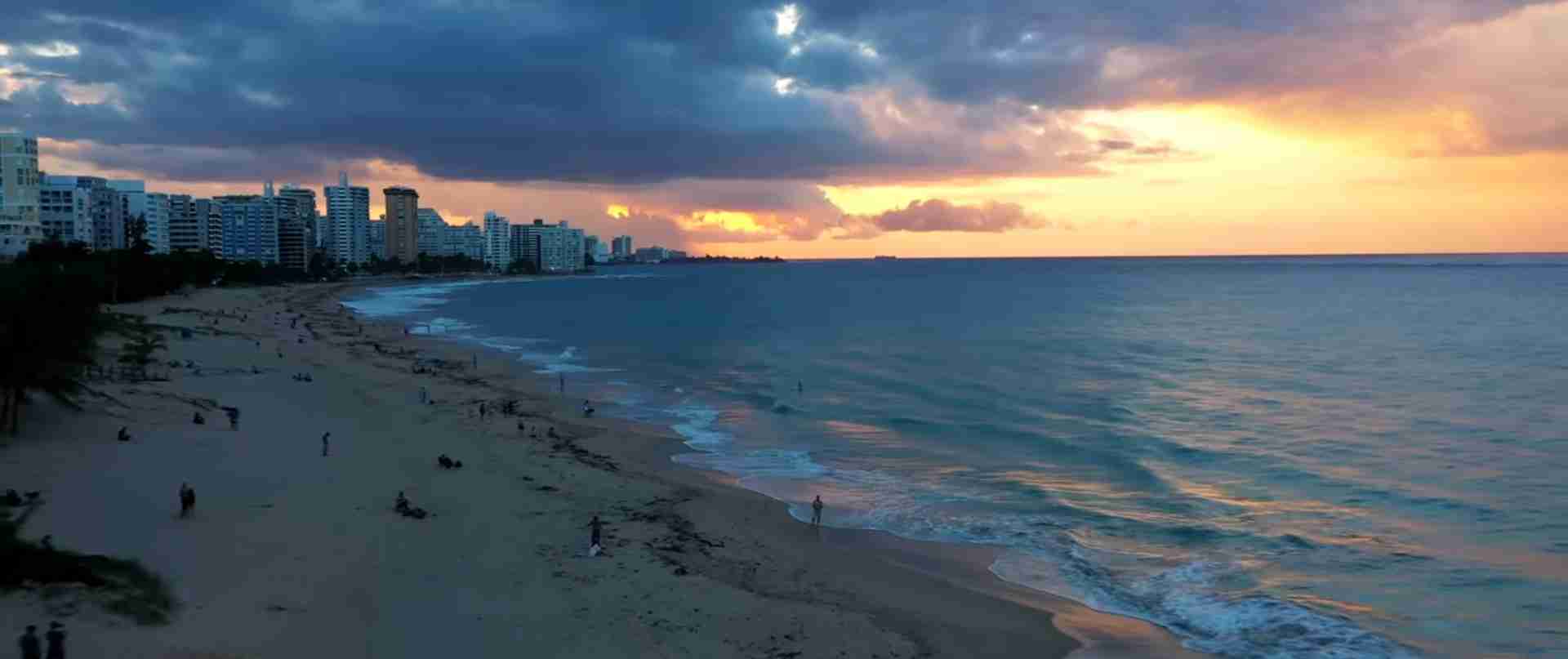
San Juan Photography Guide: Mastering Iconic & Hidden Perspectives
This comprehensive guide explores both iconic perspectives and hidden photographic opportunities throughout San Juan. We examine technical considerations specific to Caribbean photography, provide detailed location analyses with optimal shooting times, discuss equipment requirements for tropical conditions, and share compositional strategies for capturing the city’s architectural, cultural, and natural beauty. Whether seeking classic postcard views or authentic street photography, San Juan rewards photographers who understand its unique visual language and technical demands.
Key Takeaways
- Caribbean Light Mastery: San Juan’s intense tropical sunlight creates dramatic shadows and vibrant colors requiring specific exposure techniques and timing strategies for optimal architectural photography
- Colonial Color Palette: The UNESCO-designated Old San Juan features over 400 restored colonial buildings in signature pastel blues, pinks, yellows, and terracottas demanding careful white balance and color reproduction
- Fortress Photography: El Morro and San Cristóbal fortifications offer sweeping Atlantic views, dramatic stone textures, and golden hour opportunities requiring wide-angle lenses and HDR techniques
- Hidden Perspectives: Beyond iconic tourist shots, San Juan reveals authentic street life, hidden courtyards, local markets, and lesser-known beaches providing unique photographic narratives
- Weather Considerations: Tropical climate with sudden rain showers, high humidity, and harsh midday sun demands weather-sealed equipment, protective measures, and strategic shooting schedules
- Cultural Sensitivity: Photographing local residents, religious sites, and daily life requires respectful engagement, permission protocols, and understanding of Puerto Rican cultural norms
Introduction: San Juan’s Unique Photographic Character
San Juan presents photographers with an extraordinary visual narrative where 500 years of Spanish colonial architecture meets vibrant Caribbean culture against a backdrop of dramatic Atlantic coastlines. As the oldest city under U.S. sovereignty and home to UNESCO World Heritage fortifications, San Juan offers unparalleled opportunities for capturing architectural grandeur, cultural authenticity, and natural beauty within a remarkably compact geographic area.
The city’s photographic appeal centers on Old San Juan (Viejo San Juan), a seven-square-block historic district containing over 400 meticulously restored colonial buildings dating from the 16th to 19th centuries. These structures display the signature Spanish colonial palette—soft pastels in blues, pinks, yellows, and coral tones—creating a photographer’s paradise of color, texture, and geometric patterns. The narrow cobblestone streets, ornate balconies with wrought iron railings, and weathered wooden doors provide endless compositional possibilities.
Beyond the colonial quarter, San Juan reveals multiple photographic layers: the massive stone fortifications of El Morro and San Cristóbal rising dramatically from coastal headlands, the art deco elegance of Santurce’s urban neighborhoods, the contemporary street art explosion in Calle Cerra, and the pristine beaches of Condado and Isla Verde where Caribbean waters meet modern resort architecture. Each district presents distinct lighting challenges, compositional opportunities, and cultural contexts requiring different photographic approaches.
The Caribbean light defines San Juan photography. Located at 18°N latitude, the city experiences intense tropical sunlight with minimal seasonal variation. This creates dramatic shadow contrasts, saturated colors, and challenging exposure situations during midday hours. Understanding how to work with—rather than against—this harsh light becomes essential for successful photography. The golden hours provide spectacular opportunities, with sunrise illuminating the Atlantic-facing fortresses and sunset painting the colonial buildings in warm tones.
People Also Ask About San Juan Photography
What makes San Juan architecturally significant for photography?
San Juan’s architectural significance stems from its exceptionally well-preserved Spanish colonial heritage spanning five centuries. The Old San Juan historic district contains over 400 restored colonial buildings representing the most complete example of Spanish urban planning in the Americas. These structures feature distinctive characteristics that create extraordinary photographic opportunities: thick walls painted in signature Caribbean pastels (blues, pinks, yellows, coral), elaborate wrought iron balconies with geometric patterns, massive wooden doors with original hardware, and cobblestone streets (adoquines) imported as ship ballast from Spain.
The crown jewels for architectural photography are the fortifications. Castillo San Felipe del Morro (El Morro), completed in 1589, represents one of the most formidable Spanish colonial military structures in the Caribbean. Its six-level design rising 145 feet above the Atlantic provides dramatic perspectives of massive stone walls, vaulted ceilings, garita sentry boxes, and sweeping ocean views. The structure’s golden limestone blocks create beautiful texture in late afternoon light. San Cristóbal, the larger fortress completed in 1783, offers similar photographic wealth with its complex tunnel systems, multiple defensive levels, and panoramic city views.
The architectural photography appeal extends beyond fortifications. The Cathedral of San Juan Bautista (1521) combines Gothic, Renaissance, and Neoclassical elements with Caribbean adaptations. La Fortaleza, the oldest executive mansion in continuous use in the Americas (1540), displays elegant colonial administrative architecture. Residential buildings throughout Old San Juan feature characteristic adaptations to tropical climate: high ceilings for heat dissipation, interior courtyards for privacy and ventilation, wooden shutters for hurricane protection, and overhanging balconies for sun shading—all creating rich photographic detail.
When is the best light for photographing Old San Juan?
Old San Juan’s optimal lighting occurs during the golden hours, but the specific timing and locations require strategic planning based on the district’s geography and architectural orientation. Sunrise (approximately 6:30-7:30 AM) provides exceptional opportunities along the Atlantic-facing fortifications and northern streets. El Morro’s eastern walls receive beautiful side-lighting that emphasizes stone texture and architectural detail. The morning light also illuminates the colorful buildings along Calle del Cristo and Calle Fortaleza with warm tones while maintaining manageable contrast ratios.
The blue hour before sunrise (approximately 5:45-6:30 AM) offers unique opportunities for capturing the colonial streets with artificial lighting still active. Street lamps create pools of warm light against the cooling blue sky, architectural details remain visible without harsh shadows, and the absence of tourists allows clean compositions. This timing works exceptionally well for photographing landmark buildings like the Cathedral, Casa Blanca, and La Fortaleza with their exterior lighting still illuminated.
Sunset (approximately 6:00-7:00 PM) transforms Old San Juan’s western facades and the San Juan Bay waterfront. The colonial buildings along Paseo de la Princesa receive gorgeous front-lighting in golden tones. The fortress walls facing west, particularly sections of El Morro and San Cristóbal, glow in warm light that emphasizes their massive scale and weathered surfaces. The extended blue hour after sunset (approximately 7:00-7:45 PM) provides opportunities for twilight shots with city lights beginning to appear while maintaining architectural detail in the sky.
Midday light (11:00 AM-3:00 PM) presents significant challenges due to intense overhead sun creating harsh shadows and extreme contrast. However, this timing works well for specific situations: photographing interior courtyards where indirect light bounces off walls, capturing the vibrant building colors at maximum saturation, shooting abstract architectural details in strong shadow patterns, and documenting the authentic street life during active hours. Overcast days eliminate harsh shadow problems and provide ideal conditions for capturing building colors with even, soft light—though such conditions occur less frequently in San Juan’s predominantly sunny climate.
What camera equipment works best in San Juan’s tropical climate?
San Juan’s tropical environment demands weather-resistant equipment and protective measures due to high humidity (70-80% average), frequent rain showers, salt air exposure near coastal areas, and intense heat. Weather-sealed camera bodies and lenses provide essential protection against moisture intrusion and salt corrosion. Professional-grade DSLRs and mirrorless cameras with environmental sealing handle the conditions better than consumer models. Even with weather sealing, additional protection proves necessary during rain showers and extended outdoor shooting.
Lens selection should address San Juan’s diverse photographic opportunities while considering the harsh light conditions. A wide-angle lens (16-35mm full-frame equivalent) captures the expansive fortress interiors, sweeping Atlantic views, and narrow colonial streets where backing up proves impossible. A standard zoom (24-70mm or 24-105mm) provides versatile focal lengths for architectural details, street photography, and general documentation. A telephoto lens (70-200mm) isolates architectural details from distance, compresses perspective on colorful building facades, and enables discreet street photography.
Protective accessories become essential rather than optional. Lens hoods reduce lens flare from intense sunlight and provide physical protection. UV or clear protective filters shield front lens elements from salt spray and accidental contact with colonial walls during tight interior shooting. A sturdy camera strap distributes weight during extended walking through Old San Juan’s hilly cobblestone streets. Microfiber cloths remove the constant accumulation of humidity and salt residue on lens surfaces.
Storage and maintenance require special attention. Silica gel packets in camera bags absorb moisture during storage in air-conditioned hotel rooms (where condensation forms when moving between cool interiors and hot exteriors). Ziplock bags allow cameras to warm gradually to ambient temperature before removing them from bags, preventing condensation on sensors and internal elements. Daily lens and camera body cleaning removes salt deposits and humidity. Backup equipment provides security against weather-related failures in tropical conditions.
How do I photograph San Juan’s colorful buildings effectively?
Capturing San Juan’s signature pastel architecture requires understanding color theory, white balance management, and compositional strategies that emphasize the buildings’ distinctive palette. The colonial structures display carefully coordinated color schemes regulated by the Institute of Puerto Rican Culture—soft blues, coral pinks, butter yellows, mint greens, and terracotta oranges create harmonious streetscapes rather than garish contrasts. Photographing these colors authentically demands technical precision and creative interpretation.
White balance significantly impacts color reproduction. The automatic white balance setting often overcorrects for the warm Caribbean light, rendering the pastel colors cooler and less vibrant than they appear in person. Setting a custom white balance using a gray card under the actual shooting conditions provides accurate color baseline. Many photographers prefer the daylight white balance preset (5500K-6500K) which maintains the warm character of the tropical light while keeping colors true. Shooting in RAW format allows white balance adjustment in post-processing without image quality loss.
Color saturation requires careful handling. The intense Caribbean sun naturally saturates colors, but overly aggressive saturation adjustments in post-processing create unnatural results. A subtle saturation increase (10-15% in Lightroom or Camera Raw) enhances the pastel tones without making them garish. The HSL (Hue, Saturation, Luminance) panel allows selective color adjustments—slightly increasing blue and yellow saturation while maintaining natural skin tones in street photography. The vibrance slider provides a more subtle alternative, boosting muted colors while protecting already-saturated tones.
Compositional strategies enhance colorful building photography. Contrasting colors create dynamic compositions—blue buildings against orange doorways, yellow walls framing pink balconies. The geometric patterns of colonial architecture provide natural frames, leading lines, and symmetrical compositions. Shooting slightly upward emphasizes the buildings’ vertical elements and includes interesting sky tones. Including context elements (cobblestone streets, wrought iron balconies, street lamps) grounds the colorful facades in their architectural setting rather than creating abstract color studies.
Extended multi-day tours – 5+ days
Featured Puerto Rico Multi-Day Tour Packages

7 days
Puerto Rico Family Holiday 7Nights/6Nights
- ✓ Booking needs min. 2 travelers
6 days
PUERTO RICO – Natural Wonders & Adventure
- ✓ Comprehensive Puerto Rico tour
- ✓ Expert local guides included
- ✓ All accommodation arranged
- ✓ Transportation provided

6 days
Tailor-Made 6 Days Best Private Puerto Rico Tour, Daily Depart & Fully Guided
- ✓ Comprehensive Puerto Rico tour
- ✓ Expert local guides included
- ✓ All accommodation arranged
- ✓ Transportation provided
4 days
Puerto Rico Experience 4Days/3Nights
- ✓ Booking needs min. 2 travelers
Multi-day tour packages powered by TourRadar. Prices and availability subject to change.
Technical Foundations for Caribbean Photography
Understanding Tropical Light Characteristics
San Juan’s tropical location at 18°N latitude creates unique lighting conditions that differ significantly from temperate zone photography. The sun reaches a higher maximum angle (approximately 87° at summer solstice), resulting in nearly overhead illumination during midday hours. This high sun angle produces short, harsh shadows directly beneath architectural features, minimal shadow definition on building facades, and extreme contrast ratios between highlight and shadow areas—often exceeding the dynamic range capabilities of digital cameras.
The intense Caribbean sunlight measures approximately 10,000-12,000 lux during midday clear conditions, compared to 5,000-8,000 lux in temperate zones. This brightness creates several photographic challenges: blown highlights on white buildings and bright surfaces require careful exposure management, deep shadows in doorways and under balconies lose detail without fill light or HDR techniques, and reflective surfaces (water, glass, polished stone) create specular highlights demanding graduated neutral density filters or exposure blending.
The golden hours provide dramatically better conditions but follow different timing than higher latitudes. The transition from harsh midday light to golden hour occurs rapidly—within 30-45 minutes rather than the gradual change experienced in temperate zones. This compressed golden hour demands efficient shooting and pre-planned compositions. The blue hour similarly proves shorter, requiring immediate action to capture the brief window when architectural detail remains visible against the darkening sky while city lights provide warm accent points.
Atmospheric conditions affect light quality substantially. High humidity creates a slightly diffused light quality even on clear days, softening the absolute harshness of direct sun. This humidity diffusion can work to photographers’ advantage, creating gentler shadow transitions than expected from the intense sunlight. However, afternoon thunderstorms common during summer months create dramatic cloud formations and occasionally produce magnificent rainbow opportunities against dark skies—but these conditions change rapidly, requiring constant weather monitoring and quick response.
Exposure Strategies for High-Contrast Situations
Managing San Juan’s extreme contrast ratios requires strategic exposure approaches and often multiple exposure techniques. The basic exposure triangle (aperture, shutter speed, ISO) must be balanced against the scene’s dynamic range limitations. Spot metering proves more reliable than evaluative metering in harsh light, allowing precise exposure decisions for specific scene elements—whether protecting highlight detail in bright building facades or ensuring shadow detail in fortress interior chambers.
The “expose to the right” (ETTR) technique maximizes shadow detail recovery while avoiding highlight clipping. This approach involves deliberately overexposing the image as far as possible without blowing important highlights, then reducing exposure in post-processing. RAW format becomes essential for ETTR, as it captures significantly more dynamic range than JPEG (typically 12-14 stops versus 8 stops). Checking the histogram and highlight clipping warnings during shooting prevents irreversible overexposure of critical areas.
High Dynamic Range (HDR) photography solves problems that single exposures cannot address. Bracketing three to five exposures (typically at -2, -1, 0, +1, +2 EV) captures detail across the entire tonal range. Modern HDR software (Photoshop, Lightroom, Aurora HDR, Photomatix) blends these exposures naturally without the artificial “HDR look” that plagued early techniques. This approach works exceptionally well for fortress interiors with bright doorways, colonial buildings against bright sky, and sunset scenes where foreground and sky require different exposures.
Graduated neutral density filters provide in-camera solution for sky-ground brightness differences. A two-stop or three-stop grad ND filter reduces sky brightness while leaving foreground exposure unchanged, compressing the scene’s dynamic range within the camera’s capture capabilities. This technique works particularly well for fortress photography where stone walls and ocean/sky need balanced exposure. The disadvantage involves alignment challenges with irregular horizons (building skylines) where digital blending often proves more flexible.
Color Management and White Balance
Accurate color reproduction in San Juan photography requires systematic white balance management from capture through post-processing. The Caribbean light’s warm color temperature (approximately 5800-6500K during midday) interacts with colorful building surfaces to create complex color casts. Blue buildings reflect blue light, pink walls cast pink ambient light in adjacent areas, and shadows take on the complementary color of nearby surfaces. Understanding these color relationships prevents color correction that fights against the scene’s natural color harmony.
Custom white balance provides the most accurate starting point. Using a gray card or white balance target under the actual shooting conditions establishes a neutral reference point. This proves particularly valuable when photographing building interiors where mixed lighting sources (daylight through windows, incandescent room lights, fluorescent accent lighting) create complicated color casts. Taking a custom white balance reading eliminates time-consuming post-processing color correction of mixed lighting situations.
The ColorChecker Passport creates a comprehensive color profile specific to San Juan’s lighting conditions and colorful subject matter. Photographing the ColorChecker target under the shooting conditions, then using the ColorChecker software to create a custom camera profile, ensures accurate color reproduction of the distinctive pastel palette. This profile remains consistent across an entire shooting session, particularly valuable when photographing multiple buildings or creating a cohesive architectural series.
Post-processing color workflow maintains color accuracy while enhancing visual impact. Starting with the temperature and tint adjustments corrects overall color cast. The HSL panel allows selective color refinement—adjusting blue hue to match the specific shade of colonial blue, fine-tuning yellow saturation to enhance doorways without affecting skin tones, and modifying luminance values to maintain pastel character while ensuring adequate color differentiation. The calibration panel (Camera Raw/Lightroom) provides camera-specific color tuning for absolute accuracy when needed.
Equipment Protection and Maintenance
The tropical Caribbean environment poses significant challenges to photographic equipment requiring proactive protection strategies. The combination of high humidity, salt air, intense heat, and sudden rain showers creates conditions that accelerate corrosion, promote fungal growth, and cause electronic failures if proper precautions aren’t taken. Professional photographers working regularly in San Juan employ systematic equipment protection protocols.
Moisture management begins with storage practices. Cameras and lenses stored in air-conditioned hotel rooms experience dramatic temperature differences when taken outdoors (room temperature 68-72°F, outdoor temperature 85-95°F). This temperature differential causes condensation on cold equipment surfaces when exposed to hot, humid air. The solution involves using sealed plastic bags with camera equipment still inside, allowing gradual temperature equilibration for 15-20 minutes before removing equipment from bags. Silica gel packets inside camera bags continuously absorb ambient moisture during storage periods.
Salt air protection requires particular attention when photographing coastal fortresses and beaches. Salt particles carried in ocean spray settle on equipment surfaces and, combined with humidity, create highly corrosive conditions. UV filters or clear protective filters on all lenses provide a sacrificial barrier that can be cleaned frequently without risking lens coating damage. After coastal shooting sessions, wiping equipment with slightly damp microfiber cloths removes salt deposits before they bond to surfaces. Lens interiors require protection—keeping rear lens caps on when not mounted and avoiding lens changes in direct ocean spray.
Rain protection involves multiple defensive layers. Weather-sealed cameras and lenses provide basic moisture resistance but not waterproofing. Plastic rain covers (dedicated products like Think Tank Hydrophobia or improvised plastic bags with lens opening) protect equipment during sudden tropical showers common in afternoon hours. Some photographers carry small umbrellas for equipment protection during light rain when shooting must continue. After rain exposure, thorough drying with absorbent cloths and allowing equipment to air-dry completely before storage prevents moisture accumulation.
Daily maintenance routines prevent long-term damage. End-of-day equipment cleaning removes accumulated dust, salt residue, and humidity. Sensor cleaning becomes more frequent in tropical conditions—dust and particles accumulate faster in humid air. Lens elements require daily inspection for fungal growth signs (small spots or haze), particularly on older manual focus lenses less resistant to tropical conditions. Battery contacts need periodic cleaning with alcohol wipes to prevent corrosion. Memory card contacts similarly require attention to maintain reliable data transfer.
Iconic Locations: Mastering the Classic Perspectives
Castillo San Felipe del Morro (El Morro)
El Morro represents San Juan’s most photographed landmark and offers exceptional opportunities from multiple perspectives. The massive fortress rises six levels from sea level to 145 feet, creating dramatic vertical compositions against Atlantic backdrops. The structure’s design follows the Italian bastion system with angular walls meeting at sharp corners—these geometric forms provide strong compositional elements particularly effective in architectural photography emphasizing pattern and form.
The classic postcard perspective shoots from the grassy field (Campo del Morro) approaching the fortress from the city side. This angle captures the fortress profile against sky and ocean with the distinctive lighthouse (added 1846) as a vertical accent. Morning light (7:00-9:00 AM) provides front-lighting that brings out the golden limestone color and architectural detail. The foreground grass creates natural leading lines toward the fortress. Including kite flyers (common on weekends) adds scale reference and cultural context. A wide-angle lens (16-24mm) captures the entire fortress elevation, while a moderate telephoto (70-135mm) isolates architectural elements against the ocean.
The interior photography opportunities rival the exterior views. The vaulted guard rooms feature magnificent curved ceilings with the original brick construction visible. These spaces require HDR techniques or careful exposure management—the barrel vault structure creates beautiful light gradation from bright doorways to dark interiors. The circular ramp system connecting fortress levels provides graphic compositional opportunities with curves, patterns, and repeating architectural elements. Wide-angle lenses exaggerate the spatial drama while maintaining the curvature’s elegant lines.
The iconic garita (sentry box) perched on the fortress corner overlooking the Atlantic has become a symbol of Puerto Rico. This small cylindrical structure with conical roof offers multiple photographic interpretations: isolated against ocean and sky as a minimalist composition, included as foreground element with fortress walls receding behind, photographed from inside looking out through the window opening, or captured during sunset with dramatic backlighting creating silhouette effects. The garita’s white lime plaster contrasts beautifully against blue ocean and sky in properly exposed images.
Sunset photography at El Morro demands strategic positioning. The fortress faces north with the Atlantic extending to the horizon. Sunset occurs to the northwest during summer months, providing side-lighting on western fortress walls. The best sunset compositions position the fortress as foreground silhouette against colorful sky and ocean. The western ramparts receive golden light in the final 30 minutes before sunset. A graduated neutral density filter balances the bright sky against darker fortress stone. The extended blue hour (30-45 minutes after sunset) offers opportunities for fortress photography with city lights visible to the south and architectural floodlighting beginning to activate.
Castillo San Cristóbal
San Cristóbal represents the larger of San Juan’s two major fortifications and offers distinct photographic opportunities compared to El Morro. Built primarily in the 18th century, the fortress covers 27 acres rising 150 feet above the Atlantic on the eastern approach to Old San Juan. The complex design includes five independent units connected by tunnels and dry moats, multiple defensive levels, and extensive underground passages—creating diverse photographic scenarios within a single location.
The exterior approaches from Calle Norzagaray provide dramatic perspectives on the fortress’s scale and defensive architecture. The massive walls rising from street level create powerful vertical compositions. Morning light (6:30-8:30 AM) illuminates the eastern ramparts with warm side-lighting that emphasizes stone texture and architectural detail. The bastions and curtain walls form geometric patterns when photographed from acute angles. Including colonial buildings in foreground or background provides scale reference and contextual layers connecting the military architecture to the civilian city.
The interior tunnel system presents unique photographic challenges and opportunities. These brick-lined passages feature vaulted ceilings, strategic lighting from window openings, and long perspectives creating natural leading lines. The tunnels work beautifully in black and white photography where light-shadow relationships become the primary compositional element. The contrast between bright tunnel entrances and dark interiors requires HDR processing or careful single-exposure metering that maintains highlight detail while recovering shadow information in post-processing.
The upper plaza level (Plaza de Armas) provides 360-degree views across San Juan and the Atlantic. This elevated position offers cityscape photography opportunities uncommon in Old San Juan’s low-rise historic district. The view westward captures El Morro in the distance with the colonial city in middle ground—ideal for telephoto compression (100-200mm) creating layered compositions. The ocean views to north and east provide minimalist sea-sky-stone compositions during golden hour. The plaza itself features the beautiful garita del Diablo (Devil’s Sentry Box) where legend claims a soldier disappeared—a popular subject for dramatic silhouette photography.
Detail photography throughout San Cristóbal reveals centuries of military architecture evolution. Original 16th-century construction appears in lower levels, 18th-century Spanish improvements dominate middle sections, and early 20th-century American modifications add concrete elements to upper works. Photographing these architectural transitions tells San Juan’s layered historical narrative. Close-up details include weathered stone with lichen growth patterns, original brick texture, rusted iron fixtures, carved identification marks, and the interplay of construction materials across different periods.
Old San Juan Colonial Streets
The narrow cobblestone streets of Old San Juan create intimate urban photography scenarios distinct from the monumental fortress architecture. The seven-square-block historic district contains over 400 colonial buildings creating continuous streetscapes of colorful facades, geometric patterns, and authentic urban life. These streets demand different photographic approaches focused on composition, color harmony, and capturing the neighborhood’s lived-in character rather than museum-piece preservation.
Calle del Cristo represents Old San Juan’s most photographed street and for good reason. Running downhill from the Cathedral toward the southern shoreline, this narrow street features exceptional examples of colonial residential architecture in the signature pastel palette. The street’s gentle downslope provides natural perspective, drawing the eye toward the distant bay. The Cristo Chapel (Capilla del Cristo) terminates the vista with its white neoclassical facade—this composition works beautifully as a telephoto compression (85-135mm) from uphill, stacking the colorful building facades leading to the chapel endpoint.
Early morning photography on Calle del Cristo (6:30-8:00 AM) captures the street before tourist crowds arrive and while the eastern-facing facades receive beautiful morning light. The low sun angle creates long shadows emphasizing the three-dimensional quality of balconies, doorways, and architectural projections. The blue-dominated color scheme (many buildings display various blue shades) creates color harmony rather than chaotic variety. Including street details (cobblestones, street lamps, wooden doors) grounds the architectural photography in authentic urban context.
Calle de la Fortaleza runs parallel to Cristo and offers similar photographic richness with subtle differences. This street contains some of Old San Juan’s most vibrant building colors—bright yellows, coral pinks, turquoise blues—creating bolder color compositions than Cristo’s more subdued palette. The street’s commercial character (shops, restaurants, galleries) adds human activity and contemporary life to historical architecture. Afternoon light (3:00-5:00 PM) works well here as western sun illuminates the building facades. The challenge involves managing tourist crowds during peak afternoon hours—telephoto lenses allow shooting over crowd heads focusing on upper architectural elements.
Calle San Sebastián in the western section of Old San Juan provides a more residential, authentic character. The street’s plaza (Plaza de San José) creates an urban room surrounded by historic buildings including the Church of San José (1523) and the Pablo Casals Museum. The plaza photography works best from corner positions capturing multiple facades creating spatial depth. The church’s pale yellow facade contrasts beautifully against deep blue Caribbean sky—this composition requires exposure management or graduated ND filters to retain detail in both building and sky. Weekend evenings bring local families and musicians creating vibrant street life photography opportunities.
The general compositional strategies for street photography apply throughout Old San Juan: shooting from intersection corners captures multiple facades creating dimensional compositions, including architectural details (balconies, doorways, street lamps) provides visual interest beyond flat facades, using the cobblestone streets as leading lines draws viewers into the image depth, incorporating local residents (with permission) adds authentic human element to architectural documentation, and waiting for optimal light quality transforms ordinary street scenes into exceptional photographs.
San Juan Bay Waterfront
The waterfront along San Juan Bay provides dramatic perspectives on Old San Juan’s southern profile with the fortified city rising from the water. The Paseo de la Princesa, a waterfront promenade extending from city walls to San Juan Gate, offers the classic vantage point for these cityscape compositions. The promenade’s tree-lined walkway, historic fountains, and Victorian-era street lamps create foreground interest while the colonial city and fortress walls provide background drama.
Sunset photography along the waterfront produces exceptional results. The sun sets behind Old San Juan creating silhouette opportunities of the city profile against colorful sky. The city lights begin activating during blue hour creating beautiful twilight compositions with both sky detail and urban illumination visible. The fountain near the promenade entrance (Raíces Fountain) serves as popular foreground element. The composition captures fountain, palm trees, promenade street lamps, city walls, and fortress all within a single wide-angle frame telling San Juan’s visual story comprehensively.
The waterfront cruise ship piers provide alternative perspective shooting back toward the city. Large cruise ships docked create dramatic scale comparisons—the massive modern vessels against the historic colonial walls emphasize the city’s enduring presence across centuries. These compositions work well as environmental documentation showing San Juan’s contemporary role as major Caribbean cruise destination. Early morning arrivals (ships typically dock 7:00-8:00 AM) and late afternoon departures provide best light for ship-city compositions.
Water taxi and ferry photography captures Old San Juan from San Juan Bay itself. The ferries to Cataño provide inexpensive platform for shooting the complete city profile from water level. The perspective includes fortifications, colonial city, modern San Juan behind, and cruise ships—creating comprehensive visual narrative impossible from land positions. Morning light (7:00-9:00 AM) illuminates the city’s eastern-facing waterfront with the fortresses in bright side-lighting. A moderate telephoto (70-135mm) isolates specific architectural elements while wider lenses capture the complete cityscape panorama.
Post-Processing Strategies for San Juan Photography
Color Enhancement and Correction
Post-processing San Juan’s vibrant architectural colors requires balancing authentic reproduction with aesthetic enhancement. The goal involves maintaining the pastel character of colonial buildings while ensuring adequate color differentiation and visual impact. Overly aggressive processing creates garish results that misrepresent the sophisticated color harmonies of restored colonial architecture. Conversely, insufficient processing yields flat images failing to capture the visual richness evident when experiencing the buildings in person.
The basic color workflow begins with white balance correction establishing neutral baseline. Even with careful in-camera white balance, minor adjustments improve color accuracy. The temperature slider corrects overall warm-cool cast while the tint slider addresses green-magenta shifts. For San Juan’s Caribbean light, slight warm bias (temperature +100 to +300) often produces pleasing results maintaining the golden quality of tropical sunlight without creating obvious orange cast.
The HSL panel provides precise control over specific colors. The blue buildings characteristic of Old San Juan often benefit from hue adjustments (shifting blue slightly toward cyan) creating the distinctive Caribbean pastel blue rather than primary blue. The yellow and orange hues require similar refinement—adjusting toward warmer tones for doorways and architectural accents. The luminance adjustments brighten or darken specific colors without affecting saturation—brightening blue luminance maintains pastel character while darkening reduces washed-out appearance in overexposed facades.
Selective color grading using adjustment brushes or graduated filters enhances specific image areas without global color shifts. Brushing increased saturation and clarity onto architectural details (doorways, balconies, decorative elements) creates focal points drawing attention to important compositional elements. Graduated filters darken and desaturate sky areas preventing overly blue skies from competing with building colors for viewer attention. Local adjustments maintain natural appearance while providing directional guidance through color and tonal emphasis.
Dynamic Range and HDR Processing
San Juan’s harsh lighting conditions create exposure challenges requiring sophisticated dynamic range management in post-processing. Even with careful exposure technique, single RAW files often contain blocked shadows or blown highlights in high-contrast scenes. Modern RAW processors (Adobe Camera Raw, Lightroom, Capture One) provide powerful shadow and highlight recovery tools extracting detail from seemingly lost tonal ranges.
The basic dynamic range recovery involves pushing the shadow slider significantly positive (+50 to +100) revealing detail in dark doorways, interior spaces visible through windows, and shadowed architectural elements. Simultaneously, the highlight slider pulls back bright areas (-50 to -100) recovering detail in white buildings, bright sky, and sunlit surfaces. The white and black sliders provide additional tonal control—setting the white point ensures proper highlight rendering while black point adjustment controls shadow density. This combination expands apparent dynamic range from single exposures without creating the artificial appearance of heavy-handed HDR processing.
Multi-exposure HDR becomes necessary for scenes exceeding single-exposure capabilities. The fortress interiors with bright doorways, sunset scenes with extreme sky-ground contrast, and any situation where both deep shadows and bright highlights require full detail justify HDR approaches. The bracketing sequence (typically three to five exposures at -2, -1, 0, +1, +2 EV) captures complete tonal range. Modern HDR software provides multiple tone mapping algorithms from natural (preserving photographic appearance) to dramatic (emphasizing local contrast and detail).
The natural HDR aesthetic suits San Juan architectural photography better than dramatic interpretations. The goal involves maintaining realistic lighting relationships, natural color saturation, and believable tonal progressions while simply expanding the captured dynamic range beyond normal photographic limitations. The key settings involve moderate strength values (40-60%), natural saturation levels avoiding oversaturation, smooth tone mapping preventing halos around contrast edges, and careful review at 100% magnification ensuring clean processing without artifacts.
Architectural Correction and Enhancement
Colonial architecture photography benefits from perspective correction and geometric adjustments ensuring buildings appear properly vertical and horizontal elements properly level. The tilted perspectives resulting from angled camera positions create converging verticals (buildings appearing to lean backward) and keystoning (building sides not parallel). While some perspective distortion adds dynamic energy to compositions, excessive distortion appears unprofessional or accidentally amateurish.
The lens correction panel in Lightroom/Camera Raw automatically corrects lens distortion, vignetting, and chromatic aberration using manufacturer lens profiles. Enabling profile corrections should be standard practice for all architectural photography ensuring geometric accuracy as starting point. The distortion corrections prove particularly important with wide-angle lenses where barrel distortion curves straight architectural lines. The chromatic aberration removal eliminates colored fringing along high-contrast edges—common in harsh Caribbean light creating strong highlights adjacent to deep shadows.
Manual perspective correction using the transform tools straightens converging verticals and rotates horizons to perfect level. The vertical slider adjusts converging verticals while the horizontal slider corrects keystoning. The guided upright tool allows drawing vertical and horizontal references directly on architectural elements for precise correction. The constrain crop option automatically crops the image maintaining rectangular frame after perspective adjustments. The trade-off involves losing image area during cropping—shooting with this loss anticipated allows compositional adjustment during processing.
Architectural enhancement goes beyond correction to aesthetic improvement emphasizing the geometric qualities, patterns, and structural elements. The clarity slider increases midtone contrast creating apparent sharpness and detail emphasis—particularly effective for stone texture, weathered surfaces, and architectural ornament. Local clarity adjustments using brushes enhance specific architectural elements without overall image hardening. The dehaze slider reduces atmospheric haze common in humid conditions increasing contrast and color saturation in distant elements—useful for fortress photography where ocean haze can soften background elements.
Creative Interpretations and Styles
Beyond documentary architectural photography, San Juan’s visual richness supports creative interpretations through stylized processing. These approaches transform straightforward documentation into artistic expressions emphasizing mood, emotion, or particular aesthetic visions. The creative processing must respect the underlying photographic quality—starting with well-composed, properly exposed, technically sound images that support rather than require stylistic interventions.
Black and white conversion emphasizes San Juan’s architectural geometry, textures, and light-shadow relationships freed from color considerations. The fortress photography translates particularly well to monochrome where massive stone structures, dramatic shadows, and ocean-sky contrasts create powerful graphic images. The B&W conversion workflow involves custom color channel mixing (emphasizing blue channel for dramatic skies, adjusting yellow-orange channels for proper skin tone rendering in street photography) rather than simple desaturation. The targeted adjustments in HSL panel before conversion provide control over how specific colors translate to grayscale tones.
The vintage or film aesthetic adds nostalgic quality appropriate for historical colonial architecture. This approach combines several techniques: faded blacks creating lower contrast overall tonality, split toning adding warm tones to highlights and cool tones to shadows, grain addition mimicking film texture, and slight desaturation reducing digital perfection. The processing suggests aged photographs or travel imagery from earlier eras creating emotional connection to San Juan’s historical character. The subtlety remains crucial—excessive vintage effects appear clichéd rather than artistic.
The vibrant tropical style embraces San Juan’s intense colors and bright light creating energetic imagery reflecting Caribbean vitality. This processing pushes color saturation moderately (vibrance +20 to +40), increases overall contrast emphasizing tonal separation, brightens midtones creating upbeat luminosity, and applies slight warm color grade enhancing golden tropical light character. The approach suits contemporary travel photography and social media sharing where bold visual impact attracts attention. The risk involves crossing into oversaturation territory—maintaining natural color relationships prevents garish results.
The architectural detail style isolates specific building elements emphasizing pattern, texture, and geometric form. This approach involves tight cropping removing contextual surroundings, precise focus on surface details (weathered paint, stone texture, wood grain), dramatic side-lighting emphasizing three-dimensional form, and often monochromatic or limited color palette concentrating attention on form rather than color. These images work as individual artistic statements or as series exploring variations on architectural themes—doors of Old San Juan, balcony patterns, cobblestone textures, or weathered wall surfaces.
Cultural Context and Photography Ethics
Understanding Puerto Rican Cultural Norms
Successful photography in San Juan requires cultural awareness and sensitivity beyond technical proficiency. Puerto Rican culture values personal interaction, respect, and warmth in social exchanges. Photography involving local residents demands understanding and honoring these cultural values. The approach differs significantly from the anonymous street photography possible in large cosmopolitan cities where photographing strangers goes largely unnoticed and accepted.
Puerto Ricans generally appreciate genuine interest in their culture, city, and daily life. Approaching photography as cultural documentation rather than extractive tourism creates positive interactions. Explaining interest in Puerto Rican architecture, traditions, or neighborhood character establishes context for photography. Many residents take pride in San Juan’s beauty and cultural significance, appreciating visitors who demonstrate authentic interest beyond superficial tourist attractions. This genuine engagement facilitates photography permissions and creates opportunities for environmental portraits and cultural documentation impossible through anonymous shooting.
Language considerations affect photography interactions significantly. While many San Juan residents speak English (particularly in tourist areas), initiating conversations in Spanish demonstrates respect and cultural effort. Basic photography-related phrases prove invaluable: “¿Puedo tomar una foto?” (May I take a photo?), “Me encanta esta calle/edificio” (I love this street/building), “Estoy fotografiando la arquitectura de San Juan” (I’m photographing San Juan’s architecture). Even rudimentary Spanish attempts receive positive responses and facilitate photography situations where permission or cooperation proves necessary.
The concept of personal space and privacy differs from Anglo-American norms. Puerto Rican culture involves closer physical proximity during conversations and more open expression of emotion and opinion. However, photography without permission represents invasion of privacy regardless of cultural context. The respectful approach involves making eye contact, smiling, and requesting permission before photographing people directly. For environmental street scenes where individuals appear as elements within larger compositions, the ethical standard remains complex—some argue public spaces allow documentary photography while others maintain respect requires permission regardless of setting.
Permission Protocols and Model Releases
The legal and ethical frameworks governing photography in San Juan follow U.S. law with some specific Puerto Rican regulations. Public spaces generally allow photography without permission for editorial, documentary, or personal purposes. However, commercial photography (intended for advertising, product promotion, or commercial sale beyond editorial use) requires property releases for identifiable private property and model releases for recognizable individuals. Understanding these distinctions prevents legal complications and maintains ethical practice.
Street photography depicting public life falls under documentary or editorial photography allowing publication without model releases. This includes photographs showing people engaged in public activities, cultural events, street scenes, and architectural documentation where people appear incidentally. However, ethical practice suggests informing subjects when possible and honoring requests to refrain from photography. Some photographers show captured images on camera LCD screens to subjects, allowing them to request deletion if uncomfortable—this approach builds goodwill and respects individual autonomy even when legal requirements don’t mandate permission.
Commercial photography requires formal model releases from identifiable individuals. If photographing people for potential commercial use (advertising, promotional materials, stock photography for commercial licensing), written model releases become legally necessary. Standard model release forms specify usage rights, compensation (if any), and duration of permission. For commercial architectural photography, property releases may be necessary for distinctive private buildings used in advertising contexts. The fortress and public buildings don’t require property releases as government property allows photography for most purposes.
Children photography demands particular caution and ethical consideration. Photographing children requires parental permission regardless of setting or intended use. The ethical standard exceeds legal requirements—even in public spaces where photography is technically permitted, responsible practice involves obtaining parental consent before photographing minors. For environmental street scenes where children appear incidentally in backgrounds, the situation becomes less clear—many photographers blur or crop out recognizable minors in post-processing when parental permission wasn’t obtained.
Respectful Engagement Strategies
Building positive relationships with San Juan residents creates better photography opportunities while honoring the community hosting visitors. The extractive tourist approach—arriving, photographing, departing without interaction—misses opportunities for authentic cultural exchange and deeper photographic access. Investing time in genuine engagement yields richer photography reflecting true understanding rather than superficial observation.
Patronizing local businesses establishes presence and legitimacy. Regular visits to neighborhood cafes, restaurants, and shops create familiarity with local proprietors and regular customers. This presence allows photography that would seem intrusive from complete strangers. A photographer who has become a familiar face through repeated visits, friendly interaction, and business patronage receives warmer reception than anonymous tourists with cameras. The investment in community engagement pays dividends in photography access and authentic cultural connections.
Learning about and attending local cultural events demonstrates genuine interest beyond tourist attractions. The Festival de San Sebastián (January), Fiestas de la Calle San Sebastián, religious processions, neighborhood celebrations, and cultural performances provide rich photography opportunities while supporting local culture. Participation rather than mere observation—attending events as cultural experiences rather than photography targets—creates authentic engagement. The photography emerges from genuine experience rather than treating culture as performance for camera benefit.
Sharing photography with subjects creates reciprocal relationship rather than extractive documentation. Offering to email or text photos to people who allowed photography acknowledges their contribution to the images. Many San Juan residents lack professional photographs of themselves in their neighborhood context—providing these images offers tangible value beyond the photographer’s benefit. Some photographers carry small instant cameras or portable printers allowing immediate photo sharing—this immediate reciprocity builds trust and facilitates future photography interactions.
Understanding photography limitations and respecting boundaries maintains ethical practice. Some religious sites prohibit interior photography or limit photography during services. Some neighborhoods prefer not receiving tourist photography attention. Some individuals simply don’t want to be photographed regardless of context or explanation. Honoring these boundaries without argument or pressure demonstrates respect essential for ethical photography. The specific photograph matters less than maintaining respectful relationships with communities allowing visitor access to their cultural spaces.
Seasonal and Weather Considerations
Seasonal Light and Weather Patterns
San Juan’s tropical latitude creates minimal seasonal variation compared to temperate zones, but subtle differences affect photography planning. The city experiences two primary seasons: the dry season (December-April) and wet season (May-November). Both offer photographic opportunities with different characteristics, challenges, and advantages. Understanding these patterns allows strategic planning maximizing favorable conditions while developing techniques for managing challenging weather.
The dry season delivers predominantly sunny skies, lower humidity (65-75%), and stable weather conditions ideal for photography. The consistent sunshine provides reliable planning for golden hour shoots, architectural documentation, and outdoor photography requiring specific lighting conditions. The clearer atmosphere produces vibrant blue skies enhancing architectural photography and coastal scenes. The reduced rainfall means less concern about equipment protection from sudden showers and more predictable shooting schedules. These advantages make December-April the peak period for photography tourism in San Juan.
The wet season brings higher humidity (80-85%), frequent afternoon thunderstorms, and more variable conditions requiring flexibility and adaptation. However, this season offers distinct photographic advantages: dramatic cloud formations create dynamic skies for architectural and landscape photography, rainbow opportunities appear regularly after passing storms, fewer tourists allow cleaner architectural shots and less crowded fortress photography, and lush tropical vegetation reaches peak greenness providing beautiful environmental context. The afternoon storms typically follow predictable patterns—mornings remain clear with storms developing 2:00-5:00 PM then clearing by early evening.
Hurricane season (June-November) introduces additional weather considerations. While direct hurricane strikes occur infrequently (major impacts every 10-15 years on average), the season brings increased storm activity affecting photography planning. Monitoring weather forecasts becomes essential, with tropical storm and hurricane watches requiring potential itinerary changes. The dramatic skies during storm approach periods offer unique photography opportunities—the ominous clouds, high surf, and atmospheric conditions create powerful imagery. However, safety considerations obviously supersede photography goals during actual storm events.
Optimal Timing Strategies
Beyond seasonal patterns, optimal photography timing involves daily, weekly, and monthly considerations affecting light quality, crowd levels, and subject access. Strategic timing transforms average photography conditions into exceptional opportunities through careful planning and local knowledge. The difference between mediocre and outstanding photography often involves simply being in the right place at the optimal time.
Daily timing revolves around light quality and tourist crowd patterns. The golden hours (first hour after sunrise, last hour before sunset) provide optimal light for architecture and fortress photography as discussed earlier. However, the specific timing for iconic locations requires planning around sunrise-sunset directions and seasonal variations. El Morro receives beautiful morning light year-round but optimal sunset lighting only during summer months when the sun sets to the northwest. Old San Juan’s streets receive best light on eastern facades during morning, western facades during afternoon—planning specific street photography around appropriate times enhances results significantly.
Weekly patterns affect crowd levels substantially. Cruise ships arrive primarily Monday-Friday with lighter weekend traffic. This creates photography advantages on weekends when Old San Juan experiences fewer tourists allowing cleaner architectural shots and easier access to popular viewpoints. However, weekends bring more local residents and families creating vibrant street life photography opportunities. The trade-off involves choosing between architectural documentation preferring minimal crowds versus cultural photography benefiting from local activity. Early morning photography (before 9:00 AM) avoids both tourist and local crowds regardless of day.
Monthly timing considerations involve cruise ship schedules and special events. The winter months (December-March) bring peak cruise tourism with multiple large ships daily creating maximum tourist density in Old San Juan. Summer months (June-August) see reduced cruise traffic but increased individual tourism. The shoulder months (April-May, September-November) offer moderate crowds with good weather conditions—these periods represent optimal balance for photography combining favorable conditions with manageable tourist levels.
Weather Management Techniques
Tropical weather variability demands adaptive photography strategies and practical techniques for managing rain, humidity, and harsh sun. Successful San Juan photography requires embracing weather conditions rather than viewing them as obstacles. Many compelling images emerge from challenging weather situations that less adaptable photographers consider unsuitable for photography.
Rain photography offers unique opportunities when approached properly. Light rain creates dramatic atmosphere in Old San Juan’s streets—the wet cobblestones reflect colorful building facades and street lights creating mirror-like effects, the diffused light provides soft even illumination without harsh shadows, and the rain itself adds texture and dynamic elements to compositions. The technical requirements include weather-sealed equipment or protective rain covers, faster ISO settings compensating for reduced light levels, and careful attention to water drops on lens front element. The artistic approach embraces rain as creative element rather than inconvenience.
The post-storm photography window provides exceptional atmospheric conditions. Immediately after tropical showers pass, the air clarity increases dramatically as rain washes atmospheric particles. The moisture-saturated atmosphere creates rich color saturation and occasionally produces double rainbows against dark storm clouds. The fortress photography during these conditions captures dramatic Atlantic seascapes with storm clouds, rain curtains over distant water, and brilliant rainbows arcing across the frame. This brief window (20-40 minutes) offers photography impossible during normal conditions justifying the patience required waiting through storms.
Overcast conditions solve the harsh light problems that plague midday Caribbean photography. Complete cloud cover creates natural soft box lighting eliminating harsh shadows, allowing comfortable shooting throughout the day, revealing detail in both highlights and shadows, and producing accurately saturated colors without the contrast problems of direct sun. The architectural colors of Old San Juan appear particularly rich under overcast skies without glare or reflection complications. While many photographers view overcast as poor conditions, experienced architectural photographers recognize it as ideal for certain subjects.
Humidity management prevents equipment damage and image quality problems. The condensation challenge when moving from air-conditioned spaces to hot humid exteriors requires equipment to reach ambient temperature before use. Keeping equipment in sealed bags during temperature transition prevents condensation on lens surfaces and internal elements. Silica gel packets in camera bags continuously absorb ambient moisture. Regular cleaning removes salt and moisture accumulation. Lens hoods reduce humidity-related flare and protect front elements from water droplets during light rain or ocean spray near coastal fortifications.
Camera and Lens Recommendations
Camera Body Selection
San Juan photography benefits from weather-sealed camera bodies resistant to moisture and dust intrusion common in tropical environments. Professional-grade DSLRs and mirrorless cameras provide necessary environmental sealing along with superior image quality, dynamic range, and low-light performance. While enthusiast-level cameras produce excellent results, the professional models justify their cost through enhanced durability and protection essential for intensive tropical use.
The DSLR versus mirrorless decision affects San Juan photography workflow differently than in controlled studio environments. DSLRs provide longer battery life crucial during extended walking tours through Old San Juan and fortress exploration where charging opportunities prove limited. The optical viewfinder works well in bright Caribbean sunlight where electronic viewfinders can wash out or drain batteries quickly. However, mirrorless systems offer significant advantages: the electronic viewfinder previews exposure and white balance in real-time preventing exposure errors in harsh light, in-body image stabilization enables slower shutter speeds for handheld twilight photography, and the compact size reduces fatigue during extended walking sessions over cobblestone streets and fortress staircases.
Sensor size considerations balance image quality against system weight. Full-frame sensors provide maximum image quality, low-light performance, and shallow depth-of-field control ideal for architectural photography. The larger sensor captures more detail in shadow areas and manages the extreme contrast of Caribbean lighting more gracefully. However, full-frame systems demand larger, heavier lenses creating fatigue during long photography sessions. APS-C sensors offer 80-90% of full-frame image quality while allowing smaller, lighter lens systems more practical for all-day shooting. For most San Juan photography applications, modern APS-C cameras provide sufficient quality while improving handling and portability.
The backup camera question relates to risk tolerance and shooting importance. Professional photographers and serious enthusiasts carry backup bodies preventing single-point-of-failure situations. The tropical environment increases equipment failure risk through moisture, heat, and salt exposure. A second body allows continued shooting if primary camera fails, enables simultaneous mounting of multiple lenses avoiding frequent changes in dusty conditions, and provides insurance against lost or stolen equipment. For casual photographers, the weight and expense of dual cameras may not justify the backup security—the decision involves balancing risk against convenience.
Essential Lens Selection
San Juan photography demands versatile lens selection covering wide-angle through moderate telephoto focal lengths. The architectural subjects, fortress interiors, narrow streets, and distant cityscape perspectives require different optical approaches. Rather than single super-zoom attempting all tasks compromisingly, strategic lens selection matching primary photography goals produces better results.
The wide-angle zoom (16-35mm full-frame equivalent, 10-24mm APS-C equivalent) handles fortress interiors, architectural photography in narrow streets, and sweeping cityscape compositions from elevated viewpoints. The wide perspective captures entire building facades where backing up proves impossible on narrow colonial streets. The fortress interiors demand ultra-wide coverage for the massive vaulted spaces and expansive ocean views from ramparts. Image quality priorities favor constant-aperture professional zooms (f/2.8) over variable-aperture consumer versions—the faster aperture enables lower ISO in dim fortress interiors while the superior optical quality renders architectural lines with less distortion requiring correction.
The standard zoom (24-70mm or 24-105mm full-frame equivalent, 16-50mm APS-C equivalent) serves as primary lens for general photography throughout San Juan. This range handles most architectural documentation, street photography, environmental portraits, and detail work without requiring lens changes. The versatility proves particularly valuable when moving quickly through Old San Juan’s streets where interesting subjects appear continuously. The modest wide end captures contextual street scenes while the moderate telephoto end isolates building details and enables discreet street photography from comfortable working distance. Constant f/2.8 aperture provides creative depth-of-field control and low-light capability for interior photography.
The telephoto zoom (70-200mm full-frame equivalent, 50-150mm APS-C equivalent) completes the core lens set enabling compressed perspective compositions, architectural detail isolation from distance, and discrete street photography. The focal length range works beautifully for shooting across San Juan Bay capturing the complete Old San Juan profile, telephoto compression of colorful building facades creating layered color compositions, and detail photography of fortress architectural elements from positions maintaining overall context. The lens proves less essential than wide and standard zooms but opens creative possibilities unavailable with shorter focal lengths.
Specialty Lenses and Accessories
Beyond core zoom lenses, specialized optics and accessories expand creative possibilities and solve specific technical challenges. These additions represent enhancement rather than necessity—photographers should master standard lens capabilities before investing in specialized equipment. However, certain specialties prove particularly valuable for San Juan’s unique photographic opportunities.
The ultrawide lens (11-16mm APS-C, 14-24mm full-frame) extends beyond standard wide-angle capabilities capturing the most expansive fortress interiors and creating dramatic architectural perspectives. The extremely wide view exaggerates perspective, emphasizes leading lines, and creates dynamic compositions impossible with less extreme focal lengths. The trade-off involves significant barrel distortion requiring correction and tendency toward unflattering human rendering limiting usefulness for environmental portraits. The lens excels for pure architectural documentation emphasizing space and structure over subtle perspective relationships.
The fast prime lens (35mm f/1.8, 50mm f/1.8, 85mm f/1.8) provides creative shallow depth-of-field control, superior low-light performance, and exceptional optical quality at modest cost. The large maximum aperture enables beautiful background blur isolating subjects, low ISO shooting in dim fortress interiors and evening street scenes, and creative selective focus techniques. The prime lens discipline—lacking zoom versatility forcing careful positioning and composition consideration—often improves photographic thinking. The lightweight compact construction makes primes ideal for casual walking through Old San Juan when minimal equipment proves desirable.
The tilt-shift lens enables professional architectural photography with perspective control eliminating converging verticals impossible to correct in post-processing without cropping. These specialized lenses allow independent control of focus plane and perspective, maintaining parallel vertical lines while keeping subjects sharp throughout the frame. The extremely high cost ($1500-2500) and specialized use case limit tilt-shift lenses to professional architectural photographers or serious enthusiasts prioritizing technical perfection. Most photographers achieve acceptable results through careful shooting technique and post-processing perspective corrections.
Lens filters serve both protective and creative functions. UV or clear protective filters shield expensive front elements from scratches, salt spray, and accidental contact with walls during fortress photography—the relatively inexpensive filter sacrifices itself protecting the costly lens underneath. Circular polarizing filters reduce reflections on water and glass, increase color saturation in sky and foliage, and cut atmospheric haze improving distant fortress and cityscape clarity. Neutral density filters enable long exposures during daylight for creative motion blur in waterfalls, ocean waves, and moving crowds. The graduated neutral density filter balances sky and foreground brightness in high-contrast scenes.
Composition and Creative Approaches
Architectural Composition Principles
Effective architectural photography applies classical composition principles adapted to building-specific considerations. San Juan’s colonial structures provide strong geometric forms, repetitive patterns, and clear lines ideal for compositional exploration. Understanding fundamental principles provides foundation for both classic documentary photography and creative interpretations pushing beyond straightforward representation.
The rule of thirds positions primary subjects and compositional elements at intersection points of imaginary grid lines dividing the frame into horizontal and vertical thirds. Placing building elements, doorways, architectural features, or horizon lines along these divisions creates balanced yet dynamic compositions avoiding static centered subjects. The fortress photography benefits from thirds composition placing the structure off-center with ocean and sky occupying remaining space creating breathing room and suggesting context beyond the immediate subject. The street photography along colonial building facades uses thirds to position vertical elements (doorways, corners) creating rhythmic progression through the frame.
Leading lines direct viewer attention through the composition toward primary subjects or through sequential elements revealing the image progressively. San Juan offers abundant leading line opportunities: cobblestone streets converging toward distant buildings, fortress walls receding to vanishing points, balcony railings creating horizontal progressions, and archways framing deeper spaces. The effective use identifies natural lines within the architecture, positions camera to emphasize these lines, and arranges composition so lines guide rather than distract from the primary subject. Multiple leading lines can work together creating complex spatial relationships when handled carefully.
Framing uses architectural elements to surround and direct attention to the primary subject. Doorways frame interior courtyards, archways frame distant streets, window openings frame ocean views—these natural frames create image-within-image compositions adding depth and context. The fortress garita windows frame Atlantic seascapes combining architectural foreground with natural background. The colonial building doorways frame interior courtyards revealing the public-private spatial progression of Spanish residential architecture. Successful framing requires careful positioning ensuring the frame enhances rather than obscures the primary subject.
Pattern and repetition emphasize architectural rhythm and design elements. Colonial building facades display repeating windows, balconies, and shutters creating strong pattern elements. Fortress archways and colonnade structures repeat architectural forms through space. The cobblestone streets create surface patterns especially effective in aerial or high-angle compositions. The photographic approach involves identifying the pattern, determining optimal angle and distance to emphasize repetition, and deciding whether to show complete pattern or partial repetition suggesting continuation beyond the frame. The broken pattern technique—showing repeated elements with intentional variation or disruption—creates visual interest and focal points within geometric regularity.
Color Theory in Architectural Photography
San Juan’s vibrant building colors demand understanding color theory principles for creating harmonious compositions rather than chaotic color collages. The carefully planned colonial color schemes follow principles that photographers can recognize and emphasize. The photography becomes more effective when working with rather than against the inherent color relationships established by the architecture itself.
Complementary color compositions use colors opposite on the color wheel—blue and orange, yellow and purple, red and green—creating maximum color contrast and dynamic visual tension. Old San Juan offers natural complementary opportunities: blue building facades with orange terracotta roof tiles, yellow walls with purple bougainvillea flowers, coral buildings against blue Caribbean sky. Identifying these relationships and composing to emphasize color contrast creates visually striking images with strong color impact. The technique works particularly well for graphic, bold compositions intended for high visual impact.
Analogous color compositions use adjacent color wheel colors—blues and greens, yellows and oranges, reds and pinks—creating harmonious, cohesive color relationships. The colonial pastel palette naturally creates analogous schemes within individual streets. The soft blues, blue-greens, and greens of adjacent buildings create gentle color progressions. The warm yellows, oranges, and coral tones similarly flow together harmoniously. Photographing these analogous relationships emphasizes the sophisticated color planning of restored colonial architecture rather than forcing dramatic contrast. The approach suits elegant, refined imagery emphasizing architectural unity and aesthetic cohesion.
Color isolation emphasizes single colors within neutral contexts creating focal points through color contrast. Photographing single brightly colored doorway in otherwise neutral stone wall, red flower against pastel building facade, or colorful laundry hanging from neutral balcony creates strong visual impact through color isolation. The technique directs viewer attention immediately to the color element making it the obvious compositional center. This approach works well for detail photography and abstract compositions reducing complex architectural scenes to essential color and form relationships.
Monochromatic color schemes use variations of single color—different shades, tints, and saturation levels of one hue—creating sophisticated unity and elegance. The blue-dominated streets in sections of Old San Juan provide natural monochromatic subjects where multiple blue buildings in various shades create coherent color themes. Photographing these monochromatic subjects maintains subtle color variations rather than seeking dramatic contrast. The careful handling of tonal relationships within the single color family creates depth and interest without multi-color variety. Post-processing enhances monochromatic character by desaturating competing colors while maintaining the primary color’s saturation and tonal range.
Perspective and Viewpoint Strategies
Varying camera position, angle, and height transforms ordinary subjects into compelling compositions. The difference between cliché tourist snapshots and sophisticated photography often involves simply moving the camera to unexpected positions revealing fresh perspectives on familiar subjects. San Juan’s complex architecture rewards photographers who invest effort exploring multiple viewpoints rather than accepting the first obvious angle.
The low-angle photography positions camera near ground level shooting upward emphasizing building height, creating dramatic sky backgrounds, and revealing architectural details invisible from normal eye level. The fortress walls photographed from low positions appear more imposing and dramatic. The colonial building facades gain monumental quality when shot from below. The technique requires getting camera very low—often lying on cobblestone streets or positioning camera directly on ground using articulating screen for composition. The dramatic perspective distortion (extreme converging verticals) can be retained for creative impact or corrected in post-processing depending on desired effect.
The high-angle photography requires elevated positions—fortress ramparts, building rooftops, hotel upper floors—shooting downward revealing spatial relationships and patterns invisible from ground level. The high viewpoint transforms Old San Juan’s dense urban fabric into patterns of colorful roofs, narrow streets, and architectural geometry. The fortress interiors photographed from upper levels reveal the complex spatial organization and defensive design. The technique requires access to elevated positions and attention to safety when shooting from heights. The high angle reduces perspective distortion compared to low-angle shooting, creating more abstract graphic compositions emphasizing pattern over volume.
The oblique angle photography avoids perpendicular facades shooting buildings from acute angles emphasizing three-dimensional form and depth. Rather than shooting building facades straight-on (creating flat frontal views), positioning to show side walls and facades simultaneously reveals volume and spatial presence. The fortress corner bastions photographed obliquely show multiple defensive walls, dimensional massing, and complex geometric forms invisible in frontal views. The colonial buildings shot from street corners reveal building depth, balcony projection, and three-dimensional character. The oblique approach transforms buildings from two-dimensional surfaces into volumetric forms occupying space.
The human-scale perspective photographs architecture from normal standing eye level (approximately 5-6 feet) creating relatable compositions showing how people experience the spaces. This perspective suits street photography, environmental documentation, and images emphasizing human-architecture relationships. The fortress entrances photographed at human scale emphasize their massive defensive character creating appropriate psychological impact. The colonial streets shot at normal eye level capture the intimate pedestrian experience of Old San Juan’s urban fabric. While less dramatic than extreme angles, the human-scale perspective creates authentic representations of architectural experience.
Frequently Asked Questions
Do I need special permissions to photograph in Old San Juan?
Public spaces in Old San Juan generally allow photography without special permissions for personal, editorial, or documentary purposes. The streets, plazas, building exteriors, fortifications, and public areas permit photography freely. However, specific situations require permission: commercial photography (advertising, promotional materials, stock photography) may require permits from local authorities, private property interiors require owner permission, photographing identifiable individuals for commercial purposes requires model releases, religious ceremonies and services may restrict photography during rituals, some museums and historic interiors prohibit photography or charge photography fees, and commercial drone photography requires FAA approval and local permits. For most travel and documentary photography, you can shoot freely while maintaining respectful behavior and honoring no-photography signs where posted.
What are the biggest photography challenges in San Juan?
San Juan presents several consistent photography challenges: harsh tropical sunlight creates extreme contrast exceeding camera dynamic range requiring HDR techniques or careful exposure management, high humidity causes equipment condensation issues when moving between air-conditioned spaces and hot exteriors requiring temperature equalization protocols, salt air near fortifications creates corrosion risk demanding protective measures and regular equipment cleaning, afternoon thunderstorms during wet season require weather protection and flexible shooting schedules, tourist crowds at popular locations complicate composition requiring early morning shooting or patience waiting for clear moments, narrow colonial streets limit backing-up space for architectural photography demanding ultra-wide lenses, and mixed lighting in fortress interiors combines harsh sunlight through openings with dark interior spaces requiring HDR or careful fill-flash techniques. Understanding these challenges and developing management strategies transforms obstacles into creative opportunities.
Can I photograph inside the fortresses?
Both El Morro and San Cristóbal allow interior photography for personal use without restrictions. Visitors can photograph freely throughout the fortifications including tunnels, guard rooms, ramparts, and overlooks. However, several considerations apply: tripods may be restricted in crowded areas for safety reasons, professional commercial photography may require National Park Service permits, extremely busy periods make interior photography difficult due to constant pedestrian traffic, some interior spaces receive harsh mixed lighting requiring HDR techniques, and respectful behavior toward other visitors remains important when spending time composing shots. The fortifications’ status as National Park Service sites means regulations can change, but current policy welcomes photography as part of visitor experience and historical documentation.
What’s the best camera bag for walking Old San Juan?
Old San Juan’s narrow cobblestone streets and historic architecture require practical bag consideration balancing equipment protection, weather resistance, and comfortable carrying. Backpack-style camera bags distribute weight evenly across both shoulders reducing fatigue during extended walking sessions over uneven cobblestone streets and fortress staircases. Weatherproof construction protects equipment during sudden tropical rain showers common in afternoon hours. Adequate padding prevents damage from accidental contact with stone walls in tight fortress passages. Quick access side-openings allow camera removal without completely removing the bag useful when shooting opportunities appear suddenly. Laptop compartment accommodates devices for field backup and image review. Security features including lockable zippers and slash-resistant materials provide peace of mind in crowded tourist areas. Avoid roller bags completely—cobblestone streets destroy wheels and rolling proves impossible on most Old San Juan surfaces. A quality backpack camera bag (30-40L capacity) carrying two camera bodies and 3-4 lenses represents the optimal solution for serious San Juan photography.
How do I protect my camera in high humidity?
Tropical humidity demands systematic equipment protection preventing condensation, corrosion, and fungal growth. Store cameras and lenses with multiple silica gel packets in camera bag continuously absorbing ambient moisture. Use sealed plastic bags when moving from air-conditioned rooms to hot exteriors—place equipment in sealed bag while still in cool room, carry outside, allow 15-20 minutes for temperature equalization before removing from bag preventing condensation on cold surfaces. Clean equipment daily with microfiber cloths removing salt residue and moisture accumulation especially near coastal areas. Avoid leaving equipment in closed vehicles where extreme heat and humidity accelerate deterioration. Use weather-sealed camera bodies and lenses providing basic moisture resistance. Remove batteries from cameras during extended storage preventing corrosion damage to battery compartments. Check lens interiors regularly for fungal growth signs appearing as small spots or haze on glass elements. If extended tropical storage necessary, consider electronic dry cabinets maintaining low humidity environment preventing fungal growth and corrosion. These systematic practices prevent the equipment damage common when tropical photography protocols aren’t followed.
Should I bring a drone for aerial photography?
Drone photography in San Juan faces significant regulatory restrictions limiting practical use. The fortifications are National Park Service properties prohibiting drone operation within park boundaries and airspace. Most of Old San Juan falls within restricted airspace surrounding Luis Muñoz Marín International Airport requiring special authorization for any drone operations. Urban San Juan’s dense development creates numerous “no-fly zones” near government buildings, military facilities, and critical infrastructure. Flying over people not participating in the operation violates FAA regulations applicable throughout Puerto Rico. Commercial drone photography requires Part 107 commercial pilot certification, additional liability insurance, and specific operation approvals. The regulatory burden, flight restrictions, and limited legal operating areas make drones impractical for most San Juan photography. If aerial perspectives are important to your project, consider photographing from accessible elevated locations like fortress ramparts, high-floor hotel rooms, or El Yunque rainforest observation tower outside the city providing legal aerial perspectives without regulatory complications.
How can I minimize tourists in my architectural shots?
Minimizing tourist presence in architectural photography requires strategic timing and technical approaches. Early morning photography before 8:00 AM captures most locations before tourist crowds arrive—cruise ship passengers don’t disembark until 9:00-10:00 AM providing a clean window. Weekends see fewer cruise tourists though more local visitors compared to weekday cruise ship peak periods. Shoulder seasons (April-May, September-November) experience lighter tourist traffic than peak winter months. The long exposure technique uses neutral density filters enabling 30-second to 2-minute exposures that render moving people semi-transparent or invisible while static architecture remains sharp. The patience approach involves setting up composition and waiting for brief moments when pedestrian traffic clears naturally between tourist groups. The cloning technique removes small numbers of people in post-processing using content-aware tools though this becomes impractical with large crowds. The acceptance approach embraces people as elements showing how the architecture functions as lived urban environment rather than sterile museum piece. The perspective choice shoots from unusual angles where tourist concentration proves lower—high viewpoints from fortress walls, low angles from ground level, or tight detail shots eliminating context where crowds gather.
What Instagram settings work best for San Juan photos?
Instagram’s format and compression affect how San Juan photography displays requiring strategic approach to maximize visual impact. Square format (1:1) or vertical format (4:5) utilizes maximum screen space on mobile devices where most Instagram viewing occurs—crop and compose images specifically for these formats rather than simply using camera native ratios. Vibrant color grading emphasizes San Juan’s naturally colorful architecture appealing to Instagram’s visual preferences—slight saturation increase, contrast enhancement, and warm color temperature perform well. Architectural detail shots and specific building elements work better than wide cityscape views that lose impact when compressed to small screen sizes. The “Instagram blue” (bright, slightly turquoise-shifted blue tones) appears throughout Caribbean photography and consistently performs well—the HSL adjustments pushing blue slightly toward cyan create this popular aesthetic. Consistent editing style across posted images creates cohesive feed appearance important for Instagram profile presentation—developing signature processing approach for San Juan photos builds visual brand recognition. However, prioritize creating excellent full-resolution photographs for portfolio and print rather than optimizing exclusively for Instagram’s compressed social media format. The full-quality images maintain value long after Instagram trends evolve.
Can I sell photographs taken in San Juan?
Selling San Juan photographs involves several legal considerations depending on content and intended use. Editorial sales (magazines, newspapers, books, educational materials) generally allow selling photographs without additional permissions including recognizable people in public spaces, architectural exteriors, and documentary street scenes—the editorial context provides protection under First Amendment principles. Fine art sales (prints, galleries) enjoy similar protections when photographs document public scenes without commercial advertising intent. Stock photography presents complexity—images without recognizable individuals or distinctive private property can be licensed royalty-free or rights-managed, but commercial usage by stock buyers may require model releases for people and property releases for recognizable private buildings depending on the specific usage. Direct commercial usage (advertising, promotional materials) requires proper releases. The fortifications as National Park Service properties can be photographed and sold without property releases as government property. General colonial architecture can be photographed from public positions and sold for most purposes. The safest approach for commercial photography involves obtaining model releases from recognizable individuals and property releases from distinctive private buildings. Consult with experienced stock photography agencies or intellectual property attorneys for specific situations involving substantial commercial value.
What photo editing software works best for architectural photography?
Architectural photography benefits from robust editing software supporting perspective correction, dynamic range management, and precise color control. Adobe Lightroom Classic provides comprehensive RAW processing with extensive organizational capabilities, powerful HSL color adjustments, perspective correction tools, and batch processing for multiple images. Adobe Photoshop adds advanced capabilities including content-aware fill for removing unwanted elements, sophisticated layer-based adjustments, precise selection tools, and extensive creative filters. The Lightroom-Photoshop combination represents industry standard for serious architectural photography. Capture One Pro offers superior color handling and tethered shooting capabilities preferred by some professional architectural photographers though with steeper learning curve. ON1 Photo RAW provides affordable alternative with powerful RAW processing and layer-based editing without subscription model. DxO PhotoLab excels at lens correction and noise reduction particularly valuable for tropical photography’s challenging conditions. For perspective correction specifically, DxO ViewPoint plugin provides most sophisticated distortion and perspective control tools available. For HDR processing, Aurora HDR and Photomatix produce excellent results from bracketed exposures. Mobile editing using Adobe Lightroom Mobile or Snapseed enables field processing and social media posting though serious architectural photography requires desktop software capabilities. The specific software choice matters less than developing systematic editing workflow and mastering chosen tools comprehensively.
Conclusion: Developing Your San Juan Photography Vision
San Juan offers photographers an extraordinary convergence of architectural heritage, cultural vitality, and natural beauty within a remarkably compact and accessible geography. The city’s visual richness—from massive Spanish fortifications to pastel colonial buildings to contemporary Caribbean urban energy—provides subject matter supporting diverse photographic interests from technical architectural documentation to cultural street photography to creative artistic interpretation. The opportunities extend beyond the iconic tourist perspectives, revealing hidden courtyards, authentic neighborhood life, and unique perspectives waiting for photographers willing to explore beyond the obvious.
Successful San Juan photography requires mastering technical challenges specific to tropical Caribbean environments. The harsh sunlight, high humidity, salt air exposure, and dramatic weather patterns demand equipment protection, exposure management skills, and adaptive strategies different from temperate zone photography. Understanding how Caribbean light behaves, developing HDR techniques for extreme contrast situations, managing equipment in challenging conditions, and working with rather than against tropical weather conditions separates successful photographers from frustrated tourists with disappointing images.
The cultural dimension of San Juan photography transcends technical proficiency. Respectful engagement with Puerto Rican residents, understanding local cultural norms, obtaining appropriate permissions, and building genuine connections creates photography opportunities impossible through extractive tourist approaches. The willingness to learn basic Spanish, patronize local businesses, participate in cultural events, and share photographs with subjects builds relationships yielding authentic documentation of Puerto Rican life rather than superficial tourist snapshots. This cultural awareness enhances both the photography itself and the personal experience of understanding San Juan’s community.
Developing personal photographic vision in San Juan involves moving beyond reproducing iconic views toward creating unique interpretations reflecting individual interests and aesthetic sensibilities. While mastering the classic El Morro perspectives and colorful street compositions provides important foundation, the most compelling San Juan photography emerges when photographers identify aspects of the city resonating personally—perhaps the weathered textures of centuries-old stone, the vibrant street life of residential neighborhoods, the geometric patterns of colonial architecture, or the dramatic interplay of massive fortifications and delicate tropical landscapes. This personal focus creates cohesive bodies of work telling specific stories rather than generic location documentation.
The post-processing phase transforms good photography into exceptional imagery through careful enhancement maintaining authenticity while maximizing visual impact. Understanding color theory, mastering dynamic range management, applying sophisticated perspective corrections, and developing consistent editing styles creates professional results. However, the technical perfection serves the artistic vision—the processing enhances and reveals the photographer’s interpretation rather than rescuing poor captures through excessive manipulation. The best San Juan photography begins with strong captures then amplifies their qualities through skilled post-processing.
San Juan photography rewards preparation, persistence, and presence. Researching locations identifies optimal timing and perspectives. Returning to locations under different light conditions reveals possibilities missed during initial visits. Spending extended time observing architectural details, local life, and changing atmospheric conditions develops visual literacy informing better photographs. The willingness to wake early for sunrise light, wait patiently for optimal moments, and explore beyond comfortable tourist zones separates compelling photography from casual snapshots.
The enduring appeal of San Juan photography stems from the city’s authentic character transcending superficial tourist appeal. Five centuries of continuous occupation have created genuine urban layers impossible to fabricate. The restored colonial architecture functions as lived neighborhoods rather than preserved museums. The fortifications stand as active historical sites maintaining their original defensive presence. The Puerto Rican culture expressed through the streets, businesses, and daily life provides authentic context giving depth to architectural documentation. This authenticity ensures San Juan remains photogenic beyond temporary Instagram trends, rewarding photographers across decades with timeless subject matter.
Whether approaching San Juan photography as serious artistic pursuit, documentary project, or simply enhancing travel memories with quality images, the city offers exceptional opportunities rewarding effort, skill, and creative vision. The combination of accessible location, concentrated visual interest, favorable year-round conditions despite weather challenges, and cultural richness creates ideal circumstances for developing photographic abilities while producing compelling imagery. The photographers who invest time understanding San Juan’s technical demands, respecting its cultural context, and developing personal artistic vision create work transcending generic travel photography, capturing the essence of this remarkable Caribbean city where Spanish colonial heritage meets contemporary Puerto Rican culture against the dramatic backdrop of the Atlantic.