San Juan Hidden Gems Guide: Secret Spots & Lesser-Known Treasures
Key Takeaways
- Cementerio Santa María Magdalena de Pazzis occupies prime oceanfront real estate overlooking San Juan harbor, offering stunning colonial cemetery architecture and the burial sites of Puerto Rico’s most famous poets, politicians, and cultural figures
- La Factoria transforms from afternoon speakeasy into late-night dance club, spreading across six interconnected rooms representing different San Juan neighborhoods and serving innovative cocktails crafted by award-winning bartenders
- Parque de las Palomas (Pigeon Park) provides elevated city views from Old San Juan’s southern walls, where hundreds of pigeons interact with visitors in a tranquil plaza overlooking San Juan Bay and Paseo de la Princesa
- Museo de las Américas showcases comprehensive indigenous Caribbean culture, Spanish colonial history, and African diaspora contributions in a converted Spanish colonial military barracks building receiving minimal tourist attention despite exceptional collection quality
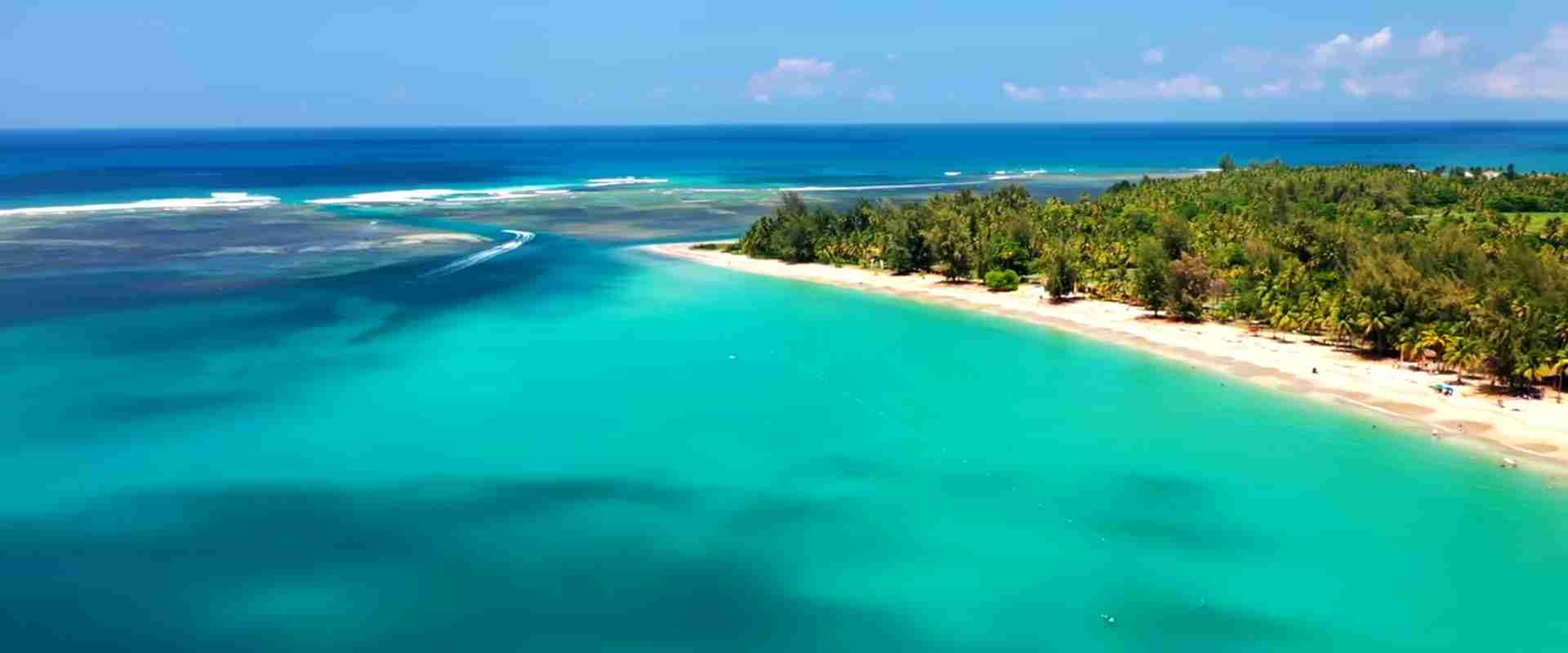
- Hidden beach coves along the Condado-Ocean Park coastline offer intimate swimming spots with calm waters protected by rocky outcroppings, discovered only by walking beyond main beach access points and exploring residential areas
- Secret rooftop bars and restaurants atop colonial buildings in Old San Juan combine sunset views, craft cocktails, and intimate atmospheres known primarily to locals and informed visitors willing to climb narrow staircases leading from street level
Introduction
San Juan’s most rewarding experiences often hide beyond the obvious attractions appearing in standard guidebooks and tour bus itineraries. While El Morro fortress, the colonial Cathedral, and Condado’s main beach stretches draw deserved attention, the city’s authentic character reveals itself in quieter spaces requiring curiosity and adventurous spirit to discover. These hidden gems range from secretive speakeasies concealed behind unmarked doors to oceanside cemeteries where Puerto Rico’s cultural luminaries rest beneath elaborate marble monuments, from residential beach coves known only to locals to underground art galleries transforming abandoned spaces into creative sanctuaries.
The colonial architecture dominating Old San Juan creates opportunities for hidden courtyards, rooftop terraces, and intimate plazas tucked between buildings where tourists rarely venture. Spanish urban planning from the 16th and 17th centuries emphasized private interior spaces rather than public displays, resulting in remarkable gardens, fountains, and architectural details invisible from street level. Walking past a weathered wooden door might reveal a stunning courtyard with cascading bougainvillea, hand-painted tiles depicting colonial scenes, and gurgling stone fountains providing cool retreat from Caribbean heat. These spaces exist throughout the historic district, rewarding curious explorers who peek through iron gates or follow intriguing alleyways between buildings.
Beyond Old San Juan’s colonial treasures, contemporary neighborhoods including Santurce, Ocean Park, and Condado harbor lesser-known attractions showcasing Puerto Rico’s vibrant modern culture. Street art murals transform entire buildings into canvases depicting political commentary, cultural identity, and artistic expression. Underground bars and restaurants operate in renovated warehouses, basement spaces, and converted residential buildings where local communities gather rather than tourist crowds. Beaches interrupted by rocky outcroppings create intimate swimming coves protected from strong currents and wave action, offering private Caribbean experiences just steps from busy public beach access points. This guide reveals San Juan’s hidden treasures across multiple categories, from architectural secrets to culinary discoveries, natural beauty to cultural institutions that deserve greater recognition than typical tourist attention provides.
People Also Ask About San Juan Hidden Gems
What are the most secret beaches in San Juan?
Playa Último Trolley in Condado occupies a small beach cove reached by walking through residential areas between Condado Beach Hotel and La Concha Resort, offering calm swimming protected by rock formations and minimal crowds compared to main Condado beach access points. The narrow beach gets its name from the final trolley stop during San Juan’s historic streetcar era, with locals guarding its location through word-of-mouth sharing rather than online promotion. Beach access requires navigating residential streets and walking between buildings – look for small pathways marked by worn footpaths rather than official signage. Balneario Punta Salinas in Toa Baja municipality stretches 20 minutes west of San Juan, providing expansive natural beaches with shallow protected swimming areas, mangrove forests, and observation towers for bird watching, all receiving minimal tourist attention despite easy accessibility from the metropolitan area.
Where do locals eat in San Juan away from tourists?
La Alcapurria Quemá in Piñones serves exceptional alcapurrias (green banana fritters stuffed with crab or beef), bacalaítos (codfish fritters), and fresh coconut water from roadside kiosks where local families gather on weekends. The string of beachside kiosks along Route 187 through Piñones provides authentic Puerto Rican street food at prices below tourist-area restaurants. El Boricua in Santurce attracts neighborhood residents with home-style Puerto Rican cooking including mofongo, pernil asado, and arroz con gandules served in generous portions at budget-friendly prices. The unpretentious cafeteria-style setting and Spanish-dominant conversations reveal its local following. Kasalta Bakery in Ocean Park opens early morning, serving Cuban sandwiches, Puerto Rican pastries, strong coffee, and full breakfast plates to neighborhood residents who gather at crowded counters reading newspapers and discussing local news rather than reviewing guidebooks and planning sightseeing itineraries.
Are there secret courtyards to visit in Old San Juan?
Casa Blanca’s interior courtyard and gardens remain open to museum visitors but receive minimal attention compared to the historic building’s exhibits, featuring mature trees providing shade canopy, hand-painted tile work, stone fountains, and colonial-era garden layouts representing typical Spanish colonial residential design. The Museum of the Americas occupies the former Cuartel de Ballajá with an enormous interior plaza surrounded by two-story colonial arcades, creating peaceful atmosphere far from Old San Juan’s crowded shopping streets. Hotel El Convento’s courtyard maintains the original Carmelite convent architecture from the 17th century, with guests and respectful visitors welcome to admire the fountain, tropical plantings, and preserved colonial stonework. Many private residences throughout Old San Juan contain remarkable courtyards visible through iron gates and wooden doors – respectful viewing from thresholds reveals architectural details without trespassing into private property.
What underground bars and speakeasies operate in San Juan?
La Factoría operates behind an unmarked entrance on Calle San Sebastián, expanding through six interconnected rooms each representing different San Juan neighborhoods with distinct décor, music, and specialty cocktails. The bar’s fame has grown significantly, but its speakeasy-style hidden entrance and basement levels maintain secretive atmosphere. La Vergüenza in Santurce hides behind a plain door marked only with small logo, opening into intimate bar space serving craft cocktails with innovative ingredients and presentation. Bartenders customize drinks based on patron preferences rather than relying on fixed menu selections. Jungle Bird in Old San Juan conceals itself on a side street, focusing on tiki-style cocktails and tropical drinks with elaborate garnishes, dim lighting, and Caribbean music creating escape atmosphere. These establishments maintain local following despite increasing visitor attention, operating later hours when tourist crowds dissipate and neighborhood residents claim the spaces for genuine social gatherings.
Hidden Natural Beauty and Coastal Treasures
Secret Beach Coves and Swimming Spots
The coastline between Condado and Ocean Park fragments into multiple beach sections separated by rocky outcroppings and erosion patterns, creating intimate swimming coves rarely crowded despite prime location. Access these hidden beaches by walking along the shoreline from main public access points, navigating around rock formations and beach vegetation. The coves provide calmer swimming conditions than exposed beaches, with rocks blocking strong currents and wave action while creating natural tide pools perfect for observing Caribbean marine life. Bring water shoes as rocky entries replace smooth sandy bottoms, and time visits during mid-to-high tide when water depth allows comfortable swimming rather than exposed reef walking.
Parque Barbosa at the eastern end of Ocean Park offers natural beach atmosphere with fewer amenities and developments than commercial beach zones. The park’s long shoreline includes sections with shade trees, grassy picnic areas, and relatively uncrowded sand during weekdays. Locals gather for weekend family gatherings bringing coolers, portable grills, and beach tents, creating authentic Puerto Rican beach culture rarely experienced at hotel-dominated Condado or Isla Verde. The park operates as public recreation area with free entry, though parking fills quickly during popular weekend afternoons. Early morning visits and weekday explorations find nearly empty beaches with opportunities for peaceful Caribbean swimming and beachcombing along tide lines collecting shells and sea glass.
Urban Nature Sanctuaries
Parque del Tercer Milenio in Santurce reclaims urban land for green space featuring walking paths, native Caribbean plantings, open lawns, and public art installations. The park serves neighborhood residents more than tourists, providing venue for morning jogs, afternoon reading under shade trees, and evening community gatherings. Interpretive signs explain the area’s ecological rehabilitation, transforming former industrial land into sustainable urban forest demonstrating Caribbean native species adaptations. Bird watchers identify resident species including Puerto Rican woodpeckers, bananaquits, and various migratory birds stopping during seasonal movements.
Jardín Botánico Nacional de Puerto Rico (University of Puerto Rico Botanical Garden) expands across 300 acres in Río Piedras, showcasing Caribbean and tropical plant collections, bamboo forests, lotus ponds, and palm groves. Despite remarkable collection and free admission, the botanical garden receives minimal tourist attention due to location outside central San Juan and lack of promotion in standard itineraries. Trails wind through different ecosystems including tropical rainforest sections, xerophytic gardens with drought-adapted species, and aquatic plant collections. The peaceful grounds welcome visitors interested in serious botanical study or simple nature immersion away from urban intensity. Pack insect repellent and water for extended walks through humid tropical plantings where mosquitoes breed in standing water.
Coastal Fortifications Beyond El Morro
Fortín San Gerónimo del Boquerón sits isolated on a small peninsula near the entrance to Laguna del Condado, accessible via footbridge from Escambrón Beach area. The small fortress, completed in 1610 to defend San Juan harbor’s eastern approaches, offers intimate historical experience without the crowds packing El Morro and San Cristóbal. Interior rooms contain exhibits explaining the fort’s military significance and architectural evolution through various conflicts. The compact size allows thorough exploration in 30-45 minutes, with exterior ramparts providing exceptional photography opportunities combining colonial military architecture with ocean and lagoon views. Limited hours and locations outside main tourist routes keep this gem relatively unknown despite extraordinary preservation and historical significance.
El Cañuelo fortress guards the harbor entrance from across the bay in Isla de Cabras, visible from El Morro but requiring vehicle transportation to reach. The fortress worked in conjunction with El Morro to create crossfire defense of the harbor entrance, with cannons positioned to catch any ships attempting to breach San Juan’s defenses. Modern visitors reach the fort through Isla de Cabras recreation area featuring beaches, picnic facilities, and hiking trails along the rocky peninsula. The remote location means solitary exploration of well-preserved fortifications without competing for photography angles or waiting for crowds to clear from key viewpoints. Sunset visits provide spectacular lighting conditions with the fort’s weathered stones glowing golden against darkening skies and bioluminescent plankton occasionally visible in surrounding waters.
Architectural and Historical Hidden Treasures
Cemetery of Santa María Magdalena de Pazzis
This neoclassical cemetery occupies one of San Juan’s most dramatic locations, positioned directly on the Atlantic Ocean outside Old San Juan’s city walls between El Morro fortress and the Paseo del Morro walking trail. The cemetery’s white marble monuments, elaborate family mausoleums, and ornate funerary sculptures create hauntingly beautiful atmosphere enhanced by crashing waves and ocean breezes. Puerto Rico’s most prominent historical figures rest here including governors, cultural icons, poets, and independence movement leaders. José Gautier Benítez, one of Puerto Rico’s greatest romantic poets, occupies a tomb near the ocean, while numerous elaborate crypts display artistic architectural styles from neoclassical to art deco.
Photography enthusiasts find endless compositions combining marble statuary, colonial architecture, ocean backgrounds, and weathered monuments creating ethereal atmosphere. Golden hour lighting transforms the cemetery into magical landscape with warm light painting white marble in amber tones against deep blue ocean horizons. The cemetery operates as both active burial ground and historical landmark, requiring respectful behavior acknowledging its dual purposes. Gates open daily, though verify current hours as they adjust seasonally. Walk carefully along narrow paths between monuments, many dating from the 18th and 19th centuries with historical inscriptions in Spanish revealing family lineages and social connections spanning Puerto Rico’s colonial and post-colonial eras.
Museo de las Américas and Military Barracks
The Museum of the Americas occupies the second floor of the Cuartel de Ballajá, a massive Spanish colonial military barracks completed in 1854 to house infantry units defending San Juan. The building’s neoclassical architecture creates impressive courtyard space surrounded by two-story arcaded galleries, representing one of the largest buildings constructed during Spain’s colonial American period. The museum’s exhibits trace indigenous Caribbean cultures, African diaspora contributions, and Spanish colonial influences shaping contemporary Puerto Rican identity. Collections include Taíno artifacts, colonial religious art, African musical instruments, and contemporary Caribbean cultural expressions displayed in thoughtful exhibitions receiving far less attention than quality merits.
The ground floor courtyard functions as public space hosting cultural events, concerts, and community gatherings throughout the year. The enormous plaza, surrounded by preserved colonial architecture, provides peaceful retreat from Old San Juan’s crowded commercial streets just blocks away. Free admission makes the museum accessible to budget travelers seeking substantive cultural education without entry fees. Exhibits include English translations though Spanish descriptions provide more comprehensive information, with museum staff available to answer questions about collections and Puerto Rican cultural history. The building’s architecture alone justifies visits, with preserved colonial construction techniques visible in exposed beams, original floor tiles, and fortified walls designed to withstand hurricanes and military conflicts.
Hidden Colonial Churches and Chapels
Capilla del Cristo (Christ’s Chapel) crowns the southern end of Calle del Cristo, marking the spot where, according to legend, a horse and rider miraculously stopped before plunging over the city walls during a race in 1753. The tiny chapel, one of Old San Juan’s smallest religious structures, contains ex-voto paintings and offerings from believers attributing miraculous interventions to prayer at this site. Limited opening hours Wednesday mornings make this chapel difficult to visit, but exterior views through ornate iron gates reveal the intimate gold-leaf altar and devotional decorations. The chapel’s location provides exceptional city views down Calle del Cristo toward the bay, making it popular photography spot even when interior remains closed.
Iglesia San José, Puerto Rico’s second-oldest church dating to 1532, underwent extensive restoration recently after decades of deterioration and limited access. The Gothic church architecture represents rare early colonial period construction in excellent condition, containing the remains of Juan Ponce de León until their transfer to the Cathedral. The whitewashed interior, wooden ceiling beams, and simple colonial design contrast with the Cathedral’s elaborate baroque decorations, providing insight into early Spanish colonial religious architecture. The attached plaza offers shade trees and benches where locals gather, creating neighborhood atmosphere absent from tourist-heavy cathedral plaza several blocks away.
Culinary Hidden Gems and Local Favorites
Underground Restaurants and Family-Run Eateries
José Enrique, consistently ranked among Caribbean’s top restaurants, operates from simple concrete building in Santurce without reservations, elegant décor, or tourist-friendly hours. The James Beard-nominated chef creates innovative Puerto Rican cuisine emphasizing local ingredients, traditional techniques, and contemporary presentations. Lines form before opening Tuesday through Saturday for lunch service, with locals and informed food enthusiasts competing for limited counter seats and simple tables. The no-reservation policy democratizes access but requires flexibility arriving early or accepting potential waits during peak service times. Prices remain surprisingly moderate for the quality, with most entrees under $25 and exceptionally fresh ingredients evident in every dish.
El Departamento de la Comida in Santurce occupies renovated commercial space, operating as combination restaurant, bar, and cultural center hosting live music, art exhibits, and community events. The menu rotates based on seasonal ingredients and chef creativity, with fusion approaches combining Puerto Rican traditions with Asian, Mediterranean, and contemporary American influences. The casual atmosphere, moderate prices, and neighborhood location attract local food enthusiasts rather than tourist crowds following guidebook recommendations. Kitchen stays open late compared to most San Juan restaurants, serving full menu until midnight on weekends when live music or DJ sets create social atmosphere extending beyond mere dining.
Street Food and Market Discoveries
Piñones coastal route transforms weekends into open-air restaurant district, with dozens of food kiosks serving fritters, whole fried fish, grilled seafood, and tropical cocktails along the beach access road. Kiosks operate independently, each with specialty dishes and loyal following among local families who make weekend pilgrimage from San Juan metro area. The informal atmosphere encourages sampling multiple kiosks, ordering alcapurrias from one, fish from another, and coconut water from a third while relaxing at picnic tables between orders. Prices significantly undercut tourist-area restaurants, with full meals costing $10-15 for generous portions plus sides and drinks. Time visits carefully as most kiosks open Friday evening through Sunday, with weekday hours limited or non-existent.
Mercado Agrícola Natural in Condado operates Saturday mornings, gathering local farmers, artisanal food producers, and craftspeople offering organic produce, fresh-baked goods, local honey, Caribbean coffee, and handmade products. The market atmosphere combines shopping with social gathering, as regulars chat with vendors about crop conditions, recipe recommendations, and community news. Sampling opportunities abound with vendors offering tastes of tropical fruits, fresh-pressed juices, and artisanal products before purchases. The market provides cultural immersion opportunity beyond simple produce shopping, revealing Puerto Rican food traditions, agricultural practices, and community connections that industrial grocery stores cannot replicate.
Hidden Bakeries and Coffee Specialists
Panadería España in Santurce operates since 1940s, baking traditional Puerto Rican breads, pastries, and specialty items using recipes passed through family generations. The unremarkable exterior disguises exceptional quality inside, where cases display fresh sobao, quesitos, mallorcas, and pan sobao at prices below tourist-area bakeries. Early morning visits guarantee warmest products straight from ovens, with locals lining up for breakfast breads and strong Puerto Rican coffee. The Spanish-dominant atmosphere and neighborhood clientele reveal authentic cultural experience rarely encountered at English-friendly tourist establishments.
Café Don Ruiz in Old San Juan occupies tiny space on side street, roasting coffee beans on-site and serving espresso drinks prepared with artisan attention rivaling any modern specialty coffee shop. The owner sources beans from Puerto Rican mountain farms, educating customers about terroir, roasting techniques, and brewing methods affecting flavor profiles. Unlike typical tourist cafes serving mediocre coffee in prime locations, Don Ruiz prioritizes quality over convenience, attracting coffee enthusiasts willing to search out the narrow storefront. Limited seating encourages brief visits or take-away service, with most customers purchasing beans to prepare at accommodations rather than drinking multiple drinks on premises.
Arts, Culture and Creative Spaces
Santurce Street Art and Murals
Santurce neighborhood has evolved into San Juan’s primary street art district, with building-sized murals transforming commercial structures, abandoned properties, and residential buildings into public art galleries. The Santurce es Ley festival established in 2009 catalyzed the transformation, inviting international and local artists to create permanent murals addressing social issues, cultural identity, and artistic expression. Walking tours of street art concentrate along Calle Cerra, Avenida Ponce de León, and surrounding streets where dozens of major murals appear within several blocks. The art ranges from political commentary responding to Puerto Rico’s economic and hurricane recovery challenges to purely aesthetic celebrations of Caribbean color, form, and cultural symbols.
The constantly evolving nature of street art means new murals appear regularly while others fade, are painted over, or deteriorate from weather exposure. This impermanence creates dynamic gallery requiring periodic return visits to discover new works. Many murals include QR codes or artist signatures leading to social media accounts or websites explaining concepts, techniques, and intentions behind the works. Photography enthusiasts find endless compositions, though respectful engagement with the neighborhood requires awareness that these murals exist in residential and commercial areas where people live and work rather than designated tourist zones. Early morning or late afternoon light provides ideal photography conditions avoiding harsh midday sun washing out colors and creating strong shadows across textured wall surfaces.
Independent Galleries and Artist Studios
Galería Petrus in Santurce showcases contemporary Puerto Rican artists working across multiple mediums including painting, sculpture, photography, and mixed media installations. The gallery maintains serious artistic standards while remaining accessible to viewers without formal art education, with staff available to discuss exhibitions and artist backgrounds. Opening receptions create social atmosphere mixing artists, collectors, neighborhood residents, and visitors, with complimentary wine and conversations flowing between Spanish and English depending on participants. The gallery operates irregular hours typical of smaller independent spaces, requiring advance confirmation of viewing times or attendance at scheduled exhibition openings and cultural events.
Casa Cortés ChocoBar in Old San Juan functions simultaneously as restaurant, chocolate production facility, and cultural space hosting live music and art exhibitions. The focus on chocolate extends beyond typical cafe offerings, with bean-to-bar production visible behind glass walls and menu items incorporating chocolate in surprising applications including savory dishes and innovative cocktails. The cultural programming attracts locals treating the space as neighborhood gathering place rather than tourist restaurant, with live music Thursday through Sunday creating energetic atmosphere. The building’s colonial architecture, interior courtyard, and multiple level spaces provide visual interest beyond the chocolate and cultural offerings.
Underground Music Venues
La Respuesta in Santurce programs alternative music genres rarely featured at mainstream San Juan venues, booking punk, indie rock, experimental electronic, and underground hip-hop acts in intimate club setting. The space operates as cultural collective supporting local musicians, artists, and creative communities through affordable shows, workshops, and collaborative projects. Shows start late by US standards, often not beginning until 11 PM or midnight and continuing into early morning hours. The venue embodies DIY ethos with minimal commercial polish, focusing resources on music quality and community building rather than slick production or tourist comfort.
La Placita de Santurce transforms from morning produce market into evening and weekend party district, with surrounding restaurants and bars hosting live music ranging from traditional salsa and bomba to contemporary reggaeton and Latin pop. The outdoor plaza fills with dancers, drinkers, and music enthusiasts Thursday through Sunday evenings, creating spontaneous street party atmosphere. Multiple venues surround the plaza, allowing movement between different music styles and social scenes throughout evenings. The authentic local gathering draws primarily San Juan residents rather than tourists, though welcoming atmosphere includes any respectful visitors ready to dance, socialize, and embrace Caribbean nightlife culture.
Unique Experiences and Lesser-Known Activities
Parque de las Palomas
This small plaza occupying the southern wall of Old San Juan might seem insignificant at first approach, but hundreds of pigeons creating interactive experience with visitors transform simple park into memorable encounter. The pigeons, accustomed to human interaction through decades of feeding, land on arms, shoulders, and heads of willing participants who purchase small bags of bird seed from vendors near the entrance. Children and adults alike delight in the direct wildlife interaction possible nowhere else in San Juan’s urban environment. Beyond the birds, the park provides spectacular views over San Juan Bay, Paseo de la Princesa, and modern cruise ship terminals contrasting with colonial architecture.
The plaza occupies site of historic city walls built to defend San Juan from sea attacks, with stone fortifications visible integrating with park infrastructure. Benches positioned along the ramparts offer peaceful spots for watching harbor activity, sunset viewing, or simply absorbing atmosphere away from Calle Fortaleza’s shopping crowds just blocks away. The park operates as unofficial gathering space for local residents who treat it as neighborhood plaza rather than tourist attraction, creating authentic social atmosphere. Visit during late afternoon when golden hour light illuminates the bay and cooling breezes provide relief from midday heat. The name translates literally as “Pigeon Park,” though official designation as Plaza del Quinto Centenario rarely appears in conversation compared to the practical nickname.
Paseo Lineal Trail
This paved recreational trail extends approximately 2 miles through primarily residential and commercial areas south of Old San Juan, following what was once the Tren Urbano light rail expansion route. The trail connects Santurce neighborhoods, providing walking and cycling pathway separated from traffic with native plantings, public art installations, and community gathering spaces along the route. Unlike tourist-focused waterfront promenades, the Paseo Lineal serves neighborhood residents for exercise, transportation, and recreation, revealing everyday Puerto Rican life rather than manicured tourist experiences.
The trail passes through culturally significant areas including stops near major street art murals, local restaurants, and community centers. Cyclists use the path for serious training and casual recreation, while joggers, dog walkers, and families pushing strollers create active atmosphere throughout daylight hours. Security varies along different sections, with more populated areas near commercial districts feeling safer than isolated segments passing through less-developed sections. Morning and early evening visits during high activity periods provide most comfortable exploration, when natural surveillance from other users enhances security. The trail demonstrates San Juan’s efforts at sustainable urban planning, creating green corridors through dense urban development while connecting neighborhoods and providing alternative transportation routes reducing automobile dependence.
Laguna del Condado Kayaking and Paddleboarding
This large lagoon separating Condado from San Juan proper offers calm-water paddling opportunities with tropical mangrove forests, bird watching, and unique perspective on San Juan’s geography. Several operators rent kayaks and stand-up paddleboards by the hour, with simple launching areas avoiding ocean surf and current challenges. Paddling through mangrove channels reveals complex ecosystems supporting fish, crabs, birds, and plant life dependent on mixing fresh and salt water in the protected lagoon. The shallow depth, typically 4-8 feet throughout most areas, and protection from wind and waves makes this ideal for beginning paddlers or families with children developing water confidence.
The lagoon views include unexpected perspectives on San Juan’s development, with luxury hotels and residential towers lining shores juxtaposed against natural mangrove islands and historic fort positions. Fortín San Gerónimo appears across the water, accessible via pedestrian bridge for those combining paddling with fort exploration. Sunrise and sunset paddles provide exceptional lighting conditions and cooler temperatures compared to midday heat, with morning sessions often encountering calmer water before afternoon breezes develop. Bring water-resistant bag for phones and valuables, apply waterproof sunscreen generously, and expect to get wet from splashing and potential capsizes despite generally calm conditions. Most operators provide life jackets, paddles, and basic instruction, though prior paddling experience enhances enjoyment of the activity compared to struggling with technique throughout rental periods.
Shopping Hidden Gems and Artisan Markets
Local Artisan Workshops
Haitian Gallery in Old San Juan showcases vibrant Haitian art including paintings, metal sculptures, and ceremonial objects created by artists working in Port-au-Prince and surrounding areas. The gallery operates as both commercial space and cultural center preserving Haitian artistic traditions, with owner providing historical context and artist backgrounds during unhurried conversations with serious collectors and casual browsers alike. Prices range from affordable small paintings under $100 to significant investment pieces for collectors, with negotiation generally not practiced despite Caribbean market traditions. The art’s bold colors, spiritual themes, and naive style distinctive to Haitian tradition provide alternative to Spanish colonial and Puerto Rican works dominating other Old San Juan galleries.
Librería Mágica in Santurce specializes in used books, rare editions, and Caribbean literature including extensive Puerto Rican author collections difficult to source elsewhere. The cramped shop overflows with floor-to-ceiling shelves, stacked boxes, and seemingly random organization that somehow works when the knowledgeable owner assists with specific searches. Spanish-language literature dominates inventory, though English sections include Caribbean fiction, historical texts, and cultural studies. The shop functions as informal community gathering space where book enthusiasts discuss literature, politics, and culture while browsing or waiting for the owner to locate specific titles from seemingly chaotic but mentally organized stock.
Antique and Vintage Discoveries
Spicy Caribbee in Old San Juan occupies charming colonial building filled with hot sauces, spices, Caribbean food products, and Puerto Rican artisan goods. The shop emphasizes quality local products over tourist trinkets, sourcing directly from small producers throughout the island. Staff provide tasting opportunities for hot sauces ranging from mild fruit-based varieties to extreme heat for spice enthusiasts, with recommendations based on heat tolerance and flavor preferences. The shop offers shipping services for larger purchases, solving logistical challenges of packing glass bottles in luggage or dealing with liquid restrictions during air travel.
El Galpón in Santurce operates as antique warehouse and architectural salvage yard, with enormous inventory of colonial-era building materials, vintage furniture, religious statuary, and decorative objects rescued from demolished or renovated buildings. Serious collectors and design professionals source unique pieces for restoration projects or interior design applications, while casual browsers find fascinating glimpses into Puerto Rican material culture through furniture styles, decorative objects, and domestic items spanning several centuries. Prices reflect item rarity and condition rather than fixed retail markups, with negotiation expected particularly for larger purchases. The warehouse location and limited hours require planning visits in advance, but rewards treasure hunters willing to dig through dense inventory in search of specific items or serendipitous discoveries.
Off-the-Beaten-Path Day Trip Destinations
Bosque Estatal de Piñones
This extensive mangrove forest and coastal reserve stretches approximately 8 miles east of Isla Verde, protecting one of Caribbean’s most significant mangrove ecosystems. Boardwalks extend through mangrove channels allowing close observation of unique plant adaptations, bird populations, and fish nurseries dependent on this transitional habitat between land and sea. The reserve receives minimal development pressure and tourism attention compared to other coastal areas, maintaining natural character increasingly rare in densely populated San Juan metropolitan region. The same road accessing Piñones food kiosks continues through the reserve, with multiple parking areas and boardwalk entrances along the route.
Bird watching opportunities include resident species like mangrove cuckoos, yellow warblers, and several heron species, plus seasonal migrants during spring and fall passage periods. Bring binoculars, insect repellent, water, and sun protection for extended walks along exposed boardwalks. Early morning visits provide cooler temperatures, better bird activity, and photographic opportunities with soft light illuminating mangrove forests. The reserve operates as free public resource with no admission charges or formal visitor services beyond basic boardwalk infrastructure. Interpretive signs along trails explain mangrove ecology, species identification, and conservation challenges facing coastal ecosystems throughout Caribbean region.
Caparra Ruins
The remains of Puerto Rico’s first Spanish settlement established by Juan Ponce de León in 1508 occupy site in Guaynabo, just west of San Juan proper. The archaeological site preserves foundation walls, plaza layout, and interpretive exhibits explaining early colonial settlement patterns and the reasons Spanish authorities relocated to San Juan’s more defensible peninsula location. The small museum contains artifacts excavated from the site including indigenous Taíno objects, Spanish colonial ceramics, and architectural elements demonstrating construction techniques employed during initial settlement period. The site receives minimal visitor attention despite significant historical importance as Puerto Rico’s founding settlement and first European urban planning attempt in this Caribbean territory.
The ruins occupy peaceful suburban setting removed from San Juan’s urban intensity, with native Caribbean plantings creating park atmosphere around preserved stone foundations. Walking paths circle the excavated structures while interpretive signs provide historical context in Spanish and English, explaining settlement layout, daily life during early colonial period, and eventual abandonment in favor of better-positioned San Juan location. Free admission and ample parking make this accessible stop for history enthusiasts interested in exploring beyond San Juan’s obviously preserved colonial architecture to understanding pre-Old San Juan settlement patterns and challenges faced by Spanish colonists establishing permanent presence in Caribbean region.
Arecibo Observatory Environs
While the famous radio telescope itself suffered damage and eventual cable failures, the surrounding area maintains interest for natural beauty, karst landscape formations, and lesser-known attractions. The region’s dramatic limestone topography creates mogotes (haystack hills), caves, sinkholes, and underground rivers characteristic of tropical karst environments. Several smaller caves open for guided tours without the crowds packing Camuy Caves, offering intimate underground exploration of formations, underground streams, and prehistoric indigenous art preserved on cave walls. The winding mountain roads connecting Arecibo to inland towns pass through agricultural areas, coffee plantations, and rural communities rarely visited by tourists concentrating on San Juan and beach destinations.
The drive from San Juan requires approximately 90 minutes through increasingly mountainous terrain, passing through small towns showcasing rural Puerto Rican life distinct from metropolitan coastal development. Roadside food stands sell local specialties including pasteles, roast pork, and tropical fruits grown in surrounding farms. The region’s natural attractions, cultural authenticity, and limited tourism development reward adventurous travelers willing to rent cars and navigate rural roads in search of experiences beyond standard Caribbean tourist itineraries. Bring cash as ATMs prove scarce outside major towns, pack snacks and water for driving, and verify current road conditions and attraction hours before departure as smaller sites operate limited or irregular schedules.
Practical Tips for Hidden Gem Exploration
Navigation and Discovery Strategies
Exploring San Juan’s hidden gems requires different approach than visiting obvious attractions with clear signage and tourist infrastructure. Walk slowly through residential areas, making eye contact with locals who often provide recommendations or directions when asked respectfully. Learn basic Spanish phrases for asking questions – “¿Dónde está…?” (Where is…?), “¿Qué recomienda?” (What do you recommend?), and “¿Está abierto hoy?” (Is it open today?) facilitate conversations with residents who know neighborhood secrets. Download offline maps for navigation when cellular signals weaken in buildings or less-developed areas, and screenshot key information about operating hours or locations before leaving accommodations with WiFi.
Join local Facebook groups, follow Puerto Rican food bloggers and culture writers on Instagram, and read Spanish-language local news sources for event announcements and new openings flying below English tourist media radar. Ask accommodation hosts, restaurant servers, and bartenders for personal recommendations rather than relying solely on tourist information centers promoting paid advertisers. The best hidden gems often lack websites, professional marketing, or English-language promotion, requiring word-of-mouth discovery and willingness to try places without extensive advance research or online reviews from other tourists.
Timing and Crowd Avoidance
Many hidden gems maintain local following while avoiding tourist crowds through limited hours, difficult access, or lack of promotion. Arriving early morning or late afternoon often means sharing spaces primarily with residents rather than visitors, particularly at neighborhood beaches, parks, and local restaurants. Weekday visits to popular hidden spots find fewer crowds than weekends when San Juan residents and visitors from other parts of Puerto Rico descend on the same locations. Rainy afternoon following morning showers see emptier conditions as many tourists retreat to hotels or indoor tourist attractions, while locals continue normal routines unphased by brief weather interruptions.
Cultural spaces, artist studios, and underground venues often operate irregular hours based on event schedules, artist availability, or volunteer staffing rather than standard business hours. Call ahead when possible, check social media for current status, and prepare for spontaneous schedule adjustments if planned visits find closed doors despite posted hours. This flexibility requirement separates hidden gem exploration from predictable tourist attraction visits with guaranteed access during published operating times. The potential disappointment of closed locations balances against serendipitous discoveries when wandering leads to unexpected finds never appearing in guidebooks or tourist information.
Cultural Sensitivity and Respect
Many hidden gems exist in residential neighborhoods where people live daily lives unrelated to tourism. Keep noise reasonable, avoid blocking sidewalks or doorways for extended periods while photographing, and respect residents’ right to peaceful enjoyment of their communities. Ask permission before photographing people, buildings with obvious private residential use, or small business interiors where owners may prefer privacy. Not every discovery deserves broadcasting to social media – consider whether sharing specific locations serves genuine information sharing or risks overwhelming delicate situations where small businesses, natural areas, or cultural spaces benefit from limited rather than mass visitation.
Support local businesses patronizing hidden restaurants, cafes, and shops with actual purchases rather than treating spaces as free entertainment or photography backdrops. Tip appropriately, buy products or services when using facilities, and interact with respect regardless of English proficiency or tourist-infrastructure sophistication. The authentic experiences defining hidden gems often correlate directly with limited tourist adaptation – spaces maintaining local character precisely because they serve neighborhood populations rather than optimizing for visitor convenience. Appreciate these qualities rather than expecting or demanding English menus, tourist-friendly hours, or cultural explanations catering to visitors unfamiliar with Puerto Rican norms.
Conclusion: Discovering Authentic San Juan
San Juan’s hidden gems reveal the city’s authentic character beyond the well-documented tourist attractions receiving majority visitor attention. These lesser-known treasures range from natural beauty like secret beach coves and mangrove ecosystems to cultural institutions including underground music venues and neighborhood art galleries, from culinary discoveries at family-run restaurants to architectural surprises tucked between colonial buildings. Discovering these spaces requires more effort than following standard tourist itineraries – irregular hours, limited English, absence of obvious signage, and locations in residential rather than tourist districts create barriers that simultaneously protect these gems from overwhelming crowds while limiting access to convenient tourist experiences.
The rewards justify extra effort for travelers seeking authentic Caribbean cultural immersion rather than sanitized tourist experiences. Sharing meals at neighborhood restaurants where Spanish dominates conversations, exploring street art in Santurce’s evolving creative district, paddling through mangrove-lined lagoon channels, or dancing at La Placita’s spontaneous street parties provides genuine connection to Puerto Rican life impossible to experience at hotel restaurants and tour bus attractions. These hidden gems demonstrate San Juan’s depth beyond colonial fortresses and beach resorts, revealing contemporary creative culture, preserved natural ecosystems, and community spaces where daily life continues unaffected by tourist industry influence.
Balance hidden gem exploration with practical considerations – safety varies more dramatically in residential neighborhoods than tourist zones, hours prove unpredictable, and English proficiency decreases outside areas optimized for visitors. These challenges create adventure and authenticity defining memorable travel experiences distinct from predictable tourist attractions guaranteeing access and comfort. Approach hidden gem discovery with flexibility, curiosity, and respect, embracing occasional closed doors or unexpected conditions as natural part of exploring beyond guidebook recommendations into spaces where local communities gather, create, and live daily lives.
Frequently Asked Questions – San Juan Hidden Gems
How do I find restaurants locals actually eat at rather than tourist traps?
Walk away from Old San Juan’s main streets and Condado’s beachfront hotels into residential Santurce and Ocean Park neighborhoods where restaurants cater to local clientele rather than tourists. Look for Spanish-only menus, conversations conducted primarily in Spanish, family groups rather than couples with guidebooks, and modest décor focusing on food quality over atmosphere. Ask Puerto Rican Uber drivers, hotel staff who live locally, or bartenders at neighborhood bars for personal recommendations – specify you want authentic local spots rather than tourist-friendly restaurants. Visit La Placita de Santurce Thursday through Saturday when locals gather, or explore Piñones beachside kiosks on weekends where San Juan families make weekly pilgrimages for traditional street food. Lack of English menus and tourist-oriented service often indicates authentic local establishments worth navigating language barriers to experience.
Are hidden beaches safe for swimming?
Hidden beach coves between Condado and Ocean Park generally offer safe swimming with calmer conditions than exposed public beaches, as rocky outcroppings block strong currents and wave action. However, assess water conditions carefully before entering as these beaches lack lifeguards present at major public access points. Watch wave patterns for several minutes, noting whether currents pull parallel to shore or out to sea, and start with shallow water testing conditions before swimming further from shore. Wear water shoes as rocky entries replace smooth sand, and time visits during mid-to-high tide when water depth allows comfortable swimming rather than exposed reef scrambling. Avoid swimming alone at hidden beaches – bring companions who can assist during problems and maintain beach watch rotations protecting possessions from opportunistic theft while others swim. Check weather forecasts and avoid swimming during or immediately after storms when increased currents and wave action create dangerous conditions even in normally calm coves.
What’s the best way to explore Santurce’s street art safely?
Visit Santurce’s street art district during daylight hours, particularly morning and early afternoon when business activity and foot traffic create natural security through visibility and crowds. Stick to main corridors including Calle Cerra and Avenida Ponce de León where major murals concentrate and regular pedestrian activity continues throughout day. Travel with companions rather than alone, keep phones and cameras secured when not actively photographing, and remain aware of surroundings particularly when focused on framing shots. Consider joining organized street art walking tours led by local guides who provide artistic context while ensuring safe routes through neighborhoods combining vibrant creative culture with areas requiring more caution than tourist-heavy Old San Juan. Avoid isolated side streets, parks, or vacant areas between buildings where limited visibility and fewer people reduce security. Take taxis or Uber back to tourist zones after exploration rather than walking long distances through unfamiliar residential areas, particularly late afternoon or evening as daylight fades and business activity decreases.
Do hidden restaurants accept credit cards?
Hidden restaurants and local eateries show mixed card acceptance, with some accepting credit cards while others prefer cash particularly for smaller bills under $20-30. Bring $40-60 cash specifically for exploring hidden culinary gems likely to operate cash-only or where card minimums apply. Neighborhood bakeries, street food vendors at Piñones kiosks, small cafeterias in residential areas, and family-run restaurants often lack card processing infrastructure or prefer cash avoiding transaction fees. Even establishments accepting cards may experience occasional technical difficulties with readers or processors, making cash backup essential. ATMs appear throughout San Juan for convenient cash access, though withdrawal fees run $3-5 for out-of-network cards. Ask servers about payment options when ordering if paying by card matters to your budget tracking or points accumulation, as policies vary between establishments even within same neighborhood.
What hidden gems work for families with young children?
Parque de las Palomas provides unique wildlife interaction experience with hundreds of tame pigeons landing on children’s arms and shoulders, creating memorable photos and excitement for kids ages 3-12. The protected location on Old San Juan’s city walls offers spectacular bay views while parents monitor children in contained plaza space. Laguna del Condado kayaking and paddleboarding accommodates families with stable watercraft, calm conditions, shallow depth, and mangrove exploration appealing to children’s sense of adventure. The Botanical Garden in Río Piedras offers 300 acres of paths through diverse plant collections where kids run freely, observe tropical birds, and play near lotus ponds without the behavioral constraints required in museums or historic buildings. Hidden beach coves between Condado and Ocean Park provide calmer swimming than exposed beaches with rocks blocking strong currents while creating tide pools for observing crabs, small fish, and marine life entertaining children for hours. Choose morning visits when children’s energy peaks and afternoon heat hasn’t yet built, packing snacks, water, and sun protection for comfortable family exploration.
How do I know if I’m welcome at spaces primarily for locals?
Watch for body language and atmosphere cues when entering spaces outside tourist zones – welcoming environments include eye contact, acknowledgment from staff or regulars, and lack of hostile stares or uncomfortable silence. Respectful behavior including greeting staff in Spanish (“buenos días” or “buenas tardes”), modest voices avoiding loud tourist conversations, and genuine interest rather than photo-safari approach establishes positive presence. If you feel distinctly unwelcome through ignored requests for service, hostile reactions, or deliberately exclusionary behavior, exit gracefully rather than forcing presence where tourism isn’t appreciated. However, most San Juan neighborhood businesses welcome respectful visitors who patronize establishments through actual purchases, interact politely, and appreciate cultural context rather than demanding tourist-oriented accommodations. Ask “¿Está bien si como aquí?” (Is it okay if I eat here?) or similar questions acknowledging your visitor status while showing respect for local spaces. Genuine interest and cultural humility open doors that entitled tourist behavior keeps firmly closed.
What hidden gems remain undiscovered enough to feel truly off-the-beaten-path?
Bosque Estatal de Piñones mangrove forest sees minimal tourist traffic despite prime location just east of Isla Verde, with boardwalk trails through pristine mangrove channels offering authentic nature immersion without crowds. Caparra Ruins preserve Puerto Rico’s first Spanish settlement location receiving few visitors despite foundational historical significance, providing peaceful archaeological exploration in suburban setting. Small neighborhood beaches along residential Ocean Park coastline remain known primarily to locals who guard their locations through limited promotion and word-of-mouth sharing rather than online visibility. Underground music venues like La Respuesta program alternative acts for local music community with show times, genres, and DIY atmospheres separating them from tourist entertainment options. Artist studios and workshops in Santurce welcome visitors during irregular open hours, but lack prominent signage or websites making discovery dependent on local recommendations or chance encounters rather than guidebook listings. These gems maintain off-beaten-path character through combination of limited accessibility, lack of promotion, irregular hours, and local following that hasn’t yet translated into tourist attention overwhelming original character and purpose.
Should I worry about getting lost while exploring hidden gems?
Getting temporarily disoriented while exploring San Juan’s hidden gems represents normal part of discovery rather than serious safety concern. San Juan’s compact geography and prominent landmarks including El Morro fortress, modern hotel towers, and waterfront orientation provide reliable wayfinding references. Download offline maps to phone before departure ensuring navigation continues without cellular connectivity, and screenshot key addresses or locations for reference. Most residential neighborhoods arrange in grid patterns or follow coastal geography making reorientation relatively simple. Ask locals for directions when confused – “¿Dónde está…?” (Where is…?) combined with showing phone address or map usually elicits helpful guidance even when language barriers limit conversation. Getting lost often leads to serendipitous discoveries of additional hidden gems, unexpected photography opportunities, and authentic neighborhood experiences impossible to plan. Budget extra time for hidden gem exploration accepting that wandering, backtracking, and discovery constitute the experience rather than obstacles to overcome. Maintain general sense of cardinal directions relative to ocean, keep phone charged for emergency navigation, and enjoy exploration process rather than stressing about perfectly efficient routing between destinations.
What’s the best season for discovering hidden gems?
Hidden gem exploration works year-round though different seasons offer distinct advantages. Winter high season December through April provides ideal weather for outdoor discovery including beach coves, walking Paseo Lineal trail, and exploring cemetery while summer heat might make these less comfortable. However, winter crowds pack obvious tourist attractions, making hidden alternatives more appealing as escapes from masses at El Morro and Old San Juan’s shopping streets. Summer low season June through August offers emptier conditions at hidden spots popular with tourists while maintaining strong local presence at neighborhood restaurants, street art districts, and beaches where Puerto Ricans gather regardless of season. Shoulder seasons May and November combine moderate weather with reduced tourist crowds creating optimal balance for exploration blending outdoor activities and indoor cultural venues. Rainy season July through November brings brief afternoon showers clearing quickly – use rain periods for indoor hidden gems like underground bars, small museums, and artist studios before resuming outdoor exploration after storms pass. Each season’s character affects hidden gem experience differently based on whether you prioritize weather comfort, crowd avoidance, or authentic local atmosphere when crowds of fellow visitors thin.
How much should I budget for hidden gem exploration?
Budget $25-50 daily for hidden gem exploration covering meals at local restaurants $15-30, occasional transportation to less-accessible locations $10-15, and potential gallery purchases or market items $10-20. Many hidden gems offer free access including cemetery visits, street art viewing, public beaches and parks, and window shopping at antisan markets. Budget travelers minimize costs through strategic selection of free attractions, self-transportation walking or using public buses $0.75, and limiting food costs through market picnics and budget restaurants. Mid-range explorers allocate $75-125 daily including nicer local restaurants $35-50, taxi transportation to multiple locations $20-30, museum donations and gallery purchases $20-30, and occasional tour joining $25-40. Costs vary significantly based on whether exploration emphasizes free natural and architectural discoveries versus paid experiences at restaurants, galleries, and guided tours. Cash proves essential as many hidden gems lack card processing, while willingness to spend modestly supports local businesses sustaining authentic character that makes these discoveries worthwhile. Budget realistic amounts acknowledging that cheap experiences often mean mass tourism, while moderate spending supports quality local establishments deserving patronage.