
San José Budget Guide 2026: How to Visit on a Budget
This comprehensive budget guide provides the detailed cost information, money-saving strategies, and insider knowledge you need to maximize your San José experience in 2026 while minimizing expenses. From ultra-budget backpacker approaches to moderate budget comfort, you’ll find practical advice for controlling costs without sacrificing the quality of your Central American adventure.
Key Takeaways
- Budget travelers can explore San José for $35-50 per day including hostel accommodation, local meals, and public transportation
- The Green Season (May-November 2026) offers 30-40% lower prices on accommodation compared to peak dry season rates
- Local sodas (traditional Costa Rican restaurants) serve authentic casado meals for $4-7, while tourist restaurants charge $15-25 for similar dishes
- Public buses within San José cost just $0.65-1.35 per ride, and day trips to nearby attractions run $2-8 by public transportation versus $45-85 for organized tours
- Many of San José’s best museums offer free admission on specific days, and the city’s excellent parks, markets, and cultural neighborhoods provide rich experiences at zero cost
- Booking accommodation 6-8 weeks ahead for 2026 dry season visits (December-April) secures better rates before last-minute price increases
Planning Your Budget San José Trip 2026
San José, Costa Rica’s vibrant capital city, offers exceptional value for budget-conscious travelers willing to explore beyond typical tourist zones. While many visitors rush through the city en route to beaches and rainforests, those who linger discover a destination where authentic Costa Rican culture, excellent food, fascinating museums, and beautiful parks create memorable experiences without draining your wallet. The city serves as the perfect budget-friendly base for exploring Central Valley attractions while costing significantly less than coastal destinations.
Understanding San José’s pricing landscape transforms your 2026 visit from expensive to affordable. The key lies in distinguishing between local prices and tourist prices, knowing when and where to eat, choosing the right neighborhoods, and timing your visit strategically. Budget travelers who master public transportation, eat at sodas, stay in local neighborhoods, and take advantage of free cultural offerings can experience the authentic pulse of Costa Rican life while spending less than half what conventional tourism costs.
People Also Ask About San José Budget Travel 2026
How much money do you need for San José in 2026?
Budget travelers can visit San José for $35-50 per day including hostel accommodation ($12-18), local meals at sodas ($12-18 total), public transportation ($2-4), and activities ($5-10). Mid-range travelers spending $80-120 daily enjoy private hotel rooms ($45-65), restaurant meals ($30-45), occasional taxis ($10-15), and paid museum admissions ($10-20). Luxury travelers allocating $200+ per day access boutique hotels, fine dining, private transportation, and premium tours. These estimates exclude international flights but include all in-country expenses for food, accommodation, local transport, and activities.
Is San José Costa Rica expensive to visit in 2026?
San José ranks as one of Central America’s more affordable capital cities for budget travelers who use local resources. While tourist-oriented restaurants, hotels, and tour operators charge prices comparable to mid-sized U.S. cities, local sodas, public buses, neighborhood guesthouses, and free cultural attractions make the city accessible for travelers on tight budgets. Costs run 30-50% lower than beach destinations like Manuel Antonio or Tamarindo, and strategic choices about where to eat, sleep, and how to travel dramatically impact daily expenses.
What is the cheapest month to visit San José in 2026?
May, June, September, and October 2026 offer the lowest accommodation prices as these Green Season months see fewer tourists despite offering excellent value. Hotels and hostels reduce rates by 30-40% compared to December-April peak season, flights from North America cost $100-200 less, and popular attractions have minimal crowds. While afternoon rain showers occur during these months, mornings remain mostly sunny for sightseeing, and the city’s museums, markets, and cultural sites operate normally regardless of weather.
How can I save money in San José in 2026?
Maximize savings by eating lunch at sodas instead of dinner at restaurants (same food, lower prices), using public buses rather than taxis (95% cheaper), staying in neighborhoods like Barrio Escalante or Los Yoses instead of downtown tourist zones (better value, safer), visiting museums on free admission days, shopping at Mercado Central instead of souvenir shops (authentic products, local prices), and booking day trips independently via public buses rather than through tour operators (60-70% savings on transportation).
Extended multi-day tours – 5+ days
Featured Costa Rica Multi-Day Tour Packages
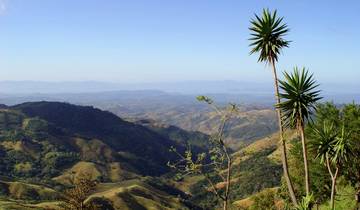
10 days
Essential Costa Rica – Package with Manuel Antonio National Park
- ✓ Comprehensive Costa Rica tour
- ✓ Expert local guides included
- ✓ All accommodation arranged
- ✓ Transportation provided
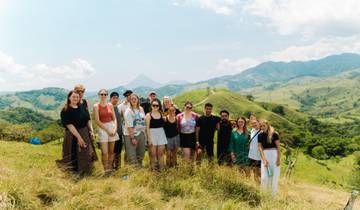
10 days
Costa Rica Adventure
- ✓ Comprehensive Costa Rica tour
- ✓ Expert local guides included
- ✓ All accommodation arranged
- ✓ Transportation provided
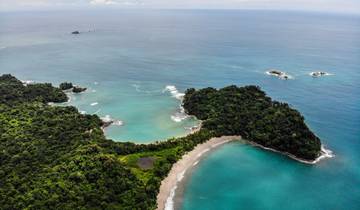
9 days
Costa Rica Quest
- ✓ Comprehensive Costa Rica tour
- ✓ Expert local guides included
- ✓ All accommodation arranged
- ✓ Transportation provided
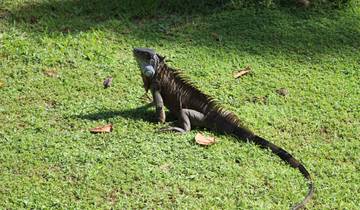
10 days
Essential Costa Rica – Package with Guanacaste
- ✓ Comprehensive Costa Rica tour
- ✓ Expert local guides included
- ✓ All accommodation arranged
- ✓ Transportation provided
Multi-day tour packages powered by TourRadar. Prices and availability subject to change.
Essential Planning Information 2026
Current Costs and Pricing Breakdown 2026
Understanding San José’s dual pricing structure proves essential for budget management. Tourist zones in downtown and near major hotels charge premium prices, while residential neighborhoods where locals shop and dine offer significantly better value. Entry to major museums costs $8-15 for adults in 2026 (check individual museum websites for current official rates as pricing may vary), with the National Museum at ₡5,000 ($9), Gold Museum at ₡7,500 ($13.50), and Jade Museum at ₡8,000 ($14.50) among top cultural attractions. Many museums offer free admission on specific weekdays, detailed in the activities section below.
Accommodation prices in 2026 range from $12-18 per night for hostel dormitory beds in popular backpacker areas like Barrio Amón, $35-55 for budget private rooms in guesthouses, $65-95 for mid-range hotels with private bathrooms and amenities, and $120-200 for boutique hotels in upscale neighborhoods. Prices fluctuate significantly based on season, with December-April commanding premium rates while May-November Green Season offers 30-40% discounts.
Food costs vary dramatically based on venue choice. Traditional sodas serve substantial casado plates (rice, beans, protein, salad, plantains) for $4-7, fresh fruit smoothies for $2-3, and full breakfasts for $3-5. Tourist-oriented restaurants charge $15-25 for similar meals, while mid-range international restaurants price entrees at $12-18. Street food including empanadas, tamales, and fresh fruit costs $1-3 per item. Supermarket shopping for self-catering averages $25-35 for three days of breakfast supplies and snacks.
Transportation within San José costs $0.65-1.35 per bus ride depending on distance, with most journeys within the central city costing $0.85. Taxis charge $4-8 for short rides within central neighborhoods, $8-12 from downtown to residential areas, and $20-30 to/from Juan Santamaría International Airport. Uber operates in San José with rates 10-20% lower than official taxis. Day trip buses to popular destinations cost $2-8 round-trip compared to $45-85 for organized tours.
Currency and Money Matters 2026
Costa Rica’s official currency is the colón (CRC), with exchange rates fluctuating around ₡520-560 per U.S. dollar in 2026. U.S. dollars are widely accepted in San José, particularly in tourist areas, hotels, and restaurants, though you receive change in colones and exchange rates may be less favorable than official bank rates. ATMs dispense both colones and dollars, charging $3-5 withdrawal fees for foreign cards, with daily limits of $400-500 depending on your bank.
Budget travelers save money by withdrawing larger amounts less frequently to minimize ATM fees, paying in colones rather than dollars when given the choice (better exchange rates), and using credit cards for major purchases to avoid carrying excessive cash. Banco Nacional, Banco de Costa Rica, and BAC San José ATMs offer reliable service with reasonable fees. Avoid currency exchange booths in tourist zones and at the airport, as banks and ATMs provide significantly better rates.
Tipping practices differ from U.S. standards. Restaurants include 10% service charge in the bill automatically, making additional tipping optional though $1-2 for excellent service is appreciated. Taxi drivers don’t expect tips, hotel porters receive $1-2 per bag, and tour guides earn $5-10 per person for full-day excursions. Many budget sodas don’t include service charges, where leaving small change or rounding up the bill is customary.
Accommodation Strategies 2026
Budget Hostels and Guesthouses 2026
San José’s hostel scene centers in Barrio Amón, the city’s historic neighborhood just north of downtown, where colonial-era houses converted to backpacker accommodations offer dormitory beds for $12-18 per night in 2026. Popular options include Costa Rica Backpackers ($13-16 per bed), Selina La Fortuna ($15-18 per bed), and Hostel Casa del Parque ($12-15 per bed). These hostels provide free breakfast, communal kitchens for self-catering, organized social events, tour booking assistance, and secure luggage storage. Private rooms in the same hostels cost $35-45 per night with shared bathrooms, offering excellent value for couples or friends traveling together.
Guesthouses in residential neighborhoods provide quieter alternatives to party-oriented hostels while maintaining budget-friendly prices. Areas like Los Yoses, Barrio Escalante, and San Pedro offer locally-run guesthouses charging $25-40 per night for simple private rooms with shared bathrooms, often including breakfast and access to kitchen facilities. These family-run establishments provide authentic cultural immersion, local dining recommendations, and insights into Costa Rican daily life that large hostels cannot match.
Budget accommodation booking strategies for 2026 include comparing prices across Booking.com, Hostelworld, and Airbnb (each platform offers different inventory and deals), booking directly with hostels for potential discounts or free nights on longer stays, and reading recent reviews carefully as quality varies significantly. During Green Season (May-November), last-minute bookings often secure better rates as properties reduce prices to fill rooms, while December-April peak season requires advance reservations 4-6 weeks ahead for best availability and rates.
Mid-Range Hotels and Airbnb Options 2026
Travelers seeking more comfort while maintaining reasonable budgets find excellent value in San José’s mid-range hotel sector. Properties in Barrio Escalante, Los Yoses, and Sabana Norte offer private rooms with ensuite bathrooms, air conditioning, WiFi, and breakfast for $65-95 per night in 2026. Hotel Presidente ($70-85), Hotel Don Carlos ($75-90), and Grano de Oro ($95-120) exemplify this category, providing security, comfort, and professional service at prices well below luxury properties.
Airbnb apartments throughout San José present strong value for stays of 3-4 nights or longer, particularly for groups or families who benefit from full kitchens, washing machines, and multiple bedrooms. One-bedroom apartments in safe neighborhoods cost $45-65 per night, two-bedroom units run $70-95, and entire houses accommodate larger groups for $100-150. Neighborhoods like Escazú, Santa Ana, Rohrmoser, and Curridabat offer modern apartments in secure buildings with parking, though locations require bus rides or short taxi trips to reach central attractions.
Booking platforms comparison reveals different strategies: Booking.com dominates hotel inventory with flexible cancellation policies, Airbnb offers unique apartment options with kitchen facilities, while Hostelworld specializes in budget hostels with social atmospheres. Booking 6-8 weeks ahead for December-April 2026 visits secures optimal rates before last-minute price increases, while Green Season travelers booking 2-3 weeks ahead often find promotional rates and room upgrades.
Neighborhood Selection for Budget Travelers 2026
Choosing the right neighborhood significantly impacts both costs and experiences. Downtown San José offers convenient access to museums, markets, and transportation terminals but lacks evening atmosphere as businesses close early, and security concerns increase after dark. Budget hostels dominate the area with rock-bottom prices but limited neighborhood amenities.
Barrio Amón provides the classic backpacker base with numerous hostels, cafes, bars, and tour operators concentrated in walkable blocks. The neighborhood’s colonial architecture, tree-lined streets, and proximity to National Park make it pleasant for strolling, though tourist-oriented pricing applies to many restaurants and services. Security remains good during daytime but caution applies after 10 PM.
Barrio Escalante represents San José’s culinary and cultural heart, where Costa Rica’s best restaurants, craft beer bars, independent galleries, and boutique shops create a sophisticated urban village atmosphere. While accommodation costs 15-25% more than downtown hostels, the neighborhood offers authentic local experiences, excellent dining value at non-tourist prices, and safe streets for evening walks. Budget travelers sharing Airbnb apartments or staying in local guesthouses find this area provides the best balance of value, safety, and experience.
Los Yoses and San Pedro, adjacent university neighborhoods east of downtown, offer lower accommodation costs, abundant cheap restaurants catering to students, excellent bus connections, and genuine local atmosphere. Hostels and guesthouses charge $10-15 per bed or $30-40 for private rooms, sodas serve casado plates for $4-5, and the areas buzz with young Costa Rican energy. The 20-minute bus ride to downtown attractions proves minor compared to significant cost savings.
Transportation Guide 2026
Getting to San José in 2026
Juan Santamaría International Airport (SJO) serves San José from a location 20 kilometers northwest in Alajuela. Official orange airport taxis charge fixed rates of $28-32 to downtown San José, $32-38 to Barrio Escalante or Los Yoses, and $35-42 to Escazú or Santa Ana. These prices include all luggage and operate 24 hours daily. Shared shuttle services cost $15-20 per person but require waiting for full vehicles and make multiple stops extending travel time to 60-90 minutes.
Budget travelers save significantly using public buses from the airport. The direct Alajuela-San José bus departs from the main road 200 meters from the terminal (follow signs for “bus público”), costs $1.35, and runs every 10-15 minutes from 5 AM to 10 PM reaching downtown San José in 35-45 minutes depending on traffic. The bus stops at Parque de La Merced near many downtown hostels and hotels. From there, local buses or short taxi rides ($3-5) reach specific accommodations. This option requires managing luggage on crowded buses but saves $25-30 compared to taxis.
International flights to San José in 2026 from major U.S. gateways cost $280-450 round-trip during Green Season (May-November), $420-650 for peak dry season (December-April), and $350-520 for shoulder seasons (late April, early December). Airlines serving the route include American, United, Delta, JetBlue, Southwest, Spirit, and Frontier, with Spirit and Frontier offering lowest fares but charging for all luggage and seat selections. Booking 6-10 weeks ahead typically secures better rates than last-minute purchases.
Public Transportation Within the City 2026
San José’s extensive bus network provides comprehensive coverage at minimal cost, with routes connecting all neighborhoods, commercial zones, and nearby suburbs. Rides within the central city cost $0.85, trips to outer neighborhoods run $1.10-1.35, and fares are paid in cash (exact change in colones appreciated) directly to the driver upon boarding. Buses operate from 5 AM to 10 PM on most routes, with reduced Sunday and holiday schedules.
Understanding the bus system requires learning key routes and terminals. The Coca-Cola Terminal near Mercado Borbón serves western destinations including Escazú, Santa Ana, and Alajuela. Terminal 7-10 in Barrio La California handles southern routes. Sabana-Cementerio buses run along Paseo Colón and Avenida Segunda connecting downtown to western neighborhoods. San Pedro buses depart from Avenida Central near Teatro Nacional traveling east through Los Yoses to the university district. Route numbers and destinations appear on windshield placards, and Google Maps provides increasingly reliable bus routing for San José.
Taxis operate throughout the city with red vehicles marked “Taxi” and meters required by law (verify meter use before departure). Short rides within central neighborhoods cost $4-6, crosstown trips run $8-12, and journeys to outer areas reach $15-20. Uber and other ride-sharing services operate in San José with prices 10-20% below official taxis, though pickup locations near popular tourist sites sometimes face restrictions. For budget travelers, taxis serve best for late-night returns to accommodation when buses stop running or when traveling with heavy luggage.
Day Trip Transportation Options 2026
Public buses to popular day trip destinations depart from various San José terminals at fraction of tour operator costs. Poás Volcano buses leave from Terminal de Alajuela ($2 round-trip, 90 minutes each way) with departures at 9 AM returning at 2:30 PM. Irazú Volcano buses depart Terminal de Cartago ($3 round-trip, 60 minutes) at 8 AM on Saturdays and Sundays. La Paz Waterfall Gardens requires taking Vara Blanca bus from Parque de La Merced ($4 round-trip, 2 hours), though this destination proves challenging without rental car due to the 6-kilometer walk from bus stop to gardens entrance.
Orosi Valley exploration begins with Cartago buses from Sabana-Cementerio Terminal ($1.50, 45 minutes) then connecting to Orosi-Paraíso local services ($0.85, 30 minutes). The entire valley circuit visiting Orosi Church, Cachi Dam, and Ujarrás ruins costs under $5 in public transportation compared to $55-75 for organized tours. Buses run hourly during peak times with reduced schedules on Sundays.
Organized tour comparison shows dramatic price differences. Poás Volcano tours cost $45-55 per person including transportation, guide, and entrance fees, versus $18-22 doing it independently ($2 bus + $15 park entrance + $1-5 breakfast/snacks). Irazú Volcano tours run $38-48 versus $15-18 independently. La Paz Waterfall Gardens tour packages cost $95-125 versus $55-65 independently (though this destination’s logistics favor tours). Budget travelers comfortable with Spanish, basic route planning, and flexible schedules save 60-70% using public transportation for day trips.
Food and Dining Budget 2026
Local Sodas and Budget Meals 2026
Sodas represent Costa Rica’s greatest budget dining value, serving authentic local food at prices locals pay. These family-run restaurants offer casado plates (rice, beans, choice of protein, cabbage salad, fried plantains, sometimes vegetables) for $4-7 depending on protein selection. Chicken or pork casados cost $4-5, fish versions run $5-6, and beef plates reach $6-7. These complete meals provide substantial portions satisfying most appetites for lunch or dinner.
Breakfast at sodas includes gallo pinto (rice and beans), eggs, cheese, tortillas, and coffee for $3-5. Fresh fruit smoothies (batidos) made with milk or water cost $2-3 and serve as excellent snacks or meal supplements. Typical soda menu items include olla de carne (beef soup) for $4-5, arroz con pollo (chicken and rice) for $5-6, and various seafood dishes for $6-8. Beverages like frescos naturales (fresh fruit drinks) cost $1.50-2, coffee runs $1-1.50, and soft drinks are $1.25-1.75.
Top budget sodas in various neighborhoods include Soda Tapia in Barrio La California (famous for huge portions and $4-5 casados), Soda La Amistad near Parque La Sabana (excellent breakfast gallo pinto for $3), Nuestra Tierra in Barrio Amón (slightly higher prices at $6-8 but generous portions and great atmosphere), and Alma de Amón (mid-range at $8-10 but exceptional quality). Los Yoses and San Pedro neighborhoods offer numerous small sodas near Universidad de Costa Rica where students eat, with casado prices as low as $3.50-4.50.
Markets and Self-Catering Options 2026
Mercado Central, San José’s historic covered market, provides excellent shopping for fresh produce, meat, fish, bread, and prepared foods at local prices. Tropical fruits including pineapples ($1-2), papayas ($1.50-2.50), mangoes ($0.50-1), bananas ($0.25-0.50 per pound), and strawberries ($2-3 per pound) offer incredible value compared to supermarket prices. Vegetable vendors sell tomatoes, peppers, onions, lettuce, and other staples at 30-50% below supermarket costs. The market operates Monday-Saturday 6 AM-6 PM with peak activity and best selection in morning hours.
Supermarkets including Automercado, Mas x Menos, and Perimercados offer familiar shopping experiences with clearly marked prices. A typical shopping trip for three days of breakfast supplies (eggs, bread, cheese, coffee, milk, fruit, yogurt) costs $15-22. Prepared foods sections sell roasted chicken ($4-6), ready-to-eat casado plates ($4-5), sandwiches ($2-3), and salads ($3-5). Imported products carry premium prices while Costa Rican brands provide better value.
Budget travelers staying in hostels or Airbnb apartments with kitchen access significantly reduce daily food costs through strategic self-catering. Preparing breakfasts (cost: $1.50-2.50 per meal), packing snacks for daytime sightseeing (cost: $2-3 daily), and making occasional simple dinners (cost: $3-5 per person) combined with eating lunch at sodas (cost: $4-7) reduces total daily food expenses to $12-18 compared to $25-40 for restaurant meals throughout the day.
Mid-Range Dining Experiences 2026
Budget travelers occasionally splurging on better restaurants find excellent value in San José’s mid-range dining scene, particularly in Barrio Escalante where Costa Rica’s culinary renaissance centers. Restaurants like Al Mercat (Mediterranean tapas $6-12), Ázul y Dorado (Cuban fusion entrees $10-14), and Isolina (Italian dishes $12-16) offer creative cuisine, quality ingredients, and pleasant atmospheres at prices below North American or European equivalents.
Coffee culture thrives in San José with numerous cafes serving Costa Rica’s famous beans alongside breakfast and lunch items. Cafe Miel in Barrio Escalante, Cafe de los Deseos near Universidad de Costa Rica, and Alma de Café downtown charge $2-4 for excellent coffee drinks, $5-8 for breakfast plates, and $7-11 for lunch sandwiches and salads. These spots provide comfortable environments for planning daily activities, catching up on travel journals, or working remotely while sampling local cafe culture.
Craft beer bars including Costa Rica Beer Factory, Stiefel, and Hopping serve locally-brewed craft beers for $3-5 per pint alongside pub food like burgers ($8-11), wings ($7-9), and nachos ($6-8). These establishments offer social atmospheres popular with both expats and locals, providing opportunities to meet other travelers and learn about Costa Rican craft beer movement while maintaining reasonable budgets.
Free and Low-Cost Activities 2026
Museums with Free Admission Days 2026
San José’s excellent museums offer free admission on specific days throughout the month, allowing budget travelers to access world-class collections without admission fees. The National Museum provides free entry every Sunday, saving visitors $9 while showcasing comprehensive Costa Rican history, pre-Columbian artifacts, and rotating cultural exhibitions in the former Bellavista Fortress building. The museum opens 8:30 AM-4:30 PM, with Sunday mornings (9-11 AM) offering the best experience before crowds arrive.
The Museum of Costa Rican Art in Parque La Sabana opens free to all visitors on Sundays, featuring rotating contemporary art exhibitions, permanent collections of 19th and 20th century Costa Rican art, and sculpture gardens in the former airport terminal building. The Children’s Museum (Museo de los Niños) offers free admission on the first Sunday of each month, making it ideal for families traveling with children interested in interactive science and cultural exhibits.
Pre-Columbian Gold Museum beneath Plaza de la Cultura normally charges $13.50 admission but opens free on International Museum Day (May 18, 2026) and other special occasions announced on their website. The Jade Museum similarly offers occasional free admission days worth monitoring for budget-conscious travelers planning extended San José stays. Checking museum websites or Facebook pages before your 2026 visit reveals current free admission schedules and any special promotions.
Parks and Public Spaces 2026
Parque La Sabana, San José’s largest urban park, provides extensive free recreation and relaxation opportunities. The former airport transformed into 72 hectares of green space features walking paths, cycling routes, exercise stations, soccer fields, basketball courts, a lake, and numerous shaded areas for picnicking. Weekends bring families grilling, playing sports, and enjoying outdoor activities, while weekday mornings offer peaceful walks and running routes. The park’s free outdoor gym equipment, basketball courts, and soccer fields allow budget travelers to maintain fitness routines without gym memberships.
Parque Nacional in the city center offers shaded respite from urban streets, with the impressive National Monument statue, benches for people-watching, and frequent free cultural events including concerts, dance performances, and festivals. Sunday mornings feature Paseo de los Museos when nearby streets close to vehicles, creating pedestrian zones connecting multiple museums and cultural sites. The park provides excellent free WiFi, making it popular with digital nomads and budget travelers catching up on emails or planning next destinations.
Barrio Escalante’s streets function as outdoor art galleries with colorful murals, sculptural installations, and architectural details rewarding leisurely walks. Self-guided walking tours exploring the neighborhood’s street art, historic buildings, cafes, and local shops cost nothing while providing authentic cultural immersion. The neighborhood’s compact size allows covering major highlights in 2-3 hours, with breaks at budget-friendly cafes or parks.
Walking Tours and Cultural Experiences 2026
Free walking tours operate in San José on donation basis, where guides work for tips rather than fixed fees. Walking San José offers daily downtown tours departing 10 AM and 2 PM from Teatro Nacional, covering major landmarks, historical sites, and cultural insights over 2.5-3 hours. Guides expect tips of $5-10 per person for good service, making these tours excellent value compared to paid alternatives charging $25-35 per person.
Self-guided exploration of Mercado Central provides rich cultural experiences at zero cost beyond any food or items purchased. The market’s labyrinth of stalls selling everything from fresh produce to leather goods, medicinal herbs to household items, operates as microcosm of Costa Rican commercial life. Observing vendors, sampling fruit, watching traditional food preparation, and navigating the sensory overload creates memorable experiences costing nothing. Budget $2-5 for sampling tropical fruits, fresh juices, or small snacks while exploring.
Attending Sunday mass at Metropolitan Cathedral combines architectural appreciation with cultural immersion. The historic church welcomes visitors to services held in Spanish at 9 AM, 11 AM, and 6 PM on Sundays, with the 11 AM service typically featuring choir performances. Proper dress (covered shoulders, no shorts) and respectful behavior apply, but attendance costs nothing while providing genuine local cultural participation.
Money-Saving Strategies 2026
Advance Booking Benefits 2026
Booking accommodation 6-8 weeks ahead for December-April 2026 peak season visits locks in better rates before last-minute price increases of 20-40%. Many hotels and hostels offer early booking discounts or free night promotions for reservations made 60+ days in advance. Conversely, Green Season (May-November) rewards last-minute bookers with reduced rates as properties lower prices to fill rooms, sometimes offering 30-50% discounts on published rates for bookings made 1-2 weeks ahead.
International flights follow similar patterns, with optimal booking windows falling 8-12 weeks before travel dates for best price-availability combinations. Flights booked 4-6 months ahead sometimes cost more due to airlines’ dynamic pricing, while bookings made less than 3 weeks before departure face premium rates. Flexible travel dates allow comparing prices across multiple days, with Tuesday-Thursday departures and returns costing $30-80 less than weekend flights.
Popular day trip destinations and tours benefit from advance booking during peak season. Poás Volcano limits daily visitors to 6,000, with advance online reservations ($15 entrance fee) required. Booking volcano visit tickets 2-3 days ahead ensures access, while day-of attempts risk sold-out conditions. Tour operators offer 10-15% discounts for bookings made 1+ weeks ahead, though budget travelers using public transportation avoid these costs entirely.
Seasonal Pricing Optimization 2026
Understanding seasonal pricing patterns maximizes value throughout 2026. High season (mid-December through April) brings premium pricing for accommodation, tours, and flights as North American and European tourists escape winter. Shoulder seasons (late April-early May, late November-mid December) offer sweet spots with 15-25% lower prices than peak season while maintaining mostly dry weather and manageable crowds.
Green Season (May through November) provides 30-40% lower accommodation costs, excellent flight deals from North America ($280-380 round-trip versus $420-650 in high season), and significantly reduced tour prices. While afternoon rain showers occur regularly during these months, mornings typically offer clear skies perfect for sightseeing, museums and cultural attractions operate normally regardless of weather, and San José’s urban attractions suffer less weather impact than beach or mountain destinations.
Within each season, weekday travel costs less than weekends. Hotels in San José cater partly to business travelers, offering Friday-Sunday discounts when business guests depart. Booking Thursday-Monday stays instead of Friday-Sunday maximizes these reduced rates while avoiding crowds at popular sites. Tuesday through Thursday features lowest tour prices, cheapest restaurant lunch specials, and minimal lines at attractions.
Local vs Tourist Pricing 2026
Mastering the local-tourist pricing divide dramatically reduces daily expenses. Eating breakfast and lunch at sodas in residential neighborhoods instead of tourist zone restaurants cuts meal costs by 60-70%. The same casado plate costing $4-5 in Los Yoses soda runs $12-15 in Barrio Amón tourist restaurant. Shopping at Mercado Central or local supermarkets instead of souvenir shops reduces product costs by 40-60% while offering more authentic items.
Using public transportation rather than taxis saves approximately 95% on transportation costs. The $0.85 bus ride from downtown to San Pedro costs $8-10 by taxi for the same journey. Day trips via public buses rather than tour operators reduce transportation expenses from $45-65 to $2-8, allowing budget travelers to allocate savings toward entrance fees, meals, or extended stays.
Learning basic Spanish phrases improves pricing in some contexts, particularly at markets, small shops, and local sodas where English-speaking tourists receive quoted “gringo prices” higher than what locals pay. Polite Spanish greetings, simple conversations, and avoiding obvious tourist behaviors (large cameras, guidebooks, expensive gear) sometimes results in better treatment and fairer pricing, though the effect varies by vendor and situation.
Sample Budget Itineraries 2026
Ultra-Budget 3-Day San José Plan 2026
Day 1: Downtown Cultural Immersion
Start your ultra-budget San José experience with free walking tour departing Teatro Nacional at 10 AM (tip guide $5-8), learning about city history, architecture, and culture while covering major downtown landmarks. Post-tour, explore Mercado Central for lunch at one of the internal sodas, choosing a casado plate for $4-5 and fresh fruit juice for $1.50, then browsing produce stalls, craft vendors, and local commerce for free cultural observation.
Afternoon visit to National Museum (free on Sundays, $9 other days) showcases Costa Rican history and pre-Columbian artifacts in the former Bellavista Fortress, requiring 1.5-2 hours for comprehensive exploration. Walk to nearby Plaza de la Democracia for city views and photo opportunities (free), then stroll through Barrio Amón’s colonial architecture and street art (free). Dinner at budget soda in Barrio La California costs $5-6 for casado with drink. Evening relaxation at hostel or exploring neighborhood cafes and bars where single beers run $2-3.
Walking tour tip $5-8, lunch $5.50-6.50, museum $9 (free Sunday), dinner $5-6, evening drink $2-3, bus transportation $1.70. Total day cost: $29-34 per person (excluding accommodation $12-18 hostel bed).
Day 2: Poás Volcano Day Trip
Early morning public bus to Poás Volcano from Alajuela Terminal departing 9 AM ($2 round-trip), arriving at the volcano around 10:30 AM for hiking trails and crater viewing. Pack breakfast from hostel or buy items from supermarket previous evening ($2-3 total). Volcano entrance costs $15 (online advance booking required), with several hours of hiking trails, visitor center exhibits, and stunning views of the active crater.
Return bus departs Poás at 2:30 PM, arriving San José around 4 PM. Evening in Los Yoses or San Pedro neighborhoods exploring student areas, eating dinner at local soda ($4-5 casado), and experiencing authentic non-tourist nightlife with beers at local bars ($1.50-2 each) or simply walking vibrant evening streets (free). Snacks at small markets cost $2-3 for items like empanadas, fruit, or pastries.
Bus transportation $2, breakfast supplies $2-3, volcano entrance $15, snacks $2-3, dinner $4-5, evening beers or snacks $3-4, local buses $1.70. Total day cost: $29.70-34.70 per person (excluding accommodation).
Day 3: Barrio Escalante and Parks
Morning walk through Barrio Escalante exploring street art, architecture, and local shops (free), with breakfast at budget cafe charging $4-6 for coffee and simple meal. Visit Museum of Costa Rican Art in Parque La Sabana (free on Sundays, $4-6 other days), then spend afternoon in the park’s extensive green spaces, perhaps renting bikes ($3-5 per hour) or simply walking, picnicking (supplies from market $5-8), and people-watching.
Late afternoon bus to Mercado Central area for final shopping, buying small souvenirs or local products at authentic prices rather than tourist shop markups (budget $10-15 for several items). Farewell dinner at mid-range restaurant in Barrio Escalante splurging slightly on better meal ($10-14 entree), or maintaining ultra-budget approach with soda casado ($5-6). Evening stroll through illuminated downtown streets and plazas (free).
Breakfast $4-6, museum $4-6 (free Sunday), lunch/snacks $5-8, bike rental (optional) $3-5, souvenirs $10-15, dinner $10-14 or $5-6 budget option, bus transportation $1.70. Total day cost: $38.70-57.70 per person budget option or $27.70-34.70 ultra-budget (excluding accommodation).
3-Day Ultra-Budget Total: Accommodation $36-54 (3 nights hostel), food and activities $86.40-126.40, transportation included in daily totals. Complete 3-day trip: $122.40-180.40 per person.
Moderate Budget 3-Day Itinerary 2026
Day 1: Downtown Exploration and Fine Dining
Begin with hearty breakfast at Alma de Café or similar mid-range downtown cafe ($7-9 for coffee, eggs, toast, fruit), then join walking tour or explore independently visiting Teatro Nacional (guided tours $10-12, self-guided free exterior viewing), Gold Museum ($13.50), and Plaza de la Cultura. Lunch at Nuestra Tierra in Barrio Amón provides traditional atmosphere and generous portions ($8-10 casado).
Afternoon taxi or Uber to Barrio Escalante ($6-8) for neighborhood exploration, cafe stop ($3-5 for excellent Costa Rican coffee and pastry), and shopping at boutique stores selling local artisan goods. Dinner splurge at Al Mercat or Isolina ($12-16 entrees, $4-6 appetizers shared, $3-5 drinks) experiencing San José’s culinary renaissance. Evening craft beer at Costa Rica Beer Factory ($3-5 per pint).
Breakfast $7-9, museum $13.50, lunch $8-10, transportation $6-8, cafe $3-5, dinner $20-30 with drinks, evening beer $3-5, local transport $2-3. Total day cost: $62.50-83.50 per person (excluding accommodation $65-95 mid-range hotel).
Day 2: Organized Volcano Tour
Organized Poás Volcano tour with hotel pickup ($45-55 per person) providing transportation, English-speaking guide, volcano entrance, and visit to La Paz Waterfall Gardens or coffee plantation, departing 8-9 AM and returning 4-5 PM. Tours include professional narration about geology, ecology, and Costa Rican natural history while handling all logistics. Lunch at tour-included restaurant or cafeteria ($8-12 if not included).
Evening free in San José with dinner at mid-range restaurant in Los Yoses or Escalante ($12-16 entrees), perhaps trying Costa Rican craft beers ($3-5 each) or cocktails at trendy bar ($6-9 each). Late evening snack of street food or cafe pastry ($3-5) while strolling illuminated streets.
Tour $45-55, lunch if not included $8-12, dinner $15-20 with drinks, evening drinks $6-14, snacks $3-5. Total day cost: $77-106 per person (excluding accommodation).
Day 3: Museums and Shopping
Morning visit to Jade Museum ($14.50) for world-class pre-Columbian jade collection requiring 1.5-2 hours, then stroll to Mercado Central for cultural immersion and souvenir shopping with higher budget allowing quality purchases ($20-40 total). Lunch at market internal soda or nearby mid-range restaurant ($8-12).
Afternoon taxi to Parque La Sabana ($8-10) visiting Museum of Costa Rican Art ($4-6 admission, free Sundays), relaxing in park gardens, and perhaps visiting National Stadium. Late afternoon return to Barrio Escalante by taxi ($6-8) for final neighborhood exploration and dinner at upscale restaurant ($18-25 entrees, $5-8 drinks). Farewell craft cocktails at speakeasy-style bar ($8-12 each).
Museum $14.50, shopping $20-40, lunch $8-12, transportation $14-18, museum $4-6 (free Sunday), dinner $25-35 with drinks, cocktails $16-24. Total day cost: $101.50-149.50 per person (excluding accommodation).
3-Day Moderate Budget Total: Accommodation $195-285 (3 nights mid-range hotel), food and activities $241-339, transportation included in daily totals. Complete 3-day trip: $436-624 per person.
Weekend Budget Getaway 2026
Saturday: Arrival and Evening Exploration
Afternoon arrival at San José airport with shared shuttle to accommodation ($15-20 per person) or public bus if daytime arrival ($1.35). Check into mid-range hotel in Barrio Escalante or Los Yoses, then evening walk exploring neighborhood streets, murals, and local shops (free). Dinner at recommended soda or casual restaurant ($8-12 entree with drink), followed by craft beer tasting at local brewery ($10-15 for flight of 4-5 beers) or relaxed evening at cafe.
Airport transport $1.35-20, dinner $8-12, evening activity $10-15 or free walk, snacks $3-5. Total day cost: $22.35-52 per person (excluding accommodation).
Sunday: Full Day Cultural Immersion
Sunday schedule maximizes free museum admissions with morning visit to National Museum (free on Sundays, normally $9), then Museum of Costa Rican Art in Parque La Sabana (free on Sundays, normally $4-6). Lunch picnic in Parque La Sabana with supplies from nearby supermarket or market ($6-10 for high-quality picnic items), or eat at park-adjacent soda ($7-9 casado).
Afternoon Mercado Central exploration, souvenir shopping ($15-25 budget), and sampling local snacks and fresh juices ($4-6). Evening splurge dinner at Barrio Escalante restaurant ($15-22 entrees, $4-6 drinks), celebrating weekend getaway with excellent Costa Rican cuisine. Late night stroll through illuminated downtown streets and plazas (free).
Museums free (Sunday), lunch $6-10, shopping $15-25, snacks $4-6, dinner $20-30 with drinks, local transport $2-4. Total day cost: $47-75 per person (excluding accommodation).
Weekend Budget Total: Accommodation $130-190 (2 nights mid-range hotel), food and activities $69.35-127, airport transport included in daily costs. Complete weekend: $199.35-317 per person.
Day Trip Budget Planning 2026
Affordable Excursions from San José 2026
Orosi Valley circuit offers the most budget-friendly major day trip from San José, combining colonial history, natural beauty, and cultural sites at minimal cost. Public bus to Cartago ($1.50, 45 minutes) connects to local Orosi-Paraíso buses ($0.85, 30 minutes), allowing visits to Orosi Church (free admission, donations appreciated), Cachi Dam viewpoint (free), Ujarrás ruins (free), and thermal hot springs at Orosi Balneario ($4-6 admission). Pack lunch from San José or eat at local sodas in Orosi or Paraíso ($4-5 casado). Complete circuit costs $15-20 including all transport, admissions, and meals.
Irazú Volcano provides another excellent budget day trip with public buses departing Cartago terminal Saturdays and Sundays only ($3 round-trip, 60 minutes each way). Volcano entrance costs $15, with hiking trails, crater views, and visitor center requiring 2-3 hours. Pack breakfast and snacks from San José, or buy items from vendors near the park entrance ($3-5). Early 8 AM bus departure catches best morning views before afternoon clouds. Total day cost $21-26 including transport, admission, and food.
Butterfly Farm near La Guácima, while requiring slightly complex logistics, rewards budget travelers with unique experience. Public bus to Alajuela ($1.35, 40 minutes) connects to local buses toward Atenas stopping at La Guácima ($0.85), then short walk or taxi ($3-4) to the butterfly farm charging $20 entrance for guided tours through multiple butterfly enclosures representing different ecosystems. Return journey reverses the route. Pack lunch or eat at Alajuela sodas ($4-5). Total cost $30-35 for full day including all transport, admission, and meals.
Transportation and Tour Costs 2026
Organized tour pricing for popular destinations reveals opportunities for significant budget savings through independent travel. Poás Volcano tours charge $45-55 per person for transportation, guide, and entrance, while independent travelers pay $2 bus plus $15 entrance totaling $17. Irazú Volcano tours cost $38-48 versus $18 independently. Combined Poás-La Paz Waterfall tours run $95-125 versus $55-70 independently (though this particular combination proves challenging without rental car).
Tour advantages include English-speaking guides providing ecological and historical context, guaranteed transportation on fixed schedules, hotel pickup/dropoff convenience, and visits to multiple sites in single day. These benefits matter more to first-time visitors, those with limited time, families with children, or travelers uncomfortable navigating Spanish-language public transportation. Tours also guarantee volcano access even when public bus schedules conflict with weather or visiting hour restrictions.
Independent travel advantages center primarily on cost savings of 60-70% for most destinations, with additional benefits including flexible timing (stay longer at sites that interest you), authentic local interactions on public buses and at neighborhood eateries, and satisfaction of successful navigation through foreign transportation system. Budget travelers with modest Spanish skills, comfort with ambiguity, and extra time overwhelmingly benefit from public transportation approach to day trips.
Booking and Reservations 2026
Best Booking Platforms for Budget Travelers 2026
Hostelworld dominates budget accommodation booking for San José, offering the largest inventory of hostels, guesthouses, and budget hotels with detailed reviews from fellow backpackers. The platform’s percentage-based booking fees (10-12%) sometimes add costs, though convenience, secure payment, and reliable cancellation policies justify fees for most users. Creating free account unlocks member discounts and allows saving favorite properties for future visits.
Booking.com provides broader accommodation range including budget hotels, mid-range properties, and some hostels, with particularly strong inventory in Costa Rica. The platform’s free cancellation options on many properties allow flexible booking strategies: reserve refundable options early for good prices, then continue monitoring for better deals or last-minute promotions. Genius loyalty program offers 10-20% discounts for frequent users, with level 1 achieved after completing just two stays.
Airbnb excels for stays of 3+ nights when kitchen access matters, offering apartments and houses where self-catering reduces daily food costs significantly. Budget $45-65 nightly for one-bedroom apartments in safe neighborhoods, or $70-95 for two-bedroom units splitting costs among multiple travelers. Weekly discounts of 15-25% apply to many properties, making week-long stays particularly economical. Always read reviews carefully, verify neighborhood safety, and communicate with hosts before booking regarding WiFi quality, hot water reliability, and security features.
When to Book for Best Prices 2026
Peak season (mid-December through April) accommodation requires booking 6-8 weeks ahead for optimal price-availability balance. Properties closest to sold-out dates increase prices by 20-40%, while booking too far ahead (3-4 months) sometimes means missing shorter-term promotional rates. The sweet spot falls 40-60 days before arrival, when properties have clear booking patterns and offer early-bird discounts without panic pricing.
Green Season (May-November) rewards last-minute bookers, particularly for accommodation. Hotels and hostels reduce prices 1-2 weeks before arrival dates to fill rooms, sometimes offering 30-50% discounts on published rates. Booking flexibility allows choosing from multiple properties at deeply discounted prices, though popular hostels in Barrio Amón sometimes fill even during Green Season requiring advance planning.
Flight booking follows 8-12 week advance purchase window for optimal pricing from North American gateways. Airlines release tickets 11-12 months ahead, but prices rarely represent best deals until 2-3 months before departure when demand patterns become clear and promotional fares appear. Tuesday and Wednesday departures/returns cost $30-80 less than Friday-Sunday travel, while red-eye or early morning flights offer additional savings of $40-70 on some routes.
2026 Budget Planning Tips
Building comprehensive San José budget for 2026 requires realistic daily cost estimates across categories. Budget travelers achieving $35-50 daily totals allocate approximately: accommodation $12-18 (hostel beds), food $12-18 (sodas for all meals), transportation $2-4 (public buses only), activities $5-10 (mix of free sites and occasional paid admissions). Mid-range travelers at $80-120 daily budget: accommodation $45-65 (private hotel room), food $30-45 (mix of sodas and restaurants), transportation $10-15 (taxis and buses), activities $10-20 (museums, tours, experiences).
Week-long San José stays cost budget travelers approximately $245-350 total ($35-50 per day), while mid-range travelers spend $560-840 ($80-120 per day). These estimates exclude international flights but include all in-country expenses. Adding popular day trips like Poás Volcano ($17-55 depending on tour vs independent), Irazú Volcano ($18-48), or Orosi Valley ($15-20) increases totals accordingly, with budget travelers selecting 1-2 major excursions per week and mid-range travelers booking 3-4.
Unexpected expenses and budget padding prove essential for financial stress-free travel. Medical situations, emergency taxi rides, spontaneous tour opportunities, souvenirs, special meals, or extended stays due to weather or changed plans all occur regularly. Budget travelers should pad daily estimates by 15-20% ($6-10 extra daily) creating emergency funds of $40-70 for week-long trips. Mid-range travelers padding budgets by 10-15% ($10-15 daily) build cushions of $70-105 weekly for unexpected costs or spontaneous splurges.
Money management strategies for extended stays include: withdrawing larger amounts less frequently to minimize ATM fees ($3-5 per withdrawal adds up quickly), using credit cards for major purchases (hotels, tours) to earn points while maintaining fraud protection, keeping emergency cash separate from daily wallet (minimum $100-200 in secure accommodation), photographing credit/debit cards for reference if lost, and maintaining small bill denominations (₡1,000-5,000 notes) for buses, sodas, and small purchases where exact change facilitates transactions.
Tracking expenses daily using smartphone apps like Trail Wallet, Splitwise, or simple spreadsheet notes prevents budget drift and identifies where money actually goes versus planned allocations. Budget travelers often discover they spend more on bottled water, snacks, and convenience items than anticipated, or that one expensive restaurant meal equals three days of soda lunches. Awareness allows mid-trip adjustments, reallocating funds from categories with surplus to those exceeding estimates.
Frequently Asked Questions About San José Budget Travel 2026
What’s the absolute minimum daily budget for San José?
Extreme budget travelers can survive on $25-30 daily by sleeping in cheapest hostel dormitories ($10-12), eating all meals at local sodas ($10-12 total), using only public transportation ($2-3), and visiting primarily free attractions. This approach sacrifices comfort and limits experiences but proves possible for backpackers prioritizing duration over quality or those saving money for more expensive Costa Rican destinations like beaches or cloud forests.
Do I need to speak Spanish to travel San José on a budget?
Basic Spanish dramatically improves budget travel experiences in San José but isn’t absolutely required. Tourist zones, major hostels, and organized tours operate primarily in English, while sodas, markets, public buses, and local neighborhoods function predominantly in Spanish. Learning essential phrases for ordering food, asking directions, and negotiating prices (comprar, cuánto cuesta, dónde está) plus numbers for understanding prices prevents most problems and often results in better treatment, friendlier interactions, and occasionally lower prices from vendors appreciating effort.
Is San José safe for budget travelers walking around at night?
Safety varies dramatically by neighborhood. Barrio Escalante, Los Yoses, and parts of San Pedro remain safe for evening walks and nightlife through 11 PM-midnight, while downtown and Barrio Amón require more caution after 9-10 PM when businesses close and streets empty. Budget travelers should avoid walking alone late at night regardless of neighborhood, use taxis or Uber for returns after 10 PM, keep valuables concealed, avoid displaying phones and cameras unnecessarily, and stay alert to surroundings. Hostels and hotels provide specific neighborhood safety advice worth heeding.
Can I use US dollars everywhere in San José?
U.S. dollars work in tourist restaurants, hotels, tour operators, and some shops, but sodas, buses, markets, and local businesses operate primarily in colones. Paying in dollars at places accepting them often results in unfavorable exchange rates and change given in colones anyway. Budget travelers benefit from withdrawing colones from ATMs at bank exchange rates ($3-5 withdrawal fee), paying in local currency, and reserving dollars for genuine emergencies or departure tax if needed.
What’s included in typical hostel rates in San José?
Most San José hostels include basic breakfast (coffee, toast, fruit, sometimes eggs), free WiFi, communal kitchen access, and secure luggage storage in quoted rates. Some add free walking tours, pub crawls, or other social events. Higher-priced hostels ($15-18 per bed) typically offer better breakfast, nicer common areas, swimming pools, or superior locations, while budget options ($10-13) provide basic necessities with fewer amenities. Always verify what’s included before booking.
How much should I budget for souvenirs and shopping?
Budget shoppers can find quality souvenirs at Mercado Central for $15-25 total: coffee ($5-8 for excellent local brands), small handicrafts ($3-6 each), hot sauce or local condiments ($2-4 per bottle), and traditional textiles or ceramics ($8-15). Mid-range shoppers allocating $40-70 access better quality handicrafts, larger ceramic pieces, or multiple coffee packages. Avoid airport shops and tourist zone boutiques where prices run 200-300% higher than market rates for identical or inferior products.
Are there good vegetarian and vegan options for budget eating?
Traditional Costa Rican sodas offer vegetarian casados (gallo pinto, beans, rice, plantains, salad, cheese) for $3.50-4.50, with vegan versions possible by requesting sin queso y sin huevo (without cheese and egg). Mercado Central has numerous juice bars and fruit stands perfect for plant-based meals, while Barrio Escalante features several vegetarian and vegan restaurants at $8-14 per entree. Supermarkets stock produce, beans, rice, tortillas, and other staples for self-catering vegetarian meals at minimal cost.
What are the best neighborhoods for budget accommodation in 2026?
Barrio Amón offers highest concentration of budget hostels with social atmospheres but tourist-zone pricing for food and services. Los Yoses and San Pedro provide better value through lower accommodation costs, cheaper local restaurants, authentic neighborhood atmosphere, and safe environments, requiring 15-20 minute bus rides to reach central attractions. Barrio Escalante balances safety, atmosphere, and proximity to attractions but costs 15-25% more than university neighborhoods, worthwhile for travelers prioritizing experience over maximum budget savings.
How do I get the best exchange rates for colones?
ATMs at major banks (Banco Nacional, Banco de Costa Rica, BAC San José) provide best exchange rates, approximately 1-2% better than currency exchange booths and 3-5% better than paying in dollars at stores or restaurants. Withdraw larger amounts ($200-300) less frequently to minimize $3-5 ATM fees, verify your home bank’s foreign transaction fees before departing (some banks charge additional 1-3% fees), and notify your bank of Costa Rica travel to prevent card blocks for suspected fraud.
Is it worth getting travel insurance for a budget San José trip?
Budget travelers should weigh travel insurance costs against potential medical expenses and trip disruptions. Basic policies covering emergency medical care and evacuation cost $25-45 for week-long trips, worthwhile considering Costa Rican private clinic visits run $80-150 and hospital stays reach $500+ daily. Policies also cover trip cancellation, lost luggage, and theft, though budget travelers with minimal valuable items and flexible tickets may prefer self-insuring these risks. Medical coverage alone proves essential given potential costs of illness or injury.