
San Ignacio Travel Guide 2026: Gateway to Cayo District
- San Ignacio serves as Belize’s adventure capital with access to Maya ruins, cave systems, rainforests, and waterfalls within 15-90 minutes
- Accommodation ranges $25-220 nightly with excellent mid-range options at $60-95 providing comfort, pools, and tour coordination
- Daily budgets run $60-90 for budget travelers, $100-140 mid-range, and $180-250+ luxury, excluding accommodation
- The town operates as a practical base rather than destination attraction, with most visitors spending days exploring surrounding sites
- Dry season (February-May 2026) offers optimal conditions for outdoor activities with minimal rainfall and comfortable temperatures
- Located 72 miles west of Belize City via well-maintained Western Highway, with transfers costing $40-60 per person
Planning Your San Ignacio Base in 2026
San Ignacio functions as Cayo District’s primary tourist hub, providing strategic access to Belize’s most significant inland attractions while offering the country’s best combination of budget-friendly accommodation, diverse dining, and adventure tour infrastructure. This riverside town of 17,000 residents sits at the confluence of the Macal and Mopan Rivers near Guatemala’s border, creating a natural center for exploring ancient Maya civilization sites, extensive cave systems, pristine rainforest reserves, and cascading waterfalls that define western Belize’s appeal. The town itself maintains an authentic Belizean character, operating primarily as a service center for surrounding agricultural communities rather than existing solely for tourism.
San Ignacio’s elevation at 200 feet above sea level creates slightly cooler temperatures than coastal areas, with year-round conditions ranging 70-90°F and jungle humidity moderated by river breezes. The compact downtown area concentrates along Burns Avenue and surrounding streets, where restaurants, tour operators, banks, and shops cluster within easy walking distance. Saturday morning market brings farmers and craftspeople selling produce, handmade goods, and street food, creating the week’s liveliest atmosphere. Unlike purpose-built resort towns, San Ignacio preserves working-town authenticity where tourism integrates with local life rather than overwhelming it.
The town’s appeal centers on accessibility to major attractions rather than urban amenities. Xunantunich Maya ruins sit 8 miles west, Cahal Pech archaeological site crowns a hill at town’s edge, ATM Cave requires 45-minute drive southeast, Caves Branch tubing lies 35 minutes east, and Mountain Pine Ridge Forest Reserve extends 25 miles south with waterfalls, swimming holes, and additional ruins. Tour operators coordinate daily departures to all major sites, while budget travelers can reach many locations via public buses or rental cars. This concentration of attractions within short distances makes San Ignacio dramatically more efficient as a base than coastal areas or Belize City.
Planning your 2026 San Ignacio visit involves coordinating arrival logistics, selecting appropriate accommodation for your budget and preferences, understanding seasonal weather patterns affecting outdoor activities, and structuring multi-day itineraries maximizing your time among the region’s diverse attractions. The town serves travelers ranging from backpackers staying in $25 hostels to luxury seekers at $200+ jungle lodges, though most visitors find excellent value in mid-range options offering comfort without excessive cost. Understanding San Ignacio’s role as a practical base rather than destination attraction helps set appropriate expectations and ensures you allocate time to the surrounding sites that justify coming to Cayo District.
People Also Ask About San Ignacio 2026
How many days do you need in San Ignacio in 2026?
Plan 3-5 days based in San Ignacio to experience Cayo District’s major attractions without excessive rushing. Three days allows core experiences including one full-day cave adventure (ATM Cave or cave tubing), one Maya ruins visit (Xunantunich or Caracol), and one Mountain Pine Ridge excursion. Four days adds flexibility for a second ruins site, additional cave exploration, or wildlife experiences at nearby reserves. Five days enables comprehensive coverage including Caracol’s distant location (4 hours round-trip driving), multiple cave systems, several ruins, waterfall swimming, and potentially a Guatemala day trip to Tikal ruins.
Budget-conscious travelers spending 3 nights (4 days) experience sufficient variety while managing costs effectively. This timeframe allows recovery days between physically demanding adventures like ATM Cave or Caracol expeditions. Mid-range travelers often choose 4 nights (5 days), creating relaxed pacing with time for spontaneous local exploration, market visits, or rest days. Luxury travelers sometimes base for a full week, using San Ignacio as a launching point for extensive regional exploration including multi-day camping expeditions or luxury fly-in trips to remote sites.
Consider your overall Belize itinerary balance when determining San Ignacio duration. Travelers splitting time between coast and inland typically allocate 3-4 days to San Ignacio before moving to islands for diving and beach activities. Those focused primarily on archaeology and nature might spend 5-7 days exploring Cayo District thoroughly. San Ignacio’s efficient access to multiple attractions means even 2-night stays provide meaningful experiences, though you’ll need to prioritize ruthlessly and accept missing numerous worthwhile sites. The town’s budget accommodation makes extended stays economically feasible compared to coastal areas where lodging costs limit duration for many travelers.
Is San Ignacio worth visiting in 2026?
San Ignacio justifies visits not for the town itself but as the essential base for accessing Belize’s premier inland attractions. The surrounding Cayo District contains the country’s most impressive Maya ruins (Xunantunich, Caracol, Cahal Pech), most adventurous cave experiences (ATM Cave, cave tubing, Barton Creek), most extensive protected rainforest (Mountain Pine Ridge, Chiquibul Forest), and most accessible wildlife viewing opportunities. Attempting to visit these sites from Belize City or coastal areas involves excessive travel time and much higher costs, making San Ignacio the practical necessity rather than optional detour.
The town offers Belize’s best value accommodation across all budget ranges, with competition among 30+ hotels and lodges keeping prices reasonable while maintaining quality standards. Dining variety exceeds any other Belizean town of comparable size, with restaurants serving Belizean, Mexican, Indian, Chinese, and international cuisines at prices 20-30% lower than coastal tourist areas. Tour operators provide professional services at competitive rates, with mature industry ensuring reliable operations and safety standards. Banking, medical facilities, markets, and services function efficiently, creating secure infrastructure for multi-day stays.
San Ignacio’s “worth” depends entirely on your Belize priorities. Travelers focused exclusively on diving, beaches, and water sports can skip Cayo District entirely, staying in San Pedro or Caye Caulker. However, visitors seeking comprehensive Belize experiences must include San Ignacio to access archaeology, caves, rainforest, and mountains impossible to experience from coastal bases. The town’s working-class character provides authentic Belizean cultural exposure absent from resort areas. Most travelers rate San Ignacio among their trip highlights, though they’re typically referencing surrounding attractions rather than urban amenities.
What is the best time to visit San Ignacio in 2026?
February through May 2026 represents optimal timing for San Ignacio visits, combining dry weather, manageable temperatures, and good tour availability. February and March offer the driest conditions with only 4-6 rainy days monthly and minimal rainfall affecting outdoor activities. Morning temperatures stay pleasant at 70-75°F, with afternoon highs reaching 85-88°F. Cave exploration, ruins visits, and forest hiking all proceed comfortably during these months. March historically provides the most consistent weather patterns in Cayo District, with predictable conditions simplifying planning.
April and May constitute shoulder season as temperatures rise to 90-95°F afternoons while rainfall remains limited. These months offer excellent value with slightly reduced accommodation rates and fewer tourists at major sites. Early morning activity starts become more important to avoid midday heat, though most tours already schedule early departures. May brings increasing afternoon thunderstorm probability by month’s end, signaling approaching rainy season. However, morning hours typically remain clear, allowing productive touring before afternoon weather develops.
December through January marks peak tourist season with excellent weather, maximum tour availability, and highest accommodation rates. Booking 4-6 weeks ahead during this period secures preferred hotels and tour dates. June through November constitutes rainy season, when afternoon thunderstorms occur regularly but don’t necessarily prevent morning activities. Some travelers prefer rainy season’s cooler temperatures, lusher jungle vegetation, and dramatically reduced crowds. However, cave tours sometimes cancel during heavy rainfall, and dirt roads in Mountain Pine Ridge occasionally become impassable. Budget travelers appreciate rainy season’s 20-30% accommodation discounts, though weather unpredictability requires flexible planning.
How do you get to San Ignacio from Belize City in 2026?
Private shuttles provide the most comfortable transfer from Belize City to San Ignacio, costing $40-60 per person for shared services or $120-160 for private vehicles carrying 2-4 passengers. These shuttles depart from Belize City hotels or the international airport, following the Western Highway’s 72-mile route to San Ignacio in 90-120 minutes depending on traffic and departure location. Book through operators like Belize Shuttles, William’s Belize Shuttles, or Caye Caulker Water Taxi’s ground service. Most shuttles coordinate with flight arrival times, departing 30-45 minutes after you clear immigration and collect baggage.
Public buses operate hourly from Belize City to San Ignacio, costing $3-5 for the 2-2.5 hour journey. Buses depart from the main Novelo’s Bus Terminal in downtown Belize City, with most service provided by BBOC and James Bus Line. Express buses run faster than local milk-run services, though both make multiple stops along the Western Highway. Buses provide budget-friendly transportation but offer limited luggage space, no air conditioning on older vehicles, and sometimes crowded conditions. Departures run 6 AM-6 PM with frequency decreasing after 4 PM.
Rental cars enable independent exploration beyond San Ignacio, costing $40-70 daily for compact vehicles through agencies at Belize City airport. The 72-mile drive follows the well-maintained, two-lane Western Highway through rural farmland and small villages. Allow 90-120 minutes for the journey, accounting for speed limits, occasional police checkpoints, and slower traffic through towns. Gas stations appear regularly along the route. Having your own vehicle provides freedom for spontaneous exploration and visits to sites less accessible by tour or public transport, though you’ll still need guides for cave tours and some archaeological sites.
Extended multi-day tours – 5+ days
Featured Belize Multi-Day Tour Packages

3 days
Belize 3-Day Discovery Tour
- ✓ Comprehensive Belize experience
- ✓ Expert local guides included
- ✓ All accommodation included
- ✓ Transportation provided

5 days
Belize 5-Day Highlights Experience
- ✓ Comprehensive Belize experience
- ✓ Expert local guides included
- ✓ All accommodation included
- ✓ Transportation provided
7 days
Belize 7-Day Cultural Journey
- ✓ Comprehensive Belize experience
- ✓ Expert local guides included
- ✓ All accommodation included
- ✓ Transportation provided
10 days
Belize 10-Day Complete Adventure
- ✓ Comprehensive Belize experience
- ✓ Expert local guides included
- ✓ All accommodation included
- ✓ Transportation provided
Multi-day tour packages powered by TourRadar. Prices and availability subject to change.
Essential Planning Information for 2026
Current Costs and Budget Breakdown
Accommodation ranges from $25-45 nightly for hostel dorms or basic guesthouses to $60-95 for comfortable mid-range hotels with pools and amenities. Check properties like Cahal Pech Village Resort ($75-95), Martha’s Guesthouse ($60-75), or Trek Stop ($30-45) for current official rates as seasonal pricing adjustments may apply. Luxury jungle lodges surrounding San Ignacio cost $140-220, offering elevated service, gourmet meals, and often all-inclusive packages. Budget travelers sharing rooms at mid-range properties pay $30-48 per person nightly, while solo budget travelers in hostels spend $25-35.
Daily food costs depend heavily on dining choices. Budget travelers eating street food and market meals spend $15-25 daily: breakfast $3-6, lunch $5-8, dinner $7-11. Mid-range restaurant dining costs $30-45: breakfast $8-12, lunch $10-15, dinner $18-25. Upscale restaurants charge $25-35 for dinners, with full three-course meals reaching $40-55 including drinks. Grocery shopping at Celina’s Supermarket or weekend markets reduces costs significantly, with provisions for simple meals costing $20-30 for 2-3 days.
Activity and tour costs vary by experience type. Half-day cave tubing or Xunantunich tours run $45-75 per person. Full-day ATM Cave expeditions cost $95-110. Mountain Pine Ridge day trips range $75-95. Caracol tours reach $130-160 due to distance and guide requirements. Budget-conscious travelers combining independent transport to nearby sites like Cahal Pech ($5 entry) with 1-2 paid tours weekly keep daily activity costs at $25-40. Tour-intensive itineraries with daily guided experiences average $80-110 daily for activities alone.
Money and Banking Services
San Ignacio operates three banks with ATMs accepting international cards: Belize Bank, Atlantic Bank, and ScotiaBank. These ATMs dispense Belize dollars in denominations up to $100, with daily withdrawal limits of $500 BZD ($250 USD). Transaction fees range $3-5 per withdrawal from Belizean ATMs, plus whatever foreign transaction fees your home bank charges. The $2 Belize dollar equals $1 USD in a fixed exchange rate, simplifying mental calculations throughout Belize. ATMs occasionally run out of cash on weekends or holidays – withdraw what you need on weekdays to avoid complications.
Most tour operators, mid-range and upscale restaurants, and hotels accept credit cards, though 3-5% processing fees often apply to Visa and Mastercard transactions. Budget establishments, street food vendors, market stalls, and public transport require cash. American dollars circulate freely in San Ignacio at the official 2:1 rate, with many businesses posting prices in both currencies. However, change often comes in Belize dollars, slowly converting your USD to local currency through purchases. Bring some small-denomination US bills ($1, $5, $10) for mixed transactions.
Currency exchange occurs at banks offering official rates without commission, though lines can be lengthy during peak hours. Some hotels exchange money at official rates as a guest service. Avoid street money changers offering “better rates” – these scams target tourists with counterfeit bills or miscounting tricks. Credit cards provide the best exchange rates when processing fees remain reasonable, making them ideal for larger purchases like multi-day tours or hotel bills. Budget $200-400 weekly in cash for meals, small purchases, tips, and establishments not accepting cards.
Safety and Health Considerations
San Ignacio maintains relatively low crime rates compared to Belize City, though opportunistic theft targeting tourists occurs occasionally. Avoid displaying expensive electronics, jewelry, or large amounts of cash in public areas. Lock valuables in hotel safes rather than leaving them in rooms. Walking downtown during daylight proves generally safe, though exercise caution after dark on poorly lit streets away from the main commercial area. Travel in groups when possible during evening hours. Taxis provide safe nighttime transport, costing $3-5 for rides within town.
Medical facilities include the San Ignacio Community Hospital providing basic emergency care and outpatient services. For serious medical issues, patients transfer to Karl Heusner Memorial Hospital in Belize City (2 hours away). Several pharmacies stock common medications, though bring prescription medicines from home in original containers with copies of prescriptions. Travel insurance covering medical evacuation becomes especially important given limited local healthcare infrastructure. The nearest hyperbaric chamber for diving emergencies operates in San Pedro, requiring air ambulance transport from Cayo District.
Water safety remains a concern throughout Belize. Drink only bottled or filtered water, avoiding tap water and ice made from unfiltered sources. Most hotels provide filtered water or drinking water dispensers. Restaurants serving tourists typically use filtered water for ice and food preparation, but verify when uncertain. Mosquitoes carry dengue fever and occasionally Zika virus in Belize, though San Ignacio’s elevation and distance from coastal breeding grounds reduce risk compared to islands. Use insect repellent containing DEET during dawn and dusk hours when mosquitoes feed most actively. Malaria remains extremely rare in Cayo District, with most visitors not requiring antimalarial medications.
Best Time to Visit San Ignacio in 2026
Weather Patterns and Seasonal Conditions
Belize’s dry season extends November through May, with peak dry months February-April providing optimal conditions for outdoor exploration. February 2026 averages only 2.5 inches of rainfall spread across 6-8 days, with most precipitation occurring as brief afternoon showers. Morning temperatures start at 68-72°F, rising to comfortable 85-88°F by midday. March maintains similarly dry patterns with slightly warmer afternoons reaching 88-92°F. These months offer the most reliable weather for multi-day planning, with minimal risk of activity cancellations due to rain.
April brings transitional conditions as temperatures continue rising to 90-95°F afternoons while rainfall remains limited at 3-4 inches monthly. May marks increasing rainfall to 6-8 inches, with afternoon thunderstorms becoming common by mid-month. However, mornings typically stay clear, allowing productive touring before weather develops after 2-3 PM. June through October constitutes peak rainy season, averaging 8-12 inches monthly. September and October experience heaviest rainfall, occasionally reaching 15+ inches when tropical systems affect the region.
November begins the transition back to dry season, with improving conditions throughout the month. December through January delivers excellent weather while marking peak tourist season. Temperatures during these months range 70-85°F daytime, creating ideal conditions for physical activities like cave exploration and ruins climbing. Year-round humidity stays high at 75-85%, creating muggy conditions that feel hotter than stated temperatures. Elevation at 200 feet provides minimal relief from humidity compared to higher locations, though river breezes through town create pleasant evening conditions.
Tourist Seasons and Pricing Impact
High season runs mid-December through April, when North American and European winter drives maximum visitor numbers to Belize. Accommodation rates peak during this period, with mid-range hotels charging 25-35% more than low season rates. Popular properties book solid weeks ahead, particularly around holidays like Christmas, New Year’s, and Easter. Tour availability remains good during high season, though popular experiences like ATM Cave sometimes sell out 2-3 weeks ahead. Early booking secures preferred dates and accommodations while allowing choice among tour operators.
Shoulder season (May, November) provides excellent value with 15-20% lower accommodation rates than peak season while maintaining good weather, especially early May and late November. Tourist numbers decrease noticeably, creating less crowded experiences at major attractions. Tour operators run fewer daily departures but still maintain regular schedules. Some properties and restaurants reduce hours or close for maintenance during these months, though enough options remain open to serve visitors comfortably. Shoulder season represents ideal timing for budget-conscious travelers willing to accept slightly higher weather uncertainty.
Low season (June-October) sees dramatic visitor decreases, with some weeks hosting only 30-40% of peak season tourist numbers. Accommodation rates drop 30-40% from high season, creating exceptional value for travelers comfortable with rainy season weather. Some budget hotels offer $20-30 rooms that cost $35-50 during peak months. However, rainy conditions sometimes cancel cave tours, render Mountain Pine Ridge roads impassable, and limit outdoor activity options. Flexibility in planning becomes essential, with backup dates for weather-dependent activities. Some tour operators reduce schedules or take vacation during slowest September-October weeks.
Accommodation Options in San Ignacio for 2026
Budget Hostels and Guesthouses ($25-45)
Trek Stop and Bella’s Backpackers lead San Ignacio’s budget accommodation scene, offering dorm beds for $12-18 and private rooms for $30-45. These social hostels attract young independent travelers, providing communal kitchens, common areas, tour booking assistance, and opportunities to meet other adventurers. Trek Stop features a swimming pool, bar area, and sunset views over the valley, creating a relaxed atmosphere conducive to trip planning and socializing. Dormitories sleep 4-8 people in bunk configurations with shared bathrooms, while private rooms provide basic comfort with fans and simple furnishings.
Family-run guesthouses like Martha’s Guesthouse and Midas Resort offer budget alternatives with more privacy than hostels. These properties charge $35-55 for basic private rooms with fans, cable TV, and private or shared bathrooms. Service remains personal and owners often provide local knowledge and honest tour recommendations. Locations within walking distance of downtown restaurants and services eliminate transportation needs. Some guesthouses include simple breakfast (coffee, toast, fruit) in room rates, adding value for early risers heading to morning tours.
Budget accommodation trade-offs include basic amenities (fans instead of air conditioning), minimal soundproofing between rooms, sometimes spotty hot water, and aged furnishings. However, cleanliness standards remain good and security adequate at established properties. For travelers spending most time on tours and activities, budget lodging provides perfectly functional sleeping arrangements at rates enabling extended stays. Sharing rooms with travel companions reduces per-person costs to $15-25 nightly, making multi-week Belize trips feasible on modest budgets.
Mid-Range Hotels and Lodges ($60-95)
Cahal Pech Village Resort represents the mid-range category’s best value, offering $75-95 rooms with air conditioning, cable TV, private bathrooms, and balconies overlooking the valley. The property features two swimming pools, on-site restaurant and bar, tour booking desk, and hilltop location providing excellent views and breezes. The resort sits adjacent to Cahal Pech archaeological site, allowing morning ruins visits before other tourists arrive. Rooms feature modern comfort while maintaining reasonable pricing through efficient operations and local ownership.
San Ignacio Resort Hotel occupies riverside property combining natural setting with resort amenities. Rooms cost $85-110 with air conditioning, quality furnishings, and balconies facing the Macal River or tropical gardens. The property includes pool, restaurant, iguana conservation project, and medicinal plant trail. The riverside location provides jungle atmosphere within walking distance of downtown, balancing nature immersion with practical access to restaurants and services. Tour coordination through the hotel’s desk sometimes yields better pricing than independent bookings due to established operator relationships.
Mid-range properties deliver the sweet spot of comfort and value for most travelers. Air conditioning proves essential during March-May heat, while pools offer welcome afternoon relief after dusty ruins visits or muddy cave tours. On-site restaurants eliminate evening taxi needs, though prices run 25-35% higher than downtown options. The category includes roughly 15 properties competing for tourist business, maintaining quality standards while keeping rates reasonable. Booking 2-3 weeks ahead during high season secures preferred properties, though walk-in availability usually exists except around major holidays.
Luxury Jungle Lodges ($140-220)
Ka’ana Resort defines luxury in western Belize, offering $180-220 rooms and suites with high-end furnishings, premium linens, powerful air conditioning, and sophisticated design. The property features gourmet restaurant, spa services, extensive grounds, and exemplary service standards. Included breakfast spreads feature fresh tropical fruit, made-to-order eggs, pastries, and coffee service. The resort coordinates private tours with expert guides, sometimes accessing sites unavailable through standard operators. Nightly rates include breakfast, though lunch and dinner add $30-55 per person.
San Ignacio Resort Hotel’s luxury suites ($130-160) and standalone villas at properties like Black Rock Lodge ($150-200) provide upscale options at somewhat lower price points than ultra-luxury resorts. These accommodations feature spacious layouts, premium amenities, and elevated service while maintaining more approachable pricing. Some jungle lodges include meals in nightly rates, making total costs more predictable than properties charging separately for dining. All-inclusive packages spanning 3-4 nights sometimes reduce per-night costs by $20-40 when bundling accommodation, meals, and tours.
Luxury accommodation justification depends on budget and priorities. The price difference between mid-range ($75-95) and luxury ($180-220) equals $105-125 nightly or $315-375 for three nights – enough to fund multiple tours or extend your trip several days. However, luxury properties provide comfort, service, and dining quality that mid-range options cannot match. Travelers prioritizing their “hotel as an experience” rather than just sleeping quarters find luxury lodges worthwhile. Those viewing accommodation as functional bases for daily tours get better value in mid-range properties, investing savings into activities.
Transportation Around San Ignacio in 2026
Getting Around Town
San Ignacio’s compact downtown area covers approximately one square mile, making most destinations easily walkable. Burns Avenue forms the main commercial strip, running from the Macal River bridge through downtown to the Western Highway. Walking from any downtown hotel to the market, restaurants, banks, and tour operators takes 5-15 minutes. Sidewalks exist on major streets, though maintenance varies and some areas require walking in roads. Traffic moves slowly through town, with pedestrians navigating safely using basic awareness.
Taxis provide convenient transport for locations beyond comfortable walking distance or for evening returns from restaurants. Fares within town cost $3-5 Belize dollars, with trips to Cahal Pech archaeological site (hilltop location) running $5-7. Taxis congregate at the park across from Burns Avenue and at popular hotels. Set prices before departing to avoid disputes – fares are generally standardized but confirming upfront prevents misunderstandings. Taxis operate throughout the day and evening, though availability decreases after 10 PM. Most drivers know English and can recommend restaurants or provide local knowledge.
Some travelers rent bicycles from hotels or tour operators for $8-12 daily, enabling easy exploration of the riverside area, Cahal Pech, and nearby villages. The town’s hilly terrain creates challenging rides, particularly approaching Cahal Pech’s steep access road. However, bicycles work well for flat riverside routes and provide independence for spontaneous exploration. Very few visitors bother with car rental just for in-town transportation, though having a vehicle enables independent visits to Xunantunich, Barton Creek Cave, and other nearby sites typically requiring tour bookings.
Rental Vehicles and Driving Considerations
Car rental in San Ignacio costs $40-70 daily for compact vehicles through local agencies like Cayo Rentals or Matus Car Rental. Rental includes basic insurance, though comprehensive coverage adds $15-25 daily. Fuel costs approximately $5.50 per gallon in Belize, with compact cars averaging 25-30 mpg. Budget $15-25 daily for gas depending on driving distance. International driver’s licenses aren’t required – valid home country licenses suffice for visitors. Rental agencies require credit cards for deposits and renters must be 25+ years old (some agencies accept 23+ with surcharges).
Roads in Cayo District vary dramatically in quality. The Western Highway maintains excellent two-lane pavement. Paved roads reach Xunantunich and extend several miles into Mountain Pine Ridge. However, many destinations require dirt roads, including portions of Mountain Pine Ridge, Caracol, and Barton Creek Cave. These roads demand high-clearance vehicles during rainy season, with standard cars managing dry-season conditions. Request detailed route conditions from rental agencies and verify whether your intended destinations require 4WD. Agencies typically prohibit standard cars from certain roads, voiding insurance if you ignore restrictions.
Driving in Belize presents unique challenges including aggressive local drivers, speed bumps (often unmarked), livestock and wildlife on roads, and limited roadside assistance if mechanical issues occur. GPS reception proves spotty in remote areas – download offline maps before departing. Cell coverage works reliably on main highways but becomes patchy in Mountain Pine Ridge and near borders. Carry printed directions and maps as backup. The relaxed driving culture means departures and traffic flow rarely match Western punctuality – build buffer time into schedules. Police checkpoints occur regularly on main roads, requiring driver’s license, vehicle registration, and sometimes insurance verification.
Public Buses and Shuttles to Regional Sites
Public buses from San Ignacio to Belmopan ($1.50) and Benque Viejo ($1.50) run hourly 6 AM-6 PM, deparying from the main terminal on Savannah Street. These buses provide budget transport to transfer points for other destinations, though limited scheduling complicates day-trip planning. The bus to Benque Viejo connects with the ferry crossing to Xunantunich ($1 crossing fee), creating the cheapest independent access to the ruins. However, return buses run inconsistently, sometimes leaving tourists stranded if they miss afternoon departures. Factor uncertainty into planning when using public buses beyond main highways.
Tour shuttles coordinated through hotels and operators provide reliable transport to major attractions as part of package tours. These services eliminate navigation stress, parking concerns, and timing uncertainty while adding $10-25 per person to tour costs compared to entrance fees for independent visits. Sharing shuttles with other tour participants creates social opportunities and sometimes splits costs among larger groups. However, you’re bound to tour schedules rather than exploring at your own pace. The convenience-flexibility trade-off depends on preferences and budget – independent travelers save money but invest more time and effort in logistics.
Colectivo taxis and shared shuttles sometimes run to popular destinations when demand justifies the trips, though service remains irregular and unreliable for planning. These informal services cost $5-15 per person depending on distance, departing when vehicles fill (4-6 passengers). Ask at hotels about current colectivo options to intended destinations. The uncertainty makes these services impractical for travelers on tight schedules but works for flexible explorers willing to adapt plans based on available transport. Most visitors find pre-arranged tour transportation or rental cars more reliable than depending on informal shared taxis.
Top Activities and Attractions from San Ignacio Base in 2026
Maya Archaeological Sites
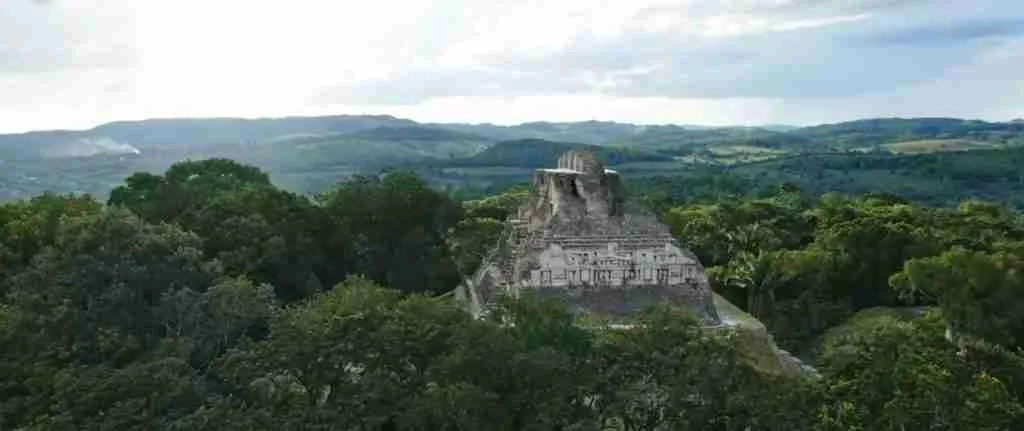
Xunantunich stands as the most accessible major Maya site from San Ignacio, located just 8 miles west near the Guatemala border. The site features El Castillo, a 130-foot pyramid offering panoramic views across the Mopan River valley into Guatemala. Hand-crank ferry crosses the river to reach the site, creating a memorable approach. Tours cost $45-65 including transportation and guide, while independent visitors pay only the $5 Belize Institute of Archaeology entrance fee plus ferry crossing. The site opens daily 8 AM-4 PM, with morning visits providing cooler temperatures and better light for photography.
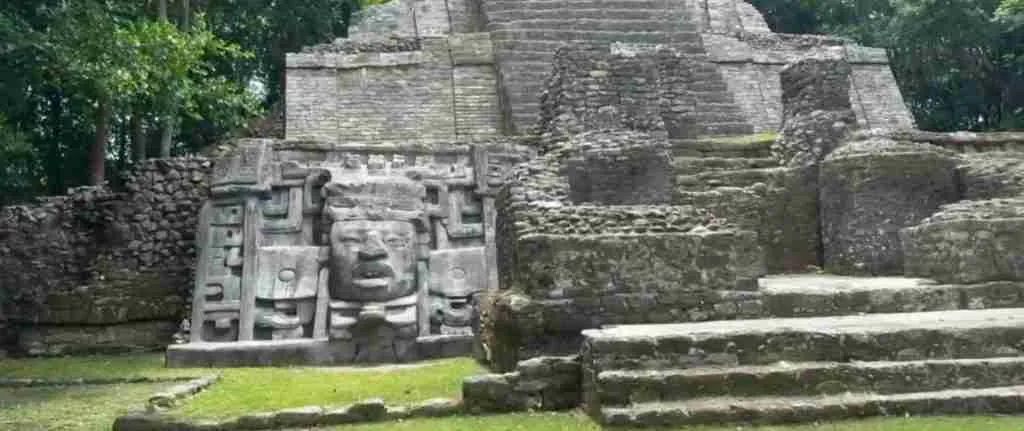
Cahal Pech archaeological site sits on a hilltop at San Ignacio’s western edge, providing convenient morning or afternoon visits from town. This smaller site ($5 entry) served as an elite residential complex during the Classic Period, featuring palace structures, pyramids, and a ball court. The hilltop location delivers excellent valley views while the compact layout allows thorough exploration in 60-90 minutes. Independent visits work well here – walk or taxi from downtown hotels, self-guide through the site (or hire local guides for $15-20), and return to town for lunch. The proximity makes Cahal Pech perfect for arrival or departure days when full-day tours prove impractical.
Caracol represents western Belize’s most significant archaeological site, rivaling even Tikal in Guatemala for scale and importance. Located 65 miles from San Ignacio in the Chiquibul Forest, Caracol requires 3-hour each way driving over rough roads through Mountain Pine Ridge. Tours cost $130-160 including transportation, guide, and lunch, departing early (6-7 AM) for full-day experiences. The site’s remote location kept it less excavated than Xunantunich, preserving jungle-covered temples and creating more adventurous atmosphere. Only visitors willing to endure the rough drive and full-day commitment should attempt Caracol – those seeking easier archaeological experiences find better value at Xunantunich or crossing to Tikal in Guatemala.
Cave Adventures
ATM (Actun Tunichil Muknal) Cave delivers Belize’s premier cave experience, combining adventure caving with incredible Maya archaeology. The full-day tour requires hiking through jungle, crossing rivers three times, swimming into the cave entrance, and climbing through passages to reach massive chambers containing intact pottery and skeletal remains. Tours cost $95-110, departing 8 AM and returning 4-5 PM. Physical demands exceed most activities – expect to be soaked, muddy, and tired. The reward justifies the effort: viewing unexcavated Maya ceremonial items in their original context creates powerful archaeological connections impossible in museums. Book 2-3 weeks ahead during high season as tours sell out regularly.
Cave tubing at Caves Branch River provides gentler cave experiences, floating through limestone passages on inner tubes while viewing stalactites and stalagmites. The 45-minute jungle hike to reach cave entrance presents moderate challenge, but the actual tubing requires minimal effort as the current carries you through. Tours cost $75-95 including equipment and guide, lasting 3-4 hours total. This activity works well for families with children 5+ years old or travelers wanting cave exposure without ATM’s intense physical demands. Morning departures (8-9 AM) provide coolest hiking conditions and least crowded caves.
Barton Creek Cave offers unique canoe-based cave exploration, gliding through the cave in traditional dugout canoes while guides paddle and illuminate formations. This experience requires less physical effort than either ATM or cave tubing, suiting travelers with mobility limitations or those preferring relaxed cave experiences. Tours cost $65-85 and last 3-4 hours. The cave extends several miles into the limestone, though tours typically penetrate 1-1.5 miles before turning back. Maya ceremonial ceramics visible in alcoves above water level provide archaeological interest. The Mennonite communities near Barton Creek add cultural dimension to the journey, passing traditional farms en route to the cave.
Mountain Pine Ridge and Waterfalls
Mountain Pine Ridge Forest Reserve encompasses 300 square miles of pine forest, broadleaf jungle, rivers, and waterfalls 25 miles south of San Ignacio. The reserve includes several swimming spots: Big Rock Falls (50-foot cascade with swimming pool), Rio On Pools (natural granite pools connected by small waterfalls), and Hidden Valley Falls (1000-foot falls viewable from overlook). Tours cost $75-95 for full-day experiences visiting multiple sites with swimming stops and picnic lunch. The dramatic ecosystem change from tropical lowlands to pine forest creates unique Belizean landscape found nowhere else in the region.
Road conditions in Mountain Pine Ridge vary seasonally – the main gravel road remains passable year-round for standard cars during dry season, but rainy season can create impassable sections requiring 4WD. Tours use sturdy vehicles equipped for conditions and guides know current road status. Independent visitors must verify conditions with rental agencies before attempting the drive. The reserve offers camping at designated sites and rustic cabins for overnight stays, appealing to adventurers wanting multi-day forest immersion. Most visitors book day tours from San Ignacio, packing swimsuits, towels, and sunscreen for waterfall swimming.
Combining Mountain Pine Ridge with Caracol creates ambitious full-day itineraries requiring 10-12 hours away from San Ignacio. These combined tours cost $140-180, departing 6 AM and returning 6-7 PM. You’ll visit Caracol in the morning, then stop at Rio On Pools or Big Rock Falls on the return journey. This option works for travelers with limited time wanting to maximize site visits, though the long day proves exhausting. Separate visits to Mountain Pine Ridge (one day) and Caracol (another day) create more relaxed pacing with better appreciation of each location’s unique characteristics.
Dining and Nightlife in San Ignacio for 2026
Budget Eating Options ($3-12 per meal)
San Ignacio’s Saturday morning market provides the town’s cheapest and most authentic food experiences, with vendors selling fresh tamales ($1.50-2), garnaches (fried tortillas with beans and cheese, $3 for 3), panades (fried corn pockets with fish, $1 each), and fresh fruit ($2-4 per bag). The market operates 6 AM-12 PM Saturdays near the stadium, creating the week’s social center where locals shop for produce and catch up with neighbors. Arrive early (7-8 AM) for best selection and hottest items fresh from vendors’ cooking stations.
Street food stalls along Burns Avenue and around the central park offer budget meals throughout the week: tacos ($1-1.50 each), burritos ($3-5), rice and beans plates ($4-6), and grilled chicken ($6-8 with sides). Pop’s Restaurant serves Belizean classics like stew chicken with rice and beans ($7-9) in no-frills atmosphere frequented by locals. Hode’s Place and Erva’s deliver similar traditional cooking at comparable prices. These establishments provide filling, authentic meals at prices enabling budget travelers to eat three meals for $15-20 daily.
Chinese restaurants like Maxim’s Chinese Restaurant offer another budget option, with combination plates of fried rice or chow mein with chicken, shrimp, or beef costing $8-12. Portions typically feed 2-3 people, making shared meals even more economical. Several juice stands and fruit vendors sell fresh smoothies ($2-4) and fruit cups ($2-3), providing healthy snacks and breakfast alternatives. Grocery shopping at Celina’s Supermarket enables self-catering for travelers with kitchen access: bread, peanut butter, fruit, snacks, and simple meal ingredients for $15-25 creates 2-3 days of basic provisions.
Mid-Range Restaurants ($12-25 per entree)
Ko-Ox Han Nah serves Belizean and Mexican cuisine in pleasant garden setting, with dinner entrees running $12-22: tacos, fajitas, grilled fish, and traditional Belizean stews. The restaurant maintains consistent quality and service, making it popular with tourists and expats. San Ignacio Resort Hotel’s restaurant offers $15-25 entrees featuring international and Belizean dishes in upscale atmosphere overlooking the Macal River. Running W Steakhouse and Restaurant specializes in grilled meats ($18-28 for steaks), providing Belize’s best beef in Western setting popular with tourists craving familiar food.
The Guava Limb Café combines health-conscious cooking with creative flavor combinations, offering salads ($8-12), wraps ($10-14), and entrees ($14-20) featuring fresh local ingredients. The casual atmosphere and vegetarian-friendly menu attract diverse clientele. Serendib serves Sri Lankan and Indian cuisine ($12-18 entrees), providing curry options and vegetarian variety unusual in Belizean dining landscape. The family-run establishment creates authentic flavors using imported spices and traditional recipes.
Most mid-range restaurants add 10% service charge to bills, with additional 10-15% tipping appropriate for good service. Dinner for two with appetizers, entrees, and drinks typically costs $50-75 before tips, creating $25-40 per person expenditures. Lunch tends to run 20-30% less expensive, with many restaurants offering daily specials ($8-14) during midday hours. Making lunch your main restaurant meal while eating lighter dinners from street food optimizes budget while still enjoying San Ignacio’s dining variety.
Bars and Nightlife
San Ignacio’s nightlife remains modest compared to coastal party towns, with most action centering on hotel bars and a handful of local hangouts. Cahal Pech Village Resort’s bar offers sunset views over the valley, with happy hour drink specials ($3-5 beers, $5-7 cocktails) 5-7 PM. The hilltop location creates breezy conditions perfect for evening relaxation after dusty day tours. San Ignacio Resort Hotel’s riverside bar provides similar upscale atmosphere with craft cocktails ($8-12) and imported beers ($4-6) in refined setting.
Local bars like Hode’s Place and the Blue Angel Disco cater to working-class Belizeans and budget travelers, with $2-3 Belikin beers and $4-6 rum drinks in divey atmosphere. Live music occurs sporadically, typically on Friday or Saturday nights when local bands play reggae, punta rock, or Caribbean covers. These venues feel authentically Belizean rather than tourist-oriented, with mixed crowds and casual dress codes. Solo travelers, especially women, should exercise caution in local bars late at night – stick with groups and take taxis for returns to hotels.
Most visitors find early nights practical in San Ignacio, with morning tour departures discouraging late-night partying. The town quiets significantly after 10 PM on weeknights, with only a few bars staying open past midnight. Weekend nights see more activity, particularly Fridays and Saturdays when locals celebrate after work weeks. This low-key nightlife suits San Ignacio’s role as adventure base rather than party destination – travelers focused on beaches and nightlife should base in San Pedro or Caye Caulker instead.
Sample 2026 San Ignacio Itineraries
Three-Day Budget Explorer
Day 1 begins with late morning arrival via shuttle from Belize City ($40 per person), checking into Trek Stop hostel (dorm bed $15). Afternoon explores downtown San Ignacio, visiting Saturday market if timing aligns, walking riverside trails, and having dinner at Pop’s Restaurant ($7-9). Evening rest prepares for the following day’s activities. Shuttle $40, accommodation $15, lunch $8-12, dinner $7-9, snacks $5-8. Total day cost: $65-74 per person (excluding dorm bed $15).
Day 2 features full-day cave tubing tour ($75 including transportation and equipment) departing 8 AM and returning 1 PM. Afternoon visits Cahal Pech ruins ($5 entry, $5 taxi each way), exploring the site independently for 90 minutes. Evening street food dinner costs $8-12. Cave tubing $75, Cahal Pech entry $5, taxis $10, breakfast $5-8, dinner $8-12, snacks $5-8. Total day cost: $108-118 per person (excluding accommodation $15).
Day 3 includes morning visit to Xunantunich via public bus to Benque Viejo ($1.50), ferry crossing ($1), and site entry ($5). Return by early afternoon for lunch at market or street food ($5-8), then prepare for evening shuttle back to Belize City ($40). Xunantunich transport and entry $7.50, lunch $5-8, shuttle $40, breakfast $5-8, snacks $3-5. Total day cost: $60.50-68.50 per person (excluding accommodation). Three-day total: $233.50-260.50 per person (excluding $30 for two nights accommodation).
Four-Day Mid-Range Adventure
Day 1 starts with private shuttle arrival from Belize City ($50 per person), afternoon check-in at Cahal Pech Village Resort (room $85, split $42.50 per person for double occupancy). Evening orientation includes dinner at Ko-Ox Han Nah ($15-20) and drinks at hotel bar ($8-12). Shuttle $50, breakfast $8-12, dinner $15-20, drinks $8-12. Total day cost: $81-94 per person (excluding accommodation $42.50).
Day 2 delivers the ATM Cave full-day experience ($105 including lunch), departing 8 AM and returning 5 PM. The physically demanding tour leaves participants tired, with simple dinner at Guava Limb Café ($12-18) followed by early rest. ATM Cave $105 (includes lunch), breakfast $8-12, dinner $12-18, snacks $5-8. Total day cost: $130-143 per person (excluding accommodation $42.50).
Day 3 explores Xunantunich via half-day tour ($55) in the morning, returning by 1 PM for lunch at San Ignacio Resort Hotel restaurant ($12-18). Afternoon explores downtown shops and Saturday market if timing works, with dinner at Running W Steakhouse ($22-28). Xunantunich tour $55, breakfast $8-12, lunch $12-18, dinner $22-28, snacks $5-8. Total day cost: $102-121 per person (excluding accommodation $42.50).
Day 4 begins with Mountain Pine Ridge day tour ($85 including lunch), visiting Rio On Pools and Big Rock Falls. Return by 4 PM allows final dinner at Serendib ($14-20) before preparing for morning departure. Mountain Pine Ridge $85 (includes lunch), breakfast $8-12, dinner $14-20, snacks $5-8. Total day cost: $112-125 per person (excluding accommodation). Four-day total: $425-483 per person (excluding $127.50 for three nights shared accommodation).
Five-Day Comprehensive Exploration
This extended itinerary allows thorough Cayo District coverage with balanced pacing. Day 1 follows the mid-range itinerary arrival pattern. Day 2 tackles ATM Cave. Day 3 combines Xunantunich with Barton Creek Cave for a full day of varied experiences ($120-130 total for combined tours). Day 4 attempts the ambitious Caracol and Mountain Pine Ridge combination ($155 including both sites and lunch), departing 6 AM for the 12-hour journey. Day 5 provides recovery with morning Cahal Pech visit ($5 entry), afternoon swimming at hotel pool, and farewell dinner at Cahal Pech Village Resort restaurant before next destination departure. This comprehensive approach costs approximately $580-640 per person excluding accommodation, enabling travelers to experience Cayo District’s full range of Maya sites, caves, and natural attractions while maintaining sustainable pacing across multiple days.
Planning Your 2026 San Ignacio Visit
Booking Tours and Activities
Book ATM Cave tours 2-4 weeks ahead during high season (December-April) as daily capacity limits create frequent sellouts. Established operators like Pacz Tours, Mayawalk Tours, and MET Tours maintain professional operations with experienced guides. Compare prices among operators – rates vary $95-110 for identical experiences, with differences reflecting operator overhead rather than service quality. Direct booking through operator websites or phones saves 10-15% versus hotel concierge arrangements. Read recent TripAdvisor or Google reviews to verify consistent quality and safety standards.
Other activities like cave tubing, Xunantunich tours, and Mountain Pine Ridge trips rarely sell out, allowing 2-5 day advance booking during most periods. However, securing early time slots requires advance reservation even for readily available tours. Many operators consolidate small bookings into single departures, meaning last-minute bookings might result in larger groups or later departure times. Booking ahead guarantees preferred times, allows comparison shopping among operators, and enables coordination of multi-day activity schedules.
Package deals combining accommodation and tours sometimes reduce total costs by $50-100 for 3-4 day stays. Several jungle lodges and hotels maintain relationships with tour operators, creating bundled pricing unavailable through independent bookings. However, packages reduce flexibility – you’re committed to specific tours on specific dates with limited cancellation options. Independent booking provides maximum flexibility to adjust plans based on weather, energy levels, or changed interests. Evaluate your priorities: savings and convenience versus flexibility and spontaneity.
Packing and Preparation
Essential items for Cayo District adventures include sturdy closed-toe shoes or hiking boots for cave and jungle activities, water shoes for cave tubing and river crossings, quick-dry clothing, rain jacket, daypack, headlamp with extra batteries, insect repellent, sunscreen (reef-safe formulation), and basic first aid supplies. Leave cotton clothing at home – it stays wet and uncomfortable in humid conditions. Synthetic or merino wool materials dry quickly and maintain comfort through multiple activities.
Waterproof bags protect electronics, documents, and dry clothing during water activities. A 20-30 liter dry bag ($15-25) proves invaluable for cave tubing, ATM Cave, and waterfall visits. Bring more clothing than you think necessary – everything gets dirty, muddy, or wet rapidly in Cayo’s adventure activities. Having backup outfits allows continued comfort between laundry opportunities. Most hotels provide laundry services ($8-15 per load) or access to nearby laundromats ($4-6 per load self-service).
Medical kit should include bandages, antibiotic ointment, pain relievers, anti-diarrheal medication, antihistamines, and any prescription medicines in original containers. Pharmacies in San Ignacio stock basic supplies but may lack specific brands or formulations. Travel insurance documents, copies of passports, and emergency contact information should be accessible both physically and as digital backups. Photography equipment requires weatherproofing – Belize’s humidity and sudden rain showers destroy unprotected electronics quickly.
Multi-Destination Belize Planning
Most comprehensive Belize itineraries split time between Cayo District (San Ignacio) and coastal areas (San Pedro, Caye Caulker, Hopkins). Common patterns include 3-4 days inland followed by 4-5 days coastal, or vice versa. This division allows experiencing Belize’s dual character: ancient Maya civilization and rainforest adventure contrasting with Caribbean beaches and barrier reef diving. Transportation between regions costs $60-85 per person via shuttle or bus combinations, requiring half-day transit time.
Travelers entering Belize through international airport often start in San Ignacio (since they’re already on the mainland) before moving to islands. This sequence provides active adventures first, followed by relaxing beach time. Alternatively, some visitors prefer beach relaxation initially, building energy for later inland exertion. Neither sequence proves objectively better – choose based on personal preferences and flight logistics. Starting coastal requires backtracking through Belize City to reach Cayo District, while starting inland allows logical progression toward coastal departure points.
Guatemala’s Tikal archaeological site sits just 2 hours from San Ignacio, making day trips or overnight excursions popular extensions. Tikal tour packages from San Ignacio cost $110-140, including border crossing assistance, transportation, guide, and lunch. Overnight stays in Flores (Guatemala’s tourist base near Tikal) allow sunrise pyramid visits and more thorough site exploration. This side trip requires valid passport and Guatemala entry fee ($30-40 depending on nationality). The combination of Xunantunich, Caracol, and Tikal provides comprehensive Maya civilization exposure unavailable anywhere else in Central America.
Frequently Asked Questions About San Ignacio 2026
Is San Ignacio safe for tourists?
San Ignacio maintains relatively low crime rates compared to Belize City, with most tourist-focused areas experiencing minimal serious crime. Petty theft targeting tourists occurs occasionally, particularly pickpocketing in crowded areas and theft from hotel rooms when valuables aren’t secured. Exercise standard travel precautions: avoid displaying expensive electronics or jewelry, lock valuables in hotel safes, walk in groups after dark, and take taxis for nighttime transport. The town’s small size and close-knit community create social pressure against crime that larger cities lack. Police presence around the market and downtown core provides additional security. Solo female travelers report generally positive experiences, though avoiding poorly lit areas after dark remains advisable.
Do you need a car in San Ignacio?
Most visitors manage perfectly well without rental cars, using tour operators for major attractions and walking or taking taxis within town. The compact downtown, abundance of tour services, and reasonable shuttle costs eliminate car necessity for typical 3-4 day stays. However, cars provide flexibility for independent exploration, spontaneous stops, and cost savings when traveling with 3-4 people. Groups can split $50-70 daily rental costs, making per-person expenses comparable to tour transportation while gaining freedom to explore at their own pace. Solo travelers and couples find better value in tour packages including transportation. The decision depends on your group size, desire for independence, comfort with challenging road conditions, and willingness to handle navigation and logistics.
Can you use US dollars in San Ignacio?
US dollars circulate freely throughout San Ignacio at the fixed 2:1 exchange rate ($2 Belize = $1 USD). Most restaurants, hotels, and tour operators accept dollars, though change often comes in Belize dollars. This creates gradual currency conversion as you spend US bills and receive local currency back. Small denominations ($1, $5, $10 USD) prove most useful, as breaking large bills sometimes challenges smaller establishments. Credit cards provide best exchange rates when processing fees remain reasonable, making them ideal for larger purchases. ATMs dispense Belize dollars only, requiring mental conversion when withdrawing cash. The dual-currency system simplifies transactions while occasionally creating confusion about which currency prices represent – always verify before paying.
What language do they speak in San Ignacio?
English serves as Belize’s official language, making communication easy for English-speaking tourists. Most San Ignacio residents speak fluent English alongside Spanish and often Creole Belizean. Restaurant menus, tour information, hotel communications, and business transactions occur in English without difficulty. Spanish becomes more prevalent near the Guatemala border, with many residents bilingual or Spanish-dominant. Learning basic Spanish phrases helps in interactions with market vendors and older residents more comfortable in Spanish. However, language barriers rarely present significant challenges even for monolingual English speakers. This linguistic accessibility distinguishes Belize from neighboring Central American countries where Spanish dominance can complicate travel for non-Spanish speakers.
Is 3 days enough for San Ignacio?
Three days (2-3 nights) provides sufficient time for core Cayo District experiences without feeling excessively rushed. This timeframe allows one major cave experience (ATM or cave tubing), one or two Maya sites (Xunantunich and/or Cahal Pech), and potentially Mountain Pine Ridge or Barton Creek Cave. You’ll miss some attractions – three days forces choices between Caracol’s remote grandeur and more accessible but smaller sites. However, most travelers find three days captures essential experiences while maintaining reasonable budget and fitting into larger Belize itineraries splitting time between inland and coastal areas. Adding a fourth or fifth day allows more comprehensive exploration and relaxed pacing, but three days represents the viable minimum for worthwhile Cayo District immersion.
Where should I stay in San Ignacio?
Choose accommodation based on budget and preferences for amenities versus cost. Budget travelers ($25-45 nightly) should consider Trek Stop or Bella’s Backpackers for social hostel atmosphere and tour coordination assistance. Mid-range travelers ($60-95) find excellent value at Cahal Pech Village Resort or San Ignacio Resort Hotel, providing comfortable rooms, pools, and convenient services. Luxury seekers ($140-220) have options like Ka’ana Resort offering upscale experiences with gourmet dining and premium comfort. Location matters less in compact San Ignacio – everything downtown sits within 15-minute walks. Hilltop properties like Cahal Pech Village Resort provide views and breezes but require taxis or uphill walks to reach downtown. Riverside properties offer jungle atmosphere at slight distance from commercial centers. Book 2-4 weeks ahead during high season for best selection and rates.
What is the rainy season like in San Ignacio?
Rainy season extends June through November, with peak rainfall September-October averaging 12-15 inches monthly. Despite the name, “rainy season” doesn’t mean constant rain – typical patterns involve sunny mornings with afternoon or evening thunderstorms. Morning tour departures (8-9 AM) usually proceed before weather develops. However, heavy overnight or early morning rainfall triggers cave tour cancellations when water levels become unsafe. Mountain Pine Ridge roads sometimes become impassable during intense rainy periods, limiting access to waterfalls and Caracol. Temperatures during rainy season stay slightly cooler (80-85°F versus 85-95°F dry season), creating more comfortable conditions for physical activities. Accommodation rates drop 30-40% and crowds thin dramatically, creating excellent value for flexible travelers comfortable with weather uncertainty.
How far is San Ignacio from the coast?
San Ignacio sits 72 miles inland from Belize City, the main coastal departure point for island access. The drive requires 90-120 minutes via the Western Highway. From Belize City, water taxis depart for San Pedro (Ambergris Caye) and Caye Caulker, taking 45-90 minutes and costing $25-35 one-way. Combined ground and water transport from San Ignacio to islands costs $65-95 per person requiring 3-4 hours total travel time. This distance makes same-day trips between inland and coastal areas impractical. Most itineraries allocate separate multi-day segments to each region, with one transit day between locations. The separation reinforces Belize’s dual nature – you must choose to experience either inland adventures or coastal relaxation on any given day, requiring advance planning to balance both interests across your overall trip.