San Francisco Photography Guide: Best Spots and Tips
San Francisco stands among the world’s most photogenic cities, where dramatic topography meets iconic architecture across 49 square miles of constantly shifting light and legendary fog. From the international orange towers of the Golden Gate Bridge to Victorian painted ladies framing modern skylines, the city rewards photographers with compositional opportunities that range from instantly recognizable landmarks to hidden urban vistas that reveal the Bay Area’s distinctive character and timeless appeal.
Key Takeaways
- Golden Gate Bridge Photography Mastery: Battery Spencer on the Marin side delivers the classic postcard perspective with San Francisco skyline backdrop, while Marshall’s Beach provides dramatic foreground elements with beach rocks and unique low angles beneath the south tower. Fort Point offers the only under-bridge architectural perspective, and Hawk Hill captures the bridge emerging from fog with sweeping bay views.
- Urban Icon Composition: The Painted Ladies on Steiner Street work best from Alamo Square’s eastern hillside in late afternoon light, while Lombard Street’s eight hairpin turns photograph optimally from Leavenworth Street looking upward during early morning hours before crowds arrive and when garden flowers catch first light.
- Lighting and Fog Strategy: San Francisco’s marine layer fog creates ethereal conditions most reliably during summer mornings, particularly June through August. Winter months offer clearest skies and dramatic storm light, while spring brings wildflower blooms at Presidio locations and fall delivers golden California light with minimal fog interference.
- Technical Equipment Essentials: Wide-angle lenses capture architectural context and sweeping cityscapes, telephoto lenses compress San Francisco’s layered hills and isolate cable cars against skylines, while neutral density filters enable long exposures of fog movement and bay water. Tripods prove essential for low-light bridge photography and blue hour cityscape work.
- Neighborhood Photography Diversity: The Mission District murals in Balmy and Clarion Alleys provide vibrant street art photography, Chinatown’s Dragon Gate and lantern-lined Grant Avenue offer cultural architectural details, while Haight-Ashbury’s painted Victorians and counter-culture aesthetic deliver authentic San Francisco character beyond tourist zones.
- Vantage Point Elevation Advantage: Twin Peaks’ 922-foot summit provides 360-degree panoramic perspectives including Golden Gate Bridge, downtown skyline, and bay islands. Coit Tower’s 210-foot observation deck frames Telegraph Hill neighborhoods, while Corona Heights Park delivers less-crowded cityscape compositions with similar commanding views.
People Also Ask About San Francisco Photography
What is the best time of day to photograph the Golden Gate Bridge?
Sunrise produces optimal Golden Gate Bridge photography conditions with soft directional light illuminating the bridge’s international orange paint and minimal tourist crowds at premier viewpoints like Battery Spencer and Marshall’s Beach. The bridge faces east-west, placing the south tower side in morning light while the north Marin side receives afternoon illumination. Blue hour following sunset creates silhouette opportunities with San Francisco city lights providing background glow, particularly effective from elevated Marin Headlands positions. Midday harsh overhead light flattens the bridge’s architectural details and creates challenging contrast ratios between bright sky and shadowed structural elements.
Where can I photograph San Francisco’s famous Painted Ladies?
Alamo Square Park’s eastern hillside at Steiner Street and Hayes Street provides the iconic Painted Ladies perspective, positioning seven Victorian houses at 710-720 Steiner Street against the downtown San Francisco skyline backdrop. Late afternoon sun between 4 PM and sunset illuminates the houses’ pastel facades while sidelighting emphasizes their ornate architectural details. The grassy park slope allows flexible positioning from ground level to elevated angles, though weekend crowds necessitate patience and creative framing to minimize other photographers in compositions. Haight-Ashbury neighborhood streets feature equally ornate Victorian painted houses with fewer tourists and comparable architectural character for alternative Victorian photography opportunities.
How do I photograph San Francisco through the fog?
San Francisco’s marine layer fog creates atmospheric photography conditions when embraced as a compositional element rather than obstacle, with the Golden Gate Bridge towers emerging from thick fog banks producing San Francisco’s most iconic imagery. Elevated viewpoints like Battery Spencer and Hawk Hill in Marin Headlands position photographers above the fog layer during summer mornings, capturing the bridge piercing through fog while downtown buildings peak through breaks in the marine layer. Longer shutter speeds blur fog movement into ethereal washes around stationary architectural elements, requiring tripod stability and neutral density filters in brighter conditions. The fog typically rolls through the Golden Gate strait opening during late afternoon through morning hours, retreating by midday in most seasons except June through August when it may persist throughout the day.
What camera settings work best for San Francisco cityscape photography?
San Francisco cityscape photography demands versatile exposure settings balancing the city’s dramatic elevation changes and frequent high contrast scenes between shadowed valleys and sunlit hills. Apertures between f/8 and f/16 provide sufficient depth of field for foreground-to-background sharpness across the city’s layered topography, while ISO 100-400 maintains image quality in California’s typically bright conditions. Shutter speeds vary dramatically by subject, with 1/250 second or faster freezing cable car movement and pedestrian activity, while long exposures from 1-30 seconds blur traffic into light trails on San Francisco’s steep streets and smooth bay waters around piers. Blue hour cityscape work requires tripod-supported exposures from 2-10 seconds at f/11 and ISO 400-800, bracketing exposures to manage the extreme dynamic range between illuminated buildings and dark sky.
Extended multi-day tours – 5+ days
Featured San Francisco Multi-Day Tour Packages
3 days
San Francisco 3-Day Discovery Tour
- ✓ Comprehensive San Francisco experience
- ✓ Expert local guides included
- ✓ All accommodation included
- ✓ Transportation provided

5 days
San Francisco 5-Day Highlights Experience
- ✓ Comprehensive San Francisco experience
- ✓ Expert local guides included
- ✓ All accommodation included
- ✓ Transportation provided
7 days
San Francisco 7-Day Cultural Journey
- ✓ Comprehensive San Francisco experience
- ✓ Expert local guides included
- ✓ All accommodation included
- ✓ Transportation provided

10 days
San Francisco 10-Day Complete Adventure
- ✓ Comprehensive San Francisco experience
- ✓ Expert local guides included
- ✓ All accommodation included
- ✓ Transportation provided
Multi-day tour packages powered by TourRadar. Prices and availability subject to change.
Introduction
San Francisco’s reputation as one of the world’s most photographed cities rests on the convergence of extraordinary natural geography, iconic human-made landmarks, and atmospheric conditions that shift from minute to minute across microclimates separated by mere blocks. The city’s 43 hills create perpetually changing perspectives where pedestrians photograph downward slopes framing bay views while simultaneously serving as subjects for photographers positioned on opposing hilltops. The Golden Gate Bridge dominates the city’s photographic identity, yet San Francisco rewards exploration beyond its most famous structure with Victorian architectural gems, vibrant street art districts, historic neighborhoods preserving cultural authenticity, and coastal wilderness within city limits.
The city’s marine layer fog functions as both photographic challenge and distinctive atmospheric element, rolling through the Golden Gate strait opening to envelop the bridge in ethereal banks while downtown neighborhoods bask in brilliant sunshine. This fog creates San Francisco’s signature aesthetic, differentiating the city’s imagery from any other urban environment and demanding photographers adapt techniques to embrace rather than fight the marine layer’s presence. Understanding fog patterns, seasonal light variations, and the relationship between elevation and atmospheric conditions separates competent San Francisco photography from work that captures the city’s unique character.
San Francisco’s compact 49 square miles contain remarkable photographic diversity, from the pastel Painted Ladies of Alamo Square to Chinatown’s red lantern-lined streets, from Mission District murals to Financial District glass towers reflecting California light. The city’s famous cable cars provide both moving subjects and elevated platforms for mobile photography, while neighborhoods like Haight-Ashbury and the Castro preserve distinct aesthetic identities. Coastal areas include rugged Land’s End trails, former military installations now serving as Golden Gate Bridge viewpoints, and urban beaches where the Pacific Ocean meets city infrastructure in compositions impossible elsewhere.
This comprehensive guide explores San Francisco’s premier photography locations through practical technical guidance and location-specific compositional strategies. Coverage progresses from the Golden Gate Bridge’s multiple viewpoint options to urban landmark photography techniques, neighborhood exploration beyond tourist zones, and optimal timing strategies for light, weather, and crowd conditions. Each location receives treatment addressing access logistics, ideal shooting times, recommended focal lengths, and the compositional opportunities that make the location worthy of photographic attention. The guide serves photographers ranging from smartphone users seeking Instagram-worthy locations to serious practitioners pursuing portfolio work, with technical depth scaled to accommodate various skill levels and equipment configurations.
Golden Gate Bridge Photography Locations and Techniques
The Golden Gate Bridge represents San Francisco’s most photographed subject, with its 1.7-mile span connecting San Francisco to Marin County across the Golden Gate strait. The bridge’s international orange paint contrasts dramatically against blue Pacific waters, green Marin headlands, and the perpetual fog that makes the structure’s towers disappear and reappear throughout the day. Multiple viewpoints on both the San Francisco and Marin sides offer distinct perspectives, from dramatic under-bridge angles to elevated panoramas positioning the bridge as one element within broader bay area compositions.
Battery Spencer Viewpoint: The Classic Perspective
Battery Spencer atop the Marin Headlands delivers San Francisco’s most iconic Golden Gate Bridge perspective, positioning photographers at bridge-level elevation with the San Francisco skyline creating a dramatic urban backdrop behind the bridge’s south tower and main span. This former military battery sits approximately 200 feet above sea level on the north side of the bridge, providing unobstructed views with the bridge filling the middle ground and downtown buildings visible in the distance on clear days. The viewpoint’s popularity creates parking challenges and consistent crowds, particularly during sunrise and sunset hours when light quality peaks.
Sunrise photography at Battery Spencer places the rising sun behind and to the left of the photographer, illuminating the bridge’s eastern face and the San Francisco skyline with warm directional light while the bridge’s western structural elements remain in relative shadow, creating dimensional depth. Standard to moderate wide-angle focal lengths from 24mm to 50mm full-frame equivalent capture the bridge spanning the frame with adequate skyline context, while telephoto compression from 70mm to 200mm isolates the south tower against downtown buildings. The concrete battery ruins provide foreground interest options, though most photographers position themselves at the main overlook area for cleaner compositions without obstructing elements.
Summer morning fog frequently surrounds Battery Spencer while the bridge towers pierce through the marine layer, creating San Francisco’s signature atmospheric effect with the bridge emerging from fog banks. This condition occurs most reliably from June through August when afternoon Pacific heat draws marine layer fog through the Golden Gate opening during evening and morning hours. Photographers arrive before dawn to secure parking and prime positions, with the overlook area accommodating 15-20 photographers comfortably before crowding becomes problematic. Winter months offer clearest conditions and most reliable blue skies, though sunrise occurs later and light angles shift southward compared to summer positions.
Marshall’s Beach: Foreground Elements and Low Angles
Marshall’s Beach provides dramatic low-angle Golden Gate Bridge photography with beach rocks, tidal pools, and the Pacific Ocean creating foreground compositional elements unavailable from elevated viewpoints. The beach sits directly beneath the bridge’s south tower on the San Francisco side, requiring a 15-minute downhill hike from parking areas on Lincoln Boulevard near Langdon Court. The trail descends through coastal scrub via wooden stairs and dirt paths, with the final beach access involving scrambling over rocks during higher tides. The beach’s relative remoteness and access difficulty limit crowds compared to drive-up viewpoints, creating a more secluded photography environment.
Beach rock formations jutting from sand create natural leading lines directing viewer attention toward the bridge’s south tower, while tidal pools reflect bridge elements during calm conditions at lower tides. Wide-angle focal lengths from 16mm to 24mm full-frame equivalent emphasize foreground rocks while retaining bridge context, creating depth through near-far relationships impossible from elevated viewpoints. The beach faces northwest toward the open Pacific, receiving afternoon and evening light directly while morning hours place the beach in shade from coastal bluffs, making sunset the optimal lighting condition for this location.
Long exposure techniques smooth Pacific wave action into misty washes around rocks, requiring neutral density filters during brighter conditions to achieve shutter speeds from 1-30 seconds. The beach’s low elevation positions the bridge towers against sky rather than cityscape, simplifying backgrounds and emphasizing the bridge’s architectural form. Incoming tides can trap photographers against bluffs, requiring tide awareness and timing beach visits during outgoing or low tide windows. The beach’s unofficial clothing-optional status creates potential discomfort for some photographers, though the northern beach area near the bridge remains predominantly clothed.
Hawk Hill: Elevated Panoramic Perspective
Hawk Hill in the Marin Headlands elevates photographers to 923 feet above sea level, providing panoramic views encompassing the entire Golden Gate Bridge span, San Francisco skyline, Bay Bridge, and Alcatraz Island within a single wide composition. The viewpoint sits approximately one mile northwest of the Golden Gate Bridge’s north tower, creating distance that allows complete bridge span inclusion while maintaining adequate detail for architectural recognition. Hawk Hill’s elevation positions photographers above marine layer fog during most conditions, enabling fog-layer photography with bridge towers and San Francisco buildings emerging from fog banks in compositions unique to this vantage point.
Wide-angle focal lengths from 16mm to 35mm full-frame equivalent capture the complete bridge span within the frame along with substantial San Francisco cityscape context, while telephoto focal lengths from 70mm to 200mm compress the layered distance between bridge and city, creating stacked compositions emphasizing the bay area’s geographic complexity. Spring wildflower blooms coat the headlands in yellow and purple from March through May, providing foreground color that complements the bridge’s orange paint. The hillside’s open grass and scattered rocks allow flexible positioning without obstructing vegetation or developed viewpoint infrastructure.
Sunset photography from Hawk Hill benefits from western exposure positioning the sun behind the photographer and illuminating the bridge’s eastern face and San Francisco’s downtown towers with warm directional light. Blue hour following sunset creates opportunities for twilight compositions with city lights defining San Francisco’s urban core while the bridge’s lighting system illuminates the span’s cables and towers. The location’s distance from parking areas requires a 20-30 minute uphill hike from Battery Spencer parking or Conzelman Road pull-offs, limiting crowds compared to drive-up viewpoints and creating a more wilderness-like photography environment despite proximity to urban San Francisco.
Fort Point: Under-Bridge Architectural Perspective
Fort Point National Historic Site beneath the Golden Gate Bridge’s south tower provides the only location where photographers shoot upward at the bridge’s underside structure, emphasizing the suspension bridge’s engineering and architectural scale through dramatic perspective distortion. The Civil War-era brick fort sits at sea level directly beneath the bridge’s southern approach, with the bridge’s massive concrete anchorage and steel girder underbelly dominating overhead compositions. This unique perspective eliminates skyline context entirely, focusing attention on the bridge’s structural elements and creating abstract compositions through geometric patterns formed by cables, beams, and tower legs.
Ultra-wide-angle focal lengths from 14mm to 24mm full-frame equivalent capture the fort’s brick archways as foreground framing elements while including substantial bridge structure overhead, though careful positioning avoids excessive distortion that makes the bridge appear to fall backward. The fort’s courtyard provides multiple shooting positions at varying distances from the bridge, with positions closer to the seawall emphasizing vertical tower rise while positions further back include more horizontal span structure. The location’s protection beneath the bridge creates even lighting without harsh directional sun, making midday shooting more viable than at exposed viewpoints.
The fort operates Thursday through Monday with free admission, providing interior brick architecture photography opportunities in addition to exterior bridge perspectives. When the fort closes, the parking area and exterior seawall remain accessible, maintaining bridge photography opportunities regardless of historic site hours. Strong winds characteristic of the Golden Gate strait make tripod stability challenging, requiring weighted tripod centering and careful setup. The location’s easy accessibility via paved paths and proximity to parking makes it suitable for photographers with mobility limitations or heavy equipment requiring minimal carrying distance.
Golden Gate Overlook: Framed Composition Opportunity
Golden Gate Overlook in the Presidio on the San Francisco side provides a carefully designed viewpoint where two cypress trees naturally frame the Golden Gate Bridge in centered compositions, creating the location’s signature compositional element. The overlook sits on Lincoln Boulevard approximately one mile from the bridge’s south tower, with paved parking and a short walk to the viewing area making it one of San Francisco’s most accessible bridge photography locations. The framed perspective became Instagram-famous, creating substantial weekend crowds at the specific framing position, though alternative angles from adjacent viewpoint areas provide bridge compositions without the iconic tree frame.
Standard focal lengths from 35mm to 50mm full-frame equivalent capture the bridge centered between cypress trees, with the trees’ dark foliage creating natural vignetting directing attention to the illuminated bridge span. The overlook faces northwest toward the bridge and Marin Headlands, receiving direct afternoon and evening light while morning hours place the viewpoint in relative shade. Wildflowers bloom along the bluff edge during spring months, providing foreground color elements for lower-angle compositions that incorporate coastal vegetation with bridge views.
The overlook’s popularity creates car break-in concerns, with the parking lot experiencing frequent vehicle thefts particularly when photographers leave visible valuables in vehicles. Mitigation strategies include parking in visible locations, removing all items from vehicle interiors, and minimizing time away from vehicles. The overlook’s proximity to Marshall’s Beach trailhead on the same road section allows combining multiple shooting locations during single visits, maximizing the drive time investment required to reach this northwestern Presidio area.
Urban San Francisco Landmark Photography
San Francisco’s urban landscape beyond the Golden Gate Bridge contains architectural icons, historic neighborhoods, and distinctive street scenes that define the city’s visual identity as compellingly as its famous bridge. Victorian architecture, steep hills creating dramatic street perspectives, historic cable cars, and colorful urban districts provide diverse photography subjects requiring different technical approaches and timing considerations than natural landscape photography.
Painted Ladies at Alamo Square: Victorian Architecture Icon
The seven Victorian houses at 710-720 Steiner Street known as the Painted Ladies represent San Francisco’s most photographed architectural ensemble, with their pastel-painted facades positioned against downtown San Francisco’s modern skyline creating a juxtaposition of historic and contemporary urban development. Alamo Square Park’s eastern hillside provides the classic perspective, with photographers shooting across the park’s grassy slope toward the houses on Steiner Street with Transamerica Pyramid and other downtown towers visible behind the Victorian rooflines. The composition gained fame through its appearance in the Full House television series opening sequence, cementing its status as a San Francisco essential photograph.
Late afternoon light from approximately 3 PM through sunset illuminates the houses’ eastern-facing facades with warm directional light that emphasizes their ornate architectural details, carved cornices, and varied pastel paint colors ranging from pink and yellow to blue and green. Standard focal lengths from 35mm to 70mm full-frame equivalent frame the seven houses as a unified row with adequate skyline context, while tighter telephoto compositions from 85mm to 135mm isolate individual houses or smaller house groupings against downtown buildings. The park’s slope allows vertical positioning flexibility, with higher positions on the hillside providing more skyline context while lower positions emphasize the houses themselves.
Weekend crowds at the prime shooting position create challenges requiring patience, creative framing to exclude other photographers, or timing visits during early morning hours before tourist arrivals. The houses remain private residences occupied by San Francisco locals, limiting photography to exterior perspectives from public park property. Fog conditions frequently obscure the downtown skyline backdrop, though the marine layer typically burns off by afternoon during most months, with winter offering most reliable clear skyline visibility. Haight-Ashbury neighborhood blocks within walking distance contain numerous equally ornate Victorian houses without crowds, providing alternative Victorian architecture photography opportunities.
Lombard Street: Curved Street Perspective
Lombard Street’s eight hairpin turns descending Russian Hill between Hyde Street and Leavenworth Street create San Francisco’s most photographed street composition, with red brick pavement, manicured hydrangea gardens, and steep grade combining into a distinctively San Francisco scene. The one-block section descending from Hyde Street switchbacks through 27 percent grade via sharp turns necessary to make the slope navigable for vehicle traffic, with the brick paving and flower-bordered curves creating visual interest beyond ordinary street photography. The street’s crooked configuration photographs best from Leavenworth Street at the bottom looking upward, capturing the stacked switchback pattern and emphasizing the vertical rise.
Early morning hours before 8 AM provide optimal shooting conditions when tourist traffic remains minimal, gardens receive first light, and residential parking restrictions deter vehicle presence on the slope. Telephoto focal lengths from 70mm to 200mm full-frame equivalent compress the switchback turns into tighter patterns while isolating the brick roadway against greenery and painted houses lining the street. During midday weekend hours, consistent vehicle traffic descending the turns provides movement and scale reference, though crowds and congestion detract from serene compositions. The upper entrance at Hyde Street provides alternative downward-looking perspectives including glimpses of San Francisco Bay and Alcatraz Island in the background on clear days.
Hyde Street at the top of Lombard Street positions cable cars passing with Alcatraz Island visible in the bay behind the cable car, creating a composite San Francisco icon photograph combining three distinct city elements. Timing cable car passage requires patience as cars run approximately every 10-15 minutes on the Powell-Hyde line, with variable schedules depending on time of day and mechanical delays. Stepping into the street for closer cable car photography poses safety risks from the moving cars and vehicle traffic sharing the narrow street, requiring awareness and quick repositioning between shots.
Palace of Fine Arts: Classical Architecture and Lagoon Reflections
The Palace of Fine Arts in the Marina District provides monumental classical architecture photography with Roman-inspired rotunda, columns, and reflecting lagoon creating formal compositional elements rare in San Francisco’s typically Victorian and modern architectural landscape. Built for the 1915 Panama-Pacific Exposition and subsequently reconstructed in permanent materials during the 1960s, the palace features a 162-foot central rotunda surrounded by colonnades framing a landscaped lagoon populated by waterfowl. The structure’s classical design and parklike setting create a distinctly un-San Francisco aesthetic that photographs dramatically through scale, symmetry, and ornate architectural detail.
Lagoon reflections of the rotunda and colonnades work best during calm morning hours before wind disturbs water surfaces, with the structure’s western orientation receiving afternoon and evening light directly on its facade and columns. Wide-angle focal lengths from 16mm to 35mm full-frame equivalent emphasize the structure’s monumental scale and include substantial colonnade context, while standard to telephoto focal lengths from 50mm to 135mm compress depth and create more intimate compositions focusing on architectural details, column arrangements, and rotunda ornamentation. Swan and duck presence in the lagoon provides wildlife photography opportunities and scale reference elements in architectural compositions.
The palace functions as a popular wedding photography location, creating potential crowd conflicts during afternoon weekend hours when multiple wedding parties may occupy prime shooting positions around the lagoon. Evening blue hour photography captures the palace’s uplighting system illuminating columns and rotunda against darkening sky, creating dramatic twilight compositions requiring tripod support and longer exposures. The structure’s Marina District location positions it convenient to Golden Gate Bridge photography locations, allowing combination visits that efficiently use San Francisco’s northern waterfront area.
Cable Cars: Moving Historic Transportation
San Francisco’s cable car system provides both photographic subjects and mobile photography platforms, with the historic wooden cars and their overhead grip mechanisms creating distinctively San Francisco imagery while their routes traverse the city’s steepest hills for elevated perspectives. Three cable car lines operate across the city, with the Powell-Hyde and Powell-Mason lines proving most photographically interesting through their routes past Lombard Street, through Chinatown, and alongside bay views. The cars themselves became National Historic Landmarks, making them protected historic artifacts beyond mere transportation infrastructure.
Hyde Street between Bay Street and Lombard Street captures cable cars descending steep grades with Alcatraz Island and San Francisco Bay visible in the background, creating layered compositions combining transportation heritage with bay area geography. Telephoto focal lengths from 85mm to 200mm full-frame equivalent compress distance between cable car and bay views while isolating cars against cleaner backgrounds, though shutter speeds above 1/500 second freeze car movement without motion blur. Panning techniques following cable car movement at shutter speeds from 1/60 to 1/125 second blur background elements while maintaining car sharpness, creating motion emphasis.
Cable car turnarounds at Powell and Market Streets and at Hyde Street and Beach Street create stationary photography opportunities with gripmen manually rotating cars on wooden turntables, providing action sequences and mechanical detail photography without motion blur concerns. Interior cable car photography during rides requires wide-angle focal lengths to capture the wooden seating, brass fixtures, and passenger presence in confined spaces, with the open-air car sides providing easy access for exterior-interior transitional compositions. Peak tourist hours create crowded car conditions less suitable for photography, while early morning and evening hours offer more spacious shooting conditions.
Neighborhood and Street Photography Locations
San Francisco’s distinct neighborhoods preserve cultural identities and aesthetic characteristics that differentiate dramatically from one district to another across the city’s compact geography. These neighborhoods provide authentic urban photography opportunities beyond iconic landmarks, revealing the city’s cultural diversity, artistic expression, and residential character through street scenes, architectural details, and daily life documentation.
Mission District Murals: Street Art Photography
The Mission District contains San Francisco’s highest concentration of outdoor murals, with Balmy Alley and Clarion Alley serving as outdoor galleries where local and international artists create politically-charged, culturally-significant, and aesthetically-stunning wall art that transforms residential alleys into walking exhibitions. Balmy Alley between 24th Street and 25th Street features murals dating to the 1970s with themes addressing Latin American political struggles, indigenous rights, environmental issues, and neighborhood gentrification concerns. Clarion Alley between Valencia Street and Mission Street one block north of 17th Street contains more contemporary urban art with graffiti influences, pop culture references, and constantly-evolving works.
Mural photography benefits from overcast lighting conditions that eliminate harsh shadows and reduce contrast between illuminated and shadowed wall areas, creating even lighting across mural surfaces that accurately renders colors and details. Direct sun creates challenging conditions with portions of murals in bright light while other sections fall into shadow, though polarizing filters reduce glare from painted surfaces and enhance color saturation. Standard to moderate wide-angle focal lengths from 24mm to 50mm full-frame equivalent capture complete murals within narrow alley confines, while telephoto focal lengths isolate mural details and interesting compositional sections.
Early morning hours before 9 AM provide optimal shooting windows when residential alley vehicle traffic remains minimal and pedestrian presence stays low, creating cleaner compositions without obstructing elements. The Mission District’s Hispanic cultural character creates authentic street life opportunities with residents, businesses, and cultural activities providing environmental context for mural documentation. Clarion Alley murals change more frequently than Balmy Alley’s established works, with artists regularly painting over previous murals or creating new works in available spaces, making the alley’s appearance variable between visits.
Chinatown: Cultural Architecture and Street Scenes
San Francisco’s Chinatown represents the oldest and one of the largest Chinese communities outside Asia, with Grant Avenue forming the neighborhood’s main commercial corridor lined with traditional Chinese architectural elements, red paper lanterns, pagoda roofs, and bilingual signage creating an immersive cultural environment. The Dragon Gate at Grant Avenue and Bush Street marks Chinatown’s symbolic entrance with elaborate green-tiled roof, dragon sculptures, and traditional Chinese architectural form, creating an iconic gateway photograph. Grant Avenue’s narrow street width and building-mounted lanterns create tunnel-like perspectives with red lanterns creating repeating patterns leading toward vanishing points.
Standard focal lengths from 35mm to 50mm full-frame equivalent capture street scenes with environmental context showing architectural details, commercial activities, and pedestrian presence without excessive distortion from wider lenses or compression from telephoto focal lengths. The neighborhood’s dense building arrangement creates perpetual shade on lower street levels, requiring higher ISOs from 400 to 1600 or slower shutter speeds to maintain adequate exposure, particularly during morning and evening hours when buildings block direct sun. Overcast conditions create ideal lighting by softening contrast and eliminating harsh shadows across ornate architectural details.
Chinese New Year celebrations during late January or early February transform Chinatown with decorations, performances, and the annual parade creating extraordinary photography opportunities, though crowds become substantial during major celebration days. Portsmouth Square at Walter U. Lum Place provides community gathering space where residents practice tai chi, play Chinese chess, and socialize, offering authentic cultural documentation opportunities beyond commercial tourist-oriented Grant Avenue. Side streets perpendicular to Grant Avenue contain residential areas with laundry hanging from fire escapes, neighborhood markets, and daily life scenes providing more intimate neighborhood photography beyond main thoroughfare tourism.
Haight-Ashbury: Counter-Culture Aesthetic
Haight-Ashbury neighborhood surrounding the intersection of Haight Street and Ashbury Street preserves San Francisco’s 1960s counter-culture heritage through vintage clothing stores, record shops, Victorian houses painted in unconventional color schemes, and street scenes reflecting the neighborhood’s bohemian character. The district’s Victorian architecture rivals Alamo Square’s Painted Ladies in ornamental detail and paint color creativity, with numerous houses featuring elaborate color combinations, turrets, bay windows, and decorative trim without the crowds concentrated at the more famous Steiner Street location. Haight Street between Stanyan Street and Masonic Avenue contains the highest concentration of vintage stores, music venues, and counter-culture businesses.
Victorian house photography throughout residential Haight-Ashbury blocks benefits from morning or late afternoon directional light that emphasizes architectural relief, carved details, and varied paint colors through sidelighting and shadow modeling. Standard to short telephoto focal lengths from 50mm to 85mm full-frame equivalent isolate individual houses or architectural details while maintaining natural perspective without wide-angle distortion. The neighborhood’s residential character creates quieter photography conditions than tourist-heavy districts, with local residents accustomed to architectural photography and generally tolerant of exterior house documentation from public sidewalks.
Golden Gate Park’s eastern edge borders Haight-Ashbury, providing transition between urban neighborhood photography and natural landscape work within the park’s 1,017 acres of meadows, gardens, lakes, and forested areas. Early morning Haight Street captures before business openings reveal vintage storefronts, street art, and architectural details without pedestrian congestion, creating cleaner compositions emphasizing the built environment. The neighborhood maintains authentic counter-culture character rather than theme park recreation, with functioning residential community and local businesses creating genuine urban photography opportunities.
Waterfront and Coastal Photography Locations
San Francisco’s position on a peninsula surrounded by Pacific Ocean and San Francisco Bay creates extensive waterfront photography opportunities ranging from commercial piers and urban beaches to rugged coastal trails and historic military sites. The waterfront areas combine natural coastal beauty with urban infrastructure, historic architecture, and marine wildlife, providing diverse subject matter within accessible locations.
Fisherman’s Wharf and Pier 39: Tourist Waterfront
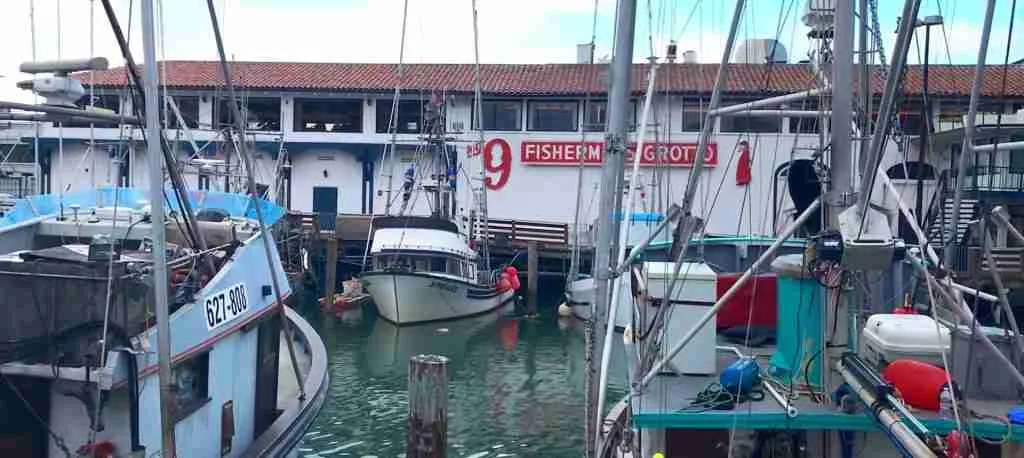
Fisherman’s Wharf spanning from Pier 39 to Ghirardelli Square represents San Francisco’s most tourist-concentrated waterfront area, with commercial fishing heritage, bay views, Alcatraz Island perspectives, and resident sea lion populations creating diverse photography subjects despite heavy crowds. Pier 39’s western docks host California sea lion colonies numbering from dozens to hundreds depending on season, with the animals hauling out on floating platforms creating wildlife photography opportunities within urban settings. The sea lions’ close proximity to viewing areas allows frame-filling compositions with standard zoom focal lengths from 24mm to 70mm, while longer telephoto focal lengths from 100mm to 400mm isolate individual animals or behavioral interactions.
Alcatraz Island photographs prominently from multiple Fisherman’s Wharf locations, with the former prison island positioned approximately 1.25 miles offshore in San Francisco Bay and visible throughout the waterfront area. Telephoto focal lengths from 100mm to 300mm full-frame equivalent compress distance and emphasize the island’s prison buildings against the bay, while including foreground pier elements creates compositional depth and San Francisco context. Ferry boats traveling to and from Alcatraz provide moving elements and scale reference, with ferry schedules running approximately every 30 minutes during daytime hours creating reliable boat traffic for compositions.
Evening blue hour photography captures Fisherman’s Wharf illuminated attractions, holiday lights during winter months, and distant Bay Bridge lights across the water, creating nighttime urban waterfront compositions. The area’s commercial orientation creates visual clutter through signage, restaurants, and tourist activities, requiring careful framing to minimize distracting elements or embracing the commercial character as representative of this waterfront district’s authentic tourist-focused identity. Early morning hours before 9 AM provide quieter shooting conditions with fewer pedestrians and better access to pier edges and viewing areas normally congested during midday tourist peaks.
Crissy Field: Urban Beach and Bridge Views
Crissy Field in the Presidio provides a mile-long beach and promenade along San Francisco Bay with Golden Gate Bridge views, restored tidal marsh, and former military airfield now serving as recreational parkland. The beach faces northwest toward the Golden Gate Bridge and Marin Headlands, creating foreground beach elements with bridge compositions similar to Marshall’s Beach but with easier access via paved paths and adjacent parking. The flat promenade attracts dog walkers, joggers, and families, creating lifestyle photography opportunities against bridge and bay backdrops showing San Francisco residents’ recreational use of waterfront parks.
Wide-angle focal lengths from 16mm to 35mm full-frame equivalent emphasize beach sand and Bay waters as foreground elements with the Golden Gate Bridge positioned in the middle distance, creating depth through near-far relationships and environmental context showing the bridge’s relationship to San Francisco’s developed waterfront. Afternoon and evening light illuminates the bridge’s eastern face and creates warm directional light across beach and promenade areas, while morning hours place Crissy Field in relative shade from the Presidio’s forested hills. The beach’s protected bay location creates calmer water conditions than Pacific-facing beaches, though bay winds remain consistent during afternoon hours.
The Warming Hut at Crissy Field’s western end provides refreshment facilities and rest areas, with the building’s rustic design and waterfront position creating architectural interest against bay and bridge views. Restored tidal marsh areas east of the beach support shorebird populations including egrets, herons, and seasonal migrants, offering urban wildlife photography opportunities. The beach and promenade’s accessibility via paved surfaces makes Crissy Field suitable for photographers with mobility limitations, families with children, or anyone preferring developed infrastructure over wilderness trail conditions.
Lands End Trail and Sutro Baths: Coastal Ruins
Lands End Trail traverses rugged coastline along San Francisco’s northwestern corner, with the trail connecting Sutro Baths ruins to the Palace of the Legion of Honor through 1.5 miles of coastal bluffs, cypress groves, and ocean viewpoints. The trail’s western exposure provides dramatic Pacific Ocean vistas, Golden Gate Bridge perspectives from distance, and rocky coastline photography combining natural elements with the maintained trail system. Sutro Baths ruins at the trail’s western terminus preserve concrete foundations and pools from an elaborate 1890s bathhouse complex, with the deteriorating ruins creating atmospheric foreground elements against ocean and coastal views.
The ruins photograph best during lower tides when pool structures remain visible and accessible, with high tides submerging portions of the foundation and creating safety concerns from wave action. Late afternoon and evening light illuminates the ruins’ eastern faces while creating warm glow on Pacific waters, producing optimal conditions for ruin and ocean compositions. Wide-angle focal lengths from 14mm to 24mm full-frame equivalent emphasize the ruins’ scale and geometric patterns while including substantial ocean context, creating compositions balancing architectural elements with natural seascape. Long exposures smooth ocean wave action around ruins using neutral density filters, creating ethereal water effects contrasting with solid concrete structures.
The Lands End trail itself provides coastal cliff perspectives with Pacific Ocean, Marin Headlands, and distant Golden Gate Bridge views creating layered compositions showing San Francisco’s relationship to surrounding geography. Cypress trees along the trail create natural framing elements and wind-sculpted forms reflecting coastal exposure, with fog often surrounding the trail during summer mornings while inland areas remain clear. The trail’s moderate difficulty and uneven surfaces require appropriate footwear and careful footing, particularly near cliff edges where safety railings may be absent or damaged. Winter months bring dramatic storm conditions with large wave action, though weather timing proves unpredictable and storm photography requires extreme caution around coastal cliffs and ruins.
Elevated Cityscape Photography Viewpoints
San Francisco’s hilly topography creates numerous elevated vantage points providing panoramic city views, with several peaks and high-elevation areas offering 360-degree perspectives encompassing downtown skyline, Golden Gate Bridge, Bay Bridge, and the surrounding bay area. These elevated locations prove essential for sunrise, sunset, and night photography capturing the city’s lights and its relationship to surrounding water and geography.
Twin Peaks: Summit Panoramic Views
Twin Peaks’ dual summits at 922 feet elevation provide San Francisco’s highest publicly accessible viewpoint, with panoramic perspectives encompassing every cardinal direction across the city, bay, and beyond. The peaks’ central San Francisco location positions the viewpoint equidistant from Golden Gate Bridge, downtown Financial District, Bay Bridge, and southern neighborhoods, creating balanced compositions without extreme perspective distortion favoring one district. Paved roads reach near both summit areas, with parking and short walks to viewing platforms making the location accessible despite its elevation, though weekend crowds can congest the narrow summit roads and limited parking areas.
Sunrise photography from Twin Peaks’ eastern summit captures downtown San Francisco silhouetted against dawn light with the Bay Bridge and East Bay hills beyond, creating backlit compositions emphasizing the city’s vertical profile. The western summit provides sunset perspectives with Golden Gate Bridge, Marin Headlands, and Pacific Ocean visible in evening light, though afternoon fog frequently obscures western views during summer months. Winter months from November through March offer most reliable clear conditions, with storm patterns bringing brief clear periods between weather systems and creating dramatic cloud formations around the city.
Night photography from Twin Peaks requires tripod stability in consistent winds buffeting the exposed summit, with exposures from 2-10 seconds at f/8 to f/11 and ISO 400-800 capturing city lights defining San Francisco’s street grid and illuminated buildings. Wide-angle focal lengths from 16mm to 35mm full-frame equivalent capture sweeping cityscape panoramas including multiple district landmarks, while longer focal lengths from 70mm to 200mm compress downtown towers or isolate Golden Gate Bridge against darkening western sky. The location’s popularity during sunset and evening hours creates crowds that may interfere with tripod positioning, though space availability improves within 30 minutes after sunset when casual visitors depart.
Coit Tower: Telegraph Hill Perspective
Coit Tower atop Telegraph Hill provides elevated city views from both its base and its 210-foot observation platform, with the distinctive art deco tower itself serving as a San Francisco landmark visible from numerous locations throughout the city. The tower sits at 275 feet elevation on Telegraph Hill’s summit, with the tower’s observation deck elevating visitors to nearly 500 feet above sea level for commanding bay and city perspectives. Interior murals painted during the 1930s under the Works Progress Administration provide additional photography subjects beyond exterior cityscapes, with the murals’ social realism style and San Francisco-specific themes offering historical and artistic interest.
Bay views from Coit Tower encompass Alcatraz Island, Angel Island, Bay Bridge, and waterfront districts, with telephoto focal lengths from 70mm to 200mm compressing layered distance between city buildings and bay features. The tower’s northeastern position creates optimal morning light conditions illuminating downtown Financial District towers and eastern waterfront areas, while afternoon sun backlights buildings against bright sky. Telegraph Hill’s steep slopes and distinctive stepped streets photograph from the tower’s base area, showing the neighborhood’s challenging topography and charming residential architecture climbing hillsides.
The observation deck charges admission fees, with ticket purchases required inside the tower before elevator access to the top, though exterior ground-level photography remains free and provides substantial view opportunities without admission costs. Parking proves extremely limited on Telegraph Hill, with narrow streets and residential restrictions making public transit or ride-sharing services more practical access methods than personal vehicles. The adjacent Pioneer Park provides grassy areas and open space around the tower base, offering picnic facilities and casual gathering areas between photography sessions.
Corona Heights Park: Alternative Elevated Perspective
Corona Heights Park in the Castro District provides elevated city views similar to Twin Peaks but with smaller crowds, easier parking access, and equally commanding perspectives from its 520-foot summit. The park’s rocky outcrops and grassland slopes create natural foreground elements for cityscape compositions, with the elevation difference between summit and city floor creating dramatic vertical separation emphasizing San Francisco’s topographic complexity. The park’s central-eastern location favors downtown skyline photography with Bay Bridge beyond, while western perspectives include Twin Peaks and distant Golden Gate Bridge views.
The summit requires a moderately steep hike from parking areas, with dirt trails and rocky sections making the short ascent more challenging than Twin Peaks’ paved access, though the effort deters casual visitors and creates less crowded photography conditions. Wide-angle focal lengths capture sweeping cityscape panoramas similar to Twin Peaks compositions, while the closer proximity to downtown Financial District compared to Twin Peaks allows more detailed building photography with standard zoom focal lengths. Sunset photography captures downtown towers backlit against western sky, creating silhouette opportunities and golden hour illumination on eastern building faces.
The park’s rocky summit areas provide natural seating and viewpoint positions without developed infrastructure, creating more wilderness-like photography environments compared to heavily developed Twin Peaks platforms. Local residents favor Corona Heights for its neighborhood park character and sunset viewing tradition, with small gatherings common during evening hours but without the tour bus crowds affecting Twin Peaks. The Castro District location provides dining and entertainment options within walking distance, making Corona Heights suitable for combination visits integrating photography with neighborhood exploration.
Seasonal Timing and Weather Considerations
San Francisco’s Mediterranean climate creates distinct seasonal photography conditions influenced by marine layer fog patterns, temperature variations, precipitation schedules, and tourist crowd levels that fluctuate throughout the year. Understanding seasonal characteristics allows photographers to target specific conditions, from summer fog photography to winter storm light, and plan visits minimizing crowds while maximizing desired atmospheric conditions.
Summer Fog Photography: June Through August
Summer months bring San Francisco’s heaviest and most persistent marine layer fog, with the Golden Gate strait functioning as the primary entry point for fog drawn inland by Central Valley heat creating low-pressure zones. The fog typically rolls through the Golden Gate during evening hours, remains through the night and morning, and burns off by midday or persists throughout the day during peak summer conditions. This fog creates San Francisco’s most iconic atmospheric photography, with the Golden Gate Bridge towers emerging from thick fog banks while downtown buildings rise above the marine layer, creating dramatic separation between obscured and visible elements.
Battery Spencer, Hawk Hill, and other elevated Marin Headlands viewpoints position photographers above the fog layer during most summer mornings, capturing the bridge piercing fog while San Francisco buildings peak through breaks in the marine layer. The fog’s movement creates dynamic conditions where compositions change dramatically within minutes as fog advances, retreats, or shifts position across the landscape. These changing conditions require patience and multiple shooting sessions to capture optimal fog configurations, with no two days producing identical fog patterns despite seasonal consistency.
Eastern San Francisco neighborhoods including Mission District, Castro, and Noe Valley typically escape summer fog, remaining warm and sunny while western districts endure gray conditions. This microclimate variation allows photographers to combine fog photography at coastal locations during morning hours with clear-sky urban photography in eastern neighborhoods during afternoon hours, maximizing the single-day shooting window. Summer months also bring peak tourist season with maximum crowds at major attractions, requiring early morning or evening shooting to minimize congestion at popular viewpoints.
Winter Storm Light: November Through February
Winter months bring Pacific storm systems that create dramatic lighting conditions with dynamic cloud formations, rain showers producing intense colors after storms clear, and clearest atmospheric conditions between storms when rain washes particulates from the air. Winter storms typically arrive as multi-day systems producing rain, strong winds, and low clouds, followed by clear high-pressure periods lasting several days before the next storm arrives. These clear periods between storms provide optimal conditions for cityscape photography with exceptional visibility, blue skies, and clean air creating sharp distant details.
Storm photography requires weather monitoring and willingness to shoot during breaks in rainfall when dramatic cloud formations remain visible and directional light breaks through storm clouds. Storm light produces rich colors through cloud filtering and low sun angles, creating warm glow on illuminated buildings while storm clouds provide dramatic backgrounds. Winter sun angles stay lower throughout the day compared to summer, creating longer golden hour periods and more directional light throughout midday hours that would produce harsh overhead lighting during summer months.
Winter tourist crowds decrease substantially compared to summer peaks, with major attractions like Golden Gate Bridge viewpoints experiencing fewer visitors and easier parking access. Temperatures range from 45-60 degrees Fahrenheit, requiring layered clothing for comfort during extended outdoor photography sessions but avoiding the uncomfortable cold affecting northern or mountain photography locations. Winter storms create challenges through rainfall, wind affecting tripod stability, and rapidly changing conditions requiring weatherproof camera equipment and protective measures for electronics.
Spring Wildflower Season: March Through May
Spring brings wildflower blooms to Golden Gate Headlands, Presidio areas, and Golden Gate Park, with California poppies, lupines, and introduced flowering plants creating foreground color for bridge and cityscape photography. The bloom timing varies by year depending on winter rainfall and spring temperatures, with peak blooms typically occurring during April and early May across Marin Headlands hillsides visible from Golden Gate Bridge viewpoints. These flowers provide natural foreground elements complementing the bridge’s international orange color, creating compositions emphasizing San Francisco’s natural environment alongside its iconic structures.
Spring weather remains variable with occasional rain showers alternating with clear periods, creating diverse lighting conditions and dramatic cloud formations without winter’s persistent storm systems. Fog patterns begin increasing toward summer levels during late spring, with May experiencing heavier fog than March or April. Tourist crowds remain moderate during spring months, staying below summer peaks while exceeding winter low seasons, creating manageable congestion at major attractions without the overwhelming crowds characterizing June through September.
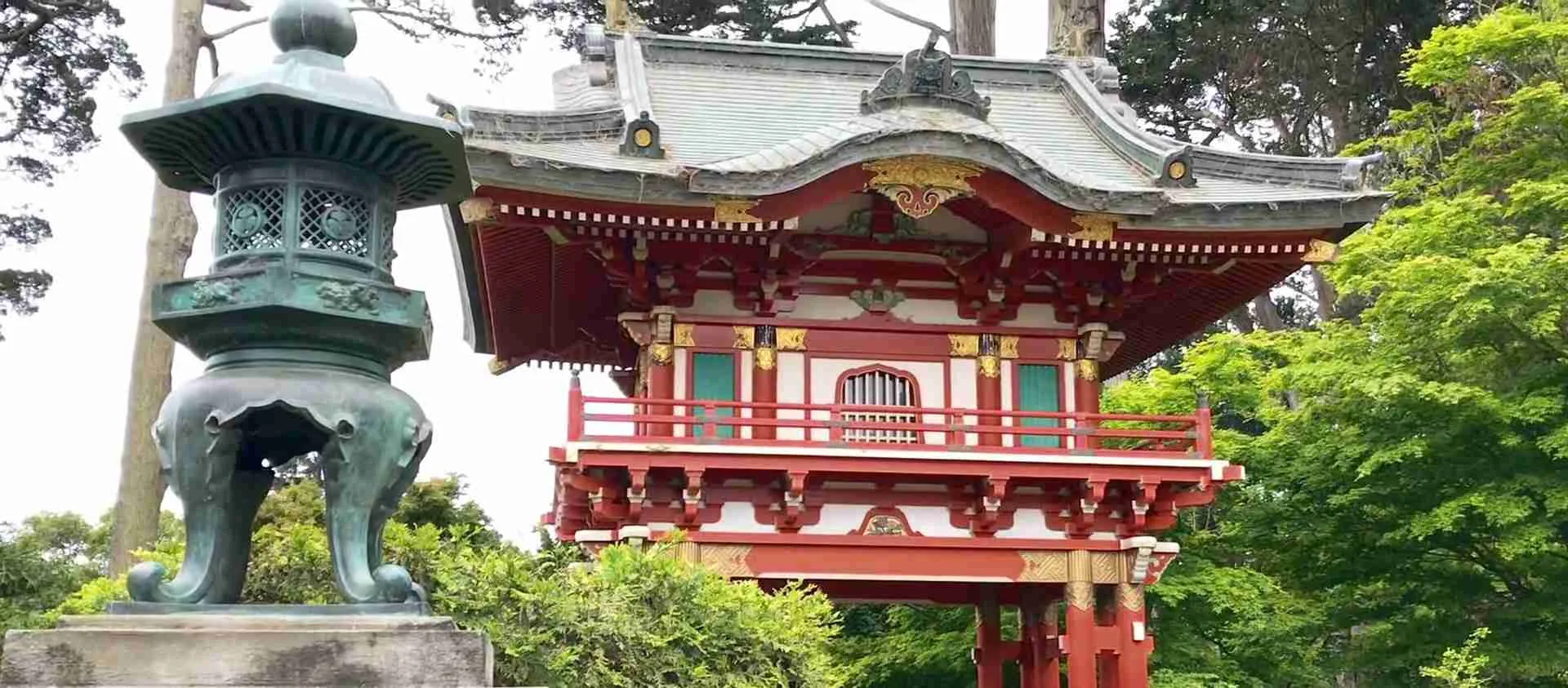
Spring timing also coincides with Japanese cherry blossom blooms at Japantown’s Peace Plaza and Japanese Tea Garden in Golden Gate Park, creating brief peak bloom periods during late March and early April. These blooms attract substantial local interest and photography crowds during peak bloom weekends, requiring weekday visits or very early morning timing for less congested shooting conditions. The blooms’ brief duration demands timing flexibility, with peak bloom lasting approximately one week before petals fall and the spectacle concludes.
Technical Photography Considerations
San Francisco’s diverse photography locations demand versatile camera equipment, varied technical approaches, and strategic planning addressing the city’s specific challenges including steep terrain, variable weather, frequent fog, strong winds, and urban security concerns. Understanding these technical requirements allows photographers to prepare appropriate equipment and techniques for successful San Francisco shooting.
Lens Selection and Focal Length Strategies
Wide-angle focal lengths from 14mm to 35mm full-frame equivalent prove essential for Golden Gate Bridge photography from close viewpoints like Fort Point and Marshall’s Beach, cityscape panoramas from Twin Peaks and Corona Heights, and Victorian architecture photography on narrow Haight-Ashbury and Alamo Square streets where backing up for standard focal length compositions becomes impossible. Ultra-wide focal lengths below 20mm create dramatic perspective distortion emphasizing foreground elements and vertical lines, requiring careful positioning to avoid excessive distortion that appears unnatural rather than creatively exaggerated.
Standard focal lengths from 40mm to 70mm provide natural perspective matching human vision, creating versatile compositions for street photography, cable car documentation, neighborhood scenes, and general cityscape work where extreme wide-angle or telephoto perspectives prove unnecessary. These moderate focal lengths work particularly well for environmental portraits including San Francisco elements as context without overwhelming the human subject or requiring extreme subject-background separation. A 24-70mm standard zoom or similar range covers majority San Francisco photography situations, providing flexibility to adjust framing without changing lenses.
Telephoto focal lengths from 85mm to 400mm compress distance between layered city elements, isolate Golden Gate Bridge details from distant viewpoints like Twin Peaks, photograph cable cars from safe distances, capture wildlife including sea lions at Pier 39, and emphasize downtown building clusters against sky. The compression effect characteristic of telephoto lenses makes San Francisco’s hilly topography appear more dramatic by stacking multiple hill levels within compressed perspective, creating layered compositions emphasizing the city’s vertical complexity. Zoom flexibility proves valuable for variable framing without position changes on crowded viewpoints or locations where movement proves restricted.
Tripod Use and Stability Requirements
Tripod stability proves essential for Golden Gate Bridge blue hour photography, nighttime cityscape work from elevated viewpoints, and long exposure techniques smoothing fog movement or ocean waves around coastal rocks. San Francisco’s persistent winds, particularly at coastal locations and elevated summits, challenge tripod stability and require weighted tripod setups using camera bags hung from center columns or sandbags draped over tripod legs. Lightweight travel tripods prove inadequate for serious long-exposure work in San Francisco’s breezy conditions, with heavier tripods providing necessary mass to resist wind buffeting during multi-second exposures.
Cable releases or smartphone remote triggers prevent camera shake from manual shutter button pressing, maintaining sharpness during exposures from 1 second to 30 seconds typical of blue hour and night photography. Mirror lockup or electronic first-curtain shutter functions eliminate vibration from mechanical mirror movement in DSLR cameras, further enhancing long-exposure sharpness. Image stabilization systems in lenses or camera bodies should be disabled during tripod use, as the stabilization mechanisms can introduce vibration or movement when the camera remains static on stable support.
Tripod use restrictions apply at some locations during crowded conditions, with narrow viewpoints like Battery Spencer becoming congested during peak times when tripod legs obstruct pedestrian traffic. Early morning and evening hours when crowds decrease provide better opportunities for extended tripod setups without conflicts with other visitors. Some indoor locations including museums and commercial buildings prohibit tripod use entirely, requiring handheld photography or alternative support methods using railings, walls, or other stable surfaces as impromptu camera supports.
Exposure Strategies for Challenging Light
San Francisco’s frequent high-contrast scenes create exposure challenges requiring graduated neutral density filters, HDR bracketing techniques, or careful exposure compensation to balance bright skies against shadowed foreground elements. Graduated ND filters darken bright sky portions while leaving foreground areas unaffected, creating more balanced exposures between sky and land in single captures without HDR processing artifacts. These filters work best during sunrise and sunset when the bright-dark transition occurs along a relatively straight horizon line, becoming less effective with irregular skylines or Golden Gate Bridge structure interrupting the horizon.
HDR bracketing captures multiple exposures at different exposure values, combining them in post-processing to create single images with extended dynamic range capturing detail in both bright highlights and dark shadows. San Francisco’s stationary architectural subjects accommodate the multiple exposures required for HDR, though moving elements including clouds, fog, water, or pedestrians may create ghosting artifacts requiring masking during processing. Modern cameras’ internal HDR modes create combined exposures automatically, though serious HDR work benefits from manual bracketing and dedicated processing software providing greater control over final results.
Fog conditions reduce overall light levels while creating soft directionless illumination that flattens scenes and reduces contrast. These conditions may appear unphotogenic initially but create moody atmospheric results emphasizing shapes and silhouettes rather than details and colors. Exposure compensation of +1 to +2 stops prevents camera meters from underexposing fog scenes, with fog’s high reflectivity fooling meters into darkening images creating gray fog rather than the ethereal white appearance characteristic of marine layer conditions.
Filter Applications for San Francisco Photography
Neutral density filters enable long exposures during bright conditions, smoothing ocean waves, blurring moving fog, creating ghost effects from moving pedestrians, and transforming busy street scenes into emptied compositions where transient elements disappear during multi-minute exposures. Three to ten-stop ND filters extend exposures from fractions of seconds to multiple seconds or minutes, with the exact density required depending on ambient brightness and desired exposure length. Variable ND filters provide adjustable density through rotating polarizer elements, creating flexibility for changing light conditions without carrying multiple fixed-density filters.
Polarizing filters reduce reflections from water, wet streets, and glass surfaces while enhancing sky saturation and cloud definition through selective light polarization. These filters prove valuable for bay water photography eliminating surface reflections to reveal underwater detail, wet street photography after rain reducing pavement glare, and cityscape work darkening blue skies against white buildings. Polarizers reduce light by approximately 1.5 to 2 stops, requiring corresponding exposure adjustments to maintain proper brightness, and function most effectively when shooting perpendicular to the sun rather than toward or away from direct sunlight.
UV and clear protective filters provide front element protection for expensive lenses in San Francisco’s urban environment where accidental damage risks from pedestrian contact, tourist congestion, and urban hazards exceed typical outdoor photography risks. While these filters provide no optical benefit for digital photography beyond protection, replacing a damaged filter costs substantially less than repairing scratched front lens elements. Filter quality matters for protection filters since poor quality glass introduces aberrations, flare, and sharpness degradation that affects all images captured through the filter.
Practical Logistics and Safety Considerations
San Francisco photography requires awareness of urban security concerns, transportation logistics, parking challenges, and safety issues specific to coastal environments and steep terrain. Planning visits with these practical considerations in mind prevents equipment loss, personal safety issues, and logistical difficulties that could compromise photography sessions.
Vehicle Security and Parking Strategies
San Francisco experiences high rates of vehicle break-ins at tourist locations, with parking lots at Golden Gate Overlook, Battery Spencer, Twin Peaks, and other major viewpoints experiencing frequent smash-and-grab thefts targeting visible bags, electronics, and valuables left in vehicles. Professional thieves observe parking lots identifying vehicles with equipment visible through windows, breaking passenger windows quickly to grab items before departing, with break-ins occurring even during brief five-to-ten-minute photography absences. Prevention strategies include removing all items from vehicles entirely, carrying essential equipment during shooting, and parking in highly visible locations discouraging theft through increased detection risk.
Never leave camera bags, tripods, or other equipment visible in vehicles, even in apparently secure trunks if the items were moved to trunks after parking in visible locations where thieves observed the transfer. Consider using rental vehicles without telltale rental company stickers or license plate frames advertising tourist status, and avoid leaving tourist maps, guidebooks, or other materials visible on dashboards identifying occupants as visitors unfamiliar with San Francisco security issues. Insurance policies for camera equipment typically cover theft from vehicles subject to deductibles, with homeowner’s or renter’s insurance sometimes extending coverage to equipment beyond standard auto insurance policies.
Paid parking lots and garages provide marginally better security than street parking through attendant presence and gate-controlled access, though break-ins still occur in these facilities requiring identical precautions. Street parking in residential neighborhoods adjacent to major viewpoints offers free alternatives to tourist lot parking while potentially reducing break-in targeting, with thieves concentrating efforts at known tourist parking areas rather than surrounding residential streets. Public transit access to Fisherman’s Wharf, downtown areas, and some Golden Gate Bridge viewpoints eliminates vehicle concerns entirely, with Muni bus and light rail service providing viable car-free alternatives for photographers comfortable navigating public transportation with equipment.
Coastal Safety and Terrain Hazards
Coastal photography locations including Marshall’s Beach, Sutro Baths, and Lands End Trail present safety hazards from unstable cliffs, unexpected waves, incoming tides, and slippery surfaces requiring appropriate precautions and awareness. Coastal bluffs along Lands End Trail erode continuously with cliff edges unsupported beyond deteriorating fencing, creating fall risks for photographers approaching edges for better perspectives. Maintaining safe distances from cliff edges, testing ground stability before committing weight to near-edge positions, and avoiding cliff edges during wet conditions when surfaces become more unstable reduces serious injury risks.
Ocean photography at Marshall’s Beach and Sutro Baths requires awareness of tide schedules and wave patterns, with incoming tides reducing beach areas and surrounding rocks with water that may trap photographers against bluffs without escape routes. Unexpected large waves called sneaker waves occur unpredictably along Pacific coastlines, arriving as anomalously large swells from distant storm systems that sweep much higher on beaches than preceding waves, with potential to knock down photographers or sweep equipment into the ocean. Maintaining awareness of ocean conditions, avoiding turning away from surf for extended periods, and positioning equipment above highest wave reach prevents wave-related losses.
San Francisco’s steep hills create challenges carrying heavy photography equipment, with grades exceeding 20 percent on some streets and trails requiring substantial physical exertion and endurance. Photographers should assess personal fitness levels realistically before committing to locations requiring significant uphill hiking with camera bags, tripods, and accessories, with alternatives including lighter equipment selections, multiple trips carrying reduced loads, or choosing more accessible locations suited to current fitness levels. Heat exhaustion risks remain even in San Francisco’s mild climate during summer months when exertion combined with inadequate hydration creates health issues, requiring water carrying and heat awareness particularly during afternoon hours.
Weather Preparedness and Equipment Protection
San Francisco’s marine climate creates persistent moisture from fog even without rain, with fog condensation accumulating on camera equipment during extended coastal shooting sessions and potentially seeping into lens barrels, electronic contacts, and camera bodies without proper protection. Camera rain covers or plastic bags with lens openings provide protection during fog shooting, preventing moisture accumulation while maintaining shooting capability. Lens hoods help shield front elements from moisture contact, while periodic wiping with microfiber cloths removes accumulated condensation maintaining image quality and preventing water spots on lenses.
Winter rain showers require waterproof camera protection if shooting during precipitation, with dedicated rain covers, underwater housings, or improvised plastic bag solutions maintaining functionality during wet conditions. Some weather-sealed camera bodies and lenses resist moisture intrusion through gasket-sealed openings and weather-resistant construction, though these systems provide splash protection rather than complete waterproofing and still benefit from additional rain cover protection during extended wet shooting. Electronics exposed to moisture should be dried thoroughly after shooting using compressed air to remove water from crevices and controls, with silica gel packets in storage cases absorbing residual moisture during drying periods.
Temperature fluctuations between air-conditioned vehicles or buildings and outdoor environments create condensation on cold equipment surfaces when moving from cool to warm environments, potentially affecting lens elements and electronic components. Allowing equipment to acclimate gradually to temperature changes by keeping cameras in bags during initial transition periods prevents condensation formation, with bags providing insulation that slows temperature equalization. San Francisco’s mild climate minimizes extreme temperature concerns compared to winter or desert photography, though fog-related moisture issues require equivalent protective awareness.
Post-Processing Workflow for San Francisco Images
San Francisco’s atmospheric conditions, high-contrast scenes, and unique color palette demand specialized post-processing approaches emphasizing the city’s distinctive fog effects, international orange bridge color, Victorian painted house hues, and the interplay between historic architecture and modern glass towers. Processing workflows should enhance rather than alter the city’s authentic appearance, preserving the recognizable San Francisco aesthetic while optimizing technical image quality.
Fog Enhancement and Atmospheric Effects
Marine layer fog in San Francisco photographs creates soft, ethereal effects requiring careful processing to maintain the fog’s luminous quality while preventing excessive contrast that destroys the subtle gradations characteristic of fog layers. Fog processing begins with slight exposure increases to prevent fog appearing gray rather than white, with the fog’s high reflectivity causing camera meters to underexpose automatically creating darker results than optimal. Lifting shadows modestly reveals detail in darker foreground areas while preserving fog’s bright tones, creating separation between fog and other scene elements without flattening the image into excessive high-key brightness.
Contrast reduction softens fog scenes, creating the subtle tonal transitions characteristic of fog diffusion while avoiding harsh separations between fog and clear areas that appear unnatural. Dehaze tools available in modern processing software selectively reduce fog effects, useful for recovering detail in partially obscured subjects but risking complete fog removal that eliminates the atmospheric quality making fog photography distinctive. These tools require judicious application rather than maximum settings, maintaining fog presence while improving subject visibility through partially fog-obscured conditions.
Color saturation reduction prevents oversaturated tones in fog conditions, with fog’s diffused light creating naturally muted colors that appear garish if processed with normal saturation increases. Fog photography works well in monochrome conversion, with the fog’s tonal gradations and reduced color information translating effectively to black and white imagery emphasizing form and atmosphere over color. Selective color adjustments preserving the Golden Gate Bridge’s orange while desaturating surrounding fog elements can emphasize the bridge while maintaining atmospheric context.
Architecture and Urban Scene Processing
Victorian house photography requires color accuracy maintaining the painted ladies’ pastel hues and painted Victorian details throughout Haight-Ashbury and other neighborhoods, with careful white balance adjustment preventing color casts that shift house colors from their authentic paint schemes. Custom white balance from gray card references or neutral building elements provides accurate starting points, though artistic interpretation may intentionally warm or cool images to emphasize golden hour light or blue hour moods. Saturation increases can enhance painted house colors, making pastel shades more vibrant without pushing tones into unrealistic oversaturation that appears artificial.
Perspective correction addresses converging vertical lines common in urban photography when tilting cameras upward to include building tops, with distortion correction tools straightening vertical elements to appear parallel rather than converging toward vanishing points. This correction prevents buildings appearing to lean backward, creating more stable compositions, though extreme correction can introduce other distortions requiring cropping or additional adjustments. Some architectural photography deliberately preserves or emphasizes perspective distortion for creative effect, making correction decisions dependent on intended aesthetic rather than automatic application to all architectural images.
Cityscape processing benefits from selective adjustments targeting specific tonal or color ranges, brightening shadowed building facades while controlling bright sky areas, enhancing blue hour’s golden artificial light while maintaining realistic sky tones, or emphasizing the warm orange Golden Gate Bridge against cooler surrounding elements. Graduated adjustment tools apply corrections to specific image areas, darkening bright skies while leaving foreground areas unchanged, creating balanced exposures without HDR processing when single exposures contain sufficient dynamic range for selective adjustment approaches.
Color Grading and San Francisco’s Distinctive Palette
San Francisco’s iconic international orange Golden Gate Bridge color requires accurate color reproduction maintaining the distinctive warm orange-red hue that differentiates the bridge from red, orange, or rust tones. The bridge’s official paint color specifications define precise orange with red undertones, best reproduced through selective color adjustments targeting orange and red channels specifically. Some photographers slightly oversaturate the bridge color for more dramatic impact, though excessive enhancement creates unrealistic electric-orange hues that appear artificial compared to the bridge’s actual appearance.
Victorian house processing emphasizes the buildings’ varied pastel paint schemes through individual color adjustments, enhancing specific houses’ pink, yellow, blue, or green paint while maintaining color separation between adjacent structures. These subtle saturation increases make painted details more prominent without creating garish oversaturation that overwhelms compositions. San Francisco’s frequent overcast and fog conditions create naturally muted colors requiring modest saturation increases to restore vibrancy matching clear-day color intensity, though processing should preserve the softer color palette characteristic of fog-influenced imagery rather than forcing fully saturated colors into atmospheric conditions.
Blue hour cityscape processing balances warm artificial lighting from buildings and street lights against cool blue sky tones, creating complementary color contrasts that define successful blue hour photography. Split-toning techniques can enhance this warm-cool separation, adding warmth to highlights containing artificial lighting while cooling shadows and sky areas. Night photography of San Francisco benefits from noise reduction addressing the higher ISOs typical of low-light work, with modern noise reduction tools selectively reducing noise while preserving detail and avoiding the artificial smoothness characteristic of aggressive noise reduction creating plastic-looking results.
Frequently Asked Questions
Do I need photography permits for San Francisco landmarks?
Most San Francisco photography locations including public streets, parks, beaches, and viewpoints allow photography without permits for personal, editorial, or artistic purposes, with restrictions applying primarily to commercial shoots involving models, props, lighting equipment, or crew members that disrupt public access. The Golden Gate Bridge, Painted Ladies, and other iconic landmarks photographed from public property require no permits for personal photography, though restrictions may apply to drone use, commercial filming, or locations requiring special access beyond public areas. National Park Service lands including Presidio areas, Alcatraz Island, and Golden Gate National Recreation Area allow personal photography freely while requiring permits for commercial work defined as photography intended for advertisement, product promotion, or corporate purposes.
When does the Golden Gate Bridge have the least fog?
The Golden Gate Bridge experiences least fog during winter months from November through March when Pacific high-pressure systems dominate weather patterns, bringing clear skies and minimal marine layer intrusion through the Golden Gate strait. September and October following summer’s peak fog season also offer reliably clear conditions with warm temperatures and reduced tourist crowds compared to winter holiday periods. Within daily cycles, afternoon hours see fog clearing even during foggy seasons as inland heating draws marine layer inland during morning hours before afternoon temperature peaks cause fog retreat, creating afternoon and evening bridge photography windows during otherwise foggy days. Winter morning hours typically offer clearest conditions before any daytime fog development, with sunrise photography providing optimal clarity for unobstructed bridge views.
What is the best camera equipment for San Francisco street photography?
San Francisco street photography benefits from compact mirrorless cameras or smaller DSLR bodies with moderate focal length prime lenses like 35mm or 50mm that provide unobtrusive shooting capability, fast apertures for variable lighting conditions, and natural perspective matching human vision for environmental documentation. These compact setups draw less attention than large cameras with telephoto zooms, creating more comfortable street photography environments where subjects behave naturally rather than reacting to obvious camera presence. Wide-aperture capabilities from f/1.4 to f/2.8 enable shooting in San Francisco’s frequent shade and overcast conditions without excessive ISO increases, while prime lens simplicity eliminates zoom complexity during fast-moving street situations requiring quick framing decisions.
How do I photograph cable cars effectively?
Cable car photography requires shutter speeds above 1/500 second to freeze motion without blur, with telephoto focal lengths from 85mm to 200mm isolating cars against cleaner backgrounds from safe distances away from moving traffic. Panning techniques at slower shutter speeds from 1/60 to 1/125 second create motion emphasis by tracking cable car movement while shooting, blurring stationary backgrounds while maintaining car sharpness, though this technique demands practice to achieve consistent results. Cable car turnarounds at Powell Street and Beach Street provide stationary shooting opportunities as gripmen manually rotate cars, allowing lower shutter speeds and more compositional flexibility without motion concerns. Hyde Street between Bay Street and Lombard Street positions cable cars descending steep grades with Alcatraz Island and San Francisco Bay visible behind, creating layered compositions combining transportation heritage with bay geography.
What photography apps help with San Francisco shooting?
PhotoPills and The Photographer’s Ephemeris calculate sun and moon positions for any San Francisco location and date, enabling precise planning for optimal lighting conditions at specific viewpoints during particular times. These apps show solar arc visualizations overlaid on maps, identifying when sunrise or sunset illuminates desired subjects from optimal angles, which dates produce moonrise behind specific landmarks, and when golden hour provides best directional light at chosen locations. Weather apps including NOAA Weather and Windy provide detailed fog forecasts and wind predictions essential for planning Golden Gate Bridge photography, with these apps showing marine layer forecasts indicating fog likelihood and timing at specific locations. Tide prediction apps including Tide Chart and NOAA Tides provide coastal photography planning for locations like Marshall’s Beach and Sutro Baths where tide levels affect beach access and composition options.
Where can I find less crowded alternatives to popular viewpoints?
Corona Heights Park provides Twin Peaks-equivalent elevated cityscape photography with substantially fewer crowds, easier parking, and equally commanding perspectives from its 520-foot summit. Fort Baker near the Golden Gate Bridge’s north end offers unique bridge perspectives with less congestion than Battery Spencer while maintaining compelling compositions. Haight-Ashbury Victorian houses rival Painted Ladies architectural interest without Alamo Square’s tourist crowds, with numerous blocks containing painted Victorians providing alternative shooting locations. The Legion of Honor museum grounds in Lincoln Park provide Golden Gate Bridge views combining cultural institution architecture with bridge perspectives, creating unique compositions unavailable from standard viewpoints while attracting minimal photographer crowds.
What post-processing software works best for San Francisco photographs?
Adobe Lightroom provides comprehensive raw processing capabilities handling San Francisco’s challenging lighting through graduated filters for sky darkening, radial filters for selective area adjustments, and color-selective tools for enhancing specific elements like the Golden Gate Bridge’s international orange paint or Victorian house pastel colors. Lightroom’s catalog system organizes large photo collections efficiently, essential for photographers shooting hundreds or thousands of images across multiple San Francisco locations and visits. Capture One offers alternative raw processing with superior color handling particularly beneficial for Victorian house photography requiring accurate pastel reproduction, though its interface complexity creates steeper learning curves than Lightroom. Adobe Photoshop provides advanced editing beyond Lightroom’s capabilities, enabling precise selections, sophisticated retouching, and complex compositing for specialized projects, though most San Francisco photography requires only Lightroom’s adjustment tools without Photoshop’s advanced capabilities.
How do I shoot San Francisco’s blue hour cityscape effectively?
Blue hour cityscape photography requires tripod-supported exposures from 2-10 seconds balancing ambient blue sky light against illuminated building interiors and street lighting, with optimal timing occurring 20-40 minutes after sunset when sky retains deep blue color while artificial lights reach full brightness. Exposures longer than 10 seconds cause sky to darken into black rather than blue, while exposures during earlier twilight create overly bright skies that overpower artificial lighting. Apertures from f/8 to f/11 provide adequate depth of field for foreground-to-background sharpness across cityscape layers while maintaining reasonable exposure times, with ISOs from 400 to 800 balancing exposure requirements against noise concerns. Twin Peaks, Coit Tower, Corona Heights Park, and Treasure Island provide elevated perspectives for blue hour cityscape work capturing downtown towers, Bay Bridge, and Golden Gate Bridge within single panoramic compositions.
What seasonal events create special photography opportunities?
Chinese New Year celebrations during late January or February transform Chinatown with elaborate decorations, dragon dances, firecracker displays, and the annual parade featuring floats, lion dances, and cultural performances creating extraordinary cultural documentation opportunities. Fleet Week during October brings military aircraft demonstrations including Blue Angels performances, with vintage warbirds and modern jets flying past Golden Gate Bridge at low altitudes creating unique aviation photography combining aircraft with San Francisco landmarks. Pride celebrations during June include street festivals, parades, and events throughout the city particularly concentrated in Castro District, providing vibrant street photography and cultural documentation opportunities. Cherry blossom season during late March and early April brings peak blooms to Japantown’s Peace Plaza and Japanese Tea Garden, creating brief spectacular displays requiring precise timing during single-week bloom windows.
How do I protect expensive camera equipment while photographing in San Francisco?
Photographer insurance through specialized policies or homeowner’s/renter’s insurance riders covers equipment theft, accidental damage, and loss, providing financial protection against San Francisco’s vehicle break-in risks and urban environment hazards. These policies typically cost one to three percent of insured equipment value annually, with coverage including theft from vehicles, accidental drops, water damage, and other incidents excluded from manufacturer warranties. Equipment security while shooting requires awareness of surroundings, keeping camera straps secured around body rather than dangling loosely, and maintaining visual contact with bags and tripods when shooting from crowded locations where theft by distraction occurs. Using inconspicuous camera bags without obvious brand logos reduces targeting by opportunistic thieves, with generic backpacks or messenger bags drawing less attention than bags clearly labeled as photography equipment carriers.