San Francisco 3-Day Itinerary 2026: First-Time Visitor Guide
San Francisco delivers an extraordinary concentration of iconic landmarks, diverse neighborhoods, and cultural experiences within just 49 walkable square miles. This three-day itinerary balances must-see attractions like Alcatraz Island and the Golden Gate Bridge with authentic local experiences in Chinatown, the Mission District, and North Beach, using strategic timing to maximize your visit while navigating the city’s famous microclimates and steep terrain.
Key Takeaways for San Francisco 3-Day Visit 2026
- Budget Planning 2026: Expect $240-320 per person daily for mid-range comfort assuming two sharing hotel accommodation, including lodging divided between travelers ($100-125 per person), meals ($75-95), attractions ($55-85), and transport ($10-15). The San Francisco CityPASS at $90 saves 45% versus individual attraction tickets.
- Alcatraz Booking Strategy: Reserve Alcatraz tickets 90 days in advance as Day Tour tickets at $48 per adult sell out months ahead. Book the earliest departure at 8:45 AM to complete the visit by noon and maximize your first day.
- Weather Preparation 2026: Pack layers regardless of season as microclimates create 15°F temperature swings between neighborhoods. Summer fog makes the city colder than visitors expect, with temperatures averaging 62°F in June-August. The warmest, clearest weather occurs September-October during Indian Summer.
- Transportation Efficiency: A 3-day Muni Passport at $33 provides unlimited rides on buses, streetcars, light rail, and cable cars. BART connects to the airport for $10 but requires separate payment. Walking combined with Muni covers most attractions efficiently.
- Neighborhood Timing: Visit Fisherman’s Wharf and Pier 39 early morning before 10 AM or after 4 PM to avoid peak crowds. Experience the Mission District in late afternoon when murals photograph best, then stay for dinner at authentic taquerias. North Beach restaurants and cafes peak during evening hours.
- Free Experiences Balance: Major free attractions including the Golden Gate Bridge walk, Lombard Street, Painted Ladies at Alamo Square, Cable Car Museum, and Ferry Building Marketplace offset paid admission costs. Walking San Francisco’s hills burns calories and saves transportation expenses.
People Also Ask About San Francisco 3-Day Itinerary 2026
How much does 3 days in San Francisco cost in 2026?
A 3-day San Francisco visit costs $585-890 per person for mid-range travelers assuming two sharing hotel accommodation. This covers three nights at mid-range hotels with rooms divided between two travelers, nine meals at neighborhood restaurants, Alcatraz Day Tour tickets, the San Francisco CityPASS providing access to four major attractions, unlimited Muni transportation including cable cars, and airport BART connections. The range reflects choices between budget-conscious and comfort-focused options within the mid-range tier. Budget travelers spend $250-385 per person using hostels, eating at taquerias, and skipping most paid attractions beyond Alcatraz. Luxury visitors invest $1,350-2,215+ per person with boutique hotels, fine dining, private tours, and rideshare transportation. These totals include the mandatory 14% hotel tax built into quoted room rates.
Is 3 days enough time to see San Francisco in 2026?
Three days provides sufficient time to experience San Francisco’s essential landmarks and diverse neighborhoods while maintaining a comfortable pace. This duration covers Alcatraz Island, Golden Gate Bridge, Fisherman’s Wharf, Chinatown, the Mission District, North Beach, and cable car rides with time for several museum visits through the CityPASS. A 3-day visit balances iconic attractions with neighborhood exploration without the exhaustion of trying to see everything. Visitors seeking comprehensive coverage including day trips to Muir Woods, Napa Valley, or Monterey benefit from adding 2-3 additional days.
What is the best way to get around San Francisco during a 3-day visit?
The Muni system combined with walking covers most San Francisco attractions efficiently during a 3-day visit. A 3-day Muni Passport at $33 includes unlimited rides on buses, historic streetcars, light rail, and the famous cable cars. Download the MuniMobile app for real-time arrival predictions and route planning. BART serves the airport connection and regional trips but requires separate payment averaging $5-10 per ride. Rideshare services fill gaps for evening returns or steep hill climbs, though parking near tourist areas suffers from frequent car break-ins making rental cars impractical for city-only visits.
When should I book Alcatraz tickets for a 2026 San Francisco trip?
Book Alcatraz Day Tour tickets exactly 90 days before your planned visit date as tickets at $48 per adult sell out at this maximum advance booking window. Alcatraz tickets release at midnight Pacific Time 90 days ahead through the official Recreation.gov website. The 8:45 AM first departure offers the best experience with smaller crowds and optimal lighting for photographs, completing the 2.5-hour visit by late morning. Night Tour tickets at $60 offer an atmospheric alternative with access to areas closed during daytime but also sell out weeks in advance. Last-minute tickets occasionally appear from cancellations but relying on availability creates significant trip planning risk.
Extended multi-day tours – 5+ days
Featured San Francisco Multi-Day Tour Packages

4 days
Sip, See & Explore: 4 Days in San Francisco & Napa Valley
- ✓ Booking needs min. 2 travelers

4 days
Golden Gate Days and Pacific Nights: A San Francisco Weekend
- ✓ Booking needs min. 2 travelers
7 days
Western National Parks 7 Day Explorer Camping
- ✓ Comprehensive San Francisco tour
- ✓ Expert local guides included
- ✓ All accommodation arranged
- ✓ Transportation provided

7 days
San Francisco Discovery Tour
- ✓ Comprehensive San Francisco tour
- ✓ Expert local guides included
- ✓ All accommodation arranged
- ✓ Transportation provided
Multi-day tour packages powered by TourRadar. Prices and availability subject to change.
Introduction to Your San Francisco 3-Day Adventure 2026
San Francisco compresses extraordinary diversity into America’s second-most densely populated major city, where Victorian architecture meets modern innovation across steep hills dropping to three waterfronts. The compact 7-by-7-mile peninsula rewards strategic planning, as neighborhoods separated by mere blocks offer dramatically different experiences and microclimates that can shift 15 degrees between morning fog at Fisherman’s Wharf and afternoon sun in the Mission District.
This three-day itinerary follows a geographic and thematic progression designed for first-time visitors. Day One tackles the city’s most iconic water-based experiences with the essential Alcatraz visit anchoring a waterfront exploration from Fisherman’s Wharf through the Ferry Building. Day Two explores diverse neighborhoods from Chinatown’s historic alleyways to North Beach’s Italian heritage and the Mission’s vibrant murals, demonstrating the cultural mosaic that defines San Francisco identity. Day Three ventures to the city’s western edge for the Golden Gate Bridge experience, Golden Gate Park’s museums and gardens, and the residential charm of Pacific Heights, concluding with sunset views from Twin Peaks.
The timing recommendations account for crowd patterns observed across millions of annual visitors, with early morning starts avoiding tour bus arrivals and strategic afternoon positioning capturing optimal light for the city’s photographic landmarks. Transportation connections use the extensive Muni system supplemented by San Francisco’s legendary cable cars, which themselves constitute an attraction rather than merely conveyance. Meal suggestions balance tourist-friendly options near major sites with authentic neighborhood restaurants where locals actually eat, from dim sum carts in Chinatown to family taquerias in the Mission.
Budget considerations reflect 2026 pricing with the CityPASS providing significant savings for attraction-heavy itineraries while identifying numerous free experiences that showcase the city’s natural beauty and architectural heritage. The 14% hotel occupancy tax adds substantial cost to accommodation, making shared lodging particularly economical for pairs or small groups. Major tech conferences in September and the massive Dreamforce event can triple hotel rates, making date selection crucial for budget-conscious travelers.
Weather preparation proves essential year-round in San Francisco’s Mediterranean climate where Mark Twain never actually said “the coldest winter I ever spent was a summer in San Francisco” but where the sentiment rings true for unprepared tourists in shorts during July fog. Layered clothing with wind protection serves all seasons, while the warmest, clearest conditions arrive during September and October’s Indian Summer rather than traditional summer months. Neighborhoods like the Mission stay 10-15 degrees warmer than the western waterfront, creating microclimates that reward flexible wardrobe choices throughout each day.
This itinerary assumes moderate walking ability to handle San Francisco’s famous hills, though strategic Muni and cable car use minimizes steep climbs. Alternative routes accommodate mobility limitations while preserving the essential experiences. The pace allows for spontaneous discoveries and rest periods rather than rushing through a checklist, respecting the reality that San Francisco rewards lingering in its neighborhoods and absorbing their distinct atmospheres as much as checking off landmarks.
Day 1 Itinerary: Alcatraz Island and Waterfront San Francisco 2026
Morning: Alcatraz Island Tour (7:30 AM – 12:30 PM)
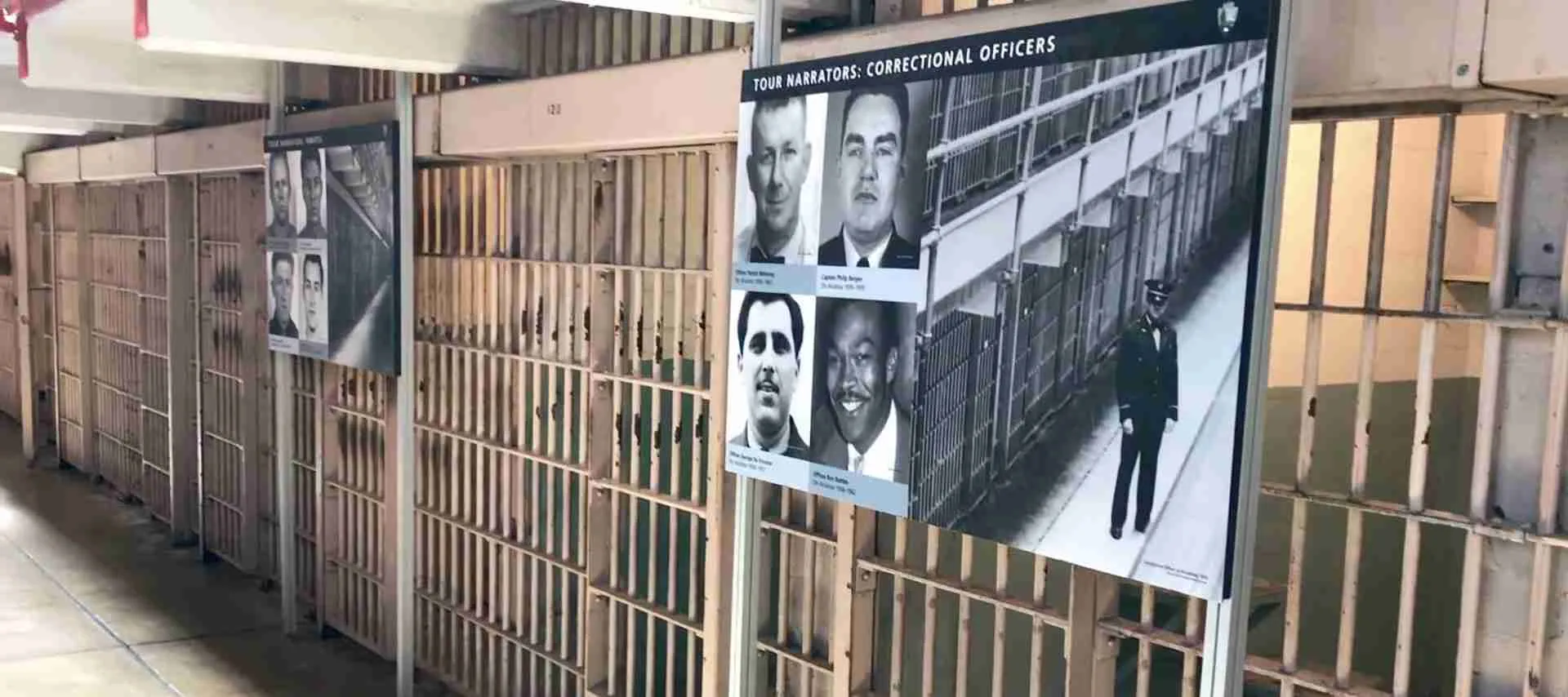
Begin your San Francisco adventure with the city’s most popular attraction, requiring the earliest possible start. Depart your hotel by 7:30 AM to reach Pier 33 by 8:00 AM, allowing time to check in for the 8:45 AM ferry departure. Alcatraz Day Tour tickets cost $48 per adult and include the round-trip ferry from Pier 33 plus the exceptional cellhouse audio tour narrated by former correctional officers and inmates. Book these tickets exactly 90 days in advance through Recreation.gov as they sell out at the maximum booking window.
The ferry crossing takes 15 minutes each way across choppy bay waters where wind protection proves essential even on sunny days. Upon landing, the 13-minute uphill walk or accessible tram delivers you to the cellhouse entrance. The self-paced audio tour requires 2-2.5 hours to experience properly, guiding you through cell blocks where Al Capone, Machine Gun Kelly, and the Birdman of Alcatraz served time during the prison’s 29-year federal penitentiary operation from 1934-1963.
The audio tour recreates daily prison life through firsthand accounts, stopping at key locations including Broadway (the main corridor between cell blocks), the dining hall where riots occurred, the library, and isolation cells in D Block. The recreation yard offers stunning views back toward San Francisco’s skyline. Most visitors spend 2.5-3 hours total on the island before catching return ferries that depart every 30 minutes. The last portion of the tour covers the famous 1962 Morris-Anglin escape where three inmates vanished into bay waters and were never found.
Return ferries deposit you back at Pier 33 by approximately 12:00-12:30 PM, positioning you perfectly for waterfront exploration during lunch hours when restaurants are less crowded than dinner service.
Day 1 Morning Costs: Alcatraz tickets $48 per person, BART from airport to Embarcadero $10 if arriving this morning, coffee and pastry $8-12.
Afternoon: Fisherman’s Wharf and Pier 39 Exploration (12:30 PM – 4:30 PM)
Walk west along the waterfront from Pier 33 to Pier 39, a 10-minute stroll passing fishing boats, street performers, and bay views. Pier 39’s famous sea lion colony lounges on the western floating docks, with the barking pinnipeds arriving in 1990 after the Loma Prieta earthquake and establishing permanent residence. The colony peaks at 300-900 sea lions during winter months, dropping to 150-200 during summer as males migrate to California’s Channel Islands for breeding season.
Lunch options around Fisherman’s Wharf range from tourist-focused chains to local favorites. Avoid the generic seafood restaurants with barkers outside and instead head to Swan Oyster Depot on Polk Street, a 10-minute Muni ride away, where locals queue for the freshest seafood at counter seating. Alternatively, Boudin Bakery at Pier 39 serves San Francisco’s famous sourdough bread bowls filled with clam chowder for $12-18, combining convenience with authenticity since Boudin has produced sourdough using the same mother dough culture since 1849.
After lunch, explore the Fisherman’s Wharf area including the Maritime National Historical Park at Hyde Street Pier where historic ships including the 1886 square-rigged Balclutha can be boarded for $15 admission. The free Cable Car Museum at 1201 Mason Street, a 15-minute walk uphill, displays the actual winding machinery that pulls all cable cars through underground cables, with vintage cars and historical exhibits explaining the 1873 technology still in daily use.
If you purchased the San Francisco CityPASS at $90, use one of your four included attractions for the Aquarium of the Bay at Pier 39, featuring 20,000 local marine animals in walk-through tunnels surrounded by leopard sharks, bat rays, and schools of anchovies. The aquarium requires 60-75 minutes and emphasizes San Francisco Bay ecosystem conservation.
Alternatively, skip paid attractions this afternoon and use the time for the Ghirardelli Square chocolate shop where free samples of Ghirardelli chocolate are offered, browsing the converted 1893 chocolate factory now housing shops and restaurants. The square sits at 900 North Point Street, a pleasant 20-minute walk from Pier 39 or a quick Muni bus ride.
Day 1 Afternoon Costs: Lunch $15-30, Cable Car Museum free, Aquarium of the Bay $30 or included in CityPASS, Ghirardelli chocolate purchase $8-20 optional, Muni rides covered by 3-day pass $33 (purchase now for entire stay).
Late Afternoon/Evening: Cable Car Ride and North Beach Dinner (4:30 PM – 8:30 PM)
Walk to the Powell-Hyde cable car turnaround at Beach Street and Hyde, where the line forms for one of San Francisco’s most iconic experiences. Cable cars cost $8 for a single ride or are included in your Muni Passport. The Powell-Hyde line offers the most scenic route, climbing Nob Hill with views across the city before descending dramatically toward Fisherman’s Wharf. Board the outbound car heading south toward Powell Street, riding the exterior running boards for the full experience as the grip man manually operates the cable grip and brakeman rings the warning bell.
Exit at Washington Street and Mason for easy access to North Beach, San Francisco’s historic Italian neighborhood where Beat Generation writers including Jack Kerouac and Allen Ginsberg gathered in the 1950s. The 15-minute downhill walk brings you into the neighborhood’s heart along Columbus Avenue.
Explore North Beach starting at City Lights Bookstore at 261 Columbus Avenue, the legendary independent bookstore founded by Beat poet Lawrence Ferlinghetti in 1953. The store’s upstairs poetry room and radical literature selection maintain the neighborhood’s countercultural heritage. Washington Square Park anchors the neighborhood, surrounded by Italian cafes and the twin spires of Saints Peter and Paul Church where Marilyn Monroe and Joe DiMaggio photographed their wedding portraits in 1954 despite marrying at City Hall.
Dinner options showcase North Beach’s Italian heritage. Tony’s Pizza Napoletana at 1570 Stockton Street serves award-winning pizzas $18-32 from multiple ovens producing different regional Italian styles. Alternatively, Mama’s on Washington Square at 1701 Stockton Street offers exceptional breakfasts and brunches but closes at 3 PM, making it better for Day 2 or 3. For traditional Italian-American red sauce cuisine, try Original Joe’s at 601 Union Street where massive portions of pasta, veal, and seafood average $25-42.
After dinner, walk to Coit Tower on Telegraph Hill if time and energy permit, though the steep climb and $10 admission for the elevator to the top make this better suited for Day 2 or 3 when you can time it for sunset. Instead, enjoy an espresso and Italian pastry at one of Columbus Avenue’s many cafes, experiencing North Beach’s authentic neighborhood rhythm as locals gather for evening conversations.
Return to your hotel via Muni bus or cable car from North Beach, with the Powell-Mason cable car line running from Columbus Avenue to Powell Street station where connections serve all neighborhoods.
Day 1 Evening Costs: Dinner $25-45, dessert/coffee $8-15, cable car included in Muni Passport.
Day 1 Total Costs Per Person (Two Sharing Hotel)
Hotel accommodation $100-125 per person (two sharing mid-range hotel), Alcatraz tickets $48, meals $50-75 (breakfast, lunch, dinner, snacks), Muni 3-day Passport $33, optional Aquarium of the Bay $30 if not using CityPASS. Total approximately $230-310 per person for Day 1 including accommodation.
Day 2 Itinerary: Neighborhoods and Culture 2026
Morning: Chinatown and Dim Sum Experience (8:30 AM – 12:00 PM)
Start Day 2 exploring San Francisco’s Chinatown, the oldest and most significant Chinese enclave outside Asia, established in the 1850s during the Gold Rush. Take Muni to the California Street cable car or walk from most downtown hotels to the Dragon’s Gate entrance arch at Bush Street and Grant Avenue, the ornate green-tiled gateway marking Chinatown’s tourist-oriented main corridor.
Grant Avenue offers souvenir shops and restaurants catering to visitors, but the authentic neighborhood exists one block west on Stockton Street where locals shop for produce, live fish, and traditional ingredients. Walk north on Stockton Street between Broadway and Pacific Avenue, observing the neighborhood’s daily rhythms as residents select vegetables from sidewalk displays and negotiate prices at seafood markets displaying tanks of live Dungeness crab, rock cod, and black bass.
Explore the narrow alleyways branching off Stockton including Waverly Place, where colorful balconies and temple facades create Chinatown’s most photogenic architecture. The Tin How Temple at 125 Waverly Place welcomes respectful visitors to San Francisco’s oldest Chinese temple, founded in 1852 and located on the fourth floor accessible via steep stairs. Small donations are appreciated for temple maintenance.
Morning dim sum constitutes Chinatown’s essential culinary experience. Arrive by 9:30-10:00 AM at Hong Kong Lounge II at 3300 Geary Boulevard in the Richmond District, a 15-minute Muni ride from Chinatown proper, where cart service and authentic preparations surpass touristy Chinatown restaurants. Alternatively, City View Restaurant at 662 Commercial Street near Portsmouth Square stays within Chinatown’s core while maintaining quality. Expect to spend $15-25 per person for dim sum including tea, selecting from steamed dumplings like har gow (shrimp dumplings), siu mai (pork dumplings), char siu bao (barbecue pork buns), and turnip cakes.
After dim sum, visit the Chinese Historical Society of America Museum at 965 Clay Street, housed in a 1932 Julia Morgan-designed YWCA building. The $5 admission covers exhibits on Chinese American history including Gold Rush immigration, railroad construction, the 1882 Exclusion Act, and contemporary Chinese American contributions. The museum requires 45-60 minutes.
Day 2 Morning Costs: Dim sum $15-25, Chinese Historical Society Museum $5, temple donation $1-5 optional.
Afternoon: Telegraph Hill, Embarcadero, and Ferry Building (12:30 PM – 4:00 PM)
From Chinatown, walk east toward Telegraph Hill, San Francisco’s resident parrot habitat where wild cherry-headed conures descended from escaped pets have established a thriving colony. The Filbert Street Steps begin at Sansome Street, climbing 400 steps through lush gardens to the base of Coit Tower at the summit.
Coit Tower stands 210 feet tall, built in 1933 with funds bequeathed by Lillie Hitchcock Coit to beautify San Francisco. The ground-floor murals depicting California life during the Depression are free to view, painted by 25 artists in the 1934 Public Works of Art Project. The elevator to the observation deck costs $10 and provides 360-degree views across the city, bay, and bridges. Clear days reveal the Golden Gate Bridge, Alcatraz, Bay Bridge, and the downtown skyline. The tower visit requires 30-45 minutes.
Descend Telegraph Hill via the Greenwich Street Steps on the eastern side, dropping through gardens and Art Deco apartments to the Embarcadero waterfront. Walk south along the Embarcadero, a broad palm-lined promenade following the bay’s edge with views across the water to Treasure Island and the East Bay hills.
The Ferry Building Marketplace at the foot of Market Street serves as both transportation hub and gourmet food hall. The 1898 building survived the 1906 earthquake and now houses artisanal vendors including Cowgirl Creamery for cheese, Acme Bread Company, Blue Bottle Coffee, and Hog Island Oyster Company. The Saturday morning farmers market ranks among California’s best, but weekday visits allow exploration without overwhelming crowds.
Sample oysters at the Hog Island Oyster Bar’s waterfront seating, where a half-dozen local oysters cost $18-24 and a bottle of California white wine runs $32-48. Alternatively, grab provisions for a picnic to enjoy on the waterfront benches, assembling bread, cheese, charcuterie, and fruit from the marketplace vendors for $20-30 per person.
If using the CityPASS, this afternoon works well for the San Francisco Museum of Modern Art (SFMOMA) located just inland from the Embarcadero at 151 Third Street. SFMOMA’s collection spans 33,000 works including photography, painting, sculpture, and contemporary installations across seven floors of gallery space. The museum requires 2-3 hours to experience meaningfully. Individual admission costs $30 but is included in the CityPASS.
Day 2 Afternoon Costs: Coit Tower elevator $10, Ferry Building lunch/snacks $20-40, SFMOMA $30 or included in CityPASS.
Evening: Mission District Murals and Dinner (4:30 PM – 9:00 PM)
Take Muni Metro (J, K, L, M, N, or T lines) or BART to the Mission District, San Francisco’s warmest neighborhood where microclimates create temperatures 10-15 degrees higher than the fog-shrouded waterfront. Exit at 16th Street Mission for optimal positioning in the neighborhood’s vibrant heart.
The Mission District showcases San Francisco’s Latino culture, particularly its Central American communities, through world-class street art and authentic taquerias. Begin at Balmy Alley between 24th and 25th Streets at Harrison Street, where murals covering garage doors and walls address social justice, immigration, and Latin American history. The alley’s 30+ murals date from the 1970s to present, constantly evolving as artists add new works. Clarion Alley between 17th and 18th Streets near Valencia offers another concentrated mural collection with more contemporary and politically charged themes.
Walk along Valencia Street, the neighborhood’s main commercial corridor, browsing independent bookstores, vintage shops, and craft cocktail bars. Women’s Building at 3543 18th Street displays MaestraPeace, a massive mural celebrating women’s strength and multicultural heritage. Dolores Park at 19th Street and Dolores Street attracts locals for picnics, Frisbee, and city views, particularly popular on sunny weekend afternoons.
Dinner in the Mission delivers San Francisco’s best Mexican food at prices far below tourist district restaurants. La Taqueria at 2889 Mission Street at 25th Street has won James Beard recognition for simple, perfectly executed burritos and tacos $11-16 per entree. Arrive before 6:30 PM or after 8:00 PM to avoid the dinner rush queue. Alternatively, Tacolicious at 741 Valencia Street offers a modern take on Mexican cuisine with creative cocktails in a sit-down setting, averaging $18-28 per person for entrees.
After dinner, experience the Mission’s vibrant evening scene with craft cocktails at Trick Dog at 3010 20th Street, known for creative seasonal menus and inventive presentations, or Zeitgeist’s outdoor beer garden at 199 Valencia Street for a more casual local atmosphere. The Mission stays lively into late evening with the neighborhood’s young professional and artist demographics creating energy distinct from San Francisco’s more sedate residential areas.
Return to your hotel via Muni Metro, with J, K, L, M, and N lines all serving the Mission and connecting to downtown within 15-20 minutes.
Day 2 Evening Costs: Dinner $15-30, drinks $10-20 optional, Muni covered by passport.
Day 2 Total Costs Per Person (Two Sharing Hotel)
Hotel accommodation $100-125 per person (two sharing), meals $55-85 (dim sum, lunch/snacks, dinner), attractions $15-40 (Coit Tower, museums if not using CityPASS), optional drinks $10-20. Total approximately $170-270 per person for Day 2 including accommodation.
Day 3 Itinerary: Golden Gate Bridge and Western San Francisco 2026
Morning: Golden Gate Bridge Walk (8:00 AM – 11:00 AM)
Dedicate your final morning to San Francisco’s most iconic landmark, the Golden Gate Bridge spanning 1.7 miles across the Golden Gate strait connecting San Francisco Bay to the Pacific Ocean. Take Muni bus 28 or 29 from downtown to the bridge, or request rideshare to the southeast parking area at the bridge’s San Francisco side.
The bridge walk stretches 1.7 miles each way from the toll plaza to the Marin County side, requiring 35-50 minutes one way at a moderate pace. Eastern sidewalk is open to pedestrians during daylight hours, with specific hours varying by season. Dress in layers with wind protection as bridge-level winds frequently exceed 25 mph even on calm days elsewhere in the city, and fog can reduce visibility to yards in summer months.
Start at the bridge’s southeastern viewing area at Fort Point, a Civil War-era brick fortress sitting directly beneath the bridge’s south tower. The fort is free to explore and provides dramatic upward views of the bridge’s massive suspension cables and Art Deco tower rising 746 feet above the water. Walk up to the bridge pedestrian entrance and proceed north across the span.
The bridge walk provides changing perspectives on San Francisco’s skyline, Alcatraz Island, Angel Island, and the Marin Headlands. Mid-span views look down 220 feet to swift tidal currents moving four times daily as 400 billion gallons of bay water exchange with the Pacific. The iconic International Orange color was chosen for visibility in fog and aesthetic harmony with the landscape, becoming one of the world’s most recognizable engineering hues.
At the Marin side, Vista Point offers panoramic views back toward the city and photo opportunities with the bridge’s north tower in the foreground. Many visitors turn back here, completing the round-trip walk in 90 minutes to 2 hours. Alternatively, catch the ferry from Sausalito back to San Francisco, requiring a 1.5-mile downhill walk from Vista Point to Sausalito’s ferry terminal, adding another 30 minutes.
The Blue & Gold Fleet ferry from Sausalito to San Francisco’s Ferry Building costs $14 per adult and is included in the CityPASS, offering a different perspective on the bridge and skyline while avoiding the return walk. Ferries depart hourly on weekends, less frequently on weekdays.
Day 3 Morning Costs: Bridge walk free, Muni to bridge covered by passport, optional ferry return $14 or included in CityPASS.
Afternoon: Golden Gate Park Museums and Gardens (11:30 AM – 4:00 PM)
From the Golden Gate Bridge, take Muni bus 28 or rideshare to Golden Gate Park’s eastern edge near Stanyan Street, positioning you for an afternoon exploring the park’s 1,017 acres of gardens, museums, and recreational facilities. The park stretches 3 miles from the Haight-Ashbury neighborhood to Ocean Beach, wider than New York’s Central Park though not as long.
Begin at the California Academy of Sciences at 55 Music Concourse Drive, one of the world’s premier natural history museums combining an aquarium, planetarium, rainforest dome, and natural history exhibits under Renzo Piano’s living roof planted with 1.7 million native California plants. General admission costs $49 for adults but is included in the CityPASS. The museum requires 2.5-3 hours to experience properly.
Highlights include the four-story rainforest dome recreating tropical ecosystems with free-flying birds and butterflies, the Philippine coral reef aquarium with 100,000-gallon living coral habitat, and Claude the albino alligator. The planetarium shows require separate timed reservations obtained at the museum entrance. The aquarium basement houses the Steinhart Aquarium with nearly 40,000 live animals representing California coast, Amazon rainforest, and African wetland habitats.
After the California Academy of Sciences, walk through the Music Concourse to the de Young Museum, focused on American art from the 17th century to contemporary works plus collections of art from the Americas, Africa, and Pacific Islands. If you used all four CityPASS attractions by now, individual admission costs $15 or is free with proof of San Francisco residency on first Tuesdays. The museum requires 90 minutes to 2 hours.
The de Young’s ninth-floor observation tower provides free 360-degree views across Golden Gate Park, the Pacific Ocean, and San Francisco neighborhoods even without museum admission. Exit the main entrance, walk to the tower entrance on the right, and take the elevator directly to the observation level.
Explore the Japanese Tea Garden adjacent to the museums, San Francisco’s oldest public Japanese garden established in 1894 for the California Midwinter International Exposition. Admission costs $10 for adults, reduced to $8 for early morning entry before 10 AM on Mondays, Wednesdays, and Fridays. The five-acre garden features pagodas, stone lanterns, koi ponds, drum bridges, and a traditional tea house serving green tea and cookies.
Late afternoon walk through the Conservatory of Flowers, a Victorian greenhouse built in 1879 showcasing rare tropical plants, aquatic species, and seasonal flower displays. Admission costs $10 for adults. The Conservatory requires 45-60 minutes.
Day 3 Afternoon Costs: California Academy of Sciences $49 or included in CityPASS, de Young Museum $15, Japanese Tea Garden $8-10, Conservatory of Flowers $10, or budget around $30-40 if prioritizing just 1-2 attractions.
Evening: Haight-Ashbury and Twin Peaks Sunset (4:30 PM – 8:00 PM)
Exit Golden Gate Park at Stanyan Street to enter the Haight-Ashbury neighborhood, epicenter of the 1967 Summer of Love and psychedelic counterculture. The intersection of Haight and Ashbury Streets marks the symbolic center, surrounded by vintage clothing shops, record stores, and murals celebrating the neighborhood’s hippie heritage. Many original Victorian homes display colorful paint schemes, though the neighborhood’s 1960s radical edge has softened considerably with gentrification.
Walk along Haight Street browsing Amoeba Music at 1855 Haight Street, one of the world’s largest independent record stores with thousands of vinyl records, CDs, and music memorabilia. The Red Victorian Bed and Breakfast at 1665 Haight Street maintains period decor from the Summer of Love era.
Early dinner options include Cha Cha Cha on Haight Street for Caribbean-influenced tapas $6-14 per plate, or Magnolia Brewing at 1398 Haight Street combining craft beer with upscale pub food $16-28 per entree. Alternatively, save dinner for after Twin Peaks and grab a snack now.
As sunset approaches, take Muni bus 37 from Haight Street or request rideshare to Twin Peaks, San Francisco’s second-highest point at 922 feet elevation. The summit provides panoramic views across the entire city, bay, bridges, and peninsula. Arrive 30-45 minutes before sunset to watch the city transition from afternoon to evening light, with the downtown skyline and Bay Bridge lighting dramatically as dusk arrives.
Twin Peaks parking areas and viewpoints are extremely popular at sunset, with crowds gathering for the free views. The hilltop can be 10-15 degrees colder and windier than downtown, requiring jacket and wind protection. Security concerns have increased in recent years with frequent car break-ins, making rideshare preferable to leaving a parked vehicle.
After sunset, return downtown via rideshare or Muni for a final dinner celebrating your San Francisco visit. The Ferry Building’s waterfront restaurants offer bay views and California cuisine, or return to a favorite neighborhood discovered over the previous days. Waterbar at 399 The Embarcadero specializes in sustainable seafood $32-58 per entree with floor-to-ceiling windows overlooking the Bay Bridge.
Day 3 Evening Costs: Dinner $25-55, transportation to/from Twin Peaks $15-25 rideshare or Muni covered by passport.
Day 3 Total Costs Per Person (Two Sharing Hotel)
Hotel accommodation $100-125 per person (two sharing), meals $45-85 (lunch, snacks, dinner), Golden Gate Park attractions $30-75 (prioritize California Academy of Sciences if limited budget), transportation $10-25 if using rideshare for Twin Peaks. Total approximately $185-310 per person for Day 3 including accommodation.
Complete 3-Day Trip Budget Breakdown 2026
Total Trip Costs Per Person Assuming Two Sharing Hotel
Accommodation $300-375 for three nights (mid-range hotel $200-250 per night divided by two), Alcatraz tickets $48, San Francisco CityPASS $90 (covering California Academy of Sciences, bay cruise, and two additional attractions from Exploratorium, SFMOMA, Aquarium of the Bay, Zoo, or Disney Museum), meals $150-245 (nine meals averaging $17-27 per meal plus snacks and coffee), Muni 3-day Passport $33, additional attractions not covered by CityPASS $25-50 (Coit Tower, museums, gardens), miscellaneous expenses $20-40 (tips, souvenirs, incidentals). Three-day trip total approximately $585-890 per person for mid-range comfort.
Budget Tier Comparisons 2026
Budget travelers staying in hostels at $40-65 per dormitory bed, eating primarily at taquerias and food carts $8-15 per meal, skipping paid attractions beyond Alcatraz, and walking extensively spend $250-385 per person for three days. Mid-range visitors in hotels $200-250 per night divided by two, dining at neighborhood restaurants $17-35 per meal, purchasing the CityPASS, and using Muni extensively spend $585-890 per person. Luxury travelers in boutique hotels $400-600 per night divided by two, enjoying fine dining $45-85 per meal, taking private tours, and using rideshare liberally invest $1,350-2,215+ per person.
Money-Saving Strategies for San Francisco 2026
Book hotels 3-4 weeks in advance for optimal rates, avoiding tech conference weeks when prices triple. Purchase the San Francisco CityPASS at $90 if planning to visit three or more included attractions, saving 45% versus individual admission. Buy the 3-day Muni Passport on Day 1 for unlimited transportation including cable cars rather than paying $8 per cable car ride. Eat at least one meal daily in neighborhood restaurants away from tourist areas where prices drop 30-40% for equivalent quality. Take advantage of free attractions including the Golden Gate Bridge walk, Lombard Street, Painted Ladies, Ferry Building, Cable Car Museum, and Chinatown exploration. Visit SFMOMA on first Thursdays when admission is free 6-9 PM, or de Young Museum on first Tuesdays for free entry. Pack layers and wind protection to avoid emergency clothing purchases at tourist prices.
Transportation Guide for San Francisco 3-Day Visit 2026
San Francisco Muni System Overview
San Francisco Municipal Transportation Agency operates Muni, the integrated system combining buses, light rail Metro, historic streetcars, and cable cars across the city. A single adult ride costs $3 with 120-minute transfer validity, but the 3-day Muni Passport at $33 provides unlimited rides and includes cable cars otherwise charged at $8 per single ride. Purchase the Passport through the MuniMobile smartphone app, Clipper vending machines at Metro stations, or ticket booths at cable car terminals.
Key Muni lines for tourists include the N-Judah Metro to Golden Gate Park and Ocean Beach, the F-Market historic streetcar along the Embarcadero and Market Street, and the Powell-Hyde and Powell-Mason cable car lines serving Fisherman’s Wharf, Nob Hill, and Russian Hill. Bus routes 28 and 29 connect downtown to the Golden Gate Bridge. Real-time arrival predictions are available through the MuniMobile app or Transit app for iOS and Android.
BART Airport and Regional Connections 2026
Bay Area Rapid Transit provides heavy rail service from San Francisco International Airport to downtown San Francisco and throughout the Bay Area. BART fares are distance-based, with SFO to Embarcadero or Powell Street stations costing approximately $10 per adult after the January 2026 6.2% fare increase. BART requires separate payment from Muni through Clipper cards or contactless credit card taps at entry and exit gates.
BART serves airport connections and regional destinations including Berkeley, Oakland, and East Bay but provides limited coverage within San Francisco itself, operating only along Market Street with four downtown stations: Embarcadero, Montgomery, Powell, and Civic Center. For San Francisco city exploration, Muni proves more useful than BART.
Walking and Hills Navigation
San Francisco’s 49 square miles span steep hills reaching 934 feet at Mount Davidson, creating challenging walks between neighborhoods. Strategic Muni use minimizes hill climbing while allowing key walks like Telegraph Hill’s Filbert Steps or Twin Peaks summit. Comfortable walking shoes with good traction prove essential on steep sidewalks, with some hills exceeding 20% grade. The city’s grid pattern and numbered streets simplify navigation despite topography.
Rideshare and Taxi Considerations
Uber and Lyft operate extensively throughout San Francisco with typical rides within the city costing $10-25 depending on distance and surge pricing. Rideshare proves useful for evening returns from restaurants, reaching Twin Peaks, or transporting luggage between hotels and airport when BART schedule doesn’t align. Traditional taxis cost slightly more than rideshare but offer street hails near major hotels and tourist areas. Avoid leaving valuables visible in parked rental cars as break-ins (“bipping”) occur frequently at tourist parking areas.
Accommodation Recommendations for San Francisco 2026
Best Neighborhoods for Tourist Hotels
Union Square provides central location with cable car access, surrounded by hotels ranging from budget options like Hotel Bijou $125-180 per night to luxury properties including Westin St. Francis $320-480. Fisherman’s Wharf hotels offer waterfront proximity but tourist-heavy atmosphere and inflated prices. Financial District hotels near Embarcadero combine business traveler amenities with BART and ferry access, quieting during weekends. SoMa (South of Market) near SFMOMA and Moscone Center delivers modern hotels at moderate prices $140-220 per night for mid-range properties.
Budget Accommodation Options 2026
HI San Francisco Downtown Hostel at 312 Mason Street offers dormitory beds $40-65 per night with private rooms available $95-140, including breakfast and central Union Square location. Green Tortoise Hostel at 494 Broadway in North Beach charges $38-58 for dormitory beds with communal dinner Mondays and Wednesdays. Budget hotels like Amsterdam Hostel $85-110 per night provide private rooms near cable car lines without hostel atmospheres. Book budget properties 2-3 weeks ahead as availability tightens during summer and fall peak seasons.
Mid-Range Hotel Recommendations
Hotel Zephyr at Fisherman’s Wharf combines nautical theme with waterfront location $200-290 per night including parking fees. Hotel Nikko at 222 Mason Street delivers Japanese hospitality and indoor pool near Union Square $240-340 per night. Phoenix Hotel at 601 Eddy Street attracts music industry guests with rock-and-roll aesthetic and complimentary breakfast $165-240 per night. Book mid-range properties 3-4 weeks ahead for best rates, watching for package deals combining parking or attraction tickets.
Luxury Properties for Special Occasions
Fairmont San Francisco atop Nob Hill provides historic elegance, tiki bar, and panoramic views $380-580 per night. The St. Regis San Francisco in SoMa offers contemporary luxury, Michelin-starred restaurant, and museum district proximity $420-680 per night. Palace Hotel at 2 New Montgomery preserves 1909 architecture with stunning Garden Court restaurant under stained glass dome $340-520 per night. Luxury properties require 4-6 week advance booking for optimal dates and rates.
Dining Guide: Neighborhoods and Specialties 2026
Chinatown Dim Sum and Chinese Cuisine
Authentic dim sum requires arriving before 11 AM at establishments like Hong Kong Lounge II or City View Restaurant where cart service and Cantonese preparations surpass tourist-trap operations on Grant Avenue. Evening dinners showcase Sichuan specialties at Z&Y Restaurant on Jackson Street, Cantonese seafood at R&G Lounge, or Shanghai soup dumplings at Shanghai Dumpling King in the Outer Richmond. Budget $15-25 per person for dim sum, $25-40 for dinner entrees.
Mission District Taquerias and Mexican Food
La Taqueria at 2889 Mission Street delivers James Beard-recognized burritos and tacos $11-16 without rice (controversial among purists but perfectly executed). Taqueria Cancún at 2288 Mission Street competes for best burrito honors at similar prices. El Farolito’s multiple Mission locations stay open until 3 AM serving enormous burritos $10-14 to late-night crowds. Tacos al pastor from La Palma Mexicatessen surpass most sit-down restaurants at $3-4 per taco.
North Beach Italian Dining
Tony’s Pizza Napoletana serves award-winning pizzas $18-32 from multiple ovens producing Neapolitan, New York, and Detroit styles. Original Joe’s maintains 1937 red sauce traditions with massive portions $25-42 per entree. Molinari Delicatessen creates legendary sandwiches $12-17 on fresh baked bread for picnics at Washington Square Park. Italian cafes along Columbus Avenue serve espresso, gelato, and pastries matching Italy’s quality at North Beach’s numerous sidewalk tables.
Ferry Building Marketplace and Embarcadero
Hog Island Oyster Company shucks local oysters $3-4 each with bay views at communal tables. Cowgirl Creamery samples artisan California cheeses before purchase. Acme Bread Company produces the city’s finest sourdough and baguettes. Saturday farmers market brings 100+ vendors selling produce, prepared foods, flowers, and specialty items 8 AM-2 PM. Budget $20-40 per person for marketplace grazing, $35-65 for sit-down meals at marketplace restaurants.
Essential San Francisco Travel Tips 2026
Weather and Clothing Strategy
San Francisco’s Mediterranean climate creates cool, dry summers and mild, wet winters with dramatic microclimates across the city. Summer fog arrives through the Golden Gate most afternoons, dropping coastal temperatures into the 50s-60s°F while the Mission stays 15 degrees warmer. September and October deliver warmest, clearest weather during Indian Summer with temperatures reaching 70-80°F and minimal fog. Pack layers including long pants, long sleeves, wind-resistant jacket, and light sweater regardless of season. Comfortable walking shoes with good traction prove essential for steep hills and uneven sidewalks.
Safety and Security Considerations
San Francisco experiences property crime including car break-ins and package theft but violent crime remains relatively low in tourist areas. Never leave visible valuables in parked cars, particularly in tourist parking lots at Twin Peaks, Alamo Square, and Fisherman’s Wharf. The Tenderloin neighborhood between Union Square and Civic Center sees drug activity and homelessness but poses minimal threat to daytime visitors exercising normal urban awareness. Panhandling occurs frequently near tourist sites; polite declining without engagement proves most effective. Use well-lit streets and BART stations after dark, avoiding deserted areas late evening.
Booking Windows and Reservations
Alcatraz tickets require exactly 90 days advance booking through Recreation.gov when tickets release at midnight Pacific Time. Hotels book 3-4 weeks ahead for optimal rates, with prices spiking during Dreamforce (September), Oracle OpenWorld (September), and J.P. Morgan Healthcare Conference (January). Popular restaurants accept reservations through OpenTable or Resy 30 days ahead, though many neighborhood spots operate walk-in only. CityPASS can be purchased online immediately before use or at first participating attraction.
Tipping and Service Expectations 2026
Restaurant service expectations include 18-22% gratuity on pre-tax totals, with many establishments adding mandatory 4-6% health care surcharge to bills. Bartenders receive $1-2 per drink or 18-20% on tabs. Rideshare drivers appreciate 15-20% tips added through apps. Hotel housekeeping receives $3-5 per night left in room. Many San Francisco restaurants note that tips are shared among kitchen and service staff, not retained individually by servers.
Health and Altitude Considerations
San Francisco’s steep hills require moderate fitness for extensive walking, though strategic Muni and cable car use accommodates varied ability levels. Sea-level altitude poses no acclimatization concerns. Dehydration risk increases with walking and microclimates that dry quickly after fog burns off. Sunscreen proves necessary year-round as San Francisco’s latitude creates significant UV exposure despite cool temperatures. Allergies may activate from eucalyptus pollen in parks and blooming seasons March-May.
Alternative and Extended Itinerary Options 2026
Four-Season Timing Strategies
Spring (March-May) delivers wildflowers in Golden Gate Park and moderate crowds with occasional rain. Summer (June-August) brings peak fog and cool temperatures but longest daylight hours and maximum cultural events. Fall (September-November) offers warmest weather during September-October Indian Summer followed by clear, crisp November days. Winter (December-February) presents lowest hotel rates, minimal crowds, and occasional storms but excellent museum weather and holiday decorations.
Day Trip Extensions from San Francisco
Muir Woods National Monument showcases ancient coastal redwoods 30 minutes north, requiring advance parking reservations. Napa Valley wine country begins 60 minutes northeast with hundreds of wineries offering tastings. Monterey and Carmel-by-the-Sea deliver coastal charm 120 miles south along Highway 1’s dramatic scenery. Yosemite National Park requires 4-hour drive east but rewards with granite cliffs, waterfalls, and giant sequoias for overnight trips.
Neighborhood Deep-Dives Beyond Three Days
Pacific Heights Victorian architecture and boutique shopping extends upscale residential exploration. Castro District’s LGBTQ+ history and vibrant nightlife deserves evening attention beyond daytime rainbow crosswalk photos. The Richmond District’s Chinese and Russian communities offer authentic restaurants along Clement Street. Hayes Valley’s boutiques, wine bars, and restaurants create sophisticated dining scene near Opera House and Symphony Hall.
Museum and Cultural Alternatives
The Exploratorium at Pier 15 provides interactive science exhibits appealing to families and curious adults, included in CityPASS. The Contemporary Jewish Museum in Yerba Buena explores Jewish culture through contemporary art and design $16 admission. The Asian Art Museum houses 18,000 works spanning 6,000 years of Asian art $15 general admission, free first Sundays. The Walt Disney Family Museum in the Presidio chronicles Walt Disney’s life and animation innovations $25 admission, included in CityPASS.
Frequently Asked Questions About San Francisco 3-Day Trip 2026
Do I need a car for a 3-day San Francisco visit in 2026?
A rental car proves unnecessary and problematic for San Francisco city exploration during a 3-day visit. The Muni system, cable cars, and walking cover all major tourist attractions efficiently while eliminating parking costs averaging $30-50 daily at hotels and $4-8 per hour at street meters. Car break-ins target tourist vehicles at popular viewpoints like Twin Peaks and Alamo Square, creating security concerns for rental cars. Reserve cars only for day trips to Napa Valley, Muir Woods, or coastal destinations requiring highway access. Use BART from the airport to downtown eliminating rental altogether, or arrange airport pickup only on departure day if continuing beyond San Francisco to regional destinations.
Is San Francisco safe for tourists in 2026?
San Francisco maintains relatively safe conditions for tourists exercising normal urban awareness, with property crime more prevalent than violent crime in visitor areas. The Tenderloin neighborhood between Union Square and Civic Center sees drug activity and homelessness but daytime passage with awareness poses minimal threat. Car break-ins occur frequently at tourist parking areas, making visible valuables in vehicles the primary security risk. Panhandling happens regularly near attractions but rarely involves aggressive behavior. Use well-lit streets and populated BART stations after dark, avoid isolated areas late evening, and maintain awareness of surroundings in crowded tourist zones where pickpocketing occasionally occurs. The overwhelming majority of San Francisco visits proceed without incident when standard precautions apply.
What is the best time of year to visit San Francisco?
September and October deliver optimal San Francisco weather during Indian Summer when fog clears, temperatures reach 70-80°F, and sunshine dominates. These months combine the year’s warmest weather with post-summer decreased crowds and hotel rates 20-30% below July-August peaks. Avoid January when massive J.P. Morgan Healthcare Conference triple hotel rates to $400-600 for basic properties, and September’s Dreamforce tech conference causes similar spikes. April-May offer moderate weather with wildflower blooms in Golden Gate Park and manageable tourist volumes. Summer June-August brings peak fog with cool temperatures often surprising visitors expecting California sunshine, though this season offers longest daylight hours and maximum cultural events. Winter December-February presents lowest hotel rates and minimal crowds despite occasional rain, ideal for budget-conscious visitors prioritizing museums and restaurants over outdoor activities.
How far in advance should I book Alcatraz tickets for 2026?
Book Alcatraz tickets exactly 90 days in advance through Recreation.gov when tickets release at midnight Pacific Time for maximum availability. Alcatraz Day Tour tickets at $48 per adult sell out within hours of the 90-day release window for popular summer and fall dates. Set calendar reminders for midnight Pacific 90 days before your planned San Francisco visit to access tickets immediately upon release. Weekend dates and holidays disappear fastest, with weekday morning departures offering slightly better availability. Alcatraz Night Tours at $60 maintain separate inventory but also sell out weeks in advance. Last-minute tickets occasionally appear from cancellations 2-3 days before travel dates but relying on cancellation availability creates significant risk of missing San Francisco’s most popular attraction. Third-party tour operators bundle Alcatraz with other experiences but charge premium prices $80-120 above the official $48 base ticket.
Is the San Francisco CityPASS worth buying in 2026?
The San Francisco CityPASS at $90 provides excellent value for visitors planning three or more included attractions, saving 45% versus individual admission costs totaling $165. The pass includes California Academy of Sciences at $49 individual price, Blue & Gold Fleet Bay Cruise at $35, plus choice of two attractions from Aquarium of the Bay $30, Exploratorium $30, SFMOMA $30, San Francisco Zoo $25, or Walt Disney Family Museum $25. Purchasing CityPASS makes financial sense when your itinerary includes the California Academy of Sciences plus any two additional included attractions, breaking even at three attractions and saving significantly with four. Skip CityPASS if limiting paid attractions to only Alcatraz and one museum, or if preferring attractions not included in the pass like Coit Tower or de Young Museum. The pass validates for nine consecutive days from first use, accommodating flexible scheduling across your three-day visit.
What should I pack for San Francisco weather in 2026?
Pack layered clothing suitable for 50-75°F temperature ranges with wind protection essential for San Francisco’s microclimates and afternoon fog. Bring long pants, long-sleeve shirts, light sweater or fleece, and wind-resistant jacket regardless of visit season as summer fog drops coastal temperatures into the 50s while inland neighborhoods stay 15 degrees warmer. Comfortable walking shoes with good traction prove critical for steep hills and 10,000+ daily steps common in active itineraries. Sunglasses and sunscreen serve year-round despite cool temperatures, with San Francisco’s latitude creating significant UV exposure. Avoid packing only shorts and t-shirts based on California assumptions, as Mark Twain’s likely apocryphal quote about coldest winters being San Francisco summers contains truth about fog-shrouded summer weather. One light rain jacket covers occasional winter showers but rain rarely disrupts San Francisco visits outside December-February. Layers allow adjustment throughout each day as neighborhoods transition from foggy Marina to sunny Mission.
Can I walk across the Golden Gate Bridge year-round?
The Golden Gate Bridge eastern pedestrian walkway opens to walkers daily during daylight hours year-round, typically 5 AM-9 PM in summer with shorter winter hours 5 AM-6:30 PM. The 1.7-mile crossing requires 35-50 minutes each way at moderate pace, with round-trip walks taking 90-120 minutes including photo stops. Wind protection and layers prove essential regardless of season as bridge-level winds frequently exceed 25 mph and fog can reduce visibility dramatically even when surrounding areas show clear skies. Summer mornings often feature thick fog burning off by afternoon, making 2-4 PM optimal for visibility and photographs. Winter provides clearest weather with minimal fog but colder temperatures and stronger winds. The western Marin side offers limited return transportation requiring either round-trip walk or descent to Sausalito for ferry service back to San Francisco. Bicycle rentals allow one-way crossings with bike return in Sausalito, though walking permits closer inspection of the bridge’s Art Deco details and suspension cable engineering.
How much should I budget for meals in San Francisco in 2026?
Budget $55-95 per person daily for mid-range San Francisco dining including breakfast $12-18, lunch $20-32, and dinner $25-45 plus coffee and snacks. Neighborhood restaurants away from tourist areas reduce costs 30-40% while maintaining quality, with Mission District taquerias serving exceptional burritos $11-16 and Chinatown dim sum ranging $15-25 per person. Tourist areas like Fisherman’s Wharf charge premium prices $18-35 for mediocre seafood that identical preparations cost $12-22 in the Richmond or Sunset districts. Budget travelers eating primarily at food carts, taquerias, and Asian restaurants spend $35-55 daily, while upscale dining at Michelin-starred or celebrated chef restaurants reaches $85-150 per person for dinner alone. San Francisco adds mandatory 4-6% health care surcharge to most restaurant bills, reflected in total before calculating 18-22% gratuity on the pre-tax subtotal. Ferry Building Marketplace allows customized spending from $12 sandwich takeaway to $55 oyster and wine lunch depending on selections. Cooking breakfast in hotel rooms when facilities allow saves $10-15 daily compared to restaurant breakfast prices.
What neighborhoods should I avoid in San Francisco?
The Tenderloin district between Union Square and Civic Center experiences the highest concentration of drug activity and homelessness but poses minimal threat to daytime visitors exercising awareness. Avoid isolated areas of the Tenderloin after dark, though major thoroughfares like Market Street remain populated and safe during evening hours. Parts of the Mission District east of Mission Street toward Highway 101 see higher crime rates but the Valencia Street corridor and areas near Dolores Park where tourists concentrate maintain safe conditions. The Bayview and Hunters Point neighborhoods in southeastern San Francisco experience the city’s highest violent crime rates but sit far from tourist itineraries and require deliberate travel to reach. Western Addition and Fillmore areas improved significantly in recent decades with gentrification but still show pockets of elevated property crime. Overall, San Francisco’s tourist zones including Fisherman’s Wharf, Union Square, North Beach, Chinatown, and Mission corridor maintain security levels comparable to other major American cities when normal urban awareness applies.
Do I need to tip in San Francisco differently than other US cities?
San Francisco tipping expectations align with national US standards but add mandatory 4-6% health care surcharge on most restaurant bills, creating confusion about tip calculation base. Calculate gratuity as 18-22% on the pre-tax, pre-health-care-surcharge subtotal rather than the final bill total to avoid over-tipping. Many San Francisco restaurants note on bills or menus that tips are shared among kitchen and service staff through pooling arrangements rather than individual server retention. Bartenders receive $1-2 per drink or 18-20% on bar tabs. Coffee shop tip jars expect $1 per order. Hotel housekeeping receives $3-5 per night left in room before checkout. Rideshare drivers appreciate 15-20% added through apps. Tour guides expect $5-10 per person for group tours, $20-40 for private experiences. Some full-service restaurants add automatic 20% gratuity for parties of six or more, noted on bills before additional tipping. Tipping culture in San Francisco maintains strong service industry advocacy given high cost of living, making generosity appropriate for excellent service.