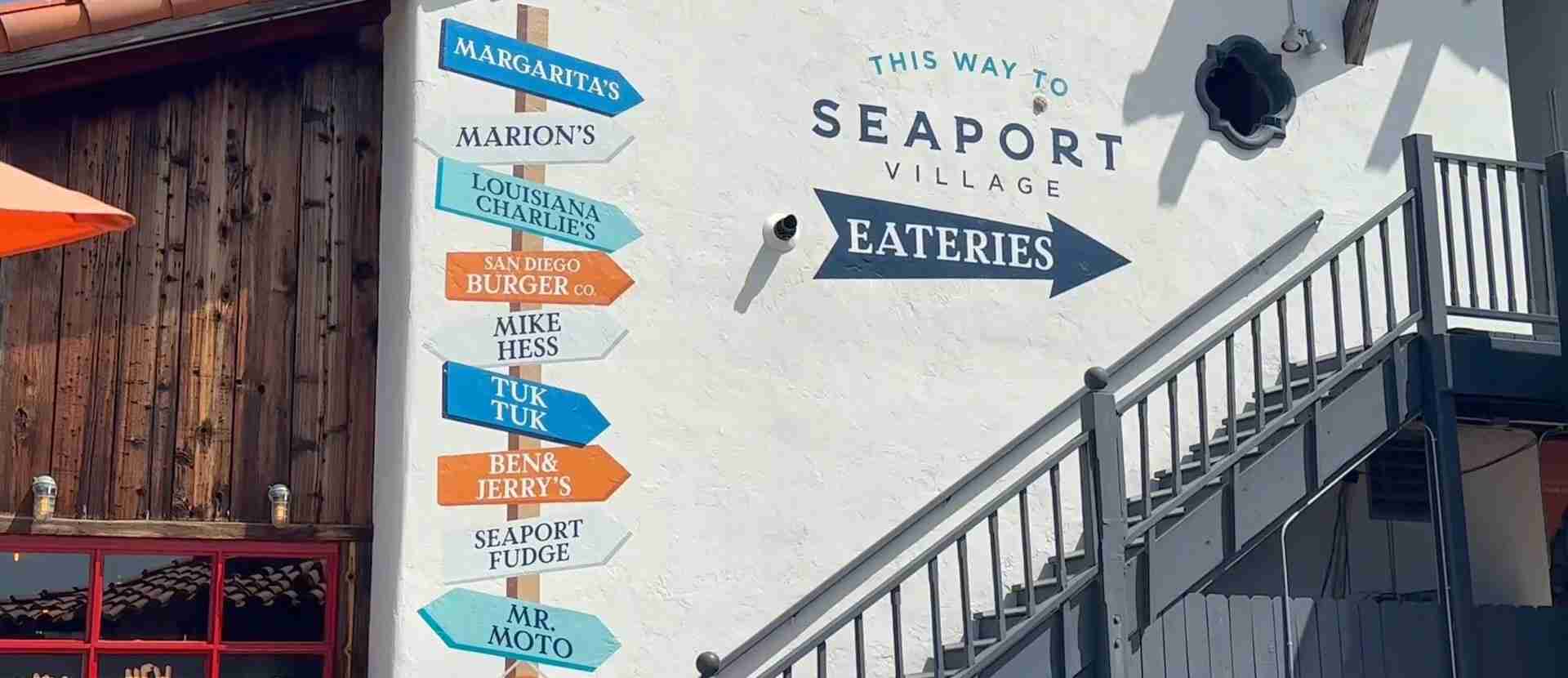
San Diego Food Guide: Best Restaurants and Local Cuisine
San Diego’s culinary landscape thrives at the intersection of Pacific coastline and Mexican border, creating a dining scene unlike anywhere else in America. The city’s 70 miles of coastline deliver ocean-fresh seafood to restaurant kitchens within hours of catch, while proximity to Tijuana infuses authentic Mexican flavors and techniques into every neighborhood. This combination produces signature dishes found nowhere else—from Baja-style fish tacos born in beach culture to California burritos stuffed with french fries—alongside a craft beer movement that defined American brewing culture and a farm-to-table philosophy enabled by year-round growing seasons.
Key Takeaways: San Diego’s Essential Food Experiences
- Fish Tacos Define San Diego Cuisine: The city’s signature dish originated when surfers brought Ensenada-style battered fish tacos across the border in the 1980s. Classic preparation features beer-battered white fish in corn tortillas topped with shredded cabbage, crema, pico de gallo, and lime—found at taco shops throughout every neighborhood from beachfront Pacific Beach to inland North Park.
- California Burrito and Carne Asada Fries Are Local Inventions: San Diego created these fusion staples by combining Mexican carne asada with American comfort food. The California burrito adds french fries inside a carne asada burrito with cheese and pico de gallo, while carne asada fries load grilled steak, cheese, sour cream, and guacamole onto crispy fries—both available at 24-hour taco shops citywide.
- Neighborhood Dining Scenes Offer Distinct Identities: Little Italy anchors downtown’s culinary heart with Italian trattorias, Top Chef alum restaurants, and the weekly Mercato farmers market. North Park’s 30th Street corridor concentrates independent eateries, craft cocktail bars, and innovative chefs. The Convoy District showcases Pan-Asian excellence with Japanese omakase, Korean barbecue, Filipino cuisine, and Chinese hand-pulled noodles rivaling Los Angeles. La Jolla elevates coastal fine dining with ocean views.
- Craft Beer Culture Integrates Into Dining: San Diego’s 150+ craft breweries created the “Capital of Craft” designation, with neighborhood taprooms serving food programs that match beer quality. Miramar’s “Beeramar” brewery corridor and North Park’s “Beer Boulevard” on 30th Street offer brewery-hopping experiences where IPAs pair with everything from fish tacos to wood-fired pizza.
- Fresh Seafood Arrives Daily From Local Waters: Point Loma’s fishing fleet lands California spiny lobster, yellowtail, halibut, and sea urchin that reach restaurant menus the same day. Waterfront neighborhoods like Embarcadero and La Jolla specialize in raw bars, coastal preparations, and seafood-focused tasting menus showcasing Pacific catch.
- Year-Round Growing Season Enables Farm-to-Table Excellence: San Diego County’s 5,000 farms supply restaurants with constant harvests—avocados from Fallbrook, citrus from Valley Center, strawberries from Carlsbad. Chefs build relationships directly with local producers, creating seasonal menus that change with peak ripeness rather than calendar months. Little Italy’s Saturday Mercato farmers market connects diners directly to these same farm sources.
People Also Ask About San Diego Food and Restaurants
What Food Is San Diego Most Famous For?
San Diego is most famous for fish tacos, which originated when surfers brought Baja-style battered fish tacos from Ensenada to San Diego beaches in the early 1980s. Ralph Rubio opened the first Rubio’s Fish Tacos in Mission Beach in 1983, sparking a movement that made fish tacos more commonplace in San Diego than anywhere in Mexico. The classic San Diego fish taco features beer-battered white fish (typically cod, mahi-mahi, or halibut) fried until crispy and served in warm corn tortillas, topped with shredded cabbage for crunch, Mexican crema for richness, fresh pico de gallo, and a squeeze of lime juice. This combination reflects both Mexican street food tradition and California’s casual beach culture—the dish appears on menus everywhere from humble taco shops to upscale coastal restaurants, with each establishment claiming their version represents the authentic standard.
Beyond fish tacos, San Diego invented the California burrito by adding french fries inside a carne asada burrito, along with cheese, pico de gallo, and sometimes sour cream and guacamole—a fusion that combines Mexican grilled steak tradition with American comfort food. Carne asada fries emerged from the same creative impulse, loading crispy french fries with marinated grilled steak, melted cheese, sour cream, and guacamole. Both dishes originated in San Diego taco shops and remain quintessentially local, served at 24-hour establishments like Lolita’s Mexican Food and the various -berto’s family chains (Roberto’s, Alberto’s, Rigoberto’s) that define late-night San Diego dining culture.
Which San Diego Neighborhood Has the Best Restaurants?
Little Italy contains San Diego’s highest concentration of acclaimed restaurants in a walkable 48-square-block district, offering everything from authentic Italian trattorias to James Beard Award semifinalist concepts. The neighborhood evolved from San Diego’s historic tuna fishing community into a culinary destination anchored by Kettner Boulevard—dubbed “Top Chef Alley” for restaurants opened by Bravo show alumni including Brian Malarkey’s Herb & Wood and Richard Blais’s Juniper & Ivy and The Crack Shack. The Piazza della Famiglia serves as Little Italy’s culinary nerve center, surrounded by Born & Raised steakhouse, Ironside Fish & Oyster’s raw bar, Bencotto’s house-made pastas, and Extraordinary Desserts’ architectural cakes.
However, North Park rivals Little Italy for dining excellence while offering a more neighborhood-focused, independent restaurant culture. The 30th Street corridor between University Avenue and North Park Way packs more restaurants per block than anywhere else in San Diego, with innovative concepts, natural wine bars, craft cocktail programs (Polite Provisions earned James Beard recognition), and a self-selecting food culture where subpar restaurants fail quickly. North Park attracts chefs willing to take creative risks in intimate spaces rather than chase downtown visibility. For visitors with limited time, Little Italy provides density and variety in a compact tourist-friendly zone, while North Park rewards locals and food-focused travelers who prefer discovering independent gems over ticking off famous names.
What Makes San Diego’s Mexican Food Different From Other Cities?
San Diego’s Mexican food differs through direct Tijuana influence that flows across the border daily—chefs, ingredients, techniques, and culinary trends move between the two cities as part of an integrated food culture rather than as distant inspiration. The Cali-Baja cooking style that defines San Diego restaurants represents this fusion: Baja California’s seafood traditions, Sonoran grilled meats and flour tortillas, and California’s farm-fresh produce philosophy combine into something distinct from Texas Tex-Mex, New Mexico’s chile-focused cuisine, or Los Angeles’s more homogenized approach. San Diego taco shops don’t call themselves taquerías—the local term reflects a specific culture of 24-hour establishments serving massive California burritos, rolled tacos, and fresh seafood tacos that evolved specifically in San Diego.
The fish taco itself exemplifies this difference: while Ensenada created the original battered fish taco, San Diego transformed it into the city’s signature dish through beach culture adoption and constant refinement. Similarly, the California burrito exists almost exclusively in San Diego and originated here, not in Baja California or Los Angeles. The city’s position just 16 miles from the Mexican border means authentic ingredients arrive fresh—Tijuana tortillerías supply many restaurants, Baja seafood reaches San Diego markets immediately, and the cultural exchange keeps flavors authentic while allowing California innovation. This creates Mexican food that Mexican food purists recognize as legitimate while incorporating coastal California sensibilities about freshness and quality that distinguish San Diego from inland Mexican-American food traditions.
How Important Is Craft Beer to San Diego’s Food Scene?
Craft beer fundamentally shapes San Diego’s dining culture rather than existing alongside it—the city’s 150+ independent breweries created beer-pairing menus, brewery restaurants with serious food programs, and a casual dining philosophy where world-class beer complements rather than competes with cuisine. San Diego earned the “Capital of Craft” designation by pioneering the American IPA style (particularly West Coast IPAs), establishing the first major craft brewery cluster in Miramar (nicknamed “Beeramar”), and proving that breweries could operate as neighborhood gathering spaces serving exceptional food rather than just beer-focused taprooms.
This integration appears everywhere: Little Italy restaurants feature 50+ local taps alongside wine programs; North Park’s “Beer Boulevard” on 30th Street offers block-by-block brewery hopping where each stop serves restaurant-quality food; and breweries like Modern Times, Societe Brewing, and Ballast Point developed food menus matching their beer innovation. The result is a dining scene where craft beer appears as naturally as wine, where beer dinners and tap takeovers fill restaurant calendars, and where pairing a Sculpin IPA with fish tacos or a blonde ale with California pizza represents standard practice rather than beer geek behavior. Restaurants understand that many San Diego diners choose dining destinations based on beer selection as much as food quality, creating an ecosystem where both elements receive equal culinary attention.
Extended multi-day tours – 5+ days
Featured Usa West Coast Multi-Day Tour Packages

3 days
Yosemite Escape Camping – 3 Days
- ✓ Comprehensive Usa West Coast tour
- ✓ Expert local guides included
- ✓ All accommodation arranged
- ✓ Transportation provided

7 days
California National Park Discovery
- ✓ Comprehensive Usa West Coast tour
- ✓ Expert local guides included
- ✓ All accommodation arranged
- ✓ Transportation provided

6 days
Hiking in Yosemite National Park
- ✓ Comprehensive Usa West Coast tour
- ✓ Expert local guides included
- ✓ All accommodation arranged
- ✓ Transportation provided

3 days
Yosemite Escape Lodging – 3 Days
- ✓ Comprehensive Usa West Coast tour
- ✓ Expert local guides included
- ✓ All accommodation arranged
- ✓ Transportation provided
Multi-day tour packages powered by TourRadar. Prices and availability subject to change.
Introduction: Understanding San Diego’s Distinctive Culinary Identity
San Diego’s food culture grew from geographic advantages no other American city can replicate: 70 miles of Pacific coastline providing daily seafood harvests, immediate proximity to Mexico’s Baja California creating constant cross-border culinary exchange, year-round Mediterranean climate enabling continuous farm production, and a relaxed beach-town ethos that values quality without pretension. These elements combined to create a dining scene that food media consistently underrates—while New York, Los Angeles, and Chicago dominate culinary conversations, San Diego quietly developed James Beard Award semifinalists, pioneered American craft beer culture, perfected Baja-Mex fusion cuisine, and built neighborhood food districts rivaling any major city.
The city’s culinary evolution reflects waves of innovation layered onto strong foundations. Italian fishing families who built San Diego’s tuna industry in the 1920s created Little Italy’s restaurant heritage. Surfers bringing fish taco culture from Ensenada in the 1980s established San Diego’s signature dish. The craft beer explosion of the 1990s-2000s transformed industrial Miramar into brewery central and made San Diego synonymous with American IPA culture. The farm-to-table movement found perfect conditions in San Diego County’s 5,000 farms and year-round growing seasons. Recent years brought serious chef-driven restaurants (Le Coq’s James Beard recognition, Trust Restaurant Group’s expansion), elevated the Convoy District’s Pan-Asian offerings to national attention, and created a 2026 new restaurant pipeline stronger than any recent year.
What distinguishes San Diego dining is the absence of formal hierarchies—Michelin-worthy ingredients appear in flip-flop-friendly environments, the best meal might come from a strip mall next to a nail salon, and dress codes remain rare even at upscale establishments. Ocean views don’t require special occasion budgets. Craft beer pairs with everything. Taco shops operate 24 hours serving post-bar crowds and early-morning surfers equally. This democratic approach to quality, combined with relentless sunshine enabling year-round outdoor dining, creates a food culture that prioritizes delicious, fresh, authentic experiences over status signaling.
Understanding San Diego food requires recognizing its dual nature: simultaneously casual and excellent, rooted in Mexican tradition while innovating freely, serious about quality while rejecting pretension. A single day might include breakfast burritos from a family-owned taco shop, omakase lunch at a Convoy District sushi counter, craft brewery afternoon in North Park, and waterfront seafood dinner in Little Italy—none of these experiences feeling incongruous because San Diego’s food identity embraces breadth. The city doesn’t specialize in one cuisine or dining style; it excels at coastal Mexican, Asian (especially Japanese and Filipino), Italian, American craft beer culture, farm-to-table California cuisine, and seafood preparations that showcase Pacific bounty.
This guide maps San Diego’s food landscape across neighborhoods, cuisine types, signature dishes, and dining experiences that reveal why locals have quietly stopped correcting food media’s oversight—there’s a certain advantage to great restaurants without overwhelming crowds, neighborhood gems that don’t require month-ahead reservations, and a dining scene strong enough to satisfy without the burden of everyone knowing about it.
San Diego’s Signature Dishes and Local Specialties
San Diego’s food identity centers on dishes that exist nowhere else in this exact form—creations born from the city’s unique position at the border of Mexico, alongside the Pacific Ocean, and within California’s agricultural abundance.
Fish Tacos: San Diego’s Defining Culinary Export
Fish tacos represent San Diego’s most recognized culinary contribution, evolving from Baja California import to local obsession to international phenomenon. The dish originated in Ensenada, Baja California, where Japanese and Asian fishing communities introduced tempura frying techniques to Mexican street food culture in the 1950s-60s. The result—battered and fried white fish in corn tortillas—remained largely unknown in the United States until San Diego surfers discovered it while chasing waves down the Baja coast.
Ralph Rubio encountered fish tacos at a small stand in San Felipe (across the peninsula from Ensenada) during college surf trips in the late 1970s. Convinced the dish would resonate with San Diego’s beach culture, Rubio opened Rubio’s Fresh Mexican Grill in Mission Beach in 1983, marking the first sustained fish taco presence in San Diego. The timing proved perfect: beach communities embraced the combination of crispy fried fish, fresh vegetables, and Mexican flavors as the ideal post-surf meal. Within a decade, fish tacos appeared at taco shops throughout San Diego. By the 2000s, the dish had spread nationally, though rarely matching San Diego’s quality or ubiquity.
The classic San Diego fish taco follows a specific formula refined over decades. The fish—typically Pacific cod, mahi-mahi, or halibut—receives a light beer batter (the beer creates crispness and adds subtle flavor) before frying until golden and crispy on the outside while remaining moist inside. Two corn tortillas (never flour for traditional fish tacos) provide the base, warmed on a griddle. The fried fish gets topped with finely shredded cabbage (green or purple, providing essential crunch), Mexican crema (richer and less tangy than sour cream), pico de gallo (fresh tomatoes, onions, cilantro, jalapeño), and sometimes a white sauce (mayonnaise-based with lime and spices). A lime wedge accompanies for final acidic brightness. Some variations add avocado or guacamole, hot sauce (typically Tapatio or Cholula), or pickled vegetables.
Grilled fish tacos emerged as a lighter alternative, substituting seasoned and grilled fish (common options include mahi-mahi, swordfish, or salmon) for battered and fried. This style gained popularity as health consciousness increased, though purists maintain that authentic San Diego fish tacos mean fried fish specifically. The grilled version typically features similar toppings but may incorporate different sauces—chipotle crema, cilantro-lime sauce, or mango salsa appear more frequently with grilled preparations.
Finding excellent fish tacos in San Diego requires no specialized knowledge—they’re everywhere, from humble taco shops to upscale coastal restaurants. However, certain establishments have earned legendary status. Oscar’s Mexican Seafood in Pacific Beach and Hillcrest offers extensive seafood taco variations including shrimp, octopus, smoked fish, and the beloved shrimp-and-chorizo combination. Blue Water Seafood Market & Grill in Mission Hills allows diners to choose their fish, marinade, and preparation style, functioning as both fish market and restaurant. The Brigantine (multiple locations) serves their “famous” grilled fish tacos topped with cabbage, salsa fresca, cheddar, and ranch—consistently rated among locals’ favorites. South Beach Bar & Grille in Ocean Beach has served classic fish tacos since 1982, maintaining nearly as much history as Rubio’s original location.
More recent additions elevated fish tacos beyond casual beach food. Le Coq in La Jolla, operated by three-time James Beard Award semifinalist Tara Monsod, incorporates French technique into Baja-California flavors. Callie in Little Italy offers Mediterranean-influenced coastal preparations. Ironside Fish & Oyster transforms the fish taco into an upscale small plate while respecting core elements.
The San Diego fish taco’s cultural significance extends beyond culinary innovation—it represents the city’s ability to recognize quality in casual forms, embrace Mexican influence authentically, and create signature dishes through beach culture rather than fine dining establishments. When San Diegans debate the “best fish taco,” the discussion encompasses hole-in-the-wall taco shops, beach shacks, and acclaimed restaurants equally, reflecting a food culture that values execution over pedigree.
California Burrito: French Fries Inside Your Burrito
The California burrito stands as San Diego’s second most recognizable culinary invention, adding french fries to a carne asada burrito along with cheese, pico de gallo, and sometimes sour cream and guacamole. This combination sounds unusual to non-San Diegans—why put fries inside a burrito?—but makes perfect sense within San Diego taco shop culture, where fusion innovation happens naturally and portion sizes emphasize satisfaction over restraint.
The exact origin remains disputed (multiple taco shops claim invention), but the California burrito emerged in San Diego taco shops during the 1980s-90s as a variation on the standard carne asada burrito. Traditional Mexican burritos include rice, beans, and protein wrapped in a flour tortilla. San Diego’s Sonoran-influenced taco shops focused on carne asada (thin-cut beef marinated in citrus, garlic, and spices, then grilled over high heat) as the premium burrito filling, often skipping rice and beans in favor of more meat. Adding french fries represented a logical next step—they provide textural contrast, absorb the burrito’s juices, add satisfying starch, and increase the burrito’s heft.
A properly constructed California burrito contains generous portions of grilled carne asada, crispy french fries (ideally maintaining some crispness despite the burrito environment), melted cheese (usually a mild cheddar blend), fresh pico de gallo, and sometimes sour cream and guacamole, all wrapped in a large flour tortilla that’s briefly griddled to seal and provide structural integrity. The burrito should be substantial—often weighing a pound or more—and require two hands plus napkins. The fries inside should be golden and not completely soggy, the carne asada should have char marks from grilling, and the cheese should bind everything together.
Debate persists about proper California burrito composition. Some purists insist on just carne asada, fries, cheese, and pico de gallo—nothing more. Others accept guacamole and sour cream as legitimate additions. The question of whether to include beans divides camps, with traditionalists viewing beans as contamination of the essential carne-asada-and-fries concept. No one includes rice (that would make it a different burrito entirely). These debates occur seriously in San Diego, where people develop fierce loyalty to their neighborhood taco shop’s specific interpretation.
Finding California burritos proves even easier than finding fish tacos—virtually every San Diego taco shop serves them, and most operate 24 hours to accommodate post-bar crowds and early-morning shift workers. Lolita’s Mexican Food (multiple locations) earned fame for massive California burritos that barely fit in two hands, alongside equally renowned carne asada fries. Taco Surf in Pacific Beach replaces standard fries with tater tots in their California burrito, a variation that initially sounds questionable but works surprisingly well (the tots mash slightly, spreading throughout the burrito). The various -berto’s family chains (Roberto’s, Alberto’s, Rigoberto’s) all serve solid versions, each location developing slight variations that inspire local preference debates.
The California burrito represents San Diego’s casual innovation philosophy—no celebrity chef invented it, no restaurant claims ownership, no formal recipe defines it. Instead, it emerged organically from taco shop culture, spread through word of mouth, became a late-night staple, and eventually achieved signature dish status without ever losing its unpretentious character. Visitors expecting refined plating or complex flavor profiles miss the point; the California burrito succeeds through straightforward deliciousness, generous portions, and the particular satisfaction of fries integrated into handheld format.
Carne Asada Fries: Loaded Fries as Full Meal
Carne asada fries emerged alongside the California burrito as another San Diego taco shop innovation, applying the same ingredients to a different format. The dish starts with a mound of crispy french fries topped with generous portions of grilled carne asada, melted cheese, sour cream, guacamole, and pico de gallo—essentially deconstructing a California burrito and presenting it as loaded fries.
The appeal is immediate and obvious: fries provide a vehicle for carne asada and toppings while maintaining more textural contrast than a burrito (the top fries stay crispy, the bottom fries soak up meat juices and cheese). The dish arrives on a plate or in a bowl, requiring a fork, and typically serves 1-2 people as a substantial meal or 3-4 as an appetizer/shared starter. The best versions layer components thoughtfully—fries on bottom, hot carne asada placed immediately to start melting cheese, then cold toppings (guacamole, sour cream, pico de gallo) added at the table or just before serving.
Lolita’s Mexican Food claims invention of carne asada fries (their menu states this explicitly), and their version sets the standard: crispy fries maintain some structural integrity despite toppings, carne asada comes freshly grilled with char marks, cheese melts properly, and guacamole uses ripe avocados. Cotixan Mexican & Seafood serves massive portions that easily feed two people. Lucha Libre Gourmet Taco Shop in North Park offers a more gourmet interpretation in a vibrant, wrestling-themed setting.
Carne asada fries epitomize San Diego late-night food culture—after bars close, lines form at taco shops where carne asada fries provide the perfect combination of salt, fat, protein, and vegetables (technically, pico de gallo counts) to end an evening. The dish requires no cultural knowledge to appreciate, makes no pretense toward health or elegance, and delivers exactly what its name promises. Like the California burrito, it exists almost exclusively in San Diego, where its invention and perfection reflect the city’s approach to food innovation: take quality ingredients (properly marinated carne asada, fresh-made guacamole), combine them in satisfying ways, serve generous portions, and don’t overthink it.
San Diego-Style Seafood: Fresh Catch and Ocean-to-Table Dining
San Diego’s coastal position enables ocean-to-table dining that rivals any American seafood city. Point Loma’s fishing fleet lands California spiny lobster, local yellowtail, halibut, sea urchin (uni), white seabass, and rockfish that reach restaurant kitchens the same morning. This immediacy shows in flavor and texture—fish served in San Diego tastes distinctly fresher than the same species flown elsewhere, with firmer flesh and cleaner ocean flavor.
The city’s seafood culture encompasses both casual and elevated preparations. Casual formats include fish tacos (discussed above), seafood cocktails (Mexican-style with octopus, shrimp, or mixed seafood in spicy tomato-based sauce), clam chowder served in sourdough bread bowls (a San Francisco tradition enthusiastically adopted by San Diego waterfront restaurants), and fish and chips at British-style pubs like Princess Pub in Little Italy.
Upscale seafood dining concentrates in waterfront neighborhoods and Little Italy. Ironside Fish & Oyster operates San Diego’s best raw bar with rotating oyster selections from both coasts, clam varieties, and seasonal seafood preparations. Their New England fishing-village aesthetic creates the perfect setting for lobster rolls (expensive but correct), oyster happy hours (starting at a dollar per oyster during specific hours), and whole fish presentations. The Fish Market on the Embarcadero combines tourist-friendly location with legitimate quality—the adjoining Top of the Market upstairs restaurant offers the same fish in more refined preparations with panoramic bay views.
Uni (sea urchin) represents a San Diego specialty often overlooked by visitors. California spiny lobster season (October through March) brings sweet, delicate meat distinctly different from Atlantic lobster. Local halibut appears in late spring and summer. Restaurants with direct fishing fleet relationships—Ironside, The Fish Market, Water Grill, George’s at the Cove in La Jolla—offer the most consistent access to peak-season local catch.
San Diego’s seafood advantage extends beyond freshness to cultural knowledge—chefs understand Pacific species, preparation methods suit local catch, and the casual coastal culture enables high-quality seafood without formal dining requirements. A fish taco from a beach shack can showcase the same day’s yellowtail as an upscale restaurant’s crudo, simply prepared differently. This democratic access to quality seafood, enabled by geography and fishing culture, makes San Diego exceptional even among coastal American cities.
Neighborhood Dining Guide: Where to Eat by Area
San Diego’s neighborhoods developed distinct food identities shaped by history, demographics, and geography. Understanding these neighborhood characteristics helps visitors and locals navigate the city’s sprawling dining scene strategically.
Little Italy: Culinary Heart of Downtown San Diego
Little Italy transformed from San Diego’s historic Italian fishing community into the city’s most concentrated dining destination, packing acclaimed restaurants, cafes, wine bars, craft breweries, and specialty food shops into 48 walkable blocks. The neighborhood offers the complete dining experience—Saturday morning Mercato farmers market (one of California’s largest, shutting down several blocks for produce vendors, prepared foods, flowers, and artisan goods), afternoon aperitivo at Italian wine bars, dinner at chef-driven restaurants, and nightcaps at craft cocktail bars.
The neighborhood’s Italian heritage remains visible at institutions like Filippi’s Pizza Grotto (operating since 1950, serving classic red-sauce Italian in a space attached to an Italian grocery), Mona Lisa Italian Foods (deli offering imported cheeses, cured meats, and made-to-order sandwiches since 1956), and Mimmo’s Italian Village (third-generation family-owned, established 1973, known for housemade pastas and outdoor patio). These establishments preserve Little Italy’s connection to the Italian families who built San Diego’s tuna fishing industry.
However, Little Italy’s modern culinary reputation comes from chef-driven restaurants that moved beyond Italian focus. Kettner Boulevard earned the nickname “Top Chef Alley” after several Bravo show alumni opened establishments: Brian Malarkey’s Herb & Wood (rustic wood-fired cuisine, craft cocktails, hip industrial space), Richard Blais’s Juniper & Ivy (molecular gastronomy influences, constantly changing menu, creative presentations) and The Crack Shack (upscale fried chicken concept in a casual outdoor setting), and other acclaimed chefs launching concepts in the corridor.
Born & Raised occupies a category of its own—a steakhouse that doesn’t apologize for being a steakhouse, serving exceptional dry-aged cuts in a lavish rooftop setting designed to evoke 1920s glamour. The restaurant’s commitment to quality beef, serious bar program, and unapologetically indulgent atmosphere makes it the special-occasion choice for steak-focused celebrations. Reservations require advance planning, dress code expectations exist (business casual minimum), and the experience tilts expensive, but the execution justifies the commitment.
Ironside Fish & Oyster brings New England fishing-village aesthetic to Little Italy’s waterfront proximity, operating San Diego’s most respected raw bar. The oyster selection rotates based on availability across both coasts, the lobster roll achieves proper New England specifications (mayo-based, served in a griddled bun, generous meat), and the happy hour oyster prices (starting at a dollar) make the experience accessible. The restaurant understands that great seafood requires minimal intervention—preparations emphasize the fish rather than elaborate saucing, and the kitchen maintains relationships with local fishermen to source same-day catch.
Bencotto represents actual Italian cooking rather than Italian-American adaptation, with house-made pastas, proper Italian ingredients, and techniques that Italian visitors recognize as authentic. The cheese wheel experience—pasta tossed tableside in a 60-pound wheel of Parmigiano-Reggiano—provides theater alongside flavor. The lunch crowd includes Italian-speaking patrons, suggesting genuine cultural credentials rather than tourist performance of Italianness.
Morning Glory earned Michelin Bib Gourmand recognition (quality food at moderate prices) for fluffy soufflé pancakes and creative breakfast/brunch preparations. Extraordinary Desserts creates architectural layer cakes using Valrhona French chocolate and Plugrà European butter, garnished with edible flowers and gold leaf—desserts so visually striking that photos dominate their Instagram presence. Kettner Exchange combines rooftop bar atmosphere with serious cocktail program and Mediterranean-influenced menu.
Little Italy succeeds because density enables discovery—visitors can walk the neighborhood trying different restaurants over multiple days, stumble upon wine bars during afternoon exploration, and encounter the Saturday Mercato farmers market without planning. The Piazza della Famiglia provides a European-style gathering space with outdoor seating, fountain, and frequent live music. The neighborhood rewards both structured planning (reservations at Born & Raised or Juniper & Ivy) and spontaneous wandering (finding aperitivo at an Italian wine bar, grabbing coffee at a café).
North Park: Independent Food Culture and Craft Beer Density
North Park developed into San Diego’s most vibrant neighborhood food scene through independent restaurant culture, craft beer density, and a self-selecting environment where mediocre concepts fail quickly. The 30th Street corridor between University Avenue and North Park Way contains the highest per-block restaurant concentration in San Diego, with new openings, closures, and renovations creating constant evolution.
The neighborhood attracts chefs willing to open small, personal concepts rather than pursue downtown visibility or investor backing. This creates a dining scene characterized by 40-50 seat restaurants, creative menus that change frequently, natural wine programs, craft cocktails taken seriously, and food that rewards adventurous eaters. North Park isn’t the neighborhood for tourists seeking famous restaurants or safe choices—it’s where San Diego’s food-focused locals discover new favorites, where chefs experiment, and where restaurant quality self-selects through demanding neighborhood standards.
À L’ouest marked one of San Diego’s most significant restaurant openings in early 2026, with Trust Restaurant Group launching a 200-seat French brasserie on the prominent corner of 30th and University. The scale, ambition, and execution immediately established À L’ouest as a destination, with classic French preparations, 30+ original cocktails, and a room evoking Parisian brasserie atmosphere. The opening signaled North Park’s evolution from scrappy independent scene to neighborhood capable of supporting major restaurant projects while maintaining creative edge.
Bacari arrived from Los Angeles in 2026, taking over the iconic two-story space that previously housed Urban Solace. The restaurant brings shareable Mediterranean plates, wood-fired pizzas, handmade pastas, and thoughtfully curated wine lists that defined Bacari’s success in Los Angeles. Chef Lior Hillel’s approach emphasizes convivial dining—multiple small plates shared among groups, encouraging exploration across the menu rather than individual entrée ordering.
Polite Provisions earned James Beard Award recognition for cocktail program excellence, establishing that North Park’s bar culture matches its food ambitions. The cocktail menu changes seasonally, bartenders create original recipes, and the attention to technique and ingredient quality rivals any serious cocktail bar nationally. The space itself—vintage pharmacy aesthetic with house-made sodas, tonics, and syrups—creates an environment where cocktails receive the same respect as wine in fine dining establishments.
Lafayette Hotel’s restaurant and bar programs transformed the vintage motor hotel into a food destination, with Quixote’s poolside restaurant serving California coastal cuisine and multiple bars offering craft cocktails in mid-century modern settings. The Sunday brunch draws neighborhood crowds for bottomless mimosas and live music in a setting that feels distinctly North Park—casual, stylish, and committed to quality without pretension.
North Park’s “Beer Boulevard” concentration along 30th Street includes multiple brewery taprooms within walking distance: Modern Times (experimental beers, coffee program, creative space), Belching Beaver (approachable styles, popular peanut butter stout), Mike Hess Brewing (diverse tap list, frequent new releases), and others creating brewery-hopping opportunities. These aren’t just taprooms—each serves food programs ranging from elevated bar snacks to full restaurant menus, reflecting San Diego’s expectation that breweries provide quality dining alongside quality beer.
The neighborhood also contains long-standing favorites that predate North Park’s recent food boom. El Corazón specializes in Oaxacan cuisine with extensive mezcal selection. Tribute Pizza serves New York-style slices and whole pies in a hip setting. The Hopping Pig offers gastropub comfort food with craft beer focus. These established restaurants anchor North Park’s food scene while newer concepts cycle through the neighborhood’s competitive environment.
North Park rewards exploration—the neighborhood’s density means walking reveals cafes, bakeries, ice cream shops, and restaurants not immediately obvious from online research. The local culture supports food businesses through regular patronage rather than occasional destination dining, creating the economic foundation for chefs to take creative risks. Visitors should approach North Park with curiosity rather than predetermined itineraries, allowing the neighborhood’s energy to guide discovery.
Convoy District: Pan-Asian Excellence in Suburban Strip Malls
The Convoy District stretches along Convoy Street and surrounding areas in Kearny Mesa, forming one of America’s largest Pan-Asian business districts outside major Asian population centers. The neighborhood contains Japanese, Korean, Chinese, Filipino, Thai, Vietnamese, and Indian restaurants in suburban strip malls that would seem unremarkable except for the exceptional food inside. Convoy represents San Diego’s underrated culinary gem—a neighborhood that locals know well but tourists often miss, where quality rivals Los Angeles’s San Gabriel Valley without the crowds or pretension.
Japanese cuisine defines Convoy’s international reputation, with multiple legitimate sushi destinations and ramen shops. Soichi Sushi operates at the pinnacle—widely considered San Diego’s best omakase experience, where Chef Soichi Kadoya serves traditional Edomae-style sushi at a small counter with fish flown from Japan and California. Reservations require advance planning, prices reflect omakase standards, and the experience centers entirely on sushi craftsmanship without gimmicks or fusion influences.
Sushi Ota preceded Soichi as the institution that set San Diego’s sushi standards, operating since 1990 and maintaining traditional Japanese approach. Yakitori Yakudori specializes in authentic yakitori (grilled chicken skewers) with an extensive menu covering every chicken part prepared over binchotan charcoal. Menya Ultra serves ramen variations from different Japanese regions. The Japanese market Nijiya provides the grocery shopping that supports home cooking and indicates genuine Japanese community presence.
Korean barbecue and Korean fried chicken dominate Korean dining options. Kang Ho Dong Baekjeong offers tabletop grilling with premium cuts and extensive banchan (side dishes). Bonchon satisfies Korean fried chicken cravings with crispy double-fried chicken in sweet-spicy sauce. BCD Tofu House specializes in soon tofu jjigae (soft tofu stew) available 24 hours. The concentration of Korean restaurants enables comparison shopping—trying different establishments’ bibimbap, galbi, or kimchi jjigae to develop preferences.
Chinese cuisine spans regional styles. Shan Xi Magic Kitchen serves hand-pulled noodles and Northwestern Chinese specialties. Dumpling Inn satisfies xiao long bao (soup dumpling) cravings. Spicy City brings Sichuan heat levels that don’t compromise for American palates. The variety allows experiencing Chinese regional cuisines—Sichuan, Cantonese, Northern, Taiwanese—that most American cities don’t offer outside Chinatowns.
Filipino food represents one of Convoy’s strengths and America’s generally underrepresented cuisines. Phil’s BBQ started in Convoy, though it’s expanded beyond (and isn’t Filipino despite the name confusion). Goldilocks Bakery & Restaurant serves Filipino pastries and prepared foods. The neighborhood contains multiple Filipino restaurants offering sisig, adobo, lumpia, and other dishes that visitors unfamiliar with Filipino cuisine can discover through Convoy exploration.
The Convoy District challenges assumptions about restaurant environments. Exceptional food appears in strip malls with fluorescent lighting, minimal decor, and shared parking lots. This disconnect—sublime soup dumplings in a space that looks like any suburban dental office complex—requires visitors to trust quality over ambiance. However, this unpretentiousness also keeps prices moderate, enables focus on food rather than scene, and maintains authenticity that often disappears when Asian restaurants move to upscale downtown locations.
Navigating Convoy requires accepting that strip malls contain the destinations, that GPS navigation helps (addresses aren’t always obvious), and that reading Yelp or Google reviews provides more guidance than architectural aesthetics. The reward is access to Asian cuisine quality that most American cities can’t match, with the added benefit of avoiding the crowds, parking challenges, and inflated prices that plague more famous Asian food districts.
La Jolla: Coastal Fine Dining and Ocean-View Restaurants
La Jolla combines stunning Pacific coastline with upscale dining, creating the neighborhood for ocean-view restaurants, special-occasion meals, and cuisine that matches the dramatic scenery. The coastal village atmosphere—beautiful people, expensive real estate, Mediterranean climate, sea lions barking on rocks below restaurants—sets expectations for refined dining that La Jolla’s restaurants generally meet.
George’s at the Cove anchors La Jolla’s fine dining reputation with three distinct spaces: Ocean Terrace (rooftop with panoramic views, more casual), George’s Bar (craft cocktails and bar menu), and the main dining room (chef’s tasting menu and à la carte fine dining). The restaurant has maintained excellence for decades, adapting menus to California seasonal ingredients while preserving the core identity of sophisticated coastal cuisine with views that make every table feel special. Reservations require advance planning, especially for Ocean Terrace during sunset hours.
Le Coq represents the newer generation of La Jolla fine dining, with three-time James Beard Award semifinalist Tara Monsod creating French technique meets Baja-California ingredients interpretations. The menu changes frequently based on available ingredients, presentations emphasize both visual appeal and flavor precision, and the cooking demonstrates why Monsod continues earning national recognition. Dishes like the cong you bing (Chinese scallion flatbread made with French butter and technique) exemplify the creative cultural fusion that defines the restaurant.
A.R. Valentien at The Lodge at Torrey Pines showcases farm-to-table California cuisine in a setting that combines Craftsman architecture with Pacific views. The restaurant emphasizes local ingredients—produce from nearby farms, seafood from San Diego waters, meats from California ranches—prepared with technique that respects the ingredients rather than overwhelming them. The wine list focuses on California wines, creating a thoroughly regional fine dining experience.
More casual La Jolla options maintain quality while reducing formality. The Taco Stand brings authentic Tijuana-style tacos to La Jolla, with handmade corn tortillas, quality meats, and fresh salsas made from scratch daily. Duke’s La Jolla offers Hawaiian-influenced seafood and steaks in a beachfront location with expansive ocean views—the restaurant leans tourist-friendly but delivers consistent quality and atmosphere that justifies its popularity. Pacific Catch brings Bay Area seafood restaurant success to La Jolla with sustainable fish, Hawaiian poke, Vietnamese-influenced preparations, and an extensive menu spanning multiple Pacific Rim cuisines.
Puesto at La Jolla Shores provides modern Mexican cuisine in a beautiful beachfront setting, with creative tacos, cocktails, and an atmosphere that attracts locals and visitors equally. The restaurant takes tacos seriously—house-made tortillas, innovative fillings, garnishes that enhance rather than obscure flavors—while maintaining the casual beach culture that makes La Jolla accessible despite upscale tendencies.
La Jolla dining succeeds through location as much as cuisine—ocean views enhance every meal, coastal breezes enable year-round outdoor dining, and the village atmosphere creates vacation feeling even for locals. The neighborhood delivers special-occasion dining without requiring San Francisco or Los Angeles prices (though it’s definitely more expensive than San Diego’s average), and the concentration of quality restaurants within walkable distance enables restaurant hopping or trying different establishments over multiple visits.
Gaslamp Quarter: Tourist-Oriented Downtown Dining
The Gaslamp Quarter contains San Diego’s highest concentration of restaurants within the smallest area—the 16½-block historic district packs nightclubs, sports bars, rooftop lounges, and restaurants serving every cuisine imaginable. However, the neighborhood’s tourist orientation and party atmosphere creates variable food quality. The best Gaslamp restaurants deliver excellent experiences, but many coast on location and bar traffic rather than culinary excellence.
Grant Grill in the historic U.S. Grant Hotel has operated since 1951, maintaining old-school glamour with contemporary California cuisine. The chic setting, innovative cocktails, and menu that balances tradition with creativity make it the rare Gaslamp restaurant where visitors and food-focused locals overlap. The Sunday brunch particularly earns its reputation, and the bar program offers one of the neighborhood’s more sophisticated drinking experiences.
Mister A’s technically sits just outside Gaslamp in Bankers Hill, but serves as the special-occasion restaurant for downtown visitors. The 12th-floor penthouse location provides 360-degree San Diego views, the modern American cuisine showcases seasonal ingredients, and the formal atmosphere (dress code enforced) creates the setting for proposals, anniversaries, and milestone celebrations. The restaurant has maintained excellence for 60 years, adapting to culinary trends while preserving the core identity of elegant dining with panoramic views.
Rustic Root offers rooftop dining with creative New American comfort food, award-winning weekend brunch, and craft cocktails. The downtown location near the Convention Center makes it popular with business travelers and convention attendees, but the food quality and creative cocktail program transcend tourist-trap status. Lou & Mickey’s serves classic American steakhouse cuisine—prime steaks, dry-aged options, seafood, award-winning wine list—in a timeless environment at the Gaslamp Quarter entrance.
However, many Gaslamp restaurants prioritize nightlife over cuisine, serving adequate food to fuel drinking and dancing rather than creating memorable culinary experiences. The neighborhood’s strength is convenience (high restaurant density, central downtown location, proximity to Convention Center and hotels) rather than food excellence. Visitors seeking San Diego’s best dining should treat Gaslamp as one option among many rather than the primary destination, saving Little Italy, North Park, or Convoy exploration for food-focused meals.
Cuisine Types and Culinary Specialties
San Diego’s food culture encompasses multiple cuisine categories, each reflecting the city’s geographic advantages, cultural influences, and culinary evolution.
Mexican and Baja-Mex: Border Proximity Creates Authenticity
San Diego’s Mexican food culture differs fundamentally from Tex-Mex, New Mexico’s chile-focused cuisine, or even Los Angeles’s more homogenized approach. The city’s position just 16 miles from Tijuana creates constant cultural and culinary exchange—chefs cross the border daily, ingredients flow both directions, and Tijuana’s culinary innovations appear in San Diego restaurants simultaneously rather than years later.
The Cali-Baja style that defines San Diego’s Mexican cuisine combines Baja California seafood traditions, Sonoran grilled meats and flour tortillas, and California’s farm-fresh produce philosophy. This creates dishes like fish tacos (detailed above), seafood cocktails (ceviche, shrimp cocktails, octopus preparations served in Mexican style with lime, cilantro, tomato, avocado), and grilled seafood preparations that showcase ocean freshness rather than heavy saucing.
San Diego taco shops represent a specific cultural category distinct from taquerías. These establishments—often family-owned, frequently operating 24 hours, serving massive portions at moderate prices—define San Diego’s casual Mexican food culture. The various -berto’s chains (Roberto’s, Alberto’s, Rigoberto’s, and others stemming from the original Roberto’s opened in 1964) exemplify this format, though independent taco shops maintain equally loyal followings. Menus include carne asada burritos, California burritos, fish tacos, rolled tacos (taquitos), quesadillas, and combination plates. The quality varies by location, but the format remains consistent—order at counter, receive generous portions, eat in fluorescent-lit dining area or take food to go.
More refined Mexican dining appears throughout San Diego. Puesto (multiple locations including La Jolla and Seaport Village) creates modern Mexican cuisine with house-made tortillas, creative taco fillings, cocktails using premium tequilas and mezcals, and presentations that elevate Mexican food beyond casual format while respecting authentic flavors. Lolita’s Mexican Food serves as the bridge between taco shop and restaurant—the massive portions and 24-hour operation feel taco-shop authentic, but the quality, atmosphere, and attention to detail exceed typical taco shop standards.
Oaxacan cuisine specifically gets representation at spots like El Corazón in North Park, which specializes in mole variations, mezcal selection, and dishes reflecting Oaxaca’s complex culinary traditions. The neighborhood Las Cuatro Milpas in Barrio Logan has served homestyle Mexican food (tortillas made fresh all day, chorizo con huevo, tamales, bean tostadas) since 1933, maintaining traditions that predate San Diego’s modern food scene.
The Mexican food experience in San Diego rewards exploration across price points and formality levels. A $6 California burrito from a taco shop can satisfy as much as a $25 coastal ceviche at an upscale restaurant, and understanding that both represent authentic Mexican food in San Diego—just different expressions of it—opens access to the full breadth of the city’s most important cuisine category.
Japanese Cuisine: From Convoy Omakase to Beach Sushi Bars
San Diego developed one of America’s strongest Japanese food scenes outside traditional Japanese population centers, with quality spanning from traditional omakase counters to fusion interpretations that incorporate California and Latin influences.
The Convoy District (covered in neighborhood section above) contains San Diego’s highest concentration of authentic Japanese restaurants, with Soichi representing the pinnacle of traditional Edomae-style sushi, Sushi Ota maintaining institution status, and numerous ramen shops, yakitori specialists, and izakayas serving Japanese expats and devoted local clientele. These establishments maintain Japanese standards—meticulous preparation, quality ingredients, minimal fusion concessions—creating experiences that Japanese visitors recognize as legitimate.
Outside Convoy, Japanese influence appears in more California-fusion interpretations. Cloak & Petal in Little Italy combines Japanese small plates with craft cocktails in a theatrical setting emphasizing visual presentation. Cherryfish in Point Loma serves Japanese-influenced seafood that isn’t traditional omakase but demonstrates serious technique and ingredient quality. Numerous neighborhood sushi bars throughout San Diego (every beach community has multiple options) serve Americanized sushi—California rolls, spicy tuna rolls, tempura rolls—that Japanese purists might dismiss but satisfies local appetites and introduces less adventurous diners to raw fish.
The Japanese food spectrum in San Diego enables experiences matching both expertise level and budget. Soichi’s omakase requires advanced reservations, substantial budget, and appreciation for traditional sushi craft. Beach neighborhood sushi bars serve casual dinner without reservations or high prices. The Convoy ramen shops provide authentic Japanese ramen at taco shop prices. This accessibility, combined with genuine quality at the high end, makes San Diego’s Japanese food scene one of the city’s culinary strengths.
Italian: Little Italy Heritage Meets Modern Interpretations
San Diego’s Italian food reflects the evolution from Italian-American red-sauce traditions to more authentic regional Italian cooking, with Little Italy containing both heritage restaurants preserving the past and modern establishments pushing Italian cuisine forward.
Classic Italian-American cooking appears at institutions like Filippi’s Pizza Grotto (established 1950, serving pizza, pasta, salads in a traditional red-checkered-tablecloth environment attached to an Italian grocery), Mimmo’s Italian Village (third-generation family-owned since 1973, known for housemade pastas, chicken parmesan, outdoor patio), and Mona Lisa Italian Foods (operating since 1956, deli serving Italian groceries, imported ingredients, and made-to-order sandwiches). These restaurants maintain connections to the Italian fishing families who built Little Italy, preserving traditions through recipes and atmosphere.
Modern Italian interpretations emphasize regional authenticity, fresh pasta made in-house, proper Italian techniques, and ingredient quality over heavy sauces. Bencotto creates house-made pastas daily, offers the theatrical cheese wheel experience (pasta tossed tableside in a 60-pound Parmigiano-Reggiano wheel), and attracts Italian-speaking patrons suggesting genuine cultural credentials. Civico 1845 focuses on Neapolitan pizza and Southern Italian traditions. Catania, owned by chef Arturo Kassel, serves sophisticated Italian influenced by the chef’s training.
The Italian food experience in San Diego spans from casual pizza and pasta at Filippi’s to refined tasting menus at upscale establishments, all concentrated primarily in Little Italy where the neighborhood atmosphere enhances the dining experience. The Saturday Mercato farmers market provides access to Italian ingredients, specialty vendors, and prepared foods, while Italian wine bars offer aperitivo hours and Italian wine selections.
American Craft Beer and Brewery Dining Culture
San Diego’s identity as “Capital of Craft” reflects 150+ independent breweries that pioneered American IPA style, established brewery dining programs, and created beer culture as sophisticated as wine culture. The brewing scene integrates into dining rather than existing separately—brewery restaurants serve food matching beer quality, restaurants curate extensive local tap lists, and beer pairing dinners appear on calendars alongside wine dinners.
Major breweries with significant food programs include Stone Brewing (multiple locations, extensive menus, beautiful settings), Ballast Point (gastropub-style food matching their beer innovations), Modern Times (experimental beers, excellent coffee program, creative vegetarian/vegan options), and numerous smaller operations where the food program exceeds typical brewery fare.
The Miramar “Beeramar” corridor contains the highest brewery density, with Stone Brewing, Ballast Point, AleSmith, Green Flash, and others creating a brewery district where dedicated beer enthusiasts can spend entire afternoons tasting and touring. North Park’s “Beer Boulevard” along 30th Street offers urban brewery hopping within walkable blocks. Each beach community contains neighborhood breweries serving as local gathering spaces.
San Diego beer culture doesn’t require beer expertise—the prevalence of quality options means casual diners encounter excellent beer by default, and breweries welcome newcomers with flight options allowing small pours of multiple beers. The West Coast IPA style that San Diego pioneered remains the local favorite, but breweries produce every style from light lagers to heavy stouts, ensuring options for all preferences.
Practical Dining Information and Insider Tips
Successfully navigating San Diego’s food scene requires understanding local customs, timing considerations, and practical logistics that differ from other American cities.
Reservation Strategy and Timing Considerations
San Diego’s casual culture creates relaxed reservation expectations compared to major cities, but top restaurants still require advance planning. Restaurants in Little Italy, La Jolla fine dining establishments, and trending North Park openings fill quickly for weekend dinner, especially 6-8 PM prime hours. Booking 3-7 days ahead usually secures tables at most popular spots, though special occasions (Valentine’s Day, New Year’s Eve) and new openings (À L’ouest in early 2026, for example) require longer lead times.
Walk-in dining succeeds frequently in San Diego because many excellent restaurants don’t accept reservations (taco shops, many Convoy District establishments, casual beach restaurants) and because bar seating, early dinner (before 6 PM), or late dinner (after 8:30 PM) remains available even at busy restaurants. The coastal culture values spontaneity—showing up at a restaurant without reservations feels normal rather than presumptuous, though calling ahead for same-day availability often helps.
Tuesday through Thursday represent the best dining nights for avoiding crowds while maintaining full menu availability and fresh ingredients. Weekend dining (Friday-Sunday) brings larger crowds, longer waits, and rushed service at popular spots. Monday closures affect many restaurants, especially independent establishments in North Park and Little Italy where chefs use Mondays for ingredient sourcing and menu development.
Tipping, Service Culture, and Dining Customs
San Diego follows standard American tipping culture: 18-20% for table service, 15-18% for counter service with food delivery, 10-15% for takeout when staff provides service beyond handing over bags. Mandatory service charges appear increasingly at restaurants (typically 3-5% listed as “kitchen appreciation” or “health insurance surcharge”)—these aren’t tips and don’t replace standard gratuity expectations. Some restaurants add automatic 20% gratuity for parties of 6+, always check the bill before adding tip.
Service style leans casual even at upscale restaurants. Servers introduce themselves by first name, conversations happen naturally rather than formally, and the beach-town relaxation extends to dining pace. This casualness shouldn’t be mistaken for inattentiveness—good San Diego servers balance friendliness with competence, checking tables appropriately without hovering, and providing knowledgeable recommendations when asked.
Dress codes remain minimal except at formal establishments (Mister A’s enforces business casual minimum, Born & Raised expects elevated casual). Flip-flops and beach casual work at most restaurants, though upscale dining in La Jolla or Little Italy tilts toward smart casual. The general rule: if you’d wear it to a nice beach dinner, it’s probably fine for most San Diego restaurants.
Navigating Parking and Transportation to Restaurants
Parking challenges vary dramatically by neighborhood. Little Italy offers street parking (metered during day, often free evenings and weekends) and multiple paid lots, though weekend dinners can require circling or walking several blocks. North Park street parking flows easier except during peak weekend hours when competition increases. Beach neighborhoods (Pacific Beach, Ocean Beach, La Jolla Shores) struggle with parking year-round due to beach visitor volume—arrive early, use paid lots, or rideshare to avoid frustration.
The Convoy District provides abundant free parking in strip mall lots—one of the advantages of suburban-style Asian food districts. Downtown Gaslamp has numerous parking structures charging $10-20 for evening parking. La Jolla village parking requires patience or money (paid lots and valets available, street parking intensely competitive).
Rideshare services (Uber, Lyft) operate throughout San Diego and eliminate parking stress for restaurant outings, especially when alcohol consumption is planned. Public transportation exists but remains limited compared to major cities—trolley lines serve some areas (Little Italy, downtown), but most neighborhoods require driving or ridesharing. Many visitors rent cars for San Diego trips, which provides restaurant access flexibility but requires parking navigation.
Seasonal Considerations and Special Events
San Diego’s year-round moderate climate means outdoor dining happens constantly, but subtle seasonal patterns affect the food scene. Summer (June-September) brings peak tourism, crowded restaurants, longer waits, and higher prices at coastal establishments. Winter (December-February) sees lighter crowds, easier reservations, and occasional (rare) rain that affects outdoor dining. Spring (March-May) and fall (September-November) offer optimal conditions—pleasant weather, moderate crowds, and seasonal ingredient peaks.
The Saturday Mercato farmers market in Little Italy runs year-round, drawing huge crowds and creating vibrant neighborhood energy. Fish seasons affect availability—California spiny lobster runs October through March, halibut peaks late spring and summer, sea urchin appears spring and fall. Restaurants with strong fishing fleet connections adjust menus to seasonal availability.
San Diego Beer Week (November) and other food festivals create concentrated dining events. Restaurant Week (typically January and September) offers prix fixe menus at participating restaurants, though quality and value vary. The Little Italy Festa celebrates Italian heritage with street fair, food vendors, and entertainment. These events can crowd neighborhoods but provide unique dining opportunities.
Budget Dining and Money-Saving Strategies
San Diego’s food scene offers exceptional value compared to San Francisco, Los Angeles, or other California coastal cities, with strategies for experiencing quality dining across all budget levels.
Best Value Categories and Where to Find Them
Taco shops provide San Diego’s best dining value—$6-10 delivers massive burritos, multiple tacos, or loaded fries that easily constitute a full meal. The quality-to-price ratio at establishments like Lolita’s Mexican Food, the -berto’s chains, and neighborhood favorites exceeds virtually any other American food format. Fish tacos cost $3-5 each at casual spots, California burritos run $7-10, carne asada fries feed two people for $12-15.
The Convoy District delivers authentic Asian cuisine at prices 30-50% below comparable restaurants in Los Angeles or San Francisco. Ramen bowls cost $12-15, Korean barbecue all-you-can-eat options run $25-35 per person, dim sum costs a fraction of Chinatown prices elsewhere. The strip mall environment keeps overhead low, passing savings to diners without compromising food quality.
Happy hours at upscale restaurants provide access to quality cooking at reduced prices. Ironside Fish & Oyster’s oyster happy hour starts at a dollar per oyster, Born & Raised offers bar bites and cocktails at reduced prices, and many Little Italy and North Park restaurants run 3-6 PM happy hours with half-price appetizers and drink specials. Eating early (5-6 PM dinner) or late (after 9 PM) sometimes activates happy hour pricing or special menus.
Food halls and casual formats enable upscale ingredients at moderate prices. The Crack Shack serves elevated fried chicken in a casual outdoor setting at prices well below traditional restaurant format. Liberty Public Market in Point Loma aggregates multiple food vendors selling tacos, empanadas, pasta, seafood, and baked goods in a market hall environment where $15-20 creates a full meal from quality vendors.
Strategic Neighborhood Selection for Budget Dining
North Park and Convoy District offer the best quality-to-price ratios. North Park restaurants compete intensely, keeping prices moderate to build neighborhood loyalty rather than tourist premium. Convoy’s Asian restaurants maintain community-oriented pricing rather than gouging visitors unfamiliar with authentic Asian food costs.
Beach neighborhoods (Pacific Beach, Ocean Beach, La Jolla Shores) generally charge premium prices for location and tourist traffic. Better value comes from restaurants a few blocks inland from the actual beach—Pacific Beach’s Garnet Avenue or Mission Boulevard one block from ocean versus directly waterfront establishments. La Jolla village commands highest prices citywide, but La Jolla Shores and nearby areas offer more moderate options with similar quality.
Downtown and Little Italy pricing tilts higher but remains reasonable compared to San Francisco or New York equivalents. The Saturday Mercato farmers market provides excellent values on produce, prepared foods, and baked goods. Gaslamp Quarter contains some of San Diego’s most expensive restaurants alongside cheaper options targeting party crowds—careful selection required.
Maximizing Quality While Minimizing Cost
Lunch menus at upscale restaurants often feature similar cooking at lower prices than dinner—Le Coq, George’s at the Cove, and other fine dining establishments serve lunch with reduced portion sizes and prices but equivalent quality. The setting and service remain the same, making lunch the value play for experiencing high-end restaurants.
Sharing plates at restaurants emphasizing small plates or family-style dining spreads costs across diners while enabling menu exploration. Bacari, Puesto, and many Little Italy establishments design menus for sharing, making group dining more economical than individual entrées while providing variety.
Brewery restaurants combine quality food with beer prices lower than wine or cocktails at equivalent restaurants. Stone Brewing, Ballast Point, and other major breweries serve substantial meals ($15-25 entrees) with house beers costing $6-8 pints—total dinner and drinks runs $25-35 per person for food matching or exceeding regular restaurant quality.
Takeout from quality restaurants eliminates tip and sometimes reduces menu prices (some restaurants charge less for takeout to account for lack of service). Convoy District restaurants particularly excel at takeout—authentic Asian food taken back to hotels or vacation rentals provides value and variety.
Special Dietary Needs and Restrictions
San Diego’s food scene accommodates dietary restrictions with more success than most American cities, though navigation requirements vary by restriction type.
Vegetarian and Vegan Dining Options
San Diego’s coastal California culture and farm access make vegetarian dining successful across most restaurants. Vegetarian options appear on virtually every menu, Mexican restaurants naturally accommodate with bean and cheese burritos/tacos/quesadillas, and many chefs create vegetarian dishes matching meat option quality rather than treating them as afterthoughts.
Dedicated vegetarian/vegan restaurants include Donna Jean (North Park pizza bar with plant-based menu), Plant Power Fast Food (vegan fast food chain started in San Diego), and Kindred (vegan bar and restaurant in South Park). However, San Diego’s vegetarian success comes less from dedicated restaurants and more from mainstream restaurant accommodation—Italian restaurants serve pasta and vegetable dishes, Asian restaurants offer tofu and vegetable preparations, and Mexican restaurants naturally include many plant-based options.
Vegan dining requires more navigation but succeeds with advance research. Many restaurants mark vegan options on menus, and calling ahead to discuss menu modifications generally receives cooperative responses. The farm-to-table philosophy that defines much San Diego cooking creates natural alignment with plant-based eating—seasonal vegetable focus, local produce quality, and chef creativity around vegetables rather than relegating them to side dish status.
Gluten-Free Dining Navigation
Gluten-free needs receive widespread accommodation, with most restaurants offering gluten-free options or modifications. Mexican food translates easily—corn tortillas are naturally gluten-free, rice and beans contain no gluten, and many meat preparations work without modification. Fish tacos can be ordered with corn tortillas and grilled fish instead of beer-battered, maintaining authentic format while eliminating gluten.
Italian restaurants increasingly offer gluten-free pasta options, though quality varies. Pizza restaurants including Tribute Pizza and others provide gluten-free crusts. Asian restaurants present more challenges—soy sauce contains gluten, and many preparations involve wheat noodles or breaded items. However, Vietnamese pho uses rice noodles, Thai curries often work with rice, and sushi with tamari (gluten-free soy sauce) accommodates celiac requirements.
Beach neighborhood restaurants and coastal establishments generally handle gluten-free requests competently, accustomed to health-conscious Southern California diners with various restrictions. Upscale restaurants accommodate easily—Le Coq, George’s at the Cove, and similar establishments modify dishes or create alternatives. Taco shops and casual establishments vary more—some accommodate readily, others lack understanding of cross-contamination concerns requiring more careful navigation.
Allergy Considerations and Communication Strategies
Seafood allergies require extra caution in a coastal city where fish sauce, seafood stock, and cross-contamination happen frequently. Mexican and Italian restaurants generally provide safer environments than Asian restaurants where seafood ingredients pervade. Communicating severity helps—servers treat “I don’t like fish” differently from “I have anaphylactic seafood allergy requiring separate cooking surfaces.”
Nut allergies need clear communication at Asian restaurants (peanut oil, peanut sauce, almond garnishes common), Italian restaurants (pine nuts in pesto, walnut garnishes), and dessert establishments. Most restaurants accommodate but require advance notice and careful verification.
The key to managing allergies in San Diego restaurants is direct communication with servers, willingness to ask kitchen questions, and preference for restaurants where staff demonstrate competence and concern. Upscale establishments generally handle allergies most professionally, casual establishments vary, and very cheap taco shops may lack systems to prevent cross-contamination even with good intentions.
Family Dining and Kid-Friendly Restaurant Selection
San Diego’s casual culture and beach-town atmosphere make family dining generally stress-free, with most restaurants welcoming children and many specifically catering to families.
Best Restaurant Categories for Families with Children
Mexican restaurants and taco shops provide the most reliably kid-friendly environment. Children recognize quesadillas, tacos, chips and guac, and rice and beans as familiar foods, portions are large and shareable, prices remain moderate enabling family meals without financial stress, and the casual atmosphere tolerates normal child behavior. Lolita’s Mexican Food, Puesto, and other Mexican restaurants actively welcome families with kids menus, accommodating service, and vibrant atmospheres where children don’t disturb other diners.
Pizza restaurants naturally accommodate families—Tribute Pizza in North Park, Filippi’s in Little Italy, and various other pizza establishments serve food children enjoy in casual settings. The Crack Shack in Little Italy offers elevated fried chicken that children love in an outdoor setting with picnic tables, games, and tolerance for activity.
Beach neighborhood restaurants expect families and children, with outdoor seating, casual dress codes, and menus featuring burgers, fish and chips, tacos, and other kid-accessible options. The atmosphere at Pacific Beach, Ocean Beach, and La Jolla Shores restaurants assumes families will be present, creating environments where parents don’t stress about child noise or mess.
Strategies for Successful Family Restaurant Experiences
Early dining (5-6 PM) works best with children—restaurants are less crowded, service runs faster, and other diners expect families at early hours. Many restaurants offer happy hour pricing during these times, adding financial benefits to logistical advantages. Late dinners (after 8 PM) at upscale restaurants mean encountering mostly adult diners expecting quieter atmosphere—early dining avoids this dynamic.
Outdoor seating provides the most family-friendly environment. San Diego’s year-round outdoor dining culture means most neighborhoods offer extensive outdoor options where children’s noise dissipates, movement feels natural, and the casual atmosphere reduces stress. Little Italy, North Park, and beach neighborhoods all provide abundant outdoor dining.
Sharing plates and family-style dining work better with children than individual entrées. Restaurants emphasizing small plates or shareable dishes let families order variety, accommodate picky eaters by providing multiple options, and reduce waste when children don’t finish full entrees.
Frequently Asked Questions About San Diego Food
Do I Need to Speak Spanish to Order at San Diego Mexican Restaurants?
No Spanish is required at any San Diego restaurant, though knowing basic food terms (carne asada, pescado, pollo, queso) helps navigate taco shop menus. All restaurants accommodate English-speaking customers completely, staff speak English fluently, and menus include English descriptions. However, learning a few Spanish food words enriches the experience and shows respect for Mexican culture that defines much San Diego cuisine. Most taco shops have bilingual staff who seamlessly switch between English and Spanish depending on customer preference.
What Time Do San Diego Restaurants Typically Close?
Restaurant closing times vary significantly by type and neighborhood. Taco shops, especially the -berto’s chains and other 24-hour establishments, literally never close—these provide late-night and early-morning options year-round. Casual restaurants generally close 9-10 PM Sunday through Thursday, 10-11 PM Friday and Saturday. Upscale dining establishments often close earlier (9-10 PM) even on weekends. Bar-restaurants in Gaslamp Quarter and nightlife areas stay open later (midnight or 1 AM) serving food late. Beach neighborhood restaurants close earlier in winter, later in summer. The general pattern: San Diego dining hours run earlier than major cities (New York, Los Angeles) where 10 PM dinner reservations are normal—here, most kitchens stop serving by 10 PM even on busy nights.
Is San Diego’s Fish Taco Quality Actually Better Than Other Cities?
Yes, San Diego’s fish taco quality exceeds other American cities for specific reasons. First, proximity to fishing waters means fresher fish—local catch reaches restaurants the same day, while inland cities receive previously frozen fish or fish that’s been in transit for days. Second, San Diego developed fish taco culture through decades of refinement, with hundreds of establishments competing to perfect the dish, creating expertise concentration other cities lack. Third, the sheer volume means San Diego restaurants make fish tacos constantly, maintaining technique and freshness through repetition. Fourth, Mexican cultural influence keeps preparations authentic rather than bastardized adaptations. Cities that recently adopted fish tacos as trendy menu additions can’t match San Diego’s depth of experience, access to quality fish, or cultural authenticity that comes from being where the dish evolved into an art form.
Should I Avoid Gaslamp Quarter Restaurants Entirely?
The Gaslamp Quarter contains both excellent restaurants and tourist traps—blanket avoidance means missing good options, while indiscriminate dining there courts disappointment. The key is selectivity. Restaurants with established reputations (Grant Grill, Mister A’s, Lou & Mickey’s) deliver quality regardless of location. Newer establishments trying to build serious food reputations rather than capitalize on bar traffic (Rustic Root, for example) succeed. However, many Gaslamp restaurants prioritize nightlife and bar traffic over cuisine, serving adequate but unremarkable food to people primarily there for drinking and scene. The best strategy: if you’re staying downtown and want convenient dining, research specific Gaslamp restaurants rather than choosing based on proximity. For San Diego’s best food, explore Little Italy, North Park, or other neighborhoods where restaurant success depends on food quality rather than foot traffic from nearby nightclubs.
How Does San Diego’s Craft Beer Scene Compare to Portland or Denver?
San Diego’s craft beer culture matches or exceeds Portland and Denver in quality, diversity, and integration into dining culture. San Diego pioneered the West Coast IPA style that defined American craft beer, established the first major brewery district in Miramar, and proved that craft breweries could operate at restaurant-quality scale. The city’s 150+ breweries create density rivaling Portland, while the year-round outdoor weather enables brewery experiences impossible in Denver’s winter or Portland’s rainy months. San Diego’s unique advantage is brewery dining culture—major breweries like Stone, Ballast Point, and Modern Times developed food programs matching their beer innovation, creating experiences where dining and brewing receive equal attention. Portland and Denver have excellent craft beer scenes, but San Diego’s combination of pioneering history, current quality and diversity, perfect brewing weather, and integration into restaurant culture arguably makes it America’s best craft beer city.
Are Reservations Necessary at San Diego Restaurants?
Reservation necessity depends on restaurant category and timing. Top fine dining (Le Coq, George’s at the Cove, Born & Raised) requires reservations days or weeks ahead, especially weekends. Popular Little Italy and North Park restaurants fill for prime dinner hours (6-8 PM) but often accommodate walk-ins for bar seating, early dinner (before 6 PM), or late dinner (after 8:30 PM). Many excellent restaurants don’t accept reservations at all—taco shops, Convoy District establishments, casual beach restaurants, and some North Park spots operate first-come, first-served. The general rule: if you want a specific restaurant at a specific time (especially weekend dinner), make reservations. If you’re flexible about timing or willing to try alternative options, San Diego’s casual culture means walk-in dining succeeds frequently. Calling ahead for same-day availability helps—many restaurants hold tables for walk-ins or can suggest better times to arrive.
What Makes San Diego’s Convoy District Different From Other Asian Food Districts?
Convoy District differs from Chinatowns and Koreatowns in major cities by being Pan-Asian rather than single-ethnicity focused, suburban rather than urban, and community-oriented rather than tourist-designed. The strip mall format means restaurants serve Asian communities rather than performing for tourists—authenticity comes from cooking for people who recognize inauthentic shortcuts rather than impressing visitors unfamiliar with the cuisine. This creates higher quality standards and moderate prices compared to ethnic neighborhoods in tourist-heavy cities. Convoy’s Pan-Asian diversity (Japanese, Korean, Chinese, Filipino, Vietnamese, Thai, Indian all represented in close proximity) enables comparative dining within single visits—trying Korean barbecue one night, ramen the next, hand-pulled noodles the third, all within the same neighborhood. The lack of urban density and walkability might disappoint visitors expecting Chinatown atmosphere, but the food quality, diversity, and value exceed most American Asian food districts outside Los Angeles and New York.
Is San Diego More Expensive Than Los Angeles for Dining?
No, San Diego dining generally costs 15-30% less than Los Angeles equivalent restaurants, with particularly dramatic differences at upscale establishments. Fine dining in San Diego (tasting menus, special occasion restaurants, coastal establishments) charges $100-200 per person versus $200-400 for comparable experiences in Los Angeles. Mid-range dinner runs $25-45 per person in San Diego versus $40-60 in Los Angeles. Only at the absolute highest tier (Michelin-starred restaurants, celebrity chef concepts) does Los Angeles offer options San Diego can’t match—but San Diego’s best restaurants compete quality-wise at half the price. Casual dining costs similarly in both cities, though San Diego’s taco shops provide better value than LA equivalents. The combination of lower restaurant rent, less intense competition driving prices up, and San Diego’s culture valuing quality over status means consistently better value across all dining categories except absolute luxury tier.
What’s the Best Way to Experience San Diego Food Culture in a Weekend?
A strategic weekend food itinerary covers San Diego’s essential experiences. Saturday morning: Little Italy Mercato farmers market (8 AM-2 PM) for local produce, prepared foods, and neighborhood atmosphere, followed by coffee at a Little Italy café. Lunch: fish tacos at a classic spot (Oscar’s, Blue Water Seafood, South Beach Bar & Grille) or Convoy District ramen/dumplings for Asian cuisine introduction. Afternoon: brewery hopping in North Park along 30th Street or Miramar “Beeramar” district. Dinner: upscale Little Italy restaurant (Herb & Wood, Juniper & Ivy, Born & Raised) or North Park innovation (À L’ouest, Bacari). Late night: California burrito or carne asada fries from a 24-hour taco shop. Sunday morning: brunch at Morning Glory (Little Italy) or Lafayette Hotel (North Park). Lunch: Convoy District exploration trying Japanese, Korean, or Chinese depending on preference. This itinerary hits signature dishes (fish tacos, California burrito), essential neighborhoods (Little Italy, North Park, Convoy), craft beer culture, upscale dining, and taco shop authenticity within 48 hours.
Do San Diego Restaurants Accommodate Large Groups Well?
Large group accommodation varies dramatically by restaurant type. Upscale dining establishments generally struggle with groups over 6-8 people—kitchens designed for individually plated courses can’t easily manage 12-person parties, and dining room layouts don’t accommodate large tables. Calling ahead for large groups at fine dining restaurants is essential, and many simply decline parties over 8. Mid-range and casual restaurants handle large groups better, especially those emphasizing family-style dining or shareable plates. Mexican restaurants, pizza establishments, and brewery restaurants often accommodate large parties readily. The best strategy for groups: choose restaurants with private dining rooms (many Little Italy and North Park establishments offer these), select restaurants with large outdoor spaces (The Crack Shack, beach neighborhood patios), or plan progressive dining where the group visits multiple restaurants for different courses rather than attempting one large meal.