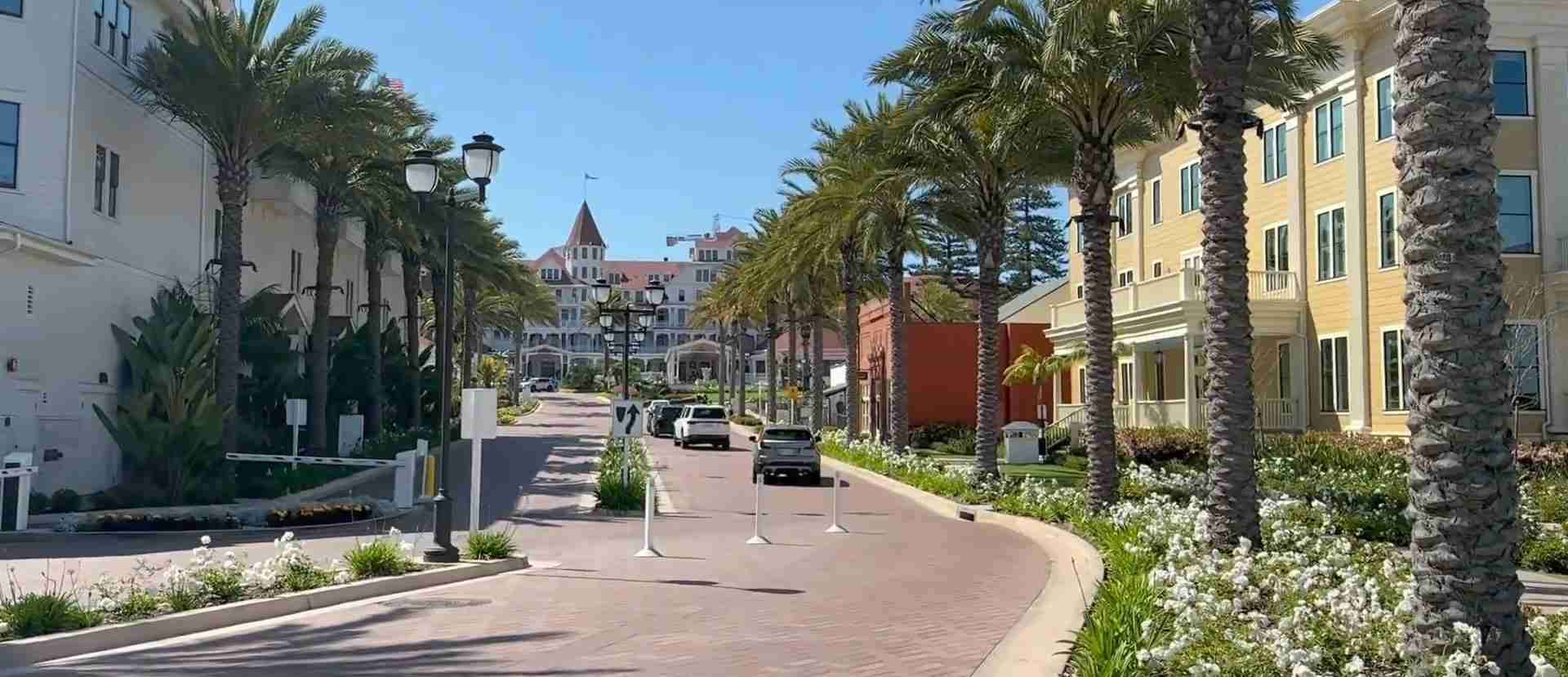
San Diego Budget Guide 2026: Complete Travel Cost Breakdown
San Diego combines Southern California sunshine with surprisingly manageable costs compared to Los Angeles or San Francisco, offering travelers budget-conscious access to world-class beaches, premier attractions like the San Diego Zoo and SeaWorld, authentic Mexican cuisine steps from the Tijuana border, and year-round outdoor adventures from La Jolla Cove to Balboa Park without breaking the bank.
Key Takeaways
- Budget Travel 2026: San Diego accommodates budget-conscious travelers at $90-150 per person daily when sharing budget hotels or hostel accommodations, including meals at taco shops and casual eateries, public transportation, and free beach activities plus occasional paid attractions.
- Mid-Range Comfort 2026: Expect approximately $205-330 per person daily for mid-range hotels, sit-down restaurant meals, mixed transportation options, and admission to major attractions like the San Diego Zoo and SeaWorld with touring flexibility and neighborhood exploration.
- Weekly Budget Planning 2026: Seven-day San Diego visits range from $630-1,050 for budget travelers sharing accommodations, $1,435-2,310 for mid-range comfort, and $2,485-3,780 for luxury experiences including upscale hotels and fine dining.
- Transportation Savings 2026: San Diego’s MTS Trolley and bus system charges $2.50 per ride with automatic fare capping that never charges more than a day pass equivalent, making public transportation the most economical choice for beach access, downtown exploration, and attraction connections.
- Attraction Cost Strategy 2026: Multi-attraction passes like the Go City San Diego All-Inclusive Pass save up to 45% versus individual gate prices when visiting three or more major attractions, while free alternatives include miles of public beaches, Balboa Park gardens, and sunset watching at Torrey Pines State Reserve.
- Seasonal Price Variations 2026: January through March offers hotel rates 30-40% below summer peaks with equally pleasant weather, while October brings Kids Free San Diego promotions at the Zoo and SeaWorld, making shoulder seasons ideal for budget-conscious family travelers.
People Also Ask About San Diego Budget 2026
How much does San Diego cost per day in 2026?
San Diego daily costs range from $90-150 per person for budget travelers sharing accommodations to $205-330 per person for mid-range comfort, assuming two people sharing hotel rooms. Budget travelers stay in hostels or budget hotels at $30-45 per person, eat at taco shops and casual restaurants for $38-58 daily, use public transportation for $6-15, and balance free beach time with occasional paid attractions costing $15-30. Mid-range travelers book hotels at $90-140 per person after splitting room costs, dine at sit-down restaurants spending $70-107 on meals, spend $15-30 on mixed transportation, and allocate $30-50 daily for major attractions like the San Diego Zoo or SeaWorld.
What are the biggest expenses when visiting San Diego in 2026?
Accommodation represents the single largest expense for San Diego visitors in 2026, with budget hotels starting at $52-80 per night for basic rooms, mid-range properties charging $180-280 nightly, and luxury hotels commanding $300-450 or more per night. Major attraction admissions form the second significant cost category, with San Diego Zoo tickets around $76-80, SeaWorld admission $70-110, and USS Midway Museum entry $30-33 for adults. Dining expenses accumulate quickly at $15-20 per person for casual lunches and $30-50 for sit-down dinners, though authentic taco shops and Mexican restaurants offer exceptional value at $8-15 per meal. Transportation costs remain relatively modest with MTS public transit at $2.50 per ride, though rental cars add $40-70 daily plus parking fees averaging $20-35 in popular areas.
How much should I budget for food in San Diego for a week in 2026?
Food budgets for seven days in San Diego range from $265-390 per person for budget travelers eating primarily at casual venues to $490-750 per person for mid-range dining at sit-down restaurants with occasional upscale experiences. Budget travelers allocate $8-12 for breakfast at coffee shops or fast food, $12-18 for lunch at taco shops or casual chains, and $18-28 for dinner at informal restaurants, totaling $38-58 daily or $265-405 weekly. Mid-range diners budget $15-22 for cafe breakfasts, $20-30 for quality lunch options, and $35-55 for dinner at nice restaurants, reaching $70-107 daily or $490-750 weekly. Luxury travelers investing in upscale brunches, quality lunches, and fine dining spend $125-183 per person daily or $875-1,280 weekly on exceptional culinary experiences throughout San Diego’s diverse restaurant scene.
Is San Diego expensive compared to other California cities in 2026?
San Diego costs approximately 20-30% less than San Francisco and 10-20% less than Los Angeles for comparable travel experiences in 2026, making it California’s most budget-friendly major coastal destination. Hotel rates in San Diego average $180-280 for mid-range properties compared to $250-400 in San Francisco and $200-350 in Los Angeles, while restaurant prices remain 15-25% lower than San Francisco though comparable to LA’s casual dining scene. San Diego’s advantages include free beach access without parking nightmares, compact downtown layout reducing transportation costs, authentic Mexican food at exceptional prices near the border, and year-round outdoor activities eliminating seasonal entertainment expenses. The city delivers premium California coastal experiences without the extreme price premiums of Bay Area or LA luxury neighborhoods.
Extended multi-day tours – 5+ days
Featured Usa West Coast Multi-Day Tour Packages

3 days
Yosemite Escape Camping – 3 Days
- ✓ Comprehensive Usa West Coast tour
- ✓ Expert local guides included
- ✓ All accommodation arranged
- ✓ Transportation provided

7 days
California National Park Discovery
- ✓ Comprehensive Usa West Coast tour
- ✓ Expert local guides included
- ✓ All accommodation arranged
- ✓ Transportation provided

6 days
Hiking in Yosemite National Park
- ✓ Comprehensive Usa West Coast tour
- ✓ Expert local guides included
- ✓ All accommodation arranged
- ✓ Transportation provided

3 days
Yosemite Escape Lodging – 3 Days
- ✓ Comprehensive Usa West Coast tour
- ✓ Expert local guides included
- ✓ All accommodation arranged
- ✓ Transportation provided
Multi-day tour packages powered by TourRadar. Prices and availability subject to change.
Introduction: Understanding San Diego Travel Costs in 2026
San Diego occupies a unique position among major American travel destinations, combining Southern California’s coveted coastal lifestyle with notably more accessible pricing than its northern neighbors. The city delivers 70 miles of pristine beaches, world-renowned attractions including the San Diego Zoo and multiple marine parks, authentic Mexican culinary traditions influenced by proximity to the Tijuana border just 20 minutes south, and year-round outdoor recreation opportunities under nearly perpetual sunshine, all without the budget-crushing costs associated with Los Angeles traffic nightmares or San Francisco’s astronomical accommodation prices.
Understanding San Diego’s cost structure requires recognizing how the city’s geography and seasonal patterns create distinct budget opportunities. The coastal strip from La Jolla through downtown to Coronado commands premium prices for accommodations and dining, while neighborhoods just inland offer identical amenities at 30-40% lower costs. Seasonal variation proves less dramatic than typical resort destinations, with January through March delivering nearly identical weather to summer months at substantially reduced hotel rates. The city’s excellent public transportation network connects beaches, attractions, and neighborhoods via the MTS Trolley system for $2.50 per ride, eliminating the rental car necessity that burdens budgets in sprawling Los Angeles.
San Diego’s attraction landscape divides clearly between world-class paid experiences and exceptional free alternatives. The San Diego Zoo consistently ranks among America’s finest wildlife parks, SeaWorld offers marine animal encounters unavailable elsewhere, and USS Midway Museum delivers unmatched naval history experiences, but visitors can equally enjoy miles of public beaches, explore Balboa Park’s gardens and architecture without admission fees, hike Torrey Pines State Reserve’s coastal trails, and watch spectacular Pacific sunsets at no cost. This balance allows budget-conscious travelers to craft satisfying San Diego experiences at almost any spending level.
Dining costs in San Diego reflect the city’s dual nature as both sophisticated urban center and casual beach community. High-quality taco shops charge $8-15 for filling meals showcasing authentic Baja California flavors, casual restaurants offer fresh seafood and California cuisine at $15-30 per person, and upscale establishments deliver exceptional farm-to-table experiences at prices still 20-30% below comparable San Francisco venues. The city’s craft brewery scene, featuring over 150 local producers, provides entertainment value through tasting room visits and brewery tours at minimal cost beyond beverage purchases.
This comprehensive 2026 budget guide provides verified current pricing across all major expense categories, detailed daily cost breakdowns for three budget tiers with accommodation sharing assumptions clearly stated, neighborhood-specific cost comparisons highlighting where to find best value, seasonal pricing variations identifying optimal booking windows, money-saving strategies tested by experienced San Diego visitors, and realistic sample itineraries showing exactly how budget allocations translate into actual travel experiences. All figures reflect 2026 pricing verified through web searches of official sources including hotel booking platforms, attraction websites, transit authority schedules, and restaurant menus, ensuring travelers receive accurate planning information rather than outdated estimates.
Accommodation Costs in San Diego 2026
San Diego hotel pricing in 2026 demonstrates significant variation based on neighborhood location, proximity to major attractions, seasonal demand patterns, and property category, with strategic booking enabling substantial savings. Understanding accommodation cost structures proves essential for budget management since lodging typically represents 35-45% of total San Diego travel expenses. All per-person accommodation costs throughout this guide assume two people sharing one room, with nightly room rates divided by two before inclusion in daily budget totals.
Budget Accommodation Options ($52-120 per night)
Budget-conscious travelers find San Diego surprisingly accommodating through hostel dormitories, budget hotel chains, and value-focused independent properties clustered in strategic neighborhoods. Hostels like Samesun Ocean Beach charge $35-50 per person for dormitory beds including shared kitchen access and common areas, while budget hotels including Days Inn, Motel 6, and Super 8 locations range $52-80 per night for private rooms with basic amenities. These properties concentrate in Mission Valley offering excellent trolley access, Hotel Circle near Interstate 8 providing convenient freeway connections, and South Bay areas including Chula Vista and National City delivering 20-30% cost savings compared to coastal zones.
Budget accommodation trade-offs typically involve location rather than safety or cleanliness, as most budget properties maintain acceptable standards while positioning 15-30 minutes from prime beach areas via public transportation. Mission Valley budget hotels place guests one trolley stop from downtown attractions and Old Town historic sites, Hotel Circle properties offer free parking and proximity to major roadways enabling efficient day trip planning, and South Bay locations provide the most economical access to Tijuana border crossings for international travelers seeking cross-border experiences.
When sharing budget hotel rooms, expect $26-40 per person nightly after dividing costs, delivering total accommodation expenses of $182-280 for seven nights. Strategic booking through comparison sites often reveals promotional rates 15-25% below published prices, especially for midweek arrivals or extended stays exceeding four nights. Budget properties increasingly include continental breakfast adding $8-12 daily value, though these typically feature basic offerings rather than substantial meal replacements.
Mid-Range Hotels ($180-280 per night)
Mid-range accommodations deliver substantially enhanced comfort, superior locations, and full amenities through established chains and quality independent hotels positioned throughout San Diego’s primary visitor zones. Properties including Hampton Inn, Holiday Inn Express, Best Western, and DoubleTree by Hilton charge $180-250 nightly, while boutique hotels in Little Italy, Gaslamp Quarter, and Point Loma command $220-280 for distinctive character and prime downtown positioning.
Mid-range hotel amenities standardly include complimentary breakfast buffets with hot options saving $15-22 per person daily, fitness centers and pools providing free recreation, business centers and WiFi supporting remote work needs, and often parking though downtown properties may charge $20-35 daily for this service. Location advantages prove substantial, with Gaslamp Quarter hotels placing guests within walking distance of nightlife and restaurants, Little Italy properties connecting directly to waterfront paths and Seaport Village, and Point Loma lodgings offering harbor views and proximity to Cabrillo National Monument.
Sharing mid-range hotel rooms yields $90-140 per person nightly accommodation costs, translating to $630-980 for seven nights. Seasonal pricing variations become pronounced in this category, with January through March rates averaging 30-40% below July and August peaks, while October and November deliver pleasant weather at shoulder-season discounts. Weekend rates typically exceed weekday pricing by 20-35% in popular neighborhoods, making Sunday through Thursday stays particularly economical for flexible travelers.
Luxury Properties ($300-450+ per night)
San Diego’s luxury accommodation segment features historic landmarks, oceanfront resorts, and contemporary boutique properties delivering exceptional service, prime locations, and distinctive design. The US Grant downtown represents classic luxury at $320-400 nightly, Hotel del Coronado on Coronado Island commands $380-520 for iconic beachfront positioning, while La Jolla properties including La Valencia and Grande Colonial charge $350-480 for village atmosphere and cove views. Modern luxury options like The Pendry Gaslamp Quarter and Manchester Grand Hyatt offer urban sophistication at $340-450 nightly.
Luxury hotel experiences encompass full-service spas with ocean-view treatment rooms, multiple on-site restaurants from casual to fine dining, concierge services arranging exclusive experiences, premium oceanfront or harbor-view room categories, and often resort fees adding $35-50 daily covering amenities like beach equipment, fitness classes, and WiFi. Location advantages include private beach access at resort properties, rooftop terraces with panoramic city views at downtown hotels, and proximity to championship golf courses at Del Mar and Carlsbad properties.
When sharing luxury accommodations, expect $150-225 per person nightly, totaling $1,050-1,575 for seven nights. These properties justify premium pricing through exceptional experiences difficult to replicate at lower price points, including sunset cocktails overlooking the Pacific at Hotel del Coronado, farm-to-table dining at US Grant’s restaurant, and personalized beach butler service at La Jolla resorts.
Neighborhood Price Comparison
San Diego accommodation costs vary dramatically by neighborhood, with oceanfront zones commanding premium rates while inland areas deliver substantial value. Downtown Gaslamp Quarter hotels average $220-350 for mid-range properties and $340-450 for luxury, Little Italy charges similar rates with slightly better value, and the Embarcadero waterfront commands $240-380 mid-range and $380-520 luxury. La Jolla village properties range $200-320 mid-range and $350-480 luxury for beach proximity and upscale atmosphere.
Mission Valley and Hotel Circle neighborhoods offer the region’s best mid-range value at $140-220, providing excellent trolley access to all major attractions while delivering 30-40% savings versus coastal locations. Old Town historic district charges $160-240 mid-range, Pacific Beach averages $180-280 for mid-range beachside properties, and Ocean Beach delivers slightly lower rates at $160-260 with bohemian character and local surf culture.
South Bay areas including Chula Vista and National City represent maximum budget value at $80-140 for quality mid-range properties, though these require 20-30 minute drives or transit connections to reach primary tourist zones. North County coastal communities like Carlsbad and Encinitas charge $200-300 mid-range and $320-450 luxury, appealing to visitors seeking quieter beach towns away from urban density.
Booking Strategies for 2026
Maximize accommodation value through advance booking 60-90 days ahead for summer peak season, 30-45 days for shoulder seasons, and monitoring rate changes with free cancellation policies. Comparison sites including Booking.com, Hotels.com, and Expedia typically reveal identical properties at 10-20% below direct hotel bookings, though loyalty program members often receive best rates directly through brand websites. Package deals bundling hotels with attraction tickets occasionally deliver genuine savings, particularly for San Diego Zoo and SeaWorld combinations.
Weekday stays Sunday through Thursday average 20-35% below weekend rates throughout most San Diego neighborhoods, making extended weekday visits particularly economical. Extended stay discounts often apply for reservations exceeding six nights, with some properties offering seventh night free or reduced rates. AAA membership, senior discounts, and military rates provide 10-15% savings at participating hotels, while last-minute booking apps occasionally reveal exceptional deals for same-day or next-day arrivals though this strategy risks limited availability during popular periods.
Food and Dining Costs 2026
San Diego’s culinary landscape combines authentic Mexican traditions from border proximity, exceptional fresh seafood from Pacific waters, farm-to-table California cuisine enabled by year-round growing seasons, and craft brewery gastropubs featuring over 150 local producers, creating diverse dining options across every budget tier. Understanding food costs proves essential since dining typically represents 30-40% of total daily travel expenses after accommodation.
Budget Dining ($38-58 per person daily)
Budget-conscious travelers access outstanding San Diego food experiences through taco shops, casual Mexican restaurants, fast-casual chains, and food trucks delivering authentic flavors at $8-15 per meal. Breakfast options include coffee shop pastries and drinks for $5-8, fast food breakfast sandwiches at $6-10, or taqueria breakfast burritos stuffed with eggs, potatoes, and chorizo for $7-12. These substantial morning meals often provide enough fuel to delay lunch significantly.
Lunch budgets of $12-18 enable taco shop visits throughout San Diego’s neighborhoods, where three tacos cost $8-12, California burritos filled with carne asada, french fries, cheese, and guacamole run $10-14, and quesadillas or tortas range $9-13. Fish taco specialists including Oscar’s Mexican Seafood, Blue Water Seafood, and South Beach Bar & Grille charge $5-7 per taco showcasing San Diego’s signature dish with exceptional quality. Food trucks and casual chains like Chipotle, Panera, and local sandwich shops deliver filling lunches at $10-16 with speed and convenience.
Dinner spending of $18-28 accesses casual restaurant experiences at neighborhood Mexican eateries serving combination plates for $14-20, pizza restaurants offering large pies at $18-26, and burger joints with craft beer selections charging $15-24 for quality meals. Las Cuatro Milpas in Barrio Logan delivers authentic home-style Mexican food at $8-12 per person, Hodad’s burgers in Ocean Beach cost $12-16, and Bronx Pizza provides New York-style slices at $4-6 each. Self-catering through grocery stores including Trader Joe’s, Sprouts, and conventional supermarkets reduces costs further, with ingredients for simple meals running $6-12 per person.
Budget dining strategies maximize value through taco shop breakfast/lunch combinations providing substantial portions at $8-15, happy hour specials at breweries and restaurants offering discounted appetizers and drinks between 3-6 PM, food truck festivals and farmers markets delivering variety and entertainment alongside meals, and self-catering occasional dinners in accommodations with kitchens or microwaves. Water remains free at restaurants, while non-alcoholic beverages add $2-4 and alcoholic drinks contribute $6-10 to meal costs.
Mid-Range Dining ($70-107 per person daily)
Mid-range dining budgets enable sit-down restaurant experiences throughout San Diego’s diverse neighborhoods, balancing quality, atmosphere, and value through careful selection. Breakfast allocations of $15-22 access cafe experiences with full meals including eggs, hash browns, toast, coffee and juice, brunch spots featuring avocado toast, breakfast burritos, or pancakes with quality coffee drinks, and hotel restaurant buffets when not included with room rates.
Lunch budgets of $20-30 support casual seafood restaurants near beaches serving fish tacos at $16-24 for three plus sides, Italian restaurants in Little Italy offering pasta dishes at $18-26, brewery gastropubs throughout North Park and downtown delivering burgers, salads, or fish and chips with craft beer at $22-32 total, and ethnic restaurants in Convoy District providing authentic Asian cuisines at $15-25 per person. These venues typically include superior ingredients, pleasant atmospheres, and attentive service compared to fast-casual alternatives.
Dinner spending of $35-55 accesses the core of San Diego’s restaurant scene through neighborhood favorites, coastal establishments, and downtown dining rooms. Stone Brewing’s restaurant serves elevated pub fare at $25-38 per person before drinks, waterfront restaurants along the Embarcadero charge $32-48 for seafood entrees with harbor views, and Little Italy trattorias deliver authentic Italian cuisine at $28-45 per person. Gaslamp Quarter restaurants range $30-50 for entrees in historic Victorian buildings, while beach community establishments in La Jolla, Pacific Beach, and Ocean Beach offer ocean-view dining at $32-52 per person.
Mid-range dining maximizes value through lunch specials offering identical kitchen quality at 30-40% below dinner pricing, early bird dinners with reduced menu prices before 6 PM, restaurant week promotions during late January featuring fixed-price multi-course menus at $20-60, and strategic neighborhood selection with inland areas delivering better value than prime oceanfront locations. Adding alcoholic beverages increases meal costs by $12-25 per person depending on wine, cocktails, or craft beer selections, while San Diego’s 7.75% sales tax plus customary 18-20% gratuity adds approximately 26-28% to menu prices.
Upscale and Fine Dining ($125-183 per person daily)
Luxury dining experiences in San Diego showcase exceptional ingredients, creative presentations, and sophisticated service through renowned chefs and distinctive venues. Upscale breakfast and brunch allocations of $25-38 access oceanfront resort restaurants, downtown hotels featuring champagne Sunday brunches, and acclaimed neighborhood establishments delivering elevated morning experiences with tableside service and premium coffee programs.
Quality lunch spending of $35-50 enables George’s at the Cove in La Jolla for ocean-view contemporary California cuisine, downtown establishments near Petco Park offering refined business lunches, and coastal restaurants in Del Mar and Coronado delivering sophisticated midday experiences. These venues emphasize seasonal ingredients, creative preparations, and wine pairings while maintaining somewhat more accessible pricing than evening service.
Fine dining dinner budgets of $65-95 per person before beverages access San Diego’s premier restaurants including Addison in Del Mar holding California’s only Michelin three-star rating, A.R. Valentien at The Lodge at Torrey Pines showcasing local ingredients in refined preparations, and Juniper & Ivy downtown demonstrating innovative techniques and seasonal menus. George’s California Modern delivers sophisticated presentations with Pacific views, while Marine Room in La Jolla offers high-tide dining experiences where waves crash against windows during premium seafood service.
Luxury dining strategies focus on lunch experiences at fine dining venues offering reduced tasting menus, bar seating at premier restaurants providing identical kitchen output with less formal service at lower prices, chef’s counter experiences delivering personalized interactions with culinary teams, and multi-course tasting menus with wine pairings representing best value for showcasing restaurant capabilities. Beverage programs at this level typically add $40-80 per person through wine pairings, craft cocktails at $15-20 each, or rare spirits and aged wines commanding premium pricing.
Grocery and Self-Catering Options
Self-catering through San Diego grocery stores provides substantial cost savings for travelers with kitchen access in vacation rentals, extended-stay hotels, or hostel facilities. Trader Joe’s locations throughout the region offer quality prepared foods at $4-8, frozen meals at $3-6, and ingredients for simple cooking at 20-30% below conventional supermarket pricing. Sprouts Farmers Market emphasizes organic produce and natural foods with competitive pricing, while Whole Foods delivers premium selections at expected premium costs.
Conventional supermarkets including Vons, Albertsons, and Ralphs provide full-service grocery shopping with weekly specials, loyalty programs offering discounts, and extensive prepared food sections featuring rotisserie chickens at $7-9, salad bars at $8-12 per pound, and sushi at $9-14. Morning breakfast preparation using grocery ingredients costs $3-6 per person for eggs, bread, yogurt, and fruit compared to $8-15 at restaurants. Lunch sandwich assembly runs $4-8 per person versus $12-18 dining out, while simple dinner preparation saves $10-20 per person compared to restaurant meals.
Farmers markets throughout San Diego neighborhoods including Little Italy Saturday Market, Hillcrest Sunday Market, and Ocean Beach Wednesday Market deliver fresh produce at competitive prices, artisan bread at $5-8 per loaf, local cheeses at $8-15 per pound, and prepared foods from ethnic vendors at $8-14 per serving. These markets combine cost-effective shopping with cultural experiences and entertainment value, making them worthy destinations beyond mere provisioning.
Transportation Costs and Strategies 2026
San Diego transportation options span excellent public transit through the MTS Trolley and bus network, rideshare services providing convenient point-to-point connections, rental cars enabling flexible exploration, and walkable neighborhoods reducing transportation needs entirely. Understanding transportation costs and trade-offs proves essential since mobility choices significantly impact both budget and travel experience quality. Public transportation represents the most economical option for most visitors, eliminating parking fees and enabling stress-free attraction access.
MTS Public Transportation
San Diego’s Metropolitan Transit System operates an integrated network of Trolley lines and bus routes connecting downtown, beaches, major attractions, and neighborhoods through the PRONTO fare payment system. Single rides cost $2.50 using PRONTO card, mobile app, or contactless credit card payment, with each fare valid for two hours including unlimited transfers between buses and trolley lines. This pricing structure remains unchanged from 2025 rates, though MTS has proposed potential increases to $2.75-3.00 pending public hearings and board approval in 2026.
PRONTO fare capping automatically converts multiple single rides into day pass equivalent pricing, ensuring riders never pay more than a day pass cost within any 24-hour period. This system delivers exceptional value for visitors making 3-6 trips daily between accommodation, attractions, beaches, and dining destinations. Monthly passes cost $72 for unlimited regional travel, appealing only to extended-stay visitors or residents rather than typical tourists spending less than two weeks in San Diego.
Youth riders age 18 and under ride free on all MTS services through June 30, 2026 using Youth PRONTO card or mobile app, providing substantial family savings. Seniors age 65-plus, disabled passengers, and Medicare cardholders qualify for reduced $1.25 fares requiring verification and PRONTO account setup. Children age 5 and under ride free when accompanied by fare-paying adults, with Family Weekends promotion on Saturdays and Sundays allowing up to two children age 12 and under free with each paying adult.
Trolley lines serve key visitor destinations including Blue Line connecting downtown to Mexican border through San Ysidro, Green Line accessing Old Town, Mission Valley, and San Diego State University, Orange Line serving Seaport Village and Convention Center, and UC San Diego Blue Line reaching university campuses and La Jolla. Bus routes provide comprehensive neighborhood coverage including beach communities, Balboa Park, and residential areas. Service operates approximately 5 AM to midnight daily with reduced frequencies after 9 PM and on Sundays.
Rideshare Services
Uber and Lyft operate throughout San Diego County providing convenient point-to-point transportation at variable pricing depending on demand, time, distance, and surge multipliers during peak periods. Typical rideshare costs include airport to downtown Gaslamp Quarter at $18-28, downtown to La Jolla at $25-38, Pacific Beach to SeaWorld at $12-18, and neighborhood restaurant returns at $10-16. These fares assume standard UberX or Lyft shared ride services rather than premium XL or Black categories commanding 40-80% surcharges.
Rideshare proves most economical for groups of 3-4 splitting fares, late-night returns when public transit operates reduced schedules, direct connections to attractions lacking convenient transit access, and luggage-heavy airport transfers. Strategic use combining public transit for daytime attraction access with occasional rideshares for dinner returns or beach-to-downtown transitions delivers optimal budget/convenience balance. Surge pricing during Friday and Saturday evenings, major events at Petco Park or convention center, and New Year’s Eve can increase fares 1.5-3 times normal rates, making advance planning essential.
Rental Cars
Rental car costs in San Diego 2026 range $40-70 per day for economy through mid-size vehicles, $65-95 for SUVs, and $80-120 for premium categories, with weekly rates often delivering better per-day value than daily rentals. Additional costs include insurance at $15-30 daily if declining personal auto coverage, airport concession fees adding $15-25 to airport pickups, and young driver surcharges of $25-35 daily for renters under age 25. Gas costs approximately $4.50-5.25 per gallon depending on grade and location, with typical economy cars consuming $30-50 weekly fuel for local driving.
Parking expenses substantially impact rental car economics, with downtown hotels charging $20-35 daily, beach area street parking requiring meters at $1.50-3.00 per hour, Balboa Park lots at $16 per day as of January 2026, and attraction parking including San Diego Zoo at $20-25. La Jolla village charges $3-5 hourly for limited street spaces and $15-25 daily for parking structures. Free parking exists in some beach neighborhoods including Ocean Beach residential areas, though spaces prove competitive during summer weekends.
Rental cars justify costs for day trips beyond San Diego including Temecula wine country 60 miles north, Anza-Borrego Desert State Park 90 miles east, Laguna Beach and Orange County attractions 60-90 miles north, and Tijuana border crossings though most visitors walk across rather than drive. Within San Diego proper, rental cars burden budgets through parking costs and traffic navigation while delivering minimal time savings versus public transit for major attractions. The optimal approach combines car-free city exploration with single-day rental for specific excursions requiring vehicle access.
Walking and Biking
San Diego’s walkable neighborhoods enable car-free exploration within defined zones, though the city’s sprawling geography requires transportation between districts. Downtown Gaslamp Quarter, Little Italy, and Embarcadero waterfront form a compact 1.5-mile walking corridor containing restaurants, nightlife, museums, and USS Midway. La Jolla village concentrates shops, restaurants, coastal views, and beach access within one-mile radius perfect for pedestrian exploration. Pacific Beach, Ocean Beach, and Mission Beach feature flat boardwalks and bike paths connecting accommodations, beaches, restaurants, and entertainment along several miles of coastline.
Bike rentals through services including DecoBike, Lime, and local shops cost $8-15 hourly or $25-40 daily, providing efficient beach community navigation and coastal path access. Mission Bay’s 12-mile paved path circumnavigates the bay connecting parks, beaches, and SeaWorld, while Bayshore Bikeway offers 24 miles of mostly flat riding around San Diego Bay from Coronado through Chula Vista. Electric scooter rentals from Bird and Lime charge $1 unlock fee plus $0.35-0.45 per minute, delivering quick short-distance transportation at $4-8 for typical 10-15 minute rides.
Airport Transportation
San Diego International Airport sits three miles northwest of downtown, enabling economical transportation connections. The free Airport Flyer electric shuttle operates every 10-15 minutes between all airport terminals and Old Town Transit Center, where travelers connect to Trolley lines and bus routes reaching downtown, beaches, and neighborhoods. This combination costs only the $2.50 trolley fare, taking approximately 30-40 minutes total to downtown Gaslamp Quarter.
Rideshare airport pickups cost $18-28 to downtown, $25-35 to Pacific Beach, $30-45 to La Jolla, and $35-50 to North County destinations, providing fastest direct connections in 15-30 minutes depending on traffic. Rental car facilities operate via consolidated rental car center requiring shuttle bus connections, adding 15-20 minutes to pickup process. Taxis charge similar rates to rideshares with potential minor savings for short trips, though app-based rideshare ordering provides superior convenience and transparent pricing.
Attraction and Activity Costs 2026
San Diego delivers exceptional attraction diversity from world-renowned animal parks to military museums, pristine beaches to historic neighborhoods, championship golf to craft brewery tours, creating experiences across every budget level. Understanding attraction costs enables strategic planning that balances premier paid experiences with remarkable free alternatives abundant throughout the region.
Major Paid Attractions
San Diego Zoo in Balboa Park represents California’s premier wildlife experience, charging approximately $76-80 for advance-purchase adult admission tickets in 2026 through discount vendors, compared to higher gate prices. Admission includes unlimited use of guided bus tour, Kangaroo Express Bus, Skyfari Aerial Tram, and all exhibits including the celebrated giant panda habitat requiring timed tickets on weekends. Plan minimum four hours for satisfying zoo experiences, though six hours enables comprehensive exploration of the 100-acre park housing over 12,000 animals across 650 species.
SeaWorld San Diego delivers marine animal encounters, educational presentations, and thrill rides through multiple admission levels. Single-day tickets range $70-110 depending on purchase timing and promotional offerings, with advance online purchases significantly undercutting gate prices. Two-day tickets provide better per-day value at approximately $90-130 total, while Fun Cards offering unlimited 2026 visits cost $100-120 appealing to locals and extended-stay visitors. The park opens spring through fall with seasonal hours, typically 10 AM to 6-8 PM depending on season.
USS Midway Museum aboard America’s longest-serving aircraft carrier charges $30-33 adult admission for self-guided audio tours exploring the massive vessel. The downtown waterfront location enables easy combination with Embarcadero walking, Seaport Village shopping, and Little Italy dining. Allow 2-4 hours for comprehensive museum experiences depending on military history interest level. Tickets purchased online save several dollars versus walk-up purchases at the gangway.
Balboa Park museums operate independently with individual admission fees, though many participate in free Tuesday resident programs for San Diego County residents. San Diego Natural History Museum charges $22, Air & Space Museum costs $23, Museum of Us runs $20, and San Diego Model Railroad Museum asks $15 for adult admission. The San Diego Museum of Art, largest in the park, charges $20 for general admission. Multi-museum passes delivering admission to multiple institutions over extended periods occasionally offer value for visitors spending multiple days exploring cultural attractions.
LEGOLAND California in Carlsbad approximately 35 miles north of downtown targets families with young children through rides, shows, and interactive exhibits. Single-day admission costs $85-110 depending on promotional timing, with two-day tickets at $100-130 delivering better value. The adjoining SEA LIFE Aquarium and LEGOLAND Water Park require separate admissions or combination tickets. Transportation from San Diego proper requires rental car or COASTER commuter rail to Oceanside followed by bus connections, adding complexity and cost to visits.
Multi-Attraction Passes
Go City San Diego All-Inclusive Pass bundles admission to 55-plus attractions including San Diego Zoo, SeaWorld, USS Midway, LEGOLAND, Safari Park, Belmont Park, harbor cruises, museums, and tours. The pass structure operates on day-based pricing, with consecutive calendar days ranging from one-day access through seven-day options. One-day passes cost approximately $110-130, three-day passes run $200-240, five-day passes charge $280-340, and seven-day passes reach $340-420, all subject to promotional variations.
Pass value depends on attraction selection and daily activity intensity. Visiting San Diego Zoo ($80), SeaWorld ($90), and USS Midway ($33) individually totals $203, while three-day pass at $220 enables those three attractions plus additional museums, tours, or harbor cruises delivering 30-40% savings. The seven-day pass justifies cost only for extremely active itineraries visiting 10-12 attractions across the week, exceeding most travelers’ realistic schedules given beach time, dining experiences, and neighborhood exploration.
San Diego 3-for-1 Pass sold through SeaWorld website provides single-day admission to SeaWorld, San Diego Zoo, and Safari Park valid over seven consecutive days from first use. This specialized pass costs approximately $165-185, delivering savings versus individual ticket purchases totaling $240-260 when visiting all three properties. The pass suits animal-focused itineraries concentrating on premier wildlife experiences while skipping other attraction categories.
Free and Low-Cost Experiences
San Diego’s 70 miles of coastline provide unlimited free beach access from Torrey Pines State Beach through La Jolla Shores, Pacific Beach, Mission Beach, Ocean Beach, Coronado, and Imperial Beach extending to Mexican border. Swimming, sunbathing, surfing, volleyball, and sunset watching cost nothing beyond transportation to beach areas. Torrey Pines State Natural Reserve charges $15-25 parking depending on lot, though free street parking exists nearby with short walks to trailheads accessing dramatic coastal cliffs and hiking paths.
Balboa Park’s 1,200 acres encompass gardens, walking paths, Spanish Colonial Revival architecture, and outdoor spaces requiring no admission fees. The Botanical Building, Alcazar Garden, Japanese Friendship Garden grounds, and numerous plazas enable hours of exploration without payment. Free organ concerts occur Sunday afternoons at Spreckels Organ Pavilion, while weekend activities often include performers, food vendors, and cultural celebrations. Only museums within the park charge admission, with outdoor areas freely accessible.
Old Town San Diego State Historic Park recreates 1820s-1870s Mexican and early American periods through preserved and reconstructed buildings, costumed interpreters, artisan demonstrations, and museums charging no admission. Visitors explore historic homes, browse craft shops, sample Mexican restaurants, and learn California history through interpretive programs. The park operates daily with free entry and parking, though commercial businesses within historic buildings sell food, souvenirs, and crafts at typical tourist pricing.
Sunset Cliffs Natural Park in Point Loma delivers spectacular Pacific sunset views from dramatic sandstone cliffs requiring no admission. The narrow park stretches along Sunset Cliffs Boulevard providing numerous pull-offs and viewpoints, though parking proves competitive during sunset hours. La Jolla Cove attracts visitors year-round for sea lion colonies visible from cliffs and beaches, tide pools revealing marine life, and cliff-diving spectacles by locals during summer, all without admission charges.
Craft brewery tours and tasting rooms throughout San Diego typically charge $2-5 per beer sample with many offering free facility tours. Stone Brewing in Escondido, Ballast Point locations, Green Flash, and dozens of smaller producers welcome visitors for low-cost experiences combining education, sampling, and often food service. Brewery hopping by neighborhood, particularly North Park and Miramar, creates entertaining itineraries at minimal cost beyond beverage purchases.
Seasonal Events and Festivals
San Diego Restaurant Week runs late January to early February, featuring 100-plus restaurants offering special multi-course menus at $20-60 price points significantly below normal dining costs. Reservations fill quickly for popular establishments, making advance booking essential for securing tables at premier venues. The event provides economical access to upscale restaurants otherwise budget-prohibitive for many travelers.
Kids Free San Diego during October enables children ages 3-11 to enter San Diego Zoo, SeaWorld, and numerous other attractions without admission when accompanied by paying adults. This month-long promotion delivers substantial family savings, particularly for multiple-child households, making October ideal for budget-conscious family visits. Adult tickets must be purchased at qualifying participating prices, typically requiring advance online purchase rather than gate sales.
Summer concert series throughout San Diego neighborhoods offer free music performances at parks, beaches, and public spaces. La Jolla Concerts by the Sea, Del Mar summer concerts, Coronado summer concerts, and numerous neighborhood series provide evening entertainment without admission charges. These events combine music with community atmosphere, food vendors, and often sunset views creating memorable experiences at minimal cost.
Daily Budget Breakdowns for 2026
Understanding how abstract budget numbers translate into actual San Diego experiences requires detailed daily breakdowns showing exactly where money goes across different spending levels. These calculations assume two people sharing accommodations with per-person costs reflecting half of room rates, providing realistic budgets for couples, friends, or family members traveling together. All ranges represent low-end and high-end estimates within each budget tier, acknowledging that individual days vary based on specific activity choices.
Budget Traveler Daily Costs ($90-150 per person)
Budget travelers spending $90-150 per person daily access San Diego’s essential experiences through strategic choices emphasizing free beach time, public transportation, casual dining, and selective paid attractions. Accommodation in hostels or budget hotels costs $30-45 per person after sharing rooms or selecting dormitory beds. Breakfast purchased at coffee shops or prepared using hostel kitchens runs $8-12, lunch at taco shops or casual chains costs $12-18, and dinner at Mexican restaurants or pizza places totals $18-28, creating combined food expenses of $38-58 daily.
Transportation via MTS public transit costs $6-15 daily depending on trips required, with fare capping ensuring efficient pricing for multiple journeys between accommodation, beach areas, and attraction destinations. Attraction and activity budgets of $15-30 enable one museum visit every few days, occasional paid tours, or entry-level experiences while emphasizing free beach access, Balboa Park gardens, Old Town historic areas, and sunset watching at coastal viewpoints.
Sample budget day breakdown totaling $95-150 per person: hostel accommodation $32-45, coffee and pastry breakfast $8-12, fish taco lunch $12-16, casual Mexican dinner $20-28, MTS transit $7-15 for four rides, free beach morning followed by Balboa Park afternoon, beer at brewery tasting room $6-9, evening walk along Embarcadero waterfront free. This schedule delivers satisfying San Diego experiences combining iconic elements with minimal spending through free activity emphasis and casual dining choices.
Budget travelers maximize value through self-catering breakfasts using hostel kitchens or hotel microwaves reducing costs to $3-6 versus $8-12 dining out, late lunch/early dinner combinations eliminating one restaurant meal, happy hour dining at 3-6 PM accessing discounted food and drinks, free beach days requiring only transportation and packed snacks, and weekend free museum Tuesdays for San Diego County residents when applicable. These strategies enable $70-90 daily spending during low-activity days balancing against $120-150 on days including paid attractions.
Mid-Range Traveler Daily Costs ($205-330 per person)
Mid-range travelers investing $205-330 per person daily enjoy comfortable hotels, sit-down restaurant meals, flexible transportation, and regular paid attraction access creating well-rounded San Diego experiences without luxury pricing. Hotel accommodation costs $90-140 per person after sharing mid-range properties in convenient locations, breakfast at cafes runs $15-22, lunch at casual restaurants totals $20-30, and dinner at nice establishments costs $35-55, producing combined food expenses of $70-107 daily.
Transportation spending of $15-30 combines public transit with occasional rideshares for convenience, beach-to-downtown connections, and late-night restaurant returns when public transportation operates reduced schedules. Attraction budgets of $30-50 daily enable San Diego Zoo or SeaWorld admission every other day when spread across week-long visits, plus regular museum entries, harbor cruises, or brewery tours on alternate days. This allocation creates varied itineraries balancing major experiences with neighborhood exploration.
Sample mid-range day breakdown totaling $215-330 per person: hotel accommodation $95-140, sit-down breakfast $18-22, quality lunch with harbor views $26-32, nice dinner in Little Italy $42-55, MTS transit plus one rideshare $18-28, San Diego Zoo admission amortized over trip $38-42, coffee and dessert $8-12. This schedule demonstrates balanced spending across categories producing comfortable travel experiences with quality accommodations, regular restaurant dining, and comprehensive attraction access.
Mid-range optimization strategies include lunch at dinner-destination restaurants accessing identical kitchens at 30-40% lower pricing, multi-attraction pass purchases when visiting three-plus paid experiences, accommodation in Mission Valley delivering 25-35% hotel savings versus beach neighborhoods while maintaining excellent transit access, and strategic splurge/save alternation with upscale dinners balanced by casual lunches keeping average spending within target ranges. These approaches enable premium experiences while maintaining budget discipline across the trip.
Luxury Traveler Daily Costs ($355-540 per person)
Luxury travelers allocating $355-540 per person daily access San Diego’s finest hotels, upscale dining, private transportation, VIP attraction experiences, and premium services creating exceptional travel memories. Luxury hotel accommodations cost $150-225 per person when sharing oceanfront resorts or historic properties, upscale breakfast or brunch runs $25-38, quality lunch at ocean-view establishments totals $35-50, and fine dining dinner costs $65-95 before wine pairings, creating combined food expenses of $125-183 daily.
Transportation spending of $30-50 emphasizes rideshares, valet parking at restaurants and hotels, and rental cars for day trip flexibility, eliminating public transit usage and time considerations. Premium attraction experiences costing $50-80 daily include VIP zoo tours with behind-scenes animal encounters, private harbor cruises, guided food tours, premium SeaWorld packages with reserved seating and animal interactions, and spa treatments at resort properties supplementing rather than replacing standard attractions.
Sample luxury day breakdown totaling $365-540 per person: luxury hotel accommodation $160-225, upscale brunch $28-38, quality coastal lunch $40-52, fine dining dinner $75-95, rideshares and valet parking $35-50, VIP zoo experience with private tour guide $68-85, sunset cocktails at rooftop bar $22-32, evening entertainment or show $35-50. This schedule showcases premium San Diego experiences through exceptional service, prime locations, and exclusive access unavailable at lower budget tiers.
Luxury travel maximizes experience quality through concierge services arranging restaurant reservations and exclusive experiences, private guides providing personalized historical and cultural insights, resort amenities including spa treatments and private beach access, wine country day trips with private transportation and premium tastings, and helicopter tours delivering aerial perspectives of coastline and city. These experiences justify premium budgets through uniqueness and service levels creating distinctive memories.
Sample Multi-Day Itineraries with Costs 2026
Translating daily budgets into specific multi-day experiences demonstrates how budget allocations create actual San Diego travel itineraries. These sample schedules show realistic activity sequences with associated costs, helping travelers visualize how spending decisions shape trip experiences. All costs represent per-person expenses assuming two people sharing accommodations.
Budget Three-Day Itinerary ($270-450 total per person)
Day One combines airport arrival, beach introduction, and Gaslamp Quarter evening exploration. Airport Flyer shuttle to Old Town Transit Center plus Trolley to accommodation costs $3, hostel check-in and settling requires no expenditure, Pacific Beach afternoon with body surfing and boardwalk exploration costs zero beyond transportation, fish taco dinner at Oscar’s runs $14, evening walk through Gaslamp Quarter admiring Victorian architecture and people watching costs nothing, craft beer at local brewery totals $7. Daily total: hostel $38, meals $22, transit $8, beer $7, activities free. Grand total: $75 per person.
Day Two emphasizes San Diego’s signature attraction with zoo immersion and Old Town history. Trolley to Balboa Park costs $3, San Diego Zoo admission with advance discount purchase runs $78, packed lunch from hostel kitchen saves dining costs but coffee and snack total $12, late afternoon visit to Old Town State Historic Park costs zero, dinner at Casa Guadalajara in Old Town runs $24, return trolley to accommodation $3. Daily total: hostel $40, meals $36, transit $6, Zoo $78. Grand total: $160 per person.
Day Three explores La Jolla coastline and concludes trip with sunset farewell. Bus to La Jolla costs $3, morning at La Jolla Cove watching sea lions and exploring tide pools requires no admission, informal lunch at nearby taco shop runs $15, afternoon beach time at La Jolla Shores costs nothing, bus to Ocean Beach for sunset watching $3, final dinner at Hodad’s burgers costs $16, evening walk along Ocean Beach Pier free, Trolley to airport area accommodation $3. Daily total: hostel $35, meals $31, transit $9, activities free. Grand total: $75 per person.
Three-day trip total per person: accommodation $113, food $89, transportation $23, attractions $78, entertainment $7, miscellaneous $10. Grand total approximately $320 per person for comprehensive San Diego introduction emphasizing free experiences, public transportation, casual dining, and single premier attraction.
Mid-Range Five-Day Itinerary ($1,025-1,650 total per person)
Day One covers airport arrival and downtown orientation. Rideshare airport to hotel costs $22, hotel check-in in Gaslamp Quarter positions centrally, afternoon walk through Seaport Village and Embarcadero requires no admission, harbor cruise with Hornblower Cruises totals $33, dinner at Italian restaurant in Little Italy costs $48, evening cocktails at rooftop bar run $18. Daily total: hotel $110, meals $68, transportation $22, activities $33, drinks $18. Grand total: $251 per person.
Day Two focuses on maritime history and bay exploration. Walk to USS Midway Museum costs nothing, museum admission runs $32, onboard exploration requires 3-4 hours, lunch at waterfront restaurant totals $28, afternoon Coronado Ferry crossing costs $5, beach time at Coronado costs zero, dinner at Hotel del Coronado restaurant runs $62, Uber return to hotel $25. Daily total: hotel $115, meals $90, transportation $30, activities $37. Grand total: $272 per person.
Day Three immerses in wildlife experiences. Rideshare to San Diego Zoo $24, zoo admission $80, all-day exploration with included bus tour and aerial tram, lunch at zoo restaurant costs $24, late afternoon return to hotel via rideshare $24, casual dinner in Gaslamp Quarter totals $36, evening entertainment at comedy club runs $28. Daily total: hotel $118, meals $60, transportation $48, activities $108. Grand total: $334 per person.
Day Four provides beach community exploration. Rideshare to La Jolla $28, brunch at ocean-view cafe costs $26, morning exploring village shops and galleries costs nothing beyond purchases, afternoon kayaking rental in La Jolla Cove runs $45, late afternoon beach time free, rideshare to Pacific Beach $16, dinner at beachfront restaurant totals $44, evening walk along boardwalk free, rideshare to hotel $22. Daily total: hotel $120, meals $70, transportation $66, activities $45. Grand total: $301 per person.
Day Five concludes with cultural immersion. Morning walk to Balboa Park costs nothing, Museum of Us admission $20, San Diego Museum of Art entry $20, lunch at park cafe runs $22, afternoon exploring botanical gardens and architecture free, early dinner at craft brewery gastropub totals $38, rideshare to airport $24. Daily total: hotel $115, meals $60, transportation $24, activities $40. Grand total: $239 per person.
Five-day trip total per person: accommodation $578, food $348, transportation $190, attractions $263, entertainment $46, miscellaneous $50. Grand total approximately $1,475 per person for well-rounded San Diego experience combining major attractions, comfortable accommodations, quality dining, and diverse activities.
Luxury Three-Day Getaway ($1,065-1,620 total per person)
Day One emphasizes coastal elegance and culinary excellence. Private car service airport to La Jolla hotel costs $65, luxury hotel check-in at La Valencia, afternoon spa treatment totals $160, sunset cocktails at hotel terrace bar run $35, dinner at George’s California Modern with ocean views costs $110, evening stroll through village free. Daily total: hotel $190, spa $160, meals $145, transportation $65. Grand total: $560 per person.
Day Two delivers VIP wildlife experiences and premium dining. Private car to San Diego Zoo $45, VIP behind-the-scenes tour with keeper interactions runs $200, gourmet lunch at zoo restaurant totals $42, afternoon continuation of zoo exploration, private car return to hotel $45, evening fine dining at Addison in Del Mar costs $180 including wine pairings, car service return to hotel $45. Daily total: hotel $200, meals $222, transportation $135, activities $200. Grand total: $757 per person.
Day Three concludes with exclusive maritime experience and sunset sailing. Private yacht charter for harbor exploration costs $250 per person for shared three-hour cruise, champagne brunch aboard included, afternoon return to hotel for relaxation, final dinner at Marine Room during high tide totals $125, sunset viewing through restaurant windows during meal, car service to airport $65. Daily total: hotel $185, meals $125, transportation $65, activities $250. Grand total: $625 per person.
Three-day luxury getaway total per person: accommodation $575, food $492, transportation $265, attractions and experiences $610, spa and entertainment $160, miscellaneous $75. Grand total approximately $2,177 per person for exceptional San Diego luxury experience emphasizing exclusive access, premium service, and distinctive memories.
Seasonal Price Variations and Best Value Timing 2026
San Diego’s pricing structure demonstrates significant seasonal variation despite the region’s year-round temperate climate, creating substantial budget opportunities for travelers with scheduling flexibility. Understanding seasonal patterns enables strategic planning that captures San Diego experiences at 30-50% below peak pricing while enjoying nearly identical weather conditions and full attraction availability.
Peak Season Pricing (June through August)
Summer months June through August represent San Diego’s peak tourism season, commanding highest hotel rates, busiest attractions, and maximum demand across all categories. Mid-range hotels charge $250-350 nightly during this period, luxury properties reach $400-550, and even budget accommodations increase to $90-130 from $52-80 shoulder-season rates. Beach neighborhood hotels particularly escalate, with Pacific Beach, Mission Beach, and La Jolla properties adding 40-60% premiums versus winter pricing.
Attraction crowding peaks during summer school vacations, with San Diego Zoo experiencing longest wait times for popular exhibits, SeaWorld operating maximum capacity creating parking challenges, and Balboa Park museums reaching visitor limits. Advance reservations become essential for popular restaurants, tours, and activities, reducing spontaneous flexibility. Beach parking proves extremely competitive, often requiring arrival before 10 AM for spaces at popular locations like La Jolla Cove and Pacific Beach.
Summer advantages include longest daylight hours enabling extended beach time through 8 PM sunsets, warmest ocean temperatures reaching 68-72 degrees making swimming most comfortable, outdoor concert series and festivals throughout neighborhoods, and guaranteed dry weather with precipitation probability under 5%. Families with school-age children face limited alternatives to summer travel, though late August offers marginally better value as school resumption reduces crowds while weather remains excellent.
Shoulder Season Value (April-May and September-October)
Shoulder seasons April through May and September through October deliver optimal value combinations of pleasant weather, reduced crowds, and significant cost savings. Mid-range hotels drop to $160-240 nightly representing 30-40% savings versus summer peaks, luxury properties decrease to $280-380, and budget accommodations return to $60-95 range. Beach access remains excellent with warm days averaging 68-75 degrees, though ocean temperatures cool to 62-66 degrees requiring wetsuits for extended swimming.
Attractions operate full schedules with shorter wait times, restaurants accept walk-in diners more readily, and beach parking becomes manageable throughout the day. October particularly rewards budget travelers through Kids Free San Diego promotions enabling children ages 3-11 free Zoo and SeaWorld admission with paying adults, potentially saving $150-300 for families with multiple children. September delivers warmest ocean temperatures following summer heating, while May offers spring wildflower blooms at inland parks and desert preserves.
Shoulder season considerations include occasional June gloom affecting coastal areas with morning fog and overcast skies, though this typically clears by early afternoon. September remains quite warm with occasional heat waves, while October delivers near-perfect conditions of sunny days and comfortable temperatures. These months suit visitors prioritizing value and comfort over absolute weather certainty and maximum beach swimming.
Winter Bargain Season (January through March)
Winter months January through March present San Diego’s best value opportunities, with hotel rates plummeting 40-50% below summer peaks while weather remains remarkably pleasant by national standards. Mid-range hotels charge $140-200 nightly, luxury properties drop to $240-340, and budget accommodations reach annual lows at $52-80. These savings apply across all neighborhoods including normally expensive beach communities and downtown locations.
Weather during winter months averages 65-70 degrees with sunshine most days, making outdoor activities entirely feasible though ocean swimming becomes cold at 57-60 degrees requiring thick wetsuits. Rainfall increases to 2-3 inches monthly compared to summer’s near-zero precipitation, creating occasional rainy days though these rarely persist beyond single-day events. Sunset occurs around 5 PM reducing beach time compared to summer’s 8 PM twilight, though morning hours remain equally pleasant.
Winter advantages beyond pricing include Restaurant Week in late January featuring 100-plus establishments offering special menus at reduced prices, lowest attraction crowds enabling thorough exploration without queuing, gray whale migration visibility from coastal viewpoints December through March, and pleasant hiking temperatures at inland parks where summer heat becomes oppressive. Visitors comfortable with cooler ocean conditions and occasional rain capture exceptional value while avoiding summer’s crowds and costs.
Holiday and Event Pricing Spikes
Major holidays and special events create temporary pricing spikes even during otherwise low-demand periods. Comic-Con International in July transforms downtown hotel availability, with properties within trolley access demanding 200-300% premiums or selling out months in advance. New Year’s Eve in Gaslamp Quarter similarly inflates rates, while Fourth of July weekend combines holiday demand with peak summer season creating year’s highest pricing.
San Diego Marathon in early June, Rock ‘n’ Roll Marathon in May/June, and major conventions at the downtown convention center all impact hotel availability and pricing within affected neighborhoods. Monitoring event calendars during trip planning enables either avoiding these periods for budget optimization or deliberately targeting them for specific experiences worth premium costs.
Money-Saving Strategies for San Diego 2026
Maximizing San Diego value requires strategic planning across multiple expense categories, combining advance research, tactical timing, and informed choices that preserve experience quality while significantly reducing costs. These tested approaches deliver genuine savings without sacrificing trip satisfaction.
Accommodation Cost Reduction
Book mid-range hotels in Mission Valley rather than beach neighborhoods, capturing 30-40% savings while maintaining excellent MTS Trolley access to all major attractions and beach areas. Comparison shop across Booking.com, Hotels.com, Expedia, and direct hotel websites, as identical properties often show $10-30 nightly variations. Monitor prices after booking with free cancellation policies, rebooking at lower rates when promotional pricing appears. Extended stays exceeding six nights often qualify for seventh-night-free promotions or cumulative discounts, reducing per-night averages by 10-20%.
Consider vacation rentals for groups of 4-6 people, where apartments or houses with kitchens cost $180-280 nightly while accommodating multiple travelers versus $360-560 for equivalent hotel rooms. Self-catering capabilities enable breakfast and lunch preparation saving $30-50 daily per person compared to restaurant dining. Hostels deliver maximum budget efficiency for solo travelers or those comfortable with dormitory settings, offering prime locations at $35-50 per person versus $90-140 for mid-range hotels.
Dining Cost Optimization
Emphasize lunch at dinner-destination restaurants, accessing identical kitchens and chefs at 30-40% below evening pricing. George’s at the Cove lunch menus cost $18-28 versus $42-68 dinner entrees, Stone Brewing lunch runs $16-24 versus $24-36 dinners, and Little Italy trattorias offer lunch specials at $14-20 compared to $28-42 evening service. Make lunch the substantial restaurant meal, then balance with casual dinner at taco shops or food trucks.
Happy hour dining between 3-6 PM throughout San Diego restaurants provides discounted appetizers, small plates, and drinks, with many venues offering sufficient portions for light meals at half-price. Brewery tasting rooms serve quality food alongside craft beer samples, creating economical dinner alternatives. Grocery store prepared food sections including rotisserie chickens at $7-9, salad bars, and sushi deliver restaurant-quality meals at 40-50% savings, particularly valuable for beachside picnics or casual hotel room dining.
Transportation Efficiency
Establish base in trolley-accessible neighborhoods enabling car-free city exploration, eliminating rental costs of $40-70 daily plus $20-35 parking fees. MTS day pass equivalent via fare capping costs maximum $6-8 for unlimited travel, compared to multiple $18-28 rideshare trips totaling $40-70 daily. Reserve rental cars only for specific day trips requiring vehicle access, minimizing costs to single-day rentals rather than week-long commitments.
Walk extensively within defined neighborhoods, as Gaslamp Quarter, Little Italy, La Jolla village, and beach communities offer concentrated attractions, dining, and entertainment within 1-2 mile radiuses. Bike rentals at $25-40 daily enable beach community navigation while providing recreation value, combining transportation with activity at single cost point. Strategic rideshare use for late-night returns or luggage-heavy airport transfers balances convenience with economy compared to comprehensive car reliance.
Attraction Access Optimization
Purchase multi-attraction passes only when visiting three or more included venues, calculating break-even points versus individual admissions. Go City three-day pass at $220 requires visiting Zoo ($80), SeaWorld ($90), and Midway ($33) totaling $203 individually to justify costs, with additional museums or tours creating actual savings. Avoid passes for itineraries emphasizing free beach time and limited paid attractions where individual tickets prove more economical.
Prioritize free experiences including all beaches, Balboa Park gardens and architecture, Old Town State Historic Park, Sunset Cliffs, La Jolla Cove, coastal walking paths, and sunset viewing. These activities require zero admission while delivering quintessential San Diego experiences. Balance occasional paid attractions like Zoo or museums strategically rather than attempting comprehensive attraction coverage. Target free museum Tuesdays for San Diego County residents when applicable, though non-residents should verify eligibility requirements.
Seasonal Timing Strategies
Schedule San Diego visits during January through March for 40-50% hotel savings while enjoying 65-70 degree sunshine and minimal crowds. Late September through October captures warm weather, lowest ocean temperatures following summer heating, and Kids Free promotions. Avoid July Comic-Con week, Fourth of July weekend, and major marathon weekends when pricing spikes dramatically. Book accommodation 60-90 days ahead for summer travel, 30-45 days for shoulder seasons, enabling better rates than last-minute availability.
Hidden Costs and Fees 2026
San Diego travel budgets require careful attention to often-overlooked expenses that accumulate beyond obvious accommodation, dining, and attraction categories. Understanding these hidden costs prevents budget overruns and enables accurate trip planning with realistic total expense projections.
Parking and Resort Fees
Hotel parking charges significantly impact daily costs, with downtown Gaslamp Quarter properties charging $20-35 nightly for self-parking and $30-50 for valet service. Beach neighborhood hotels typically include parking though spaces prove limited, requiring early returns to secure spots. Balboa Park parking costs $16 daily as of January 2026 representing new flat-rate structure, while beach area meters charge $1.50-3.00 hourly with time limits creating frequent feeding requirements. These costs accumulate to $70-140 weekly for downtown hotel parking plus occasional attraction lot fees.
Resort fees appear at many beach properties and luxury hotels, adding $25-50 daily covering WiFi, pool access, fitness centers, and beach equipment. These mandatory charges appear separately from quoted room rates, increasing actual accommodation costs by 8-15%. Always verify total costs including resort fees when comparing hotel prices, as advertised rates frequently exclude these charges creating misleading value impressions.
Tipping and Service Charges
Restaurant gratuity in San Diego follows national norms of 18-20% on pre-tax bills, though many establishments automatically add 18% gratuity for parties of six-plus. Calculate tip on food and beverage costs before 7.75% sales tax to avoid over-tipping. Valet parking tips run $3-5 upon car delivery, hotel bellhops expect $2-3 per bag, and housekeeping gratuity of $3-5 daily proves appropriate though not mandatory. These service tips add $15-30 daily to luxury travel budgets and $5-15 for mid-range experiences.
Rideshare tipping through apps typically runs 15-20%, while taxi drivers receive similar percentages. Tour guides expect $5-10 per person for group tours, $20-40 for private guides, and spa treatments automatically include 18-20% gratuity though additional cash tips for exceptional service prove common. Budget $50-100 weekly for tips beyond restaurant gratuity across various service interactions.
Alcohol and Beverage Costs
Alcoholic beverages substantially increase dining costs, with restaurant wine charging $12-18 per glass, cocktails running $14-20, and craft beer costing $8-12. A couple enjoying wine with dinner adds $24-36 to meal costs, while cocktails before and after dinner contribute $56-80. California’s 7.75% sales tax plus 18-20% gratuity increases a $45 entree with $30 beverages from $75 to approximately $96 after all charges.
Brewery tasting rooms offer better beverage value at $6-9 per pint, happy hours deliver discounted drinks at $5-8, and grocery store wine and beer purchases enable hotel room consumption at 50-70% below restaurant pricing. Budget alcohol-inclusive dining at $100-160 per couple daily versus $50-80 for food alone, representing significant expense increase requiring explicit budget allocation.
Beach Equipment and Recreation
Beach umbrella rentals cost $15-25 daily, beach chairs run $8-12 each, and surfboard rentals charge $20-35 for 4-8 hours. Families requiring multiple chairs, umbrellas, and boogie boards accumulate $40-80 daily beach equipment costs. Purchasing beach equipment at Target or Walmart costs $30-60 total for basic umbrellas, chairs, and toys, delivering better value for week-long visits with beach emphasis. Snorkel gear rentals run $15-25 daily, kayak rentals cost $25-45 for 2-3 hours, and stand-up paddleboard rentals charge $30-50 hourly.
Laundry and Practical Necessities
Hotel laundry service charges $4-8 per item making a typical load cost $40-80, while hotel self-service laundry when available runs $3-5 per wash plus $3-5 drying. Local laundromats charge $2-4 per wash and $2-3 drying, providing economical alternatives for extended stays. Sunscreen costs $12-18 per bottle with beach-heavy itineraries requiring multiple purchases, while toiletries and practical items add $20-40 weekly for forgotten or depleted necessities.
Budget Tips for Different Traveler Types 2026
San Diego accommodates diverse traveler demographics with varying priorities, constraints, and spending patterns. Tailoring budget strategies to specific traveler types maximizes satisfaction while controlling costs through approaches aligned with particular needs.
Family Travel with Children
Families benefit from October Kids Free San Diego promotions delivering free Zoo and SeaWorld admission for children ages 3-11 with paying adults, potentially saving $150-300 for multiple children. Book vacation rentals with kitchens enabling breakfast and lunch preparation saving $30-50 daily per person, while dinner at casual family restaurants costs $15-25 per child. MTS transit offers free rides for children under 5, plus Family Weekend promotions on Saturdays and Sundays allowing two children age 12 and under free with each paying adult.
Emphasize free beach activities occupying full days without costs, Balboa Park playgrounds and gardens providing entertainment, and free summer concerts in neighborhoods. Many museums offer children’s programs and interactive exhibits, with discounted family passes at several institutions. Pack beach toys, snacks, and water bottles eliminating purchase needs, and utilize hotel pools for free recreation. Budget family trips cost $350-550 total daily for family of four including mid-range hotel, casual dining, public transit, and selective paid attractions.
Solo Travelers
Solo travelers pay full accommodation rates without sharing benefits, making hostels particularly valuable at $35-50 per person versus $100-180 hotel rooms. Book hostel private rooms at $60-85 for solo privacy at lower costs than hotel doubles. Utilize hotel breakfast when included, self-cater lunch through grocery stores, and splurge on quality solo dinners at restaurant bars where single diners receive welcoming service without awkwardness.
Join walking tours providing social interaction and guidance, visit brewery tasting rooms with communal seating encouraging conversations, and explore beach communities where solo visitors blend seamlessly. Budget solo travel costs $120-180 daily including hostel accommodation, mixed dining, public transit, and attraction access, representing premium versus per-person costs for couples but remaining accessible through strategic choices.
Senior Travelers
Seniors age 65-plus access reduced MTS transit fares at $1.25 versus $2.50 standard pricing, delivering 50% transportation savings. Many attractions offer senior discounts including museums at 10-15% reductions, though major venues like Zoo and SeaWorld provide limited age-based savings. AARP membership delivers hotel discounts at participating properties, typically 10-15% below published rates. Focus on slow-paced itineraries emphasizing quality over quantity, with morning attraction visits before crowds, afternoon rest periods, and evening dining at early-bird discount times.
Seniors benefit from San Diego’s walkable neighborhoods, accessible attractions with wheelchair and mobility accommodations, and pleasant year-round climate eliminating weather extremes. Budget senior travel mirrors mid-range spending at $180-280 daily per couple sharing accommodation, with transportation savings through reduced fares and dining economies through early-bird specials and smaller portions.
Couples and Romantic Getaways
Couples optimize budgets through accommodation sharing creating best per-person value, romantic beachfront hotels in La Jolla or Coronado delivering distinctive experiences, and sunset dining at ocean-view restaurants maximizing atmosphere. Book mid-week stays for 20-35% weekend rate savings, emphasize beach walks and sunset viewing for free romantic activities, and splurge strategically on single exceptional dining experience balanced by casual meals.
Couples benefit from wine country day trips splitting rental car and tasting fees, couples massage packages at resort spas, and private yacht charters for exclusive harbor experiences. Budget romantic getaways cost $400-650 daily for two including luxury accommodation, quality dining, selective premium experiences, and transportation, with shoulder seasons delivering better value than peak summer pricing.
Neighborhood Cost Comparison Guide 2026
San Diego’s diverse neighborhoods demonstrate significant cost variations across accommodation, dining, and overall travel expenses, with strategic neighborhood selection substantially impacting total trip budgets while shaping experience character and convenience.
Downtown Gaslamp Quarter and Little Italy
Downtown core neighborhoods charge premium pricing reflecting central locations, walkable density, and nightlife concentration. Mid-range hotels cost $220-320 nightly, restaurants average $20-35 lunch and $35-60 dinner, and parking runs $20-35 daily when not using public transit. However, trolley access eliminates transportation costs for beach and attraction access, and concentrated dining/entertainment enables car-free exploration reducing overall mobility expenses. Budget $240-380 per person daily including accommodation sharing, restaurant dining, selective paid attractions, and minimal transportation beyond occasional rideshares.
Mission Valley and Hotel Circle
Mission Valley delivers best value for mid-range hotel access at $140-220 nightly representing 30-40% savings versus beach neighborhoods while providing excellent trolley connections. Dining options emphasize chains and casual restaurants at $12-22 lunch and $18-32 dinner, with shopping mall food courts offering additional economy. Free hotel parking proves standard, though rental car necessity remains questionable given trolley access. Budget $190-290 per person daily for comfortable experiences with strategic location enabling economical attraction access and neighborhood exploration without premium beach proximity costs.
Pacific Beach and Mission Beach
Beach neighborhoods command location premiums through ocean proximity and active nightlife scenes. Hotels cost $200-300 mid-range and $320-450 luxury, restaurants charge $18-28 casual lunch and $28-48 dinner, and parking challenges require early returns or paid lots at $15-25 daily. However, beach access literally across the street eliminates transportation for swimming and sunbathing, while boardwalk dining and entertainment creates walkable ecosystem. Budget $220-340 per person daily including beach hotel, casual dining emphasis, minimal transportation, and free beach activities balanced by occasional paid attractions.
La Jolla
La Jolla represents San Diego’s most upscale neighborhood with corresponding pricing across all categories. Hotels range $240-380 mid-range and $380-550 luxury, restaurants charge $22-35 lunch and $42-75 dinner, and parking costs $3-5 hourly meters or $15-25 structures. Village walkability enables car-free exploration of shops, galleries, restaurants, and coastal views, while exceptional beaches and marine life provide free entertainment. Budget $280-420 per person daily for La Jolla experiences, with costs justified through distinctive atmosphere, superior beaches, and upscale amenities unavailable in budget neighborhoods.
Old Town and Point Loma
Old Town and Point Loma deliver moderate pricing with historic character and harbor views. Mid-range hotels cost $160-240 nightly, restaurants average $15-24 lunch and $24-38 dinner emphasizing Mexican cuisine and casual seafood, and parking typically proves free at hotels though meters operate in commercial areas. Old Town’s historic park provides free activities, while Point Loma’s Cabrillo National Monument charges $20 per vehicle. Budget $200-310 per person daily for history-focused experiences with good value positioning between budget inland areas and premium beach neighborhoods.
Transportation Day Passes and Tourist Cards 2026
Navigating San Diego’s transportation pass options requires understanding fare structures, coverage areas, and value propositions for different travel patterns. The PRONTO system’s fare capping mechanism essentially creates automatic day passes without requiring upfront purchases, while specialized tourist cards bundle multiple services at varied value levels.
MTS PRONTO Fare Capping
PRONTO fare capping automatically ensures riders never pay more than day pass equivalent within 24-hour periods, currently calculated as maximum $6 for standard regional day pass though exact capping amounts depend on route types used. This system eliminates upfront day pass purchase decisions, simply charging $2.50 per ride until daily cap reached, then providing free rides for remainder of that day. Visitors making 3-6 trips daily between hotels, beaches, and attractions hit fare caps receiving maximum value without planning.
Monthly passes at $72 appeal only to extended-stay visitors or locals, requiring 29 or more rides to break even versus single-ride fares. The automatic capping system proves superior for tourists through simplicity and guaranteed best pricing without calculating optimal pass types. Load money to PRONTO card, app, or use contactless payment, and system optimizes automatically.
Multi-Day Transportation Considerations
No traditional multi-day transit passes exist in San Diego’s current PRONTO structure beyond monthly options. Daily fare capping resets each 24-hour period, requiring renewed rides to reach caps. Visitors using public transit extensively across seven-day trips face maximum $42 transportation costs assuming daily fare caps reached, compared to potentially $8-15 using single rides without capping. This modest difference explains absence of weekly pass options given limited demand for such products.
Regional Connectivity
PRONTO regional passes include MTS bus, MTS Trolley, and connections to North County Transit District BREEZE buses and SPRINTER light rail extending coverage north through Del Mar, Solana Beach, Encinitas, Carlsbad, and Oceanside. Premium regional passes add COASTER commuter rail connecting downtown San Diego to Oceanside via coastal corridor, though single-ride pricing proves economical for occasional use versus premium pass costs. Most San Diego visitors concentrate activities within core MTS service area making basic regional coverage sufficient.
Frequently Asked Questions
What is the cheapest month to visit San Diego?
January and February represent San Diego’s most economical months for hotel accommodation with rates 40-50% below summer peaks, while weather remains pleasant at 65-70 degrees with occasional rain. Mid-range hotels drop to $140-200 nightly compared to $250-350 during June through August, luxury properties decrease to $240-340 versus $400-550 summer pricing, and budget accommodations reach annual lows at $52-80 per night. Restaurant Week in late January provides additional value through special menus at 100-plus establishments. March extends winter value with slightly warmer temperatures and blooming wildflowers at inland parks, though spring break weeks see temporary pricing increases at beach properties. October delivers shoulder-season value combined with Kids Free San Diego promotions and warm ocean temperatures following summer heating.
How much spending money should I bring to San Diego for a week?
Seven-day San Diego visits require $630-1,050 per person for budget travel sharing accommodations, $1,435-2,310 per person for mid-range comfort, and $2,485-3,780 per person for luxury experiences, all including accommodation, meals, transportation, and attraction access. Budget travelers staying in hostels or budget hotels at $30-45 per person nightly, eating at taco shops and casual restaurants for $38-58 daily, using public transportation at $6-15, and emphasizing free beaches with occasional paid attractions spend $90-150 per person daily. Mid-range travelers in comfortable hotels at $90-140 per person after sharing rooms, dining at sit-down restaurants spending $70-107 on meals, using mixed transportation at $15-30, and accessing major attractions regularly allocate $205-330 per person daily. These totals include all expenses except international flights, travel insurance, and shopping for souvenirs or personal items.
Is it cheaper to stay in San Diego or Los Angeles?
San Diego costs approximately 10-20% less than Los Angeles for comparable travel experiences in 2026, with hotel rates averaging $180-280 mid-range in San Diego versus $200-350 in LA, restaurant meals running 10-15% lower in San Diego except for premium dining, and transportation proving more economical through San Diego’s compact layout reducing rental car necessity. Los Angeles spreads attractions across vast geography requiring extensive driving, parking fees at $15-35 daily, and significant time losses to traffic congestion, while San Diego concentrates beaches, downtown, and major attractions within compact trolley-accessible area enabling public transit reliance at $2.50 per ride. San Diego’s beach access proves simpler without LA’s competitive parking struggles and permits, while attraction pricing remains similar with San Diego Zoo and SeaWorld comparable to Disneyland on per-day costs though Disney requires multi-day visits for value. Overall seven-day trips cost $100-200 less per person in San Diego versus Los Angeles for equivalent experience quality.
Can you visit San Diego without a rental car?
San Diego functions excellently without rental cars through comprehensive MTS Trolley and bus coverage connecting downtown, beaches, major attractions, and neighborhoods at $2.50 per ride with automatic fare capping preventing excessive daily costs. Trolley lines access Old Town, Mission Valley, downtown Gaslamp Quarter, Little Italy, Seaport Village, Convention Center, and Mexican border, while buses serve Pacific Beach, Ocean Beach, La Jolla, and Balboa Park. Rideshare services fill gaps for specific destinations or late-night returns when public transit operates reduced schedules, costing $10-28 for most trips within San Diego proper. Walkable neighborhoods including Gaslamp Quarter, Little Italy, La Jolla village, and beach communities enable extensive car-free exploration once reached via transit. The primary rental car justifications involve day trips to Temecula wine country, Anza-Borrego Desert, Orange County attractions, or desire for maximum scheduling flexibility, though these represent enhancement rather than necessity for satisfying San Diego experiences. Budget-conscious travelers save $40-70 daily rental costs plus $20-35 parking fees through public transit reliance.
What are the best free things to do in San Diego?
San Diego offers exceptional free experiences including 70 miles of public beaches from Torrey Pines through La Jolla, Pacific Beach, Mission Beach, Ocean Beach, Coronado, and Imperial Beach requiring zero admission for swimming, sunbathing, surfing, and sunset watching. Balboa Park’s 1,200 acres provide gardens, Spanish Colonial architecture, walking paths, and outdoor spaces without fees, though museums within the park charge admission. La Jolla Cove attracts visitors year-round for sea lion colonies visible from cliffs and beaches, tide pools revealing marine life, and cliff-diving by locals during summer. Old Town State Historic Park recreates 1820s-1870s California through preserved buildings, costumed interpreters, and museums charging no entry fees. Sunset Cliffs Natural Park delivers spectacular Pacific views from sandstone formations, Torrey Pines State Reserve provides hiking trails with ocean vistas though parking costs $15-25, and Embarcadero waterfront enables harbor walking past USS Midway and sailing vessels. Free summer concert series operate throughout neighborhoods, craft brewery tours cost nothing though tasting flights run $2-5 per beer, and farmers markets provide entertainment alongside shopping.
How expensive are San Diego restaurants compared to other cities?
San Diego restaurant pricing falls approximately 20-30% below San Francisco, runs comparable to Los Angeles for casual dining though 10-15% cheaper for upscale experiences, and costs 15-25% more than most Southwestern and Midwestern cities. Casual lunch averages $15-20 per person in San Diego versus $12-16 in Phoenix or Austin, $16-22 in Los Angeles, and $18-25 in San Francisco, while sit-down dinner runs $30-50 in San Diego compared to $24-38 in budget-friendly cities, $32-55 in LA, and $42-65 in San Francisco. San Diego’s proximity to Mexico creates exceptional value for authentic Mexican cuisine at $8-15 per person matching border city pricing, while fresh seafood costs remain competitive through local fishing fleet access. The city’s 7.75% sales tax plus customary 18-20% gratuity adds approximately 26-28% to menu prices, with alcohol substantially increasing total bills through $12-18 wine glasses, $14-20 cocktails, and $8-12 craft beers. Overall dining proves more economical than Bay Area cities while delivering comparable California cuisine quality and coastal ambiance.
What time of year has the best hotel deals in San Diego?
January through early March delivers San Diego’s best hotel values with mid-range properties discounted 40-50% below summer peaks, luxury accommodations reduced 35-45%, and budget hotels at annual lows, all while maintaining pleasant 65-70 degree weather and full attraction availability. Specifically, mid-January through mid-February excluding Presidents Day weekend and late January Restaurant Week offers absolute lowest rates before spring break crowds arrive in March. September represents secondary value period with shoulder-season pricing 25-35% below summer while delivering warmest ocean temperatures following summer heating, though rates remain higher than winter lows. Weekday bookings Sunday through Thursday capture additional 20-35% savings versus Friday-Saturday throughout all seasons, making Tuesday-Wednesday arrivals particularly economical. Avoid July Comic-Con week when downtown hotels charge 200-300% premiums or sell out entirely, Fourth of July weekend combining holiday demand with peak summer season, and spring break weeks in March when college students inflate beach neighborhood pricing. Book 60-90 days ahead for summer travel, 30-45 days for shoulder seasons, and monitor rates with free cancellation policies enabling rebooking when promotional pricing appears.
Are San Diego attraction passes worth buying?
Multi-attraction passes deliver genuine value only when visiting three or more included venues, requiring careful calculation of break-even points versus individual ticket purchases. Go City San Diego All-Inclusive Pass at $220 for three days justifies costs when visiting San Diego Zoo ($80 individual admission), SeaWorld ($90), and USS Midway ($33) totaling $203 separately, with additional museums or tours creating 30-40% savings. However, itineraries emphasizing free beach time, single premier attraction, or visiting only two paid venues make individual tickets more economical than pass purchases. The seven-day Go City pass at $340-420 requires extremely active schedules visiting 10-12 attractions across the week to justify costs, exceeding most travelers’ realistic activity levels given beach relaxation, dining experiences, and neighborhood exploration. Calculate specific planned attractions, verify pass inclusion and any reservation requirements, and compare total individual admission costs before purchasing. Passes suit visitors concentrating on indoor attractions, rainy-weather contingencies, and comprehensive sightseeing, while beach-focused travelers find better value through selective individual purchases.
What are typical San Diego tipping customs?
San Diego follows standard American tipping practices with restaurant servers expecting 18-20% gratuity on pre-tax bills, bartenders receiving $1-2 per drink or 15-20% on tabs, and food delivery drivers getting 15-20% with $5 minimum. Hotel housekeeping appropriately receives $3-5 per night left daily in the room, bellhops expect $2-3 per bag, and valet parking attendants get $3-5 when cars are delivered. Taxi drivers and rideshare services warrant 15-20% tips, tour guides receive $5-10 per person for group experiences and $20-40 for private tours, and spa services automatically include 18-20% gratuity with additional cash tips for exceptional service proving common. Many restaurants automatically add 18% gratuity for parties of six or more, clearly noted on checks requiring verification before additional tipping. Food trucks and counter-service establishments increasingly present tip screens suggesting 15-25% though tipping remains optional for counter ordering without table service. San Diego’s service industry wages assume tip income, making gratuity customary rather than optional for sit-down dining, delivered services, and personal care. Budget $15-30 daily for tips beyond restaurant gratuity across various service interactions including valets, housekeeping, and guides.
How much does a week in San Diego cost for a family of four?
Seven-day San Diego visits for families of four cost $2,520-4,200 total for budget travel, $5,740-9,240 for mid-range comfort, and $9,940-15,120 for luxury experiences, all including accommodation, meals, transportation, and attractions. Budget families sharing two hotel rooms or vacation rental with kitchen at $104-180 total nightly, eating primarily at casual restaurants and self-catering breakfasts for $152-232 family food costs daily, using public transit at $10-30 with children under 5 free and Family Weekend promotions, and balancing free beach time with occasional paid attractions at $60-120 daily spend $360-600 total per day. Mid-range families in comfortable hotels or vacation rentals at $360-560 nightly, dining at sit-down restaurants spending $280-428 on meals, using mixed transportation at $60-120, and accessing major attractions regularly allocate $820-1,320 total daily. October Kids Free San Diego promotions delivering free Zoo and SeaWorld admission for children ages 3-11 with paying adults saves $150-300 for multiple children, making that month particularly valuable for family budgets. Vacation rentals with kitchens enable breakfast and lunch preparation saving $120-200 daily versus restaurant meals for family of four.