Salt Lake City Budget Guide 2026: Complete Travel Cost Breakdown
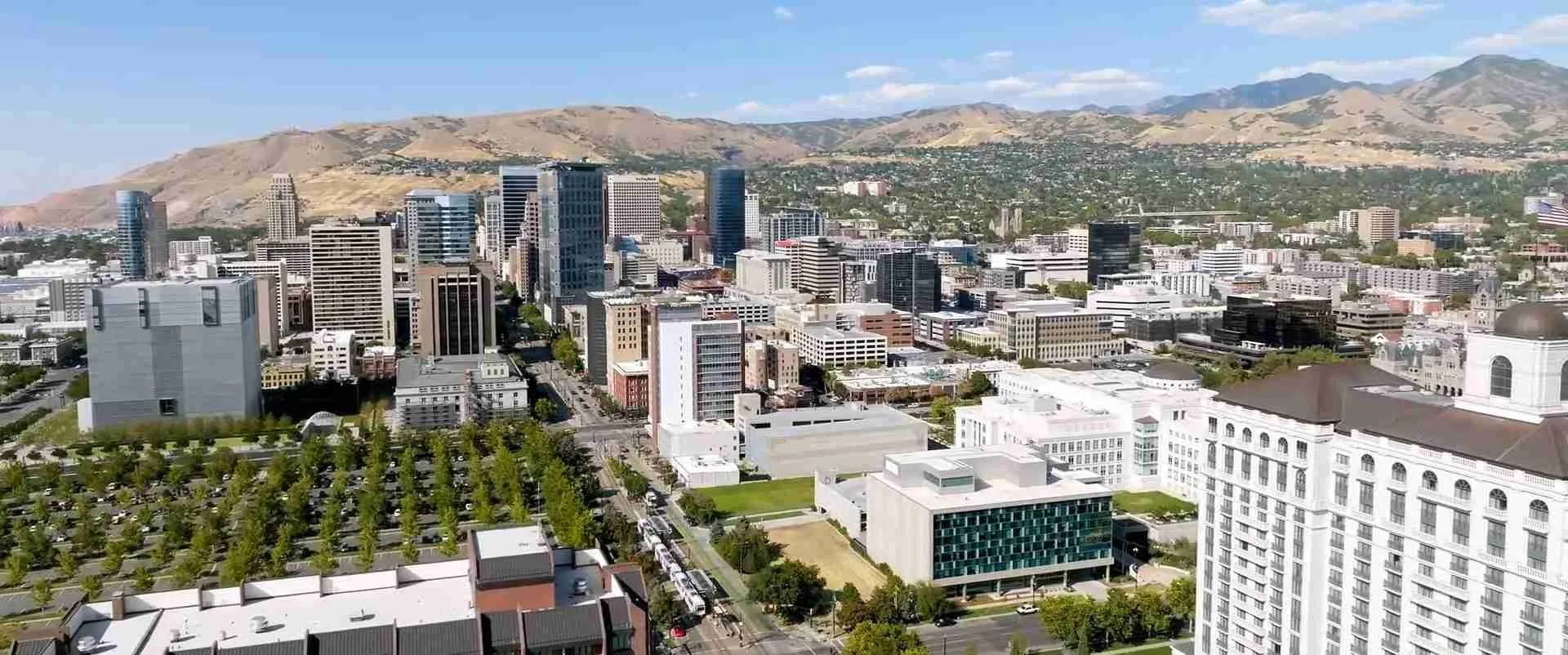
Salt Lake City offers exceptional value for travelers in 2026, combining free world-class attractions like Temple Square with affordable dining, efficient public transit, and accommodation options spanning budget hostels to luxury hotels. Positioned between the Wasatch Mountains and the Great Salt Lake, Utah’s capital provides outdoor recreation, cultural experiences, and urban amenities at costs significantly below comparable Western cities, making it an ideal destination for budget-conscious travelers seeking mountain adventure and metropolitan culture.
Key Takeaways: Salt Lake City Budget 2026
- Daily Budget Ranges 2026: Budget travelers need $70-130 per person daily (two sharing budget hotel), mid-range visitors spend $165-260 per person daily (two sharing mid-range hotel), and luxury travelers invest $310-465 per person daily (two sharing luxury hotel)
- Weekly Trip Costs: A week in Salt Lake City costs approximately $490-910 for budget travelers, $1,155-1,820 for mid-range comfort, and $2,170-3,255 for luxury experiences, all calculated per person assuming two sharing accommodation
- Transportation Value: UTA’s transit system charges $3 per single ride but caps daily costs at $5 for unlimited travel on buses and TRAX light rail, making a week of unlimited transit access just $20 with the FAREPAY card weekly cap
- Free Major Attractions: Temple Square, Utah State Capitol, Cathedral of the Madeleine, Liberty Park, and Red Butte Garden’s outdoor areas cost nothing to visit, enabling budget travelers to experience Salt Lake’s top cultural and historical sites without admission fees
- Seasonal Price Variations 2026: Summer (June-August) hotel rates run 40-50% higher than winter months, with mid-range hotels averaging $180-220 per night in peak season versus $110-140 in November-February, making shoulder seasons (April-May, September-October) optimal for value
- Neighborhood Price Differences: Downtown hotels average $160-280 nightly while Sugar House and Millcreek neighborhoods offer similar quality at $110-180, and staying near University of Utah or in Murray reduces costs another 20-30% without sacrificing transit access
People Also Ask About Salt Lake City Budget 2026
How much does Salt Lake City cost per day in 2026?
Salt Lake City costs $70-130 per person daily for budget travelers, $165-260 for mid-range comfort, and $310-465 for luxury experiences, all assuming two people sharing hotel accommodation. Budget travelers stay in hostels or budget hotels at $32-45 per person (room divided by two), eat at casual restaurants and food trucks for $35-52 daily, use unlimited public transit with the $5 day pass cap, and focus on free attractions with occasional paid museum visits. Mid-range travelers choose three-star downtown hotels at $69-104 per person (two sharing), dine at local restaurants and craft breweries for $60-98 daily, combine transit with rideshare for $10-20, and visit paid attractions like the Natural History Museum and guided tours. Luxury visitors select four-star or boutique hotels at $125-163 per person (two sharing), enjoy upscale dining at establishments like Log Haven and Urban Hill for $115-180 daily, use rideshare and private transportation for $30-50, and book premium experiences including canyon tours and fine dining. All figures include accommodation, meals, transportation, and attractions with room rates pre-divided by two before calculating per-person costs.
What’s the cheapest month to visit Salt Lake City in 2026?
November and January-February represent the cheapest months to visit Salt Lake City in 2026, with hotel rates 40-50% below summer peaks and restaurant demand at annual lows. Mid-range downtown hotels that command $180-220 nightly in July drop to $110-140 in these winter months, reducing accommodation costs from $90-110 per person (two sharing) to just $55-70 per person nightly. November offers particularly strong value as ski season hasn’t fully begun, while January-February deliver rock-bottom prices despite excellent access to nearby ski resorts via the $5 ski bus. Budget travelers can build complete daily costs of $60-105 per person in these months versus $80-145 in summer. December sees moderate hotel increases around holiday periods but remains 25-35% cheaper than summer. Avoid July-August (peak season with highest hotel rates and crowds), major ski weekends January-March (premium resort-area pricing), and Utah Jazz playoff periods April-May (downtown hotel spikes near Vivint Arena). March-April and September-October provide optimal balance of good weather, moderate prices, and smaller crowds.
Is public transportation in Salt Lake City worth it for tourists in 2026?
Public transportation in Salt Lake City delivers exceptional value for tourists in 2026 through UTA’s integrated bus and TRAX light rail network, with single rides costing $3 but daily spending capped at $5 for unlimited travel using the FAREPAY card. The system connects Salt Lake International Airport directly to downtown via the Green Line in 20 minutes, serves all major tourist districts including Temple Square, Sugar House, and University of Utah, and provides free rides within the downtown Free Fare Zone between Arena Station and City Center. Tourists visiting for a week benefit from the $20 weekly fare cap – equivalent to two daily round trips Monday through Thursday, with all subsequent rides free. The Green Line, Red Line, and Blue Line TRAX trains run every 15 minutes during daytime hours, connecting downtown hotels to the Natural History Museum, Red Butte Garden, and shopping districts. Bus routes extend coverage to neighborhoods like The Avenues and Marmalade. For ski resort access, the seasonal ski bus costs $5 and connects TRAX stations to Alta, Brighton, Snowbird, and Solitude. Compared to rideshare costs of $12-18 per trip or rental cars at $45-70 daily plus $15-25 parking, the transit system saves budget and mid-range travelers $30-50 daily while eliminating parking hassles in compact downtown areas.
How much should I budget for food per day in Salt Lake City 2026?
Budget $35-52 per person daily for food in Salt Lake City in 2026 at budget level, $60-98 at mid-range level, and $115-180 for upscale dining experiences. Budget travelers breakfast at local cafes like Hugo Coffee Roasters for $8-12, lunch at food trucks and casual spots like Crown Burgers or Piper Down for $12-18, and dinner at ethnic restaurants, pizzerias like Settebello or all-you-can-eat options like Chuan Hotpot for $15-22. Mid-range visitors breakfast at hotel restaurants or downtown cafes for $12-18, lunch at brewpubs like Squatters or neighborhood favorites for $18-30, and dinner at popular restaurants like Caffe Molise, Red Iguana, or Takashi for $30-50. Luxury diners start with upscale breakfast at Grand America or Le Méridien for $20-30, enjoy refined lunches at Urban Hill or Sicilia Mia for $35-50, and reserve tables at fine dining establishments like Log Haven, Table X, or The Roof for $60-100 per person excluding beverages. Coffee culture thrives throughout Salt Lake with quality cafes charging $4-7 for specialty drinks. Craft beer scene offers local breweries like Proper, Fisher, and Kiitos with pints at $6-9. Grocery shopping at Smith’s or Whole Foods enables self-catering at approximately 40% below restaurant costs. Restaurant pricing reflects Utah’s moderate cost of living – comparable quality meals cost 20-30% less than San Francisco or Seattle while matching or exceeding those cities’ culinary standards.
Extended multi-day tours – 5+ days
Featured Utah Multi-Day Tour Packages
8 days
8-Day Utah's Mighty 5 from Salt Lake City
- ✓ Comprehensive Utah tour
- ✓ Expert local guides included
- ✓ All accommodation arranged
- ✓ Transportation provided
9 days
Camping Utah's Mighty 5
- ✓ Comprehensive Utah tour
- ✓ Expert local guides included
- ✓ All accommodation arranged
- ✓ Transportation provided

4 days
Arches & Canyonlands Hiking & Glamping
- ✓ Comprehensive Utah tour
- ✓ Expert local guides included
- ✓ All accommodation arranged
- ✓ Transportation provided
4 days
Zion and Bryce Lodge Based Tour
- ✓ Booking needs min. 2 travelers
Multi-day tour packages powered by TourRadar. Prices and availability subject to change.
Introduction: Understanding Salt Lake City Travel Costs 2026
Salt Lake City emerges as one of America’s best-value destinations in 2026, delivering world-class outdoor recreation, thriving cultural scenes, and mountain-backed urban beauty at costs substantially below comparable Western cities. Positioned at the crossroads of Interstate highways with an international airport, Utah’s capital offers travelers remarkable diversity – from skiing world-famous resorts accessible via public transit to exploring polygamy history at Temple Square, from hiking Wasatch canyons to dining at James Beard-nominated restaurants. The economic value proposition stands exceptional: accommodation costs run 30-40% below Denver or Portland equivalents, dining delivers quality-to-price ratios rivaling established food cities, an efficient transit system eliminates car rental necessity for urban visitors, and many premier attractions including Temple Square, State Capitol, and multiple museums offer free admission.
This comprehensive budget guide provides verified 2026 pricing across all travel categories, with costs calculated per person assuming two travelers sharing hotel accommodation. Budget tier targets backpackers and value-conscious visitors willing to stay in hostels or budget hotels, eat primarily at casual restaurants and food trucks, use only public transportation, and prioritize free attractions. Mid-range tier serves the broadest traveler segment – visitors seeking comfortable three-star downtown hotels, meals at established local restaurants and brewpubs, occasional rideshare convenience, and admission to paid attractions and tours. Luxury tier addresses travelers preferring four-star or boutique properties, upscale dining at acclaimed restaurants, private transportation, and premium guided experiences.
All budget calculations throughout this guide follow consistent methodology: hotel rates are divided by two before adding to per-person costs, creating true daily per-person figures for couples or friends sharing rooms. Solo travelers should expect hotel costs to double (full room rate, not half), significantly impacting overall budgets. All price ranges reflect low-to-high variance within each tier rather than single fixed amounts, acknowledging that mid-range hotels vary from $140-210 per night depending on location, season, and specific property. Currency is United States dollars throughout. Seasonal variations prove substantial – summer (June-August) hotel rates peak 40-50% above winter lows, while shoulder seasons (April-May, September-October) offer optimal weather-cost balance. Neighborhood selection significantly impacts costs, with downtown commanding premium pricing while Sugar House, Murray, and University neighborhoods deliver 20-35% savings. The guide prioritizes 2026-specific data gathered through current research, replacing generic cost estimates with verified pricing from official sources, booking platforms, and local providers.
Salt Lake City’s unique position as both ski resort gateway and year-round urban destination creates dual peak seasons – winter for mountain sports access and summer for outdoor recreation and cultural events. Understanding these patterns enables strategic timing decisions that can reduce trip costs by hundreds of dollars. The city’s compact downtown walkability, extensive free attraction network, and efficient transit system particularly benefit budget travelers, enabling fulfilling multi-day visits at remarkably low costs. Conversely, proximity to world-class ski resorts, emerging fine dining scene, and boutique hotel growth serve luxury travelers seeking mountain elegance with urban sophistication. This guide maps spending strategies across the complete budget spectrum, ensuring every traveler category finds actionable guidance for maximizing Salt Lake City’s value proposition while experiencing the destination’s full cultural, natural, and culinary offerings.
Accommodation Costs in Salt Lake City 2026
Salt Lake City hotel pricing in 2026 varies dramatically by neighborhood, season, and property category, with downtown commanding premium rates while surrounding neighborhoods offer substantial savings. The accommodation market divides into clear tiers: budget properties (hostels, budget chains, older motels) at $63-90 per night, mid-range hotels (three-star downtown properties, newer suburban chains) at $137-208 per night, and luxury options (four-star downtown hotels, boutique properties, Grand America-caliber properties) at $250-326+ per night. These figures represent per-room nightly rates; throughout this guide, costs are divided by two for per-person calculations assuming double occupancy.
Budget Accommodation in Salt Lake City ($63-90 Per Night)
Budget travelers in Salt Lake City choose from hostel dormitories, budget hotel chains, and older independent motels concentrated in specific neighborhoods. Bposhtels SLC in downtown offers dormitory beds from $30-45 per person with shared bathrooms, kitchen access, and social common areas – eliminating room division as beds are priced per person. Budget hotel chains including Microtel Inn & Suites Airport ($63-75 per room), Red Roof Inn Midvale ($68-82 per room), and Motel 6 locations in West Valley and Murray ($65-78 per room) provide private rooms with basic amenities at $32-45 per person when two share. These properties cluster near the airport, along Interstate 15 in Murray and Midvale, and in West Valley City – all connected to downtown via TRAX or bus within 20-30 minutes.
Location significantly impacts budget accommodation value. Airport-area budget properties offer free airport shuttles eliminating initial transportation costs, while Murray and Midvale locations near FrontRunner and TRAX stations provide excellent transit access to downtown and University of Utah. West Valley properties sit furthest from central attractions but deliver lowest rates. Budget hotels typically include free parking (valued at $15-25 daily compared to downtown garage rates), basic continental breakfast (worth $8-12 per person), and free WiFi. Room quality varies substantially – newer budget chains like Microtel offer modern rooms with recent renovations, while older Motel 6 properties show age with dated decor and minimal amenities.
Budget accommodation costs per person in 2026 (two sharing room): $32-45 nightly based on $63-90 room rates divided by two occupants. Weekly stays at budget properties total $224-315 per person for accommodation alone. Many budget chains offer slight weekly discounts of 5-10% for stays of seven nights or more.
Mid-Range Hotels Salt Lake City 2026 ($137-208 Per Night)
Mid-range accommodations represent the broadest hotel category in Salt Lake, encompassing three-star downtown properties, upper-tier suburban chains, and independent hotels throughout the valley. Downtown options include Hampton Inn Downtown ($145-185 per night), Hilton Garden Inn Downtown ($152-195), Hyatt Place Downtown/Gateway ($158-205), and DoubleTree Suites ($160-210). These properties place visitors within walking distance of Temple Square, restaurants, and Arena Station TRAX hub, eliminating most transportation needs for central city exploration.
Particularly notable mid-range value properties include Crystal Inn Hotel & Suites Salt Lake City ($135-170 per night) offering free hot breakfast buffet, indoor pool, hot tub, sauna, free parking, and free airport shuttle – amenities worth $25-35 daily if purchased separately. Little America Hotel ($155-195) provides spacious rooms, extensive grounds with gardens, indoor pool, and elegant public spaces at mid-range pricing. SpringHill Suites Sugar House ($125-160) and Courtyard Midvale ($118-145) deliver modern accommodations in walkable neighborhoods at 15-25% below downtown equivalents.
Mid-range hotel amenities typically include: daily hot breakfast buffet (saving $12-18 per person daily versus cafe breakfast), fitness centers, indoor pools, business centers with printing, and free WiFi. Downtown properties charge parking fees of $15-25 daily, while suburban locations offer free parking. Room sizes average 300-350 square feet with modern furnishings, flat-screen TVs, mini-fridges, microwaves, and updated bathrooms. Downtown locations command premiums of $25-40 nightly compared to equivalent properties in Sugar House, Millcreek, or Murray – a 20-25% price difference that grows to 30-40% during peak summer and convention periods.
Mid-range accommodation costs per person in 2026 (two sharing room): $69-104 nightly based on $137-208 room rates divided by two occupants. Weekly mid-range stays total $483-728 per person for accommodation alone. Corporate rates and advance purchase discounts of 10-20% apply to many properties when booking 21+ days ahead.
Luxury Hotels and Boutique Properties 2026 ($250-326+ Per Night)
Salt Lake City’s luxury tier centers on Grand America Hotel (from $250-320), Hyatt Regency Salt Lake City ($178-245), Le Méridien Downtown ($185-260), and boutique properties including Anniversary Inn South Temple ($220-290). Grand America stands as the city’s premier luxury property with 24 acres of gardens, two restaurants, outdoor and indoor pools, full-service spa, and rooms featuring Italian marble bathrooms and French balconies. Standard rooms at luxury properties span 400-500 square feet with upgraded bedding, premium toiletries, nightly turndown service, and concierge assistance.
Luxury hotel amenities distinguish these properties from mid-range counterparts: on-site fine dining restaurants, full-service spas, valet parking, 24-hour room service, rooftop bars with mountain views (Le Méridien), and personalized concierge services arranging ski transportation, dinner reservations, and custom experiences. Grand America’s Sunday brunch, considered among America’s finest hotel brunches, exemplifies the attention to culinary detail at this tier. Hyatt Regency’s 2022 construction provides the newest luxury infrastructure downtown with floor-to-ceiling windows showcasing Wasatch Mountain views.
Boutique alternatives include Anniversary Inn properties themed around romantic destinations with suites featuring jetted tubs and distinctive decor at $220-290 nightly. These properties target couples seeking unique experiences rather than traditional luxury amenities. Luxury properties cluster downtown within blocks of Temple Square and City Creek Center, though proximity to specific attractions varies minimally given downtown’s walkable scale.
Luxury accommodation costs per person in 2026 (two sharing room): $125-163 nightly based on $250-326 room rates divided by two occupants. Weekly luxury stays total $875-1,141 per person for accommodation alone. Suite upgrades add $80-150 to nightly rates, while resort fees at some properties add $25-35 daily to room charges.
Seasonal Hotel Price Variations 2026
Salt Lake City hotel rates fluctuate 40-50% between peak and low seasons, creating significant budget impact for travelers with flexible dates. Peak season (mid-June through August) sees mid-range downtown hotels averaging $180-220 per night versus $110-140 during November-February low season – a difference of $35-40 per person nightly for couples sharing rooms. Winter ski season (January-March weekends) creates secondary peaks at 20-30% above weekday rates due to ski resort proximity, though downtown hotels experience less dramatic increases than canyon-mouth properties.
Specific seasonal patterns: June-August commands highest rates due to summer tourism, outdoor festival season, and convention activity. April-May and September-October represent shoulder seasons with moderate pricing 15-25% below summer peaks while offering excellent weather. November sees annual rate lows as ski season hasn’t begun and summer tourism ends. December rates increase 15-20% around Christmas-New Year’s period but remain below summer levels. January-February deliver lowest rates on non-holiday weekdays, though weekend rates jump near Martin Luther King weekend and Presidents Day weekend due to ski demand.
Convention calendar impacts downtown hotel availability and pricing substantially. Major conventions including Outdoor Retailer (varies), tech conferences, and religious gatherings can push downtown mid-range rates to $200-250 on typically moderate-demand dates. Checking convention calendars when booking prevents unexpected rate spikes. University of Utah home football games (September-November Saturdays) inflate rates at properties near campus and along TRAX lines providing stadium access.
Budget travelers should target November, January-March weekdays, and first two weeks of December for absolute lowest rates across all tiers. Mid-range travelers find best value-weather balance in April-May and September-October. Luxury travelers experience least seasonal variation with Grand America and top-tier properties maintaining relatively stable pricing year-round, though 15-20% winter discounts still apply.
Neighborhood Accommodation Comparison 2026
Downtown Salt Lake City (bounded by North Temple, 900 South, 600 East, and Interstate 15) contains the highest hotel concentration and commands premium pricing – mid-range properties average $160-200 versus $120-150 in outer neighborhoods. Downtown advantages include walking access to Temple Square, restaurant districts, City Creek shopping, light rail stations, and cultural venues. Downtown disadvantages: parking fees of $15-25 daily, higher restaurant prices, convention crowd periods, and street noise near Arena.
Sugar House neighborhood (2100 South area) offers walkable urban village atmosphere with local restaurants, shops, and parks at hotel rates 20-25% below downtown – mid-range chains like SpringHill Suites Sugar House ($125-160) versus downtown Hampton Inn ($145-185). Sugar House connects to downtown via TRAX S-Line in 15 minutes. The area attracts visitors seeking neighborhood feel over tourist-district energy.
University of Utah area (near campus and Research Park) provides quiet surroundings, Red Butte Garden access, and Natural History Museum proximity at rates 25-30% below downtown. Properties like Hampton Inn University-Foothill ($118-150) target university visitors but serve tourists well with free parking, TRAX Red Line access to downtown in 20 minutes, and proximity to Wasatch foothills hiking trails.
Murray and Midvale (I-15 corridor south of downtown) deliver greatest budget value with newest hotel construction and excellent TRAX access – mid-range chains at $110-145 versus $160-200 downtown. Murray’s FrontRunner station connects to downtown in 15 minutes and provides direct access to Provo and Ogden. These areas suit travelers prioritizing accommodation value over walkable urban environment.
West Valley City offers absolute lowest hotel rates ($90-125 mid-range tier) but sits farthest from central attractions with 30-40 minute transit rides to downtown. Westside location serves budget-conscious travelers spending minimal time in hotels and maximum time on ski slopes or in canyons. Airport area hotels ($100-140 mid-range) provide free shuttle service to terminal and suit early-morning departures or late arrivals, though distance from downtown (20 minutes via TRAX Green Line) makes them poor choices for multi-day urban exploration.
Food and Dining Costs in Salt Lake City 2026
Salt Lake City’s culinary scene in 2026 delivers exceptional quality-to-price ratio compared to coastal cities, with James Beard-nominated chefs, diverse ethnic cuisines, thriving brewery culture, and farm-to-table restaurants operating at costs 20-30% below San Francisco or Seattle equivalents. Daily food budgets vary from $35-52 per person for budget dining to $60-98 for mid-range restaurants and $115-180 for upscale experiences, encompassing breakfast, lunch, dinner, and beverages excluding alcohol.
Budget Dining Options Salt Lake City 2026 ($35-52 Daily Per Person)
Budget travelers eating three meals daily in Salt Lake City spend $35-52 per person by prioritizing local cafes, food trucks, ethnic restaurants, and casual chains while avoiding tourist-district markup. Breakfast at coffee shops like Hugo Coffee Roasters inside Main Library or Mestizo Coffee House costs $8-12 for breakfast burrito or avocado toast with coffee. Downtown breakfast spots including Blue Plate Diner and Oasis Cafe serve hearty portions for $10-14. Budget option: purchase breakfast items at Smith’s grocery for $4-7 daily – yogurt, fruit, granola, pastries.
Lunch budget options cluster around $12-18 per person. Food trucks near Library Square and Gateway Mall offer tacos, burritos, sandwiches, and ethnic specialties for $10-14. Crown Burgers (local institution) serves signature Crown Burger with fries for $12-15. Piper Down pub provides lunch specials around $13-16. Spitz Mediterranean serves doner wraps and bowls for $11-14. Vietnamese restaurants along State Street offer pho and banh mi for $10-13. Budget strategy: seek daily lunch specials at brewpubs offering $12-15 lunch combinations weekdays.
Dinner represents the largest meal expense even for budget travelers. Ethnic restaurants provide best value: Red Iguana (Mexican) serves acclaimed mole dishes for $14-19, Sawadee Thai offers curries and noodles for $12-16, India Palace provides generous portions for $13-17, and neighborhood Chinese restaurants deliver combination plates for $11-15. Pizza options include Settebello Pizzeria Napoletana with authentic Neapolitan pies for $15-22 split between two. All-you-can-eat options like Chuan Hotpot offer unlimited hotpot for $23 (weekday lunch) or $33 (dinner). Budget dinner range: $15-22 per person.
Budget dining strategies reducing daily costs: utilize hotel breakfast when included (saving $8-12), pack lunch from grocery items (saving $7-10 versus restaurant), seek happy hour specials 3-6 PM at brewpubs with discounted appetizers and drinks (enabling light dinner for $12-16), and focus on ethnic neighborhoods including State Street corridor where authentic cuisines cost less than downtown tourist areas. Smith’s and Harmons grocery stores enable self-catering at approximately 40% below restaurant costs.
Budget daily food costs 2026: $35-52 per person including breakfast ($8-12), lunch ($12-18), and dinner ($15-22). Weekly budget food costs: $245-364 per person.
Mid-Range Restaurant Dining 2026 ($60-98 Daily Per Person)
Mid-range dining in Salt Lake City encompasses the city’s thriving local restaurant scene – brewpubs, neighborhood bistros, established ethnic restaurants, and casual upscale venues serving quality ingredients with attention to preparation. Breakfast at mid-range level costs $12-18 at hotel restaurants, downtown cafes like Eva’s Bakery, or brunch spots such as Hires Big H. Coffee culture thrives with specialty drinks at $5-7 from roasters including Blue Copper, Jack Mormon, and Publik.
Lunch mid-range options span $18-30 per person. Established brewpubs including Squatters, Proper Brewing, and Kiitos Brewing serve elevated pub fare with lunch entrees at $16-24. Downtown sandwich shops like Feldman’s Deli and Even Stevens provide quality ingredients and generous portions for $14-18. Takashi serves excellent sushi lunch combinations for $20-28. Neighborhood bistros throughout Sugar House, 15th & 15th, and 9th & 9th offer seasonal menus with lunch mains at $17-25.
Dinner dominates mid-range daily food budgets at $30-50 per person. Notable mid-range establishments include Caffe Molise (Italian) with pasta and entrees at $24-36, Current Fish & Oyster with fresh seafood at $26-38, The Copper Onion offering New American cuisine at $24-34, and Valter’s Osteria serving authentic Italian at $22-32. Red Iguana locations (consistently ranked among America’s best Mexican restaurants) deliver exceptional quality at $18-26 per entree. Craft beer scene offers local breweries with food programs – pints cost $6-9, flights $12-16.
Mid-range dining patterns: breakfast at cafe or hotel restaurant ($12-18), lunch at brewpub or bistro ($18-30), dinner at established local restaurant ($30-50). This tier emphasizes Salt Lake’s local food culture over chain restaurants, supporting independent operators who define the city’s culinary identity. Portions generally exceed coastal city equivalents while prices run 25-35% lower for comparable quality.
Mid-range daily food costs 2026: $60-98 per person including breakfast ($12-18), lunch ($18-30), and dinner ($30-50). Weekly mid-range food costs: $420-686 per person. Wine and cocktails add $12-20 per drink at mid-range establishments.
Upscale and Fine Dining 2026 ($115-180 Daily Per Person)
Upscale dining in Salt Lake City centers on chef-driven restaurants, fine dining establishments, and luxury hotel restaurants offering refined preparations, seasonal ingredients, and elevated service. Breakfast at luxury tier costs $20-30 at Grand America’s Garden Cafe or Le Méridien’s Provisions, featuring made-to-order preparations, premium ingredients, and elegant presentations. Specialty coffee from premium roasters runs $6-9.
Lunch upscale options span $35-50 per person. Urban Hill downtown serves refined New American cuisine with lunch entrees at $28-42. Sicilia Mia (Sicilian) offers authentic preparations at $32-48. HSL (Hearth and Hill) provides elevated comfort food at $30-45. Many fine dining restaurants offer lunch at 25-30% below dinner pricing for identical menu quality.
Dinner fine dining represents Salt Lake’s culinary pinnacle. Log Haven, nestled in Millcreek Canyon with waterfall views, commands $38-58 per entree for rustic mountain cuisine with Southwestern influences. Table X (Millcreek) offers tasting menus only at $85-125 per person. The Roof atop Joseph Smith Memorial Building provides elegant dining with Temple Square views at $45-70 per entree. Post Office Place serves Japanese-influenced fine dining at $40-65. Stanza Italian Bistro offers upscale Italian at $35-55. Wine pairings add $45-90 for tasting menus, individual bottles from $50-150+ at fine dining venues.
Luxury dining strategies: reserve Log Haven for special occasions (scenic canyon setting justifies $120-160 per couple cost), explore tasting menus at Table X for comprehensive culinary experience, utilize lunch service at fine dining restaurants for 25-30% savings on identical kitchen quality, and consider Sunday brunch at Grand America ($65-85 per person) as showcase meal combining breakfast and lunch in single splurge.
Upscale daily food costs 2026: $115-180 per person including breakfast ($20-30), lunch ($35-50), and dinner ($60-100). Weekly upscale food costs: $805-1,260 per person. Premium wine, cocktails, and beverage pairings add $40-80 daily.
Grocery and Self-Catering Options 2026
Self-catering substantially reduces food costs for travelers with hotel kitchenettes or extended-stay accommodations. Smith’s Food & Drug (Kroger subsidiary) provides widespread coverage with competitive pricing – breakfast items (eggs, bread, yogurt, fruit, coffee) cost $12-18 for 2-3 days of meals, lunch components (deli meat, cheese, bread, vegetables) run $15-22 for multiple sandwiches, and dinner ingredients (pasta, sauce, vegetables, protein) total $18-28 for two-person meals. Natural Grocers and Trader Joe’s offer organic and specialty items at 10-15% premiums.
Harmons Grocery represents Salt Lake’s upscale chain with prepared foods section, in-house butcher and fish counter, extensive local products, and chef-quality ingredients at prices roughly 15-20% above Smith’s. Harmons prepared meals (rotisserie chicken $9-12, fresh sushi $12-18, salad bar $8-11 per pound) provide quality alternatives to restaurant dining at 30-40% cost savings.
Complete self-catering daily costs: $20-32 per person for all three meals prepared from grocery ingredients – approximately 40-50% below budget restaurant tier and 65-70% below mid-range dining costs. Weekly grocery bill for two people self-catering completely: $280-450 depending on ingredient quality.
Coffee Culture and Cafe Scene 2026
Salt Lake City’s specialty coffee scene rivals Portland and Seattle with independent roasters throughout the valley. Notable roasters and cafes include Blue Copper Coffee, Hugo Coffee Roasters (multiple locations including Main Library), Publik Coffee Roasters, Jack Mormon Coffee Company, and Mestizo Coffee House. Espresso drinks cost $4-6, drip coffee $3-4, specialty drinks $5-8. Many cafes offer light breakfast items (pastries $3-5, breakfast sandwiches $7-10) and lunch options (sandwiches $10-13, salads $9-12).
Cafe culture supports working remotely with ample seating, reliable WiFi, and relaxed time limits at most establishments. Downtown concentration includes locations near Library Square, while neighborhood cafes cluster in Sugar House, 9th & 9th, and Marmalade. Budget impact: daily coffee habit adds $4-8 to food costs, with two specialty drinks daily totaling $8-16. Travelers can reduce costs by utilizing hotel coffee service when available.
Neighborhood Restaurant Districts and Price Variations
Downtown restaurant pricing runs 15-25% higher than neighborhood equivalents due to tourist demand and commercial rent costs. Mid-range downtown dinner entrees average $28-42 versus $22-34 for comparable quality in Sugar House or 9th & 9th neighborhoods. State Street corridor south of downtown offers ethnic restaurants with authentic cuisines at 20-30% below downtown tourist pricing.
15th & 15th neighborhood (1500 East & 1500 South) provides walkable restaurant cluster with mid-range to upscale options including Mediterranean, Italian, and New American cuisines. 9th & 9th (900 East & 900 South) centers on local, seasonal restaurants with strong happy hour culture. Sugar House (2100 South area) offers greatest restaurant density outside downtown with diverse cuisines from Vietnamese to Brazilian to elevated pub fare.
Cottonwood Heights and Sandy (southern suburbs) contain chains and family restaurants at moderate pricing but lack independent restaurant culture defining central city. University area near campus provides budget options serving student population – Asian restaurants, pizza shops, and casual chains at 10-20% below downtown pricing.
Transportation Costs Salt Lake City 2026
Salt Lake City transportation costs in 2026 remain remarkably affordable due to comprehensive UTA transit system with daily fare caps, compact downtown walkability, and free transit zones. Daily transportation budgets range from $5 for transit-only travel to $10-20 for mixed transit and rideshare to $30-50 for luxury visitors using primarily rideshare and private services.
UTA Public Transit: Buses, TRAX Light Rail, and FrontRunner 2026
Utah Transit Authority operates integrated bus and light rail network serving Salt Lake Valley with exceptional value for tourists. Single ride fares cost $3 for buses and TRAX light rail, valid for two hours with unlimited transfers between modes. Day pass costs $5 and provides unlimited rides on buses, TRAX, S-Line streetcar, and UTA On Demand service – effectively capping daily transit costs at the equivalent of two one-way trips. Weekly FAREPAY card cap reaches $20 (four days of two daily round trips) with all subsequent weekly rides free, making week-long unlimited transit access just $20 total.
TRAX light rail operates three lines: Green Line connects Salt Lake International Airport to downtown, West Valley, and South Jordan; Red Line links University of Utah, downtown, and Daybreak; Blue Line serves downtown, Sugar House, and Draper. Trains run every 15 minutes during daytime hours (6 AM-7 PM) Monday-Saturday, with reduced 30-minute frequency early mornings, late nights, and Sundays. TRAX provides access to Natural History Museum (University South Campus Station), Temple Square (multiple downtown stations), state capitol (walking distance from City Center), and Sugar House (multiple S-Line and Blue Line stations).
Downtown Free Fare Zone encompasses central business district bounded roughly by 500 South, 200 East, North Temple, and 600 West. TRAX and bus rides starting and ending within this zone cost nothing, enabling free transportation between Temple Square, City Creek Center, Gateway Mall, and Arena Station. Travelers staying downtown can often avoid paid transit entirely by using Free Fare Zone and walking.
Airport access via TRAX Green Line costs $3 per person from terminal to downtown (Arena or City Center stations) with 20-minute travel time. Airport trains run approximately 5 AM-midnight weekdays, 6 AM-midnight weekends. Airport TRAX eliminates need for rental car or rideshare for downtown-based visitors, saving $20-35 compared to taxi or rideshare costs of $25-40 from airport to downtown.
FrontRunner commuter rail connects Ogden, Salt Lake City, and Provo with distance-based pricing starting at $3 base fare plus $1 per additional station (maximum $10 Ogden to Provo one-way). FrontRunner serves travelers visiting destinations outside Salt Lake City including Antelope Island (via Clearfield station plus bus), Ogden historic district, or Provo/BYU campus. Service operates peak commute times weekdays with reduced weekend frequency.
Budget transit strategy 2026: purchase FAREPAY card on arrival (available at airport TRAX station), tap card each ride to track automatic daily cap ($5) and weekly cap ($20), utilize downtown Free Fare Zone for central city movement, combine TRAX with walking for maximum coverage at minimum cost. A week of unlimited UTA transit access costs $20 through weekly fare cap versus $150-200 for car rental plus parking and fuel.
Rideshare Services: Uber and Lyft Costs 2026
Uber and Lyft operate throughout Salt Lake Valley with pricing typical of mid-size Western cities. Common ride costs: Airport to downtown $25-40 depending on time and demand, downtown to University of Utah $12-18, downtown to Sugar House $10-15, downtown to Park City $65-90. Weekday daytime rates run 15-25% below evening and weekend peak demand pricing. Wait times average 5-8 minutes downtown, 8-15 minutes in suburban areas.
Rideshare proves most cost-effective for: late-night returns when TRAX frequency drops, transporting luggage between airport and non-downtown hotels requiring bus transfers, reaching destinations poorly served by transit (Cottonwood Canyons trailheads, specific suburban restaurants), and groups of 3-4 splitting costs where per-person rideshare approaches or beats transit fares.
Mid-range travelers typically combine transit for routine movement with occasional rideshare for convenience or late hours, spending $10-20 daily total. Luxury travelers preferring rideshare exclusively budget $30-50 daily for typical itinerary of 3-5 trips. Rideshare between airport and downtown hotels costs $25-40 versus $3 per person on TRAX – justifiable for families with luggage or late arrivals after midnight when TRAX service ends.
Rental Cars: Costs, Necessity, and Parking 2026
Rental cars in Salt Lake City cost $45-70 daily for economy vehicles, $60-90 for mid-size SUVs suitable for ski equipment, and $90-130 for luxury vehicles. Daily rates fluctuate significantly by demand – ski season weekends command 40-60% premiums while summer weekdays offer best value. Airport rental counters charge $15-22 daily airport concession fees on top of rental rates, while off-airport Budget and Enterprise locations save these fees but require shuttles adding 15-25 minutes to pickup/return times.
Parking costs substantially impact rental car economics for downtown-based visitors. Downtown hotel parking runs $15-25 nightly at properties lacking free parking, while public garages charge $12-18 daily. Popular destinations including City Creek Center ($2 hourly, $15 daily), Gateway Mall (free 2 hours), and Temple Square (metered street parking $2 hourly) create additional costs. Total parking costs for downtown-based visitors: $20-40 daily combining hotel and attraction parking.
Rental car necessity: essential for visiting Big Cottonwood Canyon, Little Cottonwood Canyon, Antelope Island, or multi-day trips to national parks. Unnecessary for urban Salt Lake exploration – TRAX and buses provide comprehensive coverage of downtown, University, Sugar House, and major attractions while eliminating parking hassles and costs. Fuel costs add $35-55 weekly for typical urban driving plus canyon trips, using current Utah fuel prices of $3-4 per gallon.
Budget-conscious strategy: rely on UTA transit for urban exploration, rent car for 1-2 days specifically for canyon hiking or ski resort access. Mid-range strategy: rent car for suburban hotel convenience and canyon access while paying downtown parking when necessary. Luxury strategy: rent premium vehicle for duration enabling spontaneous canyon drives and eliminating transit planning.
Weekly rental car total costs: base rental $315-490, fuel $40-60, parking $105-175, total $460-725 versus $20 weekly UTA transit cap – rental car costs $440-705 more weekly than transit. Rental car justifies costs when canyon access, regional day trips, or ski resort visits form substantial portions of itinerary.
Seasonal Ski Bus Service 2026
UTA operates winter ski buses (December-April) connecting TRAX stations to Alta, Brighton, Snowbird, and Solitude ski resorts for $5 fare. Routes CS1 and CS2 provide direct service from Midvale Fort Union TRAX station and 6200 South Park & Ride to Little Cottonwood Canyon resorts (Snowbird, Alta) with 30-minute frequency 6:20 AM-7:30 PM. Big Cottonwood Canyon routes serve Brighton and Solitude from Sandy TRAX stations.
Ski bus eliminates rental car need for ski-focused trips – travelers can stay downtown using TRAX and ski buses exclusively for resort access at total transportation cost of $20 weekly (UTA weekly cap) versus $460-725 for rental car, parking, and fuel. Ski buses do not accept cash – riders must use Transit app, FAREPAY card, or ski resort season passes. Morning ski buses fill quickly on powder days and weekends; arriving at stations 15-30 minutes before desired departure ensures seat availability.
Airport Transportation Options 2026
Airport ground transportation encompasses several options at varying costs: TRAX Green Line ($3 per person, 20 minutes to downtown), shared shuttle services ($18-25 per person), rideshare ($25-40 to downtown), and taxis ($30-45 to downtown). Hotel shuttle service varies by property – many airport and suburban hotels provide free shuttles while downtown properties generally do not.
TRAX airport station located on ground level outside terminal’s east side (exit Door 1A) connects to all three light rail lines via Arena or City Center stations downtown. Single ride costs $3 with luggage allowed (no size restrictions beyond train capacity). Airport TRAX operates approximately 5 AM-midnight daily with trains every 15 minutes peak hours, 20-30 minutes off-peak. Travelers arriving after midnight require rideshare or taxi unless hotel provides late-night shuttle.
Airport transportation budget recommendations: budget and mid-range travelers use TRAX ($3 per person) for daytime arrivals/departures; luxury travelers and families with substantial luggage use rideshare ($25-40 total for 1-3 passengers). Couples or solo travelers on daytime flights save $22-37 by choosing TRAX over rideshare for each airport connection.
Attraction and Activity Costs 2026
Salt Lake City attraction costs range from free major sites to $25-40 premium experiences, with the majority of top attractions charging no admission or offering donation-based entry. Daily attraction spending varies from $0-25 for budget travelers focusing on free sites to $25-40 for mid-range visitors adding museums and paid experiences to $40-70 for luxury travelers booking guided tours and premium activities.
Free Major Attractions in Salt Lake City 2026
Temple Square, Salt Lake City’s premier attraction, charges no admission for grounds access, visitor centers, or guided tours. The 35-acre complex encompasses Salt Lake Temple (exterior viewing during ongoing renovation), Assembly Hall, Tabernacle (subject to renovation schedule), Family History Library (world’s largest genealogy library), and expansive gardens with fountains and historical monuments. Free guided tours depart hourly 9 AM-9 PM daily, led by sister missionaries providing historical and religious context. Visitors of all faiths receive welcoming hospitality without pressure toward religious conversion. Temple Square delivers 2-4 hours of exploration at zero cost.
Utah State Capitol offers free self-guided tours daily 7 AM-8 PM with guided tours at 10 AM, 12 PM, 2 PM, and 4 PM Monday-Friday. The Beaux-Arts building completed in 1916 features copper-domed rotunda, marble interiors, historical murals, and government chambers. Exterior grounds provide dramatic views across Salt Lake Valley. Guided tours last 30-40 minutes covering architectural details, Utah history, and current state government operations. Capitol Hill location sits 1.5 miles north of downtown (20-minute walk or free TRAX within Free Fare Zone plus short walk).
Cathedral of the Madeleine welcomes visitors daily with free admission to Gothic Revival interior featuring stained glass, detailed woodwork, and sacred art. Built 1900-1909, the cathedral represents Utah’s Catholic heritage. Self-guided visits during open hours respect active worship schedule. Evening organ concerts occur select dates (check calendar for schedule) with free or donation-based attendance.
Liberty Park (80 acres in Sugar House area) provides green space, walking paths, pond, playground, tennis courts, and Tracy Aviary (separate $13 admission). Park access remains free for picnicking, jogging, relaxing under mature trees, and accessing Chase Home Museum of Utah Folk Arts (donation-based admission). S-Line streetcar connects downtown to Liberty Park in 20 minutes.
Red Butte Garden (university botanical garden) offers free access to exterior trails and gardens with paid admission ($15) required only for interior display gardens. Free outdoor areas include Bonneville Shoreline Trail access, natural area walking paths, and mountain views. Budget travelers access quality outdoor recreation without garden admission while nature enthusiasts justify $15 for curated gardens showcasing regional and global plants.
Clark Planetarium (Gateway Mall) charges no admission for main lobby exhibits including real moon rock, interactive displays on space exploration, and rotating exhibits. Planetarium shows (dome theater) cost $9-12 but main floor browsing costs nothing. Free admission particularly appeals to families with children seeking educational activities without expense.
Free attractions enable budget travelers to fill multiple days with Temple Square, State Capitol, Cathedral, Liberty Park, and free museum sections without spending on admission costs – supporting daily budgets of $70-130 that include accommodation, food, and transit while maintaining rich cultural experiences.
Paid Museums and Cultural Attractions 2026
Natural History Museum of Utah charges $24 admission for adults (check official website for current rates as prices may vary), positioning it as the valley’s premier paid museum experience. Located on University of Utah campus with free parking, NHMU features ten galleries spanning geology, paleontology, Utah’s five Native nations, and natural environments. Dinosaur fossil collection includes specimens from Utah’s world-famous quarries. Past Worlds gallery showcases complete skeletons in dramatic displays. Architecture blends into Wasatch foothills with observation deck providing panoramic valley views. Typical visit duration: 2-3 hours. NHMU represents best value among paid attractions with admission price justified by collection quality, building architecture, and educational programming.
Utah Museum of Contemporary Art (UMOCA) suggests $5 donation for admission to rotating contemporary art exhibitions in downtown space. Donation-based model makes contemporary art accessible to all budgets while supporting museum operations. Exhibitions change quarterly featuring regional and national artists. Gallery hours: Tuesday-Thursday and Saturday 11 AM-6 PM, Friday 11 AM-9 PM. Small museum suitable for 45-90 minute visits.
Leonardo Museum (science, technology, art convergence) charges $20 admission for adults with interactive exhibits appealing to families and science enthusiasts. Located downtown at Library Square with exhibits rotating annually. Flight simulator, hands-on exhibits, and traveling shows provide 2-3 hours of exploration. Value varies based on current exhibitions – check website for current programming before deciding.
Tracy Aviary (Liberty Park) costs $13 admission with 135 bird species in naturalistic habitats. Particularly strong in Birds of Prey and South American collections. Suitable for bird enthusiasts and families with young children enjoying animal interactions. Combined Liberty Park visit enables full afternoon of outdoor activity.
Pioneer Memorial Museum (free admission, donations accepted) located near State Capitol contains extensive collection of Utah pioneer artifacts, clothing, furniture, and tools documenting 19th-century settlement. Multiple buildings house carriages, agricultural equipment, and period rooms. Strong appeal for history enthusiasts and genealogy researchers. Free admission enables budget-friendly historical education.
Guided Tours and Experiences 2026
Walking tours of downtown and historic neighborhoods cost $25-45 per person for 2-3 hour experiences. Salt Lake City Tours offers historic downtown walks covering architectural heritage, Mormon history, and urban development. Tours depart from Temple Square area with advance booking recommended. Value proposition: local guides provide historical context and neighborhood insights exceeding self-guided exploration.
Great Salt Lake tours range from basic access ($8 Antelope Island State Park day use fee) to guided boat tours ($45-75 per person). Antelope Island, accessible via causeway 40 minutes north of downtown, offers bison viewing, beach access, hiking trails, and sunset photography. Bring vehicle or arrange tour transportation as public transit does not serve island. Budget option: pay $8 park fee, drive causeway, self-guide hiking and wildlife viewing. Premium option: book $65 guided wildlife and sunset tour including transportation.
Brewery tours at local establishments including Epic Brewing, Proper Brewing, and Fisher Brewing cost $10-20 including tastings. Two-hour experiences cover brewing process, company history, and tasting flights of 4-6 beers. Brewery district near downtown enables walking between multiple locations. Budget-friendly activity for craft beer enthusiasts wanting local industry insights.
Food tours exploring Salt Lake dining scene cost $70-95 per person for 3-4 hour experiences including 5-7 restaurant tastings. Downtown and Sugar House tours highlight local cuisine, chef stories, and neighborhood history while visiting independent restaurants. Value depends on number and quality of included tastings – $85 tour visiting six restaurants provides $40-50 value in food alone while adding guided neighborhood context.
Outdoor Recreation Access 2026
Wasatch Mountains hiking trailheads surrounding Salt Lake City charge no fees for most popular routes. Mill Creek Canyon requires $3 parking fee (cash only at trailhead kiosks), while Emigration Canyon, City Creek Canyon, and foothills trails accessible from city neighborhoods require no fees. Popular hikes including Living Room Trail (1.5 miles from Colorow Road trailhead), Ensign Peak (steep 1-mile hike to valley overlook), and Bonneville Shoreline Trail (multi-mile ridge trail system) provide free mountain access.
Big Cottonwood Canyon and Little Cottonwood Canyon require parking fees at popular trailheads during peak season. Donut Falls (Big Cottonwood) charges $6 self-pay parking, while Cecret Lake (Little Cottonwood) costs $10-15 at Albion Basin parking during summer wildflower season (typically July-August). Budget strategy: arrive early (before 7 AM) when parking fills or late afternoon when crowds thin.
Winter ski resort day passes at Solitude, Brighton, Snowbird, and Alta range from $110-175 per person for adults during peak season. Multi-day passes, advance purchase discounts, and spring skiing (March-April) reduce costs 20-40%. Salt Lake Super Pass provides discounted lift access to all four resorts when purchased as multi-day package. Ski equipment rentals add $40-70 daily at resort rental shops or $30-50 daily at valley locations including Utah Ski & Golf and Breezeway Sports. Budget ski strategy: spring skiing (March-April), weekday visits, advance online pass purchase, valley equipment rentals, ski bus transportation.
Entertainment and Nightlife Costs 2026
Concert tickets at venues including The Depot, Kilby Court, and Commonwealth Room range from $15-40 for local and regional acts to $50-100+ for national touring artists. Metro Music Hall hosts larger concerts with tickets $30-75 typical range. Vivint Arena presents major concerts and sporting events with basketball (Utah Jazz) tickets $40-200 depending on opponent and seat location, concerts $65-150+ for established artists.
Movie theaters charge $12-16 for evening showings with matinee discounts at $8-10. Brewvies Cinema Pub combines movies with full food and beverage service (21+ venue) with tickets $10-12 plus food/drink orders. Tower Theater and Broadway Centre Cinemas screen independent and art house films at $10-13 admission.
Craft cocktail bars including Water Witch, Bodega, and White Horse Spirits & Kitchen charge $12-16 per cocktail with happy hour discounts reducing prices to $8-10 during 4-6 PM weekdays. Local brewery taprooms including Fisher, Kiitos, and Proper charge $6-9 per pint with flights (4-6 samples) at $12-16. Wine bars including BTG Wine Bar and Ruin serve glasses at $10-16 and bottles from $40-80.
Live theater at Pioneer Theatre Company (university professional theater) costs $35-60 per ticket with productions running August through May. Hale Centre Theatre in West Valley presents musicals and family shows at $30-50 ticket prices. Ballet West performances at Janet Quinney Lawson Capitol Theatre range from $25-95 depending on production and seating. Utah Symphony concerts at Abravanel Hall cost $25-75 with student and senior discounts available.
Daily Budget Breakdowns by Traveler Type 2026
Comprehensive daily budgets consolidate accommodation, food, transportation, and attraction costs into total per-person spending across budget, mid-range, and luxury tiers. All calculations assume two travelers sharing hotel accommodation with room rates divided by two before adding to per-person totals.
Budget Traveler Daily Costs 2026 ($70-130 Per Person)
Budget travelers staying in Salt Lake City minimize accommodation costs through hostels or budget hotels, eat at casual restaurants and food trucks, use exclusively public transit, and prioritize free attractions. Daily cost components: accommodation $32-45 per person (two sharing budget hotel at $63-90 per room divided by two), meals $35-52 per person (breakfast $8-12, lunch $12-18, dinner $15-22), transport $5 per person (UTA day pass cap for unlimited rides), attractions $0-24 per person (free sites plus occasional paid museum). Total daily budget: $70-130 per person.
Budget daily itinerary example: Wake in budget hotel Murray area ($70 per room = $35 per person after division), breakfast at hotel or coffee shop ($10), TRAX to downtown using $5 day pass, visit Temple Square (free) and State Capitol (free), lunch at food truck or casual restaurant ($14), afternoon at Liberty Park (free) and Tracy Aviary ($13), dinner at ethnic restaurant ($18), evening walk downtown and City Creek Center browsing (free), return to hotel via TRAX (covered by $5 day pass). Total day cost: $35 + $10 + $5 + $14 + $13 + $18 = $95 per person.
Budget weekly cost: $490-910 per person for seven days including all accommodation, meals, unlimited transit, and mix of free and paid attractions. Budget travelers achieving lower range ($490-630 weekly) consistently choose hostel dormitories ($30-40 per person eliminating room division), pack breakfast items from grocery ($5-7), seek lunch specials and happy hours ($10-14), cook occasional dinners ($8-12), and visit only free attractions.
Budget money-saving strategies: Stay in hostels when available, utilize hotel breakfast when included, pack lunch from grocery items 2-3 days weekly, focus on free major attractions (Temple Square, State Capitol, Cathedral) enabling multiple full days without admission costs, walk downtown within Free Fare Zone eliminating even minimal transit costs, seek brewery happy hours and daily specials for affordable dining, and visit Wednesday evening NHMU late hours if available for potential discounted admission.
Mid-Range Traveler Daily Costs 2026 ($165-260 Per Person)
Mid-range travelers balancing comfort with value choose three-star downtown hotels, dine at local restaurants and brewpubs, combine transit with occasional rideshare, and visit paid attractions. Daily cost components: accommodation $69-104 per person (two sharing mid-range hotel at $137-208 per room divided by two), meals $60-98 per person (breakfast $12-18, lunch $18-30, dinner $30-50), transport $10-20 per person (primarily transit with occasional rideshare), attractions $25-40 per person (Natural History Museum, tours, paid experiences). Total daily budget: $165-260 per person.
Mid-range daily itinerary example: Stay downtown Hampton Inn ($165 per room = $83 per person after division), hot breakfast buffet included with room (saving $15), TRAX to University of Utah ($3), Natural History Museum admission ($24), lunch at campus-area restaurant ($22), afternoon Red Butte Garden ($15) and Bonneville Shoreline Trail hike (free), rideshare to Sugar House dinner ($12 split between two = $6 per person), dinner at Caffe Molise ($38), evening drinks at brewery ($18 for beer flights), rideshare return to hotel ($12 split = $6 per person). Total day cost: $83 + $0 (breakfast included) + $3 + $24 + $22 + $15 + $6 + $38 + $18 + $6 = $215 per person.
Mid-range weekly cost: $1,155-1,820 per person for seven days including downtown accommodation with breakfast, restaurant dining all meals, mixed transit and rideshare, and admission to multiple paid attractions. Mid-range travelers optimizing value choose hotels with included breakfast (saving $12-18 daily), walk downtown within Free Fare Zone when possible, ride TRAX for most transportation, reserve rideshare for late evenings and luggage transport, balance paid attractions with free sites, and dine at neighborhood restaurants rather than downtown tourist areas.
Mid-range value optimization: Book downtown hotels with breakfast included (Crystal Inn provides excellent value at this tier), utilize TRAX extensively while reserving rideshare for genuine convenience needs (late night, heavy luggage), explore neighborhood restaurant districts (Sugar House, 9th & 9th) for 15-25% savings versus downtown equivalents, visit one major paid attraction daily while incorporating free sites, and leverage brewery happy hours for discounted appetizers and drinks creating affordable light dinner options.
Luxury Traveler Daily Costs 2026 ($310-465 Per Person)
Luxury travelers prioritize comfort, convenience, and premium experiences through four-star hotels, upscale dining, rideshare and private transportation, and guided premium activities. Daily cost components: accommodation $125-163 per person (two sharing luxury hotel at $250-326 per room divided by two), meals $115-180 per person (upscale breakfast $20-30, refined lunch $35-50, fine dining $60-100), transport $30-50 per person (rideshare and private services), attractions $40-70 per person (guided tours, premium experiences). Total daily budget: $310-465 per person.
Luxury daily itinerary example: Stay Grand America Hotel ($280 per room = $140 per person after division), breakfast at Garden Cafe ($26), private car service to Antelope Island guided tour ($150 total = $75 per person for couple), packed lunch during tour (included), return late afternoon, rest at hotel spa access (included), dinner reservation Log Haven with wine ($140 per person including transportation), late evening drinks at hotel bar ($28). Total day cost: $140 + $26 + $75 + $140 + $28 = $409 per person.
Luxury weekly cost: $2,170-3,255 per person for seven days including premium accommodation, fine dining, private transportation, and guided experiences. Luxury tier eliminates budget constraints enabling optimal hotel locations, spontaneous dining at acclaimed restaurants, private transportation removing transit planning, and booking premier guided experiences without cost consideration.
Luxury experience highlights: Grand America Sunday brunch ($65-85 per person) showcases hotel’s culinary excellence, Log Haven dinner in Millcreek Canyon provides Utah’s premier fine dining with waterfall views, private canyon tours enable flexible scheduling and personalized experiences, and boutique hotel stays in properties like Anniversary Inn deliver unique accommodations beyond standard luxury chains. Luxury travelers justify premium costs through exceptional service quality, exclusive access, convenience maximization, and supporting Utah’s finest restaurants and tour operators.
Solo Traveler Budget Adjustments 2026
Solo travelers face accommodation cost challenges as hotel rooms charge per room rather than per person, eliminating shared-room cost division. Budget solo travelers in Salt Lake City pay full room rates: budget hotels $63-90 nightly versus $32-45 per person for couples sharing, mid-range hotels $137-208 nightly versus $69-104 per person for couples, luxury hotels $250-326 nightly versus $125-163 per person. Hostel dormitories benefit solo travelers equally at $30-45 per bed without room division complications.
Solo budget daily costs: $105-170 per person including accommodation $63-90 (full room rate, no division), meals $35-52, transport $5, attractions $0-24. Solo mid-range daily costs: $230-360 per person including accommodation $137-208, meals $60-98, transport $10-20, attractions $25-40. Solo luxury daily costs: $420-625 per person including accommodation $250-326, meals $115-180, transport $30-50, attractions $40-70.
Solo traveler cost-reduction strategies: Choose hostel dormitories eliminating private room premium (saving $35-65 daily versus budget hotels), seek hotels offering single occupancy rates 15-25% below double room pricing (some chains including Hampton Inn provide this), extend stays negotiating weekly rates reducing nightly costs 10-15%, and maximize free attractions and self-catering to offset higher accommodation costs. Solo travelers joining group tours split transportation costs with fellow participants, creating mid-range tour economics even for individual travelers.
Sample Multi-Day Itineraries with Cost Breakdowns 2026
Detailed multi-day itineraries demonstrate realistic daily spending patterns across budget tiers, with specific activities, restaurant choices, and transportation modes creating complete Salt Lake City experiences. Each itinerary calculates exact per-person costs assuming two travelers sharing accommodation.
Budget 3-Day Salt Lake City Itinerary ($235-325 Per Person Total)
Day 1: Downtown and Temple Square Exploration
Arrive Salt Lake International Airport, TRAX Green Line to downtown ($3 per person), check into Microtel Inn Airport ($68 per room = $34 per person). Walk to Temple Square (free), guided tour of grounds (free), visit Family History Library (free), lunch food truck near Gateway Mall ($13), afternoon Utah State Capitol tour (free), Capitol Hill grounds walk (free), coffee at Publik Coffee ($5), dinner Crown Burgers ($14), evening walk City Creek Center (free shopping mall browsing), return hotel via TRAX within included two-hour transfer (no additional fare). Day 1 cost per person: accommodation $34, meals $32, transport $3, attractions $0, total $69.
Day 2: University and Natural History Museum
Hotel continental breakfast (included with room), TRAX Red Line to University of Utah ($3 covers day pass cap unlimited rides), Natural History Museum admission ($24), museum cafe lunch ($15), afternoon Bonneville Shoreline Trail hike from Research Park (free), Red Butte Garden outdoor trails (free), return downtown via TRAX (covered by day pass), dinner at Piper Down pub ($18), evening at brewery taproom beer flight ($14), walk to hotel (within downtown Free Fare Zone). Day 2 cost per person: accommodation $34, meals $47, transport $3 (day pass), attractions $24, total $108.
Day 3: Local Neighborhoods and Departure
Hotel breakfast (included), check out, luggage stored at hotel, S-Line to Sugar House ($3 day pass), Liberty Park morning walk (free), Tracy Aviary ($13), lunch at Vietnamese restaurant ($12), afternoon shopping and exploring Sugar House neighborhood (free), early dinner at Settebello Pizza ($18 half pizza plus salad), TRAX to hotel for luggage pickup then to airport (covered by day pass cap), depart. Day 3 cost per person: accommodation $34 (previous night), meals $30, transport $3, attractions $13, total $80.
Three-day budget total per person: $69 + $108 + $80 = $257. Range accounting for meal variation and attraction choices: $235-325 per person for complete three-day Salt Lake City experience including accommodation, all meals, unlimited transit, and attractions.
Mid-Range 5-Day Salt Lake City Itinerary ($1,050-1,375 Per Person Total)
Day 1: Arrival and Downtown Evening
Arrive afternoon, rideshare airport to Hampton Inn Downtown ($28 split = $14 per person), check in ($145 room = $73 per person), rest and refresh, evening walk to Temple Square (free), dinner Caffe Molise ($36), drinks at Bodega cocktail bar ($16), walk return to hotel (downtown walkable). Day 1 cost per person: accommodation $73, meals $52, transport $14, attractions $0, total $139.
Day 2: Cultural Attractions
Hotel hot breakfast buffet (included), walk to Natural History Museum TRAX station ($3 for day pass), museum admission ($24), museum cafe lunch ($18), afternoon Red Butte Garden ($15), rideshare to Sugar House ($10 split = $5 per person), explore neighborhood shops and galleries (free), dinner at Current Fish & Oyster ($42), craft cocktails at local bar ($18), rideshare return hotel ($12 split = $6 per person). Day 2 cost per person: accommodation $73, meals $60 (breakfast included), transport $14, attractions $39, total $186.
Day 3: Canyon Day Trip
Hotel breakfast (included), rideshare to Big Cottonwood Canyon trailhead ($35 split = $18 per person), all-day hiking Donut Falls and Lake Blanche trails (parking $6 split = $3 per person), packed lunch from grocery ($12 for two = $6 per person prepared previous evening), late afternoon return rideshare ($35 split = $18 per person), rest at hotel, dinner reservation at Log Haven including rideshare transportation ($145 per person total including $25 roundtrip rideshare). Day 3 cost per person: accommodation $73, meals $151 (breakfast included, lunch $6, Log Haven dinner $145), transport $36, attractions $3, total $263.
Day 4: Local Exploration and Brewery Tour
Hotel breakfast (included), walk to State Capitol (free within walking distance), guided tour (free), coffee and pastry at Hugo Coffee Main Library ($8), lunch at Squatters brewpub ($22), afternoon self-guided brewery tour Fisher Brewing ($12 including tastings), TRAX to 9th & 9th neighborhood ($3), explore shops and coffee scene, dinner at Takashi ($38), walk and TRAX return hotel (covered by day pass). Day 4 cost per person: accommodation $73, meals $68, transport $3, attractions $12, total $156.
Day 5: Morning Activities and Departure
Hotel breakfast (included), check out, luggage stored, walk to City Creek Center shopping and browsing (free), early lunch The Copper Onion ($28), rideshare to airport ($28 split = $14 per person), depart afternoon. Day 5 cost per person: accommodation $73 (previous night), meals $28, transport $14, attractions $0, total $115.
Five-day mid-range total per person: $139 + $186 + $263 + $156 + $115 = $859. Accounting for variation in restaurant selection, rideshare frequency, and additional attraction admissions: $1,050-1,375 per person for comprehensive five-day experience.
Luxury 3-Day Salt Lake City Itinerary ($1,325-1,525 Per Person Total)
Day 1: Arrival and Fine Dining Introduction
Private car service airport to Grand America Hotel ($55 total = $28 per person), check into luxury room ($280 = $140 per person), afternoon at hotel pool and spa exploration, evening valet parking to Urban Hill dinner ($95 per person including wine pairings), post-dinner drinks at hotel bar ($32), return room. Day 1 cost per person: accommodation $140, meals $127, transport $28, attractions $0, total $295.
Day 2: Private Canyon Experience
Breakfast at Garden Cafe ($32), private guided Antelope Island tour with wildlife photography focus ($165 per person including lunch and transportation), return late afternoon, hotel spa massage ($145 optional addition to day cost), dinner reservation Table X tasting menu ($125 per person including paired wines and rideshare), late return hotel. Day 2 cost per person: accommodation $140, meals $157 (breakfast $32, lunch included in tour, dinner $125), transport $165 (tour includes private transportation), attractions $0 (tour cost counted in transport), total $462.
Day 3: Cultural Refinement and Departure
Hotel breakfast ($32), private car to Natural History Museum ($25 split = $13 per person), museum admission ($24), museum tour with private guide arranged through concierge ($45), lunch at HSL ($48), afternoon at Red Butte Garden with private botanical tour ($65), early dinner at The Roof before departure ($85), private car to airport ($55 split = $28 per person), evening departure. Day 3 cost per person: accommodation $140 (previous night), meals $165, transport $41, attractions $134, total $480.
Three-day luxury total per person: $295 + $462 + $480 = $1,237. Including variation in dining choices, spa services, and private tour selection: $1,325-1,525 per person for premium three-day experience showcasing Salt Lake’s finest hotels, restaurants, and curated experiences.
Seasonal Price Variations Salt Lake City 2026
Salt Lake City experiences dramatic seasonal cost fluctuations driven by tourism patterns, ski season demand, convention schedules, and weather conditions. Understanding these variations enables strategic trip timing that can reduce total costs by 30-50% while maintaining quality experiences.
Peak Season Costs: Summer June-August 2026
Summer represents Salt Lake’s highest-demand tourism period with near-perfect weather, outdoor festival concentration, and convention season combining to drive premium pricing. Mid-range hotel rates peak at $180-220 nightly (versus $110-140 winter lows), reducing per-person accommodation costs from $55-70 to $90-110 for couples sharing rooms. Restaurant demand increases wait times and reduces availability at popular establishments, though prices remain relatively stable year-round with seasonal menu changes rather than rate increases.
Summer advantages justify premium costs for many travelers: consistent sunshine enabling reliable outdoor recreation planning, all canyon trails snow-free and accessible, extended daylight hours (sunset after 9 PM in June), outdoor concert and festival programming, and optimal conditions for Great Salt Lake and Antelope Island visits. Average high temperatures of 90-95°F (32-35°C) prove comfortable for visitors from hotter climates while potentially uncomfortable for heat-sensitive travelers.
Summer budget impact: mid-range daily costs increase from $165-260 winter baseline to $190-285 summer peak due to accommodation rate increases. Budget travelers maintaining strict discipline can minimize impact through hostel stays and suburban hotels (less affected by downtown summer premiums), while luxury travelers experience minimal percentage increases as high-end properties maintain more stable year-round pricing.
Ski Season Peak Periods: January-March Weekends 2026
Winter ski season creates secondary peak pricing concentrated on weekends and holiday periods when resort proximity drives hotel demand. Downtown hotels experience moderate 15-20% weekend increases, while properties near canyon mouths and in Cottonwood Heights command 35-50% premiums Friday-Sunday. Ski bus service ($5) connects downtown to resorts, enabling budget and mid-range travelers to maintain downtown lodging while accessing slopes.
Martin Luther King Jr. weekend (mid-January), Presidents Day weekend (mid-February), and mid-March spring break weeks represent absolute ski season peaks with hotel availability constrained and rates 40-60% above weekday equivalents. Mid-range downtown hotels averaging $140-170 weekdays jump to $190-240 these peak weekends. Conversely, weekday ski season rates (Tuesday-Thursday) match or slightly undercut summer pricing despite excellent snow conditions and resort access.
Ski season budget strategies: visit weekdays when hotel and lift ticket costs drop 25-35%, purchase multi-day ski passes in advance online for 15-20% savings versus day-of window rates, rent equipment from valley shops ($30-50 daily) rather than resort rental shops ($45-70), and consider spring skiing March-April when rates drop significantly while snow quality remains excellent on north-facing slopes.
Shoulder Season Value: April-May and September-October 2026
Spring (April-May) and fall (September-October) deliver optimal value-weather-experience balance with moderate temperatures, reduced crowds, and hotel rates 20-30% below summer peaks. Mid-range downtown hotels average $140-175 during shoulder seasons versus $180-220 summer, creating per-person savings of $20-25 nightly for couples. Restaurant reservations prove easier to secure, attraction lines shrink, and locals emerge from summer tourist season with renewed hospitality.
April-May advantages: wildflower blooms in Wasatch canyons (peak late May-early June depending on elevation and snowmelt timing), spring skiing available through mid-April at Alta and Snowbird, mild temperatures ideal for hiking (60-75°F/15-24°C), and university graduation activities creating vibrant city energy. Disadvantages: variable weather with potential late-season snowstorms affecting canyon access, and some high-elevation trails remain snow-covered through May.
September-October advantages: fall foliage in Big and Little Cottonwood Canyons (peak late September-early October), stable weather patterns with warm days and cool nights, excellent hiking conditions, and reduced summer tourist crowds. Disadvantages: shorter daylight hours compared to summer, and some outdoor events conclude Labor Day weekend.
Shoulder season represents ideal timing for budget and mid-range travelers seeking weather quality approaching summer standards at costs 20-30% lower. Families restricted to school vacation schedules miss these windows, while flexible travelers and retirees should strongly consider April-May or September-October visits.
Low Season Bargains: November and January-February 2026
November and January-February represent absolute low season for hotel pricing with mid-range properties dropping to $110-140 nightly (versus $180-220 summer peaks), creating per-person accommodation costs of just $55-70 for couples versus $90-110 summer rates. Budget hotels fall to $60-75 per room, enabling per-person costs of $30-38 through room sharing. Downtown hotel occupancy rates drop to annual lows, creating negotiating leverage for walk-in bookings and extended stays.
November combines lowest hotel rates with decent weather (45-55°F/7-13°C average highs) before winter cold arrives, though days grow short and occasional early snowstorms affect canyon access. January-February deliver Utah’s coldest weather (30-40°F/-1-4°C average highs) but provide exceptional access to world-class ski resorts at lowest valley hotel costs. Weekday ski season hotel rates prove remarkably affordable – mid-range properties at $115-145 weeknights enable ski resort access via $5 UTA ski bus at total lodging-transportation costs substantially below staying in Park City or Cottonwood canyon-mouth properties.
Low season disadvantages: shorter daylight hours (sunset around 5 PM in December-January), cold temperatures requiring winter clothing, potential for inversion air quality episodes trapping pollution in valley, reduced restaurant hours at some establishments, and gray winter skies during persistent inversions. Advantages: rock-bottom hotel rates, ski resort access from affordable valley lodging, minimal tourist crowds at Temple Square and museums, and authentic local experience as city life continues normally without summer tourist overlay.
Budget travelers should target November and weekday January-February for absolute lowest costs while maintaining quality experiences. November particularly delivers value as ski season hasn’t begun (lower rates) but weather remains moderate. Hardcore ski enthusiasts benefit enormously from weekday January-February valley lodging plus ski bus access – total accommodation and transportation costs of $120-155 per couple nightly ($60-78 per person) versus $250-400 staying slopeside at Alta or Snowbird.
Event-Driven Rate Spikes 2026
Specific events create localized rate increases beyond general seasonal patterns: Sundance Film Festival (Park City, late January) fills Salt Lake hotels as overflow from Park City, increasing downtown rates 20-30% despite being off-season. Utah Jazz playoff games (April-June if team qualifies) spike downtown hotel rates near Vivint Arena, particularly Friday-Sunday game nights. Major conventions at Salt Palace Convention Center can push downtown mid-range rates from typical $160 to $210-240 on high-demand dates.
Checking convention calendars and sports schedules when booking prevents unexpected rate encounters. Visit Salt Lake (tourism bureau) maintains event calendar online showing major conventions and activities. Travelers with flexible dates should avoid Sundance overflow (late January), major convention weeks, and Jazz playoff periods if prioritizing budget minimization.
Hidden Costs and Fees Salt Lake City 2026
Beyond obvious accommodation, dining, transportation, and attraction costs, several hidden fees impact Salt Lake City travel budgets. Awareness and strategic planning mitigate these expenses.
Hotel Resort Fees and Parking Charges
Downtown hotels increasingly charge daily resort fees of $15-35 covering WiFi, fitness center access, local calls, and other previously complimentary amenities. Grand America Hotel charges $30 daily resort fee on top of quoted room rates. Le Méridien adds $25 daily destination fee. Hyatt Regency includes $28 daily resort fee. These fees add $105-245 to weekly stays and often appear only in fine print during booking rather than in advertised nightly rates. Strategy: confirm total nightly cost including all fees before booking, or choose properties like Hampton Inn and Crystal Inn that maintain all-inclusive pricing without resort fees.
Parking fees at downtown hotels range from $15-25 nightly for self-parking, with valet parking commanding $30-40 nightly. Weekly downtown parking totals $105-175, substantially impacting budgets for travelers bringing vehicles. Suburban and airport-area properties universally offer free parking. Budget impact: staying downtown without car eliminates parking fees entirely while suburban hotel choice plus car rental saves hotel parking but adds $12-18 daily public garage fees when visiting downtown attractions. Optimal strategy: stay downtown using transit exclusively (zero parking costs), or stay suburban property with free parking and drive only when accessing canyons, parking in free or low-cost public lots.
Tipping Expectations and Service Charges 2026
United States tipping culture applies throughout Salt Lake City: restaurant servers expect 18-22% on pre-tax bill total, bartenders $1-2 per drink or 15-20% on tab, hotel housekeeping $3-5 per room per day, hotel bellhops $2-5 per bag, valet parking attendants $3-5 per retrieval, rideshare drivers 15-20% on fare, and tour guides $10-20 per person for group tours or 15-20% for private guides. Budget impact: tipping adds approximately 15-20% to all restaurant dining costs and 10-15% to service-based activities.
Daily tipping budget additions: budget tier adds $8-15 daily (primarily restaurant tips on $35-52 food spend), mid-range adds $15-25 daily (restaurant tips on $60-98 food spend plus occasional rideshare and service tips), luxury adds $35-60 daily (fine dining tips on $115-180 food spend, valet parking, concierge services, private transportation). Weekly tipping impact: budget tier $56-105, mid-range $105-175, luxury $245-420.
Some restaurants add automatic 18-20% gratuity for parties of six or more – verify bill to avoid double-tipping. Counter-service restaurants and coffee shops display tip jars but tipping remains optional (common practice: $0-1 for drip coffee, $1-2 for specialty drinks and food items). Fast-casual chains like Chipotle and Café Rio do not expect tips.
Sales Tax and Alcohol Regulations
Utah sales tax totals 7.75% on most purchases including restaurant meals and retail goods (rate combines state and local taxes). Restaurant meals listed at $28 on menu cost $30 after tax, creating slight budget variance from advertised prices. Hotel room rates typically quote prices exclusive of 12.6% combined hotel tax (state transient room tax plus local taxes) – rooms advertised at $145 cost $163 after tax collection. Budget planning should add approximately 13% to quoted hotel rates for tax-inclusive total costs.
Utah alcohol regulations create unique cost structures: restaurants serving liquor must operate as “private clubs” (mostly eliminated through recent law changes but some older establishments maintain structure), beer available in grocery and convenience stores limited to 5% alcohol by volume with higher-proof craft beers sold only at state-run liquor stores, wine and spirits sold exclusively at state liquor stores with limited Sunday hours (closed Sundays and major holidays), and alcohol markups at restaurants and bars running 200-300% above retail due to state pricing controls and licensing costs.
Alcohol cost impacts: cocktails at bars cost $12-16 versus $8-10 in most Western cities (25-40% premium), wine by glass runs $10-16 with bottles $40-80 at mid-range restaurants (similar to national averages but from limited selections), and beer pricing varies minimally from other markets at $6-9 per pint. Budget travelers avoiding alcohol save $15-30 daily compared to moderate drinkers, while wine enthusiasts face limited selection and higher markup rates compared to California or Oregon destinations.
Seasonal Equipment and Clothing Costs
Winter visitors lacking proper cold-weather clothing face potential purchases: insulated jacket $80-200, warm boots $60-150, gloves and hat $25-50. Summer visitors need sun protection including sunscreen ($12-18), sunglasses ($20-150), and hat ($15-40). Ski equipment rentals add $30-70 daily from valley shops or $45-90 at resort rental facilities. Budget impact: visitors from warm climates potentially spend $150-300 on winter clothing for single Salt Lake trip, though these purchases serve future cold-weather travel.
Strategy: check weather forecast before packing, layer existing clothing creatively rather than purchasing full winter wardrobe for brief visit, rent ski equipment from valley shops (30% cheaper than resort rentals), and accept that proper footwear for winter hiking represents genuine safety requirement worth equipment investment. Summer visitors should pack sunscreen from home as resort and convenience store pricing exceeds pharmacy costs by 30-50%.
Airport Rental Car Fees and Fuel Costs
Salt Lake International Airport rental car facilities charge consolidated facility fees of $15-22 daily added to base rental rates – fees covering airport rental car center construction and operation. These fees appear separate from rental rates, creating perception of lower costs when comparing prices. Budget impact: advertised $45 daily compact car rental actually costs $60-67 daily with facility fee added. Off-airport rental locations (Budget and Enterprise operate locations accessible via free shuttle) avoid facility fees but add pickup/return transportation time of 15-25 minutes each direction.
Fuel costs using current Utah pricing of $3-4 per gallon: compact car achieving 35 MPG using 10 gallons weekly for typical urban plus canyon driving totals $30-40 fuel costs, mid-size SUV achieving 22 MPG uses 16 gallons totaling $48-64. Fuel costs prove modest compared to rental and parking fees but require cash or credit card for gas station payments. Rental car full-tank return policies eliminate fuel charges when vehicle returned with full tank (gas station visit required before airport return adds 10-15 minutes to departure timeline).
Money-Saving Strategies and Budget Hacks 2026
Strategic planning and local knowledge enable significant cost reductions across all spending categories without sacrificing experience quality. These proven strategies reduce daily costs by 20-40% compared to standard tourist spending patterns.
Hotel Booking Strategies for Maximum Value
Book downtown hotels 21+ days in advance for early-bird discounts of 10-20% below standard rates. Hampton Inn, Hyatt Place, and Hilton properties offer advance purchase rates requiring prepayment but delivering substantial savings. Comparison shop across booking platforms – hotel direct websites sometimes offer price matching plus loyalty program benefits, while OTAs (Expedia, Booking.com) occasionally feature exclusive flash sales. Tuesday-Wednesday booking typically reveals lowest rates as hotels adjust pricing based on upcoming weekend demand forecasts.
Target Sunday-Thursday stays when possible – downtown hotels charge 20-35% less weeknights than Friday-Saturday due to business traveler versus leisure tourist demand patterns. Five-night Sunday-Thursday stay at mid-range downtown property costs $140-170 nightly versus $180-220 weekend rates, saving $200-250 total for couples. Request late checkout at check-in (costs nothing to ask) – many properties grant 2 PM or later checkout when occupancy allows, enabling full morning activities before departure.
Consider apartment rentals for stays exceeding four nights – fully equipped kitchens enable breakfast and lunch preparation at 40-50% below restaurant costs, and laundry facilities eliminate packing multiple outfits for extended trips. Sugar House, 9th & 9th, and University neighborhoods offer private apartment rentals at $90-140 nightly with full kitchens versus $140-210 hotel equivalents, savings totaling $50-70 nightly for couples when accounting for reduced food costs from self-catering.
Restaurant and Dining Cost Reduction Techniques
Leverage happy hour specials aggressively – Salt Lake brewpubs and restaurants offer 3-6 PM weekday discounts with half-price appetizers enabling $12-16 filling light dinner versus $28-42 for full dinner entrees. Squatters, Proper Brewing, and Kiitos Brewing provide excellent happy hour value with discounted wings, nachos, burgers, and sandwiches plus reduced beer pricing. Strategy: late lunch at 2 PM, happy hour appetizers at 4-5 PM creating two-meal pattern at costs substantially below traditional lunch-dinner schedule.
Eat lunch as main restaurant meal – most fine dining and upscale establishments offer lunch service at prices 25-30% below identical dinner preparations. Log Haven lunch entrees run $24-32 versus $38-58 dinner pricing, Urban Hill lunch costs $28-42 versus $38-58 dinner, and Sicilia Mia lunch provides $26-38 access to cuisine costing $40-60 at dinner. Lunch service typically operates 11:30 AM-2:30 PM weekdays only, requiring schedule flexibility.
Purchase breakfast items from Smith’s grocery for hotel consumption – yogurt containers ($1 each), bagels and cream cheese ($5 for six bagels and $4 for cream cheese), fruit ($4-7 for bananas and apples sufficient for 2-3 days), granola bars ($4-6 for box of six), and coffee from hotel room maker creates $3-5 daily breakfast per person versus $10-15 cafe breakfast or $12-18 hotel restaurant. Weekly savings: $49-91 per person through self-catered breakfast.
Seek ethnic restaurants in non-tourist neighborhoods – Vietnamese restaurants along State Street between 2100 South and 3300 South charge $10-15 for generous pho and banh mi versus $18-24 for comparable portions in downtown or Sugar House tourist areas. Mexican taquerias in Rose Park and West Valley serve authentic $3-5 tacos versus $8-12 upscale taco presentations downtown. Chinese restaurants in University area offer combination plates for $11-14 versus $18-25 at fashionable Asian fusion establishments.
Transportation Cost Minimization Approaches
Purchase UTA FAREPAY card immediately upon arrival and load $20 for automatic weekly cap – enables unlimited bus and TRAX rides throughout week versus paying $3 per trip. FAREPAY cards available at airport TRAX station ticket vending machine. Seven days of unlimited valley transit access at $20 total versus $84 if paying $3 per trip twice daily ($42 weekly) or $35 purchasing daily passes ($5 x 7 days). Savings: $15-64 weekly depending on trip frequency.
Walk downtown extensively – compact grid layout enables walking from hotel to Temple Square, City Creek Center, restaurants, and bars within 10-20 minutes for most downtown accommodations. Walking eliminates even minimal TRAX costs within Free Fare Zone and provides neighborhood exploration versus platform-to-platform transit perspective. Budget impact: walking reduces already-minimal transit costs to near-zero for downtown-centric itineraries.
Use rideshare strategically rather than universally – reserve Uber/Lyft for genuine convenience scenarios (late night returns, heavy luggage, time constraints, groups of 3-4 splitting costs) while defaulting to TRAX for routine transit. Each rideshare trip costs $10-18 versus $0 after daily/weekly FAREPAY cap is reached. Five weekly rideshare trips total $50-90 versus $0 from TRAX alternative, though genuine convenience scenarios justify selective rideshare use.
Rent car only for specific canyon days – rent vehicle Wednesday-Thursday for Big Cottonwood and Little Cottonwood hiking, return Thursday evening, using transit Friday-Sunday. Two-day rental ($90-140) plus fuel ($15-20) and canyon parking ($6-15) totals $111-175 versus $315-490 weekly rental. Savings: $140-315 weekly for travelers primarily exploring urban Salt Lake with 1-2 canyon excursions.
Attraction and Activity Budget Optimization
Prioritize free major attractions filling 2-3 full days without admission costs – Temple Square requires 3-4 hours for thorough exploration including visitor centers and guided tour, State Capitol offers 1-2 hours including grounds and guided interior tour, Cathedral of the Madeleine merits 30-60 minutes, Liberty Park provides half-day outdoor recreation, and Red Butte Garden exterior trails offer canyon hiking without garden admission. Free attraction strategy enables budget travelers to experience Salt Lake’s primary cultural and historical sites without spending on admissions.
Visit Natural History Museum on weekday afternoons checking for potential late hours or discount programs – while standard admission costs $24, the museum occasionally offers community discount evenings. University of Utah students and staff receive free admission with valid UCard. Budget allocation: save paid museum visits for rainy days when outdoor plans prove impractical, maximizing value from $24 admission through 2-3 hour thorough exploration versus rushed 60-minute visit.
Self-guide canyon hikes rather than booking guided tours – popular Wasatch trails including Living Room Trail, Ensign Peak, Donut Falls, and Cecret Lake require no guide services. Trail information available free through AllTrails app and hiking websites. Self-guided hiking saves $65-95 per person compared to guided canyon tours while enabling flexible timing and pace. Invest tour budget in specialized experiences genuinely requiring guide expertise like Antelope Island wildlife tours or rock climbing instruction rather than straightforward hiking accessible to independent travelers.
Attend free cultural events and concerts – Temple Square offers free organ recitals select evenings, Gallivan Plaza hosts free summer concert series, and numerous churches present free classical music performances. Check local event calendars (City Weekly, Visit Salt Lake) for free programming during visit dates. Budget impact: free evening entertainment replaces $15-40 concert tickets or $30-60 bar spending with quality cultural experiences at zero cost.
Seasonal Timing for Maximum Value
Visit during November or weekday January-February for absolute lowest hotel rates – mid-range properties drop to $110-140 nightly (versus $180-220 summer) while maintaining downtown convenience and transit access. November particularly delivers value combining low rates with moderate weather before winter cold arrives. Budget example: five-night November mid-range stay saves $175-250 per couple compared to identical July stay, covering entire week’s food costs at budget tier.
Target shoulder seasons (April-May, September-October) for optimal weather-cost balance – hotel rates run 20-30% below summer peaks while weather quality approaches summer standards. April wildflower season in Wasatch canyons provides spectacular hiking backdrop, while September-October fall colors create photogenic canyon drives. Shoulder season timing particularly benefits families constrained to school vacation schedules during spring breaks (late March-early April) when rates begin dropping but weather remains cooperative.
Ski weekdays rather than weekends for dramatic cost reductions – mid-range downtown hotels charging $190-240 Friday-Saturday drop to $115-145 Tuesday-Thursday during ski season, creating per-couple nightly savings of $75-95. Combine weekday hotel savings with advance-purchase ski pass discounts (15-20% below day-of window rates) and valley equipment rentals (30% cheaper than resort shops) for total weekday ski day costs 35-45% below weekend equivalents while enjoying significantly reduced lift lines and lodge crowds.
Family Travel Considerations Salt Lake City 2026
Family travel in Salt Lake City proves more affordable than many Western destinations due to free major attractions, child-friendly outdoor recreation, and hotel suites accommodating 4-6 people at costs substantially below booking two rooms. Daily family budgets range from $160-260 for budget families to $350-550 for mid-range comfort to $650-950 for luxury family experiences, calculated for family of four (two adults, two children ages 6-14).
Family Accommodation Strategies and Suite Hotels
Hotel suites accommodating families of four eliminate second-room necessity, dramatically reducing lodging costs. Hampton Inn and Hyatt Place offer two-room suites with pullout sofa bed, mini-fridge, and microwave at $165-215 nightly – only $20-30 premium over standard king room but accommodating entire family. Two-room suite calculation: $165-215 per room = $41-54 per person for family of four, versus $260-370 for two standard rooms ($130-185 each) = $65-93 per person. Suite savings: $24-39 per person nightly, totaling $672-1,092 for family weekly stay.
Embassy Suites and Homewood Suites include full breakfast buffet with suite rates, feeding family of four breakfast for $0 versus $40-60 at restaurant. Weekly breakfast savings: $280-420 for family. Extended-stay properties including Residence Inn and TownePlace Suites provide full kitchens enabling lunch and dinner preparation from grocery ingredients, saving 40-50% on meals versus restaurant dining.
Budget family accommodation: seek hotels offering free breakfast reducing daily meal costs by $40-60 for family of four. Mid-range family accommodation: book two-room suites at Hampton Inn or Hyatt Place rather than standard rooms at luxury properties – save $95-155 nightly while gaining space for family comfort. Luxury family accommodation: consider Residence Inn or Embassy Suites two-bedroom suites at $240-320 providing separate children’s bedroom, living area, and kitchen plus breakfast, versus Grand America standard rooms at $250-320 lacking kitchen or breakfast inclusion.
Child-Friendly Attractions and Free Activities
Temple Square captivates children with fountain viewing, garden exploration, and scavenger hunt activities designed for young visitors – sister missionaries conducting tours adapt presentations for family audiences. Zero admission cost makes Temple Square ideal family anchor activity consuming 2-3 hours. Utah State Capitol offers junior ranger-style programs on select dates with activity sheets guiding children through historical exploration. Cathedral of the Madeleine’s soaring Gothic interior and stained glass mesmerize visually-oriented children.
Natural History Museum of Utah ($24 adults, children 3-12 $15) provides exceptional value for families with children passionate about dinosaurs, geology, or natural science. Interactive exhibits, complete dinosaur skeletons, and hands-on discovery areas engage children 5-14 for 2-3 hours. Museum rooftop observation deck overlooks valley and mountains. Family of four admission: $78 for comprehensive educational experience.
Liberty Park playground, tennis courts, pond with ducks, and open lawns enable free full-day outdoor recreation for active families. Pack lunch from grocery store ($25-35 for family picnic) versus restaurant lunch ($60-85 for family of four). Tracy Aviary within Liberty Park ($13 adults, children 3-12 $11) introduces exotic bird species with interactive encounters and shows. Family of four admission: $48 for 1-2 hour experience.
Clark Planetarium main floor exhibits cost nothing while dome shows charge $9-12 per person – families can browse free exhibits then decide whether dome show merits cost based on children’s engagement level. Gateway Mall location provides additional shopping and dining options when children tire of planetarium.
Red Butte Garden outdoor trails offer free hiking with canyon access, wildflower viewing (spring-summer), and nature education without garden admission requirement. Interior display gardens require $15 adult admission but exterior trails deliver quality outdoor time at zero cost for budget-conscious families.
Family Dining Cost Management
Family meal costs escalate quickly at restaurants – family of four dinner at mid-range restaurant costs $80-120 including children’s meals, beverages, tax, and tip. Budget family dining strategies: seek restaurants offering children’s menus with $6-9 entrees rather than full adult portions at $18-28, utilize hotel breakfast when included (saving $40-60 daily for family), pack lunch from grocery items for picnic meals (saving $35-50 daily versus restaurant lunch), and reserve restaurant dinners for 2-3 times weekly rather than daily pattern.
Pizza proves economical family dinner option – Settebello whole pizza $18-26 feeds family of four with salad addition ($8-12) for total meal under $35 versus $80-120 at full-service restaurant. All-you-can-eat options including Chuan Hotpot ($33 adults, children portions available at reduced rates) enable adventurous families to try diverse foods at moderate total costs. Chinese buffets throughout valley charge $12-16 adults, $6-9 children for unlimited portions.
Grocery self-catering proves most impactful family budget strategy – hotel suite with kitchenette enables breakfast and lunch preparation reducing daily family meal costs from restaurant baseline of $120-165 to $55-85 ($40-60 from groceries, $40-50 remaining restaurant budget for dinner), weekly savings of $455-560.
Transportation with Children and Car Seat Requirements
Utah law requires children under age 8 to ride in appropriate car seats or boosters, complicating rideshare use for families with young children. UTA buses and TRAX trains exempt from car seat requirements, making public transit more practical than rideshare for families with children under 8. Rental cars require bringing car seats from home or renting from car rental companies ($12-15 per seat daily, adding $84-105 weekly for two seats).
Family transportation budget impact: TRAX proves most economical for families with young children requiring car seats – weekly FAREPAY cap of $20 per adult ($40 for two adults) plus children 5 and under ride free creates total family transit cost of $40 weekly versus rental car $315-490 plus car seat rentals $84-105 plus parking $105-175 totaling $504-770. Transit savings: $464-730 weekly for family avoiding car rental.
Families requiring vehicles for canyon access should rent car for specific days only – Wednesday-Thursday canyon hiking rental ($90-140 for two days) plus car seats ($24-30 for two days) totals $114-170 versus $504-770 for weekly rental, savings of $334-600. Family balances canyon access need against substantial rental car costs.
Solo Traveler Budget and Safety Considerations 2026
Solo travel in Salt Lake City proves safe, manageable, and affordable despite accommodation cost challenges from single-occupancy room rates. Daily solo budgets range from $105-170 at budget tier to $230-360 at mid-range to $420-625 at luxury level, with accommodation representing largest solo cost differential versus coupled travelers.
Solo Accommodation Options and Cost Management
Hostel dormitories eliminate single-room premium entirely – Bposhtels SLC downtown charges $30-45 per bed regardless of solo or group travel, providing equal value to solo travelers versus couples. Shared dormitories include 4-8 beds per room with shared bathrooms, kitchen access, common social areas, and often organized activities facilitating traveler connections. Hostel choice creates solo budget accommodation at $30-45 nightly versus $63-90 for private budget hotel room, savings of $33-45 nightly or $231-315 weekly.
Some mid-range hotel chains offer true single-occupancy rates at 15-25% below double-occupancy pricing – Hampton Inn and Holiday Inn occasionally provide single rates at $115-145 versus $145-185 double rates, savings of $30-40 nightly. Call hotels directly and specifically request single-occupancy rate rather than booking online where only double rates display. Not all properties offer single rates, but asking costs nothing.
Extended-stay studio apartments prove economical for solo travelers on week-long visits – fully equipped kitchens enable self-catering reducing food costs 40-50%, and weekly rates provide 10-15% discount versus nightly pricing. Studio apartments in Sugar House or University area rent for $90-130 nightly with weekly discounts bringing costs to $80-115 nightly, competitive with mid-range hotels while offering kitchen and laundry facilities valuable to solo travelers.
Solo Dining Strategies and Social Opportunities
Solo dining at restaurants proves less economical than coupled dining due to inability to split entrees and share multiple dishes. Solo budget strategies: seek lunch specials offering complete meals for $12-16 (burgers, sandwiches, salads with sides), utilize happy hour bar seating for discounted appetizers creating affordable light dinner, choose counter seating at brewpubs enabling casual conversation with bartenders and fellow solo travelers, and alternate restaurant meals with grocery-prepared food consumed at hotel or park.
Coffee shops and cafes provide social environments for solo travelers – Blue Copper, Publik, and Hugo Coffee locations feature communal seating encouraging laptop work and casual conversation. Spending 2-3 hours at cafe with specialty coffee ($5-7) and pastry ($4-6) creates comfortable solo environment for planning, working, or people-watching at modest cost.
Brewery taprooms foster friendly solo environments with communal tables, flights enabling beer exploration ($12-16 for 4-6 samples), and regular customers providing local recommendations. Proper Brewing, Fisher Brewing, and Kiitos Brewing welcome solo visitors with open layouts and social atmospheres. Solo travelers seeking social interaction should prioritize brewery taprooms over traditional restaurants.
Safety Considerations for Solo Travelers
Salt Lake City ranks among safest major Western cities for solo travelers with low violent crime rates, well-lit downtown streets, extensive security camera coverage, and active evening street life in restaurant and entertainment districts. Solo travelers should exercise standard urban caution: avoid isolated areas late at night, use rideshare rather than walking alone after midnight, secure valuables in hotel safes, and remain aware of surroundings in public transit stations.
Downtown Salt Lake City proper (Temple Square area, City Creek vicinity) maintains safe environment 24 hours with significant pedestrian activity, security presence, and well-maintained public spaces. Areas requiring elevated awareness: blocks immediately west of downtown near homeless services and shelters (300 West to 600 West between North Temple and 400 South) experience higher rates of property crime and street disorder, particularly late evening hours. Solo travelers should use TRAX or rideshare through this area rather than walking, especially after dark.
TRAX and bus safety: services operate safely throughout daytime and early evening hours with security presence and regular ridership. Late-night TRAX service (after 10 PM) carries lower ridership creating less comfortable environment for solo travelers – rideshare proves worth $12-18 cost for late returns versus empty train car situation. UTA transit police patrol regularly and emergency call buttons exist at all stations.
Solo Hiking and Outdoor Recreation Safety
Popular Wasatch trails including Ensign Peak, Living Room, and Donut Falls maintain high daytime traffic making solo hiking reasonably safe during standard hours (sunrise to 3 PM). Solo hikers should inform hotel desk or friend of intended trail and expected return time, carry charged phone with GPS capability, pack adequate water (1 liter per 2 hours minimum in Utah’s dry climate), and avoid isolated trails requiring water crossings or technical scrambling.
Joining group hikes through meetup.com, Salt Lake Hiking Meetup, or ranger-led programs (Natural History Museum organizes guided canyon hikes) provides social experience plus safety-in-numbers advantage for solo travelers seeking outdoor recreation without partner. Group hikes typically free or low-cost ($5-15) while delivering expert guidance and traveler connections.
Wildlife awareness: rattlesnakes inhabit Wasatch foothills May through October – watch where stepping and placing hands when scrambling, stay on established trails, and give encountered snakes wide berth. Mountain lions inhabit canyons but human encounters remain rare – make noise while hiking, don’t hike dawn/dusk when lions most active, and never run if encountering lion (face animal, make yourself large, back away slowly). Moose in Big Cottonwood Canyon prove most dangerous large animal – give 50+ yard distance and never position between cow moose and calf.
Frequently Asked Questions
Is Salt Lake City expensive for tourists in 2026?
Salt Lake City delivers exceptional value compared to other major Western cities with daily costs running 25-35% below Denver, Portland, or Seattle equivalents. Budget travelers spend $70-130 per person daily, mid-range visitors invest $165-260, and luxury travelers allocate $310-465 – all figures significantly below coastal destination costs. Primary value drivers include free major attractions (Temple Square, State Capitol, Cathedral), affordable accommodation in suburbs and neighborhoods outside downtown core, efficient public transit with $5 daily cap eliminating car rental necessity, and restaurant dining costs 20-30% below comparable cuisine in San Francisco or San Diego. Hotel rates prove 30-40% lower than Denver for equivalent quality and location, particularly during shoulder seasons and winter months. Salt Lake’s mountain setting and outdoor recreation access typically command premium pricing in resort destinations, yet remain accessible here through modest canyon driving or $5 ski bus service.
How much money should I bring to Salt Lake City for a week?
A week in Salt Lake City requires $490-910 per person for budget travel, $1,155-1,820 for mid-range comfort, and $2,170-3,255 for luxury experiences, all amounts assuming two people sharing hotel accommodation. Budget calculation includes hostel or budget hotel lodging at $224-315 per person for week (room rates divided by two), meals at casual restaurants and ethnic eateries totaling $245-364, unlimited transit via FAREPAY weekly cap of $20, and mix of free attractions with occasional paid museums totaling $0-168. Mid-range calculation includes three-star downtown hotel at $483-728 per person weekly (room shared), restaurant dining all meals at $420-686, mixed transit and rideshare at $70-140, and paid attractions and tours at $175-280. Luxury calculation includes four-star hotel at $875-1,141 per person weekly (room shared), fine dining at $805-1,260, private transportation at $210-350, and premium guided experiences at $280-490. Solo travelers should increase accommodation budgets by 80-100% as room rates charge per room rather than per person. These figures exclude airfare and optional activities like ski day passes ($110-175) or multi-day national park excursions.
What’s the best way to get around Salt Lake City without a car?
UTA’s integrated bus and TRAX light rail system provides comprehensive coverage of Salt Lake Valley destinations tourists visit, with Green Line connecting airport to downtown in 20 minutes for $3, downtown Free Fare Zone enabling free travel between major hotels and Temple Square, and Red Line serving University of Utah and Natural History Museum. Purchase FAREPAY card upon arrival and load $20 for automatic weekly cap – enables unlimited rides on all buses, TRAX trains, and S-Line streetcar throughout week at just $20 total cost. Single rides cost $3 with two-hour transfer windows, while day passes cap costs at $5 for unlimited same-day travel. TRAX operates 5 AM-midnight weekdays with 15-minute frequency during daytime hours, reducing to 20-30 minutes early morning and late evening. Downtown hotels position guests within walking distance of Temple Square, restaurants, and City Creek Center, while suburban hotels near TRAX stations (Murray, Sandy, Sugar House) provide transit access to downtown in 15-25 minutes. Supplement transit with selective rideshare use for late nights ($10-18 downtown to outlying neighborhoods), luggage transport, and canyon trailhead access when transit doesn’t reach specific destinations. Budget travelers exclusively using transit spend $20 weekly total, while mid-range travelers combining transit with occasional rideshare allocate $70-140 weekly for transportation.
Do I need a rental car in Salt Lake City?
Rental cars prove unnecessary for urban Salt Lake City exploration focused on downtown attractions, Temple Square, museums, restaurants, and local neighborhoods accessible via TRAX and buses. Downtown hotels, TRAX coverage of University/Natural History Museum area, and walkable compact city center enable car-free visits at substantial cost savings – weekly FAREPAY unlimited transit costs $20 versus rental car expenses of $315-490 base rate plus $105-175 parking plus $35-55 fuel totaling $455-720 weekly. Rental cars justify costs when itineraries emphasize Big Cottonwood Canyon hiking, Little Cottonwood Canyon access, Antelope Island day trips, or regional excursions to Moab and Arches National Park. Optimal strategy for most visitors: use transit exclusively for urban exploration, rent vehicle for 1-2 specific days when accessing canyons or regional destinations requiring cars. Wednesday-Thursday two-day rental ($90-140) for canyon hiking saves $225-350 versus weekly rental while enabling specific outdoor objectives. Ski-focused winter visitors accessing resorts via UTA ski buses ($5) completely avoid car rental necessity. Families with young children requiring car seats find transit more practical than rideshare due to Utah car seat laws while rental cars incur additional $12-15 daily per car seat fees.
Are restaurants in Salt Lake City open on Sundays?
Most Salt Lake City restaurants operate normal hours on Sundays despite Utah’s historical association with Sunday closures, though some independent establishments maintain Monday-Saturday schedules closing Sundays for staff rest. Major restaurant categories open Sundays include: national and regional chains (universally open), downtown restaurants serving tourists (95% open), brewpubs and craft beer establishments (typically open), and ethnic restaurants in diverse neighborhoods (majority open). Notable Sunday closures include: Chick-fil-A (company policy), select family-owned independent restaurants choosing day off, and some businesses in predominantly LDS neighborhoods. Call ahead or check websites when planning Sunday dining at specific independent restaurants. State liquor stores close Sundays, preventing retail alcohol purchases but restaurants with liquor licenses serve alcohol Sunday subject to same regulations as other days. Brunch culture thrives Sunday mornings with excellent options including Grand America Sunday brunch ($65-85 per person), Eva’s Bakery, and neighborhood cafes. Temple Square restaurants including The Roof operate modified Sunday hours. Overall restaurant availability Sunday exceeds visitor expectations given Utah’s religious heritage – downtown and tourist areas maintain near-complete service seven days weekly.
What free things can I do in Salt Lake City?
Salt Lake City offers exceptional free attraction access enabling budget travelers to fill 3-4 complete days without admission costs. Temple Square delivers Utah’s premier free experience with 35-acre grounds, visitor centers, daily guided tours led by sister missionaries, Family History Library (world’s largest genealogy library), gardens, fountains, and historical buildings accessible without charge. Utah State Capitol provides free guided tours of Beaux-Arts government building with marble rotunda, historical murals, and valley overlook from Capitol Hill – tours depart hourly weekdays or self-guided access daily 7 AM-8 PM. Cathedral of the Madeleine welcomes visitors to Gothic Revival interior with stained glass, sacred art, and architectural detail. Liberty Park offers 80 acres of green space, playgrounds, tennis courts, walking paths, and pond for picnicking and outdoor recreation. Red Butte Garden exterior trails provide Bonneville Shoreline access and canyon hiking without garden admission requirement. Clark Planetarium main floor exhibits introduce space science and feature real moon rock without cost (dome shows charge separately). City Creek Center shopping mall browsing and people-watching costs nothing while showcasing modern Salt Lake retail. Downtown Free Fare Zone enables free TRAX and bus rides between Temple Square, Gateway Mall, and City Creek. Bonneville Shoreline Trail system delivers miles of foothills hiking with valley views from multiple trailhead access points throughout city neighborhoods.
When is the cheapest time to visit Salt Lake City?
November represents the single cheapest month for Salt Lake City travel with mid-range hotel rates dropping to annual lows of $110-140 nightly (versus $180-220 summer peaks), reduced restaurant demand eliminating wait times, and moderate weather (45-55°F/7-13°C average highs) before winter cold arrives. January-February weekdays provide comparable low rates for visitors willing to accept colder temperatures (30-40°F/-1-4°C) and shorter daylight hours, with added advantage of ski resort access via $5 UTA ski buses from affordable valley hotels. Budget travelers visiting November or January-February weekdays build complete daily costs of $60-105 per person versus $80-145 in summer. Secondary low-cost windows include early December (before Christmas holiday spike) and late March-early April (after ski season ends but before summer tourism begins). Avoid peak cost periods: July-August (highest annual rates), ski season weekends January-March (premium resort access pricing), major convention weeks (check Salt Palace calendar), and Utah Jazz playoff games April-June if team qualifies. Shoulder seasons April-May and September-October deliver optimal balance of moderate pricing (15-25% below summer) with excellent weather enabling reliable outdoor recreation planning. Budget-focused travelers should absolutely target November or weekday January-February for rock-bottom pricing, while weather-conscious visitors prioritize shoulder seasons maintaining cost savings while maximizing pleasant conditions.
Can I drink alcohol in Salt Lake City as a tourist?
Tourists legally purchase and consume alcohol in Salt Lake City at restaurants, bars, brewpubs, and licensed venues throughout the valley, though Utah alcohol regulations create unique structures compared to other states. Beer (including craft varieties up to 5% ABV) sells at grocery stores, gas stations, and convenience stores, while wine and spirits require purchase at state-run liquor stores operating Monday-Saturday with no Sunday sales (plan ahead for weekend consumption). Restaurants and bars with liquor licenses serve full alcohol menus including cocktails, wine, and high-ABV craft beers during permitted hours (typically 11:30 AM-1 AM, varying by establishment). Historical “private club” requirements mostly eliminated through recent law changes, enabling walk-in bar and restaurant access without membership fees previously required. Drinking age strictly enforced at 21 with ID checks universal. Alcohol markup at restaurants and bars runs 200-300% above retail due to state pricing controls, creating cocktail costs of $12-16 versus $8-10 in most Western cities (25-40% premium). Beer and wine pricing at bars proves comparable to national averages at $6-9 per pint and $10-16 per glass respectively. Local brewery culture thrives with excellent craft beer options including Epic, Proper, Fisher, Kiitos, and Bohemian producing award-winning varieties. Downtown nightlife concentrates around Main Street and 200 South with cocktail bars, brewpubs, and nightclubs operating until 1-2 AM. Tourist experience: simply visit restaurants and bars as you would elsewhere, order from menus, present ID when requested, and pay standard bar/restaurant pricing plus Utah’s alcohol premium.
Is Salt Lake City safe for tourists?
Salt Lake City maintains low violent crime rates and safe environment for tourists throughout downtown, cultural districts, and suburban areas visitors frequent, ranking among safest major Western cities for travelers. Downtown core (Temple Square area, City Creek vicinity, restaurant district) proves exceptionally safe with active pedestrian traffic, security camera coverage, Mormon church security presence near Temple Square, and well-maintained public spaces operating effectively day and night. Standard urban caution applies: secure valuables in hotel safes, remain aware of surroundings in public transit stations, avoid isolated areas late at night, and use rideshare rather than walking in unfamiliar neighborhoods after midnight. Areas requiring elevated awareness: blocks immediately west of downtown near homeless services (300 West to 600 West between North Temple and 400 South) experience higher property crime and visible homelessness, though violent crime against tourists remains rare even here – use TRAX or rideshare through this area rather than walking, especially evening hours. Public transit safety: TRAX and buses operate safely throughout daytime with regular security patrols, though late-night services (after 10 PM) carry lower ridership creating less comfortable environment for solo travelers – $12-18 rideshare proves worthwhile for late returns. Natural hazards exceed urban crime concerns for outdoor-focused visitors: Wasatch hiking requires wildlife awareness (rattlesnakes May-October, moose in canyons), afternoon thunderstorm caution (lightning on exposed ridges), adequate water (Utah’s dry climate causes rapid dehydration), and appropriate footwear preventing ankle injuries on rocky trails. Overall tourist safety assessment: Salt Lake City delivers secure urban environment with risks substantially below larger cities while outdoor recreation demands standard mountain safety practices.
What should I pack for Salt Lake City in different seasons?
Summer visits (June-August) require sun protection as Utah’s high elevation (4,300 feet/1,300 meters) and low humidity intensify UV exposure – pack sunscreen SPF 30+, sunglasses, wide-brimmed hat, and lightweight long-sleeve shirts for canyon hiking. Temperatures reach 90-95°F (32-35°C) downtown but canyon elevations remain 10-15°F cooler. Evening temperatures drop to 60-70°F (15-21°C) requiring light jacket or sweater for outdoor dining. Afternoon thunderstorms July-August necessitate rain shell or light waterproof layer. Comfortable walking shoes essential for downtown exploration and trail hiking. Winter visits (December-February) demand layered cold-weather clothing: insulated jacket, warm base layers, gloves, winter hat, and warm boots for snow. Temperatures range 25-40°F (-4 to 4°C) downtown with canyon areas 10-20°F colder. Ski resort visitors need full winter technical clothing or rent ski-specific outerwear at valley shops ($30-50 daily). Spring (March-May) and fall (September-November) require versatile layering strategy: light jacket, long pants, short-sleeve and long-sleeve shirts enabling adaptation to temperature swings from 45-75°F (7-24°C). Rain shell advisable April-May when spring storms occur. All seasons benefit from reusable water bottle (staying hydrated in dry climate), day pack for hiking and city exploration, and phone charger/portable battery. Altitude consideration: visitors from sea level may experience mild altitude effects first 1-2 days – increase water intake and moderate first-day activity levels. Formal clothing unnecessary except for fine dining at establishments like Log Haven or Table X where business casual suffices.