
Salar de Atacama & Laguna Cejar 2026: Salt Flats Guide
Key Takeaways
- Tour costs in 2026: Afternoon combined tours range $45-65 per person including transportation, with premium sunset experiences reaching $75-85
- Best timing: April through November offers optimal conditions with clear skies and minimal precipitation, while December-March brings afternoon storms
- Unique experiences: Float effortlessly in Laguna Cejar’s hypersaline waters (30% salt concentration), similar to the Dead Sea experience
- Wildlife viewing: Salar de Atacama hosts three flamingo species year-round, with peak populations reaching 30,000+ birds during breeding season
- Altitude considerations: Tours operate at 2,300-2,500m elevation requiring proper acclimatization and sun protection strategies
- Booking strategy: Reserve tours 3-5 days ahead during May-October peak season, with last-minute availability common November-April
Planning Your Salar de Atacama Visit in 2026
The Salar de Atacama stands as Chile’s largest salt flat, spanning 3,000 square kilometers of otherworldly landscapes where the driest desert on Earth meets high-altitude lagoons teeming with flamingos. This comprehensive 2026 planning guide provides current tour information, detailed cost breakdowns, and strategic timing advice for experiencing two of the Atacama Desert’s most spectacular natural attractions: the vast Salar de Atacama and the floating experience of Laguna Cejar.
Located just 30 kilometers south of San Pedro de Atacama, these salt flat ecosystems offer afternoon and sunset tours combining multiple sites into single experiences. The region’s unique geography creates surreal landscapes where white salt crusts meet turquoise lagoons against backdrops of snow-capped Andean volcanoes. Tours in 2026 operate year-round with afternoon departures capturing optimal lighting conditions for photography and wildlife viewing.
The experience centers on contrasting environments: the expansive Salar de Atacama where flamingos feed in shallow lagoons, and Laguna Cejar where visitors float in hypersaline waters surrounded by dramatic desert scenery. Combined tours maximize the afternoon light while avoiding the harsh midday sun, creating ideal conditions for both activities and photography. This guide covers everything you need to plan your 2026 visit, from tour selection and booking strategies to practical preparation and cost management.
People Also Ask About Salar de Atacama & Laguna Cejar 2026
How much does a Salar de Atacama tour cost in 2026?
Standard afternoon tours combining Salar de Atacama and Laguna Cejar cost $45-65 per person in 2026, including round-trip transportation from San Pedro de Atacama, park entrance fees, and bilingual guides. Premium sunset tours with extended photography time and smaller groups range $70-85. Tours depart 2:30-3:30 PM and return around 8:00-8:30 PM after sunset. Group sizes vary from 8-12 participants for standard tours to 4-6 for premium experiences, affecting pricing but ensuring better guide interaction and photography opportunities.
Can you swim in Laguna Cejar in 2026?
Laguna Cejar offers floating rather than swimming due to its 30% salt concentration—nearly ten times saltier than ocean water. The experience lasts 20-30 minutes as part of afternoon tours, with designated entry points and safety guidelines enforced by guides. Water temperature ranges 15-20°C (59-68°F) year-round, feeling refreshing during warm afternoons but requiring quick towel access afterward. Tours provide 30-45 minutes at the lagoon including changing time, with basic facilities available. The high salt content creates effortless floating similar to the Dead Sea, requiring no swimming ability but making traditional swimming strokes ineffective.
What is the best time to visit Salar de Atacama in 2026?
April through November provides optimal visiting conditions in 2026, with clear skies, minimal precipitation, and comfortable afternoon temperatures of 15-25°C (59-77°F). July-August brings cooler temperatures but exceptional visibility and stable weather patterns. December-March constitutes the Bolivian winter (wet season) bringing afternoon thunderstorms that occasionally impact tours, though morning conditions remain excellent. Peak flamingo viewing occurs May-September when all three species (Chilean, Andean, and James’s flamingos) gather in large numbers. Sunset timing varies by season: April-June around 6:30-7:00 PM, July-September 6:00-6:30 PM, and October-November 7:00-7:30 PM, affecting photography opportunities and tour durations.
Do I need to book Laguna Cejar tours in advance for 2026?
Advance booking 3-5 days ahead ensures tour availability during May-October peak season, when daily departure slots fill to capacity. November-April offers more last-minute flexibility with same-day or next-day bookings commonly available. Premium sunset tours with smaller groups require 5-7 days advance reservation during peak season. Tours depart daily year-round regardless of season, with multiple agencies offering identical itineraries at competitive prices. Booking through San Pedro de Atacama agencies provides flexibility for weather-related rescheduling, while online advance booking often secures lower rates but less flexibility. Group travelers (4+ people) benefit from advance booking to ensure coordinated departure times.
Extended multi-day tours – 5+ days
Featured Atacama Desert Multi-Day Tour Packages
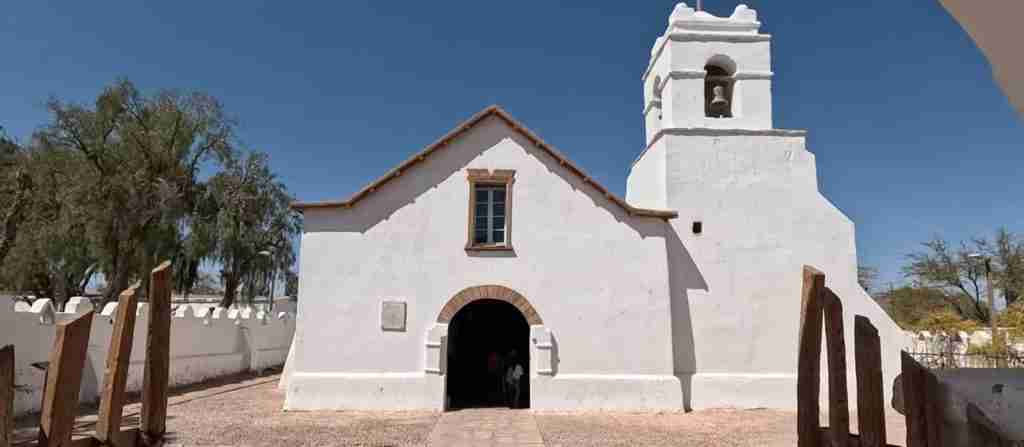
3 days
Atacama Desert 3-Day Discovery Tour
- ✓ Comprehensive Atacama Desert experience
- ✓ Expert local guides included
- ✓ All accommodation included
- ✓ Transportation provided

5 days
Atacama Desert 5-Day Highlights Experience
- ✓ Comprehensive Atacama Desert experience
- ✓ Expert local guides included
- ✓ All accommodation included
- ✓ Transportation provided
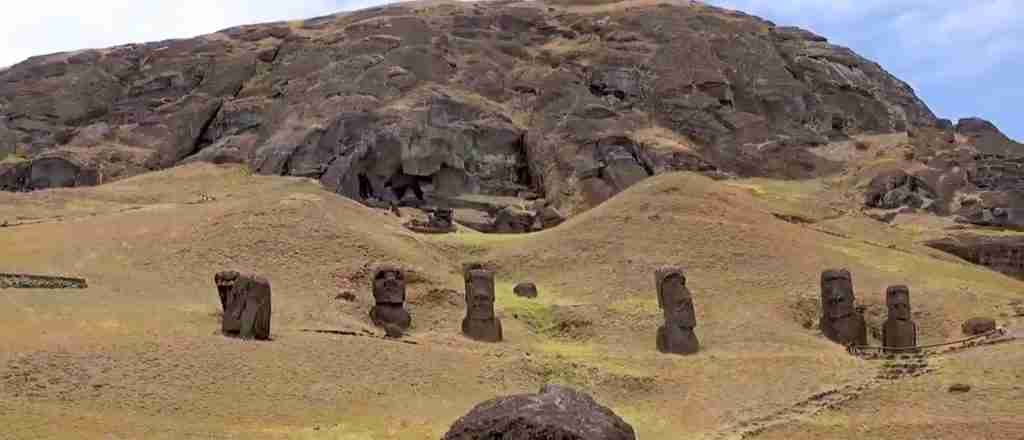
7 days
Atacama Desert 7-Day Cultural Journey
- ✓ Comprehensive Atacama Desert experience
- ✓ Expert local guides included
- ✓ All accommodation included
- ✓ Transportation provided
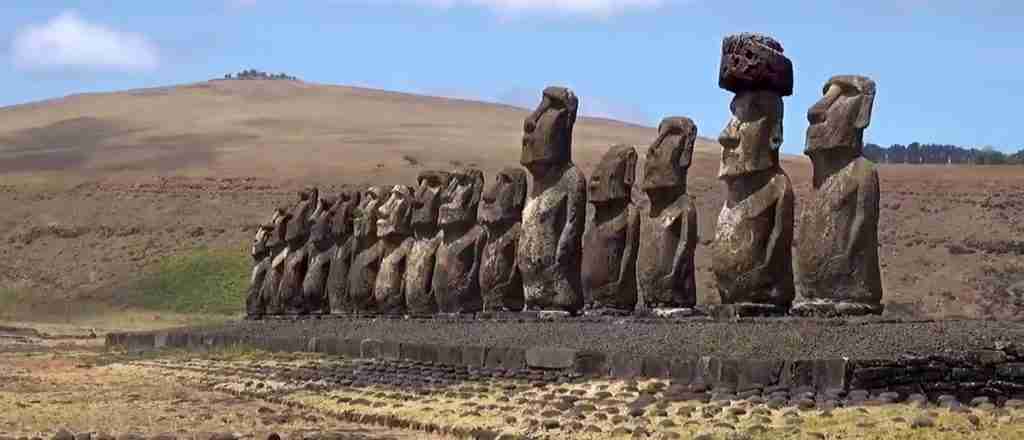
10 days
Atacama Desert 10-Day Complete Adventure
- ✓ Comprehensive Atacama Desert experience
- ✓ Expert local guides included
- ✓ All accommodation included
- ✓ Transportation provided
Multi-day tour packages powered by TourRadar. Prices and availability subject to change.
Essential Planning Information 2026
Understanding the Salar de Atacama Ecosystem
The Salar de Atacama functions as an endorheic basin where water flowing from surrounding Andean peaks evaporates in the extreme desert climate, leaving behind vast salt deposits and creating unique lagoon ecosystems. The salt flat sits at 2,300m elevation in a depression surrounded by volcanoes reaching 5,000-6,000m. Beneath the visible salt crust lies one of Earth’s largest lithium reserves, making the region economically significant while remaining protected for tourism and wildlife.
The ecosystem supports three flamingo species through specialized algae and microorganisms thriving in the saline waters. Laguna Chaxa, located within the Salar de Atacama, serves as the primary flamingo viewing site where boardwalks allow close observation without disturbing feeding and breeding behaviors. Water levels fluctuate seasonally with snowmelt from the Andes, creating variable viewing conditions but maintaining year-round flamingo populations.
Laguna Cejar represents a separate geological formation where underground water sources create a hypersaline surface lagoon. The 30% salt concentration results from extreme evaporation rates in the desert climate, making the water denser than human body mass and creating the famous floating experience. The lagoon measures approximately 200m in diameter with depths reaching 10-15m, surrounded by white salt formations and desert vegetation adapted to extreme salinity.
Current Tour Costs and Pricing Structure 2026
Standard afternoon tours combining Salar de Atacama flamingo viewing, Laguna Cejar floating, and Ojos del Salar viewing cost $45-65 per person in 2026, depending on group size and operator. Check individual operator websites for current rates as seasonal variations and group discounts apply. Tours include round-trip transportation in comfortable vans, all entrance fees ($8-10 for Laguna Cejar access), bilingual guides, and basic towel service for the floating experience.
Premium sunset photography tours range $70-85 with smaller groups (4-6 participants), extended time at each location, and specialized guides trained in photography assistance. These tours allocate additional time for sunset photography at Laguna Cejar and the salt flats, departing 30-45 minutes earlier than standard tours. Private tours for 2-4 people cost $180-240 total ($45-60 per person for four participants), offering flexible timing and customized photography stops.
Additional costs include drinks and snacks at Laguna Cejar ($3-6), optional wetsuit rental for cooler months ($8-12), and photography guide tips ($5-10 per person recommended). Some operators include basic snacks and water, while others offer these as optional purchases. Swimwear and towels are essential—tours provide basic towels but personal quick-dry options offer better comfort. Waterproof phone cases cost $2-5 if you plan photos during floating.
Tour Itinerary and Timing Structure 2026
Standard tours depart San Pedro de Atacama 2:30-3:30 PM, beginning with the 30-minute drive south to Laguna Chaxa in the Salar de Atacama. The first stop lasts 45-60 minutes for flamingo observation along boardwalks, with guides explaining the ecosystem and identifying the three flamingo species. The salt flat landscape provides dramatic photo opportunities with the volcanoes Licancabur and Lascar forming the backdrop.
The tour continues to Ojos del Salar (15 minutes from Laguna Chaxa), two circular sinkholes filled with crystal-clear water reaching depths of 10m. This 20-30 minute stop allows photography and geological explanation of the freshwater springs feeding the salt flat system. The contrast between the blue sinkholes and white salt creates striking images, particularly in afternoon light.
Laguna Cejar represents the tour highlight, reached after another 15-minute drive. Tours allocate 45-60 minutes here, with 20-30 minutes for floating and the remainder for changing, photography, and lagoon perimeter walking. The floating experience feels surreal as your body remains buoyant with minimal effort, though the high salt concentration requires careful eye and mouth protection. Guides supervise water entry and provide safety briefing before participants enter.
The tour concludes with sunset viewing from the salt flat edge, weather permitting. Tours return to San Pedro de Atacama around 8:00-8:30 PM depending on season and sunset timing. Total tour duration spans 5.5-6 hours with approximately 2.5 hours at sites and 1.5 hours driving. The afternoon timing avoids harsh midday sun while providing optimal light for both wildlife observation and photography.
Best Time to Visit in 2026
Seasonal Analysis for 2026 Visits
April through June provides the ideal visiting window in 2026, combining comfortable temperatures, clear skies, and high flamingo populations. Afternoon temperatures range 18-25°C (64-77°F), perfect for floating in Laguna Cejar without feeling cold. Sunset occurs 6:30-7:00 PM, creating golden hour lighting for extended photography sessions. These months mark the transition from summer to winter, bringing stable weather patterns with minimal precipitation risk.
July through September constitutes winter high season when international visitors peak, attracted by guaranteed clear skies and optimal stargazing conditions at night. Temperatures drop to 10-18°C (50-64°F) during afternoons, making floating less comfortable but not prohibitive with quick towel access. Flamingo numbers remain high with all three species present. These months require booking 5-7 days ahead as tours fill to capacity. The cooler temperatures actually benefit wildlife photography as animals remain active throughout the day.
October through November brings spring conditions with temperatures rising to 20-28°C (68-82°F) during afternoons. These months offer excellent value with fewer crowds than winter peak season but maintaining clear weather and high flamingo populations. Sunset timing shifts later (7:00-7:30 PM), extending golden hour photography opportunities. Tours book 2-3 days ahead with good availability. Desert wildflower blooms occasionally occur following rare precipitation, adding unexpected color to the typically arid landscape.
December through March represents the Bolivian winter or wet season, bringing afternoon thunderstorms that impact tours 20-30% of days. Morning conditions remain clear, but most tours operate in afternoons for optimal lighting. These months see 40-50% fewer tourists, creating uncrowded experiences and last-minute booking availability. Tours run daily but operators maintain flexibility for weather-related rescheduling. Temperatures peak at 25-32°C (77-90°F), making floating experiences particularly refreshing. Flamingo numbers decrease slightly as some birds migrate to higher altitude lagoons.
Weather Patterns and Crowd Management 2026
The Atacama Desert receives less than 15mm annual rainfall, making it Earth’s driest desert. Rain occurs primarily December-March during the Bolivian winter, with brief afternoon thunderstorms lasting 30-60 minutes. These storms bring dramatic cloud formations and occasional rainbow opportunities but can temporarily suspend floating activities if lightning threatens. Tours typically wait out brief storms or adjust timing within the itinerary.
Year-round conditions feature intense UV radiation due to high altitude (2,300m), thin atmosphere, and proximity to the equator. Sunscreen SPF 50+ requires reapplication every 2 hours even during afternoon tours. Shade remains limited at all sites, making sun hats and sunglasses essential equipment. The dry desert air creates deceptive conditions where you feel comfortable but skin damage occurs rapidly without protection.
Crowd patterns in 2026 show clear seasonal variations. July-August peak season brings 12-15 concurrent tours to popular sites during afternoon golden hour, creating crowded conditions at Laguna Cejar where space is limited. November-March sees only 3-5 tours operating simultaneously, offering more personal experiences. Premium tours with smaller groups provide breathing room even during peak season. Weekdays (Monday-Thursday) maintain lighter crowds than weekends regardless of season, benefiting from Chilean domestic tourism patterns.
Comprehensive Tour Options 2026
Standard Afternoon Tours
Standard group tours represent the most economical option for experiencing Salar de Atacama and Laguna Cejar in 2026. These tours accommodate 8-12 participants in comfortable vans with air conditioning and large windows for photography en route. Departures occur 2:30-3:30 PM daily from centrally located San Pedro de Atacama agencies, with hotel pickup available for an additional $3-5 per person in most cases.
The itinerary follows a fixed circuit: Laguna Chaxa for flamingo viewing, Ojos del Salar for sinkhole photography, Laguna Cejar for floating, and sunset viewing from the salt flat edge. Guides provide bilingual commentary (Spanish and English) explaining geology, ecology, and flamingo behavior. Time allocations at each site remain relatively rigid to maintain the schedule for sunset timing, with flexibility limited for individual photography requests.
Standard tours include all entrance fees ($8-10 for Laguna Cejar, included in tour price), basic towel service, and transportation insurance. Snacks and beverages are not included but available for purchase at Laguna Cejar. Groups mix international travelers creating social opportunities but potentially slower movement between sites. Photography opportunities are good but not optimized, with guides balancing group pace against individual interests. These tours work well for budget-conscious travelers prioritizing value over personalized experiences.
Premium Sunset Photography Tours 2026
Premium photography tours cost $70-85 per person in 2026, targeting serious photographers and travelers seeking smaller group experiences. Groups limit to 4-6 participants maximum, allowing extended time at each location and personalized photography guidance. Tours depart earlier (2:00-2:30 PM) to reach sites before standard tour crowds and secure optimal positioning for sunset photography.
These tours emphasize composition and lighting techniques, with guides trained in photography assistance who help set up tripods, suggest angles, and provide time for multiple exposure bracketing. Extended time at Laguna Cejar (75-90 minutes vs. 45-60 for standard tours) allows both floating and perimeter photography without rush. Guides adjust timing based on cloud conditions and golden hour development, maintaining flexibility impossible with larger groups.
Premium tours include higher-quality equipment: more comfortable vehicles with more space per passenger, better towels, and complimentary drinks and snacks. Some operators provide wetsuit rentals included in the price for cooler months. The smaller group size creates better wildlife viewing opportunities as flamingos tolerate smaller, quieter groups at closer range. These tours suit photographers, honeymooners, and travelers valuing quality over budget, offering significantly enhanced experiences justifying the 40-60% price premium over standard tours.
Private Custom Tours 2026
Private tours range $180-240 total for 2-4 people in 2026 ($45-60 per person for full group), offering complete flexibility for timing, site selection, and photography priorities. Departures adjust to your schedule, from early afternoon starts for extended golden hour photography to later departures focusing primarily on sunset. Tours customize itineraries adding or removing sites based on interests: more time for flamingo photography, extended floating at Laguna Cejar, or additional stops at Laguna Tebinquinche for sunset alternatives.
Private tours provide exclusive vehicles with guides focused entirely on your group’s pace and interests. Photographers benefit enormously from flexible timing allowing tripod setup, composition refinement, and waiting for optimal light without group pressure. Families with children appreciate the ability to adjust schedules for energy levels and bathroom breaks. Couples seeking romantic experiences enjoy the privacy and specialized sunset viewing arrangements.
These tours include all standard entrance fees and transportation, with guides providing enhanced interpretation tailored to your knowledge level and interests. Want to understand lithium extraction economics? Interested in flamingo conservation challenges? Private guides adapt commentary to your questions and interests. The per-person cost becomes very competitive for groups of 3-4 people while maintaining all premium tour benefits plus complete customization.
Laguna Cejar Floating Experience 2026
Understanding the Floating Phenomenon
Laguna Cejar’s 30% salt concentration creates water density significantly exceeding human body density, making floating effortless and sinking nearly impossible. The experience feels surreal as your body naturally rises to the surface even when attempting to swim downward. The same physics that creates floating in the Dead Sea applies here, with salt dissolved in such high concentrations that water becomes measurably heavier than in standard saltwater bodies.
The sensation requires mental adjustment as normal swimming instincts prove ineffective. Attempting to swim creates awkward splashing rather than forward movement, while lying back and relaxing produces perfect floating with minimal effort. Your legs and torso remain horizontal at the surface, requiring only gentle hand movements to rotate or position yourself. The experience lasts 20-30 minutes as part of tours, limited by safety protocols and skin sensitivity to high salt exposure.
Salt concentration affects the body in specific ways: cuts and abrasions sting significantly upon water entry, eyes burn if splashed requiring immediate freshwater rinsing, and skin feels tight and dry after exiting. The mineral-rich water leaves a white salt residue on skin and hair that rinses away with freshwater. Despite these minor discomforts, the floating experience remains magical and unique, ranking among South America’s most distinctive natural encounters.
Practical Floating Guidelines 2026
Tours provide 45-60 minutes total at Laguna Cejar, with 20-30 minutes for actual water time and the remainder for changing and photography. Changing facilities consist of basic wood structures with limited privacy, requiring quick-dry swimwear and towels you can change into discretely. Women should consider swimming one-pieces or rash guards rather than bikinis for easier changing conditions.
Water entry requires careful attention to safety protocols enforced by guides. Enter slowly from designated points where depth increases gradually from 0.5m to 2m over several meters. Avoid splashing near your face, as salt water in eyes creates intense burning requiring immediate freshwater rinse (guides carry rinse bottles). The high salt content makes submerging your head uncomfortable and unnecessary—floating occurs entirely at the surface.
Optimal floating technique involves lying back with arms extended slightly from your body, allowing natural buoyancy to position your torso and legs horizontally. Relax completely—tensing muscles fights the natural floating and creates unnecessary fatigue. Your face remains above water naturally, requiring only minimal hand sculling for rotation. Photographers bring waterproof cases for phones, though salt residue requires careful cleaning afterward. The experience feels most comfortable in March-November when afternoon water temperatures reach 15-20°C (59-68°F), cold enough to feel refreshing but not prohibitively cold for 20-30 minute sessions.
Post-floating care requires immediate freshwater rinse to remove salt residue. Most tours provide basic rinse stations, but bringing extra water bottles ensures thorough rinsing. The salt leaves skin feeling tight and slightly itchy for several hours, requiring moisturizer application in the evening. Hair becomes stiff and crunchy without thorough rinsing and conditioning. Jewelry should be removed before floating as salt accelerates tarnishing, particularly affecting silver pieces.
Flamingo Viewing at Salar de Atacama 2026
Three Flamingo Species and Identification
The Salar de Atacama hosts three flamingo species year-round: Chilean flamingos (most abundant), Andean flamingos (second most common), and James’s flamingos (rarest). Distinguishing the species requires attention to size, leg color, and bill patterns observable from the Laguna Chaxa boardwalks at close range. The coexistence of all three species in one location makes the Salar de Atacama globally significant for flamingo conservation.
Chilean flamingos stand tallest at 110-130cm, with pink plumage, grayish legs with red joints, and bills showing black tips with white bases. They feed in shallow waters using their specialized bills to filter algae and microscopic organisms. Population estimates suggest 30,000-40,000 Chilean flamingos use the Salar de Atacama annually, with numbers peaking during breeding season May-September.
Andean flamingos measure 100-110cm with yellowish legs, paler pink plumage, and bills showing extensive black coloring with yellow bases. They feed in slightly deeper waters than Chilean flamingos, occupying different ecological niches within the same lagoon system. Numbers reach 10,000-15,000 during peak season. Andean flamingos face conservation challenges with populations declining due to habitat loss at other Andean sites, making the Salar de Atacama increasingly important for species survival.
James’s flamingos are smallest at 90-100cm, with distinctive red legs, pale pink plumage, and yellow bills with black tips. They’re the rarest of the three species with Salar de Atacama populations reaching only 2,000-3,000 birds during peak season. Their specialized feeding behavior targets even tinier organisms than the other species, requiring specific water chemistry conditions found in only a few Andean salt lake systems. Observing all three species in one location represents a significant wildlife experience.
Optimal Viewing Conditions and Photography 2026
Laguna Chaxa provides the primary flamingo viewing location within Salar de Atacama, featuring elevated boardwalks allowing close observation without disturbing feeding and breeding behaviors. The boardwalks span approximately 400m through the lagoon system, with multiple viewing platforms positioned for different angles and lighting conditions. Afternoon tours arrive during optimal light for photography, with sun positioning creating side-lighting that illuminates plumage colors without harsh shadows.
Flamingo activity peaks during feeding times when birds move through shallow waters filtering algae and microorganisms. The characteristic head-down feeding posture creates interesting photographic opportunities as birds create ripples and reflections. Breeding behaviors including nest building (May-July) and chick rearing (August-October) add dynamic activity to viewing experiences, though guides enforce strict distance protocols to avoid disturbing nesting areas.
Photography equipment recommendations include telephoto zoom lenses (70-300mm or equivalent) for filling frames with individual birds while maintaining respectful distances. Wider angle lenses (24-70mm) capture flock compositions against volcano backdrops, creating context for the salt flat ecosystem. The bright white salt surfaces require exposure compensation (-0.5 to -1.0 EV) to prevent overexposure in afternoon light. Polarizing filters reduce glare from water surfaces while enhancing sky blues and flamingo pinks.
Behavioral observation reveals fascinating flamingo social dynamics including synchronized feeding movements, courtship displays during breeding season, and territorial disputes over prime feeding locations. Guides interpret behaviors and identify species characteristics, enhancing the educational value beyond simple wildlife viewing. The boardwalk positioning allows observation from 10-30m distances depending on bird locations, close enough for detailed viewing without requiring extreme telephoto equipment.
Transportation and Logistics 2026
Getting to Tour Departure Points 2026
All Salar de Atacama and Laguna Cejar tours depart from San Pedro de Atacama, making accommodation location irrelevant for tour access. The village spans only 1.5km in diameter, with all agencies located within easy walking distance of any hotel or hostel. Standard departure arrangements involve meeting at agency offices 2:30-3:00 PM for afternoon tours, with some operators offering hotel pickup for $3-5 per person additional charge.
Hotel pickup services collect participants 15-20 minutes before official departure time, visiting 3-5 hotels in sequence. This adds convenience but also adds 10-15 minutes to total tour duration. Budget-conscious travelers walk to agency offices saving the pickup fee, particularly easy given San Pedro’s compact size and clear street layouts. Most agencies cluster along Caracoles Street (main tourist avenue) and surrounding blocks, marked with clear signage.
Tour vehicles consist of comfortable vans or small buses depending on group size, equipped with air conditioning, large windows for en-route photography, and storage for backpacks and camera equipment. Vehicles maintain good condition with regular maintenance required for desert road conditions. Seating arrangements affect window access for photography—mentioning photography interests during booking sometimes secures window seats, though policies vary by operator.
Road Conditions and Journey Details 2026
The route to Salar de Atacama follows paved roads (Ruta 23) south from San Pedro de Atacama for approximately 30 kilometers to Laguna Chaxa. Road conditions remain excellent year-round with smooth pavement and clear signage. The drive takes 30-40 minutes depending on traffic and tour group size, with scenic views of the Licancabur volcano dominating the landscape to the east.
Access roads to Laguna Cejar involve 15 kilometers of well-maintained gravel roads branching from the main highway. These roads handle regular tour traffic without difficulty, though dust becomes an issue during dry season (March-November) when dozens of daily tours create persistent dust clouds. Windows stay closed during gravel sections to prevent dust entry, opening again once reaching site parking areas.
The journey between sites (Laguna Chaxa to Ojos del Salar to Laguna Cejar) totals approximately 45 kilometers with 15-20 minutes driving between each location. Guides use transit time for ecosystem explanations and answering questions, with several photo stop opportunities for distant volcano views and salt flat landscapes. The roads traverse protected reserve areas where wildlife occasionally crosses including vicuñas (wild Andean camelids) and desert foxes.
Sample 2026 Itinerary
Half-Day Afternoon Tour Schedule
2:30 PM – Departure from San Pedro de Atacama: Meet at agency office or hotel pickup begins. Brief safety orientation covers altitude considerations, sun protection reminders, and floating guidelines for Laguna Cejar. Group introductions and guide background on the afternoon’s destinations.
3:00 PM – Arrive Laguna Chaxa (Salar de Atacama): First stop provides 45-60 minutes for flamingo observation along boardwalks. Guides identify the three species and explain feeding behaviors and ecosystem dynamics. Photography opportunities include close-range flamingo shots and wide-angle compositions with volcano backdrops. The afternoon light creates optimal side-lighting for plumage colors without harsh shadows.
4:00 PM – Ojos del Salar: Short 20-30 minute stop at the circular sinkholes filled with crystal-clear water. Photography from sinkhole edges captures the dramatic blue water against white salt formations. Guides explain the freshwater spring system feeding both sinkholes, with geological interpretation of the endorheic basin dynamics.
4:45 PM – Arrive Laguna Cejar: The tour highlight begins with 45-60 minutes allocated for floating and photography. Quick changing into swimwear precedes careful water entry under guide supervision. The floating experience lasts 20-30 minutes with the high salt concentration creating effortless buoyancy. Post-floating freshwater rinse removes salt residue before photography time around the lagoon perimeter.
6:00 PM – Sunset Viewing: The tour concludes with sunset observation from salt flat viewpoints, weather permitting. Golden hour lighting transforms the landscape as the setting sun illuminates the Andes and creates long shadows across the white salt surface. Photography opportunities include silhouettes against colorful skies and the gradual color transition from golden to pink to purple during twilight.
7:30-8:00 PM – Return to San Pedro de Atacama: Tours arrive back in the village as darkness falls, with total tour duration spanning 5.5-6 hours. Evening freedom allows dinner exploration in San Pedro’s numerous restaurants or stargazing from the village outskirts.
Budget Breakdown for Sample Tour 2026
Standard afternoon tour $50-60, swimwear (owned), sunscreen $8-12 (bought in San Pedro), water bottle refills free at accommodation. Total tour cost: $58-72 per person (excluding accommodation).
This represents the minimum spend for experiencing both Salar de Atacama and Laguna Cejar, with standard group tours providing good value and comprehensive site coverage. Adding optional items like drinks at Laguna Cejar ($3-6), photography guide tip ($5-10), and post-tour dinner ($12-20) brings total day cost to $78-108 per person (excluding accommodation).
Money-Saving Strategies 2026
Tour Selection and Booking Optimization
Standard group tours cost 30-40% less than premium options while visiting identical sites and providing similar experiences. The primary differences involve group size (8-12 vs. 4-6 participants) and time allocation at each location. Budget travelers prioritizing value over luxury find standard tours entirely adequate for flamingo viewing, floating experiences, and sunset photography, particularly if traveling solo or as couples comfortable in group settings.
Booking tours after arriving in San Pedro de Atacama rather than online in advance often yields better prices as agencies compete for walk-in customers. Late afternoon and evening become prime negotiation times when agencies seek to fill partial groups for next-day departures. This strategy works best November-April during lower season when availability exceeds demand. May-October requires balancing potential savings against tour availability risk.
Multi-tour packages combining Salar de Atacama tours with other popular destinations (Valle de la Luna, Geysers del Tatio, Piedras Rojas) create bundle discounts ranging 10-20%. Agencies offer these packages particularly to travelers staying 3-5 days in San Pedro de Atacama. Calculate carefully whether bundled prices actually save money versus individual tour bookings, as some packages include less popular tours padding the apparent value.
Essential vs. Optional Expenses 2026
Essential expenses for Salar de Atacama and Laguna Cejar tours include only the tour cost ($45-65) and sunscreen ($8-12 if purchasing in San Pedro). Everything else represents optional additions that enhance comfort or convenience but aren’t required for the experience. Swimwear and towels should be packed from home rather than purchased in San Pedro where prices inflate 50-100% over city rates.
Optional expenses include drinks and snacks at Laguna Cejar ($3-6), wetsuit rental during cooler months ($8-12), waterproof phone cases ($2-5 rental), and guide tips ($5-10 suggested but not mandatory). Evaluate each based on personal priorities: wetsuit rental makes sense May-September when water feels cold, while waterproof cases benefit serious floating photographers planning underwater composition experiments.
Transportation to tour departure points costs nothing as San Pedro de Atacama’s compact size allows walking to all agency offices within 5-10 minutes from any accommodation. Avoid hotel pickup charges ($3-5) unless traveling with mobility limitations or excessive camera gear making walking difficult. The savings seem small but accumulate across multiple tours during multi-day San Pedro stays.
Booking and Reservations 2026
Official Booking Channels and Operators
San Pedro de Atacama hosts dozens of tour operators offering Salar de Atacama and Laguna Cejar tours with nearly identical itineraries at competitive prices. Major operators include Cosmo Andino Expediciones, Grado 10, Desert Adventure, Nativo Atacama, and Chile Rafting, all maintaining offices along Caracoles Street. These agencies operate for 10-20+ years with established safety records and bilingual guides.
Booking options include in-person at San Pedro offices (best for price negotiation and immediate questions), online through agency websites (convenient for advance planning but less flexibility), or through accommodation providers (convenience but potentially higher prices with commission markups). In-person booking 1-2 days before desired departure date provides optimal balance between price and availability, particularly during November-April lower season.
Reviews on platforms like TripAdvisor and Google provide operator comparisons, though recognize that most tours follow identical itineraries visiting the same sites at similar times. Guide quality represents the primary variable, with better agencies maintaining higher guide training standards and lower staff turnover. Smaller boutique agencies sometimes offer more personalized service than large-volume operators, though prices typically run 10-15% higher reflecting smaller economies of scale.
Cancellation Policies and Weather Contingencies 2026
Standard cancellation policies allow full refunds for cancellations 24-48 hours before departure, with partial refunds (50-70%) for cancellations within 24 hours. Last-minute cancellations within 12 hours typically forfeit full payment, though individual agencies maintain different policies. Premium tours often enforce stricter cancellation terms reflecting higher per-participant costs and smaller group sizes limiting last-minute replacement possibilities.
Weather-related cancellations occur rarely in the Atacama Desert given the minimal annual precipitation. December-March afternoon thunderstorms occasionally delay departures by 30-60 minutes or prompt tour route adjustments, but complete cancellations happen only during severe lightning when floating becomes unsafe. Agencies provide rescheduling options for weather cancellations with full credit toward alternative dates or different tours.
Tours operate year-round regardless of season, with daily departures even during the wet season when rain risks peak. The afternoon timing allows agencies to assess weather conditions during morning hours, providing advance notice of potential delays or cancellations. Travelers maintaining flexible schedules benefit from this predictability, knowing that delayed tours simply shift to following days without impacting overall itineraries significantly.
Planning Your 2026 Visit
Pre-Visit Preparation Requirements
Altitude acclimatization represents the most important preparation for Salar de Atacama tours operating at 2,300-2,500m elevation. Spend at least 24-48 hours in San Pedro de Atacama (2,400m) before attempting any tours to allow your body adjustment to reduced oxygen levels. Symptoms of inadequate acclimatization include headaches, shortness of breath, and fatigue that diminish tour enjoyment and photography performance.
Physical fitness requirements remain minimal as tours involve limited walking (total 1-2 kilometers across all sites) on flat terrain with no elevation gain beyond vehicle to viewing points. However, the floating experience requires ability to enter and exit water independently, with waist-deep entry points and slippery salt-encrusted surfaces requiring balance and coordination. Elderly travelers and those with mobility limitations should discuss specific concerns with tour operators during booking.
Packing essentials include high-SPF sunscreen (SPF 50+ minimum), wide-brim sun hat, quality sunglasses with UV protection, and layers accommodating 10-15°C temperature swings between afternoon warmth and sunset cooling. Bring swimwear and quick-dry towel for Laguna Cejar floating, with backup clothing in case of salt water splashing. Camera equipment should include lens cleaning supplies as fine salt dust coats surfaces during tours despite precautions.
Health and Safety Considerations 2026
Sun exposure at 2,300m elevation with the Atacama Desert’s cloudless skies creates extreme UV radiation levels reaching 11-12+ on the UV index scale. Sunburn occurs within 15-20 minutes without protection, causing painful burns that ruin subsequent touring days. Apply SPF 50+ sunscreen 30 minutes before departure with reapplication every 90-120 minutes during the tour. Nose, ears, and neck require particular attention as commonly forgotten areas.
Dehydration develops rapidly in the dry desert climate where humidity drops below 20%. Drink 2-3 liters of water throughout the afternoon tour even if thirst doesn’t prompt consumption—dehydration symptoms including headache and fatigue often manifest only after significant fluid loss occurs. Tours typically provide minimal water, making personal water bottles essential with refills at accommodation before departure.
The Laguna Cejar floating experience presents specific safety considerations beyond typical water activities. The 30% salt concentration causes intense burning if water enters eyes, requiring immediate freshwater rinsing from bottles guides carry for this purpose. Cuts and abrasions sting significantly in the hypersaline water, though no infection risk exists given the high salt content prevents bacterial growth. Avoid submerging your head—floating occurs entirely at the surface with face remaining above water naturally.
Frequently Asked Questions
How cold is the water at Laguna Cejar in 2026?
Water temperature at Laguna Cejar ranges 15-20°C (59-68°F) year-round, feeling refreshing during warm afternoons (October-April) but cold during winter months (May-September). The 20-30 minute floating duration prevents dangerous hypothermia even during coldest months, though wetsuit rental ($8-12) increases comfort significantly May-September. Your perception of cold varies based on body composition and cold tolerance—individuals comfortable in 18°C pool water find Laguna Cejar entirely manageable without wetsuits most months.
Can children float in Laguna Cejar?
Most tour operators set minimum age requirements of 8-10 years for Laguna Cejar floating, primarily for safety supervision reasons given the high salt content and potential eye irritation. Children meeting age requirements float easily due to the extreme buoyancy, though they require close parental supervision to prevent panic or accidental eye splashing. Family-focused tours with guides experienced in child supervision work best for families with 8-12 year old children. Teenagers 13+ participate without restrictions on standard adult tours.
What happens if I can’t swim?
Swimming ability remains unnecessary for Laguna Cejar floating as the 30% salt concentration makes sinking impossible and traditional swimming strokes ineffective. Non-swimmers float as easily as experienced swimmers, with guides supervising water entry and providing reassurance. The experience requires only comfort in water and ability to relax while floating—fight-or-flight responses fighting the buoyancy create more difficulty than simply relaxing and allowing the salt water to support your body weight. Guides remain within arm’s reach during water time for anyone expressing concern.
Are there changing facilities at Laguna Cejar?
Basic changing structures constructed from wood panels provide minimal privacy at Laguna Cejar, sufficient for changing into/out of swimwear but lacking mirrors, hooks, or benches. Facilities accommodate 2-3 people simultaneously with short waits during tour arrivals. Experienced travelers wear swimwear under regular clothing for quicker transitions, changing only for post-floating when salt water necessitates dry clothing. Bring plastic bags for wet swimwear and towels to protect backpacks during return journey.
Can I bring my camera into Laguna Cejar?
Cameras and phones enter Laguna Cejar freely for perimeter photography before and after floating, with dramatic compositions available from the white salt shores. Taking devices into the water requires waterproof protection as the high salt concentration corrodes electronics instantly if exposed. Waterproof phone cases ($2-5 rental from some operators) allow floating photography though salt residue requires careful freshwater cleaning afterward. Most travelers photograph from shore before entering water, then fully enjoy the floating experience without technology distraction.
What’s the best time of day to visit the Salar de Atacama?
Afternoon tours departing 2:30-3:30 PM optimize flamingo viewing and photography conditions, with side-lighting illuminating plumage colors and creating better contrast than harsh midday sun. Sunset viewing concludes tours during golden hour when landscapes transform with warm tones and long shadows. Morning tours (departing 6:00-7:00 AM) offer alternative timing with different light angles and typically cooler temperatures, though fewer operators run morning schedules and flamingo activity peaks during afternoon feeding times.
How many flamingos will I see?
Laguna Chaxa hosts 5,000-15,000 flamingos during most visits, with numbers fluctuating based on season and water levels. Peak populations reach 30,000-40,000+ birds during May-September breeding season when all three species converge. Even during lower population months (January-March), thousands of flamingos remain visible creating impressive flocks. Individual bird numbers matter less than the overall spectacle of pink masses moving through shallow lagoons against dramatic volcano backdrops.
Is altitude sickness a concern for these tours?
Tours operate at 2,300-2,500m elevation where mild altitude effects occur commonly but severe altitude sickness remains rare. Symptoms include slight headache, mild shortness of breath during walking, and faster fatigue than at sea level. These effects diminish significantly after 24-48 hours acclimatization in San Pedro de Atacama. Travelers ascending directly from sea level to San Pedro should spend 1-2 rest days before tours, staying well-hydrated and avoiding alcohol during acclimatization. Severe symptoms requiring medical attention occur in less than 1% of visitors given the moderate altitude levels.
What wildlife besides flamingos might I see?
The Salar de Atacama ecosystem supports various desert-adapted species beyond the famous flamingos. Vicuñas (wild relatives of llamas and alpacas) graze desert vegetation near roads, appearing in small herds of 5-15 animals. Desert foxes hunt rodents at dawn and dusk, occasionally visible during sunset portions of tours. Numerous bird species including Andean gulls, plovers, and ducks feed in lagoon systems. The diversity remains limited compared to lowland ecosystems, but the species present show remarkable adaptations to extreme desert and salt flat conditions.
Do I need special insurance for these tours?
Standard travel insurance covering adventure activities suffices for Salar de Atacama and Laguna Cejar tours, which represent relatively low-risk experiences. Tours include transportation insurance covering accident liability during drives between sites. Medical evacuation coverage becomes important given San Pedro de Atacama’s remote location 100km from the nearest major hospital in Calama. Review your policy to ensure it covers activities at 2,300-2,500m altitude, as some insurers exclude coverage above certain elevations. Travelers from countries with limited public healthcare access should verify their coverage includes Chilean medical facilities.