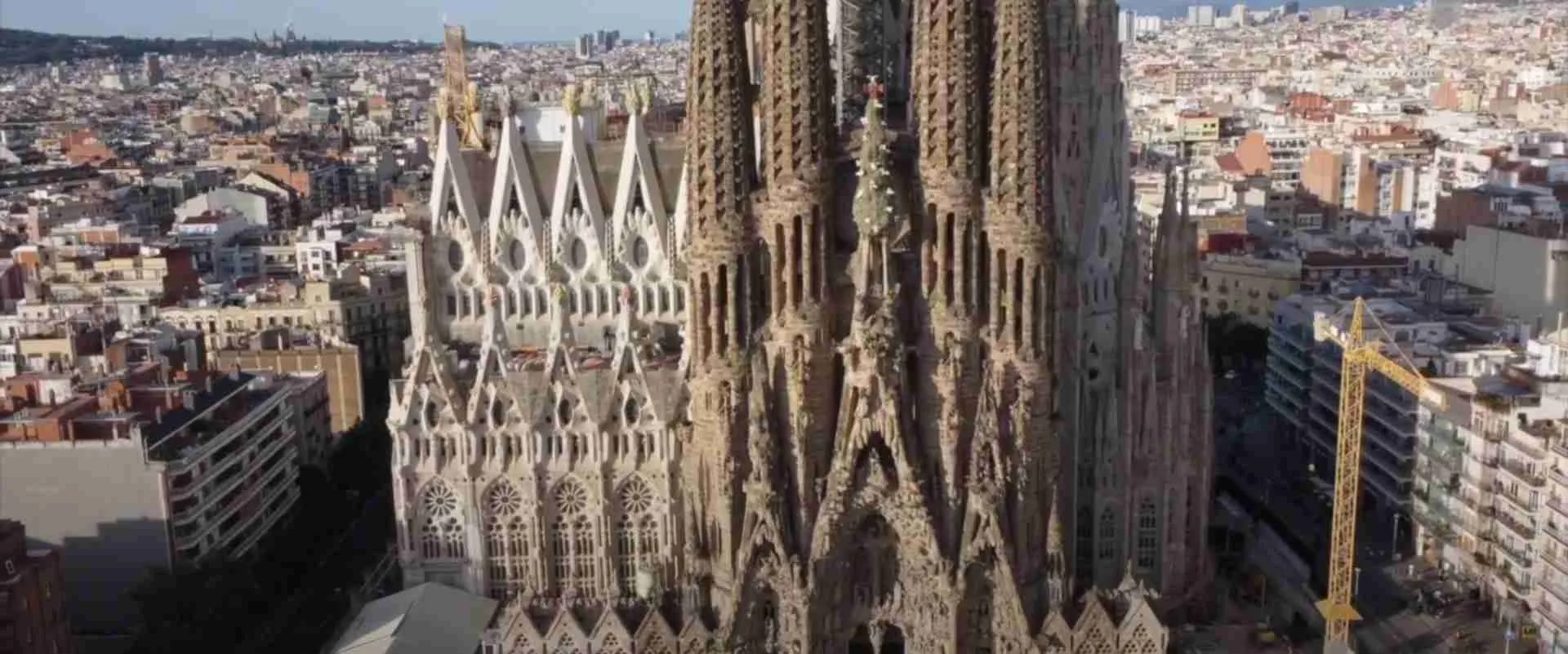
Sagrada Família Photography Guide: Perfect Shots & Settings
Photographing the Sagrada Família isn’t just about capturing a building – it’s about documenting one of humanity’s most extraordinary artistic achievements. From the intricate stone facades that tell biblical stories to the rainbow symphony of stained glass light, every angle offers photographic gold for those who know where to look and when to shoot.
Key Takeaways
- Golden hour magic: Visit 30 minutes before sunset for spectacular stained glass light shows and warm exterior lighting
- Morning advantages: 9am entry offers smallest crowds, soft natural light, and clear architectural details without shadows
- Interior camera settings: ISO 800-1600, f/2.8-4.0, stabilization essential for handheld shots in low light
- Best exterior viewpoints: Plaça de Gaudí for classic facade shots, nearby rooftops for elevated perspectives
- Instagram hotspots: Forest ceiling looking up, rainbow stained glass reflections, tower spiral staircases
- Professional tips allowed: Personal photography encouraged, but professional equipment requires special permits
Whether you’re an Instagram enthusiast seeking that perfect post or a serious photographer documenting architectural mastery, this comprehensive guide reveals the secrets to capturing Gaudí’s masterpiece in all its glory. Discover the optimal camera settings, hidden viewpoints, and perfect timing that separates amateur snapshots from professional-quality images.
Understanding Light: The Key to Sagrada Família Photography
The Stained Glass Symphony
Gaudí designed the Sagrada Família as a “temple of light,” making understanding natural light cycles essential for spectacular photography. The stained glass windows create different moods throughout the day, transforming your photographic opportunities every few hours.
Morning Light (9:00am-11:00am): East-facing windows bathe the interior in cool blues and greens, representing birth and hope. The soft morning light creates gentle contrasts perfect for architectural detail photography without harsh shadows.
Midday Light (11:00am-3:00pm): Overhead lighting provides even illumination but can create harsh contrasts. Best for exterior facade details and sculptural elements, but interior photography becomes challenging due to extreme light differences.
Golden Hour (4:00pm-6:00pm): West-facing windows explode with warm reds, yellows, and oranges symbolizing Christ’s passion and resurrection. This creates the most dramatic and Instagram-worthy interior lighting conditions.
Blue Hour (30 minutes after sunset): Exterior illumination against twilight sky creates stunning silhouettes and architectural drama. Interior artificial lighting begins to dominate, offering different creative possibilities.
Seasonal Light Variations
Spring/Summer: Longer days extend golden hour photography opportunities, with sunset occurring between 8:00-9:00pm during peak season. Higher sun angles create more dramatic interior lighting effects.
Fall/Winter: Lower sun angles create longer shadows and more atmospheric lighting. Earlier sunset (6:00-7:00pm) means less flexible timing but potentially more dramatic contrasts.
Camera Settings for Sagrada Família Photography
Interior Photography Settings
Aperture: f/2.8-f/4.0 for handheld shots, f/8-f/11 for tripod work (if permitted)
ISO: 800-1600 for modern cameras, up to 3200 for newer sensors
Shutter Speed: 1/60s minimum handheld with stabilization, 1/125s without
White Balance: Daylight or Auto (interior lighting varies dramatically)
Metering: Spot or center-weighted to avoid being fooled by bright windows
Essential tip: Shoot in RAW format for maximum post-processing flexibility. The extreme contrast between bright stained glass and darker interior requires significant dynamic range recovery.
Exterior Photography Settings
Aperture: f/8-f/11 for maximum sharpness across the frame
ISO: 100-400 in good light, up to 800 in overcast conditions
Shutter Speed: 1/125s minimum to freeze any movement
Focus: Hyperfocal distance for facade shots, single-point for detail work
Equipment Recommendations
Essential gear:
- Full-frame camera body for better low-light performance
- 24-70mm f/2.8 lens for versatile interior and exterior work
- 16-35mm wide-angle for architectural perspectives
- Image stabilization crucial for handheld interior shots
- Polarizing filter for exterior shots to reduce reflections
Phone photography tips: Modern smartphones excel in the Sagrada Família’s challenging lighting. Use portrait mode for facade details, night mode for interior shots, and HDR for high-contrast scenes.
Iconic Shots: Must-Have Sagrada Família Images
The Forest Ceiling
Location: Interior central nave, looking directly upward
Best time: Morning or late afternoon for dramatic lighting
Camera settings: Wide-angle lens (14-24mm), f/4.0, ISO 800-1200
Position yourself in the center nave and shoot straight up to capture Gaudí’s tree-like columns branching toward the ceiling. The organic stone work creates patterns that look more grown than built. Use leading lines from the columns to draw the eye upward through the frame.
Stained Glass Kaleidoscope
Location: Interior, focusing on window areas
Best time: Golden hour (4:00-6:00pm) for warm colors
Camera settings: Spot metering on the windows, underexpose by 1-2 stops
Capture the rainbow light projections on walls and columns rather than the windows themselves. The reflected colors create abstract compositions that showcase Gaudí’s “light symphony” concept. Look for areas where multiple colored lights overlap for maximum impact.
Nativity Facade Detail
Location: Exterior, main entrance area
Best time: Morning (9:00-11:00am) for soft, even lighting
Camera settings: 70-200mm lens, f/8.0, focus stacking for maximum sharpness
The intricate stone carvings tell the complete nativity story. Use telephoto lenses to isolate specific sculptural groups and create compelling compositions. Look for the turtle sculptures supporting columns – they represent stability between land and sea.
Passion Facade Drama
Location: Exterior, western side
Best time: Late afternoon for dramatic shadows
Camera settings: High contrast, underexpose slightly to enhance drama
The angular, modern sculptures by Josep Maria Subirachs create stark compositions perfect for black and white photography. The geometric forms and deep shadows offer abstract possibilities beyond simple documentation.
Secret Viewpoints and Hidden Gems
Plaça de Gaudí
Distance: Directly across from Nativity facade
Best for: Classic full-building shots with foreground interest
Pro tip: Use the pond reflections in foreground for added visual impact
This small park provides the only unobstructed view of the Nativity facade. Early morning and late afternoon light create ideal conditions for the classic Sagrada Família photograph. Include the surrounding trees for scale and context.
Hospital de Sant Pau Rooftop
Distance: 10-minute walk north
Access: Requires Hospital de Sant Pau ticket (€15)
Best for: Elevated cityscape with Sagrada Família prominent
The Modernist hospital’s towers offer spectacular elevated views with the Sagrada Família rising dramatically from Barcelona’s urban landscape. This UNESCO site provides context shots showing the basilica’s impressive scale relative to surrounding buildings.
Carrer de Provença Perspective
Location: Several blocks southeast
Best for: Long telephoto shots compressing perspective
Unique angle: Sagrada Família appears to rise from residential streets
This street provides unique perspective showing how Gaudí’s masterpiece dominates the neighborhood. Use telephoto lenses (200mm+) to compress the perspective and create dramatic compositions with the basilica towering over everyday Barcelona life.
Tower Spiral Staircases
Access: Requires tower tickets (€36+)
Best shots: Looking up or down the spiral architecture
Challenge: Narrow spaces, crowds, limited positioning
The tower staircases offer unique architectural photography opportunities impossible elsewhere. The spiral geometry creates mesmerizing patterns, while small windows provide dramatic lighting. Practice composition quickly – space is limited and crowds move constantly.
Composition Techniques for Architectural Photography
Leading Lines
Use Gaudí’s organic architecture to create dynamic compositions. Column bases lead upward toward branching capitals, while facade sculptures direct attention toward central focal points. Look for curved lines that mirror natural growth patterns rather than rigid geometric structures.
Framing and Negative Space
Use archways, windows, and structural elements to frame key details. The Sagrada Família’s complex architecture provides natural frames within frames, allowing layered compositions that reveal different elements as viewers explore the image.
Scale and Human Elements
Include people in your shots to demonstrate the basilica’s massive scale. Visitors become tiny figures dwarfed by soaring columns and towering facades, emphasizing Gaudí’s achievement in creating spaces that inspire awe through proportion.
Instagram-Worthy Spots and Social Media Tips
Most Popular Instagram Locations
Interior ceiling shots: #sagradafamilia #gaudi #barcelona consistently trend
Stained glass reflections: Rainbow light patterns perform well across platforms
Facade detail close-ups: Intricate stonework appeals to architecture enthusiasts
Silhouette shots: Evening exterior silhouettes against colorful skies
Hashtag Strategy
Combine popular location tags (#sagradafamilia #barcelona #spain) with architectural tags (#architecture #gaudi #modernisme) and photography tags (#architecturephotography #ig_architecture #wonderfulplaces) for maximum reach.
Stories and Reels Content
Create time-lapse videos of changing light conditions throughout your visit. Document the journey from exterior approach through interior exploration, showing the dramatic scale transitions. Use Reels to showcase before/after shots demonstrating different lighting conditions.
Professional Photography Considerations
Permits and Restrictions
Personal photography: Fully allowed with smartphones and consumer cameras
Professional equipment: Requires advance permits for tripods, large lenses, commercial shoots
Flash restrictions: Flash photography prohibited to protect artwork and other visitors
Commercial Photography
Professional shoots require coordination with Sagrada Família management. Permits specify equipment limitations, shooting areas, and time restrictions. Commercial rates apply, and advance booking (often months ahead) is essential.
Post-Processing Tips for Sagrada Família Images
Managing Dynamic Range
Interior shots often require HDR processing or careful exposure blending to balance bright windows with darker interior details. Avoid over-processing – maintain natural color relationships while revealing shadow and highlight detail.
Color Grading
Enhance the stained glass colors without oversaturation. The blues and greens should feel cool and peaceful, while reds and oranges should convey warmth and passion. Maintain color accuracy to respect Gaudí’s intended light symphony.
Architectural Correction
Use lens correction and perspective adjustment to eliminate distortion common in wide-angle architectural photography. Ensure vertical lines remain vertical unless creative perspective is intentional.
Weather Considerations
Sunny Days
Advantages: Spectacular stained glass effects, clear exterior details
Challenges: Extreme contrast, harsh shadows, crowded conditions
Strategy: Focus on interior lighting effects, use polarizing filters for exterior work
Overcast Conditions
Advantages: Even lighting for facade details, reduced crowds
Challenges: Less dramatic stained glass effects, muted colors
Strategy: Emphasize architectural details, work in black and white
Rainy Weather
Advantages: Dramatic sky conditions, reflective surfaces
Challenges: Equipment protection, limited exterior shooting
Strategy: Focus on interior photography, capture moody exterior shots
Photo Tour and Workshop Options
Specialized Photography Tours
Several Barcelona companies offer photography-focused Sagrada Família experiences led by professional photographers. These provide technical guidance, access to optimal viewpoints, and insights into architectural photography techniques specific to Gaudí’s work.
Self-Guided Photography Planning
Plan multiple visits if serious about comprehensive documentation. Morning visits for architectural details, afternoon for stained glass drama, and evening for exterior silhouettes provide complete photographic coverage of this extraordinary building.
Conclusion: Capturing Architectural Poetry
Photographing the Sagrada Família offers unique challenges and rewards. Unlike static historical monuments, Gaudí’s masterpiece changes throughout the day, offering new photographic opportunities with every shift in natural light. The key to successful Sagrada Família photography lies in understanding this dynamic relationship between architecture, light, and time.
Whether you’re documenting family memories or pursuing serious architectural photography, approach the Sagrada Família with patience and observation. The building reveals its secrets gradually – the way morning light transforms stone into gold, how afternoon colors dance across interior walls, and how evening illumination creates magical silhouettes against Barcelona’s sky.
Your photographs of the Sagrada Família become more than documentation – they become witnesses to human creativity, spiritual aspiration, and artistic vision. With proper preparation, technical knowledge, and creative vision, your images can capture not just what Gaudí built, but what he dreamed: a sacred space where earth reaches toward heaven through the poetry of stone, light, and faith.
Pack your camera, plan your timing, and prepare to document one of humanity’s greatest artistic achievements. The Sagrada Família awaits your unique perspective on its extraordinary beauty.
Frequently Asked Questions
Can I use professional camera equipment inside Sagrada Família?
Personal cameras and smartphones are fully allowed. Professional equipment like tripods and large lenses require special permits arranged in advance through official channels.
What’s the best time of day for stained glass photography?
Late afternoon (4-6pm) provides the most dramatic warm colors from west-facing windows. Morning (9-11am) offers softer blues and greens with smaller crowds.
Are flash photos allowed inside the basilica?
No, flash photography is prohibited to protect artwork and avoid disturbing other visitors. Rely on high ISO performance and image stabilization for interior shots.
What camera settings work best for interior photography?
Use ISO 800-1600, f/2.8-4.0, with image stabilization enabled. Shoot in RAW format for maximum post-processing flexibility with high-contrast lighting.
Where can I get elevated shots of Sagrada Família?
Hospital de Sant Pau (10 minutes north) offers rooftop views for €15. Some nearby hotels and rooftop bars also provide elevated perspectives.
Can I take photos in the towers?
Yes, tower access allows photography of spiral staircases and panoramic city views. Space is limited, so compose quickly due to crowd flow.
What lens is best for Sagrada Família photography?
24-70mm f/2.8 provides versatility for both interior and exterior work. Add 16-35mm wide-angle for architectural perspectives and 70-200mm for detail shots.
How do I handle the extreme contrast inside the basilica?
Use spot metering on your subject, shoot in RAW format, and consider HDR techniques or exposure blending in post-processing for challenging lighting.
Are photography tours worth the investment?
For serious photographers, specialized photo tours provide technical guidance, optimal viewpoint access, and architectural insights impossible to gain independently.
What makes a great Sagrada Família photograph?
Successful images capture the interplay of light, architecture, and scale. Focus on unique perspectives, dramatic lighting conditions, and compositional elements that convey Gaudí’s artistic vision.