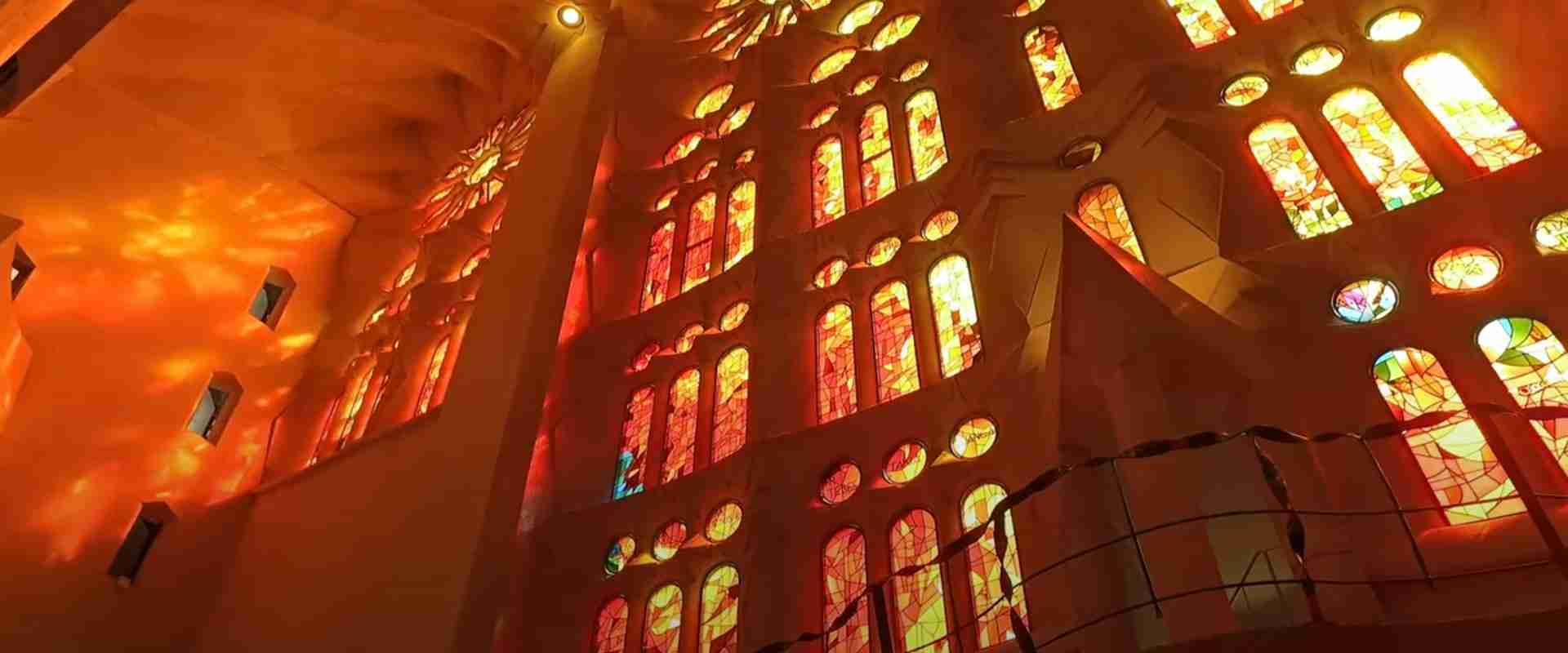
Sagrada Familia Photography Guide 2026: Capture Perfect Images
Sagrada Familia presents extraordinary photographic opportunities combined with unique challenges: soaring vertical spaces, extreme light contrasts, brilliant stained glass colors, intricate sculptural details, and constant tourist crowds. Successful photography requires understanding optimal timing, proper equipment, strategic positioning, technical camera settings, and creative composition approaches. For US travelers wanting memorable images of this UNESCO World Heritage Site, expert photography guidance transforms average snapshots into stunning architectural photographs.
Key Takeaways
- Golden hour timing matters: Morning (9-10 AM) captures blue-green eastern light, late afternoon (5-6 PM) delivers orange-red western light through stained glass
- No tripods or flash allowed: Handheld photography only with natural light – bring fast lenses (f/2.8 or wider) and use high ISO (800-1600) for interior shots
- Wide-angle lenses essential: 16-35mm range captures soaring interiors – smartphone ultra-wide modes work excellently for architectural photography
- Best exterior location: Plaça de Gaudí reflecting pool provides iconic Nativity facade views with symmetrical compositions and water reflections
- Arrive first or last: 9 AM opening or evening final entries (7-8 PM summer) minimize crowds in frame for clean architectural shots
- Shoot in RAW format: RAW files preserve maximum detail for editing high-contrast scenes with bright stained glass and darker stone interiors
Introduction
Light transforms Sagrada Familia throughout each day as sun moves across Barcelona’s sky. Morning eastern light creates cool blue and green atmospheres while afternoon western light produces warm orange and red environments. Understanding these chromatic shifts allows photographers to plan visits maximizing desired color palettes and lighting conditions.
This comprehensive 2026 photography guide covers technical and creative aspects of Sagrada Familia photography: optimal timing for various lighting effects, essential equipment, camera settings, composition strategies, smartphone photography techniques, exterior shooting locations, crowd management for cleaner images, and post-processing approaches. Both professional photographers and smartphone users will find detailed guidance for capturing this architectural masterpiece.
People Also Ask About Sagrada Familia Photography 2026
What’s the best time to photograph Sagrada Familia?
The best time to photograph Sagrada Familia interior is 9-10 AM when eastern sunlight illuminates blue and green Nativity facade windows creating cool-toned atmospheric effects. Late afternoon (5-6 PM) delivers warm orange and red light through western Passion facade windows. For exterior photography, golden hour (sunrise and sunset) provides soft directional lighting enhancing facade details. Choose timing based on desired color palette and lighting mood.
Can I use a tripod at Sagrada Familia?
Tripods are strictly prohibited inside Sagrada Familia for safety and crowd management. Monopods are also banned. All photography must be handheld. Use fast lenses (f/2.8 or wider), enable image stabilization, and increase ISO settings (800-1600) for handheld interior shooting. Smartphone users should brace phones against columns or use built-in stabilization features. Exterior tripod use in public spaces surrounding the basilica is permitted.
What camera settings work best for Sagrada Familia interior photography?
Use aperture priority mode with f/2.8-5.6, ISO 800-1600, and enable image stabilization for interior photography. Shoot RAW format preserving editing flexibility. Try spot metering on mid-tones avoiding overexposed windows or underexposed columns. Bracket exposures capturing multiple versions for HDR processing later. Manual mode gives full control but aperture priority simplifies shooting while moving through the basilica.
Are there any restrictions on Sagrada Familia photography?
Flash photography is prohibited inside Sagrada Familia. Tripods and monopods are banned. Selfie sticks are not allowed. Photography for personal use is freely permitted – commercial photography requires advance authorization and fees. Video recording follows the same restrictions as still photography. Respect other visitors by not blocking paths while photographing and move continuously rather than monopolizing prime locations.
Extended multi-day tours – 5+ days
Featured Barcelona Multi-Day Tour Packages
2 days
Montserrat, Girona and Costa Brava in 2 days from Barcelona
- ✓ Comprehensive Barcelona tour
- ✓ Expert local guides included
- ✓ All accommodation arranged
- ✓ Transportation provided

5 days
Best of Catalonia, Self-drive
- ✓ Comprehensive Barcelona tour
- ✓ Expert local guides included
- ✓ All accommodation arranged
- ✓ Transportation provided

7 days
Lisbon, Madrid and Barcelona
- ✓ Comprehensive Barcelona tour
- ✓ Expert local guides included
- ✓ All accommodation arranged
- ✓ Transportation provided
5 days
Trip to Barcelona in 5 Days
- ✓ Comprehensive Barcelona tour
- ✓ Expert local guides included
- ✓ All accommodation arranged
- ✓ Transportation provided
Multi-day tour packages powered by TourRadar. Prices and availability subject to change.
Understanding Sagrada Familia’s Light
Gaudí designed Sagrada Familia with intentional chromatic strategy using colored stained glass to create specific atmospheric effects throughout the day.
Eastern Light (Morning)
Morning sun (9 AM-12 PM) enters through Nativity facade’s blue and green stained glass windows on the eastern side. Cool-toned light floods the interior creating serene, celestial atmosphere symbolizing birth and life. Blue and green hues dominate with occasional yellow accents.
Optimal morning photography occurs 9-10:30 AM when sun angle creates strongest color saturation without harsh overhead brightness. Columns glow with blue-green tints, floors reflect colored light patterns, and overall atmosphere feels tranquil and otherworldly.
Position yourself in the central nave facing northeast capturing columns illuminated by colored morning light. Side aisles show interesting interplay between direct colored light and reflected ambient light. Museum level sometimes offers elevated perspectives showing full effect of morning light from above.
Western Light (Afternoon)
Afternoon sun (4 PM-sunset) streams through Passion facade’s warm orange and red stained glass windows on the western side. These hot tones create dramatic, intense atmosphere symbolizing Christ’s suffering and sacrifice. Orange, red, and yellow dominate creating fiery, emotional environments.
Best afternoon photography happens 5-7 PM (depending on season) as sun lowers creating ideal angles through western windows. This golden hour timing delivers most saturated colors and dramatic light quality. Colors intensify as sunset approaches reaching peak brilliance in final 30 minutes before closing.
Stand in central nave facing southwest to capture full western light effects. Photograph how warm light contrasts with cooler ambient light from other areas. Evening visits during summer months (when basilica closes 8 PM) provide extended golden hour opportunities.
Midday Light
Midday sun (12-3 PM) creates overhead illumination with less dramatic color effects. Both eastern and western windows receive light but at higher angles reducing color saturation. This neutral lighting reveals architectural details more clearly without strong chromatic effects.
Midday photography suits photographers prioritizing architectural documentation over atmospheric mood. Stone textures, column details, and geometric patterns show clearly without extreme color casts. Less dramatic but more balanced lighting conditions.
Overcast Conditions
Cloudy days produce even, diffused lighting throughout interior. Colors appear more subtle but detail definition improves without harsh shadows or bright highlights. Overcast conditions create excellent technical conditions for architectural detail photography though atmospheric impact diminishes.
Essential Photography Equipment
Proper equipment significantly impacts Sagrada Familia photography results within the constraints of prohibited tripods and flash.
Camera and Lenses
Full-frame cameras perform best in low-light interior conditions with superior high-ISO performance. APS-C sensors work well though require slightly higher ISO settings. Any interchangeable lens camera captures excellent images with proper technique.
Wide-angle lenses (16-35mm full-frame, 10-24mm APS-C) are essential for interior architectural photography. Sagrada Familia’s soaring spaces require wide perspectives capturing full column heights and expansive ceiling vaults. Ultra-wide angles (14mm and wider) create dramatic perspectives but may distort architectural lines.
Standard zooms (24-70mm) provide versatility for both wide architectural shots and tighter detail photography. Telephoto lenses (70-200mm) work for isolating sculptural details on facades or distant ceiling elements but limited interior space restricts telephoto use.
Smartphone Photography
Modern smartphones capture excellent Sagrada Familia images. iPhone and Android flagship models include capable cameras with computational photography handling challenging lighting conditions effectively.
Enable ultra-wide camera modes capturing expansive interiors. HDR modes balance bright stained glass against darker columns. Night mode or long exposure modes gather more light in darker areas. Shoot in maximum resolution preserving detail for cropping and editing.
Clean phone lenses before photography – fingerprints significantly reduce sharpness. Use volume buttons as shutter releases improving stability over tapping screens. Brace phones against columns or your body for steadier handheld shots.
Accessories
Bring portable chargers – extensive photography depletes batteries rapidly. Carry multiple memory cards ensuring adequate storage capacity. Extra camera batteries prevent running out of power mid-visit.
Lens cloths keep optics clean from fingerprints and dust. Small bags hold equipment securely while allowing quick access. Comfortable camera straps distribute weight during extended shooting sessions.
Interior Photography Techniques
Mastering interior photography requires specific technical approaches handling challenging lighting, vertical spaces, and architectural subjects.
Camera Settings for Interior Shooting
Start with aperture priority mode setting f/2.8-5.6 depending on lens capability. These apertures gather adequate light while maintaining reasonable depth of field for architectural subjects. Avoid very wide apertures (f/1.4-2.0) which create too-shallow depth limiting sharp focus areas.
Set ISO 800-1600 for handheld interior photography. Modern cameras handle these ISO levels with minimal noise. Increase to ISO 3200 if necessary for adequate shutter speeds. Enable auto-ISO letting cameras adjust automatically while maintaining minimum shutter speeds.
Aim for shutter speeds 1/60 second or faster for handheld shooting. Image stabilization helps but doesn’t replace proper shutter speed selection. Brace cameras against your body, use proper breathing techniques, and shoot multiple frames ensuring sharp captures.
Exposure Strategies
Sagrada Familia presents extreme exposure challenges with bright stained glass windows and darker stone interiors. Spot metering on mid-tone areas (columns, walls) prevents windows from influencing exposure calculations causing underexposed interiors.
Bracket exposures shooting multiple versions at different exposure values (-2, 0, +2 EV). This bracketing provides options during editing and enables HDR processing merging multiple exposures into single balanced images.
Expose for highlights in high-contrast scenes then recover shadow detail during post-processing. Overexposed stained glass loses color saturation permanently while underexposed shadows retain recoverable detail in RAW files.
White Balance Considerations
Auto white balance struggles with colored stained glass light creating inconsistent color casts across images. Shoot RAW format allowing white balance adjustments during editing without quality loss.
Experiment with different white balance presets: daylight (5500K) provides neutral starting point, shade preset (7000K) warms images, tungsten preset (3200K) cools tones. Custom white balance using gray card ensures accurate color reproduction though creative white balance choices enhance atmospheric effects.
Composition Approaches
Use strong vertical compositions emphasizing Sagrada Familia’s soaring height. Position columns along rule-of-thirds lines creating balanced compositions. Include foreground elements (other columns, architectural details) adding depth to images.
Photograph geometric ceiling patterns from directly below creating symmetrical abstract compositions. These overhead shots showcase Gaudí’s mathematical genius and organic geometric forms. Enable grid lines ensuring straight verticals preventing perspective distortion.
Frame stained glass windows with surrounding architecture providing context and scale. Silhouetted columns against bright windows create dramatic contrast. Balance bright windows with darker architectural elements creating visual interest through tonal variety.
Exterior Photography Locations
Strategic positioning around Sagrada Familia grounds captures iconic exterior views with optimal lighting and composition.
Plaça de Gaudí (Reflecting Pool)
This park directly facing Nativity facade provides classic Sagrada Familia views with symmetrical compositions. The reflecting pool creates mirror images when water is calm (early morning). Stand at pool’s opposite end from facade for full-height views including tower tops.
Morning light (8-11 AM) illuminates Nativity facade beautifully for photography. Position sun behind you lighting facade directly. Golden hour sunrise creates soft directional light enhancing sculptural details. Arrive early (7:30-8 AM) for empty park scenes before tourists arrive.
Carrer de la Marina Views
This street running along Passion facade’s eastern side offers frontal views of the stark, modern facade. Back away 50-100 meters for full-height compositions including tower tops. Afternoon light (4-7 PM) illuminates Passion facade optimally.
Crossing streets carefully allows various distances finding optimal framing. Closer positions emphasize sculptural details while distant views show overall facade composition. Pedestrian crossings provide safe locations for street-level photography.
Avinguda Diagonal Perspective
Walking along Avinguda Diagonal provides angled views showing multiple facades simultaneously. These oblique angles reveal Sagrada Familia’s three-dimensional massing better than frontal views. Experiment with different distances and angles along this major boulevard.
Elevated Views
Nearby building rooftops occasionally offer elevated Sagrada Familia views though public access is limited. Hotel rooftops near the basilica sometimes permit photography. Ask hotel staff about rooftop access even if not staying there – some allow access for photography.
Park Güell terraces (30 minutes away via metro) provide distant Barcelona cityscape views including Sagrada Familia towers on the horizon. These wide vistas show the basilica within urban context though detail is limited at this distance.
Smartphone Photography Mastery
Smartphones capture excellent Sagrada Familia images when used with proper techniques maximizing their capabilities.
Maximizing Smartphone Cameras
Use native camera apps accessing full camera capabilities rather than social media apps with limited controls. Enable RAW shooting in professional modes if available (iPhone Pro models, many Android flagships support RAW).
Tap screens to set focus and exposure on important subjects. Slide exposure compensation sliders adjusting brightness independently from focus point. Lock exposure preventing cameras from constantly adjusting between shots.
Wide-Angle and Ultra-Wide Photography
Ultra-wide smartphone cameras capture expansive Sagrada Familia interiors excellently. These extreme wide angles showcase soaring spaces better than standard cameras. Accept slight distortion at frame edges as necessary trade-off for comprehensive coverage.
Position ultra-wide cameras carefully as distortion increases toward edges. Center important architectural elements minimizing distortion effects. Vertical compositions work particularly well with ultra-wide lenses emphasizing height.
Computational Photography Features
Enable HDR modes automatically balancing bright stained glass with darker interiors. Smart HDR processes multiple exposures instantly creating balanced images. Night mode gathers more light in darker areas though longer processing times require steady holding.
Portrait mode creates depth-of-field effects isolating architectural details against softly blurred backgrounds. This selective focus draws attention to specific elements like sculptural details or column capitals. Experiment with different portrait mode aperture settings controlling background blur intensity.
Panorama Mode
Panorama mode captures ultra-wide horizontal or vertical compositions exceeding standard ultra-wide camera coverage. Vertical panoramas show full column height from base to ceiling in single images. Move phones slowly and steadily maintaining consistent distance from subject.
Managing Crowds in Photographs
Tourist crowds complicate architectural photography but strategic timing and techniques minimize their impact.
Timing for Empty Spaces
First entry (9 AM) provides 15-30 minutes before tour groups arrive. Last entries (7-8 PM summer, 5-6 PM winter) benefit from departing earlier visitors. These bookend times deliver least crowded conditions for cleaner architectural shots.
Winter months (November-March) maintain lower capacity year-round. Shoulder seasons (April-May, September-October) fall between winter calm and summer crowds. Visit during these periods for easier crowd-free photography.
Patient Waiting Strategy
Identify desired compositions then wait for crowds to clear temporarily. Tourist flow creates natural gaps between groups. Five minutes patience often yields clear frames impossible through rushed shooting.
Observe crowd patterns – groups cluster around tour guides then move together. Position yourself where crowds just departed before next groups arrive. This timing approach requires patience but dramatically improves image quality.
Long Exposure Techniques
Moving people blur into transparency during long exposures making them nearly invisible. Without tripods, brace cameras firmly against columns or railings. Use 1-2 second exposures (requiring very solid bracing) where moving tourists blur while architecture remains sharp.
This technique requires experimentation and many attempts getting timing right. Shoot multiple long exposures selecting best results later. Not all smartphone cameras support manual long exposures though some professional camera apps enable this control.
Creative Inclusion of People
Rather than fighting crowds, embrace human scale showing Sagrada Familia’s immense size. Silhouetted figures against bright windows create dramatic compositions. Small people within vast spaces emphasize architectural grandeur.
Detail Photography
Beyond grand architectural views, Sagrada Familia offers countless intricate details rewarding close examination and photography.
Sculptural Details on Facades
Nativity facade features hundreds of sculptural elements: human figures, animals, plants, angels, musical instruments. Photograph individual sculptures isolating them against sky backgrounds. Morning light creates definition on Nativity sculptures.
Passion facade’s angular modern sculptures photograph dramatically in afternoon light creating strong shadows emphasizing geometric forms. Telephoto lenses (70-200mm) isolate distant facade details from ground level.
Stained Glass Close-Ups
Individual stained glass panels showcase beautiful colors and patterns. Photograph panels backlit by sunlight showing transparent colors and intricate leading patterns. Different window colors require different exposure settings – bracket exposures ensuring proper color saturation.
Architectural Elements
Column capitals where columns branch into ceiling vaults display organic geometric forms. Forest-like branching patterns photograph beautifully from directly below. Ceiling geometric patterns create abstract compositions emphasizing mathematical precision.
Stone textures, carved details, and surface patterns throughout the basilica reward close observation. Macro capabilities on cameras or smartphones capture tiny details revealing craftsmanship and design sophistication.
Post-Processing Strategies
Editing enhances Sagrada Familia photographs bringing out architectural details and optimizing challenging lighting conditions.
RAW Processing Basics
Process RAW files in Lightroom, Capture One, or mobile RAW processors. Adjust white balance correcting color casts or enhancing atmospheric effects intentionally. Recover shadow detail bringing out texture in darker columns while protecting highlight detail in bright windows.
Increase clarity and texture sliders enhancing architectural detail definition. Moderate increases (10-30) improve impact without creating unnatural appearance. Avoid excessive clarity creating harsh, over-processed looks.
HDR and Exposure Blending
Merge bracketed exposures using HDR software creating images with full tonal range from darkest shadows to brightest highlights. Modern HDR processing creates natural-looking results when applied moderately. Avoid excessive HDR creating unrealistic tonemapping artifacts.
Manual exposure blending in Photoshop provides more control than automatic HDR. Layer properly exposed images masking different areas showing optimal exposure from each frame. This technique requires more skill but delivers highest quality results.
Color Enhancement
Adjust individual color channels enhancing stained glass saturation and vibrancy. Increase blue and green saturation for morning light images or orange and red for afternoon scenes. Avoid excessive saturation creating unrealistic carnival colors.
Split toning adds consistent color casts to highlights and shadows creating cohesive color palettes. Warm highlights with cool shadows or vice versa create sophisticated color harmonies.
Perspective Correction
Correct converging vertical lines using perspective correction tools. Architectural photography benefits from straight verticals preventing leaning buildings appearance. Lightroom and Photoshop include dedicated perspective tools automatically correcting architectural distortion.
Specialized Photography Opportunities
Beyond standard architectural photography, Sagrada Familia enables specialized creative approaches.
Black and White Conversion
Black and white photography emphasizes form, texture, and light quality without color distraction. Sagrada Familia’s architectural forms translate beautifully to monochrome. Convert color images to black and white adjusting individual color channel brightness controlling tonal relationships.
Abstract Architectural Photography
Photograph geometric patterns, repeated elements, and abstract forms within Sagrada Familia. Ceiling patterns, column arrangements, and window mullions create graphic compositions. Tight framing and unusual angles emphasize abstract qualities over literal architectural documentation.
Light and Shadow Studies
Focus on how light moves through space creating patterns and atmospheres. Silhouettes, light beams, and shadow patterns become subjects rather than just architectural documentation. High contrast processing emphasizes dramatic light-dark relationships.
FAQ: Sagrada Familia Photography 2026
What lens is best for photographing Sagrada Familia?
Wide-angle lenses 16-35mm (full-frame) or 10-24mm (APS-C) work best for Sagrada Familia interior photography capturing soaring vertical spaces. Ultra-wide angles (14mm and wider) create dramatic perspectives but may distort architectural lines. Standard zooms 24-70mm provide versatility for both wide shots and details. Smartphone ultra-wide cameras work excellently for architectural photography. Bring widest available lens as primary option.
Can I take photos during guided tours of Sagrada Familia?
Photography is permitted during guided tours following the same rules as independent visits: no flash, no tripods, no selfie sticks. Guides pause regularly allowing photo opportunities. You may photograph continuously while moving with groups though avoid blocking other tour members. Tours provide photography opportunities while adding educational context enhancing understanding of what you’re photographing. Balance photography with listening to guide commentary.
How do I photograph Sagrada Familia without people in the frame?
Arrive at 9 AM opening for least crowded conditions with 15-30 minutes before tour groups arrive. Patience works – wait for temporary crowd clearings between tour group movements. Long exposures (1-2 seconds braced against columns) blur moving people into transparency. Visit during winter (November-March) for lower overall capacity. Accept that some crowd inclusion is unavoidable in active tourist sites.
Is sunrise or sunset better for exterior Sagrada Familia photography?
Sunrise works better for Nativity facade (east-facing) with warm golden hour light directly illuminating sculptural details. Sunset suits Passion facade (west-facing) with dramatic light on angular modern sculptures. Shoot both facades at their optimal times across multiple visits for complete coverage. Golden hour at either time provides soft directional light superior to harsh midday sun for exterior architectural photography.
What’s the best weather for Sagrada Familia photography?
Partly cloudy days provide best conditions with dramatic skies behind exterior shots and diffused interior light revealing architectural details. Sunny days create strongest stained glass color effects but increase exposure challenges with extreme contrasts. Overcast days deliver even lighting excellent for detail photography though less atmospheric. Avoid heavy rain for exterior photography though interiors photograph equally well regardless of weather.
Can I sell photos taken at Sagrada Familia?
Commercial photography requires advance authorization and fees from Sagrada Familia administration. Personal photography freely permitted. Selling images, stock photography submissions, or commercial use of Sagrada Familia photos requires proper licensing. Editorial use (news, blogs, educational) typically falls under different rules than commercial advertising. Contact Sagrada Familia directly about specific commercial use intentions before assuming photography rights.
How do I photograph Sagrada Familia’s stained glass windows?
Photograph stained glass from inside looking out, backlighting glass with sunlight showing transparent colors. Expose for glass allowing surrounding architecture to go dark creating contrast. Bracket exposures ensuring proper saturation – overexposure washes out colors while underexposure muddies them. Morning (9-11 AM) for eastern blue-green windows, afternoon (4-6 PM) for western orange-red windows provides optimal lighting. Avoid midday overhead sun creating less saturated colors.
What smartphone photography apps work best for Sagrada Familia?
Native camera apps (iOS Camera, Samsung Camera) provide best performance with full hardware integration. ProCamera (iOS) and Camera FV-5 (Android) offer manual controls including RAW shooting, exposure bracketing, and long exposures. Snapseed and Lightroom Mobile excel for editing with perspective correction and selective adjustments. Halide (iOS) combines manual controls with computational photography features ideal for architectural photography.
Should I photograph in JPEG or RAW format at Sagrada Familia?
Shoot RAW format preserving maximum detail and editing flexibility for high-contrast scenes with bright stained glass and darker interiors. RAW allows extensive shadow recovery, highlight protection, and white balance adjustments impossible with JPEG. File sizes are larger requiring adequate memory card capacity. JPEG works for quick sharing but limits post-processing capabilities. Most serious photographers choose RAW for challenging architectural photography like Sagrada Familia.
Can I photograph Sagrada Familia construction areas?
Construction areas visible from visitor spaces photograph freely as part of the complete Sagrada Familia experience. This living monument status adds fascination showing active UNESCO World Heritage Site evolution. Scaffolding, cranes, and construction work document this unique moment in basilica history. Do not access closed construction areas or restricted zones. Photograph ongoing work from designated visitor areas following all posted restrictions and staff guidance.