
San Juan La Laguna 2026: Maya Weaving & Art Village Guide
Key Takeaways:
- Six women’s weaving cooperatives offer free demonstrations with natural dye processes, backstrap loom techniques visible throughout this compact lakeside village
- Boat transportation from Panajachel costs Q15 ($1.95) for the 20-minute crossing, with lanchas departing every 20-30 minutes throughout the day
- Budget Q200-350 ($26-45) per person for a complete village experience including transportation, cooperative visits, coffee tour, lunch, and textile purchases
- Contemporary Maya art galleries showcase 20+ local artists working with traditional iconography and modern techniques, with paintings ranging Q100-2,000 ($13-258)
- The village spans just 1-2 square kilometers, making all attractions accessible within 15-20 minutes walking from the main boat dock
- Visit during morning hours (9:00 AM-12:00 PM) for best natural dye demonstrations and before afternoon tour group crowds arrive
Discovering San Juan La Laguna’s Cultural Heritage in 2026
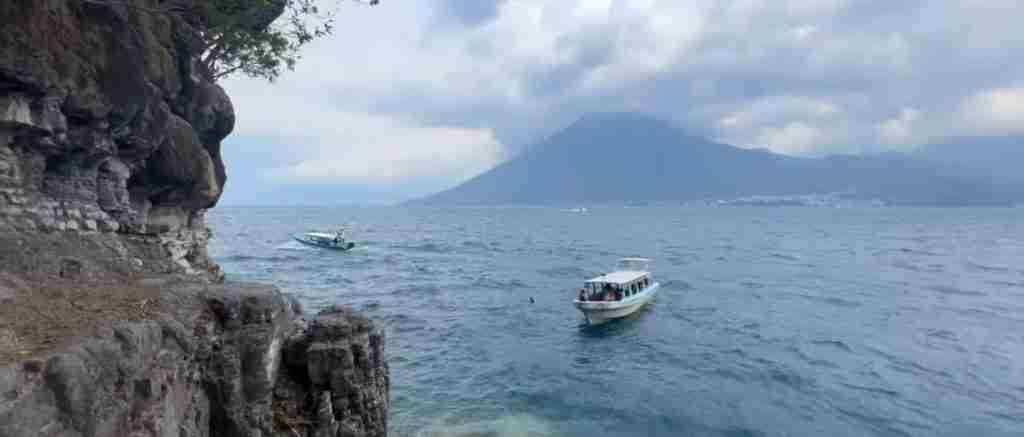
San Juan La Laguna emerges as Lake Atitlan’s premier destination for authentic Maya textile traditions and contemporary indigenous art, a compact village where ancient weaving techniques merge seamlessly with modern artistic expression. This Tz’utujil Maya community of approximately 12,000 residents clings to hillsides rising steeply from the lake’s northwestern shore, facing the towering volcanic cones of Toliman and Atitlan across brilliant blue waters.
The village gained international recognition through women’s weaving cooperatives preserving backstrap loom techniques passed through generations, using natural dyes extracted from local plants, insects, and minerals. Six major cooperatives welcome visitors daily, demonstrating processes from cotton spinning through natural dyeing to final weaving, creating textiles sold directly to support women’s economic independence and cultural preservation.
Contemporary Maya art transformed San Juan into Guatemala’s indigenous art capital during the past two decades, with local artists establishing galleries showcasing paintings, murals, and sculptures interpreting traditional stories and modern Maya life. Vibrant murals cover dozens of village buildings, creating outdoor galleries where ancient symbolism meets contemporary techniques. The artistic movement provides income alternatives to subsistence farming while maintaining cultural identity through visual storytelling.
San Juan’s development as a cultural tourism destination occurred through community cooperation rather than external investment, with profits remaining within the village through cooperative ownership and family-run businesses. This model preserves authenticity while providing visitors with meaningful cultural exchanges and fair-trade purchasing opportunities. The village maintains traditional life patterns despite tourism, with Maya language, clothing, and customs visible throughout daily activities.
People Also Ask About San Juan La Laguna 2026
How much does it cost to visit San Juan La Laguna in 2026?
Boat transportation from Panajachel to San Juan La Laguna costs Q15 ($1.95) per person each direction on public lanchas departing every 20-30 minutes throughout the day. Coffee cooperative tours cost Q40-60 ($5.20-7.75) per person including plantation walks and tastings. Check individual operators for current official rates as pricing may vary. Weaving cooperative demonstrations remain free with optional textile purchases ranging Q50-800 ($6.45-103) depending on item complexity and size.
Complete village visits typically require Q200-350 ($26-45) per person including round-trip boat transportation from Panajachel (Q30), coffee tour (Q50), lunch at lakeside restaurant (Q40-60), cooperative textile purchases (Q50-150), and art gallery purchases or snacks (Q30-50). Budget-conscious visitors spending Q200 focus on free cooperative demonstrations with minimal purchases, while Q350 budgets allow quality textile acquisitions and restaurant dining with volcano views.
What is San Juan La Laguna known for in 2026?
San Juan La Laguna gained international recognition for women’s weaving cooperatives preserving traditional backstrap loom techniques with natural dyes, making the village Lake Atitlan’s textile capital. Six major cooperatives welcome visitors for free demonstrations showing natural dye extraction from indigo leaves (blue), cochineal insects (red), and chilca plants (yellow), followed by weaving processes creating intricate patterns representing Maya cosmology and local nature.
Contemporary Maya art distinguishes San Juan as Guatemala’s indigenous art hub, with 20+ local artists maintaining galleries and creating vibrant murals throughout the village. The artistic movement emerged in the 1990s through community initiatives teaching traditional iconography alongside modern painting techniques, allowing artists to support families while preserving cultural identity through visual storytelling rather than subsistence agriculture.
How long should I spend in San Juan La Laguna in 2026?
Comprehensive San Juan La Laguna visits require 3-4 hours for two cooperative visits with demonstrations (60-90 minutes total), coffee plantation tour (45-60 minutes), art gallery exploration (30-45 minutes), and lakeside lunch with volcano views (45-60 minutes). The compact village layout concentrates all attractions within 15-20 minutes walking from the boat dock, eliminating transportation time between sites. Half-day visits work perfectly for day trippers from Panajachel or Antigua, while overnight lake stays allow more relaxed exploration with sunset photography opportunities.
Rushed visits of 1.5-2 hours permit single cooperative demonstrations and brief art gallery browsing, though this timeframe misses the complete cultural experience San Juan offers. Photography enthusiasts allocating 4-5 hours can extensively document weaving processes, natural dye gardens, painted murals, and volcanic landscapes while engaging deeply with artisans and artists. The village rewards slower exploration over rushed sightseeing, as meaningful cultural exchanges emerge through conversations with cooperative members and gallery artists.
Can I buy textiles directly from weavers in San Juan La Laguna in 2026?
Women’s weaving cooperatives sell textiles directly to visitors at fair prices supporting artisan families without middleman markup. Cooperative purchases guarantee authentic handwoven products using natural dyes and traditional techniques, with prices reflecting days or weeks of skilled labor required. Small items like coin purses cost Q50-80 ($6.45-10.30), table runners Q150-250 ($19-32), full huipil blouses Q400-800 ($52-103), and large blankets Q500-1,200 ($64-155). Cooperatives accept cash payments in quetzales, with some offering credit card processing at larger locations.
Individual artisans occasionally sell outside cooperative structures, though cooperative purchases benefit entire women’s groups rather than single sellers. Quality and pricing remain consistent across cooperatives, as members maintain standards ensuring reputation preservation. Haggling remains inappropriate at cooperatives already pricing fairly to support families, unlike market vendors where negotiation occurs regularly. Purchase receipts document authentic cooperative products important for travelers seeking fair-trade certified goods.
Extended multi-day tours – 5+ days
Featured Guatemala Multi-Day Tour Packages
3 days
Guatemala 3-Day Discovery Tour
- ✓ Comprehensive Guatemala experience
- ✓ Expert local guides included
- ✓ All accommodation included
- ✓ Transportation provided
5 days
Guatemala 5-Day Highlights Experience
- ✓ Comprehensive Guatemala experience
- ✓ Expert local guides included
- ✓ All accommodation included
- ✓ Transportation provided

7 days
Guatemala 7-Day Cultural Journey
- ✓ Comprehensive Guatemala experience
- ✓ Expert local guides included
- ✓ All accommodation included
- ✓ Transportation provided

10 days
Guatemala 10-Day Complete Adventure
- ✓ Comprehensive Guatemala experience
- ✓ Expert local guides included
- ✓ All accommodation included
- ✓ Transportation provided
Multi-day tour packages powered by TourRadar. Prices and availability subject to change.
Essential Planning Information for 2026
Getting to San Juan La Laguna in 2026
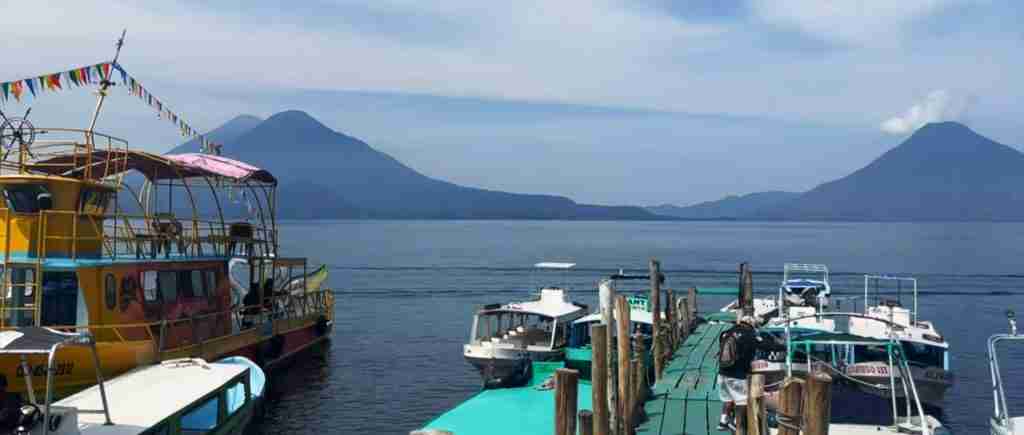
Public lanchas (water taxis) depart Panajachel’s main dock every 20-30 minutes throughout the day, costing Q15 ($1.95) per person for the 20-minute crossing to San Juan La Laguna. Boats operate from 6:00 AM through 6:00 PM, with most frequent service during 8:00 AM-4:00 PM peak hours. Purchase tickets at the Panajachel dock from boat operators calling “San Juan” destinations loudly. Lanchas follow fixed routes stopping at San Pablo and occasionally San Marcos before reaching San Juan, adding 5-10 minutes to direct journey times.
Sit on the boat’s left side when departing Panajachel for optimal volcano views during the crossing, as Toliman and Atitlan peaks rise dramatically across the water. Morning crossings (before 11:00 AM) provide the clearest visibility before afternoon clouds form around volcanic summits. Boats carry 15-25 passengers on wooden benches with minimal comfort, though short journey times make this acceptable for most travelers. Life jackets exist aboard though rarely distributed unless requested.
Private boat charters cost Q300-400 ($39-52) for direct Panajachel-San Juan round trips accommodating 6-8 passengers, offering flexibility for custom departure and return timing. Private boats prove economical for groups of 4+ travelers, as per-person costs approach public lancha prices while maintaining scheduling control. Negotiate total price, waiting time, and return timing before departure from Panajachel’s main dock.
Return lanchas to Panajachel depart San Juan’s main dock every 20-30 minutes until 6:00 PM, with less frequent evening service after 5:00 PM. Confirm final departure times with dock attendants to avoid being stranded overnight. The return journey takes 20-25 minutes direct to Panajachel, with boats sometimes stopping at intermediate villages depending on passenger demand. Arrive at the dock 10-15 minutes before desired departure during busy periods to secure seats.
Village Layout and Navigation in 2026
San Juan La Laguna’s compact layout spans approximately 1-2 square kilometers of lakeside slopes, with all tourist attractions concentrated within 15-20 minutes walking from the main boat dock. Paved paths and cobblestone streets connect cooperatives, galleries, and restaurants throughout the village center, with painted directional signs marking major attractions in Spanish and some English.
From the main dock, Calle Principal climbs steeply uphill past restaurants and small shops toward the village center and church. Weaving cooperatives spread throughout the village, with notable locations including Lema Cooperative (5 minutes uphill from dock), Ixoqi’j Cooperative (8 minutes), and Artisan Path Cooperative (10 minutes). Cooperative signs in bright colors make locations easily identifiable even without specific addresses or GPS coordinates.
Contemporary Maya art galleries concentrate along paths parallel to the waterfront and around the central plaza area. Major galleries including Tz’utuhil Art Gallery and Painted Path Gallery sit within 5-10 minutes walking from the dock. Outdoor murals appear throughout the village on residential and commercial buildings, creating a self-guided walking gallery requiring no entry fees or special permissions for photography.
Coffee plantations climb hillsides above the village center, with cooperative-run tours departing from Café Cristalinas and other operators located 10-15 minutes uphill from the dock. The steepest village paths include stairs and irregular steps requiring moderate fitness levels, though main cooperative and gallery routes remain relatively flat or gently sloped. Free village maps appear at the dock and some cooperatives, though the small size makes getting lost nearly impossible.
Best Times to Visit San Juan La Laguna in 2026
Morning hours between 9:00 AM-12:00 PM offer optimal conditions for cooperative visits, as natural dye demonstrations occur most frequently during these hours and artisans actively weave while discussing techniques with visitors. Morning light enhances volcano photography from the lakefront, with clear visibility before afternoon clouds form around peaks. Morning visits avoid afternoon tour group crowds arriving from Panajachel and Antigua after 1:00 PM.
Tuesday and Friday market days in nearby villages draw some San Juan residents away for buying and selling, though cooperatives and galleries maintain normal hours year-round. Weekends see slightly higher visitor numbers, particularly Saturdays when Guatemalan tourists visit alongside international travelers. Weekday visits (Monday-Thursday) provide the quietest experiences with maximum artisan interaction time.
Dry season months (November-April) deliver the best overall conditions with clear skies showcasing volcanic peaks and minimal rain risk. January and February balance excellent weather with moderate tourist numbers, offering the ideal combination for cooperative visits and art gallery exploration. December and March through Easter see peak crowds requiring earlier arrival times to experience cooperatives before group tours arrive.
Rainy season visits (May-October) work well during morning hours before typical 2:00-4:00 PM afternoon showers begin. Cooperative demonstrations occur regardless of weather, as most activities take place under covered workspaces. Reduced tourist numbers during rainy months mean enhanced artisan attention and quieter gallery experiences, though volcanic views diminish with clouds and mist around peaks.
Women’s Weaving Cooperatives in 2026
Understanding Natural Dye Processes
Natural dye demonstrations showcase centuries-old techniques using plants, insects, and minerals collected from surrounding hillsides and Lake Atitlan shores. Indigo leaves produce blue shades through fermentation processes requiring 8-10 days, creating dye baths where yarn absorbs color through repeated dipping and oxidation. Artisans harvest wild indigo growing near the lake, though some cooperatives now cultivate plants in dedicated gardens for sustainable supply.
Cochineal insects collected from nopal cactus pads produce vibrant red, pink, and purple shades depending on mordants (metal salts) added during dyeing. Cooperatives demonstrate crushing dried cochineal insects into powder before hot water extraction creates dye liquids. The insects live parasitically on cactus pads cultivated specifically for dye production, with harvest occurring every 90-120 days. Historical significance includes cochineal’s value matching gold during colonial periods when Europeans sought Maya dyeing knowledge.
Yellow derives from chilca plant bark and leaves, while browns come from walnut shells and certain tree barks. Green results from combining yellow and blue dyes through sequential dipping processes. Black emerges from mud rich in iron compounds collected from specific lake locations and mixed with plant materials. Each color requires specific mordants for permanence, with alum, copper sulfate, and iron compounds affecting final hues and colorfastness.
Demonstrations include dye garden tours showing source plants, mordant explanations, and yarn dyeing processes from raw cotton through final colored skeins. Artisans discuss environmental sustainability, as natural dyes require no synthetic chemicals and source materials regenerate naturally. The complete dyeing process for single yarn skeins takes 2-5 days depending on colors, with demonstrations showing condensed versions highlighting key stages.
Backstrap Loom Weaving Techniques
Backstrap loom demonstrations reveal weaving methods unchanged for 1,500+ years, with artisans using body tension against waist straps to maintain warp thread tautness. The portable looms consist of wooden sticks, warp threads stretched between them, and the backstrap wrapped around the weaver’s waist, allowing precise tension control through body position. Weavers work sitting or kneeling with looms anchored to posts or trees, creating highly portable systems carried throughout the village.
Complex patterns emerge through pick-up techniques where weavers manually select individual warp threads using wooden or bone picks, lifting specific threads to create geometric designs and stylized animal motifs. Patterns represent Maya cosmology including sacred animals (hummingbirds, butterflies), sacred mountains (volcanoes), and natural elements (waves, corn plants). Each design carries cultural significance passed through families, with some patterns identifying specific villages or clans through color combinations and motifs.
Weaving speeds vary dramatically by complexity, with simple striped textiles requiring 2-3 days and elaborate huipil blouses needing 2-3 weeks of continuous work. Artisans demonstrate threading looms, tension adjustment, shuttle passing through warp threads, and pick-up pattern creation. Visitors observe the intense concentration and skilled hand-eye coordination required for complex pattern work, explaining pricing that reflects weeks of expert labor.
Different cooperatives specialize in specific textile types, with some focusing on table linens, others on traditional clothing, and some producing contemporary designs for international markets. Traditional huipiles feature panels woven separately then hand-sewn together, with intricate neckline embroidery added after assembly. Modern products include bags, scarves, pillowcases, and wall hangings adapting traditional techniques to current market demands while maintaining quality standards.
Major Weaving Cooperatives
Lema Cooperative (Association of Maya Women Weavers) stands as San Juan’s largest and most visited cooperative, featuring 40+ member artisans and extensive demonstration spaces showing all natural dye processes. Located 5 minutes uphill from the main dock, Lema operates a large showroom displaying hundreds of textile products with clearly marked prices. Natural dye gardens surround the building, with guided tours explaining plant identification and dye extraction. Demonstrations occur continuously during operating hours (8:00 AM-5:00 PM daily), with English-speaking guides available for tour groups.
Ixoqi’j Cooperative focuses on traditional huipil production using ancestral patterns and natural dyes exclusively. Located 8 minutes uphill near the central plaza, this smaller cooperative (15-20 members) emphasizes cultural preservation over tourist volume. Demonstrations include detailed pattern explanations connecting designs to Maya cosmology and village history. Ixoqi’j specializes in high-end traditional garments requiring weeks of production, with prices reflecting quality and cultural authenticity. Operating hours run 8:00 AM-5:00 PM Monday-Saturday, with reduced Sunday hours.
Artisan Path Cooperative (Ruq’anil Cooperative) operates along the path toward San Pablo village, specializing in contemporary designs marketed internationally through fair-trade partnerships. The cooperative pioneered natural dye clothing for tourist markets during the 1990s, creating sustainable income for 30+ member families. Product range includes modern scarves, shawls, table runners, and home décor items blending traditional techniques with contemporary aesthetics. Operating hours extend 7:30 AM-6:00 PM daily to accommodate early and late visitors.
Smaller family-run weaving spaces operate throughout the village, with artisans welcoming visitors into homes for intimate demonstrations. These informal cooperatives lack the infrastructure of major operations but offer personal interactions and sometimes lower prices due to reduced overhead costs. Quality remains high, as family reputation depends on textile excellence within the close-knit community.
Contemporary Maya Art Galleries in 2026
The Artistic Movement
Contemporary Maya art emerged in San Juan during the 1990s when local artists began formal training while maintaining connections to traditional iconography and cultural narratives. The movement rejected folkloric tourist art common elsewhere in Guatemala, instead developing sophisticated painting styles merging ancestral symbolism with modern techniques learned through workshops and self-study. Artists paint daily life, ceremonial activities, legends, and landscapes using vibrant colors reflecting natural dyes traditional to textile work.
Naive art characteristics appear in some works, with flattened perspectives and bright primary colors creating accessible appeal, while other artists employ sophisticated shading, perspective, and composition demonstrating formal training. Common subjects include Lake Atitlan volcanic landscapes, women weaving in traditional dress, agricultural scenes showing corn cultivation, ceremonial activities, and reinterpretations of ancient Maya codex imagery. The artistic approach maintains cultural authenticity while creating economically viable alternatives to subsistence farming.
Recognition grew through international exhibitions and fair-trade galleries promoting indigenous artists, with several San Juan artists gaining regional fame throughout Central America. Gallery owners often work as practicing artists, creating cooperative-style spaces where multiple artists display work under shared roof. This model reduces individual overhead while maintaining artistic independence and price control.
Major Art Galleries and Murals
Tz’utuhil Art Gallery operates as San Juan’s premier contemporary Maya art space, representing 10-12 local artists working in oil, acrylic, and mixed media. Located near the central plaza, the gallery displays paintings ranging Q200-3,000 ($26-387) based on size and artist recognition. Owner Rafael González Chavajay achieved international recognition, with his work explaining narrative connections between contemporary paintings and ancestral traditions. Gallery hours run 8:00 AM-6:00 PM daily, with artists sometimes present for discussions about techniques and cultural meanings.
Painted Path Gallery (Galería El Camino Pintado) follows the lakefront path toward San Pablo, showcasing outdoor murals alongside indoor gallery spaces. The gallery pioneered the community mural movement during the early 2000s, commissioning building paintings throughout the village. Indoor galleries feature rotating exhibitions with paintings priced Q150-2,500 ($19-323). Operating hours extend 8:00 AM-7:00 PM to catch late-afternoon visitors, with evening openings during high season.
Arte Maya Tz’utuhil Gallery near Lema Cooperative specializes in smaller format works accessible to budget-conscious buyers, with paintings starting Q100-150 ($13-19). The gallery represents emerging artists alongside established names, creating opportunities for new talent while offering affordable entry points for collectors. Postcard-sized original paintings sell for Q100-200 ($13-26), making authentic Maya art accessible to travelers with limited budgets and luggage space.
Outdoor murals transform dozens of building facades into public art galleries requiring no admission fees. Notable murals include the Hummingbird Project near the main dock (giant hummingbird representing sacred Maya animal), Coffee Harvest Mural depicting traditional processing methods, and Women Weaving Mural celebrating textile heritage. Free mural maps available at cooperatives guide self-walking tours documenting all major works. Photography remains permitted and encouraged, as murals exist specifically for cultural education and tourism promotion.
Purchasing Contemporary Maya Art
Original paintings range Q100-3,000 ($13-387) depending on size, artist recognition, and detail complexity. Small works (8×10 inches) start around Q100-250 ($13-32), medium pieces (16×20 inches) cost Q400-1,200 ($52-155), and large canvases (24×36 inches or larger) reach Q1,000-3,000 ($129-387). Established artists command premium prices reflecting international exhibition history and collector demand, while emerging artists offer lower entry points with similar quality.
Negotiation remains generally inappropriate at established galleries maintaining fixed prices, though some flexibility exists at smaller family operations. Galleries accept cash payments in quetzales or US dollars at current exchange rates, with credit cards working at larger spaces. Purchase receipts document authenticity and artist information important for customs declarations and insurance purposes. Many galleries wrap purchases carefully for travel protection, though specialized shipping arrangements require advanced planning.
International shipping through Guatemalan postal services or private courier companies costs Q300-800 ($39-103) depending on size and destination, with 2-4 week delivery times typical. Larger galleries maintain shipping relationships handling international logistics, though services remain unreliable compared to North American or European standards. Carrying purchases as checked or carry-on luggage proves most reliable for valuable acquisitions, with proper wrapping preventing damage during flights.
Authentication challenges remain minimal given the cooperative gallery structure and artist presence during purchases. However, lower-quality tourist paintings sold in Panajachel sometimes claim San Juan origins without authentic cooperative or gallery connections. Purchase directly from San Juan galleries and cooperatives to ensure authenticity and fair artist compensation. Gallery owners happily discuss artist backgrounds, training, and stylistic development when asked.
Coffee Plantation Tours in 2026
Lake Atitlan Coffee Cultivation
Coffee cultivation surrounds San Juan La Laguna on steep hillsides rising directly from the lake, with volcanic soil and high altitude (1,560-1,800 meters) creating ideal conditions for specialty arabica production. Small family farms dominate, with plots rarely exceeding 2-3 hectares integrated into traditional milpa (corn, beans, squash) agriculture systems. Coffee grows under shade trees protecting plants from intense tropical sun while preventing soil erosion on steep slopes.
Harvest season runs November through March, with peak picking occurring December-February when ripe red cherries cover plants. Families hand-pick cherries selecting only ripe fruit, requiring multiple passes through each farm during the 3-4 month harvest window. Processing occurs at cooperative facilities using wet processing methods that remove fruit pulp before drying. The labor-intensive approach creates high-quality beans commanding premium prices in international specialty coffee markets.
Cooperative organization allows small farmers to access processing equipment, quality control, and export markets impossible individually. San Juan operates two major coffee cooperatives coordinating over 100 family farms, with fair-trade certifications ensuring minimum prices regardless of market fluctuations. The cooperative model maintains economic viability for small farms competing against larger Guatemala plantations in lower regions.
Coffee Tour Experiences
Coffee cooperative tours cost Q40-60 ($5.20-7.75) per person for 45-60 minute experiences including plantation walks, processing demonstrations, roasting explanations, and tastings of final products. Tours depart throughout the day (8:00 AM-4:00 PM) from cooperative locations 10-15 minutes uphill from the main dock, with Spanish-language guides and English-speaking guides available by advance request at larger operations.
Plantation walks climb hillsides through coffee groves under shade trees including macadamia nuts, bananas, and native forest species creating diverse canopy. Guides explain plant biology, harvest techniques, pest management using organic methods, and intercropping strategies integrating coffee with food crops. Elevation changes during walks require moderate fitness levels, with some steep sections using dirt paths or stairs cut into hillsides.
Processing demonstrations show cherry pulping, fermentation tanks removing mucilage, drying patios where beans reach optimal moisture content, and hand-sorting removing defects before roasting. Roasting occurs in cooperative facilities using wood-fired or gas roasters, with guides explaining temperature control and roast levels from light to dark. Fresh roasting aromas permeate cooperative spaces during demonstrations.
Tastings include 2-3 coffee varieties grown at different elevations or processed using different methods, with guides explaining flavor profiles from floral and fruity notes to chocolate and nutty characteristics. Cooperatives sell roasted coffee Q50-80 ($6.45-10.30) per pound, with whole bean or ground options and vacuum-sealed packaging suitable for air travel. Purchasing directly from cooperatives ensures fair prices supporting small farm families.
Sample 2026 San Juan La Laguna Itinerary with Costs
Half-Day Cultural Immersion
9:00 AM: Depart Panajachel on public lancha to San Juan La Laguna (Q15, 20 minutes). Sit on left side for volcano views during crossing.
9:30 AM: Arrive San Juan, walk uphill to Lema Cooperative (5 minutes). Attend natural dye demonstration showing indigo, cochineal, and plant-based colors (30 minutes, free). Observe backstrap loom weaving with pattern explanations (20 minutes, free). Browse showroom textiles, purchase table runner using natural dyes (Q180).
10:30 AM: Walk to Tz’utuhil Art Gallery near central plaza (8 minutes). View contemporary Maya paintings with cultural narrative explanations from gallery staff (30 minutes, free entry). Purchase medium-sized original painting depicting Lake Atitlan women weavers (Q600).
11:15 AM: Coffee cooperative tour departing from Café Cristalinas (Q50, 60 minutes). Walk through hillside plantation learning cultivation techniques. Watch processing demonstration showing cherry pulping and fermentation. Taste three roast varieties while learning flavor profiles. Purchase one pound organic arabica beans (Q65).
12:30 PM: Lunch at lakeside restaurant near boat dock. Pepián stew with rice, tortillas, salad, and fresh juice with volcanic peak views (Q55). Relax watching boat traffic and photographing Toliman volcano across the water.
1:30 PM: Walk mural route documented on free village map (30 minutes). Photograph Hummingbird Project, Women Weaving Mural, and Coffee Harvest painting. Visit small family cooperative near San Pablo path for brief weaving observation and browsing (no purchase).
2:15 PM: Return to main dock, browse waterfront craft vendors for final small purchases. Embroidered coin purse (Q40).
2:30 PM: Board return lancha to Panajachel (Q15, 20 minutes).
Panajachel lancha Q15, table runner Q180, painting Q600, coffee tour Q50, coffee beans Q65, lunch Q55, coin purse Q40, return lancha Q15. Total cost: Q1,020 per person ($132) including substantial art and textile purchases. Daily costs excluding major purchases: Q220 per person ($28) covering transportation, coffee tour, and lunch (excluding accommodation).
Budget-Friendly Village Experience
9:30 AM: Arrive San Juan via public lancha from Panajachel (Q15).
9:45 AM: Visit Ixoqi’j Cooperative for free natural dye demonstration and traditional weaving observation (45 minutes). Browse textiles, purchase small woven pouch (Q60).
10:45 AM: Self-guided mural walking tour using free map (45 minutes). Photograph major outdoor artworks throughout village. Visit Arte Maya Tz’utuhil Gallery viewing small-format paintings, purchase postcard-sized original work (Q120).
11:45 AM: Simple lunch at local comedor near central plaza. Grilled chicken with rice, beans, tortillas, and hibiscus drink (Q35).
12:30 PM: Visit smaller family cooperative for intimate weaving demonstration and conversation about traditional patterns (30 minutes, free). No purchase pressure.
1:15 PM: Coffee tasting at cooperative café without full tour. Single cup Lake Atitlan arabica with brief cultivation explanation (Q15). Purchase half-pound coffee beans (Q35).
1:45 PM: Final craft browsing at waterfront vendors, purchase small naturally-dyed scarf (Q45).
2:00 PM: Return lancha to Panajachel (Q15).
Panajachel lancha Q15, woven pouch Q60, painting Q120, lunch Q35, coffee tasting Q15, coffee beans Q35, scarf Q45, return lancha Q15. Total cost: Q340 per person ($44) including modest art and textile purchases. Daily costs excluding purchases: Q80 per person ($10) covering transportation, lunch, and coffee tasting (excluding accommodation).
Dining in San Juan La Laguna in 2026
Lakefront Restaurants
Lakefront restaurants concentrate near the main boat dock, offering volcano views with meals served on open-air terraces overlooking the water. Menus feature traditional Guatemalan cuisine including pepián (spiced meat stew), jocón (green herb sauce with chicken), and fresh Lake Atitlan fish prepared grilled or fried. Lunch and dinner main courses range Q45-70 ($5.80-9.05), with complete meals including soup, main course, sides, and drink costing Q55-80 ($7.10-10.30).
Restaurante El Artesano near the dock serves excellent pepián using family recipes passed through generations, with lunch specials featuring soup, main course, and drink for Q55. Fresh fish caught that morning by village fishermen costs Q60-70 prepared whole grilled with garlic and lime. Operating hours run 7:00 AM-7:00 PM daily, with breakfast options including eggs, beans, fried plantains, and coffee for Q35-45.
Comedor Rosita provides simpler local meals in a family-run setting steps from the dock. Daily specials written on chalkboards feature seasonal ingredients and traditional preparations at Q40-50 per complete lunch. The comedor operates 8:00 AM-6:00 PM serving breakfast, lunch, and snacks, with limited dinner service. Expect basic seating and simple preparations focusing on authentic flavors rather than presentation.
Cafés and Snacks
Café Cristalinas combines coffee cooperative operations with a small café serving excellent Lake Atitlan arabica from surrounding hillsides. Single cups cost Q15-25 ($1.95-3.25) depending on preparation method, with pour-over, French press, and espresso-based drinks available. The café operates 7:00 AM-5:00 PM, with pastries, cookies, and simple breakfast items complementing coffee service. Outdoor seating provides partial lake views from elevated positions above the waterfront.
Small bakeries near the central plaza sell traditional Guatemalan sweet breads and cookies for Q3-8 ($0.40-1.05) per piece. Look for pan dulce (sweet bread) in various shapes and flavors, simple cookies, and occasionally empanadas filled with beans or pumpkin. Bakeries operate morning hours (6:00 AM-12:00 PM) primarily, with afternoon closures common.
Fresh juice stands near the dock and market area serve natural fruit juices from papaya, mango, pineapple, and seasonal fruits for Q10-15 ($1.30-1.95) per large cup. Licuados (smoothies) blending fruit with milk or water cost Q15-20 ($1.95-2.60). Stands operate 8:00 AM-5:00 PM, with some closing earlier if fruit supplies deplete.
Practical Information for 2026 Visits
What to Bring
Carry cash in quetzales for all village purchases, as credit cards work only at a few larger cooperatives and galleries. No ATMs exist within San Juan, making Panajachel cash withdrawal essential before boat travel. Budget Q200-400 ($26-52) cash minimum for cooperative purchases, coffee tour, lunch, and smaller craft acquisitions. Larger art or textile purchases require additional funds based on desired items.
Comfortable walking shoes handle cobblestone paths and occasional steep hillside climbs to cooperatives and coffee plantations. Village exploration requires 30-45 minutes of moderate walking over uneven surfaces. Avoid new shoes causing blisters, as pharmacy and medical services remain limited within the village.
Sun protection including SPF 30+ sunscreen, wide-brimmed hat, and sunglasses protects against strong tropical sun at 1,560 meters elevation. Lake reflection intensifies UV exposure during boat rides and waterfront activities. Reapply sunscreen every 2 hours during outdoor activities.
Cameras or smartphones capture weaving demonstrations, natural dye processes, outdoor murals, and volcanic landscapes. Always ask permission before photographing individuals, particularly during intimate cooperative demonstrations. Small tips of Q5-10 ($0.65-1.30) for posed portraits remain appropriate and appreciated. Memory cards with adequate space handle the hundreds of photo opportunities throughout the compact village.
Reusable bags or daypack carry purchases while exploring, as textile and art acquisitions accumulate during visits. Cooperatives provide basic wrapping, though additional protection helps during boat rides and further travel. Water bottles reduce plastic waste, with refills available at restaurants for small fees or free at cooperative request.
Cultural Etiquette
Respect photography boundaries, always asking permission before photographing people. Some Maya community members believe cameras capture souls, while others simply prefer privacy. Offering Q5-10 for posed portraits remains acceptable and appreciated, though candid photography requires permission regardless of payment. Never photograph religious ceremonies or inside churches without explicit permission from participants or clergy.
Dress modestly respecting traditional Maya values, covering shoulders and knees particularly when visiting cooperatives or attending community events. San Juan maintains conservative standards despite tourism presence, with revealing clothing potentially causing offense. Traditional Maya women wear long skirts and modest blouses, setting cultural norms visitors should acknowledge through appropriate dress.
Purchase cooperatively-made textiles at marked prices without haggling, as cooperatives already price fairly to support artisan families. Bargaining appropriate at market vendors or street sellers becomes inappropriate and disrespectful at cooperatives organized specifically for fair-trade income. Understand that weeks of skilled labor justify prices that may seem high compared to factory-made goods sold elsewhere.
Learn basic Spanish phrases facilitating friendly interactions, though some artisans speak primarily Tz’utujil Maya language with Spanish as secondary language. “Buenos días” (good morning), “muchas gracias” (thank you very much), and “muy bonito” (very beautiful) create positive exchanges. English speakers work at major cooperatives and galleries, though Spanish knowledge enhances experiences throughout the village.
Supporting Sustainable Tourism
Purchase textiles and art directly from cooperatives and galleries rather than Panajachel shops claiming San Juan origins, ensuring fair prices reach artisan families without middleman markup. Cooperative purchases support women’s economic independence, cultural preservation, and community development projects funded through cooperative profits. Quality and authenticity remain guaranteed through cooperative oversight and reputation maintenance.
Minimize plastic waste by carrying reusable water bottles and shopping bags, as village waste management systems remain limited. Refuse plastic bags when offered, instead using purchased textiles or personal bags for carrying crafts. Dispose of trash properly in marked receptacles or carry it until reaching facilities rather than littering village paths.
Respect village rhythms and community spaces, remembering San Juan remains a living Maya community rather than outdoor museum. Residential areas require quiet respectful behavior, avoiding loud voices or disruptive tourist activities. Public spaces like the central plaza and church welcome visitors during appropriate hours, while private homes and family cooperatives require invitation or permission before entering.
Engage meaningfully with artisans and artists, asking questions about techniques, cultural significance, and personal stories when they seem willing to share. These exchanges create mutual understanding beyond simple commercial transactions, fulfilling tourism’s potential for cultural bridge-building. However, respect busy periods when artisans focus on production work rather than demonstrations, particularly during high-season days with multiple tour groups.
Frequently Asked Questions
Is San Juan La Laguna worth visiting if I’m not interested in buying textiles in 2026?
San Juan La Laguna merits visits beyond textile shopping through free weaving and natural dye demonstrations showcasing cultural preservation, contemporary Maya art galleries providing insights into indigenous artistic movements, and stunning volcanic landscapes framing all activities. The compact village offers authentic cultural immersion within easily navigable space, with artisan interactions and traditional village life visible throughout visits. Purchases remain optional at cooperatives, which welcome visitors for educational demonstrations regardless of buying intentions. Coffee plantation tours, outdoor mural photography, and lakeside dining with volcano views create diverse experiences beyond textile focus.
Can I visit San Juan La Laguna on Sunday in 2026?
Most San Juan cooperatives and galleries maintain Sunday hours (9:00 AM-4:00 PM typically), though some smaller operations close or reduce hours for family time and religious observances. Lakefront restaurants operate normal Sunday service. Coffee cooperative tours may operate reduced Sunday schedules with fewer departure times. Monday-Saturday visits provide the most comprehensive access to all village attractions with full operating hours. Sunday visits work well for photography, mural viewing, and lakeside relaxation even if some cooperatives close.
How is San Juan La Laguna different from other Lake Atitlan villages in 2026?
San Juan La Laguna distinguishes itself through concentrated women’s weaving cooperatives (six major operations) demonstrating natural dyes and traditional techniques, contemporary Maya art galleries showcasing local indigenous artists rather than tourist art, and compact walkable layout allowing comprehensive exploration in 3-4 hours. Santiago Atitlan emphasizes religious syncretism and traditional Maya culture with larger market infrastructure, while San Marcos focuses on wellness activities and swimming. San Pedro attracts backpackers with party atmosphere and volcano hiking. San Juan balances authentic cultural experiences with tourist-friendly infrastructure without commercialization levels found in Panajachel.
Can I stay overnight in San Juan La Laguna in 2026?
San Juan offers 8-10 small hotels, hostels, and guesthouses accommodating overnight visitors, with rates ranging Q80-150 ($10-19) for basic hostels to Q300-600 ($39-77) for mid-range lakeside hotels. Overnight stays allow sunrise and sunset photography, evening village atmosphere after day trippers leave, and more relaxed cooperative and gallery exploration. Accommodation quality remains basic compared to Panajachel or San Marcos but sufficient for cultural immersion focused travelers. Book ahead during high season (December-April) as limited room numbers fill quickly. Overnight stays work particularly well for artists, photographers, and travelers seeking deep cultural engagement beyond day trip timeframes.
What textiles should I buy in San Juan La Laguna as souvenirs in 2026?
Table runners and placemats (Q150-300/$19-39) provide excellent display pieces showcasing natural dyes and traditional patterns while remaining reasonably priced and easy to pack. Small woven bags and coin purses (Q50-120/$6.45-15.50) offer affordable authentic souvenirs suitable for gifts. Traditional huipil blouses (Q400-800/$52-103) represent significant investments but showcase highest skill levels with complex patterns and weeks of labor. Larger blankets and wall hangings (Q500-1,500/$64-194) create stunning decorative pieces displaying full pattern repeats and color combinations. Consider luggage space and budget when selecting purchases, as quality cooperative textiles represent fair-trade investments supporting artisan families while preserving cultural heritage.
Are there restrooms available in San Juan La Laguna for tourists in 2026?
Public restrooms exist at the main boat dock charging Q2-5 ($0.25-0.65) per use, with basic facilities including toilets and sinks but limited toilet paper. Major cooperatives including Lema provide free restroom access for visitors, with facilities maintained to basic but adequate standards. Restaurants allow restroom use for customers, typically free with meal purchases. Bring personal toilet paper and hand sanitizer as backup, as supplies vary by location and time of day. Restroom facilities remain basic compared to tourist destinations elsewhere but functional for day visits.
Can I combine San Juan La Laguna with other villages in one day in 2026?
Day trips easily combine San Juan (2-3 hours) with Santiago Atitlan (1.5-2 hours) using public lanchas connecting villages in 15-20 minutes each direction. This popular combination provides textile experiences in San Juan and traditional Maya culture in Santiago within 5-6 hours total. Alternatively, San Juan pairs well with San Marcos (30 minutes by boat) for morning cultural activities followed by afternoon swimming and wellness experiences. Attempting three villages creates rushed experiences with minimal time for meaningful engagement at each location. Focus on two villages maximum for day trips, allowing deeper exploration rather than superficial visits.
What if I want to study weaving in San Juan La Laguna in 2026?
Several cooperatives offer multi-day weaving workshops teaching natural dye processes and basic backstrap loom techniques for Q300-600 ($39-77) per day depending on workshop length and complexity. Workshops require 3-5 consecutive days minimum for basic skill development, with advanced training extending 2-4 weeks. Contact cooperatives directly through email or WhatsApp several weeks before travel to arrange workshops, as they require advance planning for material preparation and instructor scheduling. Private instruction costs more than group workshops but allows personalized pacing. Accommodation during extended stays ranges Q80-300 ($10-39) per night, with some cooperatives providing homestay opportunities with artisan families for deeper cultural immersion.
Is bargaining appropriate when buying art in San Juan La Laguna galleries in 2026?
Bargaining remains generally inappropriate at established galleries maintaining fixed prices, as prices already reflect fair compensation for artists’ time, skill, and materials. Artists selling directly sometimes offer modest discounts for multiple purchases or at slower periods, but aggressive negotiation proves disrespectful of artistic value and labor. Smaller family operations may demonstrate price flexibility, though galleries representing multiple artists maintain consistent pricing ensuring equity among represented artists. Budget constraints require purchasing smaller works or emerging artist pieces rather than expecting discounts on desired paintings. Fair pricing supports the economic viability allowing artists to continue cultural work rather than abandoning art for subsistence agriculture.
What languages are spoken in San Juan La Laguna in 2026?
Tz’utujil Maya functions as the primary language for most village residents, with Spanish serving as the second language for business and education. Older generations speak primarily Tz’utujil with limited Spanish, while younger Maya residents speak both languages fluently. Major cooperatives and galleries employ English-speaking staff for international visitors, though English fluency varies. Basic Spanish phrases significantly enhance experiences throughout the village, as many artisans and shop owners communicate primarily in Spanish with tourists. Translation apps help with complex interactions, though Spanish or Tz’utujil knowledge creates deeper cultural connections and demonstrates respect for local language preservation efforts.