
Ruta Puuc 2026: Kabah, Sayil, Labná & Uxmal Circuit
Key Takeaways:
- Complete Ruta Puuc circuit covers 60 kilometers with five UNESCO-protected archaeological sites across Yucatan’s Puuc hills
- Total entrance fees cost 731 pesos ($40 USD) for all sites: Uxmal 556 pesos, Kabah 75 pesos, Sayil 50 pesos, Xlapak free, Labna 50 pesos
- Rental car provides optimal flexibility at $15-30 daily plus gas costs of $15-20 for complete circuit exploration
- Budget €85-120 ($90-130) per person for full-day independent circuit including all entries, meals, and transportation
- Start at Uxmal 8 AM for 2-3 hours before continuing to smaller sites, completing circuit by 4 PM before site closures
- Sunday special bus from Merida costs 204 pesos round-trip visiting multiple sites but limits time to 30-45 minutes each
Introduction to the Ruta Puuc Circuit 2026
The Ruta Puuc represents one of Mexico’s most rewarding archaeological road trips, spanning 60 kilometers through the Puuc hills of southern Yucatan state. This UNESCO World Heritage corridor connects five remarkable Maya cities that flourished between 600-1000 AD, each showcasing the distinctive Puuc architectural style characterized by intricate stone mosaics, geometric patterns, and elaborate Chaac rain god masks.
“Puuc” means “hills” in Yucatec Maya, referencing the low limestone range where these cities developed. Unlike northern Yucatan sites with abundant cenotes, Puuc region cities relied on sophisticated rainwater collection systems called chultunes, making Chaac worship central to their culture. This environmental challenge produced unique architectural solutions and ceremonial complexes focused on rain deity veneration.
The circuit includes Uxmal (the largest and most impressive), Kabah (famous for its Palace of Masks with 200+ Chaac faces), Sayil (featuring a massive three-story palace), Xlapak (small but charming with free entry), and Labna (known for its iconic arch). Each site offers distinct architectural experiences while sharing the sophisticated Puuc style that represents the pinnacle of Maya building techniques.
Planning your 2026 Ruta Puuc exploration requires strategic routing, realistic time allocation, and preparation for challenging tropical heat. This comprehensive guide provides detailed logistics for independent travelers and tour participants maximizing their Puuc region experience.
People Also Ask About Ruta Puuc 2026
How much does the Ruta Puuc circuit cost in 2026?
The complete Ruta Puuc circuit entrance fees total 731 pesos ($40 USD) for international visitors covering all five sites (check official sources for current rates as pricing may vary). Uxmal costs 556 pesos (federal 95 + state 461), Kabah 75 pesos, Sayil 50 pesos, Xlapak free, and Labna 50 pesos. Additional costs include rental car at $15-30 daily plus gas $15-20 for the circuit, parking fees totaling 200-250 pesos across all sites, meals 250-400 pesos, and optional guide services at major sites. Independent day trips cost approximately $90-130 per person including all expenses.
Can you visit all Ruta Puuc sites in one day in 2026?
Visiting all five Ruta Puuc sites in one day is achievable but requires early departure, efficient pacing, and stamina for 6-8 hours of outdoor exploration in tropical heat. Start at Uxmal 8 AM for 2-3 hours, then visit Kabah (45 minutes), Sayil (45 minutes), Xlapak (20 minutes), and Labna (45 minutes). Complete the circuit by 4 PM when ticket offices close. Most travelers find two days more comfortable for comprehensive exploration without exhausting heat exposure.
What is the best way to visit the Ruta Puuc sites in 2026?
Rental cars provide the best Ruta Puuc experience with complete flexibility for timing, photography, and exploration depth at each site. The well-maintained two-lane road is clearly signposted with minimal traffic. Sunday special buses from Merida cost 204 pesos round-trip but limit time to 30-45 minutes per site. Private guided tours ($180-400 per person) offer air-conditioned comfort, expert interpretation, and optimized routing. Group tours from Merida ($60-100 per person) balance cost and convenience for travelers without cars.
Which Ruta Puuc sites are most worth visiting in 2026?
Uxmal stands as the absolute priority with its massive scale, architectural sophistication, and UNESCO designation. Kabah ranks second for its extraordinary Palace of Masks covered with 200+ Chaac faces creating unforgettable visual impact. Labna’s famous arch and palace offer excellent photography and compact exploration. Sayil features an impressive three-story palace but requires longer walking through jungle heat. Xlapak is skippable unless you’re a completist, though its free entry makes quick stops worthwhile.
Extended multi-day tours – 5+ days
Featured Uxmal Multi-Day Tour Packages
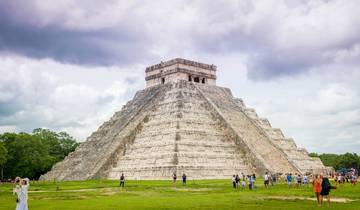
3 days
3-Day Mayan Express: Ancient Ruins & Valladolid Treasures
- ✓ Comprehensive Uxmal tour
- ✓ Expert local guides included
- ✓ All accommodation arranged
- ✓ Transportation provided
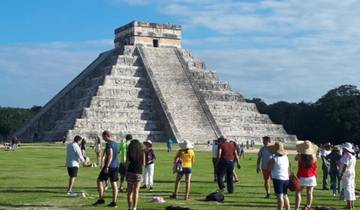
2 days
Mexico: Uxmal, Mérida, Izamal , Chichén Itzá, Cancun – 2 Days
- ✓ Comprehensive Uxmal tour
- ✓ Expert local guides included
- ✓ All accommodation arranged
- ✓ Transportation provided

5 days
5 Days Mayan Explorer: Rainforest, Ruins & Ancient Wonders
- ✓ Comprehensive Uxmal tour
- ✓ Expert local guides included
- ✓ All accommodation arranged
- ✓ Transportation provided
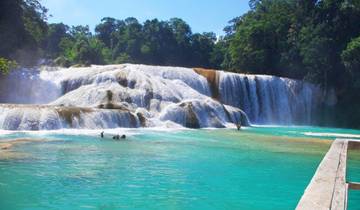
7 days
Best of Chiapas & Yucatan with the Maya Train
- ✓ Comprehensive Uxmal tour
- ✓ Expert local guides included
- ✓ All accommodation arranged
- ✓ Transportation provided
Multi-day tour packages powered by TourRadar. Prices and availability subject to change.
Essential Planning Information 2026
Complete Circuit Costs and Pricing 2026
Entrance fees for the complete Ruta Puuc circuit total 731 pesos ($40 USD) for international visitors in 2026 (check official websites for current rates as pricing may vary). Uxmal’s 556-peso entrance divides between the Yucatan state fee (461 pesos) and federal INAH fee (95 pesos), both mandatory and purchased at separate windows. Kabah costs 75 pesos, Sayil 50 pesos, Xlapak offers free entry, and Labna charges 50 pesos. Mexican nationals receive discounted rates and free Sunday entry at all sites with valid identification.
Parking fees total approximately 200-250 pesos across all sites with Uxmal charging 116-150 pesos, while smaller sites charge 30-50 pesos or offer free parking. Bring sufficient Mexican pesos as several sites accept cash only at entrance windows, and ATMs are unavailable along the rural circuit route.
Meals along the circuit cost 120-180 pesos at The Pickled Onion in Santa Elena (highly recommended), 200-300 pesos at Hacienda Uxmal restaurant, or 80-120 pesos for packed lunches prepared from Merida or Santa Elena markets. Water from vendors costs 30-40 pesos per liter versus 12-18 pesos at supermarkets.
Optional guide services are available at Uxmal (700 pesos Spanish, 800 pesos English/French for 90 minutes) and sometimes at Kabah (600-800 pesos for private tours). Smaller sites rarely have guides, though information plaques provide English and Spanish descriptions of major structures.
Transportation Options for 2026 Circuit
Rental cars from Merida agencies cost $15-30 USD per day with mandatory insurance adding $15-25 daily. Companies like America Car Rental, Europcar, and local agencies offer competitive rates, though booking 2-4 weeks ahead secures best pricing. The 80-kilometer drive from Merida to Uxmal via Highway 261 takes 75 minutes on well-maintained roads, then the 30-kilometer Puuc route between Labna and Kabah passes through scenic countryside.
Gas costs $15-20 for the complete circuit including Merida round-trip. Fill up in Merida as stations become scarce along rural routes. The Puuc route itself consists of a narrow two-lane paved road in excellent condition with clear signage at each archaeological site turnoff.
Sunday special buses depart Merida’s TAME terminal (Calle 69 between 68-70) at 8 AM, returning at 4 PM. The 204-peso round-trip fare includes stops at Uxmal, Kabah, Sayil, and Labna with 30-45 minutes allocated per site. This budget option works for travelers without cars but allows minimal exploration time and no flexibility for photography or extended visits.
Private guided tours from Merida cost $180-400 per person depending on inclusions. Premium tours provide air-conditioned vehicles, bilingual expert guides, entrance fees, lunches, and sometimes cenote swimming. Group tours through Viator or GetYourGuide cost $60-100 per person with shared transportation and guide services but exclude entrance fees.
Taxis from Merida charge $150-200 for full-day circuit service but lack tour guide knowledge and scheduled timing structure. Negotiate complete pricing before departure including all sites and approximate return time to avoid disputes.
Optimal Route Planning 2026
Best Circuit Direction and Timing 2026
Start at Uxmal at the 8 AM opening to explore the largest site before heat intensifies and tour groups arrive at 10 AM. Allocate 2.5-3 hours for comprehensive Uxmal exploration including the Pyramid of the Magician, Nunnery Quadrangle, Governor’s Palace, Great Pyramid, and House of the Turtles. Early arrival provides the best photography lighting and peaceful contemplation before crowds.
Depart Uxmal 10:30-11 AM and drive 22 kilometers south to Kabah, arriving 10:45-11:15 AM. Spend 45-60 minutes exploring the Palace of Masks, Codz Poop structure, and main plaza. The compact site allows thorough coverage without excessive walking in midday heat.
Continue 9.5 kilometers to Sayil arriving 12-12:30 PM. The Grand Palace impresses immediately upon entry, with optional jungle trails leading to additional structures and the fertility shrine. Allow 45-60 minutes for exploration, though the exposed trails through humid jungle become challenging in afternoon heat.
Drive 5 kilometers to Xlapak for a brief 15-20 minute stop at this small free site featuring Chaac masks and partially excavated structures. The minimal shade makes extended visits uncomfortable during midday hours, but the free admission and interesting carvings justify quick stops.
Complete the circuit 3.4 kilometers further at Labna, arriving 1:30-2 PM. Spend 45-60 minutes photographing the famous arch, exploring the palace complex, and viewing the Mirador pyramid. The site provides better shade than Xlapak while maintaining manageable walking distances.
Return to Merida via Santa Elena and Highway 261, stopping for late lunch at The Pickled Onion (2-3 PM) or continuing to Merida for 4-5 PM arrival. This routing minimizes backtracking while progressing through sites from largest to smallest, matching energy levels as afternoon heat takes effect.
Alternative Two-Day Comprehensive Strategy 2026
Day 1: Arrive Uxmal afternoon, check into The Lodge at Uxmal or Hacienda Uxmal, explore site 3-5 PM during cooler temperatures, attend Sound and Light show 7:30 PM, overnight at site hotel. This allows next morning fresh start at Uxmal 8 AM for additional photography and exploration before departing for smaller sites.
Day 2: Depart Uxmal 9:30-10 AM after breakfast, visit Kabah, Sayil, Xlapak, and Labna with ample time at each location, lunch in Santa Elena, optional cenote swimming near Muna 3-4 PM, return Merida evening. This pacing eliminates rushing while enabling comprehensive site documentation and photography.
Two-day approaches work excellently for photography enthusiasts, architecture students, or families with children who tire from extended heat exposure. The investment in overnight accommodation ($120-250 for site hotels, $60-100 for Santa Elena budget options) provides dramatically improved experiences through relaxed pacing.
Time Allocation Strategy by Site 2026
Uxmal requires minimum 2.5 hours for major structure coverage, though 3-4 hours enables comprehensive exploration including lesser-known areas, museum visits, and extensive photography. Guided tours last 90 minutes covering primary monuments with historical context.
Kabah deserves 45-60 minutes for the Palace of Masks detailed examination and surrounding structures. The compact layout enables efficient coverage, but the intricate facade details reward patient observation and photography from multiple angles.
Sayil needs 45-60 minutes for the Grand Palace and optional jungle trail structures. Visitors skipping humid trail walks can complete main structures in 30 minutes, while jungle exploration extends visits to 75-90 minutes for dedicated ruins enthusiasts.
Xlapak suffices with 15-20 minutes given its small size and limited excavation. Completists appreciate the free entry and interesting mask carvings, though travelers pressed for time can skip this smallest circuit site.
Labna warrants 45-60 minutes for the famous arch photography, palace exploration, and Mirador pyramid viewing. The site’s photogenic architecture and cultural significance make this a circuit priority after Uxmal and Kabah.
Site-by-Site 2026 Exploration Guide
Uxmal: The Crown Jewel of Puuc Architecture
Uxmal dominates the Ruta Puuc with its massive scale, sophisticated architecture, and exceptional preservation. The 100-foot Pyramid of the Magician greets visitors at the entrance with its unusual oval base and steep western stairway aligned to summer solstice sunset. Five construction phases spanning 150 years created the complex structure topped with multiple temples.
The Nunnery Quadrangle showcases Puuc style pinnacle with four ornate buildings surrounding a central courtyard. The north building’s facade features intricate lattice work, serpent motifs, and Maya house representations carved in stone mosaics. Each building displays different decorative themes while maintaining architectural harmony.
The Governor’s Palace stretches 100 meters with one of Mesoamerica’s most complex stone mosaic facades containing over 20,000 individually carved elements. The upper facade displays 103 Chaac masks alongside geometric patterns, serpent forms, and hieroglyphic panels. The elevated platform offers panoramic views across the archaeological zone and surrounding Puuc hills.
Additional highlights include the Great Pyramid with macaw deity temple, the House of the Turtles featuring turtle carvings symbolizing water and fertility, the Ball Court demonstrating Maya sporting traditions, and the Dovecote palace complex with distinctive roof combs. Allow minimum 2.5-3 hours for comprehensive exploration.
Kabah: Palace of 200+ Chaac Masks
Kabah ranks as the Puuc route’s second most impressive site, located 22 kilometers south of Uxmal. The word “kabah” means “powerful hand” in Mayan language. The city thrived 700-1000 AD with an estimated 10,000 residents during its peak, connected to Uxmal by an 18-kilometer sacbe (white road) used for trade and ceremonial processions.
The Codz Poop (“rolled mat” in Maya) or Palace of Masks creates unforgettable visual impact with over 200 Chaac rain god masks covering the entire facade. Each long-nosed mask was individually carved and fitted into the elaborate mosaic pattern. The repetition emphasizes Chaac’s importance to a city dependent on rainwater collection in underground cisterns.
Behind the Palace of Masks, two large carved figures represent Kabah’s rulers, though one sculpture’s head has been removed to a museum. The two-story structure contains 32+ rooms demonstrating the palace’s administrative and ceremonial functions. The sophisticated corbeled arch construction showcases Maya engineering mastery.
The site provides moderate shade from surrounding trees, making extended visits more comfortable than fully exposed sites like Xlapak. The compact main plaza allows thorough exploration in 45-60 minutes, though photography enthusiasts easily spend 90 minutes documenting the remarkable mask details from various angles and lighting conditions.
Basic facilities include rustic restrooms (5 pesos fee), limited snack vendors with cold drinks, and a dirt parking area across from the main entrance. Early morning visits before 10 AM offer the best lighting on the Codz Poop facade and minimal crowds for photography.
Sayil: Three-Story Grand Palace Complex
Sayil means “place of the ants” in Mayan, located 9.5 kilometers south of Kabah. The ancient city supported approximately 10,000 residents when it flourished 600-900 AD. The site spans a large area connected by sacbes (Maya pathways) winding through tropical vegetation.
The Grand Palace dominates the entrance area, rising three stories to 85 meters length with 90+ rooms demonstrating the structure’s massive scale. Each level features different architectural styles showcasing construction evolution over multiple building phases. The facade displays dozens of Chaac masks similar to Kabah’s design, emphasizing regional architectural consistency.
From the palace’s upper levels, visitors see the Santa Elena church in the distance and a small structure called “the nine masks” on a distant hillside. The elevated perspective illustrates Sayil’s strategic hilltop location chosen for ceremonial prominence and defensive advantages.
Jungle trails lead from the Grand Palace to additional structures including the Mirador pyramid and a fertility shrine featuring well-endowed deity representations. These trails offer adventure through shaded vegetation but involve 10-15 minute walks in humid heat with warnings about snakes and other wildlife. Many visitors skip the trail extensions, focusing on the impressive Grand Palace accessible immediately from the entrance.
The site provides restroom facilities and some shade near the palace, but extended jungle trails offer minimal shelter from sun and heat. Bring adequate water and insect repellent for trail exploration. Allow 45-60 minutes for Grand Palace focused visits or 75-90 minutes including jungle structure trails.
Xlapak: Small Gem with Free Entry
Xlapak translates to “unglued walls” in Maya, referencing the structure’s deteriorated condition when first rediscovered. This small archaeological site sits 5 kilometers south of Sayil and offers the circuit’s only free admission, making it a worthwhile brief stop despite limited excavation.
The site contains approximately 14 mounds with three partially restored pyramids featuring Chaac rain god masks in the distinctive Puuc style. The main palace near the entrance displays well-preserved geometric stone mosaics and mask carvings demonstrating the sophisticated techniques shared across Puuc region cities.
Xlapak receives the fewest visitors of any Ruta Puuc site, creating peaceful contemplative opportunities for those who stop. The minimal excavation reveals what other sites looked like when first discovered, with structures emerging from jungle vegetation rather than being fully cleared and restored.
The site lacks facilities including restrooms, shade structures, or vendors. No parking fees apply, and the small size enables complete exploration in 15-20 minutes. The exposed conditions make midday visits uncomfortable, though early morning or late afternoon stops provide adequate comfort for brief photography and exploration.
Many travelers skip Xlapak when pressed for time or exhausted from heat, but the free entry and unique partially excavated condition make it worthwhile for circuit completists and those interested in archaeological site conservation before extensive restoration.
Labna: Famous Arch and Palace Complex
Labna sits at the circuit’s terminus 3.4 kilometers beyond Xlapak. The ancient city housed 1,500-2,500 residents during its 750-1000 AD peak. The site’s name connects to Maya words for “old house” or “ruined house,” referencing its abandoned condition when Spanish explorers first documented the structures.
The Arch of Labna ranks among the most photographed Maya structures worldwide, featuring remarkably preserved decoration including geometric mosaics, remaining pigment traces, and junquillos (stone cylinders evoking traditional Maya house construction). The arch connected plazas of upper-class family compounds, serving as a symbolic gateway between ceremonial and residential spaces.
The palace complex stretches across the site with well-preserved facades displaying geometric patterns, Chaac masks, and carved panels. Underground, 70 chultunes (cisterns) collected rainwater though these remain closed to visitors. The palace’s multiple chambers and levels demonstrate the sophisticated urban planning that characterized Puuc cities.
The Mirador pyramid rises at the site’s opposite end with a temple featuring roof comb remnants. Though smaller than Uxmal’s pyramids, the Mirador provides important ceremonial context for understanding Labna’s sacred geography and elite architectural program.
A caretaker family maintains an open thatched-roof residence at the entrance, exemplifying traditional Maya construction techniques still practiced in rural Yucatan. The caretaker’s wife sells plants and crafts providing supplemental income while maintaining the site.
The compact layout enables comfortable exploration in 45-60 minutes with adequate shade from surrounding trees. The Arch photography deserves extended time for capturing details from multiple angles and lighting conditions. Early afternoon light beautifully illuminates the arch’s western face.
Sample 2026 Circuit Itineraries
Budget Independent One-Day Circuit
Depart Merida 6:30 AM, arrive Uxmal 8 AM (rental car $20 for day, gas $18). Purchase Uxmal tickets 8 AM (556 pesos), explore major structures with packed breakfast 8-11 AM. Drive to Kabah 11:15 AM (parking 30 pesos, entry 75 pesos), explore Palace of Masks 11:30 AM-12:15 PM. Continue to Sayil (parking 30 pesos, entry 50 pesos), Grand Palace visit 12:30-1:15 PM. Quick Xlapak stop (free) 1:30-1:45 PM. Labna exploration (parking 30 pesos, entry 50 pesos) 2-3 PM. Late lunch Santa Elena 3:15 PM at The Pickled Onion (150 pesos). Return Merida 5 PM. Uxmal entry 556 pesos, Kabah 75 pesos, Sayil 50 pesos, Labna 50 pesos, parking 120 pesos, lunch 150 pesos, car/gas 38 pesos. Total day cost: 1,039 pesos ($57 USD) per person excluding accommodation.
This budget-focused routing maximizes value through rental car flexibility, packed breakfast and snacks, and strategic timing avoiding peak heat hours at major sites. The early Uxmal arrival provides optimal conditions before completing smaller sites during afternoon when temperatures moderate slightly and crowds are minimal.
Luxury Private Guided Two-Day Experience
Day 1: Private guided tour from Merida 7 AM departure ($280 per person including guide, transport, entries). Uxmal exploration 8:30-11:30 AM with expert historical interpretation. Gourmet lunch Hacienda Uxmal 12-1 PM (300 pesos). Afternoon Kabah visit 1:30-2:30 PM, cenote swimming at Sambula 3-4 PM (included in tour). Check into The Lodge at Uxmal evening (200 pesos per night), attend Sound and Light show 7:30 PM (719 pesos). Hotel restaurant dinner 350 pesos. Day cost: approximately $350 per person excluding accommodation.
Day 2: Hotel breakfast (included), morning Uxmal return visit 8-9:30 AM for additional photography. Checkout, independent circuit to Sayil (50 pesos), Xlapak (free), Labna (50 pesos) 10 AM-1 PM. Santa Elena lunch 150 pesos. Return Merida 3 PM. Sayil entry 50 pesos, Labna entry 50 pesos, lunch 150 pesos. Total day cost: 250 pesos ($14 USD) per person excluding accommodation.
This premium approach combines private expert guidance with independent flexibility, enabling comprehensive understanding at major sites while maintaining relaxed pacing. The two-day structure eliminates rushing and allows deep engagement with Puuc architecture and Maya history.
Family-Friendly Moderate Pace Circuit
Depart Merida 7:30 AM, arrive Uxmal 9 AM (rental car $25 per day, gas $18). Family entrance Uxmal 9 AM: 2 adults 1,112 pesos, 2 children under 13 free. Explore major structures with play breaks 9 AM-12 PM. Lunch at Uxmal on-site restaurant with air-conditioning 12-1 PM (family of 4: 600-800 pesos). Visit Chocolate Museum 1-2 PM (children 100 pesos, adults 150 pesos: family total 500 pesos). Drive to Kabah 2:15 PM (parking 30 pesos, entry 150 pesos for 2 adults, children free), explore 2:30-3:15 PM. Skip remaining sites to avoid child exhaustion. Return Merida 4:30 PM. Uxmal entry 1,112 pesos, lunch 700 pesos, Chocolate Museum 500 pesos, Kabah 150 pesos, parking 180 pesos, car/gas 43 pesos. Total family cost: 2,685 pesos ($146 USD) for family of four excluding accommodation.
Family circuits prioritize child comfort through air-conditioned lunch breaks, interactive museum stops, and abbreviated site visits preventing heat exhaustion and boredom. The Chocolate Museum provides educational chocolate-making demonstrations children find engaging, while limiting archaeological sites to two major locations maintains interest without overwhelming young travelers.
Transportation and Logistics 2026
Driving the Ruta Puuc Circuit 2026
The Ruta Puuc driving route follows well-maintained paved roads throughout the circuit. From Merida, take Highway 261 south through Uman and Muna to Uxmal (80 kilometers, 75 minutes). The highway is two-lane with occasional passing zones and light traffic outside peak tourist hours.
From Uxmal, the Puuc route proper begins as a two-lane rural road connecting the archaeological sites. Despite Google Maps occasionally showing one-way restrictions, the entire route is bidirectional. The narrow road winds through scenic Puuc hills with minimal traffic, making driving pleasant and straightforward.
Distances between sites are short: Uxmal to Kabah 22km (20 minutes), Kabah to Sayil 9.5km (10 minutes), Sayil to Xlapak 5km (7 minutes), Xlapak to Labna 3.4km (5 minutes). Total circuit distance approximates 130 kilometers including Merida round-trip, consuming 10-12 liters of gas ($15-20 at current Mexican prices).
Road conditions are excellent with clear signage at each site turnoff. The main challenge involves occasional livestock crossing rural sections and missing road markings at night. Daylight driving presents no difficulties for drivers comfortable with two-lane highways.
Car rental requires valid driver’s license, passport, and major credit card. International licenses are helpful but not mandatory for U.S., Canadian, and European licenses. Mandatory insurance costs $15-25 daily, bringing total rental expenses to $30-55 per day depending on vehicle class.
Sunday Special Bus Service 2026
The Sunday Ruta Puuc bus provides the most economical circuit access at 204 pesos round-trip from Merida. The bus departs TAME terminal (Calle 69 between 68-70) at 8 AM sharp, arriving Uxmal approximately 9:30 AM. Purchase tickets one day in advance as the bus operates with limited capacity.
The bus stops at Uxmal (2 hours), Kabah (30 minutes), Sayil (30 minutes), and Labna (30 minutes) before departing Labna at 2:30 PM for 4 PM Merida arrival. The tight schedule allows minimal exploration time at each site but enables affordable access to multiple locations in a single day.
Bring packed lunch and abundant water as food options are minimal at smaller sites. The bus provides no air conditioning, so comfortable clothing and sun protection are essential for the journey. Confirm the Sunday service operates before relying on this option as schedules occasionally change without notice.
This option works best for extreme budget travelers, those without driver’s licenses, or visitors making preliminary reconnaissance before returning with rental cars for comprehensive exploration. The rushed pacing and limited photography time frustrate serious archaeological enthusiasts.
Organized Tour Options 2026
Group tours from Merida cost $60-100 per person with shared transportation, bilingual guides, and structured timing. Tours depart 7-8 AM and return 5-6 PM, visiting 2-4 sites depending on itinerary. Most focus on Uxmal and Kabah, with some including Labna and cenote swimming. Entrance fees are typically excluded from tour prices.
Private tours range $180-400 per person based on inclusions and group size. Premium options provide dedicated vehicles, expert guides, entrance fees, gourmet lunches, cenote access, and customizable timing. These work excellently for photographers, families, or travelers seeking maximum flexibility and comfort.
Tour advantages include air-conditioned transportation, expert historical interpretation, optimized routing avoiding wrong turns, and skip-the-line coordination at busy sites. The guided experience significantly enhances understanding of Maya architecture, symbolism, and cultural context compared to independent exploration without background knowledge.
Book tours through reputable platforms like Viator, GetYourGuide, or established Merida agencies. Read recent reviews focusing on guide knowledge, vehicle comfort, timing flexibility, and actual itinerary versus advertised program. Confirm exact inclusions before booking to avoid surprise costs for entrance fees or meals.
Practical Tips for 2026 Circuit
Weather and Climate Considerations
The Ruta Puuc experiences Yucatan’s intense tropical climate with year-round heat and pronounced rainy season May-October. December through March offers the most comfortable conditions with temperatures 28-32°C (82-90°F) and minimal rainfall. These months also bring peak tourist crowds and highest accommodation rates.
April through June sees extreme heat often exceeding 40°C (104°F), making early morning starts essential. The 8 AM Uxmal arrival and progressive site visits throughout morning hours minimize exposure to dangerous midday temperatures. Afternoon return to Merida or air-conditioned hotel provides necessary heat relief.
July through October brings afternoon rain showers providing welcome temperature drops but occasionally disrupting outdoor exploration. Morning site visits before 2 PM avoid most precipitation while maintaining manageable heat levels. The wet season transforms vegetation to lush green, creating beautiful photographic conditions when skies clear.
November offers ideal balance with post-rainy season landscape beauty, comfortable temperatures, and moderate tourist levels before high season crowds arrive. The month provides excellent conditions for extended outdoor exploration without extreme heat challenges.
Health and Safety for Multi-Site Exploration
Dehydration poses the primary health risk during extended Ruta Puuc circuits. Bring 4-5 liters of water per person for full-day explorations, consuming 300-400ml hourly regardless of thirst perception. Heat exhaustion symptoms including dizziness, excessive sweating, and fatigue require immediate shade seeking, water consumption with electrolytes, and rest.
Wear sun protection including wide-brimmed hats, long-sleeve lightweight shirts, and high-SPF sunscreen reapplied every 2 hours. The cumulative sun exposure across 6-8 hours at multiple sites creates severe burn risk for unprotected skin. Lightweight cotton or technical fabric clothing provides comfort while covering vulnerable areas.
Pack insect repellent for sites with jungle vegetation like Sayil and Labna. Mosquitoes carrying dengue fever inhabit Yucatan forests, making protection essential for morning visits when insects are most active. Closed-toe shoes prevent ankle injuries on uneven ancient paving and protect from insects in vegetated areas.
Monitor for heat exhaustion across the extended circuit. Rest in shade between sites, eat snacks maintaining energy levels, and recognize when heat exposure requires circuit abbreviation. Skipping sites to preserve health is preferable to dangerous heat illness developing from stubborn completion attempts.
Photography Strategy for Circuit Coverage
Morning light favors Uxmal’s western-facing structures including the Pyramid of the Magician and Governor’s Palace. Arrive at 8 AM opening for optimal photography conditions before harsh midday light flattens architectural details. The golden hour between 8-9 AM provides beautiful warm tones on stone facades.
Kabah’s Palace of Masks photographs well throughout the day with frontal facade receiving even lighting. Afternoon visits around 2-3 PM offer excellent conditions for capturing the intricate mask details without extreme contrast. The east-facing orientation benefits from afternoon sun angles enhancing dimensional depth.
Sayil’s Grand Palace faces south, receiving strong light most of the day. Overcast conditions or early morning shade produce the best results for capturing facade details without harsh shadows. The elevated palace levels provide interesting downward perspectives photographing surrounding structures and vegetation.
Labna’s famous arch photographs beautifully in afternoon light 2-4 PM when western facades receive warm illumination. The morning side-lighting creates dramatic shadows emphasizing architectural relief while afternoon front-lighting reveals decoration details. Allocate extra time at Labna for arch photography from multiple angles.
Bring extra camera batteries and memory cards as the extended circuit provides abundant photographic opportunities. Cloud storage or laptop backup enables card clearing for continued photography across multiple sites without running out of storage capacity.
Combining Ruta Puuc with Other 2026 Experiences
Cenote Swimming Integration
Cenote Sambula near Kabah provides refreshing swimming in crystal-clear water after hot archaeological exploration. The cenote costs 100 pesos entry and features open-air swimming in a partially cave-enclosed pool. Facilities include changing rooms, restrooms, and basic snack services.
Several cave cenotes near Muna offer underground swimming experiences 30 minutes from Uxmal. These charge 150-200 pesos entry and provide dramatic limestone cavern settings with stalactite formations and ethereal light effects. The cooler underground environment offers welcome heat relief.
Combining archaeological sites with cenote swimming creates balanced day trips mixing cultural education with refreshing natural recreation. The physical cooling and mental change from ruins exploration prevents fatigue and enhances overall trip satisfaction. Schedule cenote stops 2-3 PM after major site visits complete.
Colonial and Cultural Additions
The Chocolate Museum (Choco-Story) across from Uxmal’s entrance provides air-conditioned respite with traditional cacao cultivation demonstrations, processing explanations, and chocolate tasting. The 150-peso entry includes comprehensive exhibits on chocolate’s role in Maya civilization and modern Yucatan culture.
The Maya Planetarium next to the Chocolate Museum costs 80 pesos and presents fascinating presentations on astronomical knowledge reflected in pyramid construction and ceremonial plaza alignments. The 30-minute program provides scientific context enhancing archaeological site appreciation.
Hacienda Yaxcopoil, located 30 minutes from Uxmal on the return to Merida, offers tours of a working henequen plantation frozen in colonial splendor. The 75-peso entry reveals 17th-century hacienda architecture, machinery, and lifestyle demonstrating post-conquest Yucatan economic systems.
Santa Elena village provides authentic Maya community experiences with local restaurants serving traditional Yucatecan cuisine, markets selling handicrafts, and opportunities to observe contemporary Maya life. The village makes an excellent base for multi-day Puuc region exploration.
Extended Archaeological Routes
Oxkintok archaeological site lies 6 kilometers southeast of Maxcanu (45 minutes from Uxmal) and represents early Puuc period architecture from 550-650 AD. The rough structures contrast dramatically with later sophisticated sites, revealing architectural evolution across Maya civilization development.
Chacmultun sits 11 kilometers southwest of Tekax with well-preserved structures and murals in remote jungle settings. The site receives minimal visitors, providing authentic discovery experiences. Access requires high-clearance vehicles and additional travel time but rewards adventurous archaeological enthusiasts.
Edzna near Campeche (90 minutes from Uxmal) features a magnificent five-story palace-pyramid blending architectural styles. Combining Edzna with the Ruta Puuc creates comprehensive 2-3 day archaeological journeys across southern Yucatan and northern Campeche states.
Frequently Asked Questions About 2026 Circuit
Do I need a guide for the Ruta Puuc circuit?
Guides significantly enhance understanding of Maya architecture, symbolism, and history but aren’t essential for independent travelers with background knowledge. Official guides at Uxmal cost 700-800 pesos for 90 minutes and provide excellent value for first-time visitors. Smaller sites often lack guides, though information plaques offer English and Spanish descriptions. Smartphone apps and downloaded materials enable self-guided exploration for prepared travelers.
Can you visit Ruta Puuc sites independently without a car?
The Sunday special bus provides car-free circuit access at 204 pesos round-trip but limits time to 30-45 minutes per site. Regular ADO buses only serve Uxmal, making independent visits to smaller sites challenging without private transportation. Organized group tours ($60-100) offer affordable car-free access with more comfortable timing than the Sunday bus. Rental cars provide optimal flexibility for circuit exploration.
Which sites are wheelchair accessible?
Main pathways at Uxmal accommodate wheelchairs though uneven ancient paving presents challenges. Platform stairs to elevated structures like the Governor’s Palace are not wheelchair accessible. Smaller circuit sites like Kabah, Sayil, and Labna have ground-level structures accessible to mobility-limited visitors though trails may be rough. Inform site staff for assistance navigating accessible routes.
How hot does it get at the Ruta Puuc sites?
Temperatures at Ruta Puuc sites range 28-32°C (82-90°F) December-March, 35-40°C+ (95-104°F+) April-June, and 30-35°C (86-95°F) July-November. Humidity averages 70-85% year-round, making temperatures feel 3-5°C hotter. Heat index regularly exceeds 40°C (104°F) during April-June afternoons. Early morning visits before 11 AM provide the most comfortable conditions for extended outdoor exploration.
Are there restaurants near the smaller Ruta Puuc sites?
The Pickled Onion in Santa Elena (between Uxmal and the smaller sites) offers excellent meals at 120-180 pesos in a charming garden setting. Hacienda Uxmal restaurant serves quality food at 200-300 pesos. Uxmal’s on-site restaurant charges 180-250 pesos for moderate-quality meals. Smaller sites lack food services, making packed lunches practical for budget-conscious travelers.
What’s the difference between Puuc and other Maya architectural styles?
Puuc style (600-1000 AD) features plain lower facades, ornate upper facades with geometric stone mosaics, extensive Chaac rain god mask decoration, rounded platform corners, columns and corbeled arches, and sophisticated stone carving. This contrasts with earlier Maya styles using rounded stones and stucco decoration, and later Toltec-influenced styles incorporating feathered serpent motifs and warrior imagery seen at Chichen Itza.
Can you stay overnight near the Ruta Puuc circuit?
The Lodge at Uxmal ($150-250 per night) and Hacienda Uxmal ($120-200) offer premium accommodation at the archaeological site. Santa Elena village provides budget options including The Pickled Onion ($60-100) and La Casa del Mago ($70-110). Staying overnight enables Sound and Light show attendance, sunrise archaeological site visits, and two-day relaxed circuit pacing.
Is the Ruta Puuc safe for tourists?
The Ruta Puuc is very safe with minimal crime concerns. The rural region experiences low crime rates, and sites maintain security staff during operating hours. Standard precautions apply including securing valuables and staying aware of surroundings. Heat poses greater risks than crime, making sun protection and hydration the primary safety considerations.
How does the Ruta Puuc compare to Chichen Itza?
The Ruta Puuc offers more authentic archaeological experiences with fewer crowds, better photography opportunities, and distinctive Puuc architecture different from Chichen Itza’s Toltec-Maya style. Chichen Itza is larger, more famous, and more accessible but experiences overwhelming crowds of 2-3 million annual visitors. The Ruta Puuc provides peaceful exploration for travelers seeking depth over name recognition.
What should I bring for a full day Ruta Puuc circuit?
Pack 4-5 liters of water per person, high-SPF sunscreen, wide-brimmed hat, lightweight covering clothing, closed-toe walking shoes, insect repellent, snacks, packed lunch, 1,500 pesos cash minimum per person, camera with extra batteries/cards, and electrolyte tablets. Bring small backpacks for easy carrying between sites. Leave large luggage at Merida hotels as smaller sites lack secure storage.