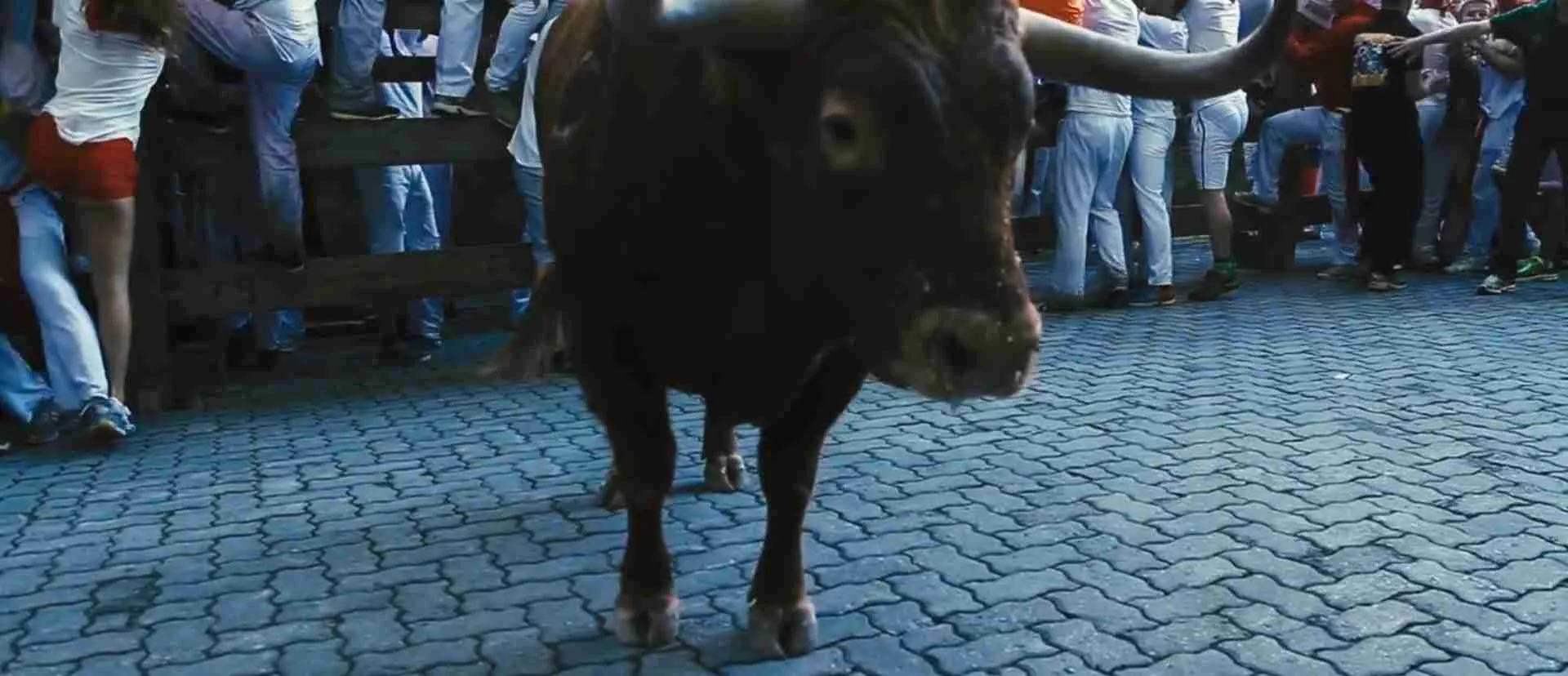
Running of the Bulls 2026: San Fermín Pamplona Festival Complete Guide
Key Takeaways
- San Fermín 2026 runs July 6-14 with daily bull runs at 8:00 AM sharp on an 875-meter course through Pamplona’s old town
- Festival attendance costs €400-600 per person for the week including accommodation, meals, and entertainment but excluding flights
- Book accommodation 6-12 months ahead as Pamplona hotels sell out completely during the festival with prices tripling from normal rates
- Only physically fit adults should run – the event causes 50-100 injuries annually with goring risk despite safety measures
- Free festival events include opening ceremony, daily runs viewing, giant puppet parades, and closing ceremony making budget participation possible
- Official festival begins at noon July 6 with the “Chupinazo” rocket launch from City Hall balcony drawing 20,000+ spectators
Introduction: Planning Your Running of the Bulls Experience 2026
The San Fermín Festival in Pamplona represents one of the world’s most exhilarating cultural celebrations, drawing over 1 million visitors each July for eight days of non-stop festivities centered around the legendary Running of the Bulls. For 2026, the festival runs July 6-14, offering participants the chance to experience this centuries-old Navarrese tradition that combines religious devotion, dangerous spectacle, and communal celebration in equal measure.
Planning your San Fermín 2026 experience requires strategic preparation due to the festival’s massive popularity and logistical challenges. Pamplona’s population swells from 200,000 to over 1 million during the festival week, creating unprecedented demand for accommodation, transportation, and services. The city transforms into a 24-hour party where traditional Spanish culture meets international tourism, white-clad revelers crowd narrow medieval streets, and the daily bull run provides eight minutes of heart-pounding intensity.
This comprehensive 2026 planning guide covers everything from accommodation booking strategies and transportation logistics to safety protocols for runners and money-saving techniques for budget travelers. Whether you’re planning to run with the bulls, watch from the safety of barriers, or simply immerse yourself in the festival atmosphere, understanding the event’s structure, costs, and cultural significance ensures a memorable and safe experience. The festival’s unique combination of danger, tradition, and celebration creates an atmosphere unlike any other global event, making advance planning essential for maximizing your 2026 San Fermín adventure.
People Also Ask About Running of the Bulls 2026
How much does Running of the Bulls cost in 2026?
The running itself is free – anyone can participate in the daily 8:00 AM bull runs at no charge. However, total festival costs for a week in Pamplona during San Fermín 2026 range €400-800 per person depending on accommodation choices and lifestyle. Budget travelers staying in shared hostel rooms and cooking meals spend €400-500 for the week, while mid-range visitors in hotels with restaurant dining spend €600-800. Premium experiences with luxury hotels and VIP balcony viewing reach €1,500-2,500 for the week.
Accommodation represents the largest expense at €80-300 per night in 2026 (check booking platforms for current rates as prices vary significantly). A typical festival week budget breaks down as: accommodation €560-2,100 (7 nights), meals €140-280 (€20-40 daily), drinks and entertainment €100-200, transportation within Pamplona €0-30, and optional bullfight tickets €25-150. Many free activities offset costs including watching the bull runs, attending street parades, and participating in public celebrations.
Smart money-saving strategies include booking accommodation in nearby towns like Tafalla or Estella (€40-60 per night) and commuting to Pamplona, sharing apartment rentals with groups, preparing picnic meals from supermarkets, and focusing on free festival events. The festival’s democratic nature means memorable experiences don’t require luxury spending – locals and budget travelers enjoy the same street celebrations, music, and atmosphere as those paying premium prices.
When is San Fermín 2026 and what are the exact dates?
San Fermín 2026 runs July 6-14 with the opening ceremony at noon on July 6 and closing ceremony at midnight on July 14. The festival always follows this fixed calendar starting on July 6 at 12:00 PM when the mayor lights the “Chupinazo” rocket from City Hall balcony, officially beginning eight days of continuous celebration. Bull runs occur daily July 7-14 at 8:00 AM sharp (no bull run on opening day July 6).
The festival concludes at midnight July 14 with the “Pobre de Mí” closing ceremony where participants sing a mournful song by candlelight in Plaza del Ayuntamiento, bidding farewell to San Fermín for another year. Most visitors arrive July 5-6 to secure accommodation and experience the opening ceremony, staying through July 14-15 to witness both the closing ceremony and aftermath. The festival’s mid-July timing means hot summer weather with temperatures reaching 25-30°C (77-86°F) daily.
Key dates for 2026 planning include booking accommodation by January 2026 for best selection, purchasing bullfight tickets 2-3 months ahead for preferred seating, and arriving in Pamplona by early afternoon July 6 to witness the Chupinazo opening ceremony. The festival’s fixed dates allow advance planning but create concentrated demand during this specific week each year.
Is Running of the Bulls safe in 2026?
Running with the bulls carries inherent danger with 50-100 injuries occurring annually and 15 deaths since 1910. However, serious injuries remain relatively rare considering over 1 million participants have run since record-keeping began. The 2026 runs follow the same 875-meter course through Pamplona’s old town with safety barriers, medical stations every 50 meters, and police oversight ensuring runner safety within reasonable limits.
Most injuries result from falls, crowd crushes, and collisions with other runners rather than direct bull contact. Goring injuries typically number 5-10 per festival with 1-2 serious cases requiring hospitalization. Bulls run at 24-40 km/h (15-25 mph) through narrow streets where escape options are limited, making physical fitness, sobriety, and knowledge of the route essential for participant safety.
Red Cross stations position along the route with ambulances ready, trauma surgeons staff the hospital during bull runs, and experienced “pastores” (herders) with long poles guide bulls through dangerous corners. Safety improves significantly when runners follow official guidelines: run sober, wear proper footwear, never touch bulls, run in the same direction as bulls, and immediately exit the course if falling. First-time runners should watch 2-3 runs before participating to understand crowd dynamics, dangerous zones, and escape routes. While the event remains inherently dangerous, informed participation and adherence to safety protocols minimize risk considerably.
How to get tickets for Running of the Bulls 2026?
The bull run itself requires no tickets – participation is completely free and open to anyone meeting basic requirements (18+, sober, physically fit). Runners simply show up at designated starting points between 7:00-7:45 AM, pass through police checkpoints, and wait for the 8:00 AM rocket launch signaling the bulls’ release. No registration, advance booking, or payment is necessary to run.
However, viewing the runs from balconies, fenced areas, and grandstands requires tickets or arrangements. Private balcony viewing along the route costs €80-200 per person through tour operators and local property owners (book 3-6 months ahead for best selection). The Plaza de Toros (bullring) offers free viewing of the final stretch where bulls enter the arena, though spectators must queue from 6:30 AM for limited capacity.
Bullfight tickets for afternoon events sell separately at €25-150 depending on seating (check plazadetorospamplona.com for official sales starting 2-3 months before festival). Sol (sun) sections cost €25-40, sombra (shade) sections €60-100, and premium barrera (ringside) seats €120-150. Most festival events including street parades, concerts, and ceremonies remain free with no ticketing required, maintaining San Fermín’s accessible character.
Extended multi-day tours – 5+ days
Featured San Fermin Multi-Day Tour Packages

3 days
San Fermin 3-Day Discovery Tour
- ✓ Comprehensive San Fermin experience
- ✓ Expert local guides included
- ✓ All accommodation included
- ✓ Transportation provided

5 days
San Fermin 5-Day Highlights Experience
- ✓ Comprehensive San Fermin experience
- ✓ Expert local guides included
- ✓ All accommodation included
- ✓ Transportation provided
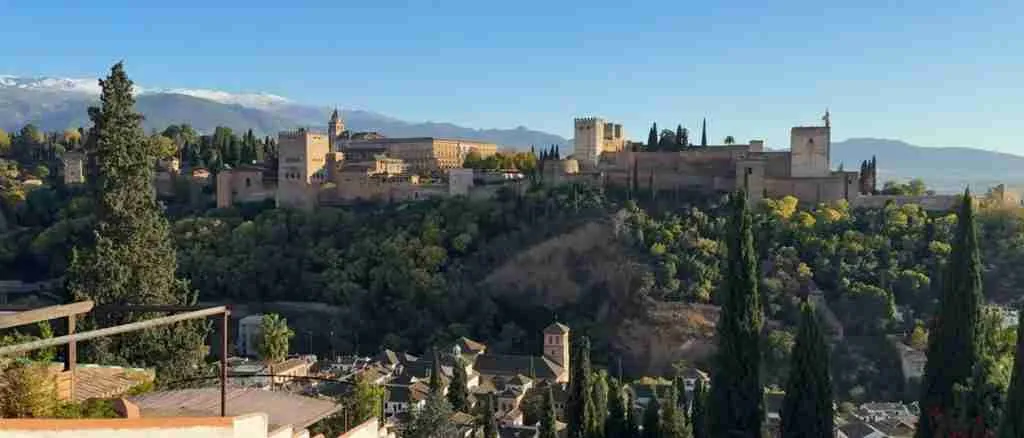
7 days
San Fermin 7-Day Cultural Journey
- ✓ Comprehensive San Fermin experience
- ✓ Expert local guides included
- ✓ All accommodation included
- ✓ Transportation provided
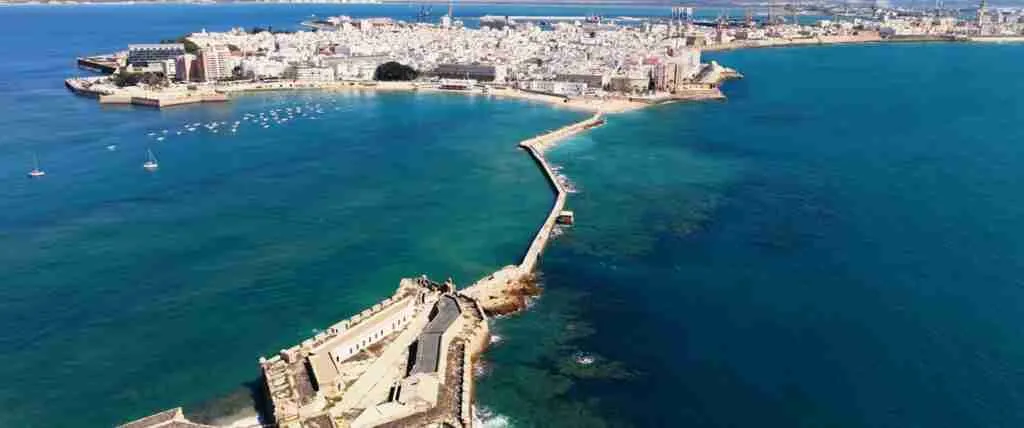
10 days
San Fermin 10-Day Complete Adventure
- ✓ Comprehensive San Fermin experience
- ✓ Expert local guides included
- ✓ All accommodation included
- ✓ Transportation provided
Multi-day tour packages powered by TourRadar. Prices and availability subject to change.
Essential Planning Information 2026
Festival Dates and Schedule Structure
San Fermín 2026 follows the traditional schedule with opening ceremony at noon July 6 and daily bull runs July 7-14 at 8:00 AM. The festival operates on a consistent daily rhythm: bull run at 8:00 AM (approximately 3-5 minutes duration), breakfast and recovery 9:00-11:00 AM, midday festivities and lunch 12:00-5:00 PM, bullfights at 6:30 PM (when scheduled), dinner and pre-party 8:00 PM-midnight, and all-night street celebrations continuing until the next morning’s run.
Eight bull runs occur during the festival (one per day July 7-14) with each run lasting just 3-5 minutes as six fighting bulls and six guiding steers race from the corrals to the Plaza de Toros bullring. The brief duration creates intense spectacle as thousands of runners sprint through medieval streets ahead of the charging bulls. Two daily rockets signal the start: first rocket means bulls released from corrals, second rocket (30 seconds later) means all bulls have left the corrals.
Beyond bull runs, the festival includes daily bullfights at 6:30 PM (July 7-14), giant puppet parades featuring kilikis and cabezudos (big-headed figures) throughout the day, traditional Basque music and dance performances in plazas, fireworks competitions at 11:00 PM nightly, and continuous street celebrations with live music on every corner. The 24-hour party atmosphere means activities happen constantly with no official downtime between scheduled events.
Costs and Budget Planning for 2026
Accommodation dominates San Fermín budgets with Pamplona hotel prices tripling during the festival week. Budget options include hostel dorms at €60-100 per night, budget hotels at €120-180 per night, mid-range hotels at €200-300 per night, and luxury accommodations at €350-600 per night in 2026 (check booking platforms for current rates as pricing varies). Many visitors split apartment rentals with groups, reducing costs to €40-70 per person nightly for 4-6 person shares.
Daily festival expenses beyond accommodation include meals at €20-40 (€8-12 breakfast, €12-18 lunch, €15-25 dinner if dining out), drinks and entertainment at €15-30 (sangria €5-8 per liter, beer €3-5, wine €4-7), local transportation at €0-5 (most visitors walk everywhere), and optional activities like bullfight tickets at €25-150. Street food options reduce meal costs with bocadillos (sandwiches) at €4-7, churros at €3-5, and pintxos (tapas) at €2-4 each.
A week-long budget breakdown for different traveler types: Budget traveler (hostel dorm, self-catering meals, free activities) €400-500 total; Mid-range traveler (budget hotel, mix of restaurants and supermarkets, 1-2 bullfights) €600-800 total; Premium traveler (mid-range hotel, all restaurant dining, balcony viewing, multiple bullfights) €1,200-1,800 total. These figures exclude international flights to Spain but include all festival-week expenses in Pamplona.
Understanding the Running of the Bulls
The encierro (bull run) originated in the 14th century as a practical method for transporting bulls from countryside corrals to Pamplona’s bullring for afternoon fights. Local young men began running alongside the bulls to demonstrate bravery, gradually transforming a livestock-moving necessity into a daring tradition that Ernest Hemingway popularized internationally in his 1926 novel “The Sun Also Rises.” Today’s bull run maintains its historical route while attracting runners from over 50 countries seeking adrenaline and cultural immersion.
Six toros bravos (fighting bulls) bred specifically for aggression and athleticism run the 875-meter course from Santo Domingo corrals to the Plaza de Toros bullring, accompanied by six mansos (guiding steers) who know the route and help direct the bulls. Bulls weigh 500-700 kg (1,100-1,540 lbs), stand 1.5-1.7 meters tall at the shoulder, and possess 5-7 inch horns designed for goring. These animals are bred for centuries for size, speed, and aggressive instinct, making them fundamentally different from docile cattle.
The course winds through Pamplona’s medieval old town with four distinct sections: Santo Domingo (slight uphill start, widest section), Ayuntamiento (sharp right turn into narrow City Hall street, most dangerous), Mercaderes (extremely narrow 3.5-meter-wide straightaway, fastest section), and Estafeta (300-meter main street with gradual curve, most crowded section). The run concludes at Telefónica corner’s sharp left turn into the bullring tunnel, often causing pile-ups as bulls resist entering the dark passage.
Bulls follow their herding instinct and run faster when grouped together. The most dangerous moments occur when a bull becomes separated from the group (sueltosó), causing it to panic, slow down, and potentially charge at runners or barriers. Experienced participants watch for sueltos and immediately exit the course, as isolated bulls account for most goring injuries. Understanding bull behavior, course geography, and crowd dynamics separates informed participants from reckless tourists risking serious injury.
Daily Schedule San Fermín 2026
July 6, 2026 – Opening Day Schedule
The festival explodes to life at noon July 6 when Pamplona’s mayor launches the Chupinazo rocket from City Hall balcony, officially beginning San Fermín. Arrive at Plaza del Ayuntamiento by 10:30 AM for decent viewing position as 20,000+ people pack the square for this iconic moment. Participants traditionally wear white clothing with red scarves (pañuelos) tied around their necks, creating a sea of white and red filling the plaza.
Following the Chupinazo, crowds disperse throughout the old town for spontaneous celebrations with sangria flowing freely, live music erupting on every corner, and the party beginning in earnest. The opening afternoon features Comparsa de Gigantes y Cabezudos (giant puppet parade) at 5:00 PM proceeding through main streets with traditional Basque music accompaniment. Evening activities include dinner in packed restaurants (reservations essential), continued street celebrations, and fireworks at 11:00 PM from the Ciudadela fortress.
No bull run occurs on July 6 – the first encierro happens July 7 at 8:00 AM. However, the opening day’s energy rivals any subsequent festival day with the added excitement of the Chupinazo ceremony and first-day festivities. Most visitors stay out all night participating in the riau-riau procession (a satirical march to San Lorenzo church) and preparing for the next morning’s first bull run. Budget €40-60 for opening day expenses including meals, drinks, and entertainment excluding accommodation.
July 7-14, 2026 – Daily Festival Program
Each festival day from July 7-14 follows a consistent schedule beginning with the 8:00 AM bull run. Runners gather at starting points from 7:00 AM as police check for prohibited items (cameras, bags, inappropriate clothing). At 7:45 AM, runners sing three prayers to San Fermín for protection before the run begins. First rocket at 8:00 AM signals bulls released, second rocket 30 seconds later confirms all bulls have left corrals, and a third rocket announces all bulls have entered the bullring (typically by 8:03-8:05 AM).
Post-run activities include breakfast in cafés discussing the morning’s excitement (churros with chocolate €5-8, coffee and pastries €4-7), recovery and rest 10:00 AM-1:00 PM for those who stayed out all night, and giant puppet parade at noon featuring the kilikis (mischievous figures hitting spectators with foam batons) and cabezudos (big-headed characters) entertaining crowds. Lunch service runs 1:30-4:00 PM with restaurants packed and reservations recommended for groups.
Bullfights begin at 6:30 PM (July 7-14) in the Plaza de Toros with each corrida lasting approximately 2.5 hours featuring three bullfighters (matadors) and six bulls. Tickets range €25-150 depending on seating section (check official plaza website for sales). Evening festivities intensify after bullfights with dinner 9:00-11:00 PM, nightly fireworks competition at 11:00 PM, and continuous street celebrations featuring live music, dancing, and socializing lasting until dawn. The cycle repeats the next morning with another 8:00 AM bull run.
Safety Guidelines for 2026 Runners
Official safety requirements mandate runners must be 18+ years old, completely sober (alcohol testing occurs at checkpoints), and wearing proper footwear (no sandals, flip-flops, or bare feet). Police prohibit cameras, bags, backpacks, and any items that could cause trips or falls. Runners wear traditional white clothing with red scarves, though this is custom rather than requirement. Arrive at starting positions by 7:45 AM as police close course access precisely at that time.
The most critical safety rule: never touch bulls, never grab horns, and never attempt to attract a bull’s attention. Touching bulls agitates them and endangers everyone on the course. Run in the same direction as the bulls, never against traffic or perpendicular to their path. If you fall, immediately cover your head with your hands, stay down, and roll toward barriers – never stand up if bulls are nearby as movement attracts their attention. Other runners will help you to safety once bulls pass.
Course knowledge improves safety dramatically – walk the entire route before your first run to identify escape points (wooden barriers have gaps every 15-20 meters for quick exits), understand dangerous corners (Ayuntamiento right turn and Telefónica left turn cause most pile-ups), and locate medical stations. Watch 2-3 runs from barriers before participating to observe crowd patterns, bull behavior, and common mistakes. First-time runners should start in the second half of the course (Estafeta street) where crowds thin and bulls run faster, reducing pile-up risk.
Physical fitness requirements include ability to sprint 100-200 meters at near-maximum speed, agility to change direction quickly, and cardiovascular endurance to maintain pace. The most dangerous participants are drunk tourists stumbling through the course – alcohol and bull running create a deadly combination responsible for most serious injuries. Red Cross stations position every 50 meters along the route with ambulances ready, but prevention through informed participation and sobriety remains the best safety strategy. Runners who respect the bulls, understand the course, and follow safety protocols minimize risk while experiencing this unique cultural tradition.
Accommodation Strategies 2026
Budget Accommodation Options for 2026
Budget travelers targeting €400-500 total festival costs should focus on hostel dormitories and alternative lodging options. Pamplona hostels charge €60-100 per night for shared dorms during San Fermín in 2026, significantly less than private rooms but still triple normal off-season rates (check hostelworld.com and booking.com for current availability as properties fill early). Popular budget hostels include Albergue Juvenil Pamplona (official youth hostel), Hemingway Hostel (party atmosphere near old town), and Mundo Joven Hostel (social environment with organized activities).
Alternative budget strategies include camping at designated festival campsites on Pamplona’s outskirts (€15-25 per person nightly with your own tent, €30-45 for tent rental), sleeping in rental cars or campervans in permitted areas (requires advance research on legal parking), or staying in nearby towns like Tafalla (20 km south, €40-60 per night) or Estella (48 km southwest, €40-70 per night) and commuting to Pamplona via bus or train (€5-10 each way).
Apartment shares offer the best value for groups with 4-6 person apartments renting for €200-400 per night (€35-70 per person), significantly less than individual hotel rooms. Book apartments by January 2026 through Airbnb, Vrbo, or local rental agencies for best selection. Groups sharing cooking facilities save €100-150 per person weekly on restaurant meals by preparing breakfast and some dinners in-apartment. Budget accommodation requires early booking as the most affordable options sell out 6-8 months before the festival.
Mid-Range and Luxury Accommodation 2026
Mid-range travelers should target €600-800 total festival budgets with accommodation at €120-200 per night for budget hotel private rooms or €200-300 per night for 3-star hotel comfort. Central locations near the old town provide walking access to all festival activities, eliminating transportation costs. Recommended mid-range hotels include Hotel Yoldi (historic property near bull run route), Hotel Maisonnave (modern amenities 5 minutes from Plaza del Castillo), and Hotel Tres Reyes (upscale 4-star with pool and gardens).
Luxury accommodation reaches €350-600 per night for 4-5 star hotels during San Fermín 2026 (check booking platforms for current premium rates). Top properties include Gran Hotel La Perla (Ernest Hemingway’s favorite, balconies overlooking Estafeta bull run street), Hotel Alma Pamplona (modern luxury in converted convent), and AC Hotel Pamplona (Marriott brand with contemporary amenities). These hotels offer restaurant reservations assistance, concierge services for bullfight tickets, and VIP access to certain events.
Many luxury hotels sell “San Fermín packages” including accommodation, balcony viewing, meals, and bullfight tickets for €2,500-4,000 per person for the week. While expensive, packages eliminate planning stress and guarantee premium experiences. Book luxury accommodation 8-12 months ahead as properties with bull run route views sell out first. Room prices drop 60-70% immediately after July 14, creating savings opportunities for visitors extending stays to explore Navarra region after the festival ends.
Transportation to Pamplona 2026
Pamplona Airport (PNA) serves limited international flights with seasonal direct connections from London, Frankfurt, and Brussels during summer 2026. Most international visitors fly into Madrid-Barajas (MAD) or Bilbao Airport (BIO), then travel overland to Pamplona. Madrid to Pamplona takes 3 hours by car via A-15 motorway or 3.5 hours by direct train or bus. Bilbao to Pamplona requires 2 hours by car via A-8 and AP-68 highways or 2.5 hours by bus (no direct train connection).
Train service from Madrid to Pamplona operates via Renfe with 4-5 daily departures from Madrid Chamartín station. Alvia high-speed trains cost €35-75 depending on booking timing and class selection (check renfe.com for current schedules and fares). Book train tickets 60-90 days ahead for best prices as festival week sees premium pricing and capacity constraints. The Pamplona train station sits 2 km from city center with bus connections (€1.35) or 25-minute walks to old town.
Bus companies including ALSA provide extensive service connecting Pamplona to major Spanish cities with prices typically 30-40% below train fares. Madrid to Pamplona buses cost €20-45 and depart from Madrid Estación Sur with 8-10 daily options. Barcelona to Pamplona takes 5 hours via direct bus service (€25-50). San Sebastián to Pamplona requires 1.5 hours via bus (€8-15). Book bus tickets at alsa.com or estaciondeautobuses.com with advance purchase recommended during festival week.
Rental cars provide flexibility for exploring Navarra region but create parking challenges in central Pamplona during San Fermín. Street parking vanishes during the festival with most visitors walking everywhere in the compact old town. Public parking garages charge €20-35 per day during the festival (€8-12 off-season). Consider renting a car only if staying outside Pamplona and commuting daily, as city parking stress and traffic congestion offset the convenience during festival week.
Money-Saving Strategies 2026
The single most effective money-saving strategy involves booking accommodation in nearby towns and commuting to Pamplona. Towns within 20-30 km like Tafalla, Puente la Reina, and Olite offer normal hotel rates (€40-80 per night) throughout San Fermín while Pamplona properties triple prices. Regular bus service connects these towns to Pamplona (€5-10 round trip, 30-45 minutes) with extra festival week capacity. This strategy saves €300-500 per person for a week while providing quieter sleeping environments away from all-night party noise.
Food costs drop dramatically when mixing restaurant meals with supermarket shopping. Navarra’s excellent supermarkets including Mercadona, Carrefour Express, and Eroski sell bread, cheese, jamón, fruit, and drinks for picnic meals at 30-40% of restaurant prices. Breakfast from supermarkets costs €3-5 per person versus €8-12 in cafés. Making your own bocadillos (sandwiches) for €2-3 versus buying them for €5-7 saves €50-80 per person weekly. Many accommodations with kitchen facilities allow meal preparation, significantly reducing food budgets.
Focus on free festival events including all bull runs (completely free to watch from barriers), giant puppet parades (daily at noon), fireworks displays (nightly at 11:00 PM), street concerts and performances (continuous throughout old town), and Plaza de Toros bull run viewing (free but requires early morning queuing from 6:30 AM). These free activities provide authentic San Fermín experiences without ticket costs. Skip bullfights if budget-conscious – while culturally significant, the €25-150 tickets represent a major expense for budget travelers.
Drinks represent a major festival expense with sangria and beer flowing constantly. Supermarket sangria costs €3-5 per liter versus €15-20 in bars, creating 300-400% markups. Buy drinks from supermarkets and enjoy them in plazas and street celebrations where public drinking is accepted. Bring a reusable bottle and refill from larger containers throughout the day. This strategy reduces drink costs from €150-200 to €40-60 for a week while maintaining full festival participation.
Travel timing affects costs significantly with flights and trains to Spain cheapest when booked 90-120 days ahead. Accommodation booking 8-12 months early (January 2026 for July festival) provides best selection and rates before properties implement festival pricing. Visiting immediately before (July 1-5) or after (July 15-20) the festival offers 60-70% accommodation savings while still experiencing Pamplona’s charm and infrastructure without the crowds. Consider extending your Spain trip to justify flight costs by exploring additional regions after San Fermín ends.
Sample 2026 Itineraries
Single-Day Bull Run Experience 2026
For visitors with limited time or those wanting to experience San Fermín without week-long commitment, a single-day visit captures the essence of the festival. Arrive in Pamplona the evening before your chosen run date (July 6-13), check into accommodation (€120-200 per night for last-minute hotel room), and explore the old town while festivals get underway. Have dinner at a traditional restaurant like Casa Otano (€25-40 per person) or Baserriberri (€30-50 per person with wine), experiencing Navarrese cuisine including pimientos del piquillo (roasted peppers), chuletón (massive T-bone steak), and local Navarra wine.
Wake at 6:30 AM for the 8:00 AM bull run, arriving at your chosen viewing position by 7:00 AM for good sightlines. Santo Domingo street offers wide-open viewing of the starting moments, Ayuntamiento corner provides dramatic action at the dangerous right turn, and Estafeta straight showcases the fastest sprint section. If running, arrive by 7:00 AM to pass through police checkpoints and secure starting position. After the run (complete by 8:05 AM), celebrate with traditional breakfast of churros with chocolate (€5-8) and café con leche (€2-3) at Café Iruña or Bar Txoko.
Spend mid-morning recovering and exploring the old town including Plaza del Castillo (historic central square), Cathedral of Santa María (€5 entry, remarkable Gothic architecture), and city walls viewpoint. Watch the noon puppet parade with kilikis and cabezudos entertaining crowds through main streets. Have lunch at a pintxos bar like Bar Gaucho (€15-25 per person for pintxos and wine) or Bodegón Sarria (€20-35 for traditional Basque-Navarrese dishes). Depart Pamplona mid-afternoon if continuing your Spain travels or extend to evening for bullfight (€25-150 tickets) and fireworks at 11:00 PM.
Accommodation €120-200, meals €50-80 (breakfast €8-12, lunch €20-35, dinner €25-40 previous evening), drinks and entertainment €20-40, transportation within Pamplona €0. Total day cost: €190-320 per person including accommodation for one night. This single-day experience provides authentic San Fermín participation without the physical and financial commitment of the full festival week.
Full Festival Week Experience 2026
The complete San Fermín immersion involves arriving July 5 and departing July 15, experiencing opening ceremony, all eight bull runs, multiple bullfights, and closing ceremony. Book accommodation for July 5-15 (10 nights at €120-250 per night depending on property choice) by February 2026 at latest for decent selection (check booking platforms for current rates). Consider staying in mid-range hotel like Hotel Yoldi or Hotel Maisonnave offering central location without luxury premiums.
Day 1 (July 5): Arrive Pamplona afternoon, check into hotel, explore old town at relaxed pace before festival chaos begins. Dinner at Restaurante Rodero (€40-60 per person) for excellent Navarrese cuisine in quieter pre-festival atmosphere. Day 2 (July 6): Sleep in and have breakfast at hotel, arrive Plaza del Ayuntamiento by 10:30 AM for Chupinazo opening ceremony at noon, participate in afternoon puppet parade and street celebrations, dinner at packed restaurant (book ahead), experience opening night festivities and fireworks. Total: €60-90 (meals, drinks, entertainment).
Days 3-10 (July 7-14): Follow daily rhythm of 8:00 AM bull run (watch or participate), breakfast recovery, midday puppet parade, lunch at pintxos bars (€15-25 per day), afternoon rest or exploration, evening bullfight 2-3 times during the week (€25-150 per fight), dinner (€20-40 per day), fireworks at 11:00 PM, all-night street celebrations. Mix restaurant meals with supermarket supplies to control costs. Attend at least one bullfight for cultural experience even if conflicted about the practice. Visit landmarks including cathedral, citadel, and museums during midday heat. Average daily cost: €60-110 (meals €35-65, drinks €15-25, bullfight tickets €10-20 averaged across week).
Day 11 (July 15): Attend closing ceremony (Pobre de Mí) at midnight July 14 transitioning into July 15, singing traditional farewell song by candlelight in Plaza del Ayuntamiento. Sleep late on July 15 recovering from eight days of festivities, have leisurely breakfast, depart Pamplona afternoon or evening continuing Spain travels. The emotional closing ceremony provides cathartic end to intense week of celebration, danger, and cultural immersion.
Full week costs: Accommodation €1,200-2,500 (10 nights), meals €300-550 (€35-65 daily average mixing restaurants and supermarkets), drinks and entertainment €150-250 (€20-35 daily), bullfight tickets €50-300 (2-3 fights during week), transportation within Pamplona €0-20. Total festival week: €1,700-3,600 per person excluding international flights to Spain. Budget travelers using hostels, self-catering, and free events reduce totals to €1,000-1,400. This represents the complete San Fermín experience from opening rocket to closing candles.
Booking and Reservations 2026
Accommodation booking timeline for San Fermín 2026 follows these critical phases: January 2026 (prime booking window with best selection and rates before festival pricing fully impacts market), February-March 2026 (good availability remains but prices increasing as demand grows), April-May 2026 (limited central options remaining with premium pricing on remaining rooms), June 2026 (last-minute availability only with maximum prices and poor location choices). Book accommodation 8-12 months ahead through major platforms including Booking.com, Airbnb, or direct hotel websites.
Bullfight tickets go on sale 2-3 months before the festival through official Plaza de Toros website (plazadetorospamplona.com) and authorized vendors. Sol (sun) sections in the afternoon heat cost €25-40, sombra (shade) sections offer comfort at €60-100, and barrera (ringside) premium seats reach €120-150. Buy directly from official sources to avoid counterfeit tickets and scalper premiums. Some hotels and tour operators bundle bullfight tickets with accommodation packages.
Balcony viewing along the bull run route books through private property owners, tour operators, and specialized websites. Expect to pay €80-200 per person for premium balcony position with breakfast and drinks included. Book balcony spots 4-6 months ahead through reputable operators including San Fermín Tours, Pamplona Running of the Bulls, or local property management companies. Verify exact balcony location (Estafeta offers longest viewing, Ayuntamiento provides dramatic corner action) and included amenities before booking.
Transportation bookings should follow this timeline: Flights to Madrid or Bilbao (book 90-120 days ahead for best fares), trains and buses to Pamplona (book 60-90 days ahead as festival week sees demand surges), rental cars (book 60-90 days ahead if needed). Monitor fare comparison sites and set price alerts for optimal booking timing. Consider booking flexible tickets where possible as festival plans may shift based on accommodation availability and travel companion schedules.
What to Pack for San Fermín 2026
The traditional San Fermín uniform consists of white pants (any style works – jeans, slacks, shorts all acceptable), white shirt (short or long sleeve, t-shirt acceptable), red scarf (pañuelo) tied around neck, and red sash (faja) around waist. Red scarves cost €5-10 in Pamplona shops (every store sells them during festival) or bring your own red bandana. White clothing gets filthy from wine spraying, street celebrations, and general festival chaos – bring items you don’t mind damaging or discarding. Many participants buy cheap white clothing in Pamplona specifically for festival week.
Footwear requires closed-toe shoes with good grip for cobblestone streets and potential running. Sneakers, running shoes, or hiking shoes work perfectly. Absolutely avoid sandals, flip-flops, high heels, or any footwear that could slip off during bull running or crowd surges. If planning to run with bulls, proper running shoes with excellent traction and support become essential – this is not the time for fashion over function. Bring backup shoes as first pair will likely get trashed by end of week.
Essential items include sunscreen (SPF 30+ for all-day sun exposure), sunglasses, lightweight day pack for water and supplies, refillable water bottle (Pamplona has public fountains throughout old town), portable phone charger, small first aid kit (bandages, pain relievers, anti-chafe cream for walking), earplugs for sleeping during daytime in noisy hotel, and copies of passport and hotel reservation. Consider bringing dry bag for phone and wallet to protect from wine spraying and general moisture.
Optional useful items include Spanish phrasebook or translation app (English widely spoken but Spanish appreciated), camera with wrist strap (never take camera into bull run), small towel for wiping wine off face and hands, cash in small bills (many bars don’t accept cards during rush), prescription medications with extra supply in case of extended stay, and comfortable day clothes for sightseeing between festivities. Pack light as you’ll accumulate festival souvenirs (scarves, t-shirts, posters) throughout the week. Most importantly: positive attitude, respect for local customs, and readiness for one of the world’s most intense celebration experiences.
Frequently Asked Questions About Running of the Bulls 2026
Can women run in the Running of the Bulls?
Yes, women participate fully in the Running of the Bulls with no restrictions or separate runs. The encierro is open to anyone 18+ regardless of gender. Women runners number approximately 10-15% of total participants (gradually increasing each year) and follow identical rules, face the same risks, and receive equal treatment from authorities and fellow runners. Some women have become respected regular runners who complete dozens of encierros over multiple years.
What happens to the bulls after the run?
The six bulls used in each morning’s run participate in that evening’s bullfight (corrida) at the Plaza de Toros, where they face matadors in the traditional Spanish bullfighting ritual. This is the bulls’ intended purpose – they are toros bravos (fighting bulls) bred specifically for bullfighting. The bulls die during the evening corrida, and their meat is later sold to restaurants and butcher shops. This reality makes the encierro controversial among animal rights activists while remaining culturally significant to festival participants.
How many people actually run with the bulls?
Approximately 2,000-3,000 people run in each daily encierro with numbers varying based on the day (weekends draw larger crowds than weekdays) and position on the course (starting area much more crowded than final stretches). Over the eight-day festival, roughly 15,000-20,000 individuals participate in at least one run. Many runners participate multiple times during the week, while others run just once for the experience. The most crowded section (Estafeta street) can have 1,000+ runners in a 300-meter stretch.
Do I need to speak Spanish to participate in San Fermín?
No Spanish language skills are required as Pamplona handles over 1 million international visitors during San Fermín with extensive English signage and English-speaking staff at hotels, restaurants, and tourist information centers. Major announcements at the bull run (safety warnings, rules, medical instructions) are made in both Spanish and English. That said, learning basic Spanish phrases enhances your experience and shows respect for local culture. Most locals appreciate any attempt to speak Spanish even if you quickly switch to English.
What’s the youngest age allowed for Running of the Bulls?
The official minimum age is 18 years old, strictly enforced through ID checks at police checkpoints before entering the course. No exceptions exist for minors even with parental permission. Children and teenagers can watch the runs from safe barrier positions and participate in all other festival activities, but cannot legally enter the course during the encierro. This age requirement reflects the serious injury risk and need for mature decision-making about participation.
Are there medical facilities along the bull run route?
Yes, extensive medical infrastructure supports the encierro with Red Cross stations positioned every 50 meters along the route, ambulances ready at multiple points, trauma surgeons on standby at Hospital de Navarra, and medical volunteers throughout the course. The medical response system handles 50-100 injuries during the festival week with rapid treatment times. Most injuries (cuts, bruises, sprains from falls) receive on-site treatment, while serious cases (goring injuries, head trauma) go immediately to the hospital’s dedicated San Fermín trauma unit. The medical preparation is comprehensive and professional.
Can I run with the bulls if I’m drunk?
Absolutely not – alcohol is strictly prohibited for runners with police conducting sobriety checks at course entry checkpoints. Drunk runners are denied course access and may face fines. This rule exists because alcohol impairs judgment, slows reaction time, and dramatically increases injury risk in an already dangerous activity. Most serious injuries and deaths have involved intoxicated participants. You can drink freely after the run (and most do), but running drunk endangers yourself and others on the course. Save the drinking for the post-run celebration.
Is there Running of the Bulls insurance available?
Standard travel insurance typically excludes dangerous activities like Running of the Bulls, but specialized adventure sports insurance policies cover encierro participation. Companies like World Nomads, IMG Global, and Allianz offer adventure sports coverage including bull running for additional premiums. Read policy terms carefully as some exclude “professional” or “competitive” activities (the encierro is neither). Medical evacuation coverage proves particularly valuable as serious injuries may require air ambulance or specialized treatment. Expect adventure sports insurance to cost €50-150 for festival week coverage depending on age and coverage limits.
What time does the Running of the Bulls end?
The bull run itself lasts just 3-5 minutes from the 8:00 AM start (first rocket) to bulls entering the Plaza de Toros bullring (third rocket typically by 8:03-8:05 AM). However, the course remains closed 7:45 AM-8:30 AM for safety setup and teardown. Morning festivities continue until 10:00-11:00 AM as participants celebrate in bars and cafés, recount the run, watch television replays, and gradually disperse. The compact time frame (under 10 minutes of actual action) creates intense excitement concentrated into a brief window of adrenaline.
How much does it cost to watch the Running of the Bulls from a balcony?
Private balcony viewing along the bull run route costs €80-200 per person depending on location and amenities. Premium spots on Estafeta street (longest viewing stretch) command highest prices €150-200, while side street balconies cost €80-120. Most balcony packages include breakfast (coffee, pastries, churros), drinks (sangria, beer, wine), and 2-3 hours of viewing access before and after the run. Book balcony spots 4-6 months ahead through tour operators or local property owners. Free viewing from street-level barriers offers authentic experience at no cost but requires arrival by 7:00 AM for decent sightlines.