Royal Palace of Caserta Complete Guide 2026: Everything You Need to Know
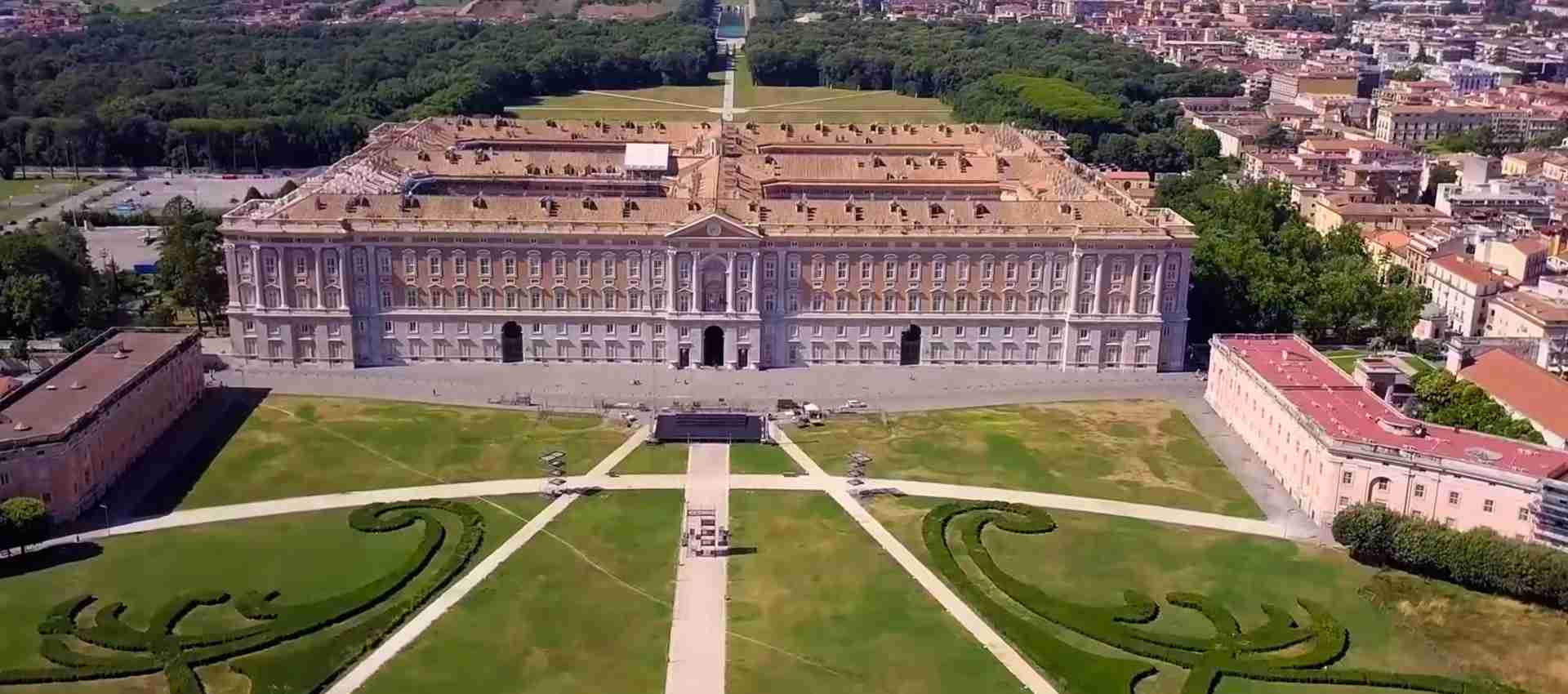
The Royal Palace of Caserta stands as the world’s largest royal residence by volume, a UNESCO World Heritage masterpiece rivaling Versailles in grandeur with its 1,200 rooms, magnificent Baroque architecture, and three-kilometer gardens showcasing fountains, waterfalls, and neoclassical sculptures. This complete 2026 guide provides everything visitors need to explore this 18th-century Bourbon complex, from navigating the vast Royal Apartments to understanding the palace’s transformation from royal court to celebrated cultural destination.
Key Takeaways for Visiting Royal Palace of Caserta 2026
- Exceptional Value 2026: Combined admission of €14-15 grants full-day access to all Royal Apartments, Palatine Chapel, Court Theatre, and the entire 120-hectare Royal Park including the English Garden, representing outstanding value for one of Europe’s grandest palaces
- Strategic Planning 2026: The palace opens 8:30 AM-7:30 PM daily except Tuesdays, requiring minimum 4-5 hours for comprehensive visits or 2-3 hours for essential highlights, with park closing times varying seasonally based on sunset
- Transportation Convenience 2026: Caserta train station sits directly across from the main palace entrance, providing 30-40 minute connections from Naples Centrale and easy access from Rome, Naples Airport, and surrounding Campania region
- UNESCO Recognition: Inscribed as a World Heritage Site in 1997 alongside the Aqueduct of Vanvitelli and San Leucio Complex, representing the swan song of Italian Baroque and an eloquent expression of Enlightenment principles in architectural form
- Garden Scale: The Royal Park extends three kilometers from palace to waterfall, featuring the Great Cascade, Fountain of Diana and Actaeon, and the romantic English Garden with shuttles, bikes, or walking options for exploring the vast landscape
- Free Admission Days 2026: First Sunday of every month plus April 25, June 2, and November 4 offer free entry though with significantly larger crowds and English Garden closure, requiring advance planning to maximize these budget opportunities
People Also Ask About Royal Palace of Caserta 2026
How Much Does Royal Palace of Caserta Cost in 2026?
The combined Royal Apartments and Royal Park ticket costs €14-15 for adults in 2026 (check the official Reggia di Caserta website for current rates as pricing may vary). This single admission includes access to all palace rooms, the Grand Staircase, Palatine Chapel, Court Theatre on opening days, and the entire 120-hectare park with fountains, cascades, and the English Garden. Reduced tickets at €7 apply to EU citizens aged 18-25, while children under 18 enter free year-round. Separate park-only tickets cost approximately €12 for visitors interested solely in garden exploration. Audio guides rent for €5 per section or €8 for combined palace and park commentary in Italian, English, French, German, and Spanish. Free admission occurs on the first Sunday of every month plus April 25, June 2, and November 4, though these dates see substantially larger crowds and English Garden closures.
How Do I Get to Royal Palace of Caserta from Naples in 2026?
Regional trains depart Naples Centrale station for Caserta every 20-30 minutes throughout 2026, completing the 30-40 minute journey for €3-5 per person. Upon arrival at Caserta train station, cross the street directly to reach the palace’s main entrance on Piazza Carlo di Borbone, requiring just 5 minutes’ walk. High-speed Frecciarossa trains from Rome to Naples also stop at Caserta, reducing Rome travel to 60-75 minutes. By car, exit the A1 Autostrada (Naples-Rome highway) at Caserta Nord or Caserta Sud, following signs to the city center and palace. Underground parking exists beneath Piazza Carlo di Borbone, though street parking remains available nearby. Bus routes 01-CE, 02-CE, 03-NA, and others serve the palace from surrounding Campania towns.
What Are Royal Palace of Caserta Opening Hours in 2026?
The Royal Palace of Caserta opens daily from 8:30 AM to 7:30 PM throughout 2026 except on Tuesdays when it remains completely closed. Last admission occurs at 6:15 PM, allowing final visitors 75 minutes before closing. The Royal Park closes earlier based on sunset times, varying from approximately 5:30 PM in winter to 7 PM in summer months, with last park entry always one hour before closing. The English Garden within the park closes even earlier than the main park grounds. The Court Theatre operates restricted hours on Saturday and Sunday from 10 AM to 1 PM with last entry at 12:45 PM, closed completely on free admission days. Complete closures occur on January 1, December 25, and Tuesdays year-round.
How Long Does It Take to Visit Royal Palace of Caserta in 2026?
Budget 4-5 hours minimum for comprehensive exploration of both Royal Apartments and the three-kilometer Royal Park in 2026. The palace interior requires 1.5-2 hours to navigate the Grand Staircase, Royal Apartments, Throne Room, Palatine Chapel, and Court Theatre when open. The Royal Park demands 2-3 hours for walking its full length to the Great Cascade and exploring the English Garden, or 1-2 hours using the €2.50 shuttle service or rented bicycles at €4 per hour. Quick highlight visits concentrating on the most significant rooms and near palace gardens can be completed in 2-3 hours, though this abbreviated approach sacrifices the park’s remote sections and English Garden charms. Full-day visits of 5-6 hours allow leisurely appreciation, photography stops, café breaks, and complete garden exploration without rushing.
Extended multi-day tours – 5+ days
Featured Caserta Multi-Day Tour Packages
7 days
Gastronomic Road Trip Through Sunny Campania
- ✓ Booking needs min. 2 travelers
5 days
Naples to Amalfi: A Luxurious Journey of Art, Wine & Southern Flavors
- ✓ Comprehensive Caserta tour
- ✓ Expert local guides included
- ✓ All accommodation arranged
- ✓ Transportation provided
Multi-day tour packages powered by TourRadar. Prices and availability subject to change.
Introduction: Understanding Royal Palace of Caserta in 2026
The Royal Palace of Caserta, known in Italian as the Reggia di Caserta, represents the culminating achievement of Italian Baroque architecture and the Bourbon dynasty’s most ambitious statement of power in southern Italy. Commissioned by King Charles VII of Naples in 1750 and designed by architect Luigi Vanvitelli, the palace was conceived to rival both Versailles and Madrid’s Royal Palace, creating an administrative center and royal residence that would surpass all European competitors in scale and magnificence. The completed structure, finished in 1780 after Vanvitelli’s death under his son Carlo’s direction, encompasses 1,200 rooms across five floors within a rectangular plan measuring 247 by 184 meters, making it the world’s largest royal residence by volume with over 2 million cubic meters of space.
UNESCO recognized the palace’s exceptional value in 1997 by inscribing the “18th-Century Royal Palace at Caserta with the Park, the Aqueduct of Vanvitelli, and the San Leucio Complex” as a World Heritage Site. The nomination described the complex as “the swan song of the spectacular art of the Baroque, from which it adopted all the features needed to create the illusions of multidirectional space” integrated into rather than imposed upon its natural landscape. The designation acknowledges not just the palace building but the entire monumental ensemble including the 120-hectare gardens with fountains and cascades, the Caroline Aqueduct that powers the water displays, and the enlightened industrial complex at San Leucio where silk production operated under progressive social principles.
Vanvitelli’s design integrated Vitruvian principles of solidity, functionality, and beauty within neoclassical frameworks while maintaining Baroque theatrical effects. The palace organized around four massive interior courtyards connected by orthogonal arms, creating symmetry and grandeur visible from the exterior façade’s unbroken balustraded skyline. The Palatine Chapel mirrors Versailles’ royal chapel while expressing Neapolitan refinement, and the Court Theatre follows the horseshoe plan of Naples’ Teatro San Carlo in miniature form. The Grand Staircase represents 18th-century scenographic architecture at its finest, linking lower and upper vestibules through dramatic spatial progressions that announce royal power to approaching visitors.
The Royal Park extends three kilometers along a central axis connecting the palace’s northern façade to the Great Cascade waterfall in forested hills, powered by the Caroline Aqueduct’s engineering marvel. The park features twelve monumental fountains depicting mythological scenes including the Fountain of Diana and Actaeon at the cascade’s base, surrounded by neoclassical sculptures and reflecting pools creating the “telescope effect” Vanvitelli designed to extend visual perspectives infinitely. The English Garden, created in the late 18th century, introduced romantic landscape principles to Italy with winding paths, artificial ruins, grottos, and a cryptoporticus, representing one of Europe’s earliest and most significant picturesque garden spaces.
The palace’s historical trajectory mirrors southern Italy’s political transformations. The Bourbons ruled until 1860 when Italian unification made the palace state property. It served as Italy’s Air Force Academy from 1923-1943 before World War II damage required extensive restoration. The palace gained worldwide recognition as the site where German forces in Italy signed unconditional surrender terms on April 29, 1945, ending the Italian Campaign. Modern fame expanded through film locations including Star Wars Episode II: Attack of the Clones, Mission Impossible III, and numerous other productions attracted by the palace’s cinematic grandeur and authentic period architecture.
Planning a 2026 visit requires understanding the complex’s immense scale and time demands. The palace alone contains more exhibition space than most European museums, while the park’s three-kilometer length means walking distances comparable to urban neighborhoods. First-time visitors should prioritize the Grand Staircase, Royal Apartments including the Throne Room, Palatine Chapel, Court Theatre when open, and the park’s central water axis with the Great Cascade and Diana Fountain. The English Garden deserves separate attention for its romantic atmosphere and architectural follies. Combined with practical considerations like seasonal park closing times, ticket purchase strategies, and transportation logistics, proper planning transforms potential overwhelming scale into manageable exploration of one of Europe’s supreme artistic and architectural achievements.
Royal Palace Architecture and Key Rooms in 2026
The Grand Staircase: Vanvitelli’s Theatrical Masterpiece
The Grand Staircase announces visitors’ entry into royal territory through Vanvitelli’s most celebrated architectural achievement, a dramatic ascent linking the ground-floor vestibule to the upper-floor Royal Apartments through scenographic spatial effects unmatched in 18th-century European palace design. The staircase begins in a massive octagonal vestibule inspired by Venice’s Basilica di Santa Maria della Salute, where natural light pours through high windows illuminating marble floors and walls. A single central flight ascends to a landing where it splits into two symmetrical arms curving left and right, creating theatrical perspectives that multiply as visitors climb while sculptures, stucco decorations, and frescoes enrich every surface.
The landing’s vaulted ceiling features elaborate frescoes depicting allegorical scenes celebrating Bourbon power and Enlightenment virtues, painted by Girolamo Starace Franchis and other court artists. The color palette moves from earth tones at ground level through increasingly light hues toward the upper vestibule, creating psychological effects of ascending from earthly realm into celestial spaces reserved for royalty. The staircase’s white marble balustrades, drawn from Carrara quarries, contrast with grey Bardiglio marble steps and local tufa stone structural elements, demonstrating material hierarchy encoded in 18th-century architectural theory.
Baroque illusionistic architecture reaches culmination in the upper vestibule where the staircase arms reconnect, creating circular movement patterns and multiple viewing angles that prevent visitors from grasping the entire spatial composition at once. Vanvitelli designed these effects to humble approaching courtiers and ambassadors, preparing them psychologically for the concentrated royal power awaiting in the apartments beyond. The staircase doubles as theatrical venue for ceremonial occasions, with ascending and descending flights creating stage-like settings for royal processions visible from multiple vantage points.
Modern visitors spend 15-30 minutes photographing and appreciating the staircase’s architectural sophistication, though Renaissance art historians recommend longer contemplation to understand how Vanvitelli synthesized Roman monumental architecture, Baroque spatial drama, and nascent neoclassical restraint into unified design. The staircase represents essential viewing for any palace visit, serving as introduction to the spatial and decorative principles governing the entire complex. Early morning visits before 10 AM provide optimal lighting conditions and fewer crowds for photography, while late afternoon sun creates different atmospheric effects worth experiencing if time allows.
Royal Apartments: Bourbon Court Splendor
The Royal Apartments occupy the palace’s second floor (piano nobile in Italian architectural terminology), containing approximately 40 major rooms decorated with frescoes, stucco work, period furniture, and decorative arts representing late 18th and early 19th-century aristocratic taste. The apartments divide into older 18th-century sections completed under Charles VII and newer early 19th-century rooms created for Ferdinand IV and his successors, demonstrating stylistic evolution from full Baroque toward Empire and Neoclassical aesthetics as European fashions changed.
The Throne Room ranks among the palace’s most impressive spaces, featuring gilded decorations, crystal chandeliers, and throne platforms positioned to maximize ceremonial effect. The room served for formal audiences where the king received ambassadors, conducted state business, and presided over court ceremonies requiring official grandeur. Ceiling frescoes depict Bourbon dynastic triumphs and allegorical virtues supposedly embodied by the ruling family, following European palace convention of using art to legitimize monarchical authority. The throne itself, though removed to museum storage for preservation, occupied the room’s far end visible through aligned doorways creating enfilade effects typical of Baroque palace planning.
The Halberdiers’ Hall served as waiting room where royal guards stood ceremonial duty while courtiers awaited permission to approach royal presence. Massive wall paintings depict military victories and hunting scenes emphasizing martial virtues valued by 18th-century monarchs. The room’s strategic position between staircase and inner apartments made it control point regulating access to the king, with guards literally standing between public and private palace zones. Modern visitors pass through quickly, but historical understanding reveals how architectural space encoded social hierarchies and power relationships in ancien régime Europe.
The Palatine Library contains over 10,000 volumes collected by Bourbon monarchs, housed in walnut bookcases reaching ceiling height and accessed by gallery walkways. The collection emphasizes Enlightenment philosophy, classical literature, scientific treatises, and contemporary political thought valued by educated 18th-century nobility. Ornate reading tables and chairs demonstrate how library spaces combined intellectual pursuit with aesthetic refinement. The room remains one of few palace spaces retaining original furnishings in working arrangement, providing authentic period atmosphere often lost when historical interiors become museums.
Ferdinand IV’s apartments showcase early 19th-century Empire style replacing Baroque exuberance with Neoclassical restraint, reflecting Napoleon’s cultural influence on European elite taste even among his political enemies. Furniture features geometric forms, Egyptian Revival motifs, and Pompeian color schemes inspired by archaeological discoveries at Herculaneum and Pompeii. These rooms demonstrate how palace decoration evolved across generations while maintaining overall architectural coherence, with each monarch updating apartments to reflect contemporary fashion without destroying predecessor’s work.
Visiting the Royal Apartments requires 1.5-2 hours for thorough exploration reading informational panels and appreciating decorative details. Audio guides available for €5 provide room-by-room commentary explaining historical context, artistic techniques, and court life details invisible to casual observation. Staff shortages occasionally force partial closures of peripheral apartment sections, concentrating visits on essential rooms like the Throne Room and primary ceremonial spaces. Photography without flash captures the apartments’ grandeur, though lighting conditions vary between naturally lit rooms and those relying on artificial illumination requiring higher ISO settings.
Palatine Chapel: Bourbon Religious Authority
The Palatine Chapel occupies prime position within the palace complex, demonstrating how 18th-century Catholic monarchs integrated religious observance into daily court routine and used sacred architecture to legitimize temporal power. Vanvitelli designed the chapel to evoke Versailles’ Royal Chapel while expressing distinctively Neapolitan Baroque traditions, creating space that balanced French architectural influence with southern Italian decorative exuberance. The chapel served the royal family’s private worship while also functioning as stage for state religious ceremonies linking Bourbon rule to divine sanction.
The architectural plan follows Latin cross configuration with single nave, shallow transepts, and apse containing the main altar, surrounded by marble columns supporting arched vault. Polychrome marble floors create geometric patterns drawing visitor eyes toward the altar, while wall surfaces feature elaborate stucco decoration and painting depicting biblical scenes and saints venerated by the Bourbon dynasty. Natural light enters through high windows creating atmospheric effects that change hourly, with morning sun illuminating different decorative elements than afternoon light.
The ceiling frescoes represent religious themes including Assumption of the Virgin, Annunciation scenes, and symbolic representations of theological virtues. Court artists including Girolamo Starace Franchis and others executed these works following iconographic programs approved by palace chaplains ensuring doctrinal orthodoxy alongside aesthetic ambition. The frescoes reward extended upward gazing to appreciate technical skill in foreshortening, color graduation, and illusionistic architectural painting creating impression of opening heavenly realms above physical chapel space.
The main altar features precious marbles, gilded bronze, and sculptural elements demonstrating how sacred furniture combined religious function with artistic display. Side altars dedicated to various saints provided multiple celebration points during major feast days when court attendance swelled beyond main altar’s capacity. The chapel retains consecration status allowing occasional religious services, though normal visiting hours treat it as museum space with restricted access during any active worship.
Modern visitors allocate 15-20 minutes for chapel appreciation, though religious architecture specialists benefit from longer study of decorative program relationships and architectural proportions. The chapel opens during standard palace hours 8:30 AM-6:15 PM, accessible through the Royal Apartments tour route. Photography documents the space’s splendor though flash prohibition protects delicate frescoes from light damage. The chapel represents essential viewing demonstrating how absolute monarchs fused political and religious authority through architectural statement.
Court Theatre: 18th-Century Performance Space
The Court Theatre replicates Naples’ Teatro San Carlo in miniature form, creating intimate performance venue where Bourbon court enjoyed opera, dramatic performances, and musical entertainment within the palace complex rather than traveling to public theaters in Naples. Architect Vanvitelli designed the horseshoe-shaped auditorium following Italian theatrical tradition, with five tiers of boxes surrounding orchestra seating and royal box positioned for optimal sightlines and social visibility. The theatre seated approximately 400 spectators, small compared to major European opera houses but adequate for court-centered audiences.
The stage features painted scenery, mechanical devices for set changes, and backstage areas supporting full theatrical productions. The proscenium arch frames performances with gilded decoration and sculptural elements typical of 18th-century theatrical architecture, while the ceiling depicts theatrical muses and allegorical figures celebrating dramatic arts. Acoustic design follows Baroque principles maximizing sound projection in pre-amplification era, with curved surfaces and wooden construction creating resonance that carries performers’ voices to furthest seats.
The royal box occupies the center of the first tier directly opposite the stage, elevated above common spectators to reinforce social hierarchy while providing best viewing position. Adjacent boxes housed highest-ranking courtiers, with tier position and box proximity to royal family indicating court rank visible to all attendees. Theatre performances thus doubled as social occasions where position in the auditorium displayed relative status as clearly as the performance itself, making attendance politically significant beyond entertainment value.
Modern access to the Court Theatre operates on restricted schedule, open only Saturdays and Sundays from 10 AM to 1 PM with last entry at 12:45 PM, thanks to volunteer staff from the Touring Club Italiano. The theatre closes completely on free admission days when volunteer coverage unavailable. Palace staff shortages prevent daily operation, making weekend timing essential for visitors interested in seeing this architectural jewel. The limited access adds exclusivity value, rewarding visitors who schedule weekend visits or return specifically for theatre viewing.
Visiting the Court Theatre requires 15-20 minutes to appreciate the auditorium’s intimate scale and decoration, with opportunity to photograph the horseshoe tiers and royal box from orchestra floor. The theatre occasionally hosts special performances announced on the palace website, providing rare chances to experience 18th-century theatrical space as active performance venue rather than museum exhibit. Enthusiasts of theatrical architecture find the Court Theatre essential viewing demonstrating Bourbon cultural sophistication and 18th-century entertainment customs, though casual visitors often prioritize apartments and gardens over this specialized space.
Royal Park and Gardens in 2026
The Central Water Axis: Fountains and Cascade
The Royal Park extends three kilometers northward from the palace’s rear façade to the Great Cascade waterfall, organized along a central water axis creating the “telescope effect” that allows visitors standing at the palace to see all the way to the forested hills beyond. Vanvitelli designed this monumental landscape feature powered by the Caroline Aqueduct, which channels water from Monte Taburno springs 40 kilometers away at elevations enabling gravity-fed flows supporting elaborate fountain displays without mechanical pumping. The park encompasses 120 hectares of formal gardens, wooded areas, and landscaped grounds representing 18th-century European garden design at its grandest scale.
The central axis features twelve monumental fountains at intervals creating visual rhythm as visitors progress through the park. Near the palace, the Margherita Fountain marks the transition from formal palace grounds to park proper, with basin and sculptures introducing water themes that dominate the landscape. The Fountain of the Dolphins features carved marine creatures spouting water into multiple basins, demonstrating baroque sculptors’ skill representing natural forms in stone. Each successive fountain increases in scale and complexity, building anticipation for the culminating Great Cascade.
The Fountain of Aeolus depicts the wind god surrounded by attendants and allegorical figures, with water jets creating dynamic effects suggesting wind’s invisible forces made visible through hydraulic engineering. The basin extends 100 meters across, making it among the park’s largest water features and requiring substantial flow volumes the aqueduct reliably provides. Neoclassical sculptures populate the fountain edges, representing mythological characters in poses demonstrating 18th-century sculptors’ anatomical knowledge and classical aesthetic education.
The Fountain of Ceres celebrates agricultural fertility through depictions of the harvest goddess, grain sheaves, and pastoral scenes praising rural productivity. Bourbon monarchs commissioned these themes legitimizing their rule as providers of prosperity and abundance, using mythological vocabulary familiar to educated European audiences. The fountain’s agricultural imagery connected palace luxury to countryside labor supporting aristocratic lifestyle, expressing Enlightenment recognition of economic relationships underlying court splendor.
The Fountain of Venus and Adonis depicts the tragic lovers from Ovid’s Metamorphoses, with sculptures showing Venus discovering the wounded Adonis accompanied by cupids and hunting dogs. The narrative scene transforms static fountain into theatrical tableau, inviting viewers to read the sculptural composition as frozen dramatic moment. Water effects enhance storytelling, with jets suggesting motion and emotion frozen in marble form. The fountain demonstrates how Baroque garden design integrated literature, mythology, sculpture, and hydraulic technology into unified artistic statements.
The Great Cascade and Fountain of Diana and Actaeon crown the water axis as the park’s spectacular climax, featuring 77-meter waterfall descending from forested hillside into massive basin where sculptural groups depict Diana discovering Actaeon transformed into stag as punishment for viewing her bathing. The mythological scene of divine vengeance and metamorphosis creates dramatic narrative justifying the cascade’s power, with water representing both Diana’s bath and nature’s forces controlled through human engineering. Visitors can climb stairs to an artificial grotto called “the Dungeon” at the cascade’s summit, providing panoramic views back across the entire park to the palace and beyond to Naples, Mount Vesuvius, and the Bay of Naples on clear days.
Walking the central axis from palace to cascade requires 35-40 minutes at moderate pace, though photography stops and fountain appreciation extend this to 60-90 minutes for thorough park experience. The park shuttle bus operates for €2.50 return, depositing visitors near the Great Cascade and eliminating the long uphill walk while allowing downhill strolling past the fountains. Bicycle rentals at €4 per hour provide alternative transportation allowing greater park exploration including side paths and wooded sections beyond the central axis. Visitors should account for park closing times varying seasonally, arriving with sufficient daylight hours to complete full exploration before gates close.
The English Garden: Romantic Landscape within Baroque Framework
The English Garden occupies the eastern section of the Royal Park, created in the 1780s by gardener John Andrew Graefer and botanist Carlo Vanvitelli (Luigi’s son) introducing romantic landscape principles to southern Italy. The garden contrasts dramatically with the formal baroque waterworks on the central axis, featuring winding paths, irregular ponds, exotic plantings, and carefully composed “natural” scenes that reject geometric rigor in favor of picturesque effects inspired by English landscape gardens at Stourhead and Capability Brown’s works. The garden ranks among Europe’s earliest and most significant picturesque landscapes, influencing subsequent Italian garden design throughout the 19th century.
The garden features artificial ruins designed to evoke Roman antiquity and medieval decay, creating melancholic atmospheric effects valued by late 18th-century romantic sensibility. Crumbling temples, broken columns, and weathered statuary suggest civilization’s transience, contrasting sharply with the main palace’s assertions of Bourbon permanence and power. These architectural follies serve purely aesthetic purposes, constructed as ruins rather than genuine historical remains, demonstrating how romantic landscape design staged emotional experiences through carefully orchestrated scenery.
The cryptoporticus, a partially underground passage featuring arched openings and weathered masonry, provides mysterious shadowed walkway contrasting with bright garden paths. The structure imitates Roman engineering while serving modern garden circulation, allowing visitors to move between garden sections while experiencing different atmospheric effects. The cryptoporticus demonstrates how romantic landscapes created journey experiences with varied emotional tones, from sunlit pastoral scenes to mysterious shadowed passages suggesting hidden depths.
The Bath of Venus features a pond surrounded by sculptures depicting the goddess and attendants in naturalistic landscape setting. Water lilies, reeds, and aquatic plants soften the pool edges, replacing baroque fountains’ geometric basins with organic forms suggesting natural wetlands. The scene invites contemplative viewing from strategically placed benches, with paths approaching from angles revealing the composition gradually rather than presenting full views immediately. This gradual revelation principle defines picturesque design, making garden exploration discovery process rather than straightforward viewing.
Exotic tree species collected from around the world fill the garden, including cypresses, cedars of Lebanon, magnolias, camellias, and other species rare in 18th-century Italy. The plantings demonstrate Bourbon interest in botany and plant collection, transforming the garden into living museum of global flora while creating visual textures and seasonal color changes impossible with Italian native species alone. Graefer arranged these plants in seemingly natural compositions hiding careful design beneath casual appearance, making the English Garden appear spontaneous despite intensive planning and maintenance requirements.
The garden features a small lake with islands accessible by wooden bridges, creating opportunities for water views and reflections multiplying visual effects. The lake’s irregular outline mimics natural bodies of water rather than baroque geometry, with shoreline plantings softening edges and creating habitat for water birds adding animated life to composed scenes. The bridges provide viewpoints for photographing the garden’s landscapes, with each angle revealing different compositional arrangements following picturesque principles of varied perspective.
Visiting the English Garden requires 45-60 minutes for thorough exploration of major features, paths, and viewing points. The garden closes earlier than the main park, sometimes as much as one hour before sunset, requiring visitors to prioritize their park time accordingly. Free admission days close the English Garden entirely due to staffing limitations, making paid admission necessary for visitors prioritizing romantic landscape experience. The garden provides shaded relief from summer heat, making it valuable afternoon destination after touring the sun-exposed palace and central water axis. Photographers favor morning and late afternoon light creating atmospheric effects among the ruins and plantings.
Planning Your Visit to Royal Palace of Caserta in 2026
Optimal Timing and Seasonal Considerations for 2026
Royal Palace of Caserta experiences distinct seasonal visitation patterns throughout 2026 that dramatically affect crowd levels, weather conditions, and available daylight for park exploration. Peak tourist season from April through September brings maximum visitors attracted by warm weather ideal for extensive garden walking, though summer months of July-August see highest temperatures reaching 30-35°C (86-95°F) making midday park touring uncomfortable without sun protection and frequent water breaks. Spring months of April-May and early autumn September-October provide optimal weather conditions with temperatures ranging 18-25°C (64-77°F), moderate rainfall, and comfortable outdoor activity allowing full-day palace and park visits without weather limitations.
Winter months from November through March see dramatically reduced crowds, shorter daylight hours limiting park touring time, and occasional rainfall requiring flexible scheduling. January-February represent absolute quietest periods with near-empty palace rooms and gardens on weekday mornings, though reduced daylight means park closing times around 5:30 PM rather than 7 PM in summer. Winter visits work best for visitors prioritizing palace interior focus over extensive park exploration, or those willing to accept abbreviated garden tours in exchange for intimate viewing conditions in major rooms. Cold temperatures rarely drop below freezing in Caserta, making winter palace touring comfortable indoors though requiring jackets for park walks.
Within any week throughout 2026, Tuesday closures eliminate that day entirely, while Wednesday-Friday prove less crowded than weekends when both tourists and Italian domestic visitors arrive in force. Saturday-Sunday crowds peak particularly during spring and summer tourist season, with queues forming at ticket offices and popular rooms feeling congested during midday hours. The Court Theatre’s Saturday-Sunday only opening schedule means weekend visits become necessary for those prioritizing complete palace experience including theatrical space, accepting higher overall crowd levels as trade-off for theatre access.
Daily timing patterns show lightest crowds during 8:30-10 AM opening hours, with gradual building through late morning and peak density occurring 12 PM-3 PM when morning arrivals overlap with tour groups and afternoon visitors. Late afternoon entry after 4 PM provides reduced crowds but insufficient time for comprehensive park exploration given 6:15 PM last entry cutoff and varying seasonal park closing times. Visitors prioritizing park over palace can reverse traditional touring patterns by exploring gardens first during morning hours, then moving to air-conditioned palace rooms during hot afternoon hours.
Free admission days on the first Sunday of each month plus April 25 (Liberation Day), June 2 (Republic Day), and November 4 attract massive crowds, long ticket office queues, and English Garden closures, creating paradoxical situations where avoiding €14-15 entrance fee means accepting significantly diminished visitor experience. Budget travelers targeting free days should arrive at 8:30 AM opening, accept that some palace sections may close due to staff limitations, and skip the closed English Garden. Most visitors find paying admission on less crowded days provides better overall value through enhanced experience quality despite nominal cost.
Ticket Purchase and Entry Strategies for 2026
The combined Royal Apartments and Royal Park ticket costs €14-15 for adults in 2026 (check the official Reggia di Caserta website at reggiadicaserta.cultura.gov.it for current rates as pricing may vary), granting full-day access to all palace rooms including the Grand Staircase, Royal Apartments, Palatine Chapel, Court Theatre on opening days, plus the entire Royal Park with fountains, Great Cascade, and English Garden. This single admission represents exceptional value compared to Europe’s major palaces charging separate fees for different sections or restricting access to premium areas. Separate park-only tickets at approximately €12 benefit visitors interested solely in gardens and fountains without palace interior touring, while apartments-only tickets at €5 serve those skipping extensive park walking due to time or mobility limitations.
Reduced admission at €7 applies to European Union citizens aged 18-25 upon presentation of valid government identification proving age and nationality. This substantial discount extends to citizens of Norway, Iceland, Switzerland, and Liechtenstein under reciprocal cultural agreements. Children under 18 enter free regardless of nationality, requiring no advance reservation though they must show identification at entry verifying age eligibility. Teachers, university students in relevant degree programs (architecture, art history, conservation), and various academic categories qualify for free admission detailed on the official website’s admissions information page.
Tickets can be purchased online through the official Ticketone platform linked from the palace website, or directly at ticket offices on Piazza Carlo di Borbone on visit days. Online booking requires selecting specific entry date and time slot, with entry permitted only at the designated 30-minute window rather than flexible all-day access. The €1 booking fee adds modest cost to online purchase but guarantees entry and eliminates ticket office queuing during peak periods. Direct ticket office purchase provides flexibility to visit spontaneously based on weather or schedule changes, though summer weekends may see 15-30 minute queues during midday peaks.
Group tickets for parties of 10-25 people require advance booking with designated entry times on the hour or half-hour, contacted through the official booking numbers +39 0823 448084 or email addresses listed on the palace website. School groups from EU educational institutions enter free with advance reservation and required documentation, subject to availability quotas. Groups larger than 25 must split into multiple sub-groups for entry management purposes. Audio guide rental for groups exceeding 10 visitors becomes mandatory at €1.50 per person to prevent disruption to other visitors.
The Campania Artecard regional pass includes Royal Palace of Caserta among its covered attractions, providing free first entry for 3-day cardholders or one of five free entries for 7-day cardholders, with reduced admission €7 for subsequent visits. The card costs €21 for 3 days or €34 for 7 days, making it economical for visitors exploring multiple Campania cultural sites including Pompeii, Herculaneum, Naples museums, and others. The pass requires pre-booking time slots for the palace despite nominally free entry, following same procedures as paid tickets to manage visitor flow.
Entry procedures require showing tickets or passes at access checkpoints on Piazza Carlo di Borbone or secondary Corso Giannone entrance, where staff verify admission categories and process security screening. Bags over 40 x 30 x 10 cm dimensions must be carried on front rather than back to prevent accidental damage to fragile palace interiors, with very large bags prohibited entirely. Coat check services operate free of charge near the entrance, accepting winter coats, umbrellas, and permitted-size bags for visitors preferring hands-free touring. No food or beverages except water bottles can enter palace rooms, though cafés within the complex provide refreshment options during visit breaks.
Recommended Visit Routes and Time Allocation for 2026
Comprehensive palace and park visits require 4-5 hours minimum, distributed approximately 1.5-2 hours for Royal Apartments and Chapel, 30-45 minutes for Court Theatre when open, 2-3 hours for Royal Park including Great Cascade and English Garden, plus 30 minutes for breaks, café stops, and unexpected delays. This pacing allows thorough appreciation without exhausting rushing that diminishes enjoyment quality. Visitors allocating full mornings or afternoons to the palace achieve the most satisfying experiences, entering at 8:30 AM opening for morning visits or 2:30-3 PM for afternoon focus, planning departure synchronized with seasonal park closing times.
The recommended route for first-time visitors begins with palace interiors during morning freshness, progressing to gardens during afternoon when interior touring fatigue sets in and outdoor walking provides refreshing change. Enter via the main Piazza Carlo di Borbone entrance, proceed immediately to the Grand Staircase to experience Vanvitelli’s architectural masterpiece, then move through Royal Apartments following the numbered route signs visiting Throne Room, Halberdiers’ Hall, Royal Library, and period bedrooms. Allocate approximately 90 minutes for this palace circuit, then visit the Palatine Chapel for 15-20 minutes, and if visiting on Saturday-Sunday between 10 AM-1 PM, detour to the Court Theatre for 15-20 minutes.
After completing palace interiors around late morning or early afternoon, exit to the Royal Park through the palace’s northern rear facade. Visitors can choose walking the entire 3-kilometer central axis to the Great Cascade, taking the shuttle bus for €2.50 that deposits near the cascade, or renting bicycles for €4 per hour allowing faster transit with pedaling freedom to explore side paths. The most efficient approach combines uphill shuttle ride to the cascade followed by leisurely downhill walking past all the fountains, reducing physical exertion while maintaining complete fountain viewing. This allows 45-60 minutes at the cascade and Diana Fountain summit, 60-90 minutes walking downhill with fountain stops, and 30-45 minutes exploring the English Garden before returning to the palace area.
Alternative abbreviated routes for visitors with 2-3 hours total time focus on essential highlights only. Enter the palace, visit the Grand Staircase and abbreviated Royal Apartments tour emphasizing Throne Room and most decorated chambers, skip the Chapel and Theatre, then take shuttle directly to Great Cascade for 30 minutes viewing before returning. This compressed approach sacrifices completeness but captures the palace’s signature features when time limitations prevent comprehensive touring. Morning timing from 8:30-11 AM or late afternoon 3:30-6 PM fits well within typical Italy touring itineraries combining Caserta with Naples, Pompeii, or Amalfi Coast destinations.
Photography enthusiasts should reverse standard routing by visiting gardens first in optimal morning light when sun illuminates fountains from advantageous angles and long shadows create dramatic effects on sculptures and landscaping. Early morning 8:30-10 AM garden touring provides best light quality and empty landscapes free of midday crowds obscuring fountain views. Mid-morning transition to palace interiors when increasing heat makes outdoor touring uncomfortable, taking advantage of natural window light illuminating apartments while avoiding harsh midday sun creating difficult mixed lighting conditions. This photography-optimized route requires full morning commitment and may miss Court Theatre hours, suitable for specialized rather than general visitors.
Transportation and Access to Royal Palace of Caserta in 2026
Regional trains provide the most convenient Royal Palace access, departing Naples Centrale station every 20-30 minutes throughout 2026 on the Naples-Caserta-Rome regional line. The 30-40 minute journey costs €3-5 for second-class tickets purchased from station machines, tobacconists, or the official Trenitalia app, with no advance booking required for regional service. Upon arrival at Caserta train station, exit onto Piazza Giuseppe Garibaldi and cross directly to Piazza Carlo di Borbone where the palace’s main facade dominates the square, requiring just 5 minutes’ walk totaling 400 meters with clear sightlines preventing navigation confusion.
High-speed Frecciarossa and Frecciargento trains from Rome to Naples stop at Caserta station, reducing Rome-Caserta travel to approximately 60-75 minutes compared to 2+ hours on slower regional trains. High-speed tickets cost €20-40 depending on booking advance and class selected, requiring pre-purchase through Trenitalia or Italo train companies. The time savings benefit Rome-based visitors making Caserta day trips, arriving mid-morning for full palace touring before evening returns to Rome. Combined train and palace tickets packages sometimes appear on tour operator websites, though direct separate booking usually provides better price flexibility.
By car, the A1 Autostrada (Autostrada del Sole) connecting Naples and Rome provides primary highway access, exiting at Caserta Nord or Caserta Sud depending on approach direction. Follow signs marked “Centro” and “Reggia di Caserta” through urban streets to reach Piazza Carlo di Borbone. Underground parking exists beneath the piazza itself, accessed from lateral ramps on both sides of the square, charging approximately €1-2 per hour or €8-10 for full-day parking. Street parking on surrounding roads remains available though less reliable during peak visitation periods, with payment via parking meters or mobile apps depending on zone.
Bus routes serve Caserta from surrounding Campania towns, with route 01-CE, 02-CE, 03-NA, 04-CE, and others stopping at Caserta train station within 5 minutes’ walk of the palace. Bus travel from Naples takes 45-60 minutes depending on traffic compared to 30-40 minutes by train, making rail the preferred public transport option unless unusual schedule requirements favor bus timing. Regional buses connecting smaller towns to Caserta provide access for visitors exploring lesser-known Campania destinations, though route frequency and reliability vary significantly requiring advance schedule consultation.
Organized tours departing Naples, Rome, or Amalfi Coast include transportation to Caserta as part of full-day packages combining the palace with Pompeii, Herculaneum, or other regional attractions. These tours cost €80-150 per person including palace admission, transportation, and guide services, providing convenience for visitors uncomfortable with independent Italian public transport navigation. The trade-off involves fixed schedules limiting palace time to 2-3 hours and group dynamics preventing individual pacing preferences. Independent travelers generally achieve better value and flexibility booking separate train tickets and palace admission.
Taxi service from Naples to Caserta costs approximately €60-80 for up to 4 passengers, making it economical for small groups splitting costs but expensive for solo travelers compared to €3-5 train tickets. Ride-share services including Uber operate in the Naples-Caserta corridor though availability varies and pricing approaches taxi rates during peak demand. Taxis from Naples Airport to Caserta cost €70-90, providing direct door-to-door service for visitors arriving by air and heading immediately to Caserta, though the Malpensa Express train connection to Naples followed by regional train to Caserta costs under €15 total with minimal effort.
Royal Palace History and UNESCO Significance
Bourbon Dynasty and Palace Construction (1750-1780)
Charles VII of Naples, later Charles III of Spain, commissioned the Royal Palace of Caserta in 1750 immediately after consolidating control over the Kingdom of Naples following the War of Austrian Succession. Charles sought to create an administrative capital and royal residence demonstrating Bourbon power rivaling both his Spanish Bourbon cousins’ palace in Madrid and his French Bourbon relatives’ achievement at Versailles. The location choice on the Caserta plain reflected strategic military thinking, positioning the court 30 kilometers north of Naples at safe distance from Mount Vesuvius volcanic eruptions and naval attacks from the Mediterranean, while providing defensible position surrounded by agricultural lands supporting the court.
Charles selected architect Luigi Vanvitelli based on his reputation for monumental projects including restoration of the Basilica di Loreto and various Roman commissions demonstrating mastery of both classical architectural principles and contemporary Baroque theatrical effects. Vanvitelli received instructions to create a palace exceeding all European competitors in scale and magnificence, housing not just royal family quarters but complete governmental administrative functions, military barracks, university facilities, and cultural institutions making the palace a self-sufficient city in microcosm. The architect’s 1752 presentation drawings moved Charles to exclaim they would “tear his heart from his breast” in their ambition and beauty.
Construction began immediately in 1752 with foundation work for the massive rectangular structure measuring 247 by 184 meters in plan. The project employed thousands of workers including stonemasons, sculptors, painters, carpenters, and general laborers drawn from Naples and surrounding regions, creating employment driving regional economic development. Materials came from across southern Italy and beyond—Carrara marble from Tuscany, tufa from local quarries, timbers from Apennine forests, and specialized decorative materials imported from across Europe. The Caroline Aqueduct construction proceeded simultaneously, requiring separate engineering achievement to provide water for palace domestic use and garden fountain displays.
Charles abdicated the Neapolitan throne in 1759 to become King of Spain following his half-brother’s death, departing for Madrid without ever spending a night in his still-incomplete palace. Construction continued under his son Ferdinand IV, though reduced urgency and funding limitations slowed progress. Luigi Vanvitelli died in 1773 with the palace incomplete, leaving his son Carlo Vanvitelli to direct the remaining work according to his father’s plans. The palace reached substantial completion in 1780, though interior decoration and garden elaboration continued into the early 19th century under successive Bourbon monarchs.
The palace represented enlightened absolutism’s architectural expression, combining ceremonial grandeur with administrative efficiency and incorporating progressive elements like the San Leucio silk manufactory operating under experimental social principles. The complex demonstrated how Bourbon monarchs positioned themselves as enlightened rulers bringing prosperity and rational governance to southern Italy, using architecture as propaganda medium communicating these messages to domestic nobility and foreign observers. The palace’s integration into rather than imposition upon its landscape setting reflected Enlightenment values of working with nature rather than dominating it through pure geometric rigor.
19th-Century Political Transformations
The palace survived French Revolutionary and Napoleonic Wars with minimal damage compared to devastation affecting northern Italian palaces and French châteaux. French occupation from 1806-1815 under Joachim Murat brought empire-style decorative updates to some apartments but left the basic architectural structure intact. The Bourbon Restoration in 1815 returned Ferdinand IV to power, reoccupying the palace and commissioning new decorations asserting Bourbon legitimacy after the French interregnum. The 19th century saw continued palace use as both royal residence and governmental administrative center for the Kingdom of the Two Sicilies.
Italian Unification in 1860 ended Bourbon rule when Giuseppe Garibaldi’s forces conquered Naples and southern Italy, making the palace state property of the new Italian kingdom. The royal apartments became museums open to public visitation, while other palace sections housed military academies and governmental offices. This conversion from living palace to public institution paralleled transformations affecting other former royal residences across newly unified Italy, democratizing access to spaces previously reserved for aristocratic privilege.
The palace served as the Air Force Academy (Accademia Aeronautica) from 1923-1943, housing officer training programs during Fascist Italy’s military expansion. This military occupation protected the palace from complete museum conversion while continuing practical use of the vast building complex. Mussolini’s regime appreciated the palace’s associations with monarchical grandeur, using it for ceremonial occasions linking Fascist rule to Italy’s pre-unification royal traditions.
World War II and Post-War Restoration
Allied forces bombed Caserta during World War II targeting nearby military installations, causing collateral damage to the palace though avoiding the direct devastation suffered by Naples’ historic center. The palace gained historical significance in April 1945 when Allied commanders established headquarters there, choosing the complex for its intact facilities and symbolic importance. On April 29, 1945, German forces in Italy signed unconditional surrender terms in the palace, ending the Italian Campaign and marking one of Europe’s final World War II capitulations. The surrender ceremony location in the palace’s ceremonial rooms added gravitas to the proceedings, making the Bourbon royal residence witness to Nazi Germany’s defeat.
Post-war restoration addressed bomb damage while beginning comprehensive conservation of deteriorated decorative elements neglected during wartime. The Italian government recognized the palace’s cultural and historical importance, allocating funds for ongoing maintenance and gradually expanding public access to previously closed sections. Archaeological investigations uncovered original 18th-century decorative schemes hidden under later modifications, informing restoration decisions about authentic period appearances versus accumulated historical layers.
UNESCO World Heritage inscription in 1997 brought international recognition and tourism expansion requiring additional infrastructure to accommodate growing visitor numbers. The designation as “18th-Century Royal Palace at Caserta with the Park, the Aqueduct of Vanvitelli, and the San Leucio Complex” acknowledged the entire monumental ensemble rather than just the palace building, emphasizing the integrated landscape design and progressive industrial complex elements distinguishing Caserta from other European royal palaces. UNESCO’s description of the palace as the “swan song of the spectacular art of the Baroque” established its art historical significance as the final great achievement of Baroque architecture before Neoclassicism’s complete triumph.
21st-Century Cultural Institution
The Royal Palace of Caserta operates in 2026 as state museum administered by Italy’s Ministry of Cultural Heritage and Activities, balancing heritage conservation with public access and educational programming. Over 1.5 million visitors annually make it one of Italy’s most-visited cultural sites, requiring sophisticated crowd management, conservation strategies addressing mass tourism wear, and revenue generation supporting ongoing maintenance of the enormous complex. Staff shortages remain chronic challenges affecting opening hours and accessible palace sections, with periodic room closures and restricted Court Theatre access resulting from inadequate personnel levels.
The palace’s cinematic fame expanded through major film productions including Star Wars Episode II: Attack of the Clones (2002), where opulent interiors portrayed Queen Amidala’s Naboo Palace, and Mission Impossible III (2006) using palace exteriors and gardens. These productions introduced the palace to global audiences unfamiliar with Italian Baroque architecture, driving tourism growth particularly among younger visitors attracted by science fiction associations rather than traditional art historical interests. Additional films, television series, and fashion shoots use the palace regularly, providing secondary revenue streams supporting conservation while raising visibility concerns about commercialization impacts on cultural authenticity.
Contemporary exhibitions and cultural events activate palace spaces beyond static historical displays, featuring temporary shows of contemporary art, historical photographs, fashion retrospectives, and themed exhibitions exploring specific aspects of Bourbon court life. The palace hosts concerts, theatrical performances, and ceremonial occasions maintaining traditional palazzo functions in modern contexts. Educational programs target school groups, university students, and specialized academic audiences, fulfilling the palace’s mission as living cultural institution rather than frozen museum.
Practical Visitor Information for Royal Palace of Caserta 2026
Accessibility and Visitor Services
The Royal Palace of Caserta provides wheelchair accessibility to most ground floor areas and the main Royal Apartments through ramps and elevators, though some upper-floor sections and the Court Theatre remain inaccessible due to historical architecture constraints incompatible with modern access modifications. The Grand Staircase poses challenges for mobility-limited visitors, with alternative elevator access providing routes to the Royal Apartments bypassing the theatrical stair experience. Wheelchair users should contact palace administration in advance via the official website contact form or phone number +39 0823 448084 to arrange optimal routing and confirm which specific areas remain accessible on visit dates.
Restroom facilities exist near the main entrance on Piazza Carlo di Borbone and at intervals throughout the palace complex, with accessible toilets marked by standard international wheelchair symbols. Park restrooms appear at the entrance area and near the Great Cascade, though intermediate fountain sections lack facilities requiring visitors to plan accordingly. Water fountains in the park provide free drinking water, essential during summer heat when dehydration risks increase during long walking distances.
Audio guides rent for €5 for Royal Apartments commentary or €5 for separate Royal Park commentary, with combined apartments and park guides available for €8 total. Children’s audio guides featuring palace mascot Menino and King Carlo cost €4, presenting information in engaging format appropriate for younger listeners. Audio guide availability depends on inventory, with summer weekends occasionally experiencing shortages requiring early arrival to secure devices. Guides provide Italian, English, French, German, and Spanish commentary covering major rooms, fountains, and historical context enriching self-guided visits beyond informational panels.
Coat check and baggage storage operate free of charge near the main entrance, accepting winter coats, umbrellas, and small bags though prohibiting food, valuables, or oversized luggage. The service runs during standard palace hours 8:30 AM-7 PM, requiring retrieval before closing. Visitors should carry valuables personally rather than leaving in checked bags, as management disclaims responsibility for lost items despite general security reliability.
Photography remains permitted throughout palace and gardens for personal non-commercial use without flash, which damages delicate frescoes and disturbs other visitors. Tripods and professional equipment require special permission obtainable through advance contact with palace administration. Video recording follows same guidelines as still photography. Drone usage remains strictly prohibited across the entire complex due to security concerns and aviation regulations. Social media sharing encounters no restrictions, with the palace encouraging visitor posts tagged with official hashtags promoting tourism.
Free WiFi operates throughout the palace complex though connection quality varies in remote park areas and thick-walled interior rooms. The network proves adequate for accessing museum websites, consulting online guides, and moderate social media use though insufficient for streaming video or large file downloads. Cellular coverage reaches all areas through major Italian carriers, allowing smartphone-dependent visitors to maintain connectivity throughout visits.
Dining and Refreshment Options
The palace complex includes a café/restaurant operating near the main entrance serving coffee, sandwiches, salads, pasta dishes, and desserts at prices reflecting captive audience positioning—coffee €2-3, sandwiches €6-8, pasta €10-12, and full meals €15-25 per person. Quality remains adequate for basic refueling though not memorable, with most visitors treating it as convenient option rather than culinary destination. The café operates during palace hours, closing at 7 PM with last service around 6:30 PM.
Additional refreshment stands appear near the Great Cascade and at park intervals, selling beverages, ice cream, and packaged snacks at similar or slightly higher prices than the main café. These prove valuable during summer heat when long park walking creates significant hydration needs. Bringing personal water bottles and snacks remains permitted and recommended, with refilling possible at park fountains providing free potable water.
Picnicking in park areas remains technically prohibited to prevent litter and protect landscaping, though rangers rarely enforce restrictions against discrete snacking on benches or lawn edges away from formal fountain areas. Visitors bringing substantial picnic meals should consume them outside the complex in surrounding public spaces, then re-enter for afternoon touring using same-day tickets. The restriction protects the historic park from damage while occasionally frustrating budget-conscious visitors expecting European museum picnic traditions.
Caserta town center located 5-10 minutes walk from the palace offers numerous restaurants, pizzerias, cafés, and markets providing dining options before or after palace visits. Restaurants along Via Mazzini and Corso Trieste serve traditional Campanian cuisine at €12-20 per person for lunch, €20-35 for dinner, with pizza available €8-15. The town includes several gelaterie producing quality Italian ice cream €3-5 for two scoops. Grocery stores and alimentari provide ingredients for visitors assembling picnics to consume before entering the palace or during breaks outside the complex.
Safety, Security, and Visitor Conduct
The Royal Palace of Caserta maintains strong safety and security standards through combination of staffed security personnel, surveillance cameras, and strict visitor conduct rules protecting both guests and irreplaceable historic fabric. Entry screening includes bag checks though less intensive than airport security, with metal detectors operated during high-alert periods. Prohibited items include weapons, dangerous objects, large backpacks exceeding size limits, outside food and beverages except water, tripods without permission, and drones. Security staff will confiscate prohibited items or deny entry to non-compliant visitors.
Emergency exits clearly mark all palace areas, with staff trained in evacuation procedures for fire, medical emergencies, or other incidents requiring building clearance. The palace’s vast scale means some rooms sit far from exits, requiring visitors to note escape routes upon entering unfamiliar areas. Emergency services respond quickly given Caserta’s urban location, with ambulances, police, and fire services accessible via Italy’s 112 emergency number functioning equivalently to US 911.
Visitor conduct rules prohibit touching artwork, frescoes, furniture, or decorative elements throughout the palace, with violations potentially triggering fines, ejection, or legal action for vandalism depending on damage severity. Staff actively monitor galleries intervening when visitors approach too close or attempt touching restricted items. Running, loud talking, and disruptive behavior receive warnings then ejection for persistent violations disturbing other guests’ experiences. Parents must supervise children preventing damage to historic spaces and maintaining appropriate museum decorum.
Pickpocketing and petty theft remain relatively uncommon at the palace compared to crowded Naples attractions, though visitors should maintain normal security awareness keeping valuables secured and remaining alert in crowded areas. The complex’s open layout and multiple staffed positions deter criminal activity, making it among Campania’s safer tourist sites. Lost items should be reported immediately to staff who operate a lost and found service with reasonably good success rates recovering misplaced belongings.
Summer heat safety requires serious attention given the park’s three-kilometer walking distances and limited shade along the central water axis. Dehydration, heat exhaustion, and sunstroke affect unprepared visitors annually, requiring preventive measures including sun hats, sunscreen, water bottles refilled at fountains, and periodic rest in shaded areas. Elderly visitors and those with health conditions should honestly assess fitness levels before attempting full park walks, considering shuttle service or abbreviated visits focusing on palace interiors and near gardens.
Combining Royal Palace of Caserta with Other Campania Attractions in 2026
Day Trip Itineraries from Naples
A comprehensive morning itinerary combines Royal Palace of Caserta with afternoon Naples exploration, departing Naples Centrale by 8 AM regional train arriving Caserta 8:30-8:40 AM for immediate palace entry at opening. Spend 3-4 hours touring the Grand Staircase, Royal Apartments, Palatine Chapel, and condensed park visit focusing on the Great Cascade via shuttle, departing Caserta by noon-1 PM for return to Naples. Afternoon hours allow exploration of Naples’ Spaccanapoli historic center, Duomo cathedral, San Gregorio Armeno artisan street, or Cappella Sansevero with Veiled Christ sculpture, concluding with evening pizza at traditional pizzeria and waterfront strolling along Lungomare. This packed schedule suits active travelers comfortable with fast-paced touring maximizing single-day cultural experiences.
An alternative relaxed full-day approach allocates 8:30 AM-2 PM to Caserta comprehensive palace and park touring including Court Theatre if visiting Saturday-Sunday, followed by 3-4 PM return to Naples for late afternoon and evening in the city. This provides unhurried Caserta experience without shortchanging either destination, allowing thorough fountain appreciation, English Garden exploration, and extended photography time. Evening Naples visits work well for dinner and nightlife rather than daytime museum touring, aligning with Italian dining schedules and making efficient use of limited travel days.
Multi-Site Campania Itineraries Including Caserta
Three-day Campania itineraries should allocate day two to Royal Palace of Caserta after day one’s Naples historic center exploration and before day three’s Pompeii and Vesuvius excursion. This sequencing provides architectural and artistic preparation for understanding Bourbon patronage before confronting ancient Roman ruins, while spacing intense cultural experiences with different themes preventing museum fatigue. Day two morning departure from Naples hotel by 8 AM train reaches Caserta 8:30-9 AM for opening entry, full morning and early afternoon palace touring, return to Naples by 4 PM for evening rest before next day’s Pompeii expedition.
Five-day Campania programs can dedicate full days to single destinations, allocating day three entirely to Caserta with morning palace touring, afternoon town exploration including nearby Casertavecchia medieval hilltop village, and evening return to Naples base. This relaxed pacing suits travelers prioritizing depth over breadth, allowing extended photography sessions, multiple visits to favorite fountains or rooms, and appreciation impossible during compressed half-day visits. The extra time accommodates special interests like detailed English Garden botany study or exhaustive Royal Apartments documentation.
Week-long Campania and Amalfi Coast itineraries integrate Caserta as day four cultural interlude between Naples urban touring (days 1-3) and Amalfi Coast beach relaxation (days 5-7). This provides rhythm variation preventing monotony while ensuring major Campanian attractions receive adequate attention. Caserta works particularly well as rainy-day alternative when Amalfi Coast beach plans fail, providing fully indoor cultural option when outdoor coastal activities prove impossible due to weather.
Combined Visits with UNESCO Sites
The Caserta UNESCO inscription includes the Aqueduct of Vanvitelli and San Leucio Complex beyond the palace itself, creating opportunities for comprehensive World Heritage exploration. The San Leucio silk manufactory complex sits 3 kilometers northwest of the palace, accessible by local bus or short taxi ride, housing the Museum of Silk and the Belvedere royal hunting lodge. The complex operated under enlightened social principles unusual for 18th-century industry, providing workers’ housing, healthcare, and profit-sharing arrangements making it significant beyond pure architectural merit. Visiting requires 1-2 hours for museum and Belvedere, extending Caserta day trips to full-day commitments when combined with complete palace touring.
The Caroline Aqueduct spanning 40 kilometers from Monte Taburno springs to Caserta remains mostly underground, though sections including the impressive Valleys of Maddaloni triple-arched bridge remain visible and photographable from viewing points accessible by car. Dedicated aqueduct touring appeals to engineering history enthusiasts and industrial archaeology students more than general tourists, though the bridge’s monumental scale rivals Roman aqueducts and deserves recognition as Vanvitelli’s parallel achievement to the palace design.
Pompeii and Herculaneum UNESCO sites combine naturally with Caserta in extended Campania itineraries contrasting 18th-century Bourbon grandeur with ancient Roman daily life. The juxtaposition demonstrates cultural continuity and change across two millennia, with both eras expressing power through architectural monumentality though serving vastly different social structures. Educational tours targeting school groups or university students benefit from combined programming showing historical progression from Roman Empire through medieval fragmentation to Bourbon absolute monarchy and modern democracy.
Summary: Making the Most of Royal Palace of Caserta in 2026
The Royal Palace of Caserta represents southern Italy’s supreme architectural achievement, combining the world’s largest royal residence by volume with spectacular Baroque gardens, enlightened industrial complexes, and innovative hydraulic engineering in an integrated UNESCO World Heritage landscape. The palace rewards 4-5 hour comprehensive visits exploring the Grand Staircase’s theatrical ascent, 40+ decorated Royal Apartments rooms, intimate Palatine Chapel, restricted-hours Court Theatre, and the three-kilometer Royal Park featuring twelve monumental fountains culminating in the Great Cascade and romantic English Garden. Combined admission of €14-15 provides exceptional value accessing all areas for full-day cultural immersion unmatched by most European palace museums charging higher fees for lesser collections.
Strategic planning optimizes limited time through early 8:30 AM arrivals avoiding midday crowds, weekday visits preventing weekend congestion, and seasonal awareness of park closing times varying by sunset. Free admission days on first Sundays and national holidays attract massive crowds with English Garden closures, making the modest paid admission worthwhile for substantially enhanced visitor experience. Audio guide rental for €5-8 dramatically improves comprehension beyond bare informational panels, particularly for first-time visitors unfamiliar with Bourbon history or 18th-century artistic conventions.
Transportation convenience via Caserta train station directly opposite the main entrance makes day-tripping from Naples (30-40 minutes) or Rome (60-75 minutes) practical for visitors based in either city. The palace integrates naturally into multi-day Campania itineraries between Naples urban cultural attractions and Pompeii ancient ruins, providing Baroque counterpoint to both classical antiquity and Renaissance Naples while demonstrating Bourbon dynasty ambitions rivaling French and Spanish Bourbon cousins’ achievements at Versailles and Madrid.
The palace’s UNESCO inscription alongside the Aqueduct of Vanvitelli and San Leucio silk complex acknowledges the integrated enlightenment ensemble expressing 18th-century progressive ideals through architecture, landscape design, hydraulic engineering, and industrial organization. This recognition positions Caserta beyond mere royal palace toward comprehensive statement of Enlightenment materialism, making it essential viewing for understanding how European absolute monarchs adapted to emerging modern values while maintaining traditional power structures. For 2026 visitors, the Royal Palace of Caserta provides unparalleled opportunity to experience Bourbon dynasty grandeur, Vanvitelli’s architectural genius, and Italian Baroque art’s final spectacular achievement before Neoclassicism’s complete triumph.
Frequently Asked Questions About Royal Palace of Caserta in 2026
Is Royal Palace of Caserta Bigger Than Versailles?
The Royal Palace of Caserta exceeds Versailles in volume and floor area, making it the world’s largest royal residence by cubic measurement with over 2 million cubic meters compared to Versailles’ smaller enclosed volume. Caserta’s 47,000 square meters of floor space across five levels also surpasses Versailles’ ground coverage. However, Versailles’ total estate including gardens, Grand Trianon, and outlying structures encompasses larger land area than Caserta’s 120-hectare park. Both palaces feature comparable architectural grandeur and historical significance as Bourbon family achievements, with Caserta built explicitly to rival and surpass Versailles in scale and magnificence under Charles VII’s directive to architect Vanvitelli.
What Movies Were Filmed at Royal Palace of Caserta?
Star Wars Episode II: Attack of the Clones (2002) filmed extensively at the palace, using Royal Apartments as interiors for Queen Amidala’s Naboo Palace throne room and residential quarters. Mission Impossible III (2006) featured palace exteriors and gardens in action sequences. Angels and Demons (2009) included palace spaces doubling for Vatican locations. Numerous Italian films, television series, music videos, and fashion shoots utilize the palace regularly, with the complex generating significant revenue from location filming while raising preservation concerns about production impacts on fragile historic fabric. These film appearances introduced the palace to global audiences beyond traditional art history and heritage tourism markets.
Can I Visit Royal Palace of Caserta Gardens Without Entering the Palace?
Separate park-only tickets cost approximately €12 allowing garden exploration without palace interior touring, suitable for visitors prioritizing landscape appreciation or those with limited time focusing on outdoor spaces. However, the combined apartments and park ticket at €14-15 represents minimal additional cost for complete palace experience including both interiors and gardens. Most visitors find the combined ticket better value even if planning to emphasize gardens, as weather changes or unexpected interest in palace rooms provides flexibility to explore both areas during single visit. Park entry occurs through the palace, requiring walking through ground floor vestibules to access the rear gardens regardless of ticket type.
What Should I Wear to Visit Royal Palace of Caserta in 2026?
Comfortable walking shoes with good support prove essential given the palace’s vast scale requiring extensive walking on marble floors indoors and gravel paths throughout the three-kilometer park. Avoid high heels, flip-flops, or unsupportive footwear that causes discomfort during 4-5 hour comprehensive visits. Summer visits require sun hats, sunglasses, and sunscreen for park exploration under direct sun exposure, while winter necessitates jackets for outdoor walking though palace interiors remain climate-controlled. No formal dress code restricts admission beyond basic modesty standards appropriate for public cultural sites, allowing casual tourist attire including shorts, t-shirts, and sundresses during summer months.
Are There Guided Tours Available at Royal Palace of Caserta in 2026?
Professional guided tours operate through the palace’s official booking system and authorized tour operators, offering Italian and English language group tours lasting 2-2.5 hours covering Royal Apartments, Palatine Chapel, and abbreviated park visits for €40-60 per person including skip-the-line entry and guide services. Private tours for individuals or small groups cost €150-250 total, providing personalized attention and flexible pacing unavailable in standard group settings. Audio guides renting for €5-8 provide excellent self-guided alternative for visitors preferring independent exploration at personal pace without group schedule constraints. Tour booking occurs through the official website, major tour operators like GetYourGuide and Viator, or in-person at palace ticket offices subject to guide availability.
How Early Should I Arrive at Royal Palace of Caserta in 2026?
Arriving at 8:30 AM opening time provides optimal crowd avoidance, morning light quality for photography, and maximum daylight hours for park exploration before seasonal closing times. Summer weekends benefit particularly from early arrival preventing 30-minute ticket office queues developing during 10 AM-noon peak entry periods. Online advance ticket purchase eliminates queuing concerns regardless of arrival time, allowing flexible scheduling based on train connections or driving convenience. Late entry after 4 PM provides reduced crowds but insufficient time for comprehensive palace and park touring given 6:15 PM last admission and varying seasonal closing times, suitable only for abbreviated highlight visits.
Is Royal Palace of Caserta Suitable for Children and Families in 2026?
The palace works well for families with children interested in history, architecture, or enjoying outdoor park exploration, though the extensive walking distances and indoor cultural content challenge attention spans of younger children under 8-10 years old. The three-kilometer park walk offers adventure opportunities with fountains, waterfalls, and gardens providing varied scenery maintaining children’s interest better than indoor apartment touring. Bicycle rentals and shuttle service reduce walking demands, making park portions more accessible for smaller children with limited endurance. Children under 18 enter free year-round, making the palace economical family destination compared to attractions charging per-person admission regardless of age. Family restrooms and changing facilities exist near main entrances and at park intervals supporting visitors with young children.
Can I Bring Food and Drinks Into Royal Palace of Caserta in 2026?
Water bottles remain permitted and recommended given the extensive walking distances and summer heat risks, with refilling possible at park fountains providing free potable water throughout grounds. Other food and beverages face prohibition inside palace rooms to prevent damage to historic furnishings and decorative elements from spills or crumbs attracting insects. Park regulations technically prohibit picnicking though enforcement proves inconsistent, with discrete snacking on benches generally tolerated while obvious spread-out picnic setups may draw ranger intervention. Visitors planning substantial meals should consume them outside the complex in surrounding public areas or utilize palace café and restaurant services, returning to touring afterward using same-day admission.
What Nearby Accommodations Work Best for Visiting Royal Palace of Caserta in 2026?
Caserta town offers numerous hotels within walking distance of the palace, ranging from budget accommodations at €50-80 per night to upscale options at €120-180, providing convenience for early morning palace entry and evening town dining. However, most visitors base in Naples 30-40 minutes away by train, allowing better restaurant selections, nightlife variety, and access to multiple Campania attractions while day-tripping to Caserta. Naples hotels range €80-150 for mid-range properties near Centrale station providing easy train access. Visitors prioritizing rural atmosphere can book agriturismo farm stays in surrounding Campania countryside, requiring car rental but offering authentic local experiences and lower rates than urban hotels.
Are Pets Allowed at Royal Palace of Caserta in 2026?
Dogs and other pets remain strictly prohibited from entering the Royal Palace complex including both palace buildings and park grounds, with no exceptions for small dogs, service animals, or any other categories. The policy protects historic spaces from potential damage and maintains sanitary standards in heavily visited public areas. Visitors traveling with pets must arrange alternative care during palace visits, with no kennel services available at the complex. Violating the pet prohibition risks ejection without refund and potential fines for non-compliance with posted regulations.