
Rome Travel Guide 2026: Ultimate Planning Resource
Key Takeaways
- Rome offers exceptional value with €15 daily public transport passes and free entry to numerous churches and fountains
- Spring (April-May) and fall (September-October) provide optimal weather and manageable crowds for 2026 visits
- Budget travelers spend €80-120 daily while mid-range visitors average €150-220 per person excluding accommodation
- Book accommodation 3-4 months ahead for best rates, especially for spring and fall 2026 travel
- The Roma Pass (€32-52) provides public transport access and museum entries with skip-the-line benefits
- Central neighborhoods like Monti, Trastevere, and Prati offer authentic Roman experiences with excellent transport connections
Introduction: Planning Your Rome Visit in 2026
Rome stands as one of humanity’s most remarkable urban achievements, where 3,000 years of continuous civilization creates an unparalleled cultural landscape. The historic center of Rome, recognized as a UNESCO World Heritage site since 1980, encompasses the seven hills, the Tiber riverbanks, and countless monuments spanning from ancient Rome through the Renaissance and Baroque periods. Planning your 2026 visit requires understanding this extraordinary city’s scale, navigating its extensive UNESCO-protected zones, and maximizing your experience across multiple historical eras.
This comprehensive guide provides complete planning information for Rome in 2026, covering costs, transportation, accommodation strategies, and practical logistics. The city’s historic center alone contains 280 fountains, 900 churches, and dozens of museums, requiring strategic planning to experience its cultural wealth efficiently. Rome rewards prepared travelers who understand seasonal patterns, booking strategies, and neighborhood characteristics that define the modern Roman experience.
Beyond the internationally famous sites covered in dedicated sections, Rome offers extraordinary experiences through its neighborhood markets, regional cuisine, underground archaeological sites, and hidden Renaissance courtyards. Your 2026 visit can range from budget-conscious exploration to luxury cultural immersion, with accommodation and dining options spanning all price ranges while maintaining authentic Roman character.
People Also Ask About Rome 2026
How much does a trip to Rome cost in 2026?
Budget travelers spend €80-120 daily per person, mid-range visitors average €150-220, and luxury travelers typically spend €300-500+ daily in Rome during 2026. These ranges include meals, local transportation, museum entries, and activities but exclude accommodation costs. Budget approaches focus on €3-5 street food, free attractions, and public transport, while mid-range budgets allow €15-25 restaurant meals, paid museum entries, and occasional taxis. Luxury travelers enjoy €40-80 fine dining, private guides, and premium experiences. The Roma Pass at €32 (48-hour) or €52 (72-hour) provides significant value through unlimited public transport and priority museum access, potentially saving €30-50 on a three-day visit compared to individual ticket purchases.
What is the best month to visit Rome in 2026?
April, May, September, and October represent optimal months for Rome visits in 2026, offering temperatures of 18-25°C, fewer crowds than summer months, and comfortable walking conditions. April brings spring blooms and Easter celebrations, while May provides long daylight hours and outdoor dining weather. September delivers warm temperatures with diminishing tourist numbers, and October offers pleasant conditions with autumn colors in Villa Borghese and fall harvest cuisine. Summer months (June-August) bring temperatures of 28-35°C, substantial crowds, and higher prices but extended opening hours for major sites. Winter months (November-March) offer the lowest prices and minimal crowds but shorter daylight hours and occasional rain. January and February see hotel rates 40-60% below peak season while maintaining access to all major attractions.
How many days do you need in Rome in 2026?
Five to seven days allows comprehensive exploration of Rome’s historic center, major museums, neighborhood districts, and one day trip in 2026. Three days covers essential highlights including the Forum, Palatine Hill, Pantheon, major basilicas, and one or two museum complexes. Four to five days adds neighborhood exploration in Trastevere and Monti, underground archaeological sites, villa gardens, and regional cuisine experiences. Seven days enables thorough museum visits, multiple neighborhood immersions, day trips to Tivoli or Ostia Antica, and leisurely discovery of lesser-known churches and courtyards. Rome’s density of historical layers rewards extended stays, with each additional day revealing new architectural details, artistic masterpieces, and cultural traditions that shorter visits miss.
Is Rome expensive to visit in 2026?
Rome offers moderate costs compared to northern European capitals, with strategic planning enabling budget-conscious visits while maintaining quality experiences in 2026. Public transport costs €1.50 per metro/bus ride or €7 for unlimited daily travel, substantially less than taxi services at €15-25 for cross-city trips. Restaurant meals range €12-18 for casual trattorias, €25-40 for mid-range dining, and €50-100+ for fine establishments, while street food options like supplì (€2-3) and pizza al taglio (€3-5) provide authentic budget alternatives. Museum entries cost €12-20 for major sites, though numerous churches, fountains, and piazzas offer free access to world-class art and architecture. Accommodation represents the largest expense at €80-150 for budget hotels, €150-250 for mid-range properties, and €300-600+ for luxury options, with advance booking providing 20-30% savings over last-minute rates.
Extended multi-day tours – 5+ days
Featured Rome Multi-Day Tour Packages

5 days
The Ultimate Rome Food & Cultural Small-Group Tour Package – 5 Days
- ✓ Comprehensive Rome tour
- ✓ Expert local guides included
- ✓ All accommodation arranged
- ✓ Transportation provided
3 days
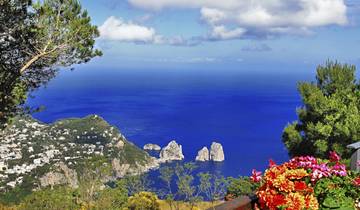
3-Day Pompeii, Capri & Sorrento Mini Tour
- ✓ Comprehensive Rome tour
- ✓ Expert local guides included
- ✓ All accommodation arranged
- ✓ Transportation provided
3 days
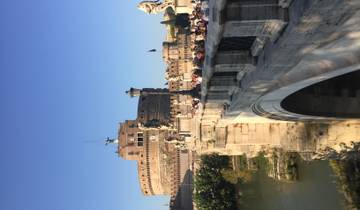
Advent in Rome: Markets, Churches & Tiramisu
- ✓ Booking needs min. 2 travelers
5 days
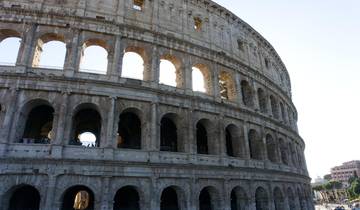
Ciao Italia: 5 Days, 2 Cities, Infinite Wonders
- ✓ Comprehensive Rome tour
- ✓ Expert local guides included
- ✓ All accommodation arranged
- ✓ Transportation provided
Multi-day tour packages powered by TourRadar. Prices and availability subject to change.
Essential Planning Information 2026
Current Costs and Pricing Breakdown for 2026
Understanding Rome’s 2026 pricing structure enables accurate budget planning and cost optimization. Transportation costs remain accessible with single metro/bus tickets at €1.50 valid for 100 minutes, daily passes at €7, and weekly passes at €24. The integrated transport system covers metro lines A, B, and C, plus all urban buses and trams. Check atac.roma.it for current official rates as pricing may vary. Taxis operate on meters starting at €3 base fare, plus €1.10 per kilometer during the day and €1.60 per kilometer at night, with airport transfers to Fiumicino costing €48 fixed rate and Ciampino at €30 fixed rate.
Museum and site entry fees for 2026 span multiple price points depending on venue significance and temporary exhibition schedules. Major archaeological sites like the Roman Forum and Palatine Hill cost €16-18 for standard entry, €22-25 with special exhibition access. The Borghese Gallery requires advance booking at €15-20 depending on exhibition content, while Castel Sant’Angelo charges €14-16 for standard visits. National museums including Palazzo Altemps, Palazzo Massimo, and Crypta Balbi cost €10-12 individually or €12-15 for combined tickets valid seven days. Many churches maintain free entry including Santa Maria Maggiore, San Giovanni in Laterano, and San Clemente’s upper basilica, though underground archaeological areas typically charge €5-10.
Dining costs in Rome vary significantly based on location and establishment type. Budget meals at pizzerias and rosticcerie cost €8-12 for full portions including a drink. Casual trattorias charge €15-22 for primi piatti (pasta courses) and €18-28 for secondi piatti (main proteins), with coperto (cover charge) adding €2-3 per person. Mid-range restaurants average €35-50 per person for three courses with house wine, while upscale establishments charge €60-120+ for complete dining experiences with quality wines. Street food provides authentic budget options: supplì at €2-3, pizza al taglio at €3-5 per piece, and panini at €4-6. Coffee costs €1-1.50 at the bar, €3-5 for table service at tourist-area cafés.
Accommodation pricing for 2026 reflects seasonal demand and neighborhood location. Budget hostels and basic hotels in peripheral areas cost €60-100 for double rooms, while central budget properties charge €80-150. Mid-range three-star hotels range €120-200 in shoulder seasons and €180-280 during peak periods (April-May, September-October). Four-star properties average €200-350 depending on location and amenities. Luxury five-star hotels command €400-800+ with historical properties and boutique establishments reaching €1000+ nightly during peak demand. Apartment rentals provide alternatives at €100-180 for one-bedroom units and €180-300 for two-bedroom properties in central neighborhoods.
Money-Saving Strategies for 2026 Rome Visits
The Roma Pass provides substantial value for museum-focused visits, offering unlimited public transport plus priority entry to two museums (72-hour pass at €52) or one museum (48-hour pass at €32). The pass delivers skip-the-line benefits at major sites, potentially saving 1-2 hours of queue time during busy periods. For visitors planning multiple museum visits, the pass breaks even after three paid entries while providing transport value equivalent to €21 (three days) or €14 (two days). The Omnia Card at €129 combines Roma Pass benefits with Vatican Museums entry and hop-on-hop-off bus access, though value depends on your specific itinerary and whether you want guided Vatican access.
Free museum access occurs on the first Sunday of each month for all state museums, though this creates substantial crowds at popular venues. Early morning visits (8:00-9:30 AM) provide optimal experiences with minimal crowds and better lighting for photography, particularly at outdoor archaeological sites. Late afternoon entries (4:00-5:30 PM) offer similar benefits during extended summer hours. Booking museum tickets online in advance costs €2 reservation fees but eliminates queue time and guarantees entry during preferred time slots.
Dining strategies significantly impact daily costs without compromising quality. Lunch menus (pranzo) at restaurants cost 30-40% less than dinner for similar dishes, with many establishments offering €12-18 fixed-price lunch menus including primi, secondi, and drinks. Standing at the bar for coffee and pastries costs €2-4 versus €5-8 for table service. Neighborhood markets including Campo de’ Fiori, Testaccio Market, and Trionfale Market offer fresh ingredients at 40-50% below restaurant prices, enabling self-catered meals in apartment accommodations. Aperitivo traditions (6:00-8:00 PM) provide substantial buffets for the price of drinks (€8-12), essentially serving as dinner for budget-conscious travelers.
Transportation optimization reduces daily costs while maintaining mobility. Walking covers most historic center distances, with the Roman Forum to Spanish Steps taking 25-30 minutes. The metro efficiently connects peripheral neighborhoods and accommodation areas to central attractions, with three lines intersecting at Termini station. Purchasing weekly transport passes (€24) becomes cost-effective for stays exceeding four days compared to daily passes (€7). Water fountains throughout the city provide free, potable drinking water, eliminating bottled water costs of €1.50-3 per bottle. The Rome Tourist Card at €10 provides city maps, discount vouchers, and practical information, though digital resources increasingly replace physical guides.
Best Time to Visit Rome 2026
Seasonal Analysis for 2026 Planning
Spring represents prime visiting season for Rome, with April and May offering optimal conditions for cultural exploration in 2026. April temperatures range 14-22°C with approximately 8 hours of daily sunshine and moderate rainfall averaging 7 days monthly. Easter celebrations (April 20, 2026) bring spectacular religious ceremonies including the Pope’s blessing at St. Peter’s Square, though crowds increase substantially during Holy Week (April 13-19). May provides warmer conditions at 17-25°C with extended daylight hours supporting evening explorations until 8:00-8:30 PM. Spring blooms enhance villa gardens including Villa Borghese, Villa Doria Pamphili, and the Rose Garden on Aventine Hill, while outdoor restaurant seating becomes available throughout the historic center. May 1 marks Labor Day with museum closures but neighborhood celebrations and reduced crowds at open attractions.
Summer months deliver intense heat and maximum tourist density, requiring specific strategies for comfortable visits in 2026. June temperatures reach 23-30°C with minimal rainfall and daylight extending until 9:00 PM, enabling morning and evening activity while avoiding midday heat. July and August bring peak temperatures of 25-35°C with occasional heat waves exceeding 38°C, making morning visits to archaeological sites essential (7:30-10:00 AM) before temperatures become oppressive. Museum visits fill midday hours (11:00 AM-4:00 PM) utilizing air conditioning while outdoor sites become uncomfortable. Summer evenings provide pleasant conditions for neighborhood walks, outdoor dining, and gelato expeditions. August sees many local restaurants close for annual holidays (ferragosto), though tourist-area establishments remain open. Extended museum hours accommodate evening visits, with some venues opening until 10:00 PM during July-August.
Fall delivers excellent visiting conditions rivaling spring while offering harvest season culinary experiences in 2026. September maintains warm temperatures at 20-28°C with decreasing tourist numbers after August peaks, creating ideal conditions for comprehensive exploration. October provides comfortable temperatures of 16-24°C with autumn colors in parks and increased rainfall averaging 10 days monthly. Fall harvest brings porcini mushrooms, chestnuts, and new wine to restaurant menus, while October food festivals celebrate regional specialties. November marks shoulder season with temperatures of 11-18°C, substantially reduced crowds, and hotel rates 30-40% below peak season. The combination of lower costs, minimal queues, and comfortable temperatures makes fall particularly attractive for museum-focused visits and neighborhood immersion.
Winter represents off-peak season with minimal crowds, lowest prices, and intimate urban atmosphere in 2026. December temperatures range 8-14°C with occasional rain and shorter daylight hours (9:00 AM-4:30 PM effectively). Christmas season (December 8-January 6) brings festive decorations, nativity scenes (presepi) in churches, and seasonal markets, though December 25-26 sees museum closures. January and February deliver coldest conditions at 5-12°C with frequent rain but virtually empty major sites and hotel rates at 40-60% discounts. Indoor cultural activities including opera season at Teatro dell’Opera (November-May), concert series in churches, and extensive museum collections suit winter exploration. Clear winter days provide exceptional photography light, while rain creates atmospheric conditions for covered passageways and church visits.
Weather Patterns and Crowd Predictions for 2026
Rome’s Mediterranean climate produces distinct seasonal patterns influencing comfort levels and site accessibility throughout 2026. Spring weather proves variable with sunny periods alternating with occasional rain showers, requiring flexible daily planning and layered clothing. Average precipitation in April reaches 70mm across 7-8 rain days, while May sees 60mm across 6-7 days. Morning fog occasionally affects early hours (7:00-8:30 AM) but clears rapidly with sunshine. Spring winds prove moderate, rarely impacting outdoor activities or archaeological site visits. Temperatures increase steadily through spring, with early April sometimes cool (12-18°C) while late May approaches summer conditions (22-26°C).
Summer delivers consistently hot, dry conditions with minimal rainfall and sustained sunshine across June-August 2026. Average precipitation drops below 30mm monthly with only 2-3 rain days, creating arid conditions and dusty archaeological sites. Heat intensifies progressively through summer, with June manageable at 23-30°C, July hot at 25-33°C, and August potentially extreme at 27-35°C with occasional 38-40°C heat waves. Afternoon thunderstorms occur rarely but can bring brief intense rainfall and temperature drops. Air quality sometimes deteriorates during prolonged hot periods, with pollution levels higher in August when local traffic decreases but tourist numbers peak. Sea breezes provide minimal relief in landlocked Rome, unlike coastal areas 30km west.
Fall weather transitions gradually from summer heat to comfortable autumn conditions, with September maintaining summer temperatures (20-28°C) and dry conditions similar to June. October brings noticeable cooling to 16-24°C with increased rainfall (90mm across 9-10 days), requiring rain gear for daily explorations. November marks clear seasonal transition with temperatures of 11-18°C, frequent rain (110mm across 11-12 days), and shorter daylight hours limiting afternoon activities. Fall storms occasionally bring heavy rainfall flooding low-lying areas near the Tiber, though historic center drainage handles normal precipitation effectively. Autumn colors peak in late October through early November in villa gardens and tree-lined streets.
Winter conditions vary from crisp, clear days to gray, rainy periods, with temperatures consistently cool but rarely freezing. December averages 8-14°C with moderate rainfall (80mm across 9 days), while January and February see coldest conditions at 5-12°C with 70-80mm monthly precipitation. Snow occurs rarely (1-2 times per decade) and melts quickly, though nearby mountain areas receive regular winter snow visible from city viewpoints. Winter winds occasionally reach 30-40 km/hour, particularly in exposed areas like the Forum and Palatine Hill, requiring wind-resistant clothing. Clear winter days deliver spectacular visibility and exceptional photography light with low sun angles enhancing architectural details. Humidity remains moderate year-round at 65-75%, contributing to comfortable conditions except during peak summer heat.
Accommodation Strategies 2026
Budget Accommodation Options
Budget lodging in Rome combines hostels, basic hotels, and budget chains offering functional accommodation with strategic locations for 2026 visits. The Generator Hostel near Termini station provides modern facilities at €25-40 for dormitory beds and €70-100 for private rooms, including common areas, bar service, and organized social activities. The Beehive near Santa Maria Maggiore offers boutique hostel experiences at €30-45 for dorms and €80-110 for private rooms with shared bathrooms, emphasizing design and sustainability. Budget hotel chains including B&B Hotels and Idea Hotel operate properties in peripheral neighborhoods at €60-90 for double rooms, providing basic amenities and metro access to central attractions.
The Monti neighborhood offers budget hotel options within walking distance of the Forum at €80-130 for double rooms in two-star properties. Pensione-style accommodations throughout historic center provide authentic experiences at €70-120 depending on season and room configuration, often featuring shared bathrooms and minimal amenities but maximum location convenience. Trastevere budget hotels range €90-140 for double rooms, providing cobblestone street atmosphere and local restaurant access while requiring 15-20 minute walks to major Roman sites. Testaccio neighborhood hotels cost €70-110 for basic double rooms with excellent food scene access and metro connectivity through Piramide station.
Booking strategies for budget accommodation in 2026 emphasize advance planning during peak seasons. Properties near Termini station offer maximum transport connectivity but variable neighborhood character, with areas east and south of the station showing more urban grittiness than areas west toward the historic center. Family rooms sleeping 3-4 people cost €100-160 at budget properties, providing better value than multiple double rooms. Breakfast inclusion varies widely, with many budget properties offering continental breakfast at €5-8 per person or suggesting nearby cafés. Air conditioning typically incurs €5-10 daily surcharges at budget hotels, though essential for summer visits.
Mid-Range and Luxury Options
Mid-range accommodation in Rome’s central neighborhoods provides comfort and location convenience for 2026 visitors. Three-star hotels in Monti, Trevi, and Campo de’ Fiori areas range €150-220 for double rooms, featuring private bathrooms, air conditioning, breakfast inclusion, and often rooftop terraces with city views. The Trastevere and Prati neighborhoods offer similar quality at €140-200, providing quieter settings while maintaining 15-20 minute walks or quick metro rides to major attractions. Boutique hotels throughout historic center command €180-280 for unique accommodations in historic buildings with modern amenities and personalized service.
Four-star properties provide elevated experiences at €220-380 for double rooms, including spacious accommodations, quality breakfast buffets, concierge services, and often small wellness facilities. The Aventino and Celio neighborhoods offer four-star hotels at €200-320 with proximity to archaeological sites and quieter residential character. Apartment rentals through established agencies range €140-220 for one-bedroom units in central locations, providing kitchen facilities and living spaces ideal for longer stays or families. Two-bedroom apartments cost €220-350 depending on specific location and building amenities, accommodating 4-6 people and delivering better value than multiple hotel rooms for groups.
Luxury accommodation spans historic palaces, boutique properties, and international chains offering exceptional experiences for 2026 visits. Five-star hotels in the Via Veneto, Spanish Steps, and Pantheon areas range €400-700 for double rooms, featuring renowned restaurants, spa facilities, rooftop bars with panoramic views, and exemplary service. Historic palace hotels including properties near Piazza Navona and Campo de’ Fiori command €500-900 for rooms in frescoed buildings with centuries of hospitality tradition. Suite accommodations with separate living areas cost €600-1200 at luxury properties, providing space and privacy for extended stays or special occasions.
Boutique luxury properties throughout Monti, Trastevere, and less touristic neighborhoods offer intimate experiences at €350-600 for double rooms, emphasizing design, personalized service, and local neighborhood character. Rooftop suites at luxury properties provide private terraces and panoramic city views at €800-1500 nightly. Apartment rentals in luxury categories span €300-600 for one-bedroom units in prime locations with high-end finishes and building amenities. Advance booking 4-6 months ahead secures best rates and preferred properties during peak spring and fall seasons, with winter rates offering 40-60% discounts for comparable quality.
Transportation Guide 2026
Public Transport Options and Costs
Rome’s metro system operates three lines providing efficient connectivity across the city for 2026 visitors. Line A (orange) runs northwest-southeast connecting Termini, Piazza di Spagna, Piazza del Popolo, and the Vatican area (Ottaviano-Musei Vaticani station). Line B (blue) runs northeast-southwest linking Termini with Colosseum (Colosseo station), Piramide/Testaccio, and EUR district. Line C (green) serves peripheral neighborhoods with transfer to Line A at San Giovanni station. Metro operates 5:30 AM-11:30 PM Sunday-Thursday, extending to 1:30 AM Friday-Saturday. Single tickets cost €1.50 valid for 100 minutes including unlimited transfers between metro and buses. Daily tickets (BIG) provide 24-hour unlimited access at €7, while weekly passes (CIS) cost €24 for seven consecutive days.
The bus and tram network supplements metro coverage with over 300 routes serving all neighborhoods and historic center areas inaccessible to metro lines. Major bus lines include the 40 and 64 routes connecting Termini to the Vatican, the H line circling historic center perimeter, and 3 tram line linking central areas to peripheral neighborhoods. Night buses (lines N1-N30) operate 12:30 AM-5:30 AM on reduced schedules serving main routes. ATAC operates the public transport system with real-time arrival information via digital displays at major stops and the ATAC mobile app. Tickets require validation upon boarding buses or entering metro stations, with €50 fines plus ticket cost for unticketed rides.
Regional trains connect Rome to nearby towns and airports through Trenitalia and regional services. Leonardo Express trains link Fiumicino Airport to Termini station in 32 minutes at €14 per person, departing every 15-30 minutes from 6:23 AM to 11:23 PM. FL1 regional trains serve Fiumicino to multiple Rome stations (Trastevere, Ostiense, Tuscolana, Tiburtina) in 45-55 minutes at €8, operating 5:57 AM-11:27 PM. Ciampino Airport connects to central Rome via bus services at €5-6 with 40-50 minute travel times to Termini station. Regional trains to Tivoli depart Termini and Tiburtina stations hourly at €2.60 for 45-minute journeys, while Ostia Antica connections cost €1.50 using metro Line B to Piramide then Roma-Lido regional line.
Private Transport and Alternatives
Taxi services in Rome operate on regulated meters providing reliable transportation within the city for 2026 visits. Base fare starts at €3 (€4.50 on Sundays and holidays) plus €1.10 per kilometer during daytime (6:00 AM-10:00 PM) and €1.60 per kilometer overnight. Airport transfers use fixed rates: €48 to/from Fiumicino Airport and €30 to/from Ciampino Airport for destinations within Aurelian Walls. Taxi stands appear at major piazzas, train stations, and popular tourist sites, with yellow or white vehicles displaying taxi license numbers. Calling taxi services (06-3570, 06-4994, 06-6645) typically adds €3-5 to the base fare. Uber operates Black service (luxury vehicles) in Rome, generally costing 20-30% more than traditional taxis.
Car rental proves impractical for Rome historic center exploration but enables regional day trips and countryside excursions in 2026. ZTL (Limited Traffic Zones) restrict vehicle access throughout historic center 6:30 AM-6:00 PM Monday-Friday and 2:00 PM-6:00 PM Saturday, with substantial fines (€80-100) for unauthorized entry. Limited parking availability throughout central areas creates challenges, with garage parking costing €25-40 per day. Car rental agencies at Fiumicino Airport and Termini station offer vehicles from €40-70 daily for compact cars, €60-90 for mid-size vehicles. Day trips to Tivoli, Orvieto, or coastal towns become practical with rental cars, though regional trains often provide more economical alternatives.
Bicycle and scooter sharing programs offer alternatives for short-distance travel within Rome’s 2026 urban landscape. Electric scooter services including Lime and Bird operate throughout central areas at €1 unlock fee plus €0.25-0.35 per minute, with typical 10-minute rides costing €3-4.50. The services use mobile apps for locating and unlocking vehicles, requiring valid driver’s licenses and age 18+ restrictions. Bicycle sharing through city programs costs less but requires registration and deposit arrangements. Cobblestone streets, traffic density, and aggressive Roman driving styles create challenges for inexperienced riders. Dedicated bike paths remain limited in historic center though expanding in peripheral neighborhoods.
Walking represents the primary transportation mode for Rome historic center exploration, with major sites concentrated within 2-3 kilometer radiuses. The Forum to Trevi Fountain covers 1.4km in 18-20 minutes, Pantheon to Spanish Steps spans 800m in 10-12 minutes, and Trevi Fountain to Piazza Navona measures 650m requiring 8-10 minutes. Comfortable walking shoes prove essential for cobblestone surfaces and extended daily distances of 15,000-20,000 steps (10-13km) common during comprehensive site visits. Summer afternoon heat necessitates morning or evening walking schedules, while spring and fall allow all-day pedestrian exploration. Rome’s compact historic center layout rewards walking with continuous architectural discoveries, street life observations, and spontaneous café stops.
Sample 2026 Itineraries
Three-Day Rome Essential Experience
Day one focuses on ancient Rome and early Christian heritage, beginning at the Roman Forum and Palatine Hill (8:30 AM entry avoiding crowds and heat). The €16-18 combined ticket provides access to both sites, requiring 3-4 hours for comprehensive exploration of the Forum’s temples, basilicas, and triumphal arches plus the Palatine’s imperial palaces and gardens. The on-site museum displays artifacts and reconstructions explaining the archaeological remains. Lunch at a Monti neighborhood trattoria costs €15-22 for traditional Roman pasta dishes including carbonara, amatriciana, or cacio e pepe plus house wine.
Afternoon visits to early Christian basilicas begin with San Clemente (€5-10 for underground levels), showcasing three building layers spanning 2,000 years from 1st-century Roman houses through medieval frescoes to Renaissance decorations. The nearby Basilica di San Giovanni in Laterano, Rome’s cathedral, provides free entry to magnificent Baroque interiors and the adjacent octagonal Baptistery. Evening exploration of the Celio neighborhood includes dinner at local restaurants (€25-35 per person for three courses) and sunset views from Aventine Hill’s famous keyhole view framing St. Peter’s dome. Transportation costs €7 for daily metro/bus pass, street food snacks €8-12. Total day cost: €81-104 per person (excluding accommodation €80-250 depending on category).
Day two covers Renaissance and Baroque masterpieces, starting at Piazza Navona’s Fountain of Four Rivers before 9:00 AM crowds arrive. The Pantheon (free entry) opens at 9:00 AM, requiring 45-60 minutes to appreciate the dome’s engineering, interior proportions, and historic tombs including Raphael’s monument. Pre-booked tickets to Galleria Borghese (€15-20, advance reservation required) provide access to world-class sculpture collections by Bernini and Canova plus paintings by Caravaggio, Raphael, and Titian. The villa’s gardens offer free exploration and peaceful retreats from urban intensity.
Afternoon visits include the Spanish Steps and Trevi Fountain, though prime photo opportunities occur early morning or late evening when crowds diminish. The Capuchin Crypt (€8.50) displays artistic arrangements of human bones creating memorable if macabre experiences. Shopping along Via del Corso and Via dei Condotti showcases Italian design, though window shopping costs nothing. Evening aperitivo in Monti or Campo de’ Fiori areas costs €10-15 per person including substantial buffets. Dinner at mid-range restaurants runs €30-45 for complete meals. Total day cost: €95-135 per person including museums €23-28, meals €40-60, transportation €7, snacks/drinks €10-15, activities €15-20 (excluding accommodation).
Day three explores Trastevere and Aventine neighborhoods, beginning with breakfast at local cafés (€4-6 for cornetto and cappuccino). Santa Maria in Trastevere basilica (free entry) displays 12th-century mosaics and gilded ceilings. The neighborhood’s medieval streets reward wandering before lunch at traditional trattorias (€15-22). Afternoon visits to the Aventine Hill include the Municipal Rose Garden (May-June opening, free), Orange Garden with city panoramas (free), and the keyhole view at Knights of Malta square.
River walks along the Tiber connect to the Testaccio neighborhood for food market exploration (free entry) and local dining experiences. The area’s authentic atmosphere contrasts with tourist-heavy zones while maintaining excellent cuisine at 20-30% lower prices. Traditional Roman dinner in Testaccio costs €25-38 per person. Evening return to historic center via Ponte Sisto bridge provides atmospheric nighttime cityscape views. Total day cost: €69-96 per person including meals €44-66, market snacks €8-12, gelato €5-8, transportation €7, activities €5-10 (excluding accommodation).
Five-Day Comprehensive Rome Experience
Days one through three follow the essential three-day itinerary above. Day four focuses on lesser-known museums and underground Rome, beginning with the National Roman Museum complex. The Palazzo Massimo (€10-12) displays extraordinary frescoes, mosaics, and sculpture collections requiring 2-3 hours. The nearby Baths of Diocletian ruins (included in ticket) occupy vast spaces with Renaissance church conversions by Michelangelo. Lunch in San Lorenzo neighborhood provides university area atmosphere and budget-friendly options at €12-18.
Afternoon underground tours reveal multiple historical layers beneath modern streets. The Domus Aurea (Nero’s Golden House) offers guided visits (€15-18 with required booking) to partially excavated palace rooms with frescoes and virtual reality reconstructions. The Basilica of San Clemente’s lower levels showcase 4th-century basilica remains and 1st-century Mithraic temple below the current church. Stadium of Domitian beneath Piazza Navona (€8-10) preserves ancient athletic facility remains. Evening in Pigneto neighborhood offers emerging restaurant scene with €20-35 dinner costs and local atmosphere. Total day cost: €92-118 per person including museums €33-40, meals €32-53, transportation €7, snacks €10-15, activities €10 (excluding accommodation).
Day five enables regional day trip to Tivoli visiting Villa d’Este and Hadrian’s Villa UNESCO sites. Regional train from Termini costs €2.60 each way with 45-minute journey times and hourly departures. Villa d’Este entry costs €10-12 providing access to Renaissance gardens with hundreds of fountains and terraced landscapes requiring 2-3 hours. The site opens 8:30 AM with last entry 6:45 PM in summer (earlier in winter). Lunch in Tivoli town costs €15-20 at local restaurants.
Hadrian’s Villa (€10-12 entry) encompasses 120 hectares of 2nd-century imperial palace remains requiring 2-3 hours minimum for major structures. Combined tickets for both villas cost €18-20 with slight savings. Return trains to Rome depart until 10:00 PM enabling full-day excursions. Alternative day trip to Ostia Antica ruins (€12 entry) uses metro Line B to Piramide then Roma-Lido line (€1.50) reaching the ancient port city in 40 minutes. Total day cost: €67-84 per person including site entries €20-24, transportation €5-8, meals €25-35, snacks €10-12, activities €7-10 (excluding accommodation).
Booking and Reservations 2026
Official Booking Channels
Galleria Borghese requires advance booking through the official website at galleriaborghese.beniculturali.it with entry times in two-hour windows and strict visitor limits maintaining optimal viewing conditions. Bookings open 30 days in advance with popular time slots (10:00 AM-2:00 PM) filling quickly during spring and fall seasons. The €2 reservation fee plus €15-20 entry (varying with temporary exhibitions) provides guaranteed entry avoiding sold-out disappointments. Audio guides cost €5 with detailed explanations of Bernini sculptures and Caravaggio paintings enhancing visits significantly.
The Roman Forum and Palatine Hill accept advance online bookings through coopculture.it reducing queue times, though on-site ticket purchases typically involve 15-30 minute waits outside peak seasons. The €1 online booking fee prevents morning queue time while securing entry particularly valuable during summer months when lines exceed one hour by 10:00 AM. Combined tickets remain valid for two consecutive days enabling split visits across different times or allowing deeper exploration than single-day visits permit. The Colosseum uses the same combined ticket, covered in dedicated sections.
Museum card programs including the Roma Pass (€32-52) provide advance booking benefits and skip-the-line access at participating museums in 2026. The 72-hour pass (€52) includes unlimited public transport plus free entry to two museums and discounted entry to additional sites. The 48-hour version (€32) covers one museum entry with transport and discounts. Activation occurs at first use with consecutive hour counting, making the pass most valuable for concentrated museum visiting over continuous calendar days. The pass allows online booking at major sites bypassing standard queues, though reservation fees may apply for specific time slots at highly demanded venues.
Tour Operator Recommendations
Licensed guide services through official associations provide expert cultural interpretation and skip-the-line access at major sites for 2026 visits. Private guides cost €150-250 for half-day tours (3-4 hours) or €280-400 for full days (7-8 hours), accommodating groups of up to 8-10 people and customizing itineraries based on interests. The substantial per-person cost (€20-40 when sharing among 6-8 people) delivers immense value through historical context, hidden details, and practical logistics that independent visits miss. Licensed guides wear official badges and possess deep expertise in Roman history, archaeology, and art history.
Small group tours through established operators cost €45-80 per person for half-day experiences and €90-140 for full-day programs including site entries and typically lunch. Evening tours focusing on illuminated monuments and aperitivo experiences run €60-90 per person. Food tours in Trastevere, Testaccio, or Jewish Ghetto neighborhoods cost €75-110 for 3-4 hour experiences with multiple tasting stops and cultural context. The tours provide insider knowledge of Roman cuisine, artisan producers, and neighborhood history while sampling traditional dishes and wines.
Multi-day tour packages through specialized operators offer comprehensive Rome experiences with accommodation, daily guided tours, and some meals included. Three-day packages cost €600-900 per person (double occupancy) at mid-range level, €1200-1800 for luxury programs. The packages handle all logistics while maintaining flexibility for free time exploration. Five-day programs range €1000-1500 per person for mid-range experiences, €2000-3200 for luxury versions. Family-oriented tours with child-friendly guides and interactive activities cost €90-140 per person for day programs, accommodating different age ranges and attention spans.
2026 Planning Strategies
Advance Booking Timeline
Six months advance planning enables optimal accommodation selection and rate security for 2026 Rome visits during peak spring (April-May) and fall (September-October) seasons. Hotel booking by December 2025 for spring 2026 travel secures preferred properties and neighborhoods at early booking rates typically 15-25% below last-minute prices. Fall 2026 reservations made by March-April 2026 provide similar advantages. Apartment rentals and vacation properties require similar booking windows given limited inventory in prime central locations. Budget properties sell out earlier than luxury hotels, making advance planning more critical for cost-conscious travelers.
Three months advance booking suffices for summer and winter travel when accommodation availability exceeds demand. July-August hotel reservations made by April-May secure adequate selection though lack early booking discounts due to generally lower summer demand from Europeans avoiding August heat. November-February winter travel allows booking as late as one month prior, though Christmas season (December 20-January 6) requires three-month advance planning for optimal selection.
Museum and site reservations follow different timelines based on booking window openings and demand patterns. Galleria Borghese requires booking exactly when the 30-day advance window opens for popular spring and fall time slots. Other major museums accept bookings further in advance but rarely require such precision. Roma Pass purchases can occur just days before use, though online advance purchase eliminates the need to locate physical sales points. Tour programs with licensed guides book 2-4 weeks ahead during peak seasons, 1-2 weeks during quieter periods. Popular food tours in Trastevere or Testaccio fill 3-5 weeks ahead during spring and fall.
2026 Updates and Current Information
The Roman metro system continues expansion of Line C with gradual station openings extending northeast toward peripheral neighborhoods, though historic center service changes minimally. Archaeological discoveries occasionally close sections of sites temporarily for emergency preservation work, with the Forum and Palatine Hill experiencing periodic partial closures as conservation projects progress. Major museums implement time-slot entry systems increasingly, following successful crowd management at Galleria Borghese by limiting visitor numbers and improving experience quality.
Digital services expand throughout 2026 with more sites offering official apps for navigation, audio content, and augmented reality features. The Circo Massimo and Imperial Fora areas provide AR experiences showing ancient structures in virtual reconstruction. Payment systems increasingly favor contactless cards and mobile payments, though cash remains necessary for small purchases at markets, some restaurants, and traditional shops. English language usage remains high in tourist areas while neighborhood trattorias and local shops require basic Italian phrases.
Sustainability initiatives affect tourist services through plastic reduction policies, enhanced recycling programs, and promotion of public transport over private vehicles. Water fountain networks expand encouraging reusable bottle usage, while single-use plastic bag bans continue. Some museums offer discounted entry for visitors arriving by public transport or bicycle. The ZTL restricted traffic zones expand in some neighborhoods improving air quality and pedestrian experiences. The city promotes off-season travel through cultural event programming in winter months and museum free-entry Sundays creating alternatives to peak season congestion.
FAQ Section
What is the best area to stay in Rome for first-time visitors?
The Monti neighborhood provides optimal balance of authentic Roman atmosphere, central location, and value for first-time visitors. Located immediately northeast of the Roman Forum, Monti offers 10-15 minute walks to major ancient sites, numerous neighborhood restaurants at local prices (€15-25 for full meals), and excellent public transport connections. The area maintains residential character with local shops, artisan workshops, and neighborhood cafés while providing accommodation options across all budgets from €80 budget hotels to €250+ boutique properties. Metro Line B at Cavour station connects to Termini, Colosseum, and Testaccio. Alternative excellent choices include Prati (near Vatican, quiet, residential) and Campo de’ Fiori (central, lively, slightly higher prices).
How do I avoid tourist traps in Rome?
Avoid restaurants with photo menus, aggressive hosts recruiting outside, or locations immediately adjacent to major monuments where prices run 40-80% above neighborhood norms. Quality trattorias display handwritten daily menus, maintain at least 70% Italian clientele, and often don’t have English menus. Restaurants in Monti, Testaccio, San Lorenzo, and residential Trastevere offer authentic experiences at fair prices. Avoid unofficial “guides” offering tours near major sites, as licensed guides wear official badges and work through established agencies. Purchase bottles of water (€0.50-1) at supermarkets or grocery stores rather than tourist-area shops charging €2-4. Use public transport or official white/yellow taxis with meters rather than unlicensed vehicles offering “fixed rates” at tourist sites.
Is Rome safe for solo travelers?
Rome provides generally safe environment for solo travelers with basic precautions against pickpocketing and common tourist scams. Violent crime remains rare in tourist and central areas, though pickpocketing occurs on crowded metro trains (particularly Line A), buses (especially routes 40 and 64 to Vatican), and around major monuments. Avoid wearing expensive jewelry, carrying valuable cameras in open view, or displaying smartphones in crowded situations. Money belts or interior jacket pockets protect wallets and passports better than exterior pockets or open bags. Evening exploration remains safe in all central neighborhoods, though Termini station eastern areas show more caution requirements after 10:00 PM. Solo female travelers report comfortable experiences throughout Rome with standard awareness. Emergency number 112 connects to police, medical, and fire services with English-speaking operators.
Can I visit Rome on a tight budget?
Rome accommodates budget travel through strategic choices maintaining quality experiences while minimizing costs. Hostel accommodation at €25-40 for dormitory beds, apartment sharing at €35-55 per person, or budget hotels at €80-120 for double rooms provide affordable lodging. Free attractions including the Pantheon, Trevi Fountain, Spanish Steps, numerous churches, fountains, and piazzas offer world-class experiences with zero entry costs. Street food from pizza al taglio (€3-5) and supplì (€2-3) plus self-catered breakfast and occasional meals keep food costs at €20-35 daily. Walking covers most historic center distances eliminating transport costs, while daily metro passes (€7) enable efficient access to peripheral sites. Many churches contain remarkable art and architecture with free entry, including Santa Maria in Trastevere, Santa Maria Maggiore, and San Giovanni in Laterano. Free museum Sundays (first Sunday monthly) provide access to state museums though with substantial crowds.
What should I wear when visiting churches in Rome?
Church dress codes require covered shoulders and knees for both men and women, with major basilicas strictly enforcing these standards and refusing entry to inappropriately dressed visitors. Tank tops, shorts, short skirts, and revealing clothing result in denied access at St. Peter’s Basilica, major basilicas, and many smaller churches. Lightweight long pants, knee-length skirts or dresses, and shirts covering shoulders satisfy requirements while remaining comfortable in warm weather. Carrying a light scarf or shawl enables coverage of shoulders when entering churches after walking in summer heat. Hats must be removed when entering churches. More casual dress suits most churches outside major basilicas, though respectful coverage remains appreciated. Modest dress becomes particularly important during active religious services when tourists should minimize disturbance to worshippers.
Do I need to speak Italian in Rome?
English proficiency in Rome enables comfortable travel without Italian language skills, though learning basic phrases enhances interactions and shows respect for local culture. Hotel staff, museum personnel, and restaurant workers in tourist areas speak functional to fluent English. Public transport operates with clear signage and announcements in English. Metro stations display both Italian and English information. However, neighborhood trattorias, small shops, and markets outside major tourist zones may have limited English speakers. Basic Italian phrases including greetings (buongiorno, buonasera), thank you (grazie), please (per favore), and excuse me (scusi) facilitate interactions and receive warm responses. Restaurant staff appreciate attempts at Italian even if menus require English explanation. Taxi drivers generally speak minimal English though addresses or written destinations communicate effectively. Translation apps provide backup support for complex interactions or specific questions.
What are the best day trips from Rome?
Tivoli offers exceptional day trip experiences combining Villa d’Este’s Renaissance fountains and Hadrian’s Villa’s imperial ruins, accessible via 45-minute regional trains (€2.60 each way) departing hourly from Termini station. Combined site entry costs €18-20 with a full day required for thorough exploration of both UNESCO-protected properties. Ostia Antica provides remarkably preserved ancient port city ruins comparable to Pompeii but closer to Rome, reachable in 40 minutes via metro Line B to Piramide then Roma-Lido regional line (€1.50). The €12 entry includes extensive ruins, mosaics, and amphitheater requiring 3-4 hours. Orvieto combines stunning hilltop setting, medieval cathedral with Signorelli frescoes, and underground city tours, accessible via 1-hour regional trains (€8-12). Coastal day trips to Sperlonga or Santa Marinella provide beach experiences in summer, reachable by regional train in 90 minutes (€5-8). Castel Gandolfo offers Papal Palace tours and lake views, accessible by regional train in 40 minutes (€2-3).
How much time should I allocate for major Rome sites?
The Roman Forum and Palatine Hill require 3-4 hours minimum for comprehensive exploration of the archaeological complex with on-site museum. Galleria Borghese demands full two-hour entry slot with all time necessary to appreciate Bernini sculptures and Caravaggio paintings in the remarkable collection. The Pantheon takes 30-45 minutes for thorough appreciation of architecture, dome engineering, and interior tombs. Major basilicas including Santa Maria Maggiore and San Giovanni in Laterano each merit 45-60 minutes for architectural details, mosaics, and art. Villa Borghese gardens require 2-3 hours for relaxed exploration of paths, viewpoints, and architectural features. Neighborhood walks in Trastevere or Monti benefit from 2-3 hour timeframes allowing restaurant stops and artisan shop browsing. National Roman Museum sites (Palazzo Massimo, Palazzo Altemps) each need 2-3 hours for extensive collections. Castel Sant’Angelo requires 90-120 minutes for castle rooms, papal apartments, and terrace views. Plan 30-45 minutes for fountain visits (Trevi, Four Rivers) during off-peak hours, potentially 60-90 minutes during crowded midday periods.
What is the best way to experience Rome’s food culture?
Neighborhood food tours in Testaccio, Trastevere, or Jewish Ghetto provide structured introductions to Roman cuisine through multiple tasting stops with cultural context, costing €75-110 for 3-4 hour experiences. The tours visit artisan bakeries, traditional delis, local markets, and family-run restaurants while explaining ingredient sourcing, preparation methods, and culinary history. Independent food exploration benefits from market visits including Testaccio Market for authentic atmosphere and affordable lunch counters (€8-15 for complete meals) or Campo de’ Fiori for produce and specialty ingredients. Traditional Roman dishes to prioritize include carbonara, cacio e pepe, amatriciana, and gricia pasta preparations, saltimbocca alla romana (veal with prosciutto and sage), carciofi alla giudia (Jewish-style artichokes), and fiori di zucca (fried zucchini flowers). Aperitivo experiences (6:00-8:00 PM) provide substantial buffets with drinks (€8-12) functioning as light dinners. Gelato exploration requires seeking artisan gelaterias avoiding day-glo colors and mountainous displays, instead choosing natural-colored gelato in covered containers. Wine bars (enoteche) offer regional wine tastings with cheese and cured meat plates (€15-25).
How do I handle the midday closure time in Rome?
Traditional midday closures (riposo) affect some shops and restaurants from approximately 1:00-3:30 PM or 2:00-4:30 PM, particularly in residential neighborhoods outside major tourist zones, though the practice diminishes in central areas. Plan restaurant lunch during 12:00-2:30 PM when most establishments serve meals, with many closing after lunch until dinner service begins 7:00-7:30 PM. Use afternoon hours for museum visits, church exploration, or indoor activities avoiding peak heat during summer months. Major chains, supermarkets, and tourist-area establishments increasingly maintain all-day opening hours. Banks typically close 1:00-2:30 PM, making morning or late afternoon visits necessary for banking needs. Pharmacies rotate afternoon openings with signs indicating nearby open locations. The midday period suits relaxed cafe stops, park visits, or hotel returns for afternoon breaks mimicking local rhythms. Evening activities extend later than northern European schedules with dinner reservations commonly made for 8:00-9:00 PM and neighborhood life continuing until 11:00 PM or midnight, particularly during summer months.