
Rome Local Culture Guide: Authentic Roman Traditions
Contemporary Roman culture balances tradition with modernity through selective preservation and adaptation. While certain customs including Sunday pranzo and market shopping remain sacred, Romans adopt contemporary international influences in fashion, music, and lifestyle. This creates tensions between preserving authentic traditions and embracing global culture, producing debates about gentrification, tourist impacts, and cultural authenticity. Understanding these dynamics reveals Rome as a living city navigating heritage preservation and contemporary change rather than a frozen historical museum.
Key Takeaways
- Sunday remains sacred for family gatherings centered on multi-hour pranzo when shops close and Romans retreat to homes or countryside for elaborate traditional meals
- Aperitivo rituals begin around 7 PM with cocktails and complimentary buffets transforming socializing into pre-dinner institution distinct from Spanish tapas or American happy hour
- Market shopping defines authentic Roman food culture with neighborhood mercati providing seasonal produce, relationship-based vendor interactions, and daily rhythm different from supermarket convenience
- August ferragosto triggers mass urban exodus when Romans abandon the city for coastal and mountain retreats while businesses close for extended holidays
- Coffee culture follows strict unwritten rules including cappuccino only before 11 AM, espresso consumed standing at bar counters, and brief encounters rather than lingering cafe sessions
- Evening passeggiata transforms streets into social theater from 6-8 PM when Romans stroll dressed elegantly, greeting acquaintances in ritual displaying social status and community bonds
Understanding Roman Cultural Identity
Roman culture embodies distinctive characteristics separating it from broader Italian identity and even neighboring Central Italian traditions. Romans pride themselves on a particular attitude—ironic, direct, skeptical of authority, and deeply attached to neighborhood identity—that shapes daily interactions, social customs, and the city’s overall atmosphere. This cultura romana manifests in language through romanesco dialect, food through canonical dishes defended against contamination, and social rituals including aperitivo, passeggiata, and Sunday pranzo that structure weekly rhythms.
The city’s layered history profoundly influences contemporary culture, creating populations simultaneously proud of ancient Roman heritage, Vatican presence, and modern capital status while maintaining skeptical distance from all three. Romans navigate between these identities, claiming ancient greatness when convenient while adopting working-class sensibilities and local neighborhood loyalties that transcend monumental history. This complexity means authentic Roman culture exists in neighborhood trattorias, market conversations, and social rituals rather than tourist-oriented historical sites.
Neighborhood identity remains fundamental to Roman self-conception despite increasing urban mobility and gentrification pressures. Traditional rioni (neighborhoods) including Trastevere, Testaccio, Monti, and Garbatella maintain distinctive characters and local pride. Romans identify themselves by neighborhood origin—”sono di Testaccio” (I’m from Testaccio)—indicating specific cultural associations and social histories. This localism creates dozens of micro-cultures within greater Rome, each with particular restaurants, social clubs, festivals, and character.
People Also Ask About Roman Culture
What is aperitivo and how does it work in Rome?
Aperitivo represents a pre-dinner social ritual typically beginning around 7 PM when bars and cafes transform into gathering spaces offering cocktails accompanied by complimentary buffets. The custom originated in northern Italy but Romans adopted and adapted it, creating venues ranging from simple bars with chips and olives to elaborate setups with substantial buffets approaching light dinner. Participants order drinks—classic choices include Aperol Spritz, Negroni, or Campari sodas—and receive access to food displays that may include bruschetta, pizza slices, pasta salads, cheeses, cold cuts, and vegetable preparations.
The ritual serves multiple social functions including decompressing after work, socializing with friends before dinner, and displaying participation in contemporary urban culture. Unlike Spanish tapas requiring separate payment for each dish or American happy hour focusing on discounted drinks, aperitivo provides unlimited food access with drink purchase at regular prices. The custom acknowledges that Italians eat dinner late—rarely before 8:30 PM—creating need for sustenance and socialization bridging afternoon and evening.
Proper aperitivo etiquette involves ordering drinks at the bar, receiving a ticket or having the bartender remember your order, then accessing the buffet with a small plate to avoid appearing gluttonous. The goal involves socializing rather than maximizing food consumption, though buffet quality varies from token snacks to substantial spreads. Popular aperitivo neighborhoods include Monti, Pigneto, San Lorenzo, and Testaccio where numerous bars compete for evening crowds. The ritual typically continues until 9 PM when participants disperse for dinner at restaurants or homes.
How do Romans observe Sunday traditions?
Sunday in Rome maintains cultural significance as family day centered on the midday pranzo (lunch), traditionally the week’s most important meal. Many Romans gather at family homes or countryside properties for elaborate multi-course meals lasting three to four hours, including antipasti, primo (pasta or risotto), secondo (meat or fish), contorni (side vegetables), dessert, coffee, and digestivi. This tradition creates Sunday morning market activity as families shop for fresh ingredients, followed by afternoon meals beginning around 1:30 or 2 PM.
The religious component of Sunday, while historically significant, has diminished for many contemporary Romans though church attendance remains important for older generations and observant families. Morning mass attendance peaks on Sundays, with major basilicas including Santa Maria Maggiore and San Giovanni in Laterano hosting well-attended services. However, cultural Sunday observance transcends religious practice, with many secular Romans maintaining pranzo traditions and family gathering customs without church participation.
Commercial activity traditionally halted on Sundays though this has eroded with centro storico shops catering to tourists remaining open while neighborhood stores close. Larger supermarkets and shopping centers operate Sunday hours, creating tensions between traditional rest day concepts and consumer convenience. Many restaurants close Sunday evenings or all day Sunday, particularly neighborhood trattorias whose owners take family day seriously. This creates challenges for tourists expecting full service but reflects authentic Roman priorities valuing family time over commercial activity.
Sunday afternoon passeggiata intensifies as families stroll through parks, neighborhoods, and along the Tiber embankments. Villa Borghese fills with Romans walking, cycling, and gathering at cafes, while neighborhood streets see increased pedestrian activity. The afternoon extends leisurely without urgency, reflecting Roman attitudes about time and the importance of otium—leisure and contemplation—over constant productivity. This approach to Sunday creates distinctive urban rhythms different from seven-day commercial cities where weekends merely shift work patterns without fundamentally changing social behavior.
What are the unwritten rules of Roman dining culture?
Roman dining culture operates through numerous unwritten rules governing timing, food combinations, ordering sequences, and social behaviors. Cappuccino and milk-based coffee drinks remain strictly morning beverages, never consumed after 11 AM or following meals. This rule reflects beliefs about milk’s heaviness and inappropriate timing rather than mere custom—ordering cappuccino after dinner immediately identifies you as foreign and gastronomically uninformed. Post-meal coffee means espresso, consumed quickly while standing or as a brief sitting affair.
Meal structure follows rigid sequences rarely violated. Antipasto precedes primo (pasta, risotto, or soup), which precedes secondo (meat or fish with vegetable contorni). Mixing sequences—ordering pasta alongside meat like in American Italian restaurants—appears barbaric. Many Romans eat only primo or only secondo rather than ordering multiple courses, but the sequence remains inviolable. Sharing dishes beyond antipasti is uncommon, with each diner ordering their own courses. Splitting single plates between multiple people suggests poverty or stinginess rather than dietary moderation.
Timing restrictions govern specific dishes. Carbonara, amatriciana, and cacio e pepe—Roman canonical pasta dishes—never include ingredients beyond their defined recipes. Adding cream to carbonara, garlic to amatriciana, or anything besides cheese and pepper to cacio e pepe violates sacred culinary laws. Romans debate these preparations endlessly, defending authentic versions against contamination. Restaurants serving corrupted versions risk scorn from local customers, while those maintaining tradition earn respect and loyalty.
Social behaviors during meals include never requesting cheese for seafood pasta, which Romans consider offensive to the fish. Avoid requesting substitutions or modifications beyond necessity—Italian cooking philosophy emphasizes chef’s vision rather than customer customization. Don’t expect prompt service or to be rushed through meals; lingering over dinner is normal and rushing diners appears rude. Tipping operates differently than American customs, with modest rounding up or 5-10% considered generous rather than mandatory 20% expectations. Cover charges (coperto) appear on bills as expected payment for bread and table service.
How does the August ferragosto exodus affect Rome?
Ferragosto on August 15 anchors a broader phenomenon where Romans abandon the city throughout August for coastal resorts, mountain retreats, or countryside villas, creating a dramatically altered urban environment. The exodus stems from brutal summer heat making the city uncomfortable, historical traditions of urban abandonment during hot months, and synchronized national vacation schedules. Many businesses close for two to three weeks, particularly family-run shops, restaurants, and services, while offices operate skeleton staffs if open at all.
The transformation creates paradoxical tourist experiences. Popular monuments become more accessible with reduced crowds and shorter lines, while many authentic neighborhood restaurants and shops close, forcing tourists toward the remaining tourist-oriented establishments. Public transportation reduces service frequency, garbage collection slows creating occasional accumulation, and the city’s rhythm changes fundamentally. Streets in residential neighborhoods appear almost abandoned while tourist zones remain active, creating sharp contrasts between depopulated authentic areas and concentrated tourist zones.
The contemporary ferragosto retains historical Roman precedent when ancient patricians fled to countryside villas during hot months, leaving the urban core to the urban poor. Modern Romans with financial means maintain this tradition, renting apartments on Amalfi Coast, Sardinia, or Puglia beaches, or retreating to inherited countryside properties. Those remaining include service workers, recent immigrants, and Romans without resources for extended vacations, plus tourists unaware of the social calendar. The class dimensions of August absence remain significant despite democratization of vacation access.
The phenomenon extends beyond Rome to encompass all Italian cities, with Milan, Florence, and others experiencing similar August transformations. This creates national economic impacts as businesses calculate annual revenues accounting for August closures, while workers schedule medical appointments, home repairs, and other services around the sacred August break. Attempts to reduce concentrated August closures and spread vacations across summer months have failed against cultural inertia and the pleasure Romans take in completely disconnecting from urban routines during the hottest month.
Extended multi-day tours – 5+ days
Featured Rome Multi-Day Tour Packages
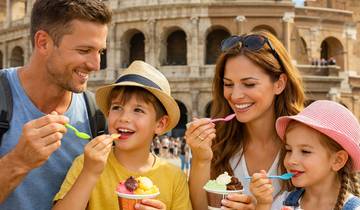
5 days
The Ultimate Rome Food & Cultural Small-Group Tour Package – 5 Days
- ✓ Comprehensive Rome tour
- ✓ Expert local guides included
- ✓ All accommodation arranged
- ✓ Transportation provided
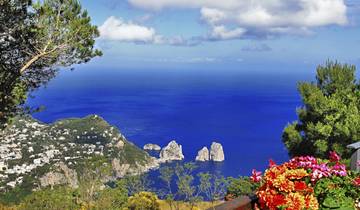
3 days
3-Day Pompeii, Capri & Sorrento Mini Tour
- ✓ Comprehensive Rome tour
- ✓ Expert local guides included
- ✓ All accommodation arranged
- ✓ Transportation provided
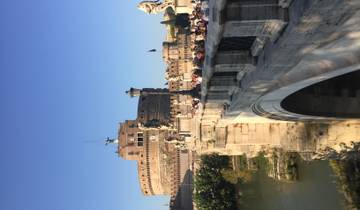
3 days
Advent in Rome: Markets, Churches & Tiramisu
- ✓ Booking needs min. 2 travelers
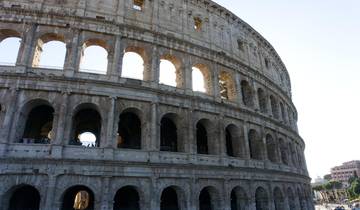
5 days
Ciao Italia: 5 Days, 2 Cities, Infinite Wonders
- ✓ Comprehensive Rome tour
- ✓ Expert local guides included
- ✓ All accommodation arranged
- ✓ Transportation provided
Multi-day tour packages powered by TourRadar. Prices and availability subject to change.
Daily Life Rhythms and Social Customs
Roman daily life follows rhythms determined by meal times, work schedules, and social customs creating patterns distinct from Northern European or American urban cultures. The day begins gradually with breakfast consisting of cappuccino and cornetto (croissant) consumed standing at bar counters in brief five-minute encounters rather than lingering cafe sessions. Romans rarely eat substantial morning meals, preferring light sweet pastries with coffee to fuel morning routines before proper eating begins at lunch.
Work schedules traditionally incorporated long lunch breaks allowing time for pranzo at home or restaurants, though contemporary pressures have reduced this custom in many sectors. Offices and shops historically closed from 1-4 PM, creating the famous riposo when the city quieted during the hottest afternoon hours. While this pattern persists in some neighborhoods and industries, many modern businesses maintain continuous schedules. Banks, post offices, and government services keep limited morning-focused hours, often closing by early afternoon and never reopening, creating frustration for working people unable to conduct business during restricted times.
Afternoon coffee breaks punctuate the day around 4-5 PM when Romans take quick espresso breaks, standing at bars for rapid caffeine consumption before returning to work or errands. This ritual provides social interaction and brief pauses rather than extended relaxation, reflecting pragmatic approaches to sustaining energy through long days. The coffee costs around €1-1.20 when consumed standing at the counter, rising to €3-5 for table service in tourist areas—a price differential encouraging locals to drink standing while tourists sit.
Evening routines begin with aperitivo around 7 PM, transitioning into dinner rarely before 8:30 PM, often later on weekends. Restaurants don’t fully animate until 9 PM, with peak dining around 9:30-10 PM. Post-dinner activity includes gelato consumption while strolling through neighborhoods, meeting friends at bars for digestivi or additional drinks, and late-night socializing. Romans embrace nighttime activity, with streets remaining lively until midnight or later, particularly during summer when outdoor life intensifies to escape interior heat. This creates urban vibrancy contrasting with earlier-retiring Northern European cities.
Market Culture and Food Shopping Traditions
Roman food culture centers on neighborhood markets where daily shopping for fresh ingredients remains standard practice despite supermarket proliferation. Major markets including Campo de’ Fiori, Testaccio’s Mercato di Testaccio, and Piazza Vittorio’s covered market serve as social hubs where vendors and regular customers maintain ongoing relationships. Shopping involves conversing with vendors about product quality, seasonal availability, and preparation recommendations—transactions encompassing social interaction beyond simple commerce.
Market culture operates through unwritten etiquette including never touching produce before the vendor selects it, accepting their judgment about ripeness and quality, and building trust through repeated transactions. Vendors remember regular customers’ preferences, setting aside special items and providing preferential treatment. This relationship-based commerce contrasts sharply with anonymous supermarket shopping, creating social dimensions that make markets cultural institutions beyond mere food sources. Tourists attempting market shopping often violate these customs through ignorance, earning vendor disapproval.
Seasonal consciousness governs market offerings, with Romans eating produce according to natural growing cycles rather than expecting year-round availability. Spring brings artichokes, fava beans, and peas celebrated in traditional Roman dishes. Summer provides zucchini, tomatoes, eggplant, and stone fruits. Autumn delivers porcini mushrooms, chestnuts, and various squashes. Winter showcases cauliflower, broccoli romanesco, and citrus fruits. This seasonal eating reflects agricultural proximity, with much produce coming from countryside surrounding Rome, maintaining connections between urban consumers and rural production.
Specialty food shopping extends to dedicated shops including bakeries (fornai) producing Roman bread varieties like pane casareccio and pizza bianca, butchers (macellai) providing specific cuts for Roman dishes, fishmongers (pescherie) selling Tyrrhenian Sea catches, and cheese shops (formaggi) stocking pecorino romano and other regional cheeses. Romans shop among multiple specialists rather than one-stop supermarket visits, creating daily routines involving several stops and social interactions. This pattern maintains neighborhood commercial diversity and prevents big-box commercial homogenization, though gentrification pressures threaten these traditional systems.
Coffee Culture and Bar Etiquette
Roman coffee culture operates through highly specific customs governing when, where, and how coffee consumption occurs. The fundamental Roman coffee experience happens standing at bar counters in brief transactions lasting two to five minutes—order, consume, pay, leave. This contrasts sharply with cafe culture in Vienna, Paris, or American cities where lingering over coffee for extended periods represents normal behavior. Romans view coffee as functional fuel and social punctuation rather than meditative lingering activity.
Timing rules specify which coffee drinks suit particular times. Cappuccino, caffè latte, and other milk-based drinks belong exclusively to morning hours before 11 AM. Afternoon and post-meal coffee means espresso, perhaps caffè macchiato (espresso with small milk foam), or caffè corretto (espresso “corrected” with grappa or sambuca). Ordering cappuccino after lunch or dinner marks you as irremediably foreign—not merely violating custom but displaying fundamental misunderstanding of proper digestive timing. Romans believe milk’s heaviness interferes with digestion, making it inappropriate after meals or in afternoon heat.
Pricing structures reinforce standing culture through dramatic differences between bar and table service. Espresso costs €1-1.20 consumed standing at the counter versus €3-5 sitting at tables, particularly in tourist areas. This differential serves multiple purposes: encouraging rapid turnover at popular bars, compensating table service, and maintaining class distinctions where those able to afford premium pricing can linger while working people take quick standing coffee. Locals virtually never pay table prices, making seated cafe customers predominantly tourists.
Social dimensions of bar culture create neighborhood institutions where regulars encounter familiar faces, exchange news, and maintain social networks. Morning bar visits bring similar groups together before work, creating informal social clubs. The barista knows regular customers’ preferences without asking, preparing their usual orders upon arrival. These relationships make neighborhood bars community centers where local information circulates, creating social cohesion increasingly rare in anonymous modern cities. Tourists’ inability to participate in these networks highlights the distinction between seeing Rome and experiencing it as Romans do.
Passeggiata and Public Social Life
The evening passeggiata represents one of Italy’s most distinctive social customs, with Romans taking leisurely walks through neighborhoods during early evening hours roughly between 6-8 PM. This ritual serves multiple functions: displaying oneself in carefully chosen attire, encountering acquaintances for brief social exchanges, window shopping, and participating in community life. The passeggiata transforms streets into social theaters where personal presentation matters and public appearance constitutes social performance.
Participation requires attention to presentation. Romans dress elegantly for passeggiata even if merely strolling local streets—the concept of wearing athletic clothing or extremely casual attire outside exercise contexts appears inappropriate. The ritual’s exhibitionist dimensions mean being seen in proper attire matters as much as seeing others. This creates streets filled with well-dressed pedestrians creating visual spectacles different from more casual public presentation in other cities. Tourists in athletic wear, shorts, and flip-flops stand out not merely as foreigners but as people disrespecting public space through inappropriate informality.
Popular passeggiata routes include Via del Corso in central Rome, Via Condotti near Spanish Steps, Via Nazionale, and neighborhood commercial streets like Via Marmorata in Testaccio or Via dei Coronari near Piazza Navona. These routes provide shop windows for browsing, cafes and bars for resting, and sufficient pedestrian flow for social encounters. The promenading includes stopping to chat with acquaintances encountered along routes, making progress gradual and social rather than exercise-focused. The goal involves seeing and being seen rather than reaching destinations efficiently.
Seasonal variations affect passeggiata intensity and timing. Summer extends evening activity later as people escape interior heat, with promenades continuing past 10 PM as temperatures moderate. Winter concentrates activity into earlier evening hours before cold drives people indoors. Sunday passeggiata sees family groups including children and elderly relatives, creating multi-generational community displays. The ritual maintains traditional gender dynamics with young people using passeggiata for flirting and courtship, though contemporary versions incorporate more diverse participation than historically stratified patterns.
Religious and Secular Festival Traditions
Roman festival calendar combines Catholic religious observances with secular celebrations creating year-round events marking seasons, history, and community identity. The deeply rooted religious traditions reflect Rome’s position as Catholic capital, though contemporary participation varies dramatically between devout observers and secular Romans maintaining traditions culturally rather than spiritually. Understanding these festivals reveals how Romans mark time and create collective experiences beyond daily routines.
Easter represents the most significant religious celebration with Holy Week processions, papal ceremonies at Saint Peter’s, and family gatherings for substantial Sunday pranzo. The Friday night Via Crucis (Stations of the Cross) from the Colosseum to Palatine Hill attracts thousands including the Pope, creating one of the year’s major public religious events. Romans traditionally eat lamb for Easter lunch, visit family, and take extended breaks from work as the spring holiday allows countryside trips. Tourist crowds intensify during Easter week though Romans remain in the city unlike August exodus.
Natale di Roma on April 21 celebrates the city’s legendary 753 BCE founding with historical reenactments, gladiator performances at Circo Massimo, and celebrations emphasizing ancient Roman heritage. The festival serves nationalist and civic purposes connecting contemporary Romans to ancient glory, with participants wearing period costumes and creating elaborate historical tableaux. While more recent invention than ancient traditions, the festival demonstrates Roman pride in classical heritage and desire to maintain connections with foundational history.
Estate Romana (Roman Summer) encompasses dozens of cultural events from June through September including outdoor concerts, film screenings, theatrical performances, and art exhibitions transforming public spaces into festival venues. The program reflects contemporary cultural policies making summer in Rome culturally active rather than merely tolerating tourist influx. Events occur at various locations including archaeological sites, parks, and piazzas, creating opportunities for Romans remaining in the city during summer months. The free or low-cost programming democratizes access to cultural events.
Neighborhood festivals throughout the year maintain local identities including the Festa de’ Noantri in Trastevere celebrating the neighborhood’s working-class character through processions and outdoor dining, the Testaccio festival emphasizing the neighborhood’s culinary traditions, and various rione celebrations marking patron saints. These local festivals create intimate community gatherings contrasting with city-wide events, reinforcing neighborhood identities and social networks. They provide windows into authentic Roman life beyond tourist-oriented activities.
Language, Dialect, and Communication Styles
Romans speak Italian with distinctive accent and incorporate romanesco dialect terms creating linguistic identity separate from standard Italian. The dialect descends from medieval Roman vernacular with influences from Central Italian languages, featuring characteristic phonetic shifts and vocabulary differences from standard Italian. While pure romanesco has declined with television and education standardization, many Romans maintain dialectal expressions and pronunciation patterns signaling local identity and class backgrounds.
Characteristic romanesco features include dropping final syllables, transforming consonants (particularly “l” becoming “r”), and incorporating dialect words for common items. “Famo” replaces standard “facciamo” (we do), “annamo” substitutes for “andiamo” (we go), and “ce sta” means “there is” instead of standard “c’è.” Food items maintain dialect names including “carciofi” becoming “carcioffe” (artichokes), and numerous dishes retain exclusively romanesco names like “cacio e pepe” and “supplì.” Understanding these linguistic markers helps distinguish authentic Roman establishments from tourist-oriented venues adopting sanitized Italian.
Communication styles emphasize directness, irony, and skepticism creating interactions different from Northern Italian formality or Southern expressiveness. Romans pride themselves on speaking plainly rather than through excessive politeness, though this directness can appear rude to outsiders expecting more elaborate social niceties. The famous Roman “menefreghismo”—roughly translatable as not-giving-a-damn attitude—manifests in communication through irreverent humor, anti-authoritarian stances, and skepticism toward grand pronouncements. This creates a culture where nothing is taken too seriously and self-important behavior invites mockery.
Gestural communication remains important in Roman interaction, with hand movements, facial expressions, and body language conveying meanings beyond words. Specific gestures carry precise meanings: the “pinched fingers” moving up and down indicates questioning or exasperation, the “hand chop” under the chin means going away or dismissal, and numerous other physical expressions supplement verbal communication. Understanding these gestures helps decode interactions though foreigners attempting them risk appearing absurd rather than integrated. The gestures emerge naturally from cultural context rather than being performable through conscious imitation.
Sports Culture and AS Roma Identity
Football (soccer) dominates Roman sports culture, specifically through passionate support for AS Roma, one of two major city clubs alongside SS Lazio. Roma identity transcends sport, representing working-class Rome, particular neighborhoods, and cultural attitudes distinguishing Romans from other Italians. Match days transform the city as thousands of fans gather at Stadio Olimpico, local bars broadcast games, and neighborhoods empty as residents watch at home. Victory celebrations or defeat frustrations ripple through the city, affecting mood and social atmosphere.
AS Roma supporters identify themselves as “romanisti” creating tribal identity with associated colors (red and gold), symbols, rituals, and oppositional relationships with Lazio supporters. The team historically represents working-class and southern Rome neighborhoods including Testaccio, Garbatella, and Ostiense, while Lazio traditionally draws support from northern neighborhoods and right-wing political affiliations. These divisions create the Derby della Capitale—the city derby—as one of Italy’s most intense football rivalries, with matches between the teams creating citywide tension and occasionally violence.
Francesco Totti represents Roma’s greatest icon, having played his entire career with the club from 1993 to 2017, embodying ideal romanista qualities: loyalty, skill, connection to local identity. His retirement created collective mourning and his continued presence in Roman cultural life maintains his symbolic importance. Totti’s romanesco dialect, working-class origins, and decision to reject more prestigious foreign clubs to remain with Roma made him local hero transcending sport to embody authentic Roman values of loyalty and local pride.
Match day rituals include gathering at neighborhood bars to watch games collectively, creating spontaneous celebrations in streets following victories, and pilgrimages to Stadio Olimpico despite its inconvenient northern location away from centro storico. Roma Store locations throughout the city sell merchandise creating visible fandom displays. Understanding Roma culture provides insights into Roman identity, class politics, and neighborhood loyalties that remain fundamental to urban social dynamics. Tourists expressing Roma support gain immediate rapport with locals, while mentioning Lazio requires reading the room first.
Contemporary Cultural Tensions and Changes
Contemporary Rome navigates tensions between preserving traditional culture and adapting to globalization, tourism pressures, immigration, and economic changes. The historic center increasingly caters to tourists rather than residents, with traditional shops closing in favor of souvenir stores, restaurants adapting menus to tourist preferences, and property costs forcing long-time residents to peripheral neighborhoods. This creates debates about authentic Rome versus tourist Rome, with many lamenting the loss of lived-in urban character in favor of commercialized historical theme park.
Gentrification transforms historically working-class neighborhoods including Monti, Pigneto, and parts of Testaccio as younger professionals and international buyers purchase properties, driving property costs beyond traditional residents’ means. The resulting demographic changes alter neighborhood characters, replacing family trattorias with hipster cafes, traditional shops with boutiques, and creating social tensions between long-time residents and newcomers. While gentrification brings commercial vitality and reduced crime, it threatens the neighborhood-based social networks fundamental to Roman cultural identity.
Immigration from Eastern Europe, Africa, and Asia has transformed Roman demographics over recent decades, creating multicultural neighborhoods and tensions around cultural integration. Traditional markets now include vendors from Bangladesh, Eritrea, and China alongside Italian merchants. This diversity enriches Roman culture while creating friction around cultural change, economic competition, and questions about what constitutes authentic Roman identity. Political debates about immigration reflect these tensions, with right-wing parties appealing to anxieties about cultural change while left coalitions emphasize inclusivity.
Younger Romans increasingly diverge from traditional patterns, embracing international culture through social media, music, and lifestyle preferences while selectively maintaining aspects of Roman tradition including food culture, family connections, and neighborhood loyalties. This creates generational divides between elderly Romans mourning lost traditions and youth navigating global influences while remaining distinctly Roman. The resulting hybrid culture combines international modernity with selective traditionalism, creating evolving Roman identity that maintains connections to the past while adapting to contemporary realities.
Navigating Roman Social Norms as a Visitor
Visitors experiencing authentic Roman culture benefit from understanding social norms, adjusting expectations, and approaching interactions with cultural sensitivity. The fundamental distinction involves recognizing Romans as people living their lives rather than performers in a historical theme park—approaching the city with respect for living culture rather than merely tourist attractions. This requires behavior adjustments, cultural awareness, and acceptance that visitor needs don’t override local priorities.
Dress appropriately for context, avoiding the extremely casual athletic wear, shorts, and flip-flops acceptable in casual American contexts but appearing disrespectful in Roman public spaces, especially churches and upscale restaurants. While summer heat tempts minimal clothing, Romans maintain presentation standards even in hot weather. Women cover shoulders and knees entering churches, while men avoid tank tops. Restaurants have informal dress codes varying by establishment type, with traditional trattorias accepting casual attire while upscale venues expect evening wear.
Dining requires understanding meal timing, sequence expectations, and service norms. Arrive for lunch between 12:30-2:30 PM and dinner after 8 PM—earlier timing identifies you as foreign and many kitchens won’t be ready. Don’t expect constant service attention or rapid meal pacing; Italian dining emphasizes leisurely enjoyment and rushing creates stress for staff and other diners. Learn basic Italian phrases for polite interactions, even if conversations continue in English. Attempts at Italian, however imperfect, demonstrate respect and effort earning more positive reception than assuming English suffices everywhere.
Respect religious sites as working churches rather than mere tourist attractions. Maintain quiet voices, dress appropriately, avoid photography during services, and recognize that local worshippers take precedence over tourist sightseeing. Many churches request donations while remaining free to enter—contributing supports maintenance and acknowledges the cultural value provided. Understand that museums and sites close for lunch, holidays, and unexpected reasons—flexibility and patience prevent frustration when encountering these closures.
Navigate social interactions with awareness that Roman directness differs from Anglo-Saxon politeness conventions. Romans may appear brusque or impatient without intending offense—this reflects communication styles not personal hostility. Don’t take perceived rudeness personally, and don’t expect service industry workers to perform the elaborate customer service common in American contexts. Learning basic etiquette including not standing in doorways, keeping to the right on sidewalks, and not blocking traffic for photographs demonstrates consideration for Romans navigating their city during your visit.
FAQ: Rome Local Culture Guide
What is the proper time to drink cappuccino in Rome?
Cappuccino belongs exclusively to morning hours before 11 AM in Roman custom. Romans believe milk-based coffee drinks are too heavy for afternoon or post-meal consumption, interfering with digestion. Order espresso, caffè macchiato, or caffè corretto after lunch or dinner. While tourists can order whatever they want, requesting cappuccino after meals immediately signals unfamiliarity with Italian culture. Baristas will serve it but may exchange knowing looks with other customers.
How do Romans spend their Sundays?
Sunday centers on family pranzo (lunch) beginning around 1:30-2 PM with multi-course meals lasting three to four hours. Many Romans gather at family homes or countryside properties for elaborate traditional meals. Morning includes mass for observant families and market shopping for meal ingredients. Afternoon brings passeggiata through parks and neighborhoods. Many restaurants and shops close Sunday or Sunday evening as owners prioritize family time. The day emphasizes leisure, family, and community rather than commercial activity.
What is aperitivo and when does it happen?
Aperitivo begins around 7 PM when bars and cafes offer cocktails with complimentary buffets. Order a drink—Aperol Spritz, Negroni, or Campari sodas are classic choices—and receive access to food displays ranging from simple chips and olives to elaborate spreads with bruschetta, pasta salads, cheeses, and vegetables. The ritual provides pre-dinner socializing and light sustenance before late Italian dinner times around 9 PM. Popular aperitivo neighborhoods include Monti, Pigneto, San Lorenzo, and Testaccio.
Why do so many Roman businesses close in August?
Romans abandon the city throughout August for coastal resorts, mountain retreats, or countryside villas, escaping brutal summer heat. Many family-run businesses close for two to three weeks around Ferragosto on August 15 as owners take synchronized national vacations. This creates altered urban conditions with fewer authentic restaurants open, reduced services, and depopulated residential neighborhoods. The tradition continues despite tourism impacts because Romans prioritize personal vacation time over commercial opportunity during the hottest month.
How important is AS Roma to Roman culture?
AS Roma transcends sport, representing working-class Roman identity, neighborhood loyalties, and cultural attitudes. Supporters called “romanisti” create tribal identity with associated rituals and colors. Match days transform the city as fans gather at bars or Stadio Olimpico, affecting urban mood and atmosphere. Francesco Totti remains cultural icon embodying Roman values of loyalty and local pride. Understanding Roma culture provides insights into Roman identity, class politics, and social dynamics fundamental to the city. The Derby della Capitale against Lazio represents one of Italy’s most intense football rivalries.
What are the unwritten rules of Roman dining?
Never order cappuccino after 11 AM or following meals—only espresso post-meal. Follow meal sequence: antipasto, primo (pasta), secondo (meat/fish), never mixing courses like ordering pasta with meat simultaneously. Don’t request cheese for seafood pasta. Avoid menu substitutions beyond necessity. Never expect rushed service—lingering over meals is normal. Tipping involves modest rounding or 5-10% rather than mandatory 20%. Accept cover charges (coperto) for bread and table service. Don’t touch produce at markets before vendors select it.
When is the evening passeggiata in Rome?
Passeggiata occurs during early evening roughly between 6-8 PM when Romans take leisurely walks through neighborhoods in carefully chosen attire. The ritual serves social functions including displaying oneself, encountering acquaintances, window shopping, and participating in community life. Popular routes include Via del Corso, Via Condotti, Via Nazionale, and neighborhood commercial streets. Participation requires elegant dress—athletic wear appears inappropriate. Summer extends activity later past 10 PM while winter concentrates into earlier hours before cold drives people indoors.
How does romanesco dialect differ from standard Italian?
Romanesco dialect features characteristic phonetic shifts including dropping final syllables, transforming consonants (l to r), and incorporating unique vocabulary. “Famo” replaces “facciamo” (we do), “annamo” substitutes “andiamo” (we go), and “ce sta” means “there is” instead of “c’è.” Food items maintain dialect names and many dishes retain exclusively romanesco names like “cacio e pepe.” While pure romanesco has declined, many Romans maintain dialectal expressions and pronunciation patterns signaling local identity. Understanding these markers helps distinguish authentic establishments from tourist venues.
What should visitors know about Roman market culture?
Market shopping involves social interaction beyond simple commerce, with vendors and regular customers maintaining ongoing relationships. Never touch produce before vendors select it—they choose items and expect you to trust their judgment. Shopping includes conversing about product quality, seasonal availability, and preparation recommendations. Markets including Campo de’ Fiori, Testaccio, and Piazza Vittorio serve as neighborhood social hubs. Seasonal consciousness governs offerings with Romans eating produce according to natural growing cycles. Building vendor relationships through repeated visits earns preferential treatment and better selections.
How has contemporary life changed traditional Roman culture?
Gentrification transforms historic neighborhoods as property costs force long-time residents to periphery, replacing traditional shops with tourist-oriented businesses. Immigration creates multicultural demographics changing traditional neighborhood characters. Younger Romans embrace international culture while selectively maintaining traditions including food customs and family connections. Centro storico increasingly caters to tourists rather than residents, creating tensions between authentic lived-in character and commercialized historical theme park. These changes create debates about preserving Roman identity while adapting to globalization, economic pressures, and demographic shifts.