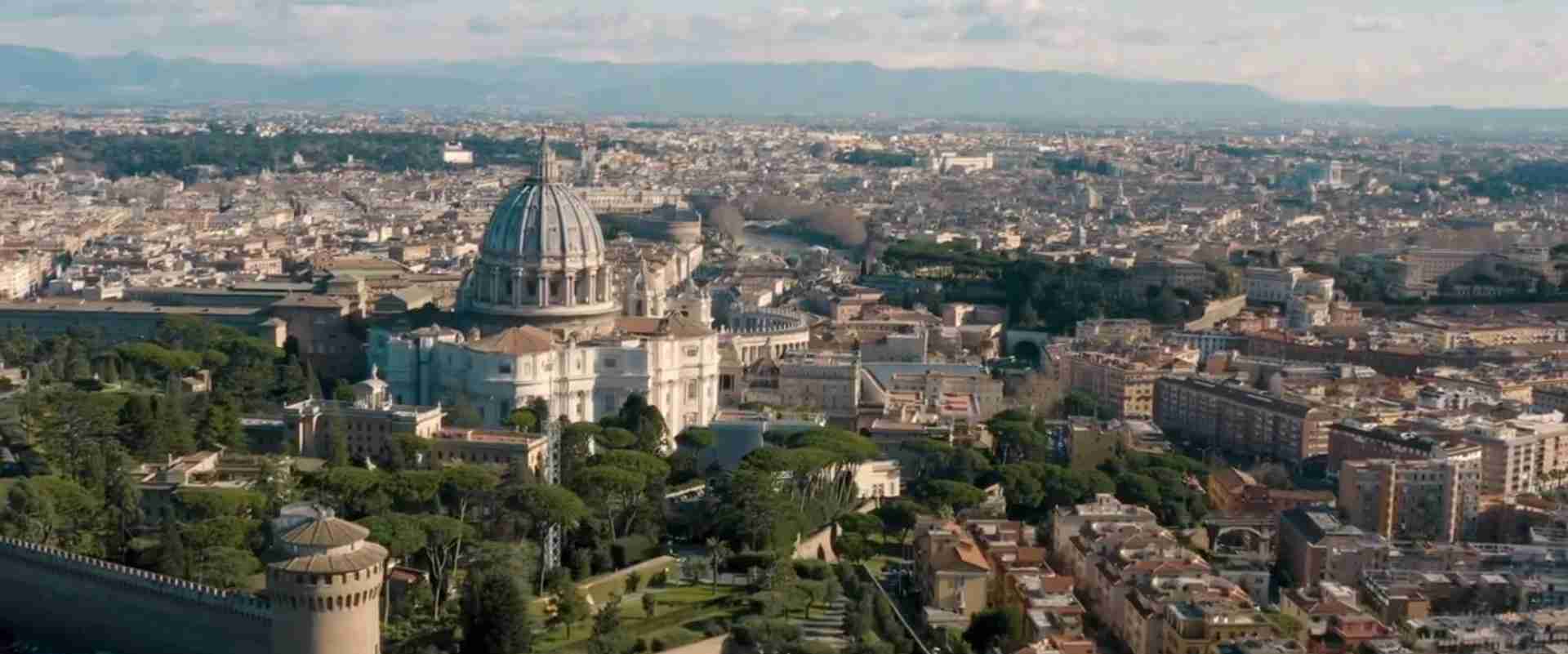
Rome 3-Day Itinerary 2026: First-Time Visitor Guide
This guide provides specific costs using 2026 pricing, confident transportation directions that eliminate navigation confusion, and dining recommendations that steer you toward authentic Roman cuisine rather than overpriced tourist menus. Whether you’re planning your first European adventure or adding Rome to your travel collection, these three days establish a foundation for understanding one of Western civilization’s most influential cities.
Key Takeaways
- Total Budget Range: €285-420 per person for three days (excluding accommodation), covering major attractions, quality dining, and all transportation
- Strategic Timing: Book Colosseum and Vatican tickets 2-3 months ahead for 2026 to secure early morning slots and avoid 2-hour queue times
- Transportation Efficiency: Rome’s city center is highly walkable—you’ll cover most major sites on foot, needing public transport only for Vatican and Trastevere neighborhoods
- Dining Strategy: Eat where Romans eat in Testaccio and Trastevere for authentic experiences at €15-25 per meal, avoiding tourist-trap restaurants near major monuments
- Free Experiences: This itinerary includes €0-cost highlights like Pantheon interior, Trevi Fountain, Spanish Steps, and neighborhood wandering that rival paid attractions
- Perfect First-Time Balance: Three days hits Rome’s essential UNESCO sites (Colosseum, Roman Forum, Vatican) while leaving time for spontaneous gelato breaks and people-watching
Introduction: Planning Your Rome 3-Day Adventure in 2026
Rome reveals its 2,800-year legacy through layers of ancient ruins, Renaissance masterpieces, and vibrant contemporary life—all concentrated in one of Europe’s most walkable capitals. This comprehensive three-day itinerary guides first-time visitors through Rome’s essential experiences in 2026, from the Colosseum’s ancient stones to Vatican City’s spiritual treasures, with strategic planning that maximizes your time while minimizing tourist-trap frustrations.
The eternal city demands more than a rushed tour bus experience. This itinerary balances Rome’s major UNESCO World Heritage sites with authentic neighborhood experiences, creating a rhythm that prevents museum fatigue while ensuring you experience the city’s legendary dolce vita lifestyle. You’ll walk where emperors ruled, stand beneath Michelangelo’s Sistine Chapel ceiling, and discover why Romans still gather in centuries-old piazzas for their evening passeggiata.
People Also Ask About Rome 3-Day Itinerary 2026
Is 3 days enough time to visit Rome in 2026?
Three days provides sufficient time to experience Rome’s essential highlights—the Colosseum, Roman Forum, Vatican Museums, St. Peter’s Basilica, Pantheon, and major piazzas—while allowing for leisurely meals and spontaneous exploration. This itinerary covers approximately 85% of first-time visitors’ priority sites. Rome rewards longer stays, but three days establishes a comprehensive introduction to the city’s ancient, Renaissance, and contemporary layers without creating exhausting marathon touring days.
How much does a 3-day Rome trip cost in 2026?
Budget €285-420 per person for three days excluding accommodation, covering attraction tickets (€75-95), meals (€135-210), transportation (€25-35), and incidentals. Mid-range accommodation adds €120-200 per night for centrally-located hotels. The total three-day experience including accommodation ranges €645-1,020 per person. Budget-conscious travelers reduce costs through lunch picnics, free attractions, and strategic dining in authentic neighborhoods rather than tourist zones.
What’s the best order to visit Rome attractions in 2026?
Start with Ancient Rome (Colosseum and Roman Forum) on Day 1 when you’re energized, tackle Vatican Museums and St. Peter’s Basilica on Day 2 with early morning tickets to beat crowds, then explore central neighborhoods and secondary sites on Day 3. This sequence prevents museum fatigue by alternating between outdoor archaeological sites and indoor art collections, while grouping geographically clustered attractions to minimize transportation time.
Do I need advance bookings for Rome attractions in 2026?
Yes—book Colosseum tickets 2-3 months ahead and Vatican Museums tickets 3-4 weeks ahead for 2026 to secure morning time slots when sites are less crowded. Walk-up tickets sell out by 10 AM during peak season (April-October), forcing you into expensive last-minute tours or wasted queue time. The Pantheon, Trevi Fountain, and Spanish Steps require no advance reservations. Strategic advance booking transforms your experience from frustrating queue management to smooth, relaxed exploration.
Extended multi-day tours – 5+ days
Featured Rome Multi-Day Tour Packages
5 days
The Ultimate Rome Food & Cultural Small-Group Tour Package – 5 Days
- ✓ Comprehensive Rome tour
- ✓ Expert local guides included
- ✓ All accommodation arranged
- ✓ Transportation provided
3 days
3-Day Pompeii, Capri & Sorrento Mini Tour
- ✓ Comprehensive Rome tour
- ✓ Expert local guides included
- ✓ All accommodation arranged
- ✓ Transportation provided
3 days
Advent in Rome: Markets, Churches & Tiramisu
- ✓ Booking needs min. 2 travelers
5 days
Ciao Italia: 5 Days, 2 Cities, Infinite Wonders
- ✓ Comprehensive Rome tour
- ✓ Expert local guides included
- ✓ All accommodation arranged
- ✓ Transportation provided
Multi-day tour packages powered by TourRadar. Prices and availability subject to change.
Essential Planning Information for 2026
Understanding Rome’s Layout and Neighborhoods
Rome’s historic center occupies a compact area spanning about 3 kilometers from Termini Station to Vatican City, making it remarkably walkable for a major European capital. The city organizes itself around three primary tourist zones that structure this three-day itinerary effectively.
Ancient Rome anchors the city’s southeastern historic area, where the Colosseum, Roman Forum, and Palatine Hill cluster within a 15-minute walk of each other. This UNESCO World Heritage zone represents the political and social heart of the ancient Roman Empire, with archaeological layers spanning from 8th century BC foundations through Renaissance-era modifications. First-time visitors should dedicate their most energized morning to this area, as afternoon heat and crowds diminish the experience significantly.
Vatican City occupies Rome’s western edge across the Tiber River, functioning as an independent city-state containing St. Peter’s Basilica and the Vatican Museums. This zone requires different planning than Ancient Rome—you’ll need public transportation (metro Line A) to reach it efficiently, and the enclosed museum spaces demand different physical stamina than outdoor archaeological wandering. Vatican Museums contain 54 galleries spanning 9 kilometers of corridors, making strategic routing essential to avoid exhaustion.
Central Rome fills the area between these two zones with Renaissance and Baroque masterpieces including the Pantheon, Trevi Fountain, Spanish Steps, and countless piazzas that define Rome’s contemporary dolce vita character. This is where Romans actually live, work, and socialize, creating an authentic urban experience beyond the ancient ruins and religious art that dominate tourist itineraries. Budget extra time for spontaneous discoveries—Rome’s most memorable moments often happen when you’re wandering between planned destinations.
2026 Pricing and Ticket Information
Colosseum tickets cost €18 per adult for standard admission including Roman Forum and Palatine Hill access in 2026. Full Experience tickets with arena floor access cost €24, while Underground and Upper Levels tours run €24-32 depending on group size. Check coopculture.it for current official rates as pricing may vary. Book directly through official channels—third-party resellers charge €10-20 premiums for identical access.
Vatican Museums tickets cost €20 per adult with online booking required, adding €5 to walk-up prices that typically sell out before noon during peak season. St. Peter’s Basilica maintains free admission, while dome climbing costs €10 for elevator-assisted access or €8 for the 551-step walk. Vatican ticket pricing remains stable through 2026, though booking windows tighten during Easter week and summer months when advance reservations extend to 4-5 months ahead.
Rome’s other major attractions operate on different models. The Pantheon offers free admission for all visitors, as do most churches including Santa Maria Maggiore and San Giovanni in Laterano. Borghese Gallery requires advance tickets at €20 per person with specific entry times, while Castel Sant’Angelo charges €15. Your total three-day attraction budget ranges €75-95 per person depending on whether you choose enhanced Colosseum experiences or stick with standard access.
Transportation Essentials for 2026
Rome’s public transportation system operates through ATAC, offering metro, buses, and trams on integrated ticketing. Single journey tickets cost €1.50 and validate for 100 minutes including one metro ride and unlimited bus transfers. The 72-hour Roma Pass costs €38.50 and includes unlimited public transport plus free admission to two sites and discounts on additional attractions—it pays for itself if you’re visiting three or more paid sites and using metro daily.
Most visitors find they need public transport only for specific routes: metro Line B to the Colosseum station, metro Line A to Vatican/Musei Vaticani station, and occasional buses to Trastevere or Testaccio neighborhoods. Rome’s historic center bans most vehicle traffic, making walking the fastest and most pleasant option for moving between central attractions. The distance from the Colosseum to Trevi Fountain spans just 2 kilometers—an easy 25-minute walk through architecturally stunning streets.
Taxis operate on meters starting at €3 daytime and €6.50 after 10 PM, with typical cross-city rides costing €15-20. Uber and Free Now apps function in Rome but don’t offer significant savings over traditional taxis. For airport transportation, Leonardo Express trains run €14 per person from Fiumicino Airport to Termini Station with 32-minute journey times and departures every 15 minutes throughout the day.
Day 1: Ancient Rome and Historic Center 2026
Morning: Colosseum and Roman Forum (8:00 AM – 12:30 PM)
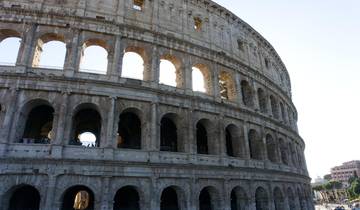
Begin your Roman adventure with the ancient world’s most iconic monument. Arrive at the Colosseum by 8:00 AM when gates open—early morning light creates spectacular photography conditions while temperatures remain comfortable and crowds stay manageable. Your pre-booked ticket grants access through dedicated lanes, bypassing the walk-up queues that form by 9:00 AM and stretch to 2-hour waits by midday.
The Colosseum reveals ancient Roman engineering genius through its elliptical design that seated 50,000-80,000 spectators with sophisticated crowd management systems including 80 entrance arches that could empty the building in 10 minutes. Walk the arena level where gladiators battled, explore the underground hypogeum where animals and performers waited before being lifted to arena level through trap doors, and circle the upper levels for panoramic views across ancient Rome’s archaeological complex. Standard visits require 60-90 minutes, while guided tours extend to 2-3 hours with deeper historical context.
Exit the Colosseum onto Via dei Fori Imperiali and walk 5 minutes to the Roman Forum entrance—your Colosseum ticket includes Forum and Palatine Hill admission. The Forum functioned as ancient Rome’s political, religious, and commercial heart from 500 BC through the fall of the empire, containing temples, basilicas, and government buildings where senators debated laws and emperors addressed citizens. Key sites include the Senate House, Temple of Julius Caesar marking where Romans cremated their greatest general, and Arch of Titus commemorating the siege of Jerusalem.
Continue uphill to Palatine Hill where according to legend Romulus founded Rome in 753 BC. The hill evolved into an exclusive residential district for emperors and aristocrats, with ruins of Imperial palaces offering exceptional views across the Forum and Circus Maximus valley. The Palatine Museum houses artifacts excavated from the hill including frescoes, mosaics, and sculptures that illustrate daily life in ancient Rome’s upper classes. Allow 2-2.5 hours for thorough Forum and Palatine exploration—rushing diminishes the archaeological experience significantly.
Lunch: Authentic Roman Cuisine Near Colosseum (12:30 PM – 2:00 PM)
Avoid the overpriced tourist restaurants directly surrounding the Colosseum and walk 10 minutes toward Monti neighborhood where Romans actually eat. This area offers authentic trattorias serving traditional Roman dishes at honest prices—€15-25 per person for quality lunches including wine or beer.
Classic Roman lunch dishes include carbonara (guanciale, egg, pecorino, black pepper—no cream in authentic versions), amatriciana (tomato sauce with guanciale and pecorino), cacio e pepe (pecorino cheese and black pepper creating a creamy sauce), and saltimbocca alla romana (veal with prosciutto and sage). Romans eat substantial lunches, typically ordering an appetizer or pasta followed by a meat course, though tourists can respectably order just a pasta dish and salad.
Lunch follows Roman timing—restaurants fill 1:00-2:30 PM with local workers, creating an authentic atmosphere that tourist-zone restaurants never achieve. Many establishments close 3:00-7:00 PM for afternoon riposo, so plan lunch within the cultural rhythm rather than expecting all-day service. Water arrives as €2-3 bottled options (carbonated or still)—requesting tap water marks you as foreign and may receive eye-rolling, though it’s technically legal.
Afternoon: Capitoline Hill and Neighborhood Exploration (2:30 PM – 6:00 PM)
Walk from lunch toward Capitoline Hill, Rome’s smallest but historically most important hill where the ancient Temple of Jupiter stood and where Rome’s government has operated for millennia. Michelangelo designed the hilltop piazza in the 1530s, creating Renaissance harmony above ancient foundations. The symmetrical staircase (Cordonata) leads upward between massive ancient Roman statues to the piazza that now houses Rome’s city government.
Capitoline Museums occupy two palaces flanking the piazza, containing art and archaeological treasures including the iconic she-wolf statue symbolizing Rome’s foundation myth, Marcus Aurelius equestrian statue, and extensive collections of classical sculpture and Renaissance paintings. Admission costs €15 per person with reduced evening rates after 7:00 PM during summer months. The museums’ rooftop terrace offers exceptional Forum views that many visitors miss—budget 20 minutes for this perspective even if you skip the museum collections.
Descend Capitoline Hill’s gentler back staircase into the Jewish Ghetto neighborhood, Rome’s historic center for Jewish culture since ancient times. The area rewards wandering without specific destination—narrow medieval streets preserve Rome’s pre-Renaissance character, with artisan workshops, kosher bakeries, and restaurants serving Roman-Jewish specialties like carciofi alla giudia (deep-fried artichokes) that aren’t found elsewhere in the city. The main synagogue with its distinctive square dome and small museum documenting Rome’s Jewish community from Roman times through WWII opens for visits at €13 per person.
Walk north from the Jewish Ghetto across Largo di Torre Argentina, an archaeological site where Julius Caesar was assassinated in 44 BC. The sunken ruins now house a cat sanctuary where volunteers care for Rome’s feral cat colonies—you can’t enter the actual archaeological area, but viewing from street level provides historical context for tomorrow’s Pantheon visit just 300 meters north. Continue toward Via del Corso for shopping exploration or head to your accommodation for late afternoon rest before dinner.
Evening: Trevi Fountain, Dinner, and Evening Stroll (7:00 PM – 11:00 PM)
Evening reveals Rome’s most magical atmosphere as warm light bathes golden-hued buildings and Romans emerge for their traditional passeggiata evening stroll. Start at Trevi Fountain around sunset (7:00-8:30 PM depending on season) when dramatic lighting enhances Nicola Salvi’s Baroque masterpiece. The fountain depicts Ocean (Neptune) taming wild horses symbolizing the sea’s moods, with water flowing from the Aqua Virgo aqueduct that has supplied this area since 19 BC.
The coin-tossing tradition draws crowds—throw one coin over your left shoulder to ensure return to Rome, though the custom began as 20th-century tourism marketing rather than ancient Roman ritual. Visit late evening (after 10:00 PM) for quieter fountain appreciation, though the theatrical crowds create part of the experience. The tiny piazza means you can’t get distant views—embrace the intimate, crowded encounter with one of world travel’s most iconic images.
Dinner timing follows Roman customs—restaurants begin service around 7:30-8:00 PM with peak seating 8:30-10:00 PM. Budget €35-50 per person for quality dinner including wine, appetizer, main course, and dessert at mid-range trattorias. Look for restaurants where Italian conversations dominate and menus don’t display photo placards—these indicators signal authentic spots where Romans eat rather than tourist traps marking their prices in multiple currencies.
After dinner, walk the illuminated streets between Trevi Fountain and Spanish Steps, exploring designer shopping streets that remain open until 10:00 PM. The Spanish Steps themselves close to sitting after 11:00 PM (€400 fines enforced), but the surrounding piazza and upward views remain accessible. End your evening with gelato from a proper gelateria charging €2.50-4 per cone—authentic gelaterias display gelato in covered metal tins rather than mounded in open display cases, and natural colors (pistachio looks brownish-green, not bright green) indicate quality ingredients.
Day 1 Cost Summary
Colosseum full experience ticket €24, lunch €20-30, Capitoline Museums €15, dinner €40-50, gelato €3-4, metro tickets €3 (two rides). Total day cost: €105-126 per person (excluding accommodation).
Day 2: Vatican City and Trastevere 2026
Morning: Vatican Museums and Sistine Chapel (8:00 AM – 12:00 PM)
Vatican Museums demand early arrival—gates open 8:00 AM with pre-booked tickets granting skip-the-line access through dedicated entrances. Walk-up ticket holders face 1-3 hour queues by 9:30 AM during peak season. The museums close Sundays except the last Sunday of each month when admission is free, creating overwhelming crowds that diminish the experience substantially—avoid free Sundays if possible.
The museums house one of world’s greatest art collections across 54 galleries spanning 2,000 years from ancient Egyptian artifacts through Renaissance masterpieces to contemporary religious art. A comprehensive visit requires 4-5 hours, but three strategic galleries capture the essential Vatican experience: the Gallery of Maps displaying 16th-century cartographic art, Raphael Rooms containing the master’s Vatican frescoes including School of Athens, and the Sistine Chapel showcasing Michelangelo’s ceiling depicting Creation and Last Judgment altar wall.
Follow the clearly marked one-way route that funnels visitors through galleries toward the Sistine Chapel—attempting to backtrack causes congestion and frustration. The chapel enforces strict silence with guards shushing conversations, making contemplation challenging amid crowds that swell to 2,000+ simultaneous visitors during peak hours. Photography is prohibited though enforcement remains inconsistent. Neck strain from ceiling viewing becomes genuine—bring water and take strategic breaks in earlier galleries rather than spending your full energy in the final chapel.
Vatican Museums audio guides cost €7 and provide valuable context for understanding the symbolism and historical significance of major works. Alternatively, book small group guided tours at €50-75 per person (including museum admission) for expert commentary and strategic routing that maximizes your limited time. These tours typically conclude before noon, positioning you perfectly for St. Peter’s Basilica visit without breaking for lunch.
Late Morning: St. Peter’s Basilica (12:00 PM – 2:00 PM)
Exit Vatican Museums and walk 10 minutes through Vatican gardens to St. Peter’s Square, though most visitors prefer routing through the direct internal passage (when open) that connects museums to the basilica. Security screening at basilica entrance requires 15-30 minutes regardless of entry route—come prepared with shoulders and knees covered (enforcement is strict) or purchase disposable cover-ups from vendors for €5-8.
St. Peter’s Basilica functions as Catholic Christianity’s most important church, built atop St. Peter’s tomb and serving as the Pope’s liturgical home. The Renaissance and Baroque architecture reaches extraordinary scale—the nave stretches 218 meters with the dome soaring 136 meters above the floor. Michelangelo’s Pietà sculpture sits in the first chapel right of the entrance behind protective glass following 1972 vandalism, while Bernini’s baldachin (ornate bronze canopy) marks the high altar directly above St. Peter’s tomb.
The basilica itself offers free admission with donations encouraged. Dome climbing provides exceptional panoramic views across Rome—access costs €10 for elevator-assisted route reducing the climb to 320 steps, or €8 for 551 steps beginning at ground level. The elevator delivers you to the roof level where you can walk around the dome’s base and examine the basilica’s architectural details before tackling the narrow spiral staircase ascending through the dome’s double shell. The confined final passage between inner and outer dome walls creates discomfort for claustrophobic visitors—assess your comfort with tight spaces before committing to the full climb.
Vatican grottoes beneath the basilica contain tombs of deceased popes and provide access for viewing St. Peter’s tomb through a small underground chapel—entrance is free through an interior staircase near the baldachin. The necropolis tour offering closer tomb access requires advance booking weeks ahead and costs €13 per person for specialized 90-minute guided visits limited to small groups.
Lunch: Prati Neighborhood Dining (2:00 PM – 3:30 PM)
Walk away from St. Peter’s Square into Prati neighborhood where Vatican workers and middle-class Romans live and eat. This area offers much better value and authenticity than tourist restaurants directly surrounding Vatican walls—expect €18-28 per person for quality lunch including wine.
Prati specializes in Roman classics with slight modern updates, featuring restaurants that balance traditional recipes with contemporary presentation. Look for establishments with Italian-language chalkboard menus listing daily specials—these indicate chef-driven cooking rather than reheated tourist formulas. The neighborhood’s markets and food shops also provide excellent picnic supplies if you prefer eating in Villa Borghese gardens or along the Tiber River.
Romans view lunch as a substantial meal deserving time and attention—rushing through courses signals disrespect for the cultural ritual. Expect leisurely pacing with appetizers arriving 15-20 minutes after ordering, main courses following another 20-25 minutes. The pace encourages conversation and wine appreciation rather than efficient fuel consumption. Accept the rhythm or choose quick-service options like pizza al taglio (pizza by the slice) that Romans themselves use for faster meals.
Afternoon: Castel Sant’Angelo and River Walk (3:30 PM – 6:00 PM)
Walk from Prati toward Tiber River and Castel Sant’Angelo, originally built as Emperor Hadrian’s mausoleum in 139 AD before conversion into a medieval fortress, Renaissance papal refuge, and eventually a museum. The cylindrical structure dominates the riverbank connected to Vatican City via an elevated fortified corridor (Passetto di Borgo) that popes used for emergency escapes during conflicts.
Castle admission costs €15 per person with access to multiple levels including weapons collections, Renaissance papal apartments with frescoed ceilings, and the rooftop terrace providing 360-degree Rome views. The terrace perspective differs significantly from St. Peter’s dome—you’re looking at Vatican City and central Rome from a military viewpoint rather than a religious one, creating context for understanding how papal power combined spiritual and temporal authority throughout medieval and Renaissance periods.
Cross the river via Ponte Sant’Angelo (Bridge of Angels) designed by Bernini with ten angel statues carrying symbols of Christ’s Passion. The bridge leads into Rome’s historic center for afternoon wandering—choose between designer shopping along Via del Corso, quiet exploration through Campo de’ Fiori market neighborhood (market operates mornings only), or relaxed coffee drinking in Piazza Navona watching street artists and caricaturists work the tourist crowds.
Evening: Trastevere Neighborhood Exploration and Dinner (7:00 PM – 11:00 PM)
Cross back over the Tiber River into Trastevere, Rome’s most atmospheric neighborhood for evening exploration. The area preserves medieval street patterns with narrow lanes, artisan workshops, and neighborhood restaurants that Romans frequent for authentic dining experiences. Arrive for passeggiata hour (7:00-8:30 PM) when locals emerge for pre-dinner strolls and aperitivi socializing.
Santa Maria in Trastevere church anchors the neighborhood’s main piazza with 12th-century mosaics illuminated beautifully after sunset. The piazza functions as Trastevere’s social center with fountain steps serving as informal gathering spaces and surrounding cafes offering prime people-watching positions. Unlike tourist-zone piazzas dominated by visitors, Trastevere maintains authentic local character with Italian conversations and neighborhood regulars mixing with visitors.
Dinner reservations become essential in Trastevere during peak season (May-September) when popular restaurants fill by 8:00 PM. Budget €40-55 per person for quality dining including wine, with restaurants in this neighborhood generally offering better value than equivalent quality establishments in the historic center. Signature dishes include rigatoni con pajata (pasta with veal intestines—more appealing than it sounds), trippa alla romana (tripe in tomato sauce), and abbacchio scottadito (grilled lamb chops).
After dinner, explore Trastevere’s narrow lanes where ivy-covered buildings and cobblestone streets create Instagram-worthy backdrops for night photography. The neighborhood maintains lively atmosphere past midnight with bars and casual eateries serving drinks and light snacks. Alternatively, cross back over the river via Ponte Sisto pedestrian bridge for gelato near Piazza Navona, then metro from Barberini station (Line A) back to your accommodation.
Day 2 Cost Summary
Vatican Museums ticket €20, St. Peter’s dome €10, lunch €23-28, Castel Sant’Angelo €15, dinner €45-55, gelato €3-4, metro tickets €3. Total day cost: €119-135 per person (excluding accommodation).
Day 3: Central Neighborhoods and Hidden Discoveries 2026
Morning: Pantheon and Baroque Rome (9:00 AM – 12:30 PM)
Begin your final Roman morning at the Pantheon, ancient Rome’s best-preserved building and architectural marvel that has inspired architects for 1,900 years. Free admission provides access to the interior where a perfect hemispherical dome with 9-meter oculus creates dramatic natural lighting effects that change throughout the day. The structure’s engineering genius becomes apparent when you understand that the dome’s concrete composition varies with lighter materials near the top, enabling the span to support itself without internal pillars.
The Pantheon served as a Roman temple to all gods before 7th-century conversion to a Christian church, ensuring its preservation when many pagan temples were destroyed or recycled for building materials. Famous figures buried here include Renaissance painter Raphael and Italian kings Vittorio Emanuele II and Umberto I. Visit early morning or evening for quieter appreciation—midday crowds diminish the contemplative atmosphere despite the spectacular lighting effects when sun shines through the oculus.
Walk from the Pantheon into Rome’s baroque heart exploring Piazza Navona with Bernini’s Fountain of the Four Rivers, built over ancient Emperor Domitian’s stadium that determined the plaza’s oval shape. The elongated space hosts artists, musicians, and cafe tables creating quintessential Roman piazza atmosphere. Compare Bernini’s fountain sculptures representing the Nile, Ganges, Danube, and Rio de la Plata rivers as allegories of the four continents known to 17th-century Europeans.
Continue to Campo de’ Fiori where morning markets sell produce, flowers, and specialty foods in a neighborhood square that once served as an execution site (bronze statue of philosopher Giordano Bruno commemorates his 1600 burning for heresy). The market provides excellent ingredients for picnic lunches, and surrounding streets contain artisan food shops selling Roman specialties including carbonara-ready guanciale, aged pecorino Romano cheese, and natural wine from Lazio region.
Lunch and Afternoon: Testaccio Food Exploration (12:30 PM – 4:00 PM)
Metro Line B from Colosseo station delivers you to Piramide station in 15 minutes, positioning you at the entrance to Testaccio neighborhood—Rome’s authentic food district where locals shop and eat without tourist-zone prices. The area developed as working-class housing near the former slaughterhouse (now contemporary art center), creating a culinary tradition based on quinto quarto (fifth quarter) cooking using organ meats and less-valued cuts transformed into Roman classics.
Testaccio Market operates 7:00 AM – 3:30 PM Monday-Saturday in a modern covered structure replacing the original open-air market. The market combines produce vendors, butchers, cheese specialists, and prepared food stalls offering lunch at €8-15 per person for authentic Roman street food including supplì (fried rice balls), trapizzino (pocket pizza filled with Roman stews), and porchetta (roasted pork) sandwiches. Eat standing at counters or grab seats at communal tables, mixing with local workers and elderly residents doing daily shopping.
The neighborhood’s restaurants serve some of Rome’s best traditional cuisine at honest prices—€20-35 per person for sit-down lunch including wine. Testaccio specializes in offal dishes that Romans consider delicacies: pajata (veal intestines), coratella (lamb organs), coda alla vaccinara (oxtail stew). Squeamish eaters find excellent carbonara, amatriciana, and roasted meats without venturing into adventurous territory.
Walk off lunch exploring Monte Testaccio, an artificial hill composed entirely of broken olive oil amphorae (ceramic vessels) discarded when ancient Rome imported oil from across the Mediterranean. The 35-meter hill contains an estimated 53 million amphorae fragments representing 1.4 billion liters of imported oil—archaeological evidence of ancient Rome’s supply chain logistics. Caves excavated into the hill now house restaurants and nightclubs leveraging the natural climate control provided by compressed pottery shards.
Late Afternoon: Protestant Cemetery and Aventine Hill (4:00 PM – 6:30 PM)
Walk 10 minutes from Testaccio to the Protestant Cemetery (Non-Catholic Cemetery), a surprisingly peaceful oasis containing graves of notable foreigners who died in Rome including English poets John Keats and Percy Shelley. The cemetery operates as an open-air sculpture park with romantic-era monuments set among ancient cypress trees and wandering cats—free admission though €3 suggested donations support maintenance.
Poets and artists began visiting Keats’ grave in the 1820s, establishing a literary pilgrimage tradition that continues today. The cemetery reflects changing attitudes toward death and remembrance, with 19th-century monuments displaying romantic melancholy while modern graves show minimalist aesthetics. The setting provides contemplative contrast to Rome’s overwhelming monumental grandeur, creating space for quiet reflection on mortality and artistic legacy.
Climb neighboring Aventine Hill, one of Rome’s seven hills and the most peaceful, dominated by medieval churches and upscale residential areas rather than tourist attractions. The Orange Garden (Giardino degli Aranci) offers exceptional sunset views across Rome toward St. Peter’s dome—arrive 30-60 minutes before sunset for photographers’ golden hour and romantic atmosphere. The garden takes its name from bitter orange trees planted by Dominican monks, creating fragrant blossoms in spring and photogenic fruit in winter.
Don’t miss the Knights of Malta Keyhole on Aventine Hill—peer through the green door’s keyhole for a perfectly framed view of St. Peter’s dome at the end of a garden pathway. This Instagram-famous perspective represents three sovereign entities simultaneously: you stand in Italy, look through property owned by the Sovereign Military Order of Malta (a sovereign entity without territory), and see Vatican City in the distance. The quirky experience creates brief queue times during peak tourist hours—visit early morning or evening for immediate access.
Evening: Final Dinner and Neighborhood Farewell (7:30 PM – 11:00 PM)
Return to a favorite neighborhood from earlier days for final dinner—choosing Monti, Trastevere, or Testaccio based on your preferred atmosphere. Alternatively, explore Pigneto neighborhood, Rome’s emerging foodie district east of the historic center, where young chefs open experimental restaurants and natural wine bars with €30-45 per person pricing for creative cooking.
Final evening rituals should include gelato from a quality gelateria, evening passeggiata observing Roman social traditions, and perhaps a digestivo nightcap at a neighborhood bar where regulars gather. Romans drink standing at bars rather than occupying tables (which costs double), ordering grappa, amaro, or limoncello to aid digestion after substantial meals.
Consider one last monument visit if energy remains—the Colosseum and Trevi Fountain both create spectacular night photography opportunities with dramatic lighting. The Colosseum’s external perimeter remains accessible 24/7 for viewing and photographs, while Trevi Fountain’s baroque theatrics increase after dark when floodlights create chiaroscuro effects enhancing the sculptural drama.
Day 3 Cost Summary
Lunch at Testaccio Market €12-18, dinner €35-50, gelato €3-4, metro tickets €3, drinks €8-12. Total day cost: €61-87 per person (excluding accommodation).
Sample Budget Breakdown for 3-Day Rome Trip 2026
Three-Day Total Costs Per Person
Major attraction tickets (Colosseum €24, Vatican €20, Castel Sant’Angelo €15, St. Peter’s dome €10, Capitoline Museums €15): €84 total. Daily meals averaging breakfast €5-8, lunch €18-28, dinner €40-50: €189-258 total for nine meals. Transportation including metro tickets and airport transfers: €25-35. Incidentals (gelato, coffee, bottled water, snacks): €25-35. Three-day grand total excluding accommodation: €323-412 per person.
Accommodation costs depend significantly on location and quality preferences. Budget hostels in peripheral areas cost €25-40 per person per night, mid-range hotels near Termini or Trastevere run €120-180 per double room per night, while luxury hotels in central locations charge €250-450 per night. Strategic hotel selection balances location convenience, neighborhood character, and breakfast quality—many Italian hotels include substantial breakfast buffets that eliminate morning meal costs.
Money-Saving Strategies for 2026
Book Colosseum and Vatican tickets directly through official websites rather than third-party sellers charging €10-20 premiums for identical access. Choose lunch as your main substantial meal at trattorias serving quality food at lower prices than dinner menus—many restaurants offer €15-20 lunch specials including wine. Free attractions (Pantheon, Trevi Fountain, Spanish Steps, church interiors) provide exceptional experiences without ticket costs, while neighborhood walks in Testaccio, Trastevere, and Monti cost nothing but deliver authentic Roman character.
Consider the 72-hour Roma Pass (€38.50) if you plan to visit three or more paid attractions and use metro daily—it includes two free attraction admissions, discounts on additional sites, and unlimited public transport. However, many first-time visitors find Rome’s walkability eliminates substantial metro usage, making the pass less valuable than initially appears. Calculate your specific itinerary before purchasing.
Eat where Romans eat in Testaccio, Pigneto, and Prati neighborhoods where prices remain honest and quality stays high. Avoid restaurants displaying multilingual menus with photos near major tourist sites—these indicators signal overpriced mediocrity targeting visitors who won’t return. Genuine Roman restaurants post daily specials on chalkboards, accept cash payments with better rates than credit cards, and fill with Italian conversations during peak dining hours.
Transportation Guide for 2026 Rome
Getting Around Historic Center
Walking provides the most efficient and pleasant transportation for exploring Rome’s historic center. The distance from Colosseum to Trevi Fountain spans 2.3 kilometers (30 minutes), Trevi to Pantheon runs 600 meters (8 minutes), and Pantheon to Piazza Navona takes just 500 meters (6 minutes). These walkable distances reward meandering through architecturally stunning streets where spontaneous discoveries often create trip highlights.
Rome’s historic center restricts vehicle traffic through ZTL (Limited Traffic Zone) regulations, creating peaceful streets for pedestrian exploration. Many streets follow ancient Roman routes preserved for 2,000 years, though medieval modifications created confusing layouts that defeat logical navigation. Use offline maps downloaded before your trip—Google Maps works exceptionally well in Rome with accurate walking directions and real-time public transport information.
Metro and Bus System
Rome’s metro consists of three lines with limited coverage compared to other major European capitals, but strategic routes serve key tourist destinations. Line B connects Termini Station to the Colosseum (Colosseo stop) in 5 minutes. Line A runs from Termini to Vatican/Musei Vaticani stop near Vatican Museums in 15 minutes, then continues to Ottaviano-San Pietro closer to St. Peter’s Square. Line C serves primarily residential suburbs with minimal tourist utility.
Metro operates 5:30 AM – 11:30 PM daily with extended Friday-Saturday service until 1:30 AM. Trains arrive every 5-10 minutes during peak hours, extending to 10-15 minute intervals in early morning and late evening. Single journey tickets validate for 100 minutes including one metro trip and unlimited bus/tram transfers—validate tickets in yellow machines before boarding or face €50 fines from random inspections.
Buses fill coverage gaps left by limited metro lines, with routes 40 and 64 serving Vatican City, route 87 connecting Colosseum to Piazza Venezia, and route 23 reaching Trastevere from central locations. Bus schedules display at stops but run notoriously unreliable—build extra time for bus connections or choose metro when possible. Night buses (routes starting with “n”) operate limited routes after metro closure, though taxis provide more reliable late-night transportation.
Taxis and Ride-Sharing Services
Official Roman taxis display white cars with “TAXI” signs on roofs and operate on meters starting at €3 during daytime weekdays, €6.50 after 10 PM and weekends. Typical cross-city rides cost €15-25 depending on traffic and route. Taxis queue at designated stands near major sites rather than responding to street hailing—look for yellow signs marked “TAXI” or call for pickup through your hotel.
Uber operates in Rome but doesn’t offer significant savings over traditional taxis due to local regulations requiring Uber to use licensed taxi drivers. Free Now app (previously MyTaxi) provides taxi ordering with English interface and credit card payment, eliminating language barriers and payment confusion. Both services show estimated fares before booking, reducing concerns about meter manipulation reported by some tourists.
Airport Connections for 2026
Leonardo da Vinci Airport (Fiumicino) serves most international flights, located 32 kilometers southwest of central Rome. Leonardo Express trains provide the fastest connection at €14 per person, running every 15 minutes from 6:23 AM to 11:23 PM with 32-minute journey times to Termini Station. Regional trains (€8 per person) take 45 minutes with stops at Trastevere, Ostiense, and Tuscolana stations before reaching Termini—useful if your hotel sits near these peripheral stations.
Taxis from Fiumicino charge fixed €50 rates to destinations within Rome’s Aurelian walls (covering most tourist zones), eliminating meter concerns. Confirm the fixed rate before departing—drivers must honor official tariffs, though some attempt to charge per-person or add illegal supplements. Private car services through your hotel cost €60-80 with advance booking, providing door-to-door service without shared taxi uncertainties.
Ciampino Airport serves budget airlines and European destinations, located 15 kilometers southeast of central Rome. No direct train exists—choose between buses (€6 per person, 40 minutes to Termini) or fixed-rate taxis at €30 to central destinations. The smaller airport processes passengers quickly, though limited food and shopping options mean arriving more than 90 minutes before European flights wastes time in uninspiring surroundings.
Accommodation Strategies for 2026 Rome
Best Neighborhoods for First-Time Visitors
Monti neighborhood offers excellent balance of authentic character, central location, and reasonable prices, situated walking distance from the Colosseum with metro access and quality restaurants Romans actually frequent. Hotels range €120-200 per night for comfortable mid-range options with character buildings and boutique atmospheres. The area maintains residential feel while providing tourist convenience—morning produce markets operate on Via Urbana, and evening wine bars attract local professionals alongside visitors.
Trastevere delivers romantic atmosphere with cobblestone streets and medieval architecture, though accommodation costs run higher (€150-250 per night) due to neighborhood popularity. The location requires walking or metro for reaching Colosseum and Vatican sites, adding 15-20 minutes to morning departures. Evening restaurant access compensates for reduced daytime convenience—you’re already positioned in Rome’s best dining district without needing to travel after dark.
Termini Station area provides budget-friendly options (€80-140 per night) with exceptional transportation connections via metro and regional trains. The neighborhood lacks charm and fills with tourist services rather than authentic Roman character, but location efficiency appeals to travelers prioritizing time over atmosphere. Avoid streets immediately east of Termini where sketchy characters congregate—choose streets west and northwest of the station for safer, cleaner accommodation options.
Booking Timing and Strategies
Book Rome accommodation 2-4 months ahead for peak season (April-June, September-October) when quality mid-range hotels fill quickly at reasonable rates. Prices spike during Easter week (dates vary annually), September’s high season combining pleasant weather with school schedules, and December Christmas markets period. January-February and July-August offer lower prices—winter for obvious reasons, summer because Romans flee the heat while tourists underestimate temperature intensity.
Compare rates across booking platforms, hotel direct websites, and membership programs (AAA, AARP, professional associations) that often provide 10-15% discounts from public rates. Many Roman hotels negotiate direct bookings made by phone or email, particularly for multi-night stays, offering breakfast inclusion or room upgrades. The negotiation tradition persists from pre-internet travel culture—attempting direct contact costs nothing but email time and potentially saves €20-40 per night.
Apartment Rentals vs. Hotels
Short-term apartments through booking platforms cost €100-180 per night for one-bedroom units accommodating couples, with larger apartments reaching €180-280 for families. Apartments provide more space, kitchen facilities enabling breakfast and lunch cost savings, and more authentic residential experiences. However, Roman apartments typically lack air conditioning reliability, elevator access, and 24-hour front desk services that hotels provide—assess your priorities before booking.
New Rome regulations require apartment rentals to register officially and pay tourist taxes, creating uncertainty about which listings operate legally. Some buildings prohibit short-term rentals through condominium rules, occasionally resulting in access difficulties or neighbor complaints. Hotels eliminate these uncertainties while providing concierge services, breakfast inclusion, and guaranteed hot water—valuable amenities when August heat reaches 35°C and afternoon siestas require functioning AC.
Dining Recommendations for 2026 Rome
Essential Roman Dishes to Experience
Roman cuisine focuses on simple ingredients transformed through technique rather than complexity—guanciale (cured pork jowl), pecorino Romano cheese, and black pepper create carbonara, amatriciana, and cacio e pepe pasta dishes that define local cooking. Authentic carbonara contains zero cream despite international bastardizations—egg yolks emulsify with pasta water and pecorino to create creamy sauce coating pasta strands. Order carbonara at least once to understand Roman cooking philosophy built on ingredient quality rather than elaborate preparation.
Carciofi alla romana (artichokes braised with mint and garlic) and carciofi alla giudia (whole artichokes deep-fried until crispy) showcase Rome’s Jewish-Roman culinary fusion, appearing on restaurant menus March-May during artichoke season. The Jewish Ghetto neighborhood preserves original recipes, though Testaccio restaurants also excel at artichoke preparations. Saltimbocca alla romana (veal cutlets with prosciutto and sage) demonstrates Roman meat cooking that doesn’t require long braises or stews—quick pan cooking with butter and white wine creates immediate gratification.
Supplì (fried rice balls with tomato sauce and mozzarella) function as Rome’s street food answer to Sicily’s arancini, sold at pizzerias and tavola calda shops for €1.50-2.50 each. The name derives from French “surprise” referencing the stretchy mozzarella center that surprises eaters. Pizza al taglio (pizza by the slice) sold from bakeries allows fast lunch while walking—choose from diverse toppings charged by weight, typically €3-5 for substantial slices.
Where to Find Authentic Restaurants
Authentic Roman restaurants display several identifying characteristics that separate tourist traps from genuine establishments. Look for Italian-language chalkboard menus listing daily specials based on market availability rather than laminated photo menus in five languages. Observe customer demographics—if most diners speak Italian and include elderly Roman couples, you’ve found a neighborhood regular spot rather than tourist service operation.
Avoid restaurants employing touts (people standing outside soliciting customers) near major tourist sites—genuine Roman restaurants never need aggressive customer recruitment. Similarly, skip establishments displaying excessive TripAdvisor certificates in windows or advertising “typical Roman food” on sandwich boards—real Romans would never describe their cuisine as “typical” any more than Parisians label their cooking “typical French food.”
Testaccio, Pigneto, and San Lorenzo neighborhoods maintain authentic dining scenes where restaurants cater primarily to local residents. These areas require metro or bus rides from historic center hotels but reward the effort with honest prices, quality ingredients, and zero tourist-trap atmospheres. Romans themselves travel to these neighborhoods for special occasion dining, creating environment where restaurant reputations depend on local approval rather than one-time tourist traffic.
Timing Your Meals Like Romans
Romans follow strict meal timing that reflects cultural values around food, family, and work-life balance. Breakfast (colazione) remains light—cappuccino and cornetto (similar to croissant) consumed standing at bars between 7:00-9:00 AM, typically costing €2.50-3.50. Ordering cappuccino after 11:00 AM marks you immediately as foreign—Romans drink only espresso or macchiato after morning hours, considering milk-based drinks too heavy for digestion later in the day.
Lunch (pranzo) functions as the main meal, served 12:30-3:00 PM when many shops close for afternoon riposo. Traditional meals include appetizer, pasta or rice course, meat or fish course, and dessert or coffee—though contemporary Romans often skip courses or eat lighter. Restaurants fill 1:00-2:30 PM with local workers, creating authentic atmosphere and indicating kitchen quality. Attempting lunch at 11:30 AM or 3:30 PM results in closed doors or pre-service frustration.
Dinner (cena) begins late by American standards—restaurants start service 7:30-8:00 PM with peak seating 8:30-10:00 PM. Arriving at 6:00 PM means you’re the only customer in an empty restaurant, creating awkward atmosphere that Romans associate with American tourists who don’t understand local culture. Evening meals allow for leisurely multi-course experiences with wine and conversation lasting 2-3 hours—rushing signals disrespect for the dining ritual that Italians hold sacred.
Practical Planning Tips for 2026
Essential Booking Deadlines
Book Colosseum tickets 2-3 months ahead for peak season (April-October) to secure morning time slots before heat and crowds intensify. The official Colosseum website (coopculture.it) releases tickets 60 days before visit dates, selling out within days for popular summer morning slots. Vatican Museums tickets become available 2-3 months ahead through the official website (biglietteriamusei.vatican.va), with ideal morning slots filling 3-4 weeks before visit dates during high season.
Accommodation booking should occur 2-4 months ahead for optimal selection and pricing in popular neighborhoods like Monti and Trastevere. Waiting until 2-3 weeks before travel limits choices to peripheral areas or overpriced last-minute rates. Restaurant reservations matter primarily for highly-rated Testaccio and Trastevere establishments during peak season—book 1-2 weeks ahead through hotel concierge or directly via phone for best results.
Packing Essentials for Rome
Comfortable walking shoes rated for 15,000+ daily steps become essential—Rome’s cobblestones, uneven ancient pavements, and frequent stair climbing destroy feet in inadequate footwear. Break in new shoes before departure—discovering blisters on Day 1 ruins the entire trip. Many visitors bring athletic shoes and slightly nicer shoes for evening dining, though Romans themselves rarely dress formally for restaurant meals in contemporary times.
Modest clothing requirements apply for church visits including St. Peter’s Basilica and all other Catholic churches—shoulders must be covered and skirts/shorts must reach knees. Security guards enforce these rules strictly, turning away improperly dressed visitors. Bring lightweight scarves for covering shoulders or purchase disposable cover-ups from vendors for €5-8 if caught unprepared. Summer heat tempts tank tops and shorts, but cultural respect requires appropriate coverage in religious spaces.
Reusable water bottles reduce costs and plastic waste—Rome maintains hundreds of nasoni (public drinking fountains) flowing with excellent aqueduct water, and restaurants will refill bottles though they prefer selling bottled water. Power adapters for European outlets (Type L in Italy) prove necessary for phone and camera charging. Sunscreen and sun hats protect against summer intensity that northern visitors often underestimate.
Safety and Common Scams to Avoid
Rome maintains generally safe conditions for tourists with violent crime remaining rare, though pickpocketing and bag-snatching concentrate around major tourist sites, metro stations, and crowded buses. Keep valuables in front pockets or cross-body bags worn toward your front. Avoid displaying expensive cameras or jewelry unnecessarily—tourist designation attracts unwanted attention from opportunistic thieves.
Common scams include “gladiators” and costumed characters near the Colosseum who pose for photos then aggressively demand €20-30 payment. These individuals have no official connection to archaeological sites—ignore photo solicitations or agree on price explicitly before posing. Another frequent scam involves “helpful” locals offering to carry your bags or provide directions, then demanding payment for unsolicited assistance. Politely decline all unsolicited help and use your phone for navigation.
Restaurant scams target tourists through cover charges (coperto) that appear legitimate, but excessive amounts (€5+ per person) indicate tourist traps. Legitimate cover charges run €1.50-3 per person for bread and table service. Always review bills carefully before paying—some restaurants add items you didn’t order or calculate tips incorrectly hoping rushed tourists won’t notice. Tipping remains optional in Italy with 10% considered generous for exceptional service, though most Romans round up bills or leave €2-5 for good meals.
Language Basics and Communication
English proficiency remains limited among older Romans and in authentic neighborhood restaurants, though younger hospitality workers near major tourist sites speak functional English. Learning basic Italian phrases demonstrates cultural respect and significantly improves interaction quality: “buongiorno” (good morning/day), “grazie” (thank you), “per favore” (please), “scusi” (excuse me), and “il conto per favore” (the bill please).
Google Translate app with downloaded Italian language pack enables offline translation including camera function for reading menus and signs. Restaurant menus pose the greatest communication challenge—many authentic establishments don’t translate menus to English, assuming guests either speak Italian or ask servers for explanations. Don’t hesitate to ask “che cos’è?” (what is this?) while pointing at menu items—servers prefer explaining dishes to delivering disappointing wrong orders.
Frequently Asked Questions About Rome 3-Day Itinerary 2026
What’s the best month to visit Rome in 2026?
April, May, September, and October offer optimal conditions with pleasant temperatures (15-25°C), manageable crowds compared to summer peak, and reliable weather for outdoor site exploration. April features Easter celebrations creating special religious atmosphere, while September delivers harvest season with excellent restaurant menus. Avoid August when Romans flee the city, many restaurants close, and temperatures reach oppressive 35-38°C creating difficult touring conditions.
Can you visit Rome in winter 2026?
Yes—January and February provide lowest prices, minimal crowds, and mild temperatures (8-15°C) though rain occurs more frequently. Major sites operate year-round with shorter queues at Colosseum and Vatican despite advance booking recommendations. Christmas season (December 8-January 6) creates festive atmosphere with nativity scenes throughout the city, though prices spike and crowds return during holidays.
Is Rome safe for solo travelers in 2026?
Rome maintains safe conditions for solo travelers including women traveling alone, with violent crime remaining rare. Exercise standard urban precautions regarding pickpocketing in crowded tourist areas, avoid deserted streets late at night, and trust instincts about uncomfortable situations. Solo dining at trattorias is completely acceptable—Romans respect individual diners and won’t treat you awkwardly for eating alone.
How much time do you need at the Colosseum?
Standard Colosseum visits require 60-90 minutes for ground level and first tier exploration with basic audio guide information. Full Experience tours adding arena floor, underground hypogeum, and upper levels extend to 2-3 hours. Combined Colosseum-Forum-Palatine visits take 4-5 hours total for thorough exploration—plan a full morning for comprehensive Ancient Rome coverage.
Do you need advance tickets for the Pantheon in 2026?
No—the Pantheon maintains free admission with walk-up access, though occasional queues form during peak midday hours requiring 10-20 minute waits. Early morning (before 10:00 AM) or late afternoon (after 4:00 PM) visits encounter minimal crowds. Mass times on Sundays and holy days create temporary closures to tourists—check current schedules if visiting on religious observance days.
What’s the dress code for Rome churches?
All churches including St. Peter’s Basilica require shoulders covered and skirts/shorts reaching at least to knees. Security guards enforce these modesty rules strictly, refusing entry to improperly dressed visitors. Tank tops, sleeveless shirts, short shorts, and short skirts violate the code. Lightweight scarves, shawls, or cover-ups solve the problem—many churches sell disposable paper cover-ups for €5-8 at entrances.
Can you drink tap water in Rome?
Yes—Roman tap water flows from ancient aqueducts and maintains excellent quality, safe for drinking without treatment. Hundreds of public drinking fountains (nasoni) throughout the city provide free refills for reusable water bottles. Restaurants serve only bottled water (€2-4) unless you specifically request tap water (“acqua del rubinetto”), which may receive eye-rolling despite being technically available.
How do you get from Fiumicino Airport to Rome center?
Leonardo Express trains provide fastest connection at €14 per person with 32-minute journey times running every 15 minutes to Termini Station. Cheaper regional trains (€8) take 45 minutes with multiple stops. Fixed-rate taxis cost €50 to destinations within the Aurelian walls, while private car services run €60-80 with advance booking providing door-to-door hotel delivery.
Is the Roma Pass worth buying in 2026?
The 72-hour Roma Pass (€38.50) provides value if you visit three or more paid attractions and use metro daily. It includes two free museum/site admissions, discounts on additional sites, and unlimited public transport. However, Rome’s walkability reduces metro usage for many visitors, and the pass doesn’t cover special Colosseum experiences or Vatican sites. Calculate your specific itinerary costs before purchasing—the pass saves money only for transport-heavy itineraries with multiple paid site visits.
What Italian phrases should I learn before visiting Rome?
Essential phrases include: “Buongiorno” (good morning/day used until 2:00 PM), “Buonasera” (good evening after 2:00 PM), “Grazie” (thank you), “Per favore” (please), “Scusi” (excuse me), “Il conto per favore” (the check please), “Parla inglese?” (do you speak English?), and “Non parlo italiano” (I don’t speak Italian). Romans appreciate attempts at Italian even if your pronunciation is terrible—effort demonstrates cultural respect.