
Romania Responsible Tourism Guide: Sustainable Travel Practices & Eco-Friendly Experiences
Romania stands among Europe’s most compelling destinations for responsible tourism, offering vast primeval forests, traditional rural communities maintaining centuries-old practices, and Europe’s largest populations of brown bears, wolves, and lynx. The country’s commitment to sustainable development through certification systems, protected area networks, and community-based tourism creates meaningful opportunities for travelers to experience authentic Romanian culture while supporting conservation efforts and local economies.
Key Takeaways About Responsible Tourism in Romania
- Eco-Romania Certification System: Developed by the Association of Ecotourism in Romania and based on Australian and Swedish models, this certification identifies accommodations and tours meeting rigorous environmental and community standards, providing travelers with verified sustainable options across the country.
- Biodiversity Conservation Leadership: Romania protects 14 national parks and maintains approximately 5% of its territory under protected status, including over 200,000 hectares of virgin forests and the Danube Delta UNESCO Biosphere Reserve, creating exceptional opportunities for low-impact nature experiences.
- Community-Based Agritourism Network: With over 2,800 registered agritourism guesthouses preserving traditional hospitality, crafts, and agricultural practices, Romania offers authentic rural experiences where tourism revenue directly supports village economies and cultural preservation.
- Wildlife Viewing Ethics: Responsible bear watching and wildlife tours operate under professional guidance with strict protocols maintaining safe distances, supporting conservation initiatives, and contributing to local communities rather than exploiting wildlife for entertainment.
- Traditional Village Preservation: Regions including Maramureș, Bukovina, and Mărginimea Sibiului maintain living cultural traditions through tourism that values authenticity over commercialization, allowing visitors to experience working farms, artisan workshops, and centuries-old customs.
- Sustainable Transportation Infrastructure: Romania’s extensive train network operated by CFR Călători connects major destinations with minimal environmental impact, while rural areas increasingly offer shared eco-tours reducing individual carbon footprints compared to private vehicle rental.
People Also Ask About Romania Responsible Tourism
What Makes Romania an Ideal Destination for Responsible Tourism?
Romania combines exceptional biodiversity with living cultural traditions and a growing sustainable tourism infrastructure. The country maintains Europe’s largest populations of large carnivores including approximately 6,000 brown bears, 2,500 wolves, and 1,500 lynx in vast wilderness areas largely absent elsewhere on the continent. Over 200,000 hectares of primeval forests remain in the Carpathian Mountains, representing Europe’s largest concentration of old-growth woodland outside Scandinavia. Traditional rural communities continue agricultural and craft practices dating back centuries, offering authentic cultural experiences rather than staged tourist performances. The Association of Ecotourism in Romania has developed a comprehensive certification system identifying genuinely sustainable accommodations and tours, making it easier for travelers to support responsible businesses. Romania’s relatively undiscovered status compared to Western European destinations means lower visitor density in natural areas, reducing environmental strain while providing more authentic experiences.
How Can Travelers Identify Genuinely Sustainable Tourism Operators in Romania?
The Eco-Romania certification system provides the most reliable verification of sustainable tourism businesses. Developed by the Association of Ecotourism in Romania between 2005-2007 and based on internationally recognized standards from Australia’s Nature and Ecotourism Accreditation Programme and Sweden’s Nature’s Best system, this certification requires accommodations and tour operators to meet comprehensive environmental and social criteria. Certified businesses display the Eco-Romania logo and are listed on the official eco-romania.ro website. Look for accommodations limiting capacity to preserve intimate experiences, using renewable energy sources, sourcing food locally, implementing waste reduction programs, and contributing to local conservation projects. Tour operators offering sustainable experiences typically maintain small group sizes, employ local guides, follow Leave No Trace principles, and direct portions of revenue toward community or environmental initiatives. Platforms like Agramonia specifically curate community-based rural tourism experiences with verified sustainability practices.
What Are the Main Environmental Challenges Facing Romanian Tourism?
Despite Romania’s natural wealth, several environmental pressures affect sustainable tourism development. Logging in protected areas including national parks remains controversial, with conservation organizations documenting illegal timber extraction even in virgin forest zones designated for strict protection. Human-wildlife conflict increases as brown bear populations grow and overlap with rural communities, sometimes resulting in retaliatory killing despite legal protections. Infrastructure development pressures threaten traditional villages and natural landscapes, particularly around popular destinations like Brașov and Sinaia where construction can disrupt ecosystems and change community character. Inadequate waste management systems in rural areas create challenges for accommodations trying to minimize environmental impact. Limited funding for national park management affects protection effectiveness and visitor infrastructure quality. However, Romania’s 2007 EU accession accelerated progress on these issues through improved legal frameworks, increased protected area coverage from 7% to over 24% including Natura 2000 sites, and funding for conservation programs and sustainable tourism development.
How Does Tourism Support Local Communities in Rural Romania?
Responsible tourism provides critical economic alternatives to environmentally destructive activities in rural Romania. Agritourism accommodations grew from 1,354 registered properties in 2010 to over 2,800 by 2019, creating income for families maintaining traditional farms and preventing rural depopulation. Visitors purchasing locally made crafts, attending artisan workshops, and buying traditional products support specialized skills that would otherwise disappear, including wood carving, Easter egg decorating, wool processing, and icon painting on glass. Farm-to-table restaurants and accommodation providers sourcing ingredients from nearby producers create markets for small-scale organic agriculture that might otherwise be economically unviable. Wildlife viewing tours generate revenue that helps communities view bears and wolves as economic assets rather than threats, reducing poaching and retaliatory killing. Community-based platforms like Agramonia connect travelers directly with rural hosts, ensuring tourism revenue reaches families rather than external corporations. Traditional festival participation and cultural experiences fund heritage preservation while maintaining intergenerational knowledge transfer that commercial development would disrupt.
Extended multi-day tours – 5+ days
Featured Romania Multi-Day Tour Packages

7 days
Authentic Transylvania: 7-Day Small-Group Journey
- ✓ Comprehensive Romania tour
- ✓ Expert local guides included
- ✓ All accommodation arranged
- ✓ Transportation provided
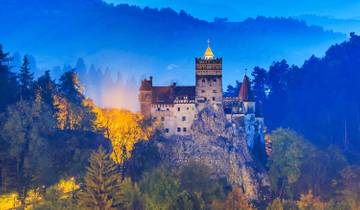
10 days
Best of Romania in 10 days
- ✓ Comprehensive Romania tour
- ✓ Expert local guides included
- ✓ All accommodation arranged
- ✓ Transportation provided
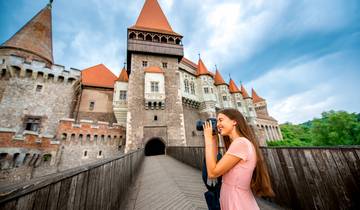
4 days
Transylvania Castles tour in 4 days from Bucharest
- ✓ Comprehensive Romania tour
- ✓ Expert local guides included
- ✓ All accommodation arranged
- ✓ Transportation provided
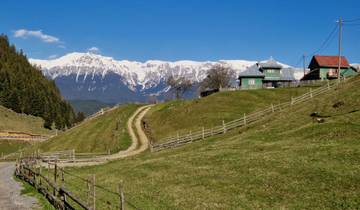
8 days
Transylvanian Village Life: 8-Day Carpathian Hiking & Cultural Journey
- ✓ Comprehensive Romania tour
- ✓ Expert local guides included
- ✓ All accommodation arranged
- ✓ Transportation provided
Multi-day tour packages powered by TourRadar. Prices and availability subject to change.
Introduction: Romania’s Responsible Tourism Landscape
Romania presents a compelling paradox for sustainable tourism advocates. While Western Europe has largely sacrificed wilderness to development, Romania preserves approximately 200,000 hectares of primeval forests, maintains Europe’s most abundant large carnivore populations, and sustains rural communities practicing traditional agriculture and crafts that disappeared elsewhere generations ago. The Carpathian Mountains harbor biodiversity comparable to renowned protected regions worldwide, yet receive a fraction of visitor numbers that strain ecosystems in the Alps or Pyrenees. Traditional villages in regions including Maramureș, Bukovina, and Transylvania offer authentic cultural immersion impossible in heavily commercialized destinations, with tourism providing economic incentives for heritage preservation rather than abandonment or modernization.
This natural and cultural wealth exists alongside significant challenges. Decades of communist-era centralized planning followed by rapid post-1989 privatization created uneven conservation outcomes, with some protected areas well-managed while others face logging pressures and inadequate funding. Romania’s relative economic disadvantage compared to Western Europe means environmental protection sometimes conflicts with immediate development needs. Infrastructure gaps in rural areas can make sustainable practices difficult for accommodations attempting waste reduction or renewable energy adoption. Wildlife populations large enough to support viable ecosystems also create human-wildlife conflict requiring careful management to prevent retaliatory killing or habitat fragmentation.
Romania’s sustainable tourism development accelerated dramatically following 2007 European Union accession. Protected area coverage expanded from roughly 7% to over 24% of national territory through Natura 2000 site designation. The Association of Ecotourism in Romania established the country’s first comprehensive eco-certification system for accommodations and tour operators. Agritourism infrastructure grew substantially with European agricultural policy funding supporting rural tourism development. International conservation organizations increased involvement in rewilding projects and community-based conservation initiatives. This progress positions Romania uniquely among European destinations for travelers seeking authentic experiences supporting environmental protection and rural livelihoods.
Responsible tourism in Romania differs fundamentally from sustainable travel in heavily touristed destinations where the primary challenge involves reducing visitor numbers and managing overtourism impacts. Romania’s challenge involves developing tourism infrastructure that provides economic benefits encouraging conservation and traditional practice continuation while preventing the commercialization and environmental degradation that damaged other destinations. Small-scale, community-based tourism proving economically viable without requiring intensive development represents the ideal outcome. Travelers choosing certified eco-accommodations, supporting local artisans and farmers, participating in wildlife viewing that funds conservation rather than exploitation, and visiting during shoulder seasons to reduce peak pressure contribute directly to this development trajectory.
Understanding Romania’s responsible tourism landscape requires recognizing both achievements and ongoing challenges. The country has made remarkable progress establishing certification systems, expanding protected areas, developing community-based tourism networks, and creating professional wildlife viewing operations. Simultaneously, pressures from logging interests, infrastructure development, inadequate protected area funding, and human-wildlife conflict require continued advocacy and responsible tourist behavior supporting conservation-minded businesses and communities. Travelers approaching Romania with awareness of these dynamics can maximize positive impacts while experiencing some of Europe’s most authentic natural and cultural destinations.
Understanding the Eco-Romania Certification System
The Eco-Romania certification system represents the country’s primary mechanism for identifying genuinely sustainable tourism businesses. Developed between 2005-2007 by the Association of Ecotourism in Romania, this certification adapts internationally recognized frameworks to Romanian conditions, specifically drawing from Australia’s Nature and Ecotourism Accreditation Programme—the world’s first ecotourism certification system—and Sweden’s Nature’s Best program, the first such system in Europe’s northern hemisphere. This foundation ensures Eco-Romania certification meets rigorous international standards while addressing Romania’s specific environmental and social contexts.
Certification applies to two distinct categories of tourism businesses. Accommodation units including guesthouses with maximum 15 rooms totaling no more than 60 beds, and other authorized tourism facilities with maximum 25 accommodation units such as bungalows, camping facilities, or caravans, can receive certification validating their environmental management and community contribution. Tourism products consisting of tours provided by licensed agencies or guides, including at least one overnight stay and limited to maximum 15 clients per guide, represent the second certification category. This dual approach ensures both where visitors stay and what activities they participate in can demonstrate verified sustainability credentials.
The certification evaluation process involves substantial rigor exceeding simple self-declaration. Independent evaluators conduct fieldwork visits to assess facilities and operations against comprehensive criteria covering environmental impact, cultural sensitivity, community benefit, and visitor experience quality. A certification committee with three members, only one representing the Association of Ecotourism in Romania to ensure objectivity, reviews evaluation reports and makes final certification decisions. Successful businesses receive the Eco-Romania diploma and ecotourism certificate valid for 36 months, requiring renewal to maintain certification status. This time limitation ensures businesses continue meeting standards rather than resting on past achievements.
Evaluation costs remain deliberately accessible to encourage small rural businesses to pursue certification. Assessment fees reach maximum 300 euros including evaluator compensation, transportation costs, meals, and minimal administrative expenses for the Association. Businesses are encouraged to provide overnight accommodation for evaluators when possible, further reducing costs. This pricing structure makes certification viable for family-run guesthouses and small tour operators who might be excluded by higher fees, ensuring the system supports genuinely local businesses rather than only larger operators with substantial budgets.
Assessment requirements ensure evaluators examine actual operations rather than theoretical capabilities. Accommodation evaluations must occur when guests are present, allowing evaluators to observe real service delivery, interact with customers, and verify that sustainability practices function under actual operating conditions rather than only on paper. Tour evaluations take place during actual tourist programs with clients, ensuring guides demonstrate claimed practices in real circumstances. Evaluators access all facility spaces and review documentation including certificates, accreditations, contracts, and invoices verifying criterion fulfillment.
Businesses failing to meet all criteria receive options for improvement. If some requirements are unmet, the certification committee may award a conditional certificate requiring specific improvements within a defined timeframe. Alternatively, certification may be denied with recommendations for changes enabling future successful application. This graduated approach encourages businesses to work toward certification rather than viewing standards as insurmountable, while maintaining program integrity by refusing certification to operations falling substantially short.
Certified businesses receive significant marketing benefits beyond consumer trust. Free advertising appears on Destinet.eu, a professional platform for sustainable tourism certification systems at European level including a searchable map of certified products used by eco-conscious travelers planning trips. Additional promotion through BookDifferent.com, a booking platform for responsible accommodation affiliated with Booking.com, provides visibility among mainstream travelers increasingly seeking sustainable options. Priority promotion through Association of Ecotourism in Romania materials at travel shows and through member networks increases exposure. These benefits provide tangible business value incentivizing certification pursuit and maintenance.
The certification logo displayed by approved businesses guarantees visitors that accommodations and tours aim to reduce negative environmental impacts while generating benefits for local communities. This verification removes guesswork from sustainable travel planning, particularly valuable for international visitors unfamiliar with Romanian businesses and unable to assess sustainability claims independently. Travelers can search certified properties on eco-romania.ro before trip planning, identifying verified sustainable options in desired destinations.
Certification standards address comprehensive sustainability dimensions rather than only environmental considerations. Environmental criteria cover energy efficiency, renewable energy use, water conservation, waste reduction and management, local food sourcing, natural product use, and habitat protection. Social criteria include fair employment practices, staff training, cultural heritage respect, community economic contribution, and authentic experience provision. Educational components require businesses to inform guests about local nature and culture while encouraging responsible behavior. This holistic approach ensures certification represents genuine sustainability rather than superficial “greenwashing.”
Monitoring and enforcement mechanisms maintain certification integrity. The Association of Ecotourism in Romania conducts periodic reviews of certified businesses, with penalties applied and certificates potentially withdrawn if standards are no longer met. Guest feedback mechanisms allow travelers to report concerns directly to the Association if certified businesses fail to deliver promised sustainability standards. This accountability ensures certification remains meaningful rather than becoming a static designation divorced from actual practices.
Understanding Eco-Romania certification empowers travelers to make informed decisions supporting genuinely sustainable Romanian tourism businesses. When accommodation or tour listings display the Eco-Romania logo, visitors can trust that independent evaluation verified environmental responsibility and community contribution rather than relying solely on business marketing claims. This certification system represents one of Romania’s most significant achievements in sustainable tourism development, providing the infrastructure for responsible travelers to identify and support businesses aligned with their values.
Romania’s Protected Areas and Biodiversity Conservation
Romania maintains one of Europe’s most significant protected area networks, encompassing 14 national parks and numerous nature reserves, natural parks, and Natura 2000 sites covering approximately 24.84% of national territory. This extensive protection reflects Romania’s exceptional biodiversity value, with the Carpathian Mountains and Danube Delta ranking among the World Wildlife Fund’s “Global 2000” list identifying the planet’s most important 200 ecoregions. For responsible tourism, these protected areas provide opportunities to experience wilderness landscapes and wildlife populations largely absent elsewhere in Europe, while visitor fees and tourism activity support conservation funding.
Romania’s national parks protect diverse ecosystems ranging from high mountain landscapes to river valleys and wetlands. Retezat National Park, established in 1935 as Romania’s first national park, encompasses approximately 380 square kilometers in the Southern Carpathians and holds UNESCO Biosphere Reserve status. The park shelters over 1,190 plant species including numerous endemic and rare varieties, plus glacial lakes including Bucura Lake, one of the country’s largest alpine lakes. Rugged peaks, pristine forests, and exceptional biodiversity make Retezat a premier destination for hikers seeking wilderness experiences without the crowding affecting Alpine parks.
The Danube Delta represents Romania’s most internationally recognized protected area and Europe’s largest and best-preserved river delta. Designated as both a UNESCO World Heritage Site and Biosphere Reserve since 1991, the delta covers over 5,000 square kilometers of waterways, lakes, and reed beds where the Danube River meets the Black Sea. This vast wetland ecosystem supports over 300 bird species including pelicans, eagles, and herons, making it one of the world’s most significant ornithological sites. Responsible tourism in the delta emphasizes low-impact exploration through canoe trips and eco-cruises operated by certified guides, with visitors staying in small guesthouses within delta villages rather than large developments that would disrupt the fragile ecosystem.
Piatra Craiului National Park gained significance as the location for Romania’s first certified eco-destination, Zărnești-Piatra Craiului. The park’s dramatic limestone ridge rising sharply from forested valleys creates spectacular hiking terrain, while diverse flora and fauna including large carnivores thrive in protected habitats. The designation of Zărnești-Piatra Craiului as a certified eco-destination demonstrates how protected area management can integrate with community-based tourism, providing economic incentives for conservation while maintaining ecological integrity.
Rodna Mountains National Park in the Eastern Carpathians features high peaks, alpine meadows, and glacial valleys supporting rich biodiversity including the elusive black grouse and endemic plant species. Caves, waterfalls, and remote wilderness areas appeal to adventurous travelers seeking minimal infrastructure and maximum natural immersion. Responsible visitation involves hiring local guides familiar with terrain and wildlife, staying in valley villages rather than demanding facilities within the park, and practicing Leave No Trace principles on trails.
Beyond national parks, Romania’s protected area system includes natural parks, natural reserves, and geological monuments protecting specific landscape features or rare species habitats. The Apuseni Mountains contain extensive karst terrain with underground cave systems and unique geological formations. Măcin Mountains National Park in Dobrogea preserves ancient mountain formations with distinctive flora and fauna in a landscape significantly different from the Carpathians. These diverse protected areas allow travelers to experience Romania’s ecological variety while supporting conservation through entrance fees, guide employment, and accommodation in gateway communities.
Romania’s protected forests deserve particular attention from responsible travelers. The country harbors over 200,000 hectares of virgin and old-growth forests, representing Europe’s largest concentration outside Scandinavia. In 2016, Romanian beech forests comprised the largest individual country contribution to an extension of the UNESCO Ancient and Primeval Beech Forests World Heritage Site. These forests provide irreplaceable habitat for species requiring mature woodland, including large carnivores, rare woodpeckers, and numerous invertebrates found nowhere else. Responsible forest visitation involves using designated trails to minimize disturbance, avoiding nesting seasons for sensitive species, and supporting conservation organizations working to prevent illegal logging.
Romania’s large carnivore populations distinguish the country’s conservation significance. Approximately 6,000 brown bears represent Europe’s largest population outside Russia, concentrated primarily in Carpathian forests. Wolf populations estimated around 2,500 individuals and roughly 1,500 Eurasian lynx complete the trio of major predators. These population levels enable functioning predator-prey dynamics largely absent in Western Europe where carnivores have been extirpated or reduced to tiny remnant populations. Responsible wildlife viewing supporting these populations rather than threatening them through disturbance provides critical economic justification for conservation continuation.
Conservation challenges affecting protected areas influence responsible tourism practices. Illegal logging continues in some national parks despite legal protection, with conservation organizations documenting industrial-scale timber extraction even in virgin forest zones. Travelers can support protection by visiting parks with strong management, contributing to conservation organizations working on logging prevention, and raising awareness about the issue. Inadequate funding for park management affects infrastructure quality and protection effectiveness, making visitor fees and accommodation bookings in gateway communities especially valuable for park budgets. Human-wildlife conflict, particularly regarding brown bears, requires careful management; responsible tourism supporting community-based conservation initiatives helps demonstrate economic value of living wildlife.
The Văcărești Natural Park in Bucharest represents an innovative urban protected area established in 2016 as Romania’s first urban natural park. Located just 5 kilometers from the capital’s center and representing Bucharest’s largest compact green space, Văcărești demonstrates how nature conservation can occur even in urban contexts. The park provides habitat for numerous species while offering city residents and visitors opportunities for nature connection without traveling to remote wilderness areas. Supporting urban protected areas through visitation helps demonstrate that conservation need not conflict with development but can enhance urban quality of life.
European bison reintroduction programs exemplify Romania’s conservation commitment. Vânători-Neamț Natural Park hosts a successful bison reintroduction, bringing back a species extinct in Romania for over 200 years. These rewilding initiatives restore ecological processes while providing unique wildlife viewing opportunities attracting conservation-minded travelers. Supporting destinations undertaking reintroduction efforts through visitation and donations encourages continued rewilding work benefiting entire ecosystems.
Natura 2000 site designations substantially expanded Romania’s protected area coverage following 2007 EU accession, increasing from roughly 7% to over 24% of national territory. These sites, designated as Special Protection Areas for birds or Special Areas of Conservation for habitats and species, overlap with but extend beyond national parks, creating a comprehensive protection network. Travelers exploring rural Romania frequently encounter Natura 2000 sites, making responsible behavior particularly important. Following marked trails, avoiding disturbance to wildlife, and supporting local businesses committed to sustainable practices within these areas contributes to conservation success.
Protected area visitation requires balancing access with protection. Responsible travelers prioritize destinations with established sustainable tourism infrastructure rather than demanding access to strictly protected core zones. Hiring local guides provides economic benefits to gateway communities while ensuring proper behavior in sensitive areas. Visiting during shoulder seasons reduces peak pressure when wildlife may be particularly vulnerable to disturbance. Contributing to conservation organizations and park development funds provides financial support beyond basic entrance fees. These practices ensure tourism supports rather than undermines the protection of Romania’s exceptional natural heritage.
Ethical Wildlife Viewing and Conservation Support
Romania’s large carnivore populations create exceptional wildlife viewing opportunities when conducted responsibly. With approximately 6,000 brown bears, 2,500 wolves, and 1,500 Eurasian lynx, the country supports predator populations unmatched elsewhere in Europe outside Russia. However, the difference between responsible wildlife viewing supporting conservation and exploitative practices threatening animals and communities requires careful distinction. Ethical wildlife tourism in Romania follows established protocols protecting both visitors and wildlife while directing economic benefits toward conservation and local communities.
Brown bear watching represents Romania’s most developed wildlife tourism sector, centered particularly around Brașov, Harghita, and Covasna counties where dense forests meet alpine meadows. Professional operators lead small groups into prime bear territories during early morning or evening hours when bears are most active, maintaining safe distances that prevent disturbing natural behaviors. Tours typically utilize designated observation hides or protected viewing points rather than pursuing bears through forests, ensuring visitor safety while minimizing wildlife disturbance. Success rates reach 99% for reputable operators due to extensive field knowledge accumulated over years of observation rather than habituating bears through feeding.
The practice of leaving bait to attract bears for viewing generates ongoing ethical debate. Proponents argue baiting reduces poaching by providing local economic alternatives and enables reliable wildlife viewing without habitat disruption from large groups searching for animals. Critics contend artificial feeding interferes with natural behaviors and may lure bears toward human-inhabited areas, increasing conflict potential. Responsible travelers should discuss baiting practices with tour operators before booking, asking whether the approach has reduced local poaching, whether it has resulted in increased human-bear conflict, and how operators ensure bait sites don’t habituate bears to human-provided food. Engaging these questions helps operators understand client values while informing traveler decisions.
Viewing seasons significantly affect wildlife welfare. Spring through early autumn provides optimal conditions as bears emerge from hibernation and remain active before winter preparation begins. Summer viewing during cub-rearing season requires particular care to avoid disturbing mothers with young, as defensive behavior protecting cubs creates heightened danger for both bears and viewers. Winter disturbance during or near hibernation can waste critical energy reserves threatening survival. Responsible operators time tours to maximize viewing quality while minimizing wildlife stress.
Wolf and lynx viewing presents greater challenges than bear watching due to these species’ more elusive nature. Responsible wolf tracking often involves listening for howls, examining tracks and signs, and potentially observing from great distances rather than close encounters. Winter provides better tracking conditions through snow, though this coincides with energetically stressful periods when disturbance can have serious impacts. Lynx remain extremely difficult to observe in wild conditions, making claims of reliable lynx viewing opportunities suspect. Travelers interested in these species should understand that responsible tours emphasize learning about ecology and conservation through track interpretation and habitat exploration rather than guaranteeing sightings.
Professional guides make critical differences in wildlife viewing ethics and safety. Experienced guides understand bear movements and behaviors through years of observation and practical research, positioning groups for viewing while maintaining appropriate distances. European brown bears typically show minimal interest in humans when unprovoked, but surprising bears or approaching too closely—particularly mothers with cubs—creates dangerous situations. Guides know how to make noise while approaching potential bear areas to avoid surprises, how to interpret bear body language indicating stress, and how to respond if situations become threatening. This expertise protects both visitors and wildlife from harmful interactions.
Small group sizes enhance viewing quality while reducing environmental impact. Tours limited to 4-8 participants create less disturbance than large groups, move more quietly through forests, and allow guides to provide individualized attention to proper behavior. Mass tourism approaches bringing dozens of visitors to viewing sites degrade experiences while increasing wildlife stress. Choosing operators maintaining small group limits supports sustainable wildlife tourism even when this increases per-person costs.
Bear sanctuaries provide alternative wildlife experiences for travelers uncomfortable with wild viewing or wishing to support rescue efforts. Libearty Bear Sanctuary in Zărnești, established in 2006 by journalist Christina Lapis, offers retirement homes for over 100 rescued bears unable to return to wild conditions. Encompassing approximately 30 hectares of oak and hazel forests with pools and foothills, the sanctuary provides space for bears rescued from restaurants, circuses, and abusive captivity to live in semi-natural conditions. Visiting sanctuaries supports rescue operations through admission fees and donations while educating visitors about conservation challenges. However, sanctuary visits should complement rather than replace responsible wild viewing, as conservation ultimately requires protecting wild populations in natural habitats.
Wildlife corridors represent increasingly important conservation tools as habitat fragmentation threatens bear and wolf populations. These landscape connections allow animals to move between different habitat patches without encountering human development, maintaining genetic diversity and enabling seasonal movements. Responsible travelers can support corridor conservation by contributing to organizations working on corridor designation and protection, avoiding off-road vehicle use that disrupts potential corridors, and supporting land-use planning that prioritizes connectivity over fragmentation.
The economics of wildlife viewing directly affect conservation outcomes. When communities derive substantial income from living bears through tourism, incentives shift away from viewing carnivores as threats requiring elimination. Tour guide employment, accommodation bookings, and local product sales connected to wildlife viewing provide tangible benefits changing attitudes. However, this economic value depends entirely on maintaining wild populations in natural behaviors. If tourism pressures habituate bears to human presence or disrupt normal activity patterns, the long-term conservation value disappears. Responsible viewing maintaining natural behaviors ensures sustainable economic benefits continuing into future generations.
Human-wildlife conflict remains Romania’s most pressing carnivore conservation challenge. As bear populations grow and overlap increasingly with rural communities, conflicts over crop damage, livestock predation, property destruction, and safety concerns intensify. Some communities resort to illegal retaliatory killing despite legal protections. Wildlife viewing tourism provides critical counterbalance by demonstrating bears’ economic value alive rather than dead. However, tourism alone cannot resolve all conflicts. Responsible travelers can support comprehensive approaches including compensation programs for livestock losses, funding for electric fences and secure garbage storage, and education initiatives helping communities coexist with carnivores.
Volunteering opportunities at sanctuaries and with conservation organizations allow travelers to contribute more substantially to wildlife protection. Multi-day or multi-week programs at Libearty Bear Sanctuary involve daily care activities including food preparation, enclosure maintenance, and monitoring bear health and behavior. Conservation organizations occasionally seek volunteers for field research assistance, trail maintenance, or community outreach programs. These opportunities provide deeper engagement with conservation challenges while contributing meaningful labor supporting protection efforts.
Birding in Romania offers additional responsible wildlife viewing opportunities, particularly in the Danube Delta where over 300 species create world-class ornithological destinations. The delta’s significance for migratory birds makes spring and autumn particularly productive for observers. Responsible birding follows established principles including maintaining distances that don’t flush birds from feeding or resting areas, avoiding nesting colonies during sensitive breeding periods, and using board walks or designated paths rather than trampling sensitive vegetation. Supporting local guides familiar with bird ecology ensures ethical observation while providing economic incentives for habitat protection.
Photography ethics deserve particular attention in wildlife contexts. The drive for dramatic images can lead photographers to approach too closely, use flash in disturbing ways, or pursue animals causing stress and energy expenditure. Responsible wildlife photography maintains the same distance standards as general viewing, uses natural light or carefully controlled artificial lighting that doesn’t disturb subjects, and prioritizes animal welfare over image quality. The proliferation of social media sharing creates additional pressures to obtain “perfect” shots, making ethical photography guidelines especially important.
Choosing Sustainable Accommodation in Romania
Romania’s accommodation landscape ranges from eco-certified rural guesthouses to urban hotels implementing environmental management systems, providing options for responsible travelers across budget ranges and destination preferences. Understanding accommodation sustainability involves evaluating environmental practices, community contribution, cultural authenticity, and economic impact beyond simply seeking “eco” labels that sometimes represent marketing rather than genuine commitment. Romania’s developed certification infrastructure and growing agritourism sector create favorable conditions for identifying genuinely sustainable lodging options.
Eco-Romania certified accommodations represent the gold standard for verified sustainable lodging. These properties underwent independent evaluation demonstrating compliance with comprehensive environmental and social criteria, providing assurance beyond self-reported sustainability claims. Certified guesthouses typically limit capacity to 15 rooms or 60 total beds, ensuring intimate scale that reduces environmental impact while supporting authentic community connections. Searching the eco-romania.ro database before trip planning identifies certified options in desired destinations, allowing travelers to book directly while supporting businesses invested in certification maintenance.
Agritourism guesthouses, called “pensiuni agroturistice” in Romanian, form the core of rural sustainable accommodation. Romania’s agritourism sector grew from 1,354 registered properties in 2010 to over 2,800 by 2019, reflecting both tourism demand growth and rural families recognizing economic opportunities in hosting visitors. These properties typically operate as working farms offering overnight stays, allowing guests to experience agricultural rhythms while supporting farming livelihoods. Accommodations classified with “daisies” or “flowers” under Romania’s agritourism grading system indicate quality levels, with 2-3 daisy properties representing the majority and offering good comfort at reasonable prices.
Specific properties exemplify sustainable accommodation principles. Casa Dorina in Petrila, built using natural materials and designed for genuine hospitality in harmony with surrounding forests, provides tangible examples of conscious ecotourism. Located at over 2,000 meters elevation in the Southern Carpathians, the property offers space for birdsong and fresh forest air to replace urban noise. Count Kálnoky’s Transylvanian Guesthouses in Micloșoara represents heritage-based sustainable tourism, with the Kálnoky family returning after 50 years of exile to restore their estate and develop tourism ventures preserving traditional architecture and supporting local communities. These properties demonstrate how sustainable accommodation extends beyond environmental practices to encompass cultural preservation and community economic contribution.
Urban sustainable accommodation options exist even in Bucharest. Vega Hotel became Romania’s first hotel to receive Eco-Hotel Management System certification from TÜV Rheinland Romania in 2009, implementing comprehensive environmental management including renewable energy use, consumption monitoring, employee training, and guest awareness programs. In 2013, Vega Hotel began using exclusively renewable energy from wind, hydro, and solar sources, significantly reducing CO2 emissions. Urban eco-hotels demonstrate that sustainability applies beyond rural contexts, providing options for travelers spending time in cities before or after rural exploration.
Platform-based accommodation booking for sustainable properties requires discernment. BookDifferent.com, affiliated with Booking.com, specifically curates responsible accommodations and provides free advertising for Eco-Romania certified properties. Casai and similar platforms rate properties using sustainability scoring systems evaluating factors including walk/transit/bike scores, environmental assessments, and traveler reviews. These platforms help identify eco-friendly options, though independent verification of certification status through eco-romania.ro provides additional assurance.
Regional accommodation concentrations reflect tourism development patterns. Bran-Moieciu area near Brașov concentrates substantial agritourism infrastructure, with villages including Bran, Șirnea, Moieciu, Cheia, and Fundata preserving ethnographic and folkloric traditions alongside tourism offerings. Bukovina in northeastern Romania combines natural resources with traditional lifestyles and specific crafts, offering unique agritourism products attracting visitors interested in cultural authenticity. Maramureș maintains particularly strong traditional architecture and customs, with wooden churches and rural practices creating distinctive accommodation contexts. Mărginimea Sibiului near Sibiu develops community-based tourism balancing visitor accommodation with agricultural continuation.
Small guesthouses offer advantages beyond major hotels for responsible travelers. Family-run properties typically source food locally by necessity, use existing village structures rather than requiring new construction, employ family members rather than imported labor, and maintain authentic cultural practices as daily reality rather than staged performance. Economic benefits accrue directly to hosts rather than external corporations, supporting rural livelihoods preventing depopulation. Intimate scales facilitate meaningful cultural exchange impossible in larger impersonal facilities. These characteristics make small guesthouses preferable to large hotels from sustainability perspectives even when the latter claim environmental programs.
Environmental practices distinguishing genuinely sustainable accommodations include renewable energy use through solar panels or biomass heating, water conservation via low-flow fixtures and rainwater harvesting, comprehensive waste separation and composting programs, natural cleaning product use avoiding toxic chemicals, local and organic food sourcing for meals, native plant landscaping requiring minimal water and chemicals, and energy-efficient lighting and appliances. Properties implementing multiple practices demonstrate more serious commitment than those making vague sustainability claims without specific actions.
Cultural authenticity represents equally important sustainability dimensions. Accommodations preserving traditional architecture using local materials and techniques maintain heritage while providing construction employment to artisans with specialized skills. Properties featuring traditional furnishings, textiles, and décor support local craftspeople and educate guests about regional artistic traditions. Serving traditional regional cuisine prepared with local ingredients and family recipes preserves culinary heritage while supporting nearby producers. These cultural elements enhance visitor experiences while contributing to intangible heritage maintenance that economic globalization threatens.
Community economic contribution extends beyond direct employment. Accommodations sourcing supplies from village shops rather than urban supermarkets support local retail. Properties recommending nearby artisan workshops, hiring local guides, and directing visitors to community festivals help distribute tourism benefits broadly rather than concentrating them in single businesses. Some guesthouses contribute portions of revenue to village infrastructure or cultural preservation projects, demonstrating commitment to community welfare beyond profit maximization.
Booking practices affect sustainability outcomes. Direct booking through property websites or phone contact eliminates commission fees paid to booking platforms, allowing hosts to retain more revenue or charge lower prices. However, platforms sometimes provide visibility small properties couldn’t achieve independently, particularly for international travelers. When using booking platforms, choosing those actively promoting sustainability like BookDifferent.com aligns spending with values. Reading guest reviews for mentions of local food, authentic experiences, environmental practices, and community connections helps identify properties genuinely implementing sustainability claims.
Seasonal considerations influence accommodation sustainability. Visiting during shoulder seasons (May-June, September-October) rather than peak summer months reduces strain on popular areas, allows properties to maintain quality with fewer guests, and often provides better prices benefiting budget travelers. Some rural guesthouses close during winter months due to heating challenges and low visitor demand; respecting these closures rather than demanding year-round access acknowledges economic and environmental realities of rural accommodation operation.
Length of stay affects per-night environmental impact. Staying multiple nights in single locations reduces transportation emissions from frequent moves while allowing deeper community connections and more thorough local exploration. Many guesthouses offer discounted rates for extended stays, making this economically advantageous as well as environmentally beneficial. Slower travel with fewer but longer stays aligns with sustainable tourism principles emphasizing quality over quantity of destinations.
Guest behavior while staying in sustainable accommodations matters as much as initial property choice. Following waste separation protocols, conserving water and electricity, accepting linens and towels reused rather than changed daily, trying local foods rather than demanding familiar imported products, respecting quiet hours and community norms, and engaging respectfully with hosts all contribute to positive outcomes. Sustainable accommodation works as partnership between properties implementing systems and guests using them appropriately rather than properties unilaterally creating sustainability despite guest behavior.
Supporting Community-Based Tourism and Traditional Livelihoods
Community-based tourism in Romania provides economic alternatives to activities threatening cultural and environmental heritage, including rural depopulation, traditional practice abandonment, and environmentally destructive development. Unlike mass tourism extracting profits to external corporations while leaving communities with environmental degradation and social disruption, responsible community-based tourism distributes benefits directly to families maintaining agricultural traditions, craft skills, and cultural practices that would otherwise disappear. Understanding how to identify and support genuine community-based initiatives ensures travel spending creates positive rather than exploitative impacts.
Agritourism represents Romania’s most developed community-based tourism sector. The growth from 1,354 agritourism guesthouses in 2010 to over 2,800 by 2019 reflects rural families recognizing tourism income potential while maintaining agricultural activities. Unlike pure hospitality businesses, agritourism properties continue farming, allowing guests to experience working agriculture rather than staged rural performances. Visitors might participate in milking, hay making, animal care, or garden harvesting depending on season and property, gaining authentic insight into rural Romanian life while providing labor supporting farm operations.
Traditional craft preservation through tourism creates market value for skills otherwise economically unviable. Bran-Moieciu area maintains active traditions including Easter egg decorating, wood carving, traditional mask and doll making, and icons painted on glass. Bukovina preserves unique pottery styles and textile patterns specific to regional identity. Maramureș continues wood carving traditions evident in the region’s famous wooden churches, plus wool processing and weaving. When travelers purchase these products directly from artisans or participate in workshops learning techniques, they fund specialized skill transmission that commercial mass production would eliminate.
Artisan workshop visits provide more meaningful engagement than simple product purchasing. Many craftspeople welcome visitors to observe work processes, explain technique histories and cultural significance, and offer hands-on instruction in basic skills. These workshops typically last 2-4 hours and may include material costs in pricing or charge separately for created items. The combination of cultural education, skill sharing, and direct economic support makes workshops particularly valuable for responsible travelers seeking authentic experiences rather than passive tourist consumption.
Traditional cuisine preservation occurs through farm-to-table dining experiences at rural guesthouses. Many agritourism properties serve meals prepared entirely from ingredients produced on the farm or sourced from neighboring producers, including dairy products, meats, vegetables, fruits, and preserves made using traditional methods. Regional dishes reflect local agricultural possibilities and historical influences, with Transylvanian cuisine differing from Moldavian or Wallachian traditions. By requesting and appreciating traditional foods rather than demanding familiar international cuisine, travelers support culinary heritage maintenance and encourage continued traditional food production.
Farmers’ markets in cities including Bucharest, Cluj-Napoca, Brașov, and Sibiu connect urban visitors with rural producers, allowing direct purchasing supporting small-scale agriculture. Markets typically operate weekly, with vendors traveling from surrounding villages to sell organic vegetables, artisanal cheeses, cured meats, honey, preserves, and baked goods. Shopping at farmers’ markets provides fresher products than supermarkets while ensuring revenue reaches producers rather than corporate intermediaries. Some markets include prepared traditional foods, allowing visitors to sample regional cuisines while supporting the women who typically prepare and sell these items.
Festival participation offers concentrated cultural immersion supporting heritage preservation. Traditional festivals marking agricultural calendars, religious holidays, or historical events continue in many rural communities, with celebrations including music, dance, traditional costumes, special foods, and ceremonial activities. Unlike commercialized festivals staged primarily for tourists, genuine community festivals serve local social and cultural functions first, with visitor participation welcomed but not central. Attending these events respectfully, purchasing traditional foods and crafts from local vendors, and contributing to collection boxes supporting festival organization provides economic support while avoiding the cultural commodification that tourism sometimes creates.
Platform facilitation of community-based tourism has improved connections between travelers and rural hosts. Agramonia specifically curates sustainable travel experiences in Romania, connecting visitors with rural guesthouses, traditional craft workshops, and agritourism activities. By focusing exclusively on authentic rural experiences rather than conventional tourism offerings, platforms like Agramonia help travelers identify genuine community-based options while providing visibility small rural businesses couldn’t achieve independently. These platforms typically take smaller commissions than major booking sites, leaving more revenue with hosts.
Shepherd culture preservation through tourism provides economic incentive for transhumance continuation. Traditional sheep herding involving seasonal movement between lowland winter pastures and high mountain summer pastures continues in some Romanian regions, particularly in Carpathian areas. This practice maintains alpine meadows, supports shepherd communities, and preserves specialized skills including cheese making, wool processing, and livestock management. Some tourism initiatives offer experiences visiting shepherd camps, learning about transhumance practices, and purchasing traditional sheep cheeses and wool products directly from producers. Supporting these initiatives helps maintain practices threatened by modernization and rural depopulation.
Historic village preservation through tourism creates alternatives to abandonment or destructive development. Villages maintaining traditional architecture including wooden houses, fortified churches, and agricultural structures face economic pressures encouraging demolition for modern construction. Tourism providing income for preservation incentivizes maintenance of historic structures while creating employment for craftspeople with restoration skills. Travelers supporting village preservation initiatives through accommodation choices, donations to conservation organizations, and advocacy for heritage protection contribute to architectural heritage maintenance benefiting both communities and global cultural diversity.
Minority culture support through tourism becomes particularly important given Romania’s ethnic diversity. Hungarian, German, Roma, Ukrainian, and other minority communities maintain distinct cultural practices, languages, and traditions. Tourism highlighting minority cultural contributions rather than treating Romanian culture as homogeneous supports diversity while providing economic benefits to historically marginalized communities. Saxon villages in Transylvania, Hungarian communities around the eastern border, and Roma artisan families all benefit when tourism recognizes and values their specific cultural contributions rather than seeking only majority Romanian experiences.
Cooperative tourism models demonstrate alternative economic structures emphasizing community benefit over individual profit maximization. Some rural areas have formed tourism cooperatives pooling resources for marketing, training, and guest distribution across member properties. This cooperation prevents destructive competition where individual properties undercut prices or overstate capacity, instead presenting unified quality standards while ensuring visitor distribution supports multiple families rather than concentrating benefits. Supporting cooperative-managed destinations encourages economic models prioritizing community welfare.
Education and capacity building initiatives help rural communities develop sustainable tourism independently. Programs providing training in hospitality skills, environmental management, marketing, and quality standards enable communities to participate in tourism on their own terms rather than becoming dependent on external tour operators. Travelers supporting organizations offering these programs through donations or volunteer expertise contributions help build long-term community capacity rather than creating aid dependency.
Respecting community autonomy in tourism development means accepting that some communities may choose not to pursue tourism or may limit visitor numbers to maintain quality of life. Responsible tourism respects these decisions rather than viewing all rural areas as potential destinations requiring development. When communities establish visitor limits or restrict certain activities to reduce impacts, travelers should honor these boundaries rather than seeking ways around restrictions. This respect for community autonomy ensures tourism develops on communities’ terms rather than being imposed by external interests.
Long-term relationship building between travelers and host communities creates more sustainable outcomes than transactional one-time visits. Returning to the same guesthouse across multiple trips, maintaining correspondence with hosts between visits, recommending properties to other travelers, and following up on community projects creates genuine relationships transcending simple commercial transactions. These relationships provide hosts with reliable income while giving travelers deeper cultural understanding impossible in brief encounters.
Sustainable Transportation and Low-Impact Travel
Transportation choices represent some of travelers’ most significant environmental decisions, with flying contributing substantially to individual carbon footprints while ground transportation varies dramatically in per-kilometer emissions. Romania’s well-developed train network and public transportation systems create favorable conditions for low-impact travel, while rural areas increasingly offer shared tour options reducing individual vehicle needs. Understanding transportation alternatives and their relative impacts allows responsible travelers to minimize emissions while often reducing costs and increasing cultural immersion compared to private vehicle rental.
Romania’s train system operated by CFR Călători provides the primary sustainable ground transportation option for intercity travel. The network connects all major cities and many smaller towns throughout the country, offering substantially lower per-passenger emissions than individual cars or flights. Train travel also provides landscape views and opportunities for interaction with local passengers impossible in cars or planes. Comfortable seating, dining car availability on longer routes, and ability to move around during journeys makes trains preferable to buses for many travelers. Booking tickets online through CFR Călători’s website or at station ticket offices provides flexibility, with pricing remaining reasonable compared to Western European rail travel.
Train classes offer options across comfort and budget preferences. First class compartments provide more space and quieter environments suitable for work or rest, while second class remains perfectly comfortable for most journeys at lower cost. Night trains with sleeping compartments allow overnight travel maximizing time efficiency while reducing accommodation costs, though booking berths requires advance planning during peak seasons. Regional trains connect smaller towns to main lines, sometimes requiring transfers but providing access to destinations without direct long-distance service.
Urban public transportation in cities including Bucharest, Cluj-Napoca, Timișoara, Iași, and Brașov offers efficient alternatives to taxis or rental cars. Metro systems in Bucharest and Cluj-Napoca provide rapid transit across urban areas, while trams and buses serve local neighborhoods and connect to metro stations. Multi-day passes available at ticket offices provide unlimited travel at fraction of individual ticket costs, making public transport economically attractive while eliminating per-trip purchase hassle. Using public transportation also provides authentic city experiences and interaction with daily life impossible when isolated in taxis.
Cycling infrastructure varies considerably across Romanian destinations but continues expanding, particularly in university cities and tourist areas. Brașov, Sibiu, Cluj-Napoca, and Timișoara have developed cycling paths and bike-sharing programs allowing exploration without motorized transport. Rural areas around tourist destinations sometimes offer mountain bike trails through forests and villages, providing active low-impact exploration. Cycling in Romania requires attention to traffic conditions since dedicated cycling infrastructure remains limited compared to Western Europe, but rewards effort with landscape immersion and emission-free travel.
Shared transportation options for rural destinations and national parks reduce individual vehicle impacts while remaining more convenient than strict public transit dependence. Tour operators offering small-group excursions to hiking trailheads, wildlife viewing areas, or rural villages typically use mini-buses transporting 8-15 passengers, sharing emissions across multiple travelers rather than each person hiring private transport. These shared transfers often include local guide narration providing destination context beyond simple transportation. Booking through eco-certified tour operators ensures companies committed to minimizing environmental impacts while supporting local communities.
Carpooling platforms and informal ride-sharing provide alternatives for destinations poorly served by public transport. BlaBlaCar and similar services connect drivers with empty seats to passengers traveling similar routes, filling vehicles that would run regardless rather than adding additional traffic. This approach reduces per-person emissions while lowering costs for both drivers and passengers. Rural areas often operate informal ride-sharing through guesthouses or local networks, with hosts arranging shared transport for guests visiting nearby attractions or hiking trailheads.
Walking deserves recognition as the ultimate sustainable transportation for local exploration. Many Romanian cities maintain compact historic centers where major attractions concentrate within walkable distances, making cars unnecessary and often counterproductive due to parking challenges and pedestrian zones. Rural villages similarly offer exploration on foot, with dirt roads and forest trails connecting points of interest. Walking provides intimate landscape engagement, exercise, and emission-free travel while supporting the slow travel philosophy emphasizing quality over quantity of experiences.
When private vehicle rental becomes necessary for remote rural access, choices still affect environmental impact. Smaller fuel-efficient cars produce fewer emissions than large SUVs typically unnecessary on Romanian roads. Hybrid or electric vehicle options remain limited but gradually expanding, particularly around major cities. Sharing rental cars among travel companions maximizes occupancy while dividing costs, making per-person expenses and emissions lower than individual rentals. Planning efficient routes minimizing backtracking reduces total kilometers driven even when private vehicles become necessary.
Domestic flight avoidance represents perhaps the most impactful transportation decision for responsible travelers. Romania’s relatively compact geography means train or bus travel between any two points rarely exceeds 12 hours, making domestic flights unnecessary from practical perspectives. The carbon impact of flying Bucharest-Cluj versus taking the train exemplifies how short flights create disproportionate emissions relative to journey length. International travelers arriving by air to Bucharest or Cluj can use ground transportation for all internal travel, limiting flight emissions to unavoidable international connections.
Transportation choices interact with accommodation locations to affect overall trip sustainability. Staying within walking distance of train or bus stations reduces need for taxis or transfers, while accommodations on public transportation routes facilitate emission-free daily travel. Rural guesthouses offering to arrange shared transportation for guests reduce individual vehicle requirements. Considering transportation access during accommodation selection allows comprehensive trip planning minimizing total emissions rather than optimizing single components while creating larger impacts elsewhere.
Offsetting unavoidable flight emissions represents a final option for travelers unable to reach Romania without flying. Carbon offset programs fund projects reducing emissions elsewhere equivalent to flight impacts, including renewable energy development, reforestation, or energy efficiency programs. Reputable offset providers include Gold Standard certified projects and programs funding specific Romanian conservation or renewable energy initiatives, creating local benefits beyond abstract global offset calculations. While offset schemes can never eliminate flight impacts entirely, they provide partial mitigation for unavoidable travel emissions.
Slow travel philosophy emphasizing fewer destinations explored more thoroughly reduces transportation emissions while improving experience quality. Staying one week in a single region using daily excursions from fixed accommodation creates fewer emissions and deeper cultural understanding compared to week-long trips visiting seven different destinations requiring daily transportation. Many travelers report greater satisfaction from thorough regional exploration versus superficial multi-destination touring, suggesting sustainability and quality align rather than conflict.
Responsible Hiking and Nature Activities
Romania’s extensive wilderness areas including national parks, natural reserves, and unprotected forests provide exceptional hiking and nature activity opportunities. However, growing visitor numbers in popular areas create cumulative environmental impacts threatening the pristine conditions attracting visitors initially. Responsible hiking and nature activities follow established Leave No Trace principles adapted to Romanian contexts, ensuring wilderness experiences remain available to future generations while protecting fragile ecosystems and wildlife. Understanding specific Romanian environmental sensitivities allows travelers to enjoy nature access while minimizing negative impacts.
Trail selection affects environmental impact substantially. Heavily used trails in national parks including Bucegi, Piatra Craiului, and Retezat develop erosion from concentrated foot traffic, particularly on steep slopes and in alpine zones with slow vegetation recovery. Spreading use across multiple trails rather than concentrating on most popular routes reduces individual trail degradation. Choosing less-trafficked alternatives requires research and often local guide knowledge, but provides wilderness solitude while protecting overused trails. Shoulder season hiking distributes annual visitor numbers more evenly rather than concentrating impacts during peak summer months.
Marked trail adherence prevents vegetation trampling and soil compaction in sensitive areas. Romania’s national parks and mountain clubs maintain extensive marked trail networks with color-coded blazes guiding hikers along established routes. Staying on these trails even when shortcuts appear tempting prevents meadow damage, erosion initiation, and wildlife disturbance. Alpine and subalpine vegetation requires decades to recover from trampling, making off-trail travel in high elevations particularly problematic. Crossing meadows on established paths rather than cutting directly across prevents the proliferation of social trails fragmenting habitat.
Waste management in wilderness areas requires carrying out everything carried in, since Romania’s remote trail systems lack the extensive trash collection infrastructure of highly developed parks. “Pack it in, pack it out” applies to all food wrappers, bottles, tissues, and other materials regardless of biodegradability, since decomposition rates in alpine environments can span years. Some trails provide trash bins at trailheads, but relying on their availability risks improper disposal if they’re full or removed. Carrying a dedicated trash bag ensures proper waste removal regardless of infrastructure availability.
Human waste disposal in areas without facilities requires following Leave No Trace protocols. Solid waste should be buried 15-20 centimeters deep at least 60 meters from trails and water sources, with toilet paper packed out rather than buried since decomposition is extremely slow in cold mountain environments. Used toilet paper creates substantial visual pollution when left exposed, degrading wilderness experience for subsequent visitors. Increasingly, hikers carry waste alleviation and gelling bags allowing complete pack-out in heavily used areas where soil conditions or high visitor numbers make burial inadequate.
Campfire impacts make stoves preferable to fires in most Romanian wilderness contexts. Firewood collection depletes dead wood providing habitat for invertebrates and nutrients for soil, while fire rings scar landscapes and concentrated use around popular campsites denudes areas of burnable material. Modern lightweight stoves provide reliable cooking while eliminating fire impacts. When fires are permitted and appropriate in lower elevation forests with adequate dead wood, using established fire rings rather than creating new ones, keeping fires small, burning wood completely to ash, and ensuring complete extinguishment prevents damage and wildfire risk.
Wildlife disturbance prevention requires maintaining appropriate distances from all animals, particularly during sensitive periods including nesting seasons, denning, and winter when energy conservation becomes critical for survival. Photographing or observing wildlife should never involve approaching closer or using methods causing animals to flee or alter behavior. This principle applies especially to large mammals including bears, deer, and chamois, but also to birds and smaller species vulnerable to disturbance. Using binoculars or telephoto lenses allows wildlife observation without proximity requiring animals to expend energy escaping.
Feeding wildlife, whether intentionally through offering food or unintentionally through inadequate food storage, creates multiple problems including habituation to human presence, nutritional impacts from inappropriate foods, altered natural behaviors, and potential aggressive behavior when animals associate humans with food access. All food, cooking equipment, and scented items should be stored securely overnight using bear-resistant containers where provided or hanging food bags from trees at appropriate heights and distances from trunks in areas lacking bear-specific infrastructure.
Noise pollution affects wilderness experiences and wildlife behavior, making quiet travel respectful of both. Loud conversations, music, or other unnecessary noise disrupts wildlife, disturbs other visitors seeking quiet nature experiences, and diminishes wilderness character. Natural sounds including bird songs, wind, water, and wildlife vocalizations represent valuable wilderness qualities that human noise pollution destroys. Maintaining conversational volumes and avoiding amplified music preserves acoustic environments for all users and wildlife.
Group size considerations affect trail impacts, with smaller groups creating less erosion, distributing impacts more widely, and causing less wildlife disturbance than large parties. Many Romanian national parks recommend maximum group sizes of 8-10 hikers for these reasons. Commercial guided groups should maintain these limits rather than taking larger parties that increase impacts, even though larger groups might be more economically efficient for operators. Choosing tour companies respecting group size guidelines supports sustainable hiking practices.
Seasonal sensitivity varies across activities and elevations. Spring brings nesting birds vulnerable to disturbance, requiring hikers to respect closure signs around active nests and avoid loud noises in nesting areas. Summer alpine meadows flower prolifically, making staying on trails especially important to prevent trampling rare plant species. Autumn reduces most wildlife sensitivity while providing spectacular colors, making it ideal for low-impact hiking. Winter and early spring create avalanche hazards in high mountains, requiring specialized skills and equipment for safety while minimizing rescue resource use. Understanding seasonal constraints allows activity timing minimizing impacts.
Geocaching and summit register activities, while traditional in Romanian hiking culture, require implementation respecting Leave No Trace principles. Geocaches should use natural camouflage rather than leaving visible containers degrading wilderness aesthetics. Summit registers traditionally maintained in waterproof containers at major peaks serve legitimate purposes documenting climbing history and emergency location information, but proliferating registers on minor summits contributes to litter. Participating in established registry traditions while avoiding creating new ones balances cultural practices with minimalism.
Rock climbing ethics address unique impacts including chalk use, fixed protection, and approach trail erosion. Romanian climbing areas including Piatra Craiului limestone cliffs attract international climbers seeking challenging routes. Using minimal chalk and earth-tone rather than bright white varieties reduces visual impacts, while respecting local norms regarding bolt placement maintains traditional climbing styles. Some areas restrict bolting or require removable protection only, preserving rock character and emphasizing traditional climbing ethics. Approach trail maintenance through removing loose rocks and reporting erosion helps protect access while minimizing impacts.
Photography practices affect both environmental impacts and other visitors’ experiences. Trampling vegetation to access unique angles or perspectives creates cumulative damage when numerous photographers impact the same sites. Drone use, increasingly popular for aerial photography, disturbs wildlife and intrudes on other visitors’ quiet wilderness experiences. Many Romanian protected areas restrict drone flights entirely; where permitted, responsible use maintains substantial distances from wildlife and avoids flying over other visitors or camp areas. Getting spectacular photos should never come at the expense of environmental damage or wilderness quality degradation.
Guide employment for challenging routes provides safety while supporting local economies and ensuring responsible practices. Mountain guides belonging to Romanian mountain associations maintain extensive training in route finding, weather assessment, emergency response, and Leave No Trace principles. Their expertise prevents hikers from becoming lost, triggering expensive rescue operations, or inadvertently damaging sensitive areas through ignorance of local conditions. Guide fees represent small percentages of trip costs while substantially improving safety and environmental outcomes.
Reducing Waste and Minimizing Environmental Impact
Waste management infrastructure varies substantially across Romania, with cities generally providing adequate collection and recycling while rural areas face significant challenges. This infrastructure gap makes traveler waste reduction behaviors particularly important for minimizing environmental impacts. Beyond waste, responsible travelers address water use, energy consumption, chemical pollution, and other environmental impacts through informed choices and behavior modifications. Comprehensive impact reduction requires attention to multiple dimensions beyond simply reducing trash production.
Plastic waste represents Romania’s most visible pollution challenge, with single-use plastic bottles, bags, and packaging proliferating despite increasing awareness. Carrying reusable water bottles and refilling from tap water where safe or accommodation water supplies eliminates bottled water purchases. Romania’s tap water meets safety standards in cities and many rural areas, though some regions with older infrastructure may require filtration. Portable water filters or purification tablets allow safe tap water use even where quality raises concerns, eliminating plastic bottle waste entirely.
Reusable shopping bags avoid the plastic bags still common in Romanian stores despite increasing restrictions. Carrying a compact reusable bag allows impromptu farmers’ market or grocery purchases without accepting plastic bags. Some stores now charge for plastic bags, creating economic incentive beyond environmental motivation. Refusing plastic bags even when free demonstrates demand for sustainable alternatives while preventing bags from eventually becoming litter in countryside or waterways.
Food packaging waste reduction involves choosing fresh foods from farmers’ markets rather than packaged supermarket products, buying bread from bakeries using paper bags instead of plastic-wrapped industrial loaves, selecting bulk items when available, and avoiding heavily packaged snacks and convenience foods. These choices reduce waste while supporting local food systems and typically providing higher quality products. Carrying reusable containers allows street food or restaurant takeaway purchases without disposable packaging.
Accommodation waste generation depends partly on guest behavior. Declining daily towel and linen changes that many hotels offer by default reduces water and energy consumption from laundering. Reusing towels for entire stays rather than expecting fresh towels daily can save thousands of liters of water across millions of hotel stays globally. Similarly, declining daily room cleaning reduces chemical use and waste generation from replacement toiletries and cleaning supply packaging.
Toiletry waste contributes substantially to bathroom trash, with hotels providing individually packaged soaps, shampoos, and lotions generating excessive plastic waste. Bringing refillable bottles filled with preferred products eliminates this waste stream entirely while allowing use of products matching personal preferences and values. Bar soaps and solid shampoos eliminate packaging completely while lasting longer than liquid equivalents, making them economically attractive beyond environmental benefits.
Menstrual product waste can be reduced through reusable alternatives including menstrual cups, cloth pads, or period underwear. These options eliminate thousands of disposable products across users’ lifetimes while often providing greater comfort and reliability than disposables. For travelers uncomfortable with reusable alternatives, choosing organic cotton products without plastic packaging and disposing properly reduces environmental impacts compared to conventional products.
Food waste reduction starts with ordering appropriate portions rather than quantities exceeding appetite, particularly in Romanian restaurants where servings often exceed tourist expectations. Taking leftovers when accommodations provide refrigeration prevents waste while creating next-day meals reducing restaurant dependency. Composting organic waste when accommodations offer composting systems returns nutrients to soil rather than sending them to landfills where decomposition produces methane.
Chemical pollution from personal care products affects water systems when products containing microplastics, harsh detergents, or non-biodegradable compounds enter wastewater. Choosing biodegradable soaps and shampoos, particularly when bathing in natural water bodies, prevents contamination of streams and lakes. Sunscreen selection matters significantly, with mineral-based products using zinc oxide or titanium dioxide creating less aquatic toxicity than chemical sunscreens containing oxybenzone and octinoxate harmful to aquatic life.
Laundry practices affect both water consumption and chemical pollution. Wearing clothes multiple times before washing reduces both water use and detergent release. When laundry becomes necessary, using accommodations’ washing machines rather than commercial laundries allows detergent choice and ensures full loads maximizing efficiency. Choosing concentrated eco-friendly detergents and skipping fabric softeners eliminates unnecessary chemicals while reducing packaging waste. Line drying rather than machine drying eliminates energy consumption entirely while extending clothing life.
Water conservation behaviors include taking shorter showers, turning off taps while brushing teeth or soaping hands, and reporting leaks to accommodation operators. Romania’s water resources face increasing pressure from climate change and infrastructure aging, making conservation valuable even in areas without obvious scarcity. Low-flow showerheads and faucet aerators installed by environmentally conscious accommodations significantly reduce water use, but only if guests use them for reasonable durations rather than offsetting efficiency gains through longer showers.
Energy consumption reduction involves turning off lights when leaving rooms, unplugging devices not in use to prevent phantom power draw, using natural daylight rather than artificial lighting when adequate, and setting thermostats conservatively rather than overheating or overcooling rooms. These behaviors save accommodations money while reducing fossil fuel consumption, creating mutual benefits. Some eco-certified properties use renewable energy, making consumption less problematic but still worth minimizing to reduce overall system demand.
Transportation choices beyond intercity travel affect local environmental impacts. Walking or cycling for short urban trips rather than taking taxis eliminates emissions while providing exercise and neighborhood exploration opportunities. When taxis become necessary, sharing rides with other travelers heading similar directions splits emissions across multiple passengers. Using ride-sharing apps efficiently matches riders with drivers, reducing empty vehicle kilometers.
Offsetting unavoidable impacts through verified programs provides partial compensation for emissions and resource consumption that cannot be eliminated entirely. Carbon offset programs funding Romanian renewable energy projects, reforestation efforts, or energy efficiency initiatives create local environmental benefits beyond abstract global offset calculations. Researching offset programs before purchase ensures funds support verified projects rather than dubious schemes providing minimal actual impact. However, offsets should supplement rather than replace direct impact reduction efforts, since preventing emissions always preferable to compensating for them afterward.
Supporting businesses implementing comprehensive environmental programs multiplies individual traveler efforts. Choosing accommodations with renewable energy, water conservation systems, comprehensive recycling, composting programs, and local sourcing demonstrates demand for sustainable business practices while directing spending toward genuinely responsible operators. These businesses often charge similar prices to conventional competitors, making sustainable choices economically viable rather than premium expenses.
Education and awareness raising amplify impact reduction beyond individual behavior. Discussing environmental practices with accommodation operators, asking about recycling availability, expressing appreciation for sustainable initiatives, and providing feedback about desired improvements influences business decisions. Many operators implement sustainable practices when recognizing guest demand, making expressed preferences valuable beyond personal consumption choices. Social media sharing of businesses implementing exemplary practices provides free marketing encouraging others to follow suit while helping environmentally conscious travelers identify sustainable options.
Supporting Local Economies and Artisan Communities
Tourism spending distribution determines whether travel supports or undermines local communities. Money spent at multinational hotel chains, international restaurant franchises, and foreign-owned tour operators often leaves Romania entirely, contributing minimally to local economies while creating environmental and social impacts. Conversely, spending directed toward locally owned accommodations, family restaurants, independent artisans, and community-based tour operators keeps revenue circulating within Romanian communities, supporting livelihoods and creating incentives for cultural and environmental preservation. Responsible travelers consciously direct spending toward local rather than international businesses across multiple spending categories.
Accommodation choices provide perhaps the largest opportunity for supporting local economies, since lodging typically represents travelers’ single largest expense category. Choosing family-run guesthouses, agritourism properties, or locally owned small hotels rather than international chains ensures accommodation spending benefits Romanian families directly. These properties typically employ family members and local workers rather than imported management, purchase supplies from nearby businesses, and reinvest profits locally rather than repatriating them to foreign headquarters. The price difference between local properties and international chains frequently favors local options, making support both economically and ethically advantageous.
Restaurant selections similarly affect local economic impact. Family-operated restaurants serving traditional Romanian cuisine typically source ingredients from nearby producers, employ local cooks and servers, and maintain recipes representing regional culinary heritage. These establishments provide more authentic experiences than international franchises while supporting local food systems. Seeking restaurant recommendations from accommodation hosts rather than relying on international review sites often identifies excellent family restaurants unknown to tourists but valued by locals. Willingness to try unfamiliar regional dishes rather than seeking familiar international foods demonstrates respect for Romanian culture while supporting traditional culinary preservation.
Farmers’ markets provide direct connections between travelers and agricultural producers, eliminating middlemen who capture value while contributing little to food production or local economies. Markets in cities and towns across Romania sell fresh vegetables, fruits, dairy products, honey, preserves, baked goods, and other items produced by vendors themselves or family members. Prices typically undercut supermarkets while providing fresher products and higher quality, making markets economically attractive beyond ethical considerations. Engaging vendors in conversations about product origins and preparation methods enhances cultural understanding while building relationships transcending simple commercial transactions.
Artisan purchases support specialized craft skills requiring years of training and practice. Wood carvers, textile artists, ceramic makers, icon painters, and other craftspeople maintain traditions passed through generations, creating products embodying Romanian cultural identity. Purchasing directly from artisans at workshops rather than from tourist shops selling mass-produced imitations ensures revenue reaches creators while guaranteeing authenticity. Higher prices for genuine handmade products compared to factory reproductions reflect actual labor and skill invested, making them valuable both culturally and economically. Commissioning custom work provides even greater economic benefit while creating unique items specific to individual preferences.
Workshop participation creates economic value while providing educational experiences unavailable through simple observation. Many artisans offer half-day or full-day workshops teaching basics of their craft, including Easter egg decorating techniques, wood carving fundamentals, textile weaving, or pottery making. Workshop fees compensate instructors for time while often including created items participants keep. These experiences provide deeper understanding of craft complexity and cultural significance while supporting artisan livelihoods through teaching revenue supplementing direct sales.
Local guide employment provides income to community members with specialized regional knowledge while ensuring visitors learn accurate cultural and natural history rather than incorrect information from inadequately trained guides. Licensed Romanian guides undergo substantial training in history, ecology, safety, and interpretation, qualifying them to provide accurate information and safe experiences. Hiring local guides rather than relying on guidebooks or GPS navigation supports regional economies while enhancing trip quality through expert insights. Guide recommendations about restaurants, artisans, and cultural events help travelers discover authentic experiences they would likely miss independently.
Tour operator selection affects local economic benefits substantially. Romanian-owned tour companies based in destination regions employ local guides, drivers, and support staff while sourcing services from regional suppliers. International tour companies, particularly those selling package tours from travelers’ home countries, typically retain majority revenues while paying minimal amounts to Romanian service providers. Booking tours directly with Romanian operators rather than through international intermediaries maximizes local economic benefits. Operator websites, tourist information centers, and accommodation recommendations help identify reputable local companies.
Traditional product purchases including wool items, embroidered textiles, wooden kitchen utensils, sheepskin rugs, and agricultural products support traditional livelihoods continuing across generations. These items represent functional objects used in daily Romanian life rather than trinkets manufactured specifically for tourists, making them authentic cultural products. Seeking items actually used by locals rather than tourist-oriented souvenirs results in higher quality purchases with cultural significance. Village shops, cooperative stores, and direct farm purchases provide access to these products while ensuring revenue reaches producers.
Fair pricing practices balance appropriate compensation with economic reality. While seeking fair prices reflecting actual value, travelers should avoid aggressive bargaining that undervalues artisan work or agricultural products. Romanian craftspeople and farmers operate on thin margins, making excessive price pressure economically harmful. Paying asking prices for handmade items or negotiating modestly rather than aggressively respects producer livelihoods while obtaining fair value. In contexts where bargaining is culturally expected, engaging respectfully while recognizing creator expertise and labor ensures equitable outcomes.
Tipping service providers affects take-home compensation since Romanian wages in hospitality sectors often remain modest. Restaurant servers, guides, drivers, and accommodation staff rely partly on tips supplementing base wages. Standard tipping practices involve 10% at restaurants for satisfactory service, 5-10 euros per day for guides depending on group size and service quality, and 1-2 euros per bag for luggage assistance. Cash tips directly to service providers rather than added to credit card charges ensures recipients receive full amounts rather than portions potentially withheld by employers.
Cooperative and social enterprise support channels spending toward organizations prioritizing community benefit over individual profit maximization. Some Romanian regions have established tourism cooperatives or social enterprises directing revenue toward community infrastructure, heritage preservation, or social programs. These organizations often clearly identify their social missions, allowing travelers to recognize opportunities supporting broader community development. Products sold through cooperatives typically bear quality standards ensuring value while contributing to collective rather than solely individual economic outcomes.
Volunteer tourism, when structured appropriately, provides labor supporting community projects while creating cultural exchange opportunities. However, volunteer programs require careful evaluation to ensure they benefit communities rather than extracting free labor while charging volunteers substantial fees. Legitimate volunteer opportunities involve working with established organizations on specific projects requested by communities, providing skills communities actually need, and charging fees covering only actual costs rather than generating profits. Short-term volunteer projects often create more challenges than value unless carefully designed, making longer-term commitments or financial contributions sometimes more effective than brief volunteer stints.
Donation transparency and effectiveness matter when contributing to community projects or conservation initiatives. Researching organizations before donations ensures funds support stated purposes rather than disproportionate administrative costs. Romanian organizations with international recognition through conservation networks or development associations typically maintain higher accountability standards than unknown local groups. Direct donations to specific projects with measurable outcomes provide greater impact visibility than general operating support, though both serve purposes in organizational sustainability.
Long-term economic relationships created through return visits and continued engagement provide more sustainable impact than one-time tourism encounters. Returning to favorite guesthouses across multiple trips provides reliable income operators can count on rather than unpredictable tourist flows. Maintaining contact between visits, recommending properties to other travelers, and following up on community projects creates relationships transcending commercial transactions. These ongoing connections build trust and mutual understanding while providing economic stability supporting long-term community planning rather than short-term opportunism.
Cultural Sensitivity and Authentic Engagement
Responsible tourism extends beyond environmental and economic considerations to encompass cultural respect and authentic engagement with Romanian communities. Understanding cultural contexts, recognizing power dynamics inherent in tourism encounters, and approaching communities with humility rather than entitlement creates more meaningful experiences while preventing exploitation and cultural commodification. Romanian culture varies substantially across regions and ethnic communities, requiring awareness of diversity rather than treating the country as culturally homogeneous. Specific practices and sensitivities differ between urban and rural contexts, across religious traditions, and among ethnic groups including Romanians, Hungarians, Germans, Roma, and other minorities.
Orthodox Christianity profoundly influences Romanian culture, particularly in rural areas where religious traditions remain central to community life. Visiting churches and monasteries requires appropriate behavior including modest dress covering shoulders and knees for both men and women, with women often expected to cover heads with scarves at active religious sites. Photography inside churches generally requires permission and may be prohibited during services. Orthodox religious art including icons represents sacred imagery rather than mere decoration, requiring respectful treatment rather than casual handling. Understanding basic Orthodox practices including icon veneration, candle lighting for prayers, and religious calendar observances enhances appreciation while preventing inadvertent disrespect.
Traditional hospitality in Romanian culture involves generous food and drink offerings that declining might offend hosts. When visiting homes or rural guesthouses, accepting offered refreshments demonstrates respect for hospitality traditions even when not hungry or thirsty. Hosts may interpret refusal as rejection rather than simple preference, making acceptance important for maintaining positive relationships. Sampling traditional foods even in small quantities acknowledges hosts’ efforts while providing cultural learning opportunities. Expressing appreciation for hospitality through thank you (“mulțumesc”) and compliments about food or accommodations strengthens cultural connections.
Photography ethics require sensitivity to privacy and personal dignity. While many Romanians willingly pose for photographs, particularly when asked politely, assuming photography rights without permission treats people as tourism props rather than individuals with agency. Children especially deserve protection from unauthorized photography, with parental permission essential before photographing minors. Elderly villagers maintaining traditional lifestyles sometimes express discomfort with photography despite tourist interest; respecting these wishes preserves dignity while preventing exploitation. Offering to share photographs with subjects or send prints creates reciprocal relationships rather than extractive documentation.
Roma communities face particular challenges with tourism-related stereotyping and exploitation. While some Roma individuals engage in tourism through craft sales or music performance, approaching Roma culture requires awareness of historical marginalization, contemporary discrimination, and internal diversity across Roma groups. Avoiding stereotype reinforcement through careful language and recognizing Roma individuals as complex people rather than cultural exhibits demonstrates basic respect. Supporting Roma artisans through fair-priced craft purchases provides economic benefit without cultural commodification. Engaging Roma musicians at festivals or events where they perform for community as well as visitors creates more ethical dynamics than seeking “authentic” Roma experiences staged solely for tourists.
Language efforts demonstrate respect even when Romanians speak excellent English. Learning basic Romanian phrases including greetings (“bună ziua”), thank you (“mulțumesc”), please (“vă rog”), and excuse me (“scuză-mă”) facilitates interactions while showing effort toward cultural engagement. Many rural Romanians, particularly elderly villagers, speak limited or no English, making basic Romanian essential for meaningful communication. Language apps and phrasebooks provide pronunciation guides, while attempting Romanian even imperfectly typically receives warm responses from locals appreciating the effort.
Gift-giving customs vary across contexts but generally emphasize thoughtfulness over monetary value. Bringing small gifts from home countries when visiting families or forming relationships demonstrates appreciation, with items representing visitor regions having particular significance. Children receive special attention in Romanian culture; small toys or candy gifts acknowledge this emphasis while building goodwill. Excessive gift-giving can create uncomfortable dynamics or reinforce problematic savior complexes, making modest thoughtful gifts preferable to expensive items implying wealth disparities.
Rural life rhythms differ substantially from urban schedules or tourist expectations. Agricultural work follows seasonal and daylight patterns, with early mornings and potential afternoon rest periods during hot summer months. Respecting these rhythms rather than demanding constant attention or services outside reasonable hours demonstrates understanding of rural realities. Harvest seasons create particular intensity when accommodations might offer reduced services due to agricultural demands; accepting these limitations rather than complaining recognizes that tourism supplements rather than replaces farming livelihoods.
Traditional gender roles remain more prevalent in rural Romania than urban areas, with women typically managing domestic spheres including cooking and household management while men handle agricultural work and livestock. While tourism sometimes challenges these patterns, visitors should avoid imposing personal values about gender equality or criticizing traditional arrangements. Many Romanian women take pride in domestic skills and hospitality competence, making appreciation for their efforts more appropriate than criticism of perceived inequality. Supporting women’s economic empowerment through purchases of their crafts or agricultural products provides more effective change mechanisms than cultural criticism.
Elderly community members hold particular respect in Romanian culture due to traditional values emphasizing generational hierarchy and wisdom accumulation through age. Greeting elderly people first upon entering spaces, offering seats on public transportation, and speaking respectfully demonstrates appropriate cultural behavior. Many elderly Romanians maintain extensive knowledge about local history, traditions, and natural environments; engaging them in conversations when language permits provides valuable learning while honoring their status. Dismissing elderly perspectives or treating older people as quaint relics disrespects deeply held cultural values.
Drinking culture in Romania involves social bonding through shared alcoholic beverages, particularly țuică (plum brandy) or wine in viticultural regions. Refusing drinks entirely might insult hosts viewing sharing as friendship expression, though explaining non-drinking for health, religious, or personal reasons typically receives understanding. Moderate participation balancing social engagement with personal limits demonstrates cultural respect while maintaining individual boundaries. Excessive drinking creating inappropriate behavior embarrasses hosts and reinforces negative tourist stereotypes, making moderation important.
Table manners and dining customs reflect cultural values around meals as social rather than merely nutritional events. Waiting for hosts to begin eating, keeping hands visible on table rather than in lap, and finishing food on plates to avoid waste implications demonstrates proper etiquette. Multiple courses served family-style encourage sharing and conversation, contrasting with hurried individual consumption common in some cultures. Participating in leisurely meals rather than rushing creates opportunities for meaningful conversation and relationship building impossible during brief encounters.
Festival and celebration participation requires understanding event significance beyond entertainment value. Religious festivals mark important spiritual occasions for communities rather than existing solely for tourist interest. Secular festivals celebrating agricultural cycles, historical events, or cultural traditions similarly serve community social functions first and tourism second. Attending respectfully as observers or welcomed participants rather than demanding attention or special treatment honors festival purposes. Contributing to collection boxes, purchasing traditional foods from vendors, or participating in dances when invited demonstrates appropriate engagement.
Personal space and physical contact norms vary across contexts. Urban Romanians generally maintain personal distance similar to Western European standards, while rural communities might involve closer physical proximity during conversations. Handshakes represent standard greetings between men and increasingly between men and women, though some older or more traditional individuals might prefer verbal greetings without physical contact. Cheek kissing occurs among friends and family but not in initial meetings with strangers. Observing local behavior and following their lead prevents uncomfortable situations from cultural misunderstandings.
Authority respect and formality levels in Romanian culture exceed casual norms common in some English-speaking countries. Addressing people with professional titles and surnames rather than first names in initial meetings demonstrates appropriate respect, with transitions to informality following rather than preceding relationship development. Service providers including restaurant staff, guides, and accommodation operators deserve polite formal address until they indicate preference for informality. This formality reflects respect rather than coldness, creating positive initial impressions.
Understanding historical context including communist-era experiences, post-1989 transition challenges, and ongoing development processes provides essential background for contemporary Romanian reality. Many Romanians, particularly older generations, experienced substantial hardship during communist rule and turbulent transition periods. Avoiding nostalgic romanticization of traditional rural life while recognizing legitimate pride in cultural preservation creates balanced perspectives. Similarly, acknowledging development challenges without condescending pity respects Romanian agency and accomplishments.
Class consciousness and economic sensitivity matter given substantial income disparities between international tourists and many rural Romanian hosts. Flaunting wealth through excessive spending, expensive equipment displays, or dismissive attitudes toward local products creates resentment and reinforces problematic power dynamics. Conversely, extreme budget consciousness that nickel-and-dimes local service providers undervalues their work while perpetuating exploitation. Finding appropriate balance through fair pricing, appropriate tipping, and respectful rather than ostentatious consumption demonstrates cultural awareness.
Seasonal Considerations and Off-Peak Travel
Seasonal timing profoundly affects tourism sustainability, with concentrated summer visitation creating environmental pressures and overtourism symptoms even in relatively undiscovered Romania. Spreading visitor numbers across calendar years through shoulder season and selective winter travel reduces peak-period strain while often providing superior experiences free from crowds and heat. Understanding Romania’s seasonal patterns including weather, activity availability, cultural events, and tourism infrastructure operation allows informed decisions balancing optimal conditions with sustainability objectives.
Summer (June-August) represents Romania’s peak tourism season, bringing warm weather ideal for hiking and outdoor activities alongside substantial visitor concentrations in popular destinations. National parks including Bucegi, Piatra Craiului, and Retezat experience their highest trail use during summer months, creating erosion pressure and wildlife disturbance. Popular towns like Brașov, Sibiu, and Sighișoara see accommodation scarcity and price increases. The Danube Delta’s peak season coincides with summer, bringing bird watching opportunities but also maximum boat traffic potentially disturbing wildlife. For responsible travelers, summer visitation to major destinations creates disproportionate impacts compared to other seasons.
Shoulder seasons (May-June and September-October) provide optimal balancing of weather, activity availability, and reduced environmental impact. Late spring brings wildflowers to alpine meadows, migrating birds to the Danube Delta, and moderate temperatures ideal for hiking without summer heat. Early autumn offers spectacular foliage colors in Carpathian forests, grape harvest festivals in wine regions, and continued good weather before winter onset. Wildlife remains active during shoulder seasons while experiencing less human disturbance than summer months. Accommodation availability improves with reduced competition, often bringing lower prices benefiting budget travelers while supporting businesses during slower periods.
Early spring (March-April) and late autumn (November) represent low seasons with specific advantages and limitations. Spring snowmelt creates spectacular waterfalls while preventing high-altitude hiking until snow clears. Bird migration through Romania peaks in spring, making this prime time for ornithological tourism despite unpredictable weather. November brings autumn colors to lower elevations while higher mountains receive early snow, creating beautiful landscapes with minimal visitors. However, many rural accommodations and some mountain huts close during these periods due to heating challenges and low visitor demand. Travelers willing to accept limited services and weather unpredictability discover Romania largely free from tourism crowds.
Winter (December-February) transforms Romania into entirely different destination centered on skiing, winter festivals, and cultural attractions rather than hiking and wildlife viewing. Carpathian ski resorts including Poiana Brașov, Sinaia, and Predeal operate during winter, providing alternatives to expensive Alpine destinations. Winter festivals celebrating Christmas and New Year incorporate traditional customs including caroling, special foods, and Orthodox religious observances. Cities including Sibiu, Brașov, and Cluj-Napoca host Christmas markets attracting visitors without the extreme crowding affecting Western European equivalents. However, most rural guesthouses close during winter, many hiking trails become impassable, and wildlife viewing becomes extremely difficult due to animal inactivity and harsh conditions. Winter travel focuses necessarily on different activities than summer visitation.
Weather variability requires flexible planning regardless of season. Mountain weather can change rapidly even in summer, bringing rain, fog, or cold temperatures requiring warm layers and rain gear. Spring and autumn experience particularly unpredictable conditions with beautiful days alternating with storms. Winter travel involves serious cold particularly in mountain areas, requiring appropriate clothing and preparation. Checking forecasts before mountain excursions and carrying extra layers provides safety while preventing discomfort that might sour experiences.
Activity seasonality affects destination choices and itinerary planning. Bear viewing operates primarily May-October when bears are active and accessible through tours. Bird watching peaks during spring and autumn migrations, with specific species present during limited windows. Hiking season extends May-October in high mountains, year-round at lower elevations. Cultural festivals concentrate in summer and around Christmas/New Year, providing distinct experiences during these periods. Traditional agricultural activities including haymaking, harvest, and animal husbandry follow seasonal patterns that agritourism can showcase during appropriate times. Understanding these patterns allows matching travel timing to desired activities.
Infrastructure availability varies seasonally, particularly in rural areas and mountains. Many mountain huts close October-May due to snow access challenges and low visitor numbers. Rural guesthouses often operate April-October only, closing during winter when heating costs exceed income potential and agricultural work demands decrease allowing families to take breaks. Some national park facilities including visitor centers and ranger stations maintain limited winter hours. Restaurants in tourist areas may close during deepest off-season periods. Checking seasonal operation before planning trips prevents arriving to find desired services unavailable.
Shoulder season advantages extend beyond reduced environmental impact to include enhanced cultural authenticity. During peak summer, popular destinations like Brașov and Sighișoara sometimes feel overrun with tourists, affecting local daily life and creating atmospheres oriented more toward visitor service than authentic community function. Shoulder seasons restore more normal community rhythms, allowing visitors to observe and participate in daily life rather than existing in tourist bubbles. Locals have more time for meaningful interactions when not overwhelmed by peak-season visitor volumes. These conditions create richer cultural experiences than summer’s superficial tourism-oriented encounters.
Price advantages during off-peak periods benefit budget-conscious travelers while supporting businesses during slower times. Accommodation rates often drop 20-40% outside peak summer and Christmas/New Year periods. Tour operators may offer discounts for shoulder season bookings. Restaurants reduce prices or offer promotions attracting visitors during quieter months. These savings allow budget travelers to afford better quality accommodations or extend trip durations, while spending during slow periods helps businesses maintain year-round operations rather than concentrating all revenue into short peak seasons.
Crowd avoidance represents perhaps shoulder season travel’s most significant benefit for many visitors. Popular trails that see hundreds of hikers daily in August might host dozens in September, transforming wilderness experiences from crowded social scenes to genuine nature immersion. Museums and cultural sites allow contemplative viewing without summer’s masses. Restaurants serve meals without pressure to vacate tables for waiting parties. Photography opportunities improve without crowds appearing in frames. These qualitative experience improvements often matter more to visitors than weather optimization or cost savings.
Climate change increasingly affects seasonal patterns, complicating traditional timing assumptions. Warmer temperatures extend hiking seasons while creating unpredictable weather events. Snow cover becomes less reliable for winter sports, particularly in lower elevation resorts. Spring arrives earlier, shifting wildlife activity periods and plant flowering times. These changes require monitoring current conditions rather than relying on historical patterns, making flexible planning and real-time information checking increasingly important for optimal timing.
Cultural sensitivity around seasonal visiting includes recognizing that some communities prefer tourist-free periods for rest and community focus rather than year-round visitation. Harvest seasons create particular agricultural intensity when communities might appreciate fewer tourists despite continued accommodation availability. Major religious holidays including Easter and Christmas represent family times when excessive tourist presence might intrude on private celebrations. Respecting these implicit boundaries by concentrating visits during times when communities welcome tourism demonstrates cultural awareness.
Long-term seasonal distribution contributes to sustainable tourism development by supporting businesses throughout operating seasons rather than abandoning them during shoulder periods. When travelers concentrate visits during narrow peak windows, businesses face extreme seasonal income variation creating financial instability. Conversely, shoulder season visitation stabilizes income streams, allowing businesses to employ staff year-round, invest in improvements, and maintain quality standards. Individual travel timing decisions aggregate to create either sustainable year-round tourism economies or boom-bust cycles undermining community wellbeing.
Frequently Asked Questions About Responsible Tourism in Romania
How Can I Verify That a Romanian Tour Operator or Accommodation Is Genuinely Sustainable?
The Eco-Romania certification system operated by the Association of Ecotourism in Romania provides the most reliable verification. Visit eco-romania.ro to search certified properties and tours, with certified businesses displaying the official Eco-Romania logo and undergoing independent evaluation every three years to maintain certification. Beyond certification, examine specific practices including renewable energy use, water conservation measures, waste management systems, local food sourcing, and community economic contribution rather than accepting general “eco-friendly” marketing claims. Request detailed information about environmental practices before booking. Check guest reviews specifically mentioning sustainability aspects to verify that claimed practices actually operate. For tour operators, ask about group size limits (responsible operators cap groups at 8-15 participants), local guide employment, Leave No Trace training, and revenue sharing with conservation or community projects. Accommodations genuinely committed to sustainability typically provide detailed information freely rather than offering vague generalities.
What Are the Most Pressing Conservation Challenges I Should Understand Before Visiting Romania?
Illegal logging in protected areas including national parks and virgin forests represents Romania’s most severe conservation crisis, with industrial-scale timber extraction occurring even in strictly protected zones. Human-wildlife conflict between growing brown bear populations and rural communities creates ongoing tensions requiring careful management to prevent retaliatory killing. Infrastructure development pressures threaten traditional villages and natural landscapes, particularly around popular tourist destinations where construction can fragment habitats and disrupt ecosystems. Inadequate funding for national park management affects protection effectiveness and visitor infrastructure quality. Climate change impacts including reduced snow cover, altered precipitation patterns, and shifting species ranges increasingly affect mountain ecosystems. Understanding these challenges allows informed support for conservation organizations working on protection, appropriate behavior in protected areas to minimize additional pressures, and recognition that responsible tourism must actively support rather than undermine conservation efforts. Travelers can contribute by visiting well-managed protected areas where entrance fees support conservation, donating to organizations fighting illegal logging, supporting community-based conservation initiatives reducing human-wildlife conflict, and advocating for increased protected area funding.
How Should I Handle Wildlife Encounters, Particularly With Brown Bears, When Hiking in Romania?
Making noise while hiking through bear habitat prevents surprising bears, with conversation, singing, or periodic calls alerting bears to human presence allowing them to move away. Hiking in groups of 3-5 people rather than solo substantially reduces bear encounter risk since larger groups make more noise and appear more threatening to bears. Carrying bear spray in accessible locations provides backup defense for unlikely close encounters, though proper prevention through noise and group size makes spray use rare. If encountering a bear, remain calm, speak in normal tones while backing away slowly without running, avoid direct eye contact that bears interpret as threats, and never position yourself between mothers and cubs. Running triggers chase instincts; standing ground or moving away slowly while appearing large prevents escalation. Most bear encounters involve bears fleeing immediately upon detecting humans, since European brown bears typically avoid people when given opportunity. Store all food, cooking equipment, and scented items properly when camping, either in bear-resistant containers where provided or hanging food bags from trees at appropriate heights and distances preventing bear access. Never approach bears for photographs or observations; maintain minimum 100-meter distances and use binoculars or telephoto lenses for viewing. If camping in bear country, choose established campsites rather than creating new ones, cook and eat away from sleeping areas, and store food separately from tents. Most importantly, recognize that proper preparation and behavior makes bear encounters very unlikely despite Romania’s substantial bear population, with thousands of hikers annually enjoying Carpathian trails without incident.
What Traditional Crafts or Products Should I Prioritize Purchasing to Support Romanian Artisan Communities?
Hand-carved wooden objects including kitchen utensils, decorative plates, religious items, and architectural elements support wood carving traditions concentrated particularly in Maramureș and Bukovina, with genuine handmade items identifiable through tool marks, slight irregularities, and individual artistic variation absent in factory reproductions. Traditional textiles including embroidered blouses, woven rugs, wool blankets, and table linens preserve techniques passed through generations, with regional patterns identifiable to specific villages or ethnic communities. Easter eggs decorated using traditional wax-resist methods create intricate patterns on hollowed eggs, representing significant cultural artistry beyond simple craft items. Icons painted on glass in traditional reverse-painting techniques originate particularly from Transylvanian Saxon and Romanian Orthodox traditions, requiring specialized skills and religious knowledge. Pottery and ceramics featuring regional styles, particularly black pottery from Marginea or Horezu ceramics with characteristic patterns, support traditional ceramic arts. Sheepskin products including rugs, vests, and hats utilize materials from traditional sheep herding, supporting pastoral livelihoods. Hand-forged iron work including gates, decorative objects, and tools maintains blacksmithing traditions requiring years of skill development. Purchase directly from artisan workshops when possible rather than tourist shops, ask about making processes and traditional significance to ensure authentic rather than mass-produced items, and expect prices reflecting actual labor and skill invested rather than factory-made equivalents. Commission custom work when feasible to provide maximum economic benefit while creating unique personal items. Participate in artisan workshops to understand skill complexity while supporting teaching income supplementing direct sales.
How Can I Minimize My Carbon Footprint While Traveling Within Romania?
Use Romania’s extensive train network operated by CFR Călători for intercity travel rather than flying domestically or renting cars, with trains producing substantially lower per-passenger emissions while offering landscape views and cultural immersion. Urban public transportation including metros, trams, and buses provides efficient city travel with minimal emissions; purchase multi-day passes for unlimited travel at economical prices. Walk or cycle for short distances rather than taking taxis, with many Romanian cities maintaining compact historic centers where major attractions concentrate within walkable distances. When private vehicles become necessary for remote rural access, choose smaller fuel-efficient cars rather than large vehicles, share rentals among travel companions to maximize occupancy, and plan efficient routes minimizing backtracking. Use shared tour operator transportation for national park and rural destination access rather than individual vehicles, distributing emissions across multiple passengers. Stay in accommodations with renewable energy sources, comprehensive recycling programs, and energy-efficient systems reducing operational carbon footprints. Choose properties within walking distance of train or bus stations reducing taxi needs, or on public transportation routes facilitating emission-free daily travel. Visit multiple attractions in single regions through day trips from fixed accommodations rather than changing locations daily, reducing total transportation kilometers. Consider shoulder season travel when lower temperatures require less energy for accommodation heating or cooling. Offset unavoidable flight emissions through verified programs funding Romanian renewable energy projects, though recognize offsetting supplements rather than replaces direct emission reduction efforts. Most importantly, travel more slowly with fewer but longer stays, allowing thorough regional exploration while dramatically reducing transportation frequencies and associated emissions compared to rapid multi-destination touring.
What Role Can Tourists Play in Addressing Human-Wildlife Conflict in Romania?
Support community-based conservation initiatives demonstrating economic value of living wildlife through tourism revenue, creating incentives for tolerance rather than retaliatory killing when bears or wolves cause agricultural damage. Choose bear watching tours operated by local companies employing community members as guides, ensuring tourism benefits accrue to people experiencing conflict rather than external operators extracting profits. Contribute to organizations providing compensation programs for livestock losses, funding electric fences and secure garbage storage reducing conflict, and supporting non-lethal deterrence methods including guard dogs or noise devices. Visit areas implementing community-based conservation approaches to learn about successful models while providing economic validation through tourism spending. Avoid operators using baiting practices that habituate bears to human presence or lure them toward inhabited areas, potentially increasing conflict. Advocate for adequate protected area funding through communications with Romanian authorities and international conservation organizations, since well-funded parks can implement conflict reduction programs including wildlife corridors and buffer zones. Support organizations working with rural communities to develop coexistence strategies rather than simply imposing conservation restrictions without addressing legitimate community concerns. Recognize that solutions require addressing both conservation needs and community welfare, making support for initiatives benefiting both parties most effective. Volunteer with organizations implementing concrete conflict reduction projects including fence installation, livestock guarding programs, or community education initiatives. Most critically, understand that tourism alone cannot resolve all conflicts, but responsible tourism supporting community economic development while funding conservation creates conditions where coexistence becomes economically viable rather than requiring communities to bear all costs of wildlife protection.
How Can I Participate in Traditional Romanian Festivals Without Contributing to Cultural Commodification?
Attend festivals serving genuine community functions rather than events created solely for tourism, with authentic festivals celebrating agricultural cycles, religious observances, or historical commemorations for community benefit first and visitor interest second. Research festival origins and significance before attending to understand cultural context rather than treating events as entertainment staged for tourists. Participate respectfully as welcomed observers rather than demanding special attention or expecting accommodation of tourist preferences over community norms. Follow local behavior regarding appropriate dress, photography permissions, participation in dances or activities, and religious observances rather than treating festivals as performance spaces. Purchase traditional foods, crafts, and products from local vendors to support community economic benefit from festival organization, ensuring tourism provides tangible value rather than only disrupting normal life. Contribute to collection boxes supporting festival continuation when churches or community organizations request donations. Avoid aggressive photography treating participants as exotic subjects, instead requesting permission politely and accepting refusal gracefully when individuals prefer not to be photographed. Stay for entire festivals rather than briefly dropping in for photographs then leaving, demonstrating genuine interest in cultural understanding rather than superficial tourism consumption. Engage community members in conversations about festival significance, traditional meanings, and contemporary relevance to learn beyond surface observations. Support festivals during shoulder seasons or in smaller communities receiving less tourism attention rather than only attending heavily touristed events during peak seasons. Return to festivals across multiple years building ongoing relationships with communities rather than treating attendance as one-time experiences, allowing deeper cultural understanding while providing communities with predictable tourism benefits. Recognize that some festivals appropriately remain primarily community events with limited tourist presence, respecting these boundaries rather than demanding access to all cultural expressions.
What Specific Steps Should I Take to Support Forest Conservation in Romania?
Visit national parks with strong management demonstrating demand for protected areas while generating entrance fee revenue supporting conservation budgets, particularly parks protecting virgin forest areas including Retezat, Piatra Craiului, and Cheile Nerei-Beușnița. Support organizations fighting illegal logging including WWF Romania, EuroNatur, and Agent Green through donations or volunteer assistance with documentation, advocacy, or field monitoring programs. Purchase certified sustainably harvested wood products bearing FSC or PEFC certification when buying Romanian wood items, avoiding products potentially sourced from illegal logging. Advocate with Romanian government officials and European Union authorities for stronger protected area enforcement and increased penalties for illegal timber extraction. Share information about Romania’s virgin forest protection challenges through social media and travel accounts, raising international awareness creating pressure for conservation action. Support ecotourism businesses explicitly committed to forest protection through accommodation choices and tour operator selections, with some operations contributing revenue portions to conservation organizations. Visit and support initiatives protecting specific threatened forest areas, including the Făgăraș Wilderness area where conservation organizations work on expanding protection for Romania’s largest virgin forest complex. Participate in citizen science programs monitoring forest health or documenting illegal activities when organized by legitimate conservation organizations. Choose accommodation and products from communities demonstrating forest stewardship rather than those participating in illegal logging, rewarding sustainable forestry practices through tourism spending. Avoid tour operators or accommodations offering wood products without verified sustainable sourcing. Most importantly, recognize that virgin forest protection represents irreplaceable conservation priority given these forests’ rarity in contemporary Europe, making support for Romanian forest conservation globally significant beyond local importance.
How Should I Approach Interactions With Roma Communities as a Responsible Traveler?
Recognize Roma communities as diverse populations with varied cultures, traditions, and contemporary realities rather than homogeneous group fitting stereotypes, understanding that generalizations about Roma culture often reflect prejudice rather than accurate understanding. Support Roma artisans through fair-priced purchases of traditional crafts including copper work, wood carving, basket weaving, and blacksmithing when offered in appropriate contexts, ensuring economic benefits without exploitative dynamics. Engage Roma musicians at festivals or events where they perform for community as well as visitors rather than seeking staged “authentic” Roma experiences created solely for tourists. Avoid photography treating Roma individuals as exotic subjects or reinforcing stereotypical imagery, instead requesting permission politely and accepting refusal gracefully while recognizing photography rights belong to subjects regardless of tourist interest. Learn about Roma history including persecution, slavery, Holocaust genocide, and contemporary discrimination to understand context affecting current community conditions and attitudes toward outsiders. Avoid romanticizing poverty or traditional practices while simultaneously respecting cultural differences and recognizing that development models should emerge from communities rather than external imposition. Support organizations working with Roma communities on education, economic development, and cultural preservation according to community-identified priorities rather than external assumptions about needs. Recognize that responsible Roma cultural engagement differs fundamentally from exploitative “gypsy tourism” treating communities as attractions, requiring thoughtfulness about power dynamics and economic relationships. Challenge discriminatory language and stereotypes when encountered among other travelers or tourism operators, recognizing that combating anti-Roma prejudice represents ethical responsibility. Most importantly, approach Roma individuals as people deserving dignity and respect rather than cultural curiosities, with interactions based on mutual humanity rather than tourist consumption of cultural difference.
What Accommodations and Activities Work Best for Travelers With Limited Mobility Seeking Responsible Tourism Experiences in Romania?
Urban cultural experiences including museums, galleries, historic city centers, and cultural performances offer accessible responsible tourism options, with cities including Bucharest, Cluj-Napoca, Brașov, and Sibiu improving accessibility infrastructure while providing rich cultural engagement. Choose newer or recently renovated accommodations more likely to include elevators, ramps, and accessible bathrooms compared to historic buildings with challenging stairs and narrow doorways. Some rural guesthouses offer ground-floor accommodations with accessible facilities; contact properties directly to discuss specific needs and verify actual accessibility rather than relying on general website claims. Danube Delta boat tours provide exceptional nature experiences accessible to travelers with limited mobility, with many tour boats offering boarding assistance and deck seating requiring minimal physical exertion while providing bird watching and wetland exploration. Wildlife viewing from hides or observation platforms requires less mobility than active tracking, making professionally guided bear watching from fixed locations viable for many travelers unable to undertake extensive hiking. Cultural workshops including traditional craft lessons, cooking classes, and artisan demonstrations typically occur in accessible indoor spaces requiring minimal mobility while offering authentic cultural engagement. Wine tasting at vineyard cellars and wine museums provides cultural experiences in generally accessible facilities, particularly newer wine tourism infrastructure designed for diverse visitors. Transportation accessibility varies, with newer trains offering accessible carriages while older rolling stock presents challenges; intercity buses and private transfers can sometimes provide better accessibility than public transportation. Hire private guides who can customize pace and physical requirements to individual abilities, ensuring comfortable experiences rather than struggling with standard tour group requirements inappropriate for accessibility needs. Contact tourist information centers in advance to identify specific accessible attractions and accommodations rather than assuming general accessibility standards, since infrastructure varies substantially across properties and destinations. Organizations including Accessible Travel Netherlands and Mobility International USA provide Romania accessibility resources, though coverage remains limited compared to more developed accessible tourism destinations.