
Road Trip Guide 2026: Navigating the Monastic and Royal Outer Ring of Turin Without the Crowds
The Savoyard dukes spent two centuries constructing a radial crown of palaces, hunting lodges, and fortified villas encircling Turin, and the Val di Susa monasteries that predate them by a thousand years are no less extraordinary. This guide plots the full outer ring — from the baroque colossus of Venaria Reale to the cliff-hanging abbey of San Michele and the time-capsule castle at Agliè — with verified 2026 admission prices, crowd-beating timing windows, car-rental logistics, and day-by-day itineraries built for independent road-trippers.
- UNESCO Heritage at Scale 2026: The 22 palaces and villas inscribed as the Residences of the Royal House of Savoy in 1997 (Reference 823, Criteria i, ii, iv, v) divide into two concentric groups — 11 in Turin’s Command Area and 11 radiating outward as the so-called Crown of Delights. This guide concentrates on the outer eleven plus the medieval monasteries that older the royals by five centuries.
- Budget Range 2026: Budget travelers spend €95-130 per person daily on this road trip (two sharing accommodation, including car share, meals, and admissions). Mid-range visitors spend €155-210 per person daily. Luxury road-trippers invest €285-415 per person daily. A three-day core circuit therefore runs €285-390 (budget), €465-630 (mid-range), or €855-1,245 (luxury) per person.
- Torino+Piemonte Card 2026: The 3-day card (€44) unlocks free entry to Venaria Reale (€20 regular price), Castello di Rivoli (€15), Stupinigi (€12), and forty further sites across the region. It pays for itself after visiting Venaria plus one additional site — anyone planning more than two outer-ring stops should buy it before leaving the city.
- 1,300-Year Anniversary 2026: The Abbazia di Novalesa, founded in 726 AD, celebrated its 1,300th anniversary on 30 January 2026 and carries expanded programming through the rest of the year. Admission is free (voluntary contribution), the church opens all day dawn to dusk, and guided tours run Wednesday through Sunday — making it the most under-visited major site on the entire circuit.
- Crowd-Free Windows 2026: Venaria draws over 600,000 visitors annually with peak congestion on weekends between 10:00 and 14:00. Sacra di San Michele fills its cliffside path completely on summer Sunday afternoons after 13:00. Both are at their quietest on weekday mornings at or before opening time, and the Val di Susa monastic sites are consistently uncrowded on any weekday.
- Drive Time Reality Check 2026: The full outer ring spans approximately 200 kilometres of road from Stupinigi to Agliè by way of Venaria, Superga, and the Val di Susa. Three days is the minimum viable circuit for a focused visit; five days allows unhurried exploration of every major site with time for the smaller stops and the Parco della Mandria hiking trails.
People Also Ask About the Turin Outer Ring Road Trip 2026
How much does the Turin outer ring road trip cost per day in 2026?
Daily costs per person on the Turin outer ring road trip depend on travel style. Budget travelers sharing a car and accommodation spend €95-130 per person daily — this covers a shared budget hotel or agriturismo (€35-48 per person, two sharing a €70-95 room), simple trattoria meals (€25-35), a shared compact car including fuel (€20-28 per person), and two to three site admissions with the occasional free monastery (€15-18). Mid-range travelers sharing a standard car and a three-star hotel spend €155-210 per person daily. Luxury travelers with a premium hire car and four-star accommodation spend €285-415 per person daily. For a three-day core circuit covering Venaria, the Val di Susa monasteries, Superga, and Stupinigi, budget a total of €285-390 per person at budget tier, €465-630 at mid-range, or €855-1,245 at luxury tier.
Which outer ring sites are free or low-cost to visit in 2026?
Three outer-ring stops are entirely free or contribution-based. The Abbazia di Novalesa in the Alta Val di Susa charges no admission — the church opens all day and guided tours of the abbatial complex operate on a voluntary contribution basis. The Basilica di Superga’s main church interior is free to enter at any time during opening hours; the dome (€4) and Royal Tombs (€6) carry optional paid tickets. The Castello di Moncalieri (a national museum under the MiC’s Direzione Regionale Musei Piemonte) offers free admission on the first Sunday of every month. The Torino+Piemonte Card (€44 for three days, €38 for two days) effectively makes Venaria (€20), Rivoli (€15), and Stupinigi (€12) free as well — covering roughly €47 in admissions on three sites alone, before counting any further savings.
How many days does the Turin outer ring circuit take in 2026?
The minimum practical circuit is three days covering the three main clusters: the Val di Susa monastic and western royal arc (Stupinigi, Rivoli, Ranverso, San Michele, Novalesa), the northwestern royal hub (Venaria and the Mandria), and the eastern and southern arc (Superga, Moncalieri). A four-day version adds the northern Canavese loop to Agliè. Five days is the comfortable full-circuit pace that absorbs travel time, unhurried lunches, and the inevitable detours down unmarked farm roads. The entire outer ring measures roughly 200 kilometres by road — not long, but the sites are slow to visit properly. Venaria alone warrants three to four hours; Sacra di San Michele requires a minimum of ninety minutes including the ascent on foot.
Is the Torino+Piemonte Card worth buying for the outer ring road trip in 2026?
Yes, for any road-tripper visiting three or more of the major outer-ring sites. The three-day card (€44) covers free entry to Venaria (€20), Castello di Rivoli (€15), and Stupinigi (€12) — a combined saving of €47 in admissions on those three sites alone, already exceeding the card’s cost before counting the fourth or fifth stop. The card also includes reduced rates on transport services including the Venaria Express shuttle bus and the historic Sassi-Superga tramway. The five-day card (€49) adds only €5 but extends coverage for a day beyond the three-day circuit, a sensible upgrade for anyone adding Agliè and the Canavese loop. Note that the Abbazia di Novalesa, Sacra di San Michele, and the Basilica di Superga church are either free or not covered by the card, so the card’s value is concentrated on the major royal residences.
Extended multi-day tours – 5+ days
Featured Piedmont Multi-Day Tour Packages
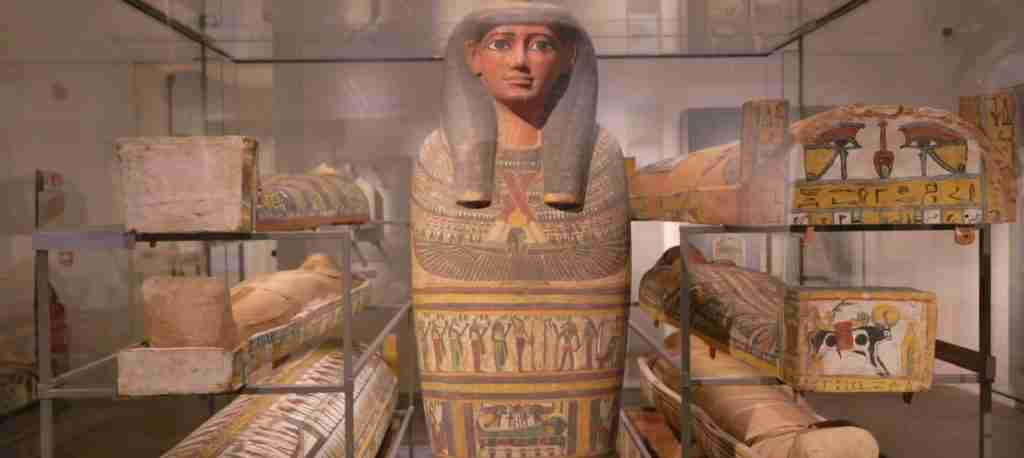
3 days
Piedmont 3-Day Discovery Tour
- ✓ Comprehensive Piedmont experience
- ✓ Expert local guides included
- ✓ All accommodation included
- ✓ Transportation provided
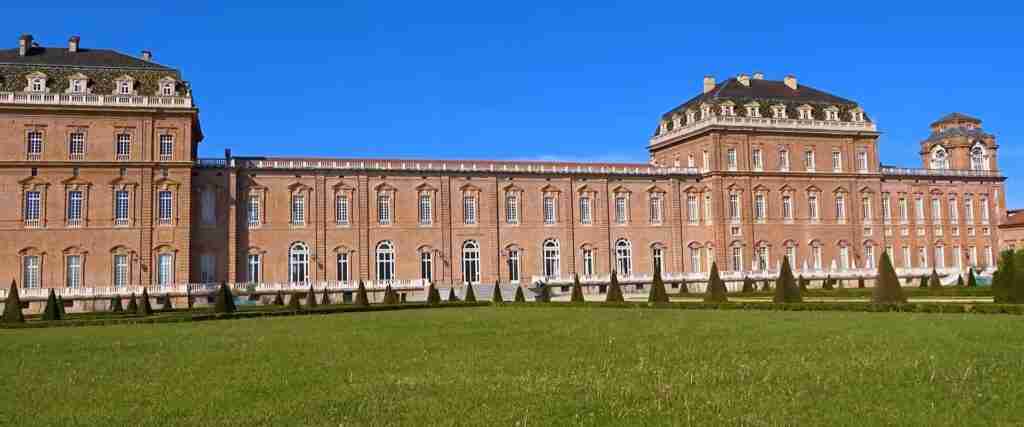
5 days
Piedmont 5-Day Highlights Experience
- ✓ Comprehensive Piedmont experience
- ✓ Expert local guides included
- ✓ All accommodation included
- ✓ Transportation provided
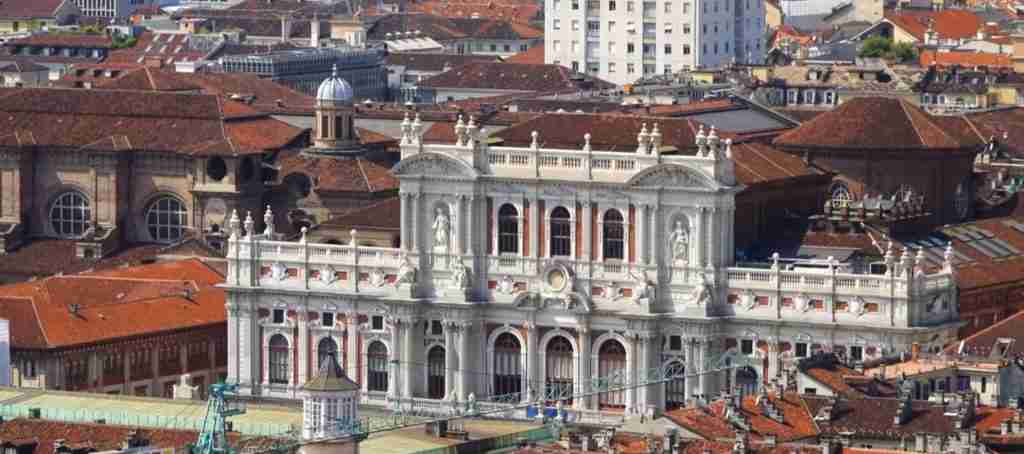
7 days
Piedmont 7-Day Cultural Journey
- ✓ Comprehensive Piedmont experience
- ✓ Expert local guides included
- ✓ All accommodation included
- ✓ Transportation provided
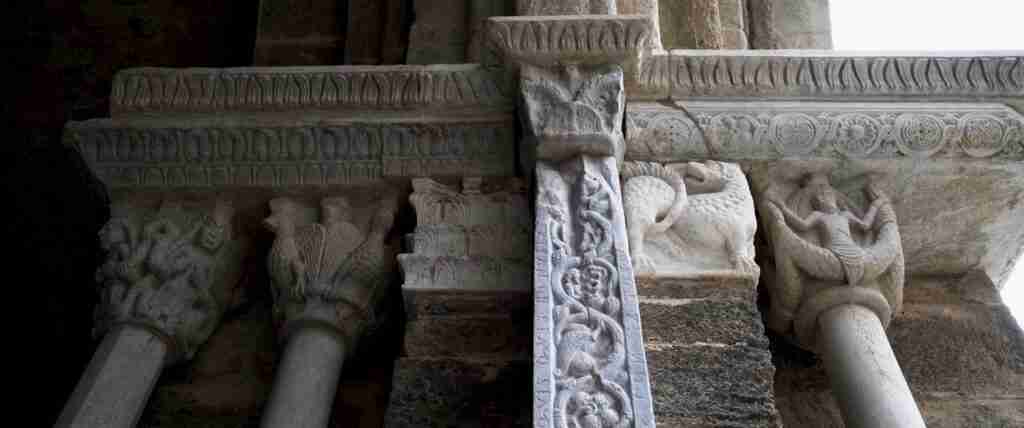
10 days
Piedmont 10-Day Complete Adventure
- ✓ Comprehensive Piedmont experience
- ✓ Expert local guides included
- ✓ All accommodation included
- ✓ Transportation provided
Multi-day tour packages powered by TourRadar. Prices and availability subject to change.
Introduction to the Turin Outer Ring in 2026
Turin occupies a peculiar position in Italian heritage tourism. The city itself is genuinely remarkable — home to the Shroud, the Egyptian Museum, the Musei Reali, and the industrial-age Mole Antonelliana — yet it remains perpetually underestimated. The outer ring amplifies this paradox. While millions of visitors make pilgrimage to Versailles each year, the Reggia di Venaria Reale — a palace of comparable scale and arguably superior baroque coherence — draws a fraction of the traffic. While every traveller with a camera knows the Amalfi cliffs, the thousand-year-old abbey hanging from the limestone walls of Monte Pirchiriano draws perhaps one weekend’s worth of selfie-seekers per year compared to the southern coast’s daily deluge.
The outer ring makes sense geographically as well as historically. When Emmanuel-Philibert, Duke of Savoy, moved his capital to Turin in 1562, he initiated a decades-long project to assert dynastic authority over the landscape itself. His successors — and above all the architects Amedeo di Castellamonte, Guarino Guarini, and Filippo Juvarra — realised this ambition with an ensemble of residences disposed radially around the city at regular intervals, connected by straight tree-lined roads that served as ceremonial axes as much as practical routes. The system had a military-planning logic: any residence was within a day’s ride from the palace, and the network of roads allowed the court to circulate between them with controlled ceremony.
The monasteries predate all of this by five to nine centuries. The Abbazia di Novalesa was founded in 726, more than eight hundred years before any of the Savoyard palaces were conceived. The Sacra di San Michele was under construction before the year 1000. Sant’Antonio di Ranverso dates from 1188. These communities occupied the same Val di Susa corridor that the Savoy court would later cross on its summer migrations from Turin to the hunting estates further into the Alps. The road trip described in this guide follows both layers of history simultaneously — approaching the monastic sites from the plain and climbing toward the alpine passes, then looping back through the royal outer ring on the return.
In 2026, a car is still the only practical way to connect all the outer-ring sites in a compact schedule. Several are reachable by public transport — Venaria by shuttle bus from Turin’s Corso San Martino, Superga by the historic tramway from Sassi, Stupinigi by bus from Porta Nuova — but the Val di Susa monasteries require either private transport or a willingness to time visits around infrequent bus services. A compact rental car hired from Turin Caselle airport or from the city centre agencies transforms the circuit from a logistical puzzle into an entirely manageable three-to-five-day loop. The guide below gives every site, verified admission price, opening time, and the crowd-avoidance window that turns a potentially hectic tourist experience into something resembling the solitary contemplation that monks built these valleys for in the first place.
The UNESCO Crown of Delights: Architecture of Dynastic Power 2026
The formal designation is the Residences of the Royal House of Savoy — UNESCO Reference 823 and its subsequent extensions under the reference 823bis — but the historical name is more evocative: the Corona di Delizie, the Crown of Delights. Inscribed on the World Heritage List in 1997 under four criteria, the ensemble of 22 palaces and villas represents, according to UNESCO’s own assessment, “outstanding testimony to the exuberant genius of Baroque and late Baroque art and architecture” and “an outstanding example of the strategies and styles of the Baroque, a monumental architectural ensemble illustrating the prevailing doctrine of absolute monarchy in material terms.”
The four criteria tell the story of the inscription’s scope. Criterion (i) recognises the quality of the individual buildings — particularly the work of Juvarra, whose Stupinigi and Superga commissions are among the definitive achievements of eighteenth-century European architecture. Criterion (ii) acknowledges the ensemble’s role in the continental diffusion of Baroque ideas: architects trained in Turin carried the style to Vienna, Madrid, and Lisbon. Criterion (iv) reads the group as a statement of absolute-monarchist ideology embodied in stone and landscape — a physical argument that the Savoy dynasty’s authority extended not just over a capital city but over the entire countryside surrounding it. Criterion (v) identifies the ensemble as a synthesis between culture and nature, using the term that most directly explains the “Crown of Delights” concept: the palaces were not isolated monuments but nodes in a designed landscape that organised the hills, forests, and agricultural land of the Piedmont plain into a single dynastic theatre.
Eleven of the component properties sit within or adjacent to Turin’s historic centre — the Palazzo Reale, Palazzo Madama, the Villa della Regina — and form the “Command Area” from which the dynasty administered its territories. The remaining eleven radiate outward, following the major road axes: Venaria to the northwest, Rivoli to the west, Stupinigi to the southwest, Moncalieri to the south, and Agliè to the north. Some components — Racconigi, Govone, Pollenzo — lie further into the Piedmontese plain and do not fall within the scope of this three-to-five-day road-trip guide, which focuses on the sites reachable within a two-hour drive of the city centre.
Visitors approaching this heritage on a road trip should understand from the outset that the outer ring is not a theme park — most sites require prior booking on peak weekends, several require guided-tour entry, and the palaces that are still managed as functioning cultural institutions (Venaria hosts major touring exhibitions) operate on a system of timed-entry slots during busy periods. The section on logistics below addresses these booking requirements in detail, but the first rule of the outer-ring circuit is simple: book Venaria before you leave home.
The Royal Arc West 2026: Stupinigi, Rivoli, and the Val di Susa Approaches
The western arc out of Turin sweeps through two contrasting royal statements before the road begins to climb toward the alpine corridors of the Val di Susa. Stupinigi, just south of the A32 motorway, is the Savoyard court’s hunting lodge — a designation that understates the building’s scale and its position as one of Juvarra’s most theatrically original works. Rivoli, perched on a hill above the modern town, is one of the outer ring’s stranger sites: a seventeenth-century palace repurposed since 1984 as one of Italy’s most important contemporary art museums, a collision of Savoyard heritage and Arte Povera that produces an experience unlike anything else in the circuit.
Palazzina di Caccia di Stupinigi 2026: Visiting the Fox-Hunting Palace
Filippo Juvarra conceived the Palazzina di Caccia di Stupinigi in 1729 as a lodge for royal hunting parties, which meant a building that needed to be impressive enough for a king yet intimate enough for informal use. His solution was the radiating cross-plan with a central oval salon beneath a distinctive copper dome, topped by a bronze stag — a plan that reads from the air like a vast starfish and from inside like a series of lavish surprises unfolding from every corridor. The building was substantially completed by 1733, with garden design by the French landscape architect Michel Benard following in 1740. Over the next two centuries, successive Savoyard rulers used it for fox hunts, royal weddings, and Napoleonic-era state receptions. It housed Napoleon’s campaign headquarters briefly in 1800.
Today the Fondazione Ordine Mauriziano manages the building as a museum of decorative arts, with over a hundred rooms housing Savoyard furniture, tapestries, and painted ceilings spanning the eighteenth and early nineteenth centuries. The admission charge is €12 for adults (reduced rate €8 for visitors aged 18-26, €5 for children 6-17, free for under sixes and Abbonamento Musei holders). Check the official site for current rates before visiting. The Fondazione Ordine Mauriziano also operates a combined ticket — €18 for an adult — giving access to Stupinigi alongside the Abbazia di Staffarda and the Precettoria di Sant’Antonio di Ranverso, usable over a year from purchase. For anyone planning to visit Ranverso on this circuit (see the monastic arc section), the combined Mauriziano ticket saves money over purchasing the sites individually.
The building opens Tuesday through Friday from 10:00 to 17:30, with extended hours to 18:30 on Saturdays, Sundays, and public holidays. It closes on Mondays. Weekday mornings between 10:00 and 12:00 see the lowest visitor density; summer weekend afternoons are the most crowded. The Parco della Palazzina surrounding the building is partly accessible for free walking and offers pleasant views of the baroque garden geometry from outside the paid zone. For time-pressed visitors doing a three-day circuit, Stupinigi pairs naturally with Rivoli as a single morning or afternoon — both are west of Turin on the same road axis and the drive between them takes under twenty minutes.
Castello di Rivoli 2026: From Baroque Ambition to Contemporary Art
The Castello di Rivoli has an unusual biography even by the standards of Savoyard heritage. The hill on which it stands has been fortified since at least the ninth century; the existing structure represents the uncompleted ambition of Carlo Emanuele II and Vittorio Amedeo II, who in the late seventeenth and early eighteenth centuries commissioned a rebuilding programme that was never finished. The north wing — the Manica Lunga, a long gallery wing stretching from the main block — was completed while the central corps de logis was abandoned halfway up, leaving a palazzo that reads as both ruin and monument. Juvarra drew plans for a completion in the 1720s but the work was never undertaken.
Since 1984 this productive incompleteness has been reframed as an asset rather than a deficiency. The Castello di Rivoli Museo d’Arte Contemporanea occupies the building as a deliberate dialogue between seventeenth-century structure and twenty-first-century art. The permanent collection runs from Arte Povera founders including Gilberto Zorio and Mario Merz through to works by Maurizio Cattelan, Michelangelo Pistoletto, and a remarkable group of international acquisitions. The unfinished brick of the upper floor serves as backdrop for large-scale installations. The museum’s programme also includes temporary exhibitions of the first international order — visiting the castle without checking the current programme misses an opportunity, since the temporary shows frequently rival what is on view in the permanent galleries.
Admission for the combined Castello and Manica Lunga visit is €15 for adults, reduced €6.50 for eligible categories. The museum opens Wednesday through Sunday from 11:00 to 19:00 (last entry 18:00). It closes Monday and Tuesday. The Villa Cerruti, a separate annexe housing the exceptional Cerruti collection of twentieth-century art and old masters, requires a booked guided visit; the shuttle from the Castello piazzale runs until 31 May 2026 at no additional charge with admission. Abbonamento Musei, Torino+Piemonte Card, and Royal Card holders enter free. Weekday afternoons between 14:00 and 17:00 are consistently the quietest; Sunday midday is the peak. The museum’s restaurant Combal.Zero, run by Davide Scabin, is one of the finest dining experiences on the entire circuit and warrants a lunch reservation on the Rivoli visit day.
The Monastic Arc 2026: Val di Susa’s Sacred Sites Without the Tour Groups
The Valle di Susa is Turin’s natural western corridor — the valley through which the Po plain climbs toward the Mont Cenis and Montgenevre passes that connect Italy to France. Before the motorway era it was one of the busiest transit corridors in Europe, and the monasteries that lined it were not remote contemplative retreats but functioning service institutions on one of the continent’s main pilgrimage and trade routes. The Via Francigena — the road from Canterbury to Rome — ran through this valley, and the Antonine hospital at Ranverso, the Benedictine scriptorium at Novalesa, and the Michaeline sanctuary at the summit of Monte Pirchiriano were all, at various points, among the most active religious institutions in northern Italy. Today the motorway has shifted the traffic and the monasteries have become exactly the quiet contemplative spaces they look like from outside. The tourists who do come are concentrated at Sacra di San Michele; the other two sites in this section receive a fraction of that traffic even at the height of summer.
Abbazia di Sant’Antonio di Ranverso 2026: Gothic Frescoes on the Via Francigena
The Precettoria di Sant’Antonio di Ranverso at Buttigliera Alta is among the most undersung monuments in the entire province of Turin. Founded in 1188 by Humbert III of Savoy as a hospital and way-station for pilgrims and for sufferers of ergotism (Saint Anthony’s Fire, a fungal disease of grain that caused hallucinations and limb loss), the complex was given to the Regular Canons of Saint Anthony of Vienne and remained an active medical and hospitality institution through the medieval period. The architecture that survives today is predominantly Gothic, renovated and extended in the thirteenth through fifteenth centuries, with the church interior carrying one of Piedmont’s most important fresco cycles — painted in the early fifteenth century by Giacomo Jaquerio, the leading exponent of the International Gothic style in the region, alongside works by Defendente Ferrari in the presbytery (a polyptych of 1531).
The complex is managed by the Fondazione Ordine Mauriziano, which also administers Stupinigi. It opens Wednesday through Sunday from 9:30 to 13:00 and 14:00 to 17:30 (last entry 17:00), closed Monday and Tuesday. The Fondazione Ordine Mauriziano combined ticket (€18 adults, €13 reduced, valid for one year) covers entry here along with Stupinigi and the Abbazia di Staffarda — the most economical way to visit if the full Mauriziano circuit interests you. Ranverso sits directly on the SS25 between Rivoli and Avigliana, visible from the road behind its viale alberato; it takes under twenty minutes to drive from the Castello di Rivoli. There is a free car park in the piazzale in front of the precettoria. The population of visitors at any given time is almost always in single figures outside of organised school groups — this is one of the genuine secrets of the outer ring.
Sacra di San Michele 2026: Ascending the Cliff-Top Abbey
The Sacra di San Michele is the most dramatic single site on the entire circuit and the most written-about. It occupies the summit of Monte Pirchiriano at just under one thousand metres, a limestone horn above the Val di Susa valley floor, and its construction on this near-vertical site — begun before the year 1000, substantially enlarged in the eleventh and twelfth centuries, and later attributed in popular legend to angelic builders — represents one of the most audacious architectural feats of the Romanesque period in northern Italy. The complex is now managed by a community of Rosminian priests, and remains an active place of worship as well as a heritage site attracting around 200,000 visitors annually. Umberto Eco used it as the model for the abbey in The Name of the Rose, a piece of literary geography that continues to drive a substantial portion of its tourist traffic.
Reaching the abbey from the car park at Piazzale Croce Nera requires a twenty-minute uphill walk on a paved but steep path. The visit route takes visitors through the Scalone dei Morti (the Staircase of the Dead, carved through the living rock), the Portale dello Zodiaco (a twelfth-century carved portal documenting the zodiacal cycle in Romanesque relief), the main church with its Gothic and Renaissance paintings, and the panoramic terrace looking north over the Val di Susa and south toward the Cottian Alps. The Rovine del Monastero Nuovo (ruins of the later monastery addition) extend the circuit.
Admission for 2026 is €10 for adults, €8 reduced. A guided visit option — guided tours run Saturday and Sunday at 11:00 and 15:00 — costs €15 adults, €13 reduced; book online at the official ticketing platform Ticketlandia. Opening hours run Monday through Saturday 9:30-17:30, Sundays and public holidays 10:45-17:30; the site closes for a winter period (check the official website for the current year’s closure). From 4 April to 31 October 2026, a weekend shuttle bus (Line 253, €3.60 per ride) connects Avigliana railway station to the abbey piazzale; the combined train+bus ticket from Turin Porta Nuova costs €6.30 and also entitles the holder to a 25% discount on the admission ticket. Check the official site at sacradisanmichele.com for current rates before visiting.
The critical crowd-avoidance intelligence for Sacra di San Michele in 2026: the path to the abbey fills to uncomfortable density on summer Sunday afternoons, particularly after 13:00, when day-trippers from Turin arrive by the busload. Weekday mornings from Monday through Saturday, arriving at or before 10:00, give almost solitary access to the Scalone dei Morti and the Portale dello Zodiaco. The summer evening openings (notturni) — check the official calendar for dates — offer a completely different quality of light and significantly smaller crowds, though they require advance booking and the last return descent must be planned carefully.
Abbazia di Novalesa 2026: A 1,300-Year-Old Living Monastery
The Abbazia di Novalesa sits in the Val Cenischia, a narrow lateral valley branching north from the main Val di Susa just before Susa, at the foot of the Col du Mont-Cenis pass. Founded on 30 January 726 by the Frankish nobleman Abbo and his wife Ermentrud, it was one of the most important Benedictine scriptoria in medieval Europe, producing illuminated manuscripts and serving as the principal waystation for traffic over the Mont Cenis route between Italy and France. The abbey was sacked by Saracen raiders in the tenth century and by the Normans shortly afterward, but recovered to resume its intellectual role in the eleventh century under its most celebrated abbot, Eldrado. The current complex — a Baroque rebuilding from the eighteenth century on Romanesque and Carolingian foundations — is surrounded by four surviving Romanesque chapels dating from the eleventh century, each containing medieval frescoes of considerable quality.
The 1,300th anniversary year of 2026 has brought expanded programming, including additional guided tour slots and a newly accessible archaeological museum. The abbey is owned by the Città Metropolitana di Torino and managed by the Benedictine community that returned here in the twentieth century. Admission is entirely free; guided visits operate on a voluntary-contribution basis. The church dedicated to Saints Peter and Andrew is open all day from dawn to dusk. Guided tours of the abbatial complex and the Romanesque chapels run Saturday at 10:30 and 11:30, Sunday at 11:30, and during summer (late June through early September) on additional weekday time slots from Tuesday through Friday at 10:30 and 15:30; Thursdays are closed. Groups and schools should book via [email protected].
The drive from Sacra di San Michele to Novalesa adds approximately forty-five minutes along the SP188 and then the climb into the Val Cenischia. The two sites combine into a natural single-day Val di Susa itinerary with a lunch stop in Susa (the town’s street-side trattorie serve excellent agnolotti and the local Donnas wine). The parking area at Novalesa is five hundred metres before the monastery on the access track — the monastery precinct itself is pedestrian-only.
The Northwestern Royal Hub 2026: Reggia di Venaria Reale and the Mandria Park
Venaria Reale — the town and the palace share a name — sits thirteen kilometres northwest of Turin’s historic centre, easily reachable by car, by the GTT shuttle bus from Corso San Martino (the Venaria Express), or on the dedicated cycle path from the city. The royal complex here is, by any objective measure, the largest and most ambitious achievement of the entire Savoyard building programme, and since its restoration — one of the most expensive post-war heritage projects in Europe, completed in 2007 after nearly a decade of work at a cost of over 200 million euros — it has drawn the highest visitor numbers of any outer-ring site. The Castello della Mandria, within the adjacent royal hunting reserve, receives a fraction of Venaria’s traffic and offers a profoundly different quality of experience.
Reggia di Venaria Reale 2026: Italy’s Versailles Without the Versailles Queues
The comparison to Versailles is made routinely and is not entirely inapt. Both palaces are monuments to seventeenth-century absolutism built on a scale intended to dwarf nature itself; both involve an architectural ensemble of state rooms, galleries, stables, and formal gardens of comparable quality; and both were subsequently used by Napoleonic-era administrations before falling into partial disuse. The difference is that Versailles receives over eight million visitors annually and Venaria receives around 600,000 — a difference that translates directly into the quality of experience. On a quiet weekday morning in March, April, October, or November, it is entirely possible to walk the length of the Grande Galleria — the central hall redesigned by Juvarra in the 1720s, comparable to the Hall of Mirrors in both length and decorative ambition — with no more than a handful of other people present.
The standard admission ticket (Reggia + Giardini Reali, the most practical option) costs €20 for adults, €15 for groups of twelve or more. Torino+Piemonte Card and Royal Pass holders enter free. The “Tutto in una Reggia” combined ticket also includes temporary exhibition access. The Reggia opens Tuesday through Friday 9:30-17:00, Saturday, Sunday, and public holidays 9:30-18:30. It closes on Mondays. The gardens alone — covering twenty hectares of formal baroque geometry and late-eighteenth-century English-style landscape — are included in the standard ticket. Booking online in advance is strongly recommended for weekend visits from May through September; weekday visits in shoulder season (March, April, October, November) rarely require advance purchase. Check the official site at lavenaria.it for current rates and booking before visiting.
The visit logistics deserve a note: the Reggia is large enough to absorb several hours comfortably. The key sequence runs from the entrance courtyard through the Scuderia Grande Juvarriana (the great stable block, now an exhibition hall of extraordinary proportions), into the appartamenti of the Duchess and the King, then the Cappella di Sant’Uberto, and finally the Sala di Diana — each space demanding genuine attention before moving to the next. Visitors arriving at or before opening time at 9:30 on a weekday morning find the first two or three rooms entirely to themselves; by 11:30 the visitor flow reaches its daily equilibrium. The afternoon slot between 15:00 and closing time sees a secondary quiet period as day-trip groups depart. The Venaria Express shuttle bus from Turin takes approximately thirty minutes.
Castello della Mandria 2026: The Forest Retreat Few Visitors Reach
Inside the Parco La Mandria — a 6,500-hectare hunting reserve abutting the Venaria gardens — the Castello della Mandria presents a completely different face of the Savoyard world. Built in the seventeenth century and substantially remodelled in the nineteenth for Vittorio Emanuele II, who used it as a private retreat with his morganatic wife Rosa Vercellana (the “Bella Rosin”), the castello contains a series of intimate residential apartments that offer a glimpse of how the royal family actually lived when not performing for the court. The contrast with Venaria’s ceremonial grandeur is striking: the rooms are furnished for comfort rather than display, the ceilings are lower, and the atmosphere is domestic.
The combined ticket for Venaria Reale and the Castello della Mandria is available from the Venaria ticket office and covers a single-day visit to both. A bicycle hire point operates at the Patio dei Giardini to connect the two sites within the park grounds. The park itself — which contains a herd of semi-wild horses, the Cavalli della Mandria, descended from animals abandoned at the dissolution of the royal stud — is freely accessible to walkers and cyclists during daylight hours. The Mandria’s visitor numbers are a fraction of Venaria’s. The castle section closes during the winter months (it reopens around 1 March); verify current opening periods before planning a visit.
The Eastern Rise 2026: Basilica di Superga and the Hill Villages
East of Turin the terrain rises abruptly along the Collina di Torino, a ridge of moraine hills separating the Po valley from the lower Monferrato slopes. The Basilica di Superga, visible from virtually every vantage point in the city, crowns the highest point of these hills at 672 metres, the product of an extraordinary promise: in 1706, besieged by the Franco-Spanish army, the Duke of Savoy Vittorio Amedeo II climbed the hill and vowed, before an ancient votive shrine, that he would build a great church if the siege was broken. The siege was broken — decisively, at the battle of 7 September 1706 — and Juvarra was commissioned to design the church in 1715, completing it in 1731. It is his first major work in Turin, and the one that established his reputation across the continent.
Basilica di Superga 2026: Reaching the Royal Mausoleum
The Basilica di Superga is architecturally three things simultaneously: a great circular-plan baroque church with a drum and dome after the manner of the Roman Pantheon, a dynastic mausoleum for the House of Savoy in the crypt below the high altar, and a hilltop belvedere from which, on a clear day, the entire Po plain from the Maritime Alps to the Apennines is visible. It also carries a more recent historical weight: the memorial at the rear of the basilica marks the site where, on 4 May 1949, the Superga disaster killed all eighteen members of the Grande Torino football team and their support staff when the aircraft carrying them from Lisbon struck the hillside in fog. This memorial draws its own category of visitor.
The church interior is free to enter throughout opening hours. The optional paid components are: the dome ascent (€4 full price, €3 reduced for groups of 20+), reached by a spiral staircase of 131 steps, which opens to a balcony with the panoramic views; and the Royal Tombs and Appartamento Reale (€6 full price, €5 reduced), which operate on a timed-guided-visit system with departures at fixed times throughout the day. From 1 March 2026, the Tombs and Apartments open daily, Monday through Friday 10:00-13:30 and 14:30-18:00, Saturday and Sunday 10:00-19:00. Book groups via [email protected]. The dome ticket and the Tombs ticket are purchased separately. The church alone — the grandest interior — is free and no less worth the visit for it.
From 3 April 2026, the Tranvia Sassi-Superga — the historic rack-and-pinion tramway built in 1884 and the last operating electric mountain tramway in Italy — is back in service following a maintenance period. Departures run hourly from the Sassi tram terminus (accessible from Turin’s city centre by tram line 15), with the ascent taking approximately eighteen minutes and the fare charged at the GTT standard rate (an annual pass holder pays €4 for the A/R with the standard agevolata rate). This is, in itself, one of the most rewarding heritage transport experiences in the Piedmont and should not be treated merely as a way to avoid driving — riding the tramway is the whole point. For road-trippers with a car, driving directly to the basilica via the SP20 is straightforward and parking is free in the piazzale below the church.
The Sassi-Superga Tramway 2026: How to Ride the Historic Rack Railway
The Tranvia a Dentiera Sassi-Superga is the oldest surviving rack-and-pinion electric tramway in Italy, inaugurated in 1884 and retaining much of its original infrastructure. The Sassi terminus is at Piazza Gustavo Modena in the Borgo Po district; from central Turin, tram line 15 from Piazza Castello reaches Sassi in approximately twenty minutes. From Sassi, the tramway climbs from 252 metres above sea level to the Superga terminus at 670 metres, following a gradient of up to eighty per mille on its steepest sections — a gradient that would be impassable for a conventional tram and requires the Abt rack-and-pinion mechanism that gives the line its Italian name (dentiera = rack). The journey takes 18 minutes in ascent and somewhat longer on the way down; the views over the city from the upper sections of the line are extraordinary on a clear day.
The service operates from 3 April 2026, with ascent departures hourly from 10:00 to 18:00 and descent departures from 10:30 to 18:30. The line does not operate on Wednesdays (when the alternative GTT bus Line 79 serves the route). From 17 May 2026, a new Superga Express service runs on Sundays and public holidays only, departing from Piazza Vittorio Veneto every 40 minutes and stopping at Ricasoli and Sassi on its way to the basilica — a useful option for visitors without a car who want to avoid the transfer at Sassi. Road-trippers using a rental car should drive to Superga and save the tramway for a later day-trip from Turin proper, as the hilltop parking is adequate and the tramway is worth a dedicated morning.
The Northern Canavese Loop 2026: Castello di Agliè and the Po Plain
North of Turin the outer ring extends into the Canavese — a distinct geographical and cultural sub-region of Piedmont occupying the plain between the Po and the first Alpine foothills. The dominant feature of the landscape here is the glacial amphitheatre of the Serra d’Ivrea, a dramatic moraine ridge formed by the Balteo glacier during the last ice age, within which the ancient city of Ivrea sits. The Castello di Agliè is the most visited outer-ring site in this direction and the northern anchor of the UNESCO ensemble’s radial system. It is also one of the outer-ring’s most cinematic buildings: the castle served as the exterior for the ducal palace in the Italian television series Elisa di Rivombrosa (2003-2005), which introduced it to a broad popular audience and continues to generate pilgrimage visits from the series’ fans.
The castle stands in the town of Agliè, forty kilometres north of Turin, approximately fifty minutes by car. Its history is longer than most Savoyard residences: the original medieval structure dates from the thirteenth century, when it was the seat of the San Martino d’Agliè family. It passed to the Savoy dynasty in 1764 and was substantially rebuilt and furnished in the early nineteenth century under Emanuele Filiberto di Savoia-Carignano, the most recent phase of decoration giving it its current appearance as a neo-Baroque aristocratic residence with over three hundred rooms. The park and gardens, laid out with cedars, sequoias, and great serre (glasshouses) from the same period, are among the finest surviving examples of nineteenth-century Italian estate landscape design.
The castle is a MiC state museum managed by the Direzione Regionale Musei Nazionali Piemonte, which means admission is free on the first Sunday of every month (the Domenica al Museo initiative covers all state museums). At other times, the ticket for one to two visit routes is €8 for adults, reduced €2 for visitors aged 18-25, free for under 18s and Abbonamento Musei holders. Tickets covering three to five visit routes cost €12. The garden alone costs €3 to enter; the combined garden and park ticket is €5. The castle opens Monday, Wednesday, Thursday, Friday, Saturday, and Sunday from 9:00 to 13:00 (last entry 12:00) and 14:00 to 19:00 (last entry 18:00); it closes on Tuesdays. Visits to the interior are guided, with departures every hour from 9:00. Groups must pre-book via [email protected]. Check museiitaliani.it or the official Residenze Reali Sabaude website for current ticket availability and rates.
The northern loop from Turin to Agliè works well as a day circuit that combines the castle with a drive through the Serra d’Ivrea (the “Thousand Towers” moraine ridge is unmistakable from the Aosta Valley motorway) and optionally a stop at the UNESCO-listed industrial city of Ivrea, whose Carlo Olivetti urban planning complex was inscribed in 2018. Allow a full day for Agliè plus any secondary stops; the drive from Turin takes under an hour and the return can follow the SS26 through the villages of the lower Canavese for a scenic alternative to the motorway.
The Southern Anchor 2026: Castello di Moncalieri
The Castello di Moncalieri sits on a promontory above the town of the same name, nine kilometres south of Turin’s centre and the closest of the outer-ring residences to the city. It began as a fortification in 1100, was gradually transformed into a palatial residence across the seventeenth and eighteenth centuries, and was the birthplace of Carlo Alberto (1798) and the residence of choice for various Savoyard rulers who valued its proximity to the capital without wishing to be within the capital itself. Carlo Alberto died here in 1849. The building is currently garrisoned by the Carabinieri, which limits civilian access to parts of the complex — but the exterior, the grounds, and the portions open to the public during specific guided-visit programmes are worth a stop on the southward leg of the circuit.
Moncalieri is the most practical last stop before returning a rental car to Turin Caselle airport (which lies to the north — this makes geographic sense only if the circuit is driven clockwise from Turin) or to the city-centre depots on the A6 return. The castle’s opening arrangements and admission prices vary depending on the current Direzione Regionale Musei programme; visitors should check museipiemonte.cultura.gov.it for current access options before including it as a dedicated stop. For road-trippers pressed for time, Moncalieri is best treated as a viewing-from-outside stop on the drive south, noting the castle’s silhouette against the hill, then continuing toward Stupinigi if that has not already been visited.
Road Trip Logistics 2026: Car Rental, Fuel, Parking, and Route Planning
A car is the practical prerequisite for connecting all the outer-ring sites in a compact schedule. The Val di Susa monasteries in particular — Novalesa above all — are not accessible by public transport on most days and are reachable only with significant additional travel time and planning even when the weekend shuttle service to Sacra di San Michele is operating. For the royal residences, public transport alternatives exist but add transit time that eats into the day.
Car rental in Turin in 2026 is available from both the Caselle Sandro Pertini airport (the most convenient pickup point for international arrivals) and from city-centre agencies near Porta Nuova and Porta Susa stations. Budget compact car prices for a multi-day rental start at approximately €30-35 per day at the low end of the market (budget operators such as Italy Car Rent and RentSmart24); standard compact models from major brands (Europcar, Hertz, Sixt) average €40-55 per day. Fuel for a compact car covering 250 kilometres over a three-day circuit adds approximately €40-50 to total transport costs at current Piedmontese pump prices. Pre-booked rentals secured two to four weeks in advance are consistently cheaper than same-day or next-day bookings. A car shared between two people halves these costs to €20-28 per person per day at budget tier and €33-40 per person per day at mid-range.
Parking at all the outer-ring royal sites is either free or modestly priced. Venaria Reale has extensive free parking in Piazza della Repubblica adjacent to the palace entrance. Stupinigi has free parking on Viale Torino in front of the building. Rivoli has free parking in the piazzale at the castle summit. Sacra di San Michele charges a modest fee at Piazzale Croce Nera (the final road-accessible point before the on-foot ascent). Agliè has a free car park in the piazza in front of the castle. The Abbazia di Novalesa has a free lay-by five hundred metres from the monastery on the approach track.
Road tolls apply on several motorway stretches relevant to this circuit. The A32 Torino-Bardonecchia (for Sacra di San Michele and Novalesa) charges tolls in both directions; keep coins or a Telepass transponder ready. The A5 toward Agliè passes through the initial Torino-Aosta toll section. Budget €5-10 in toll costs for a full three-day circuit. Fuel stations are plentiful on all the main approaches; the SS25 through the Val di Susa is well-served, and stations are available in both Avigliana and Susa for the deeper valley sections.
Route planning for the three-day core circuit follows a simple logic: group sites by valley and direction, driving each arm of the radial system in a single day rather than crisscrossing. The recommended sequence for a clockwise circuit starting and ending in Turin:
- Day 1 (Southwest/West): Stupinigi → Rivoli → Ranverso → continue to overnight base in Avigliana or Susa
- Day 2 (Val di Susa Monasteries): Sacra di San Michele → Novalesa → return via the Dora Riparia valley road (not the motorway) → overnight Turin or Venaria
- Day 3 (North and East): Venaria Reale → Superga → return to Turin
- Day 4 addition (North): Agliè and the Canavese loop
- Day 5 addition (South): Moncalieri and surrounding hill villages
Day-by-Day Itineraries for the Turin Outer Ring 2026
Three-Day Core Circuit 2026 (Budget and Mid-Range)
The three-day core circuit covers the outer ring’s essential sites and is designed for a road-tripper collecting a car on Day 1 morning and returning it on Day 3 evening.
Day 1 — The Western Arc: Pick up your rental car and drive directly to Stupinigi, arriving at opening time (10:00). Allow two hours for the interior (the central oval salon and the suite of royal apartments repay slow attention). Drive twenty minutes northwest to the Castello di Rivoli for a lunch break — if the budget allows, the Combal.Zero restaurant within the castle is exceptional; otherwise the town of Rivoli below has standard trattorie. Afternoon: visit the castle’s permanent collection (two hours minimum; factor in the Cerruti annex guided visit if pre-booked). Late afternoon: drive the SS25 west to Buttigliera Alta for Ranverso — the precettoria sees its last major visitors by 14:00, making a 15:30 visit reliably solitary. Overnight in Avigliana or Sant’Ambrogio di Torino (fifteen minutes from Ranverso on the valley floor).
Day 1 attraction costs without a card: Stupinigi €12, Rivoli €15, Ranverso (included in the Mauriziano combined ticket at €18). Total admissions: approximately €30 if you buy a combined Mauriziano ticket and skip the Rivoli visit and save it for Day 3 with the Torino+Piemonte Card; or €45 if paying full price at all three. Day 1 with the Torino+Piemonte Card: Stupinigi free, Rivoli free, Ranverso not covered by the card (Mauriziano institution). Card purchase price: €38 for two days or €44 for three days — buy the three-day version on Day 1 morning.
Day 2 — The Monastic Arc: Early start for Sacra di San Michele (nine kilometres from Avigliana). Aim to arrive at Piazzale Croce Nera by 9:15 for a 9:30 opening on weekdays, allowing the first forty-five minutes on the Scalone dei Morti and Portale dello Zodiaco in effective solitude before the first late-morning arrivals appear. Allow ninety minutes minimum, two hours comfortably. Lunch in Avigliana (the lakeside area offers several casual options) or in the town of Susa (twenty minutes further west). Afternoon: drive the SP188 into the Val Cenischia for the Abbazia di Novalesa, aiming to arrive for the 15:30 guided tour slot. The free admission and the scale of the anniversary programming in 2026 make this the most under-valued stop of the entire circuit. Return via Avigliana to the overnight base; or advance to a Venaria-area accommodation if continuing to Day 3 immediately.
Day 2 costs: Sacra di San Michele €10 (or €15 with guided tour); Novalesa free. Day 2 with card: Sacra di San Michele is not covered by the Torino+Piemonte Card; admission still €10.
Day 3 — Venaria and Superga: Book the earliest available Venaria Reale timed entry (9:30 on a weekday is the least crowded slot). Allow three to four hours for the palace and gardens — less and you will leave having only skimmed the Scuderie and the first appartamenti. Lunch at the excellent Ristorante della Reggia within the complex or in the town of Venaria Reale. Mid-afternoon: drive across the city to the Collina di Torino for Superga. The drive from Venaria to the Superga summit takes approximately forty-five minutes; arrive by 15:00 to catch the afternoon light on the dome and allow time for both the dome ascent and the Royal Tombs before the 18:00 last entry. Return rental car in the evening.
Day 3 costs: Venaria €20 standard (free with three-day Torino+Piemonte Card); Superga dome €4, Tombs €6 (standard, not covered by card). With three-day card purchased on Day 1: Venaria free, saving €20 on Day 3 alone.
Five-Day Grand Circuit 2026 (Comprehensive)
The five-day circuit adds Days 4 and 5 to the three-day core, expanding south and north to complete the outer ring.
Day 4 — Northern Canavese: Drive north on the A5 and then the SS26 to Agliè, arriving by 10:00 for the first guided tour. The castle’s three-to-five-route ticket (€12) gives access to the maximum number of apartments. Allow two hours for the interior and gardens. Afternoon: drive the moraine ridge of the Serra d’Ivrea and into Ivrea for a late-afternoon walk through the Olivetti campus (UNESCO 2018). Return via the lower Canavese to Turin or continue to a Canavese overnight base.
Day 5 — Southern Arc and Return: Morning visit to the Castello di Moncalieri (check current opening arrangements in advance at museipiemonte.cultura.gov.it). Afternoon: the Villa della Regina on the eastern slope of the Collina di Torino, within Turin’s urban fabric, bridges the outer-ring and the central Turin heritage. Return to Turin and car return in the late afternoon.
Budget Breakdown for the Turin Outer Ring Road Trip 2026
All daily costs below are per person, per day, assuming two people sharing car and hotel accommodation. Car costs are divided between two occupants. Hotel room rates are divided by two before being added to per-person food and attraction costs.
Budget Tier Daily Costs 2026 (€95-130 Per Person, Two Sharing)
Budget-tier road-trippers share a compact rental car from a budget operator (€25-35/day), covering fuel at €15-20/day — a combined car cost of €40-55 per day per car, or €20-28 per person when split between two. Accommodation in the budget tier means a B&B, agriturismo, or simple hotel in the Val di Susa or Canavese valleys outside Turin, where rooms run €70-95 per night — €35-48 per person for two sharing. Meals combine a hotel breakfast (included in most budget room rates), a panino or self-catering lunch (€10-15), and a simple trattoria dinner with house wine (€15-20). Daily meal costs: €25-35. Attractions on the budget plan: the Abbazia di Novalesa is free; the first Sunday of the month grants free access to Agliè and Moncalieri; Superga’s church is free. Paid admissions on an average day run €15-18, covering one or two sites priced €8-12 each.
Budget component totals per person per day: accommodation €35-48, meals €25-35, car share €20-28, attractions €15-18. Total: €95-130 per person daily (two sharing budget accommodation).
A three-day core budget circuit therefore runs approximately €285-390 per person in total, not including the optional Torino+Piemonte Card (€44 for three days, which pays for itself on Day 3 at Venaria alone). A five-day grand circuit runs €475-650 per person at budget tier.
Mid-Range Tier Daily Costs 2026 (€155-210 Per Person, Two Sharing)
Mid-range road-trippers rent a standard compact or mid-size car from a major brand (€45-55/day) and budget €20-25/day for fuel — a combined car cost of €65-80 per day per car, or €33-40 per person for two sharing. Accommodation in three-star hotels or higher-end agriturismi in the Susa Valley, Venaria, or Canavese runs €100-140 per room per night, or €50-70 per person for two sharing. Meals include a café breakfast (€5-8), a sit-down trattoria lunch with wine (€18-25), and a restaurant dinner with regional wines (€35-45), totalling €58-78 per day — but realistically €45-65 when accounting for lighter eating days. Attractions at full paid price (Venaria €20, Stupinigi €12, Rivoli €15) average €25-35 per day.
Mid-range components per person per day: accommodation €50-70, meals €45-65, car share €33-40, attractions €25-35. Total: €155-210 per person daily (two sharing mid-range hotel).
A three-day core mid-range circuit runs approximately €465-630 per person. Adding the Torino+Piemonte Card (€44 for three days) replaces approximately €47 in individual admissions on Days 1 and 3, effectively paying for itself and reducing the attraction cost component by up to €15 per day at mid-range tier. A five-day grand circuit runs €775-1,050 per person at mid-range.
Luxury Tier Daily Costs 2026 (€285-415 Per Person, Two Sharing)
Luxury road-trippers rent a premium or SUV-class vehicle (€85-120/day) with fuel at €25-30/day — combined car cost of €110-150 per day per car, or €55-75 per person for two sharing. Accommodation in four-to-five-star hotels in the Piedmontese countryside or the four-star options on Turin’s southern perimeter runs €180-280 per room per night, or €90-140 per person for two sharing. Dining includes full restaurant meals with Barolo, Barbaresco, or white truffle dishes where seasonally available (autumn visits are the truffle window); daily dining costs €90-130 per person. Attractions at full price with added guided tours and private guides (where available) run €50-70 per day.
Luxury components per person per day: accommodation €90-140, meals €90-130, car share €55-75, attractions €50-70. Total: €285-415 per person daily (two sharing luxury accommodation).
A three-day luxury circuit runs approximately €855-1,245 per person. A five-day grand circuit runs €1,425-2,075 per person at luxury tier.
The Torino+Piemonte Card Value Analysis 2026
The three-day Torino+Piemonte Card costs €44 and covers free admission to Venaria Reale (€20), Castello di Rivoli (€15), and Stupinigi (€12) — a combined saving of €47 on those three sites before any other reductions. Any visitor planning to visit all three within three days recoups the card’s cost in full with €3 to spare. Additional sites covered by the card include Castello di Agliè (€8 standard), Villa della Regina, the Musei Reali and Palazzo Reale in central Turin, the Gallerie d’Italia, the MAO, and dozens more across the region. The five-day card (€49) costs only €5 more than the three-day version and extends coverage for a longer circuit including Agliè — a rational upgrade for anyone planning four or more days on the outer ring.
Sites NOT covered by the Torino+Piemonte Card: the Abbazia di Novalesa (free anyway), Sacra di San Michele (pay separately, €10), the dome and Royal Tombs of Superga (pay separately), and Sant’Antonio di Ranverso (Fondazione Ordine Mauriziano system). Holders of the Abbonamento Musei annual pass (€58 for adults aged 27-64, available in the September-May campaign season) gain free entry to all the same sites and more with unlimited annual visits — the most economical option for Piedmont residents or frequent visitors.
Accommodation Bases for the Turin Outer Ring 2026
Road-trippers on the outer ring have four practical accommodation strategies, each with its own logic and price range.
Turin city centre base: The most flexible option for multi-day visitors who also want to explore central Turin between outer-ring days. Central Turin hotels in the three-star tier run €80-130 per room per night; four-star options run €130-220. Proximity to the city means driving to outer-ring sites adds thirty to forty-five minutes each way, which is not negligible over a five-day circuit. Best for visitors spending more than two nights in Turin overall.
Val di Susa valley base (Avigliana, Sant’Ambrogio, Susa): The natural base for the monastic arc day. B&Bs and small hotels in Avigliana (the most pleasant town in the lower valley, set beside two glacial lakes) run €65-90 per room. The Locanda dei Laghi in Avigliana and several agriturismo options in the surrounding hills offer excellent Piedmontese cooking at mid-range dinner prices. Proximity to both Ranverso (15 minutes) and Sacra di San Michele (20 minutes by car) is excellent. From Avigliana, Venaria is a forty-minute drive northwest, making this a viable base for two to three days of the circuit.
Venaria Reale town base: Staying in the town of Venaria itself — several three-star options and a good selection of B&Bs cluster in the centro storico near the palace entrance — puts the region’s largest attraction at walking distance. The Reggia di Venaria’s own restaurant and café are within minutes; the GTT bus into Turin city centre takes thirty minutes. For a circuit focused primarily on the northwestern and western royal arc, this is the most economical high-value base. Room prices in the town run €70-110 per room.
Canavese agriturismo base: For the northern loop, several agriturismi between Agliè and Ivrea offer the full Piedmontese experience — farmhouse rooms, tasting menus built around local produce, and vineyard views. Canavese DOC wines, the Erbaluce di Caluso in particular, are best sampled here rather than in the city. Room prices at quality agriturismi run €80-140 including breakfast. This base works well as a two-night stay combining Agliè, the Serra d’Ivrea, and the lower Canavese villages.
Beating the Crowds 2026: Timing Strategies for Every Site
The title of this guide makes a promise — the outer ring without the crowds — and delivering on it requires specific timing intelligence for each site rather than a generic “go in the morning” admonition. The crowd patterns on this circuit vary dramatically from site to site.
Venaria Reale: Peak congestion falls on Saturday and Sunday mornings from late April through September, with the longest queue periods between 10:30 and 13:00. The quietest windows are weekday mornings at or before 9:30 opening from October through March; autumn shoulder-season weekdays from mid-September through October deliver good weather with dramatically reduced visitor density. The last two hours of any day (15:00-17:00 weekdays, 16:30-18:30 weekends) also see reduced traffic as day-trippers depart.
Sacra di San Michele: The single most reliable crowd-avoidance strategy is weekday mornings before noon. On summer Sundays, visitor density on the path between Piazzale Croce Nera and the abbey entrance becomes genuinely uncomfortable after 12:00. Tuesday through Friday mornings from March through October deliver the closest thing to solitude this celebrated site offers. The Saturday 9:30 opening slot on a grey or misty morning in November is worth the cold — fog at altitude turns the Portale dello Zodiaco into an atmospheric spectacle unimaginable in the summer sun.
Abbazia di Novalesa: No significant crowd pressure at any time of year. Visit at any slot offered; the morning sessions tend to be smaller. The anniversary year programming in 2026 draws larger groups on specific event days, but the standard guided visit slots remain intimate — this is a site where even ten people in the same room feels like a meaningful encounter with a living community.
Castello di Rivoli: Contemporary-art museum patterns prevail: quiet on weekday afternoons (Tuesday through Friday 14:00-17:00), busier on weekends but never comparable to Venaria’s peaks. The museum’s architecture rewards contemplative looking that crowds make difficult; a Tuesday or Wednesday afternoon in the permanent collection approaches an ideal visit.
Stupinigi: Similar to Rivoli — manageable throughout the week. Saturday late mornings see the most visitors. Weekday mornings are consistently the cleanest experience. The Tuesday-Friday 10:00 opening slot gives good access.
Basilica di Superga: The Superga hilltop carries a summer-Sunday afternoon peak from about 13:00 onwards, when day-trippers arrive by tramway and bus. The tramway’s hourly departure schedule naturally staggers arrivals, but the terrace at the dome top and the exterior around the memorial can become congested. Early mornings on any day before 11:00, and any weekday outside summer, are uncrowded. November through February weekday mornings give genuinely solitary access to the basilica exterior and its extraordinary view over the winter-clear Po plain.
Castello di Agliè: The guided-visit format naturally limits group size. Book the first morning slot (9:00) and the castle’s first-floor apartments are yours effectively alone. First Sundays of the month draw larger groups for free admission but the format still limits crowding. No summer peak comparable to the Val di Susa sites; this is a place where measured interest, not mass tourism, governs the flow.
A final note on the Torino+Piemonte Card and crowd dynamics: the card requires no timed entry at some sites but still specifies an entry slot at Venaria for peak periods. Card holders at Venaria are directed to the card-holders’ queue, which is consistently shorter than the ticket-purchase queue — one of the practical advantages of buying the card before arrival at the palace.
Frequently Asked Questions
What exactly is the “Corona di Delizie” or Crown of Delights?
The Corona di Delizie was the historical name given by the Savoyard court to the constellation of outer-ring royal residences encircling Turin. The term distinguished these pleasure palaces and hunting lodges — conceived primarily for leisure, ceremonial hunts, and summer retreats — from the “Command Area” palaces within the city that housed the administrative functions of the duchy. In practical terms, the Crown of Delights encompasses the palaces at Venaria, Rivoli, Stupinigi, Moncalieri, Agliè, Racconigi, Govone, and several further properties across the Piedmont plain. All are now components of the UNESCO World Heritage inscription Reference 823, inscribed in 1997 under four criteria recognising the ensemble’s architectural quality, its role in European Baroque diffusion, its articulation of absolute-monarchist ideology, and its synthesis of designed landscape with built heritage.
Are the outer-ring residences managed by a single institution?
No — management is divided between several different bodies, which affects ticketing and access strategies. Venaria Reale and the Castello della Mandria are managed by the Consorzio delle Residenze Reali Sabaude in partnership with the Reggia di Venaria consortium. Stupinigi and Sant’Antonio di Ranverso are managed by the Fondazione Ordine Mauriziano, which issues its own combined ticket. Rivoli is an independent museum foundation. Agliè, Moncalieri, Racconigi, and several other outer-ring properties are managed by the MiC’s Direzione Regionale Musei Nazionali Piemonte, using the centralised Musei Italiani booking platform. The Abbazia di Novalesa is owned by the Città Metropolitana di Torino and managed by the resident Benedictine community. This fragmentation means there is no single “Residences of Savoy” pass covering all sites — the closest equivalent is the Torino+Piemonte Card, which covers most but not all.
Can I do this road trip without a car using public transport in 2026?
A car-free outer-ring circuit is possible but significantly more complicated and time-consuming. Venaria is reachable by the Venaria Express shuttle from Turin’s Corso San Martino (runs daily). Stupinigi is reachable by Bus 41 from Porta Nuova. Superga is reachable by tram line 15 to Sassi plus the historic tramway (operating April through October 2026). Rivoli is reachable by Metro Line 1 to the Paradiso terminus and then Bus 36. Agliè is reachable by regional train from Turin Porta Nuova to Rivarolo Canavese, then a local bus or taxi — time-consuming but feasible. The Val di Susa monasteries are the real difficulty: Sacra di San Michele has a weekend shuttle from Avigliana station (operating April through October), but Novalesa has no practical public transport access except the bus to Susa and then a taxi or bike from there. A genuinely car-free circuit that includes Novalesa requires careful schedule management and accepts the loss of the abbey’s solitude advantage.
When is the best time of year to do the Turin outer ring road trip in 2026?
Late September through November is the optimal window for most travellers. Venaria and Rivoli have their quietest periods after the summer peak; autumn light on the baroque gardens of Venaria and Stupinigi is exceptional; the harvest season brings the truffle markets of Alba and Asti within daytrip range of the circuit; and the Val di Susa monasteries are uncrowded. Spring — late March through May — is the second best window: wildflowers on the Monte Pirchiriano slopes, and the cool of the abbey church before summer heat builds. July and August bring the Italian domestic tourist peak to Venaria and Sacra di San Michele; visits are still entirely manageable on weekday mornings but the crowd-avoidance effort required is greater. Winter visits from December through February offer the most solitary experience of all the sites and some of the clearest panoramic views from Superga, at the cost of shorter daylight hours and the winter closure of the Abbazia di Novalesa.
How long does it take to visit Venaria Reale properly in 2026?
A minimum of three hours is needed to see the principal rooms of the Reggia and walk the formal gardens without feeling rushed. Four hours is the comfortable standard for most visitors. Adding the Castello della Mandria (reached by the bicycle connection through the park or by car via a separate entrance) adds a further ninety minutes. A full-day visit combining the Reggia, its temporary exhibition, and the Mandria with a lunch at the palace restaurant is the richest experience of the complex — time here is not wasted. The Scuderia Grande Juvarriana deserves at least twenty minutes of unhurried attention before the palace’s first rooms; many visitors rush through it as a prologue when it is, architecturally speaking, one of the finest horse stables ever built.
What is the Abbazia di Novalesa’s connection to the 2026 anniversary?
The Abbazia di Novalesa was founded on 30 January 726, making 2026 exactly its 1,300th anniversary year. The founding figure, Abbo, was a Frankish nobleman who donated land in the Val Cenischia to establish a Benedictine community on the primary route between the Po plain and the Col du Mont-Cenis pass. The abbey became one of the most important scriptoria in the Carolingian world — producing illuminated manuscripts that influenced the development of European written culture — before suffering destruction at the hands of Saracen raiders in the tenth century. The 1,300th anniversary year has brought expanded guided-tour hours, new exhibition programming on the abbey’s medieval manuscript heritage, and greater popular attention to a site that even many Piedmontese residents have never visited. Admission remains free throughout the year; the anniversary programming runs through December 2026.
Is the Tranvia Sassi-Superga accessible with a standard transit ticket in 2026?
The Sassi-Superga tramway is part of the GTT network and charges a fare separate from the standard GTT urban bus and metro system. As of 2026, it is not included in the standard single urban transit ticket. Holders of the annual GTT pass pay a reduced rate of €4 for the return journey. Holders of the Torino+Piemonte Card qualify for a reduced rate on the tramway as one of the card’s transportation benefits. The service operates April through October (reopening 3 April 2026), with departures every hour in ascent from 10:00 to 18:00 and descent from 10:30 to 18:30, except on Wednesdays when the tramway does not operate and Bus Line 79 serves the route instead. The new Superga Express service (from 17 May 2026, Sundays and public holidays only) runs direct from Piazza Vittorio Veneto every forty minutes and represents the simplest no-change option for city-centre visitors.
What is the combined Fondazione Ordine Mauriziano ticket and is it worth buying?
The Fondazione Ordine Mauriziano manages three properties — the Palazzina di Caccia di Stupinigi, the Precettoria di Sant’Antonio di Ranverso, and the Abbazia di Staffarda (in the Saluzzo area, too distant for inclusion in a three-to-five-day outer-ring circuit) — under a single combined ticket (€18 full price, €13 reduced, valid for twelve months from purchase date). The ticket represents good value for anyone planning to visit both Stupinigi and Ranverso on the outer-ring circuit: the combined ticket costs €18 versus €12 (Stupinigi alone) + standard Ranverso admission, saving a meaningful amount depending on the individual Ranverso rate. The ticket is available at either Stupinigi or Ranverso and is valid for one year, making it particularly sensible for visitors likely to return to the region. The Abbazia di Staffarda — a twelfth-century Cistercian abbey in the Cuneo plain — rewards a separate day visit if you have the time to extend the circuit south.
Are dogs allowed at the outer-ring sites?
Policy varies by site. The Parco La Mandria (the public portion) allows dogs on a lead. The gardens of the Reggia di Venaria allow dogs on a lead in the outdoor areas but not inside the palace. The Abbazia di Novalesa permits dogs in the external grounds. The Abbazia di Sant’Antonio di Ranverso allows dogs on a lead in the external and garden areas. The Castello di Agliè’s park and garden allow dogs on a lead with standard equipment; small dogs in carriers are permitted inside the castle. Sacra di San Michele does not permit dogs on the ascent path or inside the abbey complex. Stupinigi allows dogs in the external park areas but not inside the building. Confirm current policy directly with each site before planning a dog-friendly itinerary — policies can change between seasons.
What Piedmontese food and wine experiences pair best with the outer ring road trip in 2026?
The outer ring circuit passes through the heartland of some of Italy’s most distinctive regional food. In the Val di Susa, the agnolotti del plin (small pinched pasta with a meat and vegetable filling) and the local Donnas or Val di Susa valley wines are the defining combination; the restaurant La Giaconera in Avigliana is a benchmark for mid-range regional cooking. Around Venaria, the town’s proximity to Turin means access to the full Piedmontese repertoire — vitello tonnato, finanziera, brasato al Barolo. The Canavese loop adds the Erbaluce di Caluso DOC, a distinctive white wine from the glacial moraine soils around the Serra d’Ivrea, available at cantinas throughout the area between Agliè and Ivrea. Autumn visits synchronise the circuit with the white truffle season of the Langhe (Alba) and the Monferrato, both reachable in under an hour from the outer ring’s southern arc — an extension that many road-trippers build into a fourth or fifth day without regret.