Rio Celeste Day Trip from La Fortuna 2026: Blue Waterfall Hike
This comprehensive guide covers everything needed to plan your Rio Celeste day trip from La Fortuna in 2026, from transportation logistics and entrance procedures to detailed trail descriptions and photography strategies. Whether choosing an organized tour with naturalist guides or independent exploration with rental car flexibility, you’ll find actionable information for budgeting, timing, and logistics to create a memorable blue waterfall adventure.
Key Takeaways
- Rio Celeste entrance costs $15 per person in 2026, with guided tours ranging $65-95 including transportation from La Fortuna
- The 3.7-mile roundtrip hike takes 3-4 hours and features the stunning blue waterfall, viewpoint, hot springs, and blue lagoon
- Best visiting time is 6 AM-10 AM for optimal lighting on the waterfall and smaller crowds during 2026 high season
- Park allows maximum 300 visitors daily with advance booking required during peak months (December-April, July-August)
- Independent travel saves $40-50 per person compared to organized tours but requires rental car navigation and early departure
- Total day cost ranges $65-120 per person depending on tour choice, meals, and transportation method selected
Introduction: Planning Your Rio Celeste Adventure in 2026
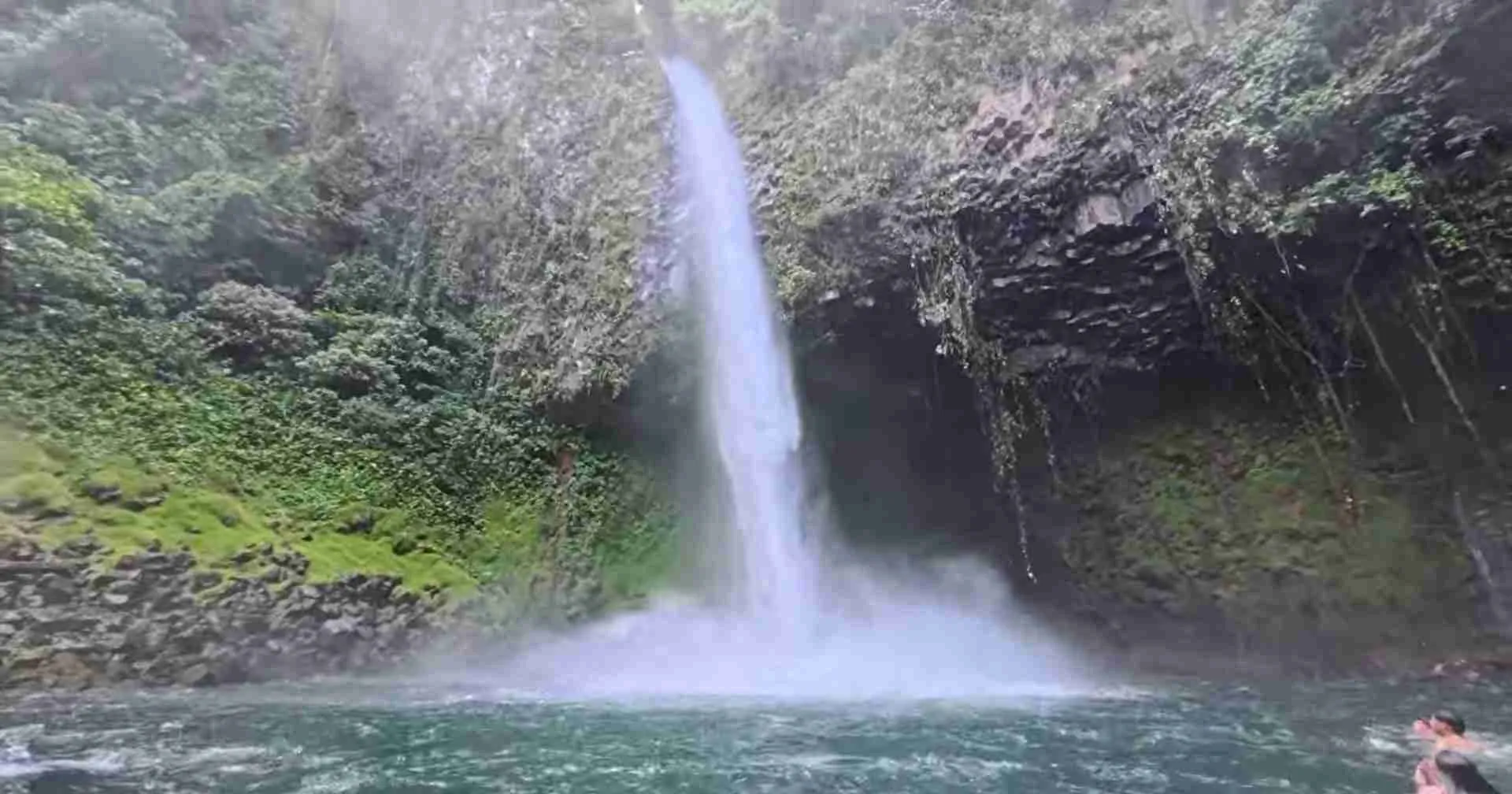
Rio Celeste represents one of Costa Rica’s most extraordinary natural phenomena, where volcanic minerals create an otherworldly turquoise river flowing through dense rainforest in Tenorio Volcano National Park. Located 90 minutes north of La Fortuna, this day trip combines moderate hiking with spectacular natural beauty, offering travelers the chance to witness the famous celestial blue waterfall cascading 90 feet into a cyan pool.
The 2026 season brings enhanced visitor management to protect this fragile ecosystem, with daily capacity limits and mandatory advance reservations during peak periods. The park infrastructure includes well-maintained trails with 250 steps down to the waterfall viewing platform, accessible boardwalks along the river sections, and improved facilities at the entrance area. Understanding the planning requirements, optimal timing strategies, and cost structures enables you to maximize this unique Costa Rican experience while respecting the conservation efforts protecting Rio Celeste’s distinctive coloration.
People Also Ask About Rio Celeste Day Trips 2026
How much does a Rio Celeste day trip from La Fortuna cost in 2026?
Independent visits cost approximately $65-85 per person including park entrance ($15), rental car share ($25-35 for gas and parking), breakfast ($10-15), and lunch ($15-20). Organized tours range $65-95 per person with transportation, guide, entrance fee, and lunch included. Check tour operator websites for current 2026 pricing as rates may vary by season. Budget travelers choosing public bus options spend $45-60 total, while luxury private tours with additional stops cost $120-150 per person.
What is the best time to visit Rio Celeste in 2026?
The dry season from December through April offers the clearest turquoise color and easiest hiking conditions, with February and March providing optimal waterfall visibility. Arrive between 6-8 AM for the best lighting on the waterfall, smallest crowds, and coolest temperatures. The park opens daily at 6 AM and reaches capacity (300 visitors) by 9-10 AM during high season weekends. Early morning visits also provide better wildlife viewing opportunities and allow completion of the full trail circuit before afternoon heat.
Do you need a guide for Rio Celeste in 2026?
The Rio Celeste trail is well-marked and maintained, making guided tours optional rather than required for the 2026 season. Independent hikers follow clear signage along the 3.7-mile loop trail with all major viewpoints accessible. However, naturalist guides enhance the experience by identifying wildlife (sloths, toucans, poison dart frogs), explaining the volcanic chemistry creating the blue color, and sharing cultural stories about the river. Guides also know optimal photography spots and timing strategies for different sections of the trail.
Can you swim in Rio Celeste in 2026?
Swimming remains prohibited throughout Rio Celeste and Tenorio National Park to protect the delicate chemical balance creating the distinctive blue color. The ban includes the waterfall pool, blue lagoon, and all river sections within park boundaries. Park rangers enforce this regulation strictly with fines for violations. However, hot springs near the trail junction offer a legal bathing opportunity in thermal waters. Alternative swimming options exist at natural pools outside the park boundaries along the access road.
Extended multi-day tours – 5+ days
Featured Costa Rica Multi-Day Tour Packages

3 days
Costa Rica 3-Day Discovery Tour
- ✓ Comprehensive Costa Rica experience
- ✓ Expert local guides included
- ✓ All accommodation included
- ✓ Transportation provided

5 days
Costa Rica 5-Day Highlights Experience
- ✓ Comprehensive Costa Rica experience
- ✓ Expert local guides included
- ✓ All accommodation included
- ✓ Transportation provided
7 days
Costa Rica 7-Day Cultural Journey
- ✓ Comprehensive Costa Rica experience
- ✓ Expert local guides included
- ✓ All accommodation included
- ✓ Transportation provided

10 days
Costa Rica 10-Day Complete Adventure
- ✓ Comprehensive Costa Rica experience
- ✓ Expert local guides included
- ✓ All accommodation included
- ✓ Transportation provided
Multi-day tour packages powered by TourRadar. Prices and availability subject to change.
Essential Planning Information for 2026 Rio Celeste Visits
Park Entrance and Capacity Management 2026
Tenorio National Park charges $15 entrance fee per person for foreign visitors in 2026, with Costa Rican residents paying $5 and children under 12 entering free. The park implements a strict 300-visitor daily capacity limit to protect trail conditions and water quality. During high season (December-April, July-August), the park reaches capacity between 9-10 AM on weekends and 10-11 AM on weekdays. Online reservations through the official SINAC system become mandatory during these peak periods, with booking opening 90 days in advance.
The entrance station accepts cash (colones or US dollars) and credit cards, with an ATM located 15 minutes away in Bijagua village. Facilities include clean restrooms, drinking water stations, covered picnic areas, and a small visitor center explaining the volcanic geology. Lockers rent for $2 to store extra belongings during the hike. The park operates daily from 6 AM to 4 PM, with last entry at 2 PM to ensure visitors complete the trail before closing.
Trail Overview and Hiking Requirements 2026
The main Rio Celeste loop trail covers 3.7 miles (6 kilometers) through primary rainforest, requiring 3-4 hours at a moderate pace with photo stops. The route descends 250 steps to the waterfall viewpoint, continues to the blue lagoon and hot springs, then loops back via the Teñideros (the point where two clear rivers merge into celestial blue). Trail conditions vary from paved sections near the entrance to muddy rainforest paths requiring good traction footwear.
Fitness requirements include ability to climb 250 stairs with handrails, walk on uneven terrain, and maintain steady pace on inclines. The trail suits most fitness levels but challenges those with knee problems due to the steep waterfall section. Elevation changes total approximately 650 feet throughout the circuit. Trail improvements completed in 2025 include reinforced boardwalks over wet sections, upgraded viewing platforms at major viewpoints, and new emergency call stations at kilometer markers.
Weather Patterns and Seasonal Considerations 2026
The dry season (December-April) provides optimal conditions with 75-80°F temperatures, minimal rainfall, and clearest blue water color. February and March offer peak visibility at the waterfall with lowest river levels exposing more of the cyan cascade. However, this high season brings maximum crowds and highest tour prices. The green season (May-November) features afternoon rainstorms starting around 2 PM, creating fuller waterfalls but sometimes cloudier water from increased flow.
Rain gear proves essential year-round as the rainforest microclimate generates brief showers even during dry months. Morning temperatures start around 68-72°F, warming to 78-85°F by midday. Humidity stays consistently high (80-90%), making lightweight, breathable clothing critical. The park remains open during rain unless severe weather creates safety concerns on the trail. River levels can rise rapidly during heavy rainfall, occasionally limiting access to certain viewing areas.
Transportation Options from La Fortuna 2026
Organized Tour Transportation 2026
Full-day organized tours from La Fortuna include round-trip transportation in air-conditioned vans or minibuses, departing between 6-7 AM and returning around 3-4 PM. Tour prices range $65-95 per person depending on group size and inclusions, with most packages covering park entrance, bilingual naturalist guide, lunch, and transportation. Check individual tour operator websites for current 2026 rates and seasonal promotions. Premium tours at $110-150 add stops at Llanos de Cortés waterfall or Vida Aventura Nature Park.
Pick-up service covers hotels throughout La Fortuna, El Castillo, and Nuevo Arenal areas. Tour companies include Anywhere Costa Rica, Desafio Adventure Company, Costa Rica Best Trips, and Jacamar Naturalist Tours. Group sizes range from 8-16 participants, with private tours available for $250-350 for 2-4 people. Transportation typically takes 90-110 minutes each way depending on road conditions and stop frequency. Most tours provide water and snacks during the drive, with bathroom stops at Bijagua village.
Independent Rental Car Access 2026
Driving from La Fortuna to Rio Celeste covers 43 miles (70 kilometers) via Ruta 142 and Ruta 6, taking 90-120 minutes depending on traffic and weather. The route requires a vehicle with good ground clearance for the final 9-kilometer access road, though 4×4 is not mandatory during dry season. Rental cars from La Fortuna cost $35-55 per day for compact SUVs suitable for the journey, with gas expenses adding approximately $12-18 round-trip at 2026 fuel prices.
Parking at the park entrance costs $5 per vehicle, with secure lots accommodating 60-80 cars. The access road from Bijagua village follows paved sections for the first 6 kilometers, then transitions to graded gravel for the final 3 kilometers to the park. This road experiences potholes during rainy season but remains passable for careful drivers in standard vehicles. Navigation proves straightforward with clear signage from Ruta 6, though offline maps downloaded before departure provide backup for areas with limited cell service.
Independent travelers gain flexibility for early arrival (recommended 6-7 AM departure from La Fortuna), extended hiking time, and combination visits to nearby attractions like Llanos de Cortés waterfall (20 minutes south) or Bijagua hot springs (15 minutes north). Rental car sharing among 2-4 travelers reduces per-person costs to $15-20 including gas and parking, making this option economically competitive with budget tours.
Public Bus Alternative 2026
Budget travelers can reach Rio Celeste via public bus from La Fortuna to Upala, departing La Fortuna terminal at 8 AM and 2:30 PM daily, with the morning bus optimal for day trip timing. The bus fare costs $3.50 per person each way, stopping in Bijagua village after 75 minutes. From Bijagua, shared taxis to the park entrance cost $10-15 per person (minimum 2 passengers) or $25-30 for private taxi, requiring 20-25 minutes on the access road.
Return logistics prove more challenging, as the Upala-La Fortuna bus passes through Bijagua around 3:30 PM, requiring coordination with the taxi driver for pickup time from the park. This schedule allows approximately 4-5 hours at the park including hiking time. Total public transport cost reaches $30-35 per person round-trip, saving $30-40 compared to organized tours but adding complexity to timing and transfers. This option suits adventurous budget travelers comfortable with Spanish communication and flexible schedules.
Planning Your 2026 Rio Celeste Trail Experience
Waterfall Section Strategy 2026
The Rio Celeste waterfall represents the highlight of the hike, located 1.4 kilometers from the entrance after descending 250 steps on a well-maintained staircase with handrails. The cascade drops 90 feet into a brilliant turquoise pool, with viewing platforms positioned at waterfall level and an upper overlook 50 feet above. Optimal photography timing occurs between 7-10 AM when sunlight penetrates the forest canopy, illuminating the cyan water without harsh shadows.
Spend 20-30 minutes at the waterfall for photography from multiple angles, wildlife observation (watch for toucans in surrounding trees), and appreciation of the unique blue coloration. The lower platform gets crowded after 10 AM during high season, with groups of 15-20 tourists creating wait times for prime photo positions. Early arrival between 6:30-8 AM provides nearly private waterfall access. The ascent back up the stairs takes 10-15 minutes, requiring rest stops for less fit hikers.
Blue Lagoon and Hot Springs Circuit 2026
Continuing past the waterfall, the trail reaches the Blue Lagoon (Laguna Azul) after another 15 minutes through lush rainforest. This calm pool showcases the intense blue color in still water, offering different photographic opportunities than the waterfall. The viewing deck accommodates small groups, with signage explaining the optical properties creating the distinctive hue. Photography benefits from polarizing filters to reduce glare and enhance color saturation.
The trail then reaches natural hot springs bubbling from volcanic vents beneath the river, identifiable by steam rising from thermal pools. Though swimming remains prohibited in the blue sections, a designated bathing area allows visitors to experience the warm water where it mixes with a tributary. This thermal pool stays around 95-100°F, providing a relaxing 15-20 minute break before continuing the hike. Bring towels if planning to use the hot springs, as facilities do not provide rentals.
Teñideros and Return Loop 2026
The Teñideros viewpoint reveals the geological magic of Rio Celeste, where two clear rivers converge and instantly transform into brilliant blue. Educational displays explain how volcanic minerals from Tenorio Volcano create this optical phenomenon through light scattering. Viewing platforms allow observation of both clear tributaries and the moment of color change, one of the most photographed spots in the park after the waterfall.
The return loop follows the Rio Celeste upstream through dense rainforest, passing several smaller cascades and river overlooks. This section sees fewer hikers, offering better wildlife viewing opportunities. Watch for sloths in cecropia trees, poison dart frogs near the trail edges, and numerous bird species including toucans, trogons, and tanagers. The final kilometer returns to the entrance area via open forest with occasional views toward Tenorio Volcano when clouds permit.
Budget Planning for 2026 Rio Celeste Day Trips
Cost Breakdown by Travel Style 2026
Budget independent travelers visiting Rio Celeste spend approximately $65-85 per person for the complete day trip from La Fortuna. This includes park entrance $15, rental car share with 3-4 people $15-20 (gas and parking), breakfast stop $10-15, packed lunch or restaurant meal $15-20, water and snacks $5-8, and tips $5-10. Total expenses stay well below organized tour costs while providing maximum flexibility for timing and additional stops.
Mid-range organized tours cost $75-95 per person, including transportation, naturalist guide, park entrance, lunch, water, and fruit snacks. These tours eliminate rental car logistics and provide educational value from knowledgeable guides, suiting travelers preferring group experiences and structured itineraries. Premium private tours range $250-350 for groups of 2-4 people, offering personalized attention, flexible scheduling, and possible combination with nearby attractions like Llanos de Cortés waterfall.
Money-Saving Strategies for 2026 Visits
Book organized tours directly through company websites rather than hotel concierges, saving 15-25% in commissions. Many tour operators offer early booking discounts of $5-10 per person for reservations made 2-3 weeks in advance. Traveling during shoulder season (May-June, September-November) reduces tour prices by $10-15 compared to peak December-April rates while still providing good weather windows in the morning hours.
Independent travelers maximize savings by coordinating rental car sharing with other travelers staying in La Fortuna, easily arranged through hostel common areas or online travel forums. Bringing packed lunches from La Fortuna supermarkets (Imperial or Megasuper) costs $5-8 versus $15-20 for restaurant meals in Bijagua. Purchase water and snacks before leaving La Fortuna, as prices increase 30-40% in the park entrance area and along the access road.
Join tours mid-week (Tuesday-Thursday) rather than weekends for better availability and sometimes lower pricing. Several tour companies offer last-minute discounts through their WhatsApp channels for tours departing the next day with remaining space. Costa Rican residents traveling with foreign friends can share rental cars to include discounted entrance fees ($5 resident vs $15 foreign), reducing overall group costs.
Sample 2026 Rio Celeste Day Trip Itineraries
Independent Early Morning Adventure 2026
6:00 AM – Depart La Fortuna in rental car, stopping for quick breakfast at Soda La Hormiga ($8-12 for gallo pinto with coffee) or bringing pre-packed items from accommodation. The drive takes 90-100 minutes via Ruta 142 through cattle ranching country with views toward Arenal Volcano.
7:30 AM – Arrive at Rio Celeste entrance, pay parking ($5) and entrance fee ($15), use restrooms, and fill water bottles at the station. Begin hiking immediately to reach the waterfall before 8:30 AM and avoid tour groups arriving after 9 AM.
7:45 AM – Reach Rio Celeste waterfall after 1.4-kilometer walk and 250-step descent. Spend 30-40 minutes photographing the cascade in optimal morning light, watching for wildlife, and enjoying the relatively private setting before crowds arrive.
8:30 AM – Continue to Blue Lagoon for 15-20 minutes observation and photography, then reach hot springs area by 9:00 AM. Bring towel if planning 15-20 minute thermal bath in designated area.
9:30 AM – Hike to Teñideros viewpoint to observe the meeting point of clear rivers transforming into celestial blue. Spend 15 minutes learning about the volcanic chemistry and photographing this unique phenomenon.
10:00 AM – Complete return loop through rainforest, watching for sloths, poison dart frogs, and tropical birds along the river sections. Arrive back at entrance around 11:00 AM after 3-hour circuit.
11:30 AM – Drive to Bijagua village (15 minutes) for lunch at Soda Teñideros or Restaurante Helechales ($12-18 for casado with fresh juice), or continue to Llanos de Cortés waterfall (25 minutes) for swimming and picnic lunch.
1:30 PM – Begin return drive to La Fortuna, arriving around 3:00 PM with afternoon free for other activities or relaxation.
Park entrance $15, rental car share (4 people) $15, breakfast $10, lunch $15, snacks $5, parking $5. Total day cost: $65 per person.
Organized Tour Full-Day Experience 2026
6:30 AM – Tour van picks up participants from La Fortuna hotels, with final pickup completed by 7:15 AM. The air-conditioned vehicle provides water and fruit for the 90-minute drive to Tenorio National Park.
8:45 AM – Arrive at park entrance where guide handles all entrance fees and provides safety briefing. Group of 10-14 people begins hiking with naturalist guide identifying wildlife and explaining rainforest ecology.
9:00 AM – Guide leads group to waterfall, explaining optimal photography angles and the volcanic chemistry creating the blue color. Spend 25-30 minutes at the main cascade with guide pointing out toucans, iguanas, and other wildlife in surrounding trees.
9:45 AM – Continue to Blue Lagoon and hot springs with guide explaining ecological significance and conservation efforts. Group has option for 15-minute thermal bath in designated area before continuing the circuit.
10:30 AM – Visit Teñideros with detailed explanation of geological phenomenon. Guide provides information about Tenorio Volcano and the unique mineral composition creating the color transformation.
11:15 AM – Complete rainforest loop with guide identifying medicinal plants, describing indigenous legends about Rio Celeste, and locating wildlife. Return to entrance by noon with time for restroom stop and water refill.
12:30 PM – Lunch at local restaurant in Bijagua featuring typical Costa Rican casado with rice, beans, salad, plantains, and choice of protein, plus fresh tropical juice included in tour price.
1:45 PM – Depart for return to La Fortuna, with possible brief stop at scenic viewpoint or local cooperative selling crafts. Arrive back at hotels around 3:30-4:00 PM.
Tour cost $85 per person includes transportation, naturalist guide, park entrance, lunch, water and snacks, hotel pickup/drop-off. No additional costs required except optional tips for guide ($5-10 suggested).
Photography-Focused Independent Visit 2026
5:30 AM – Depart La Fortuna before sunrise to maximize morning light quality at the waterfall. Pack camera equipment, tripod, polarizing filters, and lens cleaning cloths for humid rainforest conditions.
7:00 AM – Arrive at park entrance among first visitors, allowing nearly private access to main waterfall during optimal light period (7:30-9:00 AM). Pay entrance and parking, then begin immediate hiking to waterfall section.
7:15 AM – Reach waterfall before other tourists arrive, spending full 60-90 minutes working different angles, shutter speeds for water motion, and compositions. Utilize both lower platform for eye-level shots and upper overlook for cascade perspective.
8:45 AM – Move to Blue Lagoon for still water reflections and color saturation shots using polarizing filter to reduce surface glare. Photograph Teñideros area to capture the moment of color transformation where clear rivers meet.
10:00 AM – Explore rainforest sections with macro lens for poison dart frogs, tropical flowers, and insect details. Watch for wildlife including sloths, toucans, and iguanas along the river sections.
11:30 AM – Complete circuit and return to entrance, having captured comprehensive portfolio during optimal light conditions before midday harsh sunlight.
12:00 PM – Optional visit to Llanos de Cortés waterfall (25 minutes south) for afternoon photography at different location, or return directly to La Fortuna for image review and processing.
Park entrance $15, rental car share $18, early breakfast $10, packed lunch $8, parking $5. Total day cost: $56 per person (excluding accommodation).
What to Bring for Your 2026 Rio Celeste Hike
Essential Gear and Clothing 2026
Sturdy hiking shoes with aggressive tread prove critical for muddy trail sections and wet rocks near waterfalls. Waterproof hiking boots or trail runners with good ankle support handle the 250 stairs and uneven rainforest paths effectively. Avoid sandals or smooth-soled shoes that slip on wet surfaces. Bring extra socks in a waterproof bag as feet will get wet crossing small streams and walking through humid conditions.
Lightweight, quick-dry clothing in breathable fabrics (synthetic or merino wool) manages the high humidity better than cotton, which stays wet and heavy. Long pants or convertible zip-off pants protect legs from insects and brush, while long sleeves provide sun and bug protection in open sections. Bring a compact rain jacket or poncho as brief showers occur even during dry season. A baseball cap or wide-brimmed hat offers sun protection and keeps rain off your face.
Camera and Photography Equipment 2026
Bring weather-sealed camera bodies or rain covers for protection in humid rainforest environment. A polarizing filter enhances the blue water color and reduces glare from wet rocks. Wide-angle lenses (16-35mm) capture the full waterfall and forest canopy, while telephoto lenses (70-200mm) enable wildlife photography of distant sloths and birds. A lightweight tripod allows long exposure shots of the waterfall for silky water effects.
Pack extra batteries as humidity drains power faster than normal conditions. Microfiber cloths and lens tissue prove essential for removing moisture and condensation from lens elements. Store all camera gear in waterproof bags or dry sacks between shots. Consider bringing a compact camera or smartphone with waterproof case as backup, plus dry bags for protecting electronics during river crossings.
Food, Water, and Supplies 2026
Bring 2-3 liters of water per person for the 3-4 hour hike in hot, humid conditions. Refill bottles at the entrance station before starting. Energy bars, trail mix, fresh fruit, and sandwiches provide sustained energy without requiring refrigeration. Avoid bringing excessive trash into the park, as all waste must be packed out.
Insect repellent with DEET protects against mosquitoes and other bugs in the rainforest understory. Sunscreen (reef-safe formulation) prevents burns in open sections despite cloud cover, as UV rays penetrate the canopy. Small first aid kit with bandages, pain relievers, and blister treatment handles minor trail injuries. Bring biodegradable soap if planning to use the hot springs, and pack a quick-dry towel for after bathing.
Booking and Reservations for 2026 Season
Advance Reservation Requirements 2026
During high season (December-April, July-August), Rio Celeste implements mandatory advance reservations through the SINAC online booking system at www.sinac.go.cr, with bookings opening 90 days before visit date. The 300-daily visitor limit fills completely on weekends and Costa Rican holidays, requiring booking 4-6 weeks ahead for these popular dates. Midweek visits (Tuesday-Thursday) often have same-week availability even during high season.
Independent travelers book directly through SINAC by creating an account, selecting Tenorio National Park from the location menu, choosing the visit date, and paying the $15 entrance fee online via credit card. Confirmation emails arrive within 24 hours with a QR code to present at the entrance gate. The system accepts cancellations up to 48 hours before the visit date for full refund, providing flexibility for weather concerns or schedule changes.
Tour Operator Booking Strategies 2026
Book organized tours 2-4 weeks in advance during high season to secure spots with preferred operators and departure times. Popular companies like Anywhere Costa Rica, Desafio Adventure Company, and Jacamar Naturalist Tours sell out their small-group tours (10-14 people) quickly during peak periods. Most operators offer online booking through their websites with instant confirmation and flexible cancellation policies (typically 48-72 hours before departure for full refund).
Compare tour packages carefully as inclusions vary significantly between operators. Standard $75-85 tours include transportation, guide, entrance fee, and lunch. Premium $95-110 tours add additional stops like Llanos de Cortés waterfall or include upgraded lunch options at better restaurants. Private tours provide maximum flexibility but cost $250-350 for 2-4 people, economical only for groups of 3-4 splitting the cost.
Book directly through tour company websites rather than third-party platforms or hotel concierges to avoid 15-25% commission markups. Many operators offer early booking discounts ($5-10 per person) for reservations made 3+ weeks ahead, and sometimes provide last-minute discounts through WhatsApp for tours with remaining space departing within 24-48 hours. Join tour company mailing lists or follow their social media for occasional promotional codes offering $10-15 savings.
Accommodation Coordination 2026
Most travelers visit Rio Celeste as a day trip from La Fortuna accommodations, with hundreds of hotels, hostels, and vacation rentals available across all budget ranges. Budget hostels like Arenal Backpackers Resort ($15-25 per person in dorms) and Hostel Backpackers La Fortuna ($18-30) offer social environments for coordinating rental car shares with other travelers. Mid-range hotels ($60-120 per night) include Arenal Springs Resort, Hotel Las Colinas, and Volcano Lodge.
Book La Fortuna accommodations at least 2-3 weeks ahead during high season (December-April) when the town fills with tourists visiting Arenal Volcano, hot springs, and regional attractions. The shoulder seasons (May-June, September-November) offer better hotel availability and rates 20-30% lower than peak pricing. Some travelers choose to stay in Bijagua village (15 minutes from Rio Celeste) for earlier park access, with options like Celeste Mountain Lodge ($80-140 per night) providing proximity advantages.
Wildlife and Nature Observation During 2026 Visits
Common Wildlife Species 2026
Rio Celeste’s primary rainforest supports remarkable biodiversity, with early morning hikers (6-9 AM) having the best chances for wildlife encounters. Three-toed sloths inhabit the cecropia trees along the trail, moving slowly through the canopy and often visible to patient observers scanning the treetops. Two-toed sloths also live in the park but remain more elusive, preferring denser forest sections away from the main trail.
Bird enthusiasts spot 200+ species including keel-billed toucans (recognizable by massive rainbow-colored bills), resplendent quetzals during certain seasons, chestnut-mandibled toucans, colorful tanagers, and various hummingbird species. The riverbanks attract green iguanas basking on rocks and branches, while smaller anoles and basilisk lizards dart across the trail. Howler monkeys vocalize from the canopy, creating distinctive roaring calls that carry through the forest.
The rainforest floor harbors brilliant poison dart frogs in blue, red, and green variations, typically found near streams and wet areas along the trail edges. Morpho butterflies flash electric blue wings as they patrol the river sections, creating spectacular photographic opportunities when they land with wings spread. Coatis sometimes forage near the entrance area, and tayras (weasel-like mammals) occasionally appear along the trail.
Nature Photography Tips for 2026
Wildlife photography requires patience and appropriate equipment, with telephoto lenses (200-400mm) essential for distant canopy species like sloths and monkeys. Carry camera at the ready rather than packed away, as wildlife encounters happen suddenly and animals disappear quickly when disturbed. Use continuous shooting mode to capture multiple frames of moving subjects like butterflies and birds.
Early morning light (7-9 AM) penetrates the canopy more effectively than midday sun, creating better illumination for forest photography. Overcast conditions actually benefit rainforest photography by providing even lighting without harsh shadows. Increase ISO to 800-1600 for adequate shutter speeds in the dim understory, accepting some grain to avoid motion blur. A monopod provides stability while remaining mobile for quick wildlife shots.
Respect wildlife by maintaining minimum 10-meter distance from all animals, never feeding or touching wild species, and avoiding use of flash photography that disturbs nocturnal or sensitive animals. Remain quiet and move slowly when observing wildlife to maximize viewing time before animals retreat. Stay on marked trails to avoid disturbing nesting areas and sensitive habitats.
Understanding Rio Celeste’s Blue Color Phenomenon 2026
The Science Behind the Celestial Blue 2026
Rio Celeste’s extraordinary turquoise color results from a unique optical phenomenon rather than chemical dye or algae. At the Teñideros confluence point, two clear rivers merge—one carrying aluminosilicate particles from Tenorio Volcano’s acidic springs, the other providing neutral pH water. When these waters combine, they trigger a colloidal suspension where microscopic mineral particles (200-570 nanometers in diameter) scatter sunlight.
This scattering effect, similar to the physics explaining why the sky appears blue, causes light wavelengths in the blue-cyan spectrum (450-490 nanometers) to reflect while other colors absorb into the water. The concentration of particles creates the intense saturation, while the relatively shallow riverbed allows maximum light penetration and reflection. Scientists from the University of Costa Rica confirmed this mechanism in 2013, debunking earlier theories about copper minerals or volcanic chemicals.
Optimal Viewing Conditions 2026
The blue color appears most vivid during dry season (December-April) when river flow decreases and mineral concentration increases, creating maximum particle density for light scattering. Heavy rainfall dilutes the effect by increasing water volume and reducing particle concentration per cubic meter. Morning sunlight (7-11 AM) enhances the blue appearance compared to afternoon shade or overcast conditions, as direct light provides more wavelengths to scatter.
The waterfall showcases the most dramatic blue color due to the aeration effect as water cascades 90 feet, creating white foam that contrasts against the cyan pool. The Blue Lagoon offers even more intense color saturation in calm water conditions, allowing clearer observation of the particle suspension. Photographers achieve best results using polarizing filters to reduce surface glare and enhance color saturation, shooting in RAW format to maximize post-processing control over white balance and saturation.
Conservation Challenges 2026
The 300-daily visitor limit protects both trail infrastructure and water quality from overuse that could damage the delicate chemical balance. Increased foot traffic and erosion could introduce sediments that cloud the water and reduce the particle scattering effect. The swimming ban prevents body oils, sunscreen, and other contaminants from altering pH levels or introducing organic matter that affects coloration.
Climate change concerns include potential alterations to rainfall patterns that could permanently change mineral concentrations in the source rivers. The park management invests in trail maintenance, erosion control, and water quality monitoring to preserve the phenomenon for future generations. Visitors contribute to conservation by staying on marked trails, respecting capacity limits, and following all park regulations regarding swimming and environmental protection.
Frequently Asked Questions: Rio Celeste Day Trips 2026
How difficult is the Rio Celeste hike in 2026?
The Rio Celeste trail rates as moderate difficulty, suitable for most fitness levels but challenging for those with mobility limitations. The 3.7-mile loop includes a steep 250-step descent to the waterfall with a corresponding climb back up, plus several moderate inclines along the river sections. The trail surface varies from paved walkways near the entrance to muddy rainforest paths requiring good traction footwear. Fit hikers complete the circuit in 2.5-3 hours, while those taking frequent rest stops need 3.5-4 hours. The high humidity and heat increase fatigue, making adequate hydration and pacing essential.
Can children visit Rio Celeste in 2026?
The trail welcomes children ages 6+ who can walk independently and handle the staircase sections with handrails. Younger children capable of hiking 3-4 miles manage the trail successfully with frequent rest stops and encouragement. Baby carriers work for infants and toddlers, though parents should expect a strenuous workout carrying extra weight on the stairs and inclines. Children under 12 enter free, making this an economical family activity. However, the length and difficulty may prove too much for children under 5 or those unaccustomed to hiking.
What happens if it rains during your Rio Celeste visit in 2026?
The park remains open during rain unless severe weather creates safety hazards. Light to moderate rain is common even during dry season, with brief afternoon showers typical. Rain actually enhances some aspects of the experience, creating fuller waterfalls and washing dust from the jungle canopy for clearer colors. However, heavy rain clouds the river by stirring up sediments, reducing the blue color intensity. The trail becomes muddier and more slippery, requiring extra caution on stairs and stream crossings. Bring rain gear regardless of season, as rainforest microclimates generate sudden showers.
Is Rio Celeste accessible for people with disabilities in 2026?
Unfortunately, the Rio Celeste trail lacks wheelchair accessibility due to the natural terrain, stairs, and narrow forest paths. The 250 steps to the waterfall viewpoint present the most significant barrier, along with uneven trail surfaces and stream crossings throughout the circuit. People with mobility limitations using canes or walkers find the trail extremely challenging and potentially unsafe. However, the entrance area includes accessible facilities including restrooms and the visitor center. Those unable to complete the full hike can still visit the park entrance and learn about Rio Celeste through interpretive displays.
Should you visit Rio Celeste or La Fortuna Waterfall in 2026?
Rio Celeste and La Fortuna Waterfall offer different experiences worth doing both if time permits. La Fortuna Waterfall (closer, only 15 minutes from town) provides swimming opportunities in the pool and requires less hiking time (90 minutes round-trip), making it suitable for hot afternoons or travelers with limited time. Rio Celeste delivers a more comprehensive rainforest hike with multiple features (waterfall, blue lagoon, hot springs, Teñideros) and the unique blue water phenomenon, but requires a full day including 3-4 hours round-trip driving. Rio Celeste suits adventurous hikers interested in geology and rainforest ecology, while La Fortuna Waterfall appeals to those prioritizing swimming and convenience.
Can you see Rio Celeste during the rainy season in 2026?
Rio Celeste remains accessible year-round, with rainy season (May-November) offering advantages and disadvantages compared to dry season. Morning visits (6-10 AM) typically enjoy clear weather even during rainy season, as afternoon storms usually start after 2 PM. The fuller waterfalls create more dramatic cascades, and fewer tourists make the journey during green season, providing a quieter experience. However, heavy recent rainfall clouds the water, reducing the vivid blue color to a milky turquoise or gray-blue. Check recent visitor reviews and weather patterns before booking rainy season trips, and maintain flexibility to reschedule if heavy storms affect the region.
What’s the best way to book a Rio Celeste tour in 2026?
Book tours directly through operator websites rather than third-party platforms or hotel concierges to avoid commission markups of 15-25%. Research companies with strong reviews on platforms like TripAdvisor and Google, focusing on small-group tours (10-14 people) with naturalist guides. Compare package inclusions carefully, as standard $75-85 tours typically cover transportation, guide, entrance, and lunch, while premium options add extra stops or upgraded meals. Reserve 2-4 weeks ahead during high season (December-April) for best availability, or monitor WhatsApp channels for last-minute discounts on tours departing within 24-48 hours.
Do you need bug spray for Rio Celeste in 2026?
Insect repellent with DEET proves essential for Rio Celeste hikes, as mosquitoes and other biting insects inhabit the humid rainforest understory. Apply repellent before starting the trail and reapply every 2-3 hours or after sweating heavily. The entrance area and first section near the waterfall see fewer insects due to foot traffic, but the remote forest sections along the return loop harbor more bugs. Long sleeves and pants provide additional protection, especially during rainy season when insect populations increase. Avoid sweet-scented soaps or perfumes that attract bugs.
Can you hire a private guide for Rio Celeste in 2026?
Private naturalist guides offer services at the park entrance for $40-60 for 2-4 people, providing personalized attention and flexible pacing compared to group tours. These guides identify wildlife, explain the geological phenomena, suggest optimal photography locations, and share cultural stories about the region. Book private guides in advance through tour operators offering custom arrangements, or inquire at the entrance station where certified guides sometimes have availability for walk-in clients. Private guides enhance the experience significantly for serious wildlife enthusiasts or photographers prioritizing species identification and specialized knowledge.
What’s the cancellation policy for Rio Celeste tours in 2026?
Most tour operators allow free cancellations 48-72 hours before departure for full refund, protecting travelers from weather concerns or schedule changes. Last-minute cancellations (within 24-48 hours) typically forfeit 50-100% of the tour cost depending on operator policies. SINAC online reservations for independent visitors permit cancellations up to 48 hours before the visit date for full entrance fee refund. Weather-related cancellations initiated by tour operators provide full refunds or rescheduling options. Always review specific cancellation terms when booking, as policies vary between companies and during peak seasons.
Final Planning Checklist for Your 2026 Rio Celeste Visit
Complete this checklist 2-4 weeks before your planned visit to ensure comprehensive preparation:
- Book entrance reservation through SINAC system (high season) or confirm tour reservation with operator
- Reserve rental car (if independent) or confirm tour pickup location and time
- Purchase sturdy hiking shoes with aggressive tread if needed
- Prepare waterproof bags or dry sacks for camera gear and electronics
- Download offline maps of route from La Fortuna to Rio Celeste
- Pack rain jacket, quick-dry clothing, and extra socks
- Acquire insect repellent with DEET and reef-safe sunscreen
- Bring 2-3 liters water capacity per person
- Prepare camera equipment with polarizing filters and extra batteries
- Pack energy bars, trail mix, and lunch (if independent)
- Bring Costa Rican colones and US dollars for entrance fees and meals
- Confirm accommodation in La Fortuna for night before and after visit
- Check weather forecast 2-3 days before visit for any concerns
- Review recent visitor reports about water color conditions
- Plan backup activities in case of unexpected park closure
Rio Celeste represents one of Costa Rica’s most extraordinary natural wonders, combining geological phenomena with pristine rainforest biodiversity. Whether choosing an organized tour with naturalist guides or independent exploration with rental car flexibility, the 2026 season provides excellent infrastructure, clear regulations, and comprehensive planning resources to create a memorable blue waterfall experience. Early planning, realistic budgeting, and preparation for variable weather conditions ensure maximum enjoyment of this unique celestial blue river flowing through Tenorio Volcano National Park.