
Riga Travel Guide 2026: Ultimate Planning Resource Best Things to Do & See
Riga captivates travelers with an extraordinary fusion of medieval Hanseatic heritage and Europe’s finest collection of Art Nouveau architecture, creating a UNESCO World Heritage city unlike any other. Latvia’s capital balances 800 years of history with vibrant contemporary culture, offering exceptional value compared to Western European destinations while delivering comparable quality in accommodation, dining, and attractions. Planning your 2026 visit means discovering a walkable city where Gothic church spires rise above cobblestone streets, ornate Art Nouveau facades line tree-lined boulevards, and riverside promenades invite leisurely exploration—all at prices that allow travelers to experience more while spending less.
Key Takeaways: Essential Riga Planning for 2026
- UNESCO World Heritage Excellence: Riga’s Historic Centre, inscribed in 1997, preserves the Baltic region’s finest medieval architecture alongside the world’s most exceptional concentration of Art Nouveau buildings—over 800 examples spanning early 1900s design periods from National Romanticism to Perpendicular style
- Exceptional Value Destination: Daily costs range €90-140 per person for mid-range travel in 2026, with quality hotels from $58-73, restaurant meals €15-25, and museum entries €5-12, delivering 30-40% savings versus Scandinavian neighbors while maintaining comparable standards
- Compact & Walkable Layout: Old Town and Central District attractions concentrate within 2 square kilometers, enabling comprehensive exploration on foot while modern trams and trolleybuses (€1.50 single ticket) efficiently connect outlying neighborhoods like Mežaparks forest park and Jūrmala beaches
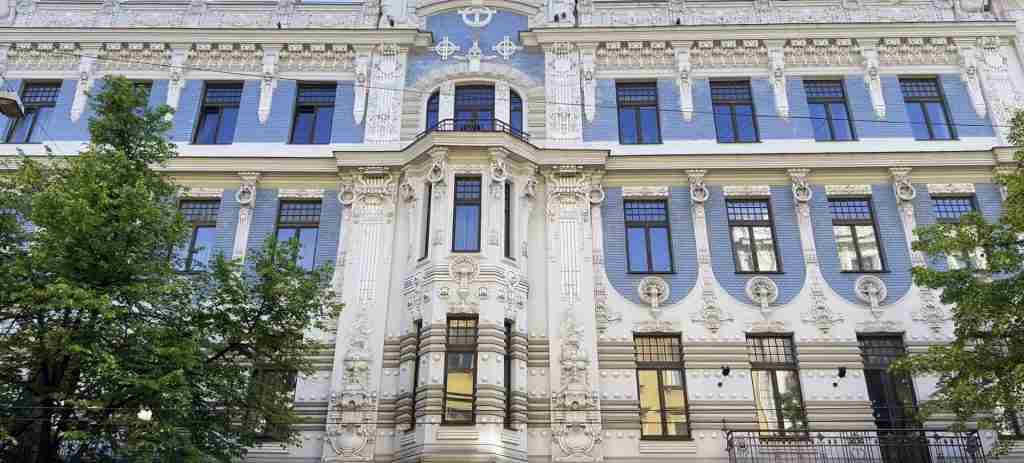
- Art Nouveau Capital Status: Alberta iela and surrounding streets showcase globally unmatched Jugendstil architecture designed by Mikhail Eisenstein and contemporaries—ornate facades featuring mythological figures, floral motifs, and dramatic sculptural details best viewed on specialized walking tours
- Strategic Baltic Hub Position: Located equidistant between Tallinn (4.5 hours north) and Vilnius (4 hours south) with excellent bus connections plus proximity to Jūrmala beach resort (25 minutes), Sigulda castles (1 hour), and Gauja National Park (1.5 hours) for diverse day trip options
- Year-Round Appeal with Seasonal Advantages: Summer (June-August) brings festivals and 18-hour daylight but higher prices and crowds, while shoulder seasons (April-May, September-October) offer 20-30% accommodation savings, manageable visitor numbers, and comfortable 12-18°C temperatures ideal for extended walking tours of architectural districts
People Also Ask About Riga Travel 2026
How much does a trip to Riga cost in 2026?
Daily costs in Riga for 2026 range €90-140 per person for mid-range travel. Budget travelers spending €55-75 daily can stay in quality hostels (€20-30), eat at local restaurants like Lido (€7-12 meals), and use public transport (€1.50 per ride, check official Rīgas satiksme rates). Mid-range travelers (€110-150 daily) access comfortable 3-4 star hotels (€58-73 based on current booking data), dine at recommended restaurants (€20-30 per meal), and visit major museums (€5-12 entry, verify current rates). Luxury travelers spending €200+ enjoy boutique hotels (€113+), fine dining experiences, and private guided tours. A 3-day mid-range trip costs approximately €330-450 per person excluding flights, while budget-conscious visitors manage €165-225 for the same duration. The Riga Pass (pricing varies by duration—verify current official rates) bundles transportation and museum entries providing savings for attraction-intensive itineraries.
Is Riga worth visiting in 2026?
Riga absolutely merits a 2026 visit for its unique combination of Art Nouveau architectural supremacy, well-preserved Hanseatic heritage, and exceptional value proposition. The UNESCO World Heritage Historic Centre showcases medieval trading prosperity through Gothic churches, merchant guild halls, and defensive structures, while the Central District displays Europe’s most concentrated Art Nouveau collection—over 800 buildings featuring ornate facades unmatched globally. Beyond architecture, Riga offers innovative Nordic-Baltic cuisine, world-class museums including the Latvian National Museum of Art (€12 entry, check current official rates) and thought-provoking KGB Building Museum (€15 guided tours, verify current pricing), plus vibrant cultural scene with opera, concerts, and festivals. The compact walkable layout allows comprehensive 3-4 day exploration, while proximity to Jūrmala beaches, Gauja National Park castles, and excellent regional bus connections enable diverse experiences. Compared to similarly sized European capitals, Riga delivers 30-40% cost savings while maintaining quality standards, making it ideal for travelers seeking cultural richness without premium Western European prices.
What are the top 5 must-see attractions in Riga for 2026?
Riga’s essential 2026 attractions include: (1) Alberta iela Art Nouveau district featuring Mikhail Eisenstein’s ornate facades with mythological sculptures, floral motifs, and dramatic architectural details—best experienced via specialized walking tours or self-guided exploration; (2) Old Town with Riga Cathedral (Latvia’s largest medieval church), St. Peter’s Church tower offering panoramic views (€9 entry, verify current official rates), House of Blackheads reconstructed Renaissance guildhall, and Town Hall Square; (3) Riga Central Market occupying five former Zeppelin hangars with 3,000+ vendors selling produce, fish, meats, and prepared foods—Europe’s largest market and authentic local experience; (4) KGB Building “Corner House” offering guided tours (€15, check current rates) through interrogation rooms, cells, and exhibits documenting Soviet occupation; (5) Latvian National Museum of Art housing 19th-20th century Baltic art in grand purpose-built gallery (€12 entry, verify current pricing). Additional highlights include Latvian Ethnographic Open-Air Museum preserving rural architecture, Freedom Monument symbolizing independence, and riverside Art Nouveau buildings along Elizabetes iela.
How many days do you need in Riga in 2026?
Three to four days provides optimal time to experience Riga comprehensively in 2026. Day 1 explores Old Town including medieval churches, guild halls, Town Hall Square, and defensive Powder Tower (6-8 hours walking). Day 2 focuses on Art Nouveau architecture via Alberta iela, Elizabetes iela, and Strēlnieku iela districts, plus Latvian National Museum of Art (€12 entry, check official rates) or KGB Building tour (€15, verify current pricing)—full day. Day 3 visits Riga Central Market for local atmosphere, Latvian Ethnographic Open-Air Museum showcasing traditional rural life (€6 entry, verify rates), and riverside walk or Mežaparks forest park (full day). Day 4 allows Jūrmala beach resort day trip (25 minutes by train, €3-5 return), Sigulda castles and Gauja National Park excursion (1 hour by bus), or deeper Old Town discovery including lesser-known museums and artisan workshops. Weekend visitors (2 days) can cover essential Old Town plus one specialized focus (Art Nouveau or Central Market/Ethnographic Museum). Five days enable relaxed pace plus multiple day trips. The walkable city center and efficient public transport support both intensive short visits and leisurely extended explorations.
Extended multi-day tours – 5+ days
Featured Riga Multi-Day Tour Packages
3 days
Riga 3-Day Discovery Tour
- ✓ Comprehensive Riga experience
- ✓ Expert local guides included
- ✓ All accommodation included
- ✓ Transportation provided
5 days
Riga 5-Day Highlights Experience
- ✓ Comprehensive Riga experience
- ✓ Expert local guides included
- ✓ All accommodation included
- ✓ Transportation provided
7 days
Riga 7-Day Cultural Journey
- ✓ Comprehensive Riga experience
- ✓ Expert local guides included
- ✓ All accommodation included
- ✓ Transportation provided
10 days
Riga 10-Day Complete Adventure
- ✓ Comprehensive Riga experience
- ✓ Expert local guides included
- ✓ All accommodation included
- ✓ Transportation provided
Multi-day tour packages powered by TourRadar. Prices and availability subject to change.
Introduction: Discovering Riga in 2026
Riga occupies a distinctive position among European capitals—simultaneously intimate enough for comprehensive exploration within days yet architecturally significant enough to warrant repeated visits. The Latvian capital, strategically positioned on the Baltic Sea coast where the Daugava River meets the Gulf of Riga, achieved UNESCO World Heritage recognition in 1997 for its Historic Centre’s exceptional preservation of Hanseatic trading architecture and unparalleled Art Nouveau concentration. Unlike cities where medieval quarters feel museumified, Riga’s Old Town maintains authentic urban vitality—locals shop at the 13th-century Riga Cathedral vicinity, international businesses occupy restored 19th-century buildings, and traditional Latvian restaurants neighbor contemporary Nordic-Baltic fusion establishments, creating living heritage rather than preserved artifact.
Planning your 2026 Riga visit reveals compelling advantages. As Latvia’s economic and cultural hub—home to nearly one-third of the country’s 1.9 million population—Riga provides sophisticated infrastructure including excellent public transportation (trams, trolleybuses, buses operating 5:30 AM-midnight with €1.50 single tickets), widespread English proficiency particularly among service industry workers and younger generations, and comprehensive tourist services from guided tours to accommodation booking platforms. The compact urban layout concentrates UNESCO-listed medieval core, Art Nouveau residential districts, major museums, and Central Market within 3 square kilometers, enabling exploration primarily on foot with occasional public transport for outlying attractions like Latvian Ethnographic Open-Air Museum or Mežaparks forest park.
What distinguishes Riga in 2026 is the value-quality equation. While Scandinavian capitals (Stockholm, Copenhagen, Oslo) and Western European counterparts (Amsterdam, Paris, Vienna) command premium prices for accommodation, dining, and cultural attractions, Riga delivers comparable quality experiences at 30-50% lower costs. Mid-range hotels offering modern amenities, excellent breakfast buffets, and Old Town proximity cost €58-73 nightly—prices matching hostel dormitories in Oslo or Amsterdam. Restaurant meals featuring locally sourced ingredients, creative presentation, and attentive service range €15-25 for mains compared to €25-40 typical in Nordic countries. Museum entries averaging €5-12 provide access to world-class collections—the Latvian National Museum of Art’s 19th-20th century Baltic masterworks cost €12 (verify current official rates) versus €15-20 for equivalent European institutions.
The seasonal dynamics of 2026 present strategic planning opportunities. Summer (June-August) attracts peak visitors with 16-18 hour daylight, outdoor festivals including Riga City Festival and Opera Festival, and comfortable 18-24°C temperatures ideal for exploring Art Nouveau districts and riverside promenades. However, this popularity drives accommodation prices 35-50% above baseline and creates Old Town congestion particularly July-August. Shoulder seasons (April-May, September-October) offer the optimal balance: manageable 12-18°C weather supporting comfortable walking tours, 20-30% accommodation savings, vibrant spring blossoms or autumn colors enhancing architectural photography, and authentic local atmosphere as tourism intensity moderates. Winter (November-March) transforms Riga into Baltic winter wonderland with Christmas markets rated among Europe’s most authentic, though -3 to -8°C temperatures, 7-8 hour daylight periods December-January, and potential snow require appropriate clothing and flexible itineraries.
This comprehensive guide equips you to maximize your Riga experience in 2026. Whether you’re an architecture enthusiast drawn to Jugendstil masterpieces, history buff exploring Hanseatic trading legacy and Soviet occupation museums, culinary traveler discovering Latvian cuisine’s evolution from traditional to contemporary Nordic-Baltic fusion, or budget-conscious explorer seeking affordable yet sophisticated European destination, Riga accommodates diverse interests and travel styles. The following sections detail everything from essential planning and budget management to neighborhood-specific recommendations and day trip options, ensuring your Baltic capital adventure delivers memorable experiences while respecting your budget parameters.
Essential Planning Information for Riga 2026
Visa Requirements & Entry for 2026
Latvia’s European Union and Schengen Area membership simplifies entry for most international visitors in 2026. EU/EEA/Swiss citizens require only valid national ID cards or passports for unlimited stays without visas. Citizens of 60+ countries including USA, Canada, Australia, Japan, New Zealand, and UK (post-Brexit) enjoy visa-free entry for tourism stays up to 90 days within any 180-day period under Schengen regulations. Travelers requiring Schengen visas should apply at Latvian embassies or consulates 15 days to 6 months before intended travel. The European Travel Information and Authorization System (ETIAS), expected to launch in 2025-2026, will require pre-travel online registration (€7 fee, valid 3 years) for visa-exempt nationals visiting Schengen countries including Latvia—check official ETIAS website for implementation status before 2026 travel.
Best Time to Visit Riga in 2026
Riga rewards visitors year-round though each season offers distinct advantages and considerations. Summer (June-August) delivers peak travel conditions: temperatures reach 18-24°C, daylight extends to 16-18 hours enabling extensive exploration, outdoor cafes activate Town Hall Square and Līvu Square, riverside promenades buzz with activity, and cultural calendar fills with Riga City Festival, Latvian Song and Dance Festival (quinquennial event—check 2026 schedule), and Opera Festival. However, this appeal commands premium accommodation (€80-110 for mid-range hotels), requires 6-8 week advance bookings, and creates Old Town pedestrian congestion particularly July-August peak weeks.
Shoulder seasons (April-May, September-October) emerge as optimal visiting windows. Spring brings 12-16°C temperatures supporting comfortable walking, hotel rates at standard levels (€58-73 mid-range), manageable tourist numbers allowing unhurried museum visits and photography, and lengthening daylight reaching 15-16 hours by May. Cherry blossoms transform Bastion Hill and Esplanade parks by late April. Autumn presents similar advantages: moderate 12-18°C weather, 20-30% accommodation discounts versus summer, vivid fall colors enhancing Art Nouveau architectural photography, and cultural season beginning with opera premieres, concert series, and exhibition openings. September particularly excels with lingering summer warmth, local life resuming post-vacation rhythms, and 13-14 hour daylight windows.
Winter (November-March) attracts specific audiences despite challenges. Riga’s Christmas markets (late November through early January) showcase authentic Baltic traditions with craft stalls, traditional foods like gingerbread and smoked fish, mulled wine, and medieval Old Town backdrop creating atmospheric experience rated among Europe’s finest. However, -3 to -8°C temperatures (occasionally -15°C during cold snaps), 7-8 hour daylight December-January, and frequent snow/slush require insulated waterproof clothing, waterproof boots with good traction, and acceptance of limited outdoor time. January-March offer lowest accommodation rates (40-50% below summer) but minimal appeal beyond winter sports enthusiasts visiting nearby Sigulda or budget travelers prioritizing savings over weather.
Currency & Payment Systems 2026
Latvia adopted the euro (EUR/€) in 2014, eliminating currency exchange complexities for eurozone visitors. ATMs providing competitive exchange rates operate extensively throughout Riga, with Swedbank, SEB, and Luminor machines accepting major international cards—verify your bank’s foreign transaction fees before travel. Credit and debit cards enjoy near-universal acceptance in hotels, restaurants, museums, shops, and even small vendors, though some traditional Central Market stalls and tiny neighborhood shops prefer cash. Contactless payment limits typically €50—larger purchases require PIN entry. Tipping customs follow moderate patterns: restaurants appreciate 10% for good service (sometimes added automatically for groups 6+), while taxi drivers, hotel staff, and tour guides welcome small tips though expectations remain modest compared to North American standards.
Language & Communication
Latvian serves as the official language, belonging to the Baltic language family alongside Lithuanian—unrelated to Slavic, Germanic, or Romance groups. However, communication challenges remain minimal for English speakers. Riga’s tourism infrastructure, international business community, and younger demographics ensure widespread English proficiency. Hotels, restaurants, museums, and shops operate comfortably in English with menus, signage, and information materials routinely available. Russian remains understood by many older residents due to Soviet-era legacy, while German recognition exists among some demographics. Free public WiFi covers Old Town, major streets, shopping centers, and cultural venues, enabling instant translation apps, mapping, and research. Most museums provide English audio guides or descriptive materials.
Safety & Health Considerations 2026
Riga maintains excellent safety standards comparable to Western European capitals. Violent crime remains rare, with petty theft (pickpocketing in crowded Old Town areas, Central Market, public transport) representing primary visitor concern. Standard precautions—securing valuables, avoiding excessive cash carrying, remaining alert in busy zones, and using hotel safes—suffice. Emergency services (112 universal number) respond professionally with English-speaking operators. Healthcare quality meets EU standards with modern hospitals and clinics. EU citizens should carry European Health Insurance Cards (EHIC) for basic coverage, while non-EU visitors need comprehensive travel insurance covering medical emergencies.
Tap water quality in Riga meets EU safety standards and is potable, though some visitors prefer bottled water due to taste preferences from older building pipes. No vaccinations beyond routine immunizations are required. Winter weather presents the main health consideration—icy sidewalks require appropriate footwear with good traction, while sub-zero temperatures demand layered clothing, warm accessories (hat, gloves, scarf), and awareness of frostbite risk during extended outdoor exposure. Pharmacies (aptieka) operate extensively with knowledgeable staff often speaking English.
Transportation Guide: Getting to and Around Riga 2026
Reaching Riga in 2026
Riga International Airport (RIX) serves as the Baltic region’s primary aviation hub, located 10 kilometers southwest of city center. The airport handles direct flights from major European cities including London, Paris, Frankfurt, Amsterdam, Stockholm, Copenhagen, Berlin, Warsaw, and Vienna via traditional carriers (Lufthansa, LOT, SAS, Finnair) and budget airlines (Ryanair, Wizz Air). From North America, connections typically route through European hubs. Airport-to-city transport options include: Bus 22 reaching city center in 25-30 minutes for €2 (€1.50 standard fare plus €0.50 baggage surcharge, verify current Rīgas satiksme official rates); taxis costing €15-20 for 15-20 minute journey; and Bolt ride-sharing offering €12-18 similar service with transparent app-based pricing.
International bus connections link Riga to Tallinn (4.5 hours, €15-25 Lux Express/Ecolines), Vilnius (4 hours, €15-22), Warsaw (11 hours overnight, €30-45), and St. Petersburg (10 hours, €25-40—check current visa requirements). Modern coaches feature WiFi, power outlets, and reclining seats. Buses depart from Riga International Bus Station (Prāgas iela 1, adjacent to Central Market). Rail connections remain limited internationally—trains serve Moscow and St. Petersburg but journey times exceed buses. Ferry service to Stockholm operates seasonally (16-18 hours overnight) via Tallink Silja with cabin accommodations, onboard restaurants, and entertainment.
Public Transportation System 2026
Riga’s comprehensive public transport network operated by Rīgas satiksme combines trams, trolleybuses, and buses covering the entire city efficiently. Single tickets cost €1.50 (check official rates for any updates) valid for all three modes. Tickets can be purchased: from drivers (exact change helpful though not required), at vending machines located major stops and stations, via mobile app enabling contactless validation, or as multi-ride e-tickets providing slight discounts. Validate tickets immediately upon boarding—inspectors conduct regular checks with €40-50 fines for violations.
Trams represent the most useful mode for tourists. Line 11 connects Central Market, Old Town vicinity, and Mežaparks forest park. Lines 5 and 10 serve Central District including Art Nouveau streets. Trams operate 5:30 AM-midnight daily with 5-10 minute frequencies peak hours, 10-15 minutes evenings/weekends. Trolleybuses and buses fill coverage gaps reaching suburbs and outlying attractions. Route planning apps (Google Maps, Moovit) integrate real-time schedules and connections. Digital displays at stops show arrival times accurately.
Multi-day visitors can purchase 24-hour (€5), 3-day (€10), or 5-day (€15) passes (verify current official Rīgas satiksme pricing) offering unlimited rides—cost-effective for 4+ daily journeys. The Riga Pass (separate tourist card) bundles attractions and transport; calculate whether your itinerary justifies the investment versus à la carte tickets and entries.
Taxis & Ride-Sharing 2026
Licensed taxis operate throughout Riga with metered fares. Base rate starts €2.50-3.00 with €0.90-1.00 per kilometer, making typical city center rides €6-12. Major companies include Rīgas taksometru parks and Red Cab Taxi. However, Bolt app dominates ride-sharing with extensive driver availability, transparent upfront pricing (often 10-20% below traditional taxis), and multiple vehicle categories. Uber operates limitedly compared to Bolt. Ride-sharing proves especially valuable for airport transfers, late-night transport after tram/bus service ends, or reaching attractions beyond public transport routes like Latvian Ethnographic Open-Air Museum.
Cycling & Walking 2026
Riga’s relatively flat terrain and compact core favor walking and cycling. Old Town’s cobblestone streets and pedestrian zones require comfortable footwear but enable comprehensive exploration on foot. The 6-kilometer riverside promenade from Akmens Bridge to Andrejsala offers scenic walking/cycling route with parks, cafes, and river views. Bike rental shops operate Old Town and Central District (€10-15 daily, verify current rates). The city maintains expanding network of bike lanes connecting major districts, though Old Town’s narrow medieval streets limit cycling. Shared e-scooters (Bolt) provide alternatives for medium-distance travel within city center.
Accommodation Strategies for Riga 2026
Neighborhood Selection Guide
Old Town (Vecrīga) delivers prime location for first-time visitors, placing medieval attractions, Art Nouveau access, restaurants, and atmospheric cobblestone streets immediately accessible. However, this convenience commands premium rates (€70-110 mid-range hotels summer 2026 based on current booking trends) and can feel overtouristy with daytime crowds. Hotels occupy converted historical buildings offering authentic character though rooms may be smaller with period quirks. Book Old Town accommodation 8-12 weeks ahead for summer, 4-6 weeks shoulder seasons.
Central District (Centrs), immediately surrounding Old Town, balances convenience and value. This area encompasses Art Nouveau masterpieces along Alberta iela, Elizabetes iela, and Strēlnieku iela, plus shopping streets, parks, and business district. Hotels (€58-85 based on current data) provide modern amenities, professional service, and 10-15 minute walks to Old Town. The neighborhood attracts business travelers weekdays, creating potential weekend deals. Tram lines 5, 10, 11 connect efficiently.
Mežaparks (Forest Park), 4 kilometers north, offers green residential setting near Riga Zoo, Song Festival Grounds, and extensive park. Hotels and guesthouses (€45-70) appeal to travelers prioritizing nature access and quiet atmosphere over nightlife proximity. Tram 11 reaches Old Town in 15-20 minutes. This choice suits families, longer stays, and visitors valuing peaceful environment.
Quiet Centre (Klusais centrs), Art Nouveau residential district between Old Town and Mežaparks, provides elegant tree-lined streets, well-preserved architecture, and local neighborhood feel. Smaller hotels and apartments (€50-80) attract architecture enthusiasts and visitors seeking authentic residential atmosphere. Walking to Old Town takes 20 minutes or tram 5/10 covers distance in 10 minutes.
Budget Accommodation Options 2026
Hostels concentrate in Old Town and Central District, offering dorm beds €18-28 and private rooms €40-60 based on current rates. Cinnamon Sally Backpackers Hostel, Riga Hostel, and Central Hostel provide social atmospheres, communal kitchens, organized walking tours, and international traveler community. Many occupy character buildings adding charm. Book directly for best rates and check cancellation policies.
Budget hotels (€35-55) like Ibis Riga Centre, Wellton Riga Hotel & Spa (basic rooms), and Aston Hotel Riga deliver clean, functional rooms with private bathrooms near Old Town or Central District. Amenities remain minimal—no restaurants, limited services—but locations prove excellent for self-sufficient travelers. These properties often sell out 6-8 weeks ahead summer, less shoulder seasons.
Apartment rentals (€45-75 studios, €70-100 one-bedrooms) provide value for couples or small groups staying 3+ nights. Booking.com, Airbnb, and local agencies list extensive options. Apartments offer kitchens enabling grocery shopping economies—Rimi, Maxima, and Sky supermarkets sell ingredients at local prices. However, verify locations carefully as some “Old Town” listings actually occupy peripheral areas requiring transport.
Mid-Range Hotels 2026
Three-star hotels (€58-73 based on current booking data) dominate Riga’s mid-range segment. Wellton Centrum Hotel & Spa, Park Inn by Radisson Riga Valdemara, and Bellevue Park Hotel Riga provide modern rooms, breakfast buffets, wellness facilities (many include saunas), and professional service within walking distance of Old Town or along tram routes. These properties target business and leisure travelers seeking comfort without luxury pricing. Book 6-10 weeks ahead summer, 4-6 weeks other seasons.
Boutique hotels (€75-110) occupy converted 19th-century buildings or renovated Art Nouveau structures. Neiburgs Hotel overlooking Dome Square, Hotel Roma, and Grand Poet Hotel blend period architecture with contemporary design. Rooms vary in size due to building constraints, but atmospheric details—original staircases, decorative moldings, period windows—create memorable stays. Breakfast quality often exceeds chain hotels. These properties fill quickly; reserve 10-14 weeks ahead peak periods.
Luxury Accommodation 2026
Four-five star hotels (€113-180 based on current rates) deliver premium experiences. Grand Palace Hotel, Pullman Riga Old Town, and Radisson Blu Latvija Conference & Spa Hotel offer elegant rooms, fine dining restaurants, spas, and attentive service. Business facilities, central locations, and full amenities justify premium rates for special occasions or luxury travelers. However, Riga’s compact size and walkability mean expensive hotels don’t necessarily improve attraction access compared to well-located mid-range options—evaluate whether amenities justify cost differential.
Booking Strategies & Money-Saving Tips 2026
Book directly with hotels when possible—many offer lowest rate guarantees, flexible cancellation policies, and loyalty benefits unavailable through third-party sites. Compare Booking.com, Hotels.com, and hotel websites; prices occasionally vary despite rate parity agreements. Sunday-Thursday nights cost 15-25% less than weekends in business-oriented hotels—structure stays accordingly. Extended stays (5+ nights) sometimes qualify for discounts—always inquire directly.
Consider Central District or Quiet Centre neighborhoods versus Old Town proper. Savings of €15-30 nightly offset 10-15 minute walks or brief tram rides. Apartment rentals beat hotel rates for 3+ night stays when factoring grocery shopping savings. Last-minute deals appear on booking apps for unsold inventory, though this strategy risks limited availability June-August and during major events.
Budget Breakdown & Daily Costs for 2026
Budget Travel (€55-75 Daily)
Accommodation: Hostel dorm €22-28 or shared budget hotel room €35-45 (per person double occupancy)
Meals: Breakfast at hostel or cafe €4-7, lunch at Lido or local spot €7-10, dinner at budget restaurant €10-14, snacks/coffee €5-8. Daily total €26-39
Transportation: Walking primarily, 2-3 public transport rides €3-5
Attractions: One free site (Old Town streets, Freedom Monument, markets exterior) plus one paid attraction €5-8
Daily miscellaneous: €5-10
Budget strategies include staying in hostels with kitchen access enabling self-catered breakfasts, eating at Lido (Latvian buffet chain offering €7-10 substantial meals), taking advantage of free architectural walking around Art Nouveau districts, using public transport versus taxis, visiting free attractions like Central Market exterior and Powder Tower exterior, and purchasing Riga Pass only if visiting 4+ paid attractions justifies cost.
Mid-Range Travel (€110-150 Daily)
Accommodation: Mid-range hotel €58-73 per person (double occupancy)
Meals: Hotel breakfast included, lunch at restaurant €12-18, dinner at quality restaurant €18-28, coffee/pastries €6-10. Daily total €36-56
Transportation: Public transport day pass €5 or 3-4 single rides €5-6
Attractions: 2-3 paid sites (Latvian National Museum €12, KGB Building €15, St. Peter’s tower €9—verify all current official rates), totaling €25-40
Daily miscellaneous: €15-25
Mid-range travelers stay in comfortable 3-4 star hotels with breakfast, dine at recommended restaurants including contemporary Latvian cuisine venues, visit major museums and attractions without budget constraints, occasionally use Bolt ride-sharing (€8-15 rides), and purchase quality souvenirs moderately. Riga Pass may provide value depending on specific itinerary.
Luxury Travel (€200+ Daily)
Accommodation: 4-5 star hotel €100-150 per person (double occupancy)
Meals: Hotel breakfast included, lunch at upscale restaurant €25-40, dinner at fine dining establishment €40-70, wine/cocktails €15-30. Daily total €80-140
Transportation: Taxi/Bolt rides €20-35 daily
Attractions: Premium guided tours €50-100, museum entries €20-35
Daily miscellaneous: €30-60
Luxury travelers book 5-star hotels, dine at Vincents, Restaurant 3, or Bibliotēka No1 (Michelin recognition level), arrange private guides (€120-200 half-day), and purchase premium Latvian design souvenirs. This segment easily spends €250-400 daily combining top accommodation, fine dining, and exclusive experiences.
Sample Day Costs by Travel Style 2026
Budget Day Sample:
Hostel dorm €25, breakfast at cafe €5, lunch at Lido €9, coffee €3, dinner at local restaurant €12, public transport day pass €5, St. Peter’s Church tower €9 (verify current rates), ice cream €3. Total: €71 (excluding accommodation: €46)
Mid-Range Day Sample:
Hotel room €65, hotel breakfast included, lunch at Folkklubs Ala Pagrabs €16, coffee at MiiT Coffee €4, dinner at Kolonāde €24, public transport rides €3, Latvian National Museum of Art €12 (check current rates), KGB Building tour €15 (verify pricing), souvenir €12. Total: €136 (excluding accommodation: €71)
Luxury Day Sample:
Five-star hotel €140, hotel breakfast included, private Art Nouveau walking tour €80, lunch at Restaurant 3 €35, afternoon spa treatment €50, cocktails at Skyline Bar €20, dinner at Vincents €70, taxis €25, designer purchase €60. Total: €340 (excluding accommodation: €200)
Top Attractions & Must-See Sites in Riga 2026
Historic Centre (Old Town/Vecrīga) – UNESCO World Heritage Site
Riga’s medieval Old Town, inscribed on the UNESCO World Heritage List in 1997, preserves exceptional Hanseatic trading architecture spanning 13th-16th centuries. The compact area requires 6-8 hours minimum exploration, though multiple days reward deeper discovery of churches, museums, hidden courtyards, and specialty shops. Town Hall Square (Rātslaukums) anchors the district. The reconstructed House of Blackheads, originally built 1334 for unmarried German merchants, displays ornate Dutch Renaissance facade with astronomical clock and St. George statue. Entry €10 adults (verify current official rates) includes ornately decorated halls and historical exhibitions. The square hosts summer concerts, Christmas markets, and New Year’s celebrations.
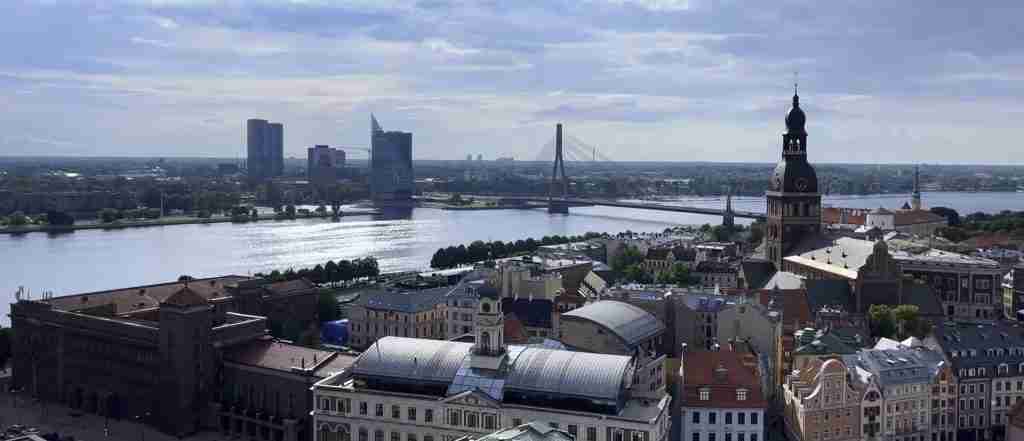
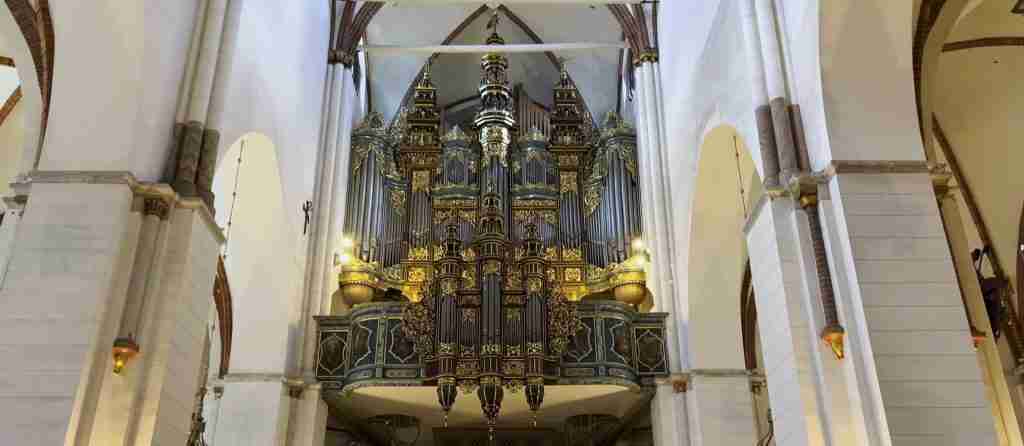
Riga Cathedral (Rīgas Doms), founded 1211, ranks as the Baltic region’s largest medieval church. The massive structure combines Romanesque, Gothic, and Baroque elements from centuries of construction and reconstruction. The interior houses one of world’s largest pipe organs (6,768 pipes) featured in regular concerts—check performance schedule and ticket prices. Cathedral entry €5 (verify current rates); organ concert tickets €10-25 depending on performance. St. Peter’s Church observation deck (72 meters high) offers 360-degree Old Town panoramas accessible via elevator. Entry €9 adults (check current official pricing). Open Tuesday-Sunday 10 AM-7 PM summer, reduced winter hours.
The Three Brothers, Riga’s oldest residential building complex dating to 15th-17th centuries, showcases medieval merchant house evolution across three centuries. The trio occupies Mazā Pils iela 17-21 with distinctive facades representing different architectural periods. Free exterior viewing; Latvian Museum of Architecture occupies premises with exhibitions (€3-5 entry, verify rates). Powder Tower (Pulvertornis), sole surviving defensive tower from original 18th fortifications, houses Latvian War Museum with extensive military history collections—free admission, donations appreciated.
Art Nouveau Architecture District
Riga’s Central District contains the world’s highest concentration of Jugendstil (Art Nouveau) buildings—over 800 structures representing 40% of city center architecture. Alberta iela (Albert Street) showcases the finest examples designed by Mikhail Eisenstein between 1901-1908. Buildings at numbers 2, 2a, 4, 6, 8, and 13 display characteristic ornate facades featuring mythological figures, elaborate floral motifs, dramatic masks, sculptural ornaments, and dynamic asymmetrical compositions. Free exterior viewing creates outstanding photography opportunities—optimal light morning 8-11 AM or evening 6-8 PM. Guided Art Nouveau walking tours (€15-25, verify current operator pricing) provide architectural context and access to select building interiors.
Elizabetes iela presents equally impressive examples with buildings 10a and 10b (designed by Eisenstein) featuring distinctive turrets, elaborate decorative programs, and bold color schemes. Strēlnieku iela showcases National Romantic style blending Latvian folk motifs with Art Nouveau aesthetics. The Riga Art Nouveau Museum (Alberta iela 12) occupies restored apartment designed by Konstantīns Pēkšēns, presenting authentic period interiors, decorative arts, and architectural models. Entry €9 adults (check current official rates), €5 students. Open Tuesday-Sunday 10 AM-6 PM.
Museums & Cultural Attractions 2026
Latvian National Museum of Art (LNMM, Jaņa Rozentāla laukums 1) exhibits Latvian art from mid-18th century to present in purpose-built 1905 edifice. Collections span painting, sculpture, and decorative arts highlighting Latvian National Romanticism, Social Realism period, and contemporary works. Entry €12 adults (verify current official pricing), €5 students. Allow 2-3 hours comprehensive visit. Open Wednesday-Monday 10 AM-6 PM (Thursday until 8 PM). The Great Guild Hall extension nearby houses rotating international exhibitions requiring separate admission.
KGB Building “Corner House” (Brīvības iela 61) operated as Soviet secret police headquarters 1940-1991, conducting interrogations, imprisonment, and executions during Latvia’s occupation. Guided tours (€15 per person, verify current rates—booking required) access preserved cells, interrogation rooms, and exhibits documenting repression. Tours conducted English and Latvian; minimum age 12. Duration 1.5 hours. Emotionally intense content not suitable all visitors. Book 1-2 weeks ahead via official website.
Museum of the Occupation of Latvia (Latvijas Okupācijas muzejs, Latviešu strēlnieku laukums 1) chronicles Latvia’s experience under Soviet and Nazi occupations 1940-1991 through photographs, documents, personal testimonies, and artifacts. Multimedia presentations provide context for Latvia’s independence movements and restoration. Entry free, donations appreciated. Open daily 11 AM-6 PM. Allow 1.5-2 hours. Heavy historical content; consider visitor stamina and interests.
Riga Central Market (Rīgas Centrāltirgus)
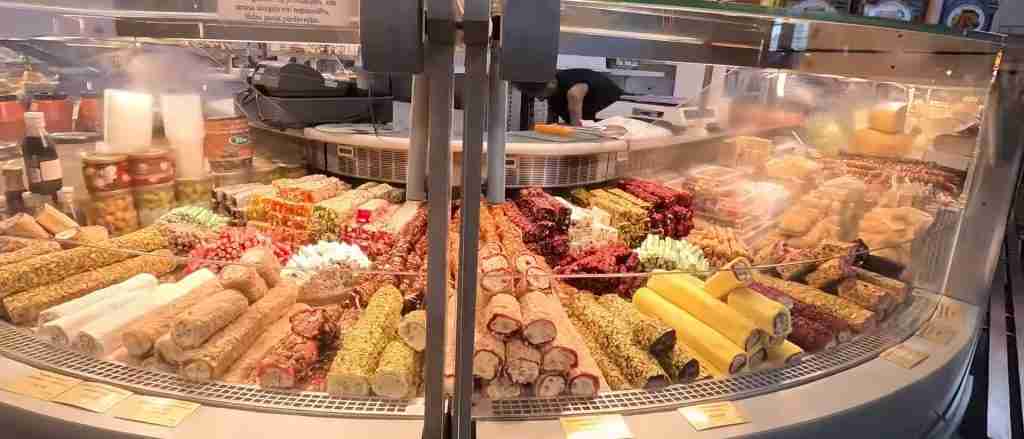
Europe’s largest market occupies five former Zeppelin hangars constructed 1924-1930, creating architecturally distinctive venue for 3,000+ vendors. Each pavilion specializes: Fish (smoked fish, caviar, fresh catches), Meat (sausages, local meats), Dairy (cheese, butter, traditional products), Vegetables (seasonal produce, mushrooms), and Gastronomy (prepared foods, baked goods, international foods). Surrounding outdoor stalls sell flowers, clothing, household items. Open Monday-Saturday 7 AM-6 PM, Sunday 8 AM-5 PM. Free entry; individual purchases vary wildly. Allow 1-2 hours. Excellent for authentic local atmosphere, traditional food sampling (black bread, smoked sprats, cottage cheese), and photography. Popular lunch option at prepared food stalls (€3-8 meals).
Freedom Monument (Brīvības piemineklis)
Latvia’s symbolic focal point stands 42 meters tall at the intersection of Old Town and Central District. Erected 1935, the monument features Liberty figure holding three stars representing Latvia’s historical regions (Kurzeme, Vidzeme, Latgale). Bas-reliefs depict Latvian history and culture. Guards conduct changing ceremony hourly 9 AM-6 PM. Free viewing from surrounding park—popular photo opportunity and orientation landmark. The monument survived Soviet occupation attempts at removal due to its symbolic importance to Latvian identity.
Neighborhood Guides & Local Experiences 2026
Mežaparks (Forest Park) District
This garden city neighborhood 4 kilometers north features early 20th-century wooden villas, extensive parks, Riga Zoo, and Song Festival Grounds (Latvian National Song and Dance Festival venue). The area offers quiet residential atmosphere, forest walks, and recreational spaces contrasting central Riga’s urban density. Riga Zoo houses 3,000+ animals across 20 hectares with modern naturalistic enclosures. Entry €8 adults, €5 children (verify current official rates). Open daily 10 AM-7 PM summer, 10 AM-5 PM winter. Mežaparks Great Bandstand hosts summer concerts—free access to park, ticketed events vary. Tram 11 from Old Town reaches neighborhood in 20 minutes.
Ķīpsala Island
This Daugava River island between Old Town and residential Left Bank transformed from industrial zone to residential-cultural district. Notable for television tower, yacht clubs, and riverside promenades. Latvian National Library (Nacionālā bibliotēka, Mūkusalas iela 3), completed 2014, presents striking contemporary architecture dubbed “Castle of Light.” Free entry to public areas and reading rooms; ID required. Special collection viewing requires appointment. Open Monday-Saturday 9 AM-8 PM. The island’s waterfront paths offer Old Town skyline photography perspectives inaccessible from city center.
Andrejsala Creative District
Former port warehouses converted to creative industries cluster featuring design studios, galleries, restaurants, and event spaces. Andrejosta Inlet waterfront creates industrial-chic setting for contemporary culture. Kalnciema Quarter wooden architecture market operates Saturdays showcasing crafts, organic foods, design objects, and street food (free entry, 10 AM-4 PM most Saturdays). ISSP Gallery presents contemporary photography and new media art—free admission. The district appeals to design-conscious travelers seeking alternatives to Old Town tourist zones.
Food & Dining Guide for Riga 2026
Traditional Latvian Cuisine
Latvian food emphasizes seasonal ingredients, preservation methods developed for harsh winters, and Baltic Sea resources. Grey peas with bacon (pelēkie zirņi ar speķi), considered national dish, combines tender split peas with crispy bacon and onions. Potato pancakes (kartupeļu pankūkas) serve as hearty staple. Black rye bread (rupjmaize), dense and slightly sweet, accompanies most meals—essential cultural element. Smoked fish including sprats (šprotes) and Baltic herring appear widely. Cold beetroot soup (aukstā biešu zupa) refreshes summer months.
Folkklubs Ala Pagrabs (Peldu iela 19) operates in massive medieval cellar serving traditional dishes, local beers, and live folk music nightly. Mains €12-18. Atmospheric setting popular with locals and tourists. Reservations recommended weekends. Open daily 12 PM-midnight. Lido (multiple locations including Krasta iela 76) provides buffet-style Latvian food cafeteria—heap plate with selections averaging €7-10 total. Huge portions, quick service, authentic local experience. No reservations; lines move quickly. Open daily 10 AM-10 PM.
Contemporary & Nordic-Baltic Restaurants 2026
Riga’s culinary scene evolved significantly past decade with chefs applying modern techniques to traditional ingredients and creating Nordic-Baltic fusion cuisine emphasizing seasonality, foraging, and innovative presentations.
Vincents (Elizabetes iela 19) represents Riga’s fine dining pinnacle with French-Latvian fusion, extensive wine cellar, and elegant townhouse setting. Three-course lunch €35, tasting menu €75 (verify current menu pricing). Michelin recognition though not starred. Reservations essential days-weeks ahead. Open Tuesday-Saturday lunch and dinner. Restaurant 3 (Kalēju iela 3) occupies historic grain warehouse creating industrial-elegant backdrop for seasonal Nordic-Baltic tasting menus (€45-65, check current rates). Focuses local ingredients, creative plating, natural wines. Reservations required. Open Wednesday-Saturday dinner only.
Bibliotēka No1 (Tērbatas iela 2/4) balances accessibility and quality with seasonal menu highlighting Latvian ingredients prepared using contemporary techniques. Mains €18-28. Extensive Latvian wine and spirits selection. Reservations recommended. Open Monday-Saturday 12 PM-11 PM. Kolonāde (Brīvības bulvāris 33) offers elegant Art Nouveau setting with updated traditional Latvian dishes and European classics. Mains €16-24. Popular business lunch (€12-15). Open daily 12 PM-11 PM.
Budget-Friendly Dining Options 2026
Lido (locations citywide) dominates budget dining—buffet-style Latvian food with generous portions €7-10 complete meals. Modern clean facilities, family-friendly, fast service. Cash and cards accepted. XL Pelmeni (Kalķu iela 7 and other locations) serves Russian-style dumplings (pelmeni) in huge portions €4-7. Basic but satisfying comfort food popular with students and budget travelers. Open daily 11 AM-11 PM most locations.
Rimi, Maxima, and Sky supermarkets offer grocery shopping for self-catering. Prepared food sections sell sandwiches, salads, hot meals €3-6. Central Market prepared food stalls provide authentic experience with Latvian specialties €3-8 portions. Street food vendors around Old Town and Central Market offer crepes, kebabs, pastries €2-5.
Cafes & Coffee Culture 2026
Riga’s specialty coffee scene expanded substantially recent years with third-wave shops serving quality espresso drinks €3-5. Miit Coffee (multiple locations) leads local coffee roasting and cafe operations—expertly prepared drinks, minimal modern interiors, knowledgeable baristas. Pastries and light food available. Open daily 8 AM-7 PM most locations.
Rocket Bean Roastery (Miera iela 29, Kalnciems iela 35) roasts beans on-site creating fresh coffee alongside breakfast and brunch offerings €6-12. Popular weekend brunch destination. Booking recommended Saturdays-Sundays. Black Magic Bar (Kalku iela 10) specializes in traditional Riga Black Balsam herbal liqueur creating cocktails and serving coffee alongside the historic bitter spirit. Atmospheric medieval cellar setting. Coffee €3, cocktails €7-10. Open daily 10 AM-midnight.
Shopping & Souvenirs in Riga 2026
Handicrafts & Latvian Design
Latvian handicrafts emphasize natural materials—linen, wool, ceramics, wood, leather, amber—and traditional patterns blended with contemporary design sensibilities. Galerija Istaba (Antonijas iela 12) showcases Latvian designer products including textiles, ceramics, jewelry, and home goods combining traditional craft techniques with modern aesthetics. Items range €15-200. Open Tuesday-Saturday 12 PM-7 PM.
Latvian Linen creates high-quality linen products—scarves, tablecloths, kitchen textiles, clothing—from locally grown flax using traditional and modern production. Flagship store Kaļķu iela 9. Items €20-150. Open Monday-Saturday 10 AM-7 PM. Amber jewelry shops concentrate in Old Town offering genuine Baltic amber pieces—verify authenticity certificates and avoid street vendors of questionable origin. Prices €25-500 depending on size and workmanship.
Food & Drink Products
Riga Black Balsam (Rīgas Melnais Balzams), traditional herbal bitter liqueur created 1700s, remains quintessential Latvian spirit. Available supermarkets and specialty shops €10-18 for 500ml (verify current retail pricing). Laima chocolates, produced in Riga since 1870, offer affordable sweet souvenirs €3-12 for boxes. Central Market vendors sell vacuum-packed smoked fish, honey, local cheeses suitable for travel. Prices vary; expect €8-20 for quality products.
Markets & Shopping Districts
Kalnciema Quarter wooden architecture market (Saturdays 10 AM-4 PM) features local artisans selling handcrafted items, organic produce, design objects, vintage goods. Free entry; item prices €5-100 typical range. Atmospheric setting in restored wooden buildings with food stalls and cafes. Berga Bazārs (Elizabetes iela 83/85) occupies restored 19th-century merchant quarter creating upscale shopping and dining complex. International and Latvian brands, restaurants, galleries. Open daily 10 AM-9 PM most shops.
Day Trips from Riga 2026
Jūrmala Beach Resort
Latvia’s premier beach town stretches 25 kilometers along Baltic Sea coast 25 minutes west of Riga by commuter train. Known for 33-kilometer white sand beach, wooden Art Nouveau dachas, spa resorts, and pine forests, Jūrmala offers seaside escape combining beach relaxation with architectural tourism. Main centers Majori and Dzintari feature pedestrian Jomas iela with restaurants, cafes, shops, and entertainment.
Trains depart Riga Central Station every 20-30 minutes 6 AM-midnight; journey takes 25-35 minutes depending on destination station. Tickets €3-5 return (verify current Passenger Train/commuter train rates). Major stops include Majori (main center), Dzintari, and Dubulti. Beach access free. Livu Aquapark (Viestura iela 24, Jūrmala) provides indoor water park alternative €15-20 entry (check current rates). Day trip possible but overnight stays in Jūrmala’s spa hotels offer fuller experience. Budget full day including transport, beach time, lunch (€12-18), and exploration.
Sigulda & Gauja National Park
Medieval castles, scenic Gauja River valley, and outdoor activities concentrate 50 kilometers northeast in Latvia’s “Switzerland.” Three castle ruins (Turaida, Sigulda, Krimulda) occupy strategic positions overlooking river valley. Turaida Museum Reserve (€8 entry, verify current rates) encompasses castle ruins, wooden church, sculpture park, and folk song garden. Gutmanis Cave, Baltic region’s largest, displays 18th-19th century visitor inscriptions. Adventure activities include bobsled track (€10-25 depending on season, check current pricing) and bungee jumping.
Buses depart Riga International Bus Station hourly 7 AM-8 PM; journey 1 hour, tickets €3-4 each way (verify current rates). Alternatively trains run to Sigulda 1.5 hours, €2-3 (check Passenger Train schedule). Organized tours from Riga cost €35-50 (verify tour operator pricing) including transport, guide, and castle entries. Self-guided day trip possible with good planning; overnight in Sigulda allows hiking, relaxed exploration. Budget €40-70 including transport, attraction entries, meals.
Rundāle Palace
Baroque masterpiece 80 kilometers south designed by Italian architect Francesco Bartolomeo Rastrelli (also created St. Petersburg’s Winter Palace) for Duke of Courland. The palace (1736-1768) features lavishly decorated state rooms, gold guilding, ornate stucco work, and painted ceilings. Formal French gardens surround the residence. Entry €12 adults (verify current official Rundāle Palace pricing), additional €8 for park access. Guided tours available. Allow 2-3 hours comprehensive visit.
Buses depart Riga International Bus Station 3-4 times daily to Bauska (nearest town), journey 1.5 hours, €4-5 (check current rates). From Bauska, taxi or seasonal shuttle to palace (7 kilometers). Organized tours from Riga €40-60 (verify tour operator rates) including transport, guide, entry. Full day trip. Combine with Bauska Castle visit same area. Budget €50-80 including transport, entries, meals.
Practical Tips & Insider Advice for Riga 2026
Money-Saving Strategies
The Riga Pass bundles transportation and museum entries—calculate whether your specific itinerary justifies the card versus à la carte tickets and admissions. Many attractions offer free entry one evening monthly or discounted student/senior rates—check individual museum websites for special programs. Walking covers most central Riga attractions without transport costs; public transport €1.50 single tickets beat taxis for budget travel.
Grocery shopping at Rimi, Maxima, Sky supermarkets reduces food costs 50-70% versus restaurant meals—even supplementing dining out with supermarket breakfasts and occasional lunch significantly lowers daily budgets. Central Market prepared foods provide authentic Latvian experience at €3-8 versus €12-18 restaurant equivalents. Many hotels include breakfast buffets offering substantial morning meals reducing lunch requirements.
Visit Art Nouveau districts as free self-guided walking tours—online resources and mobile apps provide architectural context without paid guide fees. Summer concerts and festivals offer free performances in parks and squares. Winter visits (January-March) cost 40-50% less accommodation but limit outdoor activities to cold-tolerant visitors.
What to Pack for Riga 2026
Summer (June-August): Light layers—T-shirts, light pants/skirts, light sweater or jacket for 14-16°C evenings, comfortable walking shoes for cobblestones and extended walking, rain jacket (occasional summer showers), sunglasses, sunscreen. Baltic proximity creates breeze-cooled climate feeling fresher than inland temperatures suggest.
Spring/Autumn (April-May, September-October): Medium layers—long sleeves, medium jacket or windbreaker, scarf, comfortable waterproof walking shoes, umbrella. Temperature range 8-18°C demands adaptability. April can see late snow; October brings first frosts. Layers enable adjustment as weather shifts.
Winter (November-March): Heavy cold-weather gear—thermal base layers, warm sweater, insulated waterproof winter coat, waterproof insulated boots with excellent traction (icy sidewalks standard), warm hat covering ears, insulated gloves, scarf. Temperatures -3 to -8°C typical with occasional -15°C cold snaps and wind chill intensifying cold. Indoor spaces well-heated; dress in removable layers. Hand warmers, lip balm, moisturizer combat dry cold air.
Year-round: Comfortable broken-in walking shoes essential—Old Town cobblestones and extensive walking punish new footwear. European power adapter (Type C/F). Reusable water bottle. Day backpack. Phone with offline maps downloaded.
Local Etiquette & Cultural Notes
Latvians value personal space, reserved demeanor, and directness in communication. Small talk remains minimal compared to Mediterranean or American norms—don’t interpret reserved behavior as unfriendly. Service staff provide efficient professional service without excessive chattiness. Restaurant tipping 10% appreciated for good service but not obligatory; round up taxi fares or add €1-2.
Photography generally permitted in public spaces though some museums restrict flash or charge photo fees (€2-5 typical)—always check signage. Churches may limit photography during services. Always ask permission before photographing individuals. Queue discipline matters—maintain orderly lines at attractions, transport, shops.
Language appreciation runs deep even among multilingual residents—attempting basic Latvian courtesies (Labdien/Hello, Paldies/Thank you, Lūdzu/Please) shows respect and often earns positive responses. However, tourism/hospitality sectors operate comfortably in English; language poses minimal practical barriers.
Emergency Contacts & Useful Numbers
Emergency services: 112 (universal number for police, ambulance, fire)
Tourist information: +371 6703 7900
Taxi: Bolt app (most reliable), Rīgas taksometru parks +371 8000 1010
Lost property: +371 6737 5656
Pharmacy information: +371 8001 0002 (24-hour advice)
Sample Itineraries for Riga 2026
Weekend Itinerary (2 Days)
Day 1: Arrive Riga, check accommodation (Old Town or Central District). Walk Old Town—Town Hall Square, House of Blackheads exterior, Riga Cathedral, St. Peter’s Church tower (€9, verify current rates), Three Brothers, medieval streets. Lunch at Folkklubs Ala Pagrabs (€12-18). Afternoon explore Powder Tower and city walls remnants, Freedom Monument, parks. Dinner at Lido experiencing traditional Latvian buffet (€10-14). Evening stroll lit Old Town. Daily cost: €65-95 per person excluding accommodation.
Day 2: Morning Art Nouveau walking tour Alberta iela and Elizabetes iela districts (self-guided or €15-25 paid tour, verify rates). Visit Riga Art Nouveau Museum (€9, check current pricing). Lunch at Kolonāde (€16-24). Afternoon Latvian National Museum of Art (€12 entry, verify current official rates) or Central Market immersion with food sampling. Coffee at Miit. Depart evening. Daily cost: €52-86 per person excluding accommodation.
Weekend total (excluding accommodation): €117-181 per person. Add accommodation €70-180 for 2 nights depending on category.
Extended Itinerary (4 Days)
Day 1: Arrive, Old Town exploration as above. €65-95 excluding accommodation.
Day 2: Morning Art Nouveau architecture districts. Afternoon Latvian National Museum of Art (€12, verify rates) and Great Guild exhibitions. Dinner at Restaurant 3 if booked ahead (€45-65 tasting menu, check current pricing) or Bibliotēka No1 (€18-28 mains). Daily cost: €75-142 per person excluding accommodation depending on dining choice.
Day 3: Jūrmala day trip—train (€3-5 return, verify current rates), beach time, Jomas iela exploration, lunch at seaside restaurant (€12-18). Return evening, light dinner or grocery meal. Daily cost: €25-45 per person excluding accommodation.
Day 4: Morning KGB Building tour (€15, verify rates—booking required). Central Market food exploration and purchases. Afternoon Latvian Ethnographic Open-Air Museum (€6 entry plus transport, check current rates) or Mežaparks forest park walk. Final Old Town stroll, souvenir shopping. Depart evening. Daily cost: €32-58 per person excluding accommodation.
Four-day total (excluding accommodation): €197-340 per person depending on choices. Add accommodation €175-290 for 4 nights depending on category.
Frequently Asked Questions About Riga Travel 2026
Can you visit Riga from Tallinn as a day trip?
Riga makes a challenging but feasible Tallinn day trip via bus covering 310 kilometers in 4-4.5 hours each way. Lux Express and Ecolines operate multiple daily departures with comfortable coaches featuring WiFi, power outlets, and restrooms. Tickets cost €15-25 each way (verify current rates at luxexpress.eu or ecolines.net). Morning 7 AM Tallinn departure reaches Riga 11-11:30 AM, allowing 6-7 hours exploration before 6-7 PM return buses arriving Tallinn 10:30-11:30 PM. This timeframe covers essential Old Town highlights—medieval churches, Town Hall Square, St. Peter’s tower, Freedom Monument—plus Central Market or brief Art Nouveau viewing and lunch. However, day-trippers miss KGB Building tours (requiring advance booking), major museums needing 2+ hours, Art Nouveau district comprehensive walk, and evening atmosphere. Budget €40-60 total including transport, lunch (€12-18), attraction entry (€9-12), coffee/snacks. Overnight stays unlock fuller experiences, but day trips provide solid introductions for time-limited Baltic circuit travelers. Alternatively combine Riga-Tallinn travel with Vilnius creating 3-capital tour.
Is Riga safe for solo travelers in 2026?
Riga ranks among Europe’s safer capitals for solo travelers including solo women. Violent crime remains rare, with petty theft (pickpocketing in crowded Old Town, Central Market, public transport) representing primary concern addressed through standard precautions—securing valuables, avoiding excessive cash display, remaining alert in busy areas, using hotel safes for passports and electronics. Well-lit streets, active nightlife districts, and visible police presence characterize central areas. Solo female travelers navigate confidently following common-sense guidelines—avoid excessive late-night drinking, stick to populated areas after dark, use reputable transport (Bolt app) versus unlicensed street taxis, inform accommodation of plans when exploring alone. Hostel environments facilitate meeting fellow travelers. Restaurant and cafe culture welcomes solo diners without awkwardness. Emergency services speak English and respond professionally. Latvian reserved demeanor shouldn’t be misinterpreted as unfriendliness—locals generally helpful when approached respectfully. Solo travelers consistently rate Riga positively for safety, ease of navigation, and welcoming atmosphere while maintaining affordable European destination appeal.
What language challenges might English speakers face in Riga?
English speakers encounter minimal language barriers in Riga’s tourism infrastructure and business environments. Hotels, restaurants, museums, and shops operate comfortably in English with menus, signage, information materials, and staff communication readily available. Public transport apps, ticket machines, and route information include English options. Tourist information centers, guided tours, and cultural attractions provide English services as standard. Younger Latvians, service industry workers, and international business professionals demonstrate strong English proficiency often matching Nordic country levels. Outside heavily touristed zones or among older residents, Latvian or Russian dominance increases, though basic communication succeeds through gestures, simple phrases, and translation apps. Learning minimal Latvian courtesies (Labdien/Hello, Paldies/Thank you, Lūdzu/Please) demonstrates respect but isn’t practically necessary. Google Translate or similar apps provide backup for rare situations requiring more complex communication. Compared to other non-English-speaking European destinations, Riga presents highly accessible environment for English-only travelers, simplifying navigation, dining, accommodation booking, and general travel logistics. Language rarely creates meaningful obstacles for visitors.
How does Riga compare to other Baltic capitals Tallinn and Vilnius?
Riga occupies the middle position geographically and characteristically among Baltic capitals. Compared to Tallinn: Riga offers larger city scope (640,000 vs 450,000 population), more extensive Art Nouveau architecture versus Tallinn’s medieval focus, slightly lower prices (5-10% savings), and grittier urban character versus Tallinn’s polished fairy-tale aesthetic. Tallinn excels in medieval preservation completeness, compact walkability, and tech-forward infrastructure. Compared to Vilnius: Riga provides better Art Nouveau concentration versus Vilnius’s baroque emphasis, more compact core versus Vilnius’s sprawl, similar pricing levels, and easier navigation. Vilnius offers deeper historical layers spanning Polish-Lithuanian Commonwealth, more bohemian artistic scene, and hillier terrain creating varied topography. All three deliver exceptional value below Western European levels. Riga’s Art Nouveau supremacy attracts architecture enthusiasts specifically—the 800+ Jugendstil buildings remain globally unmatched. First-time Baltic visitors often choose Riga for central geographic position facilitating multi-capital tours, Art Nouveau uniqueness, and balance between medieval heritage and modern urban energy. However, each capital merits dedicated visits—comprehensive Baltic understanding requires experiencing all three. Ideal approach combines capitals in 10-14 day circuit via excellent regional bus connections (4-4.5 hours between cities, €15-25 tickets).
What are the best Riga photography locations and times?
Riga offers exceptional photography opportunities combining medieval architecture, Art Nouveau facades, urban landscapes, and cultural scenes. Prime locations include St. Peter’s Church observation deck (€9 entry, verify current rates—open until 7 PM summer) providing 360-degree elevated Old Town panoramas—visit golden hour 1 hour before sunset for warm light on red-tiled roofs. Alberta iela Art Nouveau buildings photograph spectacularly morning 8-10 AM (east-facing facades) or evening 6-8 PM (west-facing buildings)—ornate details benefit from angled sunlight. Town Hall Square captures medieval atmosphere especially during Christmas market (November-January) with illuminated decorations or summer cafe season. Central Market’s Zeppelin hangars create industrial-architectural compositions with vendor activity adding human elements—morning 8-10 AM shows peak activity and natural light through skylights. Vanšu Bridge from Akmens Bridge walkway frames riverside Art Nouveau buildings with Daugava River foreground—blue hour after sunset creates dramatic twilight compositions. Freedom Monument with surrounding parks offers iconic Latvian symbol in parkland setting—early morning avoids crowds. Kalnciema Quarter wooden architecture provides pastel-painted historical buildings ideal weekend mornings during Saturday market. Best overall photography season: May-September for optimal light (15-18 hour daylight June-July), spring blossoms or autumn colors, though December Christmas market atmosphere offers winter charm despite short daylight. Bring wide-angle lens for architecture, normal-telephoto for details, tripod for low-light situations. Most locations permit photography freely though some museums restrict flash or charge €2-5 photo fees.
Are credit cards widely accepted in Riga or should I carry cash?
Credit and debit cards function as primary payment throughout Riga with widespread acceptance matching Western European standards. Hotels, restaurants, museums, shops, supermarkets, and most vendors process card payments including contactless transactions. Many establishments prefer cards over cash reflecting Latvia’s digitally advanced economy. However, carry €30-50 cash for exceptions: some small Central Market vendors (particularly produce and flower sellers) prefer cash, occasional traditional neighborhood shops or cafes lack card terminals, church donation boxes, tips in establishments not adding automatically to bills, or emergency backup if card terminals malfunction. ATMs throughout city center offer competitive exchange rates—Swedbank, SEB, Luminor machines work reliably with international cards (verify your bank’s foreign transaction fees before travel). Contactless payment limits typically €50—larger purchases require PIN entry. Notify card issuer about Latvia travel to prevent fraud blocks. Know your PIN as signatures rarely accepted. American Express acceptance more limited than Visa/Mastercard—carry backup card. Public transport tickets purchased from drivers accept cards in newer vehicles though exact change cash still useful. The Riga Pass functions as pre-paid museum entry reducing need for cash at attractions. Overall, Riga ranks among Europe’s most card-friendly destinations—cards handle 85-90% of transactions comfortably, relegating cash to supplementary role rather than primary payment method.
What are unique Riga souvenirs worth purchasing?
Riga offers distinctive souvenirs beyond generic tourist items. Riga Black Balsam (Rīgas Melnais Balzams), traditional herbal bitter liqueur dating to 1700s, represents quintessential Latvian spirit with complex botanical flavor profile (€10-18 for 500ml at supermarkets or specialty shops, verify current retail pricing). Laima chocolates, Riga’s historic confectionery brand since 1870, provide affordable quality sweets in distinctive packaging (€3-12 boxes). Latvian linen products—scarves, tablecloths, kitchen textiles, clothing—from locally grown flax showcase traditional craft meeting contemporary design (€20-150 at Latvian Linen stores). Baltic amber jewelry pieces certified authentic from reputable jewelers (not street vendors) offer genuine gemstone souvenirs (€25-200 depending on size and workmanship). Handcrafted ceramics from local artisans feature Nordic-Baltic aesthetics blending folk motifs with modern forms (€15-80 at Galerija Istaba or Kalnciema Quarter market). Latvian design objects combining wood, leather, textiles in minimalist contemporary style (€30-150). Aromatic products featuring Latvian forest botanicals—pine, birch, wild herbs—in soaps, candles, essential oils (€8-25). Vacuum-packed traditional foods including smoked fish (sprats), local honey, specialty breads from Central Market (€8-20). Books on Latvian Art Nouveau, architectural photography, cultural history from museum shops (€15-40). Avoid mass-produced “Latvian” items actually manufactured elsewhere—verify makers at artisan markets and specialty shops. Best shopping venues: Galerija Istaba contemporary design, Kalnciema Quarter Saturday market handcrafts, Central Market food specialties, Berga Bazārs upscale boutiques. Budget €40-120 for quality authentic souvenirs reflecting Latvian craft traditions and contemporary creativity.
How accessible is Riga for travelers with mobility limitations?
Riga presents mixed accessibility with modern infrastructure improvements contrasting medieval Old Town challenges. Old Town’s medieval character—cobblestone streets, uneven surfaces, buildings with stairs and no elevators, narrow doorways, steep Dome Square elevation—creates significant obstacles for wheelchair users and travelers with mobility limitations. However, many attractions implemented accessibility features: Latvian National Museum of Art provides elevators and ramps, Central Market’s hangar pavilions offer level access, modern trams and trolleybuses feature low floors with wheelchair spaces, and contemporary hotels meet accessibility standards with elevators, adapted rooms, and accessible facilities. Newer restaurants and museums typically include ramps, elevators, and accessible restrooms. Public transport accessibility varies—request newer vehicles via scheduling apps or use Bolt ride-sharing specifically requesting accessible vehicles. Sidewalks in Central District and modern areas include curb cuts though Old Town remains challenging. Freedom Monument, riverside promenades, and Mežaparks parks offer relatively accessible outdoor experiences on paved paths. For accessibility-focused visits, prioritize: Latvian National Museum of Art, Central Market (level access), Central District Art Nouveau viewing from streets, modern restaurants in Berga Bazārs or Central District, and newer 4-5 star hotels with full accessibility features. Book accessibility-specific tours or contact Riga Tourism Board ([email protected]) for detailed accessibility information and assistance planning accessible itineraries. Overall, Riga’s accessibility lags fully accessible Western European cities like Copenhagen or Berlin but exceeds many Eastern European destinations, offering manageable if incomplete experiences for travelers with mobility considerations when focusing on modern accessible attractions versus medieval structures.
Can I use Riga as a base for exploring Latvia and neighboring countries?
Riga functions effectively as Baltic region exploration base given its central geographic position, excellent transport connections, and accommodation value. Within Latvia, Jūrmala beach resort (25 minutes train), Sigulda castles and Gauja National Park (1 hour bus), and Rundāle Palace (1.5 hours bus) allow comfortable day trips. Multi-day excursions reach Ventspils and Liepāja (western coast, 3-4 hours), Cēsis medieval town (1.5 hours), and Daugavpils fortress city (3.5 hours). Internationally, Tallinn sits 4-4.5 hours north by bus (€15-25, verify Lux Express/Ecolines rates) enabling day trips though overnight stays better appreciate Estonian capital. Vilnius requires 4 hours south by bus (€15-22) similarly suited for dedicated visits versus day trips. St. Petersburg connections exist but visa requirements complicate access for most Western visitors. For multi-country Baltic exploration, basing in single city versus traveling sequentially presents trade-offs. Riga-based approach saves accommodation searching and packing/unpacking while enabling deep local knowledge, but increases transportation time and costs for reaching other capitals compared to progressive routing Tallinn-Riga-Vilnius staying each city. Accommodation costs comparable across Baltic capitals so basing doesn’t save money. Transportation infrastructure connecting all three capitals efficiently developed—regular comfortable buses, occasional trains and flights. Recommendation: for comprehensive Baltic experience, allocate 3-4 days each in Tallinn, Riga, and Vilnius with dedicated bases rather than single-city hub approach, maximizing exploration time versus transportation time while experiencing each capital’s distinct character fully. However, for Latvia-focused trips with possible day excursions to Tallinn or regional attractions, Riga basing works excellently.