
Riga Best Tours & Walking Routes 2026: Complete Travel Guide
Riga rewards exploration through expertly guided tours and self-directed walking routes that unlock layers of history, architecture, and culture often missed by independent wandering. Latvia’s capital presents unique touring advantages: compact UNESCO-listed Old Town walkable in 2-3 hours, world-class Art Nouveau concentration requiring specialized knowledge to fully appreciate, complex Soviet occupation history best understood through expert narration, and vibrant food culture showcased through market tastings and local dining experiences. Whether you choose professional guided tours providing historical context and architectural insights, free walking tours offering budget-friendly introductions with knowledgeable local guides, or self-guided routes enabling independent exploration at personal pace, Riga’s touring infrastructure in 2026 delivers exceptional value and authentic experiences across all budgets and interests.
Key Takeaways: Riga Tours & Walking Routes 2026
- Free Walking Tours Dominate Budget Options: Multiple operators (Riga Free Tours, Walkative, GuruWalk) run daily tip-based Old Town tours departing 10 AM, 12 PM, and 3 PM (seasonal), covering 2 hours with knowledgeable English-speaking guides—travelers typically tip €5-15 based on satisfaction, creating €10-20 total cost versus €20-35 paid equivalents while delivering comparable quality and personal engagement
- Specialized Tours Provide Deeper Context: Art Nouveau architecture tours (€15-25, verify current operator rates) access building interiors and provide architectural analysis impossible self-guided, KGB Building tours (€15, check official current pricing—advance booking required) reveal Soviet occupation through preserved interrogation rooms and cells, food tours (€50-90) navigate Central Market with expert guides providing tastings and cultural insights beyond independent market visits
- Self-Guided Routes Enable Flexible Exploration: Well-marked Old Town allows comprehensive 2-3 hour self-tours covering major landmarks, Art Nouveau districts (Alberta iela, Elizabetes iela) support photography-focused walks with audio guides or mobile apps providing architectural context, riverside promenades offer 6-kilometer car-free walking/cycling routes connecting parks and neighborhoods without guided structure
- Bike Tours Cover Maximum Territory Efficiently: Seasonal bicycle tours (April-September, €30 per person with €140 group minimum, verify current operator pricing) reach 3-4x more attractions than walking tours including Mežaparks, riverside districts, wooden architecture neighborhoods, and outer parks—flat terrain and expanding bike lane network support comfortable cycling for all fitness levels
- Combination Approaches Optimize Experience: Strategic sequencing—free walking tour first day for Old Town orientation and restaurant recommendations, specialized paid Art Nouveau or food tour second day for deeper focus, self-guided walking final days targeting personal interests and photography—maximizes value while building comprehensive understanding of Riga’s cultural and architectural significance
- Booking Strategies Vary by Tour Type 2026: Free walking tours accept walk-up participants though online reservation secures spots during summer peak periods, specialized tours (KGB Building, food tours) require 3-7 days advance booking for optimal time slots, private tours demand 7-14 days notice especially high season, while self-guided routes need zero booking but benefit from pre-downloading offline maps and audio guide apps
People Also Ask About Riga Tours 2026
What are the best free walking tours in Riga for 2026?
Riga supports exceptional free walking tour infrastructure with three primary operators delivering high-quality experiences. Riga Free Tours, operating since early 2010s as city’s longest-established free tour provider, runs Old Town tours daily 10 AM and 12 PM (additional 3 PM summer departures) covering 2 hours with passionate local guides sharing legends, history, and practical recommendations—no advance booking required though online reservation recommended July-August. Walkative conducts similar Old Town routes with engaging guides emphasizing geopolitical context alongside architectural highlights, receiving consistently positive reviews for historical depth and entertainment value. GuruWalk aggregates multiple independent guides offering Old Town, Art Nouveau, and Soviet-themed variations with transparent review systems enabling guide selection based on previous participant feedback. All three operate tip-based models where participants pay what they consider fair (€5-15 typical range reflecting satisfaction levels). Tours meet designated landmarks—Town Hall Square, Freedom Monument vicinity, or Laima Clock common starting points—identified clearly on booking confirmations. Free tour advantages include: budget accessibility making professional guidance available travelers spending €50-75 daily, local guide insights providing restaurant/bar recommendations and practical tips beyond official tourist information, social atmosphere connecting travelers enabling group dining or activity coordination post-tour, and flexible participation allowing joining without financial commitment then tipping based on actual experience quality. However, recognize limitations: larger group sizes (15-25 participants common summer) versus 6-12 typical paid tours reduce personalization, fixed routes missing niche interests, and tip-based model creating potential guide income uncertainty affecting consistency. For 2026 planning, free walking tours excel as Day 1 orientation establishing Old Town familiarity and identifying attractions meriting return visits.
How much do paid walking tours cost in Riga in 2026?
Paid walking tours in Riga range €15-90 depending on specialization and duration (check current operator rates for any pricing updates). Standard Old Town guided tours cost €20-30 per person for 2-hour experiences covering major landmarks with smaller groups (6-12 maximum) providing enhanced interaction versus free alternatives—operators like Rigatrips and local licensed guides offer these through booking platforms. Art Nouveau specialized tours command €15-25 (verify current rates) for 1.5-2 hour architectural deep-dives led by guides with art history or architecture backgrounds, accessing building interiors and providing technical analysis of Mikhail Eisenstein’s work, National Romanticism variations, and decorative details invisible without expert interpretation—Civitatis, Rigatrips, and private guide services deliver these experiences with Art Nouveau Museum entry sometimes included. Food and market tours represent premium category at €50-90 per person (2025 average, confirm current pricing) for 2-3 hour Central Market explorations including substantial tastings—smoked fish, local cheeses, traditional breads, Riga Black Balsam liqueur, seasonal specialties—essentially substituting lunch while providing cultural context about Latvian culinary traditions and market history. KGB Building “Corner House” tours cost €15 per person (check official current rates, booking required via kgb.lv) for 1.5-hour guided experiences through preserved Soviet secret police headquarters including interrogation rooms, cells, and exhibits—emotionally intense content with minimum age 12. Private tours span €100-200 half-day depending on customization, group size, and inclusions, offering flexible itineraries, personal pace, and specialized focus impossible group tours. Soviet-era themed walking tours exploring Stalin-era architecture, occupation history, and independence movements cost €20-30 typically. Pub crawls and nightlife tours run €15-25 covering entrance fees and welcome drinks at 3-4 venues. Most paid tours include: professional licensed guides, smaller group sizes, specific expertise areas, sometimes museum entries or tastings, and cancellation flexibility 24-48 hours advance. Value assessment: food tours justify premium pricing through substantial included tastings, specialized architectural tours deliver insights unavailable independently, while standard Old Town paid tours compete directly with free alternatives making value proposition less compelling unless preferring guaranteed small groups.
Can you explore Riga’s Old Town without a guided tour?
Riga’s Old Town supports excellent self-guided exploration through compact layout, clear signage, comprehensive tourist information availability, and pedestrian-friendly infrastructure. The UNESCO-listed medieval core concentrates within 1 square kilometer bounded by parks and boulevards, enabling systematic coverage in 2-3 hours walking at leisurely pace with photography stops. Major landmarks position prominently: Town Hall Square anchors the center with House of Blackheads and Town Hall clearly visible, St. Peter’s Church spire provides orientation landmark visible throughout district, Riga Cathedral occupies adjacent Dom Square, Freedom Monument marks Old Town’s eastern boundary, and Three Brothers building complex lines Mazā Pils street. Street layout follows medieval pattern with main thoroughfares (Kaļķu, Grēcinieku) connecting squares while narrow side streets reveal hidden courtyards, specialty shops, and cafes rewarding exploratory wandering. Self-guided advantages include: flexible timing allowing dawn/dusk photography when tour groups absent, personal pace supporting extended museum visits or cafe breaks without group coordination, cost savings channeling budget toward attraction entries and dining, and independent discovery creating personal connection versus passive tour following. However, recognize limitations: historical context requires pre-research or audio guide supplementation, architectural significance of specific buildings remains unclear without expertise, legends and stories attached to sites go unknown, optimal restaurant/bar recommendations miss without local knowledge, and potential inefficiency visiting sites in suboptimal sequence or missing hidden gems. Self-guided success strategies: download offline Google Maps with saved locations marking major sites, utilize free tourism office maps (Rātslaukums 6) with suggested walking routes, consider audio guide apps (VoiceMap, Rick Steves) providing narrated historical context €5-10, read background material pre-visit establishing historical framework, and schedule free walking tour first day for orientation then self-explore subsequently with enhanced knowledge. The Old Town’s safety, English signage prevalence, and concentration of services make self-guided touring highly feasible for independent travelers comfortable navigating foreign cities.
What are the best self-guided walking routes for Art Nouveau architecture in Riga?
Riga’s Art Nouveau architecture concentrates in Central District immediately north of Old Town, supporting exceptional self-guided exploration through clearly defined routes showcasing globally significant Jugendstil collection. The Classic Alberta Street Route (1.5-2 hours, 2 kilometers) begins Alberta iela 2 progressing through numbers 2a, 4, 6, 8, and 13—all Mikhail Eisenstein masterpieces featuring mythological figures, elaborate masks, floral motifs, and sculptural details. Continue Strēlnieku iela viewing National Romanticism variations blending Latvian folk motifs with Art Nouveau aesthetics, then Elizabetes iela showcasing buildings 10a/10b (Eisenstein again) with distinctive turrets and bold compositions. This core route delivers maximum Art Nouveau density with minimal walking. Extended Art Nouveau Circuit (3-4 hours, 4 kilometers) expands coverage: start Bastejkalns Park viewing Latvian National Opera facade, proceed Aspazijas bulvāris for early examples, continue Alberta circuit as above, add Antonijas iela and Brīvības iela for lesser-known gems, conclude Riga Art Nouveau Museum (Alberta 12, €9 entry—verify current official rates) for interior design context. The Comprehensive Central District Loop (5-6 hours with breaks, 6 kilometers) systematically covers all significant buildings: begin Freedom Monument, walk north Brīvības bulvāris viewing Science Academy “Stalin’s Birthday Cake,” proceed Alberta/Elizabetes core, add Gertrūdes iela wooden architecture, include Miera iela examples, return via parks. Self-guided Art Nouveau photography tips: morning 8-10 AM provides optimal light on east-facing Alberta facades, evening 6-8 PM illuminates west-facing Elizabetes buildings, overcast days eliminate harsh shadows ideal for facade details, avoid midday overhead sun creating unflattering lighting. Essential tools: VoiceMap audio tour (self-guided, €6-8—verify current app pricing) narrates architectural history while walking, downloaded offline maps marking specific addresses, Art Nouveau Museum €9 entry (check current rates) provides contextual foundation before or after walking routes, and camera with wide-angle capability capturing full building elevations on narrow streets. The beauty of self-guided Art Nouveau touring: photograph at personal pace without group coordination, revisit favorite buildings multiple times for different lighting conditions, combine architectural viewing with cafe breaks in period buildings, and create personal discovery moments studying decorative details independently.
Extended multi-day tours – 5+ days
Featured Riga Multi-Day Tour Packages
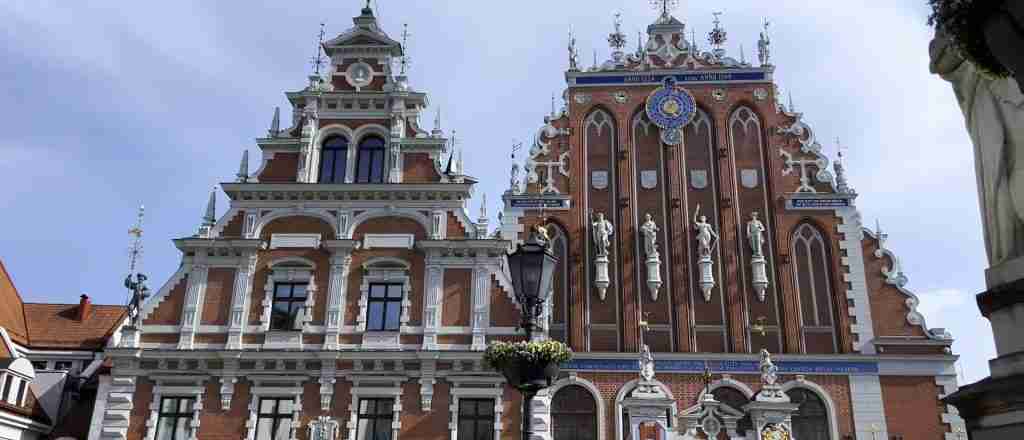
3 days
Riga 3-Day Discovery Tour
- ✓ Comprehensive Riga experience
- ✓ Expert local guides included
- ✓ All accommodation included
- ✓ Transportation provided

5 days
Riga 5-Day Highlights Experience
- ✓ Comprehensive Riga experience
- ✓ Expert local guides included
- ✓ All accommodation included
- ✓ Transportation provided
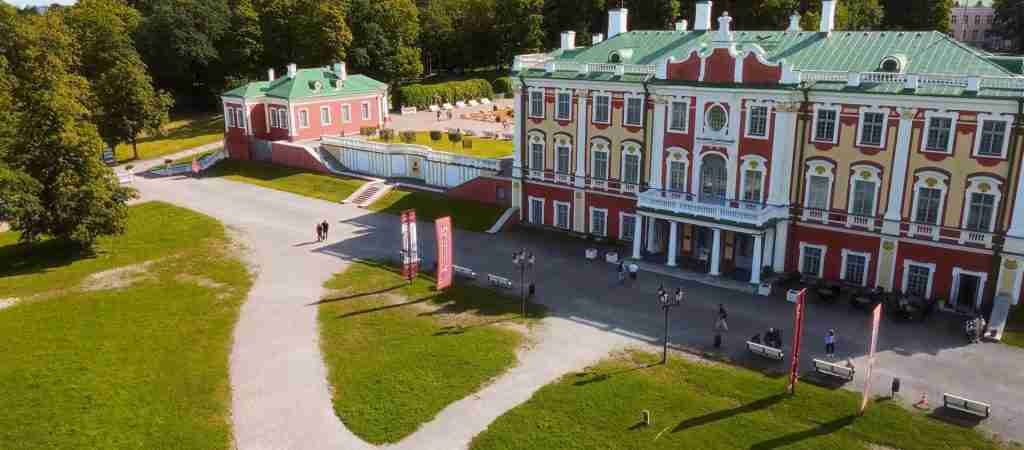
7 days
Riga 7-Day Cultural Journey
- ✓ Comprehensive Riga experience
- ✓ Expert local guides included
- ✓ All accommodation included
- ✓ Transportation provided
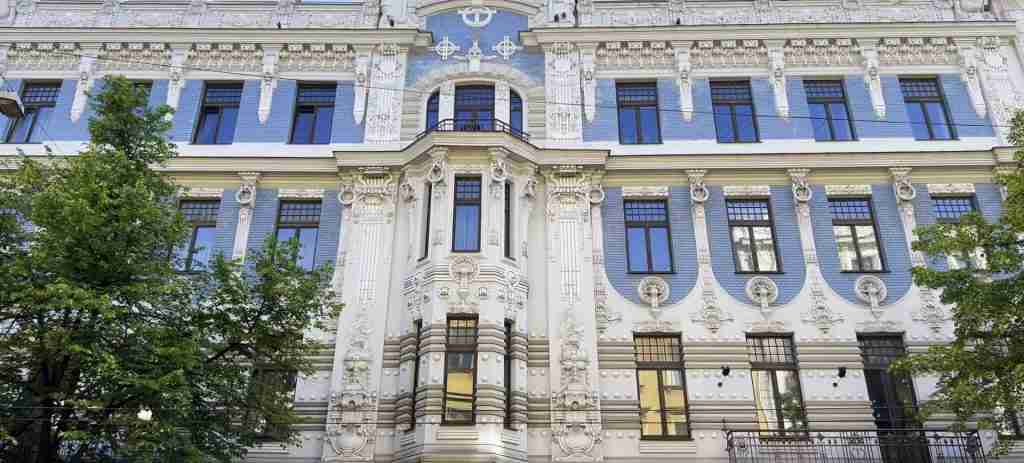
10 days
Riga 10-Day Complete Adventure
- ✓ Comprehensive Riga experience
- ✓ Expert local guides included
- ✓ All accommodation included
- ✓ Transportation provided
Multi-day tour packages powered by TourRadar. Prices and availability subject to change.
Introduction: Mastering Riga Through Tours & Walking Routes 2026
Tour selection fundamentally shapes Riga experiences—the difference between surface-level attraction viewing and deep cultural understanding, between following crowds and discovering hidden gems, between struggling with navigation and confidently exploring like informed locals. Latvia’s capital presents touring complexity stemming from layered history spanning 800+ years across multiple occupations, architectural significance requiring specialized knowledge to appreciate fully, compact geography tempting independent exploration while risking missed context, and evolving contemporary culture best understood through local insights. The 2026 touring landscape offers unprecedented diversity: established free walking tour networks delivering professional experiences at tip-based accessibility, specialized paid tours providing expert-led deep dives into architecture or culinary traditions, self-guided routes supporting independent discovery through well-developed infrastructure, bike tours covering extensive territory efficiently, and innovative formats like audio tours and app-based exploration enabling flexible learning.
Understanding touring value propositions helps strategic selection. Free walking tours dominate budget travel not merely through cost savings but quality delivery—experienced local guides passionate about Riga sharing insider knowledge, smaller operator competition maintaining high standards to earn tips, and social dynamics creating traveler communities enabling post-tour connections. These tours excel as orientation tools building Old Town familiarity, identifying restaurants meriting return visits, and establishing historical framework supporting subsequent independent exploration. However, recognize limitations: fixed routes missing specialized interests, larger group sizes reducing personalization, and generalist approach sacrificing depth for breadth.
Specialized paid tours justify premium pricing through unique access and expertise. Art Nouveau architectural tours led by guides with formal art history training decode ornate facades revealing Mikhail Eisenstein’s biographical connections to buildings, explain National Romanticism’s Latvian cultural significance, and access building interiors showcasing period staircases and details invisible street-level. Food tours transform Central Market from overwhelming vendor chaos into curated tasting journey with cultural narratives—learning why smoked sprats matter to Latvian cuisine, understanding rye bread’s cultural significance beyond nutrition, and discovering Riga Black Balsam’s 250-year herbal liqueur tradition while sampling authentic examples. KGB Building tours provide emotionally powerful Soviet occupation understanding impossible through museum exhibitions alone—standing in actual interrogation rooms, viewing preserved cells, and hearing documented stories of resistance and repression.
Self-guided exploration appeals to photographers, independent spirits, and travelers prioritizing flexibility over structured learning. Riga supports this approach exceptionally well through compact walkable core, abundant English signage, comprehensive tourist information resources, widespread WiFi enabling on-the-go research, and safe environment permitting confident wandering. The Old Town’s medieval layout invites aimless strolling discovering unexpected courtyards, hidden cafes, and architectural details while Art Nouveau districts offer systematically photographing building facades at personal pace. Riverside promenades, park networks, and neighborhoods like Kalnciema Quarter wooden architecture provide car-free walking routes combining recreation with cultural discovery.
Optimal touring strategies combine approaches sequentially. Day 1 free walking tour establishes Old Town orientation, identifies must-return attractions, provides restaurant recommendations from local guides, and creates baseline historical understanding. Day 2 specialized paid tour (Art Nouveau or food depending on interests) delivers deep expertise impossible self-guided while group format maintains reasonable pricing. Days 3-4 self-guided walking pursuing personal interests—extensive Art Nouveau photography, market shopping and food sampling, exploring residential neighborhoods, or revisiting favorite Old Town corners at leisure pace without time pressure. This progression builds knowledge systematically while optimizing budget allocation.
The 2026 touring environment presents some updates affecting planning. Most operators now require online booking even “free” tours to manage group sizes and provide contact information for weather-related changes. Art Nouveau tours increasingly include optional Art Nouveau Museum entry (€9, verify current official rates) as combination packages. Food tours adapted post-pandemic with enhanced hygiene standards and sometimes smaller group sizes. Private tour demand increased creating 7-14 day advance booking requirements high season. However, core infrastructure remains strong with daily departures, English-language availability, professional standards, and competitive pricing maintaining Riga’s reputation as excellent value destination.
This comprehensive guide details everything from free walking tour operator comparisons and booking strategies to self-guided route planning with maps and timing recommendations, specialized tour deep-dives explaining what justifies premium pricing, bike tour logistics and seasonal considerations, combination tour sequencing optimizing budget and learning, and practical tips including what to wear, photography guidelines, tipping customs, and booking timelines. Whether you’re budget backpacker maximizing free resources, architecture enthusiast seeking expert-led analysis, food lover wanting authentic market experiences, or independent explorer preferring flexible discovery, Riga’s 2026 touring infrastructure accommodates all approaches while delivering memorable authentic experiences.
Free Walking Tours in Riga 2026: Comprehensive Guide
Understanding Free Tour Model & Economics
Free walking tours operate tip-based rather than truly free—participants pay nothing upfront but tip guides at tour conclusion based on satisfaction and financial means. This model benefits travelers through: zero financial commitment enabling joining tours without budget stress, pay-what-you-value flexibility accommodating varying budgets (€5-15 typical range though some tip €20+ for exceptional experiences), and motivation for guides to deliver excellent service since income depends on participant satisfaction rather than guaranteed fees. The economics sustain guides earning €100-200 daily during peak season managing 2-3 tours, though winter and shoulder periods reduce incomes significantly creating guide quality variation seasonally.
Major Free Tour Operators Comparison 2026
Riga Free Tours represents the city’s longest-operating free tour company (since early 2010s) offering Old Town, Art Nouveau, Central Market, and Soviet Riga variations. Old Town tour departs Town Hall Square daily 10 AM and 12 PM, adding 3 PM summer departures (April-September), covering 2 hours with stops at House of Blackheads, Riga Cathedral, St. Peter’s Church, Three Brothers, Swedish Gate, and Freedom Monument while weaving historical narratives from Hanseatic trading through Swedish/Polish/Russian occupations to Soviet era and independence restoration. Guides emphasize entertainment alongside information with humor, legends, and contemporary cultural insights maintaining engagement across diverse age groups. Art Nouveau tour (seasonal, check schedule) focuses Alberta iela and Elizabetes iela architecture with 1.5-hour duration. The company maintains consistent quality through guide training and review monitoring.
Walkative operates internationally standardized free tours across European cities bringing professional systems to Riga. Their Old Town tour emphasizes geopolitical context explaining Latvia’s complex history through broader Baltic and European frameworks—why Riga mattered to Hanseatic League, how Swedish Empire shaped city planning, Russian Empire’s 19th-century influence, and Soviet occupation’s lasting impacts. Guides typically possess university backgrounds in history or related fields creating scholarly yet accessible presentations. Meeting point: Bastion Hill Park near Latvian National Opera. Duration 2-2.5 hours. Walkative advantages include: reliable professional standards, extensive guide training, and multi-language options (English, Spanish sometimes).
GuruWalk aggregates independent local guides rather than employing guides directly, creating marketplace where travelers choose specific guides based on transparent review systems. This enables personality-driven selection—some guides emphasize humor and storytelling, others prioritize historical depth, while photography-focused guides time tours for optimal lighting and provide shooting tips. GuruWalk’s platform shows guide photos, bios, review ratings, and recent participant comments enabling informed selection matching personal preferences. Meeting points and times vary by guide.
Free Tour Booking Strategies 2026
Summer peak season (June-August) requires online reservation 1-2 days ahead securing spots as tours often reach 20-25 participant caps. Spring/fall shoulder periods (April-May, September-October) accept walk-ups though booking recommended ensuring tour runs (minimum participant thresholds apply). Winter tours (November-March) operate reduced schedules—verify availability ahead. Booking platforms provide confirmation emails with: exact meeting point coordinates, guide identification (name, photo sometimes), weather contingency contacts, and recommended preparation (comfortable shoes, weather-appropriate clothing, water bottles).
Tipping guidelines suggest €5 minimum for budget travelers finding tour satisfactory, €10 for good experiences, €12-15 for excellent guides providing exceptional insights and entertainment, and €20+ for transformative experiences from outstanding guides though this remains uncommon. Cash tips preferred enabling guides receiving full amounts immediately. Consider: guide expertise and engagement quality, tour length and content depth, weather conditions (guides working -10°C winter deserve premium tips), group size (larger groups generate more total tips offsetting lower per-person amounts), and personal financial situation—backpackers spending €50 daily tip less than comfortable mid-range travelers.
What Free Tours Cover vs. Miss
Free walking tours excel at: Old Town orientation establishing landmark familiarity and navigation confidence, historical narrative providing context for understanding Riga’s development, legend and story sharing creating memorable cultural connections, practical recommendations for restaurants/bars from local guides knowing current scene, and social experiences connecting fellow travelers. However, they miss: building interior access (churches, museums require separate entries), in-depth architectural analysis requiring specialized expertise, niche historical topics like specific occupation periods, extensive Art Nouveau coverage needing dedicated tours, and flexibility for individual interests within group format. Strategy: free tour first day establishes foundation, then specialized paid tours or self-guided walks pursue specific interests subsequently.
Specialized Paid Tours Worth the Investment 2026
Art Nouveau Architecture Tours
Art Nouveau specialized tours cost €15-25 per person (verify current operator rates) for 1.5-2 hour experiences justifying premium through: expert guides with art history or architecture education backgrounds decoding ornate facades’ symbolic meanings and technical construction methods, building interior access showcasing period staircases, decorative plasterwork, and stained glass windows invisible from streets, and focused architectural analysis explaining Mikhail Eisenstein’s biographical connections to specific buildings, National Romanticism’s incorporation of Latvian folk motifs, and Jugendstil’s evolution across early 1900s construction phases. Tours typically include Art Nouveau Museum entry (€9 separate admission, verify current official rates) presenting furniture, decorative arts, and contextual exhibits reinforcing walking route observations.
Premium operators like Rigatrips provide guides with formal training able to identify architectural periods from facade details, explain why Riga became Art Nouveau capital (economic boom coinciding with style’s European popularity plus relatively lenient building codes), and discuss specific architects beyond Eisenstein including Konstantīns Pēkšēns and Eižens Laube. Tours access apartment building lobbies revealing elaborate staircases and entry halls impossible casual walking. Small group sizes (6-10 maximum) enable questions and discussion versus passive listening on larger free tours. Photography-focused variants time tours for optimal facade lighting with stops positioned for unobstructed shooting angles.
Self-guided alternative: VoiceMap audio tour (€6-8, verify current app pricing) provides narrated architectural context while walking independently, though missing building interior access and inability to ask questions. The Art Nouveau Museum (€9 entry, check current rates) visited independently before self-guided walking establishes foundational understanding improving appreciation of exterior architecture subsequently. However, paid tours’ specialized expertise and interior access justify costs for architecture enthusiasts wanting maximum understanding versus casual appreciation.
Food & Market Tours
Food tours range €50-90 per person (2025 average, confirm current operator pricing) for 2-3 hour Central Market and Old Town culinary journeys including substantial tastings essentially substituting lunch costs. Premium pricing reflects: extensive included food samples (smoked fish, local cheeses, rye breads, honey, Riga Black Balsam liqueur, seasonal specialties, chocolate), expert guide cultural narratives explaining Latvian food traditions and historical influences, market vendor relationships enabling behind-scenes access and preparation demonstrations, and small groups (6-8 typical) supporting intimate experiences versus large tour herding.
Typical tour structure begins Central Market orientation explaining five Zeppelin hangar pavilions’ histories and specializations, proceeds systematic tastings across Fish Pavilion (smoked sprats, Baltic herring), Meat section (traditional sausages, smoked meats), Dairy (local cheeses, cottage cheese variations), and Vegetable markets (seasonal produce, pickles, honey), includes Riga Black Balsam sampling with historical context about 18th-century herbal liqueur creation, and concludes Old Town stops at traditional Latvian restaurant or artisan chocolate shop. Guides explain: why rye bread holds cultural significance beyond nutrition (survival food during occupations), how smoking traditions preserve Baltic fish harvests, seasonal eating patterns reflecting agricultural calendar, and Soviet-era food scarcity’s lasting impacts on Latvian culinary psychology.
Value assessment: €60-70 tour including 8-10 substantial tastings plus cultural education compares favorably to €15-20 independent lunch plus missed context. However, independent market exploration costs €10-15 for equivalent food purchases without guided structure—decision depends whether cultural insights and vendor access justify €40-50 premium. Food tours excel for: culinary travelers prioritizing authentic experiences, visitors uncomfortable navigating unfamiliar markets independently, those wanting guaranteed high-quality vendor selection, and travelers appreciating social group dining atmosphere. Skip if: extreme budget constraints, dietary restrictions limiting sampling (though guides accommodate vegetarians with advance notice), or preference for completely independent market discovery.
KGB Building “Corner House” Tours
KGB Museum tours cost €15 per person (check official current rates via kgb.lv, advance booking required) for 1.5-hour emotionally intense guided experiences through preserved Soviet secret police headquarters at Brīvības iela 61. Tours access interrogation rooms with original furnishings, basement cells where prisoners awaited deportation to Siberian gulags, and exhibits documenting Latvia’s 1940-1991 Soviet occupation including resistance movements, mass deportations, and independence restoration. English-language guides (minimum age 12 due to content gravity) provide documented historical narratives rather than sensationalized presentations, explaining KGB operational methods, individual resistance stories, and occupation’s demographic impacts—Latvia lost 30% population through deportations, executions, and emigration.
Booking requires online reservation 3-7 days ahead via official website selecting preferred time slots (tours run hourly 11 AM-4 PM Tuesday-Sunday, verify current schedule). The building’s preserved state—minimal renovation maintaining original interrogation room layouts, cell configurations, and administrative spaces—creates powerful emotional experiences impossible museum reconstructions. However, content intensity may overwhelm some visitors; consider personal sensitivity to traumatic historical material before booking. Tours complement Museum of Occupation of Latvia (free admission, donations appreciated) providing broader occupation context through photographs, documents, and personal testimonies but lacking Corner House’s preserved physical spaces and guided narrative depth.
Soviet Riga & Communist History Tours
Soviet-era themed walking tours (€20-30 typical pricing, verify operators) explore Riga’s 1940-1991 occupation period through remaining architectural and cultural markers. Routes typically include: Latvian Academy of Sciences “Stalin’s Birthday Cake” Soviet-Gothic skyscraper, Victory Monument (Uzvaras piemineklis) Soviet war memorial, residential microdistricts showcasing standardized housing, former party headquarters and administrative buildings, and contemporary memorials to occupation victims. Guides explain daily life under Soviet system, resistance and dissidence movements, underground cultural activities, and independence restoration process culminating 1991.
These tours provide context for understanding contemporary Latvia—why language politics remain sensitive (forced Russification under Soviets), economic transformation challenges post-independence, demographic shifts from Soviet-era immigration, and cultural memory preservation through museums and monuments. Combined with KGB Building tour, Soviet Riga walks deliver comprehensive occupation understanding impossible through independent exploration of unmarked sites.
Self-Guided Walking Routes & Maps 2026
Classic Old Town Circuit (2-3 Hours)
Begin Town Hall Square (Rātslaukums) admiring reconstructed House of Blackheads facade and Town Hall, proceed north Kaļķu iela to Līvu Square viewing Cat House (1909 Art Nouveau with cat sculptures), continue Meistaru iela reaching St. Peter’s Church (€9 tower entry for panoramic views, verify current rates), explore Konventa Sēta courtyard complex, visit Riga Cathedral and Dom Square, walk Pils iela to Three Brothers medieval residential complex, proceed Swedish Gate (sole surviving city gate), follow city walls remnants to Powder Tower, conclude Freedom Monument. Distance 3 kilometers, allow 2-3 hours with photo stops. This route covers essential Old Town landmarks supporting comprehensive first-day orientation. Download offline Google Maps with saved pins marking each stop enabling navigation without mobile data consumption.
Comprehensive Art Nouveau Walk (3-4 Hours)
Start Bastejkalns Park viewing Latvian National Opera Art Nouveau facade, proceed Aspazijas bulvāris for early examples, walk north Elizabetes iela viewing numbers 10a/10b (Mikhail Eisenstein designs with distinctive turrets), continue Alberta iela systematically photographing 2, 2a, 4, 6, 8, 13 (all Eisenstein masterpieces with mythological figures and elaborate decorative programs), explore Strēlnieku iela for National Romanticism variations incorporating Latvian folk motifs, add Antonijas iela and Brīvības iela lesser-known gems, conclude Riga Art Nouveau Museum (Alberta 12, €9 entry—verify current official rates) for interior design context. Distance 4 kilometers. Optimal timing: morning 8-10 AM for east-facing Alberta facades, evening 6-8 PM for west-facing Elizabetes buildings. Bring wide-angle camera lens capturing full building elevations on narrow streets.
Riverside & Parks Route (2.5-3 Hours)
Begin Akmens Bridge walking 11 Novembra krastmala promenade eastward past riverside parks, cross Vanšu Bridge viewing Art Nouveau buildings from river perspective, continue Ķīpsala island waterfront, return mainland via Salu tilts, proceed Miera iela viewing residential Art Nouveau and wooden architecture, conclude Mežaparks forest park exploring paths around lakes. Distance 6-7 kilometers. This route combines river views, park spaces, and residential neighborhoods showcasing local life beyond tourist zones. Suitable cycling route given car-free promenades and expanding bike lane network.
Audio Guide & App Resources
VoiceMap offers GPS-triggered audio tours (€6-8 per tour, verify current app pricing) for Old Town and Art Nouveau routes providing narrated historical context, architectural analysis, and cultural insights while walking independently. Rick Steves Audio Europe app includes free Riga Old Town tour though briefer than VoiceMap’s detailed offerings. GPSmyCity app provides offline walking route maps with attraction descriptions though audio narration limited. Strategy: download apps and tours before leaving WiFi areas, carry portable phone charger since GPS and audio drain batteries, and use one earbud only maintaining environmental awareness while listening.
Bike Tours & Cycling Routes 2026
Guided Bike Tours
Seasonal bike tours (April-September, €30 per person with €140 minimum group pricing, verify current operator rates) operate by Riga Free Tours and independent operators covering 12-15 kilometers in 2.5-3 hours reaching 3-4x more territory than walking tours. Routes typically include: Old Town perimeter riding past major landmarks, Art Nouveau districts (Alberta, Elizabetes), riverside promenades providing extended car-free cycling, Mežaparks forest park exploring wooded paths and Song Festival Grounds, wooden architecture neighborhoods, and outer parks. Flat terrain supports comfortable cycling for all fitness levels. Tours provide bikes, helmets, and guide though participants may bring own bicycles if preferred.
Advantages versus walking tours include: maximum sightseeing coverage within limited time frames, access to dispersed attractions like Mežaparks requiring significant walking/transport otherwise, and enjoyable active exploration appealing to cyclists and outdoor enthusiasts. However, limitations exist: reduced time at individual sites versus walking tours permitting extended stops, weather dependency (rain cancellations common), seasonal availability missing winter opportunities, and fitness requirements excluding some travelers despite flat terrain.
Self-Guided Cycling Routes
Riga’s expanding bike lane network supports independent cycling with key routes including: 11 Novembra krastmala riverside promenade (6 kilometers car-free), Miera iela residential corridor connecting Old Town to Mežaparks (4 kilometers with bike lanes), and perimeter parks encircling city center. Bike rental shops operate Old Town and Central District (€10-15 daily, verify current rates) providing city bikes, helmets, and locks. Shared e-scooter services (Bolt, see app for pricing) offer alternatives for point-to-point transport though less suitable extended touring. Self-guided cycling enables: flexible timing and routing, photography stops without group coordination, and exploration at personal fitness levels. However, lack of guided historical context requires pre-research or combining with audio guide apps.
Day Trip Tours from Riga 2026
Jūrmala Beach Resort Tours
Organized Jūrmala tours (€35-50, verify operator pricing) provide transport, guide, beach time, and Jomas iela pedestrian street exploration combining sea, architecture, and resort culture. However, independent travel via commuter train (€3-5 return, 25-minute journey, verify current Passenger Train rates) costs 90% less with comparable experiences—self-guided beach access, wooden dacha architecture photography, and restaurant selection freedom. Guided tours justify costs for travelers wanting structured itineraries, historical context about resort development, and guaranteed return transport without train schedule navigation.
Sigulda & Gauja National Park Tours
Full-day Sigulda tours (€40-60, check operator pricing) include transport, guide, and castle entries visiting Turaida Castle ruins, Gutmanis Cave, and Gauja River valley viewpoints with optional activities (bobsled track, bungee jumping). Tours eliminate public transport navigation and maximize sightseeing efficiency within daylight hours. However, independent bus travel (€3-4 each way, 1-hour journey, verify current rates) plus attraction entries totals €25-35 providing equivalent access with flexible timing though missing guided historical narratives. Decision depends whether convenience and context justify €25-30 premium.
Rundāle Palace Tours
Rundāle Palace day tours (€50-70, verify operator rates) combine baroque masterpiece visit with potential Bauska Castle stop including transport and guide. Independent travel requires bus to Bauska (€4-5, 1.5 hours, check current rates) plus taxi/shuttle to palace (7 kilometers) plus €12 palace entry (verify current official Rundāle pricing)—totaling €25-30 with scheduling challenges. Tours streamline logistics and provide art historical context about Francesco Bartolomeo Rastrelli’s architecture, though independent visits enable unlimited time admiring state rooms and gardens versus tour group pacing.
Practical Tips for Riga Tours 2026
What to Wear & Bring
Walking tours require comfortable broken-in shoes supporting 2-4 hours of cobblestone navigation—avoid new footwear risking blisters. Weather-appropriate layering essential: summer bring light jacket for 16-18°C evenings, spring/fall pack waterproof windbreaker and scarf for 10-16°C variability, winter demand insulated waterproof coat, warm hat, gloves, waterproof boots with good traction for -5 to -10°C temperatures and icy sidewalks. Carry: reusable water bottle (public fountains available though not abundant), small daypack for layers and purchases, portable phone charger for extended GPS and photography, sunscreen and sunglasses summer, umbrella spring/fall. Photography equipment: wide-angle lens for architecture, normal lens for details, extra batteries/memory cards, small tripod optional for low-light situations.
Booking Timelines & Cancellation Policies
Free walking tours accept same-day bookings though summer (June-August) requires 1-2 days advance reservation securing spots. Specialized paid tours (Art Nouveau, food, KGB Building) demand 3-7 days advance booking optimal time slots. Private tours require 7-14 days notice especially high season. Day trip tours book 3-5 days ahead. Most operators offer 24-48 hour cancellation windows with full refunds; review specific policies before booking. Weather cancellations (heavy rain, extreme cold) generate full refunds with operators contacting participants via email/phone.
Tipping Customs & Etiquette
Free tour tipping: €5 minimum satisfactory experience, €10 good tour, €12-15 excellent guide, €20+ exceptional though uncommon. Cash preferred. Paid tour tipping: 10% optional for outstanding service though not expected. Private guide tipping: €10-20 depending on duration and quality. Restaurant tours: tips included in pricing though €5-10 additional for exceptional guides appreciated. Never feel obligated tipping inadequate experiences—the model assumes payment reflects value received.
Photography Etiquette & Restrictions
Old Town and Art Nouveau exterior photography unrestricted—shoot freely. Church interiors may prohibit photography during services or charge €2-5 photo fees (check signage). Museums restrict flash photography and sometimes ban photography entirely. KGB Building tour photography limited to specific areas (guide instructs). Food tours encourage photographing tastings. Always ask permission before photographing individuals. Residential building interiors accessed on tours require respecting resident privacy—photograph architectural details not personal spaces.
Combination Tour Strategies for Maximum Value 2026
Budget-Focused Itinerary (€20-40 Total Tours)
Day 1: Free Old Town walking tour (€10 tip), self-guided Art Nouveau walk using downloaded VoiceMap audio guide (€7, verify current app pricing). Day 2: Free Art Nouveau walking tour (€10 tip) or self-guided market exploration with independent tastings (€10-15). Day 3: Self-guided Old Town revisit targeting specific interests and photography. Total tour costs €27-42 while comprehensive coverage achieved combining free professional guidance with independent exploration.
Balanced Mid-Range Approach (€70-100 Total Tours)
Day 1: Free Old Town tour (€12 tip) establishing orientation and restaurant recommendations. Day 2: Paid Art Nouveau specialist tour (€20, verify operator rates) accessing building interiors and expert analysis. Day 3: Food & market tour (€65, check current pricing) for culinary deep-dive with substantial included tastings. Day 4: Self-guided walks pursuing personal interests, revisiting favorite spots. Total €97 balancing professional guidance with budget consciousness while accessing specialized expertise impossible independently.
Comprehensive Premium Experience (€200-300 Total Tours)
Day 1: Private Old Town tour (€150 half-day, verify operator pricing) with flexible custom itinerary. Day 2: Art Nouveau specialist tour (€20) plus paid food tour (€70). Day 3: KGB Building tour (€15, check rates) plus Soviet Riga walking tour (€25). Day 4: Jūrmala or Sigulda day trip tour (€50, verify pricing). Total €330 delivering maximum guided experiences, specialized access, and comprehensive understanding though representing significant investment versus free/self-guided alternatives.
Frequently Asked Questions About Riga Tours 2026
Do I need to book free walking tours in advance or can I just show up?
Free walking tours accept walk-up participants during off-peak periods (September-May excluding holidays) though online reservation recommended securing spots and providing operators contact information for weather-related cancellations. Summer peak season (June-August) requires advance booking 1-2 days ahead as tours often reach maximum capacity (20-25 participants typical caps). Booking process takes 2-3 minutes via operator websites—select tour type, date, time, and provide email for confirmation. Confirmations include exact meeting point coordinates (Town Hall Square, Laima Clock, or Freedom Monument common starting locations), guide identification details (name, sometimes photo), and recommended preparation (comfortable walking shoes, weather-appropriate clothing). No payment information required since tips collected at tour conclusion. Show up 10 minutes early to ensure guide connection—late arrivals may miss group departures. Winter months (November-February) see reduced tour schedules with some operators suspending certain routes due to limited demand—verify availability via websites before planning winter tours around specific offerings. Overall strategy: book 2-3 days ahead regardless of season eliminating uncertainty, though last-minute same-day bookings succeed outside July-August peak. The brief booking investment ensures participation versus risking capacity-full disappointment after traveling to meeting points.
Are Riga walking tours suitable for children and families?
Riga walking tours accommodate families with children age 8+ generally, though suitability depends on specific tour type and individual child interests/stamina. Old Town free walking tours spanning 2 hours with moderate walking pace work well for engaged older children (10+) interested in history and stories—guides often incorporate legends and anecdotes maintaining younger attention though detailed historical narratives may bore easily distracted children. Art Nouveau tours emphasizing architectural analysis typically suit teenagers and adults more than young children lacking decorative arts interest. Food tours excel for families with adventurous young eaters willing to sample traditional Latvian foods, though picky eaters may struggle with unfamiliar flavors. KGB Building tours impose minimum age 12 reflecting emotionally intense content (interrogation rooms, imprisonment stories) inappropriate younger children—strictly enforced. Soviet Riga walks similarly target adult audiences. Family-specific considerations: walking distances 3-5 kilometers total require child fitness for extended periods without rest, cobblestone Old Town streets challenge strollers (baby carriers preferable), cold weather tours (November-March) demand appropriate child winter clothing preventing early departures from discomfort, and attention spans—2-hour maximum recommended for most children before fatigue undermines enjoyment. Some operators offer shortened family versions (90 minutes) with interactive elements keeping children engaged. Private family tours enable custom pacing, frequent breaks, and age-appropriate content adjustments unavailable group formats. Overall assessment: families with children 10+ interested in history and comfortable walking 2-3 hours find standard tours work well, while families with younger children (under 8) should consider shorter self-guided walks, playground-inclusive routes, or skipping formal tours in favor of independent exploration allowing spontaneous pace changes and activity breaks.
What happens if it rains during my scheduled walking tour?
Light rain doesn’t cancel Riga walking tours—operators expect participants to bring appropriate rain gear (waterproof jackets, umbrellas) and tours proceed as scheduled with guides adapting routes slightly favoring covered areas and shortening exposed sections. Most guides carry large umbrellas providing some participant shelter during stops. Moderate rain sees reduced route coverage—tours may skip peripheral sites, shorten overall duration 15-30 minutes, and maximize time in covered locations (church porticos, covered courtyards, arcades) while maintaining core content delivery. Heavy rain or thunderstorms trigger cancellations with operators contacting participants via email/phone 1-4 hours before scheduled departures offering rescheduling or full refunds. Free tours operate tip-based so no refund issues arise—simply join alternative date. Paid tours refund fully for operator-initiated cancellations. Snow doesn’t automatically cancel tours—Riga receives winter snow regularly and tours continue with appropriate warnings about icy conditions and recommendations for waterproof insulated footwear. However, blizzards or dangerous ice storms force cancellations. Extreme cold (below -15°C) may prompt route shortenings or indoor-focused alternatives. Participant-initiated cancellations due to personal weather preferences follow standard cancellation policies (typically 24-48 hours notice required for refunds on paid tours, no obligation on free tours). Preparation strategies: check weather forecasts 1-2 days before tours, pack lightweight waterproof jacket regardless of prediction, wear waterproof footwear or bring shoe covers, carry small umbrella, and accept that Baltic weather changes rapidly making predictions imperfect. Most operators communicate proactively about weather-related changes via booking confirmation email addresses. Overall, Riga tour operators demonstrate weather-resilient operations reflecting necessity in climate averaging 180 rainy days annually—expect tours to proceed unless conditions genuinely dangerous or extraordinarily unpleasant.
Can I take photos during guided tours and inside buildings?
Photography policies vary significantly by tour type and location creating complex guidelines requiring attention. Old Town exterior photography faces no restrictions—shoot freely during tours capturing facades, squares, monuments, and street scenes without permission required. Art Nouveau exterior building photography similarly unrestricted with guides often pausing specifically for photography at optimal angles. However, building interiors accessed during specialized tours impose varied rules. Art Nouveau Museum allows photography without flash for personal use (verify current policy on entry), though professional photography requires advance permission. Church interiors prohibit photography during active religious services but generally permit photos outside service times, though some charge €2-5 photo fees noted on entrance signage—always check before shooting. KGB Building tour photography restrictions apply to specific rooms containing sensitive documentation or where preservation concerns exist—guides clearly indicate where photography prohibited versus permitted. Food tours encourage photographing vendor interactions, products, and tasting plates as social media sharing benefits vendors and operators. Residential building lobbies accessed on Art Nouveau tours require respecting privacy—photograph architectural details (staircases, decorative elements, stained glass) while avoiding resident doorways or private spaces visible from common areas. Market photography (Central Market tours) remains generally acceptable though asking vendor permission before close-up product shots demonstrates courtesy appreciated by small business owners. Portrait photography of random pedestrians or market workers without permission creates discomfort and potential conflicts—always ask consent before photographing identifiable individuals. Museums visited independently of tours typically prohibit flash photography (damages artifacts long-term) and sometimes ban photography entirely (gift shops sell professional image postcards as alternative)—follow signage strictly as violation risks ejection without refunds. Technical considerations: low-light church interiors require high ISO settings or tripods (latter often prohibited creating hand-held challenges), Art Nouveau facade details benefit from wide-angle lenses capturing full building elevations on narrow streets, and bright summer days create harsh shadows better managed with diffusers or shooting during softer morning/evening light. Overall approach: default to asking permission from tour guides before photographing anywhere uncertain, respect clearly posted prohibitions, avoid flash unless explicitly permitted, and prioritize experiencing moments versus obsessively documenting everything through viewfinders.
Are private tours worth the extra cost compared to group tours?
Private tours costing €100-200 half-day (verify operator pricing—rates vary by customization level and group size) deliver distinct advantages over €15-25 group tours or free alternatives, though value depends on specific circumstances and priorities. Primary benefits include: complete itinerary customization enabling focus on personal interests (architecture photography requires different pacing than general sightseeing), flexible timing accommodating individual schedules rather than fixed departure times, personal pace supporting extended stops at fascinating sites and quick passage past less interesting locations, exclusive guide attention allowing unlimited questions and discussion impossible in larger groups, and privacy for couples, families, or friends preferring intimate experiences. Private tours shine in scenarios like: photographers wanting optimal lighting windows and composition time at specific buildings, architecture or history enthusiasts seeking deep expertise beyond general tour scope, families with young children requiring frequent breaks and age-appropriate content adjustments, travelers with mobility limitations needing slower pace and accessible route modifications, and groups 4+ people where per-person private tour costs approach group tour pricing (€200 private tour for 4 people = €50/person versus €20-25 group rate, marginal premium for major flexibility gains). However, private tours may not justify costs when: budget constrains spending, social interaction with fellow travelers provides enjoyment value, standard tour routes match interests perfectly without customization needs, or general overview knowledge suffices without depth. The cost-benefit calculation shifts with group size—solo travelers paying full €150-200 private tour rate face steep premium over €20 group alternatives (7-10x cost), while couples paying €75-100 per person for private experiences enjoy more reasonable 3-4x premium, and groups of 4-6 achieve near-parity with group tours while gaining substantial flexibility. Quality considerations: private tours require careful operator/guide selection since the exclusive experience magnifies both excellence and mediocrity—thoroughly review operator credentials, guide qualifications, and recent participant feedback before booking. Request detailed proposals outlining proposed itineraries, guide backgrounds, included elements (museum entries, transport, refreshments), and customization possibilities. Optimal private tour applications: specialized interests demanding expertise unavailable standard tours (Soviet architecture, Jewish heritage, Art Nouveau technical analysis), photography-focused experiences requiring timing and compositional guidance, family or small group trips prioritizing comfort over economy, or special occasions (anniversaries, milestone birthdays) meriting investment in premium personalized experiences. Overall verdict: private tours justify premium for travelers prioritizing flexibility, depth, and personalization over cost efficiency, particularly when traveling as couples or small groups amortizing expenses across multiple participants.
How physically demanding are Riga walking tours?
Riga walking tours demand moderate physical fitness supporting 2-4 hours of continuous walking covering 3-5 kilometers with minimal sustained breaks beyond brief photo/narrative stops. Specific physical requirements include: comfortable standing periods (15-20 minutes at major sites while guides explain history and architecture), cobblestone navigation requiring balance and ankle stability (Old Town streets feature uneven medieval paving), stair climbing accessing church towers or building interiors (St. Peter’s tower 123 steps to observation deck though elevator available for €9 entry), and weather endurance (summer heat 25-28°C on exposed streets, winter cold -5 to -15°C requiring thermal clothing). Most tours accommodate average fitness levels—slow/moderate walking pace with group pacing adjusted to slowest participants, though stragglers struggling with distances may delay groups. Flat terrain throughout Riga (no significant hills beyond gentle Bastion Hill incline) reduces cardiovascular demands versus hillier European cities. Participants should honestly assess capabilities considering: recent walking experience (sedentary individuals suddenly attempting 4-hour tours risk fatigue and foot pain), footwear quality (new shoes cause blisters, worn soles provide insufficient support), weather tolerance (heat sensitivity or cold intolerance affecting endurance), and pre-existing conditions (joint problems, respiratory issues, cardiovascular concerns requiring medical consultation before extended walking). Accessibility varies by tour type—standard walking tours lack wheelchair accessibility due to cobblestones and stairs, though some operators offer modified routes or vehicle-assisted options for mobility-limited participants (inquire directly). Senior travelers frequently complete tours successfully though should consider: shorter duration options (90-minute variants available), frequent self-paced rest opportunities choosing flexible free tours over rigid paid schedules, warmer seasons avoiding winter ice hazards and extreme cold, and honest assessment whether independent self-guided exploration at personal pace better suits capabilities than group walking. Families with young children face stamina challenges—children under 8 typically struggle with 2+ hour continuous walking even moderate pace; consider child fitness, interest level, and personality before committing to full tours. Preparation strategies enhancing physical comfort include: breaking in footwear thoroughly before trip wearing shoes 1-2 weeks minimum pre-travel, building walking stamina weeks before trip through regular longer walks, staying hydrated carrying water bottles (dehydration accelerates fatigue), eating adequate breakfast before morning tours preventing energy crashes, and accepting honest limitations choosing shorter tours or self-guided exploration rather than forcing unsuitable extended group walks. Overall assessment: typical healthy adults find standard 2-hour tours very manageable, 3-4 hour tours moderately challenging though completeable with reasonable fitness, while individuals with significant health or mobility limitations should consult operators about accessible alternatives or skip formal tours favoring independent exploration at personalized comfortable pace.
What languages are Riga tours offered in besides English?
English dominates Riga tour offerings reflecting international tourism demographics, though several operators provide multilingual options accommodating diverse visitor populations. Major free tour operators (Riga Free Tours, Walkative, GuruWalk guides) conduct primarily English-language tours daily with occasional Spanish departures depending on guide availability—typically 1-2 Spanish tours weekly summer, rarely off-season. German-language tours operate less frequently, usually requiring minimum participant numbers (4-6) triggering scheduled departures or available through private booking with German-speaking guides. Russian-language tours exist given significant Russian-speaking population (25-30% of Riga residents) though marketed primarily to regional CIS tourists rather than Western visitors. Latvian-language tours serve local residents and heritage tourists though rare in standard tourism offerings. French, Italian, Portuguese, and other language tours remain extremely limited—essentially unavailable group tours outside private arrangements. Private tour bookings enable language requests—operators maintain networks of multilingual guides supporting German, Spanish, Russian, and occasionally French with 1-2 weeks advance notice and sometimes premium fees (€20-30 additional) reflecting specialized guide requirements. Self-guided audio tour apps (VoiceMap) offer multi-language content—check specific tour offerings as not all routes support all languages. Museum audio guides typically provide English, German, Russian, and Latvian options. Practical implications: non-English speakers should verify language availability when booking group tours (operator websites specify language options), consider private tours if requiring non-English guidance, utilize audio guide apps where available, or accept English-language tours if possessing basic comprehension. The Baltic tourism industry’s English focus reflects practical reality—most international visitors speak English competently making multi-language tour operations economically challenging for smaller operators. Travelers requiring non-English guidance should plan accordingly: book private tours specifying language needs with adequate advance notice, research operators offering specific language services, accept limited departure frequency non-English group tours, or prepare for English-language experiences perhaps supplemented by translation apps during independent exploration segments. Overall, English proficiency significantly eases Riga tour participation while non-English speakers face more limited options requiring advance planning and potential private tour investment.
Can I bring food and drinks on walking tours?
Water bottles receive universal acceptance and recommendation—guides encourage participants carrying reusable bottles staying hydrated especially summer tours with 25-28°C temperatures and 2-4 hour durations. Public drinking fountains exist though not abundantly distributed, making personal water supply prudent. Coffee from morning pickup before tours generates no issues—sipping while walking remains acceptable though dumping cups in public bins (not littering) expected. However, eating substantial meals during tours creates problems: tours maintain continuous movement making eating-while-walking awkward and messy, food odors in close group proximity potentially offensive especially strong-smelling items, and litter risks if packaging not properly disposed. Some tours include deliberate food/drink stops—Central Market tours obviously incorporate tastings, pub crawls feature bar visits with included drinks, and some operators schedule brief cafe breaks on longer tours where participants purchase refreshments. These structured stops accommodate eating/drinking appropriately. For standard walking tours without planned food breaks, the polite approach: eat adequate breakfast before morning tours eliminating hunger, bring water bottle, avoid eating full meals during walking though small discreet snacks (energy bars, fruits consumed during photo stops) raise no objections if done considerately without delaying group, and plan post-tour dining at recommended restaurants guides typically suggest. Food tour etiquette differs—these experiences specifically include substantial tastings making additional personal food unnecessary and potentially disrespectful to included offerings. Guides provide napkins and sometimes small water bottles between tastings. Allergies and dietary restrictions require advance notification enabling guides warning about specific tastings or arranging alternatives where possible—most food tour operators accommodate vegetarians with notice but cannot always substitute for severe allergies requiring participants accepting some tastings may be unsuitable. Alcohol on non-bar-tour walks remains inappropriate—save drinking for post-tour celebrations or specifically alcohol-focused experiences. Climate considerations: summer heat increases water needs—drink regularly preventing dehydration affecting concentration and enjoyment; winter cold reduces hydration urges though still important. Overall approach: bring water, avoid elaborate eating during standard tours, respect planned stops where food/drink appropriate, and communicate dietary needs advance for food-specific tours. The goal: personal comfort without disrupting group experience or guide presentations.
How do I choose between Old Town and Art Nouveau as my first walking tour?
Tour selection depends on personal interests, trip duration, and architectural priorities creating different optimal sequences. Old Town tours suit travelers prioritizing: comprehensive historical overview from medieval through Soviet periods establishing cultural context, first-day orientation familiarizing with geography and navigation, practical recommendations for restaurants/shops from local guides knowing current scene, and general audience appeal for mixed-interest groups or families where architectural specialization less critical. Old Town tours provide essential foundation—understanding Riga’s Hanseatic trading importance, Swedish/Polish/Russian occupation impacts, Soviet era, and independence restoration creates historical framework enriching subsequent experiences. The medieval core’s visual drama—Gothic church spires, reconstructed merchant houses, cobblestone squares, city walls—delivers immediate photogenic satisfaction appealing broad audiences including those less architecture-focused. Art Nouveau tours excel for travelers specifically interested in: architectural history and design movements, photography focused on ornate building facades and decorative details, Art Deco/Jugendstil appreciation from exposure to similar styles elsewhere, and deeper cultural understanding of Riga’s 1900s golden age when economic boom drove construction explosion. Art Nouveau tours demand greater architecture interest sustaining engagement through 2 hours discussing facade compositions, decorative programs, and architect biographies—general tourists without specific design enthusiasm may find content too specialized versus broad historical narratives Old Town tours provide. However, Art Nouveau represents Riga’s truly unique global contribution—while many cities possess medieval quarters, none match Riga’s Art Nouveau concentration and quality making this tour arguably “can’t-miss” for architecture lovers. Optimal sequencing recommendations: 2-day visitors should prioritize Old Town Day 1 for orientation and historical foundation, then Art Nouveau Day 2 for architectural depth; single-day visitors must choose based on primary interest—history/culture favor Old Town, architecture/photography lean Art Nouveau; 3+ day visitors ideally complete both tours plus self-guided follow-ups. Alternative approach: free Old Town tour first afternoon arrival establishing basics and generating restaurant recommendations for evening, then paid Art Nouveau specialist tour next morning when fresh for architectural analysis, followed by self-guided Old Town revisit exploring specific interests identified on initial tour and photographing without group time pressure. Consider combination tours some operators offer—3-4 hour experiences covering Old Town essentials plus Art Nouveau highlights providing overview both areas though sacrificing depth for breadth. Personal interest assessment questions: Do I photograph architectural details enthusiastically or prefer capturing general scenes? Have I enjoyed Art Deco/Jugendstil buildings in other cities suggesting appreciation for decorative architecture? Do I prefer comprehensive historical narratives or focused specialized topics? Am I traveling with others whose interests may differ? Honest interest evaluation guides selection—forcing architecture tours on uninterested companions creates dissatisfaction, while skipping Art Nouveau denies architecture enthusiasts Riga’s greatest treasure. Overall verdict: Old Town first provides essential orientation serving broader audiences, Art Nouveau second delivers specialized depth rewarding architecture appreciation, ideally complete both if schedule permits, choose based on primary interest if time limited.