Reykjavik Travel Tips 2026: Essential Planning & Practical Advice
Iceland’s capital combines Arctic wilderness, geothermal energy, vibrant culture, and accessibility into one of Europe’s most distinctive urban experiences. Reykjavik welcomes travelers year-round with 24-hour summer daylight, winter northern lights, and practical challenges from high costs to unpredictable weather that reward preparation and strategic planning.
Key Takeaways for Reykjavik 2026
- Budget Planning 2026: Reykjavik ranks among Europe’s most expensive cities with daily costs of $100-200 per person excluding accommodation. The Reykjavik City Card ($45 for 24 hours, $63 for 48 hours, $77 for 72 hours) provides unlimited bus travel and free museum entry, delivering significant savings for attraction-focused itineraries. Strategic grocery shopping at budget chains like Bónus or Krónan rather than convenience stores 10-11 cuts food costs substantially.
- Transportation Essentials 2026: Strætó city buses operate 27 routes throughout the Capital Region with single tickets at 670 ISK ($4.20) valid for 75 minutes. Buses run 6:30 AM to midnight on weekdays with 15-minute peak frequency and 30-minute off-peak intervals. Cash payment is not accepted—use the Klappið app, contactless card, or physical Klapp card purchased at select locations.
- Weather Preparation: Icelandic weather changes rapidly regardless of season. Layer clothing with waterproof outer shells, pack both summer and winter gear even in July, and check forecasts daily at vedur.is. Wind amplifies cold significantly—a calm 5°C (41°F) feels comfortable while a windy 5°C penetrates clothing layers. Swimming culture is central to Icelandic life with geothermal pools operating year-round in all weather conditions.
- Dining Strategy 2026: Restaurant meals cost $25-50 per person for dinner, but lunch specials and two-for-one deals provide identical quality at lower prices. Traditional Icelandic hot dogs cost $5-6, food hall options run $10-15, and supermarket meal assembly saves 60-70% compared to restaurants. Tap water is free, exceptionally pure, and renders bottled water purchases unnecessary—bring a reusable bottle.
- Cultural Navigation: Icelanders value directness, equality, and environmental responsibility. Service charges are included in all prices with tipping uncommon and sometimes awkward. Remove shoes when entering homes, respect marked hiking trails and natural sites, and never discard trash in nature. English proficiency is nearly universal, making communication straightforward throughout the city.
- Seasonal Timing 2026: June through August offers 20+ hours of daylight, warmest temperatures (10-15°C / 50-59°F), and peak prices with advance bookings essential. September through May provides northern lights visibility, lower accommodation costs (dropping 30-35% from summer rates), and access to ice caves and winter activities, though shorter daylight hours (4-5 hours in December) limit sightseeing windows.
People Also Ask About Reykjavik Travel 2026
How much money should I budget per day in Reykjavik in 2026?
Budget travelers should plan $100-150 per day in Reykjavik excluding accommodation, covering hostel meals or grocery shopping ($30-50), local transportation ($5-10), one attraction or thermal pool ($10-20), and incidental costs. Mid-range travelers require $195-300 daily for restaurant meals ($60-90), multiple attractions ($20-40), occasional taxis or tours ($30-50), and entertainment. Luxury travelers spend $390-730+ daily on fine dining ($100-150), private tours ($80-150), premium experiences, and shopping. Accommodation adds $40-60 nightly for hostel dorms, $150-250 for mid-range hotels, or $300-450+ for luxury properties in summer 2026.
Is Reykjavik safe for solo travelers in 2026?
Reykjavik ranks among the world’s safest capitals with negligible violent crime, well-lit streets, 24-hour summer daylight, and a culture of trust and mutual assistance. Solo travelers walk freely at any hour, though standard precautions apply regarding valuables and alcohol consumption. Women traveling alone report feeling exceptionally safe throughout Iceland. The primary safety concerns involve natural hazards outside the city—sudden weather changes, coastal waves, geothermal areas, and winter driving conditions—rather than urban crime. Emergency services respond quickly with 112 as the universal emergency number.
What should I pack for unpredictable Reykjavik weather in 2026?
Pack for four seasons regardless of visit timing: waterproof jacket and pants (essential year-round), insulating mid-layers (fleece or down), moisture-wicking base layers, sturdy waterproof hiking boots, warm hat and gloves even in summer, swimsuit for geothermal pools, sunglasses for bright summer nights, and a daypack. Icelandic weather changes within hours with wind, rain, sun, and occasionally snow occurring in single days. Layering allows adjustment throughout the day while waterproof outer shells protect against frequent precipitation. Bring fewer clothes than typical European trips since laundry facilities are widely available.
How do I get from Keflavik Airport to Reykjavik in 2026?
Three main options connect Keflavik Airport (50 km from Reykjavik) to the city center. Airport buses like Flybus and Airport Express cost 2,400 ISK ($17) one-way with 45-minute travel time and direct hotel drop-offs or connections from BSÍ Terminal downtown. Rental cars provide flexibility for Iceland exploration with pickup available immediately at the airport, eliminating the need for separate airport transfers. Private transfers or taxis cost $120-180 for the journey but accommodate groups cost-effectively when split between passengers. Public bus Route 55 operates but requires more time and connections than dedicated airport services.
Extended multi-day tours – 5+ days
Featured Reykjavik Multi-Day Tour Packages

3 days
3 Days Self Drive Stopover in Iceland
- ✓ Comprehensive Reykjavik tour
- ✓ Expert local guides included
- ✓ All accommodation arranged
- ✓ Transportation provided
5 days
5 Days Land of Midnight Sun
- ✓ Comprehensive Reykjavik tour
- ✓ Expert local guides included
- ✓ All accommodation arranged
- ✓ Transportation provided
3 days
Hidden Highlands: 3-Day Landmannalaugar & Grænihryggur Hiking Tour
- ✓ Comprehensive Reykjavik tour
- ✓ Expert local guides included
- ✓ All accommodation arranged
- ✓ Transportation provided
3 days
Three Days in Iceland: Reykjavik & Snæfellsnes Peninsula
- ✓ Comprehensive Reykjavik tour
- ✓ Expert local guides included
- ✓ All accommodation arranged
- ✓ Transportation provided
Multi-day tour packages powered by TourRadar. Prices and availability subject to change.
Introduction: Essential Context for Reykjavik Travel 2026
Reykjavik defies typical capital city expectations. Home to 130,000 residents (roughly 65% of Iceland’s entire population), this northernmost capital combines urban sophistication with wilderness proximity, geothermal energy infrastructure with historic architecture, and global cultural influence with small-town accessibility. Visitors walk from downtown hotels to untouched coastline within 30 minutes, experience midnight sun or northern lights depending on season, and encounter a population that reads more books per capita than any other nation while maintaining Viking-era storytelling traditions.
The city’s compact size deceives first-time visitors. Reykjavik’s downtown core measures roughly 1.5 km across, easily walkable in all directions, with neighborhoods radiating from Hallgrímskirkja church as the central landmark. Beyond downtown, the greater Capital Region encompasses Kópavogur, Hafnarfjörður, and Garðabær—suburban areas accessible via the Strætó bus network that blur Reykjavik’s boundaries. Most tourist accommodations, restaurants, museums, and nightlife concentrate within a 15-minute walk of Laugavegur, the main shopping street.
Iceland’s geography and geology shape daily life in observable ways. Geothermal energy heats every building, provides hot water taps that smell faintly of sulfur, and powers swimming pools where locals gather year-round. Volcanic rock forms building foundations and garden walls. The Gulf Stream moderates temperatures, keeping Reykjavik warmer than its 64°N latitude suggests, while persistent wind defines the weather more than temperature alone. Darkness dominates winter with 4-5 hours of weak daylight in December, while summer sun barely sets, creating surreal 24-hour brightness that disrupts sleep patterns.
Reykjavik’s economy revolves around tourism, fishing, and technology sectors, with prices reflecting high labor costs, imported goods, and a small population base. Iceland imports most consumer products across ocean shipping routes, adding substantial markups to food, clothing, and equipment. High wages support expensive restaurant meals and services, while strict alcohol import regulations create some of Europe’s highest beer and wine prices. These economic realities make budget management essential for visitors, rewarding those who understand where to save and where to invest in experiences.
The cultural landscape blends ancient traditions with contemporary innovation. Icelanders maintain close connections to saga literature dating to medieval times while producing internationally recognized musicians, writers, and artists. Traditional foods like fermented shark and dried fish coexist with New Nordic cuisine restaurants. Belief in elves and hidden people persists alongside technological advancement. This tension between old and new, tradition and modernity, creates a distinctive cultural environment that visitors notice immediately upon arrival.
Planning for Reykjavik requires understanding these contextual factors: compact geography that makes walking practical, extreme seasonal light variations affecting daily routines, high costs demanding budget strategies, rapid weather changes requiring clothing preparation, and cultural distinctiveness that rewards cultural awareness. The following sections provide specific actionable advice for navigating these realities successfully in 2026.
Public Transportation in Reykjavik 2026
Strætó operates Reykjavik’s entire public transportation network with 27 routes covering the Capital Region including Kópavogur, Hafnarfjörður, Garðabær, and Mosfellsbær. Single tickets cost 670 ISK ($4.20) and remain valid for 75 minutes from activation, allowing transfers between routes during that window. The system eliminated cash payments completely—tickets require the Klappið mobile app, contactless credit/debit card tap, or physical Klapp card purchased at select stores including the Hamraborg bus stop in Kópavogur.
Bus frequency varies by route and time. Core routes operate every 15 minutes during weekday peak hours (7-9 AM and 4-6 PM) and every 30 minutes during off-peak hours and weekends. Night buses (routes 101, 103, 106) run Friday and Saturday nights only, serving the party crowd returning from downtown bars. Service begins around 6:30 AM on weekdays (later on weekends) and continues until midnight. Real-time departure information displays at major stops, with the Klappið app providing live bus locations and arrival estimates throughout the network.
Key routes for tourists include Route 6 connecting downtown Hlemmur terminal to eastern Reykjavik and the Árbær Open Air Museum, Route 1 linking downtown to Hafnarfjörður for shopping and the Viking Village, and various routes serving residential areas where budget accommodations locate away from the expensive downtown core. Major transfer hubs include Hlemmur (downtown), Mjódd (southeast), and Spöngin (west), where multiple routes converge and allow connections across the network.
The Klappið app (available for iOS and Android in English and Icelandic) simplifies ticket purchase and journey planning. Download the app, register with phone number and payment card (American Express not accepted), add funds or purchase specific tickets, and scan the barcode when boarding. Tickets activate upon scanning rather than at purchase time, allowing advance buying. The app includes route planning, real-time tracking, and schedule information integrated into one interface. Free WiFi on most buses supports app usage, though purchasing tickets before boarding prevents connectivity issues.
Bus Route 55 connects Keflavik Airport to Reykjavik for 2,400 ISK ($17) one-way with approximately 45-minute travel time coordinated with flight schedules. This intercity route operates separately from the urban network with different ticketing. The airport bus stop sits a short walk from the terminal—not clearly marked but locatable via airport signage or staff directions. Travelers with early morning or late evening flights should verify Route 55 schedule alignment with their specific flight times.
Alternative transportation includes taxis starting at 730 ISK ($5.80) with 324 ISK ($2.60) per kilometer metered rates, making short trips expensive but longer journeys to outer attractions potentially economical for groups who split costs. Bicycle rental provides another option during summer months with companies like Reykjavik Bike Tours offering city bikes, though winter ice and persistent wind make cycling challenging much of the year. Car rental serves travelers planning excursions beyond Reykjavik, with pickup available at Keflavik Airport eliminating the need for separate airport transfers.
Walking remains the most practical transportation method within downtown Reykjavik. The compact city center measures approximately 1.5 km across with flat terrain, well-maintained sidewalks, and pedestrian-priority design. Visitors walk from Hallgrímskirkja to the harbor (15 minutes), Laugavegur shopping street to Harpa concert hall (10 minutes), and most hotels to major attractions within 20 minutes. Winter sidewalks receive regular snow and ice clearing, though proper footwear with grip becomes essential during icy conditions.
Money-Saving Strategies for Reykjavik 2026
The Reykjavik City Card delivers the most significant single savings opportunity for attraction-focused visitors. Available in 24-hour ($45), 48-hour ($63), and 72-hour ($77) versions, the card provides unlimited Strætó bus travel, free entry to 17 museums and galleries, free admission to eight geothermal swimming pools, and discounts at restaurants, shops, and tour operators. Visitors planning three or more paid attractions plus regular bus use typically save 40-60% compared to individual ticket purchases.
The card includes major museums (National Museum of Iceland, Settlement Exhibition, Maritime Museum, three Reykjavik Art Museum locations), thermal pools (Sundhöllin, Laugardalslaug, and six others), Reykjavik Zoo and Family Park, and the Viðey Island ferry. It excludes Perlan Museum (offers 10% discount instead), the Blue Lagoon (outside city limits), and airport bus Route 55. Museum admission runs $10-15 individually while thermal pool entry costs $8-12, making the 48-hour card ($63) break even after visiting just three museums and two pools while using unlimited bus transport.
Purchase the City Card online via the official visitreykjavik.is website, receiving a digital voucher exchangeable for the physical card at any participating museum during their operating hours. The card activates when first used rather than at purchase time, allowing advance buying without starting the countdown. Write the activation date and time on the card back when first presenting it. Children under 18 enter most museums free regardless of card ownership, making adult-only card purchases typical for families.
Grocery shopping instead of restaurant dining cuts food costs dramatically. Discount supermarket chains Bónus (pink piggy bank logo) and Krónan offer significantly lower prices than convenience stores 10-11 or Krambúðin. A typical restaurant dinner costs $25-50 per person while supermarket ingredients for the same meal run $8-15. Hostels and many hotels provide guest kitchens enabling meal preparation. Shopping strategy: buy staples (bread, cheese, pasta, vegetables) at discount chains, visit Bónus multiple times during longer stays since the pink piggy bank locations concentrate downtown, and avoid pre-prepared meals which approach restaurant prices.
Lunch specials and happy hours provide restaurant meals at reduced cost. Many Reykjavik restaurants offer lunch buffets ($25-40 per person) featuring multiple dishes at lower prices than evening à la carte menus, with identical quality food served during the 11:30 AM-2 PM window. Similarly, happy hours at bars (typically 4-7 PM) reduce beer prices from $8-10 to $5-7, making the timing difference significant for budget-conscious drinkers. Two-for-one meal deals appear regularly, especially outside peak summer season.
Free activities abound despite Reykjavik’s expensive reputation. Walk the downtown streets admiring colorful buildings and street art, visit Hallgrímskirkja church exterior and surrounding views (elevator costs extra but external observation is free), explore the harbor area watching boats and birds, wander through Laugardalur park and valley, photograph the Sun Voyager sculpture along the coastal path, attend free concerts at Harpa (check schedule), browse Kolaportið flea market on weekends, and hike to Perlan viewpoint. These zero-cost activities fill entire days when combined strategically.
Tap water eliminates beverage costs entirely. Icelandic tap water comes from glaciers and aquifers, contains beneficial minerals, tastes exceptional, and meets the highest purity standards globally. Hot water from geothermal sources occasionally smells sulfuric but cold water remains odorless and pure. Bring a reusable water bottle, fill it freely at accommodations and public facilities, and avoid buying bottled water which costs $3-5 per bottle for identical or inferior quality to free tap sources. Restaurants provide tap water free upon request.
Accommodation timing affects costs substantially. Summer rates (June-August) run 40-60% higher than shoulder season (April-May, September-October) and winter (November-March) for identical properties. A mid-range hotel charging $250 nightly in July typically costs $150-180 in April or October, while hostels dropping from $60 to $40 for dorm beds create similar savings. Booking far in advance (4-6 months) for summer visits secures better rates and availability before properties fill completely. Last-minute winter bookings sometimes yield steep discounts when properties struggle to fill rooms.
Tour booking strategy matters. While booking tours through hotel concierges offers convenience, direct booking via tour operator websites eliminates middleman markups of 10-20%. Comparison shop using Guide to Iceland and GetYourGuide platforms showing multiple operators for identical tours. Group tours cost less per person than private options but follow fixed schedules. Consider DIY approaches for accessible sites—renting a car and driving the Golden Circle costs $60-80 in fuel and rental versus $80-120 per person for guided bus tours, making self-drive economical for couples or groups.
Weather and What to Pack for Reykjavik 2026
Icelandic weather operates under the principle “if you don’t like the weather, wait five minutes.” Reykjavik experiences rapid changes between sun, rain, wind, and occasionally snow within single days regardless of season. Temperature ranges remain moderate—summer averages 10-15°C (50-59°F) while winter hovers around 0°C (32°F)—but wind amplifies cold significantly. A calm sunny 8°C (46°F) day feels comfortable in light layers while a windy rainy 8°C penetrates clothing and chills immediately.
Check vedur.is (Icelandic Meteorological Office) daily for accurate localized forecasts updated every few hours. This official source provides more reliable information than international weather apps, includes wind speed predictions (critical for planning), shows precipitation timing, and offers specialized forecasts for northern lights, avalanches, and road conditions. Download the Vedur app for mobile access with push notifications about weather warnings. Local weather changes too rapidly for week-ahead predictions to hold much accuracy beyond general temperature ranges.
Layering clothing provides maximum adaptability. Base layers (thermal or merino wool) manage moisture and provide warmth next to skin. Mid-layers (fleece or lightweight down) insulate while remaining packable in a daypack. Outer shells (waterproof jacket and pants) block wind and rain—these waterproof layers are non-negotiable essentials. Bring multiple mid-layers rather than one heavy jacket, allowing fine-tuned temperature regulation as conditions change throughout the day. Avoid cotton which retains moisture and chills when wet—choose synthetic or wool fabrics instead.
Waterproof outerwear deserves investment. A quality rain jacket with sealed seams, adjustable hood, and long enough cut to cover hip area will be worn daily. Waterproof pants seem excessive until Iceland’s horizontal rain makes them essential—precipitation doesn’t fall downward but blows sideways driven by wind. Waterproof hiking boots provide dry feet on wet streets and trails, with good ankle support preventing rolls on uneven volcanic rock terrain. Consider waterproof gloves even in summer since wet cold hands become painful quickly.
Pack swimwear regardless of season. Geothermal swimming pools and hot tubs operate year-round with locals bathing outdoors in freezing weather. The Reykjavik City Card includes eight thermal pools where sitting in 38°C (100°F) water while snow falls creates a quintessential Icelandic experience. Public pools require swimming suits (not board shorts for men), and towels are available for rent though bringing your own saves money. Shower naked before entering pools—Icelandic hygiene rules mandate thorough pre-swim washing without swimsuits, with attendants occasionally monitoring compliance.
Summer-specific items include sunglasses (24-hour daylight creates constant brightness), sleep mask (blackout curtains aren’t universal), sunscreen (UV reflection off water and clouds), and lighter clothing layers for the rare warm sunny days reaching 15-18°C (59-64°F). June through August visitors need less heavy insulation but still require rain protection and wind-blocking layers. The midnight sun disrupts circadian rhythms—bring melatonin supplements if sleep difficulty in constant light is anticipated.
Winter additions include heavy insulation (thick down jacket or parka), warm hat covering ears, insulated gloves or mittens, wool socks, thermal base layers, neck warmer or scarf, and potentially hand/toe warmers for extreme cold days. December through February brings 4-5 hours of weak daylight with sunrise around 11 AM and sunset by 4 PM, creating prolonged darkness that affects energy and mood. Headlamp or flashlight assists with evening activities. Northern lights viewing requires warm clothing for standing still outdoors during winter nights—being comfortable for 30-60 minutes of stationary cold-weather observation demands more insulation than walking around the city.
Luggage strategy favors versatility over volume. Bring fewer total clothes since laundry facilities (laundromats and accommodation machines) allow washing every 3-4 days. Prioritize multi-use items—hiking boots that work for city walking, jackets serving both city and nature, and neutral colors coordinating across combinations. A small backpack or daypack (20-30 liters) carries layers shed during the day, water bottle, snacks, and camera gear. Hotels and hostels store larger luggage during checkout-to-flight gaps, allowing day exploration without dragging suitcases.
Accommodation Planning for Reykjavik 2026
Reykjavik accommodation prices rank among Europe’s highest with summer demand exceeding supply, making advance booking essential. Hostels range from 5,300 ISK ($40) for basic dorm beds to 8,000 ISK ($60) for well-reviewed properties with prime locations. Private rooms in hostels cost 20,000-26,000 ISK ($150-200) nightly, often providing better value than budget hotels when split between couples or friends. Mid-range hotels charge 19,500-32,500 ISK ($150-250) per night in summer, dropping to 13,000-23,400 ISK ($100-180) during winter months. Luxury properties demand 39,000-58,500 ISK ($300-450+) with historic hotels and boutique options exceeding 65,000 ISK ($500) in peak season.
Location choices significantly impact the Reykjavik experience. Downtown accommodations (101 postal code area) place visitors within walking distance of restaurants, bars, museums, and harbor activities but command premium prices and generate nightlife noise Friday and Saturday nights. The Laugavegur shopping street and surrounding blocks form the tourist epicenter with convenience offsetting expense. Hlemmur area offers downtown accessibility with slightly lower prices and good bus connections. Laugardalur neighborhood (east) provides quiet residential atmosphere, proximity to the valley park and pools, and 10-15 minute bus rides to downtown—budget travelers find better value here.
Hostel options serve budget travelers and solo visitors seeking social atmosphere. Reykjavik has a dozen quality hostels with communal kitchens (enabling meal preparation), common lounges (facilitating guest interaction), and lockers (securing valuables). Kex Hostel (Skúlagata) occupies a converted biscuit factory near downtown, offering industrial-chic design, popular ground-floor bar, and lively social scene. Hlemmur Square Hostel sits directly on the main bus hub with 24-hour reception, modern facilities, and regular social events. Bus Hostel (Laugardalur) provides budget pricing away from downtown with excellent kitchen facilities and free parking.
Hotels span from budget chains to luxury boutique properties. Centerhotel chain operates several mid-range locations around downtown with consistent quality, included breakfast, and loyalty programs. Canopy by Hilton provides upscale modern design with harbor views and rooftop bar. Hotel Borg represents classic elegance in a 1930s Art Deco building facing Austurvöllur square. Storm Hotel showcases contemporary design and cinema rooms. Prices include all taxes and often include breakfast, though verify breakfast inclusion as some properties charge €15-20 additional per person.
Guesthouses and apartments provide alternative lodging. Guesthouses (typically family-run) offer 3-6 rooms with shared or private bathrooms, often include breakfast, and provide local insights from owner hosts. Pricing falls between hostels and hotels at 16,250-26,000 ISK ($125-200) nightly. Apartment rentals via Airbnb or Booking.com suit longer stays or groups, include full kitchens for meal preparation, and cost 19,500-39,000 ISK ($150-300) nightly depending on location and size. Weekly discounts reduce rates for stays exceeding seven nights.
Booking timing matters substantially. Summer accommodation (June-August) fills 6-8 months ahead with prices increasing as availability shrinks. Book by February for July visits to secure reasonable rates and good locations. Shoulder season (April-May, September-October) requires 3-4 months advance booking. Winter availability relaxes with last-minute deals occasionally appearing, though Christmas/New Year and February-March northern lights season see increased demand. Cancellation policies vary—booking.com generally offers free cancellation up to 24-48 hours before arrival while Airbnb follows host-specific policies.
Accommodation amenities worth prioritizing include guest kitchen or kitchenette (saves dining costs), washing machine or laundry service (reduces packing needs), free parking if renting a car (downtown parking costs $2-4 per hour), blackout curtains or blinds (essential for summer midnight sun), and good wifi (universal but speed varies). Many accommodations provide travel advice, book tours, and arrange transportation. Some hostels rent sleeping bags for hot tub trips to countryside locations. Hotels typically include hair dryers and towels while hostels charge rental fees for towels.
Neighborhood considerations beyond downtown include Kópavogur (southern suburb with good bus service, shopping centers, and 15% lower prices than downtown), Hafnarfjörður (Viking heritage town 10 km south with harbor atmosphere and budget accommodation), and Garðabær (quiet residential area with family appeal). These suburbs suit travelers with cars or comfortable with 20-30 minute bus commutes trading convenience for savings. Staying outside Reykjavik proper cuts accommodation costs 20-30% while maintaining access to the capital via the Strætó network.
Dining Budget Strategies for Reykjavik 2026
Restaurant dining in Reykjavik costs $25-50 per person for dinner at mid-range establishments, with appetizers adding $12-18, desserts $8-12, and alcoholic beverages $8-15 per drink. Fine dining restaurants charge $60-100+ per person for tasting menus or premium seafood dishes. These prices reflect imported ingredients, high labor costs, and small market dynamics. Budget travelers avoiding restaurant meals entirely can visit Reykjavik comfortably, while those planning restaurant experiences should allocate substantial daily food budgets.
Lunch specials provide identical food quality at 30-40% lower prices than dinner. Many restaurants offering $35-50 dinner entrees serve $22-32 lunch plates during 11:30 AM-2 PM windows. Fish & Chips Vagninn serves excellent seafood lunches for $22, Saegreifinn (Sea Baron) offers famous lobster soup for $18 during lunch, and Sandholt Bakery provides lunch plates for $15-20. Make lunch the main restaurant meal and assemble simple dinners from supermarkets to balance budget with dining experience.
Icelandic hot dogs (pylsur) represent authentic fast food at budget prices. Bæjarins Beztu Pylsur, the famous harbor-side stand operating since 1937, serves hot dogs for 750 ISK ($5) completely loaded with fried onions, raw onions, ketchup, sweet mustard, and remoulade. The same quality hot dogs appear at all gas stations and convenience stores for similar prices. Two loaded hot dogs plus soft drink provides filling lunch for $11-12. This isn’t gimmick tourist food but genuine Icelandic fast food consumed by locals across all socioeconomic levels.
Food halls and casual eateries offer middle-ground pricing. Hlemmur Mathöll (Hlemmur Food Hall) houses multiple vendors serving Thai, Vietnamese, Indian, pizza, seafood, and desserts in a renovated bus terminal building, with meals costing $13-22. Grandi Mathöll (Harbor Food Hall) provides similar concept near the Old Harbor with ocean views. These venues allow trying various cuisines affordably while avoiding supermarket meal assembly. Prices run 40-50% below sit-down restaurants for comparable quality.
Supermarket meal assembly delivers maximum savings. Discount chains Bónus and Krónan offer prepared ingredients at 60-70% below restaurant costs. Skyr (Icelandic yogurt) costs $2-3 per container providing protein-rich breakfast, bread and cheese run $6-8 for multiple meals, pasta and sauce make $4-5 dinners, and pre-made sandwiches cost $6-8. A typical supermarket day of breakfast, lunch, and dinner runs $18-28 compared to $50-90 for restaurant equivalents. Bónus locations cluster downtown (Hallveigarstigur, Skólavörðustígur, Laugavegur) for convenient shopping.
Bakeries provide economical breakfast and lunch options. Sandholt (Laugavegur) and Brauð & Co (multiple locations) bake fresh pastries ($4-6), sandwiches ($8-12), and bread daily. Morning cinnamon rolls, afternoon rugbrauð (rye bread) sandwiches, and coffee create satisfying meals at $10-15 total. The bakery cafe atmosphere welcomes lingering with laptops and books unlike fast-food joints encouraging quick turnover. Bakeries open early (7-8 AM) serving locals commuting to work, providing authentic neighborhood experience.
Alcohol costs demand specific strategies. Beer costs $8-10 per pint at bars, $5-7 during happy hours (typically 4-7 PM), and $3-4 from Vínbúðin state liquor stores (the only legal retail alcohol source). A night out spending $40-60 on drinks at bar prices becomes $15-20 when purchasing Vínbúðin beer consumed at accommodation or outdoor locations. Bars offer no volume discounts—the fifth beer costs identical to the first—while home consumption allows purchasing larger formats with better per-unit pricing. Wine and spirits show even larger bar-versus-store price gaps.
Budget dining rules for Reykjavik: make breakfast from supermarket groceries ($5-8), hot dogs or bakery lunch ($10-15), one restaurant dinner or multiple casual meals from food halls ($25-40), skip alcohol or limit to happy hour prices, never buy bottled water, utilize hostel kitchens when available, shop at Bónus or Krónan exclusively, and pack snacks for day trips preventing expensive roadside purchases. Following this pattern maintains $40-60 daily food budgets compared to $90-150 for full restaurant dining.
Cultural Etiquette and Local Customs 2026
Icelanders value directness, honesty, and egalitarianism in all interactions. Conversations skip small talk and move quickly to substantive topics without considering this rude or abrupt—discussing religion, politics, or personal matters occurs readily in ways some cultures find surprisingly forward. Disagreement is expressed openly rather than avoided for politeness. This directness extends to requesting help, asking questions, and addressing problems. Visitors misinterpreting Icelandic directness as rudeness or coldness miss the cultural value placed on honesty over social performance.
Tipping practices differ completely from American norms. Service charges include in all prices by law, making additional tips unnecessary, unexpected, and sometimes awkward. Leave no tip at restaurants, bars, or taxis unless service was extraordinary and you specifically wish to acknowledge it—even then 5-10% is maximum. Icelandic servers earn full wages rather than depending on tips, eliminating the economic pressure behind tipping culture elsewhere. Cash tips create accounting complications for businesses. Round up taxi fares to the next convenient amount (paying 2,000 ISK for a 1,870 ISK fare) but don’t add calculated percentage tips.
Shoes come off indoors. Icelandic homes maintain strict shoes-off policies, with entryways designed for shoe storage and slipper provision. This custom reflects practical concerns—volcanic rock, rain, mud, and snow make outdoor shoes dirty—and cultural values regarding cleanliness and respect for private space. If invited to Icelandic homes, remove shoes immediately upon entering without waiting to be asked. Some restaurants and cafes apply this rule, indicated by shoe racks near entrances. Visitors ignoring this custom mark themselves as culturally unaware.
Public behavior follows quiet, considerate norms. Icelanders speak softly in public spaces, avoid phone conversations on buses, and maintain personal space in queues and crowds. Loud conversations, especially from obviously intoxicated individuals, stand out negatively. Don’t photograph strangers without permission, particularly children. Keep music volume low on portable speakers in nature—many visitors come to Iceland specifically for silence and wilderness experience. Littering provokes sharp disapproval as environmental consciousness runs deep in the culture.
Swimming pool etiquette requires naked pre-swim showering. Public pools mandate thorough washing without swimsuits before entering water—signs showing which body parts to scrub appear in changing areas. Attendants occasionally monitor compliance through one-way glass or actual presence. This rule reflects hygiene concerns and limited chemical treatment of geothermal water. Visitors uncomfortable with communal nudity should shower in private stalls provided in all facilities. Failure to shower properly risks verbal correction from attendants or other swimmers.
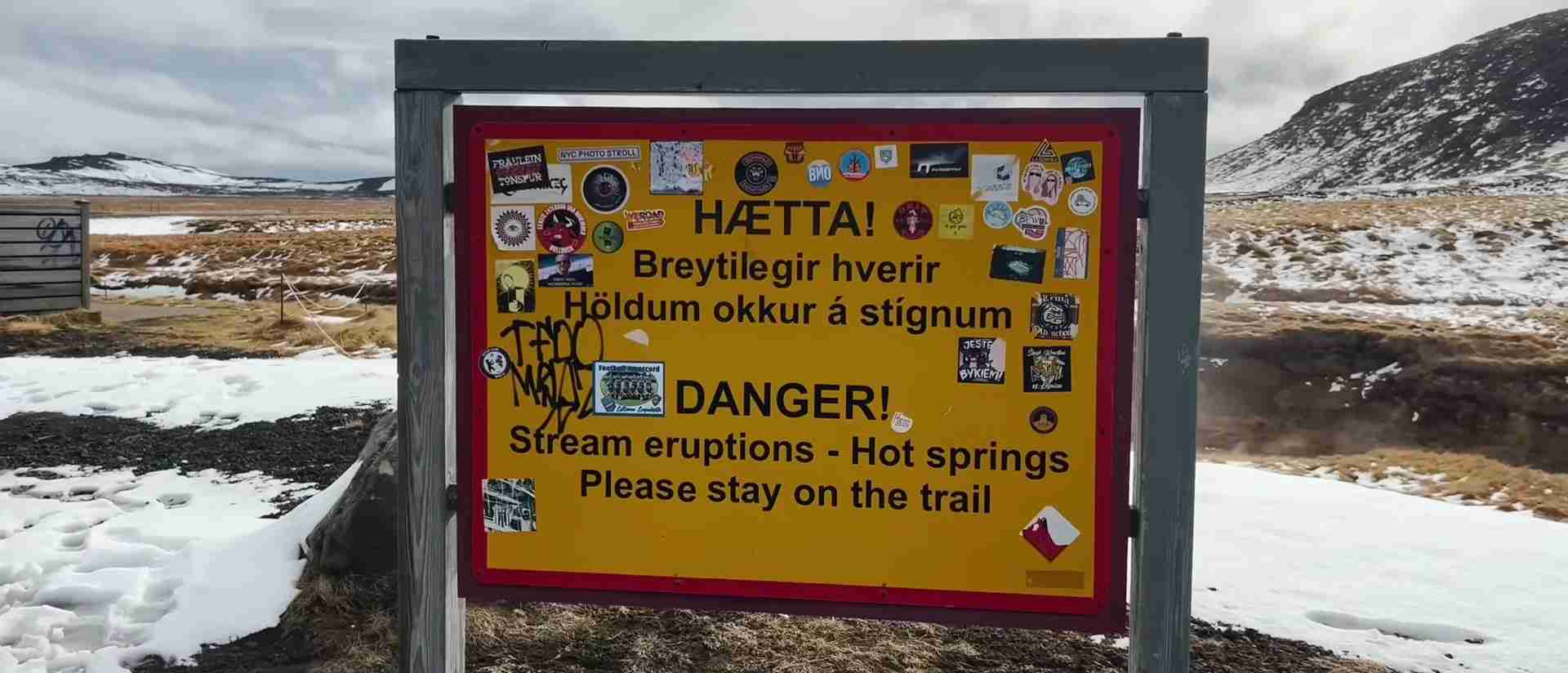
Environmental respect supersedes convenience. Stay on marked trails preventing vegetation damage and erosion. Never touch, take, or disturb volcanic rock, lava formations, or natural features—removing stones or moss is illegal and ecologically harmful. Don’t drink directly from streams without filtering (giardia and other parasites exist despite pure appearance). Observe but don’t approach wildlife. Pack out all trash including organic waste—Iceland’s cold climate means orange peels and apple cores take years to decompose. These aren’t optional guidelines but strongly enforced expectations with social and legal consequences.
Language practices reflect practical realities. English proficiency is nearly universal among Icelanders under 60, making Icelandic language learning unnecessary for tourism despite being appreciated. Young people especially speak excellent English learned through schools and English-language media. Attempting Icelandic pronunciation often leads to patient corrections rather than appreciation since mistakes sound jarring to native speakers. Learn “takk” (thanks) and “bless” (goodbye) for politeness, but conduct actual conversations in English to avoid communication problems.
Gender equality functions matter-of-factly. Women participate equally in business, politics, and social life without special accommodation. Female solo travelers receive the same treatment as male travelers or couples. Offering chivalric gestures like holding doors specifically for women or insisting on paying for women’s meals can seem patronizing rather than polite. Split bills equally, take turns paying, or discuss payment arrangements openly without gendered assumptions about who pays or earns more.
Safety and Health Considerations for Reykjavik 2026
Reykjavik ranks among the world’s safest cities with negligible violent crime, minimal property crime, and a culture of trust and mutual assistance. Locals leave baby strollers outside cafes while shopping, unlocked bicycles remain undisturbed, and street crime barely exists. Police (Lögreglan) maintain low visibility with officers typically unarmed and confrontational incidents rare. Emergency services respond quickly to any issues. Solo travelers of any gender walk freely at any hour without safety concerns. This safety extends throughout Iceland generally.
Alcohol-related incidents constitute the primary urban safety concern. Friday and Saturday nights see heavy drinking from midnight until 4-5 AM when bars close. Downtown streets fill with intoxicated crowds, occasional fights break out, and traffic increases around taxi stands. These incidents rarely affect tourists beyond witnessing drunk behavior or navigating crowded sidewalks. Avoid confrontations with intoxicated individuals, stay aware in late-night crowds, and secure valuables when in busy bar areas. Icelandic drinking culture involves binge patterns rather than consistent moderate consumption.
Emergency services use 112 as the universal number for police, fire, and ambulance. This single number routes calls appropriately with English-speaking operators. Mobile phones work throughout Reykjavik with strong coverage. Emergency room care at Landspitali University Hospital (Fossvogur area) treats urgent medical issues with payment expected but reasonable compared to American costs. European Health Insurance Card (EHIC) holders receive treatment at reduced rates while others pay full private rates. Travel insurance covering medical care is strongly recommended for non-European visitors.
Healthcare quality meets high standards with modern facilities and English-speaking medical staff. Pharmacies (Apótek) stock familiar medications with prescriptions required for many drugs available over-counter elsewhere. Lyfja pharmacy chain operates multiple locations including 24-hour emergency pharmacy at Lágmúli 5. Common ailments (colds, headaches, stomach issues) are treated with medications similar to those available internationally. Contact lens solution, sunscreen, and basic first aid supplies cost 20-30% more than in many home countries but are readily available.
Natural hazards outside the city pose greater risks than urban crime. Sudden weather changes, coastal waves, geothermal areas, and ice create hazards that kill multiple tourists annually. These primarily affect excursions outside Reykjavik—Golden Circle tours, South Coast drives, glacier hikes, and countryside activities. Within Reykjavik proper, icy sidewalks in winter cause occasional slips and falls prevented by proper footwear with grip. Strong coastal winds occasionally blow pedestrians off balance near the harbor. Otherwise, natural hazards within the city remain minimal.
Water safety requires understanding despite pure quality. Tap water is safe to drink directly from all sources including public restrooms. Geothermal hot water smells of sulfur (from hydrogen sulfide gas) but is not harmful—the smell dissipates after running cold water briefly. Don’t drink from outdoor hot springs or geothermal areas outside swimming pools as temperature and chemical content vary wildly. Ocean water around Reykjavik is extremely cold year-round (6-12°C / 43-54°F) with hypothermia risk in minutes without wetsuit protection.
Food safety standards rank high with rigorous inspection and enforcement. Restaurant food poisoning is rare. Uncooked fish and seafood appear commonly in Icelandic cuisine without safety concerns. Tap water quality exceeds bottled water globally. The primary food-related health issue involves rich, heavy Icelandic meals causing digestive discomfort for visitors unused to lamb, fish, and dairy-heavy diets. Traditional foods like fermented shark (hákarl) are safe but taste extremely strong, challenging most foreign palates.
Mental health considerations include seasonal affective disorder from winter darkness. December through February’s 4-5 hour daylight significantly affects mood, energy, and sleep patterns for light-sensitive individuals. Vitamin D supplements help mitigate these effects. Conversely, midnight sun in summer disrupts sleep cycles requiring sleep masks and careful sleep hygiene. The combination of high costs, weather challenges, and darkness can create stress—build rest days into itineraries and don’t over-schedule activities to maintain enjoyment.
Personal security of valuables follows standard practices. Use hotel safes for passports and excess cash, secure bags in crowded areas like bus terminals and market halls, and photograph important documents as backup. Phone theft occurs occasionally but much less frequently than in other European capitals. Lost items are often turned in to police or establishments where left—Icelandic honesty culture means many lost wallets and phones are recovered. Credit card use is universal and very safe with chip-and-PIN security standard.
Best Times to Visit Reykjavik 2026
June through August constitutes peak season with 20+ hours of daylight, warmest temperatures (10-15°C / 50-59°F), maximum tourist crowds, and highest prices. The midnight sun creates surreal lighting for photography and allows 2 AM walks in bright sunshine. Summer festivals, outdoor concerts, and active city energy compensate for premium accommodation costs and advance booking requirements. Weather remains cool requiring layers rather than true summer clothing. Rain occurs frequently regardless of month. Tourist sites fill with visitors and popular restaurants require reservations days ahead.
September through November offers shoulder season benefits with northern lights beginning in September once darkness returns, reduced tourist numbers, lower accommodation prices (20-30% below summer), autumn colors in late September, and generally stable weather until November’s increasing storms. September averages 8-10°C (46-50°F) with October dropping to 4-6°C (39-43°F). Daylight decreases rapidly from 13 hours in September to 6 hours by November. Many tour operators continue summer schedules through October before scaling back winter offerings. This window balances reasonable weather with lower costs.
December through February delivers winter experience with 4-5 hours of daylight, optimal northern lights viewing (though weather-dependent), access to ice caves and glacier activities, Christmas market atmosphere, and lowest accommodation prices except Christmas/New Year week. Temperatures hover around 0°C (32°F) with wind chill making it feel colder. Snow occurs but isn’t constant—Reykjavik receives less snow than inland Iceland due to coastal location and Gulf Stream influence. The prolonged darkness challenges some visitors while appealing to others seeking northern lights focus.
March through May provides spring shoulder season with increasing daylight (10-16 hours), moderate temperatures (2-8°C / 36-46°F), melting snow revealing landscapes, migratory birds returning, cheaper accommodation than summer, and growing tourism activity. Northern lights remain visible through March diminishing in April. Weather proves highly variable with winter storms possible through April but occasional sunny mild days. May marks transition toward summer with rapid daylight increase and nature awakening. Festival season begins with cultural events increasing through month.
Northern lights viewing requires September through March darkness with peak visibility during winter months when nights are longest. However, viewing success depends on solar activity, cloud cover, and light pollution—not season alone. The auroral oval favors Iceland’s latitude but clear dark skies prove essential. Urban light pollution in downtown Reykjavik inhibits viewing. Drive 15-20 minutes outside the city or join guided tours taking groups to dark locations. Forecasts at en.vedur.is provide aurora probability predictions updated regularly.
Midnight sun appears in June specifically, with late May and early July providing nearly 24-hour daylight. June 21st (summer solstice) marks the absolute peak with sunset around 12:15 AM and sunrise 3 AM, but civil twilight maintains brightness the entire night. The phenomenon creates disorienting time confusion—2 AM looks identical to 2 PM. Photography benefits enormously from golden-hour lighting lasting hours rather than minutes. Sleep disruption affects most visitors requiring sleep masks, blackout curtains, and melatonin for those sensitive to light.
Puffin season runs April through mid-August with peak viewing in June and July. Multiple boat tour operators run puffin-viewing excursions from Reykjavik Harbor to small islands where colonies nest. After mid-August, puffins return to sea for winter making viewing impossible until the following spring. Whale watching operates year-round but sees highest success rates April through October when multiple species feed in Faxaflói Bay. Minke whales, humpback whales, dolphins, and porpoises appear regularly during summer months.
Festival calendar influences visit timing. Iceland Airwaves music festival (November) brings international bands and club shows across the city. Reykjavik International Film Festival (September-October) showcases independent cinema. Sónar Reykjavik (February) features electronic music. Culture Night (August) offers free concerts, activities, and fireworks. The Winter Lights Festival (February) celebrates arts and design during darkest months. Design March (March) highlights Nordic design. These festivals create vibrant energy but also increase accommodation demand requiring advance booking.
Weather-activity considerations: summer allows camping, easier hiking without snow, longer driving days for excursions, and comfortable outdoor dining and walking. Winter enables ice cave access (mid-November through March only), northern lights tours, glacier snowmobiling, and indoor cultural activities. Spring and fall balance milder winter cold with lower summer costs while maintaining access to most activities excluding seasonal-specific offerings like ice caves or puffin tours. No season guarantees good weather—Iceland’s weather remains unpredictable year-round.
Day Trip Planning from Reykjavik 2026
The Golden Circle constitutes Iceland’s most popular day trip, covering Þingvellir National Park (continental rift and historic parliament site), Geysir geothermal area (Strokkur geyser erupting every 8-10 minutes), and Gullfoss waterfall (massive two-tier cascade). This 300 km loop takes 5-7 hours with stops at all three major sites plus optional additions like Kerið volcanic crater or Friðheimar greenhouse tomato farm. Self-drive costs $60-80 in rental car and fuel while guided bus tours charge $80-120 per person but eliminate driving responsibility and add expert commentary.
South Coast tours extend 150-200 km east along Route 1 visiting Seljalandsfoss (walkable behind waterfall), Skógafoss (powerful 60-meter waterfall), Reynisfjara black sand beach (basalt columns and powerful waves), and Dyrhólaey cliff arch. Full-day tours depart 8-9 AM returning 7-8 PM, costing $100-150 per person for guided options or $70-90 for self-drive fuel and rental. Winter daylight limits activity windows while summer allows extended exploration. Ocean conditions at Reynisfjara prove deadly—follow warning signs and stay away from waves which arrive in unpredictable sets.
Blue Lagoon geothermal spa sits 40 km from Reykjavik near Keflavik Airport along Route 41. This world-famous milky-blue geothermal pool requires advance booking (often weeks ahead in summer) with admission packages from $70 (Comfort) to $110 (Premium) to $400+ (Retreat Spa). Packages include different facilities, silica mud masks, drinks, and amenities. Plan 2-3 hours at the lagoon plus 45 minutes each way driving. Many visitors schedule Blue Lagoon stops on airport transfer days—arriving early in Iceland or departing late allows combining spa visit with transportation to/from Keflavik.
Snæfellsnes Peninsula offers diverse scenery in a single 190 km region northwest of Reykjavik. Snæfellsjökull glacier-capped volcano anchors the peninsula’s western end, surrounded by lava fields, fishing villages like Arnarstapi, black church at Búðir, and Kirkjufell mountain (Iceland’s most photographed peak). Full-day self-drive tours through the peninsula take 10-12 hours requiring early departure and late return. Guided tours cost $150-180 per person with hotel pickup. The drive itself proves scenic throughout with minimal wrong turns possible on the peninsula’s ring road.
Reykjanes Peninsula (distinct from Snæfellsnes) occupies the southwestern tip containing Keflavik Airport, Blue Lagoon, Bridge Between Continents (visual representation of North American and Eurasian plate rift), Gunnuhver geothermal area, and dramatic coastline at Reykjanesviti lighthouse. This region sees fewer tourists than Golden Circle despite proximity to Reykjavik. Self-drive exploration takes half day with multiple stops possible. Recent volcanic activity (2021-2024) created new lava fields and occasional eruption disruptions—check volcanic status before planning Reykjanes visits.
Whale watching tours depart from Reykjavik Old Harbor multiple times daily year-round with highest success rates April through October. Tours last 3-4 hours, cost $80-110 per person, and report 95-98% sighting rates during summer though species and numbers vary by day. Minke whales, humpback whales, white-beaked dolphins, and harbor porpoises appear regularly. Dress warmly even in summer—ocean wind creates significant wind chill. Seasickness affects some passengers on rougher days. Some operators offer second free tour if no whales appear on first trip.
Þórsmörk valley and Landmannalaugar highlands require 4×4 vehicles, longer drive times (2-3 hours each way), and full-day commitments but reward with Iceland’s most dramatic highland scenery. Þórsmörk offers hiking in birch-forest valley between glaciers while Landmannalaugar features colorful rhyolite mountains, natural hot springs, and volcanic landscapes. Roads to both destinations involve river crossings impossible without high-clearance 4×4 vehicles—rental cars cannot access these areas. Guided super-jeep tours cost $180-230 per person. Both regions are accessible summer only (June-September) as snow closes roads other months.
Viðey Island sits 10 minutes by ferry from Reykjavik’s Skarfabakki harbor or Harpa concert hall dock. This small island contains historical buildings, outdoor artworks including Yoko Ono’s Imagine Peace Tower, bird colonies, and walking paths with harbor views. The ferry costs 1,500 ISK ($11) round-trip or is included with Reykjavik City Card. Ferry schedule runs multiple times daily in summer, weekends only in winter. Plan 2-3 hours on the island for full exploration. The island offers peaceful escape from city crowds with Reykjavik skyline views across the water.
Sample Daily Budget for Reykjavik 2026
Budget travelers manage $100-150 per day in Reykjavik excluding accommodation through strategic spending and activity selection. This daily total covers meals, local transportation, one paid attraction, and incidental costs. Accommodation adds 5,300-8,000 ISK ($40-60) for hostel dorm beds or 13,000-19,500 ISK ($100-150) for budget hotel rooms, creating total daily expenses of $140-210 for comprehensive budget travel including lodging.
A typical budget day’s spending breaks down: breakfast from supermarket groceries 1,000-1,500 ISK ($8-12), lunch from bakery or hot dogs 1,500-2,300 ISK ($12-18), dinner from food hall or supermarket meal assembly 3,200-4,500 ISK ($25-35), Strætó bus day travel using 2-3 single tickets 1,340-2,010 ISK ($10-15), one paid attraction like thermal pool or museum 1,500-2,300 ISK ($12-18), coffee or snacks 900-1,500 ISK ($7-12), miscellaneous small purchases 1,500-2,400 ISK ($12-18), eating out or additional activities 2,000-3,000 ISK ($15-23). Total approximately 13,000-19,500 ISK ($100-150) excluding accommodation.
Mid-range travelers spend $195-300 daily excluding accommodation. This budget allows restaurant meals, multiple paid attractions, occasional taxis, and less constant price-consciousness. Accommodation adds 19,500-32,500 ISK ($150-250) for hotel rooms, creating total daily expenses of $345-550 including lodging for comfortable travel without luxury indulgence.
A typical mid-range day’s spending: breakfast at bakery or hotel (if included) 1,500-2,800 ISK ($12-22), lunch at casual restaurant or food hall 3,200-4,500 ISK ($25-35), dinner at mid-range restaurant including appetizer 6,500-9,000 ISK ($50-70), one or two drinks at happy hour prices 1,500-3,000 ISK ($12-23), Reykjavik City Card daily equivalent or attraction tickets 3,000-4,500 ISK ($23-35), coffee and pastries 1,500-2,300 ISK ($12-18), shopping, additional entertainment, or taxi rides 4,000-7,000 ISK ($30-55), miscellaneous expenses 3,800-5,900 ISK ($30-45). Total approximately 25,000-39,000 ISK ($195-300) excluding accommodation.
Luxury travelers allocate $390-730+ daily excluding accommodation. This budget supports fine dining, private tours, premium experiences, and eliminates price limitations. Five-star hotel accommodation adds 39,000-65,000+ ISK ($300-500+) per night, creating total daily expenses of $690-1,230+ for high-end travel maintaining consistent luxury standards.
A typical luxury day’s spending: hotel breakfast included with accommodation, lunch at upscale restaurant 5,200-7,800 ISK ($40-60), dinner at fine dining establishment with wine 9,750-15,600 ISK ($75-120), private guide or premium small-group tour 13,000-26,000 ISK ($100-200), spa treatment or exclusive experience 13,000-26,000 ISK ($100-200), cocktails at upscale bars 3,900-6,500 ISK ($30-50), shopping and incidentals 6,500-13,000 ISK ($50-100). Total approximately 51,000-95,000 ISK ($390-730) excluding accommodation.
Seasonal price variations affect these budgets. Summer rates (June-August) push accommodation costs 30-35% higher than winter, restaurant reservations become necessary rather than optional, and tour prices increase reflecting peak demand. Winter travel (November-March) cuts accommodation expenses significantly while maintaining similar food and activity costs. Shoulder seasons (April-May, September-October) offer middle ground with moderate accommodation pricing and full service availability.
Cost-cutting strategies for any budget level include: purchasing Reykjavik City Card when planning museum and pool visits, shopping at Bónus or Krónan supermarkets exclusively, limiting alcohol consumption or buying from Vínbúðin state stores rather than bars, booking tours directly with operators rather than through hotel concierges, walking instead of using buses or taxis when possible, bringing reusable water bottle and using free tap water, focusing free activities like coastal walks and architecture viewing, and timing restaurant meals for lunch specials rather than dinner prices.
Practical Logistics for Reykjavik 2026
Currency exchanges occur at banks and hotels throughout Reykjavik though credit cards serve as primary payment method reducing cash requirements. ATMs (Hraðbanki) accept international cards with standard foreign transaction fees charged by home banks. Credit card usage is universal—even small purchases like single bus tickets accept contactless card payment. Visa and Mastercard work everywhere while American Express receives limited acceptance. Notify banks of Iceland travel plans preventing automatic fraud blocks on cards.
SIM cards for mobile phones are available from three carriers: Síminn (the main provider), Vodafone Iceland, and Nova. Tourist SIM cards cost 2,000-3,000 ISK ($15-22) for 5-10GB data packages valid one month. Purchase at Keflavik Airport arrival area, downtown mobile shops, or 10-11 convenience stores. Iceland uses standard European frequencies with unlocked phones working without issues. Cellular coverage extends throughout Reykjavik with 4G/5G speeds. Free WiFi appears in accommodations, cafes, restaurants, libraries, and many museums.
Electrical outlets use European two-pin plugs (Type C and F) with 230V/50Hz power. North American devices require plug adapters and often voltage converters, though most modern phone/laptop chargers handle 100-240V automatically. Purchase adapters before departure or at Keflavik Airport shops. Hotels sometimes loan adapters at front desks though availability varies. USB charging ports appear increasingly common in newer accommodations eliminating adapter needs for USB-powered devices.
Laundry facilities include self-service laundromats charging 1,300-1,950 ISK ($10-15) per wash and dry cycle. Emstrur laundromat (multiple locations) operates coin-operated machines with detergent available for purchase. Many hostels include free washing machines with guests providing their own detergent. Hotels offer laundry service at premium prices around 650 ISK ($5) per item. Plan washing every 3-4 days allowing minimal clothing packing. Clothes dry slowly in humid Icelandic air—allow overnight drying time.
Luggage storage serves travelers during checkout-to-flight gaps or when moving between accommodations. BSÍ Terminal (main bus station) offers left-luggage service for 1,000 ISK ($7-8) per bag per day. Many hotels store luggage free for departing guests allowing final-day city exploration without bags. Reykjavik Luggage Storage near Hallgrímskirkja church operates dedicated storage with online booking. Some hostels charge nominal fees for post-checkout storage. Plan final day storage to avoid dragging suitcases around the compact downtown area.
Public restrooms appear in museums, cafes (purchase required), shopping centers, bus terminals, and parks. Most facilities are clean and well-maintained with toilet paper and soap provided. Cafes expect purchases from restroom users—buying coffee grants legitimate restroom access. Public swimming pools offer excellent restroom facilities including showers. No pay toilets exist in Iceland—all restrooms are either free or require establishment patronage. Baby changing facilities appear in larger public venues.
Postal services through Íslandspóstur (Iceland Post) handle mail and package shipping with post offices located throughout Reykjavik. The main post office sits at Stórhöfði 31 (Reykjavik 110) operating weekdays 9 AM-6 PM. Postage stamps are available at post offices, bookstores, and some hotels. Postcards to international destinations cost around 225 ISK ($1.70). Package shipping to North America runs high costs but provides reliable service. DHL and FedEx operate in Reykjavik for express international shipping.
Tourist information centers provide maps, brochures, and planning advice. The main Reykjavik Tourist Information Centre operates at Aðalstræti 2 (downtown) with English-speaking staff answering questions, booking tours, and offering free city maps. Opening hours typically run 8:30 AM-6 PM daily with extended hours during summer. Information also appears at Keflavik Airport arrivals area. The website visitreykjavik.is provides comprehensive planning resources accessible before departure.
Pharmacies (Apótek) stock medications with several chains including Lyfja operating multiple locations. A 24-hour emergency pharmacy operates at Lyfja Lágmúli (Lágmúli 5) for urgent medication needs. Common medications like pain relievers, cold medicine, and digestive aids are available though may require asking pharmacists rather than self-service selection. Prescriptions from foreign doctors generally aren’t honored—visit a doctor in Iceland if prescription medication is needed. Prices run 20-30% higher than many countries but remain far lower than US retail prices.
Frequently Asked Questions About Reykjavik Travel 2026
Do I need to rent a car for visiting Reykjavik in 2026?
Car rental is unnecessary for visitors staying within Reykjavik city limits since the compact downtown measures just 1.5 km across with excellent walking infrastructure and comprehensive bus coverage via the Strætó network. The combination of walkability and public transportation serves city-focused itineraries efficiently. However, rental cars become valuable for day trips beyond the capital—the Golden Circle, South Coast, Snæfellsnes Peninsula, and Blue Lagoon all require either rental cars or joining guided tours. Compare costs: self-drive day trips cost $60-80 in fuel and rental versus $80-180 per person for guided bus tours, making cars economical for couples or groups planning multiple excursions. Book rental cars well ahead (2-3 months for summer travel) as demand exceeds supply during peak season with prices rising as availability shrinks.
What language do people speak in Reykjavik?
Icelandic serves as the official language and primary tongue among locals, representing one of the world’s oldest continuously spoken languages closely resembling Old Norse. However, English proficiency approaches universal levels among Icelanders under age 60, particularly in Reykjavik where tourism and international business create daily English usage. Young people especially speak excellent English learned through comprehensive school instruction and exposure to English-language media. Signs, menus, and museum information appear in both Icelandic and English. Attempting Icelandic pronunciation often leads to patient corrections since mistakes sound jarring to native speakers—learn basic courtesy words like “takk” (thanks) and “bless” (goodbye) but conduct substantive conversations in English without apology. The language barrier essentially doesn’t exist for English-speaking tourists visiting Iceland’s capital.
Is Reykjavik expensive compared to other European cities in 2026?
Reykjavik ranks among Europe’s three most expensive cities alongside Oslo and Zurich with prices 44% higher than Germany and 85% higher than Italy on average across food, accommodation, and services. Restaurant meals cost $25-50 per person for dinner, beer runs $8-10 per pint, hostel dorm beds charge $40-60 nightly, and mid-range hotels demand $150-250 per night during summer. These elevated costs reflect Iceland’s small population (390,000 nationally), geographic isolation requiring imported goods, high wages, and strong currency. Strategic budget management becomes essential: shop at discount supermarkets Bónus or Krónan rather than convenience stores, use the Reykjavik City Card for unlimited bus travel and museum entry, focus lunch specials over dinner prices, limit alcohol consumption, and utilize free activities including coastal walks, architecture viewing, and natural sites. Budget travelers manage $100-150 daily excluding accommodation through careful planning while mid-range travelers require $195-300 daily to maintain comfortable standards.
Can I see northern lights from Reykjavik in 2026?
Northern lights appear in Reykjavik skies from September through March when darkness returns after summer’s midnight sun, with peak viewing probability during winter months (November-February) when nights are longest. However, urban light pollution from downtown streetlights and buildings significantly reduces visibility compared to rural locations. Successfully viewing aurora from within Reykjavik requires exceptionally strong auroral activity (KP index 4+) and clear skies—conditions that align only occasionally. Most successful viewing occurs by driving 15-20 minutes outside the city to darker areas like Grótta lighthouse, Álftanes peninsula, or Þingvellir National Park where light pollution drops dramatically. Alternatively, join organized northern lights tours (costing $60-120 per person) that transport groups to optimal viewing locations and monitor forecasts to maximize success probability. Check aurora forecasts at en.vedur.is showing KP index predictions and cloud cover maps updated every few hours—these forecasts prove far more accurate than attempting viewing on speculation alone.
What should I know about tipping in Iceland?
Tipping is neither expected nor customary in Iceland since service charges are included by law in all prices, eliminating the economic pressure that drives tipping culture in countries like the United States. Icelandic servers, bartenders, taxi drivers, and tour guides earn full wages rather than depending on tip income. Leave no tip at restaurants, bars, or taxis under normal circumstances—the 15-20% additional payments common elsewhere are unnecessary here. If service was genuinely exceptional and you specifically wish to acknowledge it, 5-10% maximum is appropriate though still uncommon. Cash tips create accounting complications for businesses while also marking you as unfamiliar with local customs. Round up taxi fares to the next convenient amount (paying 2,000 ISK for a 1,870 ISK fare) but don’t calculate percentage-based tips. Tour guides occasionally receive tips from international guests familiar with tipping culture, but this remains optional rather than expected—a simple verbal thank you suffices equally.
How many days should I spend in Reykjavik?
Three full days in Reykjavik itself allows thorough exploration of the compact downtown core including major museums (National Museum, Settlement Exhibition, Reykjavik Art Museum), thermal pools (Sundhöllin, Laugardalslaug), harbor area, Hallgrímskirkja church, and neighborhood walks without feeling rushed. Add one day per major day trip destination—Golden Circle requires one day, South Coast demands one day, Snæfellsnes Peninsula takes one day, Blue Lagoon with airport transfer consumes half day. A comprehensive Reykjavik visit lasting 5-7 days combines thorough city exploration with multiple day trips providing broad Iceland experience while maintaining the capital as a base. Shorter 2-day city visits cover highlights including one thermal pool, 2-3 museums, harbor area, and main streets but require prioritization. Longer stays exceeding one week suit travelers seeking deep cultural immersion, frequent day trips, or those using Reykjavik as a base for extended exploration before or after ring road driving circumnavigating Iceland’s 1,332 km perimeter.
What’s the best way to experience Reykjavik’s swimming pool culture in 2026?
Visit one of Reykjavik’s eight public geothermal swimming pools where locals gather year-round for swimming, soaking in hot tubs, and social interaction—this represents authentic Icelandic culture rather than tourist attraction. Pools like Sundhöllin (downtown, historic building), Laugardalslaug (large complex with water slide), and Vesturbæjarlaug (neighborhood favorite) open early morning to late evening with admission costing 1,100 ISK ($8.50) for adults. The Reykjavik City Card includes free entry to all eight pools. Mandatory pre-swim protocol requires naked showering without swimsuits in communal changing rooms with diagrams showing which body parts to scrub—shower in private stalls if uncomfortable with nudity but still remove swimsuit. Pools maintain 25-28°C (77-82°F) water for lap swimming while hot tubs range 38-42°C (100-108°F). Locals use pools for social gathering with conversations occurring across hot tub groups and steam rooms serving as community spaces. Bring swimsuit (not board shorts for men), rent towels for 700 ISK ($5) or bring your own, and expect to spend 1-2 hours for the complete experience including sauna, steam room, hot tubs, and swimming.
Are credit cards accepted everywhere in Reykjavik?
Credit and debit cards function as the primary payment method throughout Reykjavik with acceptance approaching 100% including buses, small purchases, public restrooms (where paid), taxis, food trucks, and even some homeless individuals accepting contactless donations. Iceland operates as one of the world’s most cashless societies with many establishments preferring cards over cash which requires counting, securing, and banking. Visa and Mastercard work universally while American Express receives more limited acceptance at smaller vendors. Contactless tap payments function for purchases under 5,000 ISK ($38) without requiring PIN entry. The Klappið bus app accepts only card payment with cash no longer accepted on Strætó buses system-wide. This near-total card acceptance reduces cash needs dramatically—carry 5,000-10,000 ISK ($38-77) in cash for emergencies or the rare cash-only market stall but conduct 95% of transactions via card. Notify banks of Iceland travel dates preventing automatic fraud blocks when foreign charges appear. Check if home bank charges foreign transaction fees (typically 1-3%) and consider cards offering zero foreign transaction fees for international travel.
What are the best free things to do in Reykjavik in 2026?
Reykjavik offers substantial free activities despite the city’s expensive reputation. Walk the downtown streets photographing colorful buildings and street art murals decorating walls throughout the city center. Visit Hallgrímskirkja church exterior and admire Expressionist architecture inspired by basalt lava columns—the observation deck charges admission but external viewing and surroundings are free. Explore the harbor area watching fishing boats, tour boats, and cruise ships while observing seabirds. Stroll the coastal sculpture walk from downtown east to Höfði house passing Sun Voyager sculpture (popular photo spot) with ocean and mountain views. Wander through Laugardalur park and valley featuring botanical garden areas, sports facilities, and green space. Browse Kolaportið flea market on weekends (Saturday-Sunday) for Icelandic goods, used books, and traditional foods with entry free though purchases cost money. Attend free concerts at Harpa concert hall—check weekly schedules for foyer performances. Walk or cycle the Reykjavik coastline from Seltjarnarnes to Laugarnes covering approximately 8 km of scenic waterfront. Visit downtown churches including Catholic Cathedral and Domkirkjan (Lutheran Cathedral) during service hours. Explore residential neighborhoods like Vesturbær and Þingholt observing local architecture and daily life. These free activities combine easily into full days when mixed strategically with one or two paid museums or attractions.
How should I plan for Iceland’s unpredictable weather in Reykjavik?
Weather in Iceland changes rapidly with sun, rain, wind, and occasionally snow occurring within single days regardless of season—pack and plan accordingly rather than relying on week-ahead forecasts which hold limited accuracy. Check vedur.is (Icelandic Meteorological Office) daily for updated forecasts including wind speed predictions that prove as important as temperature. Layer clothing with waterproof outer shell (jacket and pants), insulating mid-layers (fleece or down), and moisture-wicking base layers allowing adjustment as conditions change throughout the day. Bring waterproof hiking boots for dry feet during frequent rain. Understand that wind amplifies cold dramatically—a calm 5°C (41°F) feels comfortable while a windy 5°C penetrates layers and chills immediately. Download the Vedur app providing push notifications about weather warnings and regularly updated forecasts. Accept that some planned activities may face weather disruptions requiring flexibility—have backup indoor options identified including museums, swimming pools, cafes, and shopping for days when outdoor plans become unpleasant due to severe wind or rain. The Icelandic saying “if you don’t like the weather, wait five minutes” proves both literally true and philosophically important—weather rarely remains poor for extended periods making patience a valuable planning tool alongside preparation.