Ragusa & Modica Day Trip from Catania 2026: UNESCO Baroque Towns Guide
Key Takeaways
- Ragusa and Modica offer the finest baroque architecture in Sicily, both UNESCO World Heritage sites accessible as a day trip from Catania in 2026
- Total day trip costs range €65-95 per person including transportation, meals, and chocolate tastings (excluding organized tours)
- Independent travel by bus or rental car provides maximum flexibility, while organized tours offer convenience and expert commentary for €75-120
- Start early (7:00-7:30 AM departure) to experience both towns comfortably with 3-4 hours in each destination
- Modica’s ancient chocolate-making tradition and Ragusa Ibla’s stunning baroque churches create unforgettable cultural experiences
- Book accommodation and tours 2-3 months ahead for summer 2026 visits, especially for popular chocolate workshop experiences
Planning Your Ragusa & Modica Day Trip in 2026
The southeastern corner of Sicily holds two of the island’s most magnificent baroque treasures: Ragusa and Modica. These UNESCO World Heritage towns, rebuilt after the devastating 1693 earthquake in spectacular late-baroque style, offer a journey into Sicily’s golden age of architecture and culture. Both destinations sit within comfortable day-trip distance from Catania, making them essential additions to any 2026 Sicilian itinerary.
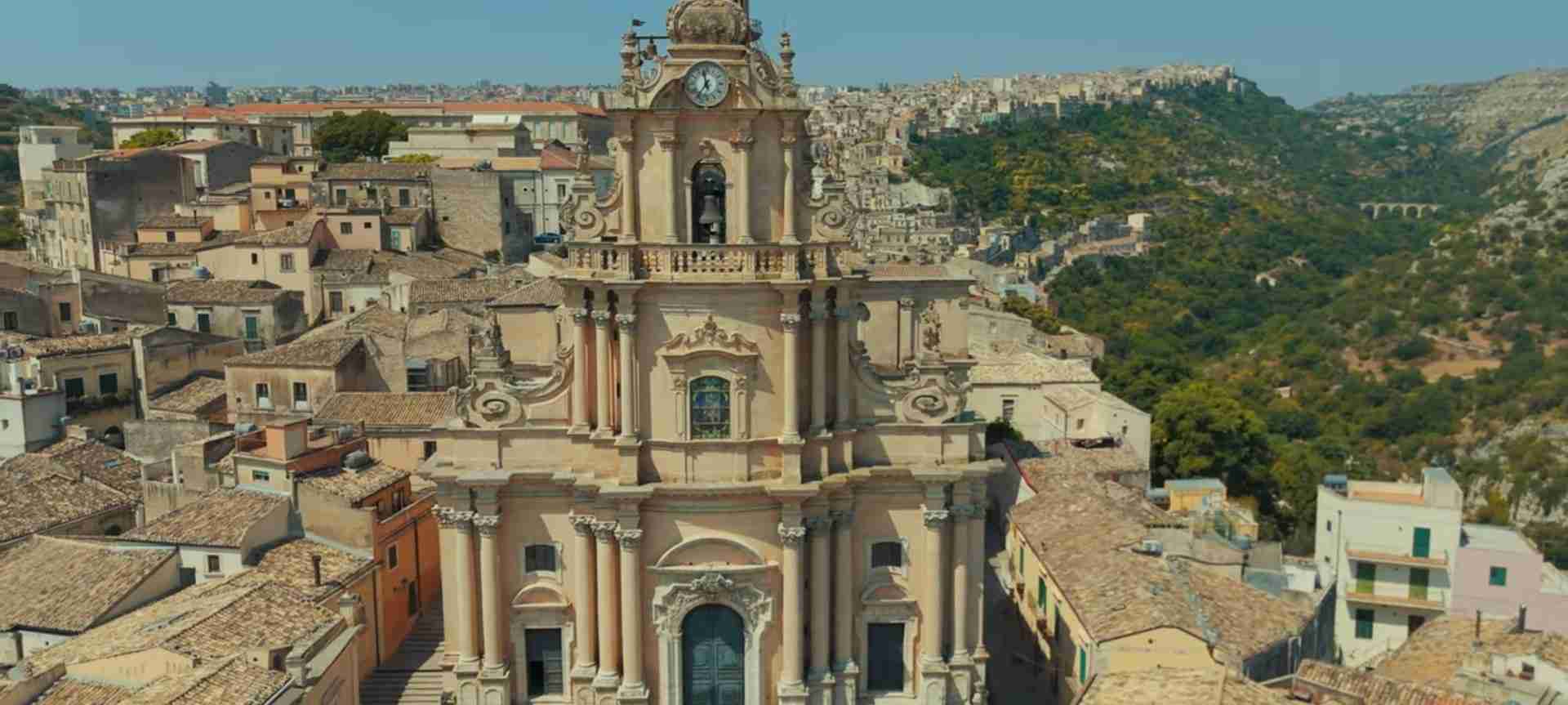
Ragusa captivates visitors with its dramatic two-level structure—the upper modern town of Ragusa Superiore and the enchanting historic quarter of Ragusa Ibla, connected by steep staircases and winding roads. The baroque churches of San Giorgio and San Giuseppe stand as masterpieces of Sicilian baroque architecture, their honey-colored facades glowing in the Mediterranean sunlight. Meanwhile, Modica’s unique urban layout follows the natural contours of a river valley, creating a theatrical cascade of baroque buildings crowned by the magnificent Cathedral of San Giorgio.
Beyond architectural splendor, these towns offer authentic Sicilian experiences far from the tourist crowds of coastal resorts. Modica’s ancient chocolate-making tradition, unchanged since Aztec times, provides a delicious cultural discovery. The slow pace of life, friendly locals, and outstanding traditional cuisine create an immersive experience that captures the essence of inland Sicily. This comprehensive guide provides everything needed to plan your 2026 day trip from Catania to these baroque masterpieces.
The journey from Catania to this baroque heartland takes approximately 90-120 minutes depending on your chosen transportation method and destination. The route traverses the scenic interior of southeastern Sicily, passing through olive groves, ancient stone walls, and rolling agricultural landscapes that have changed little over centuries. Most visitors combine both towns in a single day trip, though each destination deserves several hours of exploration to fully appreciate its architectural and cultural treasures.
People Also Ask About Ragusa & Modica Day Trips 2026
How much does a day trip from Catania to Ragusa and Modica cost in 2026?
An independent day trip from Catania to Ragusa and Modica costs €65-95 per person in 2026, including round-trip bus transportation (€15-20), meals (€35-50), and chocolate tastings (€10-15). Rental car options add €30-50 for vehicle rental plus fuel costs of €15-20. Organized group tours range €75-95 for standard experiences, while private tours cost €110-140 per person for small groups. These costs exclude accommodation in Catania.
Budget-conscious travelers can reduce costs by packing lunch (saving €15-20), taking public buses instead of tours, and limiting chocolate purchases to one or two artisanal shops. Mid-range travelers typically spend €80-100 including a sit-down lunch in both towns and several chocolate tastings. Luxury experiences with private drivers and guide services reach €150-200 per person but provide personalized attention and flexible timing throughout the day.
Can you visit both Ragusa and Modica in one day from Catania in 2026?
Visiting both Ragusa and Modica in one day from Catania remains entirely feasible in 2026 with proper planning and early departure. The towns sit just 15 kilometers apart with frequent bus connections taking 20-25 minutes. A typical schedule involves departing Catania at 7:00-7:30 AM, arriving in Ragusa by 8:30-9:00 AM, exploring for 3-4 hours, transferring to Modica for another 3-4 hours, and returning to Catania by 7:00-8:00 PM.
This timeline allows adequate exploration of each town’s main attractions without rushing. In Ragusa, visitors can walk through Ragusa Ibla’s baroque center, visit key churches, and enjoy lunch. In Modica, the Cathedral of San Giorgio, chocolate shops, and historic center fit comfortably into an afternoon visit. Some travelers prefer focusing on one town for deeper exploration, particularly photographers or those interested in extensive museum visits.
What is the best way to travel from Catania to Ragusa and Modica in 2026?
The best transportation method depends on your priorities and budget. Public buses operated by AST and Interbus provide the most economical option at €7-10 each way, with 4-6 daily departures from Catania to Ragusa taking 90-110 minutes. From Ragusa, local buses to Modica run hourly with 20-25 minute journey times. This option costs €15-20 total but requires adhering to fixed schedules and potential waiting times between connections.
Rental cars offer maximum flexibility for €30-50 daily plus fuel, ideal for travelers wanting to control timing and potentially add stops like Noto or Syracuse. The drive follows well-maintained highways with clear signage, though parking in historic centers requires attention to restricted zones. Organized tours at €75-95 eliminate logistics stress and provide expert commentary but reduce personal flexibility. Private tours at €110-140 per person combine convenience with customization for small groups or families.
When is the best time to visit Ragusa and Modica from Catania in 2026?
Spring (April-May) and fall (September-October) offer optimal conditions for visiting Ragusa and Modica in 2026. Temperatures range 18-25°C with comfortable walking conditions and fewer crowds than summer months. May brings vibrant wildflowers to the surrounding countryside, while September offers harvest season atmosphere with local food festivals. These shoulder seasons provide excellent value with lower accommodation costs and more authentic interactions with locals.
Summer (June-August) brings intense heat with temperatures reaching 30-35°C, making extensive walking challenging during midday hours. However, longer daylight extends exploration time and aligns with peak cultural events. Winter (November-March) sees cooler temperatures of 10-15°C and occasional rain, but baroque architecture gains dramatic character under cloudy skies and crowds disappear almost entirely. Winter also showcases Modica’s chocolate tradition during the holiday season when production intensifies for Christmas celebrations.
Extended multi-day tours – 5+ days
Featured Catania Multi-Day Tour Packages
5 days
Sicilian Secrets – Mini Tour of Sicily 5 days
- ✓ Comprehensive Catania tour
- ✓ Expert local guides included
- ✓ All accommodation arranged
- ✓ Transportation provided

7 days
South-Oriental Sicily Beauty, Self-Drive
- ✓ Comprehensive Catania tour
- ✓ Expert local guides included
- ✓ All accommodation arranged
- ✓ Transportation provided
5 days
A Taste of Sicily
- ✓ Comprehensive Catania tour
- ✓ Expert local guides included
- ✓ All accommodation arranged
- ✓ Transportation provided
6 days
Sicilian Secrets – Tour of Sicily 6 days
- ✓ Comprehensive Catania tour
- ✓ Expert local guides included
- ✓ All accommodation arranged
- ✓ Transportation provided
Multi-day tour packages powered by TourRadar. Prices and availability subject to change.
Essential Planning Information 2026
Current Costs and Pricing Breakdown 2026
Transportation costs from Catania to Ragusa range €7-10 for public buses with return tickets at similar prices. The AST bus service charges €9 for direct service, while Interbus offers comparable fares at €8-10 depending on advance purchase. Check official websites for current rates as pricing may vary. Rental cars cost €30-50 per day for compact vehicles during 2026, with automatic transmission adding €10-15 to daily rates. Fuel for the round-trip journey adds €15-20 based on current petrol prices.
Organized day tours from Catania to both towns cost €75-95 per person for group experiences including transportation and guide services. Private tours range €110-140 per person for groups of 4-6 participants, offering flexible itineraries and personalized attention. These prices typically include transportation but exclude meals and entrance fees. Some premium tours incorporate lunch and chocolate tastings for €120-150 per person.
Meals in Ragusa and Modica suit various budgets. Quick lunch options at cafes or pizzerias cost €10-15, while sit-down trattoria meals range €20-30 for pasta, main course, and wine. Traditional restaurants serving full Sicilian menus charge €30-40 per person. Modica’s famous chocolate costs €3-8 per 100-gram bar depending on cacao content and artisan producer. Chocolate tasting experiences at historic workshops charge €8-15 per person for guided tastings of multiple varieties.
Transportation Options and Schedules 2026
AST buses depart Catania’s main bus terminal (Via d’Amico, near the train station) for Ragusa with 4-5 daily departures starting at 6:45 AM. Journey time averages 90-110 minutes depending on route and stops. The earliest departure at 6:45-7:00 AM provides maximum exploration time, while later buses at 10:00 AM and 1:00 PM suit travelers preferring relaxed mornings. Return buses from Ragusa to Catania operate until 7:00-7:30 PM, with the last departure ensuring return to Catania by 9:00 PM.
Interbus operates similar routes with slightly different schedules, offering additional flexibility. Purchase tickets online through official websites for guaranteed seats during peak summer months, or buy at the terminal 30 minutes before departure during shoulder seasons. Both companies offer mobile tickets accessible through smartphone apps, eliminating paper ticket concerns.
Between Ragusa and Modica, AST operates hourly bus service taking 20-25 minutes with fares of €2-3 each way. Buses depart from Ragusa’s main terminal near the modern town center, not from Ragusa Ibla. Allow 15-20 minutes to walk or take a local bus from Ibla to the main terminal. Alternatively, taxis between the towns cost €25-35 for direct service, worthwhile when traveling with 3-4 people or managing tight schedules.
Rental car driving from Catania follows the E45/SS514 highway toward Ragusa, a well-maintained route with clear signage. Exit for Ragusa Ibla follows specific signs avoiding the modern upper town. Parking near the historic center costs €1-2 per hour at designated lots. The drive from Ragusa to Modica takes 20-25 minutes via SS115, with free parking available near Modica’s lower town. Navigation apps provide reliable directions, though some historic center streets have limited vehicle access.
Best Time to Visit Ragusa and Modica in 2026
Seasonal Analysis for 2026
Spring 2026 (April-May) emerges as the prime season for visiting Ragusa and Modica. Temperatures range 18-24°C with comfortable conditions for extensive walking through hilly historic centers. April brings wildflower blooms to the countryside along the route, creating photogenic landscapes. May sees longer daylight hours extending to 8:00 PM, providing ample exploration time even with mid-morning departures from Catania. Easter celebrations in April showcase traditional Sicilian religious processions with elaborate decorations in both towns’ baroque churches.
Summer 2026 (June-August) brings peak tourist season with temperatures reaching 30-35°C during midday hours. July and August see increased visitor numbers, particularly Italian tourists during traditional August holidays. The intense heat makes morning and late afternoon the preferred exploration times, with long lunch breaks in air-conditioned restaurants becoming practical necessities. Summer advantages include extended opening hours for attractions, numerous cultural events, and guaranteed sunny weather for photography. Book tours and accommodation 2-3 months ahead for July-August visits.
Fall 2026 (September-October) rivals spring as optimal visiting season. September maintains summer warmth at 24-28°C but with fewer crowds after Italian schools reopen. October brings harvest season atmosphere with food festivals celebrating local products. The grape harvest in surrounding countryside adds cultural authenticity, while moderate temperatures of 20-25°C suit comfortable all-day exploration. Fall lighting enhances baroque architecture photography with warm golden tones during late afternoon hours.
Winter 2026 (November-March) attracts fewer visitors but offers unique advantages. Temperatures cool to 10-16°C with occasional rain requiring flexible planning. However, baroque architecture gains dramatic character under cloudy skies, and the absence of crowds allows intimate experiences with local culture. Modica’s chocolate tradition intensifies during December-January when production peaks for Christmas and Epiphany celebrations. Winter hotel rates drop 30-40% below summer prices, and restaurants welcome visitors with genuine warmth rather than tourist-season efficiency.
Weather Patterns and Crowd Predictions 2026
Ragusa and Modica experience typical Mediterranean climate with hot dry summers and mild wet winters. Summer months see minimal rainfall with average precipitation under 10mm per month from June through August. Temperatures peak at 32-35°C in July-August with nighttime lows around 22-24°C. The interior location moderates coastal humidity, though heat intensity remains significant during midday hours from 12:00-4:00 PM.
Spring and fall bring moderate temperatures and occasional rainfall, typically brief showers rather than extended rainy periods. April averages 40-50mm of rain over 7-8 days, while October sees similar patterns. These showers often occur during morning or evening hours, leaving midday clear for sightseeing. Pack a light waterproof jacket during shoulder seasons but expect predominantly sunny conditions suitable for outdoor exploration.
Crowd levels vary significantly by season and day of week. Peak summer weekends (July-August) bring maximum visitors, particularly Italians taking weekend trips from nearby cities. Tuesday-Thursday in shoulder seasons offer the quietest experiences with locals outnumbering tourists. Major Italian holidays (Easter week, August 15, Christmas-New Year) see increased domestic tourism. Cultural events like the Chocomodica chocolate festival in December draw specialized crowds of food enthusiasts but don’t create general overcrowding.
Morning hours before 11:00 AM provide the most peaceful exploration in both towns year-round. Late afternoon after 4:00 PM sees tour groups departing and locals emerging for evening passeggiata. Plan key photography and church visits during these quieter periods for unobstructed views and better interaction opportunities with resident communities.
Exploring Ragusa in 2026
Ragusa Ibla Historic Center
Ragusa Ibla represents the baroque heart of Ragusa, rebuilt after the 1693 earthquake with spectacular late-baroque architecture that earned UNESCO World Heritage designation. The historic quarter occupies a hillside location separated from modern Ragusa Superiore by a steep valley, creating one of Sicily’s most dramatic urban landscapes. Three main routes connect the two levels: a scenic staircase of 242 steps (Santa Maria delle Scale), a winding road suitable for vehicles, and a public bus service operating every 30 minutes.
Start exploration at Piazza Duomo, the magnificent central square dominated by the Cathedral of San Giorgio, considered one of Sicily’s finest baroque churches. Designed by Rosario Gagliardi in the 1740s, the facade rises in three tiers with elaborate sculptural decoration and graceful curved lines. The interior features impressive frescoes, marble decorations, and a sense of theatrical grandeur characteristic of Sicilian baroque. Admission costs €3 with reduced hours during mass times (typically 8:00-9:00 AM and 6:00-7:00 PM weekdays).
From the Duomo, explore the maze of narrow streets radiating outward. Via del Mercato leads to the Garden of Ibla (Giardino Ibleo), a public park offering panoramic views over the valley and surrounding countryside. The garden entrance remains free with opening hours from 8:00 AM to sunset year-round. Three baroque churches within the garden merit visits: San Giacomo, San Domenico, and the Capuchin church, all featuring ornate interiors with original frescoes and sculptural elements.
The Church of San Giuseppe (St. Joseph) on Via Coffa showcases another Gagliardi masterpiece with an elliptical floor plan and spectacular dome frescoes. The church opens daily 10:00 AM – 12:30 PM and 4:00-6:30 PM with €2 admission. Nearby, the Church of Santa Maria dell’Idria features a unique blue-and-gold majolica dome visible from viewpoints throughout the valley, representing one of Ragusa’s most photographed architectural elements.
Allow 3-4 hours for thorough Ibla exploration including church visits, coffee breaks, and photography time. The compact historic center measures roughly 800 meters across, making walking the only practical transportation method. Wear comfortable shoes for cobblestone streets and occasional stairways between different levels. Many streets maintain medieval width, providing shade during summer but creating dramatic light-and-shadow contrasts for photography enthusiasts.
Dining Recommendations Ragusa 2026
Ragusa Ibla offers exceptional dining across budget ranges. For quick lunch, La Bettola serves traditional Sicilian street food including arancini (€3-4), panini with local salumi and cheese (€5-7), and fresh pastries (€2-3). The casual atmosphere and outdoor seating overlooking narrow streets provide authentic local flavor without formal dining commitments.
Mid-range trattorias line Via Orfanotrofio and surrounding streets. Locanda Don Serafino has earned a Michelin star but maintains reasonable lunch pricing at €35-45 for three courses featuring seasonal Ragusan specialties. The historic stone interior and expert service elevate the experience beyond typical tourist restaurants. Reservations recommended for dinner, though lunch service accommodates walk-ins during most periods.
Ristorante Duomo, another Michelin-starred establishment, occupies an 18th-century palazzo near the Duomo with refined interpretations of Sicilian cuisine. Lunch menus range €40-55 with tasting menus at €80-100 for five courses. The restaurant combines high-level cooking with approachable atmosphere, avoiding pretension while delivering exceptional food quality. Book 2-3 weeks ahead for weekend visits during peak season.
Budget travelers find excellent value at Il Barocco, a family-run trattoria offering generous portions of pasta (€8-12), grilled meats (€12-16), and local wines by the carafe (€8-12 per liter). The €20-25 fixed-price menu provides complete meal including antipasto, pasta, main course, and dessert. No reservations accepted; arrive before 1:00 PM or after 2:30 PM to avoid peak lunch crowds.
Discovering Modica in 2026
Modica Historic Center and Cathedral
Modica’s unique topography creates a town that flows down a hillside in dramatic tiers of baroque buildings. The historic center divides into Modica Alta (upper town) and Modica Bassa (lower town), connected by steep staircases and winding streets that reward exploration with unexpected architectural discoveries and stunning viewpoints. The town’s layout follows the natural contours of two river valleys, creating a theatrical urban landscape unlike any other Sicilian town.
The Cathedral of San Giorgio in Modica Alta dominates the skyline, reached by a monumental staircase of 250 steps. This baroque masterpiece, also designed by Rosario Gagliardi, showcases similar architectural elements to Ragusa’s San Giorgio but with unique character. The five-tier facade rises dramatically with sculptural decoration and graceful proportions. Interior frescoes depict scenes from the life of Christ with vibrant colors preserved through recent restoration. The cathedral opens daily 10:00 AM – 1:00 PM and 4:00-7:00 PM with free admission, though donations support ongoing conservation efforts.
From the cathedral steps, panoramic views encompass the entire lower town spreading through the valley below. Bring a camera with wide-angle capability to capture the cascading architecture and distant hills. Late afternoon light (4:00-6:00 PM) provides optimal conditions with warm tones illuminating honey-colored baroque facades.
Modica Bassa centers around Corso Umberto I, the main street lined with baroque palaces, artisan shops, and chocolate producers. The Church of San Pietro features another impressive staircase leading to an elaborate facade with statues of the twelve apostles. Free admission allows visitors to appreciate the baroque interior with original altarpieces and decorative elements. The Museo del Cioccolato di Modica (Chocolate Museum) occupies a historic palace documenting the town’s ancient chocolate-making tradition with historical artifacts, demonstrations, and tasting opportunities. Admission costs €5 including guided tour and chocolate samples.
Modica Chocolate Experience 2026
Modica’s chocolate tradition traces to Spanish colonial rule when Aztec chocolate-making methods arrived in Sicily. The ancient technique grinds cacao beans with sugar at low temperatures, creating grainy texture and intense cacao flavor unlike smooth European chocolate. This unique product has earned IGP (Protected Geographical Indication) status recognizing its cultural and historical significance.
Antica Dolceria Bonajuto, established in 1880, operates as Sicily’s oldest chocolate producer maintaining traditional methods. The family-run shop offers tastings of classic varieties including pure cacao, vanilla, cinnamon, and chili pepper. Prices range €6-8 per 100-gram bar with sampler packs at €15-20 containing multiple flavors. The shop provides detailed explanations of production methods and historical context, creating educational experience beyond simple purchasing. Open daily 9:00 AM – 8:00 PM during peak season, reduced hours November-March.
Donna Elvira offers chocolate workshops where participants create their own Modica chocolate under expert guidance. The 90-minute workshop costs €25 per person including materials, instruction, and samples to take home. Sessions operate Tuesday, Thursday, and Saturday at 10:00 AM and 3:00 PM with advance booking required through their website. The hands-on experience provides deep understanding of traditional techniques while creating personalized souvenir.
Caffè dell’Arte combines chocolate production with baroque-style cafe serving hot chocolate prepared with Modica chocolate (€4-5), pastries featuring chocolate (€3-4), and gelato with chocolate varieties (€3-4). The elegant interior and outdoor seating along Corso Umberto I provide perfect rest stop during town exploration. Try the granita al cioccolato Modicano, a traditional summer refreshment with intense chocolate flavor.
Budget chocolate enthusiasts find quality products at Ciokarrua, a cooperative of small producers offering competitive prices of €5-7 per bar with frequent multi-buy discounts. The shop stocks varieties from several artisans, allowing comparison tasting of different production styles. Located on Via Grimaldi just off the main corso, the shop maintains irregular hours but opens reliably 10:00 AM – 1:00 PM and 4:00-7:00 PM daily.
Modica Practical Information 2026
Allow 3-4 hours for Modica exploration including cathedral visits, chocolate experiences, and walking through the historic center. The compact town center measures roughly one kilometer from the bus station to San Giorgio cathedral, though vertical climbing adds significant effort. Public elevators and escalators assist ascent from Modica Bassa to Modica Alta at strategic locations, free to use and operating daily 7:00 AM – 11:00 PM.
Parking near the historic center costs €1 per hour at designated lots. Free parking exists on the outskirts requiring 15-20 minute walks uphill to reach the main attractions. Street parking throughout the center follows complex restricted-zone regulations; stick to paid lots to avoid €40-80 parking violations.
Public restrooms near Piazza Matteotti and the bus station charge €0.50-1.00. Alternatively, most cafes allow restroom use with purchase of coffee or drink. The tourist information office on Corso Umberto I provides free maps and practical advice, open Monday-Saturday 9:00 AM – 1:00 PM and 3:30-6:30 PM, reduced hours in winter.
ATMs operate throughout the center, though carrying cash for small purchases at artisan shops and street food vendors proves practical. Many chocolate shops accept cards for purchases over €10-15, while smaller vendors prefer cash. Some traditional establishments close 1:00-4:00 PM for lunch break; plan shopping and dining accordingly around these closures.
Sample 2026 Day Trip Itinerary
Full Day Ragusa & Modica Itinerary
6:45 AM – Departure from Catania: Board early AST bus from Via d’Amico terminal. Purchase cornetto and coffee (€3-4) from terminal cafe for breakfast during journey. The 90-minute ride provides scenic views of interior Sicily with sunrise lighting over agricultural landscapes.
8:15 AM – Arrival in Ragusa: Arrive at Ragusa main bus terminal. Take local bus or taxi (€5-8) to Ragusa Ibla, or walk the scenic route down stairs in 25-30 minutes. Begin exploration while morning light illuminates baroque facades and before tour groups arrive.
8:30 AM – Ragusa Ibla Exploration: Start at Piazza Duomo and Cathedral of San Giorgio. Photograph the facade in morning light before entering for interior visit (€3). Walk through Giardino Ibleo gardens for valley views and visit smaller baroque churches. Explore narrow streets discovering artisan workshops and local life.
11:30 AM – Coffee Break: Stop at traditional cafe for espresso and Sicilian pastry (€4-5). Rest in shaded piazza observing local daily life and planning remainder of morning.
12:00 PM – Lunch in Ragusa: Choose from quick street food (€10-15) or sit-down trattoria meal (€20-30). Try traditional Ragusan specialties like ravioli with ricotta and pork, caciocavallo cheese, or seasonal pasta dishes featuring local ingredients.
1:30 PM – Depart for Modica: Take AST bus from Ragusa terminal to Modica (€2-3, 20-25 minutes). Time schedule allowing return to upper town from Ibla by walking or local bus (15-20 minutes).
2:00 PM – Arrive Modica: Begin in Modica Bassa along Corso Umberto I. Visit chocolate shops for tastings and purchases, exploring main street’s baroque architecture and artisan boutiques.
3:00 PM – Climb to San Giorgio: Ascend monumental staircase to Cathedral of San Giorgio for interior visit and panoramic views. Photograph the valley and cascading town from cathedral steps.
4:00 PM – Chocolate Workshop or Museum: Participate in chocolate-making workshop (€25, 90 minutes) or visit Chocolate Museum (€5, 45 minutes) for deeper understanding of Modica’s tradition.
5:30 PM – Afternoon Coffee: Enjoy hot chocolate or gelato (€4-5) at Corso Umberto I cafe while resting before return journey. Final shopping for chocolate gifts and local products.
6:15 PM – Return to Catania: Board evening bus from Modica to Catania (€9-10, 90-120 minutes depending on route). Arrive Catania 7:45-8:00 PM with evening free for dinner in Catania.
Day Cost Summary: Round-trip bus transportation €18-20, Ragusa lunch €20-30, Modica coffee/snacks €8-10, chocolate purchases €15-20, church admissions €5-6, chocolate workshop €25 (optional). Total day cost: €66-91 per person without workshop, €91-116 with workshop (excluding accommodation).
Relaxed Single-Town Focus Itinerary 2026
Travelers preferring deeper exploration of one destination can focus entirely on Ragusa or Modica with later departure from Catania and more extensive local experiences.
Ragusa-Focused Day: Depart Catania 9:00-10:00 AM, arrive Ragusa 10:30-11:30 AM. Spend 5-6 hours exploring Ragusa Ibla thoroughly, including extended lunch (2-3 hours at quality restaurant), visits to all baroque churches, Giardino Ibleo gardens, and Museo Archeologico Ibleo (€4 admission) showcasing regional archaeological finds from Greek and Roman periods. Photography enthusiasts benefit from extra time capturing different lighting conditions throughout the afternoon. Depart Ragusa 6:00-7:00 PM, arrive Catania 8:00-8:30 PM.
Modica-Focused Day: Similar schedule focusing on Modica allows participation in chocolate workshop, extended shopping time visiting multiple chocolate producers for comparison, lunch at quality restaurant specializing in local cuisine, and visits to both major churches (San Giorgio and San Pietro) plus lesser-known baroque buildings throughout the center. The Casa Museo Quasimodo (€3 admission) celebrates Nobel Prize-winning poet Salvatore Quasimodo who was born in Modica, offering literary context for Sicily’s cultural heritage.
Single-Town Day Cost Summary: Round-trip bus transportation €18-20, extended lunch €30-40, chocolate experiences €25-35, museum admission €4-7, coffee/snacks €10-15. Total day cost: €87-117 per person (excluding accommodation).
Organized Tours from Catania 2026
Group Tour Options 2026
Several operators offer day tours from Catania combining both Ragusa and Modica with transportation and guide services. Standard group tours accommodate 20-30 participants in comfortable coaches with air conditioning and professional guides providing historical and cultural commentary throughout the journey.
Sicily in Tour operates full-day tours at €85-95 per person including round-trip transportation, professional guide, and visits to both towns’ historic centers. Tours depart Catania 8:00 AM from central meeting points, returning 6:30-7:00 PM. The itinerary includes 2-3 hours in Ragusa Ibla with guided walking tour of major monuments, followed by transfer to Modica for 2-3 hours exploring the chocolate tradition and baroque architecture. Chocolate tasting at traditional producer adds cultural dimension. Meals remain personal expense allowing individual budget control and dietary preferences. Book through their website with full refund for cancellations 48 hours before departure.
Etna Tour Sicily offers similar experiences at €79-89 per person with slightly smaller group sizes of 15-20 participants. Their guides emphasize photography opportunities and allow flexible free time for personal exploration rather than continuous group movement. The itinerary allocates more time in Modica for chocolate experiences, including visit to Bonajuto shop and optional chocolate workshop participation at additional cost.
Tour advantages include eliminating transportation logistics, expert historical commentary providing context beyond guidebooks, guaranteed English-speaking guides, and social opportunity meeting other travelers. Disadvantages involve fixed schedules limiting personal flexibility, less time in each destination than independent visits, and inability to adjust itinerary based on individual interests or discoveries.
Private Tour Experiences 2026
Private tours provide customized experiences with dedicated guide and driver, ideal for couples, families, or small groups wanting flexibility and personalized attention. Pricing ranges €350-450 total for groups of 2-4 people (€110-140 per person for 3-4 participants), including private vehicle, English-speaking guide, and fully customizable itinerary.
Sicily Tours offers private experiences with luxury vehicles and expert guides specializing in baroque architecture and Sicilian cultural history. The standard 10-hour tour allows complete flexibility regarding timing in each town, restaurant selections, and additional stops along route. Some clients add Noto (another baroque masterpiece 30 minutes from Modica) for comprehensive UNESCO baroque heritage experience. The premium service includes hotel pickup/drop-off in Catania, bottled water throughout the day, and advance restaurant reservations at recommended establishments.
Travel and Discover Sicily provides similar private experiences with emphasis on authentic local connections. Their guides introduce visitors to family-run chocolate producers beyond tourist-focused shops, arrange private palace visits not typically open to public, and facilitate meetings with local artisans including traditional puppet makers and ceramic artists. This insider access justifies premium pricing for travelers seeking unique cultural encounters beyond standard tourist experiences.
Private tour advantages include complete schedule control, personalized guide attention allowing in-depth questions and discussions, vehicle comfort for all ages including elderly travelers or families with children, and ability to adjust itinerary based on real-time interests and discoveries. Book private tours 3-4 weeks ahead during peak season to secure preferred dates and ensure guide availability.
Practical Tips for Your 2026 Visit
What to Bring and Wear
Comfortable walking shoes prove essential for both towns’ cobblestone streets, staircases, and hillside terrain. Avoid sandals or smooth-soled shoes that slip on polished stone surfaces. Sneakers or hiking shoes with good traction provide security on steep inclines and uneven medieval paving.
Dress codes for baroque churches require covered shoulders and knees. Carry a light scarf or shawl in your day bag for covering up before church entry, particularly relevant during hot summer months when shorts and sleeveless tops provide comfort for outdoor exploration. Most churches provide disposable paper covers for shorts, but bringing your own cloth option proves more comfortable and environmentally conscious.
Sun protection during summer months includes hat, sunglasses, and high-SPF sunscreen for extended outdoor exposure. The interior Sicilian sun intensifies in May-September with limited shade on main streets and staircases. A small umbrella serves dual purpose for sun shade and protection during spring/fall rain showers.
Carry water bottle refillable at public fountains throughout both towns. Tap water in Sicily meets safety standards and eliminates purchasing multiple plastic bottles. Most public squares feature historic fountains with potable water, though verify the “acqua potabile” sign confirming drinkability.
Small day pack accommodates water, sun protection, camera equipment, and purchases from chocolate shops and artisan boutiques. Chocolate melts in summer heat; request paper wrapping rather than plastic and plan chocolate purchases toward end of day before returning to Catania.
Photography Tips and Best Spots
Morning light (8:00-10:00 AM) illuminates baroque facades on east-facing buildings including Ragusa’s San Giorgio cathedral. The warm golden tones enhance honey-colored stone and create dramatic shadows in architectural details. Arrive early to photograph without tourist crowds and capture clean compositions.
Late afternoon light (4:00-6:00 PM) provides optimal conditions for west-facing architecture including Modica’s San Giorgio cathedral and panoramic views from elevated positions. The low sun angle creates texture in stone surfaces and warm atmospheric quality suited to capturing baroque grandeur.
Key viewpoints in Ragusa include: Giardino Ibleo terrace overlooking the valley and surrounding countryside, top of Santa Maria delle Scale staircase providing dramatic perspective on Ibla’s cascade of buildings, and Via del Mercato for framing San Giorgio dome against sky.
Modica viewpoints include: San Giorgio cathedral steps for panoramic town views, Piazza Matteotti providing perspective on the lower town, and Via Porta Palermo for capturing the cascading urban landscape. Bring wide-angle lens (16-35mm equivalent) for architectural interiors and panoramic vistas.
Interior photography inside churches requires permission and avoids flash that damages historic frescoes. Most churches prohibit tripods during services but allow handheld photography outside liturgical hours. A fast lens (f/2.8 or wider) enables available-light photography of dim baroque interiors without flash. Visit churches mid-morning or mid-afternoon when natural light through windows provides optimal illumination for architectural details and artwork.
Language and Cultural Considerations
English proficiency varies in Ragusa and Modica with tourism-focused businesses (hotels, restaurants, chocolate shops) maintaining English-speaking staff. Local businesses, artisan workshops, and residents appreciate basic Italian greetings and courtesy phrases. “Buongiorno” (good morning/day), “grazie” (thank you), and “per favore” (please) create positive interactions and demonstrate cultural respect.
Traditional Sicilian lunch hours run 1:00-3:00 PM with many shops and museums closing during this period. Plan chocolate shopping and museum visits before 1:00 PM or after 4:00 PM to avoid finding establishments closed. Restaurants serve lunch typically 12:30-2:30 PM and dinner 7:30-10:30 PM, with earlier dining marking visitors as tourists versus locals who eat later.
Photography etiquette respects privacy of residents in the historic quarters that function as living neighborhoods, not open-air museums. Ask permission before photographing people, particularly elderly residents and children. Avoid blocking narrow streets or doorways while photographing architecture, maintaining awareness of residents conducting daily activities.
Tipping customs differ from American practices. Round up cafe bills by €0.50-1.00 or leave small change. For sit-down meals, 5-10% proves generous given that service charge (“coperto” of €1-3 per person) typically appears on bills. Exceptional service merits additional 5-10%, though not expected.
Combining with Other Destinations 2026
Multi-Day Baroque Triangle Route
The UNESCO baroque heritage sites of southeastern Sicily form a triangle connecting Ragusa, Modica, and Noto. Travelers with 2-3 days can explore all three towns with overnight stays maximizing exploration time and avoiding rushed day-trip schedules. Noto sits 35 kilometers from Modica with 45-minute drive or 60-minute bus journey, offering the Val di Noto’s most pristine baroque architecture rebuilt after the 1693 earthquake.
A three-day itinerary based in Ragusa or Modica eliminates multiple hotel changes while accessing all three towns. Day 1 explores your base town thoroughly with afternoon arrival and orientation. Day 2 visits the second baroque town via morning bus or rental car, returning late afternoon. Day 3 adds Noto for complete baroque heritage experience before returning to Catania. Total accommodation costs for two nights range €100-180 in mid-range hotels, adding €50-90 to overall trip cost but providing deeper cultural immersion and eliminating the rushed pace of single-day visits.
Budget travelers find excellent value in agriturismi (farm stays) in the countryside between towns, offering authentic rural experiences with home-cooked meals featuring local products at €60-90 per night including breakfast. These properties require rental car access but provide peaceful settings and generous hospitality that create memorable experiences beyond standard hotels.
Syracuse Connection 2026
Syracuse (Siracusa) sits 90 minutes northeast of Ragusa and 70 minutes from Modica, offering convenient connection for travelers exploring southeastern Sicily. This Greek colony turned baroque city provides contrasting historical periods spanning three millennia, from ancient Greek theater and archaeology to baroque Ortigia island quarter.
A popular multi-day itinerary explores Syracuse for 1-2 days, then continues to the baroque triangle for 1-2 additional days before returning to Catania. This route maximizes UNESCO World Heritage experiences with both Greek/Roman archaeology and baroque architecture. Bus connections operate 3-4 times daily between Syracuse and Ragusa (€8-12, 90-120 minutes) via comfortable Interbus coaches.
Rental car travelers benefit from flexibility stopping at smaller towns like Palazzolo Acreide (another baroque gem with Greek theater ruins) or exploring the Vendicari Nature Reserve (coastal wetlands with ancient tuna fishery ruins and pristine beaches). The scenic route along the coast provides photographic opportunities and swimming breaks during summer months.
Accommodation Strategies 2026
Staying in Ragusa or Modica vs. Catania
Most travelers visiting Ragusa and Modica as day trip from Catania maintain Catania accommodation for convenient access to airport, train connections, and Etna day trips. Catania hotels range €80-150 per night for mid-range options near the historic center, providing easy morning departure to bus terminal for baroque town visits.
However, overnight stays in Ragusa or Modica offer distinct advantages for travelers with flexible schedules. Evening hours after day-trippers depart reveal authentic local life in baroque quarters, with residents conducting passeggiata (evening stroll), children playing in piazzas, and restaurants serving dinner to locals rather than tourists. The towns illuminate baroque facades after dark, creating magical atmosphere for photography and romantic exploration.
Ragusa accommodation concentrates in Ragusa Ibla with boutique hotels occupying restored baroque palaces. Prices range €90-140 per night in summer for double rooms with breakfast, dropping to €60-90 during winter months. These properties provide atmospheric experience with historic architecture, rooftop terraces offering valley views, and walking distance to all major sights.
Modica hotels distribute between upper and lower town, with the centro storico providing most convenient access to attractions and restaurants. Mid-range options cost €80-120 per night in summer, €50-80 in winter. Several properties incorporate cave rooms carved into hillside rock, offering unique accommodation experience with natural temperature regulation keeping interiors cool during summer.
Book accommodation 2-3 months ahead for July-August visits when Italian tourists fill available rooms. Shoulder seasons (April-June, September-October) allow shorter advance booking of 2-4 weeks, while winter provides same-week availability. Many smaller properties close December-February; verify operating periods before booking winter visits.
Budget Accommodation Options 2026
Budget travelers find hostels and guesthouses in both towns offering €25-40 per person per night in shared rooms or €50-70 for private doubles. Ragusa Hostel in Ibla provides clean shared accommodations with communal kitchen and social atmosphere attracting younger travelers. The location allows evening and early morning exploration when lighting and crowds optimize experience.
Modica’s B&B Le Magie di Modica offers private rooms at €55-75 per night including breakfast with local products. The family-run establishment provides insider recommendations and warm hospitality creating personal connection to local culture. Similar B&Bs throughout both towns deliver better value than hotels with more authentic experiences.
Airbnb and vacation rentals multiply accommodation options with entire apartments available at €60-90 per night for 2-4 guests. These properties suit travelers wanting kitchen facilities for preparing meals, reducing dining costs significantly. Historic center locations provide atmospheric settings with baroque architecture literally outside your door.
Regional Food Specialties 2026
Traditional Ragusan Cuisine
Ragusa’s cuisine reflects its agricultural hinterland with cheese, meat, and vegetable dishes showcasing local products. Caciocavallo Ragusano DOP, an aged cow’s milk cheese shaped like elongated teardrop, appears in numerous dishes from antipasti to pasta preparations. Sample it at room temperature with local honey and walnuts, or melted over grilled vegetables and meats.
Ravioli di ricotta represents the signature Ragusan pasta—large square ravioli filled with fresh ricotta, often served with ragù sauce featuring local pork. Traditional recipes incorporate cinnamon and chocolate in the sauce, reflecting baroque-era Spanish influences that combined sweet and savory flavors. Portions prove generous with most trattorie serving 8-10 large ravioli for €10-14.
Scacce are savory filled flatbreads unique to southeastern Sicily, made with thin layers of dough rolled around fillings of tomato and cheese, sausage and onions, or seasonal vegetables. Street food vendors and bakeries sell scacce for €3-5, providing excellent quick lunch option while exploring. Eat them hot when the flaky layers achieve maximum flavor and texture.
Local pork products include sausages flavored with fennel seeds and dried peppers, appearing in pasta sauces and grilled as main courses. Ragusano cattle breed provides beef for traditional dishes though pork dominates local cuisine. Many trattorias feature mixed grills showcasing multiple regional meat preparations for €15-20.
Modica Chocolate and Pastries
Beyond the famous chocolate bars, Modica’s pastry tradition incorporates chocolate into numerous sweets. ‘Mpanatigghi are traditional filled cookies containing chocolate, ground meat, and spices in baroque-era recipe demonstrating Arab and Spanish influences. These unusual savory-sweet combinations challenge modern palates but represent authentic historical cuisine.
Mustazzola are honey and almond cookies sometimes incorporating chocolate, traditionally prepared for Christmas but available year-round in quality pastry shops. The dense texture and intense flavors suit pairing with after-dinner digestivo or morning espresso. Prices run €3-5 for sampler packages containing multiple varieties.
Granita al cioccolato Modicano provides summer refreshment with characteristic grainy chocolate texture translated to frozen format. Unlike smooth Italian gelato, this maintains Modica chocolate’s rustic character with intense cacao flavor and slightly icy consistency. Order it at cafes throughout town for €3-4.
Biscotti Passatelli incorporate chocolate and almond paste in delicate cookies perfect for afternoon tea or coffee. These lighter alternatives to intense chocolate bars allow multiple tastings without overwhelming palate, making them ideal for travelers wanting variety in chocolate experiences.
Booking Strategies for 2026
Advance Planning Timeline
Book transportation and tours 6-8 weeks ahead for July-August visits ensuring availability and best prices. Bus tickets purchased online through AST and Interbus websites lock in fares and guarantee seats during peak season when buses sometimes sell out, particularly weekend departures. Tours reach capacity quickly in summer with popular operators selling out 4-6 weeks before dates.
Shoulder season visits (April-June, September-October) allow shorter booking windows of 2-4 weeks for tours and accommodation. Transportation tickets can be purchased closer to travel dates, though advance online purchase still proves convenient eliminating terminal ticket office lines.
Chocolate workshops at popular producers like Donna Elvira require 2-3 weeks advance booking year-round with summer sessions filling earliest. Email or call shops directly as not all maintain online booking systems. Winter chocolate workshops during holiday season (December-January) need 4-6 weeks notice when production intensifies and workshops operate at capacity.
Restaurant reservations become essential for Michelin-starred establishments (Duomo, Don Serafino) requiring 2-3 weeks notice for weekend visits. Traditional trattorias accept walk-ins most periods, though calling morning of visit confirms availability and secures preferred dining times.
Money-Saving Strategies 2026
Visit during shoulder seasons (April-May, September-October) when accommodation prices drop 20-30% below peak summer rates while weather remains excellent for sightseeing. Transportation costs remain stable year-round but tour operators sometimes offer 10-15% discounts for early booking or off-peak visits.
Pack lunch from Catania supermarkets reducing meal costs by €15-20 per person. Quality ingredients like local cheeses, salumi, bread, and fruit create memorable picnics in scenic locations (Giardino Ibleo gardens, Modica valley viewpoints) for fraction of restaurant prices. Save sit-down dining for one town while picnicking in the other, balancing cost and experience.
Focus on one town for deeper exploration rather than rushing through both, eliminating inter-town transportation costs and allowing relaxed pace that reduces impulse spending. The saved transportation time translates to additional exploration hours when paying per activity or workshop.
Purchase chocolate at cooperative shops and smaller producers offering lower prices than famous historic brands. Quality remains excellent across Modica producers as all follow traditional methods. The €2-3 per bar savings accumulate when buying multiple gifts and souvenirs.
Travel Tuesday-Thursday when tours and accommodation sometimes offer weekday discounts. Avoiding weekend peak demand can save 10-20% on organized tours and hotel rates, particularly during shoulder seasons when operators seek to fill midweek capacity.
Frequently Asked Questions
Is one day enough to visit both Ragusa and Modica?
One day provides adequate time to experience highlights of both towns with proper planning and early departure. The 15-kilometer distance between them allows 3-4 hours in each destination—sufficient for walking historic centers, visiting major churches, enjoying local cuisine, and shopping for chocolate. However, travelers interested in extended museum visits, photography workshops, or leisurely dining experiences benefit from overnight stays allowing deeper exploration.
Which town is better, Ragusa or Modica?
Both towns offer exceptional baroque architecture and authentic Sicilian experiences with slightly different character. Ragusa impresses with its dramatic two-level structure and arguably more pristine baroque restoration, particularly in Ibla quarter. Modica’s chocolate tradition adds unique cultural element and its cascading hillside layout creates distinctive urban landscape. Architecture enthusiasts often prefer Ragusa’s concentrated baroque splendor, while food-focused travelers favor Modica’s chocolate experiences. Visit both if possible; if choosing one, Ragusa edges ahead for pure baroque architectural experience.
Can you do this trip without a rental car?
Public transportation makes this trip entirely feasible without rental car. AST and Interbus buses connect Catania to both towns multiple times daily with reliable service and comfortable coaches. The main limitation involves fixed departure times requiring advance schedule planning and reduced flexibility. Organized tours provide alternative eliminating transportation concerns entirely. Rental cars prove most valuable for travelers wanting to add stops (Noto, Syracuse, Palazzolo Acreide) or maintaining complete schedule flexibility.
What is the best chocolate to buy in Modica?
Antica Dolceria Bonajuto offers historic provenance and reliable quality across their traditional varieties. The pure cacao and cinnamon varieties showcase authentic Modica chocolate characteristics, while chili pepper version provides adventure for spice enthusiasts. Donna Elvira produces excellent chocolate with particular attention to single-origin cacao varieties. For budget-conscious buyers, Ciokarrua cooperative represents multiple artisan producers at competitive prices with consistently high quality. Buy small quantities of several varieties rather than large amounts of one—the grainy texture and intense cacao flavor prove divisive, and sampling helps identify personal preferences.
Are the baroque churches free to enter?
Most baroque churches charge modest admission of €2-3 or request donations for maintenance and conservation. The major churches (San Giorgio in both towns) charge €3 with reduced hours during liturgical services. Smaller churches often maintain free admission with donation boxes near entrances. Church opening hours typically run 10:00 AM – 12:30 PM and 4:00-6:30 PM with variations by season and day. Verify hours before planning visits as some churches close randomly for private events or maintenance.
Is it safe to travel alone to Ragusa and Modica?
Both towns maintain excellent safety records with low crime rates typical of small Sicilian communities. Solo travelers, including women, explore freely throughout daylight hours without safety concerns. Standard travel precautions apply: secure valuables, remain aware of surroundings, avoid isolated areas after dark. The historic centers remain lively until late evening with locals conducting passeggiata. Sicilian hospitality proves particularly strong in these traditional communities with residents often approaching solo travelers offering directions or recommendations.
Do restaurants accept credit cards?
Most restaurants in tourist areas accept credit cards for bills over €20-30, though some traditional trattorias prefer cash. ATMs operate throughout both historic centers for convenient cash access. Carry €50-100 cash for small purchases at street food vendors, artisan shops, chocolate producers, and smaller establishments. Luxury restaurants and hotels universally accept cards, while family-run businesses show mixed acceptance. When in doubt, ask “Accettate carte?” (Do you accept cards?) when ordering.
Can you visit if you don’t speak Italian?
English proficiency in tourism-facing businesses (restaurants, hotels, shops) allows comfortable visits without Italian language skills. Younger staff generally speak functional English while older residents maintain limited English. Basic Italian phrases enhance interactions and demonstrate cultural respect. Download translation apps providing real-time translation through smartphone camera (Google Translate’s camera feature) for reading menus and signs. Most importantly, Sicilian warmth transcends language barriers—hand gestures, smiles, and good intentions facilitate communication even without shared language.
What should I wear for visiting baroque churches?
Dress codes require covered shoulders and knees for baroque church entry. Women should bring scarves or light wraps covering shoulders; most churches provide disposable paper coverings for shorts though bringing personal cloth option proves more comfortable. Men need long pants avoiding shorts and tank tops. This creates practical challenge during hot summer months when comfortable attire conflicts with religious requirements. Lightweight long pants and breathable long-sleeve shirts provide compromise, or carry lightweight layer in day bag specifically for church visits. Footwear requirements remain flexible—comfortable walking shoes prove more important than formal dress shoes given extensive walking on cobblestone streets.
Is chocolate from Modica worth the hype?
Modica chocolate represents genuinely unique product distinct from conventional chocolate through its ancient production method and grainy texture. The lack of cocoa butter separation and low-temperature processing creates intense cacao flavor with subtle spice notes unlike smooth European chocolate. However, this distinctive character proves polarizing—traditional chocolate lovers sometimes find the texture off-putting. The cultural and historical significance of the tradition adds value beyond pure taste. Buy small quantities first for tasting before investing in multiple bars as gifts. For chocolate enthusiasts and cultural travelers, Modica chocolate justifies its reputation; for those expecting conventional smooth chocolate, it may disappoint. The experience of visiting historic chocolate shops and learning production methods holds value independent of personal taste preferences.