
Quito Old Town Walking Tour 2026: UNESCO Historic Center
Key Takeaways:
- Quito’s Old Town spans 320 hectares with over 40 churches and 17 convents, making it Latin America’s best-preserved colonial center
- Self-guided walking tours cost $0-15 for entrance fees, while guided tours range $25-45 per person in 2026
- Complete walking circuit covers 5-7 kilometers and takes 4-6 hours depending on church visits and museum stops
- Morning tours (8-11 AM) offer best lighting for photography and fewer crowds at major landmarks
- The historic center sits at 2,850 meters elevation, requiring acclimatization and slower walking pace
- Most churches charge $2-5 entrance fees, with combination tickets available for $15-20 covering multiple sites
Planning Your Quito Old Town Walking Tour in 2026
Quito’s historic center received UNESCO World Heritage designation in 1978 as one of the first cultural sites recognized globally. The 320-hectare colonial district preserves Spanish colonial architecture spanning three centuries, with construction dating from 1534 through the early 1800s. The concentration of baroque churches, republican-era buildings, and colonial mansions creates an architectural museum spread across steep Andean hillsides.
Walking tours through the historic center navigate altitude, colonial street layouts, and concentrated cultural heritage. The elevation at 2,850 meters affects walking pace and stamina, requiring visitors to adjust expectations for distance covered. Plaza Grande (Independence Square) serves as the logical starting point, with major landmarks radiating outward in concentric circles. The compact layout allows comprehensive coverage in a single day, though proper planning maximizes the experience while managing altitude effects.
The 2026 season brings enhanced pedestrianization efforts, with several streets around Plaza Grande restricted to foot traffic daily from 9 AM to 6 PM. The Quito Metropolitan Tourism Board expanded the pedestrian zones in late 2025, creating more comfortable walking conditions through the densest colonial areas. New wayfinding signage in Spanish, English, and Kichwa guides visitors between major landmarks, while QR codes provide historical context at 50 key buildings.
Security improvements implemented in 2024-2025 include increased police presence throughout the historic center, with dedicated tourism police units patrolling major routes from 8 AM to 8 PM. The Centro Histórico Seguro initiative installed 200 security cameras at major intersections and plazas. These measures address previous safety concerns while maintaining the area’s character and accessibility for walking exploration.
People Also Ask About Quito Old Town Walking Tours 2026
How much does a Quito Old Town walking tour cost in 2026?
Self-guided walking tours cost $0-15 for church entrance fees if visiting interiors, with most churches charging $2-5 per entry. The Quito Churches Pass costs $15 and covers five major churches including La Compañía and San Francisco in 2026. Check quito.com.ec for current official rates as pricing may vary. Guided group walking tours range $25-35 per person for 3-hour tours, while private tours cost $45-65 per person depending on group size. Free walking tours operate on a tip-based system, with participants contributing $10-20 per person based on satisfaction.
The Churches Pass provides the best value for visitors planning comprehensive interior exploration. Individual entrance fees add up quickly: La Compañía $5, San Francisco Museum $3, Santo Domingo $2, La Merced $2, and El Sagrario $3 totals $15 for five churches. The combination pass costs the same while including additional benefits like priority entrance during peak hours and a detailed guidebook. Purchase the pass at the Tourism Information Center in Plaza Grande or at the first participating church visited.
Is Quito Old Town safe for walking tours in 2026?
Quito Old Town maintains good safety standards for daytime walking tours from 8 AM to 6 PM, with dedicated tourism police patrolling major routes. The Centro Histórico Seguro program stations officers at Plaza Grande, Plaza San Francisco, and Plaza Santo Domingo throughout daylight hours. Security cameras monitor main thoroughfares including García Moreno, Venezuela, and Flores streets. Walking tours stay within well-trafficked tourist zones where safety measures concentrate.
Standard urban precautions apply: keep phones and cameras secured when not in use, avoid displaying expensive jewelry, and stay within designated tourist areas. The narrow colonial streets create natural congregation points where pickpocketing can occur during crowded periods. Tourist police speak English and provide assistance at dedicated help points marked with blue signs. Evening walking tours after 6 PM require extra caution, with organized group tours recommended over solo exploration.
How long does a complete Quito Old Town walking tour take?
A comprehensive walking tour covering major landmarks takes 4-6 hours including church visits and museum stops. The core circuit from Plaza Grande through San Francisco, La Compañía, Santo Domingo, and back to Plaza Grande spans 3 kilometers and takes 2-3 hours at a comfortable pace with photo stops. Adding the northern extension to La Basílica and the southern extension to El Panecillo adds 2-3 hours and 4 additional kilometers to the route.
Walking pace at 2,850 meters elevation averages 60-70% of sea-level speed for visitors in their first days. The altitude affects stamina and requires rest breaks every 45-60 minutes. Factor extra time for church interior visits (15-30 minutes each for major churches), museum exploration (30-60 minutes for San Francisco Museum), and meal breaks. Most visitors find a half-day tour (4 hours) covers the essential sites comfortably, while full-day exploration (6-7 hours) allows thorough coverage with proper rest periods.
What’s the best time to start a Quito Old Town walking tour in 2026?
Morning tours starting 8-9 AM provide optimal conditions: churches open, morning light illuminates colonial facades from the east, and crowds remain minimal until 10:30 AM. La Compañía and San Francisco receive tour groups from 10:30 AM through 1 PM, making early arrival essential for uncrowded interior photography. The morning hours offer cooler temperatures (averaging 15-18°C) before midday sun intensifies around noon.
Starting at 8 AM allows completion of the core circuit before lunch crowds at 12:30 PM, when local office workers fill restaurants around Plaza Grande. Morning light provides better photography conditions for golden baroque interiors, particularly at La Compañía where morning sun enters through the dome creating dramatic interior lighting. Churches open their doors 8-8:30 AM for morning services, with tourists permitted from 9 AM onward at most locations.
Extended multi-day tours – 5+ days
Featured Quito Multi-Day Tour Packages
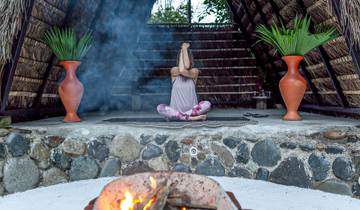
3 days
3-Day Amazon Wellness Experience
- ✓ Comprehensive Quito tour
- ✓ Expert local guides included
- ✓ All accommodation arranged
- ✓ Transportation provided

3 days
Ecuador Shaman & Spiritual: Amazon Awakening 3 Days
- ✓ Comprehensive Quito tour
- ✓ Expert local guides included
- ✓ All accommodation arranged
- ✓ Transportation provided
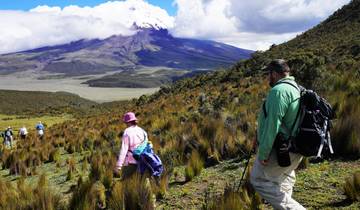
7 days
7 Days – The Best of Ecuador
- ✓ Comprehensive Quito tour
- ✓ Expert local guides included
- ✓ All accommodation arranged
- ✓ Transportation provided

2 days
2-Day Private Tour: Quilotoa Lagoon & Baños -Waterfalls Adventure
- ✓ Booking needs min. 2 travelers
Multi-day tour packages powered by TourRadar. Prices and availability subject to change.
Essential Planning Information 2026
Current Costs and Entrance Fees 2026
Walking the historic center streets costs nothing, with all plazas and exterior viewing free. Church interior visits range $2-5 per entry, with La Compañía charging $5 as the highest-priced church due to its exceptional baroque interior. The Quito Churches Pass costs $15 and covers five churches in 2026 (check quito.com.ec for current official rates). Museum entrance fees vary: San Francisco Museum $3, Casa del Alabado $5, and Museo de la Ciudad $4 per person.
Guided walking tours cost $25-35 per person for small group tours (8-15 participants) lasting 3 hours. Private guided tours range $45-65 per person depending on group size, with 2-person groups paying premium rates and 4-6 person groups receiving per-person discounts. Free walking tours operate daily at 10 AM and 2 PM from Plaza Grande, with tips of $10-20 per person expected based on service quality.
Additional costs include audio guides (available at San Francisco and La Compañía for $5), photography permits at certain museums ($3-5 where required), and optional cable car tickets to El Panecillo ($2 round-trip). Budget $30-50 per person for a comprehensive self-guided day including entrance fees, lunch, and refreshments. Guided tour participants budget $60-80 per person including tour cost, additional site entries, and meals.
What to Bring and Wear 2026
Comfortable walking shoes with good support handle cobblestone streets and steep inclines throughout the historic center. The colonial streets feature irregular stone paving that challenges footwear, with some streets climbing 8-10% grades between plazas. Layered clothing accommodates temperature shifts between sunny plazas (20-22°C) and shaded narrow streets (14-16°C). Morning temperatures start 12-14°C, warming to 18-20°C by noon.
Sun protection includes 30+ SPF sunscreen, as altitude intensifies UV exposure by 15-20% compared to sea level. Wide-brimmed hats prevent sun exposure during extended plaza photography sessions. Churches require modest dress: shoulders covered, no shorts, skirts below knee length. Carry a light scarf or shawl for shoulder coverage when entering churches from warm plazas.
Essential items include reusable water bottles (filled at hotel before departure), as altitude increases dehydration risk. Bring small denomination bills ($1, $5) for church entrance fees, as ticket counters rarely have change for $20 bills. Camera equipment should include extra batteries, as cold morning temperatures drain battery life 20-30% faster at altitude. A small daypack carries water, sunscreen, extra layers, and purchased items comfortably.
Complete Walking Route Through UNESCO Historic Center 2026
Northern Circuit: Plaza Grande to La Basílica
The northern circuit begins at Plaza Grande (Independence Square), the historic center’s nucleus. The square measures 100 by 100 meters and showcases the Presidential Palace on the northwest side, the Cathedral on the south side, and the Archbishop’s Palace on the northeast. The Cathedral opens 9 AM, charging $2 entrance to the main sanctuary and $3 for the rooftop access providing plaza views from 25 meters elevation.
From Plaza Grande, walk north on García Moreno street toward La Compañía de Jesús. This 400-meter stretch passes colonial mansions converted to museums and government offices. La Compañía stands 350 meters north of Plaza Grande, its golden baroque interior representing 160 years of construction (1605-1765). The church charges $5 entrance, opening 9:30 AM weekdays. Allow 45 minutes for interior exploration, as the gilded altarpieces, elaborate ceiling work, and baroque sculptures demand detailed viewing.
Continue north 800 meters on Venezuela street toward La Basílica del Voto Nacional. This section transitions from colonial architecture to republican-era buildings from the late 1800s. La Basílica towers above the northern historic center at 115 meters tall, its neo-Gothic style contrasting sharply with colonial baroque. The church charges $2 entrance, with an additional $3 for tower access. The towers provide panoramic views across the entire historic center and to surrounding volcanoes on clear mornings.
The northern circuit covers 2.5 kilometers round-trip from Plaza Grande to La Basílica and back. Walking time totals 60-90 minutes excluding church visits. Adding interior exploration at the Cathedral (30 minutes), La Compañía (45 minutes), and La Basílica towers (40 minutes) extends the circuit to 3-3.5 hours total. This section works well as a morning tour starting 8:30 AM, with completion by noon for lunch near Plaza Grande.
Central Circuit: Major Churches and Plazas
The central circuit loops through the historic center’s densest concentration of colonial architecture. From Plaza Grande, head west on Eugenio Espejo street 200 meters to reach La Merced church and convent. La Merced features Quito’s tallest clock tower at 47 meters, offering interior views of the baroque sanctuary for $2 entrance fee. The adjacent convent houses a small museum displaying colonial religious art.
Walk south 300 meters on Cuenca street to Plaza San Francisco, the largest colonial square in South America at 150 by 150 meters. San Francisco church and monastery dominate the plaza’s eastern side. The church complex spans an entire city block, with construction beginning in 1535 making it Quito’s oldest church. Entrance to the church sanctuary costs nothing, while the San Francisco Museum charges $3 and displays colonial art, religious artifacts, and provides rooftop access overlooking the plaza.
From San Francisco, continue east 400 meters along Sucre street to Plaza Santo Domingo. Santo Domingo church anchors this triangular plaza, its pink facade contrasting with golden baroque churches elsewhere. The church charges $2 entrance, with the highlight being the Rosario Chapel featuring intricate ceiling muralwork. The plaza itself provides excellent people-watching from surrounding cafes and serves as a major transport hub for the historic center.
Complete the central circuit by heading north 500 meters on Flores street back to Plaza Grande. This return route passes numerous colonial homes with characteristic wooden balconies, small galleries selling local art, and traditional restaurants. The entire central circuit measures 2 kilometers, taking 45-60 minutes walking time. Adding church visits extends the tour to 2.5-3 hours total. This circuit works perfectly for afternoon exploration starting 2 PM after lunch.
Southern Extension: El Panecillo Hill
El Panecillo rises 200 meters above the historic center, crowned by the massive Virgen de Quito statue visible from throughout the city. From Plaza Grande, walk south 1.5 kilometers up Rocafuerte and García Moreno streets toward the hill. The climb gains 180 meters elevation over 1.5 kilometers, averaging an 8% grade that challenges at altitude. Many visitors opt for taxis ($3-5 from Plaza Grande) rather than walking the steep approach.
The hill charges $2 entrance fee for access to the viewpoint and statue base. The 41-meter aluminum statue of the Virgin Mary features internal stairs ($1 additional) leading to a viewing platform 30 meters up, providing panoramic vistas across Quito’s entire length. Clear mornings offer views of Cotopaxi volcano 50 kilometers south and Cayambe volcano 40 kilometers northeast. The viewpoint includes a small museum explaining the statue’s construction and Quito’s urban development.
Descend via the western staircase (500 steps) or take a taxi back to the historic center. The walking descent takes 20-30 minutes and provides alternative perspectives of the colonial center from elevated positions. Security concerns make solo walking in the El Panecillo neighborhood inadvisable; travel in groups or use official taxis. The southern extension adds 2 hours to a walking tour including transport and viewpoint time.
Major Landmarks and Historical Sites 2026
La Compañía de Jesús: The Golden Church
La Compañía de Jesús represents the pinnacle of South American baroque architecture. The church consumed 160 years of construction (1605-1765), with seven tons of gold leaf covering interior surfaces. The facade features intricate volcanic stone carving across three levels, with indigenous and European motifs blended in unique colonial baroque style. The entrance portal alone required 12 years to carve from single-piece volcanic stone blocks.
The interior spans 34 meters in length with a 17-meter-wide nave, creating an intimate space despite elaborate decoration. Ten side altars flank the main sanctuary, each dedicated to Jesuit saints and featuring gilded sculptures and paintings. The main altar rises 20 meters high, its golden retablo (altarpiece) carved with scenes from Christ’s life. The ceiling features elaborate geometric patterns in gold leaf, with 34 separate panel sections illustrating biblical scenes.
The church charges $5 entrance, opening 9:30 AM to 5:30 PM weekdays and 9:30 AM to 4 PM Saturdays. Sunday visits require attending mass at 10 AM for church access. Photography is permitted without flash, though professional equipment requires $5 photography permit. Allow 45-60 minutes for thorough interior exploration. The golden surfaces create different visual effects throughout the day: morning light (9:30-11 AM) enters through the dome, while afternoon light (3-4:30 PM) illuminates the main altar directly.
San Francisco Complex: Colonial Monastery
San Francisco church and monastery complex covers 30,000 square meters, making it the largest colonial religious structure in South America. Construction began in 1535 immediately after Quito’s founding, with the church completed in 1680 after 145 years of work. The complex includes the main church sanctuary, the Cantuña chapel, multiple cloisters, and the San Francisco Museum displaying colonial art and religious artifacts.
The church sanctuary welcomes visitors free of charge, opening 7 AM to 12 PM and 3 PM to 6 PM daily. The mudéjar-style wooden ceiling spans the 50-meter nave, featuring geometric patterns influenced by Moorish design. The main altar includes carvings by indigenous artist Bernardo de Legarda, blending European baroque with Andean artistic traditions. Side chapels contain works by the Quito School, the colonial artistic movement that dominated South American religious art from 1600-1800.
The San Francisco Museum charges $3 entrance and occupies the former monastery sections. The museum displays paintings, sculptures, and religious artifacts spanning three centuries of colonial production. Highlights include Legarda’s original sculptures, colonial-era vestments embroidered with gold thread, and paintings by Miguel de Santiago. The museum rooftop provides excellent photo opportunities overlooking Plaza San Francisco. Allow 45-60 minutes for museum exploration beyond church sanctuary visits.
Plaza Grande and Presidential Palace
Plaza Grande (officially Plaza de la Independencia) serves as Quito’s geographic and political center. The 100 by 100-meter square features a central monument commemorating the 1809 independence movement. Palm trees line the perimeter, providing shaded seating areas popular with locals during lunch hours. The plaza hosts public events, political demonstrations, and cultural performances throughout the year.
The Presidential Palace (Carondelet Palace) occupies the plaza’s entire northwestern side. The palace offers free guided tours Monday-Friday at 9 AM, 10 AM, 11 AM, and 2 PM, with advance registration required at palacio.presidencia.gob.ec. Tours last 40 minutes and cover ceremonial rooms, the presidential office, and rooftop viewpoints. Visitors must present passport ID and pass security screening. The changing of the guard ceremony occurs Mondays at 11 AM, providing photo opportunities with guards in historical uniforms.
The Cathedral occupies the plaza’s southern side, its twin towers marking Quito’s ecclesiastical center. The Cathedral charges $2 for sanctuary access and $3 additional for rooftop tours. The rooftop tour climbs 120 steps to viewing platforms 25 meters above the plaza, offering perspectives on the historic center’s tile roofs and volcanic backdrop. The Cathedral museum displays religious art and artifacts from Quito’s colonial period.
Budget Planning for Walking Tours 2026
Self-Guided Tour Budget Breakdown
A comprehensive self-guided walking tour costs $30-50 per person including entrance fees, lunch, and refreshments. The Churches Pass at $15 provides the best value, covering La Compañía ($5), San Francisco Museum ($3), Santo Domingo ($2), La Merced ($2), and El Sagrario ($3). Additional museum entries add $10-15: Casa del Alabado $5, Museo de la Ciudad $4, Presidential Palace tour free with advance booking.
Lunch in the historic center ranges $8-15 per person at traditional restaurants around Plaza Grande and Plaza San Francisco. Set lunch menus (almuerzo) cost $4-6 and include soup, main course, juice, and dessert at local comedores. Mid-range restaurants charge $10-15 for entrees like locro de papa (potato soup) or fritada (fried pork) with sides. Coffee and pastry breaks cost $3-5 at colonial-style cafes overlooking plazas.
Transportation costs remain minimal for walking tours centered on the historic district. Taxi from northern Quito hotels to Plaza Grande costs $6-8, with return trips at the same rate. The cable car to El Panecillo costs $2 round-trip from nearby stations. Some visitors include the TelefériQo cable car ($8.50) for panoramic city views, though this attraction sits 4 kilometers northwest of the historic center requiring $8-10 taxi each direction.
Total day cost for budget-conscious self-guided tour: Churches Pass $15, lunch $8, coffee/snacks $5, taxi $15 round-trip, incidental purchases $7-12. Total: $50-55 per person. Mid-range self-guided tour with restaurant lunch, additional museum visits, and El Panecillo taxi: $70-85 per person. These totals exclude accommodation costs.
Guided Tour Investment Analysis
Group walking tours cost $25-35 per person for 3-hour tours covering major landmarks. These tours include guide expertise, historical context, and planned routes optimizing time management. The cost does not include church entrance fees, which participants pay separately ($10-15 additional if visiting interiors). Free walking tours operate on gratuity basis, with $10-20 tips per person expected for quality service.
Private guided tours range $45-65 per person depending on group size. A private 4-hour tour for 2 people costs $90-100 total ($45-50 per person), while 4-6 person groups reduce per-person costs to $30-40 each. Private tours allow customized routes, flexible timing, and focused attention on specific interests like colonial art, architecture, or historical events.
Specialized thematic tours command premium pricing: photography tours focusing on optimal shooting locations cost $55-75 per person, culinary walking tours with food tastings range $60-80 per person, and architectural deep-dive tours examining construction techniques cost $50-65 per person. These specialized tours last 4-5 hours and include expert guides with relevant professional backgrounds.
Guided tour participants budget additional costs: lunch $10-15, drinks/snacks $5-8, church entrance fees $10-15, optional tipping $5-10 beyond included gratuity, souvenir purchases $10-20. Total day cost with group walking tour: $65-90 per person. Private tour day total: $80-110 per person. Premium specialized tours: $95-130 per person including all activities.
Best Time for Walking Tours 2026
Seasonal Weather Patterns 2026
Quito’s location on the equator creates consistent year-round temperatures, with minimal seasonal variation. Daily temperatures range 12-22°C throughout the year, with elevation moderating tropical heat. The city experiences two distinct weather patterns: dry season (June-September) and wet season (October-May), though rain patterns remain unpredictable in the transition period.
The June-September dry season provides optimal walking conditions with sunny mornings and minimal afternoon rain. July and August bring the clearest skies, with rain falling on just 5-8 days per month compared to 15-20 days in March-April. Morning temperatures during dry season start 10-12°C, warming to 20-22°C by noon. These months coincide with peak tourism season, resulting in larger crowds at major churches and museums.
The October-May wet season features afternoon rain showers occurring 3-5 PM on most days. Morning hours (6-11 AM) remain clear and dry, making early walking tours practical even during wet season. Rain typically lasts 30-90 minutes before clearing, with sunny periods between showers. December-February provides moderate conditions: fewer tourists than dry season, manageable afternoon rain, and comfortable temperatures for walking.
The optimal months for walking tours balance weather and crowd levels. June-July offer best weather with moderate crowds before peak August tourism. September provides excellent conditions as crowds diminish while dry weather continues. February-March present good value: fewer tourists, occasional rain (easily avoided with morning tours), and full access to all sites without advance booking pressure.
Daily Timing Strategies 2026
Morning tours starting 8-9 AM provide optimal conditions across all seasons. Churches open their doors 8:30-9 AM for tourist visits following early mass services. Morning light illuminates eastern-facing facades and penetrates church interiors through side windows, creating ideal photography conditions. Temperature remains comfortable at 14-18°C before midday heat intensifies.
The 8 AM start allows completion of the northern circuit (Plaza Grande to La Basílica) before 11 AM, when tour groups flood major churches. La Compañía receives organized tours from 10:30 AM through 1 PM, making 9:30 AM arrival crucial for uncrowded interior photography. San Francisco experiences similar patterns, with morning calm yielding to midday congestion as cruise ship tours arrive from Guayaquil port.
Midday hours (12-2 PM) work best for lunch breaks and indoor museum visits. The heat peaks 12:30-1:30 PM, making outdoor walking less comfortable. Many churches close 12-2:30 PM for lunch breaks, limiting midday touring options. Use this period for meals at plaza-side restaurants, museum visits to Casa del Alabado or Museo de la Ciudad, or rest breaks preparing for afternoon exploration.
Afternoon tours (2-5 PM) face different lighting conditions and crowd patterns. Western-facing churches receive direct sunlight illuminating facades from optimal angles 3-4 PM. Afternoon light enters La Compañía through the western rose window, creating dramatic interior effects different from morning conditions. However, afternoon brings rain risk during wet season (October-May), with showers developing 3-5 PM on 60-70% of days. Clear mornings make afternoon walks viable, as rain patterns usually follow predictable timing allowing early completion.
Sample 2026 Walking Itineraries
Half-Day Essential Tour (4 Hours)
This compressed itinerary covers major highlights in 4 hours, perfect for visitors with limited time or altitude concerns. Start at Plaza Grande 8:30 AM. Visit the Cathedral ($2 entrance, 20 minutes interior viewing). Walk north 350 meters to La Compañía de Jesús ($5 entrance, 45 minutes for thorough exploration of golden baroque interior). Continue north 800 meters to La Basílica del Voto Nacional ($2 entrance + $3 tower access, 40 minutes including tower climb and views).
Return south toward Plaza Grande via Venezuela street (800 meters, 15 minutes walking). Stop at Plaza San Francisco, visit the church sanctuary (free, 15 minutes) and consider the San Francisco Museum ($3, 30 minutes if time permits). End at Plaza Grande for lunch 12:30 PM. Walking distance totals 3.5 kilometers. Church entrance fees total $12-15 per person. Lunch costs $10-15 at plaza-side restaurants.
Cathedral $2, La Compañía $5, La Basílica $5, San Francisco Museum $3 (optional), lunch $12. Total day cost: $24-27 per person (excluding accommodation).
Full-Day Comprehensive Tour (7 Hours)
This exhaustive itinerary covers the complete UNESCO historic center with proper pacing for altitude. Start at Plaza Grande 8 AM. Presidential Palace tour (free with advance booking, 40 minutes at 9 AM tour time). Visit Cathedral ($2 + $3 rooftop, 45 minutes). Walk to La Compañía ($5, 60 minutes for detailed viewing). Continue to La Basílica ($5 with towers, 60 minutes). Coffee break at plaza-side cafe ($4-5, 20 minutes, 10 AM).
Return south to Plaza San Francisco. Visit church sanctuary (free, 20 minutes) and San Francisco Museum ($3, 60 minutes). Lunch at traditional restaurant near Plaza San Francisco ($12-15, 60 minutes, 12:30 PM). Walk to Plaza Santo Domingo, visit Santo Domingo church ($2, 25 minutes). Visit Casa del Alabado pre-Columbian art museum ($5, 45 minutes). Walk to La Merced church ($2, 20 minutes). Refreshment break ($4-5, 15 minutes, 3 PM).
Taxi to El Panecillo ($4, 10 minutes). El Panecillo viewpoint ($2, 30 minutes). Taxi return to historic center ($4). Return to Plaza Grande for final photos and shopping, 4:30 PM. Total walking distance: 6 kilometers. Church entrance fees: $26. Museum fees: $8. Meals and refreshments: $28. Transportation: $8. Total day cost: $70-75 per person (excluding accommodation).
Photography-Focused Morning Tour (5 Hours)
This specialized itinerary optimizes lighting conditions for architectural photography. Start at La Basílica 7:30 AM for sunrise light on neo-Gothic facades (entrance $5 with towers). Photograph from towers toward Panecillo and historic center (45 minutes). Walk south to La Compañía, arrive 9 AM when doors open ($5 entrance). Capture golden interior in morning light entering through eastern windows (90 minutes of shooting time, rotating through different interior positions).
Walk to Plaza San Francisco 10:30 AM. Photograph plaza from elevated positions on western side during optimal frontal lighting (30 minutes). Access San Francisco Museum rooftop ($3, 30 minutes for elevated plaza shots). Move to Plaza Grande 11:30 AM for direct overhead light minimizing shadows on white Presidential Palace facade (30 minutes). Cathedral rooftop access ($5 total with sanctuary entry, 30 minutes for elevated city views). Conclude at Casa del Alabado courtyard featuring excellent preserved colonial architecture (free courtyard access, $5 museum entry optional, 30 minutes shooting time).
La Basílica $5, La Compañía $5, San Francisco Museum $3, Cathedral $5, coffee break $5. Total day cost: $23-25 per person (excluding accommodation). Walking distance: 4 kilometers. This itinerary maximizes the critical morning light period (7:30 AM-12 PM) when eastern sun illuminates major facades and enters church interiors optimally. Afternoon sessions would reverse the route to capture western-facing subjects.
Guided vs. Self-Guided Tours 2026
Self-Guided Tour Advantages
Self-guided exploration provides maximum flexibility in pacing and focus areas. Walk at your own speed without group constraints, spending extra time at personally interesting sites while skipping others. Photography enthusiasts benefit from waiting for optimal light conditions or crowd clearance without time pressure from scheduled tour progression. The cost savings are substantial: $0-15 in entrance fees versus $25-65 for guided tours.
Digital resources support self-guided touring effectively. Google Maps provides accurate navigation through the historic center’s grid layout. Free audio guide apps like “Quito Walking Tours” and “Ecuador Travel Guide” offer historical context at major sites. The Tourism Information Center at Plaza Grande distributes free paper maps marking major landmarks and suggested walking routes. Many churches provide Spanish/English information panels explaining architectural and historical significance.
Self-guided tours allow spontaneous discoveries and local interactions impossible in structured group tours. Stop at small galleries, chat with artisan vendors around plazas, or follow interesting side streets. The freedom to adjust routes based on weather, energy levels, or emerging interests creates personalized experiences reflecting individual travel styles. Altitude adjustment proceeds at individual pace, with rest breaks taken as needed without group schedule pressure.
Guided Tour Benefits
Professional guides provide historical context and architectural explanations elevating the experience beyond self-guided touring. Certified guides complete 2-year training programs covering Quito’s history, art history, and architecture. They explain the significance of specific baroque elements, identify Quito School artistic techniques in paintings and sculptures, and share stories about colonial-era events that shaped the city’s development.
Guides navigate efficiently, optimizing routes to minimize backtracking while managing timing for church opening hours and crowd patterns. They know which churches close for private events and can adjust routes accordingly. Access to locked areas sometimes opens through guide relationships: private patios, monastery cloisters, and tower viewpoints occasionally become accessible to guided groups where independent visitors are denied entry.
Security improves in guided groups. Walking through transitional neighborhoods between major landmarks carries reduced risk in organized groups of 8-15 participants. Guides know which streets to avoid, where pickpocketing concentrates, and can intervene if problems arise. The collective presence and guide visibility deter opportunistic crime more effectively than solo walking. For first-time visitors or those uncomfortable navigating unfamiliar urban environments, guided tours provide peace of mind justifying the $25-65 cost premium.
Hybrid Approach: Guided Introduction + Independent Exploration
Many experienced travelers employ a hybrid strategy: take a guided tour on day one for orientation and context, then explore independently on subsequent days. The initial 3-hour guided tour ($25-35) provides comprehensive historical background, identifies major landmarks, and establishes geographic orientation. Guides answer questions about practical matters like restaurant recommendations, safety zones, and optimal timing for specific activities.
Following the guided introduction, independent exploration allows focused revisiting of personally compelling sites. Return to La Compañía for extended photography without group time constraints. Spend extra time in San Francisco Museum examining specific Quito School paintings in detail. Explore minor churches and neighborhoods the group tour didn’t cover. The foundational knowledge from guided touring enriches subsequent independent exploration by providing context for architectural details and historical connections.
This hybrid approach optimizes both value and experience quality. The guided tour ($25-35) provides essential context impossible to gain independently without extensive research. Subsequent self-guided days cost only $10-15 in entrance fees while building on the educational foundation. For multi-day visits, allocate $60-80 total: $30 guided tour day one, plus $15-25 per additional day for independent touring with selective site entries.
Safety Tips and Practical Advice 2026
Altitude Management Strategies
Quito’s 2,850-meter elevation affects all visitors regardless of fitness level. The reduced oxygen concentration (approximately 74% of sea-level oxygen) impacts stamina, walking pace, and recovery time. Allow 24-48 hours acclimatization before attempting extended walking tours. Spend the arrival day with light activity: short walks around your hotel area, relaxed plaza sitting, and early bedtime to support adjustment.
Walking pace at altitude averages 60-70% of your sea-level speed. A route taking 3 hours at sea level requires 4-5 hours in Quito. Plan itineraries with this adjustment, scheduling rest breaks every 45-60 minutes. Dehydration accelerates at altitude; consume 3-4 liters of water daily compared to 2 liters at sea level. Carry a reusable water bottle and refill at restaurants and hotels (tap water is not potable; use bottled water).
Altitude symptoms include headache, fatigue, mild nausea, and sleep disruption. These effects are normal and subside within 48 hours for most visitors. Coca tea (mate de coca) helps manage symptoms and is widely available at cafes for $2-3 per cup. Avoid alcohol consumption in the first 48 hours, as it exacerbates altitude effects. If symptoms persist beyond 48 hours or worsen, consult medical services. Altitude sickness (soroche) affects 20-30% of visitors but responds well to descending 500-1000 meters if necessary.
Urban Safety Protocols
The historic center maintains good daytime security from 8 AM to 6 PM when tourism police patrol major routes. Stay within the primary tourist zone bounded by La Basílica (north), El Panecillo (south), Plaza San Francisco (west), and Plaza Santo Domingo (east). This core area receives consistent security attention and hosts the majority of tourist activity creating natural safety through crowds.
Standard urban precautions apply: keep phones in front pockets or bags when not actively using them, avoid wearing expensive jewelry or watches, and maintain awareness of surroundings in crowded plazas and narrow streets. Pickpocketing concentrates at major churches during tour group arrival times (10:30 AM-1 PM) and in crowded buses. Use cross-body bags worn in front, or backpacks switched to front position in dense crowds.
Evening security deteriorates after 6 PM, particularly in transitional neighborhoods between the historic center and residential areas. If walking tours extend past 5 PM, stick to well-lit major streets and avoid side alleys. For El Panecillo visits, use official taxis rather than walking through the approach neighborhoods where robbery risks increase. Tourist police wear distinctive blue uniforms and speak basic English. Emergency number 911 connects to English-speaking operators for serious situations.
Health and Comfort Considerations
Sun exposure intensifies at altitude, with UV radiation 15-20% stronger than at sea level. Apply 30+ SPF sunscreen before starting morning tours, reapplying every 2 hours during extended outdoor activity. Wear wide-brimmed hats and sunglasses for plaza exploration where shade is minimal. UV exposure affects even cloudy days, as clouds reduce visible light but not UV radiation.
Bathroom facilities are limited within the historic center. Use hotel facilities before departure. Public bathrooms exist in Plaza Grande (free), San Francisco Museum ($0.25), and major restaurants for customer use. Cafes expect beverage purchase for bathroom access. Plan routes with bathroom availability in mind, particularly on 4+ hour walking tours. Carry toilet paper, as many public facilities lack supplies.
Food and water safety follows standard Latin American protocols. Tap water is not potable; consume only bottled water purchased from shops or restaurants. Street food vendors around plazas serve safe food if the stall shows active cooking and high customer turnover. Avoid pre-prepared items sitting unrefrigerated. Established restaurants around Plaza Grande and Plaza San Francisco maintain good hygiene standards. Carry hand sanitizer for use before eating, as handwashing facilities may be unavailable at some outdoor venues.
Food and Refreshment Stops 2026
Traditional Restaurants Near Major Landmarks
Plaza Grande area hosts traditional restaurants serving Ecuadorian cuisine in colonial-era buildings. Hasta La Vuelta Señor (corner of Plaza Grande, Chile street) specializes in locro de papa (potato-cheese soup, $6) and hornado (roasted pork, $8-10). The restaurant occupies a restored 1700s mansion with courtyard seating. Service hours: 8 AM-4 PM daily. Tianguez (inside San Francisco complex) offers set lunch menus $8-10 including soup, main course, drink, and dessert. The location provides excellent plaza views from the second-floor dining room.
Plaza San Francisco surroundings feature casual comedores (local eateries) serving authentic Ecuadorian lunch specials. Cafetería San Francisco (western plaza side) charges $5-6 for three-course almuerzo (lunch menu): soup, rice with protein and vegetables, juice, and small dessert. Food quality matches local workers’ lunch spots, providing genuine cultural dining experience. Hours: 11:30 AM-3 PM daily. Arrive before 12:30 PM to avoid lunch rush when office workers fill available seats.
Mid-range dining options cluster around Plaza Grande. Café Plaza Grande (inside Plaza Grande Hotel) serves international and Ecuadorian fusion cuisine $12-18 per entree in elegant colonial setting. Vista Hermosa (two blocks north of Plaza Grande on Mejía street) specializes in coastal cuisine including ceviche ($10-12) and seafood rice dishes ($14-16). Reservations recommended for weekend lunch 12-2 PM. Budget travelers find excellent value at Mercado Central (four blocks south of Plaza Grande): fresh juice stalls $2-3, grilled meat plates $4-6, traditional soups $3-4.
Coffee Breaks and Sweet Treats
Colonial-style cafes around major plazas provide ideal rest stops during extended walking tours. Café del Fraile (south side of Plaza San Francisco) serves excellent Ecuadorian coffee $2-3 and fresh pastries $1.50-2.50 in atmospheric colonial interior. The cafe features courtyard seating with plaza views. Hours: 8 AM-7 PM daily. San Agustín Café (near La Compañía on Flores street) specializes in espresso drinks $2.50-4 and homemade desserts $3-4 including tres leches cake and chocolate mousse.
Traditional Ecuadorian sweets provide energy during walking tours. Helados de paila (handmade ice cream from copper pans) vendors operate around Plaza Grande and Plaza San Francisco charging $2-3 for generous servings. Popular flavors include naranjilla (Andean citrus), mora (blackberry), and guanabana (soursop). Empanadas de viento (cheese-filled fried pastries) cost $1-1.50 at street vendors around plazas. Humitas (sweet corn cakes steamed in corn husks) sell for $1.50-2 at traditional food stalls.
For extended walking tours, pack snacks from supermarkets near Plaza Grande. TIA supermarket (Rocafuerte street, three blocks south of Plaza Grande) sells local snacks: chocolate-covered naranjilla candies $2-3 per bag, granola bars $1-2, dried fruit packages $3-4, bottled water $0.75-1.25. Having snacks available prevents energy crashes during altitude-affected walking and eliminates searching for food options during church closures between noon-2:30 PM.
Photography Tips for UNESCO Center 2026
Optimal Lighting for Exterior Architecture
Morning light (7:30-10 AM) illuminates eastern-facing facades optimally, including La Compañía’s main entrance and portions of San Francisco complex. The low-angle sun creates texture-revealing shadows across volcanic stone carvings while warming the stone’s natural gray color. Plaza Grande receives excellent frontal lighting 10-11 AM when sun is directly south, eliminating harsh shadows on the Presidential Palace’s white facade. Photograph from the plaza’s northern edge for balanced exposure across the entire palace front.
Afternoon light (3-5 PM) favors western-facing structures. La Basílica’s western facade receives dramatic lighting 4-5 PM, with sun highlighting the intricate neo-Gothic stonework. The afternoon position creates three-dimensional depth impossible in flat midday lighting. Plaza Santo Domingo’s church receives warm afternoon light illuminating its pink facade, with the low sun angle emphasizing the facade’s relief sculptures and architectural details.
Avoid midday shooting (11 AM-2 PM) when overhead sun creates harsh shadows and extreme contrast. Church facades become difficult to expose properly: whites blow out or shadows block up when attempting balanced exposure. Use midday hours for interior church photography where controlled artificial lighting provides consistent conditions. Return to exterior shooting after 2:30 PM when sun angle lowers sufficiently for improved exterior results.
Interior Photography Techniques
Church interiors present challenging lighting conditions requiring specific techniques. Modern smartphones handle the dynamic range adequately using HDR mode, though manual camera settings produce superior results. Use ISO 800-1600 to maintain adequate shutter speeds (1/60 second minimum) preventing camera shake. Shoot in RAW format allowing extensive post-processing to recover shadow detail in dark corners while controlling bright areas like gold leaf reflecting light sources.
La Compañía’s golden interior demands careful exposure decisions. Expose for the gold leaf, allowing darker areas to render as shadows creating three-dimensional depth. Overexposing to lift shadow detail results in blown-out gold surfaces losing the rich tones and reflective qualities that define the space. Bracket exposures: shoot at -1, 0, and +1 stops then blend in post-processing if needed. The morning hours (9:30-11 AM) provide best interior conditions when natural light enters through side windows and dome.
Photography permits cost $3-5 at churches requiring payment (La Compañía, San Francisco Museum). Flash photography is universally prohibited as it damages historic artworks and gilding. Tripods are not allowed in churches due to space constraints and visitor flow concerns. Stabilize cameras against pillars or use handheld stabilization techniques: brace elbows against body, use proper breathing, and shoot multiple frames to ensure at least one sharp image. High ISO noise is preferable to motion blur when faced with low light conditions.
Panoramic and Detail Composition
Wide-angle lenses (16-24mm equivalent on full-frame) capture complete church interiors and large plazas. La Compañía’s interior requires 16mm or wider to include the full nave length from entrance to altar. However, ultra-wide lenses distort architectural verticals; apply lens correction in post-processing or shoot with perspective control lenses if available. For plaza photography, shoot from elevated positions when possible: Cathedral rooftop, San Francisco Museum roof, or hotel balconies surrounding Plaza Grande.
Detail photography reveals the craftsmanship often missed in wide establishing shots. Use 50-100mm lenses to isolate specific elements: individual altar carvings, painted ceiling panels, door ironwork, or balcony woodwork. These detail shots provide variety in photo collections and showcase the extraordinary artisan work throughout the historic center. Shoot in good light conditions allowing lower ISOs (200-400) for maximum resolution and detail capture.
Include human elements for scale and life in architectural photography. Plaza scenes benefit from local activity: vendors, tourists, pigeons, children playing. These elements provide context showing the historic center as a living urban space rather than museum-like abandonment. Frame wide plaza shots with people in mid-distance (10-20 meters away) to establish scale of major churches while maintaining focus on architecture. Arrive early (before 9 AM) for people-free architectural studies, or embrace the crowds as part of the urban UNESCO heritage site experience.
Frequently Asked Questions
Can I visit all major churches in one day?
Yes, the core circuit covering La Compañía, San Francisco, Santo Domingo, the Cathedral, La Merced, and La Basílica fits within 6-7 hours including interior visits and walking time. Start at 8 AM to maximize available touring hours before sites close 5-6 PM. Purchase the Churches Pass ($15) covering entrance fees at five major churches. Budget-conscious visitors skip interior entries and view church exteriors and free sanctuary areas, reducing the day to 4-5 hours total. Altitude affects walking pace, so factor 30-40% extra time compared to sea-level touring expectations.
Do churches require modest dress codes?
Yes, all churches in the historic center enforce modest dress requirements. Cover shoulders (no tank tops or sleeveless shirts), wear pants or skirts extending below the knee (no shorts), and avoid excessively revealing clothing. Carry a light scarf or shawl to add shoulder coverage when entering churches from warm plazas. The dress code is strictly enforced at La Compañía and major churches, with entry refused to improperly dressed visitors. Casual dress (jeans, t-shirts with sleeves, modest skirts) meets requirements while remaining comfortable for walking in warm afternoon temperatures.
Are walking tours suitable for children and elderly visitors?
The historic center’s cobblestone streets, steep inclines, and altitude create challenges for young children and elderly visitors with mobility limitations. Strollers navigate poorly on irregular colonial paving; baby carriers work better for infants and toddlers. The 5-7 kilometer walking circuits require reasonable fitness levels. Children over 8 generally manage well with proper pacing and rest breaks. Elderly visitors should consider abbreviated tours covering 2-3 major churches over 2-3 hours rather than full-day circuits. Taxis cost $3-5 between major landmarks, allowing selective site visits without extensive walking. The altitude affects all ages; allow extra acclimatization time before ambitious touring.
Can I use US dollars in the historic center?
Yes, Ecuador’s official currency is the US dollar, adopted in 2000 replacing the sucre. Bring small denomination bills ($1, $5, $10) as churches, museums, and small vendors struggle to make change for $20+ bills. ATMs dispense $20 bills, so break larger bills at hotel reception or restaurants before walking tours. Coins circulate in standard US denominations ($0.25, $0.10, $0.05, $0.01) alongside Ecuadorian-minted coins of identical value. Credit cards work at mid-range and upscale restaurants, museums, and hotels, but churches and street vendors require cash.
What’s the best way to get to the historic center from hotels in northern Quito?
Taxis cost $6-10 from northern Quito hotel zones (around Parque La Carolina, Mariscal Foch) to Plaza Grande, taking 20-30 minutes depending on traffic. Use established taxi companies or ride-sharing apps Uber (operates in Quito) for safety and fixed pricing. The Ecovía bus rapid transit line connects northern Quito to the historic center for $0.25, with the Marín Central stop 4 blocks from Plaza Grande. Buses run 6 AM-10 PM Monday-Saturday, 7 AM-9 PM Sunday. Morning taxis (before 9 AM) avoid traffic congestion and reach the historic center quickly for early touring starts.
Is photography allowed inside churches?
Photography policies vary by church. La Compañía requires $5 photography permit for cameras and professional equipment; smartphone photos are allowed without permits. San Francisco church sanctuary allows free photography without flash. Santo Domingo, La Merced, and the Cathedral permit photography without special fees. Flash photography is universally prohibited in all churches to protect artwork and gilding from light damage. Tripods are not allowed due to space constraints and visitor flow. Video recording often requires separate permission and potential fees; ask at entry if planning video documentation.
Are there bathrooms available during walking tours?
Public bathroom facilities are limited in the historic center. Free public bathrooms exist at Plaza Grande (eastern side of plaza, accessible through archway). The San Francisco Museum charges $0.25 for bathroom access. Restaurants allow bathroom use for customers; purchase coffee ($2-3) for access when needed. Major hotels around Plaza Grande provide bathroom access for guests and dining patrons. Plan routes considering bathroom availability, particularly on extended 4+ hour walking tours. Carry small coins ($0.25) for attendant tips at facilities where staff maintain cleanliness.
Can I drink tap water in Quito?
No, tap water in Quito is not potable for visitors. Consume only bottled water purchased from supermarkets, convenience stores, or restaurants. Bottled water costs $0.75-1.25 for 500ml bottles, with larger 1.5-liter bottles priced $1.50-2. Restaurants serve bottled water or offer purified water from filtration systems. Avoid ice in drinks unless confirmed to be made from purified water. At altitude, hydration needs increase 50% compared to sea level; consume 3-4 liters daily during active walking tours. Hotels provide bottled water for guests; request extra bottles before walking tours.
What time do churches and museums close?
Most churches close at 5-6 PM, with last entry 30 minutes before closing. La Compañía closes 5:30 PM weekdays, 4 PM Saturdays. San Francisco closes 6 PM daily but the museum closes 5:30 PM. The Cathedral closes 6 PM. Many churches close 12-2:30 PM for lunch breaks. Museums follow 9 AM-5 PM schedules, with last entry 4:30 PM. Plan morning starts to maximize available touring hours and avoid rushing final sites. Sunday visiting requires attendance at mass for church access, or visit after services conclude (typically after 12 PM for tourist access).
Is it safe to walk between major landmarks?
Yes, walking between major landmarks within the primary tourist zone is safe during daylight hours (8 AM-6 PM). Tourism police patrol routes connecting Plaza Grande, La Compañía, San Francisco, and Santo Domingo. Stick to main streets (García Moreno, Venezuela, Flores, Guayaquil) rather than small side alleys. Walk in groups when possible, particularly when carrying camera equipment. Evening safety deteriorates after 6 PM; complete tours before dark or use taxis for evening transport. The route to El Panecillo requires taxis rather than walking due to security concerns in transitional neighborhoods surrounding the hill.