
Quito Food Tour 2026: Markets, Chocolate & Local Cuisine
Key Takeaways:
- Quito’s culinary scene blends indigenous ingredients, Spanish colonial influences, and modern Ecuadorian innovation
- Organized food tours cost $45-95 per person in 2026, covering 6-10 tastings with cultural context (check tour operators for current rates)
- Central Market (Mercado Central) and San Francisco Market offer authentic street food experiences at $1-4 per item
- Chocolate workshop experiences range $35-65, showcasing Ecuador’s fine cacao heritage from bean to bar
- Morning market tours (8:00-10:00 AM) capture peak freshness and vendor energy before afternoon slowdowns
- Self-guided culinary exploration costs $15-30 per person daily compared to $45-95 for organized tours
Planning Your Quito Food Experience in 2026
Quito’s position as Ecuador’s capital creates a unique culinary crossroads where Andean highlands ingredients meet coastal seafood traditions and Amazonian exotic fruits. The city’s 2,850-meter elevation influences cooking techniques, ingredient availability, and flavor profiles in ways distinct from sea-level cuisines. Soups dominate menus as the altitude’s lower boiling point (90°C instead of 100°C) requires longer cooking times, making slow-simmered broths and stews practical solutions for achieving tender textures.
The Historic Center’s colonial architecture houses traditional restaurants serving recipes unchanged for generations, while the modern Mariscal and La Floresta districts showcase contemporary Ecuadorian chefs reimagining highland ingredients through innovative techniques. This duality allows food-focused travelers to experience both authentic traditional preparations and cutting-edge culinary creativity within the same city.
Food tours transform random restaurant visits into structured culinary education. Professional guides contextualize dishes within Ecuador’s cultural history, explain indigenous ingredient significance, and navigate language barriers that challenge independent food exploration. The investment in organized experiences ($45-95 per person) delivers concentrated cultural learning impossible to replicate through solo dining, even when self-guided eating costs less ($15-30 daily).
Understanding Quito’s culinary landscape requires recognizing the importance of markets as social institutions beyond simple commerce. Markets function as community gathering spaces where vendors maintain stalls for decades, customers develop personal relationships with sellers, and traditional foodways transmit across generations. A complete Quito food experience necessarily includes market exploration, whether through guided tours or independent morning visits.
People Also Ask About Quito Food Tours 2026
How much do Quito food tours cost in 2026?
Organized Quito food tours range $45-95 per person depending on duration, inclusions, and operator quality. Standard 3-4 hour walking tours covering Historic Center neighborhoods cost $45-65, including 6-10 tastings, market visits, and bilingual guide services. Premium experiences at $75-95 add chocolate workshops, cooking demonstrations, or extended market explorations with specialty vendor interactions. Check specific tour operator websites for current official rates as pricing may vary.
Half-day market-focused tours (8:00 AM-12:00 PM) typically run $55-75, featuring fresh produce sampling, street food tastings, and fruit juice experiences. Full-day culinary adventures ($85-125) combine morning market visits with afternoon restaurant experiences or countryside farm visits. Private food tours for 2-6 people cost $180-350 total, allowing customized itineraries and personal pace control.
Individual food costs for self-guided exploration range significantly lower: $1-3 per street food item, $4-8 for market meals, $8-15 for mid-range restaurant entrees. Daily self-guided food budgets of $15-30 per person cover breakfast, lunch, dinner, and snacks compared to single tour costs of $45-95.
What are the best Quito food tours for 2026?
Community Food Quito leads food tour quality rankings with comprehensive 4-hour Historic Center experiences at $65-75 per person. Their guides demonstrate deep cultural knowledge, maintain relationships with traditional vendors, and balance tastings between street food authenticity and restaurant refinement. Tours include 8-10 food stops covering empanadas, locro soup, hornado pork, traditional sweets, and fresh tropical fruits.
Quito Food Tour operates popular evening experiences ($55-70) focusing on La Mariscal neighborhood’s contemporary dining scene. Routes emphasize modern Ecuadorian cuisine reinterpreting traditional ingredients through innovative preparations. These tours attract visitors interested in Ecuador’s evolving gastronomy beyond pure traditional dishes.
Ecuador Freedom operates combination bike-and-food tours ($75-85) covering more geographic territory than walking tours. The bicycle mobility allows visits to multiple neighborhoods and markets within single experiences, though food sampling receives less emphasis than pure walking food tours.
Local independent guides available through hotels and travel agencies offer flexible private experiences ($50-80 per person for groups of 3-4). These prove valuable for specific dietary requirements, family preferences, or travelers seeking off-tourist-trail culinary discoveries.
When is the best time for Quito food tours in 2026?
Morning departures (8:00-10:00 AM) capture optimal market energy as vendors arrange fresh produce, prepare street food, and engage enthusiastically with customers. Market activity peaks 9:00-11:00 AM before lunch hour slowdowns reduce vendor interactions. Food tours scheduled during these hours provide maximum cultural immersion and ingredient diversity as tropical fruits, highland vegetables, and prepared foods all reach peak availability.
Evening tours (5:00-8:00 PM) suit travelers interested in restaurant experiences rather than market culture. These later departures access dinner services, showcase Quito’s evening atmosphere, and avoid midday altitude heat. However, market-focused experiences lose essential elements during evening hours as most traditional vendors close by 4:00-5:00 PM.
Seasonally, year-round consistency in Quito’s equatorial climate means no particular months offer superior food tour conditions. However, December-February brings additional tropical fruit varieties from coastal regions, while June-September delivers optimal weather for walking tours with minimal rain probability. Festival periods (Christmas, Carnival, Holy Week) increase ingredient availability and special dish preparations worth timing visits around.
Do Quito food tours accommodate dietary restrictions in 2026?
Reputable food tour operators accommodate vegetarian, vegan, and gluten-free requirements with advance notice (24-48 hours minimum). Vegetarian adaptations prove straightforward as Ecuadorian cuisine features substantial plant-based traditions: quinoa soups, potato dishes, fresh fruits, and vegetable preparations exist throughout Quito’s food culture. Tour guides substitute vegetarian empanadas, cheese-based dishes, and abundant produce tastings for meat-centric items.
Vegan requirements demand more coordination as Ecuadorian cooking incorporates dairy products (cheese, milk) extensively. However, tour operators access vegan-friendly vendors and restaurants when notified during booking. Gluten-free needs face challenges in traditional cuisine relying heavily on wheat-based breads and pastries, though many core dishes (soups, rice preparations, potato-based items) remain naturally gluten-free.
Severe food allergies (nuts, shellfish, specific fruits) require direct communication with tour operators to assess feasibility. Cross-contamination risks in market environments and small restaurants make some allergies difficult to accommodate safely. Operators prioritize guest safety over experience completeness when genuine health risks exist.
Extended multi-day tours – 5+ days
Featured Quito Multi-Day Tour Packages

2 days
2 Day Cotopaxi & Quilotoa Exploration – Shared Group
- ✓ Comprehensive Quito tour
- ✓ Expert local guides included
- ✓ All accommodation arranged
- ✓ Transportation provided
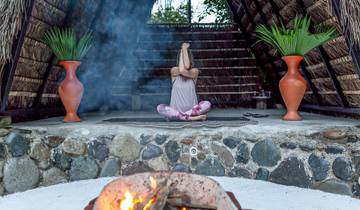
3 days
3-Day Amazon Wellness Experience
- ✓ Comprehensive Quito tour
- ✓ Expert local guides included
- ✓ All accommodation arranged
- ✓ Transportation provided
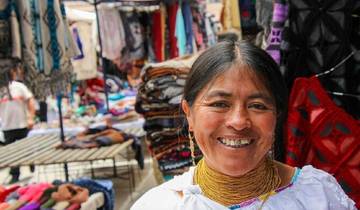
1 days
Otavalo Shared Tour: Market & Andean Culture
- ✓ Booking needs min. 2 travelers

2 days
2-Day Private Tour: Quilotoa Lagoon & Baños -Waterfalls Adventure
- ✓ Booking needs min. 2 travelers
Multi-day tour packages powered by TourRadar. Prices and availability subject to change.
Essential Planning Information 2026
Current Costs and Pricing Breakdown 2026
Understanding food tour economics enables budget planning and value assessment between organized tours and independent culinary exploration.
Organized Food Tour Costs:
- Standard 3-4 hour walking tours: $45-65 per person
- Premium market tours with chocolate: $75-95 per person
- Evening restaurant tours: $55-70 per person
- Full-day culinary adventures: $85-125 per person
- Private tours for 2-6 people: $180-350 total ($45-90 per person in small groups)
- Bike-and-food combination tours: $75-85 per person
Check specific tour operator websites for current official rates as pricing may vary. Most tours include all food tastings, market entrance fees, guide services, and sometimes beverages. Gratuities remain optional but appreciated (10-15% of tour cost as guideline).
Self-Guided Food Costs:
- Street food items: $1-3 per serving (empanadas, humitas, quimbolitos)
- Market meals: $4-8 for complete lunch with soup, main, juice
- Fresh tropical fruit juices: $1.50-2.50 per glass
- Mid-range restaurant entrees: $8-15 for main courses
- Traditional sweets and desserts: $1-4 per item
- Coffee at local cafés: $1.50-3 depending on preparation
- Craft beer at modern breweries: $4-7 per pint
Chocolate Workshop Costs:
- Bean-to-bar workshops (2-3 hours): $35-50 per person
- Chocolate tasting sessions (1 hour): $15-25 per person
- Premium chocolate experiences with farm connections: $55-75 per person
- Take-home chocolate from workshops: Included in workshop price
Market-Specific Costs:
- Market entrance: Free (public markets)
- Vendor tastings: Often complimentary when engaging respectfully
- Fresh produce purchases: $0.50-3 per pound depending on item
- Prepared market foods: $2-5 for substantial portions
- Traditional beverages (morocho, colada morada): $1-2 per serving
Transportation to Food Destinations:
- Walking tours in Historic Center: $0 (most sites within 1km radius)
- Taxis between neighborhoods: $3-6 per ride
- Uber for food tour preparations: $2-5 per trip
- Public buses within Quito: $0.25 per ride (Ecovía, Metrobús systems)
Major Culinary Neighborhoods 2026
Quito’s food culture concentrates in distinct neighborhoods, each offering different culinary perspectives and price points.
Historic Center (Centro Histórico):
The colonial core houses traditional eateries serving recipes unchanged for generations alongside tourist-oriented restaurants. San Francisco Market and Central Market anchor this area’s culinary appeal, providing morning market experiences and authentic street food. Small comedores (casual restaurants) surrounding Plaza Grande serve locro soup, hornado pork, and fritada for $4-8 per meal. Traditional cafés near major churches offer coffee and sweet empanadas for $2-4.
This neighborhood delivers the highest concentration of cultural authenticity and lowest prices, though some establishments cater aggressively to tourists with inflated menus. Discerning visitors identify genuine local spots by observing customer demographics – restaurants filled with Quiteño workers during lunch hours (12:30-2:00 PM) indicate quality and value.
La Mariscal:
Quito’s tourist district concentrates international restaurants, modern breweries, and contemporary Ecuadorian dining. Food quality varies dramatically from backpacker-focused cheap pizza to sophisticated restaurants reimagining traditional cuisine. This neighborhood serves travelers seeking familiar international flavors alongside Ecuadorian options, with restaurant meals costing $8-25 for main courses.
La Mariscal’s plaza area (Foch and Reina Victoria intersection) features evening food vendors selling inexpensive street food ($2-4) to nightlife crowds. The Wednesday and Saturday organic markets (Mercado Saludable) showcase local producers and artisanal food products at premium prices ($3-8 for specialty items).
La Floresta:
This bohemian neighborhood attracts Quito’s creative class with artisanal cafés, vegetarian restaurants, and chef-driven dining concepts. Expect higher prices ($10-20 for restaurant entrees) reflecting quality ingredients and innovative preparations. The neighborhood’s relaxed atmosphere and outdoor seating make it popular for extended dining experiences rather than quick street food stops.
La Floresta emphasizes sustainability, local sourcing, and contemporary Ecuadorian identity through food. Several restaurants feature tasting menus ($25-45) showcasing seasonal Andean ingredients through modern techniques. This neighborhood suits food enthusiasts seeking Ecuador’s evolving culinary scene beyond pure traditional preparations.
La Carolina and González Suárez:
Northern Quito’s upscale residential areas feature polished restaurants, international chain outlets, and business-lunch establishments. These neighborhoods serve affluent Quiteños rather than tourists, resulting in excellent quality at moderate-to-high prices ($12-30 for restaurant dining). The Wednesday farmers market at La Carolina park offers organic produce, artisanal cheeses, and prepared foods from regional producers.
Quito Markets Guide 2026
Mercado Central (Central Market) Experience
The Central Market occupies a multi-level concrete building near San Francisco Church, serving as Quito’s largest traditional food market. Three floors accommodate hundreds of vendor stalls creating a sensory-overwhelming environment of sights, sounds, and aromas that define authentic Ecuadorian market culture.
Ground Floor – Fresh Produce:
The entrance level explodes with color from tropical fruits, highland vegetables, and Andean tubers. Vendors arrange pyramids of produce creating visual spectacles: golden granadillas, purple tree tomatoes (tomate de árbol), bright naranjillas, and dozens of banana varieties from tiny finger bananas to massive plantains. Potatoes occupy entire sections with 20+ varieties reflecting Ecuador’s position in potato domestication history.
Navigating produce areas requires accepting aggressive vendor calls encouraging purchases. Vendors quote prices per pound or per item, with negotiation expected for larger quantities. A few dollars buys substantial amounts for those wanting to sample exotic fruits: $1-2 typically secures 3-4 pieces of most fruits, sufficient for tasting unfamiliar varieties.
Morning visits (7:00-10:00 AM) capture peak freshness as overnight deliveries arrive from coastal and Amazonian regions. Vendors arrange displays meticulously before customer rushes begin. Later afternoon hours (3:00-5:00 PM) see reduced selection and energy as vendors prepare to close.
Second Floor – Prepared Foods:
Ascending to the second level transitions from raw ingredients to ready-to-eat meals. Dozens of small comedores compete for customers, serving traditional Ecuadorian lunches at communal tables. Standard meals cost $4-6 and include sopa (soup), segundo (main course with rice, protein, salad), and jugo (fresh fruit juice).
Popular dishes include:
- Locro de papas: Creamy potato soup with cheese and avocado
- Seco de chivo: Goat stew with rice and green plantains
- Hornado: Roasted pork served with hominy, potatoes, and pickled onions
- Fritada: Fried pork chunks with mote (hominy) and crispy potato patties
- Encebollado: Fish soup with yuca and pickled onions (coastal specialty available in Quito)
Food safety considerations matter in market comedores. Choose stalls with high customer turnover indicating fresh food preparation, observe cooking practices for cleanliness, and opt for thoroughly cooked items rather than raw preparations. Most visitors experience no issues when following basic guidelines: avoid raw vegetables unless washed in purified water, ensure meats reach proper temperatures, stick to peeled fruits.
Third Floor – Beverage Specialists:
The top level houses juice vendors creating fresh batidos (smoothies) and jugos (juices) from the tropical fruits sold below. Vendors blend combinations like naranjilla-pineapple, tree tomato-orange, or blackberry-mora creating sweet-tart drinks for $1.50-2.50. These beverages provide excellent opportunities to taste unfamiliar Ecuadorian fruits in approachable forms.
Traditional beverage specialists prepare morocho (sweet corn drink), colada morada (purple corn drink with spices and fruits), and horchata (rice-based drink) following recipes passed through generations. These thick, sweet beverages serve as snacks or light meals, filling stomachs with substantial calories from grains and fruits.
San Francisco Market Exploration 2026
San Francisco Market sits adjacent to the famous church sharing its name, operating in a covered building dating to the early 20th century. Smaller than Central Market but equally authentic, this market emphasizes prepared foods and traditional snacks over fresh produce.
Street Food Specialties:
Vendors surrounding the market building prepare classic Quito street foods throughout morning and lunch hours:
- Empanadas de viento: Fried cheese-filled pastries dusted with sugar ($1-1.50 each)
- Humitas: Steamed corn cakes wrapped in corn husks ($1.50-2 each)
- Quimbolitos: Sweet steamed cakes with raisins ($1.50-2 each)
- Tamales: Corn dough with meat or cheese, wrapped in banana leaves ($2-3 each)
- Morocho con leche: Sweet corn drink served hot ($1-1.50 per cup)
These items represent quintessential Quiteño breakfast and snack foods, consumed daily by locals but rarely encountered in tourist restaurants. Sampling multiple items costs $5-10, providing substantial culinary education about indigenous corn-based traditions adapted through Spanish colonial influence.
Interior Market Dynamics:
Inside the market building, narrow aisles squeeze between vendor stalls selling dried goods, spices, medicinal herbs, and prepared snacks. The compressed layout creates intimate interactions with vendors who eagerly explain products and offer tastes. This proves particularly valuable for understanding ingredients unfamiliar to international visitors: quinoa varieties, amaranth products, dehydrated Andean tubers, and regional spice blends.
Herb and medicine sections fascinate visitors interested in traditional Andean healing practices. Vendors sell dried plants for specific ailments, prepared tinctures, and ritual items used in indigenous ceremonies. While purchasing decisions remain personal, conversations with knowledgeable vendors provide cultural insights into wellness approaches predating Western medicine.
Specialized Markets and Food Halls 2026
Iñaquito Market:
Located in northern Quito near La Carolina park, Iñaquito Market serves middle and upper-class neighborhoods with slightly higher prices ($5-8 for market meals) and more refined presentations than Central or San Francisco markets. The cleaner, more organized layout appeals to visitors uncomfortable with the sensory intensity of central markets. Vendor quality remains excellent with particular strength in seafood offerings arriving fresh from coastal regions.
The market’s second floor food court operates similar to central market comedores but with individual vendor branding, clearer menu displays, and English-speaking staff at some stalls. This proves advantageous for first-time market visitors building confidence before attempting more traditional central markets.
Santa Clara Market:
This southern Quito market focuses heavily on produce and bulk goods, serving local residential neighborhoods rather than tourists. The complete absence of tourist accommodations (no English, no menu translations, no tourist pricing) creates authentic experiences for adventurous food explorers willing to navigate Spanish-only environments. Prices run 20-30% below central markets as vendors cater to price-conscious neighborhood customers rather than curiosity-driven visitors.
Organic and Artisan Markets:
Several temporary markets operate weekly in upscale neighborhoods:
- La Carolina Organic Market: Saturdays 9:00 AM-2:00 PM, organic produce, artisanal products
- La Floresta Artisan Market: Saturdays 10:00 AM-5:00 PM, handcrafted foods, specialty items
- Parque Bicentenario Market: Sundays 9:00 AM-3:00 PM, farm-direct produce, prepared foods
These markets charge premium prices ($3-8 for specialty items) reflecting organic certification, artisanal production, and direct farmer-to-consumer models. They attract health-conscious Quiteños and expatriates seeking familiar quality standards and product transparency.
Chocolate Experiences in Quito 2026
Understanding Ecuadorian Chocolate Heritage
Ecuador produces 63% of global fine-flavor cacao, a prestigious designation recognizing superior taste characteristics compared to bulk cacao varieties. The country’s unique geographic and climatic conditions create ideal cacao-growing environments in coastal and Amazonian regions, producing beans coveted by premium chocolate manufacturers worldwide.
Nacional cacao, Ecuador’s native variety, nearly faced extinction in the early 20th century from disease but survived in remote plantations. This indigenous cacao delivers floral, fruity notes impossible to replicate with hybrid varieties, making it the foundation of Ecuador’s modern chocolate renaissance. Contemporary Ecuadorian chocolatiers craft single-origin bars showcasing regional terroir variations – beans from Esmeraldas province taste distinctly different from Amazonian origins due to soil composition, rainfall patterns, and fermentation techniques.
Quito’s elevation precludes cacao cultivation (cacao requires tropical lowland conditions), but the capital concentrates chocolate expertise through workshops, tasting rooms, and bean-to-bar manufacturers importing cacao from producing regions. Visitors experience chocolate culture without traveling to remote plantations, accessing professional education and premium products in convenient urban settings.
Bean-to-Bar Workshop Experiences 2026
Several Quito chocolatiers offer hands-on workshops guiding participants through complete chocolate transformation from raw cacao beans to finished bars.
Yumbos Chocolate Workshop:
Operating in La Floresta neighborhood, Yumbos conducts comprehensive 2.5-hour sessions ($45-55 per person) beginning with cacao origin education. Participants roast beans, crack and winnow nibs, grind cacao mass using traditional stone metates, temper chocolate to proper crystalline structure, and mold personalized bars for take-home consumption.
The hands-on approach demystifies industrial chocolate production by using manual techniques replicating traditional processes. Participants leave understanding why quality chocolate costs more – the labor intensity, skill requirements, and ingredient quality that distinguish craft chocolate from mass-market products. Workshop price includes all materials and 250-300 grams of finished chocolate.
Pacari Chocolate Experience:
Ecuador’s most internationally recognized chocolate brand operates tasting rooms in La Floresta and González Suárez neighborhoods. Their 90-minute tasting sessions ($25-35 per person) guide participants through sensory evaluation techniques professional chocolatiers use to assess cacao quality. Tastings compare single-origin bars from different Ecuadorian regions, teaching participants to identify flavor notes: floral, fruity, nutty, earthy characteristics that vary by cacao genetics and processing methods.
The sessions emphasize terroir concepts – how geographic and climatic factors influence final chocolate flavor – drawing parallels to wine appreciation. Participants taste 6-8 different Pacari products including rare single-estate chocolates, flavored bars incorporating Andean ingredients (quinoa, Andean rose), and high-percentage dark chocolates (70-100% cacao content).
República del Cacao Workshops:
This chocolate café chain offers informal 60-minute workshops ($30-40 per person) suitable for families and casual chocolate enthusiasts. Sessions focus on tempering and molding rather than complete bean-to-bar processes, allowing participants to create custom bars and truffles under instructor guidance. The abbreviated format proves ideal for visitors with limited time or those traveling with children who might lose interest in longer technical workshops.
Chocolate Shopping and Souvenirs 2026
Quito’s chocolate shops provide excellent opportunities to purchase gifts and personal consumption items showcasing Ecuador’s cacao excellence.
Premium Single-Origin Bars:
- Pacari bars (50g): $3.50-5 depending on percentage and origin
- To’ak ultra-premium chocolate (50g): $15-45 (aged cacao, luxury positioning)
- Hoja Verde artisanal bars (60g): $4-6
- Caoni single-estate bars (50g): $4-5.50
Flavored and Specialty Chocolates:
- Andean ingredient bars (quinoa, uvilla, Andean rose): $4-6.50 per bar
- Sea salt and nibs combinations: $3.50-5 per bar
- Coffee-infused chocolate: $4.50-6 per bar
- Filled bonbons and truffles: $12-25 per box of 9-12 pieces
Bulk Cacao Products:
- Roasted cacao nibs: $6-9 per 200g bag
- Raw cacao beans: $5-8 per pound
- Cacao powder (100% pure): $8-12 per 250g
- Cacao butter: $10-15 per 200g
Purchasing chocolate in Quito avoids export duties and ensures freshness compared to buying Ecuadorian chocolate internationally. Most shops vacuum-seal bars for travel, maintaining quality during transport. Chocolate tolerates carry-on luggage well when protected from crushing and temperature extremes.
Traditional Ecuadorian Dishes Guide 2026
Essential Quito Specialties to Sample
Understanding traditional dishes enhances food tour experiences and enables confident independent ordering at local restaurants.
Locro de Papas:
This creamy potato soup represents Quito’s signature dish, served at virtually every traditional restaurant and market comedor. The preparation combines potatoes (often multiple varieties including yellow papas cholas), milk or cream, cheese, and sometimes corn to create thick, warming soup perfect for high-altitude comfort. Proper locro requires slow cooking to break down potato starches naturally, creating creamy consistency without added thickeners.
Servers top bowls with avocado slices, crumbled fresh cheese, and occasionally crispy pork bits. The soup appears simple but quality variations depend on potato selection, cheese quality, and careful attention during cooking. Restaurant versions cost $4-6 for substantial portions, market comedores charge $2-3.50.
Hornado:
Whole roasted pork, cooked slowly until skin crisps and meat falls tender, defines celebratory Ecuadorian meals. Traditional preparation involves marinating pork overnight in chicha (fermented corn drink), achiote, cumin, and garlic before roasting in outdoor ovens or large indoor pits. The process takes 6-8 hours, making hornado a specialty requiring advance planning from restaurants.
Servers slice pork to order, providing crispy skin pieces alongside tender meat. Standard accompaniments include llapingachos (fried potato patties), mote (hominy corn), lettuce-tomato salad, and ají (hot pepper sauce). Complete hornado plates cost $6-10 at traditional spots, with premium restaurant versions reaching $12-18. Some vendors specialize exclusively in hornado, operating weekend stalls in markets or neighborhood corners.
Fritada:
This fried pork preparation differs from hornado through cooking technique – chunks of pork cook in their own fat combined with orange juice, onions, and spices until liquid evaporates and meat fries in remaining rendered fat. The result delivers incredibly tender interior with slightly crispy exterior, distinctly different from typical fried foods.
Fritada accompanies similar sides to hornado: mote, llapingachos, plantains, and fresh tomato-onion salad. Some preparations add blood sausage or organ meats for traditional full-animal utilization. Prices range $5-8 at markets, $8-12 at restaurants. Weekend market fritada vendors often sell out by early afternoon due to popularity with local families.
Ceviche:
Despite Quito’s inland highland location, coastal seafood reaches the city within 24 hours via refrigerated truck transport. Ceviche adapts coastal preparation styles – fresh shrimp or fish “cooked” in citrus juice with tomatoes, onions, and cilantro – for Quito’s altitude where different atmospheric pressure affects marination chemistry.
Ecuadorian ceviche differs from Peruvian versions through serving style: soup-like presentation with substantial citrus-tomato liquid (called leche de tigre) rather than minimally dressed fish. Accompaniments include popcorn, plantain chips, or chifles (thin-sliced fried green plantains). Quality varies dramatically based on seafood freshness – reliable restaurants receive coastal deliveries daily, questionable establishments use older frozen product. Ceviche costs $8-14 for substantial portions, higher at premium seafood restaurants ($15-25).
Llapingachos:
These fried potato-cheese patties appear as side dishes throughout Ecuadorian cuisine but originated in central highlands regions. Mashed potatoes combine with cheese, forming thick patties that fry until golden exterior develops while interior remains creamy. The balance between crispy outside and soft inside defines quality llapingachos.
Vendors serve llapingachos with peanut sauce, fried eggs, chorizo, or as accompaniments to larger meat dishes. As standalone items, they cost $2-4 for 2-3 patties, though rarely eaten alone except as street snacks. Every food tour includes llapingachos at some point, representing accessible introduction to Andean potato culture.
Street Food Essentials for 2026
Quito’s street food scene provides inexpensive, authentic culinary experiences for adventurous eaters willing to navigate safety considerations.
Empanadas de Viento:
Quito’s signature empanadas differ from other Latin American versions through flour-based dough (rather than corn), cheese filling, and finishing sugar dusting. “De viento” (of wind) references the air pocket inside that inflates during frying. Proper empanadas feature paper-thin crispy dough, melted cheese interior, and light texture despite fried preparation.
Vendors concentrate around markets, plazas, and church areas, frying empanadas to order in large pots of oil. Standard price runs $1-1.50 each, with vendors offering bulk discounts ($5 for 4-5 pieces). Quality varies significantly – excellent empanadas demonstrate skill in dough rolling, oil temperature management, and timing. Mediocre versions turn greasy and heavy.
Humitas and Quimbolitos:
These steamed corn cakes represent indigenous food traditions adapted through Spanish influence. Humitas use fresh ground corn mixed with cheese, eggs, and sometimes sugar, wrapped in corn husks and steamed. Quimbolitos incorporate wheat flour alongside corn, adding raisins and creating sweeter preparations wrapped in banana leaves.
Both items serve as breakfast foods or afternoon snacks, purchased from street vendors operating from small carts or market stalls. Humitas cost $1.50-2 each, quimbolitos $1.50-2. The distinction between savory humitas (with cheese, minimal sugar) and sweet versions (more sugar, sometimes without cheese) creates variety within single category.
Morocho and Traditional Beverages:
Morocho, a thick sweet drink made from white hominy corn cooked with milk, cinnamon, and sugar, serves as liquid sustenance rather than simple beverage. Vendors serve it hot in cups, providing warming energy during cool Quito mornings or evenings. The consistency resembles thin porridge, delivering substantial calories from corn and dairy.
Other traditional drinks include:
- Colada morada: Purple corn drink with fruits and spices (seasonal, especially November)
- Canelazo: Hot cinnamon-sugar water with aguardiente (alcoholic, evening beverage)
- Chicha: Fermented corn drink (traditional but less common in modern Quito)
- Horchata: Rice-based sweet drink with herbs (different from Mexican version)
These beverages cost $1-2.50 from street vendors, providing authentic taste experiences alongside primary meals.
Sample 2026 Food Tour Itineraries
Half-Day Market and Street Food Tour (4-5 Hours)
Optimal for: First-time visitors, budget travelers, street food enthusiasts
8:00 AM: Meet guide at Plaza Grande in Historic Center. Brief orientation to Quito’s culinary heritage and day’s schedule overview.
8:15-9:30 AM: Walk to San Francisco Market (5-minute walk). Explore exterior street food vendors sampling empanadas de viento ($1.50 each), humitas ($2), and fresh fruit juice ($2). Guide explains indigenous corn traditions and Spanish colonial fusion. Visit interior market sections observing dried goods, medicinal herbs, and specialty ingredients. Vendor interactions provide cultural context for later restaurant experiences.
9:30-10:45 AM: Transfer to Central Market (10-minute walk through colonial streets). Ground floor produce exploration with tropical fruit tastings: granadilla, naranjilla, tree tomato, babaco, and regional banana varieties. Guide facilitates vendor conversations explaining ingredient uses in traditional cooking. Sample exotic fruits totaling $3-5 of purchases.
10:45-11:45 AM: Ascend to Central Market second floor for traditional Ecuadorian lunch at comedor. Order locro de papas ($4-5) and sample hornado or fritada ($6-8), including fresh juice. Guide explains potato varieties, cooking techniques, and cultural significance of communal market dining. This full meal constitutes tour’s most substantial food stop.
11:45 AM-12:30 PM: Visit third-floor juice vendors for batido tasting ($2-2.50). Try naranjilla-pineapple or tree tomato-orange combinations. Walk to nearby traditional bakery for sweet empanadas and alfajores (dulce de leche cookies) ($3-4 total purchases).
12:30-1:00 PM: Final stop at historic chocolate shop or Pacari location for tasting session ($5-8 per person for sample flight). Guide explains Ecuador’s cacao heritage and production regions. Optional chocolate purchases for souvenirs.
1:00 PM: Tour concludes at central Historic Center location. Participants free to continue independent exploration or return to hotels.
Total Cost Breakdown:
Organized tour with guide $55-65 per person (includes all food tastings, market guidance, cultural education), OR self-guided version: empanadas $3, humitas $2, fruit juice $2, market fruits $5, lunch $10-13, batido $2.50, bakery items $4, chocolate tasting $8. Self-guided total: $36.50-41.50 per person (excluding accommodation and guide service).
Full-Day Culinary Adventure (7-8 Hours)
Optimal for: Serious food enthusiasts, cooking interested travelers, comprehensive cultural experience
8:00 AM: Hotel pickup in Mariscal or Historic Center neighborhood. Begin with coffee and sweet bread at traditional panadería ($3-4 per person) while guide outlines day’s ambitious schedule.
8:30-10:00 AM: Central Market deep dive including produce floor vendor interactions, second floor comedor breakfast sampling ($5-7 for typical desayuno with eggs, potatoes, juice), and third floor traditional beverage tastings ($3-4). Extended time allows unhurried conversations with vendors explaining ingredient sourcing and preparation techniques.
10:00-10:45 AM: Transfer to La Floresta neighborhood (15-minute taxi, $4-6). Walking tour of artisanal food shops including specialty cheese importers, organic coffee roasters, and craft beer breweries. Sample local craft beer ($5-7 per tasting) and observe modern Ecuadorian food culture contrasting with traditional markets.
10:45 AM-1:00 PM: Participate in bean-to-bar chocolate workshop at Yumbos or similar chocolatier ($45-55 per person). Hands-on experience roasting, grinding, tempering, and molding chocolate. Educational component covers cacao cultivation, fermentation, and Ecuador’s position in global fine chocolate market. Take home 250-300g of self-made chocolate.
1:00-2:30 PM: Lunch at mid-range restaurant specializing in contemporary Ecuadorian cuisine ($15-20 per person for entree). Menu features highland ingredients prepared through modern techniques: quinoa-crusted trout, cuy (guinea pig) preparations for adventurous eaters, or traditional dishes elevated with refined presentations. Wine or craft beer pairing available ($6-10 additional).
2:30-3:30 PM: Visit neighborhood bakery for cooking demonstration preparing llapingachos or humitas ($8-12 per person for hands-on session). Participants assist with preparation while learning traditional techniques. Taste finished products as afternoon snack.
3:30-4:30 PM: Optional market visit to Iñaquito for seafood-focused exploration, OR walking tour of La Mariscal examining international food influences and contemporary dining scene. Sample street food churros or fresh fruit ($2-3).
4:30-5:30 PM: Final stop at traditional cevichería for fresh seafood tasting ($10-14 per person for generous portion). Guide explains coastal-highland culinary connections and seafood preparation variations. Accompanied by traditional corn nut snacks and plantain chips.
5:30 PM: Return transportation to hotel. Participants overfed, culturally educated, and thoroughly exhausted.
Total Cost Breakdown:
Morning coffee $3-4, market breakfast $5-7, traditional beverages $3-4, craft beer tasting $5-7, chocolate workshop $45-55, restaurant lunch $15-20, wine/beer pairing $6-10, cooking demonstration $8-12, afternoon snacks $2-3, ceviche tasting $10-14, transportation between locations $8-12. Total: $110-148 per person (excluding accommodation and guide service if using organized tour, add $85-95 for full-day professional guide).
Evening Food and Culture Tour (3-4 Hours)
Optimal for: Travelers preferring restaurant experiences, evening activities, couples
5:30 PM: Meet at La Mariscal plaza area. Begin with craft beer tasting at local brewery ($6-8 for flight of 4-5 samples). Guide explains Ecuador’s emerging craft beer scene and Andean ingredient incorporations (quinoa beers, Andean corn varieties).
6:00-7:00 PM: Progressive dinner concept visiting 3-4 restaurants for small plates and tastings. Sample ceviche at seafood specialist ($8-10), llapingachos with peanut sauce at traditional spot ($5-6), and contemporary small plates at modern Ecuadorian restaurant ($8-12). Portions deliberately small to allow variety without oversaturation.
7:00-7:45 PM: Walk through evening street food scene sampling empanadas, grilled meat skewers, and fresh fruit drinks from vendors serving post-work Quiteños ($4-6 total purchases). Observe local dining patterns and social dynamics around street food culture.
7:45-8:30 PM: Dessert stop at traditional heladería (ice cream shop) or modern dessert café. Sample unique Ecuadorian flavors: taxo (banana passionfruit), naranjilla, blackberry-mora combination ($4-6 per person). Alternative: visit chocolate shop for after-dinner truffle and coffee pairing ($6-8).
8:30-9:00 PM: Final stop at rooftop bar or plaza café for canelazo (hot cinnamon-aguardiente drink) or traditional coffee service ($4-6). Reflection conversation about day’s experiences and Quito’s culinary evolution. Guide provides restaurant recommendations for remaining trip days.
9:00 PM: Tour concludes at central Mariscal location with easy taxi access to various hotel neighborhoods.
Total Cost Breakdown:
Craft beer flight $6-8, ceviche tasting $8-10, llapingachos $5-6, contemporary plates $8-12, street food samples $4-6, dessert $4-6, final beverage $4-6. Total: $39-54 per person (excluding accommodation and guide service, organized tours $55-70 including guide).
Booking and Planning Your 2026 Food Tour
Recommended Food Tour Operators
Selecting quality tour operators ensures educational value and food safety standards.
Community Food Quito:
Consistently highest-rated food tour operator with experienced guides demonstrating deep cultural knowledge. Standard 4-hour Historic Center tours cost $65-75 per person, including 8-10 tastings covering markets, street food, and traditional restaurants. Guides speak fluent English, maintain long-term vendor relationships enabling behind-scenes access, and customize experiences for dietary requirements with 48-hour notice.
Booking through communityfoodquito.com allows advance reservations with credit card payment. Tours operate daily with minimum 2 participants, maximum 8 per group maintaining intimate atmosphere. Private tours for 2-6 people cost $280-400 total ($47-70 per person in larger groups).
Quito Food Tour:
Evening-focused operator emphasizing restaurant experiences over market exploration. Their 3.5-hour La Mariscal neighborhood tours ($55-70 per person) visit 5-6 modern and traditional restaurants sampling small plates and local beverages. The contemporary approach suits travelers interested in Ecuador’s evolving gastronomy rather than purely traditional dishes.
Tours accommodate vegetarian and vegan requirements easily due to restaurant partnerships. Book via quitofoodtour.com with 24-hour advance notice preferred. Tours run Tuesday-Saturday evenings starting 5:30 or 6:00 PM.
Ecuador Freedom:
Bike tour operator offering combination cycling-food experiences ($75-85 per person for 5-6 hours). Routes cover multiple neighborhoods impossible to visit efficiently on foot, though food sampling receives less depth than pure walking food tours. The active component appeals to travelers wanting physical activity alongside culinary exploration.
Bikes, helmets, and safety equipment included. Tours require moderate fitness for cycling at 2,850-meter altitude. Book through ecuadorfreedom.com minimum 48 hours advance notice for equipment preparation.
Independent Food Exploration Strategies 2026
Self-guided food adventures offer flexibility and cost savings for travelers comfortable navigating Spanish-language environments and making independent restaurant choices.
Market Exploration Tips:
- Visit early (7:00-9:00 AM) for peak freshness and vendor energy
- Observe customer volume to identify popular stalls with high turnover
- Use “puedo probar” (can I try?) to request tastings before purchases
- Carry small bills ($1, $5) as vendors rarely have change for $20 bills
- Photograph interesting items to research later if vendor explanations unclear
- Start with fruits and juices before attempting prepared foods for gradual comfort building
Restaurant Selection Guidelines:
- Full comedores during lunch hours (12:30-2:00 PM) indicate local approval
- Posted daily menus (almuerzos) outside restaurants show pricing transparency
- Kitchen visibility allows observation of cooking practices and cleanliness
- Mixed international-local customer demographics suggest tourist-friendly while maintaining quality
- Avoid empty restaurants during peak meal times – low traffic indicates problems
Safety Considerations:
- Drink only sealed bottled water or boiled beverages at markets
- Select thoroughly cooked items over raw preparations initially
- Peel fruits yourself or choose pre-peeled options from vendors with visible cleanliness
- Avoid ice in drinks at street vendors unless confident about water source
- Observe food handling – vendors wearing gloves and using utensils preferable to bare-hand contact
- Trust instincts – uncomfortable feelings about cleanliness warrant choosing different vendor
Language and Cultural Navigation 2026
Basic Spanish phrases significantly improve food exploration experiences and vendor interactions.
Essential Food Vocabulary:
- ¿Qué es esto? (What is this?) – Points to unfamiliar items
- ¿Puedo probar? (Can I try?) – Requests tastings
- ¿Cuánto cuesta? (How much does it cost?) – Price inquiries
- Sin carne, por favor (Without meat, please) – Vegetarian requests
- Soy alérgico a… (I’m allergic to…) – Allergy notifications
- ¿Está fresco? (Is it fresh?) – Freshness verification
- Una porción pequeña (A small portion) – Size control
- ¡Qué rico! (How delicious!) – Appreciation expression
Cultural Etiquette:
- Greet vendors with “buenos días” or “buenas tardes” before requesting services
- Make eye contact and smile during interactions – personal connection valued
- Ask permission before photographing vendors or food preparations
- Accept small tastes graciously even if planning not to purchase
- Negotiate respectfully if purchasing quantity – aggressive bargaining considered rude
- Thank vendors (“gracias”) regardless of purchase decisions
- Return to same vendors during repeat visits – relationship building appreciated
Money-Saving Strategies for 2026 Food Experiences
Budget Optimization Techniques
Strategic planning reduces food costs without sacrificing cultural authenticity or variety.
Tour vs. Independent Comparison:
Organized food tours cost $45-95 per person but include guide expertise, cultural education, vendor access, and usually 6-10 substantial tastings. Independent market exploration costs $15-30 for equivalent food quantity but lacks contextual learning and requires personal navigation of language barriers and vendor selection.
Optimal strategy: Book one organized tour early in Quito visit for cultural education and vendor identification. Then replicate favorite discoveries independently during remaining days, applying knowledge from guided experience at 60-70% cost reduction.
Market Meal Strategies:
- Market almuerzos (set lunch menus) provide complete meals for $4-6 compared to $12-20 at tourist restaurants
- Street food breakfast (empanadas, humitas, juice) costs $3-5 vs $8-12 at hotel or café
- Fresh fruit purchases from markets ($2-4 per pound) create snacks at fraction of restaurant dessert prices
- Market juice stands ($1.50-2.50) deliver fresh tropical fruits for 50% less than juice bar prices
Timing Optimization:
- Almuerzo menus (served 12:00-3:00 PM) cost 30-40% less than à la carte dinner pricing
- Market vendors reduce prices 3:00-5:00 PM as closing time approaches
- Wednesday and Saturday neighborhood markets offer direct-from-farmer pricing on produce
- Happy hour specials (5:00-7:00 PM) reduce craft beer and appetizer costs by 30-50%
Sharing and Sampling:
- Share entrees between 2-3 people to sample variety while controlling portions and costs
- Order one full meal and supplemental side dishes rather than multiple complete plates
- Market vendors offer free tastings – respectful sampling before purchase decisions saves money on disappointing items
- Group travel enables splitting tour costs for private experiences ($180-350 total = $45-90 per person in 4-person group)
Maximum Budget Food Experience (Under $20 Daily)
Ultra-budget travelers maintain authentic food experiences through market-focused strategies:
Sample Daily Budget Breakdown:
- Breakfast: Market empanadas and coffee ($3-4)
- Mid-morning snack: Fresh fruit from vendor ($2-3)
- Lunch: Market almuerzo with soup, main, juice ($4-6)
- Afternoon: Street food humita or juice ($2-2.50)
- Dinner: Lighter market meal or street food ($4-6)
- Occasional treat: Chocolate sample or craft beer ($3-5)
Daily total: $18-26.50
This budget delivers complete nutrition, cultural authenticity, and variety while avoiding tourist restaurant premiums. The approach requires comfort with market environments, basic Spanish phrases, and independent navigation but rewards budget discipline with exceptional value.
Frequently Asked Questions
Is it safe to eat street food in Quito?
Quito street food proves generally safe for travelers when following basic precautions. Select vendors with visible cleanliness practices, high customer volume indicating fresh turnover, and thoroughly cooked preparations. Avoid raw vegetables unless certain of purified water washing, choose peeled fruits you peel yourself, and stick to hot-cooked items reducing bacterial risk. Most visitors experience no health issues when using common sense vendor selection. Start with conservative choices (empanadas, thoroughly cooked meats) before attempting more adventurous items, allowing your system gradual adjustment to local food environments and ingredient combinations.
Do I need to speak Spanish for food tours?
Organized food tours operate in English with bilingual guides requiring no Spanish knowledge from participants. Guides translate vendor interactions, menu explanations, and cultural context. However, independent market exploration benefits significantly from basic Spanish phrases for pricing inquiries, tasting requests, and item identification. Even simple greetings and “gracias” improve vendor interactions substantially. Many market vendors speak no English, making food tours particularly valuable for non-Spanish speakers seeking authentic experiences without language barriers creating frustration or missed opportunities.
What Ecuadorian dishes should vegetarians try?
Vegetarian travelers find abundant options in Quito’s food culture. Locro de papas (potato soup with cheese and avocado) appears on virtually every traditional menu. Llapingachos (potato-cheese patties) serve as substantial mains with eggs and peanut sauce. Humitas (steamed corn cakes with cheese) provide filling breakfast or snacks. Fresh tropical fruits offer incredible variety unknown outside Ecuador: granadilla, naranjilla, tree tomato, babaco. Markets sell quinoa preparations, vegetable soups, and corn-based dishes reflecting indigenous plant-focused traditions. La Floresta neighborhood concentrates vegetarian restaurants ($8-15 for entrees) combining traditional ingredients with contemporary preparations. Inform food tour operators about vegetarian requirements 24-48 hours before departure for optimal vendor selection and substitutions.
Can I bring children on Quito food tours?
Family-friendly food tours accommodate children when booked through operators aware of young participants. Market environments fascinate children through sensory richness and exotic produce, though long walking tours (3-4 hours) challenge attention spans for ages under 8. Operators recommend private tours for families with children under 12, allowing flexible pacing and activity adjustments. Many traditional dishes appeal to children: empanadas, llapingachos, fresh fruit juices, and sweet treats. However, food tours emphasizing adventurous eating (cuy, unusual organ preparations) may overwhelm young palates. Discuss family composition during booking to ensure appropriate tour selection and vendor choices matching children’s comfort levels and dietary openness.
How much should I tip on food tours?
Tipping remains optional but appreciated in Ecuador’s service industry. Quality food tour guides merit 10-15% of tour cost ($5-10 for standard $45-65 tours, $12-15 for premium $85-95 experiences) reflecting their cultural expertise, vendor relationships, and personalized attention. Exceptional guides providing outstanding experiences, flexible problem-solving, or extra value justify higher gratuity (15-20%). Market vendors and street food sellers do not expect tips as prices include service, though rounding up purchases (paying $5 for $4.50 item) shows appreciation. Restaurant service receives 10% tip as standard practice, occasionally included automatically on bills at tourist-oriented establishments – verify before adding additional gratuity.
What food should I absolutely not miss in Quito?
Prioritize locro de papas as Quito’s signature dish – every visitor should experience this creamy potato soup at least once, preferably at traditional market comedor for authentic preparation. Hornado represents celebratory Ecuadorian meals and demonstrates slow-roasted pork at its finest. Empanadas de viento provide quintessential street food introduction to Quito’s culinary culture. Ecuadorian chocolate deserves serious attention given the country’s premier position in fine cacao production – attend workshop or tasting session to appreciate what distinguishes quality chocolate. Fresh tropical fruits unknown outside Ecuador (granadilla, naranjilla, tree tomato) offer tastes impossible to replicate elsewhere – sample these at markets for authentic experiences. Finally, canelazo on cool Quito evening provides atmospheric cultural connection through traditional hot beverage enjoyed by generations of Quiteños.
Are Quito food tours worth the cost?
Food tours deliver exceptional value for travelers prioritizing cultural education over pure food quantity. The $45-95 investment purchases concentrated learning about Ecuadorian culinary history, indigenous ingredient significance, and traditional preparation techniques impossible to acquire through independent dining. Guides provide language translation, navigate vendor selection for quality and safety, and contextualize dishes within cultural frameworks. Tours compress weeks of independent exploration into single organized experiences. However, budget-conscious travelers comfortable with Spanish basics and independent navigation replicate 60-70% of food tour experiences at significantly lower daily costs ($15-30 vs $45-95). Optimal strategy combines one guided tour for educational foundation with subsequent independent exploration applying acquired knowledge.
Can I buy ingredients to bring home from Quito?
Many Ecuadorian ingredients travel well as souvenirs or cooking supplies. Chocolate bars purchase easily and survive carry-on transport when protected from crushing and heat. Roasted coffee beans from local roasters pack efficiently and maintain freshness for weeks. Dried spices, quinoa, and packaged goods clear customs in most countries when commercially sealed. However, avoid attempting to transport fresh fruits, vegetables, or seeds due to agricultural restrictions in destination countries – customs seizure and penalties await travelers ignoring these regulations. Cacao nibs, dried cacao beans, and cacao products prove popular purchases for chocolate enthusiasts wanting to replicate workshops at home. Always declare food items on customs forms to avoid complications during reentry to home countries.
What’s the difference between market comedores and restaurants?
Market comedores operate simple food stalls within market buildings, serving traditional Ecuadorian meals at communal tables for local customers prioritizing value and authenticity over ambiance. Standard almuerzo (set lunch menu) costs $4-6 and includes soup, main course, juice, and sometimes dessert. Seating arrangements place strangers together at shared tables, creating informal social dining atmosphere. Comedores focus exclusively on traditional recipes unchanged for generations, rarely offering menu variations or contemporary interpretations. Restaurants provide individual tables, printed menus with à la carte options, more refined service, and prices reflecting location and presentation quality ($8-25 for main courses). Many visitors find market comedores deliver superior authenticity and value despite simpler surroundings, while restaurants suit travelers prioritizing comfort, English menus, and familiar dining protocols over maximum cultural immersion.
Should I book food tours in advance or upon arrival?
Book organized food tours 2-7 days in advance to secure preferred dates and departure times, especially during June-August peak tourist season. Popular operators like Community Food Quito fill daily tours to maximum group sizes (8-12 people), limiting same-day availability. Advance booking also allows communication about dietary restrictions, special requests, and private tour arrangements requiring coordination. However, most operators accept reservations 24-48 hours before departure if space remains available. Walking into tour offices or booking through hotel concierges works occasionally during low season (September-November, January-March) but risks disappointment during high-demand periods. Online booking through operator websites enables credit card payment and email confirmation, avoiding cash payment logistics and providing documentation for trip planning.