
Queenstown Budget Guide 2026: Free Views & Affordable Thrills
Key Takeaways
- Budget Daily Range: NZ$80-150 per person achievable through smart planning, free viewpoints, and affordable adventure alternatives in 2026
- Free Experiences: Queenstown offers spectacular lake views, hiking trails, sunset viewpoints, and public beach access without admission fees
- Affordable Adventures: TSS Earnslaw cruise NZ$75, gondola rides NZ$57, and discounted activity packages provide adventure experiences under NZ$100
- Strategic Timing: Shoulder seasons (April-May, September-November 2026) deliver 30-40% accommodation savings while maintaining excellent weather and activity access
- Money-Saving Infrastructure: Comprehensive public bus network, free WiFi throughout town, self-catering accommodation options, and advance booking discounts maximize budget efficiency
- Local Food Strategies: Supermarket meal prep (NZ$15-25 daily), affordable lunch spots (NZ$12-18), and strategic restaurant timing reduce dining costs by 50%
Planning Your Queenstown Budget Trip in 2026
Queenstown delivers New Zealand’s most spectacular alpine scenery and adventure activities while offering surprisingly accessible budget options for 2026 travelers. This comprehensive guide demonstrates how strategic planning transforms Queenstown from expensive tourist destination into affordable adventure paradise through free viewpoints, budget-friendly activities, and smart accommodation choices.
The Southern Alps backdrop, pristine Lake Wakatipu shoreline, and world-class adventure infrastructure create experiences that range from completely free lakeside walks to affordable gondola rides and discounted activity packages. Understanding the seasonal pricing patterns, free access points, and budget accommodation network allows travelers to experience Queenstown’s magic while maintaining daily budgets between NZ$80-150 per person.
This guide provides verified 2026 pricing across accommodation categories, transportation options, dining strategies, and adventure activities. The focus remains on maximizing experiences while minimizing costs through advance booking benefits, shoulder season timing, and strategic activity selection. Queenstown’s compact town center, extensive free hiking network, and competitive activity market create ideal conditions for budget-conscious travelers seeking premium experiences.
The 2026 budget landscape reflects Queenstown’s evolution toward sustainable tourism with improved public transportation, expanded free camping options, and increased competition among activity operators driving competitive pricing. Smart travelers leverage these developments alongside traditional budget strategies to create comprehensive Queenstown experiences within realistic financial parameters.
People Also Ask About Queenstown Budget Travel 2026
How much does a budget trip to Queenstown cost in 2026?
Budget travelers spend NZ$80-150 per person daily in Queenstown during 2026, excluding accommodation which ranges NZ$35-75 for hostel beds and NZ$90-140 for budget hotels. This daily range covers meals (NZ$30-50), local transportation (NZ$10-15), one affordable activity (NZ$30-70), and miscellaneous expenses (NZ$10-15). Check current exchange rates and booking platforms for updated pricing.
Ultra-budget travelers achieve NZ$60-80 daily by maximizing free activities, preparing all meals from supermarket groceries, staying in hostel dormitories, and limiting paid adventures to 2-3 experiences during their entire visit. Mid-range budget travelers comfortable spending NZ$120-150 daily access better accommodation, restaurant lunches, and 4-5 affordable activities per week.
The seasonal variation significantly impacts costs: shoulder seasons (April-May, September-November) deliver 30-40% savings on accommodation and activity packages compared to peak winter (June-August) and summer (December-February) periods. Strategic timing allows budget travelers to experience Queenstown during excellent weather conditions while avoiding premium seasonal pricing.
Weekly budgets for 2026 Queenstown visits range NZ$560-1,050 per person for accommodation, meals, transportation, and activities. This assumes hostel/budget hotel lodging, mixed dining (supermarket + affordable restaurants), public transportation, and 3-4 paid activities. Couples sharing accommodation reduce per-person costs by NZ$20-30 daily through room sharing and meal preparation.
What are the best free things to do in Queenstown in 2026?
Queenstown Gardens provides free lakefront access with walking paths, mature trees, rose gardens, and frisbee golf course just 10 minutes walk from town center. The peninsula location offers sheltered swimming spots, picnic areas with BBQ facilities, and spectacular Remarkables mountain views throughout the day. Sunset visits deliver golden-hour photography opportunities across Lake Wakatipu.
Queenstown Trail network spans 130 kilometers of free walking and cycling paths connecting town to Arrowtown, Gibbston Valley, and Lake Hayes. The lakefront section between town and Frankton provides easy 5-kilometer walks with constant water and mountain views. Arrow River Trail delivers autumn gold colors during April-May 2026, while Lake Hayes circuit offers peaceful 8-kilometer loop away from tourist crowds.
Bob’s Peak Lookout accessed via free hiking trail (45-60 minutes uphill) provides identical panoramic views to paid gondola summit without the NZ$57 ticket cost. The Tiki Trail switchbacks through Douglas fir forest before emerging at viewing platforms overlooking town, lake, and surrounding peaks. Early morning or sunset hikes avoid midday heat and deliver optimal photography lighting.
Queenstown Beach and Marine Parade offer free swimming, sunbathing, and mountain viewing along the town waterfront. The grassy areas provide picnic spots with public BBQ facilities, while the beach section allows summer swimming in surprisingly warm shallow waters. Street performers and buskers create free evening entertainment during peak seasons.
When is the cheapest time to visit Queenstown in 2026?
April-May 2026 (autumn shoulder season) delivers Queenstown’s best value combination of reduced accommodation prices, pleasant weather, and full activity access. Hostel beds drop to NZ$35-50 compared to NZ$60-85 during peak winter, while budget hotels range NZ$90-120 versus NZ$180-250 in July-August. Daytime temperatures stay comfortable at 12-18°C with minimal rainfall and spectacular autumn foliage along walking trails.
September-November 2026 (spring shoulder season) provides alternative budget window with accommodation 30-35% below peak summer rates and warming weather ideal for hiking and cycling. Adventure activities maintain full schedules while offering early booking discounts absent during peak periods. Wildflower blooms across alpine trails and longer daylight hours maximize activity time.
Late January-February 2026 presents budget opportunities during summer’s tail-end when families return home but weather remains excellent. Accommodation rates drop 20-25% compared to Christmas-New Year peak while lake swimming, hiking trails, and outdoor activities continue under stable weather patterns. Activity operators offer last-minute deals to fill remaining capacity.
Winter months (June-August 2026) deliver premium ski season pricing across all categories, making them Queenstown’s most expensive period. Budget travelers targeting winter visits should book accommodation 3-4 months ahead to secure hostel beds at NZ$60-75 rather than walk-up rates of NZ$80-100. Ski pass alternatives like afternoon-only tickets (NZ$89 versus NZ$159 full-day) and equipment rental packages reduce winter activity costs.
Can you visit Queenstown on a tight budget in 2026?
Queenstown accommodates tight budgets through extensive hostel network (16+ properties offering NZ$35-60 dorm beds), comprehensive free activity options, and competitive supermarket pricing for self-catered meals. Ultra-budget travelers spending NZ$60-80 daily access authentic Queenstown experiences by prioritizing free hiking trails, lakefront activities, and scenic viewpoints over paid adventure activities.
Strategic activity selection allows budget travelers to experience Queenstown’s adventure reputation affordably: TSS Earnslaw vintage steamship cruise costs NZ$75, Skyline Gondola ride NZ$57, and Shotover Jet boat NZ$159 (check operators’ websites for current official rates). Booking one major activity per visit alongside multiple free hiking and lakefront experiences creates memorable Queenstown adventures within tight budgets.
Free camping options exist at designated DOC campsites within 20-30 minutes drive from Queenstown center, though town-based free camping faces strict enforcement. Budget travelers with rental cars access free camping at Lake Hayes Reserve, Twelve Mile Delta, and various DOC sites while maintaining easy Queenstown access. Public bus routes connect these locations to town for NZ$4-6 per trip.
The January-March 2026 seasonal work opportunities (hospitality, tourism operations, fruit picking in nearby Cromwell) allow extended Queenstown stays while earning income. Working holiday visa holders supplement travel budgets through casual employment at cafes (NZ$23-26 hourly), adventure activity operators (NZ$25-30 hourly), and accommodation properties offering work-for-accommodation arrangements.
Extended multi-day tours – 5+ days
Featured New Zealand Multi-Day Tour Packages
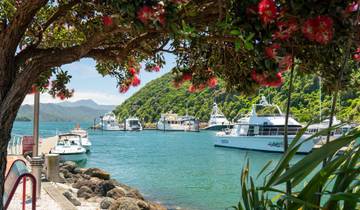
11 days
New Zealand North to South Island Adventure
- ✓ Comprehensive New Zealand tour
- ✓ Expert local guides included
- ✓ All accommodation arranged
- ✓ Transportation provided

6 days
Auckland Explorer New Zealand City Stay
- ✓ Booking needs min. 2 travelers
9 days
9-Day North Island Icons: The Essential North Island New Zealand Journey (Auckland to Wellington)
- ✓ Comprehensive New Zealand tour
- ✓ Expert local guides included
- ✓ All accommodation arranged
- ✓ Transportation provided
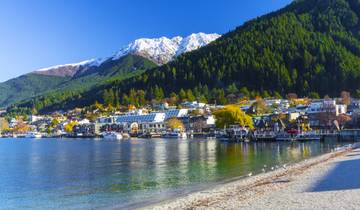
11 days
11-Day Deep South: The Ultimate South Island New Zealand Loop (Christchurch Start)
- ✓ Comprehensive New Zealand tour
- ✓ Expert local guides included
- ✓ All accommodation arranged
- ✓ Transportation provided
Multi-day tour packages powered by TourRadar. Prices and availability subject to change.
Essential Budget Planning Information for 2026
Understanding Queenstown Costs in 2026
Queenstown operates on New Zealand Dollar (NZD) with 2026 exchange rates fluctuating around 0.60 USD, 0.55 EUR, and 0.48 GBP per NZ dollar. ATM withdrawals provide best exchange rates with typical NZ$3-5 fees per transaction. Credit cards accepted universally across accommodation, restaurants, and activity operators with no foreign transaction fees from most major international cards.
Cost categories break down distinctly in Queenstown’s budget landscape: accommodation represents 40-50% of daily expenses for hostel users, 60-70% for budget hotel guests. Meals consume 25-35% of budgets when mixing supermarket preparation with occasional restaurant dining. Transportation claims minimal percentages (5-10%) due to walkable town center and affordable public buses. Activities vary dramatically based on selection between free hiking (0%) and premium adventures (30-40% of weekly budgets).
Seasonal pricing multipliers affect 2026 planning significantly: peak winter (June-August) and summer (December-February) periods apply 1.5-2.0x pricing across accommodation and popular activities. Shoulder seasons (April-May, September-November) maintain standard pricing with frequent promotional discounts. Off-peak windows (March, October-November) sometimes deliver 0.7-0.8x standard rates through last-minute deals and competitive pricing wars among operators.
Hidden costs requiring budget allocation include laundry services (NZ$4-6 per wash/dry cycle), mobile data (NZ$25-40 for 30-day tourist SIM cards), luggage storage (NZ$8-12 daily at i-SITE or accommodation), and DOC hut bookings for multi-day hikes (NZ$15-45 per night). These miscellaneous expenses add NZ$10-20 daily to baseline budgets when extended stays involve regular laundry, constant connectivity, and backcountry adventures.
Budget Accommodation Categories for 2026
Hostel dormitories range NZ$35-60 per bed during 2026 shoulder seasons, NZ$60-85 during peak periods. Properties like Adventure Queenstown Hostel, Bumbles Backpackers, and Haka Lodge provide kitchen facilities, common areas, and central locations within 10-minute walks of town center. Eight-bed dorms cost NZ$35-45, four-bed dorms NZ$45-55, with premium hostels charging NZ$55-65 for superior facilities and locations (check booking platforms for current rates and availability).
Private hostel rooms deliver budget hotel alternatives at NZ$90-140 for doubles during shoulder seasons, NZ$140-200 during peaks. These rooms include shared bathroom facilities but provide privacy and quiet sleep environments compared to dormitories. Booking 4-6 weeks ahead secures better availability and occasional early-bird discounts of 10-15% off standard rates.
Budget hotels and motels span NZ$120-180 for doubles during April-May and September-November 2026, escalating to NZ$180-280 during June-August and December-February. Properties like Amber Lodge Motel, Coronation Lodge, and Melbourne Lodge offer self-contained units with kitchen facilities enabling meal preparation. Lake or mountain view rooms command NZ$20-40 premiums over standard rooms with parking lot outlooks.
Queenstown Holiday Park provides powered campervan sites at NZ$50-65 per night with access to kitchen facilities, hot showers, and laundry. The Creeksyde location sits 2 kilometers from town center with public bus access every 30 minutes. Unpowered tent sites cost NZ$20-28 per person, making this option ideal for hiking-focused travelers carrying camping equipment. Advance bookings essential during December-February when sites fill 2-3 months ahead.
Daily Meal Budget Strategies for 2026
Supermarket meal preparation reduces daily food costs to NZ$15-25 per person through strategic shopping at Countdown, Fresh Choice, or Pak’nSave. Breakfast staples (oats, bread, eggs, milk, fruit) cost NZ$3-5 daily per person. Lunch components (sandwich materials, salad ingredients, snacks) run NZ$5-8 daily. Dinner ingredients (pasta, rice, vegetables, protein, sauce) require NZ$7-12 daily when cooking for one, reducing to NZ$5-8 per person when couples share meals.
Budget lunch restaurants and cafes offer meals between NZ$12-18 for substantial portions: Fergburger delivers famous gourmet burgers NZ$12-17, Cookie Time provides cookie-ice cream combinations NZ$8-12, and various bakeries sell meat pies NZ$5-7. Vietnamese and Thai restaurants along Shotover Street serve lunch specials NZ$15-20 with generous rice and noodle portions. Food courts at Queenstown Mall accommodate NZ$10-15 lunch budgets across multiple cuisine options.
Affordable dinner options exist at ethnic restaurants offering better value than tourist-focused establishments: Indian curries run NZ$15-22 for substantial portions, Chinese restaurants serve family-style dishes NZ$18-28 feeding two people, and pizza places deliver large pizzas NZ$18-25. Dining between 5:30-6:30 PM captures early-bird specials saving 15-25% off standard dinner pricing at participating restaurants.
Self-catering strategies maximize hostel and motel kitchen facilities: bulk pasta meals cost NZ$4-6 per generous serving, stir-fry dinners run NZ$6-9 using seasonal vegetables, and slow-cooker stews (prepared morning, ready evening) deliver NZ$5-8 portions with minimal cooking time. Sharing cooking duties and costs with fellow hostel travelers reduces per-person expenses while creating social experiences rivaling restaurant dining.
Transportation Budget Planning for 2026
Public Transportation Costs in 2026
Orbus public bus network serves Queenstown with single fares NZ$2-6 depending on zone distance. Town center to Frankton costs NZ$4, town to airport NZ$10, with exact cash or GoCard payments accepted. Daily passes cost NZ$12 providing unlimited rides within 24-hour periods, valuable for travelers making 3+ trips daily between accommodation, town, and activity locations. Route maps available at i-SITE visitor center and bus stops throughout town.
Connectabus airport service runs NZ$10 per person one-way, NZ$18 return with valid for one month. Buses depart every 15-30 minutes between 6 AM-10 PM connecting airport to town center in 25 minutes. Advance online booking provides no discount over on-board purchases, but guarantees seats during peak arrival times when services fill capacity. Shared van services (NZ$15-20 per person) offer door-to-door delivery to specific accommodations.
Walking serves as primary free transportation within Queenstown’s compact center where accommodation, restaurants, and lakefront attractions cluster within 1-kilometer radius. The pedestrian-friendly layout and flat lakefront promenade enable easy movement between locations without transportation costs. Only airport transfers and distant activity locations require paid transportation for centrally-based travelers.
Rental bicycles cost NZ$35-55 daily from multiple operators along Beach Street and Shotover Street. The Queenstown Trail network allows cycling to Arrowtown (21 kilometers one-way, 1.5-2 hours), Gibbston Valley wineries (15 kilometers), and Lake Hayes loop (8 kilometers) without vehicle expenses. Multi-day rentals reduce daily rates to NZ$25-35 when booking 3+ consecutive days. E-bikes command NZ$60-80 daily premiums but eliminate uphill effort on hilly terrain.
Activity Transportation Budget in 2026
Shuttle services to hiking trailheads cost NZ$15-35 per person depending on distance: Routeburn Track access runs NZ$35-45, Ben Lomond NZ$15-20, and Queenstown Hill NZ$10-15. Booking return shuttles (NZ$25-55) eliminates coordination stress and provides scheduled pickup times. Many hiking companies include transportation in guided walk packages, though independent hikers pay separately for drop-off/pickup services.
Adventure activity packages typically include transportation from Queenstown accommodation to activity locations in total price. Shotover Jet (NZ$159), AJ Hackett bungy (NZ$205-275), and skydiving operators (NZ$299-499) provide complimentary shuttle services. This inclusion represents significant value as taxi trips to Shotover Canyon (NZ$45-60) or bungy sites (NZ$35-50) would substantially increase activity costs when arranged independently.
Day trip transportation to Milford Sound runs NZ$95-145 for coach services including pickup/drop-off at Queenstown accommodation. This 12-hour journey covers 575 kilometers round-trip with commentary, photo stops, and Milford Sound cruise connection. Budget travelers combine coach transport (NZ$95-115) with independent Milford Sound kayaking (NZ$139) instead of full tour packages (NZ$299-399) saving NZ$100-150 while maintaining flexibility.
Rental car options benefit groups of 3-4 travelers splitting costs: compact cars rent NZ$45-75 daily during shoulder seasons, NZ$75-110 during peaks with insurance and unlimited kilometers included. Fuel costs add NZ$15-25 daily for typical sightseeing driving around Queenstown region. Three travelers splitting NZ$60 daily rental plus NZ$20 fuel pay NZ$27 each versus NZ$40-60 for public transportation to equivalent destinations.
Free Activities and Viewpoints in 2026
Lake Wakatipu Free Access Points
Queenstown Beach provides free swimming access with grassy sunbathing areas, public changing facilities, and beach volleyball courts. The shallow entry and relatively warm summer waters (16-18°C December-February) allow comfortable swimming without wetsuit requirements. Free BBQ facilities and picnic tables accommodate budget lunches with spectacular Remarkables backdrop. Lifeguards patrol during peak summer weekends providing additional safety.
Marine Parade waterfront promenade extends 2 kilometers along Lake Wakatipu shoreline offering continuous free walking access with mountain and water views. The paved pathway accommodates cyclists, joggers, and families with strollers while connecting town center to Queenstown Gardens and Frankton Trail. Benches positioned every 100-150 meters provide rest spots and photography platforms throughout the route.
Queenstown Gardens peninsula delivers free access to 20 hectares of parkland featuring mature exotic trees, rose gardens, frisbee golf course, and multiple swimming beaches. The circular walking track (2.5 kilometers, 45 minutes) provides gentle exercise with constantly changing perspectives across lake and mountains. Sheltered coves on eastern shoreline create calm swimming conditions protected from afternoon winds affecting main Queenstown Beach.
Frankton Trail section between Queenstown and Frankton Marina covers 5 kilometers of flat lakefront pathway ideal for walking, running, or cycling. The trail passes wetlands attracting native birds, crosses inlet streams on wooden boardwalks, and maintains lake views throughout. Free parking at Frankton end allows out-and-back walks of various distances without returning to town start point.
Free Hiking Trails in 2026
Queenstown Hill Track climbs 500 meters over 2.5 kilometers (1.5-2 hours one-way) to summit viewpoint overlooking town, lake, and surrounding peaks. The free trail begins from Belfast Street accessing Douglas fir forest before emerging at tussock-covered summit plateau. Dawn hikes capture sunrise colors across Remarkables while sunset ascents deliver golden-hour town views. Moderate fitness required for sustained uphill gradient averaging 20% throughout.
Tiki Trail to Bob’s Peak provides alternative gondola-free access to summit viewpoints (45-60 minutes uphill). The switchback route through exotic forest gains 450 meters elevation delivering identical panoramas to NZ$57 gondola ticket holders. Morning or late afternoon hiking avoids midday heat and captures optimal photography lighting. Downhill return via Ben Lomond Track access provides loop option adding 30 minutes and different perspective.
Ben Lomond Track represents Queenstown’s premier free full-day hike climbing 1,400 meters over 6 kilometers to 1,748-meter summit (6-8 hours return). The challenging route rewards fit hikers with 360-degree alpine panoramas across Southern Alps, Lake Wakatipu, and Fiordland ranges. Saddle viewpoint at 1,320 meters (4-5 hours return) provides excellent destination for hikers avoiding full summit commitment. Summer hiking (December-March) recommended when snow-free conditions exist.
Moke Lake Track delivers peaceful alternative to crowded town trails with 5-kilometer loop around turquoise glacial lake (1.5-2 hours complete circuit). The track begins 12 kilometers from Queenstown center accessible via rental car or bicycle. Swimming spots, picnic areas, and mountain reflections create idyllic settings without entrance fees. Continuing to Ben Lomond Saddle adds 3-4 hours and 600 meters climbing for experienced hikers seeking extended free adventure.
Free Scenic Viewpoints for 2026
Queenstown Gardens viewpoint at peninsula tip provides free 270-degree panorama across Lake Wakatipu with Remarkables dominating eastern skyline. The short walk from main gardens area (5 minutes) accesses rock outcrop photography platform. Sunrise visits capture first light hitting Remarkables peaks while afternoon sessions deliver warm light across town and Cecil Peak. Zero crowds compared to Bob’s Peak gondola viewpoint.
Sunshine Bay lookout located 3 kilometers from town center along Lake Esplanade offers elevated perspective across Queenstown Bay and surrounding mountains. The free parking area and viewing platform sit 50 meters above lake level providing unique vantage point. Sunset visits particularly rewarding when western light illuminates Remarkables eastern face. Continuing 2 kilometers to Fernhill delivers additional free viewpoints with reduced tourist presence.
Queenstown Hill summit (detailed in hiking section) provides Queenstown’s highest accessible free viewpoint at 900 meters elevation. The 360-degree panorama encompasses entire Wakatipu Basin from Glenorchy to Kingston with Remarkables, Cecil Peak, and Ben Lomond forming dramatic amphitheater. Basket of Dreams sculpture at summit creates unique photography foreground element. Clear weather essential as cloud cover obscures mountain views reducing summit experience value.
Lake Hayes walkway circuit (8 kilometers, 2-3 hours) delivers peaceful lake and mountain scenery without Queenstown crowds or costs. The flat loop track around smaller lake provides constant water reflections, birdwatching opportunities, and Remarkables backdrop. Autumn visits (April-May 2026) showcase golden willow and poplar foliage reflected in calm waters. Free parking at multiple access points allows partial circuit walks of varying distances.
Affordable Adventure Activities for 2026
Budget-Friendly Water Activities in 2026
TSS Earnslaw vintage steamship cruise costs NZ$75 for 1.5-hour scenic lake cruise aboard 1912 coal-fired steamer (check realjourneys.co.nz for current official rates). The heritage vessel crosses Lake Wakatipu to Walter Peak station with commentary covering region history, engineering details, and mountain geography. Engine room access shows operational steam engines while top deck provides panoramic photography platforms. Advance booking recommended during December-February peak season when sailings fill capacity.
Kayak rentals on Lake Wakatipu run NZ$35-50 for half-day, NZ$50-75 full-day through multiple operators along Beach Street. The calm morning conditions (before afternoon winds develop) create ideal beginner paddling environments. Self-guided routes to Sunshine Bay (3 kilometers one-way, 1 hour), Queenstown Gardens (1.5 kilometers, 30 minutes), or open-water lake exploration provide flexible adventures without guide costs. Double kayaks accommodate couples at same pricing reducing per-person expenses.
Stand-up paddleboard rentals cost NZ$30-45 for two hours, NZ$55-75 full-day at waterfront operators. The protected bay areas near Queenstown Beach and Gardens create stable conditions for learning basic paddling techniques. Free lessons typically included with rental covering safety, basic strokes, and balance techniques. Sunset sessions (available March-October when daylight extends past 6 PM) deliver golden-hour perspectives across Remarkables without additional costs.
Shotover Jet boat ride costs NZ$159 for 25-minute high-speed adventure through narrow canyon sections (check shotoverjet.com for current official rates and seasonal availability). The world-famous 360-degree spins and close-to-rock maneuvering deliver adrenaline experiences at more accessible price points than bungy jumping (NZ$205-275) or skydiving (NZ$299-499). Online advance booking sometimes provides NZ$10-20 discounts versus walk-up pricing. Free shuttle service from central Queenstown included in ticket price.
Mountain Adventure Budget Options for 2026
Skyline Gondola ride costs NZ$57 for return journey to Bob’s Peak summit with viewing platforms, restaurant access, and luge track viewing areas (check skyline.co.nz for current official rates as pricing may vary). The 450-meter vertical climb delivers panoramic vistas across Queenstown, lake, and surrounding peaks identical to free Tiki Trail hike destination. Twilight tickets (available from 5 PM during summer months) sometimes offer NZ$5-10 discounts while maintaining sunset viewing opportunities. Gondola-luge combinations (NZ$87-97) provide better value than separate purchases for visitors wanting multiple luge runs.
Luge rides cost NZ$57 for 5 runs, NZ$76 for 10 runs when combined with gondola access. The gravity-powered carts descend purpose-built tracks with scenic and advanced route options. First-time riders typically complete 3-4 runs within 90-minute sessions before arm fatigue limits continued riding. Purchasing 10-ride passes with partner allows splitting NZ$38 per person cost (5 runs each) versus individual 5-ride tickets. Gondola-luge-dinner combinations reduce overall costs when planning Bob’s Peak dining experiences.
Moonlight Mountain Biking delivers affordable adventure at Queenstown Bike Park with lift-accessed downhill trails costing NZ$69 for 2-hour pass, NZ$89 for 4-hour pass including bike rental. The progression from beginner green trails to advanced black diamond runs accommodates varying skill levels. Summer evening sessions (December-February when daylight extends to 9 PM) provide cooler temperatures and reduced crowds versus midday riding. Protective equipment included in rental pricing though experienced riders bringing own gear save NZ$15-20 in rental fees.
Rock climbing at Queenstown Recreation Ground’s outdoor climbing wall costs NZ$18 for casual sessions including harness and belay device rental. The 12-meter wall features multiple route difficulties from beginner-friendly 5.6 grades to advanced 5.12 challenges. Local climbers provide informal beta and encouragement creating welcoming environment for travelers new to sport. Bringing own climbing shoes saves NZ$5 rental fee though wall provides adequate beginner shoes. Sessions run Wednesday-Sunday afternoons weather permitting during spring-autumn seasons.
Winter Budget Activities for 2026
Afternoon ski passes at Coronet Peak and Remarkables ski areas cost NZ$89 versus NZ$159 for full-day tickets providing budget access during 1-5 PM periods. The reduced crowds, softer snow conditions, and extended June-July daylight make afternoon skiing attractive for intermediate skiers prioritizing value over maximum slope time. Equipment rental packages run NZ$55-75 daily for skis/snowboard, boots, and poles from multiple operators in town center.
Cross-country skiing at Snow Farm near Cardrona costs NZ$45 for trail pass accessing 55 kilometers of groomed Nordic tracks at 1,500-1,800 meters elevation. The scenic high-country environment delivers mountain panoramas and peaceful backcountry atmosphere contrasting with crowded downhill resorts. Equipment rentals cost NZ$40-55 daily with lessons (NZ$95 for 90-minute group session) recommended for first-time cross-country skiers. Free shuttle service from Wanaka (45 minutes from Queenstown) included with trail pass.
Ice skating at Queenstown Ice Arena costs NZ$20 including skate rental for 90-minute public sessions running daily 12-9:30 PM during June-August winter season. The indoor facility provides weather-independent winter activity option for budget travelers avoiding expensive skiing. Family passes (NZ$65 for 2 adults + 2 children) reduce per-person costs when traveling with kids. Friday night sessions feature music and lights creating social atmosphere beyond basic skating experience.
Sledding and snow play at Coronet Peak’s designated snow play area provides free winter fun after purchasing NZ$10 parking pass. Families bring plastic sleds and snow toys for afternoon sessions on gentle slopes near base facilities. The area includes snow fort building zones, small jumps for older children, and picnic facilities with mountain views. Weekday visits avoid weekend crowds when hundreds of families congregate at free snow access point.
Sample 2026 Budget Itineraries
Three-Day Budget Adventure Itinerary for 2026
Day 1: Free Hiking and Lake Exploration
Queenstown Hill Track sunrise hike (free, 3-4 hours) captures morning light across Remarkables with minimal crowds before 8 AM summit arrival. Return to hostel for breakfast (NZ$4 supermarket supplies: oats, banana, yogurt) and brief rest before afternoon lake activities. Rent kayak at Beach Street operator (NZ$35 half-day) for 2-hour paddle to Queenstown Gardens and return with swimming stop at sheltered cove. Pack lunch from hostel supplies (NZ$6: sandwich, fruit, snacks) eaten at gardens picnic area. Dinner preparation at hostel kitchen (NZ$8: pasta, vegetables, sauce) followed by evening lakefront walk watching sunset from Marine Parade. Hostel accommodation NZ$45 (mid-range dormitory). Total day cost: NZ$53 per person (excluding accommodation).
Day 2: TSS Earnslaw Cruise and Town Exploration
Morning TSS Earnslaw cruise (NZ$75) departing 10 AM for Walter Peak station with engine room viewing and heritage steamship experience. Pack lunch from supermarket (NZ$7: filled roll, chips, fruit, water) eaten aboard or at Walter Peak grounds. Return 1 PM cruise allows afternoon Queenstown Gardens exploration with frisbee golf (free equipment loan from i-SITE visitor center) and rose garden photography. Budget cafe dinner at Fergburger (NZ$15 gourmet burger, NZ$5 fries) provides famous Queenstown dining experience at accessible price point. Evening Queenstown Bay walk and bench relaxation watching moonrise over Remarkables (free). Total day cost: NZ$102 per person (excluding accommodation NZ$45 hostel).
Day 3: Scenic Drive and Wine Tasting
Glenorchy scenic drive (45 minutes each way, free with rental car or NZ$45 shuttle) delivers spectacular lakeside views, red beech forest, and mountain panoramas. Pack full-day picnic from supermarket (NZ$12: sandwiches, fruit, cookies, drinks) eaten at multiple scenic stops. Explore Glenorchy village, walk lagoon boardwalk (free, 30 minutes loop), and visit filming locations from Lord of the Rings trilogy. Return via Gibbston Valley stopping at Chard Farm winery for tasting (NZ$10-15 for 4-wine flight) with lake and schist cliff views. Dinner at hostel kitchen (NZ$9: stir-fry with seasonal vegetables and rice) concluding budget adventure itinerary. Total day cost: NZ$36-41 per person (excluding accommodation NZ$45 hostel, assuming rental car shared between travelers).
Three-Day Total: Accommodation NZ$135 (3 nights hostel dormitory), meals NZ$58, activities NZ$120-130, transportation NZ$15-25. Grand total: NZ$328-348 per person for comprehensive Queenstown adventure.
Week-Long Budget Experience for 2026
Day 1-2: Queenstown Orientation and Free Activities
Arrival via Connectabus from airport (NZ$10), hostel check-in, and town familiarization walk. Supermarket shopping trip (NZ$50 for 3-4 days supplies) stocks hostel kitchen for breakfast and lunch preparation. Day 1 afternoon explores lakefront, gardens, and Beach Street shops (free window shopping and tourism office visit). Day 2 tackles Queenstown Hill sunrise hike (free) followed by afternoon kayak rental (NZ$35) and evening self-cooked dinner (NZ$8). Accommodation NZ$90 (2 nights hostel). Total Days 1-2: NZ$103 per person (excluding accommodation).
Day 3: Shotover Jet and Bob’s Peak
Morning Shotover Jet boat ride (NZ$159) provides signature adventure activity with free shuttle from accommodation. Pack lunch (NZ$6) eaten at Shotover Canyon viewing area. Afternoon Tiki Trail hike to Bob’s Peak (free, 90 minutes) delivers gondola-equivalent views without NZ$57 ticket cost. Return via different trail route creating loop walk. Budget restaurant dinner (NZ$18 Thai curry) treats hiking-weary muscles. Total Day 3: NZ$183 per person (excluding accommodation NZ$45 hostel).
Day 4: Milford Sound Day Trip
Budget coach to Milford Sound (NZ$105 return) with independent Milford Sound Scenic Cruise (NZ$89) creates NZ$194 total versus NZ$299-399 for packaged tours. Pack substantial breakfast (NZ$5) and lunch (NZ$8) for 12-hour day trip. Dinner upon return uses hostel kitchen supplies (NZ$7). Total Day 4: NZ$214 per person (excluding accommodation NZ$45 hostel).
Day 5: Free Hiking and Relaxation
Ben Lomond Saddle hike (free, 4-6 hours return to 1,320-meter viewpoint) provides full-day adventure without costs. Pack lunch (NZ$6) and ample snacks (NZ$5) for demanding climb. Afternoon lake swimming at Queenstown Beach (free) soothes hiking muscles. Evening supermarket restock (NZ$30 for Days 6-7 supplies) and self-cooked dinner (NZ$7). Total Day 5: NZ$48 per person (excluding accommodation NZ$45 hostel).
Day 6: Arrowtown and Winery Exploration
Bicycle rental (NZ$35) enables Queenstown Trail ride to Arrowtown (21 kilometers, 1.5-2 hours). Explore historic gold mining town (free museum entry, free walking trails), pack lunch from hostel (NZ$6), and afternoon ride to Gibbston Valley winery for tasting (NZ$12). Return to Queenstown via trail (downhill sections make return faster). Farewell dinner at budget-friendly Indian restaurant (NZ$20 curry and rice). Total Day 6: NZ$73 per person (excluding accommodation NZ$45 hostel).
Day 7: Departure Preparation
Final morning walk around Lake Hayes circuit (free, accessible via rental bicycle from previous day or public bus NZ$4). Hostel checkout and luggage storage at i-SITE (NZ$10) allows final afternoon town exploration and souvenir shopping. Budget lunch (NZ$12 Fergburger) before Connectabus airport transfer (NZ$10). Total Day 7: NZ$36 per person (excluding accommodation).
Week-Long Total: Accommodation NZ$315 (7 nights hostel), meals NZ$165, activities NZ$435, transportation NZ$54. Grand total: NZ$969 per person for comprehensive week-long Queenstown experience mixing premium activities with budget strategies.
Money-Saving Strategies for 2026 Queenstown Travel
Advance Booking Benefits in 2026
Hostel accommodation booked 6-8 weeks ahead saves 15-25% compared to walk-up rates during shoulder seasons, 30-40% during peak winter and summer periods. Properties like Haka Lodge and Adventure Queenstown Hostel offer early-bird discounts when booking 2+ months ahead. Flexible date searches reveal NZ$10-15 nightly savings by shifting arrival/departure days avoiding weekend premiums (Friday-Saturday nights cost NZ$10-20 more than Monday-Thursday).
Activity packages purchased online deliver NZ$10-30 savings per person versus booking at waterfront kiosks. Shotover Jet online advance purchase sometimes discounts standard NZ$159 pricing by NZ$15-20 during promotional periods (typically April-May, September-October shoulder seasons). Combo packages bundling gondola-luge-dinner or TSS Earnslaw cruise-Walter Peak dining provide 20-25% savings versus separate component purchases. Check operator websites directly rather than third-party booking platforms to access official pricing and avoid commission markups.
Rental car bookings made 4-6 weeks ahead secure better vehicle selection and 25-35% lower rates compared to last-minute reservations during peak periods. January-February and June-August advance bookings essential as fleet capacity fills completely requiring premium walk-up rates (NZ$120-150 daily versus NZ$60-80 with advance planning). Off-airport rental locations (Frankton, Queenstown center) sometimes offer NZ$15-25 daily savings compared to airport pickup convenience premium.
DOC hut bookings for Great Walks (Routeburn, Milford tracks) require 3-6 month advance reservations during October-April peak season. Hut fees (NZ$70-140 per night) seem expensive but eliminate tent camping needs while providing structured multi-day hiking opportunities. Late-season bookings (March-April 2026) access same trails and facilities at reduced prices with fewer crowds and autumn colors adding scenic bonus.
Seasonal Optimization Tactics for 2026
April-May 2026 autumn shoulder season delivers Queenstown’s optimal value proposition: accommodation 30-40% below winter peak pricing, pleasant weather (12-18°C daytime), spectacular foliage colors along hiking trails, and full activity operator schedules. Heritage steamship cruises, jet boats, gondola rides, and winery tours maintain complete operations while offering early-season promotional pricing absent during June-August premium periods.
September-November 2026 spring window provides alternative budget opportunity with warming weather, wildflower blooms, and increasing daylight hours. Ski areas closed eliminates winter tourism premium while hiking trails become accessible as snow melts from lower elevations. Mid-November represents sweet spot: summer pricing not yet implemented, excellent weather established, and Christmas holiday crowds still 4-5 weeks away.
Late January-early February 2026 captures summer tail-end when school holidays conclude but weather remains stable. Accommodation rates drop 20-30% compared to Christmas-New Year peak while lake swimming, hiking, and outdoor activities continue under reliable conditions. Activity operators eager to fill capacity during post-holiday lull offer package deals and last-minute discounts reducing adventure costs 15-25% versus December pricing.
Weekday visits during any season save NZ$15-30 nightly on accommodation compared to Friday-Saturday premiums. Tuesday-Wednesday-Thursday arrivals allow budget travelers to negotiate last-minute rates when occupancy predictions suggest unsold inventory. Extended stays (5+ nights) sometimes trigger weekly rate discounts of 10-15% off standard nightly pricing when booking directly with accommodation properties.
Group Travel Cost Reductions for 2026
Rental car costs split among 3-4 travelers reduce per-person transportation expenses dramatically: NZ$60 daily rental plus NZ$20 fuel divided four ways equals NZ$20 per person versus NZ$40-60 for equivalent public bus coverage. Day trips to Glenorchy, Arrowtown, and Gibbston Valley become economically viable with shared vehicle costs enabling spontaneous stops impossible via scheduled bus services.
Accommodation sharing cuts individual costs substantially: private hostel rooms (NZ$140 double) divided between couples equals NZ$70 per person versus NZ$60 for dormitory beds providing privacy and quiet sleep for minimal premium. Budget hotel rooms (NZ$160 double) split between friends delivers NZ$80 per person cost comparable to mid-range hostel dormitories while gaining private bathroom facilities. Groups of 4-6 travelers access apartment rentals (NZ$280-350) delivering NZ$58-70 per person costs including full kitchen facilities enabling group meal preparation.
Self-catering meal preparation for groups reduces per-person food costs through bulk shopping and shared cooking duties: pasta dinner for four costs NZ$18-24 total (NZ$4.50-6 per person) versus NZ$15-20 individual restaurant meals. Breakfast supplies purchased in quantity (oats, bread, eggs, milk, fruit) serve 3-4 people for NZ$12-15 daily total. Lunch components bought in family packs and divided among travelers cut costs 30-40% compared to individual portion purchasing.
Activity group bookings sometimes trigger discounts: private guided hikes for 4+ people cost NZ$450-600 total (NZ$112-150 per person) versus NZ$159-189 for individual participant join-in group tours. Water activity rentals offering multi-kayak or multi-paddleboard packages reduce per-unit costs when groups rent 3+ craft simultaneously. Shotover Jet and similar operators occasionally offer group rates (6+ people) providing NZ$10-15 per person savings though advance coordination and simultaneous booking required.
Budget Planning for 2026 Queenstown Accommodation
Hostel Selection Strategies for 2026
YHA Queenstown Lakefront delivers prime location (5-minute walk to town center) with lake views from common areas, modern facilities including kitchen, and 4-8 bed dormitories ranging NZ$40-65 depending on season and bed count. The smaller 4-bed dorms provide better sleep quality and reduced noise compared to 8+ bed configurations. Private rooms cost NZ$130-180 offering couples hostel pricing with hotel-style privacy. Advance booking essential during December-February and June-August peaks when property fills 6-8 weeks ahead.
Adventure Queenstown Hostel combines budget pricing (NZ$35-55 dormitory beds) with social atmosphere including organized activities (free hiking groups, discounted adventure bookings, evening social events). The Frankton location sits 10-minute bus ride (NZ$4) from town center requiring transportation costs but delivers NZ$10-15 nightly savings versus central properties. Kitchen facilities accommodate meal preparation while common areas provide space for meeting fellow budget travelers creating potential cost-sharing opportunities for rental cars and activities.
Haka Lodge represents premium hostel category with NZ$55-75 dormitory beds, NZ$160-220 private rooms, and superior facilities including spa, sauna, cinema room, and gourmet kitchen equipment. The Queenstown and Remarkables properties offer free breakfast (saving NZ$5-8 daily), organized activities, and prime locations justifying 30-40% price premiums over basic hostels. Extended stays (5+ nights) sometimes trigger discounted rates reducing premium to NZ$5-10 above standard hostel pricing while maintaining superior facilities.
Bumbles Backpackers focuses on party atmosphere with bar on-site, daily social events, and 8-12 bed dormitories at NZ$35-50 rates. The budget-conscious choice suits young travelers prioritizing social experiences and affordability over sleep quality and quiet environments. Central location (3-minute walk to lakefront) eliminates transportation costs while kitchen facilities enable meal preparation. Earplugs essential for light sleepers as noise levels remain elevated through midnight during peak seasons.
Budget Hotel and Motel Options for 2026
Amber Lodge Motel provides self-contained studio units at NZ$130-180 during shoulder seasons, NZ$180-250 during peaks with full kitchen facilities enabling substantial food cost savings through meal preparation. The Frankton location (15-minute walk, 5-minute bus to town center) trades convenience for value with free parking included. Units sleep 2-3 people allowing couples or small groups to split costs achieving NZ$65-90 per person rates comparable to mid-range hostels.
Melbourne Lodge offers queen and twin rooms at NZ$120-170 shoulder season, NZ$170-240 peaks with basic kitchen facilities (kettle, toaster, microwave, small fridge). The walking distance to town center (12 minutes) enables free access while avoiding central location premiums. Shared bathroom facilities keep costs below private bathroom properties while cleanliness and maintenance standards exceed many budget hostels. Continental breakfast (NZ$12 additional) provides optional convenience for travelers avoiding meal preparation.
Coronation Lodge delivers budget hotel experience at NZ$140-200 shoulder seasons with private bathrooms, comfortable beds, and basic amenities. The location near Queenstown Hill Track start allows morning hikes without transportation while remaining within 10-minute walk of town center. No kitchen facilities limit meal preparation options though restaurants and supermarkets cluster within 5-minute walking radius. Free WiFi and parking add value for connected travelers and rental car users.
Lakeside Motel units cost NZ$160-220 shoulder seasons, NZ$220-300 peaks with lake views, full kitchens, and separate bedrooms allowing 2-4 people to share costs. The per-person rates (NZ$55-75 when 3-4 guests share) become competitive with hostel private rooms while providing superior space and facilities. Couples benefit less from motel options unless valuing privacy, kitchen access, and parking sufficiently to justify NZ$20-30 premiums over hostel doubles.
Alternative Budget Accommodation in 2026
Queenstown Holiday Park powered campervan sites (NZ$50-65 nightly) serve self-contained travelers with vehicles including beds, cooking facilities, and bathrooms. The location 2 kilometers from town center requires public bus access (NZ$4 each way) or 25-minute walk. Kitchen facilities, hot showers, laundry, and WiFi in common buildings support extended stays. Unpowered tent sites (NZ$20-28 per person) suit budget-focused trampers carrying camping equipment between hiking trips.
Freedom camping opportunities exist at designated DOC sites within 20-30 minutes drive from Queenstown though town-based free camping faces strict enforcement and fines (NZ$200). Lake Hayes Reserve, Twelve Mile Delta, and various DOC campsites provide legal free camping for self-contained vehicles (toilet, gray water storage). Budget travelers with rental cars or campervans save NZ$45-65 nightly compared to hostels though sacrificing town center convenience and shower facilities.
Work-exchange programs through WWOOF, HelpX, and similar platforms offer free accommodation in exchange for 3-5 hours daily work at farms, hostels, or tourism businesses around Queenstown region. Extended-stay travelers (2+ weeks) willing to commit working hours access free lodging while experiencing local community integration. Positions typically include meals beyond accommodation providing additional budget savings while requiring flexibility and physical work commitment.
House-sitting opportunities during April-May and September-October shoulder seasons allow responsible travelers to occupy private homes for free in exchange for property care, pet minding, and garden maintenance. Registration with house-sitting platforms (NZ$100-150 annual fees) connects travelers with Queenstown homeowners seeking temporary caretakers. Positions require references, police checks, and proven responsibility but deliver free luxury accommodation in exchange for basic property maintenance duties.
Practical Budget Tips for 2026 Queenstown Visits
Daily Money Management in 2026
ATM cash withdrawals at Queenstown banks (ANZ, BNZ, Westpac) avoid international transaction fees beyond standard NZ$3-5 machine charges. Withdrawing NZ$200-300 at once minimizes fee percentages while maintaining manageable cash amounts. Many budget cafes, food trucks, and market stalls offer 5-10% discounts for cash payments avoiding credit card processing fees, making cash beneficial for small daily purchases.
Visa and Mastercard credit cards work universally across Queenstown establishments with most international cards charging zero foreign transaction fees (verify card terms before travel). EFTPOS payments (debit cards) accepted widely for purchases exceeding NZ$10 with PIN verification standard. American Express and Diners Club cards face limited acceptance at smaller businesses requiring Visa/Mastercard backup options.
Currency exchange offices along Beach Street and Shotover Street charge 3-5% commissions reducing effective exchange rates compared to ATM withdrawals. Airport currency exchange applies even higher margins (5-8%) making this option economically disadvantageous. Travelers arriving with small amounts of home currency (USD$50-100) for immediate expenses then using ATMs for bulk cash needs optimize exchange economics.
Budget tracking apps help monitor daily spending against planned allocations: Trail Wallet, Trabee Pocket, and Splitwise facilitate expense recording, category analysis, and group cost sharing. Setting daily limits (NZ$80-150) based on overall trip budget prevents overspending during early days leaving insufficient funds for later activities. Review spending every 2-3 days allows mid-trip adjustments when costs exceed or fall below planned budgets.
Free Resources and Services in 2026
Queenstown i-SITE visitor center provides free maps, trail information, activity advice, and current weather forecasts without purchase obligations. Staff expertise helps identify free activities, budget accommodation, and money-saving strategies tailored to specific interests and timeframes. Free WiFi access in center allows research, booking, and communication when not in accommodation. Luggage storage costs NZ$8-12 daily enabling final-day town exploration after hostel checkout.
Public WiFi networks operate throughout Queenstown town center, lakefront, and many cafes/restaurants requiring simple registration (email address). The free access supports research, booking, communication, and entertainment without mobile data costs. Connection quality varies with user load though sufficient for basic browsing and messaging. Public library (Shotover Street) offers faster free WiFi plus computer terminals for travelers without devices.
Free drinking water fountains located at Queenstown Beach, Marine Parade, and various hiking trailheads eliminate bottled water expenses (NZ$3-5 daily when purchasing regularly). Refillable water bottles (carried from home or purchased at warehouse stores NZ$5-10) enable free hydration throughout days. New Zealand’s excellent tap water quality means hostel and motel taps provide safe drinking water without filtration or treatment requirements.
Community noticeboards at hostels, library, and Four Square supermarket advertise ride-sharing opportunities, activity group formations, and equipment sales/rentals from departing travelers. Connecting with others through these channels creates cost-sharing possibilities for rental cars (split 3-4 ways), activity bookings (potential group discounts), and equipment rental (used kayaks, bicycles, camping gear at 50-70% below retail hire costs).
Equipment and Gear Strategies for 2026
Outdoor equipment rentals from Small Planet Sports and Outside Sports cost NZ$35-55 daily for backpacks, sleeping bags, and camping gear versus purchasing new items for single-use trips. Multi-day rentals reduce daily rates to NZ$25-35 when booking 3+ consecutive days. Departing travelers sell used equipment through hostel noticeboards at 30-50% below rental costs providing budget alternatives for extended stays requiring camping or tramping gear.
Ski and snowboard rentals in town center cost NZ$55-75 daily for package (skis/board, boots, poles) with multi-day bookings reducing rates to NZ$40-50 daily. Booking online ahead saves NZ$5-10 compared to walk-up shop pricing during peak winter periods. Equipment swap programs at hostels allow travelers to exchange gear between activities (skiing → hiking → cycling) without purchasing or renting complete sets.
Laundry facilities at hostels typically charge NZ$4-6 per wash/dry cycle versus NZ$8-12 at commercial laundromats. Budget travelers washing every 4-5 days minimize frequency while maintaining hygiene. Hand-washing small items (underwear, socks, t-shirts) in hostel bathrooms using travel soap eliminates machine costs entirely though drying times extend to 24-48 hours without heated facilities. Strategic packing of quick-dry synthetic fabrics reduces laundry needs during shorter 5-7 day visits.
Picnic supplies purchased at Countdown or Pak’nSave supermarkets (reusable containers NZ$3-8, insulated bag NZ$5-10) enable carrying prepared meals to hiking trails, scenic viewpoints, and activity locations avoiding expensive cafe purchases (NZ$15-25 versus NZ$6-10 self-prepared). The upfront equipment investment pays for itself after 2-3 packed meals while continuing to provide value throughout extended stays.
2026 Budget Updates and Current Information
Economic Factors Affecting 2026 Queenstown Budgets
New Zealand Dollar exchange rates against major currencies fluctuate 5-10% annually affecting real costs for international visitors. The 2026 rates around 0.60 USD, 0.55 EUR, and 0.48 GBP per NZD represent approximate mid-range valuations. Favorable shifts in home currency strengthen purchasing power while unfavorable movements increase effective costs. Monitoring exchange trends during 3-6 month pre-trip period allows strategic currency purchase timing when rates favor travelers.
Inflation rates in New Zealand hospitality and tourism sectors typically run 3-5% annually meaning 2026 pricing reflects gradual increases over previous years. Accommodation, restaurant meals, and activity tickets purchased in 2026 cost marginally more than equivalent 2024-2025 experiences. Budget allocations accounting for 4-6% annual increases maintain realistic expectations though actual increases vary by business category and competitive pressures.
Fuel costs affecting transportation pricing fluctuate seasonally and globally with NZ$2.50-3.00 per liter typical for 2026 Queenstown region. Rental car budgets allocating NZ$20-25 daily for fuel during typical sightseeing driving (100-150 kilometers daily) account for most scenarios. Bus and shuttle pricing remains relatively stable as operators typically adjust rates annually rather than tracking volatile fuel markets.
Minimum wage increases in New Zealand (NZ$23.15 hourly as of April 2024) gradually raise hospitality and tourism labor costs flowing through to consumer pricing. Budget accommodations, cafes, and activity operators employing entry-level staff face pressure to increase prices 2-4% annually maintaining profit margins as labor costs rise. These increases affect budget travelers marginally (NZ$2-5 daily) while supporting fair wages for service workers.
Seasonal Variations in 2026 Pricing
Peak winter season (June-August 2026) applies maximum pricing across accommodation (150-200% of shoulder season rates), ski activities (no discounting), and restaurants (reduced value menus, higher average prices). Budget travelers visiting during this period require NZ$120-180 daily budgets versus NZ$80-120 during shoulder seasons. Advance booking 2-3 months ahead essential as last-minute availability limits force acceptance of premium pricing or substandard accommodation.
Summer peak season (December-February 2026) implements similar premium pricing though less extreme than winter: accommodation increases 120-150% above shoulder rates, activities maintain standard pricing without discounts, and restaurant demand drives higher average spending. Christmas-New Year period (December 20-January 10) represents absolute peak with 200-250% accommodation multipliers and activity advance bookings required 4-6 weeks ahead.
Shoulder seasons (April-May, September-November 2026) deliver optimal budget value with accommodation at base rates, activity promotional pricing (10-20% discounts common), and restaurant lunch specials available. Weather remains excellent during these periods (autumn colors, spring wildflowers) making them superior choices for budget travelers prioritizing value over peak-season crowd participation. Last-minute bookings possible during shoulder periods as accommodation rarely sells out completely.
Off-peak windows (March, late May, early June, late August, early September) occasionally deliver exceptional value when operators reduce prices below standard rates to stimulate demand during transition periods. Accommodation deals appear on booking platforms 1-2 weeks before arrival dates offering 20-30% discounts. Activity operators with unsold capacity offer package deals and upgrades capturing budget travelers willing to book short-notice.
Technology and Booking Platforms for 2026
Hostelworld and Booking.com provide comprehensive Queenstown accommodation search with user reviews, photos, and real-time availability. Comparing both platforms identifies best rates as some properties offer exclusive deals on specific platforms. Direct booking through property websites sometimes undercuts platform pricing by 5-10% as businesses avoid commission payments, though platform cancellation policies often provide better flexibility for uncertain travel plans.
BookMe.co.nz aggregates New Zealand activity deals including Queenstown adventures often discounted 15-30% below standard pricing. The platform operates like Groupon featuring time-limited promotions requiring advance purchase but delivering substantial savings. Checking BookMe 2-3 weeks before Queenstown arrival reveals available deals though peak season offerings more limited than shoulder period promotions.
Google Flights and Skyscanner identify cheapest routes to Queenstown Airport with price tracking alerts notifying travelers when fares drop below target thresholds. Booking 6-8 weeks ahead for domestic New Zealand flights, 10-12 weeks for international connections typically secures better pricing. Flexible date searches reveal NZ$50-150 savings by shifting travel days around shoulder season transitions or avoiding peak weekend departures.
Trail mapping apps including AllTrails and NZ Topo50 provide detailed hiking route information, offline maps, and user reviews supporting free hiking activities around Queenstown. Downloading maps before trips enables navigation without mobile data costs. Reviews identify trail conditions, difficulty assessments, and time estimates helping budget travelers select appropriate free activities matching fitness levels and available time.
Frequently Asked Questions About Budget Queenstown Travel
How much money should I budget per day in Queenstown?
Budget NZ$80-150 per person daily for Queenstown travel during 2026 shoulder seasons (April-May, September-November) excluding accommodation which adds NZ$35-75 for hostel dormitories or NZ$90-140 for budget hotels. This range covers meals (NZ$30-50 mixing supermarket preparation with occasional restaurants), transportation (NZ$10-15 for public buses and occasional shuttles), one affordable activity (NZ$30-70), and miscellaneous expenses (NZ$10-15). Peak seasons (June-August, December-February) require NZ$120-180 daily budgets due to higher accommodation rates and reduced promotional activity pricing.
What are the cheapest months to visit Queenstown in 2026?
April-May and September-November represent Queenstown’s most budget-friendly periods with accommodation 30-40% below peak pricing, activity promotional discounts, and excellent weather conditions. April delivers spectacular autumn foliage while September-November provides spring wildflowers and warming temperatures ideal for hiking. Late January-early February offers alternative budget window capturing summer tail-end after school holiday crowds depart while maintaining stable weather. Avoid June-August (premium winter ski pricing) and December 20-January 10 (absolute peak summer season) when costs reach annual maximums.
Can I visit Queenstown without a car?
Queenstown’s compact town center, comprehensive Orbus public bus network (NZ$2-6 per trip), and walkable accommodation-activity-dining layout enable car-free visits. Connectabus provides airport transfers (NZ$10 one-way) while scheduled shuttles access popular hiking trails (NZ$15-35), Milford Sound (NZ$95-145), and regional attractions. Bicycle rentals (NZ$35-55 daily) extend range to Arrowtown and Gibbston Valley via Queenstown Trail. Groups of 3-4 travelers benefit from rental car cost-sharing (NZ$20-27 per person daily) for maximum flexibility though solo and pair travelers manage effectively without vehicles using public and scheduled shuttle options.
What free activities are available in Queenstown?
Queenstown offers extensive free experiences including lakefront walks (Marine Parade, Queenstown Gardens), hiking trails (Queenstown Hill, Tiki Trail, Ben Lomond), swimming beaches (Queenstown Beach, Gardens coves), photography viewpoints (Gardens peninsula, Sunshine Bay, Lake Hayes), and town exploration. The Queenstown Trail provides 130 kilometers free walking/cycling access to Arrowtown and regional destinations. Sunset watching from lakefront benches, frisbee golf at Gardens, and cultural events at lakefront amphitheater create entertainment without admission costs. Budget travelers balancing free activities with 1-2 paid adventures weekly experience authentic Queenstown within tight financial parameters.
How much do Queenstown activities cost in 2026?
Affordable Queenstown activities range NZ$35-159 covering kayak rentals (NZ$35-50 half-day), TSS Earnslaw cruise (NZ$75), Skyline Gondola (NZ$57), and Shotover Jet (NZ$159). Premium adventures including bungy jumping (NZ$205-275), skydiving (NZ$299-499), and helicopter tours (NZ$300-600) exceed most budget travel allocations. Strategic selection of 1-2 mid-range activities per visit supplemented by free hiking and lakefront experiences balances adventure participation with budget constraints. Advance online booking provides NZ$10-30 savings versus walk-up purchases while shoulder season promotions sometimes discount standard pricing 15-25%.
Is Queenstown expensive for food and dining?
Queenstown restaurant meals cost NZ$15-25 for lunch, NZ$25-45 for dinner at mid-range establishments with tourist-focused venues charging NZ$35-60+ for dinner entrees. Budget travelers reduce food expenses through supermarket meal preparation (NZ$15-25 daily for three meals) using hostel/motel kitchen facilities. Combining self-catered breakfasts/lunches (NZ$10-15) with occasional budget restaurant dinners (NZ$15-22 ethnic restaurants, NZ$12-17 Fergburger) balances convenience with cost control. Pak’nSave and Countdown supermarkets provide competitive grocery pricing while lunch specials at cafes (NZ$12-18) offer affordable occasional dining without premium tourist restaurant costs.
What’s the best budget accommodation in Queenstown for 2026?
YHA Queenstown Lakefront combines prime location with budget pricing (NZ$40-65 dormitories, NZ$130-180 private rooms) and quality facilities including modern kitchen, common areas, and lake views. Adventure Queenstown Hostel delivers lowest dormitory rates (NZ$35-55) with social atmosphere though Frankton location requires NZ$4 bus rides to town. Haka Lodge represents premium hostel option (NZ$55-75 dorms) with free breakfast, spa, and superior facilities justifying higher rates. Budget hotels like Amber Lodge Motel (NZ$130-180) and Melbourne Lodge (NZ$120-170) provide couples and small groups cost-effective alternatives when sharing enables per-person costs comparable to mid-range hostels.
How far in advance should I book Queenstown accommodation?
Book Queenstown accommodation 6-8 weeks ahead during shoulder seasons (April-May, September-November) to secure preferred properties and 15-25% early-bird discounts. Peak winter (June-August) and summer (December-February) periods require 8-12 week advance bookings as popular budget hostels and hotels fill completely. Christmas-New Year period demands 3-4 month advance reservations with limited budget options available after October. Last-minute bookings during shoulder seasons sometimes capture promotional rates though risk remains of settling for substandard properties or premium pricing when preferred accommodations sell out.
Are there budget transportation options from Queenstown Airport?
Connectabus provides budget airport shuttle service at NZ$10 per person one-way (NZ$18 return valid one month) with departures every 15-30 minutes between 6 AM-10 PM. The 25-minute journey connects airport to town center with stops at major accommodation clusters. Orbus public bus route 1 offers cheaper alternative (NZ$4-6) though less frequent service and longer journey times with local stops. Shared van services (NZ$15-20 per person) provide door-to-door delivery to specific accommodation while taxis cost NZ$35-50 for similar service making them uneconomical for solo budget travelers though acceptable when 3-4 people split costs.
What should I pack for a budget Queenstown trip?
Pack reusable water bottle (eliminating NZ$3-5 daily bottled water costs), quick-dry clothing (reducing laundry frequency and costs), layers for variable mountain weather (avoiding expensive last-minute purchases), comfortable hiking shoes (accessing free trails), and basic first aid supplies. Bring travel adapter for New Zealand plugs (type I, 230V), sunscreen and sunglasses (expensive NZ$20-30 in resort shops), and packable rain jacket. Download offline maps, accommodation confirmations, and activity vouchers before arrival eliminating mobile data needs. Small backpack for day hiking and packed lunches, plastic containers for meal prep leftovers, and travel towel (many budget accommodations charge NZ$3-5 towel rental) complete essential budget packing list.