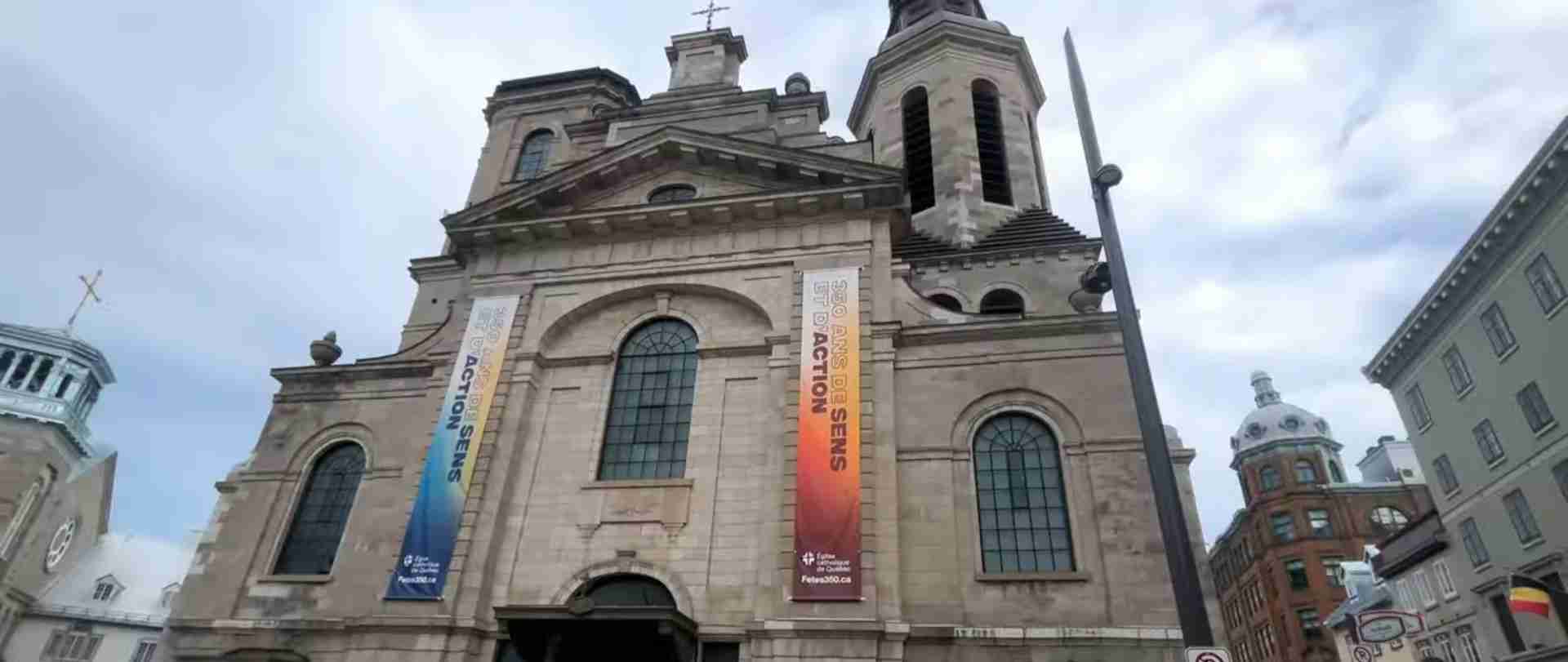
Quebec City Solo Travel 2026: Safety Tips & Best Experiences
This comprehensive guide provides strategic planning information for solo travelers visiting Quebec City in 2026, covering safety protocols, budget optimization, social opportunities, and practical logistics specific to independent travel. The content addresses common solo travel concerns while highlighting unique opportunities available only to independent travelers willing to explore Quebec’s historic capital at their own pace.
Key Takeaways
- Quebec City ranks as one of North America’s safest cities for solo travelers, with exceptionally low crime rates and welcoming local culture in 2026
- Budget €80-120 daily for solo travel including accommodation, meals, and activities, with strategies to minimize single supplements and maximize value
- Winter months (December-February) offer unique solo experiences with carnival atmosphere and lower accommodation costs, while summer provides optimal social opportunities
- Historic Old Quebec provides concentrated walkable experiences ideal for independent exploration, with excellent hostel and boutique hotel options for meeting fellow travelers
- French language basics enhance experiences significantly, though English proficiency remains high in tourist areas throughout 2026
- Strategic booking 2-3 months ahead secures best solo-friendly accommodation rates and small group tour availability for shoulder seasons
Introduction: Discovering Quebec City Independently in 2026
Quebec City stands as an exceptional destination for solo travelers in 2026, combining European charm with North American safety standards and solo-friendly infrastructure. The UNESCO World Heritage Historic District creates a compact, walkable environment where independent travelers navigate confidently while experiencing authentic French-Canadian culture. The city’s unique position as North America’s only fortified city north of Mexico provides distinctive experiences unavailable elsewhere on the continent.
Solo travel to Quebec City in 2026 offers particular advantages over group travel: flexible scheduling allowing spontaneous discoveries, opportunities for deep cultural immersion through local interactions, and the freedom to pursue personal interests without compromise. The city’s excellent public transportation system, concentrated tourist infrastructure, and bilingual population create an ideal environment for first-time solo travelers while offering enough depth to satisfy experienced independent explorers.
People Also Ask About Quebec City Solo Travel 2026
Is Quebec City safe for solo travelers in 2026?
Quebec City maintains exceptional safety standards for solo travelers in 2026, consistently ranking among Canada’s safest metropolitan areas. The city records violent crime rates 60% below the Canadian national average, with tourist areas in Old Quebec experiencing virtually no violent incidents. Solo travelers walk Historic District streets confidently at any hour, with well-lit thoroughfares, regular police patrols, and extensive security camera coverage throughout UNESCO heritage zones.
Petty theft occurs rarely in Quebec City compared to European destinations of similar tourist volume. Pickpocketing incidents remain minimal even during high-season crowds, though standard precautions apply in crowded festival environments. The city’s compact layout allows solo travelers to remain oriented easily, reducing vulnerability associated with appearing lost or confused in unfamiliar areas.
Female solo travelers report particularly high comfort levels in Quebec City, with respectful local culture and low harassment rates creating relaxed exploration environments. The city’s French-Canadian cultural values emphasize politeness and personal space, contributing to positive solo travel experiences. Emergency services respond rapidly throughout the metropolitan area, with English-speaking operators available 24/7 through 911 emergency systems.
What are the best solo-friendly accommodations in Quebec City for 2026?
Quebec City offers diverse solo-friendly accommodation options in 2026, ranging from social hostels facilitating traveler connections to boutique hotels providing comfortable solo experiences. Auberge Internationale de Québec hostel in Old Quebec provides dormitory beds at €25-35 per night and private rooms at €60-80, featuring common areas designed for traveler interaction, organized social events, and central location within walking distance of major attractions.
Boutique hotels in Old Quebec cater specifically to solo travelers with single-occupancy rooms avoiding punitive supplements. Hotel Manoir Victoria offers single rooms at €110-140 per night with full amenities, while smaller properties like Hotel 71 provide solo-optimized rates at €95-125 during shoulder seasons. These properties include breakfast, creating natural opportunities for meeting fellow travelers while maintaining privacy options.
Alternative accommodation through platforms like Airbnb ranges €50-90 per night for entire apartments in Old Quebec or Saint-Roch neighborhoods. Private rooms in local homes cost €35-55 per night, offering cultural immersion and local insights while providing secure, private accommodations. Strategic booking 2-3 months ahead secures optimal solo-friendly properties before group bookings consume availability.
How much does solo travel to Quebec City cost in 2026?
Solo travel to Quebec City in 2026 requires €80-120 daily budget for mid-range experiences, with accommodation representing the largest variable expense. Budget solo travelers spending €60-80 daily utilize hostel dormitories at €25-35, prepare some meals using grocery stores, and focus on free walking exploration. Mid-range solo travelers at €100-140 daily stay in private rooms or boutique hotels, dine at restaurants for most meals, and include paid attractions and activities.
Accommodation costs €25-140 per night depending on property type and season, with hostels, guesthouses, and Airbnb rooms providing budget options while boutique hotels command premium rates. Meals cost €12-18 for casual dining, €25-40 for mid-range restaurants, and €50-80 for fine dining experiences, with solo travelers benefiting from Quebec City’s excellent casual dining scene avoiding single-supplement restaurant challenges common in formal establishments.
Activities and attractions cost €15-30 for major museums, €40-65 for guided walking tours, and €80-120 for specialized experiences like winter dog sledding. Transportation remains minimal within Old Quebec’s walkable core, though day trips require €30-50 for round-trip transport. Winter months reduce accommodation costs by 20-30% while adding winter activity expenses, creating roughly equivalent overall budgets across seasons.
When is the best time for solo travelers to visit Quebec City in 2026?
Solo travelers find optimal Quebec City experiences during shoulder seasons of May-June and September-October 2026, balancing comfortable weather, moderate crowds, and reasonable accommodation pricing. Spring offers emerging festival season, outdoor café culture, and comfortable 15-22°C temperatures ideal for extended walking exploration. Fall provides spectacular foliage, harvest festivals, and similar temperature ranges with less precipitation than spring months.
Summer months (July-August) create peak social opportunities for solo travelers, with maximum festival programming, outdoor events facilitating traveler connections, and optimal weather for patio dining and evening strolls. However, accommodation costs increase 30-50% and major attractions experience significant crowds, requiring advance booking and patient navigation of popular sites.
Winter solo travel (December-March) offers unique experiences unavailable in other seasons, with Winter Carnival creating exceptional social atmosphere and ice hotel providing distinctive attractions. Accommodation costs drop 20-30% below summer rates, and fewer tourists create intimate exploration experiences. However, -10 to -20°C temperatures require significant cold-weather preparation and appropriate clothing investments. Solo travelers comfortable with winter conditions find Quebec City particularly rewarding during January-February when carnival atmosphere peaks.
Extended multi-day tours – 5+ days
Featured Quebec City Multi-Day Tour Packages
4 days
Montreal to Quebec Canadian Discovery – 4 days
- ✓ Comprehensive Quebec City tour
- ✓ Expert local guides included
- ✓ All accommodation arranged
- ✓ Transportation provided
7 days
Essential East Coast (5 destinations)
- ✓ Comprehensive Quebec City tour
- ✓ Expert local guides included
- ✓ All accommodation arranged
- ✓ Transportation provided
7 days
New York to Quebec Discovery Journey – 7 days
- ✓ Comprehensive Quebec City tour
- ✓ Expert local guides included
- ✓ All accommodation arranged
- ✓ Transportation provided
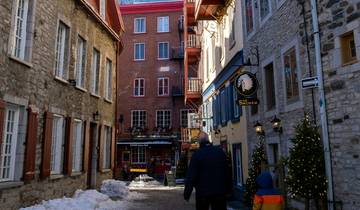
7 days
Christmas Markets of Montreal and Quebec City (2026)
- ✓ Comprehensive Quebec City tour
- ✓ Expert local guides included
- ✓ All accommodation arranged
- ✓ Transportation provided
Multi-day tour packages powered by TourRadar. Prices and availability subject to change.
Essential Planning Information for Solo Travelers 2026
Understanding Solo Travel Advantages in Quebec City
Solo travel to Quebec City provides distinct advantages over group travel, particularly for travelers seeking cultural immersion and flexible exploration. The city’s compact Historic District measures approximately 1.5 kilometers end-to-end, allowing solo travelers to navigate entire UNESCO heritage zones on foot within 2-3 hours while discovering hidden courtyards, artisan workshops, and local cafés impossible to experience with group schedules and transportation constraints.
Independent travelers engage more readily with local residents, who show greater willingness to share recommendations and cultural insights with solo visitors than with larger groups. Quebec’s francophone culture particularly values thoughtful, individual interactions over transactional group experiences. Solo travelers asking directions, seeking restaurant advice, or inquiring about local events receive detailed, personalized responses contributing significantly to authentic cultural experiences.
Financial flexibility represents another solo travel advantage in Quebec City. Independent travelers adjust daily budgets dynamically, splurging on exceptional dining experiences while saving through picnic lunches in Plains of Abraham or home-cooked meals in hostel kitchens. Group travelers face fixed meal schedules and predetermined activity costs, while solo travelers optimize spending according to personal priorities and spontaneous opportunities.
Solo schedule flexibility allows pursuing personal interests deeply rather than compromising for group consensus. Photography enthusiasts spend hours capturing optimal light conditions at Château Frontenac, history buffs explore fortification museums exhaustively, and food lovers dedicate entire afternoons to public market conversations with local producers. These intensive, specialized experiences define exceptional solo travel but prove impossible within group dynamics requiring constant movement and consensus-building.
Budget Planning for Solo Travel in 2026
Strategic budget planning for solo Quebec City travel in 2026 begins with accommodation optimization, where single travelers face potential supplements but access options unavailable to couples and groups. Hostel dormitories at Auberge Internationale cost €25-35 per night with no single supplement, providing budget foundation for extended stays. Private hostel rooms at €60-80 offer privacy without extreme costs, while boutique hotels charging €95-140 for single occupancy provide comfort for travelers prioritizing rest and privacy over social atmosphere.
Meal costs for solo travelers in Quebec City range €35-65 daily depending on dining strategy. Budget approach combines grocery shopping at Marché du Vieux-Port (€15-20 daily for breakfast and lunch ingredients) with one restaurant dinner (€18-30), totaling €33-50 daily. Mid-range strategy features café breakfast (€8-12), casual lunch (€12-18), and sit-down dinner (€25-40), totaling €45-70 daily. Solo travelers avoid single-diner awkwardness common in formal restaurants by embracing Quebec City’s excellent bistro culture, where bar seating and communal tables create natural solo dining environments.
Activity and attraction costs for solo travelers total €15-40 daily depending on interests and pace. Museum Pass at €45 covers admission to seven museums over three consecutive days, averaging €15 daily for culture-focused travelers. Walking tours cost €40-65 with small group experiences providing social interaction and expert interpretation. Free activities including Plains of Abraham walks, Historic District architecture appreciation, and waterfront promenades cost nothing while delivering authentic Quebec experiences, allowing solo travelers to balance paid attractions with no-cost exploration.
Transportation costs remain minimal for solo travelers focusing on Old Quebec’s walkable core. Public transit passes cost €3.50 per ride or €10 for day passes, though most solo travelers find single tickets sufficient for occasional trips to Saint-Roch or Montcalm neighborhoods. Day trips to Montmorency Falls require €30-35 round-trip including admission, while Île d’Orléans exploration costs €40-50 for transport and tastings. Solo travelers without rental car expenses save significantly compared to driving visitors while maintaining easy access to major attractions through public transit and organized tours.
Safety Strategies for Independent Travelers in 2026
Personal Security Protocols
Personal security for solo travelers in Quebec City begins with situational awareness appropriate to one of North America’s safest cities. Standard urban precautions apply: keeping valuable items secured in front pockets or cross-body bags, avoiding smartphone use while walking in crowded tourist areas, and maintaining awareness of surroundings particularly during evening hours. However, Quebec City’s low crime rates mean these precautions represent good practice rather than urgent necessity.
Accommodation security varies by property type, with hostels providing individual lockers for valuables and boutique hotels offering in-room safes. Solo travelers store passports, excess cash, and electronics securely while carrying only daily necessities during exploration. Distributing valuables across multiple bags and locations provides additional security layer, ensuring pickpocketing or bag loss doesn’t result in complete document and fund loss.
Evening safety in Quebec City exceeds most North American cities, with well-lit streets, active nightlife creating natural surveillance, and regular police presence throughout Old Quebec. Solo travelers walk confidently through Historic District at any hour, though standard precautions of staying on main thoroughfares and avoiding isolated areas after midnight remain advisable. The city’s compact layout means taxis or rideshares cost €8-15 to reach any accommodation from entertainment districts, providing affordable safe transport for solo travelers preferring not to walk after dark.
Communication safety involves maintaining charged mobile devices, storing emergency numbers including hotel contacts and 911, and sharing general itinerary information with family or friends at home. Quebec City’s excellent mobile coverage ensures connectivity throughout urban areas, with free WiFi available at major attractions, cafés, and public spaces. Solo travelers download offline maps before arrival, ensuring navigation capability even without data connection in remote areas or during technical issues.
Health and Wellness Considerations
Health preparation for solo Quebec City travel in 2026 includes securing travel insurance covering medical emergencies, as Canadian healthcare system charges full price for non-residents. Comprehensive travel insurance costs €40-80 for week-long trips, covering emergency medical care, evacuation if necessary, and trip cancellation protection. Solo travelers prioritize medical coverage given absence of travel companions to assist during health emergencies.
Winter health considerations prove particularly important for solo travelers visiting December-March, when extreme cold poses risks of frostbite and hypothermia. Appropriate clothing investment includes insulated winter coat (€150-300), thermal layers (€50-100), insulated boots (€100-200), and quality gloves and hat (€40-80). These investments protect health while ensuring comfortable exploration of winter attractions. Solo travelers unaccustomed to extreme cold limit initial outdoor exposure to 30-45 minutes, gradually building tolerance while recognizing warning signs of cold-related health issues.
Physical wellness during Quebec City solo travel involves managing the significant walking distances inherent in Old Quebec exploration. The Historic District’s hilly terrain and cobblestone streets require appropriate footwear and reasonable fitness levels. Solo travelers walk 8-12 kilometers daily during typical sightseeing, with additional elevation gain navigating the Upper and Lower Town connections. Breaking exploration into morning and afternoon sessions with midday rest periods prevents overexertion while allowing optimal energy for evening activities.
Mental wellness for solo travelers involves balancing desired solitude with social interaction opportunities preventing loneliness during extended stays. Quebec City’s hostel common areas, free walking tours, and communal dining establishments provide natural connection points when social interaction becomes appealing. Solo travelers experiencing unexpected loneliness adjust itineraries to include group activities like cooking classes (€65-95) or small group food tours (€75-110), facilitating temporary companionship while maintaining independent travel framework.
Best Solo Travel Experiences in Quebec City 2026
Optimal Activities for Independent Travelers
Walking tours represent ideal solo travel activities in Quebec City, combining expert interpretation with small group social dynamics and independent exploration freedom. Free walking tours departing daily at 10 AM and 2 PM from Place d’Armes accept tips of €15-25 based on satisfaction, introducing solo travelers to Historic District highlights while facilitating conversations with fellow independent travelers. These tours last 2-3 hours, providing orientation perfect for first-day activities while leaving afternoons free for independent follow-up exploration.
Food market exploration at Marché du Vieux-Port creates exceptional solo experiences unavailable in formal restaurant settings. Market vendors engage enthusiastically with solo visitors, offering samples, explaining production processes, and recommending preparation methods for unfamiliar ingredients. Solo travelers spend 1-2 hours conversing with cheese makers, sampling maple products, and learning about Quebec agricultural traditions, gaining cultural insights while assembling picnic components for Plains of Abraham or waterfront dining. Market visits cost €20-35 for substantial provisions while delivering experiences surpassing similar expenditure in restaurants.
Photography walks through Historic District allow solo travelers to pursue optimal compositions without group schedule constraints. Early morning hours (6-8 AM) provide exceptional light on Château Frontenac and Quartier Petit Champlain architecture with minimal tourist interference. Solo photographers spend unhurried time waiting for ideal light conditions, experimenting with compositions, and capturing authentic street scenes impossible during crowded midday periods. Winter photography proves particularly rewarding, with snow-covered fortifications and holiday decorations creating distinctive imagery.
Museum visits suit solo travel perfectly, allowing independent pace through collections and deep engagement with exhibits of personal interest. Musée de la Civilisation admission costs €18 for adults in 2026 (check civilisation.ca for current official rates), offering exhibitions on Quebec history, Indigenous cultures, and temporary contemporary displays. Solo travelers spend 2-4 hours exploring at individual pace, reading detailed exhibition texts often skipped during group visits, and engaging with interactive displays without self-consciousness. Museum cafés provide comfortable solo dining environments with intelligent company through brought reading materials or exhibition catalogues.
Social Opportunities for Solo Travelers
Language exchange meetups in Quebec City create natural social opportunities for solo travelers while improving French skills. Weekly conversation groups meet at Saint-Roch cafés, pairing francophone locals seeking English practice with visitors learning French. These free meetups last 1-2 hours, facilitate genuine cultural exchange beyond tourist transactions, and often lead to valuable local recommendations and occasional social invitations. Solo travelers improve language skills while building temporary community during extended stays.
Cooking classes provide structured social experiences for solo travelers seeking interaction in comfortable, activity-focused environments. École de Cuisine Mezza Luna offers €85 hands-on cooking classes teaching traditional Québécois cuisine preparation, including tourtière, sugar pie, and poutine variations. Small class sizes (8-12 participants) facilitate conversation while shared cooking activities create natural ice-breakers. Classes conclude with communal dining of prepared dishes, creating memorable social evenings for solo travelers without forced awkwardness of arriving alone at formal restaurants.
Pub culture in Saint-Jean-Baptiste and Saint-Roch neighborhoods welcomes solo visitors, with bar seating, communal tables, and friendly local populations creating comfortable environments for independent travelers. Brewpub L’Inox and Bar Artefact feature live music, local craft beer selections, and layouts facilitating conversation between strangers. Solo travelers visiting these establishments 8-11 PM encounter relaxed social atmospheres where striking conversations feels natural rather than intrusive, particularly during slower weeknight periods when locals prove more receptive to visitor interactions.
Free festivals throughout 2026 provide exceptional social opportunities for solo travelers, with outdoor events, shared experiences, and festival atmospheres breaking down usual social barriers. Summer Festival (July) offers 11 days of free outdoor concerts with crowds creating natural conversation opportunities. Winter Carnival (February) features ice sculpture competitions, outdoor activities, and celebratory atmosphere where solo travelers easily join groups for bonfire gatherings or carnival games. Festival environments allow solo travelers to enjoy social atmosphere while maintaining complete independence and ability to depart whenever desired.
Accommodation Strategies for Solo Travelers 2026
Hostel Options and Social Opportunities
Auberge Internationale de Québec stands as Quebec City’s premier hostel for solo travelers in 2026, offering dormitory beds at €25-35 per night and private rooms at €60-80, located steps from Old Quebec’s main attractions. The hostel features kitchen facilities for budget meal preparation, common areas designed for traveler interaction, and organized social events including pub crawls, walking tours, and communal dinners. Dormitory options include 4-bed, 6-bed, and 8-bed configurations, with female-only dorms available for women prioritizing gender-separated accommodations.
Hostel atmosphere peaks during summer months when young international travelers dominate demographics, creating vibrant social environments ideal for solo travelers seeking connections. Shoulder seasons attract slightly older demographics including career break travelers and solo adventurers, while winter hostel population skews toward budget-conscious skiers and winter activity enthusiasts. Solo travelers select timing based on preferred social dynamics, with summer offering maximum social opportunity and winter providing quieter, more intimate hostel experiences.
Private rooms in hostels provide optimal balance for solo travelers wanting social opportunities without sacrificing sleep quality and personal space. These rooms cost €60-80 per night, substantially less than hotels while including hostel common areas and social programming access. Solo travelers book private rooms for entire stays or split accommodations between dormitory nights for social immersion and private room nights for rest and privacy, creating customized balance matching individual temperament and energy levels.
Boutique Hotels and Solo-Friendly Properties
Hotel Manoir Victoria offers solo-optimized room rates in 2026, with single occupancy rooms at €110-140 per night including breakfast buffet in central Old Quebec location. The property features cozy bar area welcoming solo guests, included breakfast creating natural opportunities for conversation with fellow travelers, and knowledgeable concierge service providing personalized recommendations for independent exploration. Solo supplement remains minimal (€15-25 above per-person double occupancy rate), making boutique hotel comfort accessible to independent travelers.
Hotel 71 in Old Port caters specifically to solo travelers with compact but well-designed single rooms at €95-125 during shoulder seasons, featuring modern amenities, comfortable work spaces, and complimentary wine hour creating social opportunities for guests. The property’s intimate size (41 rooms) and boutique character foster friendly atmosphere where solo guests feel comfortable in common areas and staff provide personalized service impossible in larger hotels. Location provides easy walking access to both Old Quebec attractions and Saint-Roch dining scene.
Bed and breakfast accommodations range €80-120 per night for solo travelers, with local hosts providing cultural insights, breakfast conversations with other guests, and personalized recommendations. Properties like B&B Chez Hubert and Auberge Le Vincent offer comfortable rooms, included breakfasts facilitating morning socializing, and knowledgeable hosts sharing insider perspectives on Quebec culture and hidden attractions. Solo travelers seeking authentic local connections and cultural immersion find B&B format particularly rewarding despite slightly higher costs than hostels.
Alternative Accommodation Considerations
Airbnb private rooms in local homes cost €35-55 per night for solo travelers, offering cultural immersion, local host insights, and comfortable private spaces at moderate costs. Saint-Roch and Saint-Jean-Baptiste neighborhoods provide residential atmosphere, proximity to local restaurants frequented by residents rather than tourists, and authentic neighborhood experience. Solo travelers comfortable with shared common spaces and willing to respect host household routines access exceptional value while building relationships with local residents offering genuine cultural perspectives.
Entire apartment rentals through Airbnb range €50-90 per night for solo travelers, providing privacy, kitchen facilities for budget meal preparation, and neighborhood immersion. One-bedroom apartments in Montcalm or Limoilou neighborhoods cost €60-75 per night during shoulder seasons, offering comfortable home base for travelers planning extended stays or preferring complete independence over hostel social dynamics. Strategic booking 2-3 months ahead secures well-reviewed properties before peak season availability constraints.
House sitting opportunities occasionally become available through TrustedHousesitters or similar platforms, offering free accommodation in exchange for pet care responsibilities. These arrangements suit solo travelers comfortable with animal care, planning extended stays (minimum 1-2 weeks), and seeking authentic residential experience. While requiring advance planning and screening process, house sitting eliminates accommodation costs entirely, allowing budget reallocation toward experiences and activities.
Transportation and Getting Around 2026
Navigating Quebec City as a Solo Traveler
Quebec City’s compact Historic District allows solo travelers to navigate primarily on foot, with Upper Town to Lower Town funicular costing €3.50 per ride providing convenient elevation changes. The UNESCO World Heritage zone measures approximately 1.5 kilometers north-south and 1 kilometer east-west, with major attractions including Château Frontenac, Quartier Petit Champlain, Citadelle, and Plains of Abraham accessible within 10-20 minute walks from central accommodation locations. Solo travelers carry comfortable walking shoes and navigate using offline map applications, ensuring independent orientation without relying on group leaders or printed materials.
Public transit through RTC (Réseau de transport de la Capitale) costs €3.50 per ride or €10 for day passes in 2026, serving neighborhoods beyond walking distance including Saint-Roch, Limoilou, and suburban areas. Solo travelers purchase tickets from drivers using exact change or obtain rechargeable OPUS cards (€6 card fee plus loaded value) from convenience stores and metro stations. Most solo travelers staying in Old Quebec use public transit rarely, though buses provide cost-effective transport for day trips and exploration of residential neighborhoods offering authentic local atmosphere.
Bicycle rentals through Cyclo Services cost €30 for day rentals or €80 for three-day periods, providing independent transportation for active solo travelers. The city’s extensive bike path network includes scenic waterfront routes, Plains of Abraham loops, and connections to Montmorency Falls. Solo cycling suits confident urban cyclists comfortable navigating mixed traffic conditions, though Quebec City’s hilly terrain requires reasonable fitness levels. Winter cycling remains impractical due to ice and snow, with bike rental season running May-October.
Day Trip Transportation for Solo Travelers
Montmorency Falls bus service (route 800) costs €3.50 each way with 20-30 minute journey from Old Quebec, allowing solo travelers affordable independent access to the waterfall attraction. Admission to falls costs €18 for adults (check sepaq.com for current official rates as pricing may vary), including cable car access to upper viewpoints. Solo travelers spend 2-3 hours exploring trails, viewing platforms, and suspension bridge, creating half-day excursion totaling €25-35 including transport and admission.
Île d’Orléans exploration proves more challenging for solo travelers without vehicles, though organized small group tours (€75-95) provide access to multiple farms, wineries, and artisan workshops. These tours depart daily during summer season, including tastings and producer conversations while handling transportation logistics. Solo travelers seeking independent exploration consider taxi services (€60-80 for half-day including waiting time) or join other independent travelers through hostel bulletin boards to share tour costs.
Charlevoix region day trips require rental cars or organized tours, with guided excursions costing €120-150 including transportation, multiple stops, and guide interpretation. Solo travelers joining these tours benefit from destination knowledge, local access, and social opportunities with small groups while avoiding navigation challenges and parking logistics. Independent rental cars cost €50-70 daily plus fuel, suitable for confident drivers seeking complete flexibility but representing substantial expense for solo travelers absorbing full vehicle costs.
Dining as a Solo Traveler in Quebec City 2026
Solo-Friendly Restaurants and Dining Strategies
Counter and bar seating establishments provide optimal solo dining environments in Quebec City, eliminating table-for-one awkwardness while facilitating optional conversation with staff and adjacent diners. Chez Boulay Bistro Boréal offers excellent bar seating overlooking open kitchen, with meals costing €25-40 and staff engaging warmly with solo diners. Le Clocher Penché in Saint-Roch features communal table for solo diners and small groups, creating natural social atmosphere while serving contemporary cuisine at €18-30 for mains.
Casual dining at counter service establishments suits solo travelers perfectly, with quick service, affordable pricing, and no social pressure. Poutineville serves inventive poutine variations at €12-16, while Casse-Crêpe Breton offers sweet and savory crêpes at €8-14. Solo travelers eat comfortably at high tops or individual tables, often bringing reading materials or people-watching from sidewalk seating during pleasant weather months.
Food markets including Marché du Vieux-Port provide exceptional solo dining opportunities through prepared food vendors, with meals assembled from multiple stalls costing €15-25. Solo travelers sample items from different vendors, eat at communal market tables, and engage conversations with both vendors and fellow diners. This informal dining approach creates authentic cultural experiences while avoiding formal restaurant solo dining challenges.
Budget Meal Strategies
Grocery shopping at Métro Plus supermarket or IGA stores ranges €50-70 per week for breakfast and lunch ingredients, with solo travelers preparing morning coffee and toast (€2-3 daily), assembling picnic lunches using local bread, cheese, and charcuterie (€8-12 daily), and reserving restaurant budgets for dinner experiences. This strategy reduces daily food costs to €35-45 while maintaining quality and avoiding repetitive fast food reliance.
Bakery breakfasts at La Boîte à Pain or Paillard cost €5-9 for pastry and coffee, providing affordable morning routine in charming café environments. Solo travelers establish favorite morning spots, developing friendly relationships with staff while enjoying reliable breakfast quality at reasonable costs. These cafés welcome solo diners reading newspapers or working on laptops, creating comfortable extended stays beyond meal duration.
Lunch specials at casual restaurants range €12-18 for substantial meals, offering better value than dinner menus while avoiding crowded evening service. Solo travelers making lunch their main meal reduce total daily food costs while experiencing restaurant quality. Table d’hôte lunch menus include appetizer, main, and dessert at fixed prices, providing excellent value for solo travelers wanting complete dining experiences at moderate costs.
Sample Solo Travel Itineraries 2026
Three-Day First-Time Solo Visitor Itinerary
Day 1 – Historic District Immersion: Morning begins with free walking tour (10 AM departure from Place d’Armes, tip €15-20), providing orientation and historical context for independent exploration. After tour conclusion around 12:30 PM, solo travelers lunch at Marché du Vieux-Port (€12-18) while sampling local products and conversing with vendors. Afternoon features self-guided exploration of Quartier Petit Champlain and Lower Town, with funicular ride to Upper Town (€3.50). Evening includes casual dinner at Le Clocher Penché (€25-35) followed by sunset walk along Dufferin Terrace. Accommodation €60-80 (private hostel room), tip €18, funicular €3.50, meals €37-53, snacks €8. Total day cost: €126.50-162.50 per person (excluding accommodation).
Day 2 – Cultural Depth and Plains Exploration: Morning visit to Musée de la Civilisation (€18) exploring Quebec history exhibitions for 2-3 hours. Lunch at Café du Monde (€18-25) with Old Port views, followed by afternoon walking Plains of Abraham and visiting Martello Tower (€4). Late afternoon includes Saint-Jean-Baptiste neighborhood exploration with vintage shops and local cafés. Dinner at Chez Boulay Bistro Boréal (€35-45) experiencing contemporary Quebec cuisine at bar seating. Evening drink at L’Inox brewpub (€8-12) with potential conversation opportunities with locals. Accommodation €60-80, museum €18, tower €4, meals €61-82, snacks €10. Total day cost: €93-114 per person (excluding accommodation).
Day 3 – Montmorency Falls and Île d’Orléans: Morning bus to Montmorency Falls (€3.50 each way) with falls admission €18, spending 2-3 hours hiking trails and viewing platforms. Return to Quebec City for quick lunch (€12-15), then afternoon joining Île d’Orléans small group tour (€85) visiting farms, cidery, and artisan workshops with tastings included. Tour returns around 6 PM, with casual dinner at Paillard (€18-25) before final evening stroll through illuminated Old Quebec streets. Accommodation €60-80, bus €7, falls admission €18, tour €85, meals €30-40, snacks €8. Total day cost: €148-158 per person (excluding accommodation).
Three-day total excluding accommodation: €367.50-434.50 per person. Including accommodation (€180-240 for three nights): €547.50-674.50 complete trip cost for solo traveler.
Five-Day In-Depth Solo Experience Itinerary
Day 1 – Arrival and Orientation: Afternoon arrival features hostel check-in at Auberge Internationale (€30 dormitory bed) followed by self-guided Lower Town exploration and early dinner at Café du Clocher Penché (€18-28). Evening includes free walking tour (6 PM departure during summer, tip €15) providing initial orientation and meeting fellow solo travelers. Light meal or snacks post-tour (€10-15). Accommodation €30, meals €28-43, tip €15, snacks €10-15. Total day cost: €53-73 per person (excluding accommodation).
Day 2 – Historic Fortifications: Morning visit to Citadelle (€18) including guided tour of active military installation. Lunch at market (€15-20) with picnic on Plains of Abraham. Afternoon explores fortification walls with access points at various gates (free), walking 2-3 hour circuit with exceptional city views. Dinner at mid-range bistro (€30-40) followed by evening drinks in Saint-Roch (€12-18). Accommodation €30, Citadelle €18, meals €57-78, snacks €8. Total day cost: €83-104 per person (excluding accommodation).
Day 3 – Museums and Culture: Morning at Musée de la Civilisation (€18) with 3-4 hours exploring exhibitions deeply. Lunch at Café du Monde (€18-25), afternoon at Musée National des Beaux-Arts du Québec (€20) viewing Quebec art collections. Evening cooking class at École de Cuisine Mezza Luna (€85) including dinner and social opportunities with classmates. Accommodation €30, museums €38, lunch €18-25, cooking class €85, snacks €10. Total day cost: €151-158 per person (excluding accommodation).
Day 4 – Day Trip Adventure: Full-day small group tour to Charlevoix region (€135) including transportation, guide, and multiple stops at scenic villages, galleries, and viewpoints. Tour includes lunch stop (€18-25 additional). Return evening features casual dinner (€15-22) and quiet evening in hostel common areas connecting with other travelers. Accommodation €30, tour €135, lunch €18-25, dinner €15-22, snacks €8. Total day cost: €176-190 per person (excluding accommodation).
Day 5 – Leisure and Departure Preparation: Relaxed morning with bakery breakfast (€6-9) followed by final shopping and photography in favorite Historic District locations. Lunch at Paillard (€12-16), afternoon at leisure for packing and rest. Early dinner (€18-25) before evening departure or final night socializing. Accommodation €30, meals €36-50, snacks €8. Total day cost: €44-58 per person (excluding accommodation).
Five-day total excluding accommodation: €507-583 per person. Including accommodation (€150 for five nights dormitory): €657-733 complete budget solo experience.
Winter Solo Travel Strategies 2026
Winter Carnival Experiences for Independent Travelers
Quebec Winter Carnival (February 7-16, 2026) creates exceptional solo travel opportunities with festive atmosphere breaking down social barriers and facilitating traveler connections. Multi-day carnival passes cost €25 for access to all outdoor activities, ice sculpture competitions, snow slides, and evening parades. Solo travelers join spontaneous groups at bonfire sites, participate in carnival games alongside locals and visitors, and photograph exceptional ice palace without group schedule constraints.
Evening carnival activities including torch-lit parades and outdoor concerts create natural social opportunities, with shared carnival experience facilitating conversations between strangers. Solo travelers stand wherever provides optimal viewing, move freely between activity zones, and join or leave crowds according to personal energy and interest levels. Carnival atmosphere peaks during weekend evenings, with Friday-Saturday nights offering maximum participation and social energy.
Winter carnival accommodation requires advance booking 3-4 months ahead, as hotels fill substantially during festival period. Prices increase 20-30% above typical winter rates, though remain 15-25% below summer peak pricing. Solo travelers booking early secure better hostel dormitory and private room availability, with Auberge Internationale serving as carnival social hub for international visitors.
Cold Weather Preparation and Activities
Appropriate winter clothing proves essential for comfortable solo Quebec City exploration December-March, when temperatures range -10 to -20°C regularly. Investment in quality insulated coat (€150-300), thermal base layers (€50-100), insulated waterproof boots (€100-200), and accessories including hat, gloves, and scarf (€40-80) totals €340-680, representing significant expense offset by clothing utility for future winter destinations.
Outdoor winter activities suited to solo travelers include ice skating on Place d’Youville rink (€5 equipment rental), snowshoeing in Plains of Abraham (€15-20 rental), and cross-country skiing on urban trails (€20 equipment rental). These activities allow flexible timing and independent pacing while providing authentic winter experiences. Solo travelers unaccustomed to winter sports consider group lessons (€40-60) for proper technique instruction and social interaction with fellow beginners.
Indoor cultural activities balance outdoor winter exposure, with museums, galleries, and heated historic buildings providing warming breaks every 45-60 minutes during extreme cold days. Solo travelers structure winter days with 30-45 minute outdoor explorations followed by 30-60 minute indoor visits, maintaining comfortable body temperature while avoiding excessive cold exposure. Indoor cafés throughout Old Quebec welcome extended stays over single coffee purchases (€3-5), providing warming stations with WiFi and washroom facilities.
Language and Cultural Considerations 2026
French Language Skills for Solo Travelers
French language basics significantly enhance solo Quebec City experiences, though English proficiency remains high in tourist areas throughout 2026. Learning essential greetings (“Bonjour/Bonsoir,” “Merci,” “S’il vous plaît”), menu terms, and polite phrases demonstrates cultural respect and opens doors to warmer local interactions. Solo travelers investing 2-3 hours in basic French study before departure find locals respond more warmly and provide better recommendations than to visitors making no language effort.
Tourist industry professionals including hotel staff, restaurant servers in Old Quebec, and museum guides speak English fluently, allowing solo travelers to navigate practical logistics without French proficiency. However, attempting French greetings and basic phrases before switching to English creates notably warmer interactions than immediate English use, reflecting Quebec cultural values around language and identity.
Outside tourist areas in neighborhoods like Saint-Roch, Limoilou, and Saint-Sauveur, French becomes more necessary for comfortable interaction. Solo travelers exploring residential neighborhoods benefit from translation applications, patience during communication challenges, and willingness to use gesture and basic vocabulary. These authentic interactions, while sometimes challenging, provide rewarding cultural experiences and genuine local connections impossible in heavily touristed areas.
Cultural Etiquette and Social Norms
Quebec cultural etiquette emphasizes politeness, formality in initial interactions, and respect for French language. Solo travelers greet shopkeepers upon entering stores (“Bonjour”), thank servers multiple times during meals, and use formal “vous” rather than informal “tu” with strangers and service workers. These courtesies, more important in Quebec than anglophone Canada, create positive first impressions facilitating better service and local recommendations.
Dining etiquette in Quebec follows French traditions more than typical North American casual dining norms. Solo travelers wait for host seating even in casual establishments, keep hands visible on table rather than in lap during meals, and avoid rushing through courses. Finishing everything on plates signals satisfaction, while leaving substantial portions may insult kitchen. Tipping follows North American standards at 15-18% for adequate service, 20% for exceptional attention.
Social interaction norms in Quebec value reserved initial contact with gradual warming after establishment of rapport. Solo travelers avoid assuming immediate familiarity, maintaining polite distance initially while remaining open to friendly conversations once Quebecers initiate warmer interaction. This cultural approach differs from some other North American regions with more immediate casual friendliness, requiring patience from solo travelers seeking local connections.
Photography and Solo Content Creation 2026
Photographing Quebec City as a Solo Traveler
Solo travelers enjoy significant photography advantages in Quebec City, with complete flexibility for optimal timing, patient composition work, and spontaneous adjustments based on changing light conditions. Early morning hours (6-8 AM) provide exceptional light on Château Frontenac and emptier streets for architecture photography, while golden hour (one hour before sunset) creates warm tones on historic building facades. Solo photographers position tripods exactly as desired, wait indefinitely for crowd clearance, and revisit locations multiple times without group schedule constraints.
Iconic Quebec City photography locations include Château Frontenac from Dufferin Terrace, Quartier Petit Champlain cobblestone streets, fortification walls with city views, and Place Royale historic square. Solo travelers photograph these locations during multiple visits at different times and weather conditions, building comprehensive visual documentation impossible during single group visits. Winter photography proves particularly rewarding, with snow-covered fortifications and holiday decorations creating distinctive seasonal imagery.
Self-portrait challenges for solo travelers find solutions through tripod timer shots, asking fellow tourists for quick photos (universally accepted practice), or hiring professional photographers for 30-minute sessions (€80-120) at multiple iconic locations. Solo travelers wanting quality images of themselves at major landmarks plan specific photography requests, identifying helpful-looking tourists or utilizing professional services rather than relying on random photo quality.
Social Media and Content Creation
Solo travel content creation allows authentic storytelling without group consensus or privacy concerns from travel companions. Quebec City’s photogenic character provides exceptional visual content, with historic architecture, seasonal transformations, and cultural activities offering diverse posting opportunities. Solo creators develop consistent visual styles and narrative voices without compromise, building engaged audiences through regular posting and authentic solo travel perspectives.
WiFi availability throughout Old Quebec allows real-time posting from cafés, hotels, and public spaces. Solo content creators structure daily schedules including morning exploration and photography, midday editing and posting sessions from café workspaces, and evening content review and engagement with audience comments. This routine maintains posting consistency while allowing adequate exploration time.
Ethical content creation considerations include respecting local privacy (avoiding intrusive photography of residents), supporting featured businesses through patronage and proper attribution, and maintaining authenticity rather than manufactured experiences for content purposes. Solo creators balance documentation with presence, ensuring content creation enhances rather than dominates travel experiences.
Extending Your Solo Quebec City Stay 2026
Weekly and Monthly Solo Travel Considerations
Extended solo stays in Quebec City become economically viable through weekly accommodation rates, with hostels offering dormitory beds at €22-28 per night for week-long stays and private rooms at €50-65 weekly. Airbnb entire apartments range €40-70 per night for monthly rentals versus €60-90 for short stays, with solo travelers negotiating directly with hosts for extended period discounts. Neighborhood immersion in Saint-Roch or Saint-Jean-Baptiste allows authentic local lifestyle experience while maintaining easy walking access to Old Quebec attractions.
Long-term solo travelers establish daily routines including morning café rituals, favorite market shopping days, and regular restaurant visits where staff recognize and welcome them. These routines create sense of belonging and temporary community even during solo travel, transforming experience from tourist observation to temporary resident participation. Extended stays allow deep cultural exploration impossible during rushed short visits.
Work opportunities for extended solo travelers include remote work from café and coworking spaces (Espace 404 offers day passes at €20 with high-speed internet and professional environment), English tutoring for local students (€20-30 per hour), and seasonal hospitality work for travelers with working holiday visas. These income sources offset extended stay costs while facilitating deeper local integration.
Digital Nomad Considerations
Quebec City’s reliable internet infrastructure, numerous café workspaces, and reasonable cost of living create viable digital nomad destination for remote workers seeking European atmosphere in North American time zones. Internet speeds consistently exceed 50 Mbps in accommodations and coworking spaces, supporting video calls and file transfers. Eastern Time Zone alignment proves convenient for North American remote work while offering more manageable time differences than European destinations for US-based employment.
Coworking spaces including Espace 404 and Ecto offer monthly memberships at €150-200, providing professional work environments, meeting rooms, and community events facilitating connections with local entrepreneurs and other digital nomads. These spaces prove particularly valuable during winter months when working from apartment or café becomes limiting.
Digital nomad visas do not currently exist for Canada, with remote workers entering as tourists for maximum 6-month stays while working for foreign employers. This arrangement proves legally ambiguous, with solo travelers responsible for understanding tax implications and visa restrictions. Extended stays beyond tourist periods require appropriate work permits or study visas through formal programs.
Practical Information for Solo Travelers 2026
Money Management and Banking
Solo travelers manage money in Quebec City through combination of credit cards for major expenses and cash for small purchases at markets, cafés, and local shops. ATMs throughout Old Quebec dispense Canadian dollars at competitive exchange rates, with withdrawal fees of €3-5 per transaction encouraging larger, less frequent withdrawals. Solo travelers withdraw €150-200 at once, securing cash in accommodation safes while carrying only daily requirements.
Credit cards with no foreign transaction fees prove essential for solo travelers, eliminating 2-3% surcharges adding substantially to costs over extended stays. Visa and Mastercard acceptance remains universal throughout Quebec City, while American Express sees limited acceptance at smaller establishments. Solo travelers carry backup payment method (second credit card or adequate cash reserves) ensuring payment capability if primary card experiences issues.
Budget tracking for solo travelers benefits from daily spending logs, either through budgeting applications or simple notebook records. Recording expenditures daily prevents budget drift and allows adjustments before overspending becomes significant. Solo travelers maintain spending awareness impossible in group scenarios where shared expenses and group activities obscure individual costs.
Staying Connected
Mobile connectivity in Quebec City allows solo travelers to maintain emergency contact capabilities, navigation access, and communication with home. Canadian cellular carriers including Rogers, Bell, and Telus offer tourist SIM cards at €25-40 including 2-5 GB data, adequate for 1-2 week stays with moderate usage. These SIM cards purchase at convenience stores and cellular shops throughout the city, activating immediately without contracts or minimum periods.
WiFi availability throughout Old Quebec includes free access at major attractions, most cafés and restaurants, and public spaces. Solo travelers relying primarily on WiFi conserve mobile data for navigation and emergency communication, downloading offline maps and content during WiFi sessions. This strategy extends SIM card data allowance throughout extended stays without purchasing additional data packages.
Emergency communication planning includes sharing general itinerary and accommodation information with family or friends at home, establishing regular check-in schedules, and maintaining charged mobile devices at all times. Solo travelers carry portable charging banks (€20-40) ensuring communication capability even during full-day excursions without electrical outlet access.
Frequently Asked Questions
Can I meet other travelers easily in Quebec City?
Quebec City provides numerous opportunities for solo travelers to connect with others through hostel common areas and organized social events, free walking tours attracting independent travelers, cooking classes and activity-based experiences, pub culture in Saint-Jean-Baptiste and Saint-Roch neighborhoods, and festival environments throughout summer. The city’s compact size means encountering same travelers multiple times at popular attractions, facilitating repeated interactions and potential friendships. Solo travelers seeking connections balance hostel accommodation for social opportunities with private room retreats for rest, creating customizable social intensity matching individual preferences.
Is Quebec City expensive for solo travelers?
Quebec City costs prove moderate for solo travelers compared to other major North American destinations, with daily budgets of €80-120 covering accommodation, meals, and activities comfortably during shoulder seasons. Hostels eliminate single-supplement penalties plaguing hotel stays, while excellent casual dining scene provides affordable quality meals without formal restaurant requirements. Free activities including Historic District walking, Plains of Abraham exploration, and festival attendance allow budget-conscious solo travelers significant experiences without constant expenditure. Strategic timing during shoulder seasons (May-June, September-October) reduces accommodation costs 20-30% versus summer while maintaining comfortable weather and full attraction operations.
How many days should I spend in Quebec City as a solo traveler?
Solo travelers benefit from 3-5 days in Quebec City for comprehensive exploration without rushed schedules, with three days covering major Historic District attractions, museums, and one day trip, while five days allows deeper neighborhood exploration, additional day trips, and relaxed pace matching solo travel flexibility. First-time visitors allocate minimum three full days, while repeat visitors or travelers seeking deep cultural immersion consider week-long or extended stays allowing routine establishment and local integration. Solo travel’s inherent flexibility means adjusting duration based on personal engagement levels, extending stays when deeply connected to location or shortening if ready for new destinations.
What’s the best neighborhood to stay in for solo travelers?
Old Quebec provides optimal base for first-time solo travelers, with walking access to major attractions, highest concentration of hostels and solo-friendly hotels, and safe pedestrian environment for evening exploration. Saint-Roch neighborhood offers authentic local atmosphere at lower costs with excellent restaurants, brewpubs, and artistic culture, while Saint-Jean-Baptiste provides residential character and local lifestyle immersion. Solo travelers prioritizing social opportunities choose Old Quebec hostels, while those seeking authentic local experience consider Saint-Roch or Saint-Jean-Baptiste accommodations accepting 10-15 minute walks to tourist attractions in exchange for genuine neighborhood experiences and lower costs.
Do I need to speak French to travel solo in Quebec City?
English proficiency in Quebec City tourist areas allows solo travelers to navigate practical logistics without French language skills, with hotel staff, restaurant servers in Old Quebec, and major attraction employees speaking English fluently. However, basic French greetings and polite phrases significantly improve local interactions and open doors to warmer receptions and better recommendations. Solo travelers venturing into residential neighborhoods beyond tourist zones benefit from translation applications and basic French vocabulary, though gestures and patience facilitate communication even without formal language skills. The effort to use even minimal French demonstrates cultural respect valued highly in Quebec, transforming interactions from transactional to genuinely friendly.
Is Quebec City safe for solo female travelers?
Quebec City maintains exceptional safety standards for solo female travelers, with violent crime rates significantly below North American averages and tourist areas experiencing minimal harassment or unwanted attention. Solo women walk confidently through Historic District at any hour, with well-lit streets, active nightlife creating natural surveillance, and respectful local culture emphasizing politeness and personal space. Standard urban precautions apply including staying on main thoroughfares after midnight and maintaining awareness of surroundings, though Quebec City’s safety levels mean these represent good practice rather than urgent necessity. Many solo female travelers report Quebec City among their most comfortable solo destinations globally, citing friendly local culture, absence of aggressive approaches, and general atmosphere of respect and courtesy.
What should I do if I feel lonely while traveling solo in Quebec City?
Solo travelers experiencing unexpected loneliness in Quebec City adjust itineraries to include group activities like free walking tours, cooking classes, or small group excursions, facilitating temporary companionship while maintaining independent travel framework. Hostel common areas, pub culture, and communal dining establishments provide natural connection points when social interaction becomes appealing. Many solo travelers find balance through structured social activities (tours, classes) while maintaining independent exploration time, creating customized social intensity matching personal needs. Video calls with family and friends at home, maintaining social media connections, and pursuing personal interests in public spaces (reading in cafés, sketching in parks) help combat loneliness while avoiding forced social situations. Extended loneliness suggests either shortening stay or fundamentally restructuring approach toward more socially intensive accommodation and activities.
Can I visit in winter without cold weather experience?
Solo travelers without cold weather experience successfully visit Quebec City in winter through appropriate preparation including quality insulated clothing investment, gradual cold exposure building tolerance over stay, indoor warming breaks every 30-45 minutes, and realistic daily planning limiting outdoor time during extreme cold days. December and March offer milder winter experiences (-5 to -15°C) than January-February deep winter (-15 to -25°C), providing introduction to Quebec winter without extreme conditions. Solo travelers uncertain about winter comfort consider shoulder season visits (April-May or October-November) experiencing cool weather (0-15°C) without extreme winter challenges while avoiding summer crowds and costs. Winter carnival (February) provides exceptional experiences justifying cold weather challenges for solo travelers seeking unique seasonal adventures unavailable in other periods.
How do I handle solo dining in Quebec City?
Solo dining in Quebec City proves comfortable through counter and bar seating at numerous establishments, communal tables at trendy restaurants creating natural social dining, casual counter service cafés and food stalls eliminating table service, and food market assembly of meals eaten at communal spaces. Solo travelers bring reading materials, work on laptops in café environments, or simply people-watch from sidewalk seating during pleasant weather. Quebec City’s bistro culture particularly welcomes solo diners at bar seating, where bartenders and servers engage warmly and adjacent diners often strike up conversations naturally. Making lunch the main meal takes advantage of table d’hôte specials while avoiding crowded evening service, with many solo travelers finding lunch solo dining more comfortable than dinner scenarios.
What are the best day trips from Quebec City for solo travelers?
Optimal day trips for solo travelers include Montmorency Falls via public bus (€25-35 total including admission, 3-4 hours), Île d’Orléans small group tours (€75-95 with transport and tastings, 4-5 hours), Charlevoix region organized excursions (€120-150 with guide and transport, 8-9 hours), and Canyon Sainte-Anne adventures (€55-75 including admission and transport, 4-6 hours). Small group tours prove ideal for solo travelers seeking day trip experiences without rental car expenses, facilitating social interaction while providing local expertise and transportation logistics. Solo travelers with rental cars access additional flexibility for destinations like Montmagny or Trois-Rivières, though vehicle costs (€50-70 daily plus fuel) represent substantial solo expense versus organized tour costs.