
Quebec City Budget Guide 2026: Complete Cost Breakdown
This comprehensive budget guide provides granular cost breakdowns across all spending categories, compares budget versus mid-range versus luxury approaches, and delivers actionable money-saving strategies tested by thousands of visitors. Whether you’re planning a $500 weekend escape or a $2,000 week-long cultural immersion, the pricing intelligence here transforms Quebec City from an expensive European-style destination into an accessible, affordable North American treasure.
Key Takeaways:
- Budget travelers explore Quebec City for $120-160 CAD daily in 2026 (excluding accommodation), accessing free fortification walks, public markets, and neighborhood dining while experiencing authentic French Canadian culture
- Strategic accommodation timing saves 50-60% with winter rates ($120-180 CAD nightly) versus summer peaks ($280-450 CAD), while vacation rentals in Saint-Jean-Baptiste deliver $40-70 CAD per-person costs for groups
- The Quebec City Multi-Attractions Pass at $89 CAD provides 25-30% savings versus individual tickets, covering 20+ sites including the Citadelle ($18 CAD standalone), major museums, and observation deck
- Public transportation at $3.75 CAD per ride eliminates costly taxis, with the OPUS card reducing frequent-user costs to $3.25 CAD per trip across Quebec’s comprehensive RTC bus network
- Lunch timing at mid-range restaurants delivers 30-40% discounts versus dinner menus, with identical cuisine quality at $18-28 CAD table d’hôte specials replacing $45-75 CAD evening pricing
- September shoulder season combines lowest total trip costs with optimal weather: $180-240 CAD accommodation, comfortable 15-20°C temperatures, and fall foliage without summer crowds or winter extreme cold
Understanding Quebec City Costs in 2026
Quebec City’s UNESCO World Heritage Old Town delivers exceptional value for budget-conscious travelers who understand the destination’s cost structure and apply strategic planning approaches. The compact 4.6 square kilometer historic district concentrates major attractions within walking distance, eliminating expensive transportation costs that burden exploration of sprawling cities. Free experiences including fortification walks, church visits, and neighborhood wandering provide authentic cultural immersion without admission fees, while strategic timing and advance booking reduce accommodation expenses by 50-60% compared to last-minute peak-season arrivals.
The 2026 budget landscape presents distinct advantages over previous years. Canadian dollar exchange rates favor international visitors, expanded accommodation options beyond historic hotels include budget-friendly vacation rentals and hostels, and increased competition among tour operators drives competitive pricing for organized experiences. Understanding where costs concentrate—accommodation representing 40-50% of total trip expenses, dining comprising 25-35%, and attractions accounting for 15-20%—enables targeted optimization strategies that maintain experience quality while significantly reducing overall spending.
People Also Ask About Quebec City Budget 2026
How much money do I need per day in Quebec City in 2026?
Budget travelers spend $120-160 CAD per person daily (excluding accommodation) in Quebec City during 2026, covering basic expenses including one museum visit ($18 CAD), two casual meals ($15-25 CAD lunch, $25-35 CAD dinner), local transportation ($7-15 CAD for 2-4 bus rides), snacks and beverages ($10-15 CAD), and incidental expenses. Mid-range travelers allocating $180-280 CAD daily access multiple paid attractions, mid-range restaurants for both lunch and dinner, occasional taxi rides, and enhanced food experiences including Quebec specialties at established venues. Luxury travelers spending $350-500+ CAD daily enjoy premium restaurants, guided tours, taxi transportation throughout, and enhanced experiences like helicopter tours or multi-course tasting menus.
Accommodation represents the largest variable cost outside daily spending. Budget options including hostel dormitories ($35-45 CAD per bed) or vacation rental shared apartments ($40-70 CAD per person in groups) keep lodging costs manageable. Mid-range hotels charge $180-280 CAD per night depending on season and location, while luxury properties including Château Frontenac reach $450-600 CAD nightly during peak summer months. A realistic 3-day budget trip costs $580-750 CAD per person total (including accommodation), mid-range trips run $900-1,350 CAD per person, and luxury experiences exceed $2,000 CAD per person for comprehensive three-day visits.
What is the cheapest month to visit Quebec City in 2026?
January and March 2026 offer the absolute lowest Quebec City costs, with mid-range accommodation rates dropping to $120-180 CAD per night (50-60% below summer peaks) and reduced crowds creating better availability and negotiating power. However, extreme winter conditions with temperatures averaging -10 to -20°C require specialized cold-weather gear adding $200-400 CAD in clothing expenses for visitors lacking appropriate equipment. November and April present moderate savings with accommodation at $150-220 CAD nightly while avoiding winter’s harsh conditions, though April weather remains unpredictable with potential snowfall through mid-month creating planning uncertainty.
September delivers optimal value balancing costs and conditions. Accommodation drops to $180-240 CAD nightly (35-40% below July-August peaks) while temperatures remain comfortable at 15-20°C requiring no specialized equipment. Restaurant wait times disappear, attractions become less crowded enabling better experiences, and fall foliage provides spectacular scenery enhancing photography and outdoor activities. For pure cost minimization, January-March wins; for best overall value considering weather comfort and experience quality, September dominates as the strategic choice for budget-conscious travelers.
Is Quebec City cheaper than Montreal in 2026?
Quebec City and Montreal deliver comparable overall costs with category-specific variations. Accommodation in Quebec City’s Old Town averages 10-15% higher than equivalent Montreal locations due to UNESCO heritage building premiums and limited supply within fortification walls. However, Quebec City’s compact layout eliminates expensive transportation costs that accumulate in sprawling Montreal, where subway and taxi expenses add $15-25 CAD daily versus Quebec City’s walkable downtown requiring minimal public transit. Dining costs prove similar with casual meals ranging $15-25 CAD lunch and $35-55 CAD dinner in both cities, though Montreal offers greater ethnic diversity while Quebec City specializes in traditional French Canadian cuisine.
The critical difference lies in attraction costs and experience density. Quebec City’s concentrated historic core enables comprehensive exploration in 2-3 days with major attractions costing $15-20 CAD each, while Montreal’s dispersed cultural sites require 4-5 days for similar coverage with individual museum admissions reaching $20-26 CAD. The Quebec City Multi-Attractions Pass ($89 CAD covering 20+ sites) delivers better value than Montreal’s comparable museum passes. Total trip costs for equivalent 3-day experiences run $50-100 CAD higher in Quebec City primarily due to accommodation premiums, but superior walkability and attraction density provide better value per dollar spent.
Can you visit Quebec City on a budget in 2026?
Quebec City accommodates budget travelers exceptionally well through extensive free attractions, affordable public transportation, hostel and vacation rental options, and neighborhood dining away from tourist concentrations. The fortification walls offer free walking access providing hours of exploration with spectacular St. Lawrence River views, Plains of Abraham delivers 108 hectares of urban parkland with free cultural programming, and Lower Town’s Petit-Champlain quarter enables architectural discovery and window shopping without admission costs. Museums including the Musée de la Civilisation offer free Tuesday admission October through May, while churches including the Basilica-Cathedral accept visitors with suggested donations rather than mandatory fees.
Practical budget strategies include vacation rental accommodation in Saint-Jean-Baptiste ($80-140 CAD nightly for entire apartments versus $180-280 CAD hotel rooms), lunch-focused dining at mid-range restaurants capturing quality cuisine at 30-40% discounts versus dinner pricing, RTC public transportation at $3.75 CAD per ride avoiding $15-25 CAD taxi costs, and strategic attraction selection prioritizing the Multi-Attractions Pass ($89 CAD) versus individual tickets. Budget travelers consistently explore Quebec City for $120-160 CAD daily plus accommodation, accessing authentic cultural experiences and major heritage sites while maintaining financial discipline through informed choices rather than sacrifice of experience quality.
Extended multi-day tours – 5+ days
Featured Quebec City Multi-Day Tour Packages
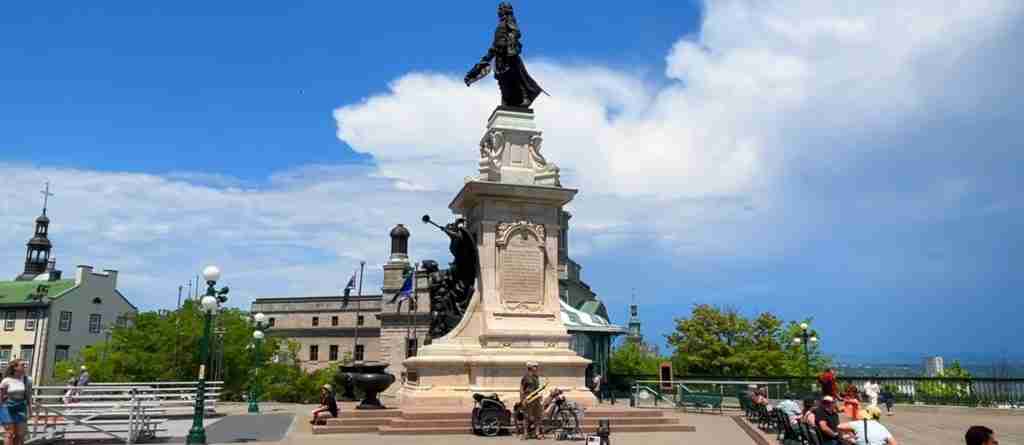
3 days
Quebec City 3-Day Discovery Tour
- ✓ Comprehensive Quebec City experience
- ✓ Expert local guides included
- ✓ All accommodation included
- ✓ Transportation provided

5 days
Quebec City 5-Day Highlights Experience
- ✓ Comprehensive Quebec City experience
- ✓ Expert local guides included
- ✓ All accommodation included
- ✓ Transportation provided
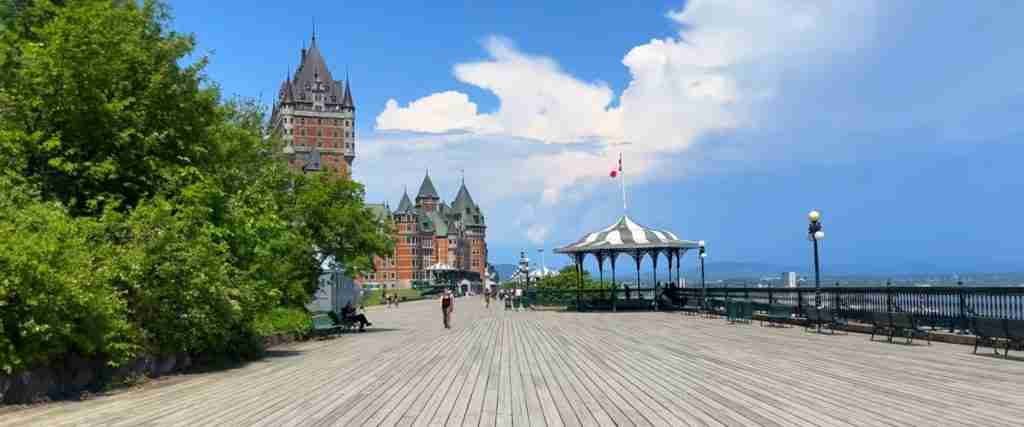
7 days
Quebec City 7-Day Cultural Journey
- ✓ Comprehensive Quebec City experience
- ✓ Expert local guides included
- ✓ All accommodation included
- ✓ Transportation provided

10 days
Quebec City 10-Day Complete Adventure
- ✓ Comprehensive Quebec City experience
- ✓ Expert local guides included
- ✓ All accommodation included
- ✓ Transportation provided
Multi-day tour packages powered by TourRadar. Prices and availability subject to change.
Accommodation Budget Planning 2026
Ultra-Budget Options ($35-80 CAD per person nightly)
Hostel accommodation delivers Quebec City’s most economical lodging with Auberge Internationale de Québec (19 Rue Sainte-Ursule within Old Quebec walls) charging $35-45 CAD for dormitory beds in 4-8 person rooms. This heritage building provides kitchen facilities enabling meal preparation that saves $30-50 CAD daily versus restaurant dining, common areas facilitating traveler connections and information exchange, and premium location steps from Dufferin Terrace and the Citadelle. Private rooms with shared bathrooms cost $95-120 CAD nightly, accommodating couples seeking privacy while maintaining hostel cost advantages. Reservations 2-3 months ahead guarantee availability during peak seasons as the property fills rapidly.
Alternative budget hostels include Auberge du Quartier (Saint-Jean-Baptiste neighborhood, 15-minute walk from Old Quebec) charging $30-40 CAD for dormitory accommodation and $85-110 CAD for private rooms. The slightly removed location provides quieter surroundings and better access to neighborhood restaurants where locals dine at prices 20-30% below tourist-zone establishments. Hi-Quebec Hostel (Saint-Roch district, 20-minute walk or 10-minute bus ride to Old Quebec) offers similar pricing with modern facilities in Quebec City’s revitalized creative neighborhood, trading historic building character for contemporary amenities and excellent public transportation connections.
Budget Accommodation ($80-150 CAD per person nightly)
Vacation rentals through Airbnb and VRBO dominate this budget tier, offering entire apartments in residential neighborhoods for $80-140 CAD nightly. These properties typically accommodate 2-4 people, creating per-person costs of $40-70 CAD when traveling in pairs or groups. Saint-Jean-Baptiste neighborhood delivers optimal value with character-filled apartments in 19th-century buildings featuring exposed brick, high ceilings, and full kitchens within 10-15 minute walks from Old Quebec. Properties include separate bedrooms, living areas, and kitchen facilities enabling grocery shopping ($40-60 CAD for 2-3 days supplies) versus restaurant meals costing $100-150 CAD for equivalent food.
Key vacation rental considerations include accurate location verification (some “Old Quebec” listings actually occupy adjacent neighborhoods requiring longer walks), stair access (many heritage buildings lack elevators requiring 2-4 floor climbs with luggage), parking availability if driving (street parking costs $3-5 CAD hourly in residential areas), and winter heating adequacy for cold-month visits. Reviews focusing on cleanliness, host responsiveness, and location accuracy prevent disappointing surprises. Booking 2-3 months ahead secures optimal properties, as the best-value rentals fill rapidly during peak seasons.
Budget hotel chains including Hotel PUR Quebec (Saint-Roch district) charge $110-150 CAD nightly for modern rooms with contemporary design, though lacking heritage building character. These properties provide reliable quality standards, convenient public transportation access via RTC buses ($3.75 CAD to Old Quebec), and professional services including 24-hour reception desk and daily housekeeping. The 15-20 minute commute to major attractions trades location convenience for significant cost savings versus Old Quebec properties.
Mid-Range Accommodation Budget ($180-280 CAD nightly)
Mid-range hotels deliver the optimal balance for most visitors, combining convenient locations, heritage building character, and modern amenities at manageable costs. Properties within or immediately adjacent to Old Quebec including Hotel Manoir Victoria ($180-240 CAD nightly) and Hotel Clarendon ($200-260 CAD nightly) provide walking access to all attractions while maintaining reasonable pricing through efficient operations and moderate room counts of 100-150 units. These establishments feature period architectural elements including exposed stone walls and wooden beams alongside contemporary bathrooms, comfortable beds, and in-room climate control.
Boutique hotels on Old Quebec’s periphery including Hotel 71 ($220-280 CAD nightly) and Hôtel Le Priori ($200-270 CAD nightly) occupy restored heritage buildings with 20-40 rooms delivering intimate service levels impossible at larger properties. Premium pricing reflects superior design, unique architectural features, and included amenities like breakfast ($20-25 CAD value) or evening wine receptions. Calculate total value by adding separate breakfast costs at nearby cafés ($15-22 CAD per person) to base hotel rates when comparing properties with and without meal inclusions.
ACCOMMODATION COST COMPARISON (3 nights):
Hostel dormitory: $105-135 CAD per person
Hostel private room (couple): $285-360 total ($142-180 per person)
Vacation rental 2-person: $240-420 total ($120-210 per person)
Budget hotel: $330-450 CAD total ($165-225 per person)
Mid-range hotel: $540-840 CAD total ($270-420 per person)
Luxury hotel: $1,350-1,800 CAD total ($675-900 per person)
Daily Expense Breakdown 2026
Attraction and Activity Costs in 2026
Major Quebec City attractions charge moderate admission fees delivering exceptional heritage access value. The Citadelle costs $18 CAD for adults including guided military fortress tours, museum access, and the Changing of the Guard ceremony (summer months only). The Musée de la Civilisation charges $18 CAD for permanent and temporary exhibitions showcasing French Canadian culture, with free admission Tuesdays October through May. The Musée National des Beaux-Arts du Québec costs $20 CAD for comprehensive Quebec art collections spanning 400 years. The Observatoire de la Capitale charges $18 CAD for 31st-floor observation deck access with 360-degree city views. Check official websites for current rates as pricing may vary seasonally and special exhibitions may carry surcharges.
The Quebec City Multi-Attractions Pass at $89 CAD (adult, 3-day validity) provides the destination’s best value proposition, covering entrance to 20+ attractions including all properties mentioned above plus additional museums, historic sites, and discounts on dining and shopping. Visitors planning to see 5+ paid attractions save 25-30% versus individual ticket purchases, with the pass paying for itself after the Citadelle ($18), both major museums ($38), and Observatoire ($18) totaling $74 CAD—making any additional attractions essentially free. The pass includes helpful planning booklet explaining each included site, operating hours, and practical logistics.
Budget attraction strategies include prioritizing free experiences (fortification walls, Plains of Abraham, church visits, neighborhood wandering) for 40-50% of sightseeing time while selecting 2-3 paid attractions daily. The historic funicular connecting Upper and Lower Town costs $3.50 CAD one-way or $5.75 CAD round-trip, providing practical transportation while delivering heritage experience as North America’s oldest continuously-operating funicular system. Alternative free staircase access (Breakneck Stairs, Côte de la Montagne) eliminates this expense for mobile visitors comfortable with steep climbs.
Food and Dining Budget 2026
Restaurant dining represents Quebec City’s second-largest expense category after accommodation, but informed strategies reduce costs dramatically without sacrificing food quality or cultural authenticity. Budget breakfast options include bakery purchases ($3-5 CAD for pain au chocolat, croissants, or Quebec pastries) combined with grocery store coffee ($2-3 CAD), creating $5-8 CAD morning meals versus café charges of $12-18 CAD for equivalent food. Vacation rentals and hostels with kitchen access enable cereal, toast, and coffee preparation for $2-4 CAD per person using grocery supplies.
Lunch strategies deliver maximum value through strategic venue selection and timing. Mid-range and upscale restaurants offer table d’hôte lunch specials for $18-28 CAD providing three courses of identical quality to dinner menus charging $45-75 CAD for the same cuisine. Restaurants including Le Continental, Aux Anciens Canadiens, and properties within Château Frontenac participate in this tradition, enabling premium dining experiences at budget-friendly costs when timed appropriately. Casual lunch venues including crêperies charge $12-18 CAD for substantial savory or sweet crepes, while cafés offer sandwiches, salads, and soups for $10-16 CAD with generous portions.
Dinner optimization involves neighborhood restaurant selection away from tourist-concentrated Rue Saint-Louis and Château Frontenac vicinity. Saint-Jean-Baptiste neighborhood restaurants along Avenue Cartier serve authentic Quebec cuisine at $25-40 CAD per person for complete dinners versus $45-75 CAD at tourist-zone equivalents. Quebec specialties including tourtière, poutine variations, and regional meat dishes deliver cultural authenticity at favorable pricing. Poutine specialists charge $9-14 CAD for portions constituting complete meals, providing budget dinner solutions when combined with inexpensive appetizers or desserts.
DAILY FOOD BUDGET EXAMPLES 2026:
ULTRA-BUDGET ($30-40 CAD daily):
Breakfast: Grocery/bakery $5-8
Lunch: Casual restaurant/food court $12-16
Dinner: Poutine/crêpe/grocery $10-15
Snacks/drinks: $3-5
BUDGET ($45-65 CAD daily):
Breakfast: Café/bakery $8-12
Lunch: Table d’hôte special $18-28
Dinner: Neighborhood restaurant $25-35
Snacks/drinks: $8-12
MID-RANGE ($80-120 CAD daily):
Breakfast: Hotel/restaurant $15-22
Lunch: Mid-range restaurant $25-35
Dinner: Quality restaurant $45-65
Snacks/drinks/wine: $15-25
Transportation Costs 2026
Transportation represents Quebec City’s smallest expense category for visitors focusing on Old Quebec exploration. The compact 4.6 square kilometer UNESCO district contains 95% of major attractions within 10-20 minute walks from any point, eliminating transportation needs for most sightseeing activities. Budget travelers walk exclusively within Old Quebec while using RTC public buses ($3.75 CAD per ride) for connections to suburban attractions including Montmorency Falls, Île d’Orléans access points, and accommodation in outer neighborhoods. The OPUS card (rechargeable fare card costing $6 CAD initially) reduces per-ride costs to $3.25 CAD, delivering savings of $0.50 per trip that accumulate meaningfully for frequent transit users.
Day passes cost $9.25 CAD providing unlimited RTC bus rides from first use until 2 AM the following morning, making them cost-effective when planning 3+ trips in a single day. The pass proves valuable for days involving Montmorency Falls visits ($3.75 each way = $7.50 total before pass) combined with multiple Old Quebec transit connections. Ten-ride passes ($29.50 CAD, effectively $2.95 per ride) deliver the best per-trip value for visitors staying 4+ days making frequent public transit use. Smart transportation budgeting means calculating trip requirements daily and selecting the most economical payment method rather than defaulting to cash fares at $3.75 CAD repeatedly.
Taxi and ride-sharing costs add significantly when used routinely. Typical Old Quebec taxi rides cost $15-25 CAD, while airport transfers reach $34.25 CAD on fixed-rate pricing. Budget travelers limit taxi use to airport arrivals with heavy luggage (where $34.25 split among 2-4 people becomes reasonable) and late-night returns to accommodation when buses stop operating (last buses run 11 PM-midnight depending on routes). Uber and Lyft charge similar rates to taxis with occasional surge pricing during peak periods (Friday/Saturday evenings, major events, winter storms) increasing costs by 50-100% versus standard rates.
Budget Strategies by Travel Style 2026
Ultra-Budget Backpacker Approach ($500-650 CAD for 3 days)
Ultra-budget travelers minimize costs through strategic sacrifices maintaining experience quality while eliminating unnecessary expenses. Hostel dormitory accommodation ($35-45 CAD nightly, $105-135 CAD for 3 nights) provides secure lodging in heritage buildings with kitchen access enabling meal preparation. Grocery shopping for breakfast supplies ($15-20 CAD covering 3 days), lunch components ($25-30 CAD for sandwich materials and fruits), and dinner ingredients ($20-30 CAD for pasta, sauces, vegetables) totals $60-80 CAD food costs versus $135-195 CAD restaurant equivalent—saving $75-115 CAD over three days without sacrificing nutrition or satisfaction.
Attraction optimization focuses on free experiences comprising 60-70% of sightseeing time. Fortification wall walks, Plains of Abraham exploration, Lower Town architectural discovery, and church visits fill 2-2.5 days at zero admission cost. Strategic paid attraction selection targets 2-3 premium experiences including the Citadelle ($18 CAD) for military history and Changing of the Guard ceremony, plus one museum visit ($18-20 CAD) for cultural depth. The funicular ($5.75 CAD round-trip) provides heritage transportation experience, while walking the free Breakneck Stairs offers athletic alternative saving this expense.
Transportation relies entirely on walking within Old Quebec combined with RTC buses for airport access ($3.75 CAD from airport to accommodation, $3.75 CAD return) and potential Montmorency Falls excursion ($7.50 CAD round-trip bus fare). Total transportation: $15-20 CAD for three days. Dining adopts the grocery-focused approach with one affordable restaurant meal daily ($12-18 CAD) providing cultural dining experiences without budget devastation. Water bottle refills at hostel (free) versus purchased beverages ($3-5 CAD each) save $15-25 CAD over three days through simple habit changes.
ULTRA-BUDGET 3-DAY BREAKDOWN:
Accommodation (hostel dorm): $105-135 CAD
Food (grocery-focused): $90-120 CAD
Attractions (2-3 paid sites): $40-60 CAD
Transportation (RTC buses): $15-20 CAD
Miscellaneous (snacks, tips): $20-30 CAD
TOTAL: $270-365 CAD per person
(Plus ~$150-200 CAD airfare if flying)
GRAND TOTAL: $420-565 CAD all-inclusive
Moderate Budget Traveler Approach ($900-1,200 CAD for 3 days)
Moderate budget travelers balance cost consciousness with comfort, avoiding unnecessary luxuries while investing in meaningful experiences and reasonable accommodation quality. Vacation rental apartments ($80-140 CAD nightly, $240-420 total for 3 nights split between 2 people = $120-210 per person) provide private space, kitchen facilities, and neighborhood immersion without hostel dormitory compromises or expensive hotel rates. Kitchen access enables breakfast preparation ($5-8 CAD daily) and occasional dinner meals ($15-25 CAD per person for grocery-based cooking) while budgeting for restaurant lunches and dinners capturing Quebec culinary culture.
Attraction access optimizes through the Multi-Attractions Pass ($89 CAD) covering comprehensive sightseeing across 3 days including the Citadelle, both major museums, Observatoire, and 15+ additional sites. This investment delivers better value than selective individual ticket purchases while enabling spontaneous attraction visits without calculating costs constantly. The pass includes practical benefits like skip-the-line access at popular sites and dining discounts at partner restaurants offsetting some food expenses.
Dining strategy combines smart timing with balanced venue selection. One table d’hôte lunch special daily ($18-28 CAD) provides premium cuisine at budget pricing, while other meals rotate between casual restaurants ($15-25 CAD lunch, $25-40 CAD dinner) and home-cooked options using vacation rental kitchen facilities. This approach yields 4-5 restaurant meals across three days ($140-200 CAD food budget) while maintaining dietary variety and cultural authenticity. One signature dinner splurge ($65-95 CAD including wine) at renowned establishments like Aux Anciens Canadiens creates memorable culinary experience justifying premium costs through authentic French Canadian gastronomy.
Transportation uses walking for all Old Quebec movement supplemented by RTC public transit for one Montmorency Falls or Île d’Orléans excursion ($7.50-15 CAD depending on route and pass selection). Airport transfers via bus ($7.50 CAD round-trip) or shared taxi with travel companion ($34.25 CAD split = $17-18 per person) balance economy with convenience. Total transportation costs: $25-35 CAD per person over three days.
MODERATE BUDGET 3-DAY BREAKDOWN:
Accommodation (vacation rental): $120-210 CAD per person
Food (mixed restaurant/grocery): $140-200 CAD
Attractions (Multi-Attractions Pass): $89 CAD
Transportation (walk/bus focused): $25-35 CAD
Miscellaneous (souvenirs, snacks): $35-50 CAD
TOTAL: $409-584 CAD per person
(Plus ~$150-250 CAD airfare if flying)
GRAND TOTAL: $559-834 CAD all-inclusive
Comfortable Budget Approach ($1,200-1,800 CAD for 3 days)
Comfortable budget travelers prioritize experience quality and convenience while maintaining cost awareness, investing in mid-range hotels, diverse restaurant experiences, and enhanced activities without reaching luxury-tier spending. Mid-range hotel accommodation in or adjacent to Old Quebec ($180-280 CAD nightly, $540-840 total for 3 nights split between 2 people = $270-420 per person) delivers heritage building character, optimal location eliminating transportation costs, and professional services including daily housekeeping and 24-hour reception.
Dining embraces Quebec’s culinary diversity through restaurant meals for most occasions. Breakfast at hotel (if included) or nearby cafés ($15-22 CAD), lunch at mid-range establishments ($25-40 CAD), and dinner at quality restaurants ($45-75 CAD including appetizers) creates authentic gastronomic experiences without budget anxiety. Two signature dining experiences ($75-120 CAD each including wine) at renowned venues provide memorable culinary highlights. Total food budget: $240-350 CAD over three days.
Attraction access includes the Multi-Attractions Pass ($89 CAD) plus 1-2 specialized experiences not covered by the pass such as guided walking tours ($35-45 CAD), river cruises ($50-95 CAD), or Île d’Orléans wine tasting tours ($95-125 CAD). These enhanced activities provide guided expertise and specialized access justifying premium costs. Total attractions and activities: $175-260 CAD.
Transportation includes strategic taxi use for convenience when walking proves impractical (late evening returns, heavy shopping bags, rain/snow conditions) budgeting $40-60 CAD for 3-5 taxi rides over three days. One organized day trip ($95-125 CAD) to Charlevoix region or comprehensive Île d’Orléans tours eliminates driving stress while providing professional guide services and transportation. Total transportation: $135-185 CAD.
COMFORTABLE BUDGET 3-DAY BREAKDOWN:
Accommodation (mid-range hotel): $270-420 CAD per person
Food (restaurant-focused): $240-350 CAD
Attractions/activities (pass + tours): $175-260 CAD
Transportation (taxi/organized tours): $135-185 CAD
Miscellaneous (shopping, tips): $50-80 CAD
TOTAL: $870-1,295 CAD per person
(Plus ~$180-320 CAD airfare if flying)
GRAND TOTAL: $1,050-1,615 CAD all-inclusive
Seasonal Budget Optimization 2026
Winter Budget Advantages (January-March 2026)
Winter delivers Quebec City’s lowest accommodation costs at $120-180 CAD nightly for mid-range properties—representing 50-60% savings versus summer peaks of $280-450 CAD. A three-night winter stay costs $360-540 CAD compared to summer’s $840-1,350 CAD, saving $480-810 CAD on accommodation alone. However, this advantage partially offsets by cold-weather gear requirements for visitors from temperate climates. Essential winter equipment including insulated boots rated to -30°C ($150-250 CAD), winter coat ($200-400 CAD), thermal layers ($50-100 CAD), and accessories like hats, gloves, scarves ($40-80 CAD) adds $440-830 CAD in upfront costs—though this gear remains usable for future winter travels rather than single-trip expenses.
Winter attractions include unique experiences unavailable during other seasons. The Carnaval de Québec (February 7-16, 2026) offers extensive free programming including ice palace viewing, outdoor parties, and cultural activities alongside ticketed premium experiences ($25-50 CAD). Ice skating at Place D’Youville provides free access with $12 CAD skate rentals. The Ice Hotel in nearby Sainte-Catherine-de-la-Jacques-Cartier charges $23 CAD for day visits (full overnight packages reach $400+ CAD per couple). Winter sports equipment rentals including snowshoes ($15-25 CAD daily) and cross-country skis ($20-35 CAD daily) enable Plains of Abraham winter exploration at modest costs.
Restaurant dynamics shift favorably for budget travelers during winter. Popular establishments that require 4-6 week advance reservations in summer accept walk-in diners or same-day reservations, while some venues offer winter promotional pricing (table d’hôte specials discounted 10-20% versus summer rates) attracting local diners during tourism lulls. Craft breweries and casual restaurants maintain full operations without summer crowds, delivering superior service and shorter wait times enhancing overall experience value.
Shoulder Season Value (September-October 2026)
September through mid-October 2026 delivers optimal overall value combining reasonable accommodation costs with comfortable weather eliminating specialized equipment needs. Mid-range properties charge $180-240 CAD nightly—35-40% below summer peaks while providing full service and availability without winter’s extreme conditions. Three-night shoulder season accommodation costs $540-720 CAD compared to summer’s $840-1,350 CAD, saving $120-630 CAD while maintaining comfortable 15-20°C temperatures requiring only standard clothing layers.
Fall foliage creates spectacular visual backdrops for photography and outdoor activities at zero additional cost, while reduced crowds mean shorter or non-existent wait times at popular restaurants previously requiring advance reservations. Museums and attractions maintain summer operating hours through September, providing maximum daily access without winter’s abbreviated schedules (many sites reduce hours or close certain days November-March). The Festival of New France (August 7-11, 2026) concludes before September optimal shoulder season begins, offering strategic timing for visitors seeking authentic experiences without festival premiums.
Food costs remain consistent with summer pricing, but restaurant availability improves dramatically. Prime 7-9 PM dinner slots become accessible with 1-2 week advance reservations versus summer’s 4-6 week requirements, while walk-in seating at quality establishments becomes realistic during 5-6:30 PM or post-9 PM timing. Outdoor terrace dining continues through September at most venues, capturing summer atmosphere advantages without extreme heat or humidity occasionally impacting July-August comfort.
Summer Peak Season Budget Management (June-August 2026)
Summer visitors accept premium costs in exchange for optimal weather, maximum cultural programming, and extended daylight enabling evening activities until 8:30-9 PM. Strategic approaches mitigate but cannot eliminate summer pricing. Booking accommodation 4-5 months ahead secures lowest available rates before last-minute buyers accept whatever pricing remains. June delivers better value than July-August with accommodation rates at $220-280 CAD nightly versus peak-season $280-450 CAD, while providing comfortable 18-23°C temperatures and the Festival de Saint-Jean-Baptiste (June 24, 2026) offering free outdoor concerts and cultural events.
July-August budget strategies focus on timing and alternative neighborhoods. Early morning attraction visits (7-9 AM) capture crowd-free experiences before peak 10 AM-4 PM congestion, while evening walks (8-10 PM) provide magical lighting and comfortable temperatures after most tourists return to accommodations. Dining at 11:30 AM or 2 PM avoids restaurant rush periods, securing better service and sometimes discounted early-bird or late-lunch specials. Accommodation in Saint-Jean-Baptiste or Saint-Roch neighborhoods ($160-220 CAD nightly) versus Old Quebec properties ($280-450 CAD) saves $120-230 CAD per night while requiring only 10-20 minute walks to major attractions.
The Festival d’été de Québec (July 10-20, 2026) presents unique considerations. Free outdoor concerts featuring 300+ international artists create exceptional value, but accommodation during this 11-day period requires booking 5-6 months ahead or accepting premium rates of $350-550 CAD nightly. Visitors attending the festival should secure lodging immediately upon confirming travel dates, as available inventory diminishes rapidly once festival programming announcements generate booking surges.
Advanced Money-Saving Techniques 2026
Free Experience Maximization
Quebec City’s extensive free attractions enable rich cultural experiences without admission costs. The fortification walls encircling Old Quebec provide 4.6 kilometers of elevated walkways with spectacular St. Lawrence River views, architectural perspectives impossible from street level, and historical interpretation panels explaining the defensive system’s 400-year evolution. Walking the complete circuit requires 2-3 hours, delivering comprehensive urban exploration at zero cost while burning calories from Quebec’s rich cuisine.
The Plains of Abraham, North America’s most historically significant battlefield now serving as a 108-hectare urban park, offers free access year-round for walking, picnicking, winter activities, and cultural programming. The free Discovery Pavilion (summer operation May-October) provides multimedia exhibitions explaining the 1759 battle determining North America’s colonial future. Summer months bring free outdoor concerts, cultural festivals, and theatrical performances to the park’s vast lawns, creating authentic entertainment without ticket costs.
Lower Town’s Quartier Petit-Champlain features North America’s oldest commercial district with pedestrian streets, window shopping, street performer entertainment, and the famous trompe-l’oeil fresco (free viewing) depicting 400 years of Quebec history. Place Royale marks Samuel de Champlain’s 1608 settlement location with interpretation center exhibitions (free access to outdoor areas and church, modest $7 CAD for museum) explaining archaeological discoveries revealing Quebec’s colonial foundations. Churches including the Basilica-Cathedral Notre-Dame de Québec and Notre-Dame-des-Victoires accept visitors with suggested donations rather than mandatory admission fees, enabling architectural and religious heritage exploration at minimal cost.
Strategic Meal Planning
Lunch timing at mid-range and upscale restaurants exploits the table d’hôte tradition where identical kitchens produce identical cuisine quality at 30-40% discounts versus dinner menus. Le Continental serves legendary Quebec cuisine including caribou stew and tourtière for $28 CAD three-course lunch versus $65-85 CAD dinner pricing—identical recipes, presentation, and service at less than half the cost. This single strategy applied twice during a three-day visit saves $75-115 CAD while maintaining premium dining experiences.
Grocery shopping for breakfast and snack supplies transforms $45-75 CAD daily café spending into $15-25 CAD equivalent nutrition. Provigo supermarket on Boulevard René-Lévesque (15-minute walk from Old Quebec) stocks Quebec cheeses, local charcuterie, fresh baguettes, pastries, fruits, and beverages at prices 40-60% below restaurant equivalents. Vacation rentals and hostels with kitchen access enable simple meal preparation: pasta with vegetables and local sausage costs $8-12 CAD per person versus $35-55 CAD restaurant equivalent, creating $25-45 CAD savings per home-cooked meal.
Picnic assembly for Plains of Abraham or waterfront meals combines grocery purchases with Quebec cheese selections and local wines, creating gourmet outdoor dining experiences for $20-30 CAD per person versus $65-95 CAD for restaurant meals with wine. The strategic food approach allocates saved money toward 1-2 signature dining experiences at renowned establishments, enabling both budget consciousness and memorable culinary highlights through intelligent prioritization rather than blanket restriction.
Transportation Optimization
The OPUS card investment ($6 CAD initially) reduces RTC bus costs from $3.75 to $3.25 per ride, saving $0.50 per trip. Ten rides cost $29.50 CAD versus $37.50 cash equivalent—an $8 savings. For visitors planning Montmorency Falls visits, Île d’Orléans connections, accommodation in outer neighborhoods, and airport transfers totaling 8-12 transit rides during a 3-4 day visit, the OPUS ten-ride pass delivers optimal value. Calculate expected transit usage before arrival and purchase the most economical option rather than defaulting to expensive single-ride cash payments.
Walking replaces transit for all Old Quebec exploration, converting potential $15-30 CAD daily transportation costs into zero expense while providing exercise counterbalancing Quebec’s rich cuisine and maintaining intimate neighborhood connections impossible from bus windows. Strategic route planning concentrates morning sightseeing in Upper Town followed by afternoon Lower Town activities (or reverse) to minimize elevation changes, as steep streets and staircases connecting the two levels challenge mobility-impaired visitors when traversed repeatedly.
Group taxi sharing transforms expensive individual rides into reasonable per-person costs. Airport transfers at $34.25 CAD split between 2-4 travelers cost $8.50-17.25 per person versus $3.75 RTC bus fare—a small premium providing significant convenience with luggage. Late-night returns to accommodation when buses stop operating become manageable at $15-25 CAD taxis split among 2-4 people, converting $7.50-12.50 per-person costs from prohibitive to reasonable. Solo travelers can connect with fellow hostel guests or tour group members for shared rides, reducing individual transportation costs through simple social coordination.
Budget-Specific Sample Itineraries 2026
Ultra-Budget Weekend ($420-565 CAD all-inclusive)
Day 1: Arrival and Free Old Quebec Exploration
Arrive at Quebec City airport via budget carrier ($150-200 CAD round-trip from eastern US cities or $100-150 CAD from Toronto/Montreal). Take RTC Route 80 bus to Old Quebec ($3.75 CAD, 50-minute journey). Check into Auberge Internationale de Québec hostel dormitory ($35-45 CAD per night). Prepare grocery lunch using hostel kitchen ($5-8 CAD for sandwich ingredients purchased at nearby convenience store). Afternoon free walking exploration: fortification walls, Dufferin Terrace for Château Frontenac photographs, and Artillery Park National Historic Site (exterior viewing free). Grocery dinner prepared in hostel kitchen ($8-12 CAD for pasta and sauce). Evening walk through illuminated Lower Town streets (free). Hostel dormitory $35-45. Groceries $13-20, RTC bus $3.75. Total day cost: $51.75-68.75 per person (excluding airfare).
Day 2: Plains of Abraham and Strategic Attraction
Breakfast prepared in hostel kitchen ($3-5 CAD cereal and coffee). Morning Plains of Abraham exploration including Discovery Pavilion (free), gardens, and battlefield interpretive panels. Picnic lunch assembled from grocery purchases ($8-12 CAD). Afternoon Citadelle visit ($18 CAD) for guided military fortress tour and Changing of the Guard ceremony. Free walking descent via Breakneck Stairs to Lower Town, exploring Quartier Petit-Champlain and Place Royale. Budget dinner at crêperie ($12-16 CAD). Evening hostel common area socializing (free). Hostel dormitory $35-45. Groceries and meals $41-51, Citadelle $18. Total day cost: $94-114 per person.
Day 3: Museum and Departure
Breakfast prepared in hostel kitchen ($3-5 CAD). Morning Musée de la Civilisation visit ($18 CAD, or free if Tuesday October-May). Lunch at food court or casual venue ($10-14 CAD). Final Lower Town wandering and souvenir shopping (budget $15-25 CAD). Early evening RTC bus to airport ($3.75 CAD). Hostel dormitory $35-45. Meals $13-19, museum $18 (or $0 if free Tuesday), RTC bus $3.75, souvenirs $15-25. Total day cost: $84.75-111.75 per person.
Accommodation (2 nights): $70-90 CAD
Food: $67-90 CAD
Attractions: $36 CAD (or $18 if Tuesday museum)
Transportation: $11.25 CAD
Miscellaneous: $15-25 CAD
Airfare: $150-200 CADGRAND TOTAL: $349.25-452 CAD per person
Moderate Budget 3-Day Trip ($900-1,200 CAD total)
Day 1: Arrival and Upper Town Immersion
Arrive Quebec City afternoon. Shared taxi from airport ($17-18 per person, $34.25 total split). Check into vacation rental apartment in Saint-Jean-Baptiste ($80-140 CAD nightly). Prepare simple arrival dinner using rental kitchen ($15-20 CAD per person for grocery supplies). Evening walk through Saint-Jean-Baptiste neighborhood and preliminary Old Quebec exploration (free). Accommodation $40-70 per person (split rental), taxi $17-18, groceries $15-20. Total day cost: $72-108 per person.
Day 2: Comprehensive Sightseeing
Breakfast prepared in apartment ($5-8 CAD). Morning Citadelle visit using Multi-Attractions Pass ($89 CAD providing access for 3 days). Table d’hôte lunch at quality restaurant ($18-28 CAD). Afternoon Musée National des Beaux-Arts (included in pass), Plains of Abraham walk, and Observatoire de la Capitale (included in pass). Neighborhood restaurant dinner in Saint-Jean-Baptiste ($35-50 CAD). Evening illuminated fortification walk (free). Accommodation $40-70 per person, Multi-Attractions Pass $89, meals $58-86. Total day cost: $187-245 per person.
Day 3: Regional Excursion and Departure
Breakfast prepared in apartment ($5-8 CAD). Morning RTC bus to Montmorency Falls ($3.75 CAD). Falls exploration including suspension bridge ($7 CAD) and walking trails. Lunch at falls café ($18-25 CAD). Return to Old Quebec via RTC bus ($3.75 CAD). Afternoon Musée de la Civilisation (included in pass) and final Lower Town exploration. Casual dinner ($25-35 CAD). RTC bus to airport ($3.75 CAD). Accommodation $40-70 per person, transportation $18.25, meals $48-68, Montmorency suspension bridge $7. Total day cost: $113.25-163.25 per person.
Accommodation (2 nights): $80-140 CAD per person
Food: $121-174 CAD
Attractions (Multi-Pass + bridge): $96 CAD
Transportation: $38.25 CAD
Miscellaneous: $25-40 CAD
Airfare: $150-250 CADGRAND TOTAL: $510.25-738.25 CAD per person
Common Budget Mistakes to Avoid 2026
Last-Minute Booking Penalties
The single most expensive Quebec City mistake involves booking accommodation 2-4 weeks before arrival during peak seasons. Mid-range hotels charging $180-240 CAD for advance bookings jump to $350-500 CAD for last-minute availability, with budget options completely sold out forcing acceptance of whatever inventory remains. A three-night summer visit booked last-minute costs $1,050-1,500 CAD versus $540-720 CAD for 3-4 months advance planning—a $510-780 CAD penalty resulting purely from booking timing without any quality differences.
This principle extends beyond accommodation to attractions and dining. Popular restaurants requiring advance reservations fill 4-6 weeks ahead during July-August, leaving walk-in diners with choices of tourist-trap establishments charging premium prices for mediocre food or fast-casual venues providing no cultural dining experiences. Organized tours and specialized activities including Charlevoix excursions and whale watching trips sell out 3-4 weeks ahead, forcing last-minute bookers toward availability rather than optimal experiences. The systematic approach involves securing essential reservations immediately upon confirming travel dates, with free cancellation policies on most services eliminating financial risk from advance planning.
Transportation Inefficiency
Renting cars for Old Quebec exploration represents pure waste, generating $65-85 CAD daily rental costs plus $25-35 CAD parking fees without providing any practical benefit over free walking. The UNESCO district’s compact dimensions, pedestrian-priority streets, and limited parking infrastructure make cars actively counterproductive. Visitors driving between attractions waste time searching for parking while pedestrians walk directly to destinations enjoying architectural discoveries and neighborhood immersion impossible from vehicle interiors.
Excessive taxi usage accumulates unnecessarily when RTC public transit costs $3.75 per ride versus $15-25 taxi fares for equivalent journeys. A visitor taking 4-5 taxi rides daily instead of walking or using buses spends $60-125 CAD versus $15-19 CAD for equivalent RTC service—a $45-106 CAD daily waste adding $135-318 CAD across three days. The intelligent approach uses walking for all Old Quebec movement, RTC buses for suburban attractions and airport connections, and taxis only for late-night returns or heavy luggage transport when public transit proves genuinely impractical.
Dining in Tourist Traps
Restaurants within 100 meters of Château Frontenac and along tourist-concentrated Rue Saint-Louis charge 30-50% premiums for mediocre food quality compared to neighborhood establishments 10-15 minute walks away. A dinner costing $65-95 CAD per person in tourist zones delivers equivalent cuisine for $35-55 CAD in Saint-Jean-Baptiste restaurants frequented by locals. Over three days with 4-6 restaurant meals, this differential totals $120-240 CAD in wasted spending without any compensation through superior food, service, or atmosphere—merely inflated pricing exploiting tourists unwilling to walk short distances.
The strategic approach researches restaurants before arrival, identifying establishments praised by locals rather than tourist review sites often manipulated by paid promotions. Avenue Cartier in Saint-Jean-Baptiste, Saint-Roch district’s revitalized restaurant row, and Lower Town establishments away from Place Royale immediate vicinity provide authentic dining at reasonable costs. Simple effort reading recent reviews from Quebec City residents rather than tourists avoids expensive disappointments while supporting quality independent restaurants over corporate tourist-trap operations.
Frequently Asked Questions About Budget Travel
Can I visit Quebec City for under $500 CAD total?
Yes, ultra-budget weekend visits cost $420-565 CAD all-inclusive from nearby cities (Toronto, Montreal, eastern US) through strategic approaches: budget airline flights ($100-200 CAD round-trip), hostel dormitory accommodation ($70-90 for 2 nights), grocery-focused meals with selective restaurant dining ($65-90 total), strategic attraction selection emphasizing free experiences with 1-2 paid sites ($20-40), and public transportation ($10-15 CAD). This requires accepting dormitory lodging, meal preparation capabilities, and selective paid attraction choices while maximizing free experiences comprising 60-70% of sightseeing time.
What’s the cheapest way to eat well in Quebec City?
Table d’hôte lunch specials at mid-range and upscale restaurants deliver premium cuisine at $18-28 CAD versus $45-75 CAD dinner pricing for identical food quality—a 30-40% savings. Combined with grocery breakfast preparation ($5-8 CAD), occasional picnic lunches ($10-15 CAD), and strategic dinner timing in neighborhood restaurants ($25-40 CAD), this approach provides excellent nutrition and authentic Quebec cuisine for $45-65 CAD daily versus $80-120 CAD restaurant-only strategies. One weekly splurge dinner ($65-95 CAD) remains affordable within this framework while creating memorable culinary highlights.
Is the Quebec City Multi-Attractions Pass worth it for budget travelers?
Yes, the pass at $89 CAD delivers value for visitors planning to see 5+ attractions over 2-3 days. The Citadelle ($18), Musée de la Civilisation ($18), Musée National des Beaux-Arts ($20), Observatoire ($18), and Morrin Centre ($10) total $84 CAD before the pass even covers 15+ additional sites, making any extra attractions essentially free. Budget travelers offsetting pass costs by reducing restaurant meals by 1-2 occasions ($25-50 CAD savings) maintain overall budget while accessing comprehensive cultural experiences through this investment.
Should budget travelers visit in winter or summer?
September shoulder season delivers optimal overall value combining $180-240 CAD nightly accommodation (40% below summer, 30% above winter) with comfortable 15-20°C weather requiring no specialized gear investments. Winter provides lowest accommodation costs but requires $440-830 CAD cold-weather equipment for visitors from temperate climates—offsetting housing savings unless gear already owned or planned for multiple winter trips. Summer offers best weather and cultural programming but forces acceptance of peak accommodation rates. Total trip costs prove lowest in winter for visitors owning appropriate gear, but September delivers best value for most travelers considering all cost factors.
How much should I budget for souvenirs and shopping?
Budget $50-100 CAD for meaningful souvenirs including Quebec artisan crafts, local food products (maple syrup, cheese, jams), and cultural items. Marché du Vieux-Port (May-October) offers authentic local products at fair pricing versus tourist shops charging premiums. Avoid impulse purchases of mass-produced souvenirs lacking Quebec authenticity—better to invest in fewer quality items reflecting genuine regional artisanship than numerous cheap imports from Asia marked up 300-500% in tourist zones.
Can solo travelers do Quebec City on a budget?
Solo travelers face accommodation challenges with single-occupancy hotel rates often 70-80% of double-occupancy pricing versus splitting costs between two people. Hostel dormitories ($35-45 CAD nightly) provide optimal solo value, while vacation rentals prove less economical without companions to share costs. Food costs remain identical, but transportation savings from shared taxis disappear for solo visitors. Realistic solo budget: add 30-40% to couple-based estimates, or $550-750 CAD for ultra-budget 3-day visits versus $420-565 CAD for doubles sharing costs. Group tour bookings sometimes offer solo traveler connecting services matching individuals to share accommodation, reducing single supplements.
What hidden costs should budget travelers anticipate?
Tipping adds 15-18% to restaurant bills (not included in menu prices), accumulating $30-60 CAD over three days. Quebec’s combined sales tax of 14.975% applies to most purchases except basic groceries, adding costs not reflected in displayed prices. Airport departure procedures involve no fees for Canadian flights, but US-bound travelers pay $7.12 CAD CATSA security fee typically included in airfares. Baggage fees for budget carriers add $35-75 CAD per checked bag each way if not included in ticket pricing. Calculate these factors when comparing flight options, as all-inclusive fares sometimes prove more economical than ultra-cheap base fares plus mandatory fee additions.
How does Quebec City budget compare to European destinations?
Quebec City delivers similar pricing to secondary European cities (not capitals) with mid-range accommodation at $180-280 CAD comparable to €140-220 European equivalents at current exchange rates. Restaurant costs prove slightly lower than Western Europe but higher than Eastern European destinations. The critical advantage involves accessibility for North American travelers, with $150-250 CAD flights from eastern US/Canada versus $600-1,200 transatlantic airfares creating substantial total trip savings despite comparable daily costs. European-style atmosphere and French language immersion provide authentic European cultural experiences at North American convenience and transportation costs.
Can I use credit cards everywhere in Quebec City?
Major credit cards (Visa, Mastercard) receive acceptance at 95% of establishments including hotels, restaurants, attractions, and shops. American Express sees more limited acceptance (70-80% of venues). Small vendors, some cafés, and the RTC bus system require cash or debit cards, making $100-150 CAD cash reserve advisable for the occasional cash-only situation. ATMs throughout Old Quebec dispense Canadian dollars, though foreign transaction fees of $3-5 per withdrawal plus 1-3% currency conversion charges accumulate quickly—withdraw larger amounts less frequently rather than small amounts repeatedly to minimize fee percentages.
What’s the realistic minimum for a quality Quebec City experience?
A quality 3-day Quebec City experience requires minimum $650-850 CAD per person all-inclusive from nearby cities: budget airline ($150-200 CAD), hostel private room or budget vacation rental ($240-360), strategic dining mixing restaurants and grocery ($120-160), Multi-Attractions Pass ($89), and public transportation ($25-35). This budget enables authentic cultural experiences, heritage site access, diverse dining, and comfortable (if modest) accommodation without constant financial stress or experience-degrading restrictions. Ultra-budget approaches under $500 work but require accepting significant compromises including dormitory lodging, extensive meal preparation, and very selective paid attraction access.