
Pyramids of Giza Local Experience 2026: Authentic Cultural Encounters
The Pyramids of Giza offer far more than their iconic silhouettes against the desert sky. Beyond the tourist trails lies an authentic Egyptian experience waiting for travelers who seek genuine cultural connections. In 2026, connecting with local communities around Giza provides US visitors with meaningful encounters that transform a standard UNESCO heritage visit into an immersive cultural journey.
Key Takeaways
- Hire local Egyptian guides for authentic storytelling and cultural insights at $50-80 per day
- Experience traditional Egyptian hospitality at local guesthouses starting from $40 per night near Giza
- Taste authentic Egyptian cuisine at family-run restaurants for $10-20 per meal
- Explore nearby Cairo neighborhoods like Mit Rahina and Saqqara for genuine cultural immersion
- Book camel rides directly with local operators for $15-25 instead of tourist-inflated prices
- Visit during early morning hours (6-8 AM) to experience the site alongside Egyptian visitors and avoid crowds
Introduction
The Giza plateau sits at the edge of modern Cairo, where ancient monuments meet vibrant Egyptian neighborhoods. Local families have lived in these communities for generations, maintaining traditions that predate the pyramids’ modern tourist industry. Engaging with local guides, artisans, restaurants, and cultural spaces creates authentic experiences that reveal the living culture surrounding these ancient wonders.
This guide provides practical strategies for experiencing the Pyramids of Giza through local perspectives, from hiring authentic Egyptian guides to discovering neighborhood restaurants where Cairo residents actually eat. These experiences complement your pyramid visit while supporting the local economy and creating meaningful cross-cultural connections.
People Also Ask About Pyramids of Giza Local Experiences 2026
How can I connect with local Egyptians at the Pyramids of Giza?
Hire local Egyptian guides through official channels for authentic cultural insights. Visit nearby neighborhoods like Nazlet El-Samman where locals live and work. Engage with artisan workshops, eat at family-run restaurants, and shop at local markets. Respect local customs and dress modestly to facilitate genuine interactions.
What’s the best way to hire an authentic local guide at Giza?
Book licensed Egyptian guides through the Egyptian Ministry of Tourism’s official guide registry. Rates range from $50-80 per day. Look for guides with Egyptology credentials and strong English skills. Avoid unauthorized guides at the site entrance who charge inflated prices and provide unreliable information.
Where do locals eat near the Pyramids of Giza?
Authentic Egyptian restaurants operate in Nazlet El-Samman village adjacent to the pyramids. Family-run establishments serve traditional dishes for $10-20 per meal. Try Andrea El Mariouteya for grilled meats, or local favorites along Pyramids Road serving koshari, ful medames, and fresh bread.
Is it safe for US travelers to explore local areas near Giza?
Yes, neighborhoods surrounding Giza are safe for US travelers who exercise standard precautions. Stay in well-populated areas during daylight hours, dress modestly, and remain aware of your surroundings. Traveling with a local guide increases comfort and facilitates cultural understanding.
Connecting with Local Egyptian Guides and Storytellers
Licensed Egyptian guides transform pyramid visits from observation into cultural education. These professionals study Egyptology formally and grow up surrounded by ancient history, providing perspectives impossible to find in guidebooks. Their family stories often span generations of living near the pyramids, offering insights into how these monuments shaped local identity.
Extended multi-day tours – 5+ days
Featured Giza Multi-Day Tour Packages
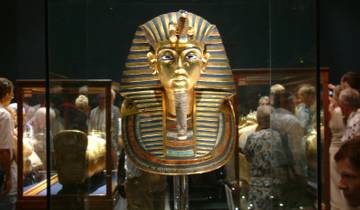
2 days
2 Days Private in Giza and Cairo
- ✓ Comprehensive Giza tour
- ✓ Expert local guides included
- ✓ All accommodation arranged
- ✓ Transportation provided
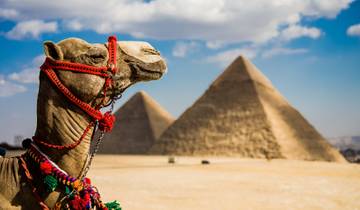
3 days
3 Days of Wonder: Explore Giza, Cairo & Alexandria
- ✓ Comprehensive Giza tour
- ✓ Expert local guides included
- ✓ All accommodation arranged
- ✓ Transportation provided
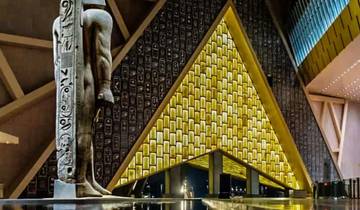
2 days
2 Days Luxury Private Tour to all Pyramids and Old Cairo
- ✓ Comprehensive Giza tour
- ✓ Expert local guides included
- ✓ All accommodation arranged
- ✓ Transportation provided
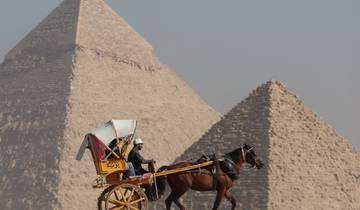
3 days
City of Wonders: 3-Day Private Cairo Tour – Pyramids, Sphinx, Egyptian Museum & Nile Dinner Cruises
- ✓ Comprehensive Giza tour
- ✓ Expert local guides included
- ✓ All accommodation arranged
- ✓ Transportation provided
Multi-day tour packages powered by TourRadar. Prices and availability subject to change.
Finding Qualified Local Guides for 2026
The Egyptian Ministry of Tourism maintains an official registry of licensed guides. Contact the Tourist Police office at Giza or book through reputable agencies in Cairo. Licensed guides wear official identification badges and charge standardized rates of $50-80 per full day. These professionals speak excellent English and possess deep knowledge of Egyptian history, archaeology, and culture.
Private guides offer personalized experiences tailored to your interests. Discuss your preferences during booking—whether you want archaeological details, cultural context, or photography guidance. Many guides specialize in specific periods of Egyptian history or particular aspects of pyramid construction. Ask about their educational background and guiding experience when booking.
Avoid unlicensed guides who approach visitors at the site entrance. These individuals lack proper training, charge unpredictable prices, and sometimes collaborate with aggressive vendors. Legitimate guides meet you at agreed locations with proper identification and clear pricing structures established before your visit begins.
What Local Guides Provide Beyond Tourist Information
Egyptian guides share family histories connected to the pyramids, personal observations about changing tourism patterns, and local perspectives on ancient history’s role in modern Egyptian identity. They navigate local customs, facilitate interactions with artisans and vendors, and explain contemporary Egyptian life surrounding the ancient monuments.
Many guides come from families who worked in tourism for generations. Their grandparents may have guided early 20th-century archaeologists or helped excavate lesser-known sites. These personal connections to Egyptology create storytelling depth impossible to replicate from external sources.
Local guides also manage practical challenges US travelers face—negotiating with vendors, avoiding scams, finding clean restrooms, and identifying appropriate tipping amounts. Their presence signals to local vendors that you’re working with an insider, significantly reducing harassment and inflated pricing attempts.
Experiencing Authentic Egyptian Hospitality and Accommodations
Traditional Egyptian hospitality extends beyond hotels into guesthouses, homestays, and family-run accommodations near Giza. These options provide cultural immersion while supporting local families directly. Staying in local neighborhoods offers evening perspectives on Egyptian daily life after day-trippers depart.
Local Guesthouses and Small Hotels
Nazlet El-Samman village, directly adjacent to the pyramids, hosts family-operated guesthouses starting from $40 per night. These establishments offer pyramid views, home-cooked meals, and hosts who share local knowledge. Rooms are simple but clean, with air conditioning and private bathrooms standard in most properties.
Small boutique hotels in the area balance local character with international comfort standards. Properties range from $70-150 per night and often feature rooftop terraces with pyramid views. Owners frequently live on-site and personally interact with guests, providing restaurant recommendations and arranging local experiences.
Book directly through property websites or WhatsApp to support local businesses and often receive better rates than booking platforms. Confirm amenities beforehand—while most properties offer WiFi and breakfast, specific features vary. Many hosts arrange airport transfers, guide services, and local dining experiences for guests.
Understanding Egyptian Hospitality Culture
Egyptian hospitality traditions emphasize generosity and guest comfort. Hosts often offer tea, share meals, and extend invitations beyond commercial transactions. Accept these gestures graciously—they reflect genuine warmth rather than expectations for additional payment. Reciprocate by showing interest in their family and community.
Engage respectfully with local customs when staying in neighborhood accommodations. Dress modestly, especially when moving through residential areas. Remove shoes when entering homes. If invited to share a meal, accept—food sharing represents friendship in Egyptian culture. Small gifts from the US like regional snacks or university merchandise make appreciated gestures of appreciation.
Discovering Authentic Local Cuisine Near the Pyramids
Egyptian cuisine extends far beyond tourist restaurant menus. Local eateries near Giza serve traditional dishes that Cairo residents have enjoyed for generations. These culinary experiences provide delicious, affordable meals while supporting family businesses and offering cultural insight through food.
Traditional Egyptian Restaurants and Street Food
Family-run restaurants line the streets of Nazlet El-Samman and nearby neighborhoods. Look for establishments filled with Egyptian patrons—locals eat where food tastes best and prices remain reasonable. Full meals cost $10-20 per person, far below tourist-area pricing for superior quality and authenticity.
Essential dishes to experience include koshari (mixed rice, lentils, and pasta with tomato sauce), ful medames (stewed fava beans), ta’ameya (Egyptian falafel), and fresh bread from local bakeries. Grilled meat restaurants serve kofta, kebabs, and chicken with rice and salads. Order mixed grill platters to sample multiple preparations.
Street food vendors offer quick, delicious, and safe options. Ta’ameya sandwiches cost $2-3 and provide filling meals. Fresh juice stands squeeze seasonal fruits for $1-2. Avoid raw salads from street vendors but embrace cooked foods, fresh bread, and sealed drinks.
Dining Experiences with Local Families
Some guesthouses and guides arrange home-cooked meals with local families. These experiences cost $20-30 per person and include multiple courses of traditional dishes. Families explain dish preparations, ingredient sources, and cultural significance of various foods.
Home dining experiences often include Egyptian hospitality rituals—washing hands before meals, sharing from communal platters, and lingering over tea and conversation afterward. Ask questions about cooking techniques, ingredient availability, and regional variations in Egyptian cuisine. Many hosts share family recipes and cooking tips.
These meals support local families directly and create meaningful cultural exchanges. Bring small gifts like sweets or flowers to show appreciation. Take time to converse—Egyptians value personal connection and storytelling alongside food.
Engaging with Local Artisans and Traditional Crafts
Egyptian artisans maintain traditional crafts passed through families for generations. Workshops near Giza produce papyrus, alabaster carvings, traditional textiles, and jewelry using ancient techniques. Visiting these studios provides insight into Egyptian artistic traditions while supporting master craftspeople.
Authentic Artisan Workshops
Legitimate workshops welcome visitors to observe creation processes. Master craftspeople demonstrate papyrus making, alabaster carving, or jewelry construction. These demonstrations are free—workshops earn income through sales, not admission fees. No obligation exists to purchase, though quality pieces make meaningful souvenirs.
Papyrus workshops show the complete process from plant processing to painting traditional designs. Quality papyrus costs $20-100 depending on size and artistry. Test authenticity by bending—genuine papyrus flexes without breaking, while banana leaf imitations crack.
Alabaster carvers produce everything from small scarabs ($10-20) to large statues ($200-500). Watch artisans shape stone using traditional hand tools. Quality alabaster shows consistent translucency when backlit. Request custom designs or purchase finished pieces.
Supporting Local Artisan Communities
Purchase directly from workshops rather than tourist shops that mark up prices significantly. Artisans receive full payment when selling directly and appreciate international customers who value their craftsmanship. Negotiate respectfully—expect to pay 60-80% of initial asking prices through friendly bargaining.
Many artisans speak basic English and enjoy explaining their craft. Ask about training, family traditions in the craft, and how long specific pieces took to create. These conversations add value beyond the physical purchase and demonstrate respect for their expertise.
Commission custom pieces when time permits. Artisans create personalized designs incorporating your preferences. Allow several days for completion. Custom work costs slightly more than standard pieces but results in unique items with personal significance.
Exploring Local Neighborhoods and Daily Egyptian Life
The neighborhoods surrounding the Pyramids of Giza reveal contemporary Egyptian life where ancient history shapes modern identity. Walking through these communities offers cultural perspectives impossible to gain from organized tours focused solely on monuments.
Nazlet El-Samman Village
This village sits directly adjacent to the Giza plateau, home to families whose livelihoods connect to the pyramids for generations. Walk the narrow streets to observe daily life—children playing, vendors selling produce, mosques broadcasting calls to prayer, and cafes filled with locals drinking tea.
Local shops sell household goods, fresh foods, and everyday items rather than tourist merchandise. Small bakeries produce traditional bread throughout the day. Vegetable vendors arrange colorful displays of seasonal produce. These scenes show authentic Egyptian neighborhood life.
Visit during late afternoon when residents finish work and socialize outdoors. Cafes fill with men playing backgammon and smoking shisha. Women gather in groups walking or shopping together. Dress modestly and move respectfully through residential areas. Smile and greet people—”As-salamu alaykum” (peace be upon you) opens friendly interactions.
Local Markets and Shopping
Traditional markets operate in neighborhoods surrounding Giza, selling fresh produce, spices, textiles, and household goods. These souks serve local residents rather than tourists, offering authentic shopping experiences and dramatically lower prices than tourist bazaars.
Negotiate prices respectfully at markets—bargaining is expected practice. Start at 40-50% of asking prices and meet somewhere around 60-70%. Pay in small Egyptian pound notes to avoid change issues. Markets accept only cash—ATMs operate throughout Cairo neighborhoods.
Purchase Egyptian spices, dried herbs, and specialty ingredients unavailable in US markets. Hibiscus flowers for tea, mixed spice blends, and quality saffron make excellent culinary souvenirs. Vendors weigh purchases and package them for travel.
Participating in Local Cultural Traditions and Festivals
Egyptian cultural calendar includes religious celebrations, national holidays, and local festivals that offer opportunities for cultural participation. Timing visits to coincide with these events provides deeper cultural understanding and memorable experiences.
Religious and Cultural Observances
Islamic holidays follow the lunar calendar and shift dates annually. Ramadan, the month of fasting, creates unique cultural atmosphere—restaurants close during daylight hours and open after sunset. Experience iftar, the breaking of daily fast, at local restaurants where communities gather for special meals. Many establishments welcome non-Muslim visitors to join these celebrations.
Egyptian Coptic Christian community celebrates holidays following Eastern Orthodox calendar. Coptic Christmas (January 7) and Easter bring special services and celebrations. Historic Coptic churches in nearby Cairo welcome respectful visitors during services.
National holidays like Egyptian Revolution Day (January 25) and Sinai Liberation Day (April 25) bring public celebrations, concerts, and cultural events. Parks and public spaces host family gatherings with traditional foods and music.
Traditional Music and Dance Experiences
Traditional Egyptian music and dance performances occur at cultural centers and restaurants in Cairo. Tanoura shows feature Sufi whirling dervishes in colorful costumes performing spiritual dances. Belly dance shows, while often touristy, reflect legitimate Egyptian performance traditions.
Smaller, more authentic performances happen at local weddings and celebrations. If staying at guesthouses, hosts sometimes invite guests to family celebrations where traditional music and dancing occur naturally. These opportunities require cultural sensitivity—accept invitations graciously and participate respectfully.
Transportation Like a Local: Getting Around Giza and Cairo
Egyptian public transportation and local transport options provide affordable, authentic ways to navigate between the pyramids and Cairo neighborhoods. Learning local transport systems increases independence and cultural understanding while significantly reducing costs compared to tourist services.
Public Transportation Options
Cairo Metro reaches within several miles of Giza, with Line 2 terminating at Giza Station. From there, microbuses and local taxis complete the journey to the pyramids for $1-2. Metro tickets cost less than $1 and provide efficient travel through Cairo. Trains run frequently during daylight hours with clear English signage at major stations.
Microbuses serve local commuters traveling fixed routes around Giza and Cairo. These shared vans depart when full and cost less than $1 for most trips. Drivers announce destinations in Arabic—learn key phrases or travel with a guide initially. Microbuses provide authentic local transport experiences and significant cost savings.
Uber and Careem (Middle Eastern ride-sharing app) operate throughout Cairo and Giza. These services provide reliable, metered transportation at local rates. Rides from central Cairo to the pyramids cost $3-5. Drivers speak varying levels of English—destination addresses in Arabic help ensure correct routing.
Local Taxi Services and Negotiation
Licensed Cairo taxis (painted white) use meters, though drivers sometimes claim meters are broken to negotiate higher tourist prices. Insist on meter usage or agree on prices before entering. Typical rides from Cairo to Giza cost $5-8. Keep small bills ready—drivers frequently claim no change.
Private arrangements with local taxi drivers for full-day service cost $40-60. This provides flexibility to visit multiple sites at your pace with a driver who waits between stops. Negotiate full-day rates clearly beforehand including waiting time and number of destinations.
Planning Your 2026 Local Experience Visit
Maximizing authentic local experiences at the Pyramids of Giza requires advance planning balanced with flexibility for spontaneous cultural encounters. Strategic preparation ensures meaningful interactions while maintaining openness to unexpected opportunities.
Optimal Timing for Local Interactions
Visit the pyramids during early morning hours (6-8 AM) when Egyptian families and local residents often visit before tourist crowds arrive. This timing creates opportunities for interactions with Egyptians experiencing their own heritage sites. Local visitors often enjoy practicing English with friendly American tourists.
Plan restaurant visits during local meal times—lunch between 2-4 PM and dinner after 8 PM. Eating alongside Egyptian families provides cultural observations and ensures restaurants serve their freshest, most popular dishes. Avoid tourist-timed meals (11:30 AM lunch, 6 PM dinner) when restaurants focus on international visitors.
Schedule artisan workshop visits during weekday mornings when craftspeople work actively and welcome observers. Workshops are quieter than afternoons when tour groups sometimes visit. Morning visits allow extended conversations with artisans.
Cultural Preparation and Etiquette
Learn basic Arabic phrases for polite interactions: “Shukran” (thank you), “Law samaht” (please), “Aywa/La” (yes/no). Egyptians appreciate language effort and respond warmly to attempts at Arabic, however basic.
Dress modestly throughout Giza and Cairo neighborhoods. Women should cover shoulders and knees at minimum. Men should avoid shorts in residential areas. Conservative dress shows cultural respect and reduces unwanted attention, particularly important for authentic local interactions.
Understand tipping culture—”baksheesh” is common practice for small services. Keep Egyptian 5 and 10 pound notes readily available. Appropriate tips: $1-2 for bathroom attendants, $5-10 per day for guides, 10-15% at restaurants.
2026 Updates and Changes for Local Experiences
Egyptian tourism continues evolving, with increased focus on sustainable cultural tourism that benefits local communities. These developments create enhanced opportunities for authentic experiences while supporting economic development around heritage sites.
Community Tourism Initiatives
Local cooperatives now organize cultural experiences directly, eliminating middlemen and maximizing community benefit. These programs connect travelers with families offering home-cooked meals, artisan demonstrations, and neighborhood tours. Contact Giza Tourism Development Association for current programs.
New training programs help local residents develop guiding and hospitality skills. This expansion increases availability of knowledgeable local guides who provide authentic perspectives alongside professional service. Book through community organizations to ensure local economic benefit.
Enhanced Local Access and Services
Improved infrastructure in neighborhoods surrounding the pyramids increases visitor comfort while maintaining local character. New pedestrian pathways connect Nazlet El-Samman to pyramid entrances. Public restrooms and drinking water stations serve both tourists and residents.
Digital payment adoption grows among local businesses, though cash remains dominant. Many restaurants, guesthouses, and artisan workshops now accept credit cards. ATMs throughout Giza neighborhoods provide Egyptian pound access.
Frequently Asked Questions
How much should I tip local guides and service providers in Egypt?
Tip licensed guides $10-15 per day for excellent service. Restaurant service warrants 10-15% of the bill. Give bathroom attendants $1-2, and hotel porters $2-3 per bag. Small denominations in Egyptian pounds work best. Tipping is expected practice throughout Egypt and represents important income for service workers.
Is it safe to drink tea and eat food at local establishments near Giza?
Yes, cooked food and hot beverages are safe at local restaurants with good hygiene. Look for busy establishments where locals eat. Avoid raw salads and unpeeled fruits from street vendors. Bottled water is essential—never drink tap water. Hot tea served at cafes is perfectly safe and represents Egyptian hospitality traditions.
Can I visit local homes or attend Egyptian family gatherings?
Invitations to homes or celebrations sometimes occur through guide connections or guesthouse relationships. Accept graciously and bring small gifts. Respect cultural customs—remove shoes, dress modestly, and follow your host’s lead regarding gender-separated seating or activities. These authentic experiences create meaningful cultural connections.
What’s the best way to avoid tourist scams while experiencing local culture?
Work with licensed guides who navigate local interactions professionally. Agree on prices before services or purchases. Avoid anyone who approaches aggressively offering unsolicited help. Shop where locals shop rather than tourist-focused stores. Use established transportation services rather than unmarked vehicles. Genuine local experiences rarely involve pressure tactics.
How should I dress to show respect in Egyptian neighborhoods near Giza?
Cover shoulders, chest, and knees at minimum. Women should bring a light scarf for covering hair when visiting mosques. Avoid tight or transparent clothing. Men should wear long pants rather than shorts in residential areas. Conservative dress facilitates respectful interactions and reduces unwanted attention in local neighborhoods.
Can I take photographs in local neighborhoods and at cultural sites?
Always ask permission before photographing individuals, homes, or inside shops. Many Egyptians appreciate photo requests and enjoy posing. Avoid photographing women without explicit permission, particularly in traditional neighborhoods. Photography is permitted at most public spaces and sites. Some artisan workshops restrict photography to protect proprietary techniques.
What payment methods work best for local shopping and dining?
Cash in Egyptian pounds is essential for local markets, street food, and small establishments. ATMs operate throughout Giza and Cairo. Carry small denominations—many vendors cannot change large bills. Some restaurants and hotels accept credit cards, but cards aren’t reliable in local neighborhoods. Exchange currency at banks or official exchange offices for best rates.
How can I support local communities economically during my visit?
Stay at locally-owned guesthouses rather than international hotel chains. Hire local guides through Egyptian operators. Eat at family-run restaurants. Purchase directly from artisan workshops. Use local transportation services. Book tours through community cooperatives. These choices maximize economic benefit to Giza residents and support sustainable tourism development.
What health precautions should US travelers take when engaging with local communities?
Bring hand sanitizer for use before eating. Drink only bottled water with sealed caps. Avoid raw vegetables and unpeeled fruits from markets. Eat only thoroughly cooked foods. Bring basic medications for digestive issues. Ensure routine vaccinations are current before traveling. These precautions allow safe enjoyment of authentic local experiences.
Are there specific cultural taboos I should understand before visiting local areas?
Avoid public displays of affection. Remove shoes when entering homes or mosques. Use right hand for eating and greeting. Don’t point feet at people when sitting. Avoid discussing politics or religion unless invited. Don’t photograph military installations or government buildings. Understanding these norms ensures respectful engagement with local communities and prevents cultural misunderstandings.