
Pyramids of Giza Complete Guide 2026: Ultimate UNESCO Experience
The Pyramids of Giza stand as humanity’s most iconic ancient monuments, rising from the desert plateau just 13 kilometers southwest of Cairo. Built over 4,500 years ago during Egypt’s Fourth Dynasty, these UNESCO World Heritage wonders continue to captivate millions of visitors who make the journey to witness the engineering genius of ancient Egypt. The complex features three main pyramids—Khufu (the Great Pyramid), Khafre, and Menkaure—alongside the enigmatic Great Sphinx and numerous smaller pyramids, temples, and tombs.
Key Takeaways
- Pyramids of Giza entrance costs 540 EGP (approximately $18) for adults, with additional 400 EGP for Great Pyramid interior access
- Visit between October and April for optimal weather conditions with temperatures averaging 20-25°C (68-77°F)
- Book tickets online through official channels 2-4 weeks in advance to secure guaranteed entry and avoid onsite queues
- Budget $120-180 per day including entrance fees, guided tours, meals, and transportation from Cairo
- Arrive at opening time (8 AM) to experience the site with fewer crowds and better photography lighting
- Combine your visit with the Grand Egyptian Museum opening in 2026 for a comprehensive ancient Egypt experience
Introduction
Planning your 2026 visit to the Pyramids of Giza offers distinct advantages for American travelers. The Egyptian government has enhanced site management and visitor facilities, making navigation easier and more comfortable. New ticketing systems streamline entry, while improved transportation connections from Cairo reduce travel hassle. The long-anticipated Grand Egyptian Museum, located just 2 kilometers from the pyramids, brings additional world-class exhibitions showcasing artifacts never before displayed publicly.
This comprehensive guide provides everything you need to plan an exceptional Pyramids of Giza experience in 2026. From practical logistics and budget planning to insider tips and optimal timing strategies, you’ll find actionable advice for making the most of your ancient Egypt adventure. Whether you’re photographing these timeless monuments at sunrise, exploring the interior chambers, or riding camels across the desert landscape, proper preparation ensures a memorable visit to one of the Seven Wonders of the Ancient World.
People Also Ask About Pyramids of Giza 2026
When is the best time to visit Pyramids of Giza in 2026?
The best time to visit Pyramids of Giza is October through April when temperatures range from 20-25°C (68-77°F) and sunny weather dominates. For US travelers, booking 3-6 months ahead ensures better flight pricing and hotel availability. Morning visits between 8-10 AM offer cooler temperatures and fewer crowds.
How much does it cost to visit Pyramids of Giza in 2026?
Pyramids of Giza entrance costs 540 EGP ($18) for adults. Interior pyramid access adds 400 EGP. Budget $120-180 per day including guided tours ($45-75), meals ($30-50), and round-trip transportation from Cairo ($15-25). US visitors should expect $500-700 total for a comprehensive 3-day Cairo and pyramids experience.
Do I need advance booking for Pyramids of Giza?
Advance online booking is strongly recommended for Pyramids of Giza visits. Purchase tickets through the official Egyptian Ministry of Tourism website 2-4 weeks ahead. Online booking guarantees entry during peak season and eliminates queuing at ticket offices. Same-day tickets remain available but risk sellouts during high-demand periods.
What’s the easiest way to get to Pyramids of Giza?
Take a taxi or rideshare service from central Cairo to Pyramids of Giza. Journey takes 30-45 minutes depending on traffic and costs 150-250 EGP ($5-8) one-way. Alternatively, organized tours from Cairo hotels include round-trip transportation. Metro line extensions reach nearby areas, requiring short taxi connections to the pyramid complex entrance.
Extended multi-day tours – 5+ days
Featured Giza Multi-Day Tour Packages
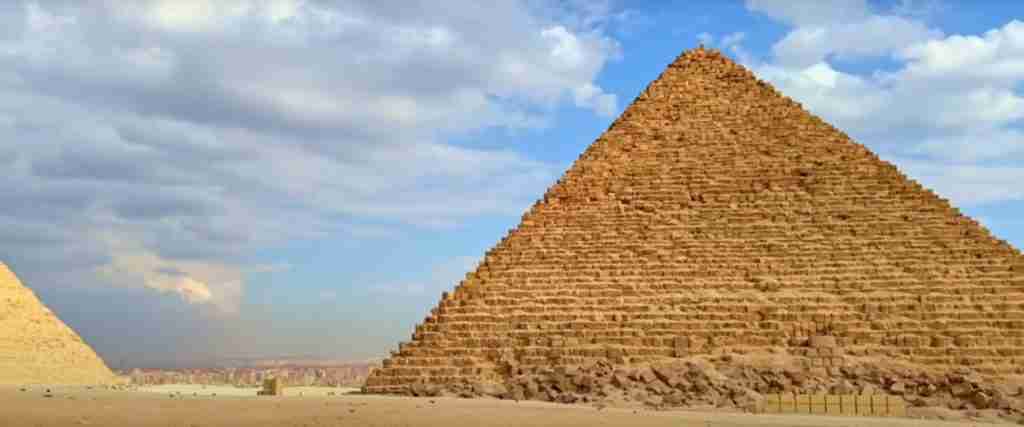
3 days
Giza 3-Day Discovery Tour
- ✓ Comprehensive Giza experience
- ✓ Expert local guides included
- ✓ All accommodation included
- ✓ Transportation provided

5 days
Giza 5-Day Highlights Experience
- ✓ Comprehensive Giza experience
- ✓ Expert local guides included
- ✓ All accommodation included
- ✓ Transportation provided
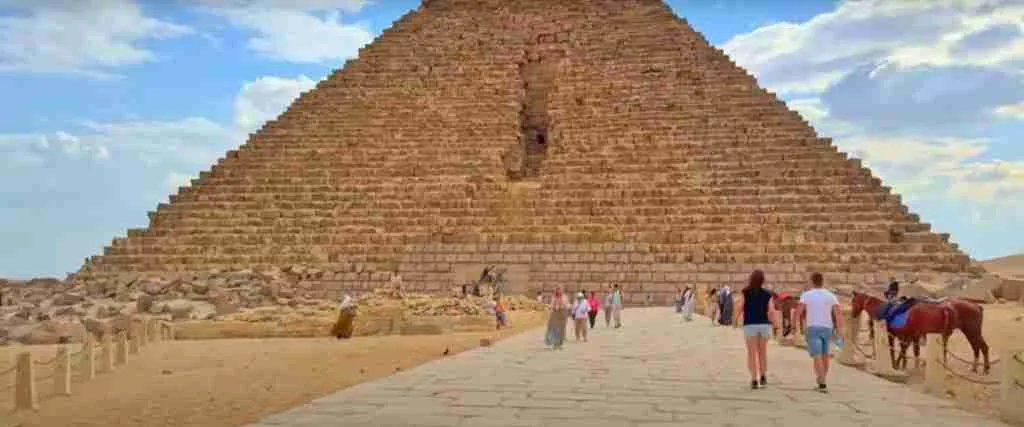
7 days
Giza 7-Day Cultural Journey
- ✓ Comprehensive Giza experience
- ✓ Expert local guides included
- ✓ All accommodation included
- ✓ Transportation provided
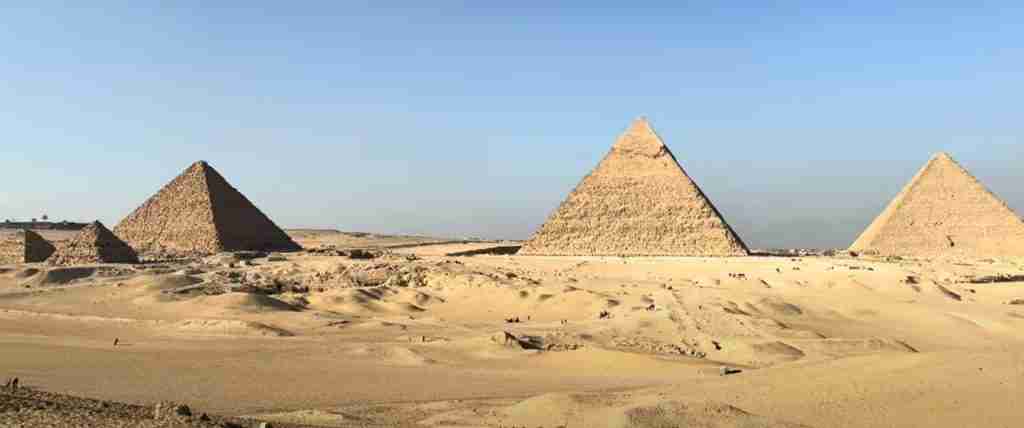
10 days
Giza 10-Day Complete Adventure
- ✓ Comprehensive Giza experience
- ✓ Expert local guides included
- ✓ All accommodation included
- ✓ Transportation provided
Multi-day tour packages powered by TourRadar. Prices and availability subject to change.
Essential Planning Information for US Travelers
Visa Requirements and Entry Process
US citizens require a visa for Egypt tourism. Apply for an e-visa online through the official Egyptian government portal ($25 single-entry, $60 multiple-entry) at least one week before departure. The process takes 5-7 business days. Alternatively, purchase a visa on arrival at Cairo International Airport for $25, though online application saves airport queuing time. Your passport must remain valid for at least six months beyond your travel dates.
Egypt maintains straightforward entry requirements for American tourists. Immigration officials stamp your passport upon arrival, granting a 30-day tourist visa. No special vaccinations are mandatory for Egypt entry from the United States, though routine vaccinations should be current. Travel insurance covering medical emergencies and trip interruption is highly recommended. Notify your bank of Egypt travel dates to prevent card transaction blocks.
Getting to Egypt from the United States
Direct flights connect major US cities to Cairo International Airport. EgyptAir operates nonstop service from New York JFK, taking approximately 11 hours. Connecting flights through European hubs (Frankfurt, Paris, London, Istanbul) offer additional options with competitive pricing. Book international flights 2-3 months ahead for rates starting from $700-1,200 round-trip during optimal travel seasons.
Cairo International Airport sits 45 kilometers northeast of the Pyramids of Giza. Airport taxis charge fixed rates of 200-300 EGP ($7-10) to Giza pyramid hotels, taking 45-60 minutes. Rideshare apps function well in Cairo, offering reliable pricing and English-language support. Many hotels provide airport transfer services for $15-25 per person. Consider arranging airport pickup in advance for convenience after long international flights.
Understanding the Pyramid Complex
The Three Main Pyramids
The Great Pyramid of Khufu dominates the Giza plateau as the largest and oldest of the three pyramids. Standing 146 meters (479 feet) originally, it held the title of world’s tallest structure for 3,800 years. Built around 2560 BCE using approximately 2.3 million limestone blocks, it demonstrates extraordinary precision with sides aligned almost perfectly to cardinal directions. Interior access leads through the Grand Gallery to the King’s Chamber, though the narrow ascending passages require moderate physical fitness.
The Pyramid of Khafre, built by Khufu’s son, appears taller than the Great Pyramid due to its elevated plateau position, though it measures slightly smaller at 136 meters. It retains original smooth limestone casing stones at its peak, showing how all three pyramids appeared when completed. The adjacent Valley Temple and causeway remain remarkably preserved, constructed from massive limestone and granite blocks. Khafre’s pyramid interior opens to visitors, featuring a simpler chamber layout than Khufu’s complex internal structure.
The Pyramid of Menkaure, smallest of the three main pyramids at 65 meters, completed the Giza necropolis around 2510 BCE. Despite its smaller size, it showcases sophisticated construction with granite facing on its lower courses. Three smaller queen’s pyramids stand adjacent to its eastern face. The pyramid’s burial chamber sits unusually deep below ground level, accessed through descending passages. Combined tickets allow entry to all three pyramids, though most visitors prioritize the Great Pyramid’s interior exploration.
The Great Sphinx
The Great Sphinx guards the pyramid complex with its distinctive limestone body and human head, measuring 73 meters long and 20 meters high. Carved from a single limestone outcrop during Khafre’s reign, it represents one of ancient Egypt’s most recognizable monuments. The face may depict Pharaoh Khafre himself, though archaeological debate continues. Missing nose and ceremonial beard add to its mystique, likely damaged during medieval periods.
The Sphinx Temple directly fronts the great statue, featuring massive limestone pillars and a courtyard designed for ancient ceremonies. Restoration work has maintained the monument’s structural integrity while preserving its weathered appearance. Photography opportunities abound from multiple vantage points around the sphinx, particularly from the elevated viewing platform offering profile perspectives. The sphinx area requires no additional entrance fee beyond general pyramid complex admission.
Queens’ Pyramids and Tombs
Three smaller pyramids east of the Great Pyramid served as tombs for Khufu’s queens. These structures, though significantly smaller than the main pyramids, demonstrate similar construction techniques and astronomical alignments. The southernmost queen’s pyramid features a small chapel and remains partially intact. Access to queen’s pyramid interiors varies by preservation status, with some opened periodically for visitor exploration.
The extensive necropolis surrounding the main pyramids contains hundreds of mastaba tombs for nobles, officials, and royal family members. These rectangular structures with sloping sides housed elaborate burial chambers and offering chapels decorated with hieroglyphics and relief carvings. Several mastaba tombs open to visitors, showcasing daily life scenes, religious texts, and offering lists painted on interior walls. The tomb decorations provide invaluable insights into Old Kingdom Egyptian society and beliefs.
Practical Visitor Information
Operating Hours and Best Visit Times
Pyramids of Giza complex opens daily from 8 AM to 4 PM October through March, extending to 5 PM April through September. Last entry occurs one hour before closing. Interior pyramid access operates on limited schedules with 300 tickets sold daily for the Great Pyramid—150 at 8 AM and 150 at 1 PM. Arrive at opening time to secure interior tickets and experience the site before peak afternoon crowds and heat.
Morning visits between 8-10 AM offer optimal conditions with cooler temperatures, better lighting for photography, and fewer tour groups. The sun rises behind the pyramids during winter months, creating dramatic silhouettes and shadow plays across the limestone faces. Late afternoon visits provide stunning sunset views, though temperatures remain higher and crowds persist until closing. Plan 3-4 hours minimum for comprehensive complex exploration, extending to 5-6 hours with interior pyramid access and detailed mastaba tomb visits.
Ticket Types and Pricing
General admission tickets cost 540 EGP (approximately $18) for adults and 270 EGP ($9) for students with valid ID. This ticket grants access to the pyramid complex grounds, including exterior views of all pyramids, the Great Sphinx, and selected mastaba tombs. Children under 6 enter free when accompanied by paying adults. The general admission ticket does not include interior pyramid access.
Interior pyramid access requires separate tickets: 400 EGP for the Great Pyramid of Khufu, 100 EGP for Khafre’s pyramid, and 100 EGP for Menkaure’s pyramid. Solar Boat Museum admission costs an additional 100 EGP. Combined tickets offering slight discounts are available for multiple interior accesses. Purchase tickets online through the official Egyptian Ministry of Tourism website to guarantee availability, especially for limited Great Pyramid interior slots. Tickets can also be purchased at the complex entrance, though availability is not guaranteed during peak season.
What to Bring and Wear
Dress in lightweight, breathable clothing suitable for desert conditions. Long, loose pants or skirts provide sun protection and respect local customs better than shorts. Choose comfortable, closed-toe walking shoes with good grip for navigating uneven limestone surfaces and pyramid interior passages. Bring a light jacket or shawl for early morning visits or air-conditioned museum spaces.
Essential items include sun protection—high SPF sunscreen, a wide-brimmed hat, and sunglasses protect against intense desert sun. Carry sufficient water (2-3 liters per person) as the complex offers limited refreshment facilities. A small backpack holds water, snacks, camera equipment, and personal items, though large bags may require security inspection. Bring Egyptian pounds for small purchases, tips, and optional camel rides, as card payment remains limited at the complex.
Transportation and Accommodation
Getting to the Pyramids from Cairo
Taxis and rideshare services provide the most convenient transportation from central Cairo to the Pyramids of Giza. Standard taxis charge 150-250 EGP ($5-8) for the 30-45 minute journey, depending on traffic and negotiation skills. Rideshare apps like Uber and Careem offer transparent pricing averaging 100-200 EGP with English-language support and GPS navigation. Arrange return transportation in advance or have your hotel coordinate pickup after your visit.
Organized day tours from Cairo hotels include round-trip transportation, typically in air-conditioned coaches or private vehicles. Tour packages range from $45-75 per person for half-day visits, extending to $100-150 for full-day experiences including lunch and additional Cairo sites. Metro connections reach nearby Giza areas, though the complex sits several kilometers from metro stations requiring taxi connections. The Cairo Metro offers economical travel at 5-10 EGP per journey, useful for combining with other Cairo attractions.
Where to Stay Near the Pyramids
Hotels with pyramid views line the streets adjacent to the complex, offering convenient access and spectacular vistas. Luxury properties like the Marriott Mena House provide five-star amenities with direct pyramid views from rooms and terraces, priced at $200-400 per night. Mid-range hotels charge $80-150 per night with comfortable accommodations, rooftop pyramid views, and included breakfast. Budget guesthouses and hostels start from $25-50 per night, offering basic amenities and pyramid proximity.
Central Cairo hotels provide wider dining and entertainment options while sitting 30-45 minutes from the pyramids. Downtown Cairo accommodations range from $60-250 per night depending on star rating and amenities. Zamalek neighborhood hotels offer quieter settings with Nile River views at similar price points. Consider accommodation location based on your overall Egypt itinerary—staying near the pyramids suits visitors focused primarily on Giza attractions, while central Cairo suits those exploring multiple city sites.
Guided Tours and Experiences
Types of Available Tours
Half-day pyramid tours run 4-5 hours covering the main pyramid complex, Great Sphinx, and Solar Boat Museum. Prices start from $45 per person for group tours with English-speaking guides. These tours typically operate mornings (8 AM-12 PM) or afternoons (1 PM-5 PM), including hotel pickup and drop-off. Group sizes range from 10-20 participants, providing good value while maintaining personal attention from guides.
Full-day tours combine the Pyramids of Giza with other Cairo attractions like the Egyptian Museum, Citadel, or Khan el-Khalili Bazaar. Expect $75-120 per person including lunch at a local restaurant and comprehensive Cairo exploration. Private tours offer customized itineraries and flexible timing, starting from $150-200 for couples or small groups. Private guides provide deeper insights, skip crowded areas, and accommodate specific interests like photography or archaeology.
Specialized Experiences
Sunrise and sunset tours provide magical experiences with dramatic lighting across the pyramids. Sunrise tours depart hotels at 6 AM for 2-3 hour experiences, priced at $60-90 per person. These early visits offer empty complex conditions perfect for photography and contemplative exploration. Sunset tours include desert plateau walks and golden hour photography opportunities as the sun sets behind the pyramids.
Camel and horse riding experiences add adventure to pyramid visits. One-hour camel rides around the complex perimeter cost 200-400 EGP ($7-13), negotiable directly with operators near the entrance. Longer desert rides venture to panoramic viewpoints overlooking all three pyramids, lasting 2-3 hours for 400-600 EGP. Horseback riding offers similar routes at comparable prices. Verify rider experience requirements and animal welfare standards before booking.
Sound and Light Show
Evening sound and light shows illuminate the pyramids with colorful projections while narrating ancient Egyptian history. Shows run nightly at 7 PM and 8:30 PM (times vary seasonally), lasting 50 minutes. Tickets cost 300 EGP ($10) for adults, purchased online or at the venue. Multiple language options include English, French, German, Spanish, and Arabic on rotating schedules. The show provides entertaining education though some visitors find the presentation dated compared to modern multimedia experiences.
Photography Guide
Best Photography Locations
The panoramic viewpoint on the desert plateau southwest of the pyramids offers the iconic three-pyramid alignment shot. This elevated position sits a 15-minute walk from the complex entrance, accessed by paved pathways or camel rides. Morning and late afternoon light creates dimensional shadows emphasizing the pyramids’ geometric forms. Wide-angle lenses (16-35mm) capture all three pyramids in frame, while telephoto lenses (70-200mm) compress perspective for dramatic composition.
The Great Sphinx viewing platform provides classic frontal sphinx portraits with pyramids rising behind. Arrive early morning for soft directional light illuminating the sphinx’s weathered features. The platform accommodates tripods for long-exposure photography, though crowds increase after 10 AM. Side angles from the adjacent walkways reveal the sphinx’s massive body proportions against pyramid backdrops.
Photography Tips and Regulations
Photography inside pyramid interiors is prohibited to protect ancient chamber decorations from camera flash damage. Guards strictly enforce this rule with warnings and potential ticket confiscation. External pyramid and sphinx photography is unrestricted for personal use, though professional photography requiring specialized equipment may need permits. Drone photography requires advance authorization from Egyptian tourism authorities.
Optimal lighting occurs during the golden hour—one hour after sunrise and one hour before sunset—when warm light enhances the limestone’s golden tones. Midday harsh overhead sun creates strong shadows and washed-out colors, challenging for compelling photography. Include human elements or camels for scale reference showing the pyramids’ massive size. Experiment with foreground elements like desert plants, rocks, or archaeological fragments to add depth and context to compositions.
Planning Your 2026 Visit
Seasonal Considerations
October through April provides optimal visiting conditions with daytime temperatures averaging 20-25°C (68-77°F) and minimal rainfall. These months coincide with peak tourist season, bringing larger crowds but reliable weather. December through February offers the coolest temperatures, occasionally requiring light jackets for early morning and evening. March and April bring warming temperatures and blooming desert flowers, creating photogenic landscapes.
May through September presents extreme summer heat with temperatures frequently exceeding 35°C (95°F). Morning visits become essential during summer months, completed before midday heat intensifies. Summer brings significantly fewer tourists, allowing more spacious exploration and shorter queues. Hotels and tours offer discounted rates during summer low season. Ramadan timing varies annually; 2026 dates run approximately late February through late March, potentially affecting restaurant hours and crowd patterns.
Advance Booking Recommendations
Book international flights to Cairo 2-3 months ahead for optimal pricing, especially for peak season travel October through April. Monitor flight comparison sites for price drops and set alerts for your preferred travel dates. Consider Tuesday and Wednesday departures for lower fares compared to weekend flights. Flexible travel dates can save $200-400 on round-trip international tickets.
Reserve hotels 4-8 weeks before arrival, particularly for pyramid-view properties and peak season dates. Early booking secures better room selection and rates at popular hotels. Many properties offer free cancellation up to 48 hours before check-in, allowing price monitoring and rebooking if rates drop. Purchase Pyramids of Giza tickets online 2-4 weeks ahead to guarantee Great Pyramid interior access during your preferred time slot.
Multi-Day Cairo Itineraries
Comprehensive Cairo experiences require 3-4 days minimum, combining the Pyramids of Giza with other essential sites. Day one typically covers the pyramid complex and Great Sphinx, allowing thorough exploration without rushing. Day two visits the Grand Egyptian Museum for world-class exhibitions of ancient artifacts and treasures. Day three explores downtown Cairo attractions including the Egyptian Museum, Coptic Cairo, and Islamic Cairo neighborhoods.
Extended itineraries add Saqqara pyramids (60 minutes south of Cairo) to see the Step Pyramid of Djoser, the oldest stone structure of its size. Memphis, ancient Egypt’s capital city, sits near Saqqara featuring colossal statues and open-air museums. Dedicated Egypt trips commonly combine Cairo and Giza with Luxor’s Karnak Temple and Valley of the Kings, accessible via short domestic flights or overnight trains. Minimum 7-10 days allows comprehensive ancient Egypt exploration across multiple regions.
2026 Updates and Changes
Grand Egyptian Museum Opening
The Grand Egyptian Museum opens fully in 2026 after years of construction and preparation. Located just 2 kilometers from the Pyramids of Giza, this massive museum houses over 100,000 artifacts including the complete Tutankhamun collection. Modern exhibition design, climate-controlled galleries, and multimedia presentations showcase ancient Egyptian civilization through state-of-the-art displays. The museum’s proximity to the pyramids allows convenient combined visits, creating a comprehensive ancient Egypt experience.
GEM admission costs 500 EGP for general entry, with special exhibitions requiring additional fees. Combined pyramid and museum tickets offer slight savings for visitors planning both sites. Expect 3-4 hours minimum for thorough museum exploration. The museum includes restaurants, gift shops, and children’s education centers. Online ticket booking is available through the museum’s official website, recommended during initial opening months when high demand is expected.
Enhanced Visitor Services
Improved facilities at the pyramid complex include renovated restrooms, expanded shade structures, and additional seating areas. New wayfinding signage in multiple languages guides visitors through the expansive site. Upgraded security screening processes at entrances enhance safety while maintaining reasonable queuing times. Accessibility improvements include designated pathways for visitors with mobility limitations, though the site’s ancient terrain presents inherent challenges for wheelchair access.
Enhanced online ticketing systems streamline entry processes, allowing faster access for visitors with pre-purchased tickets. Digital ticket validation reduces paper waste and speeds gate processing. English-speaking staff stationed at key locations provide assistance and answer questions. Mobile phone charging stations and WiFi connectivity in visitor center areas support modern traveler needs. First aid stations with trained medical personnel offer emergency care and basic health assistance.
Sustainable Tourism Initiatives
Egyptian heritage authorities implement conservation measures protecting the pyramids while maintaining visitor access. Restricted access to certain pyramid chambers rotates annually, allowing recovery periods for heavily trafficked areas. Monitoring systems track humidity and temperature inside pyramids, adjusting visitor limits when needed to preserve ancient structures. These measures ensure pyramid preservation for future generations while maintaining meaningful visitor experiences.
Waste reduction programs include recycling stations throughout the complex and elimination of single-use plastics at official facilities. Visitors receive reusable water bottles at enhanced ticket packages, reducing plastic bottle waste. Solar panels installed on visitor center buildings generate clean energy for facilities. Educational signage promotes responsible tourism practices, encouraging visitors to respect the ancient site and minimize environmental impact.
Health and Safety
Health Precautions
Stay hydrated in the desert climate by drinking water regularly throughout your visit. Dehydration symptoms include headaches, dizziness, and fatigue—rest in shaded areas if these occur. Apply sunscreen every 2 hours, particularly on the face, neck, and arms exposed to intense sun. Heat exhaustion poses risks during summer months; recognize warning signs and seek medical attention if needed.
Cairo’s air quality occasionally reaches moderate to unhealthy levels, particularly during summer months. Visitors with respiratory conditions should monitor air quality forecasts and consider limiting outdoor exposure on poor air quality days. Stomach upset sometimes affects travelers adjusting to different foods and water. Drink only bottled water, avoid ice in beverages, and eat at reputable restaurants to minimize gastrointestinal issues. Pack basic medications including anti-diarrheal medicine, pain relievers, and any personal prescriptions.
Safety Considerations
The Pyramids of Giza complex maintains good security with visible police presence and surveillance systems. Tourist areas of Cairo remain safe for visitors exercising normal precautions. Keep valuables secured in hotel safes rather than carrying them during site visits. Use official taxis, rideshare apps, or arranged transportation rather than accepting rides from strangers.
Persistent vendors and unofficial guides operate around the complex entrance and parking areas. Politely but firmly decline unwanted services and purchases. Official guides wear identification badges issued by Egyptian tourism authorities. Agree on prices clearly before accepting camel rides, photography services, or guide assistance. Report aggressive harassment to tourism police stationed throughout the complex.
Conclusion
The Pyramids of Giza deliver awe-inspiring experiences that justify their status as bucket-list destinations. These ancient monuments continue captivating visitors with their monumental scale, engineering precision, and mysterious allure after 4,500 years. Your 2026 visit benefits from enhanced facilities, improved access, and the nearby Grand Egyptian Museum opening, creating comprehensive ancient Egypt exploration opportunities.
Successful pyramid visits require thoughtful planning covering logistics, timing, and preparation. Book tickets and accommodations ahead, especially for peak season travel. Arrive early to beat crowds and heat while experiencing the site at its most magical. Budget appropriately for entrance fees, guides, and experiences to maximize your visit without financial stress. Respect the ancient monuments and local customs, contributing to sustainable tourism preserving these wonders for future generations.
Standing before these colossal structures built by human hands millennia ago creates profound moments of wonder and connection to our shared human history. The pyramids invite contemplation about ancient civilizations’ capabilities, beliefs, and legacies. Whether you’re fulfilling lifelong dreams, pursuing archaeological interests, or expanding cultural horizons, the Pyramids of Giza offer transformative travel experiences that resonate long after you return home.
Frequently Asked Questions
Can I climb the pyramids?
Climbing the pyramids is strictly prohibited and dangerous. Egyptian authorities enforce this ban with fines and potential arrest for violators. The ancient limestone blocks are extremely steep and smooth, presenting serious fall risks. Climbing also damages the 4,500-year-old structures. Respect these regulations to protect both yourself and irreplaceable heritage monuments.
Are the pyramids lit at night?
The pyramids feature nighttime illumination for the evening sound and light show. General public access to the complex grounds ends at closing time (4-5 PM depending on season). The sound and light show provides the only official evening viewing opportunity, offering illuminated pyramid perspectives from designated seating areas.
How physically demanding is the visit?
The pyramid complex covers extensive grounds requiring 2-3 kilometers of walking on uneven terrain. Interior pyramid access involves climbing steep, narrow passages in confined spaces with limited ventilation. The Great Pyramid’s interior ascent requires moderate physical fitness and comfort in tight spaces. Visitors with mobility limitations can explore the complex exterior and sphinx area from ground level and designated pathways.
Is the site wheelchair accessible?
Partial wheelchair accessibility exists on paved pathways around the complex exterior and sphinx viewing area. Interior pyramid chambers are not wheelchair accessible due to narrow passages and steep inclines. The terrain’s ancient, uneven nature limits complete accessibility. Visitors requiring assistance should contact site management in advance to discuss available accommodations and optimal routing.
Can I bring food and drinks into the complex?
Water bottles are permitted and strongly recommended given desert conditions. Small snacks in sealed containers are allowed for personal consumption. Large coolers and extensive picnic supplies are discouraged. Limited food vendors operate near the entrance area selling drinks, snacks, and simple meals. Restaurants in nearby hotels provide meal options before or after your visit.
What languages do guides speak?
English-speaking guides are widely available at all service levels from group tours to private experiences. Many guides also speak French, German, Spanish, Italian, and Japanese. Specify language preference when booking tours or hiring guides. Audio guides in multiple languages are available for rent at the entrance, providing self-guided tour options.
Are there age restrictions for interior pyramid access?
No official age restrictions apply, though parents should assess whether young children can manage steep, narrow passages safely. The Great Pyramid interior climb requires physical capability to navigate inclined corridors and steep stairs. Children must be supervised at all times. The confined spaces and warm interior temperatures may overwhelm some young visitors.
What is the Solar Boat Museum?
The Solar Boat Museum displays a reconstructed ancient Egyptian boat discovered in sealed pits beside the Great Pyramid in 1954. The 43-meter cedar wood boat was intended for Pharaoh Khufu’s afterlife journey. Museum admission costs 100 EGP, located near the Great Pyramid’s southern face. The boat’s remarkable preservation and reconstruction provides fascinating insights into ancient Egyptian maritime technology and religious beliefs.
Can I visit other pyramids near Cairo?
Saqqara, located 30 kilometers south of Cairo, features the Step Pyramid of Djoser and extensive necropolis with dozens of tombs. Dahshur, slightly beyond Saqqara, showcases the Bent Pyramid and Red Pyramid with exceptional interior access. Both sites receive far fewer visitors than Giza, offering more spacious exploration. Combined day tours visiting Giza, Saqqara, and Memphis run $80-120 per person including guide and transportation.
Should I tip guides and drivers?
Tipping is customary in Egypt for services. Guide tips range from 100-200 EGP ($3-7) for half-day tours, 200-300 EGP for full-day experiences based on service quality. Driver tips run 50-100 EGP. Restaurant staff typically receive 10-15% of the bill. Keep small denomination Egyptian pound notes for convenient tipping throughout your visit.