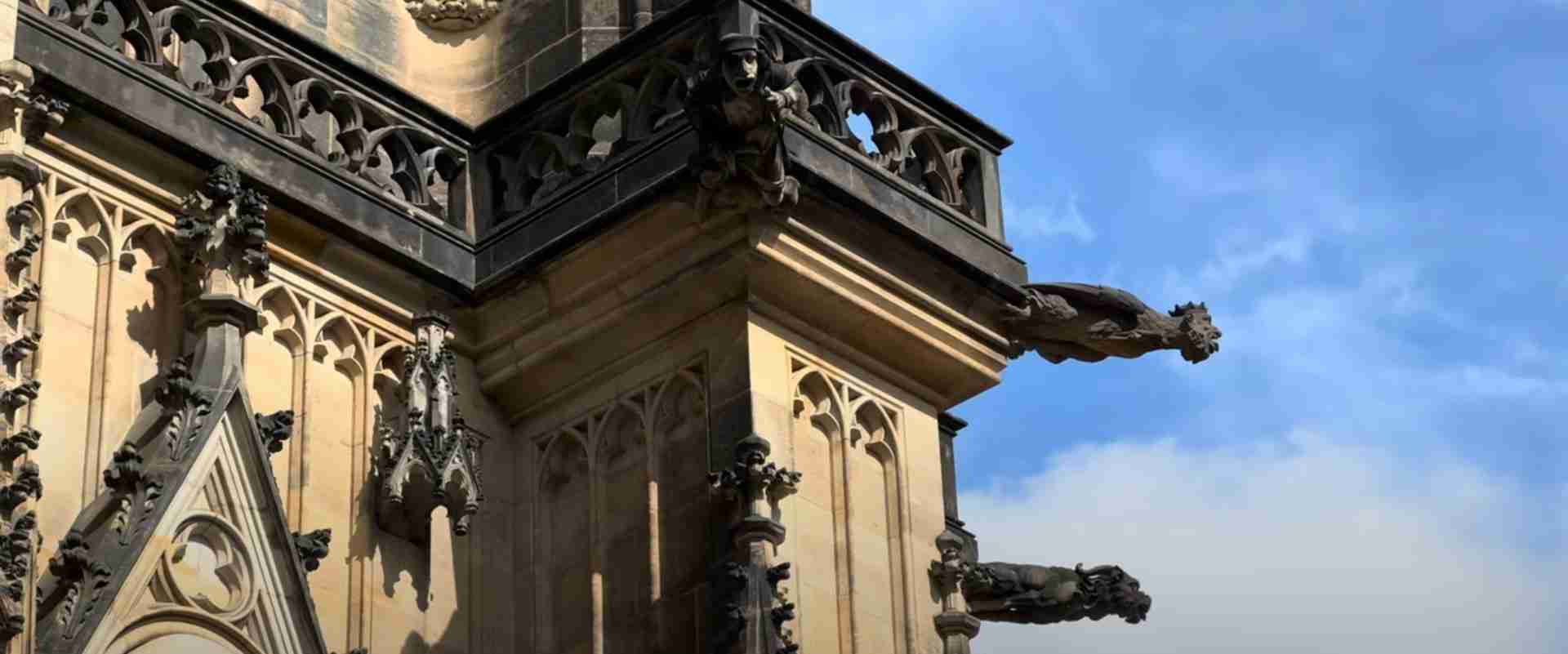
Prague Castle Hidden Secrets: Unexplored UNESCO World Heritage Treasures
Beyond the magnificent facades and world-famous attractions that define Prague Castle’s UNESCO World Heritage status lies a complex network of hidden spaces, secret passages, and archaeological mysteries that few visitors ever discover. This extraordinary 70,000-square-meter complex, recognized as the world’s largest coherent castle, conceals centuries of clandestine activities, forgotten chambers, and architectural secrets that continue to surprise even seasoned historians and archaeologists.
🔍 Key Takeaways
- Underground Archaeological Treasures: Romanesque and Gothic foundations beneath the Old Royal Palace reveal 1,000+ years of continuous construction
- Secret Royal Passages: Hidden corridors connected the castle to city defenses, with some tunnels still used for official ceremonies
- Alchemical Laboratory Remnants: Rudolf II’s imperial court housed Europe’s most advanced alchemical workshops in the 16th century
- Restricted Religious Spaces: St. Wenceslas Chapel contains medieval frescoes and precious stones accessible only through special tours
- Presidential Palace Secrets: Modern political functions utilize medieval spaces, with ongoing archaeological discoveries in active buildings
- Hidden Gardens and Courtyards: Private spaces within the 70,000 m² complex remain closed to public tours but visible from strategic viewpoints
Unveiling Prague Castle’s Hidden Layers of History
The castle’s designation as a UNESCO World Heritage Site in 1992 acknowledges not only its visible architectural masterpieces but also the hidden layers of history that demonstrate continuous occupation and adaptation over more than eleven centuries. From secret royal escape routes to forgotten alchemical laboratories, from medieval treasure chambers to contemporary security installations, Prague Castle’s hidden secrets reveal the complex interplay between public grandeur and private necessity that characterized European royal residences.
Archaeological Secrets Beneath the Surface
Underground Romanesque Foundations
Beneath Prague Castle’s visible Gothic and Baroque architecture lies an extensive network of Romanesque foundations dating to the 10th and 11th centuries, representing the earliest permanent structures built by the Premyslid dynasty. These underground spaces, accessible only through specialized archaeological tours, reveal how the castle complex evolved from a simple fortified settlement into one of Europe’s most sophisticated royal residences.
Recent archaeological excavations have uncovered remarkably preserved Romanesque walls, doorways, and even decorative elements that demonstrate the high level of architectural sophistication achieved by medieval Czech builders. These foundations show evidence of multiple construction phases, indicating that the castle underwent continuous expansion and modification throughout its early centuries.
The underground archaeological areas contain fragments of medieval ceramics, coins, and personal artifacts that provide intimate insights into daily life within the early castle. Some discoveries include religious objects, jewelry, and domestic items that reveal how ordinary people lived alongside royal residents in this fortified environment.
Hidden Medieval Infrastructure
Prague Castle’s hidden infrastructure includes an extensive system of medieval water supply channels, drainage systems, and storage chambers that enabled the complex to function as a self-sufficient community during sieges. These utilitarian spaces, carved directly into the bedrock beneath the castle, demonstrate the sophisticated engineering capabilities of medieval builders.
Underground grain storage chambers, wine cellars, and cold storage areas provided essential supplies during extended sieges or diplomatic crises. Some of these spaces still contain wooden infrastructure, stone grinding mechanisms, and ceramic storage vessels that illustrate how the castle community prepared for extended isolation from external supply sources.
Medieval waste disposal systems, including sophisticated latrines and sewage channels, reveal how castle inhabitants managed sanitation challenges in confined spaces housing hundreds of residents. These practical considerations influenced castle design and expansion patterns throughout different historical periods.
Secret Passages and Hidden Corridors
Royal Escape Routes and Security Passages
Prague Castle contains an intricate network of secret passages designed to provide royal family members with emergency escape routes during political crises or military attacks. These hidden corridors, built into the castle’s thick walls and connecting various buildings within the complex, enabled discreet movement between residential, ceremonial, and defensive areas.
One of the most significant secret passages connects the Old Royal Palace directly to St. Vitus Cathedral, allowing rulers to attend private religious ceremonies or seek sanctuary during dangerous periods. This passage, hidden within the cathedral’s massive buttress system, remains functional today and is occasionally used for special ceremonies requiring maximum security.
Additional secret routes provided connections between the castle and Prague’s broader defense system, including underground tunnels that extended beyond the castle walls into the surrounding Hradčany district. Some historians believe these passages enabled communication with loyal supporters throughout the city during times of political upheaval.
Diplomatic and Intelligence Networks
Hidden chambers within Prague Castle served as meeting places for diplomatic negotiations that required absolute secrecy, particularly during periods of international tension or religious conflict. These spaces, typically located within the thick walls of major buildings, provided acoustically secure environments where sensitive political discussions could occur without surveillance.
Intelligence gathering operations operated from concealed locations within the castle complex, with some hidden chambers serving as document storage areas for sensitive diplomatic correspondence, treaty negotiations, and military intelligence. These spaces often featured sophisticated security measures including hidden entrances, false walls, and coded access systems.
During the Habsburg period, some secret chambers housed the imperial postal intelligence system, which intercepted and decoded diplomatic correspondence from across Europe. The physical infrastructure for these operations, including specialized furniture and communication equipment, occasionally surfaces during renovation projects.
Religious Mysteries and Sacred Secrets
St. Wenceslas Chapel Hidden Elements
The St. Wenceslas Chapel within St. Vitus Cathedral contains hidden religious treasures and secret architectural elements that few visitors ever see. Beyond the famous precious stone decorations and medieval frescoes, the chapel houses concealed reliquary chambers, hidden manuscript storage areas, and secret passages that connect to other parts of the cathedral complex.
Behind the chapel’s ornate altar, hidden chambers contain additional religious artifacts, including items associated with Czech patron saints and royal coronation ceremonies. These spaces, accessible only during specialized conservation work, preserve medieval religious objects in climate-controlled environments that maintain their authenticity for scientific study.
The chapel’s floor contains hidden burial chambers and crypts that house remains of Czech royalty and religious figures whose locations remain deliberately concealed to prevent disturbance. Recent ground-penetrating radar surveys have identified additional underground spaces that may contain undiscovered archaeological treasures.
Secret Religious Observance Areas
During periods of religious persecution and political tension, Prague Castle contained hidden chapels and prayer rooms where members of various religious communities could observe their faiths in secret. These concealed spaces, built into walls or disguised as storage areas, enabled religious diversity within the castle community despite official religious policies.
Protestant prayer rooms dating to the post-Reformation period demonstrate how religious minorities maintained their practices within the predominantly Catholic royal environment. These hidden spaces contain religious artwork, furniture, and ceremonial objects that reveal the castle’s complex religious history.
Jewish community spaces within the castle complex, though largely destroyed during various persecution periods, left archaeological traces that recent research has begun to uncover. These discoveries provide insights into the multicultural character of medieval Prague’s royal court.
Alchemical and Scientific Secrets
Rudolf II’s Imperial Laboratory Complex
During the late 16th and early 17th centuries, Holy Roman Emperor Rudolf II transformed parts of Prague Castle into one of Europe’s most advanced centers for alchemical research, scientific experimentation, and artistic innovation. Hidden chambers throughout the complex housed sophisticated laboratories, observatories, and workshops where international scholars pursued cutting-edge research in chemistry, astronomy, and natural philosophy.
Recent archaeological investigations have uncovered remains of alchemical equipment, including distillation apparatus, furnaces, and chemical storage vessels that demonstrate the high level of scientific activity that occurred within the castle. These discoveries reveal how Rudolf II’s court attracted leading scientists, artists, and intellectuals from across Europe.
Secret chambers within the castle complex housed Rudolf II’s famous collections of scientific instruments, exotic specimens, and artistic curiosities that formed one of Europe’s earliest “cabinets of wonders.” While most of these collections were dispersed during the Thirty Years’ War, hidden storage areas occasionally yield forgotten artifacts from this remarkable period.
Hidden Astronomical Observation Areas
Prague Castle’s elevated position and sophisticated architecture made it an ideal location for astronomical observations, with hidden observation chambers and concealed instrument storage areas that enabled systematic celestial studies. These spaces, built into tower structures and high-level chambers, provided clear views of the night sky while maintaining security for expensive scientific equipment.
Tycho Brahe and other prominent astronomers associated with Rudolf II’s court utilized these hidden observation areas to conduct research that advanced European understanding of celestial mechanics and planetary motion. Physical evidence of their activities, including instrument mounting systems and observational records, occasionally surfaces during building renovations.
Astrological consultation chambers, separate from legitimate astronomical research areas, provided private spaces where court astrologers advised rulers on political decisions based on celestial interpretations. These hidden consulting rooms reflect the complex relationship between rational scientific inquiry and traditional mystical beliefs within Renaissance court culture.
Modern Secrets and Contemporary Mysteries
Presidential Palace Security Systems
As the continuing official residence of the Czech President, Prague Castle maintains sophisticated modern security installations that blend seamlessly with the UNESCO World Heritage architecture. Hidden surveillance systems, concealed communication networks, and discrete defensive measures protect both the historical structures and contemporary political functions without compromising the site’s authentic appearance.
Secret service facilities within the castle complex utilize both historical spaces and purpose-built modern installations that remain invisible to public tours. These security arrangements demonstrate how UNESCO World Heritage sites can accommodate contemporary governmental functions while preserving historical integrity.
Emergency command centers and secure communication facilities, built into historical foundations or concealed within architectural renovations, enable the castle to serve its modern political functions while maintaining public access to its cultural treasures. The precise locations and capabilities of these installations remain classified for security reasons.
Ongoing Archaeological Discoveries
Active archaeological research throughout Prague Castle continues to reveal new secrets about the complex’s hidden history, with recent discoveries including previously unknown medieval buildings, forgotten burial sites, and evidence of construction techniques that challenge existing historical understanding. These ongoing investigations demonstrate that the castle still holds many undiscovered secrets.
Ground-penetrating radar and other non-invasive archaeological techniques regularly identify subsurface anomalies that suggest hidden chambers, forgotten foundations, and concealed infrastructure throughout the castle grounds. Some of these discoveries require years of careful excavation to access safely without damaging existing structures.
Conservation work on existing buildings frequently reveals hidden architectural elements, concealed decorative programs, and structural modifications that provide new insights into the castle’s construction history. These discoveries often require modifications to existing historical interpretations and tour information.
Hidden Gardens and Restricted Spaces
Private Royal Garden Areas
Within Prague Castle’s extensive garden system lie private areas that remain closed to public access but serve important functions for ongoing castle operations and VIP activities. These hidden garden spaces, designed according to historical landscape principles, provide intimate settings for diplomatic meetings, private ceremonies, and presidential functions.
The Deer Moat area contains hidden archaeological sites and restricted access zones where ongoing research examines medieval defensive systems and early garden layouts. These areas preserve evidence of the castle’s evolution from military fortress to Renaissance pleasure palace.
Secret greenhouse and horticultural facilities, hidden within traditional garden designs, maintain historically appropriate plant collections while supporting contemporary landscaping needs. These facilities enable authentic historical garden restoration while accommodating modern maintenance requirements.
Concealed Courtyards and Service Areas
Beyond the famous courtyards accessible to castle visitors lie hidden service areas, private courtyards, and restricted zones that support the castle’s complex operational requirements. These spaces, essential for maintaining such a large UNESCO World Heritage complex, remain concealed behind historical facades and discrete architectural elements.
Hidden loading and service areas enable maintenance, conservation, and supply operations without disrupting visitor experiences or compromising the castle’s historical appearance. These practical spaces demonstrate how contemporary heritage management balances preservation requirements with operational necessities.
Private parking areas, equipment storage facilities, and staff work spaces remain concealed within the castle complex through careful architectural integration that maintains visual continuity with historical periods. These modern necessities demonstrate innovative approaches to heritage site management.
Accessing Prague Castle’s Hidden Secrets
Specialized Archaeological Tours
Limited access to Prague Castle’s hidden archaeological areas becomes available through specialized tours offered by the castle administration and partnering research institutions. These exclusive experiences, typically limited to small groups and requiring advance booking, provide rare opportunities to explore normally restricted underground spaces.
Archaeological tour participants must meet specific physical requirements and follow strict conservation protocols designed to protect sensitive historical remains and ongoing research activities. These tours provide unique insights into castle history while supporting ongoing archaeological and conservation efforts.
Advanced booking for archaeological tours typically requires several months’ advance notice, with priority given to researchers, students, and visitors with demonstrated interests in Czech medieval history. These experiences often coincide with active excavation periods when new discoveries provide additional educational opportunities.
Conservation and Research Access
Research institutions and conservation organizations occasionally provide access to restricted castle areas for visitors with professional interests in medieval architecture, archaeological techniques, or heritage preservation methods. These specialized access opportunities require institutional sponsorship and adherence to strict professional protocols.
Conservation workshops and research seminars sometimes include behind-the-scenes access to ongoing preservation projects, hidden architectural elements, and restricted storage areas containing artifacts not displayed in public exhibitions. These professional development opportunities provide valuable insights into UNESCO World Heritage site management.
Academic research programs affiliated with Czech universities and international heritage organizations may provide access to castle archives, conservation laboratories, and restricted areas for qualifying participants. These programs typically require advanced academic credentials and specific research project approval.
Photography and Documentation of Hidden Areas
Permitted Documentation Opportunities
Photography within Prague Castle’s restricted areas requires special permissions obtained through castle administration and must comply with conservation guidelines designed to protect sensitive archaeological remains and historical artifacts. These permissions typically restrict flash photography, require specific equipment limitations, and mandate supervision by professional staff.
Documentary photography projects focusing on castle conservation, archaeological research, or educational purposes may receive enhanced access to hidden areas and restricted spaces not available to general public tours. These projects must demonstrate educational or scientific value while adhering to UNESCO World Heritage documentation standards.
Professional photographers working on approved publications, educational materials, or research documentation may access specialized areas with appropriate permissions and professional supervision. These opportunities often contribute to scholarly research and public education about the castle’s hidden heritage.
Ethical Considerations for Secret Space Documentation
Documenting Prague Castle’s hidden secrets requires careful consideration of security requirements, conservation needs, and respect for ongoing political functions within the complex. Photographers and researchers must balance public education interests with legitimate privacy and security concerns.
Archaeological site documentation follows international standards designed to preserve scientific integrity while enabling scholarly research and public education. These protocols ensure that hidden discoveries contribute to broader understanding of Czech medieval history and European cultural development.
Respecting the sacred character of hidden religious spaces and burial areas requires sensitivity to Czech cultural values and religious traditions while pursuing legitimate historical research and educational objectives. Documentation efforts should support rather than compromise the spiritual significance of these spaces.
🔍 Hidden Secrets FAQ
Can visitors access Prague Castle’s underground archaeological areas?
Limited access is available through specialized archaeological tours offered several times per year. These require advance booking (2-3 months), meet strict group size limits, and follow conservation protocols. Standard castle tours do not include underground areas.
Are there really secret passages in Prague Castle?
Yes, historical records and archaeological evidence confirm multiple secret passages built for royal security and emergency evacuation. While most remain closed for security reasons, some are occasionally opened for special tours or ceremonies.
What happened to Rudolf II’s alchemical laboratories?
Most were destroyed or converted during the Thirty Years’ War and subsequent renovations. Archaeological traces remain in various castle buildings, with occasional discoveries of equipment fragments and laboratory remains during conservation work.
Can I visit the St. Wenceslas Chapel’s hidden chambers?
Access to concealed areas within the chapel is extremely limited, typically restricted to specialized conservation tours or academic research programs. Standard cathedral tours include only the main chapel space visible to general visitors.
How do I book specialized tours of castle’s hidden areas?
Contact Prague Castle Administration directly for archaeological tours, or check with Czech academic institutions for research-based access programs. Many specialized tours coincide with ongoing excavation or conservation projects.
Are there hidden treasures still being discovered at Prague Castle?
Yes, ongoing archaeological work and building conservation projects regularly uncover new artifacts, architectural elements, and historical evidence. Major discoveries are reported through Czech archaeological institutions and castle administration.
What security restrictions apply to exploring castle’s hidden areas?
As an active presidential residence, many areas remain restricted for security reasons. Specialized tours operate under strict supervision, with participants subject to security screening and behavior guidelines.
Do any secret passages connect the castle to Prague’s city center?
Historical records suggest medieval tunnel systems connected the castle to city defenses, though most are sealed or collapsed. Modern security considerations prevent public discussion of any remaining functional passages.
Can researchers get access to restricted castle archives and collections?
Academic researchers with institutional sponsorship and approved projects may access certain restricted materials through formal application processes. Requirements include scholarly credentials and adherence to conservation protocols.
Are there parts of Prague Castle that even experts haven’t explored?
Yes, ground-penetrating radar and other archaeological techniques continue to identify unexplored subsurface areas. Some zones remain inaccessible due to structural stability concerns or ongoing governmental functions.