Prague Budget Guide 2026: Complete Cost Breakdown
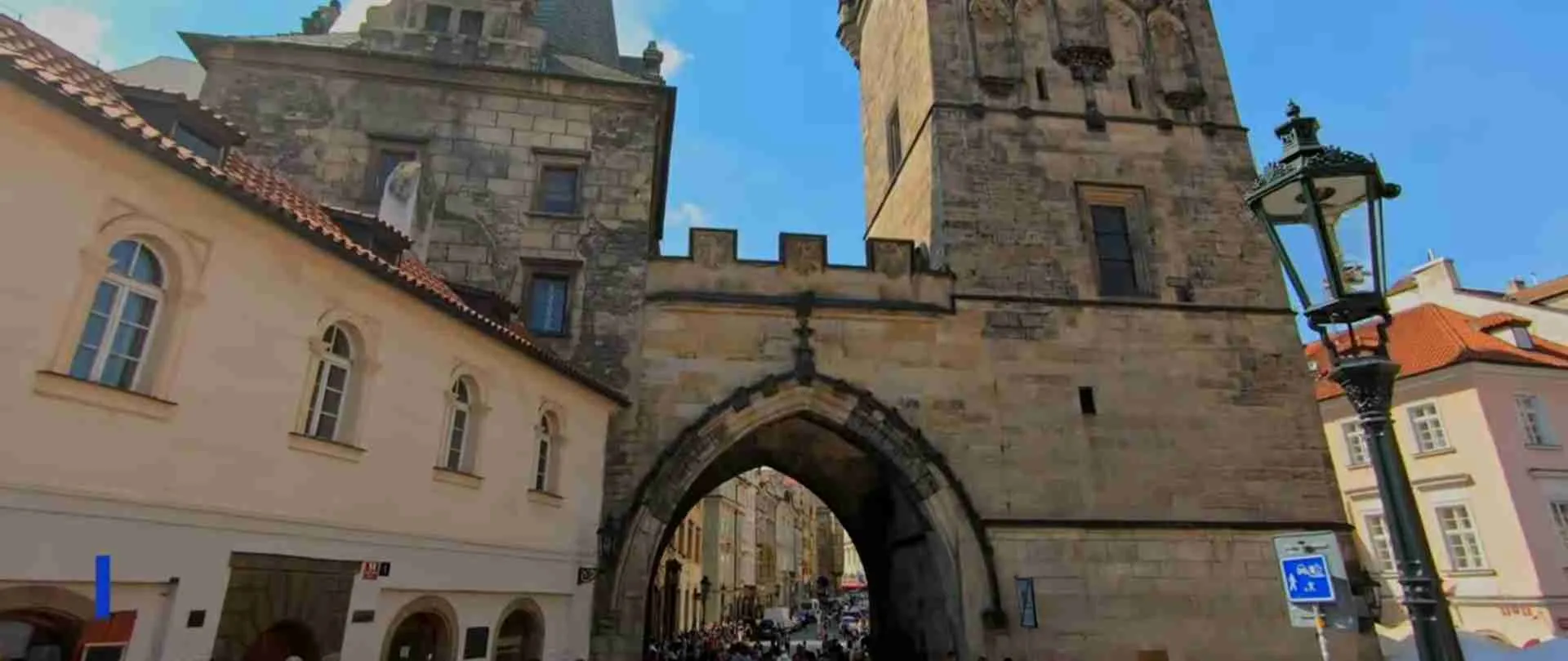
Prague’s compact geography enables significant savings through walking. Major attractions concentrate within 2-3 kilometer radius. Old Town Square to Prague Castle spans 1.5 kilometers. Charles Bridge to Wenceslas Square measures 1 kilometer. This walkability reduces transportation costs while providing continuous architectural and cultural exposure.
Key Takeaways
- Budget-Friendly UNESCO: Prague ranks among Europe’s most affordable capital cities with daily costs 30-50% below Paris, London, or Vienna for comparable experiences
- 2026 Daily Budgets: Budget travelers manage €40-60 daily, mid-range visitors spend €80-120, luxury travelers allocate €180-300+ for premium Prague experiences
- Strategic Timing Savings: November-March 2026 offers 30-40% lower accommodation rates, fewer crowds at major sites, with full cultural programming and ideal photography conditions
- Transportation Value: 24-hour public transport pass costs 120 CZK (€4.80) providing unlimited metro, tram, and bus access across entire city system
- Free Cultural Access: Over 15 significant sites including Charles Bridge, Old Town Square, Astronomical Clock, Prague Castle exteriors, and Vyšehrad require zero admission
- Smart Booking Advantages: Purchasing Prague Castle combo tickets, advance online bookings, and strategic off-peak visits reduce total costs by 25-35% compared to walk-up pricing
Understanding Prague Costs in 2026
Prague offers exceptional value compared to Western European capitals while providing equivalent UNESCO World Heritage sites, cultural experiences, and infrastructure quality. The Czech crown (CZK) exchange rate against euro and dollar creates pricing advantages for international visitors. One euro equals approximately 25 CZK, making mental price conversions straightforward.
Cost structure divides between international standard pricing for major attractions and local pricing for daily expenses. Prague Castle tickets, National Theatre performances, and upscale restaurants charge prices comparable to other European capitals. Local transport, neighborhood cafes, beer halls, and grocery stores maintain Czech domestic pricing significantly below Western European equivalents.
Seasonal cost variation impacts accommodation more dramatically than attractions or transportation. Summer peak (June-August 2026) sees hotel rates increase 40-60% above shoulder seasons. Major attractions maintain consistent pricing year-round. Restaurant costs remain stable except tourist-focused venues near Old Town Square and Charles Bridge.
Budget categories break clearly across spending levels. Budget travelers utilize hostels, eat primarily at local establishments, limit paid attractions, and walk extensively. Mid-range visitors stay in 3-star hotels, balance sit-down restaurants with casual dining, visit major paid attractions, and use public transport. Luxury travelers book 4-5 star accommodations, dine at acclaimed restaurants, purchase premium tour experiences, and prioritize convenience over cost optimization.
People Also Ask About Prague Budget 2026
How much does it cost to visit Prague for a week in 2026?
Weekly Prague costs range €280-420 for budget travelers, €560-840 for mid-range visitors, and €1,260-2,100+ for luxury travel in 2026. These totals exclude international flights but include accommodation, food, local transport, attractions, and daily expenses.
Budget weekly breakdown: Hostel dorm €140-210 (7 nights at €20-30), food €105-140 (€15-20 daily), attractions €70-105 (selective paid entries), transport €35 (weekly pass), miscellaneous €30-35. Total: €380-490 per person.
Mid-range weekly costs: 3-star hotel €420-630 (€60-90 nightly), food €210-315 (€30-45 daily), comprehensive attractions €140-175, transport €35, entertainment and extras €105-140. Total: €910-1,295 per person.
Luxury weekly expenses: 5-star accommodation €1,050-1,750 (€150-250 nightly), upscale dining €490-700 (€70-100 daily), premium experiences €350-490, private transport €140-210, shopping and extras €350-525. Total: €2,380-3,675 per person.
When budgeting for Prague, factor in how you’ll handle currency. The Czech Republic uses the koruna (CZK), not the euro, and the Euronet ATMs clustered around the tourist center apply steep hidden exchange margins — often 10% or more on withdrawals. To keep your daily budget predictable, a multi-currency card such as Wise lets you hold and spend koruna at the real interbank rate, avoiding the dynamic-currency-conversion markup that local terminals push at the point of sale.
What is the cheapest month to visit Prague in 2026?
January-February 2026 offer lowest costs with hotel rates 35-45% below summer peaks. Mid-range hotels averaging €90-120 in July drop to €55-75 in February. Budget hostels decrease from €30-35 to €18-25. Luxury properties reduce rates from €200-300 to €130-180.
November-December 2026 provide secondary savings with 25-30% lower accommodation before Christmas market premium pricing begins mid-December. The period combines cost advantages with excellent weather for photography, smaller crowds at attractions, and full cultural programming including National Theatre, State Opera, and Rudolfinum concert series.
March 2026 serves as shoulder season transition with gradually increasing prices but remaining 20-25% below summer peaks. The month offers spring conditions, longer daylight hours, and fewer visitors than April-September while maintaining winter cost advantages.
May and September 2026 balance moderate pricing (15-20% below peak summer) with optimal weather conditions. These months attract visitors willing to pay slight premiums for comfortable temperatures and extended daylight without peak summer crowds or winter cold.
Is Prague cheaper than Vienna or Budapest in 2026?
Prague costs run 15-25% below Vienna across accommodation, dining, and attractions. Vienna mid-range hotel averages €100-140 nightly compared to Prague’s €70-100. Restaurant main courses cost €18-28 in Vienna versus €12-20 in Prague. Combined attraction tickets show similar patterns with Vienna Hofburg Palace complex at €28 versus Prague Castle at €16 for similar access levels.
Budapest undercuts Prague by 20-30% for accommodation and dining while matching attraction costs. Budapest hostels run €12-18 versus Prague’s €20-30. Local restaurants charge €8-14 for main courses versus Prague’s €10-16. However, major attractions price comparably – Budapest Parliament tours cost €20 matching Prague’s premium attraction pricing.
Transportation costs align across all three cities with daily public transport passes at €4-6 range. Prague 24-hour pass at 120 CZK (€4.80) compares to Vienna’s €8 and Budapest’s 1,650 HUF (€4.40). All three cities offer efficient metro-tram systems making transport cost differences negligible.
Overall trip costs rank Budapest most affordable, Prague mid-range, and Vienna most expensive. Budget travelers save 25-35% choosing Budapest over Prague, 40-50% over Vienna. Mid-range visitors find Prague offers better value-quality ratio than Budapest with superior accommodation standards and dining variety while maintaining significant savings versus Vienna.
How much money should I budget per day for Prague in 2026?
Budget-conscious travelers allocate €40-60 daily covering hostel accommodation (€20-30), food (€15-20), selective attractions (€5-10), and transport. This requires staying in dorm beds, eating primarily at local cafes and self-catering breakfast, limiting paid attractions to 2-3 weekly, and walking extensively supplemented by occasional public transport.
Mid-range visitors budget €80-120 daily including 3-star hotel (€50-70 for double room split between two), restaurant meals (€25-35), comprehensive attraction access (€12-18), and unlimited public transport (€5). This level provides comfortable private accommodation, quality dining mixing sit-down restaurants with casual eateries, and full cultural access without budget restrictions.
Luxury travelers plan €180-300+ daily encompassing 4-5 star hotels (€120-200+ double occupancy), upscale dining (€60-100), premium experiences including private tours and performances (€40-80), and convenience services like taxis. This budget eliminates cost considerations allowing spontaneous premium choices and exceptional service standards.
Solo travelers increase daily per-person costs by 30-50% due to single accommodation supplements and inability to split double room costs. Couples and small groups achieve better per-person value through shared rooms and meal portions designed for multiple diners at traditional Czech restaurants.
Extended multi-day tours – 5+ days
Featured Prague Multi-Day Tour Packages
3 days
Prague 3-Day Discovery Tour
- ✓ Comprehensive Prague experience
- ✓ Expert local guides included
- ✓ All accommodation included
- ✓ Transportation provided
5 days
Prague 5-Day Highlights Experience
- ✓ Comprehensive Prague experience
- ✓ Expert local guides included
- ✓ All accommodation included
- ✓ Transportation provided

7 days
Prague 7-Day Cultural Journey
- ✓ Comprehensive Prague experience
- ✓ Expert local guides included
- ✓ All accommodation included
- ✓ Transportation provided

10 days
Prague 10-Day Complete Adventure
- ✓ Comprehensive Prague experience
- ✓ Expert local guides included
- ✓ All accommodation included
- ✓ Transportation provided
Multi-day tour packages powered by TourRadar. Prices and availability subject to change.
Essential Planning Information 2026
Currency and Exchange Rates 2026
Czech Republic maintains Czech crown (CZK) as official currency despite European Union membership. Exchange rates fluctuate but typically range 24-26 CZK per euro, 22-24 CZK per US dollar in 2026. Carrying mix of cash and cards provides optimal flexibility and cost efficiency.
Currency exchange options include banks offering 24.5-25.5 CZK/EUR with minimal commissions, exchange offices ranging 23-25.5 CZK/EUR with variable fees (avoid airport and Old Town tourist-focused exchangers), and ATMs providing best rates at 24.8-25.2 CZK/EUR typically matching interbank rates minus 1-3% foreign transaction fees.
Credit cards work widely at hotels, restaurants, major attractions, and chain stores. Visa and Mastercard acceptance reaches 90%+ in tourist areas. American Express and Discover show limited acceptance. Contactless payment limits extend to 500 CZK (€20) for tap-and-go transactions.
Cash remains necessary for small purchases, neighborhood cafes, market stalls, public restroom fees (10-20 CZK), and tipping. Carrying 1,000-2,000 CZK (€40-80) covers daily cash needs. Many businesses prefer cards for transactions over 200 CZK, simplifying payment processing and security.
Dynamic currency conversion adds 3-7% markup when merchants offer to charge in your home currency instead of CZK. Always decline conversion and pay in CZK allowing your bank to convert at better interbank rates. This single decision saves €3-7 per €100 spent across entire trip.
Major Attraction Costs 2026
Prague Castle circuits cost 250 CZK (€10) for Circuit B covering St. Vitus Cathedral, Old Royal Palace, St. George’s Basilica, and Golden Lane. Circuit A adds Rosenberg Palace and exhibition spaces for 350 CZK (€14). Full circuit with all areas reaches 370 CZK (€15). Check Prague Castle official website for current official rates as pricing may vary. Audio guides add 200 CZK (€8). The castle grounds, courtyards, and exterior areas remain free with security screening required for all visitors.
National Theatre performances range 400-1,500 CZK (€16-60) depending on seat location and production. Opera and ballet command premium pricing at 800-1,500 CZK (€32-60) for orchestra seats. Drama and chamber performances run 400-800 CZK (€16-32). Standing room tickets available at 50-100 CZK (€2-4) for some performances. Advance booking recommended for popular productions and weekend performances.
Kutná Hora day trip combining Sedlec Ossuary and St. Barbara’s Cathedral costs approximately 180 CZK (€7) for Ossuary, 60 CZK (€2.40) for St. Barbara’s Cathedral, plus 180-220 CZK (€7-9) return train fare from Prague. Combined attraction-transport costs total 420-460 CZK (€17-18.50) for comprehensive day trip.
Municipal House guided tours run 290 CZK (€11.60) showing Art Nouveau interiors including Smetana Hall, Mayor’s Hall, and Mucha decorative programs. Tours operate multiple daily departures in English and Czech. Self-guided access to ground floor cafe and restaurant areas remains free.
Jewish Quarter comprehensive ticket covers six synagogues plus Old Jewish Cemetery for 500 CZK (€20) adults, 340 CZK (€13.60) students. Old-New Synagogue requires separate 200 CZK (€8) admission. Combined tickets offer better value than individual synagogue entries. Audio guides included in ticket price.
Accommodation Costs 2026
Budget Accommodation Options 2026
Hostel dorms range €18-30 per bed depending on location, season, and dormitory size. Žižkov and Vinohrady neighborhood hostels run €18-24 in low season (November-March), €24-30 in peak summer. Old Town and Lesser Town locations command €22-28 winter, €28-35 summer for equivalent bed types.
Private hostel rooms cost €45-70 for doubles with shared bathrooms, €60-85 for ensuite rooms. These provide budget accommodation privacy at costs below standard hotels. Many hostels include breakfast, kitchen access, and common areas with social atmosphere.
Budget hotels and guesthouses charge €40-65 for basic double rooms in outer districts like Karlín, Holešovice, or Smíchov. Central locations including Nové Město increase rates to €55-80 for comparable standards. Rooms typically include private bathroom, WiFi, basic breakfast, but lack amenities like air conditioning or elevators in older buildings.
Apartment rentals through booking platforms start €50-75 nightly for one-bedroom apartments in residential neighborhoods. Central apartment costs reach €75-120 depending on size and exact location. Weekly rentals often reduce daily rates by 15-20%. Apartments provide kitchen access enabling significant food cost savings.
Mid-Range Accommodation 2026
Three-star hotels charge €60-95 for double rooms in shoulder seasons (April-May, September-October), €85-130 in summer peaks. Old Town and Malá Strana locations run €90-140 year-round due to premium positioning. Rooms include ensuite bathrooms, WiFi, breakfast, air conditioning, and standard amenities.
Boutique hotels and design-focused properties range €95-160 for unique accommodations in converted historical buildings. These typically offer 15-30 rooms with individual character, superior service, and design-conscious interiors. Locations concentrate in Lesser Town, Castle District, and upscale Old Town areas.
Apartment hotels provide kitchen-equipped units at €80-130 nightly for one-bedroom, €120-180 for two-bedroom spaces. The format suits families and longer stays allowing self-catering flexibility. Weekly rates reduce daily costs by 15-25% with monthly rentals offering 30-40% discounts.
Chain hotels including NH, Hilton, and Marriott properties charge €100-180 for standard doubles with consistent quality, loyalty program benefits, and reliable amenities. Airport and outer ring locations run 25-35% cheaper than city center equivalents with good public transport connections requiring 20-30 minutes to center.
Luxury Accommodation 2026
Five-star hotels command €180-350 for superior rooms in peak season, €130-250 in winter months. Properties including Four Seasons, Mandarin Oriental, and Augustine Hotel offer Old Town or Lesser Town locations, historical building conversions, comprehensive spa facilities, fine dining restaurants, and premium service standards.
Luxury suites and specialty rooms range €350-800+ featuring upgraded space, historical significance, castle or river views, and enhanced amenities. Presidential suites at top properties exceed €1,000 nightly providing multi-room accommodations with dedicated concierge service.
Boutique luxury hotels in 10-25 room properties charge €200-400 for intimate atmosphere, personalized service, and unique design. Properties like Golden Well Hotel, Aria Hotel, and Alchymist Grand Hotel occupy historical buildings with individual character unavailable at larger luxury chains.
Long-term luxury apartment rentals start €2,500-4,500 monthly for one-bedroom units in prime locations, €4,000-8,000 for two-bedroom spaces with premium finishes and full amenities. These serve extended business stays or individuals seeking residential luxury experience.
Food and Dining Costs 2026
Budget Dining Strategies 2026
Self-catering from grocery stores creates significant savings. Supermarket breakfast costs €3-5 for bread, cheese, yogurt, and fruit serving two people. Lunch components including bread, cold cuts, cheese, and vegetables run €5-8 preparing picnic meals. Evening grocery shopping for prepared salads, rotisserie chicken, and sides costs €8-12 feeding two people.
Bakeries and pastry shops offer breakfast at €2-4 for pastries, coffee, and juice. Traditional Czech “cukrárna” (pastry shops) sell kolaches, croissants, and sweet rolls at 25-50 CZK (€1-2) each. Coffee ranges 50-80 CZK (€2-3.20) for cappuccino or latte.
Quick lunch spots including buffet-style cafeterias charge €5-8 for complete meals with soup, main course, and drink. University menzas (student cafeterias) allow public access with meals at €4-6 for substantial portions. The food quality matches casual restaurants while maintaining institutional pricing.
Street food and fast casual options range €4-7 for filling meals. Trdelník (chimney cakes) cost 50-100 CZK (€2-4). Sausage stands sell klobása with bread and mustard at €3-4. Shawarma and kebab shops charge €5-6 for wrap with drink. Pizza by slice runs €2-3 per piece.
Local pubs (hospoda) outside tourist centers serve traditional Czech meals at €6-10 for main courses with side dishes. Daily lunch menus (polední menu) reduce costs to €5-7 for soup and main course. Beer costs 35-50 CZK (€1.40-2) for half-liter, making dining with drinks remarkably affordable.
Mid-Range Dining 2026
Sit-down restaurant main courses range €10-16 at neighborhood establishments, €14-22 at upscale venues in tourist zones. Traditional Czech restaurants charge €12-18 for classics including svíčková (beef sirloin in cream sauce), vepřo-knedlo-zelo (roast pork with dumplings and cabbage), and duck with dumplings.
International cuisine restaurants price Italian mains at €12-18, Asian dishes €10-16, and fusion concepts €14-22. Wine by glass costs €4-7, cocktails €7-10, and beer €2-3.50 at standard restaurants. Complete dinner including appetizer, main, dessert, and drinks runs €25-35 per person.
Lunch special menus provide value at €8-12 for two-course meals with drink. Many restaurants offer weekday lunch pricing 30-40% below evening menu costs. These deals work well for experiencing upscale venues at mid-range budgets.
Cafes serving light meals charge €8-14 for salads, sandwiches, and small plates. Traditional kavárnas combine coffee house atmosphere with simple food. Modern bistros offer elevated casual dining at €12-18 for creative small plates and mains.
Upscale and Fine Dining 2026
Fine dining restaurants command €35-60 for main courses with tasting menus ranging €80-150 per person. Michelin-starred and Michelin guide restaurants including Field, Eska, and La Degustation Bohême Bourgeoise require advance reservations and formal dress codes.
Tasting menu experiences with wine pairings total €120-200 per person for comprehensive culinary journeys. Multi-course menus span 5-12 courses with matching wines adding €40-80. The experiences occupy 2.5-3.5 hours requiring evening dedications to dining.
Upscale traditional Czech restaurants price main courses at €22-35 with refined preparation and presentation. Venues like U Modré Kachničky and Bellevue offer elevated Czech cuisine in historical settings with Vltava views or medieval cellars.
Hotel restaurants at luxury properties charge €28-50 for mains with refined service and premium ingredients. Breakfast buffets run €25-40 per person at five-star properties, offering comprehensive spreads with made-to-order items and champagne.
Transportation Costs 2026
Public Transport Pricing 2026
Single-ride tickets cost 30 CZK (€1.20) for 30-minute transfers, 40 CZK (€1.60) for 90-minute transfers allowing multiple vehicle changes. Purchase from ticket machines at metro stations, kiosks, or via mobile app. Validate in yellow machines aboard trams and buses, or at metro station entrances.
Day passes provide unlimited rides: 24 hours costs 120 CZK (€4.80), 72 hours runs 330 CZK (€13.20). The 24-hour option breaks even after four 30-minute rides or three 90-minute tickets, making it cost-effective for active sightseeing days.
Weekly passes cost 500 CZK (€20) for unlimited transport across metro, tram, bus, and funicular systems. Visitors staying 5+ days using transport daily save 30-40% versus daily tickets. The pass requires transport company card purchased separately for 20 CZK.
Monthly passes run 670 CZK (€27) providing extreme value for extended stays. Digital versions through Lítačka app eliminate physical card requirements. The app allows mobile ticket purchase, validation, and pass management avoiding ticket machine queues.
Airport transport costs 40 CZK (€1.60) using Airport Express bus to city center, matching standard 90-minute ticket price. The bus runs every 30 minutes taking 35-45 minutes to reach main train station and metro connections.
Taxi and Rideshare Costs 2026
Licensed taxi flag fall starts at 40 CZK (€1.60) with per-kilometer charges of 28-35 CZK (€1.10-1.40) and per-minute waiting fees at 6-8 CZK (€0.24-0.32). Airport to Old Town runs €15-20 depending on exact destination and traffic conditions. Use meter-equipped taxis or prearranged service avoiding street hail premium pricing.
Uber and Bolt operate in Prague with competitive pricing. Standard UberX costs €8-12 for typical cross-town trips, €12-18 for airport transfers. Bolt prices run 10-15% below Uber with similar service quality and vehicle standards.
Taxi receipts should detail starting time, distance, duration, and cost breakdown. Legitimate drivers provide receipts without request. Avoid taxis lacking company identification, meter display, or official markings concentrated near tourist sites.
Alternative Transport Options 2026
Bike rentals cost €12-18 daily, €50-70 weekly from shops in Old Town and Lesser Town. The city offers dedicated bike lanes along Vltava riverbanks and through major parks. Bike sharing through Rekola app charges pay-as-you-go at 1 CZK per minute or subscription plans starting €8 monthly.
E-scooter rentals via Lime and Bolt Scooter apps cost unlock fee of 10-15 CZK plus 4-5 CZK per minute. Typical 15-minute ride runs €3-4. The scooters work well for quick point-to-point trips avoiding public transport waits.
Walking remains most cost-effective transport covering Prague’s compact center. Old Town Square to Charles Bridge spans 500 meters (6-minute walk). Castle to Jewish Quarter measures 1.8 kilometers (22 minutes). Wenceslas Square to Vyšehrad stretches 3 kilometers (35-40 minutes). Comfortable shoes and city maps enable zero-cost transportation.
Sample 2026 Daily Budgets
Budget Daily Breakdown 2026
Accommodation €22 (hostel dorm in Žižkov/Vinohrady), breakfast €4 (supermarket self-catering – bread, cheese, yogurt), lunch €7 (local pub daily menu or cafeteria), dinner €9 (neighborhood hospoda main course with beer), transport €5 (24-hour pass), attractions €8 (one major paid site – Prague Castle Circuit B), coffee and snacks €5. Total day cost: €60 per person (excluding minor incidentals).
Free activities supplement paid attractions: Charles Bridge walk, Old Town Square, Astronomical Clock show, Wenceslas Square, Vyšehrad fortress, Petřín Hill climb, Vltava riverbank promenade. These add 4-6 hours daily experiences without costs.
Budget optimization strategies include walking instead of transport (saving €5 daily), self-catering breakfast and lunch (saving €8-10), limiting paid attractions to every other day (saving €4 daily average), and buying groceries for dinner components (saving €5-7). Super-budget execution reduces daily costs to €40-45.
Mid-Range Daily Budget 2026
Accommodation €75 (3-star hotel double room divided by two), breakfast €8 (cafe pastries and coffee), lunch €14 (sit-down restaurant with drink), dinner €22 (mid-range restaurant two courses with wine), transport €5 (24-hour pass), attractions €15 (comprehensive site access including Prague Castle, Jewish Quarter synagogue, or concert ticket), coffee and extras €8. Total day cost: €147 per person split for couples, €155 for solo travelers adding accommodation single supplement (excluding shopping or premium experiences).
Mid-range budget allows comfortable pacing without constant cost calculations. Budget covers spontaneous cafe stops, museum visits, and occasional premium experiences like National Theatre performances or guided tours.
Luxury Daily Budget 2026
Accommodation €200 (5-star hotel superior room per person double occupancy), breakfast €30 (hotel buffet or upscale cafe), lunch €40 (fine dining or luxury hotel restaurant), dinner €80 (Michelin-starred tasting menu or equivalent), transport €25 (private car service or taxis), attractions €60 (premium experiences including private tours, exclusive access, or multiple comprehensive sites), extras €50 (shopping, spa services, premium coffee). Total day cost: €485 per person (excluding high-end shopping or special experiences).
Luxury budget eliminates cost considerations allowing spontaneous premium choices. Budget covers best available service, priority access, personalized experiences, and exceptional dining without price checking.
Money-Saving Strategies 2026
Advance Booking Benefits 2026
Hotel reservations 60-90 days before arrival secure best rates with 20-35% savings versus week-before booking. Hotels release inventory with aggressive pricing during initial sales periods. Shoulder season rates (April-May, September-October) drop 25-35% below summer peaks when booked 3+ months ahead.
Performance tickets for National Theatre, State Opera, and Rudolfinum bought 4-8 weeks advance access full seat selection at standard pricing. Last-minute rush tickets offer steep discounts but limit seat choice to unsold inventory in less desirable locations.
Tour operator early booking discounts reduce prices 15-25% for popular experiences including Prague Castle private tours, Jewish Quarter walks, and day trips to Kutná Hora or Karlštejn Castle. Combination tour packages save additional 10-15% versus booking components separately.
Flight bookings 6-8 weeks before travel typically capture optimal pricing. Prague serves as Central European hub with competitive low-cost carrier options from most European cities at €30-80 return fares when booked strategically.
Seasonal Timing Optimization 2026
November-March 2026 visits reduce total trip costs by 30-40% through accommodation savings, fewer tourist-targeted pricing premiums, and strategic attraction timing avoiding peak crowds. Winter weather remains manageable with temperatures at 0-8°C, occasional snow creating atmospheric conditions for photography.
Early April or late October shoulder periods provide 20-25% savings while delivering comfortable weather and manageable crowds. These months combine cost advantages with spring blooms or autumn colors enhancing visual appeal.
Weekday visits reduce hotel costs 15-25% versus Friday-Sunday rates. Tuesday-Thursday accommodation rates drop even in peak summer season. Attractions maintain consistent pricing but experience lighter crowds enabling better experiences without premium costs.
Combo Tickets and Passes 2026
Prague Castle combined circuits save 20-30% versus individual site admissions. Circuit B covering four major spaces costs 250 CZK versus 380+ CZK for separate entries. Two-day castle tickets allow split visits reducing single-day fatigue.
Jewish Quarter combined ticket at 500 CZK provides access to six synagogues and cemetery versus individual pricing totaling 720+ CZK. The ticket remains valid across multiple days allowing extended exploration without rushed single-day visits.
Prague Card offers unlimited public transport, free attraction entries, and tour discounts starting €60 for 2 days, €74 for 3 days, €88 for 4 days. Value depends on usage intensity – aggressive sightseeing schedules with 3+ paid attractions daily benefit from cards while relaxed exploration favors pay-as-you-go approaches.
Free and Low-Cost Experiences 2026
Charles Bridge walks provide free access to 14th-century Gothic engineering, 30 Baroque statues, and panoramic Vltava views. Early morning (6-8 AM) and evening (7-9 PM) visits avoid daytime crowds creating superior photographic conditions.
Old Town Square offers Astronomical Clock hourly shows, Týn Church exterior architecture, and medieval urban planning without admission fees. Sitting at square benches provides people-watching entertainment and architectural appreciation at zero cost.
Vyšehrad fortress complex including rampart walks, rotunda church, cemetery with notable Czech figures, and Vltava panoramas requires no admission. The site provides Prague overview contexts without tourist crowds common at Prague Castle.
Petřín Hill climb via stairs or paths (avoiding paid funicular) reaches observation tower offering 360-degree Prague views. Tower admission costs 150 CZK (€6) but surrounding parks and viewpoints remain free.
Náplavka riverside promenade along Vltava hosts weekend farmers markets (free browsing), waterfront cafes with affordable drinks, and summer outdoor concerts. The area provides local atmosphere avoiding tourist-zone pricing.
Free walking tours operate on tip-based models allowing budget flexibility. Tours cover Old Town, Jewish Quarter, Communist history, or Castle District with 2-3 hour durations. Standard tips range 200-400 CZK (€8-16) per person based on satisfaction and budget.
Sample 2026 Itinerary Costs
Budget 3-Day Prague Weekend 2026
Day 1: Hostel dorm €24, self-catering breakfast €3, local pub lunch €7, neighborhood dinner €9, 24-hour transport pass €5, Prague Castle Circuit B €10. Total: €58 per person.
Day 2: Hostel dorm €24, self-catering breakfast €3, cafeteria lunch €6, hospoda dinner with beer €10, walking day €0, Jewish Quarter visit €20 (one synagogue). Total: €63 per person.
Day 3: Hostel dorm €24, bakery breakfast €3, street food lunch €5, pub dinner €8, 24-hour pass €5, free sites day €0. Total: €45 per person.
3-Day Budget Total: €166 per person (excluding international flights). This budget provides comprehensive Prague experience with strategic spending prioritizing accommodation savings and free cultural exploration.
Mid-Range 5-Day Prague Trip 2026
Day 1 – Arrival: 3-star hotel €80, lunch €14, dinner €20, transport €5, orientation walks €0. Total: €119 per person (double occupancy split).
Day 2 – Old Town & Castle: Hotel €80, breakfast €8, lunch €16, dinner €24, transport €5, Prague Castle full circuit €15, Astronomical Clock tower €13. Total: €161 per person.
Day 3 – Jewish Quarter: Hotel €80, breakfast €8, lunch €14, dinner €28, transport €5, Jewish Quarter combo ticket €20, Kafka Museum €8. Total: €163 per person.
Day 4 – Day Trip: Hotel €80, breakfast €8, packed lunch €10, dinner €26, Kutná Hora round-trip train €9, Ossuary and Cathedral €9. Total: €142 per person.
Day 5 – Culture & Departure: Hotel €80, breakfast €8, lunch €15, National Theatre matinee €25, transport €5, afternoon museum visit €12. Total: €145 per person.
5-Day Mid-Range Total: €730 per person (excluding international flights, assuming double occupancy). Budget allows comfortable Prague exploration with comprehensive cultural access and quality dining.
Luxury 4-Day Prague Experience 2026
Day 1 – Arrival & Welcome: 5-star hotel €220, lunch at hotel restaurant €35, fine dining dinner €75, private car from airport €25, evening cocktails €20. Total: €375 per person.
Day 2 – Castle & Lesser Town: Hotel €220, breakfast buffet €28, lunch bistro €40, tasting menu dinner €120, private castle tour €60, spa treatment €80. Total: €548 per person.
Day 3 – Cultural Immersion: Hotel €220, breakfast €28, lunch €45, dinner with wine pairing €100, National Theatre premium seats €55, private Jewish Quarter tour €70, afternoon tea €25. Total: €543 per person.
Day 4 – Leisure & Departure: Hotel €220, breakfast €28, luxury bistro lunch €50, Michelin-starred farewell dinner €140, private car transfers €30, shopping €100. Total: €568 per person.
4-Day Luxury Total: €2,034 per person (excluding international flights, double occupancy). Budget provides exceptional Prague experience with premium service, exclusive access, and finest dining.
Budget Planning Tips for 2026
Accommodation Booking Strategy 2026
Compare prices across Booking.com, Hotels.com, and hotel direct websites. Direct booking sometimes offers 5-10% discounts or room upgrades matching online travel agency rates. Many Prague hotels price-match guarantees when finding lower rates elsewhere.
Apartment rentals through Airbnb or Vrbo provide kitchen access enabling breakfast and occasional dinner self-catering. Weekly apartment costs often match 4-5 nights hotel pricing while offering more space and local neighborhood immersion.
Loyalty programs at chain hotels accumulate points toward free nights. Hilton Honors, Marriott Bonvoy, and IHG Rewards offer Prague properties where point redemptions reduce cash outlays by 30-100% depending on reward tier achieved.
Dining Cost Control 2026
Lunch specials at upscale restaurants provide dinner-quality food at 40-50% lower prices. Reserving lunch slot at fine dining venue delivers equivalent cuisine at mid-range budgets. Daily menus typically run €10-16 versus evening pricing at €20-35 for similar dishes.
Supermarket prepared food sections offer fresh salads, sandwiches, sushi, and hot meals at €3-7 per item. Combining supermarket purchases with park picnics creates enjoyable meals at 60-70% below restaurant equivalents.
Water costs nothing when requested tap water (“voda z kohoutku”) at restaurants. Many establishments assume bottled water sales but tap water remains safe, delicious from mountain sources, and free. This saves €2-4 per person per meal across trip.
Attraction Planning 2026
Research free admission days at museums and galleries. Several institutions offer free entry first Monday monthly or special evening hours with reduced/waived admission. National Museum, National Gallery branches, and municipal museums participate in these programs.
Student, senior, and family discounts reduce admission costs 30-50% with valid identification. International Student Identity Card (ISIC) provides universal recognition. Senior age qualifies at 60-65 depending on venue. Family tickets cover 2 adults + 2-3 children at 25-40% total savings.
Prague Castle free areas include courtyards, gardens, and cathedral nave providing substantial experience without paid circuits. Strategic use of free zones combined with selective paid entries optimizes value while maintaining comprehensive castle understanding.
Frequently Asked Questions About Prague Budget 2026
Is Prague expensive for American tourists in 2026?
Prague costs 40-60% less than major US cities for equivalent experiences when considering accommodation, dining, and attractions. New York, San Francisco, or Chicago daily budgets at $200-300 translate to $120-180 in Prague for comparable comfort levels and cultural access.
Dollar-crown exchange rate (approximately 22-24 CZK per USD in 2026) provides favorable purchasing power. Many Prague attractions cost $10-15 admission matching US museum pricing while accommodation and dining deliver superior value. Three-star Prague hotels at $70-100 nightly would cost $150-250 in major US cities.
Transportation shows dramatic savings with Prague day pass at $5 versus $20-30 for equivalent daily metro/bus access in New York or San Francisco. Restaurant mains at $12-18 in Prague match quality of $25-40 US equivalents. Beer prices at $1.50-2.50 per pint create beverage cost advantages impossible in US markets.
How much cash should I carry in Prague for 2026?
Carry 2,000-3,000 CZK (€80-120) daily for small purchases, local cafes, market transactions, and emergency backup. Most major expenses including hotels, restaurants, and attraction tickets accept cards, but cash remains useful for convenience and avoiding card fees at smaller vendors.
ATM withdrawals in 2,000-3,000 CZK amounts minimize transaction fees while preventing excessive cash carrying. Withdrawal fees typically run €2-4 per transaction regardless of amount, making larger withdrawals more cost-efficient. Visit ATMs every 2-3 days maintaining working cash supply.
Separate cash into daily-use amounts versus emergency reserves. Keep 500-1,000 CZK (€20-40) readily accessible in wallet, store 2,000-3,000 CZK in hotel safe or money belt as backup. This separation reduces loss risk while ensuring funds availability.
Do I need travel insurance for Prague in 2026?
Travel insurance provides financial protection for trip cancellations, medical emergencies, and lost luggage. Prague medical care costs €50-150 for doctor consultations, €200-500+ for emergency room visits, and €1,000-5,000+ for hospital stays without insurance coverage.
Comprehensive travel insurance costs €40-80 for week-long trip covering medical emergencies, trip cancellation/interruption, lost baggage, and emergency evacuation. Compare plans through SquareMouth, InsureMyTrip, or Allianz evaluating coverage levels against premiums.
European Health Insurance Card (EHIC) for EU residents provides basic medical coverage in Czech Republic. However, EHIC doesn’t cover trip cancellations, lost baggage, or emergency repatriation. Supplemental travel insurance adds these protections unavailable through EHIC alone.
Credit card travel insurance often covers trip cancellations and rental car damage when booking through card. Review card benefits documentation confirming coverage limits and exclusions before relying solely on credit card protection.
Can I use euros in Prague or do I need Czech crowns?
Czech crowns (CZK) serve as official currency throughout Prague. While some tourist-focused establishments accept euros, they apply unfavorable exchange rates adding 10-20% markup. Convert to crowns for best value and universal acceptance.
Hotels, large restaurants, and major attractions sometimes accept euros at approximately 1:25 conversion versus official 1:25 bank rates. This hidden markup costs €3-5 per €25 spent. Using crowns eliminates conversion markups entirely.
ATM withdrawal in crowns provides best exchange rates at 24.5-25.2 CZK per euro minus 1-3% foreign transaction fees. This beats currency exchange offices (23-25 CZK/EUR with commissions) and euro acceptance rates (20-23 CZK/EUR effective rate after markups).
Small businesses, local restaurants, market vendors, and public transport accept only crowns. Carrying euros limits transaction flexibility while requiring constant mental conversion between currencies.
What is tipping etiquette in Prague for 2026?
Restaurant tips range 10-15% for good service in sit-down establishments. Round up bills to convenient amounts or add specific tip percentage. Tell server total amount including tip when paying – don’t leave cash on table, as this sometimes causes confusion.
Cafe and bar tipping remains minimal at 10-20 CZK (€0.40-0.80) rounding up bill. For coffee at 65 CZK, pay 70-80 CZK. Beer at 45 CZK rounds to 50 CZK. Counter service and takeaway orders require no tips.
Taxi tipping adds 10% or rounds up to next hundred CZK. For 180 CZK ride, pay 200 CZK. For 450 CZK trip, pay 500 CZK. Uber and Bolt include tips in app, though cash tips remain appreciated for exceptional service.
Tour guides receive 100-200 CZK (€4-8) per person for half-day tours, 200-400 CZK (€8-16) for full-day experiences. Free walking tours operate on tips alone where 200-300 CZK represents standard appreciation for quality 2-3 hour tours.
Hotel tipping includes 20-50 CZK per bag for porters, 50-100 CZK daily for housekeeping, 100-200 CZK for concierge securing difficult reservations or tickets. Tipping remains discretionary based on service quality and personal satisfaction.
How expensive are day trips from Prague in 2026?
Kutná Hora costs €17-23 total including €7-9 return train fare, €7 Sedlec Ossuary admission, €2.40 St. Barbara’s Cathedral entry, plus €3-5 for lunch at local cafe. The UNESCO site provides complete day experience at budget-friendly prices.
Karlštejn Castle runs €25-35 for independent visits including €8-10 return train, €12-15 castle tour, plus €5-7 lunch. The 14th-century royal castle offers guided tours through private chambers and treasury.
Český Krumlov organized day tours cost €45-75 per person covering round-trip transport, guide services, and free time for lunch and exploration. The medieval town ranks among Czech Republic’s most beautiful UNESCO sites but sits 2.5 hours from Prague requiring full-day commitment.
DIY day trips reduce costs 40-60% versus organized tours while requiring more planning and limiting guided narrative. Group tours provide convenience and contextual information while independent travel maximizes flexibility and budget optimization.
Are Prague prices higher in tourist areas for 2026?
Old Town Square, Charles Bridge approaches, and Prague Castle vicinity charge 30-70% premiums for equivalent products sold in residential neighborhoods. Tourist restaurant main courses run €16-24 versus €10-16 at local hospodas. Coffee costs €4-5.50 in tourist zones versus €2-3 in Karlín or Vinohrady.
Souvenir pricing varies dramatically by location. Trdelník (chimney cakes) cost 100-150 CZK (€4-6) near Astronomical Clock, 50-80 CZK (€2-3.20) in Lesser Town residential areas. Magnets and trinkets show similar markups – €5-8 tourist zones, €2-4 neighborhood shops.
Restaurant quality doesn’t correlate with tourist proximity. Some excellent dining exists near major sites while neighborhood establishments occasionally deliver mediocre food. Research reviews on TripAdvisor, Google, or local food blogs avoiding assumption that location determines quality.
Strategic planning mixes tourist-zone visits for sightseeing with residential area dining and shopping. Walk 300-500 meters from major attractions accessing local pricing while maintaining easy return to tourist sites. This approach reduces daily costs 20-35% without sacrificing convenience.
Can I visit Prague on €30 per day in 2026?
Extreme budget execution at €30 daily requires significant compromises and planning. Accommodation dominates costs – cheapest hostel dorms run €18-22 leaving €8-12 for food, transport, and experiences. This necessitates walking everywhere, self-catering all meals from supermarkets, and utilizing exclusively free attractions.
Sample €30 daily breakdown: Hostel dorm €20, supermarket breakfast €2, lunch components €4, dinner items €5, total €31 with €1 buffer for emergencies. Transport, paid attractions, restaurant meals, and drinks exceed budget requiring complete elimination.
Free experience focus includes Charles Bridge, Old Town Square, Astronomical Clock, Vyšehrad, Petřín Hill parks, Vltava riverwalks, and architecture appreciation. These provide 6-8 hours daily cultural engagement without admission costs.
This budget suits travelers prioritizing time in Prague over comfort, accepting hostel social atmosphere, cooking skills for self-catering, and extensive walking capabilities. Most visitors find €40-50 daily creates sustainable budget balancing affordability with occasional restaurant meals and selective paid attractions.
How do Prague costs compare to other Central European capitals in 2026?
Prague pricing sits mid-range among Central European capitals. Vienna costs 20-35% more across categories. Budapest runs 25-40% cheaper. Warsaw and Bratislava match Prague within 10% variance. Krakow undercuts Prague 15-25%.
Specific comparisons: Prague 3-star hotel €70-100 versus Vienna €100-140, Budapest €50-75, Warsaw €65-95. Restaurant mains Prague €12-18, Vienna €18-26, Budapest €9-14, Warsaw €11-17. Public transport day pass Prague €4.80, Vienna €8, Budapest €4.40, Warsaw €4.50.
Value-quality ratio favors Prague over Vienna despite higher costs than Budapest or Krakow. Prague delivers superior infrastructure, UNESCO site concentration, and cultural programming matching Vienna quality at 30% lower costs. Budapest offers savings but with infrastructure gaps and fewer world-class attractions.
Combined regional trips optimize budgets by sequencing cities by costs. Start expensive (Vienna) capturing freshness and energy, move mid-range (Prague), finish cheaper (Budapest/Krakow). This prevents budget shock and maintains declining cost trajectory improving trip affordability perception.
What unexpected costs should I budget for Prague in 2026?
Public restroom fees range 10-20 CZK (€0.40-0.80) at train stations, metro stations, and public facilities. Museums and restaurants provide free toilets for patrons. Carry small coins for pay facilities avoiding embarrassment or searching for change.
Luggage storage costs €3-6 per bag daily at main train station, €4-8 at airport. Hotel luggage storage remains free for checkout-day storage while exploring before evening departures.
Currency exchange commissions reach 5-10% at airport and tourist-zone exchangers despite displaying competitive rates. Hidden fees and unfavorable buy-sell spreads create effective costs far exceeding advertised rates. Use ATMs for best value avoiding exchange office markups.
Tourist scam extra charges include Charles Bridge portrait artists demanding €50-100 for sketches after quoting €10-15, taxi drivers claiming broken meters then overcharging 3-5x normal fares, and restaurant menu item charges far exceeding verbal quotes. Verify all prices before committing, request itemized bills, and walk away from suspicious situations.
Souvenir shipping costs add €15-50 for packages to US/Canada, €8-20 for European destinations. Consider whether items justify shipping expenses or if you can fit purchases in luggage. Many Prague souvenirs available online post-trip at comparable or lower total costs including shipping.
Prague delivers exceptional UNESCO World Heritage value in 2026, combining affordable daily costs with world-class cultural experiences unmatched at comparable prices elsewhere in Europe. Strategic planning using advance bookings, seasonal timing optimization, and smart spending on accommodation, dining, and transport creates comprehensive Prague experiences at €50-150 daily depending on comfort preferences. The city rewards budget-conscious travelers through abundant free attractions, efficient public transport, and local dining options while offering luxury travelers refined services and premium experiences at costs 30-50% below Western European equivalents. Whether allocating €40 daily backpacker budgets or €300+ luxury travel funds, Prague accommodates all spending levels with equivalent access to Gothic cathedrals, Baroque palaces, Cubist masterpieces, and Czech cultural traditions spanning 1,100 years of architectural and artistic heritage.