Portland Day Trips 2026: Best Excursions & Planning
Portland’s strategic location between mountains, waterfalls, coast, and wine country creates exceptional day trip possibilities within two hours of downtown. From the dramatic Columbia River Gorge with its 77 waterfalls to the wild Oregon Coast, historic Mount Hood, and world-class Willamette Valley wine region, the diversity of landscapes and experiences accessible from Portland rivals any American city, making it the Pacific Northwest’s premier base for single-day excursions throughout 2026.
Key Takeaways for Portland Day Trips 2026
- Columbia River Gorge Essentials: Multnomah Falls requires a $2 timed entry permit from May 22 through September 7, 2026 (9am-6pm daily). Eagle Creek Trail remains closed following December 2025 storm damage. Total day trip costs range $20-45 per person including permit, fuel share, and meals when driving independently.
- Oregon Coast Accessibility: Cannon Beach and Ecola State Park sit 80 miles west of Portland (90-minute drive). Ecola State Park charges a $10 day-use fee. Budget $45-75 per person for a full coastal day including parking, meals, and fuel when driving, or $55-85 if joining a small-group tour.
- Mount Hood Year-Round Appeal: Timberline Lodge offers free summer parking (Sno-Park permits required November 1-April 30 for winter visits). The historic 1937 lodge welcomes visitors for sightseeing, dining, and alpine views at 6,000 feet elevation. Independent day trips cost $25-50 per person including meals and fuel.
- Willamette Valley Wine Country: The valley’s 500+ wineries sit 45-90 minutes southwest of Portland. Wine tasting fees range $20-65 per person per winery (many waived with purchase). Self-drive wine days cost $60-120 per person for 2-3 wineries including tastings, lunch, and fuel. Guided wine tours run $150-250 per person including transportation but excluding tasting fees.
- Seasonal Timing Strategies 2026: Spring (March-May) delivers peak waterfall flow and wine country blossoms. Summer (June-September) offers reliable weather but requires advance Multnomah Falls permits and faces coastal/Gorge crowds. Fall (September-November) provides harvest season wine experiences, fewer tourists, and dramatic autumn colors in the Gorge.
- Transportation Planning: Most destinations require personal vehicles or organized tours. Columbia Gorge Express public transit serves Multnomah Falls from Portland Gateway Transit Center ($10-15 round trip). Car rentals in Portland start at $40-65 daily. Organized day tours range $75-250 per person depending on destination and inclusions.
People Also Ask About Portland Day Trips 2026
What is the best day trip from Portland Oregon in 2026?
The Columbia River Gorge represents Portland’s most accessible world-class day trip in 2026, combining dramatic natural scenery with minimal driving. The 620-foot Multnomah Falls sits just 30 minutes east of downtown via I-84, while the full Gorge waterfall corridor extends 60 miles to Hood River. A complete day trip visits 4-6 waterfalls along the Historic Columbia River Highway, explores Vista House at Crown Point, and includes optional hiking on trails like Angel’s Rest or Wahkeena Falls Loop. The Gorge requires advance planning from May 22 through September 7, 2026, when Multnomah Falls mandates $2 timed entry permits available through Recreation.gov. Total costs for independent travelers range $20-45 per person including permits, fuel share, parking, and meals, making it Portland’s most economical premium day trip.
How much does a day trip from Portland cost in 2026?
Portland day trip costs in 2026 vary significantly by destination and transportation method. Columbia River Gorge independent trips cost $20-45 per person (permit $2, fuel share $10-15, meals $15-30). Oregon Coast excursions to Cannon Beach run $45-75 per person independently (Ecola parking $10, fuel $20-30, meals $25-40) or $55-85 on small-group tours. Mount Hood day trips cost $25-50 per person when self-driving (free summer parking, fuel $15-25, lunch $15-30). Willamette Valley wine country demands $60-120 per person for self-guided visits covering 2-3 wineries (tasting fees $40-90, lunch $20-35, fuel $15-25), while guided wine tours cost $150-250 per person including transportation but excluding the $80-120 in typical tasting fees at three wineries. Multi-stop coastal drives combining Cannon Beach, Tillamook, and Cape Lookout run $65-95 per person independently.
Can you do Multnomah Falls and Mount Hood in one day in 2026?
Combining Multnomah Falls and Mount Hood creates an excellent single-day excursion in 2026, as both destinations lie along the same eastern corridor from Portland with minimal backtracking. The efficient route follows I-84 east to Multnomah Falls (30 minutes from Portland), spends 1-2 hours exploring the falls and nearby Wahkeena or Latourell Falls, then continues east on I-84 to Hood River (additional 30 minutes), turns south on Highway 35 around Mount Hood’s east side, and reaches Timberline Lodge via the scenic east approach (45 minutes from Hood River). This 3-hour driving loop allows 2-3 hours at Multnomah Falls area and 2-3 hours at Timberline Lodge for lunch, sightseeing, and possible hiking. The combined trip requires the $2 Multnomah Falls timed entry permit from late May through early September 2026, plus fuel costs. Total day costs run $30-60 per person including permits, fuel share, and meals at Timberline’s Cascade Dining Room or Ram’s Head Bar.
What is the most scenic drive from Portland in 2026?
The Historic Columbia River Highway (U.S. Route 30) ranks as the Pacific Northwest’s most scenic drive and Portland’s premier roadway excursion in 2026. Constructed between 1913-1922 as America’s first planned scenic highway, this engineering marvel winds 75 miles through the Columbia River Gorge from Troutdale to The Dalles, featuring stone guardrails, graceful stone bridges, and deliberate routing to maximize waterfall views. The most spectacular section runs from Troutdale to Ainsworth State Park (22 miles), passing Latourell Falls, Wahkeena Falls, Multnomah Falls, Oneonta Gorge, and Horsetail Falls with multiple viewpoints overlooking the Columbia River 700 feet below. Vista House at Crown Point, an octagonal observatory built in 1918 at 733 feet elevation, provides 30-mile views up and down the Gorge. The highway suffered closure east of Multnomah Falls from October 2025 through spring 2026 for reconstruction work, but the western waterfall corridor section remains accessible. Alternative scenic drives include the Mount Hood Scenic Byway loop (Highway 26 to Government Camp, Highway 35 around Hood’s east face, I-84 west return) and the Three Capes Scenic Loop on the Oregon Coast south of Tillamook.
Extended multi-day tours – 5+ days
Featured Usa West Coast Multi-Day Tour Packages
3 days
Usa West Coast 3-Day Discovery Tour
- ✓ Comprehensive Usa West Coast experience
- ✓ Expert local guides included
- ✓ All accommodation included
- ✓ Transportation provided

5 days
Usa West Coast 5-Day Highlights Experience
- ✓ Comprehensive Usa West Coast experience
- ✓ Expert local guides included
- ✓ All accommodation included
- ✓ Transportation provided
7 days
Usa West Coast 7-Day Cultural Journey
- ✓ Comprehensive Usa West Coast experience
- ✓ Expert local guides included
- ✓ All accommodation included
- ✓ Transportation provided

10 days
Usa West Coast 10-Day Complete Adventure
- ✓ Comprehensive Usa West Coast experience
- ✓ Expert local guides included
- ✓ All accommodation included
- ✓ Transportation provided
Multi-day tour packages powered by TourRadar. Prices and availability subject to change.
Introduction to Portland Day Trips in 2026
Portland occupies a geographic position unmatched among major American cities for day trip diversity. The city sits at the convergence of the Cascade Range, Coast Range, Columbia River Gorge, and Willamette Valley — four distinct geological provinces each offering dramatically different landscapes and experiences within a two-hour drive. This concentration of natural wonders, combined with world-class wine country, historic mountain lodges, and 363 miles of accessible Oregon coastline, creates dozens of viable single-day excursions ranging from easy scenic drives to challenging alpine hikes.
The 2026 season brings specific planning considerations that distinguish this year from previous visits. Multnomah Falls implements its fifth consecutive year of timed entry permits from May 22 through September 7, with the $2 reservation system now standardized through Recreation.gov. The Historic Columbia River Highway continues reconstruction work east of Multnomah Falls through spring 2026, limiting access to some eastern waterfall areas but leaving the primary western corridor fully operational. Eagle Creek Trail, one of the Gorge’s premier hiking destinations featuring Punchbowl Falls and Tunnel Falls, remains closed following severe storm damage in December 2025 with no confirmed reopening date as of April 2026. Mount Hood faces earlier-than-usual ski season closure due to low 2025-2026 winter snowpack, with Timberline Lodge projecting a July 19 end date compared to typical August operations, though summer sightseeing and hiking access continues unaffected.
Weather patterns significantly influence day trip timing across Oregon’s varied terrain. The Columbia River Gorge functions as a natural wind tunnel, creating consistently breezy conditions that moderate summer heat but intensify winter chill. Waterfalls reach maximum flow from March through June during spring snowmelt, while late summer and fall see reduced volumes but easier trail access. The Oregon Coast maintains relatively stable temperatures year-round (45-65°F) with frequent fog and drizzle from June through September, contrary to most visitors’ expectations. Mount Hood receives snow from October through May, with Timberline Road occasionally requiring chains even in early summer at higher elevations. The Willamette Valley enjoys the region’s most consistent summer weather, with June through September offering warm, dry conditions ideal for wine touring.
Transportation infrastructure connects Portland to these destinations through multiple options suited to different budgets and travel styles. Interstate 84 provides the primary eastern corridor to the Columbia River Gorge and Mount Hood, while U.S. Highway 26 offers the most direct route to both Mount Hood (via Timberline Road) and the Oregon Coast (via Highway 101 junction). Highway 99W runs southwest through the Willamette Valley’s wine country, accessing Newberg, Dundee, and McMinnville within 45-75 minutes of Portland. Public transportation serves only the Columbia Gorge via Columbia Area Transit’s Columbia Gorge Express bus ($10-15 round trip), leaving other destinations dependent on personal vehicles, rental cars ($40-65 daily), or organized tours ($75-250 per person depending on destination).
This guide examines Portland’s premier day trip destinations for 2026, providing current operational details, accurate cost estimates, seasonal timing recommendations, and specific route planning for independent travelers and tour participants. Each destination section operates as a standalone planning resource with complete information on access, activities, dining, and budget considerations, allowing readers to mix and match locations based on available time, interests, and seasonal preferences.
Columbia River Gorge Day Trips 2026
The Columbia River Gorge National Scenic Area stretches 80 miles from Troutdale to The Dalles, carved by catastrophic Ice Age floods that created the only sea-level passage through the Cascade Range. This geological drama produces North America’s greatest concentration of waterfalls, with 77 named cascades including Multnomah Falls, the fourth-tallest year-round waterfall in the United States at 620 feet. The Gorge sits just 20 miles east of downtown Portland, making it the city’s closest world-class natural attraction and the most popular day trip destination, drawing over 2 million annual visitors.
Multnomah Falls Access and Permits 2026
Multnomah Falls requires mandatory timed entry permits from May 22 through September 7, 2026, between 9am and 6pm daily. The $2 permit reserves one-hour access windows and covers one vehicle with all occupants, purchased through Recreation.gov in two booking windows. Primary reservations open 14 days before the visit date at 7am Pacific Time (example: May 8 reservations become available May 22). Secondary reservations open 2 days in advance at 7am Pacific for remaining slots. Limited free permits are available same-day at Gateway to the Gorge Visitor Center in Troutdale and Cascade Locks Historical Museum, distributed first-come first-served while supplies last.
The permit applies only to the I-84 Exit 31 parking lot. Visitors accessing Multnomah Falls via Historic Columbia River Highway (U.S. 30) do not need permits but face extremely limited parking at the small privately-operated lot ($5-10 fee charged by Sasquatch Shuttle) and heavy summer congestion. Alternative permit-free access includes arriving before 9am or after 6pm, taking the Columbia Gorge Express bus from Portland ($10-15 round trip), biking the historic highway, or joining commercial tours that pre-arrange access. The permit does not guarantee parking availability — the Exit 31 lot holds approximately 200 vehicles and fills most summer weekends even with the permit system.
Multnomah Falls Lodge offers year-round visitor services despite ongoing restroom renovations through November 2026. Limited portable toilets supplement the closed lodge facilities. The gift shop, information desk, and lower viewing plaza remain fully accessible. The paved 0.2-mile trail to Benson Bridge and lower falls viewpoint accommodates wheelchairs and strollers, while the 1.2-mile steep trail to the upper falls rewards hikers with close-up views of the 542-foot upper tier. The lodge includes a restaurant, though advance reservations are strongly recommended for dining.
Western Gorge Waterfall Corridor Routes 2026
The Historic Columbia River Highway waterfall corridor between Troutdale and Ainsworth State Park packs six major waterfalls into 22 miles of America’s first engineered scenic roadway. The recommended driving loop from Portland takes Exit 17 from I-84 to Troutdale, follows Historic Highway 30 east through the waterfall zone, returns to I-84 at Exit 35 (Ainsworth), and loops back west to Portland. This 75-mile round trip requires 4-6 hours allowing stops at multiple falls.
The waterfall sequence from west to east includes Latourell Falls (249 feet, short paved trail to base), Shepperds Dell Falls (visible from highway bridge), Bridal Veil Falls (0.5-mile round trip trail, 118 feet), Wahkeena Falls (242 feet, connects to Multnomah via 5-mile loop trail), Multnomah Falls (620 feet combined drop, permit required May-September), Oneonta Gorge (slot canyon hike through creek, seasonal access), and Horsetail Falls (176 feet, roadside viewing). Ponytail Falls sits 0.4 miles beyond Horsetail on an easy trail that passes behind the waterfall curtain.
Vista House at Crown Point provides the corridor’s signature viewpoint at 733 feet elevation overlooking 30 miles of the Columbia River. The 1918 octagonal observatory includes exhibits on Gorge geology and highway construction, restrooms, and a small gift shop. Parking is free but extremely limited on summer weekends. The building opens daily 9am-6pm from May through October, with reduced winter hours.
Eastern Gorge Extensions to Hood River 2026
Extending the day trip east to Hood River adds 30 miles each direction (60 miles round trip from Multnomah Falls) but accesses the Gorge’s distinct eastern character where forested western slopes transition to drier grasslands. Hood River functions as the Gorge’s commercial hub, known for world-class windsurfing and kiteboarding that draws international athletes to the consistently windy river conditions. The town offers numerous restaurants, breweries, and tasting rooms for fruit wines and hard ciders produced from Hood River Valley orchards.
The drive from Multnomah Falls to Hood River follows I-84 through Cascade Locks, where the Bridge of the Gods provides the only Columbia River crossing for 40 miles. The bridge toll costs $2 per vehicle each direction. Cascade Locks includes the historic Cascade Locks Marine Park and the Port of Cascade Locks visitors center. Hood River’s waterfront downtown sits directly off I-84 Exit 63, with paid parking in multiple downtown lots ($1-2 per hour).
Hiking Options in the Gorge 2026
Angel’s Rest Trail ranks as the Gorge’s most popular summit hike, climbing 1,500 feet over 2.3 miles to a rocky viewpoint overlooking the western Gorge. The trailhead sits at Exit 28 (Bridal Veil), with parking filling completely most weekends by 8am from May through October. The steep trail gains elevation quickly through switchbacks in dense forest before emerging on open cliffs. Round-trip hiking time averages 3-4 hours for moderately fit hikers. No permit required, but Northwest Forest Pass or America the Beautiful Pass needed for trailhead parking ($5 day pass or $30 annual).
Wahkeena Falls to Multnomah Falls Loop creates a 5-mile moderate circuit combining six waterfalls with 1,600 feet of elevation gain. The trail starts at Wahkeena Falls parking area (1 mile west of Multnomah Falls on Historic Highway 30), climbs past Wahkeena’s multiple tiers, crosses through Fairy Falls grotto, summits at Larch Mountain Trail junction, and descends past Multnomah Falls’ upper tier to Benson Bridge before returning along the highway. This loop avoids Multnomah Falls parking permit requirements by starting at Wahkeena. Allow 3-4 hours hiking time.
Eagle Creek Trail to Punchbowl Falls and Tunnel Falls remains closed following severe December 2025 storm damage with no confirmed reopening date set as of April 2026. This 12-mile round trip to Tunnel Falls previously ranked among Oregon’s premier waterfall hikes. Check the Mount Hood National Forest website for current closure status before planning trips dependent on Eagle Creek access.
Columbia Gorge Dining Options 2026
Multnomah Falls Lodge Restaurant operates year-round serving breakfast, lunch, and dinner in the historic 1925 lodge at the base of the falls. Menu prices range $12-18 for breakfast, $15-25 for lunch, and $20-35 for dinner entrees. Reservations strongly recommended, especially for dinner and summer weekends. The lodge also includes a quick-service counter with sandwiches, snacks, and beverages ($8-15).
Cascade Locks offers several casual dining options including East Wind Drive-In (burgers and shakes, $10-15 per person), Cascade Locks Ale House (pub fare and local beers, $12-20), and Thunder Island Brewing (pizza and craft beer, $15-25). Hood River provides the Gorge’s most diverse dining scene with options ranging from Bette’s Place (classic diner breakfast, $10-15) to Pfriem Family Brewers (upscale brewpub, $15-30) and Solstice Wood Fire Cafe (pizza and local cuisine, $15-25).
Columbia Gorge Day Trip Costs 2026
Independent travelers visiting the western Gorge waterfall corridor spend $20-45 per person for a full day. Multnomah Falls timed entry permit costs $2 per vehicle (May 22-September 7 requirement). Fuel for the 75-mile round trip from Portland averages $10-15 when split among 2-4 passengers. Meals range $15-30 per person depending on dining choices (packed lunch versus restaurant). Optional Northwest Forest Pass for hiking adds $5 daily or $30 annual. Vista House and waterfall viewing carry no admission fees.
Extended trips to Hood River increase costs to $30-60 per person. Additional fuel for the 120-mile round trip from Portland adds $15-25 per vehicle when divided among passengers. Bridge of the Gods toll costs $2 each direction ($4 round trip per vehicle). Hood River dining and possible tasting room visits (fruit wines, hard ciders, beer) add $20-40 per person.
Columbia Gorge Express bus service provides car-free access from Portland’s Gateway Transit Center to Multnomah Falls ($10-15 round trip) with continuing service to Cascade Locks and Hood River for extended trips. The bus operates daily year-round with increased summer frequency. This option eliminates permit hassles and parking challenges while allowing wine or beer tasting without driving concerns.
Organized Gorge tours from Portland range $75-125 per person for half-day waterfall tours and $100-175 for full-day tours extending to Hood River. These typically include transportation, guide services, and sometimes light snacks, but exclude meals and any optional activities like zip-lining or brewery visits. Tours solve parking and permit challenges while providing geological and historical narration.
Oregon Coast Day Trips 2026
The Oregon Coast extends 363 miles from Astoria to Brookings, with over 70% protected as public beaches under Oregon’s unique Beach Bill ensuring free access below the high tide line. Cannon Beach represents the most popular coastal day trip from Portland, sitting 80 miles west via U.S. Highway 26 (90-minute drive). The town combines dramatic sea stacks, expansive sandy beaches, charming downtown galleries and shops, and adjacent Ecola State Park’s rugged headlands.
Cannon Beach and Haystack Rock 2026
Haystack Rock dominates Cannon Beach as one of the world’s largest accessible coastal monoliths, rising 235 feet from the sand. The basalt formation, created by Miocene lava flows 15-16 million years ago, supports colonies of tufted puffins (May-August nesting season), common murres, and pigeon guillemots. Tide pools at the rock’s base expose colorful sea anemones, ochre sea stars, hermit crabs, and green sea urchins during low tides. The Haystack Rock Awareness Program staffs volunteer interpreters on the beach during summer weekends to explain marine ecology and nesting bird protections.
Beach access in Cannon Beach is free at multiple public access points throughout the 4-mile town. The main Haystack Rock access sits at the end of Gower Street in the town center, with free public parking lots on 2nd Street, Hemlock Street, and other locations (fill early on summer weekends, typically by 10am). Additional parking is available in paid private lots ($5-10 per day) and along street parking where signed. The beach is accessible year-round 24 hours, though the town is busiest from late morning through early evening.
Downtown Cannon Beach stretches along Hemlock Street for approximately 6 blocks, featuring over 40 art galleries, boutique shops, restaurants, and cafes. The Gallery District includes painting, sculpture, photography, and glass art studios, with many artists working on-site. The Cannon Beach History Center and Museum (admission free) documents the area’s development from Native American inhabitation through Lewis and Clark’s 1806 visit to modern resort status.
Ecola State Park Exploration 2026
Ecola State Park wraps around Tillamook Head just north of Cannon Beach, protecting 9 miles of Oregon coastline between Cannon Beach and Seaside. The park offers two main areas accessed from a single entrance road. Ecola Point features the park’s signature view overlooking Crescent Beach with Chapman Point, Cannon Beach, and Haystack Rock stretching south, backed by coastal mountains. Indian Beach provides a secluded cove popular with surfers and tidepoolers.
Park entry requires a $10 day-use fee per vehicle, payable at the entrance station (cash or card accepted). Oregon State Parks annual passes ($60) and Oregon Pacific Coast Passports provide unlimited entry. The park opens 8am-5pm daily with extended summer hours to 8pm or 9pm. No overnight parking is permitted. The entrance road is narrow and winding through old-growth Sitka spruce forest — RVs and vehicles pulling trailers are strongly discouraged due to lack of turnaround space.
Hiking trails connect Ecola Point to Indian Beach (1.5 miles one-way) and continue north over Tillamook Head to Seaside (6 additional miles). The Clatsop Loop Trail makes a 2.5-mile circuit from Indian Beach parking area through coastal forest to Hikers’ Camp and returns via spectacular cliff-edge segments with ocean views. These trails formed part of Lewis and Clark’s 1806 route when they traveled from Fort Clatsop to Cannon Beach seeking a beached whale reported by local Tillamook people.
Extended Coastal Routes 2026
The Three Capes Scenic Loop combines Cannon Beach with additional coastal highlights in a 110-mile drive from Portland. From Cannon Beach, continue south on Highway 101 to Tillamook (50 miles), then follow the scenic loop west and south past Cape Meares (historic lighthouse, seabird colonies), Cape Lookout (dramatic 400-foot cliff extending into Pacific), and Cape Kiwanda (sandstone headland and Pacific City beach access) before rejoining Highway 101 south of Pacific City. The return to Portland via Highways 18 and 26 completes a 6-8 hour full-day circuit.
Astoria and the Columbia River mouth create an alternative northern coastal route. From Portland, Highway 30 follows the Columbia River 96 miles northwest to Astoria (2-hour drive), where the Astoria Column provides 360-degree views from atop Coxcomb Hill. The Columbia River Maritime Museum ($18 admission) chronicles Pacific Northwest maritime history. Fort Stevens State Park at the river mouth includes the wreck of the Peter Iredale, a 1906 British sailing ship visible on the beach. Return via Highway 101 south through Seaside to Cannon Beach adds 17 miles before the Highway 26 return to Portland.
Coastal Dining and Services 2026
Cannon Beach offers diverse dining from casual to upscale. The Stephanie Inn Dining Room provides fine dining with ocean views (dinner $35-65 per person, reservations essential). Newman’s at 988 serves French-Italian cuisine in an intimate setting ($25-45 per person). Pig ‘N Pancake offers classic Oregon coast breakfast and comfort food ($10-20 per person). Sleepy Monk Coffee Roasters roasts beans on-site and serves the town’s best coffee ($4-8). Bill’s Tavern features craft beer and pub fare in a casual atmosphere ($15-25 per person).
Seaside, 10 miles north of Cannon Beach, provides more budget-friendly dining options and extensive beachfront development including the 1.5-mile Promenade boardwalk. The beach town includes numerous seafood restaurants, ice cream shops, and casual eateries. Seaside Aquarium ($12 admission) operates as one of the oldest aquariums on the West Coast, featuring harbor seals that visitors can feed.
Oregon Coast Day Trip Costs 2026
Independent Cannon Beach day trips cost $45-75 per person for a full coastal experience. Fuel for the 160-mile round trip from Portland averages $20-30 when divided among 2-4 passengers. Ecola State Park admission costs $10 per vehicle. Meals range $25-40 per person depending on choices (picnic lunch on beach versus sit-down restaurant dining). Optional additions include Seaside Aquarium admission ($12), Tillamook Creamery tour (free, ice cream extra), or shopping purchases.
Extended Three Capes Loop drives increase costs to $65-95 per person. Additional fuel for the longer 220-mile round trip adds $10-15 per vehicle. Food costs rise to $35-55 per person for breakfast, lunch, and possible afternoon snacks across the longer day. Cape Meares Lighthouse admission is free. No other mandatory fees apply unless adding paid attractions.
Organized coastal tours from Portland range $75-135 per person for full-day Cannon Beach and coast tours. These include transportation, sometimes breakfast or lunch, and guided stops at major viewpoints. Tours eliminate driving fatigue on the winding coastal roads and provide local knowledge about tides, wildlife viewing, and seasonal conditions. Some specialty tours focus on winter storm watching (November-February) or summer tide pool exploration.
Mount Hood Day Trips 2026
Mount Hood rises to 11,245 feet as Oregon’s highest peak and the Cascade Range’s most frequently climbed glaciated summit. The volcanic mountain sits 60 miles east of Portland, accessible via U.S. Highway 26 to Government Camp and Timberline Road. Timberline Lodge, built in 1937 during the Great Depression as a Works Progress Administration project, provides year-round visitor facilities at 6,000 feet elevation. The mountain offers winter skiing, summer sightseeing, extensive hiking trail networks, and the Mount Hood Scenic Byway loop drive.
Timberline Lodge Access and Facilities 2026
Timberline Lodge parking is free during summer months (May-October) with no recreation passes required. Winter parking (November 1-April 30) requires Oregon Sno-Park permits ($10 daily, $25 seasonal, $40 annual) purchased online or at local vendors. The lodge welcomes day visitors year-round for sightseeing, dining, and exploring the building’s renowned WPA-era craftsmanship featuring hand-hewn timber beams, wrought iron fixtures, and museum-quality artwork.
The lodge operates year-round with ski lifts running winter and summer (summer skiing on Palmer Glacier typically May-July, though 2026 closure projected for July 19 due to low snowpack). Day visitors can explore public areas including the 60-foot hexagonal lobby with its massive stone fireplace, the Ram’s Head Bar, multiple dining venues, and the outdoor pool and hot tub (guest access only for pool). Free self-guided tours using informational placards explain the building’s history, architecture, and WPA artisan contributions. The Friends of Timberline offers occasional guided historical tours.
Dining options include the Cascade Dining Room (fine dining with Mount Hood views, breakfast $12-20, lunch $15-25, dinner $25-45, reservations recommended), the Ram’s Head Bar (casual lunch and après-ski menu, $15-25), and the Wy’East Day Lodge Grill (quick service sandwiches and snacks, $10-18). The Blue Ox Bar in the basement offers craft cocktails and small plates in the evening.
Summer Hiking from Timberline 2026
The Timberline Trail circumnavigates Mount Hood for 41 miles, passing through wildflower meadows, glacial moraines, and old-growth forests between 3,200 and 7,300 feet elevation. Day hikers can sample sections of this epic trail starting from Timberline Lodge. The western segment to Paradise Park (5 miles one-way, 1,000 feet elevation gain) traverses alpine meadows with late July-August wildflower displays and views across to Mount Jefferson.
Mirror Lake Trail, accessed from Highway 26 near Government Camp (not from Timberline), ranks as Mount Hood’s most popular family hike. The 3-mile round trip climbs moderately through forest to an alpine lake reflecting Mount Hood’s south face. The trailhead parking lot fills by 8am most summer weekends, requiring overflow parking along the highway. Northwest Forest Pass required ($5 daily, $30 annual).
Trillium Lake Loop provides an easy 2-mile circuit around a picturesque lake with classic Mount Hood reflection views. The trail is largely flat and accessible to most fitness levels. Access from Highway 26 east of Government Camp via Forest Road 2656. Northwest Forest Pass required for parking. The lake area includes a developed Forest Service campground and boat launch.
Mount Hood Scenic Loop Drive 2026
The Mount Hood Scenic Byway loop creates an 85-mile circuit from Portland around the mountain’s west and east faces. From Portland, Highway 26 east reaches Government Camp (60 miles, 75 minutes) and continues to Highway 35 junction. Turn south on Highway 35 to circle Hood’s east face through Hood River Valley orchards and forests, passing Cooper Spur and Parkdale before reaching Hood River (42 miles from Highway 26 junction). Return west on I-84 through the Columbia Gorge completes the loop (60 miles from Hood River to Portland). The full circuit requires 4-5 hours driving time without extended stops.
Key stops on the eastern route include Bennett Pass (5,000 feet elevation with alpine meadow views), Hood River Valley fruit stands (cherries June-July, apples August-October, pears September-October), and Vista Ridge Trailhead access. The eastern face offers distinctly different terrain than the heavily-visited south side, with fewer facilities but more wilderness character.
Government Camp Base Town Services 2026
Government Camp functions as Mount Hood’s commercial hub at 4,000 feet elevation along Highway 26. The small town includes several restaurants, ski shops, a grocery store, and gas station. Dining options include Charlie’s Mountain View (breakfast and burgers, $10-18), The Rendezvous Grill and Tap Room (upscale mountain dining, $20-35), and Huckleberry Inn (24-hour diner, $10-20). The town serves as a convenient lunch stop for day trips avoiding Timberline’s higher prices, though Timberline’s setting and architecture justify the premium for many visitors.
Mount Hood Day Trip Costs 2026
Summer Mount Hood day trips cost $25-50 per person for independent travelers. Fuel for the 120-mile round trip to Timberline from Portland averages $15-25 when divided among passengers. Timberline parking is free May-October. Lunch at Timberline ranges $15-30 per person, or pack food for mountain picnics. No admission fees for sightseeing the lodge or surrounding areas. Optional hiking requires Northwest Forest Pass at certain trailheads ($5 daily, $30 annual).
Winter trips (November-April) add Sno-Park permit costs ($10 daily, $25 seasonal, $40 annual) for Timberline parking. Ski lift tickets cost additional $75-125 depending on season and advance purchase (not included in sightseeing trip costs). Chains or traction tires are mandatory during winter weather events.
Organized Mount Hood tours from Portland range $85-145 per person for full-day excursions visiting Timberline Lodge, Government Camp, and possibly including stops at Multnomah Falls or Hood River on combined itineraries. Tours include transportation and guide services but typically exclude meals and optional activities like skiing or snowshoeing.
Willamette Valley Wine Country Day Trips 2026
The Willamette Valley stretches 150 miles from Portland south to Eugene, encompassing over 700 wineries producing world-class Pinot Noir that rivals Burgundy’s finest expressions. The northern valley wine country sits 45-90 minutes southwest of Portland, concentrated in the Dundee Hills, Yamhill-Carlton, Ribbon Ridge, and Eola-Amity Hills American Viticultural Areas (AVAs). The valley’s cool climate, volcanic soils, and dedicated winemakers established Oregon’s reputation as America’s premier Pinot Noir region.
Wine Tasting Fundamentals 2026
Willamette Valley wine tasting fees in 2026 range $20-65 per person per winery depending on the experience level. Standard tasting room flights featuring 4-6 current release wines typically cost $20-40 per person at most wineries, with many waiving the fee upon purchase of 2-3 bottles ($50-75 minimum purchase). Premium experiences including library wines, reserve tastings, or food pairings command $45-95 per person. Private tours with behind-the-scenes winery access and extended tastings run $65-125 per person at larger estates.
Reservations are strongly recommended at most wineries, particularly on weekends from May through October. Many smaller producers operate by appointment only with no walk-in availability. Book 2-7 days in advance for weekend visits, though weekday walk-ins succeed at larger tasting rooms. Wine club members typically receive complimentary tastings and bring guests at reduced fees, making club membership valuable for frequent visitors.
Plan to visit 2-4 wineries maximum in a single day. Each stop requires 45-90 minutes for tasting, conversation with staff, possible winery tours, and selecting bottles to purchase or ship home. Driving between wineries in the Dundee Hills averages 10-20 minutes, allowing a comfortable 4-5 hour wine touring window with lunch. More than four stops creates palate fatigue and diminishes appreciation for the later wines.
Dundee Hills Wine Route 2026
The Dundee Hills AVA northwest of McMinnville contains the valley’s highest concentration of acclaimed wineries within compact geography. The scenic drive along Worden Hill Road, Sokol Blosser Lane, and adjacent routes passes dozens of tasting rooms and estate vineyards covering red volcanic Jory soil ideal for Pinot Noir.
Notable wineries in Dundee Hills include Sokol Blosser (pioneering organic estate, stunning views, $30 tasting fee), Domaine Drouhin Oregon (Burgundian expertise, elegant wines, $30-45 tasting), Archery Summit (acclaimed Pinot Noir producer, $65 standard tasting, reservations required), and Stoller Family Estate (LEED-certified gold facility, solar-powered, $35 tasting fee). Each offers distinct architecture, hospitality styles, and wine philosophies while maintaining the Pinot Noir focus that defines the region.
The town of Dundee provides lunch options between tastings including Red Hills Market (gourmet deli and market, sandwiches $12-18), The Dundee Bistro (Northwest cuisine with wine country focus, $15-30), and Pura Vida Cocina Latina (Latin-inspired lunch, $12-20). Dundee also includes several wine shops, galleries, and the Dundee Hills Tasting Room representing smaller producers without their own facilities.
McMinnville Base Town and Urban Tasting Rooms 2026
McMinnville functions as the Willamette Valley’s wine country hub, offering urban tasting rooms, restaurants, hotels, and services for wine tourists. The historic downtown 3rd Street district contains over 20 tasting rooms representing wineries from across the valley, allowing car-free wine tasting by parking once and walking between venues. Tasting fees at urban rooms match winery prices ($20-40 standard flights) with the advantage of sampling multiple producers in close proximity.
The Oregon Wine Museum (proposed opening 2026) in McMinnville will document the state’s wine history from David Lett’s pioneering 1960s plantings through modern acclaim. Check current status before visiting as construction timelines have shifted. The McMinnville UFO Festival each May celebrates the town’s connection to a famous 1950 UFO sighting reported by local residents.
Dining in McMinnville ranges from Nick’s Italian Cafe (legendary local institution, $20-40 per person, reservations essential weeks in advance) to Community Plate (farm-to-table seasonal menu, $15-30) and La Rambla Restaurant & Bar (Spanish-inspired small plates, $15-35). The town includes numerous wine shops for purchases without visiting individual wineries.
Alternative Wine Regions: Yamhill-Carlton and Eola-Amity Hills 2026
The Yamhill-Carlton AVA west of Yamhill specializes in earthier, more structured Pinot Noirs than Dundee Hills’ fruit-forward style. The region contains numerous small family wineries including Penner-Ash Wine Cellars (dramatic hilltop setting, $40 tasting fee), Sokol Blosser’s sister property Purple Hands Winery, and Anne Amie Vineyards (diverse wine selection, $25-35 tasting). The area sees fewer tourists than Dundee Hills, offering quieter, more intimate tasting experiences.
Eola-Amity Hills southwest of McMinnville provides another alternative wine route. This AVA’s elevation (200-1,000 feet) and consistent afternoon winds create distinctive growing conditions. Cristom Vineyards (biodynamic farming, $40 tasting), Bethel Heights Vineyard (founding estate, family-run, $25-35 tasting), and Witness Tree Vineyard (certified B Corp, $30 tasting) represent the area’s quality and diversity. The driving route from McMinnville to Eola-Amity Hills adds 20-30 minutes versus Dundee Hills.
Organized Wine Tours Versus Self-Guided 2026
Self-guided wine tours allow maximum flexibility in timing, winery selection, and pacing. Designate a non-drinking driver, plan a route visiting 2-3 wineries clustered geographically, make reservations in advance, and build in lunch time. The total cost for self-guided tours runs $60-120 per person including tasting fees at 2-3 wineries ($40-90), lunch ($20-35), and fuel ($15-25 per vehicle divided among passengers). Purchase and shipping costs are additional. This approach works well for experienced wine tourists comfortable with navigation and winery etiquette.
Organized wine tours from Portland cost $150-250 per person including round-trip transportation in comfortable vans or small buses, knowledgeable guide services, and visits to 3-4 pre-selected wineries representing diverse styles and price points. Tours typically run 7-9 hours departing Portland around 10am and returning 5-7pm. Most tours include light snacks or lunch, though some charge separately for meals. Tasting fees are not included in most tour prices, adding $80-120 per person for three winery visits. The total cost reaches $230-370 per person.
Tour advantages include no driving concerns (allowing full participation in tastings), insider knowledge from guides familiar with valley geography and winemaking, access to wineries with limited public hours, and social interaction with other wine enthusiasts. Tours work particularly well for first-time wine country visitors, those unfamiliar with the area, or groups where everyone wants to taste without designating a driver.
Wine Country Seasonal Considerations 2026
Spring (April-May) brings vineyard blossoms and fresh green growth across the valley. Weather remains variable with rain possible through May, but temperatures moderate (55-70°F). Tasting rooms are less crowded than summer, and winery staff have more time for conversations. This period offers excellent value for serious wine learners.
Summer (June-August) delivers the most reliable weather (75-85°F, dry) and busiest tasting rooms. Advance reservations are essential, especially weekends. Vineyards show full canopy growth, and many wineries host outdoor events, concerts, and food truck partnerships. Crowded tasting rooms and premium pricing reflect high season demand.
Fall harvest (September-October) creates the wine country’s most dramatic period as crush begins and vineyards turn gold and crimson. Winemakers work intensively during harvest, but many wineries offer special harvest events and behind-the-scenes glimpses of winemaking in action. Weather remains excellent (65-75°F), and post-Labor Day crowds thin versus summer peaks. This represents the ideal wine country season balancing weather, activity, and manageable tourism levels.
Winter (November-March) sees minimal visitors and many small wineries close or reduce hours. However, winter provides opportunities for private tastings and extensive conversations with winemakers during their quietest season. Prices may be lower, and wine club sign-up incentives more generous. Weather is cool and often rainy (45-55°F), requiring indoor-focused plans.
Willamette Valley Day Trip Costs 2026
Self-guided wine country day trips from Portland cost $60-120 per person visiting 2-3 wineries. Tasting fees average $30-40 per winery ($60-120 for three stops), with many fees waived upon wine purchases. Lunch costs $20-35 per person depending on venue selection. Fuel for the 100-160 mile round trip (depending on routing) averages $15-25 per vehicle when divided among 2-4 passengers. Wine purchases and shipping add significantly to costs — plan $40-80 per bottle for quality Willamette Valley Pinot Noir, with most visitors buying 3-12 bottles ($120-960 additional). Shipping costs $15-30 per case within Oregon, $30-60 per case to most other states.
Organized wine tours cost $150-250 per person for transportation, guide services, and sometimes lunch or snacks. Add $80-120 per person for tasting fees at three wineries (not included in most tour prices), bringing total costs to $230-370 per person before wine purchases. Tours eliminate driving, parking, and navigation challenges while providing structured experiences suitable for wine country newcomers.
Wine Country Passport programs offer multi-winery access at reduced rates. The Heart of Willamette Wine Passport ($45 for one, $80 for two, valid full year 2026) provides discounts and special offers at 19 participating wineries in the Corvallis area. This reduces per-winery tasting costs but limits winery selection to program participants. Evaluate passport value based on planned itinerary.
Alternative Portland Day Trips 2026
Silver Falls State Park
Silver Falls State Park, 75 miles southeast of Portland near Silverton, protects Oregon’s largest concentration of waterfalls within a single state park. The Trail of Ten Falls makes a 7.9-mile loop past ten waterfalls ranging from 27 to 178 feet, including four falls where the trail passes behind the falling water. The moderate hiking loop requires 4-5 hours for most visitors with elevation gain of 1,400 feet spread across the distance.
Park day-use fees cost $5 per vehicle. The park includes a lodge restaurant, campground, and extensive trail system beyond the signature waterfall loop. From Portland, take I-5 south to Silverton (70 miles), then Highway 214 east to the park (5 additional miles). Round-trip drive time totals 2.5-3 hours, making this an all-day commitment. Best visited during spring and early summer for maximum water flow, though the park offers year-round access and winter snowshoeing opportunities.
Mount St. Helens National Volcanic Monument
Mount St. Helens, the Cascade volcano that erupted catastrophically on May 18, 1980, sits 100 miles northeast of Portland in Washington State. The Johnston Ridge Observatory perched 5 miles from the crater provides dramatic views of the blast zone, lava dome, and ongoing volcanic recovery. The observatory charges $8 admission for adults and includes exhibits, films, and ranger programs explaining the eruption and its aftermath.
From Portland, take I-5 north to Exit 49 at Castle Rock, Washington (50 miles), then Highway 504 (Spirit Lake Memorial Highway) east 52 miles to Johnston Ridge. The 200-mile round trip requires 4-5 hours driving time, with an additional 2-3 hours for observatory visit and possible hiking. The monument offers numerous trails including Hummocks Trail (2.3-mile loop through debris avalanche deposits) and Harry’s Ridge Trail (8-mile round trip with views into the crater). Highway 504 typically opens fully by late May after winter snow clearing, with shoulder season access possible to lower elevation viewpoints.
Oregon City and Willamette Falls
Oregon City, 15 miles south of Portland, served as the terminus of the Oregon Trail and capital of Oregon Territory before statehood. The city includes the End of the Oregon Trail Interpretive Center ($9.50 admission), McLoughlin House National Historic Site (former headquarters of Hudson’s Bay Company’s Columbia Department, $6 admission), and the Oregon City Municipal Elevator connecting the downtown riverfront to upper bluff areas (free ride).
Willamette Falls, the second-largest waterfall by volume in the United States after Niagara Falls, drops 40 feet across a 1,500-foot-wide horseshoe formation. Viewing options remain limited in 2026 as the falls sit on private industrial property, though viewpoints exist from the I-205 bridge and adjacent West Linn overlook. The Willamette Falls Legacy Project continues planning for future public access riverwalk and interpretive facilities, though no opening date is confirmed.
Oregon City makes a convenient half-day trip from Portland via Highway 99E or I-205 (20-30 minutes each direction). Combine with wine tasting in nearby Willamette Valley or extend to Silver Falls State Park for a full day.
Seasonal Planning Guide 2026
Spring Day Trips (March-May 2026)
Spring delivers peak waterfall flow throughout the Columbia River Gorge as snowmelt swells creeks and rivers. Multnomah Falls and the western Gorge waterfalls reach maximum volume in April and May. Weather remains variable with rain possible through May and temperatures ranging 50-65°F. Wildflower displays begin in late April at lower elevations, progressing to alpine meadows by June. Spring avoids summer crowds while offering dramatic water features.
The Oregon Coast experiences frequent fog and drizzle during spring, though temperatures remain mild (45-60°F). This season offers excellent storm watching opportunities during March and early April as Pacific storms bring dramatic wave action. Whale watching peaks during gray whale spring migration (late March-May) as approximately 20,000 whales travel north from Mexico to Alaska.
Willamette Valley vineyards show fresh green growth and flowering in late April-May. Tasting rooms operate with reduced crowds and relaxed schedules. Mount Hood retains deep snowpack through spring, with Timberline offering skiing through May and sometimes June. Highway 35 around Hood’s east side may remain closed by snow at Bennett Pass through late May or early June.
Summer Day Trips (June-August 2026)
Summer provides the most reliable weather across all destinations with temperatures 75-85°F in the valleys, 65-75°F on the coast, and 60-70°F at Timberline elevation. Columbia River Gorge requires advance planning due to Multnomah Falls timed entry permits (May 22-September 7). Waterfall flow decreases through summer but trails remain highly accessible. Crowds peak on weekends throughout the Gorge.
Oregon Coast weather surprises many visitors with frequent morning fog (the “June Gloom” phenomenon) that typically burns off by afternoon. Beach temperatures rarely exceed 70°F even during heat waves inland. This season delivers excellent tidepooling during extreme low tides. Haystack Rock puffin colonies are active May-August, offering wildlife viewing opportunities.
Willamette Valley reaches its busiest period in summer. Advanced reservations are essential for weekend winery visits. Many estates host outdoor concerts, food events, and extended hours. Wine country temperatures can reach 85-95°F during heat waves, making late afternoon tastings on shaded patios particularly appealing. Mount Hood hiking trails are fully snow-free by July, with wildflower displays peaking in alpine meadows.
Fall Day Trips (September-November 2026)
Fall represents the ideal season for most Portland day trips, combining excellent weather with reduced crowds and dramatic seasonal changes. The Columbia River Gorge displays spectacular autumn colors in late October and early November as vine maple, oak, and big-leaf maple turn crimson, gold, and orange. Multnomah Falls timed entry permits end September 7, eliminating reservation requirements. Weather remains pleasant (65-75°F) through September and early October before cooling and rain increase in November.
Willamette Valley crush season (September-October) brings harvest activity to vineyards. Many wineries offer special harvest tours and winemaking demonstrations. Fall colors in vineyard rows create photogenic landscapes. Weather is superb in September and early October (70-80°F, dry) before autumn rains begin in late October. Post-harvest tasting rooms relax from summer intensity while maintaining full operations.
Oregon Coast autumn weather varies from pleasant Indian summer days to powerful Pacific storms. September often delivers the year’s finest coastal weather with warm temperatures, minimal fog, and calm seas. November brings storm season with dramatic wave action, rain, and wind that appeals to storm watchers but requires flexible planning. Mount Hood receives first significant snowfalls in October or November, transitioning from hiking to winter sports seasons.
Winter Day Trips (December-February 2026-2027)
Winter transforms Portland’s day trip landscape toward indoor-focused activities and winter sports. The Columbia River Gorge experiences cold temperatures (35-45°F), occasional freezing rain, and potential I-84 closures during ice storms. However, winter waterfalls reach their fullest flow, and frozen falls create dramatic ice formations. Columbia Gorge Express bus service continues year-round, providing car-free access without winter driving concerns.
Mount Hood enters peak ski season with Timberline, Mt. Hood Meadows, and Mt. Hood Skibowl operating full services. Sno-Park permits are required for parking. Timberline Road requires chains or traction tires during active snow events. The lodge provides cozy refuge with fireplaces, hot drinks, and mountain views even for non-skiers. Snowshoeing and winter hiking opportunities expand across the mountain.
Willamette Valley wineries reduce hours or close during January and February, with many operating by appointment only. However, this creates opportunities for private tastings and in-depth conversations with winemakers during their quietest period. Holiday events and special dinners occur in December at select estates. The Oregon Coast delivers powerful winter storms with waves exceeding 20 feet during peak events, attracting storm watchers to Cannon Beach and Cape Lookout.
Transportation and Logistics 2026
Driving from Portland: Routes and Distances
Most Portland day trip destinations require 60-90 minutes driving each direction under normal traffic conditions. I-84 east serves the Columbia River Gorge and Mount Hood corridor. Exit 17 accesses Troutdale and the Historic Columbia River Highway. Exit 35 reaches the eastern waterfall area at Ainsworth State Park. Hood River sits at Exit 63. U.S. Highway 26 provides the primary route to Mount Hood’s south side (Timberline Road turnoff at milepost 51) and continues west to the Oregon Coast junction with Highway 101.
Highway 99W runs southwest from Portland through Tigard and Sherwood to Newberg (45 minutes), Dundee (60 minutes), and McMinnville (75 minutes) in Willamette Valley wine country. Alternative access via I-5 south to Highway 18 west reaches McMinnville via a faster freeway route. Highway 30 northwest follows the Columbia River to Astoria (96 miles, 2 hours).
Portland traffic congestion peaks during weekday rush hours (7-9am, 4-6pm) and affects all routes. Weekend traffic remains lighter except summer Sunday afternoons when beach and mountain visitors return to the city simultaneously, creating backups on Highways 26 and 84 westbound. Depart Portland before 8am or after 10am to avoid morning congestion. Return before 3pm or after 7pm to minimize afternoon backup.
Public Transportation Options 2026
Columbia Area Transit (CAT) operates the Columbia Gorge Express bus connecting Portland’s Gateway Transit Center to Troutdale, Multnomah Falls, Cascade Locks, and Hood River. The service runs daily year-round with increased summer frequency. Fares cost $5-10 one-way, $10-15 round trip depending on distance traveled. Bikes are permitted onboard space-available. The bus eliminates Multnomah Falls permit requirements and parking challenges while allowing relaxed waterfall viewing without driving concerns. Schedule information available at ridecatbus.org.
Mt. Hood Express transit serves communities along Highway 26 from Sandy east to Government Camp and Timberline during winter ski season (typically December-April). Service is designed primarily for ski commuters but welcomes all passengers. Fares and schedules vary by season. Check current information through Clackamas County transit services.
No public transportation serves the Oregon Coast, Willamette Valley wine country, or most other day trip destinations from Portland. These areas require personal vehicles, rental cars, or commercial tour services.
Rental Car Considerations 2026
Car rentals in Portland cost $40-65 per day for economy vehicles, $55-85 for mid-size SUVs, plus fuel and insurance. Airport rental locations include Avis, Budget, Enterprise, Hertz, National, and others. Downtown Portland locations offer alternatives avoiding airport fees but may have limited weekend hours. Reserve vehicles in advance during summer peak season (June-September) when inventory tightens.
Rental agreements typically include unlimited mileage within Oregon and Washington. Verify winter equipment policies if visiting Mount Hood November-April, as some agencies prohibit or restrict winter mountain driving. Standard vehicles are adequate for summer day trips to all destinations. Winter mountain visits may require chains or AWD/4WD vehicles depending on weather.
Organized Tour Services 2026
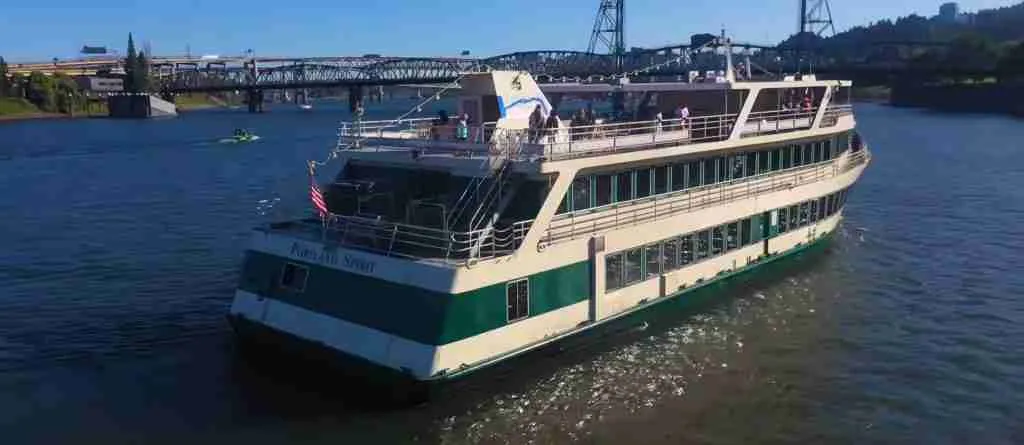
Commercial tour operators provide turnkey day trip experiences from Portland hotels. Companies specializing in Columbia Gorge tours include Wildwood Adventures ($100-125 per person for waterfall tours), Evergreen Escapes ($110-135), and Portland Spirit ($95-115 for cruise-tour combinations). Tours typically run 8-9 hours including 2-3 waterfall stops, Vista House, and sometimes Hood River or Bonneville Dam.
Willamette Valley wine tours are offered by Grape Escape ($200-250 per person including lunch), Eco Tours of Oregon ($175-225), and numerous smaller operators. Tours visit 3-4 wineries, include transportation and guide services, and sometimes provide lunch. Tasting fees ($80-120 for three wineries) are typically not included in base tour prices.
Mount Hood tours combine Timberline Lodge visits with Columbia Gorge waterfalls for full-day excursions ($125-165 per person). Oregon Coast tours to Cannon Beach cost $115-150 per person for full-day trips from Portland. Multi-destination combination tours (coast plus wine country, or Gorge plus Hood) run $140-200 per person for extended 10-12 hour days.
Tour advantages include no driving fatigue, insider knowledge from experienced guides, group social atmosphere, and elimination of parking and permit logistics. Disadvantages include fixed schedules, limited flexibility in timing and stops, and higher per-person costs than independent travel for groups of 2-4 people. Tours make particular sense for solo travelers, first-time visitors, or those uncomfortable with mountain driving.
Safety and Practical Considerations 2026
Weather and Road Conditions
Oregon weather varies dramatically by region and elevation. The Columbia River Gorge functions as a natural wind tunnel with consistent breezes that can reach 30-40 mph during summer afternoons. Strong east winds in winter (easterly gorge winds) create dangerous ice conditions on I-84 and Highway 35. TripCheck.com provides real-time Oregon road conditions, camera views, and closure information. Check conditions before departing for winter and shoulder season trips.
Mount Hood requires chains or traction tires during winter storm events from November through April. Oregon law mandates chains or approved traction tires when signs are posted. Timberline Road climbs from 4,000 feet to 6,000 feet elevation with exposure to rapidly changing mountain weather. Snow can occur any month of the year above 5,000 feet. Carry chains, warm clothing, and emergency supplies even during apparent clear weather.
Coastal fog reduces visibility substantially during summer mornings and can persist all day during “June Gloom” periods. Highway 101 includes numerous curves, narrow sections, and scenic pullouts where distracted drivers create hazards. Drive cautiously and use designated viewpoint parking areas rather than roadside stops.
Wildlife and Hiking Safety
Black bears inhabit forests throughout the Columbia River Gorge, Mount Hood, and Oregon Coast Range. Encounters are rare but increasing as populations expand. Store food in vehicles, never approach bears, and make noise while hiking in dense vegetation. Cougars also inhabit all forested regions but human encounters are extremely uncommon.
Poison oak grows abundantly west of the Cascades including throughout the Columbia River Gorge below 2,000 feet elevation. The plant causes severe allergic skin reactions in most people. Learn to identify the distinctive three-leafed plant and stay on established trails. “Leaves of three, let it be” remains sound advice.
Ticks are present in grassy and brushy areas, particularly in the Gorge and oak woodlands. Tick-borne diseases including Lyme disease occur in Oregon. Use insect repellent, stay on trails, perform tick checks after hiking, and remove any attached ticks promptly.
River and ocean safety requires respect for cold water temperatures (45-55°F year-round) and strong currents. The Pacific Ocean is particularly dangerous with powerful undertow, sneaker waves that surge unexpectedly up beaches, and extremely cold water. Never turn your back on the ocean. Keep children close and supervise constantly near water.
Emergency Services and Cell Coverage
Cell phone coverage is excellent in Portland, Hood River, and coastal towns but becomes spotty in the Columbia River Gorge backcountry, Mount Hood wilderness areas, and along remote coastal stretches. The central Columbia River Gorge along I-84 maintains reasonable coverage, but trails and side roads often lack service. Download offline maps before departing for areas without coverage.
Emergency services operate throughout all described day trip regions. Dial 911 for emergencies. Hood River Medical Center serves the central Gorge. Legacy Mount Hood Medical Center in Gresham (east Portland) provides the closest full-service hospital to the western Gorge. Providence Seaside Hospital serves the northern Oregon Coast. Emergency services in wine country access McMinnville’s Willamette Valley Medical Center.
Leave No Trace and Environmental Ethics
Oregon’s day trip destinations receive millions of annual visitors creating significant environmental impact. Practice Leave No Trace principles: pack out all trash including food scraps and toilet paper, stay on designated trails to prevent erosion, avoid shortcutting switchbacks, and keep dogs on leashes in areas where required. Many Columbia River Gorge trails prohibit dogs completely to protect sensitive habitat and nesting birds.
Oregon beaches prohibit removing rocks, shells, or other natural materials from state park beaches. Tidepool exploration requires gentle observation without touching marine life or disturbing rocks. Closed tidepools (marked by stakes and signs) protect sensitive regeneration areas and must be avoided completely.
Wine country visits should respect working agricultural land. Stay on public roads, don’t enter vineyard rows without permission, and follow winery guidance on where guests may walk. Many estates welcome vineyard exploration on marked trails but prohibit off-trail access that could damage vines or compact soil.
Frequently Asked Questions About Portland Day Trips 2026
Do I need to book Multnomah Falls permits in advance?
Yes, Multnomah Falls requires advance timed entry permits from May 22 through September 7, 2026, between 9am and 6pm daily. The $2 permits are purchased through Recreation.gov in two booking windows: primary reservations open 14 days before the visit date at 7am Pacific Time, and secondary reservations open 2 days in advance. Permits sell out quickly for summer weekends, particularly Saturday and Sunday slots. Book as early as possible when your travel dates are confirmed. Limited free permits are available same-day at Gateway to the Gorge Visitor Center in Troutdale and Cascade Locks Historical Museum on a first-come basis while supplies last. Access without permits is possible before 9am or after 6pm, via Historic Highway 30 (very limited parking), or using Columbia Gorge Express bus service.
Which day trip offers the best value for families with children in 2026?
The Columbia River Gorge provides the best family value combining free or low-cost access to natural wonders with activities suitable for all ages. The $2 Multnomah Falls permit (May-September) covers entire vehicles regardless of occupancy. Waterfall viewing from paved paths requires no hiking fitness. Short trails like the 0.2-mile walk to Benson Bridge accommodate young children and strollers. Vista House at Crown Point ($0 admission) provides educational exhibits and restrooms. Total family costs for a Gorge day trip run $25-60 for a family of four including permit, fuel, and packed lunch, or $40-85 including restaurant meal. The Oregon Coast offers comparable family value with beach access free and Ecola State Park charging $10 per vehicle. Both destinations provide hands-on nature experiences (waterfalls, tide pools) that engage children more effectively than wine tasting or scenic driving.
Can I visit multiple destinations in a single day from Portland?
Combining multiple destinations in a single day is feasible but requires early starts and creates long driving days. The most practical combination pairs Multnomah Falls with Mount Hood via the scenic loop described previously (Gorge to falls, continue to Hood River, south to Timberline, return via Highway 26). This 200-mile circuit requires 5-6 hours minimum driving time plus activity time. Combining Columbia River Gorge with Willamette Valley wine country is geographically inefficient as the regions lie in opposite directions from Portland. The Oregon Coast can combine with wine country via Highway 18 connections, but the 160-mile drive from Cannon Beach to McMinnville requires 3+ hours making this a 12+ hour day with minimal activity time. For quality experiences versus surface-level tourism, dedicate full days to single destinations rather than attempting ambitious multi-region combinations.
What’s the best day trip for winter storm watching?
Cannon Beach and Cape Lookout on the Oregon Coast deliver the Pacific Northwest’s most dramatic winter storm watching experiences. Pacific storms generate waves exceeding 20-30 feet that crash against Haystack Rock and surge up Cannon Beach. The best viewing occurs from Ecola State Park’s Ecola Point overlook where elevated bluffs provide safe observation of massive swells hitting offshore rocks and sea stacks. Cape Lookout south of Tillamook extends 1.5 miles into the Pacific as a 400-foot cliff, creating a spectacular vantage point for storm systems approaching from the southwest. Winter storm season runs November through February with peak activity in December and January. Monitor marine forecasts for approaching low-pressure systems and large wave warnings. Visit during or just after storm passage for maximum wave action. Safety is critical — never approach the waterline during storms as sneaker waves can surge 40-50 feet up beaches without warning. Stay on elevated viewpoints and observe from safe distances. Total costs for storm watching trips match summer beach visits ($45-75 per person independently) with the added excitement of nature’s power on display.
Are Portland day trips accessible for visitors without cars?
Portland day trips present challenges for non-drivers as public transportation serves only the Columbia River Gorge. The Columbia Gorge Express bus provides reliable car-free access from Portland’s Gateway Transit Center to Multnomah Falls, Cascade Locks, and Hood River ($10-15 round trip). This makes Gorge waterfall tours completely viable without rental cars. All other destinations — Oregon Coast, Mount Hood, Willamette Valley wine country — lack public transit connections from Portland and require either renting a car ($40-65 daily), joining organized commercial tours ($75-250 per person), or arranging private transportation. Tour services provide the most practical car-free solution for multiple destinations, particularly wine country where designated drivers are essential anyway. Solo travelers and couples may find tour costs comparable to rental car expenses when including fuel and parking fees, with the added benefit of local expertise and social atmosphere. Groups of 4-6 people achieve better value renting a car and splitting costs versus individual tour fees.
How far in advance should I book wine country reservations?
Willamette Valley winery reservations should be made 3-7 days in advance for weekend visits during peak season (May-October) and 1-3 days for weekday visits. The most acclaimed producers including Archery Summit, Domaine Drouhin, Penner-Ash, and Sokol Blosser often book completely 1-2 weeks ahead for summer Saturday appointments. Smaller boutique wineries with limited tasting room capacity may require even longer lead times. Many appointment-only producers don’t accept walk-ins regardless of availability to maintain intimate, personalized experiences. However, several larger estates with spacious tasting facilities welcome walk-ins on a space-available basis. Call ahead on the day of visit to check walk-in availability even without advance reservations. Winter months (November-March) offer more flexibility with many wineries accepting same-day or next-day reservations due to reduced visitor demand. Book earliest for your most important winery priorities and fill secondary slots with more flexible backup options.
What should I pack for a full day trip in 2026?
Day trip packing lists vary by destination and season but several items apply universally. Layered clothing handles Oregon’s variable weather and elevation changes — start with a base layer, add insulating mid-layer, and pack a waterproof jacket even on sunny days. Coastal fog and mountain weather can shift rapidly. Comfortable walking shoes with good traction are essential; many trails, tasting rooms, and viewpoints involve uneven surfaces or stairs. Sunscreen and sunglasses protect against high-elevation UV exposure at Mount Hood and reflective beach environments. Reusable water bottles reduce plastic waste and save money versus purchasing drinks at attractions. Snacks and lunch items for picnics provide flexibility and budget savings compared to relying on restaurant availability. Car chargers for phones ensure navigation and camera functionality throughout the day. Basic first aid supplies (bandages, pain reliever, any personal medications) handle minor issues without disrupting plans. For winter Mount Hood visits, add tire chains, ice scraper, warm blankets, and emergency food to vehicle emergency kits. Binoculars enhance wildlife viewing at coastal and Gorge destinations. Small backpacks or daypacks carry these items comfortably while keeping hands free for photography and exploration.
Which destination offers the best hiking opportunities?
The Columbia River Gorge provides the greatest concentration and diversity of hiking trails accessible from Portland. The Gorge contains over 100 named trails ranging from easy 0.5-mile waterfall walks to challenging 15+ mile alpine routes. Angel’s Rest (4.6 miles round trip, 1,500 feet elevation gain) delivers the signature Gorge summit experience. Wahkeena Falls to Multnomah Falls Loop (5 miles, 1,600 feet gain) combines six waterfalls with viewpoints. Eagle Creek Trail to Punchbowl Falls and Tunnel Falls (12 miles round trip) remains closed in 2026 but typically offers the area’s premier waterfall canyon hike when open. Mount Hood provides alpine hiking contrasting the Gorge’s forested canyons. Timberline Trail sections, Mirror Lake, and Trillium Lake offer options from easy to strenuous in true mountain environments with glaciers, wildflower meadows, and volcanic landscapes. The Oregon Coast emphasizes shorter coastal headland trails at Ecola State Park and Cape Lookout rather than extended backcountry hiking. Silver Falls State Park’s Trail of Ten Falls (7.9 miles) rivals the Gorge for waterfall concentration but requires 75 miles of driving each direction. Serious hikers seeking full-day trail experiences should prioritize the Columbia River Gorge for accessibility, diversity, and world-class scenery.
What are the best budget-friendly day trips from Portland?
The Columbia River Gorge delivers world-class natural scenery for minimal cost. The western waterfall corridor costs just $2 per vehicle for Multnomah Falls permit (May-September) plus fuel. Pack lunches eliminate restaurant expenses. Vista House, waterfall viewing, and hiking trails are free. Total costs for two people run $15-25 including fuel and permits. Tryon Creek State Natural Area in Portland’s southwest suburbs offers free hiking in old-growth forest (0 miles from downtown, free admission, free parking). Sauvie Island northwest of Portland provides free beach access on the Columbia River, U-pick farms in season, and agricultural scenery without admission fees (12 miles from downtown). The Historic Columbia River Highway east to Multnomah Falls makes a spectacular free scenic drive (until permit season begins). Forest Park’s 70+ miles of hiking trails within Portland city limits require zero driving and zero fees. Oregon City’s End of the Oregon Trail Interpretive Center ($9.50 admission) and Willamette Falls viewing create a half-day trip for under $25 including fuel. Budget-conscious travelers can experience Oregon’s premier attractions without expensive tours, activity fees, or destination costs by focusing on public lands, state parks in non-permit seasons, and packed meals.
How do weather patterns affect day trip planning throughout the year?
Portland’s Pacific Northwest climate creates distinct seasonal patterns affecting day trip timing and destination selection. Spring (March-May) brings variable weather with rain possible through May, but waterfalls reach peak flow and wildflowers bloom from late April onward. Pack rain gear and expect 50-65°F temperatures. Summer (June-August) delivers the most reliable weather with 75-85°F temperatures inland, though coastal fog is common during “June Gloom” and July mornings. This is peak season requiring advance reservations for Multnomah Falls and popular wineries. Fall (September-November) offers ideal day trip weather with warm, dry conditions through September and early October (65-75°F) before autumn rains begin in late October. Gorge fall colors peak in late October. Crowds decrease after Labor Day. Winter (December-February) limits mountain access due to snow and ice, though Gorge waterfalls reach maximum flow and coastal storm watching becomes spectacular. Temperatures range 35-50°F with frequent rain. Each season favors different destinations: spring waterfall viewing in the Gorge, summer wine country and coast visits, fall Gorge hiking and wine harvest experiences, and winter Mount Hood skiing or coastal storm watching. Plan activities matching seasonal strengths rather than fighting weather limitations.