
Pompeii Local Experiences 2026: Authentic Cultural Immersion
Pompeii offers rich local experiences beyond the UNESCO archaeological site connecting visitors with authentic Campanian culture and traditions. Modern Pompeii town and surrounding communities preserve regional heritage through cuisine, craftsmanship, agriculture, and daily life patterns rooted in centuries of Mediterranean civilization. These authentic experiences provide cultural context enhancing understanding of ancient Roman society and its modern descendants.
Key Takeaways
- Authentic Cuisine: Traditional Campanian restaurants serve ancient Roman-inspired dishes using regional recipes and local ingredients
- Wine Heritage: Vesuvian wine producers offer tastings of wines grown on volcanic slopes using ancient grape varieties
- Artisan Crafts: Local workshops demonstrate traditional techniques creating replicas of ancient Roman pottery and mosaics
- Market Culture: Weekly markets in modern Pompeii town showcase regional products, produce, and traditional crafts
- Religious Traditions: Sanctuary of the Virgin of the Rosary represents modern pilgrimage traditions connecting past and present
- Farm Experiences: Agriturismo properties offer authentic rural hospitality with cooking classes and agricultural activities
Introduction
The Vesuvian region surrounding Pompeii maintains strong connections to agricultural traditions, artisan craftsmanship, and culinary heritage distinguishing it from generic tourist destinations. Family-owned businesses, traditional restaurants, local markets, and cultural festivals offer genuine immersion opportunities for 2026 visitors seeking authentic experiences. This comprehensive guide connects travelers with local culture through food, wine, crafts, and community traditions.
People Also Ask About Pompeii Local Experiences 2026
What local foods should I try in Pompeii?
Try traditional Campanian dishes including pizza margherita, pasta alla Genovese, buffalo mozzarella from local farms, and sfogliatella pastries. Regional specialties feature tomatoes from Mount Vesuvius slopes, local olive oil, and wines from ancient grape varieties. Family restaurants serve authentic recipes passed through generations.
Are there cooking classes near Pompeii?
Several local agriturismo properties offer hands-on cooking classes teaching traditional Campanian recipes. Learn pasta-making techniques, pizza preparation, and regional dishes using farm-fresh ingredients. Classes run 3-4 hours including meal preparation and dining. Book advance reservations through property websites or local tour operators.
Can I visit a winery near Pompeii?
Numerous wineries operate on Mount Vesuvius slopes producing DOC Vesuvio wines from ancient grape varieties. Guided tours include vineyard walks, cellar visits, and tastings of multiple wine varieties. Many wineries offer lunch pairings with regional cuisine. Reserve tours through winery websites or local tour companies.
What markets are near Pompeii?
Modern Pompeii town hosts weekly market every Friday with local produce, crafts, and regional products. Torre Annunziata market on Mondays features seafood and agricultural goods. Castellammare di Stabia Saturday market offers broader selection including clothing and household items. Markets operate 8 AM to 1 PM.
Extended multi-day tours – 5+ days
Featured Pompeii Multi-Day Tour Packages
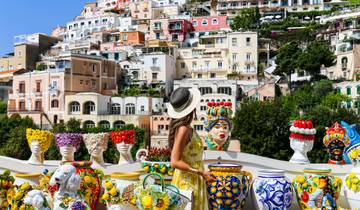
3 days
Discover Sorrento, Amalfi Coast & Pompeii in 3 Days
- ✓ Comprehensive Pompeii tour
- ✓ Expert local guides included
- ✓ All accommodation arranged
- ✓ Transportation provided

6 days
6 Days from Naples: Pompeii, Mount Vesuvius, Amalfi Coast, Sorrento, Positano & Capri Island
- ✓ Comprehensive Pompeii tour
- ✓ Expert local guides included
- ✓ All accommodation arranged
- ✓ Transportation provided
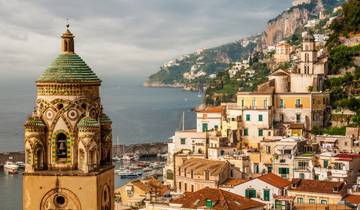
7 days
Sorrento Escape, Private Tour
- ✓ Comprehensive Pompeii tour
- ✓ Expert local guides included
- ✓ All accommodation arranged
- ✓ Transportation provided
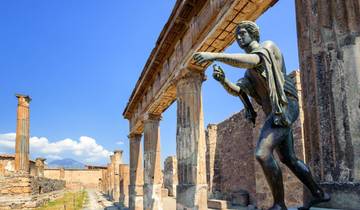
4 days
Discovering Amalfi Coast
- ✓ Comprehensive Pompeii tour
- ✓ Expert local guides included
- ✓ All accommodation arranged
- ✓ Transportation provided
Multi-day tour packages powered by TourRadar. Prices and availability subject to change.
Authentic Culinary Experiences
Traditional Restaurant Dining
Family-owned trattorias in modern Pompeii serve authentic Campanian cuisine using recipes passed through generations. Restaurants source ingredients from local farms, fishermen, and artisan producers. Lunch service runs 12:30 PM to 3 PM with dinner from 7:30 PM onwards. Reservations are recommended for dinner service during peak season.
Typical meals begin with antipasto platters featuring local mozzarella, cured meats, and marinated vegetables. Pasta courses showcase regional specialties including pasta alla Genovese with slow-cooked onion sauce. Main courses feature meat dishes, seafood from Naples Bay, and seasonal vegetables. Finish with traditional desserts like delizia al limone or babà al rum.
Pizza Napoletana Experience
Authentic Neapolitan pizza originated in this region with strict preparation standards. Traditional pizzerias use wood-fired ovens reaching 485°C (905°F) cooking pizzas in 90 seconds. The soft, elastic dough features high-quality flour, San Marzano tomatoes, buffalo mozzarella, and local olive oil. Classic margherita pizza honors the traditional recipe.
Pizzerias operate primarily for dinner service starting around 7 PM. Watch pizzaioli (pizza makers) tossing dough and managing ovens in open kitchens. Order additional appetizers like fried pizza dough or arancini. Prices range €6-12 per pizza. Most establishments accept cash only so plan accordingly.
Street Food and Markets
Local markets offer authentic street food including fried pizza, arancini rice balls, and fresh seafood preparations. Vendors sell seasonal fruits from Vesuvian slopes including famous apricots, cherries, and tomatoes. Sample local cheeses, cured meats, and olive oil from regional producers. Markets provide cultural immersion through local shopping traditions.
Bakeries throughout the area produce traditional pastries including sfogliatella, a shell-shaped pastry filled with ricotta and candied citrus. Morning is best time for fresh-baked goods straight from ovens. Coffee bars serve authentic espresso drinks for €1-2. Stand at the bar like locals rather than sitting at tables which costs more.
Wine and Agricultural Tourism
Vesuvian Wine Trails
Mount Vesuvius slopes produce distinctive DOC wines from volcanic soil and microclimate. Local wineries cultivate ancient grape varieties including Piedirosso, Falanghina, and Coda di Volpe. Guided tours explain viticulture history dating to Roman times and showcase modern organic farming practices. Tastings include 3-5 wines paired with regional food products.
Full winery tours run 2-3 hours including vineyard walks and cellar visits. Prices range €25-45 per person with advance reservations required. Many properties offer restaurant service featuring estate-grown ingredients. Transportation to wineries requires car rental or organized tour as public transit is limited. Tours operate year-round with harvest season September-October offering special experiences.
Agriturismo Stays
Agricultural hospitality properties offer accommodation on working farms combining tourism with authentic rural life. Guests stay in renovated farmhouses surrounded by vineyards, olive groves, and vegetable gardens. Farm-to-table meals feature ingredients grown on property served family-style. Activities include farm tours, animal interactions, and seasonal harvest participation.
Nightly rates range €80-150 including breakfast with dinner available for additional €25-35 per person. Properties require minimum 2-3 night stays during peak season. Book directly through property websites or specialized agriturismo booking platforms. Rural locations offer peaceful retreats from tourist crowds with authentic cultural immersion.
Olive Oil Producers
Local frantoi (olive oil mills) produce extra virgin olive oil from ancient olive groves. Tours demonstrate traditional pressing methods and modern production techniques. Tastings teach proper olive oil evaluation including aroma, color, and flavor characteristics. Purchase high-quality oils directly from producers at €12-20 per bottle.
Artisan Crafts and Workshops
Mosaic Making
Local artisans maintain ancient mosaic-making traditions creating replicas of famous Pompeian designs. Workshops offer hands-on classes teaching traditional techniques using stone tesserae. Participants create small mosaic pieces to take home. Classes run 2-3 hours costing €45-75 per person including materials. Book through local craft schools or tour operators.
Ceramics and Pottery
Traditional pottery workshops produce handmade ceramics using local clay and ancient decorative techniques. Artisans demonstrate wheel throwing, hand building, and glazing methods. Functional pieces include serving dishes, vases, and decorative tiles. Showrooms display finished works with prices ranging €20-200 depending on size and complexity.
Cameo Carving
Torre del Greco, nearby coastal town, specializes in cameo carving using shells and coral. Family workshops maintain centuries-old traditions passed through generations. Demonstrations show carving process transforming raw materials into intricate jewelry. Authentic pieces cost €50-500 with certificates of authenticity. Visit factory showrooms for best selection and prices.
Cultural Festivals and Events
Religious Celebrations
The Sanctuary of the Virgin of the Rosary hosts major pilgrimage events throughout the year. The feast day celebration on May 8 attracts thousands of devotees with processions, religious ceremonies, and community festivities. Holy Week observances include traditional processions through modern Pompeii streets. These events provide insight into regional Catholic traditions and community life.
Seasonal Festivals
Summer months feature outdoor festivals celebrating local products, music, and traditions. Sagre (food festivals) highlight seasonal ingredients with tastings, cooking demonstrations, and entertainment. Wine festivals during September-October coincide with harvest season. Local tourism offices provide festival calendars and event details for visit planning.
Archaeological Learning Experiences
Expert-Led Tours
Licensed local guides offer specialized tours focusing on specific aspects of Pompeian life including architecture, daily life, art, or religion. Small group tours limited to 8-12 people provide personalized attention and opportunity for questions. Guides share scholarly knowledge and local perspectives often unavailable in standard tours. Private tours offer maximum flexibility and customization.
Archaeological Workshops
Academic programs occasionally offer short courses and workshops on Roman archaeology, art history, and preservation techniques. University extension programs provide multi-day intensive courses for serious archaeology enthusiasts. Local cultural associations organize lectures and presentations by scholars and excavation directors. Check with local universities and archaeological institutes for current offerings.
Nature and Outdoor Activities
Mount Vesuvius Hiking
Vesuvius National Park offers hiking trails to the volcano crater rim with panoramic views across Naples Bay and Pompeii. The main trail covers 850 meters with moderate difficulty reaching 1,281-meter summit. Guided nature walks explain volcanic geology, endemic plants, and ecosystem recovery. Entrance fee €10 with organized tours available through park service.
Coastal Experiences
Nearby coastal towns provide beach access, seafood restaurants, and maritime culture. Castellammare di Stabia offers ancient Roman villa sites combined with modern beach facilities. Torre Annunziata features working port atmosphere with daily fish markets. Boat excursions explore coastline and provide different perspective on Vesuvian region.
Shopping Local Products
Artisan Food Products
Specialty food shops sell regional products including preserved tomatoes, pasta, olive oil, and wine. Look for DOP and IGP certifications guaranteeing authentic regional origin. Limoncello liqueur made from local lemons makes popular souvenir. Packaged products transport easily in checked luggage. Vacuum-sealed cheeses and cured meats comply with US customs regulations.
Craft and Souvenir Shopping
Shop archaeological site gift shop offers quality reproductions of Pompeian artifacts including pottery replicas, mosaic jewelry, and books. Local artisan shops produce handmade items using traditional techniques. Avoid mass-produced souvenirs imported from outside region. Support local economy through purchases from authentic producers and craftspeople.
Community Interactions
Local Guide Services
Hiring local guides supports community economy while gaining insider knowledge. Licensed guides undergo extensive training and examinations ensuring expertise. Many guides grew up in the area with personal connections to local culture and traditions. Guides share stories, recommendations, and perspectives unavailable in guidebooks. Tip 10-15% for excellent service.
Language Exchange
Basic Italian phrases enhance local interactions and show cultural respect. Many locals appreciate visitors attempting Italian even if imperfect. Restaurant staff and shopkeepers often speak some English but value language efforts. Learn food vocabulary and basic courtesies before arrival. Translation apps provide backup assistance when needed.
Sustainable Tourism Practices
Supporting Local Economy
Choose locally-owned accommodations, restaurants, and tour operators over international chains. Purchase directly from artisans and producers rather than souvenir chains. Eat at family restaurants serving regional cuisine with local ingredients. These choices support community sustainability and provide authentic experiences. Small additional costs benefit local families and preserve traditional practices.
Responsible Visitor Behavior
Respect local customs and traditions during cultural events and religious celebrations. Dress appropriately when visiting churches and sacred sites. Avoid loud behavior in residential neighborhoods. Support preservation efforts through responsible site visitation and following posted guidelines. Leave no trace in natural areas and archaeological sites.
Day Trip Experiences
Herculaneum Archaeological Site
Herculaneum offers more intimate archaeological experience than Pompeii with excellent preservation. The smaller site requires 2-3 hours for comprehensive visit. Better-preserved organic materials including wood and textiles provide unique insights. Located 20 minutes from Pompeii by Circumvesuviana train. Combination tickets available covering both sites.
Naples Cultural Immersion
Naples offers rich cultural experiences including National Archaeological Museum housing Pompeii’s finest artifacts and frescoes. Historic center features UNESCO World Heritage medieval and baroque architecture. Authentic Neapolitan pizza originated here with numerous historic pizzerias. Naples provides urban cultural contrast to Pompeii’s archaeological focus. Train connections run every 30 minutes taking 40 minutes.
Sorrento Peninsula
Sorrento provides coastal resort atmosphere with limoncello production, clifftop views, and craft traditions. The town serves as gateway to Amalfi Coast explorations. Local inlaid wood crafts continue centuries-old traditions. Ferry connections link to Capri island. Circumvesuviana trains connect Pompeii to Sorrento in 30 minutes.
Seasonal Experiences
Spring Activities (March-May)
Spring brings wildflower blooms across archaeological site and Vesuvius slopes. Mild weather ideal for hiking and outdoor activities. Easter celebrations include traditional processions and religious observances. Agricultural activities include olive tree pruning and vineyard management visible in countryside. Asparagus and artichoke seasons feature in restaurant menus.
Summer Traditions (June-August)
Summer festivals celebrate patron saints with processions, music, and community gatherings. Outdoor concerts and cultural events occur in historic venues. Beach activities at nearby coastal towns. Evening hours extend with late dining times and social atmosphere. Fresh tomatoes and stone fruits reach peak season.
Autumn Harvest (September-November)
Grape harvest offers opportunities for vendemmia experiences at wineries. Olive harvest begins in October with opportunities to participate. Truffle season in nearby mountains creates culinary events. Chestnut roasting traditions appear in local festivals. Mushroom foraging activities available through specialized guides.
Winter Quietude (December-February)
Fewer tourists create peaceful atmosphere for cultural immersion. Traditional Christmas markets and nativity scene displays in local communities. Olive oil pressing continues at local mills with fresh oil available. Citrus fruits reach peak season. Indoor cultural activities include museum visits and artisan workshops.
Photography Opportunities
Local Life Documentation
Capture authentic moments in daily life including market vendors, artisan workshops, and street scenes. Morning markets provide colorful subject matter with local characters. Festival processions offer cultural photography opportunities. Always ask permission before photographing individuals especially during religious events. Respect privacy and cultural sensitivity.
Landscape and Agriculture
Vesuvian vineyards create beautiful agricultural landscapes especially during spring growth and autumn harvest. Ancient olive groves frame Mount Vesuvius dramatically. Sunset views from coastal areas provide memorable images. Rural farmland patterns show traditional agricultural practices. Golden hour lighting enhances landscape photography.
Planning Your 2026 Local Experience
Advance Reservations
Book cooking classes, winery tours, and agriturismo stays 4-8 weeks before arrival during peak season. Restaurant reservations recommended for dinner during summer months. Contact artisan workshops ahead for scheduled demonstrations. Guided tours fill quickly during high season requiring advance booking. Some experiences offer same-day availability during off-season.
Transportation Logistics
Rent car for maximum flexibility visiting wineries, agriturismo properties, and rural areas. Public transportation serves main towns but limited in countryside. Organized tours handle transportation for wine tastings and cooking classes. Taxi services available but expensive for multiple destinations. E-bike rentals offer alternative for short-distance countryside exploration.
Budget Planning
Authentic local experiences range €25-100 per person depending on activity. Cooking classes average €60-80 including meal. Winery tours cost €30-50 with lunch additional. Artisan workshops run €40-75 for hands-on experiences. Restaurant meals cost €25-40 per person for multi-course dinners with wine. Market shopping and street food provide budget-friendly options.
2026 Updates & Changes
Current Local Tourism Initiatives
Modern Pompeii continues developing sustainable tourism programs supporting local businesses and cultural preservation. Artisan cooperative showcases traditional crafts in centralized location. Agricultural tourism association promotes agriturismo properties and farm experiences. Tourism office provides updated information on local events, festivals, and seasonal activities.
Community Development
Local government initiatives support traditional craft preservation through apprenticeship programs. Restaurant association promotes authentic Campanian cuisine standards. Wine producers collaborate on regional marketing and quality improvement. Community events strengthen connections between archaeological heritage and modern culture. Visitor center expansion provides enhanced information services.
Frequently Asked Questions
Do locals speak English in Pompeii area?
Tourism-related businesses typically have English-speaking staff. Younger generation often speaks some English. Rural areas and small businesses may have limited English capabilities. Basic Italian phrases enhance interactions and show respect. Translation apps provide useful backup assistance when language barriers exist.
What is the best way to meet locals?
Attend local festivals and community events where residents gather socially. Shop at weekly markets engaging with vendors and other shoppers. Join cooking classes and workshops encouraging interaction with instructors and participants. Dine at family-owned restaurants where owners often engage with guests. Stay at agriturismo properties for extended interaction with hosts.
Are credit cards accepted at local businesses?
Major restaurants and shops accept credit cards. Small family businesses, market vendors, and cafes often accept cash only. ATMs available throughout modern Pompeii town. Carry €50-100 cash daily for small purchases and backup. Notify credit card companies of Italy travel to avoid transaction blocks.
What should I know about tipping in Italy?
Italian restaurants include coperto (cover charge) and servizio (service charge) in bills. Additional tipping is not required but appreciated for excellent service. Round up to nearest euro at casual establishments. Leave €5-10 on restaurant bills for exceptional service. Tip tour guides €5-10 per person for private services.
Can I participate in agricultural activities?
Agriturismo properties welcome guest participation in seasonal activities including grape harvesting, olive picking, and vegetable gardening. Advance arrangement ensures appropriate timing and available activities. Some farms offer hands-on experiences as package deals. Participation opportunities vary by season and farm operations. Expect authentic work rather than tourist entertainment.
What local products can I bring home to the US?
Packaged foods including pasta, jarred products, and sealed olive oil comply with US customs regulations. Vacuum-sealed cheeses under 1 kg per type are permitted. Wine and limoncello must be declared with quantity limits. Fresh fruits, vegetables, and meats are prohibited. Ceramics and crafts travel easily in checked luggage.
Are there language classes available for visitors?
Some cultural centers offer short Italian conversation classes for tourists. Private tutors provide customized lessons at negotiable rates. Language exchange meetups connect native Italian and English speakers. Check local tourism office for current class offerings. Apps like Duolingo provide self-study before arrival.
How do I find authentic restaurants versus tourist traps?
Look for restaurants frequented by local families rather than positioned near major attractions. Menus displayed in Italian only often indicate authentic establishments. Ask accommodation hosts for personal recommendations. Avoid restaurants with aggressive touts outside entrances. Check Italian review sites used by locals.
What cultural customs should I know?
Dress modestly when visiting churches covering shoulders and knees. Greet shopkeepers and restaurant staff with buongiorno or buonasera. Avoid loud conversations in residential areas and religious sites. Meal times follow Italian schedule with late lunch and dinner. Sunday afternoon closures remain common for family time and rest.
Can I visit working archaeological excavations?
Active excavation sites occasionally offer guided tours through special programs. Contact local universities conducting research for potential opportunities. Volunteer programs exist for qualified individuals with archaeological training. Most active digs remain closed to casual visitors for safety and research integrity. Newly opened areas in main park showcase recent discoveries.