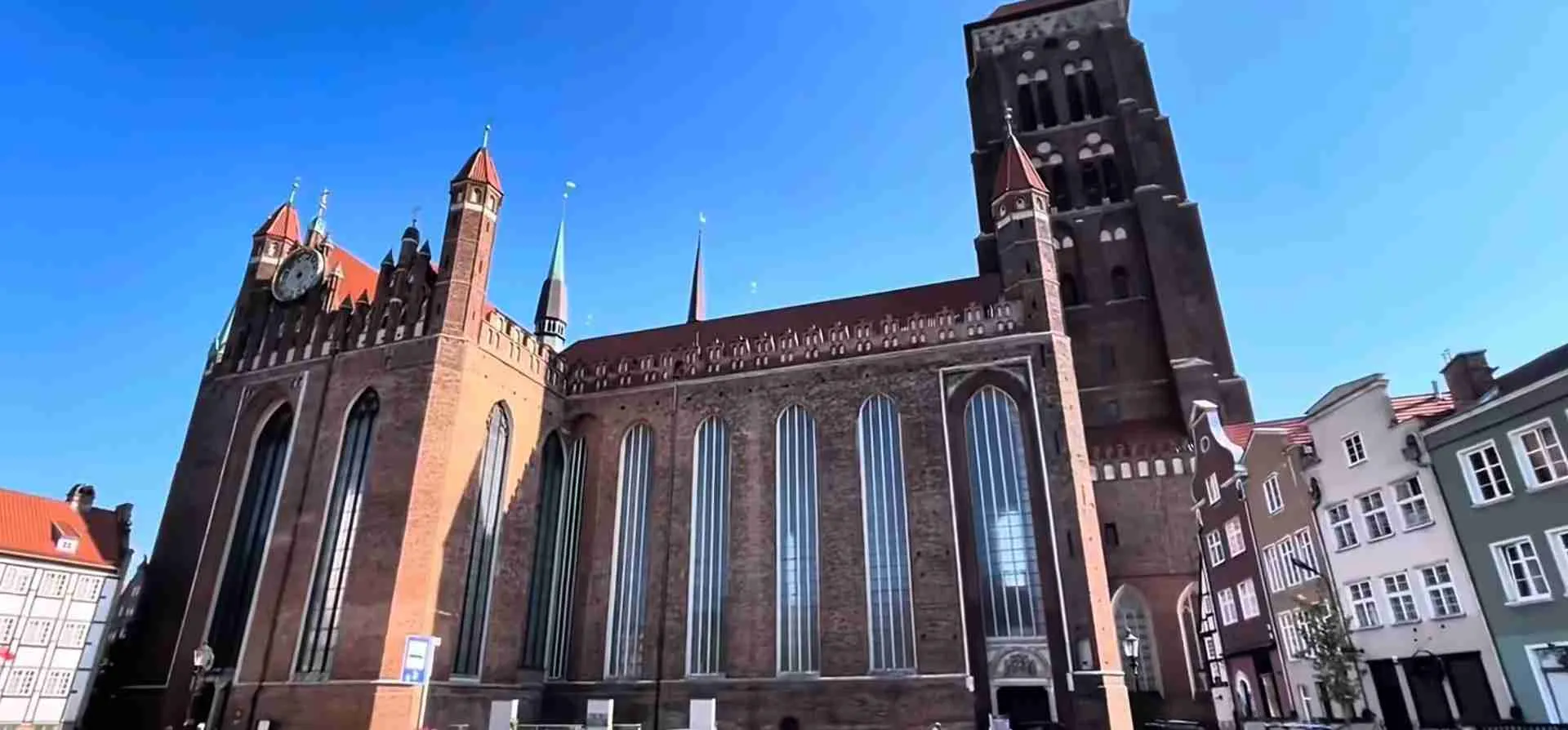
Poland Travel Tips 2026: Essential Planning & Practical Advice
Poland combines rich cultural heritage with exceptional travel value, making it one of Europe’s most rewarding destinations in 2026. With 17 UNESCO World Heritage Sites, efficient transportation networks, and costs 50-60% lower than Western European capitals, Poland delivers premium experiences without premium prices. Understanding entry requirements, transportation options, and practical logistics transforms your Polish adventure from good to unforgettable.
Key Takeaways
- Entry Requirements 2026: EU/Schengen citizens need valid passport only. US/Canada/Australia travelers enter visa-free for 90 days (ETIAS authorization coming late 2026). Passport must be valid 3+ months beyond departure date.
- Budget Planning: Mid-range travelers spend €70-95 per person daily. Budget travelers manage on €35-45, luxury travelers €200+. Accommodation €40-80, meals €25-35, attractions €15-30, transport €5-10 daily.
- Transportation Value: Intercity trains cost €2-15 between major cities. Warsaw-Krakow takes 2.5 hours for €4.50-13.90. City public transport averages €1.50 per ride, €4-10 for day passes.
- Best Cities Base: Krakow for history and culture, Warsaw for modern capital experience, Gdansk for Baltic coast, Wroclaw for architecture. Each offers excellent accommodation options and transportation connections.
- UNESCO Highlights: Poland has 17 UNESCO World Heritage Sites including Krakow’s Old Town, Auschwitz-Birkenau, Wieliczka Salt Mine, Malbork Castle, and Białowieża Forest. Most accessible from major cities via train.
- Communication: English widely spoken in tourist areas and major cities. Polish essential phrases helpful in smaller towns. Free WiFi common in hotels, cafes, restaurants. Mobile data plans affordable (€10-20 for tourist SIM).
People Also Ask About Poland Travel 2026
Do I need a visa to visit Poland in 2026?
Visa requirements depend on your nationality. EU and Schengen Area citizens need only a valid passport for unlimited stays. US, Canadian, Australian, UK, and other visa-exempt nationals can visit Poland for up to 90 days within any 180-day period without a visa. Your passport must be valid for at least 3 months beyond your planned departure date from the Schengen Area and issued within the last 10 years. The European Travel Information and Authorization System (ETIAS) is scheduled to launch in late 2026 for visa-exempt travelers. This electronic authorization, linked to your passport, requires an online application before travel (most approvals process within minutes, though some may take up to 30 days). Apply at least one month before your trip to avoid boarding delays. Citizens from countries requiring Schengen visas should apply through Polish consulates 4-6 weeks before travel.
How much money should I budget for Poland in 2026?
Budget €70-95 per person daily for comfortable mid-range travel in Poland in 2026. This covers mid-range accommodation (€40-80 per night for hotels or apartments), three meals (€25-35 daily), local transportation (€5-10), and entrance fees for major attractions (€10-25 per site). Budget travelers managing hostels, milk bars (traditional Polish cafeterias), and free attractions can operate on €35-45 daily. Luxury travelers preferring 5-star hotels, fine dining, private transportation, and premium tours should budget €200+ daily. Warsaw and Krakow cost 15-25% more than smaller cities like Torun or Lublin. Summer (June-August) brings peak-season prices 20-30% higher than spring or fall. Book accommodation 2-3 months ahead for best rates, especially for July-August travel.
Is Poland safe for tourists in 2026?
Poland ranks as one of Europe’s safest countries for tourists, with low violent crime rates and well-maintained infrastructure. Major cities like Warsaw, Krakow, Gdansk, and Wroclaw have excellent safety records comparable to Western European capitals. Petty theft (pickpocketing, bag snatching) occurs in crowded tourist areas, particularly Krakow’s Main Square and Warsaw’s Old Town during peak season. Use anti-theft bags, avoid displaying expensive electronics, and secure valuables in hotel safes. Public transportation operates safely day and night, though avoid empty metro cars late at night. The Poland-Belarus border has restricted access zones; follow posted restrictions in border areas. Emergency services (police 997, ambulance 999, fire 998, general emergency 112) respond quickly in urban areas. Solo female travelers report feeling safe; standard urban precautions apply (well-lit streets, official taxis, awareness of surroundings). Political demonstrations occur occasionally in Warsaw; avoid protest areas as demonstrations can turn unpredictable.
What’s the best way to get around Poland in 2026?
Poland’s efficient train network provides the best intercity transportation in 2026, connecting major cities with frequent, affordable service. PKP Intercity operates Express InterCity Premium (EIP) Pendolino high-speed trains and InterCity (IC) services between Warsaw, Krakow, Gdansk, Wroclaw, and Poznan. RegioJet, a Czech operator, offers competitive prices on Warsaw-Krakow routes (fares from €2.10). Book tickets at intercity.pl or regiojet.com 2-4 weeks ahead for best prices. First-class upgrades cost €5-10 more and include power outlets, more space, and often complimentary snacks. Within cities, public transportation (trams, buses, metro in Warsaw) costs €1.50 per 75-minute ticket or €4-10 for day passes. Download city transport apps (Jakdojade works across Poland) for real-time schedules. Taxis and Uber operate reliably in major cities; always use metered taxis or apps to avoid overcharging. Car rentals make sense only for rural exploration or multi-destination trips to smaller towns; city parking costs €5-15 daily and traffic congestion can frustrate urban driving.
Extended multi-day tours – 5+ days
Featured Poland Multi-Day Tour Packages
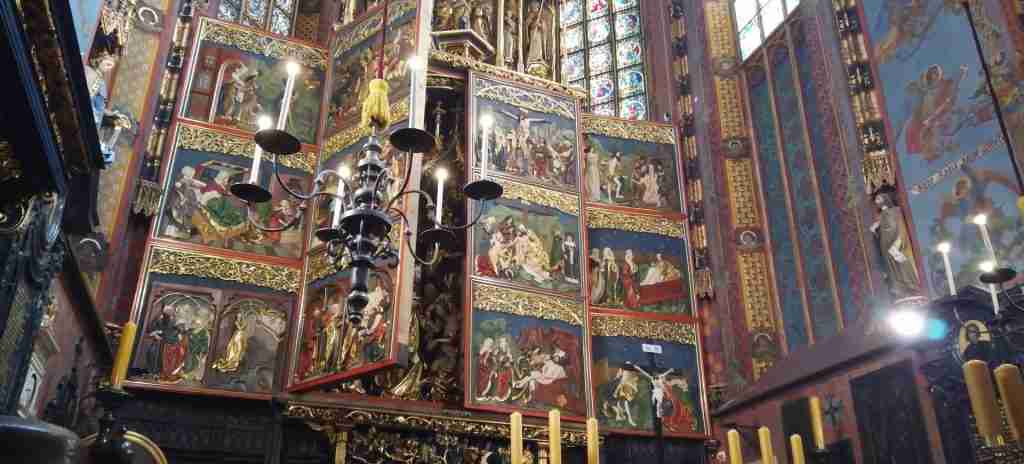
3 days
Poland 3-Day Discovery Tour
- ✓ Comprehensive Poland experience
- ✓ Expert local guides included
- ✓ All accommodation included
- ✓ Transportation provided
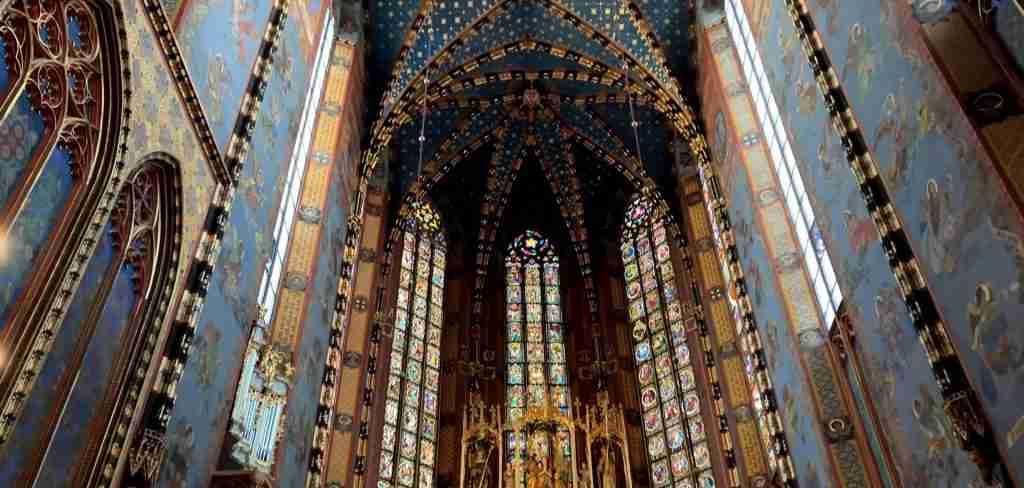
5 days
Poland 5-Day Highlights Experience
- ✓ Comprehensive Poland experience
- ✓ Expert local guides included
- ✓ All accommodation included
- ✓ Transportation provided

7 days
Poland 7-Day Cultural Journey
- ✓ Comprehensive Poland experience
- ✓ Expert local guides included
- ✓ All accommodation included
- ✓ Transportation provided

10 days
Poland 10-Day Complete Adventure
- ✓ Comprehensive Poland experience
- ✓ Expert local guides included
- ✓ All accommodation included
- ✓ Transportation provided
Multi-day tour packages powered by TourRadar. Prices and availability subject to change.
Introduction: Planning Your 2026 Poland Journey
Poland stands at the intersection of Eastern and Western Europe, offering travelers a unique combination of medieval architecture, 20th-century history, vibrant contemporary culture, and exceptional value. In 2026, Poland continues to emerge as one of Europe’s most compelling destinations, with infrastructure improvements, restored historical sites, and hospitality that welcomes millions of annual visitors without the overwhelming crowds found in Italy, France, or Spain.
The country’s 17 UNESCO World Heritage Sites range from Krakow’s meticulously preserved medieval Old Town to Auschwitz-Birkenau’s sobering memorial, from Wieliczka’s extraordinary underground salt mine to Malbork’s massive Teutonic castle. Beyond these headline attractions, Poland offers Białowieża Forest’s primeval woodlands (home to Europe’s last wild bison), Baltic coast beaches, Tatra Mountains hiking, and a culinary scene that extends far beyond pierogi to include contemporary Polish cuisine earning Michelin recognition.
Warsaw, the capital, presents a phoenix-rising story—85% destroyed during World War II, then painstakingly reconstructed to UNESCO standards. Krakow escaped wartime destruction, preserving centuries of architecture in remarkable authenticity. Gdansk combines Baltic maritime heritage with Solidarity movement history. Wroclaw’s stunning islands and bridges create one of Europe’s most photogenic cities. Each offers distinct character while maintaining Poland’s welcoming affordability.
Practical considerations make Poland particularly accessible for 2026 travelers. English proficiency has expanded significantly, especially among younger Poles and in tourist-facing businesses. Transportation networks combine efficient trains, comprehensive urban public transit, and budget airlines connecting Poland to 50+ international destinations. Accommodation ranges from €10 hostels to €200 luxury hotels, with exceptional mid-range options at €50-80. Restaurant meals cost €10-25 per person for quality dining, craft beer bars proliferate in every major city, and traditional milk bars serve authentic Polish comfort food for €3-6 per meal.
This comprehensive guide provides verified 2026 information on entry requirements, transportation logistics, accommodation strategies, budgeting, safety, communication, and cultural considerations. Whether you’re planning a week-long highlights tour, an in-depth historical journey, or a multi-week exploration combining cities, mountains, and coast, these practical tips ensure smooth travel throughout Poland.
Essential Entry Requirements 2026
Visa and Passport Requirements
Poland, as a member of the Schengen Area since 2007, follows standard Schengen entry regulations. EU and European Economic Area (EEA) citizens need only valid national identity cards or passports for unlimited stays. Schengen Area residents with valid residence permits can visit Poland freely within the 90/180-day rule.
Visa-exempt nationals—including citizens of the United States, Canada, Australia, United Kingdom, New Zealand, Japan, South Korea, and 50+ other countries—can enter Poland for tourism, business, or family visits for up to 90 days within any 180-day period. This 90-day limit applies cumulatively across all Schengen countries; time spent in France, Germany, Italy, or other Schengen nations counts toward your 90-day allocation.
Passport validity requirements mandate your passport remain valid for at least 3 months beyond your intended departure date from the Schengen Area. Additionally, passports must have been issued within the last 10 years (older passports, even if still valid, don’t meet requirements). Border guards check both criteria strictly; airlines may deny boarding if your passport doesn’t meet these standards.
ETIAS Authorization (Late 2026)
The European Travel Information and Authorization System (ETIAS) is scheduled to launch in late 2026 (specific date to be announced). Once implemented, visa-exempt travelers will need ETIAS approval before entering Poland or any Schengen country. This electronic travel authorization links to your passport and requires a one-time online application.
ETIAS applications process through the official EU website or mobile app, costing approximately €7 for adults (free for travelers under 18 or over 70). Most applications receive approval within minutes, though some may require up to 30 days for additional security checks. Apply at least one month before your departure date to avoid last-minute complications.
The authorization remains valid for 3 years or until passport expiry, whichever comes first. You can enter Poland and other Schengen countries multiple times during this period, provided each stay respects the 90/180-day rule. ETIAS doesn’t replace visas for nationals who currently require Schengen visas—those travelers continue applying through Polish consulates.
Border Control and Entry
Poland’s main international airports—Warsaw Chopin, Krakow-Balice, Gdansk Lech Walesa, Wroclaw-Copernicus—process international arrivals efficiently. EU/Schengen citizens use automated gates in many airports, while non-EU travelers proceed through immigration desks. Border guards may ask about accommodation, return tickets, and sufficient funds (though actual financial checks are rare for visa-exempt tourists).
Land border crossings with Germany, Czech Republic, Slovakia, and Lithuania operate without routine passport checks for Schengen travelers (though random checks can occur). The Poland-Belarus border requires passport control and has restricted access zones; follow all posted regulations in border areas. The Poland-Ukraine border maintains strict controls with longer processing times.
The Entry-Exit System (EES), rolling out from October 2025, registers biometric data (fingerprints and photos) for non-EU travelers at first Schengen entry. Subsequent Schengen entries use this biometric registration instead of passport stamps. Allow extra time for first entry after EES implementation, though the process typically adds only 5-10 minutes.
Getting to Poland 2026
International Flights
Warsaw Chopin Airport (WAW) serves as Poland’s primary international gateway, with direct flights from 50+ cities across Europe, North America, Asia, and the Middle East. LOT Polish Airlines, Poland’s flag carrier, operates transatlantic routes from Chicago, New York, Toronto, and Los Angeles, plus extensive European and Asian connections. Krakow-Balice Airport (KRK) receives direct flights from major European cities and select long-haul destinations. Gdansk, Wroclaw, Katowice, and Poznan handle European flights primarily.
Budget airlines (Ryanair, Wizz Air, easyJet) serve Poland extensively from European cities, offering fares as low as €20-50 for advance bookings. Peak summer (July-August) and Christmas market season (December) bring higher prices; book 3-4 months ahead for best rates. January-March offers lowest airfares, with mid-week flights (Tuesday-Thursday) cheaper than weekends.
Airport connections to city centers work efficiently in all major Polish cities. Warsaw Chopin connects via train (20 minutes, €1.50) or taxi (30 minutes, €15-25). Krakow Airport links by train (18 minutes, €2) or bus (40 minutes, €1.50). Gdansk, Wroclaw, and other airports provide bus connections (€1-3) or taxis (€10-20).
Overland Entry
International trains connect Poland with neighboring countries efficiently. EuroCity trains link Warsaw-Berlin (5.5 hours, €27-60), Warsaw-Prague (8 hours via overnight service), and Warsaw-Vienna (7 hours, €35-70). Krakow connects to Prague (7 hours, €17-54), Vienna (7 hours), and Budapest (10 hours). RegioJet and Leo Express offer competitive pricing on Czech-Polish routes.
International buses (FlixBus, Polski Bus) provide budget alternatives, often at half the train cost but with longer journey times and less comfort. Warsaw-Berlin buses cost €15-30 (7 hours), Krakow-Prague €15-25 (8 hours). Book bus tickets at flixbus.com or polskibus.com.
Driving into Poland requires valid driver’s license (international driving permit recommended for non-EU licenses), vehicle registration, insurance (green card), and highway vignette for some neighboring countries. German, Czech, and Slovak border crossings typically involve no stops for Schengen travelers.
Accommodation Strategies 2026
Budget Options (€10-40 per night)
Hostels proliferate in Krakow, Warsaw, Gdansk, and Wroclaw, offering dorm beds from €10-20 and private rooms €30-50 per night. Quality hostels include Mosquito Hostel (Krakow), Helvetia Hostel (Warsaw), and Chillout Hostel (Warsaw), all featuring common kitchens, social spaces, and organized activities. Book through hostelworld.com or booking.com for verified reviews and flexible cancellation.
Budget hotels and guesthouses cost €30-50 for double rooms with private bathrooms. Standards vary widely; prioritize properties with 8.0+ ratings and recent reviews. Location outside immediate Old Town areas saves 20-30% while remaining within 15-minute walk or short tram ride.
Mid-Range Accommodation (€40-100 per night)
Mid-range hotels and apartments provide excellent value in Poland. Three-star hotels in central locations cost €50-80, offering comfortable rooms, private bathrooms, breakfast included, and modern amenities. Chains like Ibis, Mercure, and Novotel maintain consistent standards. Independent hotels often offer better character and location.
Apartment rentals through Booking.com or Airbnb provide space, kitchens, and washing machines valuable for longer stays or families. Central Krakow apartments cost €60-100 nightly, Warsaw €50-90, Gdansk €50-80. Book 2-3 months ahead for summer peak season.
Luxury Options (€100-300+ per night)
Five-star hotels in Warsaw (Raffles Europejski, Hotel Bristol) and Krakow (Hotel Copernicus, Hotel Stary) charge €150-300 nightly, offering historic settings, spa facilities, fine dining, and concierge services. Boutique hotels provide luxury experiences at slightly lower prices (€100-180), often in converted historic buildings with unique character.
Booking Strategies
Book 2-3 months ahead for June-August and December travel to secure best rates and availability. Shoulder seasons (April-May, September-October) allow 3-6 week advance bookings. January-March offers last-minute deals as low season brings 30-40% discounts.
Weekday rates (Sunday-Thursday) average 15-20% lower than weekends in cities like Krakow and Warsaw. Breakfast inclusion varies; factor €5-12 per person for hotel breakfast or budget €3-8 for cafe breakfast.
Neighborhoods to consider: Krakow (Old Town, Kazimierz Jewish Quarter), Warsaw (Old Town, Śródmieście city center, Mokotów), Gdansk (Old Town, Wrzeszcz), Wroclaw (Old Town, Nadodrze).
Transportation Within Poland 2026
Intercity Trains
PKP Intercity operates Poland’s long-distance train network with excellent connections between major cities. Express InterCity Premium (EIP) Pendolino trains reach speeds up to 200 km/h on Warsaw-Krakow-Gdansk routes, offering first-class comfort, power outlets, WiFi, and bistro cars. Standard InterCity (IC) and Express InterCity (EIC) trains provide comfortable service at lower speeds.
Key routes and typical fares (2nd class, advance purchase): Warsaw-Krakow 2.5 hours (€4.50-13.90), Warsaw-Gdansk 3 hours (€8-18), Krakow-Wroclaw 3.5 hours (€10-22), Warsaw-Poznan 3 hours (€8-16). First-class upgrades cost €5-10 more, offering more space, power outlets, and sometimes complimentary refreshments.
RegioJet, the Czech private operator, entered the Polish market in late 2025 with competitive pricing on Warsaw-Krakow-Gdansk routes. Fares start at €2.10 (low-cost class), €4.50 (standard), €8.20 (relax class with extra legroom), €13.90 (business class). Book at regiojet.com; tickets show on phone apps.
Booking tips: Purchase tickets 2-4 weeks ahead for lowest prices through intercity.pl (PKP) or regiojet.com. Seat reservations come included in ticket prices. Polish train apps (PKP Intercity, RegioJet) allow mobile tickets without printing.
Urban Public Transportation
Major Polish cities operate efficient tram, bus, and metro networks. Warsaw has two metro lines plus extensive trams and buses. Krakow, Wroclaw, Poznan, and Lodz run comprehensive tram systems. Smaller cities rely on buses.
Ticket prices average €1.50 for 75-90 minute single tickets, €4-10 for 24-hour passes, €10-20 for 72-hour passes. Purchase tickets from machines at stops, kiosks displaying “Sprzedaz Biletow,” or mobile apps (Jakdojade, Mobilet, municipal apps). Validate tickets in machines on board or at station validators. Inspectors check tickets regularly; fines for unvalidated tickets reach €20-40.
Warsaw public transport costs 4.40 PLN (€1) for 75-minute tickets, 15 PLN (€3.50) for 24-hour passes, 36 PLN (€8) for 72-hour passes. Krakow charges similar rates. Apps like Jakdojade provide real-time arrivals, route planning, and ticket purchasing across Polish cities.
Taxis and Rideshares
Licensed taxis operate reliably in Polish cities with regulated meters. Starting fare €1-2, per-kilometer rates €0.50-1, typical 5km city ride costs €5-10. Order taxis via phone (city-specific numbers) or apps (iTaxi). Avoid unmarked taxis or taxis soliciting at tourist sites; overcharging occurs.
Uber, Bolt, and FreeNow operate in Warsaw, Krakow, Wroclaw, Gdansk, and other major cities with transparent pricing, English-language interfaces, and cashless payment. Fares typically match or undercut traditional taxis slightly.
Car Rental
Rent cars for exploring Poland’s countryside, smaller towns, or national parks. International agencies (Hertz, Avis, Europcar) and local companies (Express Rent a Car, Panek) operate from airports and city centers. Compact cars cost €25-45 daily, midsize €35-60, with lower weekly rates.
Requirements: Valid driver’s license (international driving permit recommended for non-EU licenses), minimum age 21-25 (varies by company), credit card for deposit. Insurance costs €10-20 daily for comprehensive coverage.
Driving considerations: Right-hand traffic, seat belts mandatory, zero-tolerance for drinking and driving, speed limits 50 km/h (urban), 90 km/h (rural roads), 140 km/h (highways). Toll highways require prepaid vignette (available at border crossings, gas stations). Winter tires mandatory November-March in many areas.
Parking in city centers costs €2-5 hourly, €15-25 daily. Park in paid zones (displays parking machines) or guarded parking lots. Free street parking exists in residential areas but often requires permits.
Budgeting for Poland 2026
Daily Budget Breakdown
Budget Travel (€35-45 per person daily):
Accommodation €10-20 (hostel dorm or budget guesthouse shared), meals €15-20 (milk bars, budget restaurants, supermarket snacks), transportation €5-8 (public transport day pass), attractions €5-10 (one paid museum, free walking tours). Total €35-45 daily excluding accommodation brings comprehensive budget to €45-65 including lodging.
Mid-Range Travel (€70-95 per person daily):
Accommodation €40-80 (mid-range hotel or apartment), meals €25-35 (cafe breakfast €5-8, casual lunch €10-15, sit-down dinner €15-25 plus drinks), transportation €5-10 (public transport, occasional taxi), attractions €15-30 (2-3 paid museums/sites). Total €70-95 daily provides comfortable travel without luxury prices.
Luxury Travel (€200+ per person daily):
Accommodation €150-300 (5-star hotels), meals €60-100 (fine dining, upscale restaurants, craft cocktails), transportation €30-50 (taxis, private drivers), attractions €30-60 (private tours, exclusive experiences). Luxury travel reaches €250-400 daily.
Specific Cost Examples 2026
Meals: Milk bar lunch €3-6, casual restaurant main course €8-15, mid-range dinner with drinks €20-35, fine dining €50-100, craft beer €3-5, coffee €2-4, pierogi plate €6-10, traditional Polish meal €12-20.
Attractions: Museums €5-15, Wieliczka Salt Mine €25, Auschwitz-Birkenau €15 (plus €10-15 guide), Wawel Royal Castle €15, Malbork Castle €12, walking tours €0 (tip-based), bike rentals €10-20 daily, thermal baths €15-25.
Transportation: Single public transport ticket €1.50, day pass €4-10, intercity trains €2-20 (depending on distance), taxi 5km ride €5-10, Uber airport transfer €15-25, car rental €25-45 daily.
Money-Saving Strategies
Visit during shoulder season (April-May, September-October) for 20-30% lower accommodation rates without sacrificing weather. Free walking tours operate in all major cities (tip €5-10 per person). Many museums offer free entry one day per week (typically Mondays or Thursdays). Lunch menus (obiady) provide better value than dinner for sit-down restaurants. Purchase groceries at Biedronka, Lidl, or Żabka for breakfast and snacks, saving €15-25 daily compared to restaurant meals. Book intercity trains 2-4 weeks ahead for lowest fares.
Polish Currency and Payment Methods 2026
Currency Basics
Poland uses the Polish złoty (PLN), abbreviated zł, with 100 groszy (gr) per złoty. Exchange rates fluctuate; typical range €1 = 4.2-4.5 PLN, $1 USD = 3.8-4.2 PLN. ATMs (called “bankomat”) dispense PLN and offer best exchange rates through international card networks. Withdraw larger amounts (400-800 PLN) to minimize ATM fees.
ATM fees vary by bank; your home bank may charge foreign transaction fees (0-3% plus $2-5 flat fee). Charles Schwab, Capital One, and some credit unions reimburse ATM fees. Polish banks (PKO BP, Bank Pekao) charge €2-5 per withdrawal for foreign cards.
Payment Acceptance
Credit and debit cards (Visa, Mastercard) work in most Polish establishments—hotels, restaurants, shops, attractions, transportation. Contactless payment (limit 100 PLN without PIN) is standard. Smaller establishments, markets, rural areas, and older restaurants may accept only cash.
Carry 200-400 PLN cash for small purchases, market vendors, rural areas, and emergencies. Exchange cash at kantors (exchange offices) offering better rates than banks or airports. Kantors post rates visibly; compare rates before exchanging.
Tipping Practices
Tipping in Poland remains optional but appreciated. Restaurants: 10% for good service (round up bill or leave cash). Taxis: round up to nearest 5-10 PLN. Hotels: 10-20 PLN for bellhops, 20-40 PLN for exceptional concierge service. Tour guides: €5-10 per person for group tours, €20-40 for private tours.
Language and Communication 2026
Language Landscape
Polish, a Slavic language, serves as Poland’s official language. English proficiency has grown significantly, especially among younger Poles (under 40) and in tourist-facing businesses. Major cities—Warsaw, Krakow, Gdansk, Wroclaw—offer widespread English in hotels, restaurants, attractions, and transportation hubs. Smaller towns and rural areas have limited English; learning basic Polish phrases helps significantly.
Essential Polish phrases:
– Dzień dobry (jen dob-ry) – Hello/Good day
– Dziękuję (jen-koo-yeh) – Thank you
– Proszę (pro-sheh) – Please/You’re welcome
– Przepraszam (pshe-pra-sham) – Excuse me/Sorry
– Tak/Nie (tak/nyeh) – Yes/No
– Ile kosztuje? (ee-leh kosh-too-yeh) – How much?
– Rachunek proszę (ra-hoo-nek pro-sheh) – Check please
– Gdzie jest…? (gdjeh yest) – Where is…?
– Nie rozumiem (nyeh ro-zoom-yem) – I don’t understand
– Mówisz po angielsku? (moo-vish po an-gyel-skoo) – Do you speak English?
Download Google Translate app with offline Polish language pack for instant translation via text or camera (menu reading). Polish pronunciation uses unique sounds (sz, cz, ź, ż) that challenge English speakers; Poles appreciate attempts at basic phrases despite imperfect pronunciation.
Internet and Mobile
WiFi is widely available and free in Polish hotels, hostels, cafes, restaurants, shopping centers, and many public spaces. Most accommodations provide reliable WiFi included in room rate. Quality varies from excellent in major cities to moderate in rural areas.
Tourist SIM cards from Polish operators (Orange, Plus, T-Mobile, Play) cost €10-20 for 10-30GB data plus calls. Purchase at airports, mobile shops, or supermarkets (bring passport for registration). Prepaid SIMs require no contract and work throughout Poland. EU roaming regulations allow using home-country EU mobile plans in Poland without extra charges.
Mobile coverage is excellent in cities and along major highways, moderate in mountainous regions (Tatra Mountains, Bieszczady). 4G/LTE speeds support video streaming, navigation, and video calls. 5G rollout continues in major cities.
Safety and Health Considerations 2026
General Safety
Poland ranks as one of Europe’s safest countries with low violent crime rates. Petty theft (pickpocketing, bag snatching) occurs in crowded tourist areas, particularly Krakow Main Square, Warsaw Royal Route, Gdansk Long Market during peak season. Use anti-theft bags, avoid displaying expensive electronics or jewelry, and secure valuables in hotel safes.
Scams target tourists occasionally: unofficial “guides” at Auschwitz-Birkenau charging inflated rates (book official tours at auschwitz.org), unmarked taxis at tourist sites overcharging 2-3x meter rates (use apps or call licensed companies), pickpockets working crowded trams/buses during rush hour.
Public transportation is safe day and night in major cities. Avoid empty metro cars late at night; sit in occupied cars. Well-lit main streets remain safe for walking; use caution in poorly lit parks or isolated areas after dark.
Emergency Services
Emergency numbers: 112 (general emergency, English operators available), 997 (police), 999 (ambulance), 998 (fire). Response times in urban areas average 8-12 minutes. Rural areas may experience 20-40 minute response times.
Police presence is visible in tourist areas and city centers. Officers increasingly speak basic English in major cities. File police reports for theft or crime at nearest police station (bring passport).
Healthcare
Poland’s healthcare system provides good quality care in urban areas. Private clinics (Lux Med, Medicover) offer English-speaking doctors and shorter wait times; consultations cost €30-80. Public hospitals treat emergencies regardless of insurance; non-emergency care may involve delays.
Pharmacies (apteka) display green cross signs and stock common medications. Pharmacists often speak English in cities and provide over-the-counter advice. Bring copies of prescriptions for refills; equivalent medications available with pharmacist consultation.
Travel insurance covering medical emergencies, evacuation, and repatriation is essential. Verify coverage includes Poland and Schengen Area. EU citizens bring European Health Insurance Card (EHIC) for access to public healthcare.
Travel Insurance
Comprehensive travel insurance should cover medical emergencies (€50,000+ coverage), trip cancellation (full trip cost), baggage loss/delay, and emergency evacuation. Policies cost €30-80 per person for one-week coverage, €50-120 for two weeks. Verify coverage includes adventure activities if planning skiing, hiking, or water sports.
Cultural Considerations and Etiquette 2026
Social Customs
Poles value politeness, formality in initial interactions, and respect for tradition. Greet with “Dzień dobry” (good day) when entering shops, restaurants, or offices. Handshakes are standard for initial meetings; maintain eye contact. Friends may exchange cheek kisses (starting with left cheek).
Dress modestly when visiting churches or religious sites—cover shoulders and knees, remove hats. Many churches require silence; photography restrictions vary (check posted signs or ask). Catholic tradition remains influential; respect religious customs even if not practicing.
Table manners: wait for host to begin eating, keep hands visible on table (not in lap), “Smacznego” (enjoy your meal) is customary before eating. Toast with eye contact; “Na zdrowie” (to your health) accompanies drinks.
Business Hours
Shops: Monday-Saturday 9:00 AM-8:00 PM, Sunday restricted (some shops open, varies by size). Shopping malls: daily 9:00 AM-9:00 PM or 10:00 PM. Restaurants: lunch 12:00-3:00 PM, dinner 6:00-10:00 PM or later. Museums: typically Tuesday-Sunday 9:00 AM-5:00 PM or 10:00 AM-6:00 PM, closed Mondays.
Banks: Monday-Friday 9:00 AM-5:00 PM, limited Saturday hours, closed Sunday. Supermarkets: daily 6:00 AM-11:00 PM or 24 hours. Pharmacies: daily 8:00 AM-8:00 PM, some 24-hour locations in cities.
Public Holidays 2026
Poland observes 13 public holidays when banks, government offices, and many businesses close:
- January 1 – New Year’s Day
- January 6 – Epiphany
- April 12-13 – Easter Sunday and Monday
- May 1 – Labor Day
- May 3 – Constitution Day
- May 31 – Pentecost
- June 11 – Corpus Christi
- August 15 – Assumption of Mary
- November 1 – All Saints’ Day
- November 11 – Independence Day
- December 25-26 – Christmas
Museums, restaurants, and major attractions often close or operate reduced hours on these dates. Book accommodation and restaurants ahead for Easter and Christmas periods.
Poland’s UNESCO World Heritage Sites 2026
Poland’s 17 UNESCO Sites
Poland has 17 UNESCO World Heritage Sites (15 cultural, 2 natural) showcasing the country’s rich heritage from medieval architecture to 20th-century history. Major sites include:
Krakow Historic Centre (1978): Europe’s largest medieval market square, Wawel Royal Castle and Cathedral, St. Mary’s Basilica with Veit Stoss altarpiece, Jewish Quarter Kazimierz. Accessible: walk entire area, most attractions require tickets (€5-15 each).
Auschwitz-Birkenau (1979): Former Nazi German concentration and extermination camp preserving stark memorial to Holocaust victims. Located Oświęcim, 70km west of Krakow. Access: guided tours mandatory April-October (book weeks ahead at auschwitz.org), free entrance November-March. Tour duration 3.5 hours, entry free, guide €10-15, reserve months ahead in summer.
Wieliczka and Bochnia Royal Salt Mines (1978, 2013): Extraordinary 13th-century underground salt mine with chapels, chambers, and salt sculptures 135m underground. Located Wieliczka, 15km southeast of Krakow. Access: guided tours daily, tickets €25, advance booking essential, tourist route 2.5 hours.
Warsaw Historic Centre (1980): Painstakingly reconstructed after 85% wartime destruction, showcasing Polish determination and UNESCO’s only entirely rebuilt World Heritage site. Free to explore, Royal Castle entrance €12, museums €5-12 each.
Malbork Castle (1997): World’s largest brick castle by land area, medieval headquarters of Teutonic Knights on Nogat River. Located Malbork, 60km south of Gdansk. Access: 2-3 hours recommended, guided tours available, entrance €12, train from Gdansk 40 minutes (€5).
Białowieża Forest (1979, 1992): Europe’s last primeval lowland forest straddling Poland-Belarus border, home to 800+ European bison. Located eastern Poland, 250km east of Warsaw. Access: guided tours required for strict reserve areas, unguided trails available, visitor center provides information.
Additional Notable Sites: Old City of Zamosc (Renaissance planned city), Torun Medieval Town (Gothic architecture, Copernicus birthplace), Kalwaria Zebrzydowska (pilgrimage site), Churches of Peace in Jawor and Świdnica (17th-century wooden churches), Centennial Hall Wroclaw (modernist architecture), Wooden Tserkvas (Carpathian wooden churches).
UNESCO Site Visiting Tips
Book popular sites (Auschwitz-Birkenau, Wieliczka Salt Mine) 2-4 weeks minimum ahead in peak season (June-August), 1-2 weeks for shoulder season. Early morning visits (8:00-9:00 AM) avoid largest crowds at sites like Krakow Main Square or Warsaw Old Town. Guided tours enhance understanding and context, particularly for historical sites like Auschwitz-Birkenau (tours available in 20+ languages). Photography allowed at most sites except specific restricted areas (signs posted). Dress appropriately for churches and memorial sites—modest clothing, respectful behavior.
Food and Dining in Poland 2026
Traditional Polish Cuisine
Polish cuisine emphasizes hearty comfort food reflecting agricultural heritage and Slavic influences. Essential dishes: pierogi (dumplings with potato-cheese, meat, or fruit fillings, €6-10), bigos (hunter’s stew with sauerkraut and meats, €8-12), żurek (sour rye soup in bread bowl, €6-9), kotlet schabowy (breaded pork cutlet with potatoes, €10-14), barszcz (beetroot soup, €5-8).
Milk bars (bar mleczny) serve authentic Polish comfort food at subsidized prices, popular with locals and budget travelers. Main dishes cost €3-6, soups €2-4, desserts €1-3. Self-service cafeteria style; point at dishes if Polish menu confusing. Famous milk bars: Bar Mleczny Prasowy (Warsaw), Milkbar Tomasza (Krakow).
Contemporary Polish cuisine has evolved significantly, with restaurants reinterpreting traditional recipes using modern techniques. Krakow and Warsaw offer Michelin-starred options (Bottiglieria 1881, Senses) and innovative Polish restaurants (€30-60 per person).
Dining Recommendations
Breakfast (€3-8): Cafes serve continental breakfast (rolls, cold cuts, cheese, jam) or traditional options (scrambled eggs with kiełbasa, pancakes). Chain bakeries (Manekin) offer affordable breakfast sets. Hotel breakfast included in many mid-range and upscale accommodations.
Lunch (€8-15): Lunch menus (obiady) provide best value—multi-course meals at reduced prices noon-4:00 PM. Milk bars excel for authentic budget lunch. Pierogi restaurants specialize in dumpling varieties. Food courts in shopping centers offer diverse options €5-10.
Dinner (€15-35): Traditional restaurants serve hearty Polish meals with beer or vodka. Contemporary restaurants blend Polish ingredients with international techniques. Reserve ahead for popular restaurants, especially weekends in Krakow or Warsaw.
Beverages
Beer: Poland has thriving craft beer scene with 300+ breweries. Local brands: Tyskie, Żywiec, Okocim (mass market €2-4), craft beers (€4-6). Warsaw, Krakow, Wroclaw host numerous craft beer bars (Ministerstwo Piwa, Piwoteka).
Vodka: Poland’s most famous spirit with 500-year history. Premium brands: Żubrówka (bison grass vodka), Wyborowa, Belvedere. Vodka museums in Warsaw and Krakow offer tastings (€15-25). Traditional serving: frozen straight in small glasses.
Wine: Polish wine industry emerging, particularly in southeast regions. International wines widely available at restaurants. Wine bars in major cities offer selections by glass (€5-10).
Coffee: Cafe culture thrives in Polish cities with specialty coffee shops serving espresso-based drinks (€2-5). Chain cafes (Costa, Starbucks) present in cities; independent cafes offer better value and character.
Shopping and Souvenirs 2026
Traditional Crafts and Products
Polish amber jewelry from Gdansk (Baltic coast) offers authentic souvenirs—necklaces, earrings, bracelets €20-200+ depending on quality and complexity. Verify authenticity at reputable shops with certificates.
Boleslawiec pottery (Bunzlau stoneware) features distinctive blue-and-white patterns, durable ceramic tableware produced in Lower Silesia. Plates €15-40, mugs €10-20, serving pieces €30-100. Factory outlets in Boleslawiec offer lower prices.
Handicrafts from regional markets: hand-painted Easter eggs (pisanki), traditional embroidered textiles, carved wooden items, folk art from Zakopane (highlander region). Christmas ornaments, lacework, straw decorations represent regional traditions.
Food products: jarred Polish pickles, smoked meats (kiełbasa), regional cheeses (oscypek from Tatra Mountains), honey, craft beer bottles, vodka (verify customs allowances for alcohol).
Shopping Venues
Market squares in Krakow (Cloth Hall), Warsaw, Gdansk sell tourist-oriented souvenirs, amber, crafts. Prices higher than elsewhere but convenient. Haggling not customary; prices generally fixed.
Shopping malls (Galeria Krakowska in Krakow, Złote Tarasy in Warsaw) offer international brands, Polish chains (Reserved, CCC shoes), supermarkets, food courts. Modern, air-conditioned, English-speaking staff.
Antique shops and markets (Hala Mirowska in Warsaw, Kazimierz in Krakow) sell vintage items, communist-era memorabilia, antique crafts. Verify export regulations for valuable antiques.
VAT Refunds
Non-EU residents qualify for 23% VAT refund on purchases over 200 PLN from participating shops. Request Tax Free form at purchase, present goods and forms at airport customs for stamp before check-in, claim refund at airport refund desk or mail forms to refund company.
Festivals and Events 2026
Major Annual Events
Jewish Cultural Festival Krakow (June/July): Nine-day celebration of Jewish culture with concerts, workshops, film screenings, traditional food, lectures. Held in historic Kazimierz Jewish Quarter. Free and ticketed events (€10-30 for concerts).
Opener Festival Gdynia (early July): Poland’s largest music festival featuring international rock, pop, electronic acts at Baltic coast airport location. 3-day passes €100-180, camping available.
Pierogi Festival Krakow (mid-August): Celebration of Poland’s most iconic food with 20+ pierogi varieties, cooking demonstrations, competitions, live music in Main Square. Free entry, pierogi portions €3-6.
Warsaw Film Festival (October): International film festival screening 200+ films from 50+ countries. Tickets €5-10 per screening, festival passes €50-80.
Christmas Markets (December): Traditional markets in Krakow Main Square, Warsaw Old Town, Wroclaw Market Square selling handicrafts, ornaments, hot wine (grzane wino), traditional foods. Free entry, operates late November through December.
National Celebrations
Independence Day (November 11) includes patriotic ceremonies, concerts, fireworks in major cities. Constitution Day (May 3) celebrates Poland’s 1791 constitution with cultural events. Easter and Christmas remain major family holidays with church services, traditional meals, customs.
Frequently Asked Questions
What should I pack for Poland in 2026?
Pack based on season and activities. Summer (June-August): lightweight clothes, light jacket for evenings, rain jacket or umbrella (June is wettest), comfortable walking shoes, sun protection. Spring/Fall (April-May, September-October): layers, medium-weight jacket, rain gear, comfortable shoes, scarf. Winter (November-March): heavy winter coat, warm layers, hat, gloves, waterproof boots, thermal underwear for outdoor activities. Year-round essentials: comfortable walking shoes (cobblestone streets), day backpack, power adapter (Type C/E European plug), portable charger, photocopy of passport, basic first-aid kit. Modest clothing for church visits (cover shoulders/knees). Don’t overpack—laundry facilities widely available, shops sell forgotten items.
How much cash should I carry in Poland?
Carry 200-400 PLN (€45-90) cash for daily expenses like small purchases, market vendors, milk bars, and rural areas where cards may not be accepted. Rely primarily on debit/credit cards for hotels, restaurants, shops, and attractions—card acceptance is widespread in cities. Withdraw cash from ATMs (bankomat) as needed; larger withdrawals (400-800 PLN) minimize ATM fees. Avoid carrying large amounts of cash for security. Keep emergency cash (100-200 PLN) separate from daily wallet. Small bills (10, 20, 50 PLN) more useful than large denominations; break large bills at supermarkets or gas stations if received from ATMs. Credit cards work for almost everything in urban areas; cash essential only for markets, small vendors, taxis in smaller towns, and rural accommodations.
Is Poland family-friendly for traveling with children?
Poland welcomes families with excellent facilities and attractions for children. Museums like Copernicus Science Centre (Warsaw), Museum of Municipal Engineering (Krakow), and Hydropolis (Wroclaw) feature interactive exhibits children love. Wieliczka Salt Mine offers underground adventure safe for kids 5+. Wawel Castle and Malbork Castle appeal to children interested in medieval history. Parks throughout cities provide playgrounds and green spaces. Family-friendly restaurants accommodate children with high chairs, kids menus (though less common than Western Europe). Public transportation allows strollers; Warsaw metro has elevators. Accommodations include family rooms or apartments with extra space and kitchens. Challenges: cobblestone streets difficult for strollers (baby carriers useful), changing facilities less common in older buildings, English less prevalent in smaller towns. Overall, Poland ranks as safe, affordable, culturally rich family destination with manageable logistics.
Can I drink tap water in Poland?
Yes, tap water in Poland meets European Union standards and is safe to drink in all major cities and most towns. Water quality in Warsaw, Krakow, Gdansk, Wroclaw, and other urban areas is excellent, regularly tested, and safe for drinking, cooking, and brushing teeth. Some travelers prefer bottled water due to different mineral content or taste; bottled water costs €0.50-1.50 per liter at supermarkets. Restaurants provide tap water upon request for free, though it’s customary to order bottled water or other beverages. Avoid drinking from bathroom taps marked “woda techniczna” (technical water, not for drinking). Rural areas and old buildings may have questionable plumbing; ask accommodation hosts about water quality. Bring reusable water bottle and refill from taps to reduce plastic waste and save money.
How accessible is Poland for travelers with disabilities?
Poland’s accessibility has improved significantly but varies considerably by location and building age. Modern hotels, shopping malls, airports, and newer public buildings feature elevators, ramps, and accessible restrooms meeting EU standards. Older historic buildings, medieval attractions, and city centers present challenges—cobblestone streets difficult for wheelchairs, many buildings lack elevators, narrow doorways common. Warsaw metro has elevators at all stations; newer trams and buses feature low floors and designated spaces. Krakow’s trams improving but many stops lack accessible platforms. Some museums (Copernicus Science Centre, POLIN Museum) fully accessible; others in historic buildings present barriers. Major UNESCO sites vary: Wawel Castle has limited wheelchair access, Auschwitz-Birkenau partially accessible (advance notice required), Wieliczka Salt Mine not wheelchair accessible (300+ steps). Book accommodations specifically stating accessibility features; verify exact facilities needed. Pre-arrange assistance at airports, train stations. Consider hiring specialized tour operators experienced with accessible travel in Poland.
What’s the best way to handle language barriers in smaller Polish towns?
Smaller towns and rural areas have limited English proficiency, but communication remains manageable with preparation. Download Google Translate app with offline Polish language pack for instant text and camera translation (menus, signs). Learn 10-15 basic Polish phrases (hello, thank you, please, numbers, where is…); locals appreciate efforts and respond positively. Carry hotel business card with address in Polish for taxi drivers. Use pointing, gestures, and written numbers for basic transactions—works reliably in shops and restaurants. Booking.com or Airbnb messaging allows communicating accommodation questions before arrival. Train ticket machines offer English language option; point to destination on map if asking locals. Restaurant menus increasingly include English in tourist-accessible towns; otherwise, use translation app or ask for recommendations. Younger people (under 30) more likely to speak basic English even in small towns. Tourist offices in smaller towns sometimes have English-speaking staff. Consider hiring guide or joining organized tour for complicated activities requiring extensive communication. Overall, language barriers rarely prevent successful travel but require patience, creativity, and basic preparation.
Is Poland LGBTQ+ friendly in 2026?
Poland’s LGBTQ+ attitudes vary significantly by location and generation. Polish law prohibits employment discrimination based on sexual orientation, and consensual same-sex relationships are legal with age of consent equal to heterosexual relationships. However, Poland lacks same-sex marriage, civil unions, and legal recognition of same-sex partnerships. Social acceptance is growing, particularly among younger urban Poles, but remains lower than Western European averages. Warsaw, Krakow, Wroclaw, and Gdansk have visible LGBTQ+ communities, pride events, and LGBTQ+-friendly venues. Warsaw’s Equality Parade (June) attracts 100,000+ participants. Other cities host smaller pride events. Smaller towns and rural areas remain more conservative; public displays of affection may attract unwelcome attention. Some regions declared themselves “LGBT ideology-free zones” (largely symbolic, not legally enforceable, criticized by EU). LGBTQ+ travelers should exercise discretion in conservative areas, research LGBTQ+-friendly accommodations, and use LGBTQ+ travel apps (Spartacus Gay Travel Index, Purple Roofs). Overall, major cities offer safe, welcoming environments; rural areas require more caution. Violence against LGBTQ+ individuals is rare but verbal harassment occurs occasionally.
What are Poland’s customs and import regulations?
Poland follows European Union customs regulations as Schengen member. Personal items, clothing, electronics for personal use enter duty-free. Tobacco: 200 cigarettes or 100 cigarillos or 50 cigars or 250g tobacco (from non-EU countries); unlimited within EU for personal use. Alcohol: 1 liter spirits over 22% or 2 liters under 22%, 4 liters wine, 16 liters beer (from non-EU); unlimited within EU for personal use. Cash: declare amounts over €10,000 when entering/leaving EU. Prohibited items: illegal drugs, weapons without permits, counterfeit goods, protected animal products, meat and dairy products from outside EU (with exceptions). Prescription medications: bring copy of prescription, keep medicines in original packaging, carry reasonable quantity for personal use. Valuable items: register expensive electronics (cameras, laptops) on entry to avoid duty when departing. Gifts: personal gifts under €45 value exempt from duty. Polish customs officials rarely inspect tourist luggage unless suspicious circumstances. Declare items when uncertain; penalties for false declarations severe. Exporting antiques over 50 years old requires export license from cultural ministry. For current regulations, check Polish customs website or EU customs information.
What should I know about Poland’s electrical system?
Poland uses Type C and Type E electrical outlets (European standard two-pin round plugs) with 230V voltage and 50Hz frequency. North American travelers need plug adapters and potentially voltage converters. Most modern electronics (smartphones, laptops, cameras) have dual-voltage chargers (100-240V) that work in Poland with only a plug adapter. Check device chargers for “Input: 100-240V” markings—if present, only adapter needed. Single-voltage devices (110V only, common in older hair dryers or curling irons) require voltage converter to avoid damage. Universal travel adapters work throughout Poland and Europe. Purchase adapters before travel (widely available at airports, electronics stores) or in Poland at supermarkets, electronic shops (€3-10). Most hotels provide adapters upon request (limited availability). USB charging increasingly available in modern hotels, airports, trains. Bring portable battery pack for device charging during long sightseeing days. Polish electrical system is stable and reliable; power outages extremely rare in cities.
How should I plan day trips from Polish cities?
Major Polish cities serve as excellent bases for day trips to UNESCO sites, historic towns, and natural areas. From Krakow: Wieliczka Salt Mine (30 minutes by bus/train, €2, 3-4 hour visit), Auschwitz-Birkenau (1.5 hours by bus/train, €5, 4-5 hour visit including travel), Zakopane and Tatra Mountains (2 hours by bus, €10, full day trip). From Warsaw: Torun (3 hours by train, €15, half-day visit), Kazimierz Dolny (2 hours by bus, €8, half-day visit), Zelazowa Wola (Chopin birthplace, 1 hour, €10 organized tours). From Gdansk: Malbork Castle (45 minutes by train, €5, 3-4 hour visit), Sopot Beach (15 minutes by train, €2, 2-3 hours), Hel Peninsula (2 hours, beach day). Book organized tours (€40-80) for complex trips like Auschwitz-Birkenau requiring advance reservations and historical context. Self-guided trips using trains offer flexibility and cost savings; verify return train times before departing. Early morning departures maximize time at destinations. Pack snacks, water; smaller towns have limited dining options. Reserve tickets ahead for popular attractions (Wieliczka Salt Mine, Auschwitz-Birkenau). Group tours include transportation but less flexibility; independent travel offers freedom but requires more planning.