
Phoenix Budget Guide 2026: Complete Cost Breakdown
Phoenix delivers remarkable value for travelers seeking Southwestern adventure without breaking the bank, combining affordable accommodation options, inexpensive dining choices, and free natural attractions across its sprawling desert landscape. This comprehensive guide breaks down every expense category from hotel costs to hidden fees, helping you plan realistic daily budgets whether you’re backpacking on $90 daily or indulging in luxury at $660 per person.
Key Takeaways: Phoenix Costs 2026
- Budget Daily Costs 2026: Expect $90-160 per person daily including hostel bed or budget hotel (two sharing), street food and casual meals, public transit passes, and free desert attractions with selective paid museums
- Mid-Range Daily Budget 2026: Plan $200-320 per person daily for comfortable mid-range hotel (two sharing), sit-down restaurant meals, mixed transit and rideshare transport, and multiple attraction admissions
- Luxury Daily Investment 2026: Allocate $395-660 per person daily for resort accommodation (two sharing), upscale dining experiences, private transportation, and premium tours with VIP access
- Weekly Trip Costs 2026: Seven days in Phoenix runs $630-1,120 for budget travelers, $1,400-2,240 for mid-range comfort, or $2,765-4,620 for luxury experiences per person
- Peak Season Premium 2026: December through April commands 40-60% higher hotel rates than summer months, with February and March hitting maximum pricing during spring training season
- Free Experience Value: South Mountain Park, Papago Park hiking, Camelback Mountain trails, downtown Roosevelt Row art walks, and free museum days deliver hundreds of dollars in complimentary activities monthly
People Also Ask About Phoenix Budget 2026
How much does Phoenix cost per day in 2026?
Phoenix costs $90-160 per person daily for budget travelers, $200-320 for mid-range comfort, or $395-660 for luxury experiences in 2026. Budget travelers sharing hostel dormitories or budget hotels spend $38-63 nightly per person on accommodation, $33-58 on meals mixing grocery stores with taco shops, $4-8 on Valley Metro transit passes, and $15-30 on selective attractions. Mid-range visitors in comfortable hotels allocate $90-140 per person for shared rooms, $67-103 for restaurant dining, $15-25 for mixed transit and rideshare, and $30-50 for multiple museum admissions. Luxury travelers investing in resort properties spend $200-350 per person for premium rooms, $115-180 on upscale dining, $30-50 on private transportation, and $50-80 on exclusive experiences.
Is Phoenix cheaper than other major US cities in 2026?
Phoenix proves 30-50% cheaper than coastal cities like San Francisco, Seattle, and Boston for comparable experiences in 2026. Mid-range hotel rooms averaging $180-280 nightly cost half of equivalent San Francisco properties at $400-600, while restaurant dinners running $35-55 undercut Seattle’s $55-85 typical pricing significantly. Public transit single rides at $2 match national averages, but Phoenix’s sprawling layout requires more frequent transport than walkable cities. The savings advantage appears strongest in accommodation and dining categories, while transportation costs run similar to other car-dependent Sunbelt cities like Dallas and Houston.
What’s the cheapest month to visit Phoenix in 2026?
July and August deliver Phoenix’s lowest prices with hotel rates dropping 40-60% below winter peaks, though extreme temperatures exceeding 110°F limit outdoor activities to early mornings. Summer budget hotels range $75-95 nightly versus winter’s $125-180, while mid-range properties fall to $120-180 from peak season’s $280-380. May and September offer sweet spots balancing comfortable 85-95°F weather with moderate 20-30% discounts off peak pricing. Avoid February-March when spring training baseball drives rates upward and December-January holiday periods command premium pricing despite pleasant 65-75°F days.
Are Phoenix attractions expensive in 2026?
Phoenix attractions cost $20-33 for major museums but offer extensive free options reducing daily entertainment expenses significantly in 2026. The Musical Instrument Museum charges $20 adult admission, Desert Botanical Garden costs $33, Phoenix Zoo runs approximately $30, and Heard Museum tickets average $22. However, South Mountain Park, Camelback Mountain, Papago Park’s Hole-in-the-Rock, and Roosevelt Row galleries provide free access year-round. The second Tuesday monthly brings free Desert Botanical Garden admission, while many museums offer Culture Pass library checkouts covering two free entries. Budget travelers accessing primarily free attractions spend $15-30 daily on occasional paid admissions, mid-range visitors allocating $30-50 for multiple museums, and luxury travelers investing $50-80 for guided tours and special exhibitions.
Extended multi-day tours – 5+ days
Featured Southwest Usa Multi-Day Tour Packages
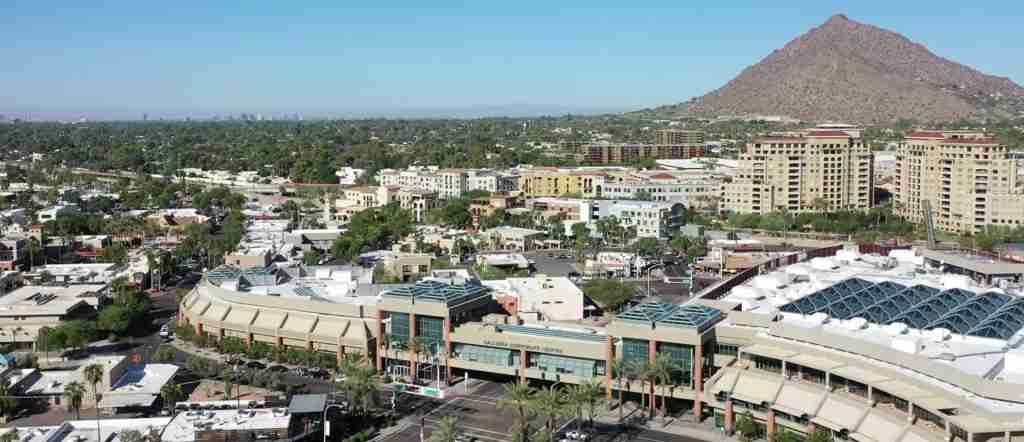
3 days
Southwest Usa 3-Day Discovery Tour
- ✓ Comprehensive Southwest Usa experience
- ✓ Expert local guides included
- ✓ All accommodation included
- ✓ Transportation provided
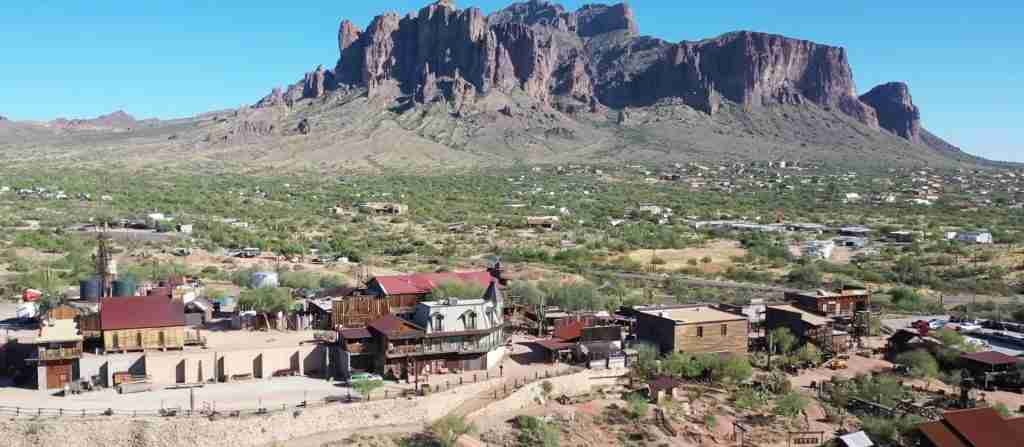
5 days
Southwest Usa 5-Day Highlights Experience
- ✓ Comprehensive Southwest Usa experience
- ✓ Expert local guides included
- ✓ All accommodation included
- ✓ Transportation provided
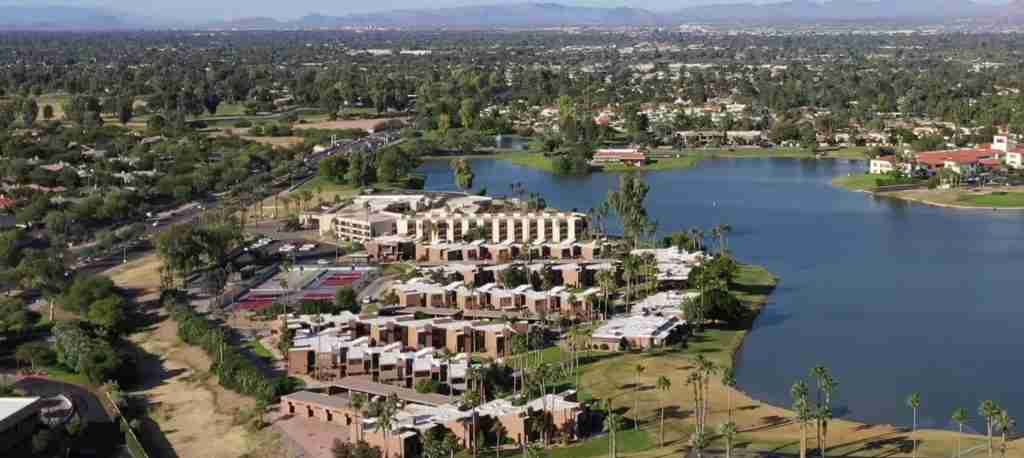
7 days
Southwest Usa 7-Day Cultural Journey
- ✓ Comprehensive Southwest Usa experience
- ✓ Expert local guides included
- ✓ All accommodation included
- ✓ Transportation provided

10 days
Southwest Usa 10-Day Complete Adventure
- ✓ Comprehensive Southwest Usa experience
- ✓ Expert local guides included
- ✓ All accommodation included
- ✓ Transportation provided
Multi-day tour packages powered by TourRadar. Prices and availability subject to change.
Introduction to Phoenix Costs 2026
Phoenix’s unique position as America’s fifth-largest city operating on Southwestern cost structures creates exceptional value propositions for budget-conscious travelers in 2026. The metropolitan area spanning 517 square miles across the Sonoran Desert supports remarkably diverse lodging options from $75 budget motels to $700 luxury resorts, extensive dining choices ranging from $8 taco shops to $95 steakhouses, and transportation networks balancing $2 light rail rides against car-dependent suburban sprawl. Understanding Phoenix’s cost patterns requires grasping seasonal extremes where summer’s 115°F heat slashes hotel rates 60% while winter’s 75°F perfection drives prices to annual peaks, neighborhood economics where downtown and Scottsdale command premiums over outlying districts, and attraction strategies where free desert parks offset paid museum admissions.
The 2026 travel landscape presents Phoenix as increasingly competitive against peer Sunbelt destinations, with accommodation costs tracking 15-25% below Austin and Nashville, dining expenses running 20-30% under Denver and Portland, yet transportation requirements escalating due to limited walkability outside downtown and Tempe cores. Visitors allocating $200-320 daily per person access comfortable mid-range experiences including quality Hilton or Marriott properties, full-service restaurant meals, flexible Uber transport, and comprehensive attraction coverage. Budget travelers stretching $90-160 daily combine hostel beds or economy motels, grocery-supplemented meals, Valley Metro transit, and strategic free activities. Luxury seekers investing $395-660 daily secure resort accommodations, chef-driven dining, private guides, and exclusive desert experiences.
This guide dissects every Phoenix expense category through 2026 pricing lenses, delivering actionable intelligence on accommodation costs across neighborhoods, dining strategies from food trucks to fine restaurants, transportation economics balancing light rail against rideshare, attraction budgeting incorporating free options, seasonal price fluctuations affecting planning decisions, hidden fees including resort charges and parking, money-saving tactics leveraging local knowledge, and sample itineraries demonstrating realistic daily spending across budget tiers. The analysis draws from recent traveler spending data, official 2026 pricing for attractions and transit, current hotel booking platforms, and local restaurant menus to construct accurate cost projections helping travelers make informed financial decisions.
Understanding Phoenix Cost Structure 2026
Phoenix operates on dual-season pricing models where winter months December through April command peak rates while summer June through August offers deep discounts compensating for extreme heat. Hotel properties adjust rates 40-80% between seasons, with mid-range downtown rooms costing $280-380 in February versus $120-180 in July. Restaurants maintain consistent pricing year-round, but attraction crowds thin dramatically during summer enabling easier access to paid venues. The city’s car-centric layout increases transportation costs compared to walkable destinations, with daily transit requirements adding $15-50 to budgets depending on itinerary scope.
Neighborhood economics create significant price variations, with downtown Phoenix and adjacent Scottsdale charging 30-50% premiums over suburban districts like Glendale or Mesa. A mid-range hotel room averaging $250 nightly in downtown Phoenix drops to $150-180 in Tempe near Arizona State University or $120-150 in northwest suburbs. Dining follows similar patterns where downtown restaurants price entrées $35-55 while suburban equivalents charge $22-35 for comparable quality. Understanding these geographic differentials enables strategic lodging placement reducing overall trip costs.
The accommodation sector splits distinctly between budget properties under $125 nightly, mid-range hotels $180-320, and luxury resorts $400-700 with limited mid-tier options creating price gaps. Dining divides between cheap eats under $15, casual restaurants $20-40, and upscale establishments $60-120 per person with abundant choices across categories. Attraction costs remain relatively consistent at $20-33 major museum admissions regardless of season, but extensive free alternatives including mountain parks and art districts balance paid entertainment expenses.
Accommodation Costs in Phoenix 2026
Phoenix accommodation pricing in 2026 spans from $75 hostel dormitories to $700 luxury resort suites, with seasonality, location, and property tier driving dramatic rate variations. Budget travelers accessing hostels and economy motels spend $38-63 per person nightly when sharing double rooms, mid-range visitors securing comfortable chain hotels allocate $90-140 per person for shared accommodations, while luxury seekers investing in resort properties pay $200-350 per person sharing premium rooms. Understanding neighborhood pricing patterns, seasonal fluctuations, and booking strategies proves essential for optimizing lodging budgets.
Budget Accommodation in Phoenix 2026
Budget lodging options in Phoenix range $75-125 per night in 2026, translating to $38-63 per person when sharing double rooms. Hostel dormitory beds in downtown Phoenix cost $30-45 nightly at properties like Phoenix Hostel offering communal kitchens, shared bathrooms, and social atmospheres. Budget chain motels including Motel 6, Super 8, and Red Roof Inn charge $75-95 per night near Sky Harbor Airport and along Interstate 17, providing basic private rooms with parking. Economy properties like La Quinta, Comfort Inn, and Fairfield Inn price $95-125 nightly offering enhanced amenities including free breakfast, pools, and better locations near major attractions.
Airbnb private rooms in residential neighborhoods cost $45-75 nightly, while entire apartments run $80-125 for one-bedroom units in areas like Arcadia or central Phoenix. Couchsurfing provides free accommodation options for social travelers comfortable with home stays. Budget lodging concentrates in airport vicinity, northwest Phoenix along I-17, and Tempe near Arizona State University where competition keeps rates lower. Summer months June-August deliver best values with rates dropping to $50-75 for properties charging $125-180 during winter peaks.
Budget accommodation selection requires evaluating trade-offs between location convenience and nightly costs. Airport hotels at $75-95 nightly save on accommodation but add $15-25 daily Uber expenses reaching downtown attractions, while downtown hostels at $35-45 per dormitory bed position travelers within walking distance of museums and restaurants. Multi-night stays often secure 10-15% discounts, and weekday rates run 20-30% below Friday-Saturday pricing even during peak season. Always verify if parking charges $10-20 daily, resort fees apply, or breakfast includes in quoted rates.
Mid-Range Hotel Costs Phoenix 2026
Mid-range accommodation in Phoenix costs $180-280 per night in 2026, translating to $90-140 per person when sharing double rooms. National chain properties including Hampton Inn, Courtyard Marriott, Hilton Garden Inn, and Holiday Inn Express deliver consistent quality at $180-220 nightly in suburban locations, $220-280 downtown or near Scottsdale. These hotels provide comfortable rooms, complimentary breakfast, fitness centers, pools, and reliable service standards appealing to mainstream travelers seeking value without sacrificing comfort.
Boutique hotels in central Phoenix and Roosevelt Row price $200-280 nightly, offering distinctive design, local character, and walkable neighborhoods. Tempe properties near Arizona State University charge $160-220 for comparable mid-range standards in college-town atmosphere. Glendale and Mesa locations west and east of downtown respectively offer $150-200 rates for major chains trading location convenience for lower costs. Spring training season February-March and major convention dates drive rates upward 20-40% above standard winter pricing.
Mid-range hotel neighborhoods offering best value include Midtown Phoenix providing walkability to museums and restaurants at rates 15-25% below downtown, Arcadia district combining residential calm with proximity to Camelback Mountain, and Tempe delivering Mill Avenue entertainment and ASU energy. Downtown Phoenix properties justify premium pricing through proximity to Convention Center, Chase Field, Footprint Center sports venues, and Roosevelt Row arts district. Scottsdale hotels serve Old Town shopping and nightlife but command highest rates in metro area at $250-380 nightly mid-range category.
Luxury Resort Accommodation Phoenix 2026
Luxury accommodation in Phoenix ranges $400-700 per night in 2026, translating to $200-350 per person when sharing premium rooms. Five-star resort properties including Arizona Biltmore, The Phoenician, JW Marriott Desert Ridge, Wigwam Resort, and Royal Palms deliver comprehensive amenities featuring championship golf courses, full-service spas, multiple dining venues, elaborate pool complexes, and manicured desert landscaping. Standard rooms at luxury resorts start $400-500 nightly, suite accommodations run $600-900, and premium suites with desert views exceed $1,000 during peak winter season.
Scottsdale luxury properties including Four Seasons, Boulders Resort, and Sanctuary Camelback Mountain charge $500-700 for base rooms, positioning themselves as premier desert destinations combining architectural distinction with mountain backdrops. These resorts add daily resort fees $35-50 covering amenities like fitness center access, pool cabana setup, and shuttle services. Downtown Phoenix boutique luxury hotels including Palomar and Renaissance price $300-450 for sophisticated urban experiences without sprawling resort amenities.
Luxury lodging selection hinges on experience priorities, with north Scottsdale resorts offering exclusive desert settings 30 minutes from downtown, Paradise Valley properties providing mountain-framed seclusion, and Camelback Corridor locations balancing proximity to attractions with resort amenities. All-inclusive resort packages bundling meals, activities, and spa credits provide value for guests maximizing on-property time. Shoulder season May and September deliver 30-40% discounts off winter peak rates while maintaining pleasant weather for outdoor activities.
Neighborhood-by-Neighborhood Accommodation Pricing 2026
Downtown Phoenix hotels range $180-420 per night depending on quality tier, offering walkability to museums, restaurants, sports venues, and light rail access but limited resort amenities. Midtown properties 2-3 miles north price $150-280 providing residential neighborhood character with quick drives to downtown attractions. Scottsdale accommodation costs $220-700 spanning from business-class hotels to ultra-luxury resorts, justifying premiums through shopping, dining, and nightlife proximity plus desert aesthetics.
Tempe hotels near Arizona State University charge $140-220 for mid-range properties, appealing to budget-conscious travelers accepting college-town vibes and Mill Avenue proximity. Camelback Corridor along Camelback Road between downtown and Scottsdale offers $200-400 rates balancing central location with upscale shopping access. Paradise Valley residential enclave commands $450-750 luxury resort pricing for exclusive mountain-view properties.
Airport vicinity hotels price $90-180 optimizing convenience for early flights or late arrivals at cost of requiring transportation to attractions. Glendale and Mesa suburban locations west and east respectively offer $110-200 rates trading downtown proximity for family-friendly environments and savings. North Phoenix along I-17 corridor provides $95-180 budget and mid-range options serving visitors exploring north valley attractions like Musical Instrument Museum.
Seasonal Hotel Rate Variations Phoenix 2026
Phoenix hotel rates fluctuate 40-80% between seasons, with peak winter months December through April commanding maximum pricing and summer June through August offering dramatic discounts. A mid-range hotel costing $280 nightly in February drops to $120 in July for identical accommodations. Budget properties charging $125 in March fall to $75 during summer heat. Luxury resorts pricing $600 in January offer $300-350 summer rates when temperatures exceed 110°F and tourism slows.
February and March represent absolute peak pricing coinciding with spring training baseball, pleasant 75°F weather, and major events including Phoenix Open golf tournament and Waste Management Phoenix Open. Hotels near Cubs and Giants training facilities in Scottsdale, Glendale, and Surprise charge 50-100% premiums during this six-week period. December and January command elevated rates for holiday periods and winter visitors escaping cold climates, though marginally below February-March extremes.
May and September provide sweet spots balancing 85-95°F comfortable weather with 20-30% discounts off peak winter rates. October and November shoulder season delivers 25-35% savings as temperatures cool to 80-90°F. April pricing remains elevated through month-end before dropping as temperatures rise above 95°F. June, July, and August offer lowest annual rates but require heat tolerance and limit outdoor activities to early morning hours. Convention dates throughout year spike downtown hotel rates regardless of season.
Food and Dining Expenses Phoenix 2026
Phoenix dining costs in 2026 range from $8 taco shop meals to $95 steakhouse entrées, with travelers spending $33-58 daily on budget eats, $67-103 for mid-range restaurant dining, or $115-180 for upscale culinary experiences per person. The metropolitan area’s diverse food scene encompasses Mexican taquerías, Southwestern grills, Asian cuisines, farm-to-table restaurants, and celebrity chef establishments across price tiers. Understanding neighborhood dining economics, meal timing strategies, and cuisine value propositions enables travelers to optimize food budgets while accessing authentic flavors.
Budget Dining Strategies Phoenix 2026
Budget dining in Phoenix costs $33-58 per person daily in 2026, combining grocery purchases, food trucks, taco shops, and casual eateries. Breakfast expenses run $5-10 for grocery items like yogurt, fruit, and pastries from Fry’s Food, Safeway, or ethnic markets, or $8-12 for diner meals including eggs, bacon, toast, and coffee at local spots. Lunch from food trucks and quick-service restaurants costs $10-18 for tacos, burritos, banh mi sandwiches, or pizza slices. Dinner at casual restaurants runs $18-30 for entrées at chains like Chipotle, Panda Express, or local taquerías.
Mexican food delivers exceptional value with authentic taquerías serving three-taco plates $8-12, burritos $9-14, and combination plates with rice and beans $12-18. Asian restaurants including Vietnamese phở shops, Thai noodle houses, and Chinese takeout offer $10-16 meals. Pizza by the slice costs $3-5, whole pies $12-20. Fast food chains charge $8-12 for combo meals. Food trucks in downtown Phoenix and Roosevelt Row provide $9-15 meals with creative menus ranging from Korean BBQ to artisan grilled cheese.
Grocery shopping for breakfast and occasional lunch items at ethnic markets like Ranch Market or Lee Lee International reduces costs 40-60% versus restaurant meals. Prepared foods sections at Whole Foods and AJ’s Fine Foods offer $8-12 meal options. Happy hour specials at restaurants 3-6 PM provide discounted appetizers $5-10 and drink deals. Many hotels include continental breakfast valued at $10-15 per person. Budget travelers combining grocery breakfast, lunch from food trucks or taquerías, and dinner at casual restaurants maintain $33-58 daily food expenses.
Mid-Range Restaurant Dining Phoenix 2026
Mid-range dining in Phoenix costs $67-103 per person daily in 2026, allocating $12-18 for breakfast, $20-30 for lunch, and $35-55 for dinner at sit-down restaurants. Breakfast at neighborhood cafes like Snooze AM Eatery, Matt’s Big Breakfast, or hotel restaurants runs $12-18 including coffee for dishes like avocado toast, breakfast burritos, or eggs Benedict. Lunch at casual full-service restaurants costs $20-30 for sandwiches, salads, or entrées with drinks at chains like Postino, Flower Child, or regional spots.
Dinner represents major daily expense with mid-range restaurants charging $35-55 per person for entrées, side dishes, and beverages. Southwestern restaurants serve $28-45 entrées featuring chile-rubbed steaks, enchiladas, and regional specialties. Italian establishments price pasta $22-35, pizzas $18-28. Asian restaurants including sushi spots and upscale Thai charge $25-45 for combination plates. American bistros and gastropubs offer $28-42 entrées. Adding appetizers $10-15, desserts $8-12, and alcoholic beverages $8-15 brings total dinner costs to $55-75 per person before tips.
Neighborhood dining districts offer varying value propositions, with Roosevelt Row and Grand Avenue providing creative restaurants $25-40 entrées, Arcadia delivering upscale casual dining $35-55, and Scottsdale Old Town commanding highest prices $40-65 for comparable quality. Midtown Phoenix restaurant row along 7th Street and 7th Avenue balances quality and affordability with $30-48 entrées. Downtown restaurants near Convention Center charge $35-55. Tempe Mill Avenue offers college-friendly pricing $22-38 for comparable full-service meals.
Upscale Dining Experiences Phoenix 2026
Upscale dining in Phoenix costs $115-180 per person daily in 2026, allocating $20-30 for breakfast, $35-55 for lunch, and $60-95 for dinner at chef-driven restaurants. Fine dining breakfast at resort restaurants runs $20-30 for elaborate dishes like lobster benedicts or house-made pastries with specialty coffee. Lunch at upscale casual restaurants costs $35-55 for refined preparations at spots like FnB or Pizzeria Bianco.
Fine dining dinner represents signature expense with entrées priced $60-95 at establishments like Kai Restaurant earning AAA Five Diamond recognition for contemporary Native American cuisine, Steak 44 serving dry-aged beef, or Christopher’s featuring French-inspired tasting menus. Multi-course tasting menus run $125-185 per person before wine pairings adding $75-150. Individual courses include appetizers $18-28, entrées $60-95, sides $12-18, and desserts $14-20. Wine bottles start $60-80 with premium selections exceeding $200.
Scottsdale concentrates highest density of fine dining with Old Town and north Scottsdale neighborhoods hosting celebrity chef restaurants and resort dining rooms. Downtown Phoenix upscale options include Durant’s steakhouse and contemporary spots in Collier Center. Camelback Corridor along Camelback Road offers sophisticated dining including Elements at Sanctuary resort. Reservations essential at top restaurants, especially winter peak season. Dress codes range from smart casual to formal depending on establishment.
Grocery and Self-Catering Options Phoenix 2026
Grocery shopping dramatically reduces food costs with major chains including Fry’s Food, Safeway, Albertsons, and Bashas’ offering standard selections, while Sprouts Farmers Market, Whole Foods, and Trader Joe’s provide natural and specialty items. Weekly grocery shopping for basic breakfast items, sandwich supplies, snacks, and occasional dinner ingredients costs $75-120 per person, averaging $11-17 daily. Produce, dairy, bread, deli meats, and prepared foods enable simple meal preparation in hotel rooms with refrigerators or vacation rental kitchens.
Ethnic markets deliver exceptional value with Asian supermarkets like Lee Lee International and 99 Ranch Market, Mexican grocers including Ranch Market and Food City, and Middle Eastern stores offering ingredients 30-50% below mainstream chains. Farmers markets operate Saturdays and Sundays at locations including Old Town Scottsdale, Uptown Phoenix, and Gilbert, providing fresh produce and artisan products. Costco and Sam’s Club wholesale clubs offer bulk pricing for longer stays requiring membership fees $60-120 annually.
Hotel rooms with kitchenettes or vacation rentals with full kitchens enable significant savings preparing breakfast daily and occasional dinners. A typical self-catered breakfast costs $3-5 per person for cereal, yogurt, fruit, and coffee versus $12-18 at restaurants. Sandwich lunch prepared from grocery ingredients runs $4-7 versus $15-25 at delis. Even partial self-catering one meal daily saves $10-20 per person, accumulating to $70-140 weekly.
Transportation Costs and Strategies Phoenix 2026
Phoenix transportation expenses range $4-50 per person daily in 2026 depending on mode combinations, with budget travelers spending $4-8 on Valley Metro public transit, mid-range visitors allocating $15-25 mixing transit and rideshare, and luxury travelers investing $30-50 in Uber or rental cars. The metropolitan area’s sprawling 517-square-mile geography creates transportation challenges with limited walkability outside downtown and Tempe cores, making vehicle access nearly essential for comprehensive exploration. Understanding public transit routes, rideshare economics, and rental car breakeven analysis optimizes mobility budgets.
Valley Metro Public Transportation Costs 2026
Valley Metro operates Phoenix’s public transportation including light rail and bus networks charging $2 per single ride, $4 for all-day passes, or $64 for 30-day unlimited passes in 2026. The 35-mile light rail system connects downtown Phoenix, Midtown, Tempe, and Mesa running 4:40 AM to midnight weekdays, 5 AM to 3 AM Saturdays, with 12-20 minute frequencies depending on time. Single rides include two-hour transfer windows enabling multiple connections. Reduced fares offer $1 single rides and $2 day passes for ages 6-18, seniors, disabled passengers, and Medicare cardholders.
Light rail stations serve major attractions including Phoenix Art Museum, Heard Museum, Chase Field baseball stadium, Footprint Center basketball arena, Arizona State University, and Tempe Town Lake. Free PHX Sky Train connects 44th Street light rail station to Sky Harbor Airport terminals. Bus routes extend beyond rail corridors covering suburban areas, though service frequency decreases significantly evenings and weekends. Real-time tracking via Valley Metro app improves trip planning.
Budget travelers using exclusively public transit spend $4-8 daily, purchasing day passes $4 for attraction touring or accumulating single rides. Week-long visits justify 7-day passes $20 or prorated monthly passes. However, light rail’s limited coverage requires supplemental Uber rides $8-15 accessing destinations like Desert Botanical Garden, Phoenix Zoo, or north Scottsdale attractions not served by transit. Downtown Phoenix and Tempe visitors maximize transit value with concentrated walkable attractions.
Rideshare and Taxi Costs Phoenix 2026
Uber and Lyft rideshare services provide essential supplemental transportation in Phoenix charging $8-15 for 3-5 mile rides within central areas, $15-25 for 8-12 mile trips to outlying attractions, and $25-35 for airport transfers from downtown. Surge pricing during peak hours, major events, and weekend evenings increases rates 50-150% above base fares. Traditional taxi services cost approximately 20-30% more than rideshare base rates but avoid surge pricing.
Waymo autonomous vehicle service operates in Phoenix offering driverless rides through app-based booking at comparable Uber pricing without tip expectations. The service covers Tempe, Chandler, Mesa, and central Phoenix neighborhoods. Mid-range travelers allocating $15-25 daily transportation budget balance 1-2 light rail trips $4 total with 1-2 Uber rides $10-20 accessing attractions beyond transit coverage. This mixed approach provides flexibility without rental car expenses.
Strategic rideshare usage minimizes costs through trip combining, visiting multiple attractions in single geographic cluster, and timing rides outside surge periods. Morning museum visits 10 AM-noon and late afternoon 4-6 PM typically avoid peak pricing. Sharing rides among travel companions divides costs proportionally. However, groups of 3-4 people find rideshare economics comparable to rental cars for multiple daily trips.
Rental Car Economics Phoenix 2026
Rental cars cost $35-65 daily for economy vehicles, $55-95 for mid-size sedans, or $85-150 for SUVs in Phoenix 2026, plus $15-25 daily parking fees at hotels, $10-20 at attractions, and gas expenses $40-60 weekly. Major companies including Enterprise, Budget, Hertz, and National operate airport and neighborhood locations. Insurance adds $15-30 daily unless covered through personal policies or credit card benefits. Weekly rentals typically reduce daily rates 20-30% below single-day pricing.
Rental cars become cost-effective for groups 3+ people making multiple daily trips, visitors exploring beyond metro Phoenix to Sedona or Tucson, and travelers prioritizing flexibility over transit schedules. Daily expenses including rental $50, parking $15, and gas $8 total approximately $73 versus $20-35 in cumulative Uber rides for similar coverage, making rentals economical for high-mobility itineraries. However, downtown-focused visitors find rental cars unnecessary burden with parking hassles and underutilization.
Fuel costs in Phoenix average $3.50-4.00 per gallon for regular gasoline in 2026, with economy cars consuming $8-12 daily for typical 60-80 mile attraction touring. Parking presents hidden expense with downtown meters $2-3 hourly, attraction lots $10-15, and hotel parking $15-25 daily at most properties. Free parking at South Mountain Park, Papago Park, and suburban shopping centers reduces some costs. Desert driving requires familiarization with summer heat impacts on vehicles.
Phoenix Airport Transportation Options 2026
Phoenix Sky Harbor Airport sits just 4 miles from downtown, offering multiple transportation choices ranging from $2 light rail to $35 rideshare or $60 private shuttles. The PHX Sky Train free shuttle connects all terminals to 44th Street/Washington light rail station enabling $2 transit access to downtown Phoenix and Tempe. Total travel time runs 25-35 minutes to downtown hotels. Budget travelers using light rail save $15-30 versus rideshare while accepting longer travel duration and luggage management challenges.
Uber and Lyft charge $18-28 for airport to downtown trips, $25-35 to Scottsdale, or $15-20 to Tempe depending on traffic and surge pricing. Designated rideshare pickup zones operate at each terminal. Taxi stands offer flat-rate zones $15-25 to downtown without surge pricing but cost 20% more than rideshare base rates. SuperShuttle and shared van services charge $15-20 per person but require waiting for other passengers.
Hotel shuttles serve many airport-area properties free or $5-10 per person, though schedules may involve 30-60 minute waits. Rental car facilities connect via free shuttle buses to consolidated center serving all major companies. Visitors staying downtown or Scottsdale without rental cars find light rail most economical option while those with suburban lodging or complex itineraries benefit from immediate rideshare or rental car access.
Attraction and Activity Costs Phoenix 2026
Phoenix attractions range from free desert parks to $33 museum admissions in 2026, with travelers spending $15-30 daily accessing primarily free options plus selective paid venues, $30-50 for comprehensive museum touring, or $50-80 for guided experiences and premium activities. The metropolitan area delivers exceptional value through extensive free hiking trails, public art installations, and monthly complimentary admission programs balancing paid cultural institutions. Understanding attraction pricing tiers, combination passes, and free alternatives optimizes entertainment budgets.
Major Museum and Attraction Admission Prices 2026
Phoenix’s premier cultural attractions charge $20-33 adult admission in 2026, with Musical Instrument Museum costing $20 for general admission providing access to 15,000 instruments from 200 countries plus audio headset guiding exhibits. Desert Botanical Garden charges $33 for expansive 140-acre displays featuring 50,000 desert plants along five walking trails. Phoenix Zoo admission runs approximately $30 varying by season and online purchase timing. Heard Museum dedicated to Native American art costs $22 adult admission covering permanent collections and rotating exhibitions.
Additional attractions include Phoenix Art Museum $25 admission, Arizona Science Center $22, Children’s Museum $19, and S’edav Va’aki Museum $13 focusing on Hohokam archaeology. Professional sports tickets range $25-75 for Arizona Diamondbacks baseball at Chase Field, $45-120 for Phoenix Suns basketball at Footprint Center, and $30-85 for Arizona Coyotes hockey. Spring training baseball February-March offers $15-35 tickets at intimate stadiums throughout valley.
Discount programs reduce admission costs significantly with Military and AAA members receiving $1-3 off standard pricing. Arizona resident discounts provide 10-20% savings at some attractions. Online advance purchase often saves $2-5 versus gate prices. Children under 3-5 typically enter free depending on venue, while youth and senior discounts reduce adult pricing 20-40%. Multi-attraction combination tickets when available save 15-25% versus individual admissions.
Free Attractions and Activities Phoenix 2026
Phoenix delivers extensive free attractions offsetting paid admission expenses, beginning with South Mountain Park’s 16,000 acres offering dozens of hiking trails, scenic drives, and Dobbins Lookout panoramic views without entrance fees. Camelback Mountain provides iconic hiking challenges via Echo Canyon and Cholla trails accessing summit vistas free to all visitors. Papago Park features distinctive red rock formations including Hole-in-the-Rock requiring 5-minute walks for photography viewpoints, plus Phoenix Zoo and Desert Botanical Garden boundaries for exterior views.
Roosevelt Row Arts District delivers free gallery browsing, colorful murals, and monthly First Friday art walks drawing thousands for street performances, food trucks, and open studios. Downtown Phoenix Heritage Square preserves historic homes with free exterior touring. Arizona State Capitol Museum offers complimentary admission to government history exhibits. Phoenix Public Library central branch showcases architecture and public spaces. Burton Barr Library rooftop garden provides free desert landscape demonstrations.
Monthly free admission programs include Desert Botanical Garden second Tuesdays, Phoenix Art Museum first Fridays 6-10 PM, and various museums participating in Culture Pass enabling library cardholders to check out free admission tickets for two people. Scottsdale ArtWalk Thursdays features gallery receptions with complimentary wine and appetizers. South Mountain, Camelback, Piestewa Peak, and Dreamy Draw trails deliver hundreds of miles of hiking without fees. Budget travelers accessing primarily free options limit paid admissions to 2-3 top priorities.
Guided Tours and Activity Experiences Phoenix 2026
Guided tours and organized activities range $45-150 per person in Phoenix 2026, with half-day desert Jeep tours costing $100-140 for 4-hour excursions exploring Sonoran Desert terrain. Hot air balloon rides run $200-280 per person for sunrise flights including champagne toast. Bike tours through downtown and Tempe cost $45-75 for 3-hour guided experiences. Food tours sampling multiple restaurants charge $85-120 per person for walking itineraries.
Helicopter tours over Phoenix and surrounding mountains price $200-350 per person for 30-60 minute flights. ATV desert adventures cost $120-180 for half-day rentals and guided rides. Rock climbing instruction at Camelback Mountain runs $150-200 per person for half-day sessions. Horseback riding in desert preserves charges $80-120 for 2-hour trail rides. These premium activities appeal to luxury travelers or special-occasion splurges rather than daily budget allocations.
Sports experiences including Topgolf entertainment venue charge $45-65 per hour for bay rentals shared among groups. Phoenix Raceway NASCAR events offer grandstand tickets $50-150 depending on race significance. Spring training baseball games provide affordable entertainment $15-35 per ticket in intimate stadiums. Arizona Diamondbacks games range $25-75 for regular season depending on opponent and seating section. Mid-range travelers typically budget one guided tour or premium activity per multi-day visit.
Complete Daily Budget Breakdowns by Tier 2026
Phoenix daily costs vary dramatically by travel style, with budget travelers spending $90-160 per person, mid-range visitors allocating $200-320, and luxury seekers investing $395-660 in 2026. These comprehensive breakdowns incorporate accommodation, meals, transportation, and attractions enabling accurate trip planning across spending tiers. All figures represent per-person costs assuming two travelers sharing hotel rooms, the standard approach for couple and friend travel.
Budget Travel Daily Costs Phoenix 2026
Budget travelers require $90-160 per person daily in Phoenix 2026, combining hostel or economy accommodation, affordable meals, public transit, and selective attractions. Accommodation in hostel dormitories $30-45 or shared budget hotel rooms $75-125 translates to $38-63 per person when splitting double occupancy. Breakfast from grocery purchases or basic diners costs $5-10, lunch from food trucks or taquerías runs $10-18, and dinner at casual restaurants charges $18-30, totaling $33-58 daily food expenses.
Transportation via Valley Metro public transit requires $4 all-day passes or $8 for multiple single rides $2 each accessing light rail stations and bus routes. Strategic walking supplements transit when attractions cluster within reasonable distances. Entertainment combines free desert hiking at South Mountain Park or Camelback Mountain, Roosevelt Row gallery browsing, and selective paid museum admissions $15-30 for 1-2 top attractions weekly rather than daily.
Sample budget day includes hostel bed $40, grocery breakfast $6, taco lunch $12, casual dinner $24, light rail day pass $4, and Heard Museum admission $22, totaling $108 per person. Alternative budget day with shared hotel room includes accommodation $45 per person (two sharing $90 room), diner breakfast $9, food truck lunch $14, casual restaurant dinner $28, transit $6, and free hiking, totaling $102 per person. Weekly budget travelers spend $630-1,120 per person for seven-day Phoenix visits.
Mid-Range Comfort Daily Costs Phoenix 2026
Mid-range travelers allocate $200-320 per person daily in Phoenix 2026, securing comfortable chain hotel accommodation, restaurant meals, flexible transportation, and comprehensive attraction coverage. Hotel rooms at Hampton Inn, Courtyard Marriott, or similar properties cost $180-280 nightly, translating to $90-140 per person when sharing double occupancy. Breakfast at hotel or neighborhood café runs $12-18, lunch at casual full-service restaurant charges $20-30, and dinner at mid-range establishment costs $35-55, totaling $67-103 daily food expenses.
Transportation combines Valley Metro light rail $4 for some trips with Uber or Lyft rides $8-15 each for attractions beyond transit coverage, accumulating $15-25 daily for flexible mobility. Multiple museum admissions at $20-33 each plus occasional premium activities generate $30-50 daily entertainment costs. Mid-range travelers comfortably access 2-3 paid attractions daily without budget constraints.
Sample mid-range day includes hotel $115 per person (two sharing $230 room), breakfast $15, lunch $25, dinner $45, mixed transit and Uber $20, Musical Instrument Museum $20 and Desert Botanical Garden $33, totaling $273 per person. Alternative mid-range day with suburban hotel includes accommodation $90 per person (two sharing $180 room), hotel breakfast $14, restaurant lunch $28, upscale casual dinner $52, rideshare $22, Phoenix Zoo $30, totaling $236 per person. Weekly mid-range travelers spend $1,400-2,240 per person for seven-day visits.
Luxury Experience Daily Costs Phoenix 2026
Luxury travelers invest $395-660 per person daily in Phoenix 2026, securing resort accommodation, upscale dining, private transportation, and premium experiences. Luxury resort rooms at properties like Arizona Biltmore or The Phoenician cost $400-700 nightly including resort fees, translating to $200-350 per person when sharing premium accommodations. Breakfast at resort restaurant runs $20-30, lunch at upscale casual venue charges $35-55, and fine dining dinner costs $60-95, totaling $115-180 daily food expenses before wine and cocktails.
Transportation via Uber Premium or rental car with valet parking generates $30-50 daily expenses. Private guided tours, spa treatments, and exclusive experiences create $50-80 daily activity costs beyond standard admission prices. Luxury travelers prioritize convenience, quality, and personalized service over budget optimization.
Sample luxury day includes resort room $250 per person (two sharing $500 room), resort breakfast $25, upscale lunch $45, fine dining dinner $85, private transportation $40, guided desert tour $120, totaling $565 per person. Alternative luxury day with Scottsdale resort includes accommodation $325 per person (two sharing $650 suite), resort breakfast $28, lunch $50, tasting menu dinner $95, rideshare $35, hot air balloon ride $240, totaling $773 per person including premium experience. Weekly luxury travelers spend $2,765-4,620 per person for seven-day visits.
Sample Multi-Day Itineraries with Verified Costs 2026
These detailed sample itineraries demonstrate realistic daily spending across budget tiers, incorporating accommodation, meals, transportation, and attraction costs for three-day and five-day Phoenix visits. All prices represent 2026 rates based on current booking data and attraction pricing, helping travelers plan accurate budgets for actual trips.
Budget-Conscious 3-Day Phoenix Itinerary 2026
This economical three-day itinerary delivers essential Phoenix experiences for budget travelers sharing accommodation and prioritizing free attractions. Total costs run approximately $290-435 per person for the complete visit.
Day 1 – Downtown Exploration: Accommodation $38 per person (hostel dormitory $38 or shared budget hotel $38), breakfast grocery items $6, light rail day pass $4, free Roosevelt Row gallery walk and murals morning, taco lunch $12, Heard Museum admission $22, light rail to Tempe, Mill Avenue browsing afternoon, casual dinner $26. Day 1 total approximately $108 per person.
Day 2 – Desert Hiking and Culture: Accommodation $38 per person, breakfast grocery items $6, Uber to Camelback Mountain trailhead $14, free Echo Canyon hiking morning, Uber to Arcadia $12, lunch casual restaurant $16, light rail to downtown $2, Phoenix Art Museum free First Friday 6-10 PM, food truck dinner $14. Day 2 total approximately $102 per person.
Day 3 – Museum and Departure: Accommodation $38 per person, breakfast diner $9, light rail to 44th Street $2, free Sky Train to airport, store luggage, light rail return to central Phoenix $2, Musical Instrument Museum admission $20 (Uber $18 each way totaling $36 split with companion $18 each), lunch casual restaurant $18, light rail to airport $2. Day 3 total approximately $109 per person.
Three-day budget total: accommodation $114, meals $107, transportation $54, attractions $42, approximately $317 per person for complete three-day Phoenix visit including essential attractions, desert hiking, cultural experiences, and flexible transportation.
Mid-Range 5-Day Comprehensive Phoenix Itinerary 2026
This comfortable five-day itinerary balances quality accommodation, restaurant meals, convenient transportation, and thorough attraction coverage. Total costs run approximately $1,180-1,475 per person for the complete visit.
Day 1 – Arrival and Downtown: Accommodation $100 per person (two sharing $200 Midtown hotel), airport Uber $13, hotel check-in, lunch downtown restaurant $24, afternoon Roosevelt Row galleries free, dinner upscale casual $48, drinks $15. Day 1 total approximately $200 per person.
Day 2 – Cultural Institutions: Accommodation $100 per person, hotel breakfast $14, Uber to Heard Museum $12, admission $22, lunch nearby restaurant $28, Uber to Desert Botanical Garden $14, admission $33, afternoon exploration, Uber to Arcadia dinner $11, dinner $52. Day 2 total approximately $286 per person.
Day 3 – Mountain and Sports: Accommodation $100 per person, breakfast café $16, Uber to Camelback Mountain $15, morning hiking free, Uber to lunch $11, casual lunch $22, afternoon hotel pool and rest, evening Diamondbacks game $55 including Uber $14 and stadium food $16. Day 3 total approximately $249 per person.
Day 4 – North Valley and Music: Accommodation $100 per person, breakfast $16, Uber to Musical Instrument Museum $22, admission $20, museum café lunch $18, afternoon exploration, Uber to Scottsdale Old Town $25, shopping browsing free, dinner restaurant $58, drinks $18, Uber to hotel $22. Day 4 total approximately $299 per person.
Day 5 – Final Day and Departure: Accommodation $100 per person, breakfast $14, checkout and luggage storage, Uber to Phoenix Zoo $18, admission $30, zoo lunch $16, afternoon departure Uber to airport $13. Day 5 total approximately $191 per person.
Five-day mid-range total: accommodation $500, meals $389, transportation $186, attractions $160, entertainment $73, approximately $1,308 per person for comprehensive five-day Phoenix experience including all major attractions, comfortable lodging, quality dining, and convenient transportation.
Luxury 3-Day Phoenix Resort Experience 2026
This upscale three-day itinerary emphasizes resort relaxation, fine dining, and exclusive activities. Total costs run approximately $1,490-1,955 per person for the complete visit.
Day 1 – Resort Arrival: Accommodation $275 per person (two sharing $550 Scottsdale resort room), airport luxury Uber $32, resort check-in and spa treatment $185, lunch resort poolside restaurant $42, afternoon resort pools and grounds, dinner resort signature restaurant $95, wine $35. Day 1 total approximately $664 per person.
Day 2 – Desert Adventure: Accommodation $275 per person, resort breakfast $28, private guided desert Jeep tour half-day $130, tour includes lunch, afternoon resort return and relaxation, evening Uber to downtown $28, fine dining dinner $105, wine $45, Uber return $28. Day 2 total approximately $639 per person.
Day 3 – Balloon and Departure: Accommodation $275 per person, early sunrise hot air balloon ride $240 including champagne breakfast, return to resort, checkout, spa lunch $48, Uber to airport $32. Day 3 total approximately $595 per person.
Three-day luxury total: accommodation $825, dining $398, transportation $120, activities and spa $555, approximately $1,898 per person for exclusive three-day Phoenix resort experience featuring premium lodging, fine dining, private tours, and unique desert activities.
Seasonal Price Variations and Timing Strategies 2026
Phoenix accommodation and overall trip costs fluctuate 40-80% between seasons, with timing decisions dramatically impacting budget requirements. Understanding seasonal pricing patterns, weather trade-offs, and event calendars enables travelers to optimize value propositions balancing costs against experience quality.
Peak Winter Season Pricing December-April 2026
December through April represents Phoenix’s peak tourism season commanding maximum pricing across accommodation, with pleasant 65-80°F daytime temperatures attracting winter visitors and snowbirds. Mid-range hotels costing $120-180 nightly during summer rise to $220-320 during winter peaks. Budget properties increase from $75-95 to $125-180. Luxury resorts elevate rates from $300-450 summer pricing to $500-750 winter peaks. These seasonal premiums range 40-60% above low-season baseline rates.
February and March represent absolute peak pricing coinciding with spring training baseball bringing 15 major league teams to valley stadiums, pleasant 75°F perfect weather, and major sporting events including Phoenix Open PGA tournament and NASCAR races. Hotels near Cubs facilities in Mesa, Giants training in Scottsdale, and other team locations charge 50-100% premiums during six-week spring training window. Mid-range hotel rooms typically priced $220 jump to $320-420 near stadiums.
December and January winter holidays drive elevated rates though marginally below February-March extremes, with Christmas week and New Year’s commanding premiums. Winter visitors benefit from optimal outdoor conditions enabling comfortable all-day hiking, perfect pool weather at resorts, and pleasant evening temperatures for rooftop dining. However, crowds increase at popular attractions, restaurant reservations become essential, and advance booking proves critical securing preferred accommodation. Peak winter travelers should budget 50-70% above summer baseline costs.
Summer Bargain Season June-August 2026
June through August delivers Phoenix’s lowest annual prices with hotel rates dropping 40-80% below winter peaks compensating for extreme heat regularly exceeding 110°F. Mid-range hotels falling to $120-180 from winter’s $280-380, budget properties declining to $50-95 versus peak $125-180, and luxury resorts offering $280-450 rates down from $600-750 winter pricing. These dramatic discounts create exceptional value for heat-tolerant travelers or those limiting outdoor activities to early morning hours.
July represents absolute price floor with hotels desperate to fill rooms during slowest tourism period. Four-star properties sometimes offer $150 summer rates normally commanding $350 winter pricing. Resort properties bundling complimentary breakfast, parking, and resort fee waivers add value beyond headline rates. Summer availability enables last-minute booking flexibility versus winter’s advance-reservation requirements. Restaurant reservations become unnecessary with empty dining rooms.
Summer heat requires activity modifications limiting outdoor pursuits to 6-9 AM morning hours, emphasizing air-conditioned museums and attractions midday 10 AM-5 PM, and resuming outdoor activities post-sunset after 8 PM. Swimming pools provide afternoon relief. Many residents vacation elsewhere during peak heat creating local ghost-town atmosphere but reducing crowds at operating attractions. Budget travelers tolerating heat gain 50-70% savings versus winter visits for identical accommodation and attractions.
Shoulder Season Sweet Spots May and September 2026
May and September represent optimal value-weather balances with temperatures moderating to 85-100°F while hotel rates drop 20-40% below winter peaks. Mid-range hotels pricing $180-240 split difference between winter’s $280-380 and summer’s $120-180. Budget properties at $95-140 offer comfortable compromise. These shoulder months enable full-day outdoor activities while capturing meaningful savings versus peak winter rates.
May presents advantages of spring wildflower blooms in desert parks, lower pool crowds at resorts, and easier restaurant reservations compared to winter chaos. September benefits from monsoon season dramatic evening thunderstorms creating spectacular lightning displays and temperature relief, though humidity increases slightly. Both months avoid summer’s punishing heat and winter’s premium pricing while maintaining pleasant conditions for comprehensive Phoenix exploration.
October and November represent alternative shoulder periods with temperatures cooling to 75-90°F and rates 25-35% below winter peaks. These autumn months deliver comfortable hiking weather, fall festival programming, and availability without summer’s extreme heat. April pricing remains elevated through month-end as temperatures rise toward 90°F, dropping sharply as May begins. Shoulder season travelers gain best overall value balancing cost savings against comfortable conditions.
Event-Driven Price Spikes Throughout 2026
Major events throughout 2026 spike Phoenix hotel rates regardless of season, with spring training baseball February-March, Waste Management Phoenix Open golf tournament early February, Phoenix Open tennis, and Arizona State Fair late October through November driving premiums. Downtown hotels increase 30-60% during major conventions at Phoenix Convention Center including technology conferences, medical conventions, and industry tradeshows. Sporting events at Chase Field and Footprint Center create localized demand spikes.
Spring training represents most significant price driver with six-week season late February through March pushing hotel rates 50-150% above normal winter pricing near team facilities. Glendale hotels near White Sox and Dodgers, Scottsdale properties near Giants and Diamondbacks, Mesa accommodations near Cubs all charge extraordinary premiums. Even budget motels command $180-250 nightly during peak training weeks versus typical $95-140 pricing. Baseball fans should expect paying peak rates or selecting hotels farther from stadiums.
Arizona Diamondbacks playoff games September-October, Phoenix Suns playoff games April-May, and major concerts at Footprint Center or Arizona Financial Theatre create short-term demand surges around event dates. Checking event calendars before booking helps avoid unintentional expensive weekends. However, event attendance also represents legitimate reason accepting premium pricing for unique experiences like spring training games, major concerts, or playoff atmosphere.
Money-Saving Strategies and Budget Hacks Phoenix 2026
Phoenix offers numerous opportunities reducing expenses without sacrificing experience quality through strategic planning, local knowledge, and smart timing. These proven tactics help travelers stretch budgets further while accessing authentic Southwestern adventures.
Accommodation Savings Tactics 2026
Hotel booking strategies significantly impact costs with advance reservations 6-12 weeks ahead securing lower rates than last-minute bookings during peak winter season, though summer permits spontaneous booking taking advantage of distress pricing. Comparison shopping across Booking.com, Hotels.com, Expedia, and direct hotel websites often reveals $20-40 nightly variations for identical rooms. Hotel loyalty programs provide free nights after accumulating points, room upgrades, and late checkout benefits.
Airport vicinity hotels priced $90-140 serve budget-conscious travelers accepting 15-minute drives to downtown attractions versus $200-280 downtown properties. Suburban locations in Tempe $140-200, Glendale $120-180, or Mesa $115-170 trade central positioning for savings 30-40% below downtown and Scottsdale rates. Airbnb entire apartments $80-160 nightly provide kitchen facilities enabling grocery meal preparation offsetting slightly higher accommodation costs.
Weekday rates run 20-30% below Friday-Saturday pricing even during peak season, with Sunday-Thursday stays reducing costs. Multi-night discounts typically begin at 5-7 consecutive nights providing 10-15% reductions. Hotel websites sometimes offer rate match guarantees beating third-party booking sites by 10%. Always clarify if parking $15-25, resort fees $25-45, and breakfast include in quoted rates rather than discovering surprise charges at checkout.
Dining Cost Reduction Strategies 2026
Food expenses decrease substantially through strategic timing and venue selection beginning with happy hour specials 3-6 PM offering 50% discounts on appetizers and drink specials transforming into affordable dinners. Early bird dinner specials 5-6 PM at restaurants provide 20-30% discounts on entrées. Lunch pricing at upscale restaurants runs 30-40% below dinner menus for similar quality preparations.
Ethnic restaurants including Mexican taquerías, Asian noodle houses, and Middle Eastern cafes deliver authentic cuisine $10-18 versus $25-45 at trendy fusion establishments. Food truck parks in downtown Phoenix and Roosevelt Row serve creative meals $9-15 with outdoor seating. Grocery shopping at ethnic markets like Ranch Market or Lee Lee International provides ingredients 30-50% below mainstream chains for self-catered meals.
Hotel breakfast inclusion valued $12-18 per person justifies slightly higher room rates when calculated into total daily costs. Many mid-range chains offer complimentary breakfast buffets adding $85-125 weekly value per couple. Tap water replaces $3-5 bottled beverages saving $20-30 weekly. Coffee from hotel rooms or convenience stores $2-3 beats café prices $5-7. Splitting entrées at restaurants with generous portions reduces costs while avoiding waste.
Transportation Efficiency and Savings 2026
Transportation costs minimize through strategic mode combinations beginning with downtown or Tempe accommodation enabling walkability to museums, restaurants, and Roosevelt Row within 1-mile radius. Valley Metro day passes $4 justify costs with 3+ rides daily versus individual $2 fares. Seven-day passes $20 or pro-rated monthly passes $64 benefit extended stays beyond 5+ days.
Uber Pool and Lyft Shared rides reduce costs 30-50% accepting 5-10 minute detours picking up additional passengers. Timing rideshare requests outside surge periods 7-9 AM and 5-7 PM avoids premium pricing. Waymo autonomous vehicles eliminate tipping requirements saving 15-20% versus traditional rideshare. Walking 10-15 minute distances between clustered downtown attractions eliminates multiple short Uber rides accumulating $8-15 each.
Rental car economics favor groups 3-4 people splitting $55-75 daily costs versus individual $20-35 cumulative Uber expenses. However, downtown-focused solo travelers or couples find transit and selective rideshare cheaper than rental, parking, and gas totaling $70-90 daily. Free parking at mountain parks, suburban shopping centers, and some attractions reduces costs versus $15-25 paid lots. Fuel-efficient economy rentals consume $8-12 daily gas versus $15-20 for SUVs.
Attraction Access Optimization 2026
Entertainment expenses reduce through extensive free options including South Mountain Park, Camelback Mountain, Papago Park, Roosevelt Row galleries, and Heritage Square requiring $0 admission. Monthly free days at Desert Botanical Garden second Tuesdays and Phoenix Art Museum first Fridays provide complimentary access to normally $25-33 attractions. Culture Pass through library systems enables checking out free admission tickets for two people covering Heard Museum, Phoenix Zoo, and other venues.
Military discounts, AAA membership savings, and senior rates reduce admission 10-30% at most attractions. Student IDs secure discounts at some venues. Online advance purchase saves $2-5 versus gate prices. Combination tickets when available provide 15-25% savings buying multiple attractions together. Some attractions offer twilight admission 2-3 hours before closing at 40-50% discounts for abbreviated visits.
City tourism passes occasionally bundle multiple attractions though calculating individual admission costs versus pass pricing ensures actual savings. Phoenix’s abundance of free options unlike European cities with premium attraction fees reduces pressure purchasing combination passes. Budget travelers prioritizing 2-3 top paid attractions and supplementing with extensive free options maintain low daily entertainment costs $15-30 versus comprehensive paid attraction touring $45-75 daily.
Hidden Costs and Fee Awareness Phoenix 2026
Phoenix travel budgets require accounting for hidden expenses beyond visible accommodation, meal, and attraction prices, with resort fees, parking charges, service gratuities, and seasonal surcharges adding 20-40% to baseline costs if unrecognized. Understanding these additional expenses prevents budget surprises and enables accurate trip planning.
Resort Fees and Hotel Surcharges 2026
Resort fees plague Phoenix hospitality industry adding $25-50 daily to quoted hotel rates under guise of covering amenities like WiFi, pool access, fitness centers, and local calls that should include in base pricing. Luxury resorts charge $35-50 daily resort fees applied whether guests use facilities or not. Mid-range hotels implementing resort fees assess $20-30 daily. Budget properties typically avoid resort fees, making advertised rates match actual charges.
Parking represents another hidden cost with downtown and resort hotels charging $15-25 daily for self-parking or $25-35 for valet service. Airport hotels typically include free parking. Suburban properties generally provide complimentary lots. Always confirm parking costs during booking rather than discovering surprise $140-175 weekly charges upon checkout. Some hotels charge separate WiFi fees $10-15 daily though most now include connectivity standard.
Early check-in or late checkout often incur half-day or full-day charges $50-100 unless hotel status or polite requests secure complimentary flexibility. Mini-bar items and in-room snacks cost 300-500% above convenience store pricing. Hotel restaurant room service adds 25-30% gratuity and delivery fees beyond menu prices. Pet fees run $75-150 per stay at pet-friendly properties. All-inclusive resort packages bundling meals and activities sometimes provide better value than itemized charges.
Dining Gratuities and Service Charges 2026
Restaurant tipping represents significant expense with 18-22% gratuities expected on pre-tax bills for table service. A $45 entrée becomes $53-55 after 18-20% tip. Bar tabs require $1-2 per drink for bartenders. Delivery services suggest 15-20% tips on top of delivery fees $5-8. Groups 6+ people often face automatic 20% gratuity charges added to bills regardless of service quality. Calculating 20% mentally by doubling tax (approximately 9% in Phoenix) provides quick tipping reference.
Some restaurants implement service charges 3-4% labeled as kitchen appreciation or health insurance contributions appearing as separate line items beyond tips. These charges go to restaurant rather than servers, requiring full standard tips on top. Credit card processing fees occasionally pass to customers 3-4% for card payments versus cash. Always review bills carefully identifying all charges before signing receipts.
Tipping extends beyond restaurants to hotel housekeeping $3-5 daily, valet parking $3-5 per retrieval, airport shuttle drivers $2-3 per person, tour guides 15-20% of tour cost, and spa services 18-20% of treatment price. Rideshare drivers expect 15-20% tips though not mandatory. These service gratuities accumulate $40-80 daily for mid-range travelers, adding substantially to baseline expenses.
Transportation Hidden Expenses 2026
Rental car expenses extend beyond daily rates to include insurance $15-30 daily unless declined based on personal coverage, gas costs $40-60 weekly for typical driving, and parking fees $15-25 daily at hotels plus $10-20 at attractions. Additional driver charges run $10-15 daily. Underage surcharges for drivers under 25 add $25-35 daily. GPS rental costs $10-15 daily though smartphone navigation provides free alternative.
Toll roads in Phoenix remain limited, but rental car companies charge inflated toll processing fees $5-10 per instance when vehicles trigger automated toll systems. Airport rental facility fees add $8-12 to rentals originating from terminals. Fuel policies requiring return with full tank or paying inflated refueling charges $50-80 for half-tank necessitate final fill-ups at off-airport gas stations. Damage charges from minor scratches or chips can reach $500-2,000 without damage waiver coverage.
Rideshare surge pricing during peak hours, special events, or high-demand periods multiplies base fares 1.5-3x normal rates. A $12 ride becomes $18-36 during surge. Airport pickups add $4-5 surcharges. Canceled rides after driver assignment incur $5-10 fees. Ride scheduling advance reservations sometimes cost more than on-demand requests. These variable charges make budgeting rideshare expenses challenging without conservative 50% surge buffers.
Attraction Add-On Expenses 2026
Museum admission prices represent baseline costs with additional expenses including parking $10-15 at most major attractions, audio guide rentals $5-8 when not included, special exhibition surcharges $8-15 beyond general admission, and gift shop purchases averaging $20-40 per visitor. Desert Botanical Garden parking free but mobility scooter rentals cost $35-40 for members, $40-45 for general visitors. Museums offering free admission still suggest donations $5-10 per person.
Phoenix Zoo charges base admission but additional experiences including giraffe feeding $9 per person, wildlife encounters $15-25, and seasonal events like ZooLights December-January require separate tickets. Some attractions implement timed entry requiring advance reservations with cancellation penalties. Dining at attraction cafes costs 30-50% above outside restaurants with limited menu quality.
Guided tours advertised at headline prices exclude gratuities 15-20% of tour cost, typically $15-25 per person for half-day experiences. Activity packages sometimes charge equipment rental separately from instruction fees. Hot air balloon rides include champagne toast but charge $20-30 for commemorative photos. These incremental add-ons accumulate an extra $30-60 daily beyond baseline admission and activity costs.
Budget Considerations for Different Traveler Types 2026
Phoenix costs vary significantly based on traveler demographics and priorities, with families, solo visitors, seniors, and business travelers facing distinct budget challenges and opportunities requiring tailored planning approaches.
Family Travel Budget Phoenix 2026
Family budgets multiply per-person costs by household size while adding child-specific expenses, with four-person families requiring larger hotel rooms or suites $220-380 nightly versus standard double rooms $180-280. Children under 2-5 typically enter attractions free while youth ages 6-17 receive 30-50% admission discounts at museums. Multi-day attraction passes sometimes offer family pricing bundles reducing per-person costs 20-30% versus individual tickets.
Dining expenses escalate with children through full-price kids’ meals $8-15 at restaurants, higher overall food volume requirements, and less flexibility eating at budget venues. However, many restaurants offer kids-eat-free promotions specific weekday evenings, and grocery self-catering becomes more economical for breakfast and occasional lunches. Family-sized vacation rentals with kitchens providing $120-250 nightly accommodation plus meal preparation space sometimes cost less than two hotel rooms while enabling substantial food savings.
Transportation costs compound with rideshare vehicles accommodating maximum 4-5 passengers requiring multiple cars or XL service for larger families. Rental cars become economical for families 4+ providing flexible transportation while splitting costs across more people. Family attractions including Phoenix Zoo, Children’s Museum, and Arizona Science Center target child demographics but add $100-150 daily admission costs for four-person households. Free mountain parks, splash pads, and playgrounds offset entertainment expenses.
Solo Traveler Budget Considerations 2026
Solo travelers face accommodation premiums paying full room rates without cost sharing, with budget hotel rooms $95-160 nightly representing higher per-person expense than couples splitting $95-160 two ways. Hostels offering dormitory beds $30-45 optimize solo budgets providing social atmosphere and kitchen access. Private room alternatives including Airbnb studios $60-95 nightly balance privacy and cost efficiency. Some hotels charge single occupancy rates 60-80% of double pricing providing modest savings.
Dining solo enables flexibility mixing budget grocery meals, food trucks, and selective restaurant dinners without coordinating dining preferences. However, splitting dishes at restaurants becomes impossible and minimum delivery orders sometimes exceed solo appetites. Counter seating at restaurants and cafes provides comfortable solo dining options. Food halls and markets enable sampling multiple vendors in single visit. Solo travelers control spending pace entirely without compromising individual budget discipline to group decisions.
Transportation costs favor solo transit use over rental cars, with $4 light rail day passes and $12-18 occasional Uber rides totaling $15-25 daily versus $70-90 rental car all-in expenses beneficial only for groups. Solo travelers maximize walkability in downtown or Tempe locations. Tours and activities often charge per-person pricing regardless of group size eliminating cost-splitting advantages, though some multi-day tour packages offer solo supplement charges. Overall daily solo budgets run $120-180 for budget travelers, $230-350 mid-range.
Senior Traveler Advantages Phoenix 2026
Senior travelers ages 62+ access numerous discounts reducing Phoenix costs 10-30% below standard adult pricing. Attractions including Desert Botanical Garden, Heard Museum, and Phoenix Art Museum offer senior admission discounts $2-5 off regular rates. AAA membership common among seniors provides additional 5-15% restaurant and hotel savings. Museums often schedule senior discount days midweek providing further reductions.
Accommodation savings materialize through AARP discounts 10-15% at major chains, senior AAA rates, and snowbird monthly rental rates for extended winter stays reducing per-night costs. Many seniors visiting Phoenix for 1-3 month winter periods negotiate monthly hotel rates $2,000-3,500 or vacation rental leases equivalent to $65-115 nightly versus transient $180-280 rates. Resort properties offer long-term stay packages bundling amenities and discounts.
Transportation costs decrease through senior Valley Metro fares $1 per ride and $2 day passes representing 50% discounts versus $2 adult single rides and $4 day passes. Senior tour discounts reduce guided experience costs 10-20%. Health considerations may require accessible accommodation features, elevator access, and ground-floor rooms, plus dietary restrictions influencing dining venue selection. However, Phoenix’s flat terrain, accessible attractions, and mild winter weather create senior-friendly destination with manageable logistics.
Phoenix vs Other Major US Cities Cost Comparison 2026
Phoenix costs positioned 30-50% below coastal cities and 15-30% under competing Sunbelt destinations in 2026, offering Southwestern experiences at accessible price points. Comparative analysis across major US cities illustrates Phoenix’s value proposition for budget-conscious travelers seeking warm-weather destinations.
Accommodation costs in Phoenix average $90-140 per person nightly for mid-range hotels sharing double rooms, compared to San Francisco $180-280, Seattle $150-220, Boston $160-240, or New York $200-320 for equivalent quality. Even fellow Sunbelt cities including Austin $140-200, Denver $130-190, and Nashville $125-180 command 20-40% premiums over Phoenix rates. Only Las Vegas $80-130 undercuts Phoenix substantially among major Western destinations.
Dining expenses follow similar patterns with mid-range restaurant dinners costing $35-55 per person in Phoenix versus $55-85 in San Francisco, $45-75 in Seattle, or $50-80 in Boston. Denver matches Phoenix roughly at $38-58, while Austin runs slightly higher $40-65. Mexican and Southwestern cuisines offer authentic value in Phoenix at $18-35 versus inflated pricing $30-50 in coastal cities lacking regional proximity. However, Asian cuisine costs more in Phoenix than West Coast cities with larger Asian populations.
Transportation costs prove mixed with Phoenix’s $2 light rail fares matching most major cities but sprawling layout requiring more frequent transit use or rideshare supplementation increasing cumulative expenses to $15-30 daily versus $8-15 in walkable cities like Boston or Seattle. Rental cars become more essential in Phoenix versus comprehensive public transit networks in Chicago, New York, or Washington DC. Attraction pricing remains consistent across markets at $20-33 museum admissions.
Overall budget travelers spend $90-160 daily per person in Phoenix comparable to Las Vegas and slightly above border cities like San Diego or El Paso, but 40-60% below New York, San Francisco, or Boston budget minimums $150-240. Mid-range comfort costs $200-320 daily in Phoenix versus $300-450 in expensive coastal markets. Phoenix delivers Southwestern culture, desert landscapes, and metropolitan amenities at costs accessible to mainstream travelers avoiding extreme coastal premiums.
Multi-Week and Extended Stay Budget Planning 2026
Extended Phoenix stays enable cost optimizations through monthly accommodation rates, bulk grocery shopping, and local resident strategies unavailable to short-term visitors. Snowbirds spending 1-3 months annually and remote workers extending visits 2-4 weeks benefit from understanding long-term budget dynamics.
Monthly hotel rates at extended-stay properties including Residence Inn, Homewood Suites, and independent extended-stay hotels range $2,400-4,200 monthly for studio or one-bedroom units with kitchens, equivalent to $80-140 nightly versus transient rates $140-220. Furnished apartment rentals through Airbnb monthly discounts or corporate housing services cost $1,800-3,600 monthly for quality one-bedroom apartments equivalent to $60-120 nightly. Utilities typically include in monthly rates while longer-term leases require separate utility payments $100-180 monthly.
Grocery costs for extended stays run $400-600 monthly per person buying all meals from supermarkets, equivalent to $13-20 daily versus $50-90 daily restaurant dining. Costco and ethnic market shopping reduces costs to $350-500 monthly. However, social dining out 2-3 times weekly balances savings and quality of life adding $300-500 monthly restaurant expenses. Extended visitors establish favorite affordable restaurants, discover happy hour specials, and develop cost-effective routines impossible for short-term tourists.
Transportation expenses decrease with monthly transit passes $64 providing unlimited travel versus $4-8 daily for visitors making frequent trips. Extended-stay visitors consider 3-month auto leases $600-900 monthly if comprehensive valley exploration desired versus $2,100-2,700 for same period in daily rental rates. Insurance requirements and upfront deposits apply to monthly leases. However, downtown or Tempe residents manage transit and occasional Uber maintaining $100-200 monthly transportation budgets.
Entertainment costs average $15-30 daily for residents mixing free hiking, library events, and selective paid attractions with monthly museum memberships $150-300 providing unlimited visits and guest privileges cost-effective for frequent touring. Annual passes to Desert Botanical Garden, Phoenix Zoo, and other attractions pay for themselves in 3-4 visits. Extended visitors pace attraction touring across weeks rather than cramming experiences into compressed itineraries, reducing daily entertainment pressure.
Overall monthly budgets for extended Phoenix stays run $2,800-4,200 for comfortable mid-range living as solo traveler or $4,500-7,000 for couples, including accommodation, food, transportation, and entertainment. This translates to $93-140 daily per person versus short-term visitor budgets $200-320 for equivalent mid-range comfort, demonstrating 30-50% savings through long-term stay strategies. Snowbirds spending three winter months 2025-26 should budget $8,400-12,600 per person for comprehensive comfortable Phoenix experiences.
Frequently Asked Questions About Phoenix Budget 2026
What is a realistic daily budget for Phoenix in 2026?
Realistic daily budgets for Phoenix range $90-160 per person for budget travelers, $200-320 for mid-range comfort, or $395-660 for luxury experiences in 2026. Budget travelers sharing hostel dormitories or economy hotels allocate $38-63 per person nightly for accommodation, $33-58 for meals mixing grocery purchases with taco shops, $4-8 for Valley Metro transit passes, and $15-30 for selective attraction admissions. Mid-range visitors in comfortable chain hotels spend $90-140 per person for shared rooms, $67-103 on restaurant dining, $15-25 for mixed transit and rideshare transportation, and $30-50 for multiple museum admissions and activities. Luxury travelers in resort properties invest $200-350 per person for premium accommodations, $115-180 on upscale dining, $30-50 on private transportation, and $50-80 on exclusive experiences. These ranges account for individual spending habits, seasonal timing, and neighborhood selections affecting overall costs.
How much does a week in Phoenix cost in 2026?
A week in Phoenix costs $630-1,120 per person for budget travelers, $1,400-2,240 for mid-range comfort, or $2,765-4,620 for luxury experiences in 2026. Budget week includes hostel dormitories or shared economy hotels $265-440 (seven nights at $38-63 per person), meals $230-405 mixing grocery breakfasts with casual restaurant lunches and dinners, transportation $28-56 on Valley Metro passes and occasional Uber rides, and attractions $105-210 for selective paid admissions supplemented by extensive free hiking and galleries. Mid-range week encompasses comfortable hotel accommodations $630-980 (seven nights at $90-140 per person sharing double rooms), restaurant dining $470-720, mixed transportation $105-175, and comprehensive attraction coverage $210-350. Luxury week features resort lodging $1,400-2,450, upscale dining $805-1,260, private transportation $210-350, and premium experiences $350-560. Weekly costs scale proportionally from daily rates accounting for potential multi-day discounts on accommodation and attraction passes.
Is Phoenix expensive for tourists in 2026?
Phoenix proves moderately priced for tourists in 2026, ranking 30-50% cheaper than expensive coastal cities like San Francisco, Seattle, and Boston while costing 15-25% less than competing Sunbelt destinations including Austin, Denver, and Nashville. Mid-range hotel rooms averaging $180-280 nightly cost half of equivalent San Francisco properties at $400-600, while restaurant dinners running $35-55 undercut Seattle’s $55-85 typical pricing significantly. However, Phoenix’s car-dependent geography increases transportation costs compared to walkable cities, and summer heat limits seasonal appeal versus year-round destinations. Overall, Phoenix delivers Southwestern experiences, desert landscapes, and metropolitan amenities at accessible prices for budget-conscious travelers, though not ultra-cheap compared to smaller regional cities or international destinations with favorable exchange rates. The extensive free attraction options including mountain parks and art districts enhance value propositions for travelers maximizing complimentary activities.
Can you visit Phoenix on a tight budget in 2026?
Phoenix absolutely accommodates tight budgets in 2026 through hostel dormitories $30-45 nightly, economy motels $75-95 providing shared accommodation $38-48 per person, extensive free attractions including South Mountain Park and Roosevelt Row galleries, affordable Mexican taquerías serving meals $8-15, and comprehensive Valley Metro transit $2 per ride or $4 daily passes. Budget minimalist travelers spending $70-95 daily access authentic Phoenix experiences combining basic lodging, grocery-supplemented meals from ethnic markets, public transportation, and primarily free desert hiking with selective museum admissions on free days. Summer months June-August offer dramatic accommodation discounts with hotels dropping to $50-75 nightly from winter’s $125-180, enabling even tighter budgets for heat-tolerant visitors limiting outdoor activities to mornings. Strategic planning using monthly free admission programs, Culture Pass library checkouts, and happy hour dining specials reduces costs further. While Phoenix requires more effort than walkable European cities for ultra-budget travel due to transportation challenges, determined backpackers and budget travelers successfully explore the metropolitan area on $70-120 daily per person.
What are the cheapest months to visit Phoenix in 2026?
July and August represent Phoenix’s cheapest months in 2026 with hotel rates dropping 40-80% below winter peaks, though extreme temperatures regularly exceeding 110°F limit comfortable outdoor activities to early morning hours. Mid-range hotels falling to $120-180 from peak season’s $280-380, budget properties declining to $50-95 versus winter’s $125-180, and luxury resorts offering $280-450 rates down from $600-750 winter pricing create exceptional value for heat-tolerant travelers. June approaches summer pricing with rates beginning descent from spring levels. May and September provide optimal balances combining comfortable 85-100°F weather with moderate 20-30% discounts off winter peaks, enabling full-day outdoor activities while capturing meaningful savings. October and November shoulder season delivers 25-35% reductions as temperatures cool to 75-90°F. December through April commands peak pricing with February and March representing absolute maximums coinciding with spring training baseball, perfect 75°F weather, and major sporting events driving hotel rates 50-100% above summer baseline costs.
Are there free things to do in Phoenix in 2026?
Phoenix offers extensive free attractions in 2026 beginning with South Mountain Park’s 16,000 acres providing dozens of hiking trails, scenic drives, and Dobbins Lookout panoramic views without entrance fees. Camelback Mountain delivers iconic summit hikes via Echo Canyon and Cholla trails free to all visitors. Papago Park features distinctive red rock formations including Hole-in-the-Rock requiring minimal walks for photography viewpoints. Roosevelt Row Arts District provides complimentary gallery browsing, vibrant murals, and monthly First Friday art walks featuring street performances and open studios. Monthly free admission programs include Desert Botanical Garden second Tuesdays and Phoenix Art Museum first Fridays 6-10 PM. Arizona State Capitol Museum offers complimentary government history exhibits. Heritage Square preserves historic homes with free exterior touring. Burton Barr Library showcases architectural design and rooftop desert gardens. Scottsdale ArtWalk Thursdays features gallery receptions with wine and appetizers. These extensive free options enable budget travelers to explore Phoenix spending minimal entertainment costs while accessing authentic desert experiences, cultural programming, and outdoor adventures throughout the metropolitan area.
How expensive are Phoenix restaurants in 2026?
Phoenix restaurant prices range dramatically from $8 taco shop meals to $95 fine dining entrées in 2026, with budget diners spending $8-18 for Mexican taquerías, Asian noodle houses, and food trucks, mid-range meals costing $20-55 at casual full-service restaurants and upscale casual establishments, and fine dining running $60-120 per person before wine and cocktails. Authentic Mexican food delivers exceptional value with taco plates $8-12, burritos $9-14, and combination dinners $12-18. Southwestern restaurants charge $28-45 for regional specialties featuring chiles and mesquite-grilled meats. Italian establishments price pasta $22-35, while upscale bistros offer entrées $35-55. Fine dining at chef-driven restaurants features entrées $60-95 with multi-course tasting menus $125-185 before wine pairings adding $75-150. Neighborhood economics create variations with downtown and Scottsdale commanding 30-50% premiums over suburban districts, though food truck concentrations and ethnic restaurants maintain affordable pricing across geography. Happy hour specials 3-6 PM provide 50% discounts on appetizers and drinks. Overall, Phoenix dining costs track 20-30% below expensive coastal cities while offering comparable quality and authentic Southwestern flavors unavailable elsewhere at any price.
Do I need a car to visit Phoenix in 2026?
Rental cars prove beneficial but not strictly essential for Phoenix visits in 2026, with downtown and Tempe-focused itineraries manageable via Valley Metro light rail $2 per ride supplemented by strategic Uber rides $8-15 accessing outlying attractions. The 35-mile light rail system connects downtown Phoenix, Midtown, Arizona State University, and Mesa serving major museums, sports venues, and Mill Avenue entertainment. However, Phoenix’s sprawling 517-square-mile geography limits walkability outside urban cores, and popular attractions including Desert Botanical Garden, Phoenix Zoo, Musical Instrument Museum, and Scottsdale shopping require transportation beyond transit coverage. Visitors prioritizing comprehensive valley exploration including mountain parks, multiple attractions daily, and flexible scheduling benefit from rental cars enabling independence despite $50-70 daily all-in costs including parking and gas. Downtown hotel guests touring primarily central attractions manage successfully without cars using transit and occasional rideshare maintaining $15-25 daily transportation budgets. Couples and groups find rental car economics favorable splitting costs, while solo budget travelers optimize transit use. Ultimately, car necessity depends on itinerary scope, accommodation location, and budget priorities balancing convenience against transportation expenses.
What hidden costs should I budget for Phoenix in 2026?
Hidden costs in Phoenix add 20-40% to baseline budgets including resort fees $25-50 daily at hotels charging amenity surcharges beyond quoted rates, parking expenses $15-25 at hotels plus $10-20 at attractions, and mandatory gratuities 18-22% on restaurant bills transforming $45 entrées into $53-55 after tips. Additional surprises include rental car insurance $15-30 daily, gas costs $40-60 weekly, and damage waivers, plus rideshare surge pricing multiplying base fares 1.5-3x during peak hours and events. Dining extends beyond menu prices through automatic 20% gratuities for groups 6+, service charges 3-4% for kitchen appreciation, and beverage costs with $8-15 cocktails and $8-12 glasses wine adding substantially to meal totals. Attractions charge baseline admissions but add parking fees, audio guide rentals $5-8, special exhibition surcharges $8-15, and experiential add-ons like Phoenix Zoo giraffe feeding $9 per person. Tour packages advertise headline prices excluding 15-20% guide gratuities typically $15-25 per person. Hotel incidentals include valet parking $25-35 versus self-parking $15-25, early check-in or late checkout fees $50-100, mini-bar charges, and in-room dining with 25-30% automatic gratuities and delivery fees. Accounting for these hidden expenses requires adding $50-100 daily per couple beyond baseline accommodation, meal, and attraction costs for realistic comprehensive budgeting.
Is Phoenix cheaper in winter or summer 2026?
Phoenix proves dramatically cheaper during summer June-August 2026 with hotel rates dropping 40-80% below winter peaks, though extreme heat exceeding 110°F limits outdoor comfort to early morning hours requiring activity modifications. Mid-range hotels costing $280-380 in February fall to $120-180 in July for identical properties, budget accommodations declining from $125-180 to $50-95, and luxury resorts offering $280-450 summer rates versus winter’s $600-750. Weekly accommodation savings reach $420-1,400 per couple trading pleasant winter weather for summer heat management strategies. Overall trip costs decrease 50-70% for accommodation component, the largest expense category. However, summer visitors require planning outdoor activities before 9 AM, emphasizing air-conditioned museums midday, and resuming evening pursuits after 8 PM sunset. Winter December-April commands premium pricing justified by perfect 65-80°F weather enabling all-day hiking, comfortable pool lounging, and pleasant evening dining. February-March spring training season represents absolute peak pricing with rates spiking 50-100% above even normal winter levels. Budget-conscious travelers tolerating heat gain exceptional value during summer months accessing identical attractions, accommodation, and dining at half winter costs, while comfort-prioritizing visitors justify winter premiums for optimal weather experiences.