Spanning nearly twice the size of Texas, this South American nation dazzles with its dramatic contrasts. From the emerald canopy of the Amazon rainforest to the snow-capped peaks of the Andes and the arid Pacific coastline, the country’s landscapes shift like scenes from a grand adventure film. Its sheer scale and ecological variety make it a playground for explorers craving both natural wonders and cultural depth.
At every turn, history whispers through ancient stonework and vibrant traditions. The legacy of the Inca Empire stands alongside colonial architecture, creating a tapestry of stories etched into mountainsides and city plazas. Visitors can walk sacred pathways to cloud-piercing citadels one day and savor fusion cuisine in cosmopolitan hubs the next.
Strategic planning unlocks the full potential of a journey here. With terrain ranging from dense jungle to high-altitude trails, smart itinerary design balances bucket-list sights with hidden gems. Whether seeking heart-pumping hikes or quiet moments in artisan villages, travelers discover why this land captivates the imagination of the globe.
Key Takeaways
- Offers three distinct ecosystems: Amazon basin, Andean highlands, and coastal deserts
- Home to 12 UNESCO World Heritage Sites blending nature and human history
- Over 50 native languages still spoken, reflecting enduring cultural diversity
- Prime hiking seasons vary by region due to dramatic elevation changes
- Luxury lodges and expert guides enhance access to remote archaeological treasures
- Contact us for a comfortable and personalized itinerary (Free Service)
Introduction to Peru’s Timeless Wonders
Three parallel worlds collide in this storied nation: arid coastal plains, rugged mountain ranges, and lush rainforests. Each region creates its own microcosm of ecosystems and traditions. Coastal cities like Lima showcase Spanish colonial architecture, while Andean villages preserve Inca agricultural methods unchanged for centuries.
Human history here spans fifty generations, etched into stone temples and woven into vibrant textiles. The Norte Chico people built South America’s first cities over 5,000 years ago. Later, the Inca Empire connected these landscapes with an engineering marvel – a 25,000-mile road network still visible today.
Smart itinerary planning saves time when exploring contrasting places. Coastal desert day trips from Lima contrast sharply with multi-day Amazon expeditions. High-altitude sites like Cusco require acclimatization, while jungle lodges offer year-round wildlife encounters.
Modern communities keep ancestral wisdom alive through colorful festivals and farm-to-table cuisine. Pachamanca feasts cooked in earth ovens and intricate weaving techniques reveal enduring connections to the land. Seasonal rhythms dictate the best time for mountain treks or river explorations.
This layered nation rewards travelers who embrace its pace. Allow extra days for altitude adjustments in Andean cities, and build flexibility for discovering lesser-known archaeological treasures. Every trip to Peru becomes a dialogue between ancient wonders and living traditions.


1. Machu Picchu: The Crown Jewel of Peru
No list of Peruvian landmarks would be complete without Machu Picchu, the ancient Incan citadel that stands as one of the New Seven Wonders of the World. Perched dramatically at 2,430 meters above sea level in the Sacred Valley, this UNESCO World Heritage Site continues to mystify archaeologists and enchant visitors with its perfectly preserved stone architecture and stunning mountain backdrop.
The best time to visit Machu Picchu is during the dry season from May to September. Book your tickets 6-8 weeks in advance, as daily visitor numbers are strictly limited. Consider taking the scenic train from Cusco through the Sacred Valley for an unforgettable journey to this remarkable landmark.
2. Sacred Valley: Gateway to Ancient Wonders
The Sacred Valley of the Incas stretches between Cusco and Machu Picchu, offering a treasure trove of archaeological sites, traditional villages, and stunning Andean landscapes. Visit the impressive terraced ruins of Pisac, explore the ancient fortress of Ollantaytambo, and marvel at the circular agricultural terraces of Moray.
The valley’s traditional markets, especially Pisac’s Sunday market, provide authentic cultural experiences where you can interact with local Quechua communities and purchase handcrafted textiles and pottery.
3. Cusco: The Historic Capital of the Inca Empire
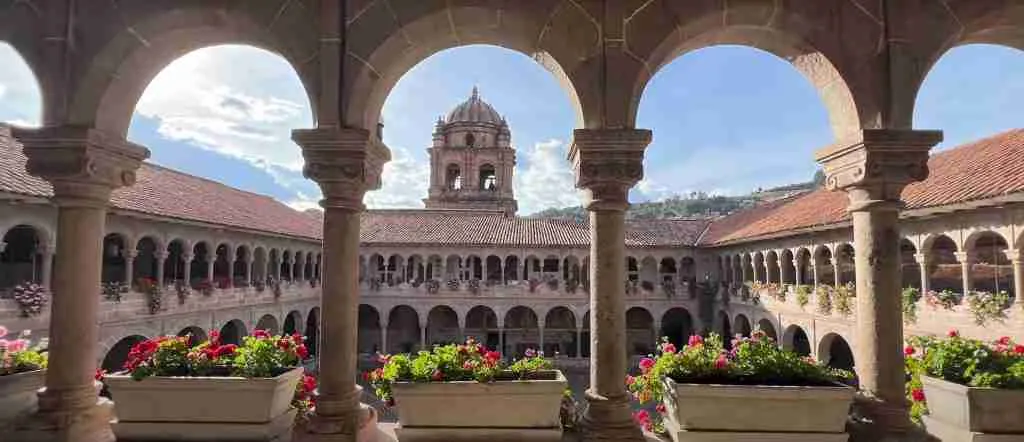
Once the heart of the mighty Inca Empire, Cusco seamlessly blends pre-Columbian heritage with Spanish colonial architecture. Walk through the cobblestone streets of the historic center, a UNESCO World Heritage Site, and discover how Incan foundations support Spanish colonial buildings.
Key attractions include the impressive Qorikancha (Temple of the Sun), the massive stone walls of Sacsayhuamán fortress, and the vibrant San Pedro Market. Allow 2-3 days to acclimatize to the altitude (3,400 meters) while exploring this fascinating city.
4. Lima: Peru’s Culinary and Cultural Capital
Peru’s capital city has transformed into South America’s gastronomic epicenter, earning international acclaim for its innovative cuisine that blends indigenous ingredients with global influences. Beyond world-class restaurants like Central and Maido, Lima offers remarkable cultural attractions.
Explore the colonial splendor of the Historic Center, discover pre-Columbian artifacts at the Larco Museum, and enjoy ocean views from the clifftop district of Miraflores. Don’t miss the fascinating adobe pyramid of Huaca Pucllana, which showcases Lima’s ancient pre-Incan heritage.
5. Lake Titicaca: The World’s Highest Navigable Lake
Straddling the border between Peru and Bolivia, Lake Titicaca sits at an breathtaking 3,812 meters above sea level. This massive alpine lake is steeped in Andean mythology and provides home to the unique Uros floating islands, constructed entirely from totora reeds.
Visit the traditional island of Taquile, where inhabitants maintain ancient textile traditions, or explore Amantaní Island for an authentic homestay experience. The town of Puno serves as the main gateway to the lake’s wonders.
6. Amazon Rainforest: Peru’s Natural Wonderland
The Peruvian Amazon covers over 60% of the country’s territory, offering unparalleled biodiversity and wildlife viewing opportunities. Puerto Maldonado provides access to Tambopata National Reserve, while Iquitos serves as the gateway to the northern Amazon region.
Stay in eco-lodges deep in the rainforest, take riverboat cruises to spot pink dolphins, and embark on guided jungle walks to discover medicinal plants, colorful birds, and exotic wildlife. The Amazon offers a completely different perspective on Peru’s natural heritage.
7. Nazca Lines: Ancient Desert Mystery
The enigmatic Nazca Lines continue to puzzle archaeologists and visitors alike. These massive geoglyphs, created between 200 BC and 700 AD, stretch across 190 square miles of desert and include intricate designs of animals, plants, and geometric shapes that are only fully visible from the air.
Take a scenic flight from Nazca or Ica airports to witness these remarkable ancient creations. The spider, hummingbird, and monkey designs are among the most impressive and well-preserved figures.
8. Colca Canyon: Twice as Deep as the Grand Canyon
At over 4,160 meters deep, Colca Canyon ranks among the world’s deepest canyons and provides one of Peru’s most spectacular natural landmarks. The canyon is home to the majestic Andean condor, South America’s largest flying bird with wingspans reaching over 3 meters.
Visit the Cruz del Cóndor viewpoint for the best condor sightings, typically during morning thermals. The canyon also features traditional villages, ancient agricultural terraces, and relaxing hot springs at Chivay.
9. Rainbow Mountain (Vinicunca): Nature’s Colorful Masterpiece
Discovered by tourists after snow melted in 2013, Rainbow Mountain has quickly become one of Peru’s most Instagram-famous destinations. The mountain’s vibrant stripes of red, yellow, green, and turquoise result from mineral deposits exposed over millions of years.
Located 3 hours southeast of Cusco, the trek to Rainbow Mountain’s 5,200-meter summit is challenging due to altitude but rewards hikers with absolutely stunning panoramic views. The best months to visit are May through September during the dry season.
10. Arequipa: The White City
Known as the “White City” for its distinctive volcanic sillar stone architecture, Arequipa sits dramatically beneath three towering volcanoes: Misti, Chachani, and Pichu Pichu. The historic center, a UNESCO World Heritage Site, showcases some of Peru’s finest colonial architecture.
Visit the impressive Santa Catalina Monastery, a city within a city that housed cloistered nuns for over 400 years. Arequipa also serves as an excellent base for exploring Colca Canyon and sampling the region’s famous rocoto relleno (stuffed spicy peppers).
11. Huacachina Oasis: A Desert Paradise
This magical natural oasis near the city of Ica appears like a mirage in Peru’s coastal desert. Surrounded by towering sand dunes, the palm-fringed lagoon creates an otherworldly landscape perfect for adventure activities.
Experience thrilling dune buggy rides across the massive sand formations, try sandboarding down steep dunes, and enjoy spectacular sunset views over the desert. The oasis also offers a peaceful retreat with lakeside dining and relaxation.
12. Paracas National Reserve and Ballestas Islands
Often called the “Galápagos of Peru,” the Ballestas Islands teem with marine wildlife including sea lions, Humboldt penguins, pelicans, and countless seabirds. These rocky outcroppings off the Paracas Peninsula provide some of South America’s best wildlife viewing opportunities.
Boat tours from Paracas town offer close encounters with playful sea lions and excellent bird photography opportunities. The adjacent Paracas National Reserve protects important coastal ecosystems and features dramatic desert landscapes meeting the Pacific Ocean.
13. Iquitos: Gateway to the Northern Amazon
As the world’s largest city inaccessible by road, Iquitos serves as the primary entry point to Peru’s northern Amazon region. This vibrant jungle metropolis combines urban amenities with easy access to pristine rainforest areas.
Explore the colorful Belén Market, admire the iron houses designed by Gustave Eiffel, and use Iquitos as your base for multi-day Amazon river cruises and jungle expeditions. The city’s unique floating neighborhood of Belén showcases how locals adapt to seasonal river fluctuations.
14. Chachapoyas and Gocta Falls
The cloud forest region of Chachapoyas in northern Peru remains one of the country’s best-kept secrets. Home to the spectacular Gocta Falls, one of the world’s tallest waterfalls at 771 meters, this region offers incredible natural beauty and archaeological mysteries.
Discover the ancient cliff-side mausoleums of Karajía, explore the massive fortress of Kuelap (often called the “Machu Picchu of the North”), and trek through pristine cloud forests to reach the base of the magnificent Gocta Falls.
15. Sacsayhuamán: Cusco’s Impressive Fortress
Just outside Cusco, the massive stone fortress of Sacsayhuamán showcases the incredible engineering skills of the Inca civilization. The site’s enormous interlocking stones, some weighing over 100 tons, were precisely cut and fitted without mortar.
Visit during the winter solstice in June to witness the colorful Inti Raymi festival, the most important celebration in the Incan calendar. The fortress offers panoramic views over Cusco and provides insight into the sophisticated construction techniques of ancient Peru.
