Peru’s North Coast Best Places to Visit 2026: Complete Guide
This comprehensive guide addresses practical 2026 planning for Peru’s north coast best destinations. You’ll find detailed cost breakdowns for archaeological tours and beach accommodations, seasonal timing analysis for dry versus rainy seasons, transportation logistics handling long-distance buses and domestic flights, and specific information on Chan Chan access, Huacas del Sol y Luna tours, Lord of Sipán Museum visits, Máncora beach activities, and Huanchaco surf culture. The information provides confident guidance based on current operational patterns while noting where advance booking benefits travelers.
Key Takeaways: Peru’s North Coast Planning for 2026
- Archaeological treasures dominate cultural appeal: Chan Chan (world’s largest adobe city), Huacas del Sol y Luna pyramids, Lord of Sipán royal tomb, and El Brujo complex showcase pre-Columbian Moche and Chimú civilizations rivaling Machu Picchu’s historical significance
- Tropical beaches enable year-round swimming: Unlike Peru’s cold southern coast, northern beaches from Máncora to Punta Sal maintain 22-26°C water temperatures throughout 2026, creating Peru’s primary beach resort destination with excellent surfing conditions
- Trujillo serves as archaeological hub: This colonial city provides optimal base for exploring Chan Chan ($3 entry), Huacas del Sol y Luna ($5), Huanchaco fishing village, and surrounding Moche Valley sites within 15-30 kilometer radius accessible via affordable tours ($25-45 per person)
- Rainy season affects timing dramatically: December-April brings heavy rainfall to northern coast disrupting beach activities and archaeological site access, while May-November dry season delivers optimal conditions with minimal precipitation and comfortable temperatures 24-28°C
- Budget travelers find excellent value: North coast accommodations cost $20-50 per night for mid-range comfort, archaeological tours run $25-45, beach hotels in Máncora charge $30-80, and local meals cost $5-12 creating affordable travel compared to Cusco pricing
- Northern routing requires extra time: Distances from Lima to Trujillo (560 kilometers, 8-9 hours), Chiclayo (770 kilometers, 10-11 hours), and Máncora (1,160 kilometers, 16-18 hours) create long travel days requiring overnight buses or domestic flights for efficient routing
- Contact us by filling out the trip planner form, and our partner’s expert travel advisors will work closely with you to create your tailor-made itinerary (Free Service)
Exploring Peru’s North Coast Destinations in 2026
Peru’s north coast extends 1,200 kilometers from Lima northward to the Ecuador border, transitioning from cold Humboldt Current influence near Lima to warm tropical waters above Piura creating Peru’s beach resort zone. This coastal corridor combines three distinct attraction categories: pre-Columbian archaeological sites showcasing Moche, Chimú, and Sicán civilizations that flourished centuries before the Incas; colonial Spanish cities including Trujillo and Chiclayo with well-preserved historic centers; and tropical beaches at Máncora, Punta Sal, and Cabo Blanco offering Peru’s warmest swimming conditions and surf culture.
The north coast receives dramatically fewer international tourists compared to Cusco-Machu Picchu corridor despite possessing UNESCO World Heritage sites and world-class archaeological treasures. This relative obscurity creates advantages for travelers seeking authentic Peruvian experiences without overwhelming tourist crowds, lower pricing, and genuine cultural immersion in working cities rather than tourist-dependent economies. However, it also means less English-language infrastructure, more basic accommodations outside beach resorts, and greater planning requirements navigating transportation and tour arrangements.
Planning Peru’s north coast visits in 2026 requires understanding the region’s geographic spread and seasonal patterns. Archaeological sites cluster around Trujillo (Chan Chan, Huacas del Sol y Luna, El Brujo) and Chiclayo (Lord of Sipán Museum, Túcume pyramids, Sicán National Museum) creating two distinct archaeological zones 200 kilometers apart. Beach destinations concentrate 600-900 kilometers further north near Ecuador border where tropical currents warm ocean waters. Most travelers choose either archaeology focus (Trujillo-Chiclayo, 4-6 days) or beach focus (Máncora-Punta Sal, 3-5 days) rather than attempting complete north coast coverage requiring 10-14 days including extensive transportation time.
People Also Ask About Peru’s North Coast 2026
How much does it cost to visit Peru’s north coast in 2026?
Peru’s north coast costs $50-90 per person daily for mid-range comfort including accommodation, tours, meals, and local transportation. Trujillo archaeological tours cost $25-45 per person for full-day excursions visiting Chan Chan, Huacas del Sol y Luna, and Huanchaco with transportation and guide. Individual site entries run $3-5 each. Accommodations in Trujillo range $25-50 per night for comfortable hotels with breakfast, $60-100 for upscale colonial properties. Chiclayo follows similar pricing with hotels $25-55, archaeological tours $30-50. Máncora beach accommodations cost $30-80 per night for beachfront hotels, $80-150 for upscale resorts with pools. Meals run $5-12 at local restaurants, $12-25 at tourist-oriented establishments. Transportation between destinations varies by method: overnight buses Lima-Trujillo cost $25-45, Trujillo-Chiclayo runs $10-18, Chiclayo-Máncora costs $20-35. Domestic flights provide faster alternatives at premium pricing: Lima-Trujillo $60-110, Lima-Chiclayo $70-120, Lima-Piura (for Máncora) $80-140. Complete week-long north coast trips combining Trujillo archaeology and Máncora beaches cost $400-750 per person excluding Lima transportation.
When is the best time to visit Peru’s north coast in 2026?
May through November represents optimal timing for Peru’s north coast with dry season delivering minimal rainfall, comfortable temperatures of 24-28°C (75-82°F), and excellent conditions for archaeological site visits and beach activities. June-September constitutes peak season when consistent sunshine, calm ocean conditions, and moderate humidity create ideal timing for comprehensive exploration. December-April brings rainy season with heavy precipitation particularly January-March when coastal valleys receive 50-150mm monthly rainfall disrupting dirt road access to archaeological sites, creating muddy conditions at Chan Chan, and reducing beach appeal with cloudy skies and choppy ocean. However, rainy season delivers fewer tourists, lower hotel rates (20-30% below dry season), and lush green landscapes contrasting with year-round brown desert typical of dry months. Máncora beach visits work best May-October when consistent swells provide excellent surfing conditions, warm water temperatures peak at 24-26°C, and sunshine enables comfortable beach days. Trujillo and Chiclayo archaeological visits favor dry season May-November when site access is guaranteed and photography benefits from clear skies, though dedicated travelers can visit year-round accepting occasional rain delays and muddy pathways during wet months.
How do you get to Peru’s north coast destinations in 2026?
Peru’s north coast destinations connect to Lima via overnight buses or domestic flights. Lima-Trujillo overnight buses operate 8-9 hours on premium carriers Cruz del Sur and Línea costing $25-45 with reclining seats departing Lima 9-11 PM and arriving Trujillo 6-8 AM. Daytime buses run similar duration for travelers preferring to see coastal desert scenery. Domestic flights on LATAM and Sky Airline cover Lima-Trujillo in 1 hour for $60-110 one-way with 4-6 daily departures. Trujillo-Chiclayo continues 3-4 hours by bus for $10-18 or 45-minute flights at $50-90. Chiclayo-Piura (gateway to Máncora beaches) runs 6-7 hours by bus for $18-30 or 1-hour flights at $60-110. From Piura, local buses or shared vans reach Máncora in 2-3 hours for $5-10. Through Lima-Máncora buses operate 16-18 hours overnight for $35-60 on premium carriers. Within destinations, local taxis charge $3-8 for town trips, while archaeological site tours include transportation from hotels. Máncora works as walkable beach town with most hotels, restaurants, and beach access within 15-20 minute walk. Renting cars in Lima enables self-drive north coast exploration though Panamericana Norte highway requires careful attention to aggressive bus traffic, frequent police checkpoints, and nighttime security considerations making daytime travel strongly recommended.
Are Peru’s north coast archaeological sites as impressive as Machu Picchu?
Peru’s north coast archaeological sites rival Machu Picchu in historical significance and cultural importance though deliver different experiences. Chan Chan represents the Western Hemisphere’s largest adobe city covering 20 square kilometers, serving as Chimú Empire capital (900-1470 AD) housing 60,000 residents before Inca conquest. The preserved palace complexes showcase sophisticated water management, ceremonial plazas, and intricate geometric friezes though the adobe construction lacks Machu Picchu’s dramatic mountain setting. Huacas del Sol y Luna temple pyramids demonstrate Moche civilization engineering (100-800 AD) with complex murals, human sacrifice evidence, and stratified construction revealing centuries of development. The Lord of Sipán Museum in Lambayeque displays Peru’s richest pre-Columbian tomb discovery (1987) with gold, silver, and turquoise artifacts rivaling Egyptian pharaoh treasures. These sites appeal strongly to archaeology enthusiasts and history buffs interested in pre-Inca cultures, while lacking the iconic recognition and natural beauty making Machu Picchu universally appealing. Travelers prioritizing cultural depth over scenic landscapes find north coast archaeology deeply rewarding, while those seeking Instagram-worthy mountain vistas should focus on Cusco region instead.
Extended multi-day tours – 5+ days
Featured Peru Multi-Day Tour Packages
3 days
Peru 3-Day Discovery Tour
- ✓ Comprehensive Peru experience
- ✓ Expert local guides included
- ✓ All accommodation included
- ✓ Transportation provided

5 days
Peru 5-Day Highlights Experience
- ✓ Comprehensive Peru experience
- ✓ Expert local guides included
- ✓ All accommodation included
- ✓ Transportation provided
7 days
Peru 7-Day Cultural Journey
- ✓ Comprehensive Peru experience
- ✓ Expert local guides included
- ✓ All accommodation included
- ✓ Transportation provided
10 days
Peru 10-Day Complete Adventure
- ✓ Comprehensive Peru experience
- ✓ Expert local guides included
- ✓ All accommodation included
- ✓ Transportation provided
Multi-day tour packages powered by TourRadar. Prices and availability subject to change.
Essential Planning Information for North Coast 2026
Understanding North Coast Geography and Climate Zones
Peru’s north coast divides into two distinct climate zones based on ocean current influence. The southern section from Lima to approximately Chiclayo (800 kilometers) remains under cold Humboldt Current creating stable cool temperatures, minimal rainfall, and persistent coastal fog during winter months similar to southern Peru. The northern section above Piura transitions to warm tropical waters from equatorial currents creating warmer air temperatures, higher humidity, defined rainy season December-April, and ocean temperatures enabling comfortable swimming year-round.
The coastal desert landscape dominates most of the region with rainfall measuring less than 25mm annually near Trujillo, creating barren sand and rock formations interrupted by river valleys where Andean runoff enables irrigation agriculture. These green oases support cities like Trujillo, Chiclayo, and Piura where sugar cane, rice, and mango cultivation thrives. The archaeological sites cluster in these river valleys where ancient civilizations flourished using same water resources modern agriculture depends on.
Elevation remains at or near sea level throughout the north coast eliminating altitude concerns affecting highland destinations. Trujillo sits at 34 meters elevation, Chiclayo at 27 meters, Máncora at beach level. This creates comfortable conditions for travelers sensitive to altitude while maintaining warm temperatures year-round. The lack of elevation variation means temperature differences between destinations result primarily from latitude – Máncora near Ecuador maintains consistently warmer conditions (25-30°C) than Trujillo (20-26°C) throughout the year.
Current Costs and Budget Planning for 2026
Peru’s north coast delivers excellent value compared to Cusco and Lima with lower accommodation costs, economical local dining, and moderate tour pricing. Trujillo hotels range $20-40 per night for budget comfort, $40-70 for mid-range properties with breakfast and WiFi, $80-120 for upscale hotels in restored colonial mansions. Chiclayo follows similar patterns with $25-45 mid-range, $70-110 upscale. Máncora beach accommodations cost $25-50 for basic beachfront hotels, $50-100 for comfortable properties with pools, $120-200 for boutique surf resorts.
Archaeological tour costs represent the primary activity expense. Full-day Trujillo tours visiting Chan Chan, Huacas del Sol y Luna, and Huanchaco cost $25-45 per person with transportation, English-speaking guide, and entry fees included. Half-day tours focusing on single site complexes run $18-30. Individual site entries cost $3-5 each making guided tours economical compared to independent taxi hire ($40-60 for half-day) plus separate entry fees. Chiclayo archaeological tours to Lord of Sipán Museum, Túcume pyramids, and Sicán National Museum run $30-50 for full-day excursions. Museum entries alone cost $8-12 each.
Meals contribute $15-35 daily depending on restaurant selection. Local restaurants (cevicherías, chicken rotisseries, comedores) serve fresh seafood, grilled meats, and Peruvian specialties for $5-12 per meal. Tourist-oriented restaurants charge $12-25 for main courses. Máncora beach dining runs slightly higher at $10-18 for standard meals, $20-35 for upscale beachfront establishments. Street food and market stalls offer empanadas, tamales, and fruit juices for $2-5.
Transportation between north coast destinations creates variable costs. Overnight buses provide economical routing: Lima-Trujillo $25-45, Trujillo-Chiclayo $10-18, Chiclayo-Piura $18-30, Piura-Máncora $8-15 on premium carriers with reclining seats and onboard service. Budget companies charge 30-40% less using older buses. Domestic flights save significant time at premium pricing: Lima-Trujillo $60-110, Lima-Chiclayo $70-120, Lima-Piura $80-140 with LATAM and Sky Airline operating 1-2 daily flights each route. Local taxis within cities cost $3-8 for standard trips.
Seasonal Weather Patterns and Timing for 2026
Dry season May-November delivers Peru north coast’s most reliable weather with minimal rainfall throughout the region. May marks transition from rainy season with decreasing precipitation and warming temperatures creating pleasant conditions though occasional late-season showers occur. June-August represents peak dry season with essentially zero rainfall in Trujillo and Chiclayo, comfortable temperatures 22-26°C, and optimal conditions for archaeological exploration. September-November continues dry weather with increasing temperatures approaching 28°C and stable ocean conditions for Máncora beach visits.
Rainy season December-April brings variable precipitation with peak rainfall January-March. Trujillo and Chiclayo receive 30-80mm monthly during wettest months creating muddy conditions at adobe archaeological sites and occasional road access issues to remote pyramids. Heavy rains damage Chan Chan’s unprotected adobe walls requiring ongoing restoration work. However, the region’s low annual rainfall means even rainy season sees many sunny days interspersed with storms rather than continuous precipitation. Máncora faces higher rainfall during this period with 100-150mm monthly January-March creating humid conditions and cloudy skies reducing beach appeal.
Ocean temperatures vary by location. Trujillo and Chiclayo waters remain cool year-round at 16-19°C under Humboldt Current influence deterring swimming despite warm air temperatures. Máncora and Punta Sal benefit from tropical currents maintaining 22-26°C water enabling comfortable swimming all months. Water temperatures peak March-May at 25-26°C then cool slightly June-August to 22-23°C, still warm enough for extended beach time and water sports. Surfing conditions excel May-October when consistent southern swells generate 1-3 meter waves at Máncora and surrounding breaks.
Wind patterns affect beach activities with strongest winds July-September creating excellent kitesurfing conditions but choppy ocean making swimming less pleasant. Calmer periods April-June and October-December provide ideal balance of warm water, moderate swells for surfing, and comfortable beach lounging without excessive wind. Archaeological site visits work well any dry season month with temperature differences between May and November being minimal – choose based on overall Peru itinerary timing rather than waiting for specific north coast seasonal advantages.
Trujillo and Moche Valley Archaeological Sites 2026
Chan Chan Ancient City Complex
Chan Chan served as capital of Chimú Empire (900-1470 AD) growing into the Western Hemisphere’s largest adobe city covering 20 square kilometers and housing 60,000 residents. The Chimú controlled northern Peru coast for 500 years developing sophisticated irrigation systems, metallurgy, and administrative organization before Inca conquest integrated the empire into Tahuantinsuyu. Today, Chan Chan represents UNESCO World Heritage Site facing ongoing conservation challenges as coastal humidity and El Niño rains gradually erode unprotected adobe structures.
Visitor access concentrates on the restored Nik An palace complex where intricate geometric friezes, ceremonial plazas, water channels, and residential compounds showcase Chimú architectural sophistication. The site opens 9 AM-4 PM daily with $3 entry included in Trujillo’s combined tourist ticket (Boleto Turístico) covering multiple valley sites. Guided tours enhance understanding as the sprawling ruins require context explaining functional purposes of various structures. The geometric wall decorations featuring fishing nets, marine creatures, and abstract patterns demonstrate Chimú artistic styles distinct from better-known Inca stonework.
Chan Chan sits 5 kilometers northwest of Trujillo center accessible via taxi ($5-8 one-way) or included in organized archaeological tours. Most visitors combine Chan Chan with Huanchaco fishing village 3 kilometers further north creating half-day itinerary. The site’s exposure to sun and wind requires sun protection, water, and hat as minimal shade exists among the adobe walls. Photography works well throughout the day though morning and late afternoon light enhances wall texture and geometric patterns.
The vast majority of Chan Chan remains unexcavated with visible eroding mounds across the desert landscape. Only the Nik An complex receives active conservation with protective roofs over key frieze panels. This creates somewhat limited visitor experience compared to completely excavated sites like Huacas del Sol y Luna, though the scale and historical significance remain impressive. Archaeological enthusiasts find Chan Chan fascinating while casual tourists sometimes feel the brown adobe ruins lack visual impact without understanding the civilization’s sophistication.
Huacas del Sol y Luna Temple Pyramids
Huacas del Sol y Luna (Temples of the Sun and Moon) represent Moche civilization’s ceremonial center (100-800 AD) located 8 kilometers south of Trujillo. These massive adobe pyramids served religious and administrative functions for Moche culture that preceded Chimú and Inca empires by centuries. Huaca de la Luna (Temple of the Moon) receives primary visitor access with excavated temples revealing spectacular polychrome murals depicting Moche deities, particularly the fearsome fanged god Ai Apaec, along with evidence of human sacrifice rituals central to Moche religious practices.
The site opens 9 AM-4 PM daily with $5 entry providing access to excavated temple sections and excellent on-site museum displaying Moche ceramics, metalwork, and explanatory exhibits contextualizing the civilization. Mandatory guided tours (included with entry) lead visitors through temple complexes explaining Moche cosmology, construction techniques, and archaeological discoveries. The tours last 1.5-2 hours with English-language guides available though Spanish guides are more numerous. The preserved murals showing repeated motifs of supernatural beings, warriors, and sacrificial scenes create powerful visual impact communicating Moche worldview across centuries.
Huaca del Sol (Temple of the Sun) across the valley remains largely unexcavated due to Spanish colonial-era looting that diverted the Moche River to wash away portions of the pyramid searching for gold. The massive structure rises 40 meters containing an estimated 140 million adobe bricks making it one of South America’s largest pre-Columbian constructions. Visitors view it from distance during tours but cannot access the eroding structure actively being studied by archaeologists.
The site complex includes excellent modern facilities with shaded walkways, clean bathrooms, café, and gift shop. The combination of spectacular murals, comprehensive museum, and professional interpretation makes Huacas del Sol y Luna many travelers’ favorite north coast archaeological experience. Photography is permitted throughout with murals providing colorful subjects contrasting with Chan Chan’s monochromatic adobe friezes. The site deserves 2-3 hours for complete appreciation including museum visit and thorough pyramid exploration.
El Brujo Archaeological Complex
El Brujo complex encompasses three archaeological mounds (Huaca Prieta, Huaca El Brujo, Huaca Cao Viejo) documenting 5,000 years of coastal occupation from pre-ceramic cultures through Moche civilization to Spanish contact. The complex gained international attention in 2006 with discovery of the Lady of Cao, a tattooed female Moche ruler mummy revealing women held political power in ancient Peru earlier than previously documented. The mummy resides in the excellent Cao Museum with climate-controlled display alongside gold artifacts, weapons, and ceremonial objects from her tomb.
Huaca Cao Viejo, the complex’s main pyramid, features partially excavated Moche temple with polychrome friezes showing dancers, warriors, and supernatural beings. The preservation quality rivals Huacas del Sol y Luna with additional advantage of the museum’s remarkable mummy and artifact collection. Entry costs $10 including museum and pyramid access with mandatory guided tours explaining site significance and Lady of Cao’s importance rewriting gender assumptions about ancient Andean societies.
El Brujo sits 60 kilometers north of Trujillo near Magdalena de Cao village requiring 1.5-hour drive on coastal highway. Most visitors access the site via organized tours from Trujillo ($40-60 per person) combining transportation, guide, and entry. Independent travel requires hiring taxi ($60-80 round-trip with waiting time) as public buses to Magdalena de Cao don’t provide convenient timing for same-day return. The remote location and excellent museum make El Brujo worthwhile for dedicated archaeology enthusiasts though casual tourists often prioritize closer sites.
Trujillo City Center and Huanchaco Village
Trujillo’s colonial historic center surrounds Plaza de Armas featuring the yellow cathedral, colorful colonial mansions with elaborate wrought-iron window grilles, and arcaded buildings housing cafés and shops. The historic center maintains active commercial and residential functions creating authentic Peruvian city atmosphere rather than tourist-only zones. Key colonial buildings include Casa Urquiaga museum (free entry) with period furnishings and colonial art, and Casa Ganoza Chopitea ($3 entry) showcasing aristocratic family lifestyle. Walking the historic center requires 2-3 hours covering main plazas, churches, and mansion exteriors.
Huanchaco fishing village 13 kilometers northwest of Trujillo offers beach access, seafood restaurants, and famous caballitos de totora (traditional reed boats) still used by local fishermen. These distinctive narrow watercraft made from bundled totora reeds resemble surfboards and demonstrate fishing techniques unchanged for over 3,000 years. Fishermen launch through surf zones, fish offshore waters, then ride waves back to beach creating dramatic scenes popular with photographers. The beach itself features average surf conditions attracting beginner surfers, though strong currents and rocky areas require caution for swimmers.
Huanchaco functions as Trujillo’s beach suburb with accommodations ($25-60 per night), seafood cevicherías ($10-18 for fresh fish plates), and sunset viewing from beachfront malecón. Most archaeological tours include Huanchaco lunch stops allowing 1-2 hours exploring town and watching fishermen launch caballitos. The village offers low-key beach atmosphere without Máncora’s party scene, appealing to travelers wanting coastal access during Trujillo archaeological stays. Regular colectivos (shared vans) connect Huanchaco to Trujillo ($1.50, 20-30 minutes) enabling easy independent visits.
Chiclayo and Lambayeque Archaeological Treasures 2026
Lord of Sipán Museum and Royal Tombs
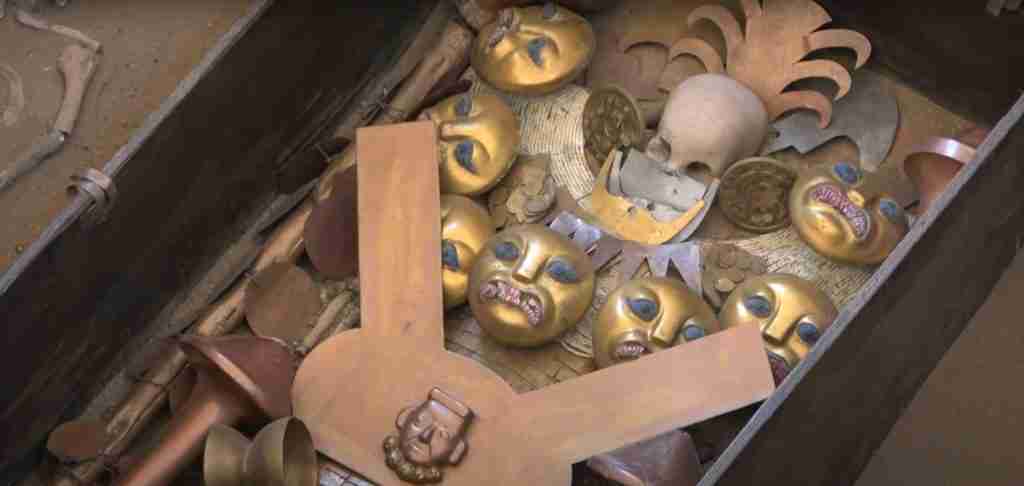
The Royal Tombs of Sipán Museum in Lambayeque town (15 kilometers north of Chiclayo) houses Peru’s most spectacular pre-Columbian archaeological discovery. Archaeologist Walter Alva’s 1987 excavation uncovered intact Moche royal tombs containing gold, silver, copper, and turquoise artifacts of extraordinary quality and quantity. The Lord of Sipán, a warrior-priest ruler who died around 290 AD, was buried with elaborate gold regalia, sacrificed attendants, guardian warriors, and symbolic offerings revealing Moche civilization’s sophistication and wealth.
The museum’s modern architecture mimics Moche pyramid design with entry through controlled environments maintaining artifact preservation. Displays recreate burial contexts showing exactly how objects were positioned around the Lord of Sipán and companion burials. The gold pectoral ornaments, ear spools, nose ornaments, and ceremonial tumi knives represent some of ancient Americas’ finest metalwork. The museum requires 2-3 hours for comprehensive viewing with excellent interpretive panels in Spanish and English explaining Moche culture, excavation process, and artifact significance.
Museum entry costs $10 with guided tours available ($15-20 additional for English-speaking guides). The museum opens 9 AM-5 PM Tuesday-Sunday, closed Mondays. Located in Lambayeque rather than Chiclayo requires taxi ($8-12 from Chiclayo, 20-25 minute drive) or tour inclusion. The museum represents northern Peru’s single most important cultural attraction and essential visit for any Chiclayo itinerary. Photography is prohibited inside the museum protecting artifact preservation, though postcards and books are available in the excellent gift shop.
The actual Huaca Rajada excavation site where Lord of Sipán was discovered sits 35 kilometers from Chiclayo near Sipán village. The site features small on-site museum and pyramid viewing with $5 entry, though most significant artifacts reside in the Lambayeque museum. Organized tours often combine Royal Tombs Museum with Sipán excavation site for complete Lord of Sipán experience ($45-60 per person with transportation and guide).
Túcume Pyramids Complex
Túcume archaeological site contains 26 major adobe pyramids covering 220 hectares representing one of ancient Americas’ largest ceremonial centers. The Sicán and Chimú cultures built these structures between 1000-1470 AD before Inca conquest. The pyramids’ deteriorated state with eroded adobe mounds creates less visual impact than excavated Huacas del Sol y Luna, though the scale and number of structures impresses dedicated archaeology enthusiasts. A modern viewing platform reached by steep staircase provides panoramic perspectives of the pyramid field and surrounding valley.
Site entry costs $5 with mandatory guide service (included). The on-site museum displays Sicán ceramics, metalwork, and explanatory panels about pyramid construction and abandonment. Thor Heyerdahl’s presence in 1980s excavations brings historical note to Túcume as the Norwegian explorer sought evidence for his Pacific migration theories. Visiting Túcume requires 2-3 hours including museum time and pyramid field exploration. The site sits 35 kilometers north of Chiclayo requiring organized tour ($35-50 per person) or private taxi hire ($40-60 round-trip with waiting time).
Túcume works best combined with other Lambayeque region sites in full-day archaeological circuits. Tour packages visiting Lord of Sipán Museum, Túcume, and Sicán National Museum create comprehensive northern archaeology days costing $55-75 per person including transportation, guides, and entries. Independent travelers face challenges accessing remote sites without private vehicles, making organized tours practical despite slightly higher costs.
Sicán National Museum and Culture
The Sicán National Museum in Ferreñafe (20 kilometers northeast of Chiclayo) focuses on Sicán culture (750-1375 AD) that preceded Chimú empire in Lambayeque region. The museum displays elaborate gold masks, tumi ceremonial knives, and artifacts from elite burials showcasing Sicán metallurgical expertise. The characteristic Sicán artistic style featuring almond-shaped eyes and prominent noses distinguishes their work from Moche and Chimú art. Museum entry costs $8 with excellent modern facilities including air conditioning protecting temperature-sensitive artifacts.
The museum complex includes recreation of excavated tomb showing burial practices and social hierarchy. Interactive exhibits explain ancient metallurgy techniques, agricultural systems, and religious beliefs. English labels supplement Spanish displays though guide services enhance understanding for non-Spanish speakers. The museum deserves 1.5-2 hours for thorough appreciation though attracts fewer visitors than the more famous Lord of Sipán Museum, creating quieter viewing experience.
Accessing Sicán National Museum requires taxi from Chiclayo ($10-15, 30-35 minutes) or tour inclusion. The museum pairs well with Túcume pyramids creating northern Lambayeque archaeological day complementing southern Lord of Sipán focus. Travelers with limited time should prioritize Lord of Sipán Museum over Sicán Museum if choosing between them, though archaeology enthusiasts appreciate both for comprehensive understanding of northern coast cultural development.
Chiclayo City Practical Information
Chiclayo functions as commercial center and archaeological tour base rather than tourist destination in its own right. The city of 600,000 residents offers adequate hotel infrastructure with options ranging from budget hostels at $18-30 per night to mid-range hotels $35-65 and upscale chains like Wyndham Costa del Sol at $80-120. Most hotels concentrate near Plaza de Armas and along major commercial avenues Balta and Bolognesi.
Chiclayo’s Mercado Modelo operates as northern Peru’s largest traditional market with produce, meats, handicrafts, and shamans offering traditional healing ceremonies. The market covers several blocks creating somewhat overwhelming environment for casual visitors though providing authentic local culture immersion. The market’s outskirts require caution as pickpocketing affects distracted tourists – keep valuables secured and maintain awareness. Photography in market areas should respect vendors who may object to being photographed without permission.
Dining emphasizes northern coast specialties including arroz con pato (rice with duck), cabrito (roasted goat), and king kong cookies (layered cookie with dulce de leche filling, Chiclayo’s signature sweet). Seafood cevicherías serve fresh coastal catches at $8-15 for main plates. Fiesta Restaurant and Tradiciones both offer quality northern cuisine at $12-20 per meal. Street food and market stalls provide economical options at $3-6 for full plates.
Chiclayo lacks the colonial charm and pedestrian-friendly center of Trujillo, functioning more as working commercial city. Most travelers base in Chiclayo 1-2 nights for archaeological site access rather than extended cultural exploration of the city itself. The airport (José Abelardo Quiñones Gonzales) receives domestic flights from Lima (1 hour 20 minutes, $70-120) operating 3-5 times daily on LATAM and Sky Airline, providing efficient alternative to 10-11 hour overnight buses.
Máncora and Northern Beach Zone Planning 2026
Máncora Beach Resort Town
Máncora represents Peru’s premier beach resort destination located 1,160 kilometers north of Lima near Ecuador border. The town’s tropical location creates warm ocean temperatures (22-26°C year-round) enabling comfortable swimming unlike Peru’s cold southern and central coast. Máncora beach stretches several kilometers with golden sand, consistent surf breaks, and beachfront development featuring hotels, restaurants, bars, and water sports operators. The town attracts Peruvian and international tourists seeking beach relaxation, surf culture, and party atmosphere particularly during summer months December-March.
Accommodations span budget hostels at $20-40 per night offering basic beachfront rooms and social atmosphere, mid-range hotels $50-100 with pools and comfortable amenities, and upscale boutique resorts $120-200 featuring spa services, gourmet restaurants, and design-focused interiors. Beachfront properties command premium pricing versus inland locations though ocean views and immediate beach access justify costs for most visitors. High season December-March requires advance booking 2-4 weeks ahead while low season April-November maintains walk-in availability except holiday weekends.
The beach itself divides into zones. Central Máncora features densest development with restaurants, bars, and water sports concentrated along main beach drag. Northern sections toward Los Órganos offer quieter settings with fewer vendors and less crowded sand. Southern areas near town limits show similar decreased density though most prime beachfront has been developed. The beach works well for swimming, bodyboarding, and surfing with consistent 1-2 meter waves. Stronger swells during May-October attract intermediate and advanced surfers while calmer summer months suit beginners.
Máncora’s evening scene centers on beachfront bars and clubs with live music, DJ sets, and party atmosphere Thursday-Saturday nights. The town attracts younger crowds (20s-30s) seeking social beach vacation vibe. Families with children and travelers wanting quiet relaxation should consider alternative northern beaches (Punta Sal, Cabo Blanco) offering calmer environments. Most visitors spend 3-5 days in Máncora combining beach relaxation, surf lessons, and evening entertainment before continuing to Ecuador or returning south to Lima.
Surf Culture and Water Sports
Máncora gained international surf recognition during 1970s when traveling surfers discovered consistent point break waves and warm water creating Peru’s most accessible surf destination. Today, numerous surf schools offer lessons for $25-40 for 2-hour group sessions including board rental and instruction. Private lessons cost $45-70. Board rentals alone run $10-20 per day depending on board type. Beginners progress quickly in Máncora’s forgiving waves and warm water allowing extended practice sessions without wetsuits.
The main surf break concentrates at northern end of town where rocky point creates right-hand wave peeling along beach. This wave works best at mid to high tide with southwest swells producing optimal conditions May-October. The break handles crowds better than many point breaks with multiple takeoff zones distributing surfers along the wave. Beginners stick to beach breaks in central Máncora where sand bottom provides safer learning environment and gentler waves.
Kitesurfing operates seasonally June-October when consistent winds create ideal conditions. Several operators offer lessons ($80-120 for 2-hour introduction) and equipment rental ($60-90 per day for full kite setup). The sport requires existing intermediate skill level and several days’ commitment to develop basic proficiency. Stand-up paddleboarding (SUP) works year-round on calm mornings before wind develops, with rentals at $15-25 per hour and lessons $35-50 for 1.5-2 hour sessions.
Sportfishing charters operate from Máncora and Cabo Blanco (20 kilometers south) targeting marlin, sailfish, dorado, and tuna in offshore waters. Half-day charters cost $400-600 for 4-6 person boats, full-day runs $700-1000. Cabo Blanco gained fame in 1950s when Ernest Hemingway and other American anglers pursued record marlin, though today’s fishing pressure has reduced catches compared to golden era. Snorkeling and scuba diving face challenges from limited visibility and cold upwelling currents reducing marine life compared to tropical Caribbean or Asian destinations – most divers skip Máncora focusing instead on better diving elsewhere in Peru (Paracas, Lake Titicaca) or continuing to Ecuador’s superior Galapagos diving.
Punta Sal and Zorritos Quieter Alternatives
Punta Sal beach (85 kilometers north of Máncora) offers upscale alternative with less development and calmer atmosphere. Several all-inclusive beach resorts including Punta Sal Club Hotel ($180-280 per night) provide pools, restaurants, water sports, and family-friendly environments. The wider beach and protected bay create gentler surf compared to Máncora making swimming easier for children and non-surfers. Punta Sal attracts Peruvian families and couples seeking relaxing beach vacation without Máncora’s party scene.
Zorritos (20 kilometers south of Ecuador border) represents Peru’s northernmost beach town with basic infrastructure and minimal tourism development. Budget hotels cost $20-40 per night, simple seafood restaurants serve local specialties at $6-12 per meal, and beaches remain relatively uncrowded except Peruvian holiday weekends. Zorritos works for budget travelers wanting beach time without tourist crowds or travelers breaking long journey between Peru and Ecuador. The town lacks organized activity operators and English-language services making it practical primarily for Spanish speakers comfortable with basic amenities.
Transportation between northern beaches uses shared vans (combis) and local buses running Panamericana Norte coastal highway. Máncora-Punta Sal costs $4-6 for 1.5-hour ride, Máncora-Zorritos runs $5-8 for 2-hour journey. These local services operate frequently throughout the day departing when full (10-15 passengers) rather than fixed schedules. Taxis provide private alternatives at $40-80 depending on distance though traffic along coastal highway creates similar journey times to public transport.
Northern Beach Practical Considerations
Máncora and surrounding beaches maintain tourist infrastructure including ATMs, pharmacies, supermarkets, medical clinics, and police presence. However, facilities are more basic than Lima or Cusco with limited English outside hotels and tour agencies. Spanish language skills significantly enhance experiences navigating restaurants, arranging activities, and interacting with locals. Most travelers manage with basic Spanish and patience though solo travelers who speak no Spanish may find communications challenging.
Beach safety requires attention to ocean conditions and sun exposure. Lifeguards operate on central Máncora beach during high season though coverage is limited compared to U.S. or Australian beaches. Strong rip currents affect areas near rocky points requiring swimmers to stay in designated zones. UV radiation intensifies near equator demanding SPF 50+ sunscreen reapplied every 90-120 minutes and seeking shade during peak intensity 11 AM-3 PM. Dehydration develops quickly in tropical heat and sun – drink 3-4 liters water daily during beach activities.
Petty theft targets tourists on beaches and in tourist zones. Don’t leave valuables unattended on beach while swimming – designate someone to watch belongings or use hotel safes for passports, excess cash, and electronics. Walking along deserted beach stretches carries minimal safety issues during daytime though avoid isolated areas after dark. Máncora’s compact town center allows safe evening walking between hotels, restaurants, and bars with street lighting and people present. Venturing outside central tourist zone after dark requires taxi transport rather than walking.
Sample Peru North Coast Itineraries for 2026
Comprehensive 10-Day Archaeological and Beach Circuit
Day 1 takes overnight Lima-Trujillo bus departing 10-11 PM ($30-40), arriving 7-8 AM next morning. Day 2 checks into Trujillo hotel, morning rest and city center orientation, afternoon half-day tour to Chan Chan and Huanchaco ($25-35), evening Plaza de Armas exploration, overnight Trujillo. Day 3 full-day tour to Huacas del Sol y Luna with museum visit and El Brujo complex ($50-70), returns evening, overnight Trujillo.
Day 4 morning bus to Chiclayo (3-4 hours, $10-18), arrives midday, checks into hotel, afternoon visiting Chiclayo market and city center, early dinner and rest, overnight Chiclayo. Day 5 full-day archaeological tour visiting Lord of Sipán Museum, Túcume pyramids, and Sicán National Museum ($55-75), returns evening, overnight Chiclayo. Day 6 morning flight Chiclayo-Piura (1 hour, $60-110) or bus (6-7 hours, $18-30), connects to Máncora by bus/van (2-3 hours, $8-12), arrives Máncora afternoon/evening, overnight beachfront hotel.
Days 7-9 Máncora beach activities: surf lessons, beach relaxation, water sports, evening entertainment, with flexible daily programs based on surf conditions and weather, overnight Máncora. Day 10 morning departure Máncora by bus to Piura (2-3 hours), afternoon flight Piura-Lima (2 hours, $80-140) arriving evening for international departure, or overnight bus Máncora-Lima (16-18 hours, $40-60) arriving next morning.
Budget breakdown: Accommodation $300-600 (9 nights: Trujillo $60-120, Chiclayo $50-100, Máncora $180-360), tours $130-180 (Trujillo tours, Chiclayo archaeological circuit), meals $180-360 (10 days at $18-36), transportation $280-520 (Lima-Trujillo bus $35, Trujillo-Chiclayo bus $15, Chiclayo-Piura flight $100, local transfers $30, Máncora-Lima return $100-150), surf lessons/activities $80-120. Total: $970-1,780 per person creating comprehensive north coast experience balancing archaeology and beaches.
Express 5-Day Trujillo-Chiclayo Archaeological Focus
Day 1 morning flight Lima-Trujillo (1 hour, $60-110), arrives 11 AM-12 PM, checks into hotel, afternoon city center walking tour and orientation, evening dinner, overnight Trujillo. Day 2 full-day archaeological tour covering Chan Chan, Huacas del Sol y Luna, Huanchaco, and El Brujo ($60-80 with extended tour), returns evening, overnight Trujillo. Day 3 morning bus Trujillo-Chiclayo (3-4 hours, $10-18), arrives midday, checks into hotel, afternoon Lord of Sipán Museum visit by taxi ($8-12 transport plus $10 entry), evening return to Chiclayo, overnight Chiclayo.
Day 4 full-day tour Túcume and Sicán Museum ($40-60), returns afternoon, evening free time Chiclayo, overnight Chiclayo. Day 5 morning flight Chiclayo-Lima (1 hour 20 minutes, $70-120) arriving midday for afternoon international departure or Lima city exploration if departing later.
Budget breakdown: Accommodation $140-280 (4 nights split Trujillo/Chiclayo), tours $100-140, meals $70-140 (5 days), transportation $180-330 (Lima-Trujillo flight, Trujillo-Chiclayo bus, local taxis, Chiclayo-Lima flight). Total: $490-890 per person delivering concentrated archaeological experiences for time-constrained travelers.
Beach-Focused 6-Day Máncora Relaxation
Day 1 overnight Lima-Máncora bus departing 5-6 PM ($40-60), travels through night. Day 2 arrives Máncora 10-11 AM, checks into beachfront hotel, afternoon beach relaxation and surf assessment, sunset dinner, overnight Máncora. Days 3-5 follow flexible beach itinerary: morning surf sessions or lessons, midday beach time and swimming, afternoon water sports (SUP, kitesurfing) or relaxation, evening beach bars and restaurants, overnight Máncora. Optional day trips to Punta Sal ($15-20 round-trip transport) or sportfishing charters ($400-600 split among group) provide activity variety.
Day 6 midmorning checkout, midday bus to Piura (2-3 hours, $8-12), afternoon flight Piura-Lima (2 hours, $80-140) arriving evening, or overnight bus Máncora-Lima (16-18 hours, $40-60) departing evening.
Budget breakdown: Accommodation $250-500 (5 nights Máncora beachfront), surf lessons $75-120 (3 sessions), water sports $60-100 (SUP, activities), meals $150-300 (6 days), transportation $160-280 (Lima-Máncora bus, return flight/bus, local taxis). Total: $695-1,300 per person focusing exclusively on beach relaxation and surf culture.
Transportation Details for North Coast 2026
Long-Distance Bus Services
Cruz del Sur operates Peru’s most reliable bus network connecting Lima to north coast destinations. Their premium service includes 160-degree reclining seats (bus-cama), WiFi, entertainment screens, meals, and bathrooms. Lima-Trujillo overnight buses depart 10-11 PM arriving 7-8 AM ($30-45). Lima-Chiclayo runs 10-11 hours overnight ($35-50). Lima-Piura (for Máncora connections) takes 14-15 hours overnight ($40-60). Booking online at cruzdelsur.com.pe allows seat selection and guaranteed space during holidays and long weekends.
Línea provides competitive service on same routes at similar pricing with modern fleets and professional operations. Their Lima-Trujillo service costs $25-40, Lima-Chiclayo runs $30-45. ITTSA and Civa operate budget alternatives at 20-30% lower fares using older buses with less comfort though maintaining basic safety standards. These companies serve cost-conscious travelers willing to trade comfort for savings on long overnight journeys.
Through Lima-Máncora buses operate on EPPO and other carriers taking 16-18 hours overnight ($35-60) though many travelers break journey in Trujillo or Chiclayo for archaeological visits. Buses depart from Javier Prado terminal or Plaza Norte terminal in Lima requiring taxi access from tourist zones. Most companies require arrival 45-60 minutes before departure for check-in and baggage handling. Luggage capacity allows 20-25 kilograms free with excess fees for overweight bags.
Domestic Flight Network
LATAM Airlines dominates Peru’s domestic market with Lima-Trujillo flights (1 hour, $60-110) operating 4-6 times daily. Lima-Chiclayo runs 1 hour 20 minutes ($70-120) with 3-5 daily departures. Lima-Piura flies 2 hours ($80-140) with 2-4 daily services. Sky Airline provides competition on same routes with similar pricing and schedules. Advance booking 3-6 weeks ahead secures lowest fares while last-minute purchases within one week pay 40-60% premiums during high demand periods.
Jorge Chávez International Airport in Lima serves as hub requiring connections for all north coast flights. Trujillo’s Capitán FAP Carlos Martínez de Pinillos Airport sits 10 kilometers from city center with taxi access ($8-12, 20 minutes). Chiclayo’s José Abelardo Quiñones Gonzales Airport is 2 kilometers from downtown ($5-8 taxi). Piura’s Capitán FAP Guillermo Concha Iberico Airport requires 30-minute connection to Piura city ($8-12 taxi) then additional 2-3 hours by bus/van to Máncora.
Flights save significant time versus buses: 1 hour Lima-Trujillo versus 8-9 hours by bus, 2 hours Lima-Piura versus 16-18 hours by bus. The time savings justify higher costs for travelers with limited schedules though budget-conscious visitors using overnight buses save accommodation costs (sleep on bus) while traveling. The optimal strategy often combines flights one direction with overnight buses returning, balancing time efficiency with budget considerations.
Local Transportation Options
Taxis provide primary transportation within north coast cities with fares negotiated before departure rather than metered. Trujillo taxis charge $3-5 for central zones, $5-8 for hotel to airport or bus terminal. Chiclayo follows similar pricing. Máncora’s compact size allows walking most places with taxis costing $2-4 for town limits. Hotels arrange taxi service at fixed rates preventing negotiation hassles though often adding 20-30% premium versus street hailing.
Combis (shared minivans) and local buses operate within cities and between nearby towns at $0.80-1.50 per ride. Routes serve local neighborhoods making them impractical for most tourists without Spanish language skills and route knowledge. Combis connect Trujillo-Huanchaco for $1.50 (20-30 minutes) providing budget alternative to taxis. Similarly, Chiclayo-Lambayeque combis cost $1 versus $8-12 taxis.
Mototaxis (three-wheel motorcycle taxis) operate in smaller towns and beach areas at 40-50% of standard taxi costs. They work for short trips with small luggage though lack weather protection and safety features of enclosed taxis. Máncora mototaxis charge $1.50-3 for town trips versus $2-4 standard taxis. Archaeological sites and beach destinations outside cities typically require private taxi hire or tour company transportation as public options don’t serve tourist destinations efficiently.
Planning Your Peru North Coast Visit in 2026
Integrating North Coast into Peru Itineraries
Peru’s north coast requires dedicated time commitment given distances from Lima and other major attractions. Travelers completing standard Cusco-Machu Picchu-Amazon circuits (10-14 days) rarely add north coast given extensive additional transportation time and distinct archaeological focus overlapping with Inca sites. However, travelers with 16+ days total Peru time or those specifically interested in pre-Inca cultures find north coast rewarding addition.
The most practical integration places north coast either at trip beginning or end rather than mid-itinerary. Starting with Trujillo-Chiclayo archaeological sites (4-6 days) then continuing to Cusco provides cultural foundation understanding civilizations preceding Incas. Alternatively, ending trips with Máncora beach relaxation (4-6 days) after intensive Cusco highland experiences creates recovery period before international departure. Attempting north coast mid-trip requires backtracking to Lima for Cusco flights creating inefficient routing.
Travelers entering/exiting Peru via Ecuador land border can efficiently incorporate northern beaches. Crossing at Aguas Verdes-Huaquillas (Tumbes-Ecuador border) allows stopping in Máncora, Punta Sal, and Zorritos without Lima detours. This routing works well for multi-country trips combining Peru with Ecuador’s Quito, Cuenca, and Galapagos destinations. Most Peru-Ecuador border crossers use buses operating through routes rather than separate Peru and Ecuador services, simplifying logistics.
Photography Opportunities and Best Shots
North coast archaeological sites challenge photographers with harsh midday light, monochromatic adobe structures, and security restrictions at some museums. Chan Chan photographs best during morning golden hour (7-9 AM) or late afternoon (4-6 PM) when low-angle sun creates texture and shadow on geometric wall friezes. The brown adobe blends with desert sand requiring careful composition emphasizing patterns and details rather than overall site views. Wide-angle lenses (16-35mm) capture wall sections and plaza spaces while telephoto (70-200mm) isolates geometric patterns and architectural details.
Huacas del Sol y Luna’s polychrome murals provide colorful subjects with reds, yellows, and whites contrasting against brown adobe. Museum lighting prevents flash photography though high ISO capabilities (1600-3200) enable handheld shooting at 1/60-1/125 second shutter speeds. The elaborate god figures and supernatural beings create striking compositions communicating Moche artistic sophistication. External pyramid photography benefits from late afternoon light emphasizing adobe structure and mountain backdrop.
Lord of Sipán Museum prohibits all photography protecting artifact preservation and preventing unauthorized reproduction of national treasures. This restriction frustrates photographers though postcards, books, and authorized images are available in gift shop. The photography ban reflects international museum standards for irreplaceable archaeological materials requiring strict conservation protocols. Respect restrictions and focus photography on exterior architecture and allowed exterior exhibits.
Máncora beach photography excels during sunrise (6-7 AM) and sunset (6-7 PM) when warm light enhances ocean colors and creates silhouette opportunities. The beach’s north-south orientation provides both sunrise and sunset ocean views depending on shooting location. Surf photography requires fast shutter speeds (1/1000 second minimum) freezing wave action and surfer movement. Telephoto lenses (200-400mm) isolate individual surfers on waves from beach positions. Waterproof housing enables in-water perspectives though requires strong swimming ability navigating surf zone safely with camera equipment.
2026 Updates and Current Information for North Coast
Archaeological Site Conservation and Access
Chan Chan faces ongoing conservation challenges from coastal humidity, El Niño rains, and wind erosion gradually destroying unprotected adobe structures. UNESCO monitors the site requiring Peru to demonstrate adequate preservation efforts maintaining World Heritage status. Recent conservation projects installed protective roofs over key frieze panels and improved drainage preventing water accumulation. However, vast portions of the 20-square-kilometer city remain exposed to elements with minimal intervention given limited conservation budgets.
Climate change concerns affect north coast archaeological sites as intensifying El Niño events bring unprecedented rainfall damaging fragile adobe architecture. The 2017 coastal El Niño created severe flooding throughout northern Peru destroying portions of Chan Chan and impacting other sites. Future preservation requires innovative approaches including possible permanent protective structures over key complexes, though such interventions face debates balancing preservation with authentic site presentation.
New archaeological discoveries continue at Huacas del Sol y Luna with ongoing excavations revealing additional murals and temple sections. Recent years uncovered sacrifice victims and expanded understanding of Moche religious practices. These discoveries gradually open to public access as excavation completes and conservation measures protect newly exposed materials. Visitors benefit from evolving site interpretation as research advances understanding of ancient cultures.
Tourism Infrastructure Development
Máncora’s tourism infrastructure continues expanding with new hotel developments, improved road access, and enhanced services. The coastal highway (Panamericana Norte) received resurfacing near Máncora improving transit safety and reducing travel times from Piura. New boutique hotels and beach clubs cater to upscale travelers seeking design-focused accommodations and gourmet dining previously unavailable in Máncora’s backpacker-oriented market.
Trujillo and Chiclayo benefit from archaeological tourism growth with improved museums, visitor centers, and tour operator standards. The region markets itself as “Moche Route” (Ruta Moche) coordinating attractions across Libertad and Lambayeque departments. This tourism corridor approach helps visitors navigate multiple sites with better signage, combined tickets, and thematic tours. However, English-language infrastructure lags behind Cusco and Lima with limited bilingual guides and information materials requiring Spanish language skills for optimal experiences.
Frequently Asked Questions: Peru North Coast 2026
Is Peru’s north coast worth visiting for first-time Peru travelers?
Peru’s north coast works better as second-visit destination after completing classic Cusco-Machu Picchu-Lima circuit. First-time Peru visitors with 10-14 days should prioritize Cusco region and possibly Amazon rainforest or south coast which deliver more iconic experiences within compressed timeframes. The north coast requires 6-10 days for meaningful exploration given long travel distances and archaeological site distribution. However, travelers with 16+ days Peru time, specific interest in pre-Inca archaeology, or desire for beach relaxation find north coast valuable addition. Archaeology enthusiasts may actually prefer north coast sites over Inca ruins for less crowded conditions and different cultural perspectives. Consider personal interests: beach lovers prioritize Máncora, archaeology buffs focus Trujillo-Chiclayo, while general tourists should complete southern highlights first then add north coast on return trips.
Can you visit north coast archaeological sites independently without tours?
Independent visits to north coast archaeological sites face challenges from remote locations, limited public transportation, and language barriers. Chan Chan and Huacas del Sol y Luna sit outside Trujillo requiring taxis ($15-25 round-trip with waiting time per site) plus managing entry procedures and navigation without guides. The sites lack comprehensive English signage making guide services valuable for understanding context and significance. Tours ($25-45 per person) include transportation, guide interpretation, and efficient multi-site routing justifying costs versus independent complications. El Brujo’s remote location makes independent access impractical requiring expensive taxi hire ($60-80 round-trip). Similarly, Chiclayo archaeological sites spread across Lambayeque region making tour packages ($40-60) practical versus arranging multiple taxi journeys. Budget travelers comfortable with Spanish language and willing to invest time researching bus routes and negotiating taxis can visit independently saving $15-25 per day on tour costs, though convenience and learning value of guided experiences generally justify expenses for most travelers.
What’s the cheapest way to reach Máncora from Lima?
Overnight buses provide cheapest Lima-Máncora transportation at $35-60 for 16-18 hour journeys on premium carriers like Cruz del Sur and EPPO. Budget companies charge $25-40 using older buses though security and comfort trade-offs make premium carriers worthwhile for such extended trips. Through-buses depart Lima evening (5-7 PM) arriving Máncora next day (10 AM-1 PM) using travel time as overnight accommodation saving hotel costs. Alternative routing breaks journey in Trujillo or Chiclayo for archaeological visits: Lima-Trujillo bus $30-40, explore Trujillo 2 days, continue Trujillo-Piura bus $20-30, then Piura-Máncora local bus $8-12. This adds destinations while spreading costs across multiple segments totaling $58-82 transportation versus direct route, though adds accommodation expenses for interim stops. Flying Lima-Piura ($80-140) then bus Piura-Máncora ($8-12) saves time but costs double direct bus options, justifiable for travelers prioritizing time over budget. Budget backpackers using overnight buses and avoiding interim stops manage Lima-Máncora routing for $35-40 total accepting long uncomfortable journey as cost-saving measure.
Is Máncora safe for solo female travelers?
Máncora maintains reasonable safety for solo female travelers using standard precautions. The beach town attracts international tourists creating relatively safe environment with police presence and tourism-focused economy. Hostels and hotels in central tourist zone provide secure accommodations with safes, front desk security, and social environments. Solo women should avoid isolated beach walks after dark, decline rides from unknown individuals, watch drinks at bars, and trust instincts declining uncomfortable situations. Beach vendors and local men sometimes approach solo women persistently though firm polite refusals typically end unwanted attention. Solo female travelers report generally positive Máncora experiences using defensive awareness and connecting with other travelers through hostels. That said, Peru overall requires more vigilance than European or North American destinations – maintain awareness of surroundings, secure valuables, and use official taxis after dark. Joining group activities (surf lessons, tours) provides social opportunities meeting other travelers while avoiding solo beach time when most vulnerable to theft or harassment.
How do north coast archaeological sites compare to Inca sites?
North coast pre-Inca sites deliver different experiences than Cusco-region Inca ruins. Moche and Chimú civilizations created adobe architecture with colorful murals and geometric patterns contrasting with Inca stonework’s engineering precision. The north coast sites emphasize horizontal palace complexes and temple pyramids rather than Inca mountain-integrated construction like Machu Picchu. Archaeological excavations at Huacas del Sol y Luna and Lord of Sipán provide dramatic artifact discoveries and sacrifice evidence creating visceral connections to ancient rituals, while Inca sites emphasize architectural achievement and engineering sophistication. Moche and Chimú art shows more diversity and color than geometric Inca textiles and ceramics. The north coast receives fewer visitors creating uncrowded exploration versus Machu Picchu’s managed crowds. However, Inca sites benefit from dramatic Andean landscapes that north coast desert settings can’t match. Travelers interested in archaeology, ancient cultures, and pre-Columbian history appreciate both regions for distinct characteristics, while casual tourists prioritizing scenic beauty and iconic landmarks favor Cusco region. Visiting both provides comprehensive Peru archaeological experience spanning 3,000 years of coastal and highland cultural development.
What vaccinations do you need for Peru’s north coast?
Peru’s north coast requires yellow fever vaccination for travelers visiting inland jungle areas near Tarapoto or Amazon basin accessible from Chiclayo/Piura, though coastal beach and archaeological zones don’t require vaccination. Routine immunizations should be current including tetanus-diphtheria, measles-mumps-rubella, and seasonal influenza. Hepatitis A vaccine is recommended for all Peru travelers due to food and water contamination risks. Hepatitis B applies for travelers with potential medical care needs or extended stays. Typhoid vaccination provides additional protection against contaminated food/water though careful restaurant selection and bottled water use reduce risks. Malaria prophylaxis isn’t recommended for coastal Trujillo, Chiclayo, or Máncora areas as malaria transmission doesn’t occur in these zones, though inland jungle areas near Tarapoto may warrant consultation with travel medicine specialists if venturing beyond standard north coast tourist circuits. Consult CDC or travel medicine clinics 4-6 weeks before departure allowing time for multi-dose vaccine series.
Can you swim year-round at northern Peru beaches?
Yes, Máncora and northern beaches above Piura maintain warm water temperatures (22-26°C) year-round enabling comfortable swimming all months. Peak warmth occurs March-May at 25-26°C then cools slightly June-October to 22-23°C, still warm enough for extended water activities and swimming. This contrasts dramatically with southern and central Peru coast where Humboldt Current creates 15-18°C water temperatures deterring most swimming. The transition occurs around Chiclayo where coastal currents shift from cold Humboldt to warm equatorial flow. Swimmers can enjoy ocean activities year-round in Máncora though rainy season December-April brings cloudier conditions and choppier surf versus dry season’s calmer clearer waters. Ocean safety requires attention to currents, waves, and absence of lifeguards at many beaches – swim in designated zones, avoid areas near rocky points with strong rip currents, and assess conditions before entering unfamiliar waters. Year-round swimming represents Máncora’s primary advantage over other Peru coastal destinations making it the country’s premier beach resort zone.