Perfect Day Angkor Wat Itinerary: Temple-Hopping Adventure
Key Takeaways
- Start at 4:30 AM for Angkor Wat sunrise to secure prime viewing positions before crowds arrive at 5:30 AM
- Follow the strategic Small Circuit route covering 7 major temples in optimal sequence for lighting and crowd avoidance
- Allocate 2.5 hours for Angkor Wat exploration, 90 minutes each for Bayon and Ta Prohm, and 45-60 minutes per remaining temple
- Schedule temple visits between 6:00-11:00 AM and 2:00-5:00 PM to avoid Cambodia’s intense midday heat (32-38°C)
- Budget $62 for the 3-day Angkor Pass (valid 10 days) rather than $37 single-day pass for maximum flexibility
- Hire tuk-tuk transportation for $20-25 USD daily, providing shade, local expertise, and efficient temple-to-temple navigation
Planning Your Perfect Angkor Adventure
Creating the perfect Angkor Wat itinerary requires balancing must-see architectural wonders, optimal lighting conditions, crowd avoidance strategies, and Cambodia’s challenging tropical climate. This comprehensive day plan maximizes your temple exploration while ensuring comfort, cultural immersion, and unforgettable photography opportunities throughout your UNESCO World Heritage Site adventure.
The key to Angkor success lies in understanding that this isn’t just about visiting temples—it’s about timing your approach to experience each site at its most magical moment. Whether you’re watching sunrise paint Angkor Wat’s towers golden, exploring Ta Prohm’s mystical tree-covered ruins, or marveling at Bayon’s enigmatic stone faces, proper scheduling transforms good temple visits into life-changing cultural experiences.
This itinerary follows the proven Small Circuit route that covers Angkor’s greatest hits in logical sequence, optimized for first-time visitors who want comprehensive coverage without overwhelming exhaustion. We’ll show you exactly when to arrive at each temple, how long to spend there, and insider tips that most guidebooks miss.
Pre-Dawn Preparation: Setting Up for Success
4:00 AM – Early Morning Logistics
Wake-up and preparation begins at 4:00 AM to ensure you reach Angkor Wat before crowds destroy the serene sunrise atmosphere. Have your tuk-tuk arranged the previous evening—reliable drivers cost $20-25 USD for the full day and often become unofficial guides who enhance your temple understanding.
Pack essential items the night before: plenty of water (3-4 liters per person), sun protection (hat, sunscreen, sunglasses), comfortable walking shoes with good grip for uneven stone surfaces, insect repellent for jungle temples, and a quality camera with extra batteries for the photographic opportunities ahead.
Purchase your Angkor Pass online in advance to skip ticket office queues. The 3-day pass ($62) offers better value than single-day passes ($37) and provides flexibility to return to favorite temples or explore at a more relaxed pace over multiple days.
Eat a light breakfast before departure—many hotels prepare early breakfast boxes for sunrise tours. You’ll need energy for extensive walking, but heavy meals cause discomfort during hot weather exploration. Bring additional snacks for energy boosts throughout the day.
4:30 AM – Departure to Angkor Wat
Travel time from central Siem Reap to Angkor Wat takes 20-25 minutes by tuk-tuk. This early departure ensures you arrive before the parking areas fill with hundreds of tour buses and private vehicles. Your driver will know the best parking spots that provide quick access to prime sunrise viewing locations.
The pre-dawn journey through quiet Siem Reap streets builds anticipation for the day ahead. Street lights fade as you enter the Archaeological Park, with only your tuk-tuk’s headlights illuminating the ancient causeway leading to Cambodia’s most sacred site.
Temple guards check passes at the entrance even during early morning hours. Have your ticket readily accessible to avoid delays when you’re racing against time to secure optimal sunrise viewing positions.
5:00-8:30 AM: Angkor Wat Sunrise Spectacular
The Ultimate Sunrise Experience
Arrive at Angkor Wat by 5:00 AM to claim prime real estate along the reflecting pool that creates those iconic mirror images featured in countless travel photographs. The best positions fill quickly once tour groups begin arriving around 5:30 AM, so early arrival is crucial for unobstructed views.
Position yourself along the left side of the reflecting pool for optimal compositions that include both the temple silhouette and its perfect reflection. Sunrise occurs between 5:45-6:15 AM depending on season, with the most dramatic lighting lasting only 15-20 minutes as the sun crests the horizon.
The sunrise progression unfolds in distinct phases: deep blue pre-dawn silhouettes, gradual golden illumination of the temple towers, brief moments when the entire structure glows like amber, and finally full daylight revealing architectural details invisible in darkness. Each phase offers different photographic opportunities.
Don’t leave immediately after sunrise. The early morning light between 6:15-7:00 AM provides the best conditions for detailed architectural photography without harsh shadows or overwhelming heat. This golden hour lighting reveals intricate carvings and creates dimensional depth impossible to achieve during midday visits.
Exploring Angkor Wat Interior
Temple exploration begins once the sunrise crowds disperse around 7:00 AM. Angkor Wat deserves a minimum 2.5 hours for comprehensive exploration—this isn’t a site you can rush through without missing its profound architectural and spiritual significance.
Start with the bas-relief galleries that encircle the temple’s first level. These intricate stone carvings depict epic Hindu stories including the Churning of the Ocean of Milk, the Battle of Kurukshetra, and scenes from the Ramayana. Each panel tells complex narratives that reveal Khmer civilization’s sophisticated literary and artistic traditions.
The central towers require climbing steep stone stairs that test your fitness but reward with panoramic views of the surrounding jungle and distant temple spires. The uppermost level, representing Mount Meru’s sacred peak, provides spiritual significance that transforms the physical effort into meaningful pilgrimage experience.
Hidden details throughout Angkor Wat reward careful observation: over 1,800 carved apsara dancers, each with unique facial expressions and hairstyles; intricate window balustrades that demonstrate mathematical precision; and symbolic architectural elements that represent Hindu cosmology through stone.
8:30-10:00 AM: Angkor Thom and Bayon Temple
The Ancient Royal City
Angkor Thom encompasses 9 square kilometers of the former Khmer capital, with Bayon Temple at its heart. The journey from Angkor Wat takes 10-15 minutes by tuk-tuk, passing through one of five massive gate towers decorated with serene faces that preview Bayon’s artistic wonders.
The South Gate provides the most dramatic entrance, with a causeway lined by stone figures representing the eternal struggle between gods and demons. This symbolic bridge connects the earthly realm outside Angkor Thom with the sacred space within, creating powerful spiritual significance that ancient Khmer understood deeply.
Inside Angkor Thom, stop briefly at the Terrace of the Elephants, the platform where kings reviewed military parades and royal ceremonies. The elephant carvings demonstrate the animals’ central role in Khmer culture, both practical for warfare and transportation, and symbolic for royal power and wisdom.
Bayon: Temple of Faces
Bayon Temple represents King Jayavarman VII’s architectural masterpiece, with 54 towers bearing over 200 serene stone faces that smile down on visitors from every angle. Built in the late 12th century as the state temple of Angkor Thom, Bayon combines Hindu and Buddhist elements reflecting the religious transition during Jayavarman’s reign.
The temple’s maze-like layout initially confuses first-time visitors, but this complexity was intentional. The design forces pilgrims to navigate through multiple levels and courtyards, creating a spiritual journey that builds anticipation before reaching the central sanctuary with its most magnificent face-towers.
Optimal photography at Bayon occurs during morning hours when soft light illuminates the faces without harsh shadows. The stone faces represent either Avalokiteshvara, the Buddhist bodhisattva of compassion, or King Jayavarman VII himself—scholars debate the interpretation, but the spiritual power remains undeniable.
Allow 90 minutes for comprehensive Bayon exploration. The temple rewards both wide-angle shots that capture multiple face-towers and close-up photography that reveals individual expressions. Each face displays subtle differences in carving style and facial features, suggesting multiple artists worked on the project.
10:00 AM-12:00 PM: Ta Prohm Jungle Temple Adventure
Nature Reclaims Architecture
Ta Prohm offers Angkor’s most atmospheric temple experience, where massive trees grow through galleries and courtyards in a spectacular display of nature reclaiming human architecture. Made famous by the “Tomb Raider” movie, this 12th-century Buddhist monastery demonstrates what most Angkor temples looked like when French explorers first discovered them.
The temple’s current condition results from deliberate conservation choices. While other temples underwent extensive restoration, Ta Prohm was left partially wild to showcase the romantic interaction between jungle vegetation and ancient stone construction that captivated early European visitors.
The most famous tree, a massive silk-cotton tree (Cecropia peltata) growing over the temple’s east entrance, creates the iconic scene featured in countless travel photographs. However, dozens of other spectacular tree-architecture combinations throughout the complex reward thorough exploration beyond the obvious photo spots.
Morning light filtering through the jungle canopy creates mystical atmospheres perfect for photography. The interplay of sunlight and shadow, massive tree roots embracing stone walls, and partially collapsed galleries overgrown with vegetation produces some of Angkor’s most evocative imagery.
Navigation and Hidden Discoveries
Ta Prohm’s layout can confuse visitors due to multiple entrances, collapsed sections, and wooden walkways that bypass dangerous areas. Enter through the west gate for the most logical progression through the temple’s major highlights, ending at the famous east entrance tree for dramatic photography.
Hidden throughout Ta Prohm are smaller tree-covered courtyards and galleries that most tour groups skip due to time constraints. These secret areas often provide the most peaceful and photogenic temple experiences, away from crowds clustered around the main attractions.
The temple originally housed over 80,000 people including priests, dancers, and support staff, making it one of Angkor’s largest religious institutions. Inscriptions record vast wealth including gold dishes, precious stones, and silk furnishings that demonstrate the Khmer Empire’s sophisticated economy.
12:00-2:00 PM: Lunch Break and Midday Rest
Escaping the Heat
Midday temperatures in Cambodia reach 32-38°C (90-100°F), making temple exploration uncomfortable and potentially dangerous during peak heat hours. Schedule a proper lunch break and rest period to maintain energy for afternoon temple visits while avoiding heat exhaustion.
Several dining options exist within and near Angkor Archaeological Park. Temple restaurants near major sites offer air-conditioned relief and basic international cuisine, though prices are 50-100% higher than Siem Reap restaurants. Alternatively, return to Siem Reap for authentic Khmer cuisine at local prices.
Popular lunch spots include restaurants near Angkor Wat serving traditional dishes like amok (coconut curry), loc lac (beef stir-fry), and fresh spring rolls. Many establishments cater specifically to temple visitors with set menus, English-speaking staff, and cultural atmosphere that enhances your Cambodian experience.
Use lunch break time to review morning photos, plan afternoon temple visits, rest in air conditioning, and hydrate thoroughly for continued exploration. This strategic break prevents afternoon fatigue that ruins many ambitious temple itineraries.
2:00-3:30 PM: Ta Keo and Thommanon Temples
Architectural Contrasts
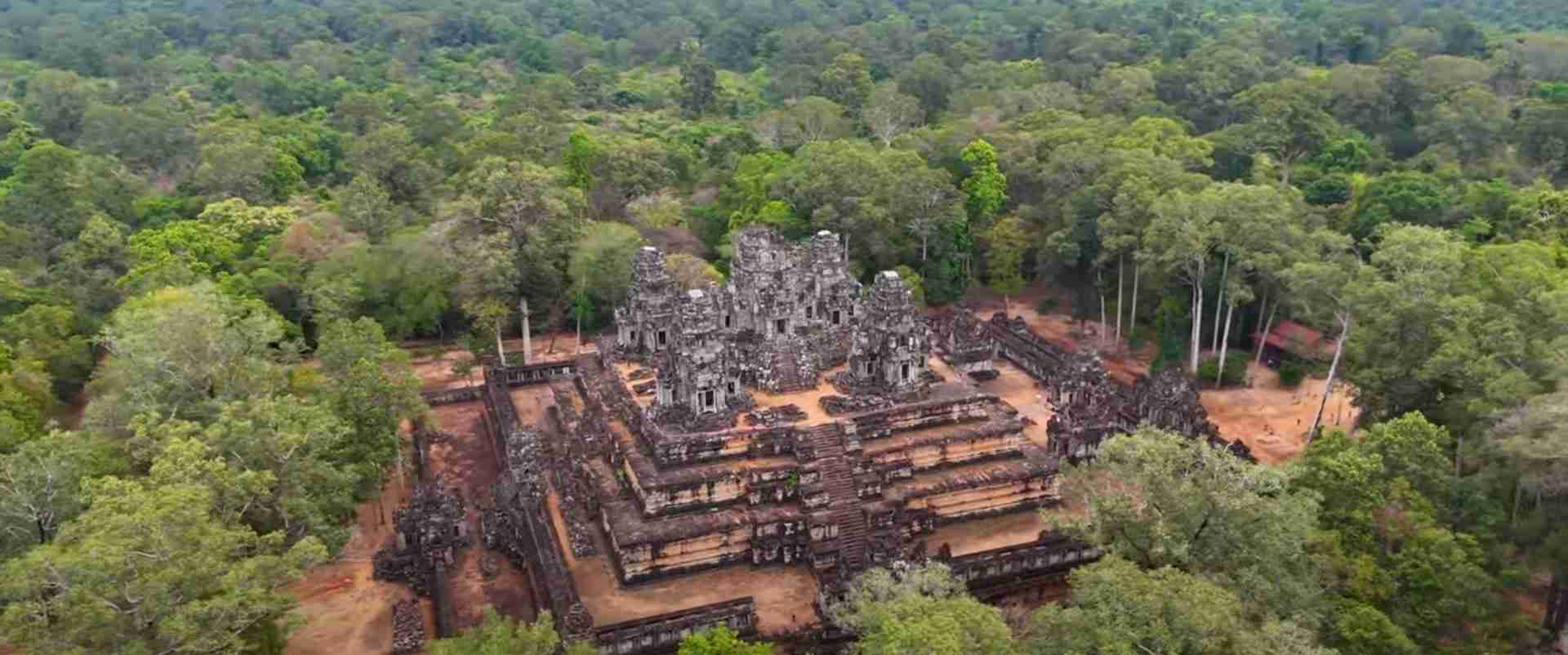
Ta Keo represents Angkor’s unfinished temple-mountain, abandoned during construction in the early 11th century. This incomplete state provides unique insights into Khmer building techniques and architectural planning that finished temples obscure through decorative carving and structural additions.
The temple’s stark, undecorated surfaces emphasize pure architectural form over ornamental detail. Climbing Ta Keo’s steep steps rewards visitors with excellent panoramic views of the surrounding forest and glimpses of other temple tops piercing the jungle canopy.
Ta Keo’s pyramid structure represents the classic temple-mountain concept that predates Angkor Wat’s gallery-style architecture. Understanding this evolutionary progression enhances appreciation for how Khmer architecture developed over centuries of experimentation and refinement.
Thommanon: Hidden Gem
Thommanon offers intimate temple exploration without crowds, featuring exquisite carvings in a compact, manageable setting. Built in the early 12th century, this small temple showcases refined Khmer artistry in peaceful surroundings that encourage contemplative appreciation.
The temple’s apsara carvings rank among Angkor’s finest, with delicate facial expressions and intricate costume details that demonstrate the sculptors’ extraordinary skill. Each figure displays unique personality and artistic interpretation within established iconographic conventions.
Thommanon’s compact size allows thorough exploration in 45 minutes, making it perfect for afternoon visits when energy levels may be lower. The temple provides relief from larger, more complex sites while maintaining high artistic and historical value.
3:30-5:00 PM: Banteay Kdei and Sras Srang
Buddhist Monastery Complex
Banteay Kdei serves as an excellent alternative to overcrowded Ta Prohm, offering similar jungle temple atmosphere with fewer visitors. Built by Jayavarman VII as a Buddhist monastery, the temple features tree growth and architectural decay that creates romantic, contemplative spaces.
The temple’s multiple courtyards and galleries provide varied exploration experiences, from intimate chambers perfect for meditation to expansive halls that accommodate larger groups. The site demonstrates how Buddhist temples differed from Hindu predecessors through architectural layout and decorative programs.
Recent archaeological discoveries at Banteay Kdei include over 270 Buddha statues and fragments, suggesting the temple’s continued importance even after the decline of Angkor’s political power. These finds illuminate the religious continuity that connected ancient Khmer civilization to modern Cambodian Buddhism.
Sras Srang: Royal Bath
Sras Srang, the “Royal Bath,” provides the perfect sunset alternative to overcrowded Phnom Bakheng. This artificial lake created for royal ceremonies offers peaceful water views, gentle evening breezes, and excellent photography opportunities without competing for space with hundreds of other visitors.
The baray (reservoir) demonstrates Khmer hydraulic engineering that supported Angkor’s massive population through sophisticated water management systems. These artificial lakes provided both practical water storage and symbolic representations of the cosmic ocean in Hindu cosmology.
Evening light reflects beautifully off Sras Srang’s calm waters, creating mirror images of the surrounding trees and distant temple silhouettes. The peaceful atmosphere contrasts sharply with the day’s energetic temple exploration, providing perfect transition into evening relaxation.
5:00-6:30 PM: Sunset at Pre Rup or Phnom Bakheng
Choosing Your Sunset Temple
Pre Rup offers a more intimate sunset experience with fewer crowds than the famous Phnom Bakheng. This 10th-century temple-mountain provides excellent elevated views while allowing easier access and better photography conditions for most visitors.
The temple’s red brick construction creates warm tones that complement sunset lighting beautifully. The pyramid structure offers multiple viewing levels, allowing photographers to find optimal positions without fighting for space with other visitors.
Phnom Bakheng remains Angkor’s most popular sunset location, famous for views overlooking Angkor Wat in the distance. However, the hilltop temple accommodates limited numbers (300 people maximum), requiring early arrival and often involving long waits for optimal viewing positions.
Both temples close at 7:00 PM, providing more flexibility than other Angkor sites that close at 5:00 PM. This extended schedule allows for proper sunset viewing and gradual departure as darkness falls over the ancient landscape.
Sunset Photography Tips
Arrive early at your chosen sunset temple to secure prime viewing positions before crowds gather. The best photography occurs during the 30-45 minutes surrounding actual sunset, when golden light creates dramatic temple silhouettes and sky colors.
Bring a tripod or stable surface for low-light photography as daylight fades. The period immediately after sunset often produces the most striking sky colors, requiring longer exposures that handheld photography cannot achieve effectively.
Consider both wide landscape shots capturing the entire temple complex and detailed architectural photography taking advantage of warm sunset lighting. The golden hour provides perfect conditions for bringing out stone texture and carving details.
Essential Logistics and Practical Tips
Transportation Strategy
Tuk-tuk hire provides the optimal balance of cost, comfort, and local expertise for temple exploration. Daily rates of $20-25 USD include driver waiting time at each temple, route optimization based on crowds and timing, and valuable local knowledge about temple history and significance.
Establish clear communication with your driver about pickup times, waiting arrangements, and any special requests like photography stops or restaurant recommendations. Good drivers often become informal guides who enhance your temple understanding through personal stories and cultural insights.
Alternative transportation options include bicycle rental ($5-6 USD daily) for independent exploration, though the 7-kilometer distance from Siem Reap to Angkor Wat plus inter-temple distances require good fitness levels and early starts to avoid heat.
Climate and Timing Considerations
Seasonal variations significantly affect temple exploration comfort and photography conditions. Dry season (November-April) provides optimal weather but attracts maximum crowds and higher prices. Wet season (May-October) offers fewer tourists and lush vegetation but includes afternoon rain risks.
Daily timing follows predictable patterns: 6:00-11:00 AM provides comfortable temperatures and excellent lighting; 11:00 AM-2:00 PM brings dangerous heat requiring shade breaks; 2:00-5:00 PM offers acceptable conditions with afternoon light perfect for photography.
Temple opening hours vary: most temples open 5:00 AM-5:00 PM, but Pre Rup and Phnom Bakheng stay open until 7:00 PM for sunset viewing. Angkor Wat, Sras Srang, Pre Rup, and Phnom Bakheng open at 5:00 AM for sunrise access.
Cultural Etiquette and Respectful Exploration
Appropriate Behavior
Dress modestly out of respect for Cambodia’s Buddhist culture and temple sanctity. Cover shoulders and knees at all temples; many sites refuse entry to inappropriately dressed visitors. Lightweight, breathable fabrics work best in tropical heat while maintaining cultural sensitivity.
Photography ethics require consideration for other visitors and temple preservation. Avoid climbing on fragile structures for dramatic shots, be mindful of blocking other tourists’ views, and never touch or remove any stone carvings or artifacts.
Many temples remain active religious sites where local people come to pray and make offerings. Show respect by speaking quietly, avoiding disruption of religious activities, and understanding that these aren’t just tourist attractions but living spiritual centers.
Supporting Local Communities
Ethical souvenir shopping supports local artisans while avoiding exploitation. Purchase authentic crafts from established shops rather than aggressive street vendors, and remember that bargaining is expected but should remain respectful and reasonable.
Tip service providers appropriately: $2-3 USD daily for excellent tuk-tuk drivers, $1-2 USD for restaurant servers, and small amounts for anyone providing helpful information or assistance during your temple visits.
Your tourism contributes directly to temple conservation and local economic development. Choosing responsible operators, respecting cultural guidelines, and supporting legitimate businesses helps ensure Angkor’s preservation for future generations while benefiting Cambodian communities.
Advanced Planning and Optimization Tips
Maximize your Angkor experience through strategic planning that goes beyond basic temple visits. Consider purchasing the 3-day pass even for single-day visits—the additional cost is minimal, and flexibility to return to favorite temples or extend exploration proves invaluable for most visitors.
Photography equipment should include wide-angle lenses for architectural shots, telephoto lenses for detailed carvings and candid portraits, extra batteries (heat drains power quickly), memory cards, and protection from dust and humidity that can damage sensitive electronics.
Health preparations include sturdy walking shoes with good grip for uneven stone surfaces, comprehensive first aid supplies for minor cuts and scrapes, insect repellent for jungle temples, and electrolyte supplements to maintain energy during intense heat and extensive walking.
Document your journey through detailed notes, GPS locations of favorite spots, and systematic photo organization that helps preserve memories and assists with future trip planning or sharing recommendations with other travelers.
Your perfect day at Angkor Wat represents just the beginning of understanding Cambodia’s extraordinary cultural heritage. This itinerary provides comprehensive coverage of major highlights while building knowledge and appreciation that enriches any extended exploration of Southeast Asia’s greatest archaeological treasures.
Frequently Asked Questions About Angkor Wat Day Itinerary
Is one day really enough to see Angkor Wat properly?
One day covers the major highlights including Angkor Wat, Bayon, Ta Prohm, and several smaller temples. However, you’ll see only about 30% of the total archaeological park. Most visitors find 2-3 days ideal for comprehensive exploration.
What time should I start to avoid crowds at sunrise?
Arrive at Angkor Wat by 5:00 AM to secure prime viewing positions. Tour groups typically arrive around 5:30 AM, so early arrival is crucial for unobstructed sunrise views and photography.
How much walking is involved in this itinerary?
Expect 8-12 kilometers of walking throughout the day, mostly on uneven stone surfaces and stairs. Good walking shoes are essential, and the pace can be adjusted based on fitness levels and interests.
Should I hire a guide or explore independently?
Guides significantly enhance understanding of history, architecture, and cultural significance. However, this itinerary works well independently with good reference materials. Consider a guide for complex temples like Angkor Wat and Bayon.
What’s the best transportation option for temple hopping?
Tuk-tuks offer the best balance of cost ($20-25 USD daily), comfort, and local expertise. Bicycles work for fit travelers ($5-6 USD daily), while private cars provide air conditioning but cost more ($35-50 USD daily).
How do I avoid the worst crowds during peak season?
Start very early (5:00 AM), visit popular temples during off-peak hours, consider alternative temples with similar features, and use the midday break when most tourists leave for lunch.
What should I pack for a full day of temple exploration?
Essentials include 3-4 liters of water per person, sun protection (hat, sunscreen, sunglasses), comfortable shoes, insect repellent, snacks, camera equipment, and modest clothing covering shoulders and knees.
Is it worth buying the 3-day pass for a one-day visit?
Yes, the 3-day pass ($62) costs only $25 more than the single-day pass ($37) and provides 10 days validity. This flexibility allows return visits to favorite temples or extended exploration if you fall in love with the experience.
What are the best temples for photography during different times of day?
Sunrise: Angkor Wat (5:45-6:15 AM); Morning: Bayon and Ta Prohm (7:00-10:00 AM); Afternoon: smaller temples with western orientation; Sunset: Pre Rup or Phnom Bakheng (5:30-6:30 PM).
How much should I budget for food and drinks during temple exploration?
Budget $15-25 USD for meals and drinks within the archaeological park, where prices are inflated 50-100% above Siem Reap rates. Alternatively, return to town for lunch at authentic local restaurants for $8-12 USD.