
Pearl Harbor Complete Visitor Guide 2026: Everything You Need to Know
Pearl Harbor stands as America’s most visited World War II site, drawing over two million visitors annually to the spot where 2,403 Americans died on December 7, 1941. This comprehensive guide provides everything you need to plan an unforgettable visit in 2026, from securing USS Arizona Memorial reservations to exploring battleships, submarines, and aviation museums across this living memorial.
Key Takeaways for Visiting Pearl Harbor 2026
- Free Admission with Required Planning: The USS Arizona Memorial program remains free with a $1 reservation fee, but tickets must be reserved up to 56 days in advance through Recreation.gov and sell out within minutes during peak seasons.
- Four Major Historic Sites: Pearl Harbor encompasses the USS Arizona Memorial, Battleship Missouri Memorial, Pacific Fleet Submarine Museum (USS Bowfin), and Pearl Harbor Aviation Museum, with paid admission ranging $24-38 per site for adults or $100 for the all-inclusive Passport.
- Budget Planning 2026: A basic visit costs $25-30 per person (Arizona Memorial only), mid-range visits with one or two paid attractions run $52-76, while comprehensive experiences including all sites total $138-153 per person for the day.
- Early Arrival Essential: The visitor center opens at 7:00 AM daily, and arriving at opening time provides the best parking availability, shorter security lines, cooler temperatures, and less crowded memorial experiences throughout your visit.
- Strict Security Policies: Bags, purses, backpacks, and items offering concealment are prohibited at all Pearl Harbor sites, with paid bag storage available near the entrance for $7 per item if you arrive unprepared.
- Allow Sufficient Time: Plan 4-7 hours for a comprehensive visit depending on how many sites you explore, with the Arizona Memorial program alone requiring 75-90 minutes from check-in through return to the visitor center.
People Also Ask About Pearl Harbor 2026
How much does it cost to visit Pearl Harbor in 2026?
The USS Arizona Memorial program costs $1 per person as a non-refundable reservation fee through Recreation.gov, with the actual memorial experience free. Individual paid attractions charge $24 for the USS Bowfin submarine, $30 for the Aviation Museum, and $38 for the Battleship Missouri. The Passport to Pearl Harbor bundles all three paid sites for $100, representing significant savings for visitors planning to see everything. Parking costs $7 per vehicle, and bag storage runs $7 per item if you arrive with prohibited items. A basic visit focusing only on the Arizona Memorial totals approximately $25-30 per person including parking and incidentals, while comprehensive visits exploring all four major sites run $138-153 per person for the day.
Do you need reservations for Pearl Harbor in 2026?
Reservations are mandatory for the USS Arizona Memorial program and must be made online through Recreation.gov up to 56 days in advance. The reservation system opens at 7:00 AM HST exactly 56 days before your desired visit date, and prime time slots during winter months, spring break, and summer vacation periods sell out within 5-10 minutes of release. Limited standby seating sometimes becomes available for same-day visitors, but the National Park Service explicitly warns this option is not guaranteed and should never be relied upon for trip planning. The three paid attractions (Missouri, Bowfin, Aviation Museum) do not require advance reservations, though buying tickets online before your visit ensures availability and typically costs $1-2 less than purchasing on-site.
What is the best time to visit Pearl Harbor in 2026?
Early morning visits between 7:00-9:00 AM offer the best experience with cooler temperatures, smaller crowds, easier parking, and the opportunity to complete your Arizona Memorial program before midday heat sets in. Weekdays see notably lighter crowds than weekends, with Tuesday through Thursday representing the quietest days. Seasonally, September through mid-November and January through February bring fewer visitors than summer vacation months and winter holiday periods. December 7th (the anniversary of the attack) draws massive crowds and often features ceremonies that restrict access to certain areas during morning hours. Weather-wise, Hawaiian conditions remain favorable year-round, though summer months bring higher humidity and occasional afternoon showers.
How long does a Pearl Harbor visit take in 2026?
The USS Arizona Memorial program alone requires 75-90 minutes from check-in through completion, including the 23-minute documentary film, Navy boat ride to the memorial, 15 minutes at the memorial structure, and return journey. Adding one paid attraction extends your visit to 3-4 hours total, while experiencing all four major sites requires 6-7 hours for a thorough exploration without rushing. Visitors using the Passport to Pearl Harbor typically allocate a full day from 7:00 AM arrival through 3:00-4:00 PM departure. The visitor center museums can be explored in 30-45 minutes combined, and many visitors spend additional time at memorial walls, outdoor exhibits, and the bookstore. Tours departing from Waikiki hotels add 45-60 minutes of travel time each direction to these on-site durations.
Extended multi-day tours – 5+ days
Featured Honolulu Multi-Day Tour Packages

3 days
Honolulu 3-Day Discovery Tour
- ✓ Comprehensive Honolulu experience
- ✓ Expert local guides included
- ✓ All accommodation included
- ✓ Transportation provided
5 days
Honolulu 5-Day Highlights Experience
- ✓ Comprehensive Honolulu experience
- ✓ Expert local guides included
- ✓ All accommodation included
- ✓ Transportation provided
7 days
Honolulu 7-Day Cultural Journey
- ✓ Comprehensive Honolulu experience
- ✓ Expert local guides included
- ✓ All accommodation included
- ✓ Transportation provided
10 days
Honolulu 10-Day Complete Adventure
- ✓ Comprehensive Honolulu experience
- ✓ Expert local guides included
- ✓ All accommodation included
- ✓ Transportation provided
Multi-day tour packages powered by TourRadar. Prices and availability subject to change.
Understanding Pearl Harbor’s Four Major Historic Sites 2026
Pearl Harbor operates as a complex of four distinct destinations, each managed separately but connected through shared history and geographic proximity. The Pearl Harbor National Memorial, administered by the National Park Service, encompasses the visitor center, two museums, and the USS Arizona Memorial program at no charge beyond the $1 reservation fee. Three additional sites operate as independent nonprofit organizations with paid admission: the Battleship Missouri Memorial, the Pacific Fleet Submarine Museum, and the Pearl Harbor Aviation Museum. The Passport to Pearl Harbor provides bundled access to all three paid attractions.
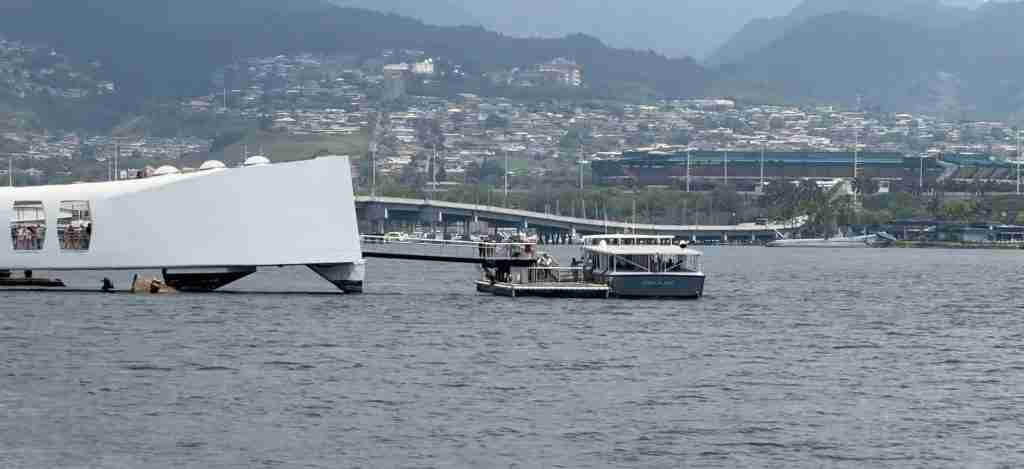
The USS Arizona Memorial marks the resting place of 1,177 sailors and Marines who died when the battleship exploded and sank during the December 7, 1941 attack. The white memorial structure straddles the sunken hull, which remains visible beneath the water’s surface and continues to leak approximately nine quarts of oil daily. The Battleship Missouri, commissioned in 1944, hosted the Japanese surrender ceremony that ended World War II and later served in the Korean War and Gulf War before retiring to Pearl Harbor. The USS Bowfin submarine, launched exactly one year after the attack, completed nine war patrols and sank 44 enemy vessels. The Aviation Museum preserves over 50 historic aircraft in Hangar 37 and Hangar 79, both structures damaged during the 1941 attack and bearing visible bullet holes from Japanese strafing runs.
Ford Island, home to the Missouri and Aviation Museum, remains an active military base requiring all visitors to take a free shuttle bus from the main visitor center. The Bowfin sits adjacent to the visitor center with direct walking access. This geographic layout influences visit planning, as shuttle schedules and security checkpoints add time between attractions. Most visitors establish the visitor center as their base, completing the Arizona Memorial program first before visiting paid sites in whatever sequence their time and interests dictate.
USS Arizona Memorial Reservations and Visit Planning 2026
Securing USS Arizona Memorial reservations represents the single most important planning task for any Pearl Harbor visit. The reservation system through Recreation.gov opens exactly 56 days before each date at 7:00 AM Hawaii Standard Time. During peak travel periods, particularly December through March and June through August, all available time slots for popular visiting days sell out within 5-15 minutes of release. This requires visitors to be logged into their Recreation.gov accounts several minutes before 7:00 AM HST on the release date, with payment information pre-entered and desired time slots identified in advance.
The system releases approximately 1,300 reservations per day divided into time slots starting at 8:00 AM and running every 15 minutes until the final program at 3:30 PM. Morning slots (8:00-10:00 AM) and early afternoon times (1:00-2:00 PM) disappear fastest. Each person in your party requires a separate reservation including infants over age one. The $1 per person reservation fee is non-refundable under all circumstances, with no exchanges, modifications, or transfers permitted once booked. Recreation.gov sends a confirmation email containing a QR code that you must present at check-in.
Standby seating occasionally becomes available when reserved visitors fail to check in, but the National Park Service explicitly warns against relying on standby as a planning strategy. During winter and spring peak seasons, standby waitlists can exceed 100 people for a handful of available seats. Summer months and shoulder seasons offer better standby prospects, though nothing is guaranteed. Visitors attempting standby should arrive at the visitor center by 7:00 AM and register through the queuing system at the USS Arizona Memorial Narrated Tours Desk.
The actual memorial program follows a structured 75-90 minute sequence. Visitors check in at the Memorial Theater validation desk at least 10 minutes before their reserved time slot, with seats reassigned to standby visitors if reserved parties arrive late. The 23-minute documentary film provides historical context through archival footage and survivor interviews before guests board a Navy shuttle boat for the 10-minute journey across Pearl Harbor. The memorial structure allows 15 minutes for reflection and viewing the marble wall inscribed with names of those who died aboard Arizona. Oil droplets rising from the sunken battleship create visible rainbow sheens on the water’s surface, a phenomenon visitors witness from the memorial’s open-air observation area. The return boat ride completes the experience.
Visitor Center Facilities and Free Attractions 2026
The Pearl Harbor Visitor Center operates daily from 7:00 AM to 5:00 PM except Thanksgiving, Christmas, and New Year’s Day. Admission remains free, and the center functions as the gateway and orientation point for all Pearl Harbor experiences. The complex includes two museums, memorial exhibits, a theater, bookstore, and outdoor displays that many visitors overlook while rushing to their Arizona Memorial reservations.
The Road to War Museum and Attack Museum present the buildup to December 7, 1941 and the attack itself through artifacts, photographs, and interactive displays. A recovered Japanese midget submarine sits outside Hangar 79, one of five two-man vessels that attempted to penetrate Pearl Harbor’s defenses during the attack. The Remembrance Circle features memorial plaques honoring veterans and victims, while the waterfront path provides views of the active naval base and Ford Island. These free attractions typically occupy 30-45 minutes and work well as pre-program activities while waiting for your Arizona Memorial time slot or as afternoon explorations after completing paid sites.
The bookstore and gift shop, operated by Pacific Historic Parks, stocks an extensive collection of World War II history books, documentaries, commemorative items, and educational materials. Proceeds support preservation and educational programming at Pearl Harbor and other Pacific War sites. The selection includes detailed accounts of the December 7 attack, battleship histories, submarine warfare studies, and personal memoirs from survivors and veterans. Many visitors purchase books before their memorial program to enhance their understanding during the experience.
Food options remain limited within the visitor center complex. A small snack bar sells basic sandwiches, hot dogs, chips, and beverages at tourist-level pricing with sandwiches running $12-15. Vending machines supplement the snack bar offerings. No full-service restaurants operate within Pearl Harbor, and outside food and beverages in closed containers are permitted in designated areas. Most visitors either eat breakfast before arriving at the 7:00 AM opening or bring packaged snacks and refillable water bottles to sustain them through multi-hour visits. The Battleship Missouri features a food truck selling plate lunches and shave ice, while the Aviation Museum operates a small café with similar offerings.
Battleship Missouri Memorial Experience 2026
The Battleship Missouri Memorial preserves the 887-foot Iowa-class battleship where General Douglas MacArthur accepted Japan’s unconditional surrender on September 2, 1945, formally ending World War II. Commissioned in 1944, the “Mighty Mo” participated in the final months of the Pacific War, later served in the Korean War and Gulf War, and represents the last battleship built by the United States and the final one to be decommissioned in 1992.
Adult admission costs $38 when purchased online through the official Pearl Harbor Historic Sites website, or $40 if bought on-site at the ticket counter. Children ages 4-12 pay $19 online or $20 in person. Military personnel, veterans with proper identification, and Hawaii residents (kamaaina) receive discounted rates available only through in-person purchase at either the ship or visitor center ticket office. General admission includes your choice of a 35-minute guided tour in English, Japanese, Korean, or Chinese, or self-guided exploration using the ship’s digital map and informational signage throughout the vessel.
The guided tour represents exceptional value, led by knowledgeable docents who provide historical context, technical details, and engaging anecdotes while escorting groups through key areas of the ship. Tours run continuously from 8:00 AM to 3:30 PM without requiring reservations, with visitors simply joining the next available departure after arrival. The tour route includes the surrender deck where the treaty signing occurred, gun turrets housing massive 16-inch cannons, the bridge where the captain commanded the ship, and various crew quarters demonstrating life aboard a World War II battleship. Following the guided tour, visitors receive unlimited time to explore the ship independently, accessing areas not included in the standard tour route.
The Missouri’s main deck showcases the Surrender Deck exhibit where replicas of the surrender table and microphones recreate the historic September 2, 1945 ceremony. A bronze plaque marks the exact spot where MacArthur stood while accepting Japan’s surrender documents. The kamikaze damage site displays the impact point where a Japanese suicide plane struck the ship on April 11, 1945, with interpretive signage explaining how the pilot’s body was recovered and buried at sea with full military honors. Three levels of exhibits cover the ship’s 48-year service history, from World War II through the Gulf War, with particular emphasis on modernization efforts in the 1980s that added Tomahawk cruise missiles and Harpoon anti-ship missiles to the battleship’s capabilities.
Specialized tours offer deeper exploration for additional fees. The Chief Engineer’s Tour descends below decks into Fire Room 4 and Engine Room 4, showcasing the massive Babcock and Wilcox boilers and propulsion machinery that powered the 45,000-ton vessel at speeds exceeding 30 knots. This 90-minute tour, priced at $25 beyond general admission, provides access to spaces normally off-limits and concludes with visitors pulling the trigger mechanism that fires the ship’s main guns in a simulation. The Tour of the Day program highlights different aspects of the Missouri’s history and operations on rotating daily themes. Tours of the ship’s interior typically require moderate fitness levels, as steep ladders, high thresholds, and narrow passageways characterize battleship architecture.
Pacific Fleet Submarine Museum and USS Bowfin 2026
The Pacific Fleet Submarine Museum preserves the USS Bowfin (SS-287), a Balao-class submarine nicknamed “The Pearl Harbor Avenger” for being launched exactly one year after the December 7, 1941 attack. The Bowfin completed nine war patrols between 1943 and 1945, sank 44 enemy vessels, and earned eight battle stars before decommissioning in 1947. The submarine museum, which underwent a $14 million renovation and expansion completed in 2020, now encompasses 12,000 square feet of exhibits alongside the submarine itself.
Adult admission costs $24, with children ages 4-12 paying $14. Check official rates before visiting as prices are subject to change. Military personnel, veterans, and Hawaii residents receive discounted rates available only through in-person ticket purchase with proper identification. Children under age 4 cannot tour the submarine due to safety concerns related to steep ladders and confined spaces. General admission includes a self-guided audio tour available in multiple languages and access to both the submarine and museum galleries.
The museum building showcases submarine warfare evolution from World War II diesel-electric boats through modern nuclear-powered attack and ballistic missile submarines. Exhibits include working periscopes visitors can operate, torpedo firing simulations, actual submarine components and equipment, battle flags from historic boats, and detailed explanations of submarine tactics and technology. The personal stories section features accounts from submariners describing life aboard boats during extended patrols, the psychological challenges of underwater service, and combat experiences. A memorial wall honors the 52 American submarines and 3,505 submariners lost during World War II, representing the highest casualty rate of any U.S. military branch during the conflict.
Walking through the USS Bowfin provides visceral understanding of submarine service conditions. The 312-foot boat housed a crew of 80 men who lived, worked, and fought in extraordinarily confined quarters for patrols lasting 75 days or longer. Visitors enter through the forward torpedo room where 24 torpedoes were stored alongside bunks where off-duty crew members slept literally on top of the weapons. The audio tour explains each compartment’s function as you navigate through the control room with its depth gauges and steering mechanisms, officers’ quarters barely large enough for a bunk and small desk, crew berthing areas with tiered bunks stacked three high, galley facilities that prepared meals for 80 men in a space smaller than most home kitchens, and engine rooms housing four diesel engines that charged batteries and powered the submarine on the surface.
The aft torpedo room, similar to the forward room but housing four tubes instead of six, demonstrates the cramped working conditions where torpedomen loaded weapons while wearing sound-powered telephone headsets to receive firing orders. Throughout the submarine, interpretive signage and audio tour commentary explain technical operations, daily routines, combat procedures, and the psychological dynamics of submarine warfare. The museum estimates most visitors spend 45-60 minutes touring the submarine and another 30-45 minutes in the museum galleries, though submarine enthusiasts often extend their visits considerably.
The outdoor park surrounding the submarine displays additional artifacts including a Poseidon C-3 ballistic missile, Japanese kaiten suicide torpedoes, various submarine rescue equipment, and memorial plaques honoring specific submarine crews. These exhibits occupy the grounds between the submarine and museum building, creating a comprehensive historical complex that extends well beyond just the Bowfin itself.
Pearl Harbor Aviation Museum Experience 2026
The Pearl Harbor Aviation Museum preserves over 50 historic aircraft spanning World War II through the Korean War and Vietnam era inside two massive hangars on Ford Island. Hangar 37, a seaplane hangar built in 1942, and Hangar 79, damaged during the December 7, 1941 attack with bullet holes still visible in windows and floors, house the collection that emphasizes Pacific Theater aviation history.
Adult admission costs $30, with children ages 4-12 paying $18. Check official rates before visiting as prices are subject to change. Military personnel and Hawaii residents receive discounted rates available only through in-person ticket purchase with proper identification at the museum or visitor center. General admission includes a self-guided audio tour covering the aircraft collection and a complimentary shuttle ride from the Pearl Harbor Visitor Center to Ford Island, as the museum sits on an active military base requiring the free shuttle for civilian access.
Hangar 37 focuses on World War II aviation with aircraft including a P-40 Warhawk, the primary fighter defending Pearl Harbor during the December 7 attack, SBD Dauntless dive bombers that played crucial roles at the Battle of Midway, and a B-25 Mitchell medium bomber similar to those used in the Doolittle Raid on Tokyo. The centerpiece Japanese Zero fighter, one of few surviving examples of the type that attacked Pearl Harbor, draws significant visitor attention. Detailed placards explain each aircraft’s specifications, combat history, and significance to Pacific War air campaigns.
Hangar 79 houses later-generation aircraft including Korean War-era fighters, Vietnam-era helicopters, and displays about aviation technology evolution. The bullet holes visible in windows, walls, and floors from the 1941 attack create powerful connection to the December 7 events. A recreation of a World War II aircraft carrier deck occupies one section of the hangar, and interactive exhibits allow visitors to sit in select aircraft cockpits and operate control surfaces. The MiG Alley exhibit recreates Korean War air combat scenarios, while the Vietnam gallery explains helicopter warfare development.
Specialized experiences supplement general admission. The Combat Flight Simulator costs additional fees and allows visitors to fly authentic World War II missions in a realistic cockpit environment. The Control Tower Tour provides access to the historic Ford Island control tower with panoramic views across Pearl Harbor and explanations of how air traffic operations functioned during World War II and subsequent decades. The Restoration Shop Tour takes visitors behind-the-scenes where museum staff and volunteers work to restore historic aircraft, explaining preservation techniques and the challenges of maintaining 75-year-old machines.
The museum recommends 90-120 minutes for thorough exploration of both hangars and outdoor exhibits. A small café sells sandwiches, snacks, and beverages, and the gift shop stocks aviation books, model aircraft, flight jackets, and commemorative items. Many visitors combine the Aviation Museum with the Battleship Missouri in a single Ford Island shuttle trip, as both sites sit on the same military base and the shuttle stops at both locations.
Passport to Pearl Harbor Multi-Site Ticket 2026
The Passport to Pearl Harbor bundles admission to all three paid attractions (Battleship Missouri, Pacific Fleet Submarine Museum, and Pearl Harbor Aviation Museum) into a single $100 ticket valid for one or two consecutive days. Individual site admission totals $92 when purchased separately ($38 Missouri, $24 Bowfin, $30 Aviation), making the Passport an $8 savings that also includes a narrated audio tour of the visitor center and one virtual reality experience.
The two-day validity window provides scheduling flexibility, allowing visitors to experience some attractions on day one and return the following day for remaining sites. The passport allows one visit per venue, meaning whichever sites you visit on day one cannot be revisited on day two. This structure works well for travelers spending multiple days in Honolulu or those who prefer splitting the comprehensive Pearl Harbor experience across two shorter visits rather than one marathon day.
The passport does not include USS Arizona Memorial reservations, which must be obtained separately through Recreation.gov regardless of which Pearl Harbor tickets you purchase. This distinction confuses many visitors who assume the Passport provides all-access entry to every Pearl Harbor site. The passport also does not include transportation from Waikiki or other Oahu locations, parking at the visitor center, or specialty tours at individual attractions like the Missouri’s Chief Engineer’s Tour.
Passport tickets can be purchased online through the official Pearl Harbor Historic Sites website or on-site at the visitor center ticket counter. Online purchase ensures availability and allows you to begin your visit immediately upon arrival rather than waiting in ticket lines. The passport takes physical form as a printed document you present at each attraction’s entrance, with staff marking which sites you’ve visited to prevent re-entry. Lost passports cannot be replaced, and no refunds are issued under any circumstances.
Value analysis depends on your interests and available time. Visitors planning to see all three paid sites plus the free Arizona Memorial clearly benefit from the Passport. Those with limited time or specific interests might prefer selecting one or two individual attractions rather than feeling obligated to visit all three simply because they purchased the bundle. The included audio tour and VR experience add modest value but rarely influence purchasing decisions, as most visitors prioritize the core attractions themselves.
Transportation and Parking at Pearl Harbor 2026
Pearl Harbor sits approximately 11 miles northwest of Waikiki along the H-1 Freeway, with the visitor center entrance clearly marked on Arizona Memorial Place. Parking costs $7 per vehicle collected through a virtual pay system on mobile devices or onsite kiosks, with the fee supporting memorial maintenance and preservation projects. Parking is waived only on December 7th (the attack anniversary) when bag fees are also waived until 10:00 AM to accommodate ceremony attendees.
The parking lot accommodates several hundred vehicles but fills completely on busy days, typically by 8:30-9:00 AM during winter and spring peak seasons. Arriving at the 7:00 AM opening time virtually guarantees parking availability, while visitors arriving after 9:00 AM during high season may face 30-60 minute waits for spaces or find the lot temporarily closed at capacity. The lot reopens as early visitors depart, usually around 11:00 AM, but counting on this creates scheduling uncertainty that conflicts with timed Arizona Memorial reservations.
TheBus Route 20 provides public transportation from Waikiki to Pearl Harbor for $3 per ride, though the journey requires 75-90 minutes with multiple stops and transfers. The bus drops passengers at a stop requiring a 15-20 minute walk to the visitor center entrance. The Waikiki Trolley Purple Line serves Pearl Harbor, though schedules and fares vary seasonally. Both public transit options save parking fees but consume significantly more time than driving, making them most viable for budget-conscious visitors with flexible schedules and early afternoon or late morning Arizona Memorial reservations that allow for transit delays.
Organized tours from Waikiki represent the most convenient transportation option despite higher overall costs. Tour operators handle all logistics including hotel pickup, transportation in air-conditioned coaches, Arizona Memorial reservations (on most tours), and often include admission to one or more paid attractions. Tour prices range from $115-200 per person depending on inclusions, with half-day tours covering the Arizona Memorial and visitor center, and full-day tours adding the Battleship Missouri or other paid sites. Tours eliminate parking hassles, provide historical narration during the 25-30 minute drive, and ensure you’ll arrive on time for your Arizona Memorial program.
Ride-sharing services (Uber, Lyft) charge $25-35 each direction from Waikiki depending on traffic and surge pricing. Round-trip costs approach or exceed guided tour pricing while providing no historical context or reservation assistance. The service works best for visitors staying outside Waikiki who face inconvenient public transit connections, or those whose Arizona Memorial reservations don’t align with tour departure schedules.
The free Ford Island shuttle runs continuously between the visitor center and both the Battleship Missouri and Aviation Museum with departures every 15-20 minutes from 8:00 AM until 3:30 PM. The shuttle requires all passengers to present identification (driver’s license, state ID, or passport for international visitors), and security personnel may deny boarding to anyone without proper documents. The 5-10 minute shuttle ride provides views of the active naval base and passes by aircraft carrier piers, submarine facilities, and other military installations visible only from Ford Island itself. The shuttle does not serve the Bowfin submarine, which sits adjacent to the visitor center with direct walking access.
Security Policies and Prohibited Items 2026
Pearl Harbor maintains among the strictest security policies of any American tourist destination, reflecting its status as both a national memorial and active military installation. Bags, purses, backpacks, fanny packs, camera bags, diaper bags, and any item offering concealment are prohibited at all Pearl Harbor sites with no exceptions. This policy extends to small purses, wristlet bags, and even clear plastic bags regardless of size or contents.
Allowed items include wallets, cell phones, cameras without carrying cases, water bottles, and small personal items that can be carried in pockets or hands. Visitors needing to bring prohibited items must use paid bag storage facilities operated by a private contractor near the visitor center entrance. Storage costs $7 per bag regardless of size, operates on a first-come, first-served basis, and sometimes reaches capacity during peak hours forcing late arrivals to return items to their vehicles. The storage facility does not accept responsibility for item damage or loss beyond reasonable care standards.
Strollers and wheelchairs receive exemptions from the bag policy, though security personnel may inspect them. Medical equipment, prescription medications, and infant supplies necessary for babies and toddlers are permitted after inspection. Visitors requiring medical equipment should arrive early to allow extra time for security screening. Visitors with pacemakers or metal implants should inform security personnel before passing through metal detectors.
The policy aims to prevent concealment of weapons or dangerous items in a facility that daily hosts thousands of visitors in confined spaces like the Arizona Memorial structure and Bowfin submarine. The restrictions also reflect military base security requirements, particularly for Ford Island shuttle access. Many visitors express frustration with the strict bag policy, particularly families traveling with young children who typically carry diaper bags and parents’ personal items. Planning ahead by packing only essentials in pockets or bringing prohibited items to store in your vehicle before entering prevents delays and additional expenses.
Photography is permitted throughout Pearl Harbor except in designated restricted areas, though the Arizona Memorial requests respectful behavior given its nature as a war grave. Videography receives the same permissions and restrictions as still photography. Selfie sticks, tripods, monopods, and similar stabilization equipment are prohibited. Commercial photography and videography require advance permits obtained through official channels. Drones are strictly prohibited anywhere near Pearl Harbor due to military base proximity and active flight operations.
Best Times to Visit Pearl Harbor 2026
Time of day significantly impacts the Pearl Harbor experience, with early morning visits offering substantial advantages. The 7:00 AM opening time provides coolest temperatures (75-78°F compared to 85-90°F by midday), smallest crowds, easiest parking, and the opportunity to complete your Arizona Memorial program and one or two paid sites before noon heat and afternoon crowds peak. Visitors with 8:00 AM Arizona Memorial reservations should arrive by 7:00 AM to park, store bags if necessary, pass through security, and reach the check-in desk 10 minutes before their scheduled time.
Morning programs (8:00-10:00 AM) feature smaller tour groups, shorter shuttle waits, and more comfortable weather for outdoor exhibits. The Navy shuttle boats to the Arizona Memorial run more smoothly during early morning calm water conditions compared to afternoon when harbor traffic and wind increase chop. Indoor attractions like the Bowfin submarine and museum galleries become notably warmer as the day progresses, making morning visits more comfortable for the hour-long submarine tour through non-air-conditioned compartments.
Day of week matters considerably, with Tuesday through Thursday bringing 20-30% fewer visitors than weekends and Mondays. Cruise ship schedules influence crowd levels, with several thousand additional visitors arriving when multiple ships dock simultaneously in Honolulu Harbor. The Pearl Harbor website occasionally publishes expected crowd calendars showing particularly busy days based on advance reservations and known cruise ship calls, allowing strategic visit planning.
Seasonally, visitor volume peaks during winter months (December-February) when mainland travelers escape cold weather, spring break (March-April), and summer vacation (June-August). September through early November and January through February (excluding holiday weeks) represent shoulder seasons with comfortable weather and 15-25% lighter crowds. December 7th, the attack anniversary, brings massive attendance for official ceremonies, memorial events, and veteran gatherings, with many areas restricted during morning ceremony hours and all-day crowds significantly exceeding normal daily levels.
Weather patterns remain relatively stable year-round in Hawaii, with temperatures ranging 75-85°F across seasons. Winter months bring slightly more rain, though Hawaiian showers typically pass quickly. Summer humidity reaches higher levels but affects comfort more than visit feasibility. Hurricane season runs June through November, though direct impacts on Oahu remain infrequent. The National Park Service cancels boat rides to the Arizona Memorial during high wind conditions or rough seas, most commonly during winter storms, though such closures affect only small portions of individual days rather than full-day shutdowns.
Planning Your Visit Schedule 2026
Effective Pearl Harbor visit planning revolves around your Arizona Memorial reservation time, with all other activities scheduled around this fixed commitment. The 75-90 minute program consumes less time than many visitors expect, leaving substantial portions of the day for paid attractions, museums, and exhibits. A strategic approach maximizes your experience while minimizing rush and stress.
For visitors with early morning (8:00-9:00 AM) Arizona Memorial reservations, the recommended sequence begins with 7:00 AM arrival for parking and security, followed immediately by your memorial program completing around 9:30 AM. The remainder of the morning accommodates one or two paid attractions, with the Battleship Missouri typically requiring 2-2.5 hours, the Bowfin submarine 75-90 minutes, and the Aviation Museum 90-120 minutes. Visitors experiencing all sites should plan departure by 3:00-4:00 PM, or earlier if driving back to Waikiki during afternoon traffic.
Midday Arizona Memorial reservations (11:00 AM-1:00 PM) allow a more relaxed morning arrival at 8:00-9:00 AM, exploring visitor center museums and outdoor exhibits before your memorial program. Following the memorial experience, afternoon hours accommodate one major paid attraction or combination of shorter sites. This schedule works well for visitors prioritizing the Arizona Memorial but interested in only selected paid attractions rather than comprehensive exploration.
Afternoon Arizona Memorial reservations (2:00-3:30 PM) flip the traditional sequence, with morning hours devoted to paid attractions and the memorial program concluding your visit. This approach works well for morning meetings, hotel checkout schedules, or visitors who prefer completing active exploration during cooler morning hours and saving the contemplative memorial experience for afternoon. The final program departs at 3:30 PM, returning visitors to the center around 5:00 PM as facilities close.
Two-day visit strategies using the Passport to Pearl Harbor allow thorough exploration without marathon scheduling. Day one might focus on the Arizona Memorial and Battleship Missouri, with day two covering the Bowfin submarine and Aviation Museum. This approach provides 3-4 hours per day at Pearl Harbor, leaving time for other Oahu activities like beach time, Diamond Head hiking, or Honolulu cultural sites. The Passport’s two-day validity accommodates this split schedule without additional cost.
Sample full-day itinerary for comprehensive visitors: 7:00 AM arrive and park, 7:15 AM complete security and bag storage if needed, 7:30-8:00 AM explore visitor center museums, 8:00 AM Arizona Memorial program, 9:30 AM board shuttle to Ford Island, 10:00 AM-12:30 PM explore Battleship Missouri including guided tour, 12:30-1:15 PM lunch at Missouri food truck, 1:30 PM shuttle to Aviation Museum, 1:45-3:30 PM explore Aviation Museum, 3:45 PM return shuttle to visitor center, 4:00-4:30 PM tour USS Bowfin submarine, 4:45 PM depart for Waikiki. This schedule allows 15-30 minute buffers at each transition for shuttle waits, bathroom breaks, and schedule flexibility.
Guided Tours vs. Independent Visits 2026
Choosing between guided tours and independent exploration depends on priorities around convenience, cost, historical depth, and schedule flexibility. Guided tours, priced $115-200 per person, include round-trip transportation from Waikiki, guaranteed Arizona Memorial reservations, professional historical narration, and typically admission to one or more paid attractions. Independent visits save money on tour markups but require managing your own Arizona Memorial reservations, transportation, parking, and navigation between attractions.
Tour advantages extend beyond simple logistics. Experienced guides provide historical context that enhances understanding of sites and events, answer questions during the drive and between attractions, and share lesser-known details that self-guided visitors often miss. Tours handle timing coordination, ensuring you arrive at the Arizona Memorial with buffer time before your program, board shuttles to Ford Island attractions efficiently, and return to Waikiki hotels by promised times. The social aspect appeals to some travelers, offering opportunities to discuss the experience with other history enthusiasts.
Tour limitations include fixed schedules that dictate exactly how much time you spend at each attraction, group pacing that may feel rushed for some and too slow for others, and inability to revisit particular sites that resonate with you. Tours typically allocate 75 minutes at the Battleship Missouri, which suffices for the guided tour and brief independent exploration but prevents deep diving into exhibits. The Arizona Memorial program follows the same 75-90 minute format regardless of whether you visit independently or with a tour, though tours provide pre-program narration during the drive that independent visitors miss.
Independent visits offer maximum flexibility, allowing you to spend as much time as you choose at each attraction, return to sites that interest you, adjust your schedule based on energy levels and weather, and skip attractions that don’t engage you. Successfully executing independent visits requires securing Arizona Memorial reservations yourself through the competitive Recreation.gov system, driving or arranging transportation, arriving early for parking, and planning your site sequence to minimize backtracking between the visitor center and Ford Island attractions.
Cost comparison illustrates the financial trade-offs. A couple visiting Pearl Harbor independently pays $2 for Arizona Memorial reservations, $7 parking, $60-80 for gas/ride-sharing each direction from Waikiki (conservatively), and $92-100 for either the Passport or two individual site admissions, totaling $161-189 for two people or approximately $80-95 per person. Comparable guided tours including Arizona Memorial and one major site run $140-175 per person, or $280-350 for a couple. Tours cost roughly double independent visits but include narration, guaranteed reservations, and eliminate parking hassles.
Hybrid approaches combine elements of both options. Some visitors book small group tours (6-12 people) that cost slightly less than large coach tours while maintaining intimate group dynamics. Others handle their own Arizona Memorial reservations and transportation but purchase paid attraction tickets online in advance to guarantee admission without ticket counter waits. Audio tours included with Passport tickets or individual site admissions provide self-guided historical narration approximating guided tour benefits at lower cost.
Visiting with Children and Families 2026
Pearl Harbor welcomes families with children, though the somber memorial nature and substantial walking required present considerations for parents planning visits with young kids. Children of all ages require their own Arizona Memorial reservations including infants over age one, though the memorial program costs just $1 per child matching adult pricing. Children under 4 cannot tour the USS Bowfin submarine due to steep ladders and confined spaces that present safety hazards.
Age-appropriate visit planning recognizes that most children under age 10-12 lack historical context to fully appreciate Pearl Harbor’s significance. The 23-minute documentary film before the memorial boat ride includes combat footage, images of casualties, and discussion of death tolls that may distress young children. Parents should preview the film’s content mentally and decide whether their children possess the maturity to handle it. The memorial structure itself, built over a war grave containing 1,177 bodies, requires respectful quiet behavior that challenges energetic young children during the 15-minute visit.
The paid attractions offer more child-friendly experiences. The Battleship Missouri fascinates many children who enjoy climbing steep ladders, exploring gun turrets, and experiencing a real warship’s scale. The Aviation Museum’s aircraft collection, interactive exhibits, and combat flight simulator appeal broadly to kids interested in planes and flying. The Bowfin submarine, despite the age-4 minimum, engages children allowed aboard through its confined spaces, periscope operations, and tangible connection to submarine warfare depicted in movies and books.
Practical family logistics begin with the strict bag policy, which prevents bringing typical diaper bags, stroller storage bags, and family backpacks into Pearl Harbor sites. Parents must either pack all necessary supplies in a single bag for paid storage ($7), carry everything in pockets and hands, or return items to their vehicle before security. Strollers themselves are permitted and useful for navigating the large visitor center complex and outdoor exhibits, though the Arizona Memorial boat and structure, Bowfin submarine interior, and many Battleship Missouri spaces cannot accommodate strollers, requiring parents to carry young children through these areas.
Weather preparation matters significantly for family comfort, as most Pearl Harbor time is spent outdoors or in non-air-conditioned spaces like the Bowfin submarine. Sunscreen, hats, and water bottles prevent sunburn and dehydration, while light rain jackets protect against brief Hawaiian showers. The visitor center and museums provide air-conditioned respite during hot midday hours. Restrooms are available at the visitor center, Battleship Missouri, and Aviation Museum, though the 75-90 minute Arizona Memorial program includes no bathroom access between checking in at the theater and returning to the visitor center after the boat ride.
Educational preparation enhances children’s Pearl Harbor experiences. Parents can introduce World War II history through age-appropriate books, documentaries, or discussions in days before the visit, establishing basic context about the December 7, 1941 attack, the war that followed, and why Pearl Harbor matters. Some families watch the movie Pearl Harbor (2001) despite its historical inaccuracies and mature content, while others prefer the documentary-style approach of National Geographic and History Channel programs. Even basic knowledge about battleships, submarines, and aircraft makes the Pearl Harbor attractions more engaging for children.
Family tour options cater specifically to groups with children, offering kid-friendly narration, additional bathroom breaks, and pacing that accommodates shorter attention spans. Some tours include lunch at child-friendly restaurants rather than relying on snack bars. Private tours provide maximum flexibility for families who need to adjust schedules around nap times, feeding schedules, or energy levels. The additional cost often justifies the reduced stress compared to keeping children on task during independent visits.
Accessibility and Special Needs Visitors 2026
Pearl Harbor provides wheelchair accessibility at all major facilities, though the historic nature of World War II-era ships and submarines creates limitations that visitors with mobility challenges should understand before planning their visits. The visitor center, museums, theater, and bookstore meet full ADA accessibility standards with ramps, elevators where needed, accessible restrooms, and wide pathways. The USS Arizona Memorial structure and Navy shuttle boats accommodate wheelchairs, allowing visitors using wheelchairs to complete the entire memorial program.
The Battleship Missouri provides wheelchair access to the main deck where the surrender deck and most major exhibits are located, though the ship’s historic architecture limits access to below-deck spaces, gun turrets, and the bridge. Elevators serve some lower deck areas, but many spaces require climbing steep stairs incompatible with wheelchairs or limited mobility. The guided tour modifies its route for wheelchair users, covering accessible areas thoroughly while explaining what exists in spaces visitors cannot reach. Staff members assist wheelchair users boarding and departing the ship via accessible ramps.
The USS Bowfin submarine presents the most challenging accessibility situation, as the boat’s interior cannot accommodate wheelchairs due to narrow hatches, steep ladders, and cramped passageways requiring visitors to duck, bend, and climb through the 312-foot vessel. The museum building adjacent to the submarine provides full wheelchair accessibility with elevators, wide aisles, and accessible exhibits. Outdoor exhibits surrounding the submarine can be viewed from wheelchair-accessible pathways, though viewing angles may be limited.
The Pearl Harbor Aviation Museum accommodates wheelchairs throughout both hangars, with flat floors, wide aisles between aircraft displays, and accessible entrances. The Control Tower Tour requires climbing stairs and cannot accommodate wheelchairs, though ground-level exhibits provide substantial content without needing tower access. The Restoration Shop Tour works around individual mobility needs, with staff accommodating visitors who cannot navigate particular spaces.
Hearing-impaired visitors benefit from closed captioning on the documentary film shown before the Arizona Memorial boat ride, and printed transcripts are available upon request. Sign language interpretation for guided tours at paid attractions requires advance arrangement, typically 2-3 weeks before your visit, through each attraction’s guest services departments. The audio tours included with paid site admissions offer adjustable volume and some provide visual display screens supplementing audio content.
Visually impaired visitors can request touch tours at the Battleship Missouri allowing hands-on exploration of equipment, guns, and ship components typically behind barriers. The Bowfin submarine’s confined interior where everything sits within arm’s reach provides tactile experience, though safety concerns around steep ladders require careful navigation with assistance. Audio descriptions for exhibits exist at some sites, though coverage remains incomplete across all Pearl Harbor attractions.
Service animals are permitted throughout Pearl Harbor including on boats to the Arizona Memorial and inside historic ships and submarines. Pets are prohibited except for documented service animals assisting visitors with disabilities. Staff may ask about the service animal’s function but cannot require documentation or demonstrations of tasks performed.
Visitors with cognitive disabilities or conditions requiring quiet spaces can request accommodations including priority boarding on the Arizona Memorial boat to reduce wait stress, quiet spaces for breaks during visits, and printed guides supplementing verbal presentations. The sensory-rich environment at Pearl Harbor, with crowds, loud narration, military announcements, and emotional content, may overwhelm some visitors, making early morning visits during quieter periods advisable.
Hidden Costs and Budget Planning 2026
Pearl Harbor visit costs extend beyond basic admission, with several additional expenses catching unprepared visitors by surprise. Comprehensive budget planning accounts for parking at $7 per vehicle, bag storage at $7 per bag for visitors arriving with prohibited items, and premium experiences like the Missouri’s Chief Engineer’s Tour at $25 or Aviation Museum flight simulator at $10-15. Food costs add $12-20 per person for basic snacks and beverages purchased on-site, or more for meals at the Missouri and Aviation Museum food vendors.
Souvenir and book purchases represent discretionary spending that many visitors underestimate. The Pearl Harbor bookstore and individual attraction gift shops stock extensive collections of commemorative items, historical books, and memorabilia with prices ranging from $5 postcards to $150 limited-edition books and $200+ museum-quality model ships. Many visitors budget $30-75 for souvenirs without specific purchase plans, then spend considerably more when confronted with meaningful items connecting to the emotional Pearl Harbor experience.
Transportation costs vary dramatically based on method. Independent drivers pay $7 parking plus gasoline (approximately $5-8 round-trip from Waikiki), while ride-sharing runs $50-70 round-trip for couples. Guided tours embed transportation in their $115-200 per person pricing, which appears expensive until compared against independent visit costs including admission, parking, and potential taxi fares. TheBus public transportation at $3 per ride each direction represents the most economical option for budget-conscious visitors willing to invest extra time.
Photography equipment beyond basic cameras and phones requires consideration. Professional cameras are permitted but cannot be carried in bags, forcing photographers to hand-carry equipment or rent storage lockers. Underwater cameras for capturing oil droplets rising from the Arizona prove popular, with disposable waterproof cameras available at the bookstore for $15-20. Memory cards and batteries cannot be purchased on-site, making pre-trip preparation essential for photographers planning extensive documentation.
Time-related costs include opportunity costs of spending 4-7 hours at Pearl Harbor versus other Oahu activities. Visitors with limited vacation time must weigh comprehensive Pearl Harbor exploration against beach days, hiking Diamond Head, visiting the Polynesian Cultural Center, or exploring North Shore surf towns. There’s no wrong answer, but conscious decision-making about time allocation prevents regrets about missed experiences elsewhere on the island.
Complete budget scenarios for different visitor types: Budget-conscious visitor focusing on free attractions spends $1 Arizona Memorial reservation, $7 parking, $10 snacks/water, totaling approximately $25-30 per person. Mid-range visitor adding one paid attraction spends $1 Arizona Memorial, $38 Missouri or $30 Aviation Museum, $7 parking, $15-20 food, $20 souvenirs, totaling $81-96 per person. Comprehensive visitor using the Passport spends $1 Arizona Memorial, $100 Passport, $7 parking, $25-35 food across the day, $30-50 souvenirs, totaling $163-193 per person. Guided tour visitor pays $140-200 tour price including Arizona Memorial and often one paid site, plus $20-35 food/snacks, $30-50 souvenirs, totaling $190-285 per person.
Photography Tips and Memorial Etiquette 2026
Pearl Harbor permits photography throughout most areas while requesting respectful behavior consistent with the site’s memorial nature. The USS Arizona Memorial, built over a war grave containing 1,177 remains, deserves particular respect. Loud conversations, running, eating, and disruptive behavior are prohibited. Photography is allowed but should be conducted quietly without flash inside the memorial structure, and visitors should avoid posing with smiles or celebratory gestures inappropriate to a somber war memorial.
The most photographed Pearl Harbor locations include the Arizona Memorial’s marble wall inscribed with casualties’ names, the view of the sunken battleship’s visible portions beneath the water, oil droplets rising from the wreck creating rainbow sheens, the Battleship Missouri’s surrender deck where World War II ended, the kamikaze impact site on Missouri’s starboard side, and the USS Bowfin submarine’s exterior from various angles. The Aviation Museum’s vintage aircraft, particularly the Japanese Zero fighter, attract aviation photography enthusiasts.
Technical photography considerations begin with Hawaii’s intense sunlight creating harsh shadows and blown highlights during midday hours. Morning and late afternoon light provides better conditions for exterior photography, while indoor spaces like the Bowfin submarine’s interior and museum galleries present low-light challenges. Modern smartphones handle most Pearl Harbor photography needs adequately, though dedicated cameras offer advantages in submarines’ dark compartments and for distant shots of the Arizona Memorial from shore positions.
The oil sheen rising from the Arizona requires patience and observation to photograph effectively. The oil surfaces unpredictably in various memorial locations, and capturing the rainbow effect demands positioning yourself where sunlight hits the oil at proper angles. Underwater cameras or waterproof phone cases allow photographing oil droplets breaking the surface, creating unique images impossible to capture from above water level. The memorial’s open-air design and wire mesh floor in some sections provide creative framing opportunities showing both the memorial structure and submerged ship remnants.
Battleship Missouri photography benefits from exploring multiple decks and angles to capture the ship’s immense scale. Wide-angle lenses or smartphone panorama modes work well for deck shots showing gun turrets and superstructure. The surrender deck’s historical significance makes it heavily photographed, and waiting for brief moments when other visitors clear the area produces cleaner shots. The kamikaze damage site requires close examination to see the impact point clearly in photographs, as the damage appears subtle from distance.
Submarine photography inside the Bowfin challenges even experienced photographers due to extremely limited space and low ambient light. Patience and timing allow capturing forward torpedo room shots showing bunks stacked over weapons, control room instrumentation, and cramped crew quarters. The submarine’s narrow width means wide-angle photography is nearly impossible except in a few larger compartments. Exterior submarine shots from the surrounding park provide better opportunities for capturing the full vessel’s profile.
Aviation Museum aircraft photography benefits from Hangar 37’s large windows providing natural light, though interior shots in Hangar 79 require higher ISO settings or longer exposures. Some aircraft allow visitors to pose in or beside cockpits, creating memorable personal photographs. The Japanese Zero and the collection of Pearl Harbor attack-era fighters deserve particular photographic attention for history enthusiasts documenting their visit.
Drone photography is strictly prohibited anywhere near Pearl Harbor due to the active military base, sensitive facilities, and security concerns. Violations of this prohibition can result in fines, confiscation of equipment, and potential federal charges given the military installation’s nature. Visitors seeking aerial Pearl Harbor perspectives should use commercially available aerial photographs sold in gift shops rather than attempting to create their own.
Video recording follows the same rules as still photography with the addition that videography should be conducted quietly without disrupting other visitors’ experiences or blocking pathways and viewing areas. Selfie sticks, tripods, monopods, and stabilizers are prohibited throughout Pearl Harbor, requiring handheld video capture. The ban aims to prevent equipment from becoming obstacles in crowded spaces or accidentally damaging historic artifacts.
December 7th Anniversary Commemoration 2026
December 7, 2026 marks the 85th anniversary of the Pearl Harbor attack, bringing significantly altered operations, massive crowds, special ceremonies, and restricted access to certain areas during morning hours. The annual commemoration draws thousands of veterans, military personnel, descendants of those who died, and history enthusiasts creating the year’s most crowded Pearl Harbor day by substantial margins.
Official ceremonies typically begin around 7:45 AM (the time of the first attack wave) and continue through mid-morning, with Navy bands, honor guards, wreath layings, and speeches from military leadership and survivors. The Arizona Memorial often closes to general public access during ceremony hours, with priority given to veterans, survivors, military personnel, and families of those who died. Public access typically resumes around 11:00 AM-12:00 PM after ceremonies conclude.
Visitors planning December 7th visits should expect parking fees to be waived (the only day annually with free parking) and bag storage fees waived until 10:00 AM to accommodate ceremony attendees. Despite these cost savings, the logistical challenges of navigating extreme crowds, restricted access, and modified schedules lead most experienced Hawaii visitors to recommend avoiding December 7th unless specifically interested in participating in commemoration ceremonies.
The commemoration does offer unique experiences unavailable other days. Opportunities to meet Pearl Harbor survivors (though their numbers dwindle annually as the youngest are now in their late 90s), witness full military honors ceremonies, and participate in moments of silence and national mourning create powerful historical connections. The gathering of veterans from various wars and military branches, many wearing uniforms adorned with decades of service ribbons, provides living history interactions impossible to replicate other days.
Visitors determined to attend December 7th ceremonies should arrive by 6:00 AM for parking and security, expect to stand for extended periods as seating is limited and reserved for elderly veterans and VIPs, and plan for emotional intensity as ceremonies emphasize the attack’s human cost. The experience differs fundamentally from typical Pearl Harbor visits, transforming from tourist attraction to active memorial service. Arizona Memorial reservations for December 7th book out instantly when released 56 days prior, making advance planning essential.
Alternative commemoration options include visiting Pearl Harbor on December 6th or 8th to avoid the anniversary crowds while still experiencing the site close to the historical date, or attending evening events and memorial services at other Oahu locations like the National Memorial Cemetery of the Pacific (Punchbowl) that honor December 7th without the daytime Pearl Harbor logistics challenges.
Combining Pearl Harbor with Other Oahu Attractions 2026
Pearl Harbor’s location in central Oahu positions it conveniently for combination itineraries with other island attractions, though most visitors underestimate the time and energy Pearl Harbor demands, making same-day combinations challenging for comprehensive experiences. The 4-7 hours required for thorough Pearl Harbor exploration consumes most of a vacation day, leaving limited time for substantial additional activities.
The most common Pearl Harbor combination pairs a morning Arizona Memorial visit with afternoon beach time at Waikiki. This works well for visitors with early (8:00-9:00 AM) memorial reservations, completing the program by 10:00 AM and arriving at Waikiki beaches by 11:00 AM for 3-4 hours of swimming, sunbathing, and water sports. The combination satisfies both historical education and tropical beach vacation expectations in a single day, though visitors attempting to add paid Pearl Harbor attractions beyond the Arizona Memorial often feel rushed.
The Punchbowl National Memorial Cemetery of the Pacific sits 6 miles from Pearl Harbor, offering a complementary memorial experience honoring 53,000+ veterans buried at this crater cemetery overlooking Honolulu. The combination works logistically, as Punchbowl requires only 60-90 minutes to tour the grounds, view memorials, and read interpretive signs. Combined with Pearl Harbor, the pair creates a comprehensive World War II and military history day covering both the war’s beginning (Pearl Harbor) and honoring those who served throughout conflicts spanning the 20th and 21st centuries.
The USS Missouri offers Hawaii’s only aviation museum of significant scale, but visitors interested in aircraft might alternatively or additionally visit the Pacific Aviation Museum’s sister facility or commercial aviation attractions, though these sit further from Pearl Harbor making same-day combinations impractical. The Missouri and Bowfin together consume 3.5-4.5 hours, precluding substantial add-on activities beyond quick stops.
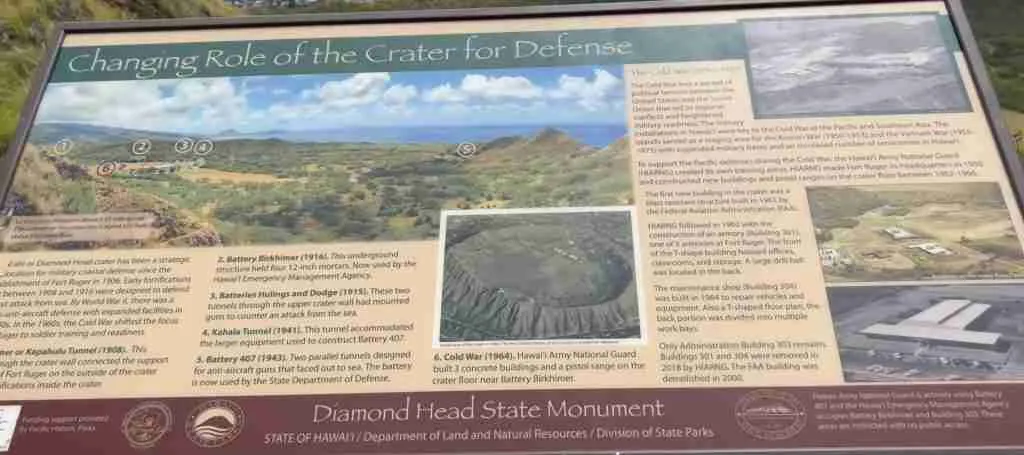
Diamond Head State Monument, Oahu’s most iconic hiking destination, sits too far from Pearl Harbor (18 miles) and requires too much time (2-3 hours including driving and hiking) to combine effectively with comprehensive Pearl Harbor visits. Visitors attempting both typically choose abbreviated experiences at each, either skipping Pearl Harbor’s paid attractions or cutting the Diamond Head hike short before reaching the summit. Both attractions deserve full attention rather than rushed partial visits.
The Polynesian Cultural Center on Oahu’s North Shore represents the island’s second-most-visited attraction after Pearl Harbor, but the 45-mile distance and 60-90 minute drive each direction makes same-day combinations nearly impossible given each attraction’s 4-6 hour optimal visit duration. These should be planned as separate full-day experiences.
Downtown Honolulu historic sites including Iolani Palace, King Kamehameha Statue, and Hawaii State Capitol sit 8-10 miles from Pearl Harbor, creating viable combination potential for visitors interested in Hawaiian history beyond World War II. A morning Pearl Harbor Arizona Memorial visit pairs well with afternoon downtown exploration, particularly for visitors choosing not to tour paid Pearl Harbor attractions. The combination requires strong interest in history and culture, as this represents an education-heavy day rather than mixing learning with recreation.
Multi-day Oahu itineraries should dedicate full days to major attractions rather than attempting combinations that compromise both experiences. A typical 4-5 day Oahu visit might allocate one day to Pearl Harbor, another to North Shore beaches and towns, a third to Diamond Head and Waikiki, and a fourth to windward coast beaches or the Polynesian Cultural Center. This pacing allows thorough experiences without constant rushing between locations.
Frequently Asked Questions About Visiting Pearl Harbor 2026
Can you visit Pearl Harbor without reservations?
You can visit the Pearl Harbor Visitor Center, museums, and outdoor exhibits without any reservations, as these areas remain free and open to the public during operating hours. However, accessing the USS Arizona Memorial specifically requires timed reservations through Recreation.gov that must be booked in advance, with same-day standby seating available in extremely limited quantities that cannot be counted on for planning purposes. The three paid attractions (Battleship Missouri, USS Bowfin, Pearl Harbor Aviation Museum) do not require reservations and welcome walk-up visitors, though buying tickets online before arrival guarantees admission and typically saves $1-2 per ticket compared to on-site purchase. During peak seasons, showing up without Arizona Memorial reservations means you’ll likely only experience the visitor center, museums, and any paid attractions you choose to add, missing the memorial boat ride and structure that represents Pearl Harbor’s emotional centerpiece for most visitors.
How much time should I budget for Pearl Harbor?
The USS Arizona Memorial program alone requires 75-90 minutes from theater check-in through return to the visitor center after the boat ride. Adding one paid attraction like the Battleship Missouri extends your visit to 3-4 hours total, while experiencing two paid sites requires 4.5-5.5 hours, and comprehensive exploration of all four major attractions demands 6-7 hours for thorough visits without rushing. Visitors using the Passport to Pearl Harbor who want to see everything properly should plan an 8:00 AM arrival and expect to depart around 3:00-4:00 PM. Those focusing only on the Arizona Memorial and visitor center museums can complete satisfying visits in 2.5-3 hours, though the powerful emotional impact of the memorial often makes visitors want more time for reflection and exploration than they initially anticipated.
What should I wear to Pearl Harbor?
Wear comfortable walking shoes suitable for 2-4 miles of walking on pavement and boat decks, as flip-flops and sandals without heel straps prove problematic on battleship ladders and submarine hatches. Lightweight, modest clothing appropriate for Hawaii’s 75-85°F temperatures works well, though shoulders and knees need not be covered as Pearl Harbor has no religious dress code. Sun protection matters significantly given extensive outdoor time, so hats, sunglasses, and sunscreen prevent burns and sun fatigue. Bring a light rain jacket or umbrella for brief Hawaiian showers, particularly during winter months. Layers help manage temperature transitions between hot outdoor exhibits and air-conditioned museums and theaters. The Arizona Memorial and paid attractions request respectful attire consistent with memorial settings, meaning beach cover-ups, offensive graphic t-shirts, and similar casual wear should be avoided, though standard tourist clothing like shorts and t-shirts without offensive messages remains perfectly acceptable.
Are there restaurants at Pearl Harbor?
Pearl Harbor has no full-service restaurants, only a basic snack bar at the visitor center selling sandwiches, hot dogs, chips, and beverages for $12-20 per person. The Battleship Missouri and Pearl Harbor Aviation Museum both feature food trucks or small cafés selling plate lunches, sandwiches, and shave ice at similar prices. Most visitors either eat breakfast before their morning arrival, bring packaged snacks and refillable water bottles (outside food permitted in designated areas), or plan lunch at restaurants during their drive back to Waikiki after leaving Pearl Harbor. The nearby military base commissary is restricted to military personnel and cannot be accessed by civilian visitors. Visitors with dietary restrictions or preferences should plan accordingly, as on-site food options remain limited to standard American fare with minimal accommodation for vegetarian, vegan, gluten-free, or other special diets.
Can I bring my cell phone and camera to Pearl Harbor?
Cell phones and cameras without carrying cases are permitted throughout Pearl Harbor and represent the only practical way to document your visit, as the strict bag policy prohibits camera bags and equipment cases. You must carry your camera and phone in your hands or pockets, which proves manageable for most visitors but challenges photographers with multiple lenses or accessories. Photography is allowed at all attractions including inside the Arizona Memorial, though respectful behavior and no flash photography inside the memorial structure are requested. Cell phone service works throughout Pearl Harbor, allowing you to make calls, send photos to family, and use navigation apps, though signal strength may drop while on boats or inside ships and submarines. Charging facilities are not available, so ensure your devices start the day fully charged or bring portable battery packs (which you can carry in pockets but not in bags).
Is Pearl Harbor appropriate for young children?
Pearl Harbor welcomes children of all ages and can provide meaningful experiences for school-age kids, particularly those ages 10 and up who possess historical context to understand World War II’s significance and can handle the somber memorial atmosphere appropriately. The documentary film before the Arizona Memorial boat ride includes combat footage and discussion of casualties that may distress sensitive children under 8-10, and the memorial structure itself built over 1,177 war dead requires quiet, respectful behavior challenging for energetic young kids. Children under 4 cannot tour the USS Bowfin submarine due to safety concerns, though they can visit all other attractions. The Battleship Missouri and Aviation Museum generally engage children better than the memorial itself, offering more interactive exploration and less emotional intensity. Parents should honestly assess their children’s ability to handle serious historical content, remain quiet during the memorial program, and walk 2-3 miles before deciding whether Pearl Harbor suits their family.
What if the weather is bad on my Pearl Harbor visit day?
Pearl Harbor operates in all weather conditions except when high winds and rough seas force cancellation of boat rides to the Arizona Memorial, which occurs only a few times annually during severe winter storms. Brief Hawaiian rain showers pass quickly and rarely disrupt visits, with indoor museums and submarines providing shelter during downpours. The visitor center, museums, and paid attractions remain open during rain, and boat rides to the memorial typically continue in light rain with passengers issued disposable rain ponchos if needed. If boat rides are canceled due to severe weather, visitors receive full refunds of their $1 reservation fee, though this affects only the memorial program itself while all other Pearl Harbor sites remain accessible. The forecast calling for scattered showers (common in Hawaii) should not deter your visit, but hurricane warnings or severe storm alerts might warrant rescheduling if possible. Most Pearl Harbor attractions offer minimal weather protection, so rain gear and water-resistant phone cases prove useful during wet periods.
Can I visit Pearl Harbor if I’m visiting Oahu on a cruise ship?
Cruise ship passengers can visit Pearl Harbor, though the logistics require careful planning around your ship’s port schedule and the need to secure Arizona Memorial reservations before your cruise begins. Most Honolulu cruise port calls last 8-12 hours, typically arriving early morning and departing evening, providing sufficient time for Pearl Harbor visits. However, you must make Arizona Memorial reservations 1-56 days before your port call through Recreation.gov, which requires knowing your exact arrival date and timing well in advance. Many cruise passengers book Pearl Harbor shore excursions through their cruise line or Oahu tour operators, sacrificing some cost savings for guaranteed transportation, admission coordination, and on-time return to the ship. Independent cruise passengers should budget extra time for travel between Honolulu Harbor and Pearl Harbor (approximately 30 minutes each direction) and plan to return to the ship at least 90 minutes before departure time to prevent missing the ship. The all-day nature of comprehensive Pearl Harbor exploration makes this challenging for cruise visitors with limited port time, leading many to choose abbreviated visits focusing on the Arizona Memorial and one major paid attraction.
Are there discounts for military veterans or seniors?
The USS Arizona Memorial remains free for all visitors regardless of military status or age. The three paid attractions offer military discounts available only through in-person ticket purchase with proper military identification (active duty ID, retiree ID, VA health card, or DD-214). The Battleship Missouri discounts active duty and retired military personnel admission to approximately $28 instead of $38, while the USS Bowfin reduces military admission to approximately $18 instead of $24. The Aviation Museum offers similar military discounts. Hawaii residents (kamaaina) also receive discounted rates at paid attractions with proper identification showing Hawaii residency. Senior discounts exist at some attractions but vary by age threshold and documentation required. These discounts apply only to the specific individual holding military or senior status, not to their entire party, though some attractions extend military discounts to all members of a service member’s family. The Passport to Pearl Harbor typically does not incorporate these discounts, making individual ticket purchase more economical for military families planning comprehensive visits.
What is the USS Oklahoma Memorial?
The USS Oklahoma Memorial on Ford Island honors the 429 crew members who died when the battleship capsized and sank during the December 7, 1941 attack, representing the second-highest casualty toll of any ship that day after the USS Arizona. The memorial features marble pillars inscribed with victims’ names arranged in rows representing the ship’s structure. Located adjacent to the Battleship Missouri entrance, the memorial is free to visit and requires riding the Ford Island shuttle from the visitor center. Unlike the more famous Arizona Memorial, the Oklahoma remains lesser-known despite the tragedy’s scale, making the memorial a quieter space for reflection. The battleship itself was raised, stripped of useful materials, and sold for scrap, ultimately sinking while being towed to California in 1947. The memorial, dedicated in 2007, ensures the Oklahoma crew’s sacrifice receives appropriate recognition alongside the more extensively commemorated Arizona casualties. Visitors riding the shuttle to the Missouri or Aviation Museum should allocate 10-15 minutes to pay respects at the Oklahoma Memorial, which sits steps from the Missouri entrance plaza.