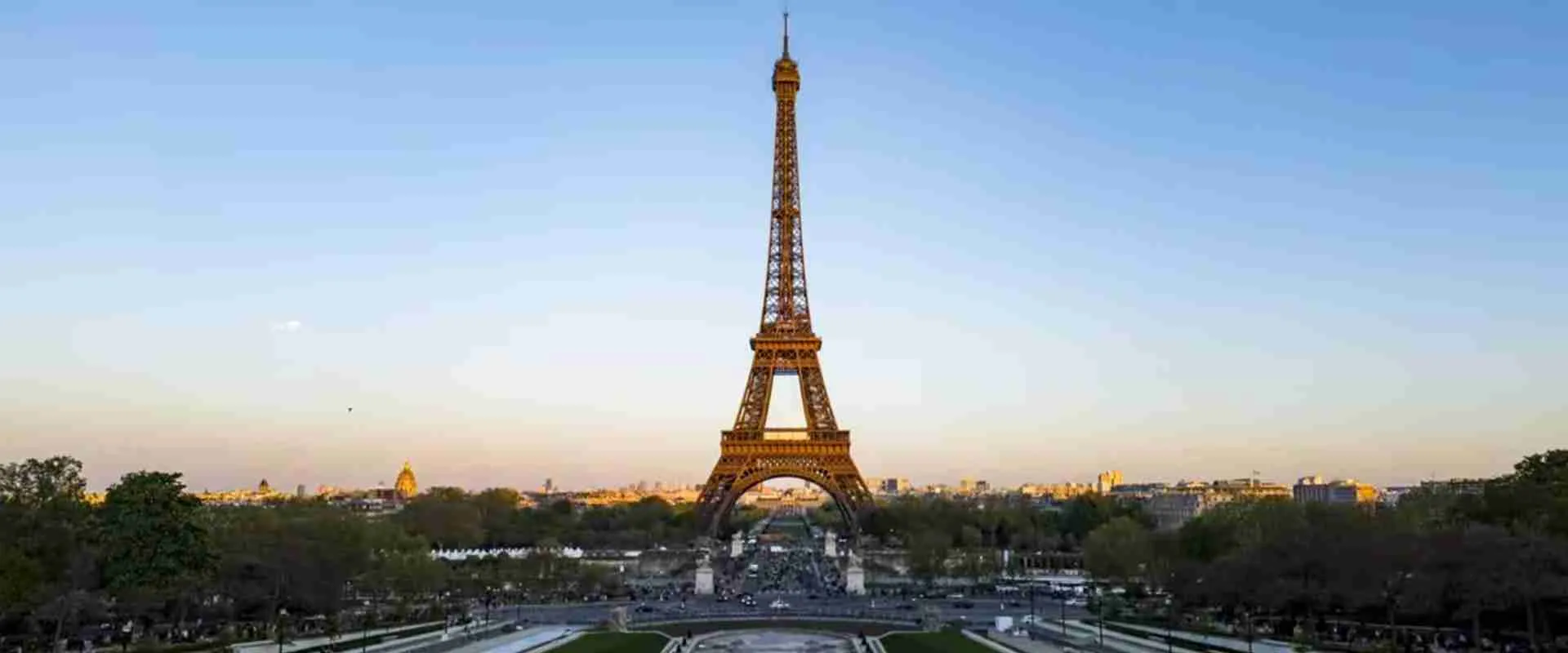
Paris UNESCO World Heritage Guide: Banks of the Seine
Key Takeaways
- UNESCO Designation: The Banks of the Seine received World Heritage status in 1991, protecting 8 kilometers of riverfront from Pont de Sully to Pont d’Iéna including Île de la Cité and Île Saint-Louis.
- Outstanding Universal Value: The designation recognizes Paris’s role in shaping Western urban civilization through architectural innovation, intellectual influence, and cultural production spanning two millennia.
- Protected Monuments: The UNESCO zone includes Notre-Dame Cathedral, Sainte-Chapelle, Louvre, Musée d’Orsay, Place de la Concorde, Eiffel Tower, and Invalides among 93 classified monuments.
- Living Heritage: The designation protects not just monuments but the integrated urban landscape where architecture, river, bridges, and daily life create unified cultural value.
- Conservation Challenges: Balancing heritage preservation with modern urban needs requires careful management of building renovations, transportation infrastructure, and commercial development.
- Buffer Zone Protection: A surrounding buffer zone extends UNESCO oversight to adjacent neighborhoods, protecting sight lines and architectural context beyond the core designation area.
Understanding UNESCO World Heritage Designation
The UNESCO World Heritage Convention, adopted in 1972, identifies and protects cultural and natural sites possessing Outstanding Universal Value to humanity. This international treaty recognizes that certain places transcend national borders in their significance, requiring global cooperation for preservation. The convention establishes legal frameworks, provides technical expertise, and mobilizes international support for protecting irreplaceable heritage threatened by development, conflict, or neglect.
Outstanding Universal Value (OUV) represents the core criterion for World Heritage inscription. Sites must demonstrate exceptional cultural or natural significance relevant to all humanity, not just local populations. For Paris, this universal value derives from the city’s exceptional architectural ensemble, its role in shaping Western thought and governance, and its contributions to art, literature, and culture that influenced global civilization development.
The World Heritage List currently contains over 1,100 properties spanning 167 countries, representing humanity’s collective inheritance deserving protection for future generations. Each inscription requires demonstrating authenticity and integrity – that sites retain genuine historical character and possess sufficient completeness to express their significance. These criteria prevent designation of reconstructions, heavily altered sites, or fragments lacking context to convey universal value.
State Parties (countries that ratified the convention) bear responsibility for nominating sites, implementing protection measures, and submitting periodic reports documenting conservation status. UNESCO provides oversight through advisory bodies ICOMOS (International Council on Monuments and Sites) and IUCN (International Union for Conservation of Nature) that evaluate nominations and monitor inscribed properties. This international framework creates accountability transcending local political pressures that might prioritize development over preservation.
People Also Ask About Paris UNESCO World Heritage
What specific areas does the Paris UNESCO designation protect?
The UNESCO designation “Paris, Banks of the Seine” encompasses an 8-kilometer stretch of riverfront from Pont de Sully in the east to Pont d’Iéna in the west. This linear heritage zone includes both river banks plus the two central islands – Île de la Cité and Île Saint-Louis. The protected area spans multiple arrondissements (1st, 4th, 5th, 6th, 7th) containing Paris’s most significant historical core.
The eastern boundary at Pont de Sully marks the medieval city limit where Paris began expanding beyond its fortified nucleus. This point includes Saint-Louis Island and views toward the Arsenal marina. The western terminus at Pont d’Iéna frames the Eiffel Tower and Trocadéro complex, representing 19th-century Paris expansion. This 8-kilometer corridor captures the city’s evolution from Roman origins through Second Empire transformation.
The buffer zone extends UNESCO oversight beyond the core designation into adjacent neighborhoods. This protective perimeter prevents inappropriate development that might damage sight lines, architectural context, or heritage integrity. Buffer zone regulations restrict building heights, architectural styles, and commercial activities to maintain the protected area’s visual and cultural environment. This extended protection acknowledges that heritage sites require contextual integrity beyond their immediate boundaries.
Individual monuments within the UNESCO zone include Notre-Dame Cathedral, Sainte-Chapelle, Conciergerie, Louvre Palace, Tuileries Gardens, Place de la Concorde, Grand Palais, Petit Palais, Pont Alexandre III, Invalides complex, Musée d’Orsay, École Militaire, Champ de Mars, and Eiffel Tower. These landmarks represent eight centuries of architectural evolution demonstrating how Paris accumulated its extraordinary built environment through successive royal, imperial, and republican regimes.
Why did UNESCO choose Paris for World Heritage designation?
UNESCO recognized Paris’s Outstanding Universal Value based on Criteria ii, iv, and vi – representing masterpieces of human creative genius, outstanding architectural ensembles, and associations with events of universal significance. The city influenced global civilization development through intellectual movements (Enlightenment, Existentialism), artistic innovations (Impressionism, Art Nouveau), and political revolutions (1789, 1848, 1871) that reshaped modern democratic governance.
The Seine riverfront demonstrates exceptional urban planning continuity where Roman origins, medieval development, Renaissance expansion, and Haussmannian transformation created coherent architectural landscape. This continuous evolution over two millennia illustrates how cities adapt while maintaining cultural identity. The riverbanks function as outdoor museum displaying architectural history from Notre-Dame’s Gothic splendor through Eiffel Tower’s industrial-age engineering innovation.
Paris’s role as intellectual and artistic capital influenced global culture disproportionate to its geographic size. The city hosted philosophers who shaped Enlightenment thought, writers who defined literary movements, artists who revolutionized visual expression, and architects who established urban planning principles adopted worldwide. This creative output established Paris as universal reference point for culture, sophistication, and urban beauty.
The integrated quality of Paris’s heritage distinguishes it from cities with isolated monuments. The relationship between Seine River, bridges, quays, architecture, and public spaces creates unified aesthetic experience. This ensemble value demonstrates how individual buildings gain significance through their relationships within larger urban composition. The designation protects this contextual harmony rather than simply listing famous monuments.
How does UNESCO designation affect Paris development and conservation?
UNESCO inscription imposes obligations on French authorities to protect designated areas through appropriate legislation, planning controls, and conservation practices. The French government implements these requirements through multiple legal instruments including historic monument classification, protected sector designations, and building permits requiring heritage review. These mechanisms prevent demolitions, regulate renovations, and control new construction that might damage heritage values.
Any substantial changes within the UNESCO zone require consultation with ICOMOS and UNESCO before proceeding. Major projects like riverside highway conversions, new bridges, or significant building renovations undergo international scrutiny ensuring compliance with conservation principles. This oversight prevents unilateral decisions that might prioritize commercial interests or political expediency over heritage protection.
Buffer zone regulations extend UNESCO influence beyond core designation boundaries. New construction in buffer zones must demonstrate compatibility with protected views and architectural context. Building height restrictions, façade regulations, and architectural review procedures maintain visual harmony. These controls sometimes frustrate developers seeking maximum returns, creating tensions between heritage conservation and urban evolution.
The designation provides international support for conservation efforts through technical expertise, emergency assistance, and global attention focusing on Paris heritage challenges. When Notre-Dame burned in 2019, UNESCO immediately offered assistance for reconstruction planning, ensuring restoration would follow international best practices. This global network provides resources and knowledge exceeding what individual nations possess independently.
What conservation challenges does Paris face as a UNESCO site?
Balancing tourism pressure with heritage preservation represents the foremost challenge. The UNESCO zone attracts over 30 million annual visitors whose foot traffic, commercial demands, and infrastructure needs strain historic fabric. Footbridge Pont des Arts nearly collapsed under “love lock” weight before city authorities removed them. Managing tourist flows without degrading heritage requires ongoing vigilance and sometimes unpopular restrictions.
Climate change threatens historic buildings through increased flooding risk, thermal stress, and pollution damage. The Seine experiences more frequent flood events potentially exceeding 1910 disaster levels. Building foundations designed for pre-industrial climate conditions face unprecedented hydrological stress. Conservation strategies must adapt to changing environmental conditions while respecting historic construction methods and materials.
Urban development pressures constantly challenge heritage protection as property owners seek profitable renovations and new construction. The Haussman buildings along boulevards require expensive maintenance discouraging private investment. Converting historic structures to profitable uses often conflicts with conservation principles prioritizing authenticity over economic return. Finding sustainable economic models supporting heritage preservation remains ongoing struggle.
Transportation infrastructure modernization conflicts with heritage preservation goals. Expanding metro lines requires excavation threatening archaeological resources. Surface traffic management struggles to balance pedestrian access, vehicle circulation, and heritage protection. The riverside expressway conversion to pedestrian promenades demonstrated how infrastructure changes can enhance heritage values when properly planned, but such projects involve complex political and financial challenges.
Extended multi-day tours – 5+ days
Featured Paris Multi-Day Tour Packages
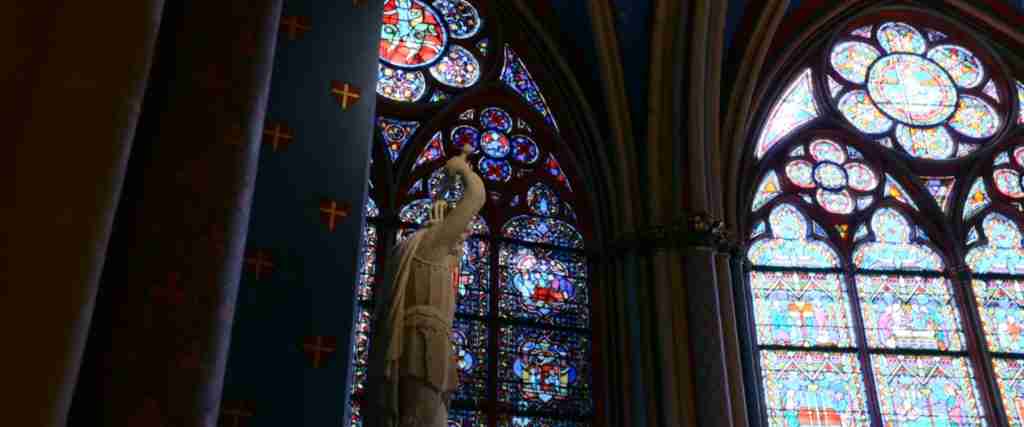
3 days
Paris 3-Day Discovery Tour
- ✓ Comprehensive Paris experience
- ✓ Expert local guides included
- ✓ All accommodation included
- ✓ Transportation provided
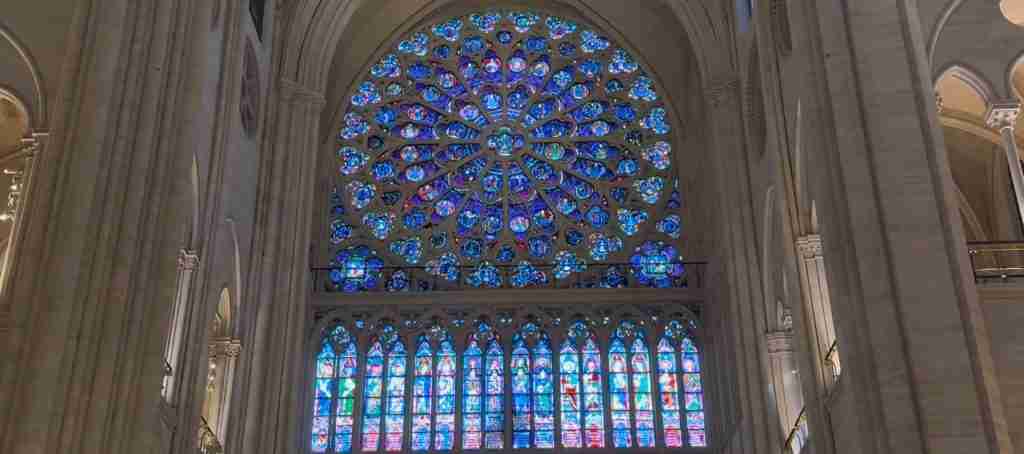
5 days
Paris 5-Day Highlights Experience
- ✓ Comprehensive Paris experience
- ✓ Expert local guides included
- ✓ All accommodation included
- ✓ Transportation provided
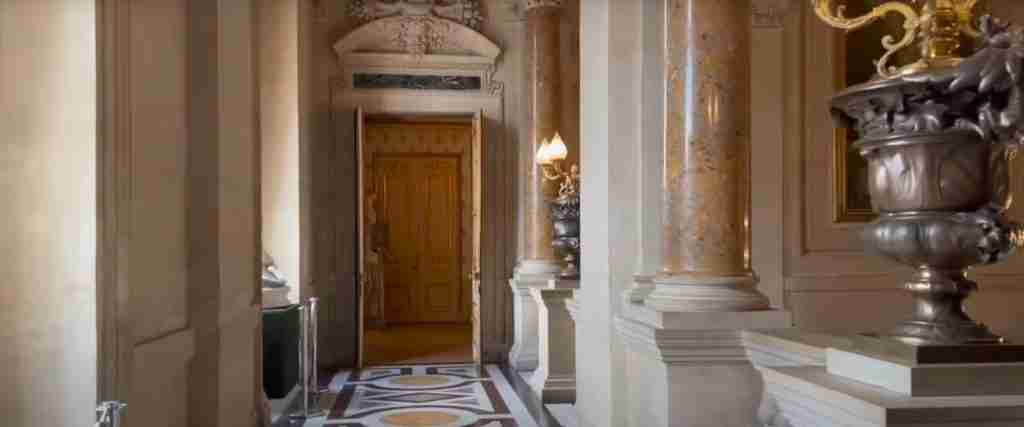
7 days
Paris 7-Day Cultural Journey
- ✓ Comprehensive Paris experience
- ✓ Expert local guides included
- ✓ All accommodation included
- ✓ Transportation provided
10 days
Paris 10-Day Complete Adventure
- ✓ Comprehensive Paris experience
- ✓ Expert local guides included
- ✓ All accommodation included
- ✓ Transportation provided
Multi-day tour packages powered by TourRadar. Prices and availability subject to change.
Historical Evolution of the Seine Riverfront
Roman Lutetia established Paris’s first urban settlement on Île de la Cité around 52 BCE, taking advantage of strategic Seine crossing location. The island’s defensible position controlled river navigation while providing freshwater access and fertile bottomlands. Roman engineers constructed the first bridges connecting both banks, establishing infrastructure patterns persisting through subsequent centuries. The Cluny baths ruins demonstrate Roman architectural sophistication transplanted to Gallic frontier.
Medieval Paris expanded beyond island origins onto both banks, creating the intellectual Left Bank (Latin Quarter) and commercial Right Bank. The construction of Notre-Dame Cathedral (1163-1345) established Gothic architectural supremacy visible throughout the cityscape. Philippe Auguste’s defensive walls defined medieval city limits still traceable through modern street patterns. The Seine functioned as commercial highway where river traffic supplied food, building materials, and goods to growing population.
Renaissance kings transformed medieval Paris through Louvre Palace expansions, Tuileries Gardens creation, and Pont Neuf construction (1578-1607) – the first bridge not lined with buildings. This architectural patronage established royal magnificence precedents continued by Louis XIV despite his Versailles focus. The Place des Vosges (1612) introduced uniform architectural principles later expanded throughout the city. These interventions demonstrated how royal power manifested through urban space control.
Haussmann’s Second Empire transformation (1853-1870) created modern Paris through massive demolition and reconstruction. Baron Haussmann’s plan widened boulevards, standardized building facades, installed sewers, and improved water supply. This comprehensive rebuilding established Paris’s characteristic appearance – limestone façades, zinc roofs, wrought-iron balconies, and tree-lined boulevards. The controversial destruction of medieval neighborhoods provoked opposition but created the urban fabric UNESCO now protects.
The Belle Époque (1871-1914) added iconic landmarks including Eiffel Tower, Grand Palais, Petit Palais, and Pont Alexandre III. These monuments celebrated industrial-age technological optimism while maintaining aesthetic sophistication. The 1900 World’s Fair concentrated these constructions along the Seine, transforming riverfront into outdoor exhibition celebrating French achievement. This layer of ornate architecture contrasts with earlier classical restraint, demonstrating how Paris accumulated diverse architectural expressions within coherent whole.
Architectural Heritage and Monumental Significance
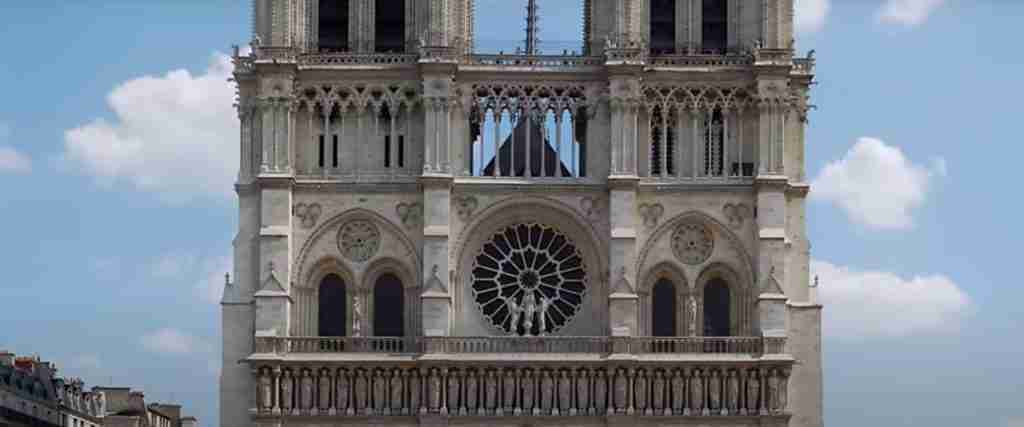
Notre-Dame Cathedral represents Gothic architectural achievement where innovative structural engineering enabled unprecedented vertical height and window area. Flying buttresses transferred roof weight outward, allowing walls to dissolve into stained glass. The cathedral’s 850-year history witnessed royal coronations, revolutionary transformation into Reason temple, and 19th-century restoration by Viollet-le-Duc. The 2019 fire and ongoing reconstruction test contemporary conservation approaches balancing authenticity with modern building codes.
Sainte-Chapelle exemplifies Rayonnant Gothic style where structure nearly disappears beneath brilliant stained glass. Louis IX commissioned the chapel to house Christ’s crown of thorns, creating reliquary architecture where light and color induce spiritual transcendence. The surviving medieval glass constitutes irreplaceable artistic heritage demonstrating 13th-century craftsmanship at its apex. The building’s intimate scale creates intense visual experience impossible in larger cathedrals.
The Louvre’s evolution from medieval fortress to Renaissance palace to modern museum demonstrates architectural accumulation across seven centuries. The medieval foundations visible in basement galleries contrast dramatically with contemporary glass pyramid. The palace served successive regimes from Capetian kings through Napoleon’s empire, each addition reflecting period artistic ideals. The museum’s collection preserves global cultural heritage within historically significant building fabric.
Musée d’Orsay’s conversion from Beaux-Arts railway station to Impressionist museum demonstrates adaptive reuse possibilities for obsolete infrastructure. Victor Laloux’s 1900 Gare d’Orsay combined industrial engineering with decorative arts creating ornate functional building. The museum conversion (1986) preserved the dramatic main hall while inserting galleries within the steel framework. This project proved that historic industrial architecture could gain new cultural purpose.
The Eiffel Tower represented controversial modernity when built for the 1889 World’s Fair. Critics condemned the iron lattice as eyesore desecrating Parisian skyline. Gustav Eiffel’s engineering triumph demonstrated industrial-age technical capabilities while achieving unexpected aesthetic grace. The tower’s survival past intended 20-year lifespan established new architectural paradigm where engineering could produce beauty. Its UNESCO protection marks former outrage transformed into beloved symbol.
Urban Planning and Landscape Design Principles
Haussmannian boulevard networks created Paris’s characteristic urban structure where long axial views connect monuments into visual sequences. The Champs-Élysées axis extends from Louvre through Arc de Triomphe toward La Défense, demonstrating how perspective creates urban grandeur. These planned sight lines establish spatial relationships making Paris comprehensible despite medieval street survival in adjacent neighborhoods.
The Seine quays function as linear public space connecting monuments through continuous riverside promenades. The 19th-century quay construction regularized river edges, preventing flood damage while creating walkable waterfront. Trees planted along quays provide shade and soften stone hardscape. The relationship between water, architecture, and landscape creates Paris’s characteristic beauty where natural and built environments achieve harmony.
Bridge architecture demonstrates how infrastructure becomes urban art through decorative embellishment. Pont Alexandre III’s gilt bronze sculptures and Art Nouveau lamps transform utilitarian river crossing into celebratory monument. Pont Neuf’s semicircular viewing balconies enable pedestrian gathering above water. Each bridge possesses distinct character contributing to Seine riverfront architectural diversity.
Public squares (places) create urban gathering spaces organized around monuments or fountains. Place de la Concorde’s vast open area contrasts with intimate Place Dauphine’s tree-shaded triangle. These outdoor rooms provide spatial variety within dense urban fabric. Their careful design demonstrates how empty space can possess architectural significance equal to buildings.
Gardens and parks integrate nature into stone cityscape providing green respite from architectural intensity. The Tuileries’ formal parterres demonstrate French garden design principles where nature submits to geometric control. Luxembourg Gardens’ more informal areas allow naturalistic planting within overall formal structure. These designed landscapes function as outdoor living rooms where Parisians socialize, exercise, and contemplate.
Cultural and Intellectual Heritage
The Latin Quarter’s intellectual traditions derive from medieval University of Paris establishing Left Bank as educational center. The Sorbonne’s theological debates shaped Christian doctrine while medical and law schools trained professionals across Europe. This academic concentration created café culture where students, professors, and intellectuals conducted informal discussions complementing formal learning. The neighborhood maintains this identity despite tourism pressures and institutional changes.
Enlightenment salons hosted in aristocratic hôtels particuliers throughout the UNESCO zone fostered philosophical movements challenging absolute monarchy. Intellectuals including Voltaire, Rousseau, and Diderot developed ideas about reason, democracy, and human rights that inspired revolutions worldwide. These private gatherings created social networks where new thinking developed before public dissemination. The physical spaces where these conversations occurred survive within protected heritage zones.
Revolutionary events transformed Paris’s symbolic landscape through monument destruction, renaming, and new constructions. The Bastille’s demolition converted royal fortress into martyrs’ memorial. Place Louis XV became Place de la Concorde where guillotine executed monarchy. The Panthéon secularized Sainte-Geneviève church to honor revolutionary heroes. These spatial transformations demonstrate how political upheaval reshapes urban meaning beyond physical architecture.
Nineteenth-century literary culture established Paris as global arts capital through authors like Hugo, Balzac, Baudelaire, and Zola who chronicled urban transformation. Their novels documented social conditions, architectural change, and psychological impacts of modernization. Literary cafés including Café de Flore and Les Deux Magots later hosted Existentialist philosophers continuing intellectual traditions. These locations function as pilgrimage sites for cultural tourists seeking authentic literary atmosphere.
Impressionist painters working along Seine banks revolutionized visual art through plein air techniques capturing light effects on water and architecture. Monet’s series paintings documenting Rouen Cathedral, haystacks, and water lilies established new approaches to perception and representation. The riverside locations where these artistic breakthroughs occurred remain visitable, connecting contemporary visitors to revolutionary artistic moments. The conversion of Gare d’Orsay into Impressionist museum creates institutional framework preserving this heritage.
River Seine as Living Heritage
The Seine functions as working river despite its heritage status, maintaining commercial barge traffic, tourist boat operations, and ecological habitat. This living use distinguishes Paris from cities where historic riverfront became purely ornamental. The working riverfront demonstrates sustainable heritage where contemporary economic activity coexists with conservation requirements. Balancing these sometimes competing demands requires careful regulation and creative problem-solving.
Flood management represents ongoing challenge requiring infrastructure balance between heritage protection and public safety. The 1910 flood reached 8.62 meters, causing massive damage and forcing thousands from homes. Modern flood control measures including upstream dams, reinforced embankments, and early warning systems protect against repeat disasters. These infrastructure investments demonstrate how heritage sites require contemporary engineering supporting historic fabric.
River ecology underwent renaissance following pollution control improvements beginning in 1970s. The Seine now supports fish populations, waterfowl, and aquatic plants after decades of biological death from industrial discharge. This ecological recovery demonstrates that urban rivers can regain environmental health through sustained cleanup efforts. The improved water quality enhances heritage values by making riverfront more pleasant for residents and visitors.
Riverside development converted former expressways into pedestrian-friendly public spaces through Paris Plages program and permanent promenade improvements. These transformations demonstrate how heritage sites can adapt to changing urban priorities favoring pedestrian access over vehicle circulation. The controversial decisions faced significant opposition but ultimately enhanced heritage appreciation by making riverbanks more accessible and livable.
Bridge maintenance requires specialized expertise preserving historic structures while ensuring contemporary safety standards. Pont Neuf’s 2007 restoration involved cleaning 400 years of accumulated grime, repairing stone erosion, and reinforcing foundations. These interventions maintain structural integrity while respecting original design intent. The technical complexity and expense of heritage conservation exceeds standard infrastructure maintenance, justifying specialized funding and expertise.
Conservation Practices and Heritage Management
France’s Monuments Historiques system provides legal framework protecting buildings through classification requiring government approval for alterations. The Architecture and Heritage code establishes review procedures for construction affecting classified monuments or their surroundings. These regulations implement UNESCO requirements through domestic law enforceable by French courts. Property owners face significant restrictions but receive tax benefits and potential restoration subsidies compensating for conservation burdens.
Restoration philosophy balances competing principles of authenticity (preserving original materials) and integrity (maintaining structural soundness). Viollet-le-Duc’s 19th-century restorations controversially added elements to “complete” medieval buildings. Contemporary practice favors minimal intervention respecting all historical layers rather than returning buildings to hypothetical original states. This evolution reflects changing understanding about heritage values residing in accumulated history rather than single “authentic” moment.
Traditional craft preservation ensures that skilled artisans can maintain historic buildings using appropriate techniques. The Compagnons du Devoir training system continues medieval apprenticeship traditions teaching stone carving, metalwork, plastering, and other specialized skills. Without these craftspeople, authentic restoration becomes impossible as modern construction methods cannot replicate historic craftsmanship. Supporting traditional trades through training programs and appropriate compensation ensures conservation capacity survives.
Archaeological excavation protocols require investigation before construction disturbing subsurface remains. Paris’s stratified urban deposits contain Roman, medieval, and modern layers revealing occupation continuity. Excavations discover building foundations, artifacts, and infrastructure remnants expanding historical knowledge. Balancing archaeological investigation with development timelines creates tensions between preservation and progress requiring careful negotiation.
Documentation standards require measured drawings, photographs, and written descriptions recording heritage properties’ condition. These archives provide baselines assessing change over time and guide restoration projects. Digital scanning technologies increasingly supplement traditional documentation methods, creating three-dimensional models useful for analysis and emergency response. Notre-Dame’s extensive documentation proved invaluable for reconstruction planning following the 2019 fire.
Tourism Impact and Sustainable Heritage Management
Mass tourism creates prosperity while threatening heritage through physical wear, commercial pressure, and resident displacement. UNESCO designation attracts millions of visitors generating economic benefits but overwhelming local infrastructure. Finding equilibrium between heritage appreciation and site degradation represents central management challenge. Solutions include visitor quotas, advance reservations, temporal distribution strategies, and enhanced site maintenance.
Overtourism particularly affects concentrated sites like Notre-Dame and Eiffel Tower where queues, crowding, and commercial exploitation diminish experience quality. Managing these pressures requires sophisticated crowd control, reservation systems, and alternative attraction promotion distributing visitors across broader areas. The COVID pandemic’s temporary tourism cessation demonstrated heritage resilience benefits when tourist pressure temporarily ceased.
Commercial gentrification transforms heritage neighborhoods through luxury retail replacing traditional shops and restaurants. The UNESCO zone’s real estate values incentivize profitable uses that displace longstanding residents and authentic businesses. Maintaining living neighborhoods rather than creating open-air museums requires policies protecting affordable housing, traditional commerce, and community services. Heritage without people becomes sterile monument divorced from cultural vitality.
Interpretation and education programs help visitors appreciate heritage significance beyond superficial sightseeing. Explaining why sites matter, how they were built, and what they represent deepens engagement transforming passive tourism into active learning. Quality interpretation requires investment in multilingual signage, trained guides, digital applications, and educational programming. These investments enhance visitor satisfaction while building support for conservation efforts.
Sustainable tourism initiatives promote responsible visitation patterns reducing environmental impact. Encouraging public transportation, bicycle access, and walking tours reduces vehicle congestion and pollution. Supporting local businesses, respecting resident quality of life, and maintaining site cleanliness represent tourist responsibilities. Heritage conservation succeeds when visitors embrace stewardship attitudes rather than consumer entitlement.
International Influence and Global Heritage Network
Paris’s UNESCO designation influences global heritage conservation through demonstrating best practices, establishing standards, and inspiring similar programs worldwide. French conservation philosophy emphasizing minimal intervention and traditional crafts shapes international approaches. ICOMOS principles developed through European heritage experience guide conservation worldwide. Paris serves as model for balancing preservation with contemporary urban life.
The World Heritage network creates global community of protected sites sharing knowledge, technical expertise, and conservation strategies. Challenges facing Paris – tourism pressure, climate change, urban development – affect heritage sites worldwide. International cooperation enables learning from successes and failures across diverse contexts. This collaborative approach acknowledges that heritage protection transcends national borders requiring collective action.
The Seine Banks designation influenced subsequent urban heritage recognitions including Vienna’s historic center, Budapest’s Danube banks, and Prague’s center. These nominations built on principles established through Paris’s inscription, demonstrating how early World Heritage designations shaped conservation standards. The accumulated experience informs contemporary nominations ensuring consistent application of Outstanding Universal Value criteria.
French technical expertise in conservation supports international projects through training programs, expert missions, and technical assistance. French conservators work globally sharing knowledge about traditional crafts, restoration philosophy, and heritage management. This international engagement enhances France’s soft power while contributing to global heritage protection. The reciprocal knowledge exchange enriches French conservation practice through exposure to diverse approaches.
Cultural diplomacy initiatives leverage Paris’s heritage status promoting international understanding through shared appreciation of universal cultural values. UNESCO’s mission emphasizes how heritage conservation builds peace by recognizing humanity’s common inheritance transcending political divisions. Paris symbolizes this universalism through its role as City of Light whose culture belongs to world civilization rather than exclusively French patrimony.
Contemporary Challenges and Future Conservation
Climate adaptation requires reconciling traditional conservation approaches with unprecedented environmental changes. Historic buildings designed for preindustrial climates face thermal stress, moisture problems, and structural challenges from extreme weather. Conservation must incorporate climate resilience while respecting heritage values. This tension demands innovative solutions blending traditional materials with modern performance standards.
Digital technology transforms heritage documentation, interpretation, and public engagement. Three-dimensional scanning creates detailed records useful for conservation planning and virtual access. Augmented reality applications overlay historical information onto contemporary streetscapes. Social media enables global audiences appreciating heritage remotely. Harnessing these technologies while maintaining authentic site experiences represents ongoing challenge.
Equity considerations question whose heritage receives protection and how conservation benefits distribute. Working-class neighborhoods receive less protection than aristocratic quarters despite possessing distinct cultural value. Heritage designation sometimes accelerates gentrification displacing communities whose traditions constitute intangible heritage. Inclusive conservation requires protecting diverse cultural expressions rather than privileging elite architecture.
Funding heritage conservation requires sustained political commitment and creative financing mechanisms. Public budgets face competing demands while heritage maintenance expenses continue indefinitely. Successful programs combine government funding, private philanthropy, tax incentives, and heritage tourism revenue. Finding sustainable financial models ensures long-term conservation capacity beyond short-term political cycles.
Balancing change with continuity represents fundamental heritage challenge. Cities must evolve responding to contemporary needs while maintaining character defining their identity. Paris demonstrates how historic cities can remain vibrant through careful management allowing appropriate development while protecting essential heritage values. This dynamic conservation approach recognizes that heritage sites remain living places rather than frozen museums.
FAQ: Paris UNESCO World Heritage
Can buildings within the UNESCO zone be renovated or modified?
Renovations require approval from heritage authorities depending on building classification level. Major alterations affecting exterior appearance or structural systems need extensive review ensuring compatibility with heritage values. Interior modifications face fewer restrictions unless buildings possess classified interiors. Property owners must demonstrate that changes respect historic character while permitting contemporary use. The review process balances preservation with allowing necessary building adaptations.
What happens if Paris fails to maintain UNESCO heritage standards?
UNESCO can place sites on the Danger List if threats compromise Outstanding Universal Value. Continued deterioration without corrective action could lead to delisting, though this rarely occurs for major cultural sites. The threat of losing World Heritage status provides leverage pressuring governments to maintain conservation commitments. International attention focuses on endangered sites, potentially mobilizing support for protection efforts.
How does the buffer zone affect development outside the core UNESCO area?
Buffer zone regulations restrict building heights, architectural styles, and uses potentially affecting protected area views or context. New construction requires demonstrating visual compatibility with heritage landscape. These controls extend UNESCO influence beyond designation boundaries, sometimes provoking conflicts with property owners seeking development freedom. The buffer zone acknowledges that heritage sites require protective surroundings maintaining their setting and atmosphere.
Who pays for heritage conservation within the UNESCO zone?
Property owners bear primary responsibility for building maintenance, though government subsidies assist classified monuments’ restoration. Public monuments receive state funding for conservation. UNESCO provides limited financial assistance for emergency interventions but lacks resources for routine maintenance. The costs burden property owners, justifying tax benefits and regulatory exemptions compensating for conservation obligations.
Can new construction occur within the UNESCO designated area?
New buildings require proving compatibility with heritage character through sensitive design, appropriate scale, and quality materials. Contemporary architecture that respects context can receive approval, though projects face rigorous review. The goal involves maintaining heritage integrity while allowing urban evolution. Examples include Musée du Quai Branly and Institut du Monde Arabe demonstrating successful modern interventions within historic fabric.
How did Notre-Dame’s 2019 fire affect UNESCO status?
The fire damaged but did not destroy the cathedral’s Outstanding Universal Value. UNESCO immediately offered technical assistance for reconstruction planning. The restoration debate involves balancing competing approaches – exact replication versus contemporary intervention acknowledging the 2019 fire as new historical layer. The UNESCO framework ensures international expertise guides reconstruction decisions maintaining World Heritage integrity.
What role do residents play in heritage conservation?
Residents constitute living heritage maintaining neighborhood character through daily activities, traditional businesses, and cultural practices. Their involvement in planning decisions, community organizations, and local advocacy influences conservation policies. Successful heritage protection requires resident support and participation. Without living communities, heritage zones become sterile tourist destinations losing authentic cultural vitality.
How does Paris compare to other UNESCO-designated cities?
Paris represents large living city successfully balancing heritage protection with contemporary urban functions. Unlike smaller historic towns or archaeological sites, Paris demonstrates heritage conservation possibilities in major metropolitan areas. The Seine Banks designation influenced subsequent urban heritage recognitions establishing precedents for protecting extensive historic quarters rather than isolated monuments.
What intangible heritage does UNESCO protection encompass?
While the official designation focuses on physical heritage, the associated cultural practices – café culture, intellectual traditions, artistic production, architectural crafts – constitute intangible heritage essential to Outstanding Universal Value. UNESCO increasingly recognizes that protecting buildings without maintaining associated cultural practices creates hollow preservation. Supporting traditional crafts, cultural institutions, and social practices complements architectural conservation.
How can visitors support UNESCO heritage conservation during their visit?
Responsible practices include respecting monuments, following site rules, supporting traditional businesses, using public transportation, staying in locally-owned accommodations, hiring licensed guides, visiting during off-peak times, learning about heritage significance, and contributing to conservation organizations. Thoughtful tourism generates economic benefits supporting conservation while minimizing negative impacts through overcrowding, pollution, and cultural commodification.