
Paris Hidden Gems Guide: Secret Spots Beyond Tourist Crowds
Key Takeaways
- Covered Passages: Nineteen 19th-century glass-roofed shopping arcades survive in Paris, offering architectural beauty and unique boutiques away from modern retail chaos.
- Secret Gardens: Over 400 hidden gardens exist throughout Paris, accessible through unassuming doorways and private courtyards where few tourists venture.
- Forgotten Museums: Specialized collections like the Museum of Fairground Arts, Hunting Museum, and Wine Museum provide unique cultural experiences without Louvre crowds.
- Hidden Viewpoints: Alternative observation spots like Parc de Belleville, Sacré-Coeur dome, and Printemps rooftop terrace offer spectacular panoramas without Eiffel Tower queues.
- Secret Addresses: Unmarked bars, private gardens, and residents-only spaces become accessible through local knowledge and respectful exploration.
- Historic Remnants: Medieval streets, ancient Roman ruins, and Belle Époque architecture hide throughout modern Paris, revealing centuries of urban evolution.
Understanding Paris’s Hidden Layers
Paris conceals countless treasures beneath its famous facade, where layers of history, architecture, and culture await discovery beyond standard tourist itineraries. These hidden gems require curiosity, patience, and willingness to explore beyond guidebook recommendations. Understanding where to look and how to access these secret spaces transforms superficial tourism into authentic urban exploration.
The concept of “Paris secret” reflects how the city reveals itself gradually to persistent explorers. Surface-level visits capture iconic monuments without penetrating neighborhood authenticity, hidden courtyards, and local gathering places that define real Parisian life. These discoveries happen through wandering residential streets, following locals, and investigating unpromising doorways that open onto unexpected marvels.
Many hidden locations exist in plain sight, overlooked because visitors follow predetermined routes between famous attractions. A medieval church tucked behind modern buildings, a private garden visible through iron gates, or a historic passage connecting parallel streets – these spaces wait for observers who pause, look carefully, and venture beyond main boulevards. The art of discovering Paris involves slowing down and noticing details that hurried tourism misses.
Access protocols vary by location type. Some hidden gems welcome all visitors during public hours, while others require membership, reservations, or local introduction. Respecting these boundaries maintains the intimate character that makes locations special. Sustainable hidden gem exploration means appreciating spaces without overwhelming them through social media exposure or guidebook publication that destroys their secret status.
People Also Ask About Paris Hidden Gems
Where can you find Paris’s secret covered passages?
The covered passages (passages couverts) cluster in the 2nd and 9th arrondissements, particularly between Boulevard Montmartre and Rue du Quatre-Septembre. Galerie Vivienne showcases the most architecturally stunning example with mosaic floors, ornate skylights, and upscale boutiques. Passage des Panoramas, opened in 1800 as Paris’s first covered passage, maintains authentic character through vintage stamp dealers, historic restaurants, and engraving workshops.
Passage Verdeau connects to Passage Jouffroy, creating a continuous covered walk featuring antique shops, bookstores, and the Musée Grévin wax museum entrance. These connected passages demonstrate 19th-century commercial innovation protecting shoppers from mud, rain, and horse-drawn vehicle traffic. The glass roofs and gas lamp fixtures create atmospheric settings that transport visitors to Belle Époque Paris.
Passage Brady, known as “Little India,” transforms a historic arcade into aromatic corridor lined with Indian and Pakistani restaurants, spice shops, and textile merchants. This unexpected cultural enclave demonstrates how immigrant communities adapt historic structures while preserving architectural heritage. The passage fills with curry scents, Bollywood music, and vibrant colors contrasting dramatically with surrounding Parisian streetscapes.
Smaller passages like Passage du Grand Cerf, Passage Choiseul, and Galerie Colbert offer intimate exploration opportunities. These narrower arcades host specialized shops – vintage toy dealers, artisan chocolate makers, antiquarian booksellers – that cater to passionate collectors rather than casual browsers. Discovering these locations requires map consultation and deliberate searching, as their modest entrances blend into surrounding buildings.
What forgotten museums offer unique Paris experiences?
The Musée de la Chasse et de la Nature (Hunting and Nature Museum) occupies an elegant Marais mansion showcasing taxidermy art, hunting weapons, and contemporary installations exploring human-animal relationships. The baroque decor incorporates stuffed animals into elaborate room designs where boars emerge from walls and owls perch above doorways. This surreal collection challenges museum conventions through playful presentation blending natural history with fine art.
Musée des Arts Forains (Museum of Fairground Arts) houses a private collection of carnival rides, mechanical games, and Belle Époque amusements in converted wine warehouses. Visitors ride restored carousels, play antique shooting galleries, and explore theatrical sets used in traveling fairs. Access requires booking guided tours, maintaining the intimate atmosphere that allows hands-on interaction with historic amusements.
The Musée Cognacq-Jay preserves an 18th-century art collection in a restored Marais townhouse. Small-scale paintings, delicate porcelain, and refined furniture create an intimate encounter with Rococo aesthetics. The domestic setting contrasts dramatically with grand museum palaces, demonstrating how wealthy Parisians experienced art through daily living rather than institutional display.
Musée Zadkine occupies the sculptor’s former home and studio in Montparnasse, where garden sculptures interact with plants and architecture. This artist residence museum provides insight into creative processes through preserved workspaces showing tools, sketches, and unfinished pieces. The garden creates a peaceful retreat where visitors contemplate modernist sculpture away from tourist crowds.
Which secret gardens provide peaceful Paris retreats?
The Jardin du Palais Royal creates a hidden oasis behind Comédie-Française, where formal gardens surround Daniel Buren’s striped columns. The colonnade arcades house art galleries, antique dealers, and exclusive restaurants accessed through the garden. This semi-private space maintains calm dignity despite central Paris location, attracting contemplative visitors seeking beauty without botanical garden commercialization.
Square des Peupliers in the 13th arrondissement preserves a village atmosphere through its circular design featuring individual cottages with private gardens. This hidden residential square demonstrates early 20th-century garden city planning applied to Paris. Walking these curved paths reveals architectural diversity where each house displays unique design within a cohesive whole, creating intimate neighborhood character impossible in standard Haussmannian blocks.
The Jardin Sauvage Saint-Vincent in Montmartre allows wild plant growth on a steep hillside overlooking vineyards and cemetery. This deliberately untamed space contrasts with manicured French gardens, providing habitat for birds, insects, and indigenous flora. Access requires guided visits during limited hours, protecting the ecological balance while allowing nature appreciation in dense urban environment.
Promenade Plantée (the planted walkway) transforms an abandoned railway viaduct into an elevated linear park stretching from Bastille to Bois de Vincennes. This pioneering conversion inspired New York’s High Line, demonstrating adaptive reuse of industrial infrastructure for public gardens. Walking above street level provides unique perspectives on neighborhood life while experiencing diverse plant collections in segmented garden rooms.
What alternative viewpoints reveal spectacular Paris panoramas?
Parc de Belleville offers the highest natural elevation viewpoint in Paris at 108 meters, providing 180-degree panoramas from Montmartre to Eiffel Tower. The terraced park creates intimate viewing niches where locals gather for sunset picnics away from tourist observation decks. This neighborhood park combines spectacular views with authentic Parisian atmosphere where residents outnumber visitors.
The Sacré-Coeur dome climb surpasses the basilica’s front terrace through its 300-step spiral staircase ascending to 360-degree views from the highest point in Paris. This lesser-known viewpoint requires separate ticket and physical effort that deter many visitors who stop at the main terrace. The narrow gallery circling the dome interior provides unprecedented proximity to mosaic artwork and architectural details invisible from below.
Printemps department store’s rooftop terrace operates as a free public space offering Eiffel Tower views without commercial obligations. The 9th-floor location positions viewers at perfect height for appreciating Haussmannian roof lines punctuated by monuments. The terrace café serves refreshments while allowing extended stays enjoying panoramas that paid observation decks rush visitors through.
Tour Saint-Jacques observation deck opens limited hours for guided visits to this Gothic tower standing alone in a small park. The 62-meter tower served as medieval pilgrimage departure point for Santiago de Compostela routes. Its isolated position creates unobstructed views while the architectural detail provides foreground interest missing from modern observation platforms. Weather station equipment adds scientific curiosity to the historic monument.
Extended multi-day tours – 5+ days
Featured Paris Multi-Day Tour Packages
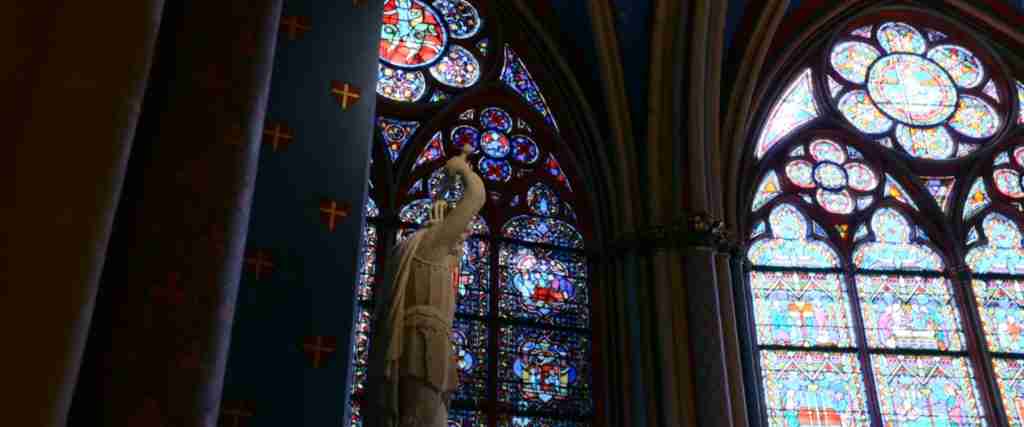
3 days
Paris 3-Day Discovery Tour
- ✓ Comprehensive Paris experience
- ✓ Expert local guides included
- ✓ All accommodation included
- ✓ Transportation provided
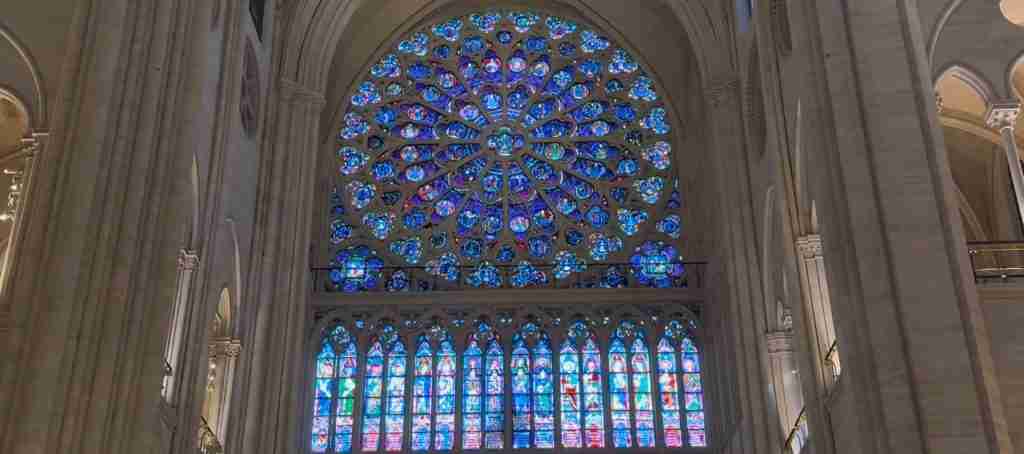
5 days
Paris 5-Day Highlights Experience
- ✓ Comprehensive Paris experience
- ✓ Expert local guides included
- ✓ All accommodation included
- ✓ Transportation provided
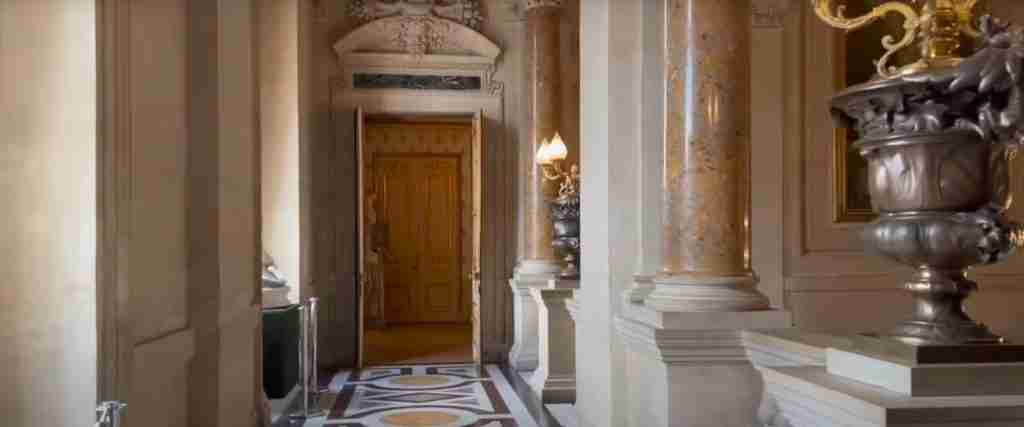
7 days
Paris 7-Day Cultural Journey
- ✓ Comprehensive Paris experience
- ✓ Expert local guides included
- ✓ All accommodation included
- ✓ Transportation provided
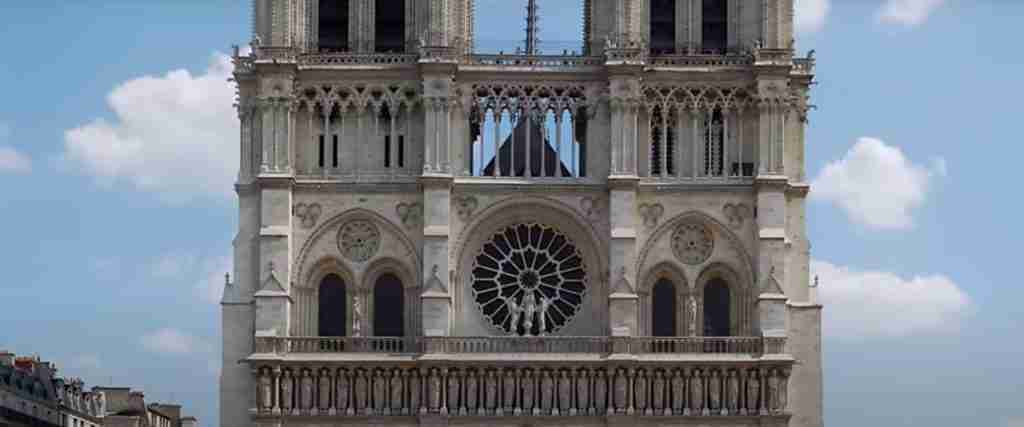
10 days
Paris 10-Day Complete Adventure
- ✓ Comprehensive Paris experience
- ✓ Expert local guides included
- ✓ All accommodation included
- ✓ Transportation provided
Multi-day tour packages powered by TourRadar. Prices and availability subject to change.
Medieval Paris Remnants and Historic Architecture
The Cluny Museum preserves Roman bath ruins beneath its medieval mansion, revealing Paris’s ancient Lutetia origins. The frigidarium (cold bath) chamber soars 15 meters high with intact vaulted stone architecture demonstrating Roman engineering sophistication. This archaeological site juxtaposes Gothic building evolution above classical foundations, illustrating two millennia of Parisian urban development compressed into a single location.
Rue des Barres in the Marais retains its medieval configuration with narrow cobblestone pavement, timber-framed houses, and intimate scale predating Haussmann’s broad boulevards. This tiny street curves behind Saint-Gervais church, creating the atmospheric setting where period films shoot historical scenes. The adjacent Village Saint-Paul courtyard complex transforms medieval blocks into connected passages housing antique dealers and artisan workshops.
Saint-Julien-le-Pauvre church, built in the 12th century, claims title as one of Paris’s oldest surviving churches. Its intimate interior contrasts with Notre-Dame’s grandeur across the Seine, demonstrating parish church scale versus cathedral ambition. The ancient well in the entry and Byzantine iconostasis create layered history where Roman, Medieval, and Greek Orthodox elements coexist within modest architectural framework.
The Philippe Auguste Wall fragments survive throughout the Marais, marking medieval Paris’s defensive perimeter. The largest section appears in a school playground on Rue Clovis where 70 meters of original fortification demonstrate 13th-century military architecture. These scattered remnants map the old city boundaries, revealing how Paris grew beyond medieval constraints through successive expansion phases.
The Arènes de Lutèce Roman amphitheater survives in the 5th arrondissement, where Parisians play pétanque where gladiators once fought. This archaeological site accommodated 15,000 spectators for theatrical performances and animal combats. Rediscovery in 1869 during construction work saved these ruins from destruction, creating an unexpected ancient monument embedded in residential neighborhood fabric.
Secret Cultural Spaces and Alternative Venues
Le Comptoir Général operates as a cultural association hosting concerts, exhibitions, and African diaspora events in a warehouse space decorated as imaginary colonial outpost. The eclectic interior combines tropical plants, vintage furniture, and museum-quality artifacts creating immersive environment for creative programming. Access requires membership or event tickets, maintaining community atmosphere resisting commercial nightlife homogenization.
Studio des Ursulines cinema, founded in 1926, pioneered art house film programming in its intimate 70-seat theater. The venue maintains commitment to independent cinema, retrospectives, and director discussions attracting cinephiles seeking alternatives to multiplexes. The tiny space creates intense viewing experiences where audiences engage seriously with challenging films that commercial cinemas avoid.
Shakespeare and Company bookshop’s upstairs library offers free reading room access in exchange for volunteering time in the shop. This legendary English-language bookstore maintains Beat Generation hospitality traditions where writers and travelers find temporary haven. The creaky wooden floors, floor-to-ceiling books, and quiet alcoves create sanctuary for literary devotion in commercial Latin Quarter surroundings.
La Recyclerie transforms a former train station into sustainable community space combining organic café, urban farm workshop area, and cultural programming. The railroad track setting creates unique atmosphere where dining occurs in converted train cars and gardens occupy former rail beds. This social enterprise demonstrates adaptive reuse principles making abandoned infrastructure serve contemporary community needs.
Point Éphémère cultural center occupies a converted warehouse on Canal Saint-Martin hosting concerts, art exhibitions, and dance performances. The industrial space maintains raw character supporting emerging artists and experimental programming. The waterfront location enables summer terrace activity where audiences socialize between performances, creating festival atmosphere within permanent venue.
Hidden Architectural Marvels and Secret Buildings
The Lavirotte Building at 29 Avenue Rapp showcases Art Nouveau architecture at its most extravagant, with ceramic decorations covering every surface in plant motifs and female figures. Jules Lavirotte’s 1901 design won the City of Paris façade competition, demonstrating how decorative excess can achieve architectural distinction. The building entrance alone justifies pilgrimage for Art Nouveau enthusiasts studying period craftsmanship at its finest.
Cité Florale in the 13th arrondissement preserves a 1920s garden city experiment where streets bear flower names and houses display individual architectural character within planned community design. This working-class housing development demonstrates social housing ideals prioritizing gardens, natural light, and community space. The cottage-like residences create village atmosphere impossible in standard apartment blocks.
The Samaritaine department store’s Art Nouveau staircase and Art Deco additions demonstrate luxury retail architecture at its most elaborate. The building’s recent restoration revealed peacock motifs, gilded railings, and stained glass skylights demonstrating how commercial architecture once served as public art. The rooftop terrace and viewing gallery make the building accessible for architectural appreciation beyond shopping activity.
Institut du Monde Arabe’s southern façade features 240 mechanized apertures mimicking traditional moucharabieh screens. Jean Nouvel’s photosensitive diaphragms adjust to sunlight levels while creating geometric patterns celebrating Islamic architectural heritage. This technological innovation integrates traditional aesthetic principles into contemporary architecture, demonstrating cultural dialogue through building design.
La Pagode cinema occupies a Japanese pagoda built in 1896 as a private gift, later converted into movie theater. The baroque interior combines Japanese architectural elements with Parisian decorative arts creating surreal viewing environment. The garden provides tranquil pre-film gathering space where audiences prepare for cinematic experiences in this architecturally unique venue.
Forgotten Neighborhoods and Local Districts
La Butte-aux-Cailles in the 13th arrondissement maintains village character through narrow streets, small-scale buildings, and community-focused businesses. The neighborhood street art creates open-air gallery while cooperative restaurants and alternative bookshops attract politically engaged residents. This working-class district resisted gentrification longer than Marais or Montmartre, preserving authentic local culture.
Mouzaïa district in the 19th arrondissement preserves two streets of individual houses with front gardens, creating suburban atmosphere within Paris city limits. The Villa de l’Ermitage and Villa Sadi-Lecointe demonstrate early 20th-century garden suburb planning adapted to steep Belleville hillside topography. These hidden streets reward explorers who venture beyond main thoroughfares.
Passage de Dantzig in the 15th arrondissement houses La Ruche (The Beehive), a circular building created from the 1900 World’s Fair wine pavilion that became legendary artist residency. Chagall, Modigliani, and Léger worked in these studios establishing artistic community continuing today. The modest exteriors conceal creative spaces maintaining bohemian traditions despite surrounding neighborhood gentrification.
Petite Alsace (the little Alsace) creates a half-timbered enclave in the 12th arrondissement where individual houses with gardens recreate Alsatian village atmosphere. This social housing project from 1912 demonstrates how vernacular architectural styles transport regional identity into metropolitan context. The pedestrian-only streets enable residents to maintain neighborhood cohesion resisting urban anonymity.
Campagne à Paris (countryside in Paris) in the 20th arrondissement preserves 1920s social housing featuring individual houses with gardens along cobblestone lanes. The English cottage aesthetic contrasts dramatically with surrounding apartment blocks, creating temporal displacement effect where urban village persists within metropolitan density. These experimental housing projects demonstrate alternative urban planning models beyond repetitive apartment construction.
Secret Bars, Hidden Cafés, and Underground Venues
Lavomatic bar conceals itself behind working washing machines in a laundromat storefront. The speakeasy entrance through a dryer door leads to cocktail bar decorated in vintage style serving creative drinks. This playful concealment reflects prohibition-era aesthetic adapted to contemporary Paris where hidden venues create exclusive atmosphere through access difficulty rather than actual restrictions.
Moonshiner operates as bar hidden behind pizzeria’s refrigerator door, requiring password for entry into Prohibition-themed cocktail space. The elaborate concealment serves purely theatrical purposes creating narrative experience beyond simple drinking. These speakeasy concepts proliferate in Paris despite lacking historical bootlegging justification, demonstrating how American cultural exports reshape local nightlife.
Le Syndicat bar dedicates itself exclusively to French spirits, challenging cognac and champagne dominance through lesser-known regional liquors. The minimalist interior focuses attention on drink quality and educational programming teaching French spirit diversity. This nationalist beverage program reflects broader cultural movements defending French production against imported spirits and global brand homogenization.
Prescription Cocktail Club creates pharmacy aesthetic serving medicinal-themed cocktails in Art Deco interior. The vintage decor and professional service elevate cocktail culture beyond casual drinking toward connoisseur appreciation. The small capacity maintains intimate atmosphere where skilled bartenders provide personalized service impossible in large venues.
Le Très Particulier operates as a hidden hotel bar at Hôtel Particulier Montmartre, accessible through unmarked door leading to mansion garden. The romantic courtyard creates oasis atmosphere where cocktails accompany sunset views. The semi-private nature limits crowds while creating destination appeal for those who discover this secret address.
Underground Paris and Subterranean Spaces
The Paris Sewer Museum provides access to functioning sewage system demonstrating 19th-century infrastructure engineering. The underground galleries showcase Victor Baltard’s Second Empire engineering solutions addressing urban sanitation challenges. Walking through active sewers reveals unseen infrastructure supporting Parisian daily life, from drinking water supply to waste management systems operating continuously beneath city streets.
The Paris Métro Ghost Stations include abandoned platforms closed during World War II or made obsolete by line reorganization. While officially inaccessible, occasional heritage tours allow visiting Arsenal, Croix-Rouge, and Saint-Martin stations frozen in time. These atmospheric spaces preserve vintage advertising posters, original tilework, and architectural details demonstrating métro aesthetic evolution.
The crypt beneath Parvis Notre-Dame excavates Roman, medieval, and 18th-century building foundations discovered during 1960s parking construction. This archaeological site demonstrates urban stratigraphy where each era built upon predecessors’ ruins. Wall remnants, pavement fragments, and foundation lines map ancient street layouts surviving beneath modern surfaces.
Wine cellars beneath Bercy Village preserve 19th-century wine warehouses in converted entertainment district. The vaulted stone chambers now house restaurants and shops while maintaining architectural character. Walking these cellars reveals Paris’s commercial past when Seine riverfront served wine trade arriving by barge from Burgundy vineyards.
The Conciergerie’s medieval lower levels contain prison cells where French Revolution prisoners awaited execution. Marie Antoinette’s cell recreation demonstrates harsh conditions aristocrats faced before guillotine. These Gothic spaces beneath the Palais de Justice create somber atmosphere contrasting with gilded Sainte-Chapelle upstairs, illustrating how single complex housed both royal chapel and revolutionary prison.
Artistic Studios, Ateliers, and Creative Spaces
The Bateau-Lavoir Montmartre building marks the birthplace of Cubism where Picasso painted Les Demoiselles d’Avignon. Though destroyed by fire in 1970, the rebuilt structure maintains artist studios continuing creative traditions. The modest exterior conceals working spaces where contemporary artists follow legendary predecessors establishing Montmartre’s artistic reputation.
Cité Internationale des Arts provides residency housing for international artists in Marais studios with Seine views. The program invites creative professionals for three to twelve month stays supporting artistic production through workspace and cultural exchange. Public exhibitions display resident work, creating opportunities for Paris audiences encountering diverse artistic practices.
La Maison Rouge operated as private contemporary art foundation in a converted industrial building until 2018, demonstrating how private patronage supported experimental art. Though now closed, the building represents model for alternative art spaces operating outside state museum system. Similar private foundations continue supporting emerging artists through exhibition opportunities and collection purchases.
Belleville ateliers operate in converted industrial buildings where affordable rents attracted artists displaced from gentrified Marais. These working studios maintain creative communities through shared facilities, critique sessions, and occasional open studio days. The concentration of artistic production establishes Belleville’s reputation as Paris’s current creative frontier.
The Manufacture des Gobelins continues five centuries of tapestry weaving using medieval techniques updated for contemporary commissions. Workshop tours reveal skilled artisans creating large-scale woven artworks for state buildings and private collectors. This living craft tradition demonstrates how historic techniques survive through institutional support maintaining endangered skills.
Hidden Markets, Secret Shopping, and Artisan Workshops
Marché d’Aligre combines permanent covered market, outdoor produce vendors, and flea market stalls creating layered shopping experience. The Beauvau covered hall hosts specialist vendors selling cheese, meat, seafood, and prepared foods to local customers seeking quality over supermarket convenience. The surrounding outdoor market offers bargain produce while flea market dealers sell vintage clothing, antique furniture, and collectible objects.
Village Saint-Paul antique market occupies connected courtyards in the Marais where dealers specialize in furniture, vintage fashion, art, and collectibles. This permanent market operates Thursday through Monday with individual shop hours creating treasure hunt atmosphere. The covered passages protecting shoppers from weather enable browsing multiple dealers within compact space.
Marché aux Puces de la Porte de Vanves operates weekends in the 14th arrondissement, offering authentic flea market atmosphere compared to touristy Saint-Ouen markets. Professional dealers mix with amateur sellers offering genuine bargains on vintage items, antique furniture, and collectible objects. The smaller scale creates manageable browsing where discovering authentic treasures remains possible.
The Viaduc des Arts transforms railway arches beneath the Promenade Plantée into artisan workshops and galleries. Craftspeople practice traditional skills – furniture restoration, violin making, textile design – in studios opening directly onto Avenue Daumesnil. This craft quarter demonstrates adaptive reuse while supporting endangered artistic trades through subsidized workspace.
Rue Mouffetard market stretches along medieval street in the 5th arrondissement where food vendors serve local residents daily except Mondays. The steep hillside location and narrow street create intimate market atmosphere where vendors call out specials and regular customers receive preferential treatment. Historic storefronts like Boulangerie Au 140 maintain decorated façades celebrating food trades.
Unexpected Museums and Specialized Collections
The Paris Sewer Museum explores urban infrastructure through exhibits on wastewater management, sewage treatment, and hydraulic engineering. The underground galleries demonstrate Baron Haussmann’s Second Empire sanitation revolution that transformed Paris from disease-prone medieval city into modern metropolis. This unusual museum celebrates unglamorous infrastructure enabling urban life.
The Musée de la Poupée (Doll Museum) displays private collection of antique dolls, miniature furniture, and toy accessories. The intimate Marais location creates cabinet of curiosities atmosphere where visitors examine craftsmanship details impossible in larger institutions. This specialized museum appeals to collectors and enthusiasts seeking concentrated expertise rather than encyclopedic scope.
The Musée Carnavalet chronicles Paris history through paintings, sculptures, decorative arts, and reconstructed period rooms. The former mansion setting creates appropriate context for displaying furniture, paneling, and architectural elements rescued from demolished buildings. The museum tells comprehensive urban history from prehistoric origins through contemporary developments using artifacts that witnessed events directly.
The Musée de l’Éventail (Fan Museum) occupies a historic fan workshop where three centuries of decorative fan production continues. The collection spans baroque painted silk fans through Art Nouveau designs, demonstrating fashion accessory evolution. The working atelier demonstrates conservation techniques maintaining fragile textile and paper artifacts.
The Musée de Montmartre preserves artistic bohemia heritage through reconstructed studios, gardens, and exhibits chronicling neighborhood creative history. The building’s former residents included Renoir and Suzanne Valadon, whose studios now display artworks and period furnishings. The Montmartre vineyards and gardens create peaceful retreat celebrating the butte’s village traditions.
Secret Religious Sites and Spiritual Spaces
The Grande Mosquée de Paris creates North African oasis through Moorish architecture surrounding tranquil courtyard garden. The hammam (Turkish bath) welcomes visitors seeking traditional spa treatments in authentic setting. The mint tea salon serves pastries in tiled courtyard where fountain sounds and geometric patterns create meditative atmosphere beyond religious function.
Saint-Étienne-du-Mont church preserves the only remaining rood screen in Paris, a Gothic architectural element most churches removed during Renaissance renovations. The spiral staircases and carved stone lacework demonstrate medieval craftsmanship at its finest. Sainte-Geneviève’s reliquary shrine attracts pilgrims honoring Paris’s patron saint within this architecturally unique church.
The Russian Orthodox cathedral Saint-Alexandre-Nevsky introduces Byzantine architecture through its golden domes and icon-filled interior. The services conducted in Church Slavonic transport visitors to Orthodox spiritual traditions foreign to Western Catholic heritage. The building demonstrates how immigrant communities recreate homeland religious architecture in diaspora.
Saint-Germain-des-Prés church, Paris’s oldest surviving church, preserves Romanesque architecture and medieval wall paintings beneath baroque additions. The building’s foundation dates to the 6th century when the abbey controlled vast Left Bank territories. Archaeological excavations reveal building evolution through successive expansions and reconstructions spanning fourteen centuries.
The Sainte-Chapelle lower chapel offers quiet contemplation space beneath the famous stained glass upper chapel. The vaulted Gothic space creates intimate prayer atmosphere contrasting with tourist-filled upper level. Visiting during religious services provides spiritual experience beyond architectural tourism, hearing Gregorian chants within medieval acoustic perfection.
Urban Nature and Wild Spaces
The Petite Ceinture (small belt) railway abandonment creates linear wilderness corridor circumnavigating Paris. The former commuter line closed in 1934, allowing spontaneous vegetation to reclaim track beds. Some sections open as public promenades while others remain abandoned, accessible through unofficial entry points creating urban exploration opportunities.
Bois de Vincennes eastern woodlands contain ancient forest fragments with centuries-old trees predating royal hunting park designation. These wild areas contrast with manicured park sections, offering ecological diversity and wildlife habitat. Trails through forest interior create countryside atmosphere within metropolitan boundaries.
Canal Saint-Martin tree-lined banks provide urban nature corridor where plane trees create green tunnel shading waterside promenades. The canal’s locks create unique habitat where urban wildlife adapts to aquatic environment. Peaceful stretches between locks offer contemplative walking away from commercial tourism.
Parc Monceau’s romantic landscape design features artificial ruins, classical columns, and winding paths through mature trees. The park’s irregular layout contrasts with formal French gardens, demonstrating English landscape influence on 18th-century design. The intimate scale and neighborhood location maintain local park atmosphere despite central Paris position.
Square René Le Gall in the 13th arrondissement preserves walled garden atmosphere through enclosed design featuring diverse plant collections. The medicinal herb garden demonstrates pharmaceutical botany while roses and perennials create colorful displays. This neighborhood park serves local residents seeking quiet green space away from tourist gardens.
FAQ: Paris Hidden Gems
How do you discover hidden gems without guidebook recommendations?
Effective strategies include wandering residential neighborhoods beyond tourist zones, following locals into unmarked doorways, investigating interesting architecture, consulting French-language blogs, joining walking tours led by long-time residents, asking shopkeepers for recommendations, exploring side streets systematically, attending neighborhood cultural events, and maintaining curiosity about urban details. The best discoveries happen through patient observation and willingness to get lost occasionally.
Are hidden gems accessible to all visitors or require special permissions?
Access varies by location type. Public spaces like passages, parks, and streets welcome all visitors during normal hours. Museums require admission tickets but impose no special entry restrictions. Private gardens, artist studios, and exclusive venues require reservations, membership, or invitations. Some locations like abandoned spaces operate in legal gray zones where access involves minor trespassing risks. Respecting posted restrictions maintains locations’ integrity while allowing legitimate exploration.
What time periods do hidden gems represent?
Paris’s hidden treasures span Roman archaeological sites, medieval church remnants, Renaissance hôtels particuliers, Belle Époque passages, Art Nouveau façades, 1920s social housing experiments, and contemporary street art. This chronological diversity demonstrates continuous urban evolution where each era left traces surviving beneath or alongside subsequent developments. Exploring hidden gems provides architectural history lesson revealing how Paris accumulated its extraordinary built environment.
Which neighborhoods contain the most hidden gems?
The Marais offers medieval streets, private courtyards, and historic mansions within walkable area. Montmartre preserves village atmosphere despite tourist crowds. The 13th arrondissement contains experimental housing and street art. The 19th and 20th arrondissements feature garden suburbs and working-class history. The Latin Quarter hides Roman ruins and medieval architecture. Each neighborhood rewards systematic exploration revealing layers invisible to superficial tourism.
How should visitors behave in hidden locations to preserve their special character?
Respectful practices include visiting during appropriate hours, maintaining quiet in residential areas, not photographing private spaces without permission, avoiding social media geo-tagging of fragile locations, purchasing from small businesses, respecting residents’ privacy, following posted rules, not littering, limiting group sizes, and understanding that over-promotion destroys special atmosphere. Sustainable hidden gem tourism means appreciating places without overwhelming them through excessive visitation.
Can you access abandoned spaces and urban exploration sites legally?
Most abandoned locations remain private property where entry constitutes trespassing despite open access. Some sites tolerate visitor presence while others enforce restrictions through security patrols. Legal alternatives include official tours of normally closed spaces, heritage days opening private buildings, and designated public areas within former industrial sites. Urban exploration carries legal and safety risks requiring careful judgment about appropriate access.
What makes a location qualify as a hidden gem versus just unknown?
True hidden gems possess exceptional qualities – architectural beauty, historical significance, unique atmosphere, or special character – that justify discovery effort. Simply unknown locations may lack distinguishing features beyond obscurity. Hidden gems reward visitors through memorable experiences, not just novelty. The best hidden locations combine accessibility, authenticity, and special qualities that standard tourist attractions cannot replicate.
How has social media affected Paris’s hidden gems?
Instagram popularity destroyed several formerly secret locations through overwhelming visitor numbers. The Pink Mamma restaurant, Rue Crémieux’s pastel houses, and certain street art locations now suffer tourist crowds that diminish their special atmosphere. This phenomenon demonstrates tension between sharing discoveries and preserving locations’ intimate character. Responsible hidden gem tourism requires discretion about publicizing fragile spaces.
Do Parisians protect hidden gems by keeping them secret?
Many residents deliberately avoid sharing special locations with outsiders to prevent tourism overflow. This protective instinct reflects legitimate concerns about neighborhood disruption, commercial exploitation, and atmosphere destruction through excessive visitation. Building trust with locals through respectful behavior and genuine interest sometimes leads to insider knowledge sharing. Parisians appreciate visitors who seek authentic experiences beyond Instagram photo opportunities.
What resources help identify new hidden gems as neighborhoods evolve?
Effective sources include French-language neighborhood blogs, resident association publications, cultural center programming, small gallery exhibitions, artisan workshop open houses, heritage association events, architecture walking tours, local history books, resident recommendations, and systematic neighborhood exploration. Paris constantly reveals new discoveries as urban renewal exposes buried history and contemporary creativity transforms forgotten spaces.