Paris Budget Guide 2026: Complete Cost Breakdown
Paris ranks among Europe’s most captivating capitals, where centuries of cultural heritage meet sophisticated modern urban life. Planning your 2026 Paris budget requires understanding accommodation tiers, dining strategies, museum pass value, and seasonal cost variations that can dramatically affect total expenses. This comprehensive guide breaks down every cost category to help you plan an unforgettable Paris experience within your budget.
Key Takeaways
- Budget travelers spend €95-145 daily in Paris for 2026 using hostels €35-50, market meals €25-40, and metro carnets €1.69 per ride, with Paris Museum Pass €62-81 covering 60+ sites
- Mid-range visitors budget €215-330 daily including hotels €120-180, restaurant meals €50-80, comprehensive museum passes, and occasional taxis, enabling comfortable heritage exploration
- Luxury travelers allocate €535-1,090 daily for upscale hotels €250-400, Michelin-starred dining €80-200, private guides, and premium experiences without financial constraints
- The Paris Museum Pass costs €62 for 2 days, €77 for 4 days, or €81 for 6 days in 2026, covering Louvre, Musée d’Orsay, Versailles, and 50+ other sites (check parismuseumpass.fr for current official rates)
- Advance booking 3-6 months ahead secures lowest accommodation rates 20-30% below last-minute pricing, while shoulder season visits (April-May, September-October) reduce costs 25-35% versus peak summer
- Strategic money-saving techniques including market picnics, weekly Navigo passes €30.75, lunch prix-fixe menus, and free museum Sundays cut daily expenses €30-60 without sacrificing quality experiences
People Also Ask About Paris Budget 2026
How much money do I need per day in Paris in 2026?
Daily budgets range €95-1,090 depending on accommodation standard and dining preferences. Budget travelers allocate €95-145 daily for hostel beds €35-50, market breakfast €4-7, lunch at casual bistros €15-25, dinner at neighborhood restaurants €25-40, metro transport €3-5, and museum entries averaging €10-15. Mid-range visitors budget €215-330 daily including hotels €120-180, breakfast €8-15, lunch €18-28, dinner €35-55, comprehensive museum pass value €13-15, occasional taxis €8-15, and treats €10-20. Luxury travelers spend €535-1,090 for upscale hotels €250-400, gourmet breakfast €20-35, lunch €45-75, dinner €80-200, premium experiences €50-150, private car services €40-80, and high-end shopping €50-150 without cost constraints.
Weekly budgets multiply daily rates by 7 but benefit from economies including weekly metro passes, Paris Museum Pass multi-day pricing, and hotel weekly rates sometimes offering 5-10% discounts. A one-week mid-range trip costs €1,505-2,310 per person (€215-330 x 7 days) excluding flights, while budget travelers spend €665-1,015 and luxury visitors allocate €3,745-7,630. These figures assume staying in Paris proper; suburban accommodations reduce lodging costs but add transportation time and expenses commuting to central heritage sites.
Is Paris expensive to visit in 2026 compared to other European cities?
Paris costs compare closely to London, Amsterdam, and Zurich among Europe’s most expensive capitals, while running 20-40% higher than Barcelona, Prague, or Budapest. Hotel rates match London closely at mid-range and luxury levels but exceed Mediterranean cities significantly. Dining costs similar to other major Western European cities, with casual meals €15-30 (versus €10-20 in Southern Europe) and fine dining €60-150+ (versus €40-100 elsewhere). Museum entry fees remain moderate compared to private attractions in London or Amsterdam, especially with Paris Museum Pass coverage. Transportation costs substantially less than London or Stockholm, with Paris metro €2.15 per trip versus London Underground €3-5+.
The perception of Paris as extremely expensive partly reflects tourist-zone premium pricing in areas like Champs-Élysées and Saint-Germain-des-Prés where restaurants charge 40-60% more than neighborhood establishments blocks away. Savvy travelers finding local markets, bistros in residential quarters, and neighborhood accommodations experience far more reasonable costs approaching mid-tier European city pricing. Strategic choices between tourist-zone convenience and neighborhood authenticity dramatically impact overall expenses while often providing superior experiences at lower costs.
What is the cheapest month to visit Paris in 2026?
January-February 2026 offers lowest overall costs with hotel rates 30-40% below summer peaks, fewer crowds enabling walk-up museum access without advance booking, and restaurant availability without weeks-ahead reservations. November and early December (pre-holiday season) provide similar savings before Christmas markets and festive tourism drives prices upward. However, winter visits face tradeoffs including shorter days (8-9 hours daylight versus 15+ hours in June), colder weather 3-9°C requiring indoor-focused activities, and reduced museum hours at some sites.
The optimal value periods balancing costs with weather occur April-May and September-October when shoulder season pricing runs 20-30% below July-August peaks while maintaining excellent weather, full museum schedules, and comfortable exploration conditions. September particularly combines summer weather without summer crowds or pricing, making it arguably the best cost-benefit month. Early June and late March also offer good value before/after peak pricing takes effect, though weather variability increases compared to core spring and fall months.
Are there free things to do in Paris in 2026?
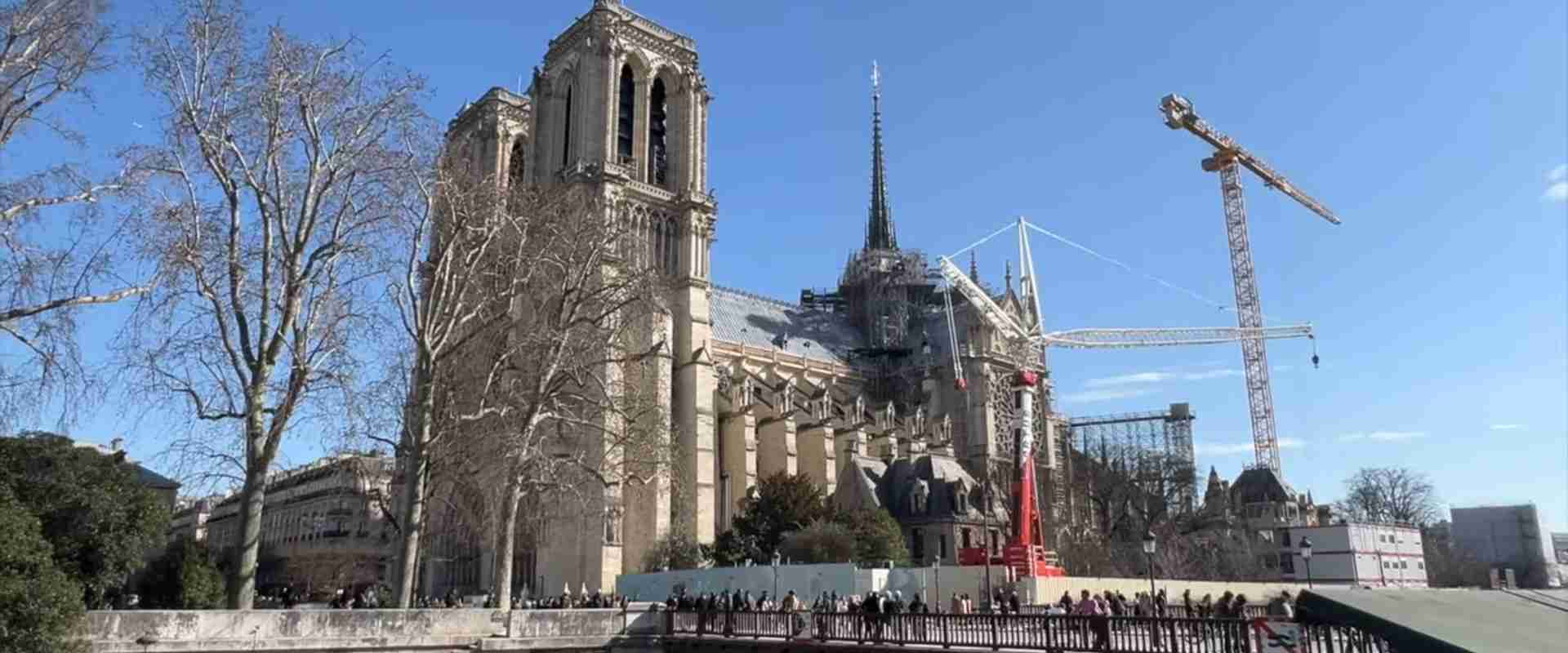
Paris offers exceptional free cultural activities including first-Sunday-of-month free admission at most major museums (Louvre, Musée d’Orsay, Musée Rodin, Musée de l’Orangerie), though expect 60-90 minute wait times. Notre-Dame Cathedral exterior viewing remains free (interior access pending restoration completion), as does Sacré-Coeur Basilica entry (dome €6 for views). Luxembourg Gardens, Tuileries, and Jardin des Plantes provide free park access with chairs, fountains, and people-watching opportunities. Walking tours along Seine riverbanks, through the Marais, or around Montmartre cost nothing beyond comfortable shoes.
Free cultural programming includes summer evening concerts at churches, Paris Plages temporary beaches July-August, and neighborhood festivals throughout warmer months. Major department stores like Galeries Lafayette offer free rooftop viewing terraces overlooking Paris. Shakespeare and Company bookshop provides free browsing and regular author events. Street art in Belleville, Canal Saint-Martin strolls, and Père Lachaise Cemetery walks exploring famous graves (Jim Morrison, Oscar Wilde, Édith Piaf) require no admission fees. These free activities combined with strategic museum pass use and budget dining enable quality Paris experiences at moderate costs.
Extended multi-day tours – 5+ days
Featured Paris Multi-Day Tour Packages

3 days
Paris 3-Day Discovery Tour
- ✓ Comprehensive Paris experience
- ✓ Expert local guides included
- ✓ All accommodation included
- ✓ Transportation provided
5 days
Paris 5-Day Highlights Experience
- ✓ Comprehensive Paris experience
- ✓ Expert local guides included
- ✓ All accommodation included
- ✓ Transportation provided

7 days
Paris 7-Day Cultural Journey
- ✓ Comprehensive Paris experience
- ✓ Expert local guides included
- ✓ All accommodation included
- ✓ Transportation provided

10 days
Paris 10-Day Complete Adventure
- ✓ Comprehensive Paris experience
- ✓ Expert local guides included
- ✓ All accommodation included
- ✓ Transportation provided
Multi-day tour packages powered by TourRadar. Prices and availability subject to change.
Understanding Paris Costs in 2026
Paris ranks among Europe’s more expensive cities but offers value across budget ranges through strategic planning and insider knowledge. The 2026 cost structure reflects France’s strong euro, persistent inflation affecting hospitality sectors, and Paris’s position as global capital attracting high-spending tourists. However, informed travelers identify substantial savings through advance planning, seasonal timing, accommodation location choices, and dining strategies balancing splurge meals with budget-friendly options.
The cost breakdown reveals that accommodation and dining consume 70-75% of most travelers’ budgets, making these areas prime targets for optimization. Museum entries, while significant for heritage-focused visits, become manageable through Paris Museum Pass providing unlimited access to 60+ sites for fixed 2-6 day rates. Transportation remains remarkably affordable via comprehensive metro and bus networks, with weekly passes costing less than three taxi rides. The key to budget management involves understanding where to invest (quality accommodation locations, select excellent meals) versus where to economize (market picnics, walking, free cultural activities).
Currency fluctuations affect international visitors’ purchasing power, with the euro-dollar exchange rate particularly impacting American travelers. North Americans found Paris expensive when the euro traded at $1.40-1.60 (2008-2014) but more reasonable at $1.05-1.15 (2015-2017). The 2024-2026 exchange rate hovering around $1.08-1.12 creates moderate pricing for dollar-based travelers, though still requiring careful budgeting. European Union visitors using euros face local prices directly, while British, Canadian, and Australian travelers should monitor their respective exchange rates when planning 2026 trips.
Accommodation Costs 2026
Budget Accommodation Options and Pricing for 2026
Hostel dormitory beds range €35-50 per night in 4-8 person rooms, with private hostel rooms €75-110 for two people competing directly with budget hotels while adding social spaces, communal kitchens, and organized activities. Top-rated hostels including St Christopher’s Inn Canal Saint-Martin (€40-48 per bed), Generator Paris (€38-52 per bed), and Les Piaules Belleville (€42-55 per bed) combine modern design, security lockers, quality mattresses, and social programming attracting individual travelers and groups. Most hostels concentrate in the 11th, 18th, and 20th arrondissements where metro access reaches central sites within 20-30 minutes.
Budget hotels occupy the €60-90 nightly range for double rooms with private bathrooms but minimal amenities beyond clean beds and basic breakfast options (often additional €8-12). Chains including Ibis Budget, B&B Hotels, and Premiere Classe operate multiple Paris locations offering standardized quality and online booking simplicity. Independent budget hotels in the 9th, 10th, 13th, and 14th arrondissements provide variable quality requiring careful review reading before booking, though gems exist offering authentic Parisian atmosphere in family-run establishments. Budget accommodations trade location convenience for affordability, with 15-25 minute metro commutes to major heritage sites the typical tradeoff.
Apartment rentals through Airbnb or VRBO deliver budget value for groups, with studio apartments €80-120 nightly accommodating two people with kitchenettes enabling breakfast and occasional lunch preparation saving €15-25 daily on meals. Two-bedroom apartments €140-200 nightly suit families or friend groups, reducing per-person costs below hotel rates while adding living space and domestic convenience. Legal short-term rental requirements mandate registration numbers visible on listings, and choosing residential buildings provides authentic neighborhood immersion in areas like the 13th (Butte-aux-Cailles), 14th (Denfert-Rochereau), or 20th (Ménilmontant) offering local markets, neighborhood bistros, and fewer tourists.
Mid-Range and Upscale Accommodation Pricing for 2026
Mid-range hotels €120-180 nightly cluster in heritage districts including the 4th (Marais), 5th (Latin Quarter), 6th (Saint-Germain), and 7th (Eiffel Tower/Invalides) placing visitors within walking distance of major UNESCO sites. These three-star properties offer private bathrooms, air conditioning (not universal in budget options), breakfast service €12-18, and period building character often occupying renovated 18th-19th century structures. Boutique hotels in this range provide distinctive design, personalized service, and locations on quiet side streets maintaining Parisian atmosphere while enabling easy walking to attractions.
Upper mid-range properties €180-280 deliver four-star comfort including larger rooms, superior breakfast buffets, concierge services, elevators (not standard in older buildings), and enhanced amenities like minibars, quality toiletries, and guest-room espresso machines. Location premium affects pricing significantly, with Marais and Saint-Germain properties commanding €30-60 higher rates than similar-quality hotels in less central arrondissements. Advance booking 3-6 months ahead captures best availability and rates in this competitive segment, while booking directly through hotel websites sometimes provides rate matching plus perks like free breakfast or room upgrades.
Luxury hotels €300-800+ occupy historic palaces, converted hôtels particuliers, and landmark buildings throughout premium districts. The 1st arrondissement hosts properties like Le Meurice (Tuileries Garden views, €650-1,200) and Hôtel Regina Louvre (direct Louvre vistas, €400-750). The 8th arrondissement (Champs-Élysées) features Four Seasons George V (€900-1,800), Le Bristol (€750-1,500), and Plaza Athénée (€850-1,600) offering palace-level service, Michelin-starred restaurants, elaborate spas, and historic interiors maintained as architectural masterpieces. These properties provide comprehensive concierge services including sold-out restaurant reservations, private museum tours, and luxury car services justifying premium rates for travelers seeking exceptional experiences.
Accommodation Booking Strategies for 2026
Advance booking 3-6 months ahead secures optimal rates and availability, with hotels releasing inventory at standard pricing before implementing demand-based increases as dates approach. Comparison shopping across hotel websites, booking platforms (Booking.com, Hotels.com, Expedia), and direct bookings identifies best rates, though direct hotel bookings sometimes match lowest third-party prices while adding perks like free breakfast, room upgrades, or late checkout. Flexible cancellation policies enable price monitoring and rebooking if lower rates appear, a strategy particularly valuable for 4-6 month advance bookings when pricing remains fluid.
Seasonal timing dramatically affects costs, with April-May and September-October shoulder season rates running 20-30% below July-August peaks. A mid-range hotel charging €180 in summer drops to €120-140 in spring/fall, saving €280-420 over seven nights (calculation: €180 – €140 = €40 x 7 nights = €280 low end; €180 – €120 = €60 x 7 nights = €420 high end). Winter rates (January-February, November-early December) fall 30-40% below summer, though weather and short days create activity constraints. Booking Tuesday-Thursday arrivals rather than weekend check-ins sometimes reduces rates €20-40 nightly at hotels experiencing lower weekday business demand.
Location strategy balances proximity convenience against cost savings. Central districts (1st-7th arrondissements) command premiums but enable walking to most sites, while peripheral areas (11th, 13th, 14th, 18th, 20th) offer 25-40% lower rates with excellent metro connections reaching central Paris in 20-30 minutes. The cost-benefit calculation depends on individual priorities: some travelers value rolling out of bed into prime heritage districts, while others prefer neighborhood authenticity and budget savings accepting brief metro commutes. Hotel chains offer predictable quality at the cost of character, while independent properties provide distinctive experiences with quality variability requiring review research.
Dining Budget Breakdown 2026
Budget-Friendly Dining Options for 2026
Boulangerie breakfast provides exceptional value at €3-6 for fresh croissants, pain au chocolat, and coffee consumed at counters or taken to parks. Quality boulangeries fill every neighborhood, with morning purchases ensuring warm-from-oven pastries and crusty baguettes. Adding cheese and charcuterie from fromageries and charcuteries creates picnic lunches €8-15 per person with market-shopping entertainment included. Luxembourg Gardens, Tuileries, and Seine riverbanks provide scenic dining locations where picnics feel quintessentially Parisian rather than budget compromises.
Bistro lunch menus (formules or plats du jour) offer extraordinary value at €15-25 for two courses plus coffee at establishments serving classic French cuisine in neighborhood settings. These daily specials available weekday lunchtimes provide the same quality as dinner service at 40-50% lower pricing. Popular lunch destinations cluster in the 5th (Latin Quarter), 11th (Bastille/République), and 20th (Belleville) arrondissements where students and working Parisians support authentic bistro culture. Arriving 12:00-12:30 provides best selection before popular items sell out, while 1:30-2:00 service winds down.
Ethnic restaurants including Vietnamese pho shops €10-15, North African couscous restaurants €12-18, and Lebanese mezze spots €15-22 deliver generous portions and complex flavors at budget pricing concentrated in the 10th, 11th, 18th, and 20th arrondissements. Crêperies serve both sweet and savory options €6-14, functioning as complete meals rather than snacks. University restaurant areas near Sorbonne and major campuses feature student-oriented pricing, though quality varies more than established bistros.
Supermarkets including Monoprix, Franprix, and Carrefour City provide groceries for apartment cooking or picnic assembly at costs 50-70% below restaurant meals. Pre-made sandwiches €4-7, salads €5-9, and hot meal containers €6-12 offer convenient options, while cheese, wine, bread, and charcuterie sections enable custom picnic creation. Markets including Marché d’Aligre, Marché Bastille, and Marché des Enfants Rouges (covered market with prepared food stalls) combine shopping entertainment with quality ingredients at reasonable prices compared to tourist-area restaurants.
Mid-Range Dining Experiences for 2026
Traditional bistros and brasseries €25-40 per person for two-course dinners plus wine represent authentic Parisian dining balancing quality, atmosphere, and value. Establishments serving classic French preparations—steak-frites, duck confit, sole meunière, bœuf bourguignon—maintain neighborhood followings ensuring fresh ingredients and consistent execution. Advance reservations 1-2 weeks ahead secure tables at respected addresses, while walk-in opportunities exist at 6:00-7:00 PM early service or 9:30-10:00 PM late seating after tourist-hour peaks.
Wine bar dining €20-35 per person combines quality small plates (charcuterie, cheese, terrines, rillettes) with excellent wines by the glass in intimate settings popular with knowledgeable Parisians. Natural wine bars (bars à vins naturels) concentrate in the Marais, Canal Saint-Martin, and Belleville serving organic, biodynamic, and small-producer wines €6-12 per glass with sharing plates €8-18. These venues provide sophisticated dining experiences at moderate costs while teaching French terroir and winemaking philosophy through engaged servers happy to explain selections.
Contemporary bistros reimagining classic French cuisine charge €35-55 per person for creative multi-course meals in design-forward settings attracting younger Parisian food enthusiasts. Chefs trained in Michelin-starred kitchens operate more casual establishments offering refined techniques and seasonal ingredients without formal service or luxury pricing. Neighborhoods including the 11th, 10th, and 20th feature clusters of such restaurants where reservations 2-3 weeks ahead ensure access to limited seating in small 25-35 seat dining rooms.
Lunch at Michelin-starred restaurants provides the best value for experiencing haute cuisine, with prix-fixe menus €45-90 offering 2-3 courses from kitchens charging €150-300 at dinner. One-star establishments including Septime, Clamato, and Frenchie provide exceptional quality at €60-85 lunch menus, while two-star restaurants like Pierre Gagnaire and L’Astrance offer €95-140 afternoon experiences. Bookings require 4-8 weeks advance planning (some restaurants open reservations exactly 30 days ahead), though occasional lunch cancellations enable shorter-notice opportunities for flexible travelers.
Luxury Dining and Special Occasion Restaurants for 2026
Three-Michelin-starred temples of haute cuisine including Alain Ducasse au Plaza Athénée, Le Pré Catelan, and Guy Savoy command €290-490 for tasting menus showcasing French gastronomy at its pinnacle. These restaurants provide 3-4 hour culinary experiences combining impeccable ingredients, masterful technique, luxury tableware, extensive wine cellars, and choreographed service. Reservations require 2-3 months advance planning (some high-demand dates book 6+ months ahead), while cancellation lists sometimes provide shorter-notice access.
Two-star establishments deliver exceptional dining at slightly more approachable €180-280 tasting menu levels while maintaining world-class quality. These restaurants often occupy more intimate settings with chef-owners personally overseeing service rather than palace hotels’ corporate structures. The dining format emphasizes seasonal tasting menus rather than à la carte ordering, with wine pairings adding €80-150 to total costs. Dress codes require smart casual minimum (jackets unnecessary but no athletic wear), and service proceeds at leisurely European pace unsuited to travelers on tight schedules.
Historic brasseries including La Coupole, Bofinger, and Brasserie Lipp provide grand Belle Époque settings €40-75 per person where atmosphere justifies premiums over neighborhood bistros serving similar food quality. These landmark establishments attract tourists and Parisians alike for classic preparations—oyster platters, choucroute garnie, steak tartare—served in Art Nouveau or Art Deco dining rooms maintained as historic monuments. Lunch and pre-theater dinner service (6:00-7:30 PM) sometimes offers €35-50 menus providing access to these temples of Parisian dining culture at moderate costs.
Museum and Attraction Costs 2026
Paris Museum Pass Value Analysis for 2026
The Paris Museum Pass costs €62 for 2 consecutive days, €77 for 4 consecutive days, or €81 for 6 consecutive days in 2026, covering admission to 60+ museums and monuments including the Louvre, Musée d’Orsay, Musée de l’Orangerie, Musée Rodin, Sainte-Chapelle, Conciergerie, Arc de Triomphe, Panthéon, and Palace of Versailles (check parismuseumpass.fr for complete list and current official rates). The pass provides skip-the-line access at covered sites, unlimited re-entry during validity period, and psychological freedom to visit sites spontaneously without calculating individual entry costs.
Value calculation reveals break-even points: the 2-day pass requires visiting 3 major sites (example: Louvre €17 + Musée d’Orsay €16 + Sainte-Chapelle €13 = €46, making €62 pass worthwhile after adding a fourth site). The 4-day pass €77 justifies itself with 4 visits (€15-20 average per major museum = €60-80 value, calculation: €15 x 4 = €60 minimum, €20 x 4 = €80 maximum). The 6-day pass €81 needs just 5 visits for value (€15 x 5 = €75, €20 x 5 = €100). Heritage-focused itineraries visiting 2-3 sites daily for 4-6 days achieve substantial savings while avoiding calculation fatigue deciding whether individual sites “worth” €12-17 entry fees.
The pass excludes certain attractions including the Eiffel Tower (€20.40-29.40 depending on level), Montparnasse Tower (€21), Centre Pompidou (€15), Musée Picasso (€14), and special temporary exhibitions even at covered museums. First-Sunday-of-month free admission at most Paris museums reduces pass value if visiting during that period, though free days bring 60-90 minute wait times versus pass holders’ dedicated entrance lanes. The pass covers consecutive calendar days from first use, so activating Monday morning and visiting 2-3 sites daily through Thursday maximizes 4-day pass value.
Individual Attraction Pricing for 2026
Major museums charge €12-17 entry fees: Louvre €17, Musée d’Orsay €16, Musée de l’Orangerie €12.50, Musée Rodin €14, Musée Picasso €14, Centre Pompidou €15. Small museums cost €6-12: Musée de Cluny (medieval art) €9, Musée Carnavalet (Paris history) €10, Musée de la Chasse et de la Nature €10. Some museums including Musée d’Art Moderne de la Ville de Paris maintain free admission to permanent collections while charging for temporary exhibitions.
Monuments and viewing platforms range €9-30: Sainte-Chapelle €13, Arc de Triomphe €13, Panthéon €13, Notre-Dame towers (pre-fire; future pricing TBD) €10, Eiffel Tower €20.40 second floor or €29.40 summit via lift, Montparnasse Tower €21, Sacré-Coeur dome €6. Palace of Versailles offers tiered pricing: Palace ticket €21 (State Apartments, Hall of Mirrors), Estate ticket €27 (adds Trianon palaces and Marie-Antoinette’s hamlet), Passport ticket €30-35 on Musical Fountains days including garden access.
Churches and cathedrals maintain free entry as active worship sites (Notre-Dame, Sacré-Coeur, Saint-Sulpice, Saint-Germain-des-Prés, Saint-Eustache), though climbing towers costs €6-13 where accessible. This free access provides substantial budget savings while offering architectural masterpieces, medieval stained glass, and cultural heritage experiences without admission barriers. Audio guides at paid museums cost €5-8 when not included in entry fees, while guided tours range €15-30 above base admission.
Cultural Experiences and Entertainment Costs for 2026
Performing arts span wide price ranges. Paris Opera (Palais Garnier or Opéra Bastille) tickets start €15 for restricted-view upper balcony seats and reach €180+ for orchestra level at gala performances, with €45-90 providing good seats for most productions. Concert hall performances at Philharmonie de Paris or Salle Pleyel range €25-120 depending on seating and programs. Jazz clubs in Saint-Germain and Pigalle charge €15-25 cover plus drink minimums (cocktails €12-18, wine €8-14). Smaller venue concerts and recitals at churches and cultural centers often request donations €8-15 rather than fixed admission.
Cabaret shows at Moulin Rouge, Lido, or Crazy Horse cost €95-180 for show-only tickets or €180-400 for dinner-show packages. These tourist-oriented spectacles provide elaborate productions with can-can dancers, elaborate costumes, and champagne service appealing primarily to first-time visitors rather than repeat travelers or locals. More intimate cabarets and variety shows charge €25-45 offering French cultural experiences without industrial-scale production budgets.
Seine river cruises range €15-18 for basic one-hour commentary cruises to €60-180 for dinner cruises with multi-course meals and live music. Hop-on-hop-off bus tours cost €30-40 for 24-hour access providing orientation overviews though rarely worthwhile for visitors comfortable navigating metro and walking. Bike tours €35-55 for 3-4 hour guided explorations combine exercise with sightseeing in formats particularly effective for Paris’s relatively flat central districts. Specialized tours focusing on food, art, history, or architecture charge €75-120 for 2.5-3 hour small-group experiences with expert guides providing university-level content.
Transportation Budget 2026
Public Transportation Costs and Options for 2026
Metro single tickets (t+ tickets) cost €2.15 per journey, while carnets (10-ticket books) reduce costs to €16.90 total or €1.69 per ride (calculation: €16.90 ÷ 10 = €1.69), saving €4.60 versus individual ticket purchases (calculation: €2.15 x 10 = €21.50 – €16.90 = €4.60). The Navigo Easy card (€2 one-time purchase) stores tickets electronically and accepts contactless payment, working exactly like paper tickets but more convenient. All metro, bus, and some RER travel within zone 1 (central Paris) uses the same ticket providing 90 minutes of travel time including one transfer.
Weekly Navigo Découverte passes cost €30.75 (plus €5 one-time card fee) covering unlimited metro, bus, and RER zones 1-2 travel Monday-Sunday regardless of purchase date. For stays of 4+ days with multiple daily trips, the weekly pass proves economical: 4 metro trips daily for 5 days = 20 trips = €33.80 at carnet rates (calculation: 20 x €1.69 = €33.80) versus €30.75 weekly pass. The pass includes RER travel to Versailles (zone 4) and both airports, making it valuable for comprehensive Paris exploration. The pass begins Monday and expires Sunday night, so purchases Monday-Wednesday capture best value while Thursday-Sunday purchases reduce effective daily value.
RER point-to-point tickets to Versailles cost €3.65 each way or €7.30 round-trip (calculation: €3.65 x 2 = €7.30) for zones 1-4 travel from central Paris to Versailles Château-Rive Gauche station. Charles de Gaulle Airport RER connection costs €11.80 one-way reaching central Paris in 35-50 minutes, while Orlyval-RER combination to Orly Airport charges €9.50 for 30-40 minute journeys. These airport connections prove economical versus taxis €37-62 or private car services €50-85, though luggage challenges and crowding during peak hours create comfort tradeoffs against higher-cost options.
Alternative Transportation Costs for 2026
Taxis charge metered rates starting €7.60 minimum, then €1.23-1.62 per kilometer depending on zone and time (higher rates evenings, Sundays, and in suburbs). Typical cross-city trips cost €20-28 between major landmarks, while airport taxis operate on fixed rates: Charles de Gaulle to Right Bank central Paris €56, Left Bank €62; Orly to Right Bank €41, Left Bank €37. Taxis prove economical for groups of 3-4 people splitting costs or late-night travel when metro service stops (1:15 AM Sunday-Thursday, 2:15 AM Friday-Saturday).
Uber and Bolt ride-sharing cost similar to taxis during standard conditions but surge pricing during peak demand (morning/evening rush, Friday/Saturday nights, rainy weather) can double or triple base rates. Standard rides across central Paris run €18-30 at normal pricing. The services offer cashless convenience, GPS tracking, and price estimation before booking, but surge unpredictability creates budgeting challenges. Checking both taxi stands and ride-sharing apps simultaneously provides real-time cost comparison enabling best-value choices.
Vélib’ bike-share charges €5 for 24-hour day passes with first 30 minutes of each individual ride free, then €1 for 30-60 minutes and €2 per additional 30 minutes. The pricing encourages short point-to-point trips with bike returns between destinations rather than all-day rentals. For visitors planning multiple bike trips, the day pass proves economical, though daily metro passes provide better value for travelers prioritizing comprehensive coverage including metro and bus access. Traditional bike rentals €15-25 per day suit full-day cycling plans exploring parks, canals, and riverbanks at relaxed pace.
Money-Saving Strategies 2026
Advance Planning and Booking Benefits for 2026
Advance accommodation booking 3-6 months ahead captures lowest rates with hotels releasing inventory at standard pricing before demand-based increases as dates approach. Comparison shopping across booking platforms and direct hotel websites identifies best rates, while flexible cancellation policies enable price monitoring and rebooking if lower rates appear. A mid-range hotel booked 6 months ahead at €140 may rise to €180-200 at 4 weeks out and €220-255 for last-minute bookings, demonstrating €280-805 weekly savings through planning ahead (calculation: €180 – €140 = €40 x 7 = €280 minimum savings; €255 – €140 = €115 x 7 = €805 maximum savings).
Paris Museum Pass purchase before arrival (available online with immediate email delivery) provides modest €2-3 savings versus on-site purchase while ensuring immediate use upon arriving at first museum rather than waiting in ticket lines. Combination tickets including Sainte-Chapelle + Conciergerie (€11.50 additional to either site’s €13 solo ticket) save €2 versus separate purchases while providing comprehensive Île de la Cité experience. Restaurant reservations enable securing coveted tables while sometimes accessing prix-fixe menus offering better value than à la carte ordering.
Seasonal Optimization and Timing Strategies for 2026
Shoulder season visits (April-May, September-October) reduce accommodation costs 20-30% versus July-August peaks while maintaining excellent weather and full museum schedules. A hotel charging €180 in summer drops to €120-140 in shoulder seasons, saving €280-420 weekly (calculation: €180 – €140 = €40 x 7 nights = €280 low end; €180 – €120 = €60 x 7 nights = €420 high end) while potentially providing superior experiences through reduced crowds and easier restaurant reservations. Winter visits (January-February, November-early December) cut costs 30-40% but face weather and daylight constraints requiring indoor-focused activities.
Tuesday-Thursday museum visits avoid weekend crowds bringing 30-40% higher visitor volumes to top attractions. Many museums close Mondays (Louvre, Musée d’Orsay, Musée Rodin, Musée de l’Orangerie), concentrating visitors at open sites those days and creating above-average crowds. First-Sunday-of-month free museum admission provides cost savings for patient travelers willing to endure 60-90 minute wait times, though Paris Museum Pass holders skip these lines making the pass even more valuable on free Sundays when non-pass crowds surge.
Daily Budget Optimization Techniques for 2026
Market picnics save €20-35 per person daily versus restaurant lunches without sacrificing food quality or experience. Morning market shopping for cheese €6-10, charcuterie €8-12, bread €2-4, fruit €4-6, and wine €8-15 creates memorable picnics €28-47 for two people (calculation: minimum €6 + €8 + €2 + €4 + €8 = €28; maximum €10 + €12 + €4 + €6 + €15 = €47) in Luxembourg Gardens or along Seine banks. This represents 50-60% savings versus €60-80 restaurant lunch while providing authentic food culture immersion through market interactions.
Lunch prix-fixe menus at bistros and brasseries €15-25 deliver two-course meals with coffee at quality establishments charging €35-50 for similar items at dinner. Eating main meals at lunch and lighter dinners (market purchases, crêpes, bakery items) €10-18 inverts typical tourist spending patterns while optimizing value. The strategy enables experiencing respected restaurants at affordable pricing while reducing evening dining costs when surcharges peak.
Free activities including Seine walks, park lounging in Tuileries or Luxembourg, window shopping along Rue de Rivoli, exploring neighborhood markets, climbing Sacré-Coeur for views (basilica entry free, dome €6), browsing Shakespeare and Company bookshop, and attending free summer concerts provide quality experiences without admission costs. A day built around free activities plus market picnic costs just €15-25 per person for meals and incidental treats, enabling budget reallocation toward selective splurges at Michelin-starred lunches or premium museum experiences.
Walking rather than constant metro use saves €5-10 daily while providing architectural discovery and neighborhood immersion impossible underground. Central Paris’s compact UNESCO heritage core enables walking between major sites: Latin Quarter to Marais via Île de la Cité (3.2 km, 35 minutes), Louvre to Arc de Triomphe via Tuileries and Champs-Élysées (4.8 km, 55 minutes), Musée d’Orsay to Notre-Dame (1.8 km, 20 minutes). These pleasant walks eliminate transport costs while enhancing Paris experience through street-level architectural details and unexpected discoveries.
Sample Budget Scenarios 2026
One-Week Budget Travel: €665-1,015 per person
Seven-day budget trip allocates €95-145 daily covering hostel bed €35-50, market breakfast €4-7, bistro lunch €15-25, neighborhood restaurant dinner €25-40, metro carnet trips €3-5 daily average, and museums averaging €10-15 (some free sites, Paris Museum Pass 4-day value providing access).
Sample breakdown: Hostel 7 nights €245-350, meals €266-504 (€38-72 daily), Paris Museum Pass 6-day €81, metro carnets and transport €25-45 (carnets plus RER Versailles €7.30), incidentals €50-100. Weekly total: approximately €665-1,080 per person (calculation: minimum €245 + €266 + €81 + €25 + €50 = €665; maximum €350 + €504 + €81 + €45 + €100 = €1,080). Budget strategies maximizing value: market picnics 3-4 days weekly, lunch prix-fixe at respected bistros 2-3 times, simple dinner options, weekly Navigo pass if trips average 4+ daily, 6-day museum pass enabling 1-2 sites daily, first-Sunday free museums if schedule permits, walking tours over paid sightseeing buses, hostel with kitchen enabling occasional breakfast/dinner preparation.
One-Week Mid-Range Travel: €1,505-2,310 per person
Seven-day mid-range trip budgets €215-330 daily including hotel €120-180, breakfast €8-15, lunch €18-28, dinner €35-55, Paris Museum Pass value €13-15 daily, occasional taxis €8-15, and treats €10-20 (afternoon tea, wine bars, gelato).
Sample breakdown: Hotel 7 nights €840-1,260, meals €427-672 (€61-96 daily), Paris Museum Pass 6-day €81, transportation €40-70 (mix metro carnets, occasional taxis, RER Versailles), entertainment €80-150 (one concert or show, one dinner cruise), incidentals €80-120. Weekly total: approximately €1,550-2,355 per person (calculation: minimum €840 + €427 + €81 + €40 + €80 + €80 = €1,550; maximum €1,260 + €672 + €81 + €70 + €150 + €120 = €2,355). This aligns closely with the daily rate of €215-330 x 7 days = €1,505-2,310.
Mid-range optimization: centrally located hotel enabling walking to most sites, breakfast at hotel or quality cafés, lunch at bistros with formules, 2-3 special dinners at respected restaurants, museum pass eliminating entry fee decisions, strategic taxi use for late evenings or luggage transport, one premium experience (Michelin-starred lunch, opera, cabaret show), balance of comfort and value across spending categories.
One-Week Luxury Travel: €3,745-7,630 per person
Seven-day luxury trip allocates €535-1,090 daily for upscale hotel €250-400, gourmet breakfast €20-35, lunch €45-75, dinner €80-200, premium experiences €50-150, private car services €40-80, and high-end shopping/entertainment €50-150.
Sample breakdown: Luxury hotel 7 nights €1,750-2,800, meals €875-1,925 (€125-275 daily), private guide tours €400-600, opera/ballet premium seats €200-400, shopping/incidentals €500-1,500. Weekly total: approximately €3,725-7,225 per person (calculation: minimum €1,750 + €875 + €400 + €200 + €500 = €3,725; maximum €2,800 + €1,925 + €600 + €400 + €1,500 = €7,225), with wide variation based on dining (Michelin stars nightly versus mix), shopping ambitions, and entertainment choices.
Luxury experience includes: palace hotel with Eiffel Tower or Louvre views, daily breakfast at hotel or luxury cafés, Michelin-starred dining 2-3 times weekly, private museum tours avoiding public crowds, concierge securing impossible restaurant reservations, premium opera/ballet seats, shopping at luxury boutiques, private car services, spa treatments, champagne bars, no budget constraints limiting experiences. Focus shifts from cost management to experience quality and convenience maximization.
Frequently Asked Questions
How much should I budget for food per day in Paris in 2026?
Food budgets range €25-150+ daily depending on dining choices. Budget travelers spend €25-40 using market picnics, boulangerie breakfasts, and casual bistro lunches while minimizing restaurant dinners. Mid-range visitors allocate €50-80 for café breakfast, bistro lunch, and quality restaurant dinner. Luxury travelers budget €125-275+ including fine dining, Michelin-starred experiences, and premium wine selections. Strategic mixing of price points—market breakfasts, prix-fixe bistro lunches, occasional splurge dinners—balances experience quality with costs approaching €40-70 daily for satisfying food-focused trips.
Is the Paris Museum Pass worth buying in 2026?
The Paris Museum Pass delivers value for heritage-focused itineraries visiting multiple major sites over 2-6 days. The 2-day pass €62 breaks even after 3 site visits (Louvre €17 + Musée d’Orsay €16 + Sainte-Chapelle €13 = €46), while 4-day €77 and 6-day €81 passes justify themselves with 4-5 visits respectively. Beyond cost savings, the pass provides skip-the-line access saving 20-60 minutes per site during peak season, unlimited re-entry enabling return visits, and psychological freedom to visit sites spontaneously. The pass proves worthwhile for travelers planning 1-2+ museum visits daily but less valuable for those focusing primarily on food, shopping, or nightlife rather than cultural sites.
What is the most economical way to get from Charles de Gaulle Airport to Paris in 2026?
RER B train costs €11.80 providing most economical airport transfer, reaching central Paris (Châtelet, Saint-Michel-Notre-Dame, Denfert-Rochereau) in 35-50 minutes with departures every 10-15 minutes. Taxis charge fixed rates €56 Right Bank or €62 Left Bank, worthwhile for groups of 3-4 people splitting costs (€14-21 per person, calculation: €56 ÷ 4 = €14, €62 ÷ 3 = €20.67) or travelers with heavy luggage finding train connections challenging. Uber/ride-sharing services cost similar to taxis without surge pricing but can exceed taxi rates during peak demand. Roissybus to Opéra costs €16.60, providing alternative to RER with fewer stops but similar journey time and no metro transfers at arrival.
Are credit cards widely accepted in Paris in 2026?
Visa and Mastercard achieve near-universal acceptance at hotels, restaurants, museums, shops, and metro stations throughout Paris. American Express works at major establishments but faces limitations at smaller vendors and neighborhood businesses. Contactless payment enables direct bank card tapping at metro turnstiles, eliminating ticket purchase needs. However, small purchases under €15-20 at some cafés, boulangeries, and market vendors may require cash, making it prudent to carry €50-100 in small notes (€5, €10, €20) for incidental purchases. Notify card companies of travel dates preventing fraud blocks, and confirm cards have no foreign transaction fees avoiding 3% currency conversion charges on all purchases.
How much should I tip in Paris restaurants in 2026?
Service charge (15%) automatically includes in all French restaurant bills, eliminating tipping obligations. However, rounding up bills or leaving €1-2 per person at casual establishments and €5-10 at upscale restaurants acknowledges exceptional service without obligation. Café counter service sometimes receives small change €0.50-1, while table service includes service charge requiring no additional tip. Taxis appreciate rounding to nearest €2-5, and tour guides merit €5-10 per person for quality experiences. The absence of American-style tipping culture means French service staff earn living wages regardless of tips, making gratuities genuinely optional rather than expected income supplements.
What free activities are available in Paris in 2026?
Free activities include first-Sunday-of-month museum admission at most major institutions (Louvre, Musée d’Orsay, Musée Rodin), Seine riverbank walks past UNESCO World Heritage monuments, park lounging in Luxembourg Gardens and Tuileries, Sacré-Coeur Basilica entry (dome €6 extra), Notre-Dame exterior viewing, neighborhood market browsing, window shopping along Champs-Élysées and Rue de Rivoli, Shakespeare and Company bookshop, Père Lachaise Cemetery walks, summer evening concerts at churches, Paris Plages temporary beaches July-August, department store rooftop terraces at Galeries Lafayette, and street art exploration in Belleville. These activities combined with strategic paid site selections enable quality Paris experiences across budget ranges.
How expensive is wine in Paris restaurants in 2026?
Wine pricing varies dramatically by establishment and selection. Budget bistros offer house wines €5-8 per glass or €18-28 per bottle providing drinkable quality. Mid-range restaurants charge €8-15 per glass or €30-60 per bottle for regional wines from Loire, Burgundy, Rhône, or Bordeaux. Upscale restaurants feature extensive cellars with bottles €50-500+ including prestigious appellations and vintage selections. Wine bars specializing in natural wines charge €6-12 per glass with knowledgeable service explaining selections. Supermarket wines cost €6-20 per bottle for quality everyday drinking, enabling economical apartment dining or park picnics without restaurant markups.
Should I buy euros before arriving in Paris in 2026?
ATM withdrawal upon arrival in Paris provides best exchange rates providing 3-5% better rates than airport currency exchange windows or pre-departure bank purchases. Airport ATMs located in baggage claim and arrivals hall enable immediate cash access, while city ATMs throughout Paris provide convenient withdrawals as needed. Using ATMs affiliated with major banks (BNP Paribas, Société Générale, Crédit Agricole) rather than independent machines reduces fee risks. Confirm your bank card works internationally and understand daily withdrawal limits (often €300-500 per transaction). Carrying small amounts of home currency (US dollars, British pounds, etc.) provides emergency backup if card issues arise, though Paris’s extensive ATM network makes this rarely necessary.
How much spending money should I bring to Paris for one week in 2026?
Beyond accommodation and flights, budget travelers need €400-650 weekly for meals, museums, transportation, and incidentals. Mid-range visitors allocate €800-1,250 covering quality dining, comprehensive museum access, occasional taxis, and entertainment. Luxury travelers bring €1,500-3,500+ enabling fine dining, premium experiences, shopping, and comfort without constraints. Using credit cards for major expenses (hotels, restaurants, museums) and cash for small purchases (markets, cafés, tips) provides optimal flexibility. Daily ATM withdrawals of €100-200 as needed avoid carrying excessive cash while ensuring sufficient funds for daily requirements. Actual needs depend on dining preferences, entertainment choices, shopping plans, and individual spending styles, but these ranges cover requirements across budget categories.
Are there any discount cards for Paris attractions in 2026?
The Paris Museum Pass (€62-81 for 2-6 days) provides the primary discount option covering 60+ museums and monuments with skip-the-line access. Paris Passlib’ bundles museum pass with transport (Navigo weekly pass zones 1-3 €82, zones 1-5 €95) offering slight savings for travelers needing both. The Paris Museum Pass remains the best single purchase for heritage-focused trips, as individual site tickets (€12-17 each) add up quickly without pass coverage. European Union residents under 26 receive free entry to most national museums using valid ID, creating substantial savings for qualifying young travelers. Teachers, students, disabled visitors, and over-65 seniors sometimes qualify for discounted or free entry with appropriate documentation at specific sites.