Paris 4-Day Itinerary 2026: Ultimate Planning Resource
Four days in Paris delivers the perfect balance of iconic landmarks, world-class museums, charming neighborhoods, and authentic French experiences without the exhaustion of an overpacked schedule. This comprehensive 2026 planning guide provides detailed day-by-day itineraries with verified ticket prices, transportation strategies, dining recommendations, and insider timing tips to maximize your time in the City of Light while navigating the practical realities of costs, crowds, and logistics in one of the world’s most visited destinations.
Key Takeaways for Your Paris 4-Day Trip 2026
- Book major attraction tickets in advance: Eiffel Tower summit tickets (€36.70) and Louvre timed-entry reservations (€32 for non-EU visitors) sell out weeks ahead during peak season, particularly for sunset slots and weekend mornings
- Budget €205-420 daily per person: Mid-range travelers should plan €32-70 for attractions, €40-90 for meals, €12.30 for unlimited metro access, and €120-250 for accommodation to experience Paris comfortably in 2026 (calculation: low end 32+40+12.30+120 = 204.30; high end 70+90+12.30+250 = 422.30)
- Use metro strategically with day passes: The Navigo Jour unlimited day pass at €12.30 becomes cost-effective after 5 rides (versus €2.55 per single ticket, where 5 rides = €12.75), ideal for days covering multiple neighborhoods across Paris zones 1-5
- Follow the “one major museum per day” rule: Allocate 3-4 hours for the Louvre, 2-3 hours for Musée d’Orsay, and pair museum mornings with neighborhood exploration afternoons to avoid cultural overload and foot fatigue
- Experience Paris beyond tourist zones: Include authentic neighborhoods like Le Marais, Canal Saint-Martin, and Belleville in your 4-day itinerary to discover the contemporary Parisian lifestyle alongside historical monuments
- Plan for seasonal variations in 2026: Spring (April-May) and fall (September-October) offer the optimal balance of pleasant weather, moderate crowds, and full operational hours, while summer brings extended daylight but peak prices and winter delivers lower costs with shorter days
People Also Ask About Paris 4-Day Itinerary 2026
Is 4 days in Paris enough in 2026?
Four days in Paris provides sufficient time to experience the essential highlights including the Eiffel Tower, Louvre Museum, Notre-Dame Cathedral, Versailles day trip, and at least two authentic neighborhoods while maintaining a sustainable pace. This timeframe allows you to see the Mona Lisa, climb the Arc de Triomphe, cruise the Seine, dine at traditional bistros, and explore hidden courtyards in Le Marais without the exhausting marathon schedule that compressed 2-day itineraries demand. However, four days requires strategic prioritization as Paris contains dozens of world-class museums, hundreds of historical monuments, and countless charming neighborhoods that could easily fill two weeks.
The key to maximizing four days lies in accepting that you will experience Paris deeply rather than comprehensively. Focus on quality over quantity by spending meaningful time at 3-4 major attractions rather than rushing through 10. Allow for spontaneous café breaks, unexpected discoveries in bookshops along the Seine, and leisurely dinners that extend past 10 PM in the French tradition. Most first-time visitors find that four days creates the perfect foundation for Paris, leaving them simultaneously satisfied with what they accomplished and motivated to return for deeper exploration of specific neighborhoods, museums, or day trip destinations.
How much should I budget for 4 days in Paris in 2026?
A mid-range budget for four days in Paris in 2026 totals approximately €820-1,690 per person (excluding flights), covering €480-1,000 for accommodation, €160-360 for dining, €130-280 for attractions, and €50 for transportation (calculation: low 480+160+130+50 = 820; high 1,000+360+280+50 = 1,690). Budget travelers can reduce costs to €400-600 by staying in hostels (€30-50 nightly), eating picnic lunches from markets, using stairs at monuments, and limiting paid attractions to 2-3 top priorities. Luxury travelers should plan €1,500-3,000+ for boutique hotels in Saint-Germain-des-Prés (€250-600 nightly), Michelin-starred dining experiences, private guided tours, and premium monument access including champagne at the Eiffel Tower summit.
Daily cost breakdowns in 2026 demonstrate practical spending patterns across budget tiers. Budget day: hostel €35, breakfast pastry €3, picnic lunch €12, museum €32, casual dinner €25, metro day pass €12.30, totaling approximately €120. Mid-range day: 3-star hotel €150, café breakfast €12, bistro lunch €28, monument entry €37, restaurant dinner €55, metro €12.30, totaling approximately €295. Luxury day: boutique hotel €400, hotel breakfast €25, Michelin lunch €120, private tour €200, gastronomic dinner €180, taxi transfers €30, totaling approximately €955. These figures exclude major shopping, which can add hundreds to thousands of euros depending on interests.
What is the best 4-day Paris itinerary for first-time visitors in 2026?
The optimal first-time Paris itinerary in 2026 dedicates Day 1 to Right Bank highlights (Eiffel Tower, Trocadéro, Arc de Triomphe, Champs-Élysées), Day 2 to museum immersion (Louvre morning, Latin Quarter lunch, Notre-Dame, Saint-Germain evening), Day 3 to Versailles Palace day trip with gardens exploration, and Day 4 to Montmartre artistic heritage with Le Marais afternoon wandering. This sequence builds momentum from iconic monuments to cultural depth, balances indoor museums with outdoor exploration, and intersperses major tourist attractions with authentic neighborhood experiences that reveal contemporary Parisian life.
The structure follows proven visitor psychology principles: starting with the Eiffel Tower on Day 1 immediately fulfills the quintessential Paris dream and builds enthusiasm for the following days rather than saving it as a finale when fatigue may diminish appreciation. Positioning the Louvre on Day 2 capitalizes on rested energy levels for the museum’s 3-4 hour optimal visit duration. Scheduling Versailles on Day 3 provides a change of pace from central Paris while still delivering grand historical spectacle. Concluding with Montmartre and Le Marais on Day 4 sends you home with memories of Paris’s artistic soul and contemporary vitality rather than ending on monument fatigue, creating lasting impressions that extend beyond postcard landmarks.
How do I get around Paris efficiently during a 4-day visit in 2026?
Efficient Paris transportation in 2026 relies primarily on the metro system supplemented by strategic walking, with the Navigo Jour unlimited day pass (€12.30) providing the best value for days involving 5+ rides across multiple neighborhoods. Purchase a Navigo Easy card (€2 one-time fee) at any metro station and load it with day passes or individual tickets (€2.55 each) as needed. The metro operates 5:30 AM-1:15 AM weekdays and until 2:15 AM weekends, with trains arriving every 2-5 minutes during daytime hours, making it faster and more reliable than taxis or rideshares for crossing the city, particularly during morning and evening traffic congestion.
Strategic walking between nearby attractions maximizes the Parisian experience while minimizing unnecessary metro transfers. The Right Bank Golden Triangle (Eiffel Tower to Trocadéro to Arc de Triomphe) covers 3 kilometers easily walkable in under an hour with Seine views. The Latin Quarter to Saint-Germain-des-Prés to Musée d’Orsay forms a compact walking circuit. Le Marais’s narrow medieval streets reward slow exploration on foot rather than underground travel. However, crossing from Montmartre to the Latin Quarter or traveling to Versailles requires transit rather than walking attempts. Download the RATP app for real-time metro schedules and route planning, and note that paper tickets are being phased out completely by June 2026, making digital tickets or Navigo cards essential for all travelers.
Extended multi-day tours – 5+ days
Featured Paris Multi-Day Tour Packages
3 days
Paris 3-Day Discovery Tour
- ✓ Comprehensive Paris experience
- ✓ Expert local guides included
- ✓ All accommodation included
- ✓ Transportation provided
5 days
Paris 5-Day Highlights Experience
- ✓ Comprehensive Paris experience
- ✓ Expert local guides included
- ✓ All accommodation included
- ✓ Transportation provided

7 days
Paris 7-Day Cultural Journey
- ✓ Comprehensive Paris experience
- ✓ Expert local guides included
- ✓ All accommodation included
- ✓ Transportation provided
10 days
Paris 10-Day Complete Adventure
- ✓ Comprehensive Paris experience
- ✓ Expert local guides included
- ✓ All accommodation included
- ✓ Transportation provided
Multi-day tour packages powered by TourRadar. Prices and availability subject to change.
Introduction: Planning Your Perfect Paris 4-Day Experience in 2026
Paris in 2026 stands at a fascinating intersection of timeless heritage and contemporary evolution, with newly restored Notre-Dame Cathedral reopened to visitors, the Louvre implementing dual-pricing structures for international tourists, and the metro system completing its digital transformation while the city’s romantic essence remains unchanged in centuries-old cafés, bridges crossing the Seine, and chestnut trees lining Boulevard Saint-Germain. Planning a 4-day Paris itinerary requires balancing the non-negotiable icons that drew you to the City of Light with the authentic neighborhood experiences that reveal why Parisians themselves love their city beyond the tourist postcards.
The fundamental challenge of a Paris 4-day itinerary lies in accepting what you cannot see rather than attempting comprehensive coverage. Paris contains 20 arrondissements, over 130 museums, countless UNESCO World Heritage elements within the Banks of the Seine designation, six major railway stations connecting to European destinations, and neighborhood markets, gardens, and architectural treasures that reward weeks of exploration. Four days delivers approximately 80 waking hours minus meals, transit, and rest, translating to perhaps 50 hours of active sightseeing when accounting for practical realities. This timeframe allows for 4-6 major paid attractions, 6-8 neighborhood walking experiences, 16 meals exploring French culinary traditions, and critically, the margin for spontaneous discoveries that often become trip highlights.
Strategic advance planning in 2026 matters more than in previous years due to capacity limitations and dynamic pricing at major monuments. Eiffel Tower summit tickets now sell out 30-60 days in advance during peak season (June-August), with sunset time slots disappearing within hours of release. The Louvre requires timed-entry reservations even for visitors with free admission, limiting daily capacity to prevent the overcrowding that characterized pre-pandemic years. Versailles implements higher pricing for non-EU visitors (€35 versus €32 for EU residents) and closes on Mondays, necessitating careful itinerary sequencing to avoid arrival on closure days. These practical constraints mean that flexible “figure it out when we arrive” approaches risk disappointment, while a structured framework with advance bookings for 2-3 major attractions allows genuine spontaneity for the remaining experiences.
This comprehensive guide provides the detailed planning foundation for an exceptional Paris 4-day experience in 2026, with verified current prices reflecting January 2026 implementation of new tariff structures, realistic time allocations based on actual monument visit durations, transportation strategies optimized for the fully digital metro system, and insider timing recommendations developed from analyzing visitor flow patterns at major attractions. The itinerary framework balances must-see landmarks with authentic Parisian neighborhoods, museum immersion with outdoor discovery, and structured planning with flexibility for the unexpected encounters that transform good trips into unforgettable ones.
Understanding Paris Costs and Budget Planning for 2026
Paris travel costs in 2026 reflect dual pricing structures implemented at major cultural sites, with non-EU visitors paying €32 for Louvre admission versus €22 for EU residents, €35 for Versailles versus €32, and €22 for Sainte-Chapelle versus €16. These differentiated rates significantly impact international visitor budgets, particularly for North American, British, and Asian travelers who represent the majority of Paris tourism. A comprehensive 4-day Paris experience including 5-6 major paid attractions totals €140-200 in admission fees alone under the new pricing system before accounting for accommodation, dining, transportation, or shopping expenses.
Accommodation forms the largest budget variable, ranging from €30-50 nightly for hostel dormitories in outlying arrondissements to €60-120 for budget hotels near Gare du Nord or République, €120-250 for mid-range properties in central locations like Le Marais or Montparnasse, and €250-600+ for boutique hotels in Saint-Germain-des-Prés or luxury options near the Champs-Élysées. Four nights of accommodation thus spans €120-2,400 depending on comfort level and location priorities, with the sweet spot for most visitors falling in the €150-200 per night range for clean, well-located 3-star hotels or quality Airbnb apartments with kitchenettes that enable breakfast and picnic lunch cost savings.
Daily transportation costs in Paris remain remarkably economical relative to attraction pricing, with the Navigo Jour unlimited day pass at €12.30 providing access to all metro, RER, bus, and tram lines within zones 1-5 for 24 hours. This pass becomes cost-effective after 5 rides compared to individual tickets at €2.55 each, making it ideal for days covering multiple neighborhoods or traveling from central Paris to Versailles. Budget-conscious travelers can reduce transportation spending to €6-8 daily through strategic walking between clustered attractions and purchasing only individual tickets for necessary longer-distance metro trips, while convenience-focused visitors prefer the unlimited pass freedom to explore without calculating per-trip costs.
Dining expenses vary dramatically based on choices between supermarket picnics, casual bistros, and Michelin-starred establishments. Budget dining strategy: bakery croissants for breakfast (€1.50-3), market picnic lunches from Marché des Enfants Rouges or Marché Bastille (€8-15), and casual dinner at neighborhood restaurants (€20-35), totaling €30-55 daily per person. Mid-range dining pattern: café breakfast (€10-15), bistro lunch (€20-30), restaurant dinner with wine (€45-70), totaling €75-115 daily. Luxury approach: hotel breakfast (€20-30), Michelin lunch (€80-150), gastronomic dinner (€120-250+), totaling €220-430 daily. Most visitors find satisfaction in the mixed approach: bakery breakfasts, some picnic lunches with bistro lunch upgrades, and one or two special dinner experiences alongside casual meals.
Major Attraction Ticket Prices and Booking Strategies for 2026
Eiffel Tower tickets in 2026 range from €14.80 for stairs access to the second floor up to €36.70 for elevator access to the summit, with intermediate options at €29.40 for elevator to second floor only. Non-EU adult visitors planning the classic summit experience pay €36.70 through the official ticket website, which releases reservations 60 days in advance and typically sells out for prime time slots (sunset hours 7-9 PM in summer, 5-6 PM in winter) within the first week of availability. Budget-conscious travelers can reduce costs to €14.80 by climbing 674 steps to the second floor, which provides spectacular 115-meter-high views nearly matching the summit’s 276-meter perspective for 60% cost savings (calculation: (36.70-14.80)÷36.70 = 59.7%), though this option requires good physical fitness and sturdy footwear.
The Louvre Museum charges €32 admission for non-EU visitors and €22 for EU residents as of January 2026, with free entry for all visitors under 18 and EU residents ages 18-25. Tickets include access to all permanent collections across the Denon, Sully, and Richelieu wings plus temporary exhibitions and same-day or next-day admission to the Musée National Eugène-Delacroix. Advance timed-entry booking through the official website is mandatory even for free-admission visitors, as the museum limits daily capacity to approximately 30,000 visitors to prevent overcrowding. Morning slots (9-11 AM) and late afternoon times (4-6 PM) typically remain available longer than midday windows, with Friday evening late hours until 8:30 PM offering the least crowded experience though with limited natural light for artwork viewing.
Versailles Palace implements €35 high-season pricing (April-October) for non-EU visitors versus €32 for EU residents, with the Passport ticket including the Palace, Trianon palaces, and Marie Antoinette’s Estate. The estate’s vast scale demands half-day minimum allocation, with most visitors spending 4-6 hours exploring the State Apartments, Hall of Mirrors, formal gardens, and Trianon domains. Peak season crowds (June-August) can reach 30,000+ daily visitors, making arrival before 9:30 AM opening critical to experiencing the Hall of Mirrors and royal apartments before overwhelming congestion develops. The estate closes Mondays year-round, a crucial scheduling constraint that eliminates Day 3 Versailles options for itineraries arriving Friday or Saturday.
Arc de Triomphe rooftop access costs €13 for adults, offering 360-degree Paris views from the top of the Champs-Élysées at 50 meters height including direct sight lines to the Eiffel Tower, Sacré-Cœur, and La Défense business district. The 284-step climb requires moderate fitness but rewards with less touristic atmosphere than the Eiffel Tower and superior sunset photography angles for shots including the tower within the Paris skyline. Sainte-Chapelle’s Gothic stained glass masterpiece costs €22 for non-EU visitors versus €16 for EU residents, with combined tickets available for Sainte-Chapelle plus Conciergerie at reduced rates. Notre-Dame Cathedral reopened in late 2025 following restoration and offers free admission to the nave, though tower climbs (when reopened) will likely charge €10-12.
Money-saving strategies for 2026 include focusing stairs options at monuments (60% cost reduction at Eiffel Tower, similar savings at Arc de Triomphe), concentrating museum visits during free admission days (first Sunday of each month at most Paris museums October-March), and purchasing Paris Museum Pass for visitors planning 4+ major museum/monument visits in consecutive days. The 4-day Museum Pass at approximately €74 becomes cost-effective when visiting Louvre (€32), Versailles (€35), Arc de Triomphe (€13), Musée d’Orsay (€16), and Sainte-Chapelle (€22), which would total €118 individually, delivering €44 savings (calculation: 118-74 = 44) plus skip-the-line benefits at participating sites.
Transportation Guide: Metro, Walking, and Getting Around Paris in 2026
The Paris metro system operates 16 lines serving 308 stations across the city and inner suburbs, with trains running every 2-5 minutes during daytime hours (7 AM-8 PM) and every 5-10 minutes early morning and late evening. Individual metro tickets cost €2.55 in 2026, valid for one journey of any distance within zones 1-5 including transfers between metro lines, though not valid for bus-to-metro or metro-to-bus transfers which require separate tickets. The Navigo Jour unlimited day pass at €12.30 eliminates transfer restrictions and becomes economical after 5 rides, making it the optimal choice for days covering multiple neighborhoods across Paris.
The metro’s digital transformation completes in 2026 with paper tickets fully phased out by June, requiring all travelers to use either Navigo Easy cards (€2 one-time card purchase, reloadable with tickets or passes) or smartphone apps (Bonjour RATP or Île-de-France Mobilités) for ticket purchase and validation. American Express cards are not accepted at most ticket vending machines, though Visa and Mastercard work reliably including contactless tap-to-pay. The transition from paper to digital eliminates the former carnet 10-ticket booklets, replacing them with the Navigo Liberté+ subscription that charges €2.04 per ride billed monthly versus €2.55 for pay-as-you-go tickets, though the subscription option requires French bank account setup impractical for short-term visitors.
Strategic walking routes maximize Paris discovery while minimizing underground time. The Right Bank riverside walk from Trocadéro to Pont Neuf spans 5 kilometers through continuously interesting terrain including Eiffel Tower gardens, Pont d’Iéna, Invalides esplanade, Musée d’Orsay exterior, Tuileries Gardens, and Louvre pyramid, achievable in 90 minutes with photo stops or 45 minutes at brisk pace. The Latin Quarter-Saint-Germain circuit from Notre-Dame through Rue Mouffetard to Jardin du Luxembourg to Boulevard Saint-Germain covers 3 kilometers of archetypal Parisian atmosphere. Le Marais’s medieval streets reward slow wandering through Place des Vosges, Rue des Rosiers, and Village Saint-Paul antique market, with the entire neighborhood compact enough to explore thoroughly in a 2-hour afternoon walk.
Crossing between neighborhoods requiring metro transfers involves identifying the nearest station using the RATP app’s route planner, which calculates fastest connections including walking segments. Example: traveling from Montmartre (Abbesses station on line 12) to Le Marais (Saint-Paul station on line 1) requires one transfer at Concorde, total journey time 25-30 minutes versus 50+ minutes walking the 4.5-kilometer distance. The metro provides climate-controlled comfort during summer heat and winter cold, though artistic neighborhoods like Montmartre and Le Marais lose their charm when experienced purely as underground arrivals rather than approached through gradual neighborhood transitions that reveal Paris’s organic urban fabric.
Versailles access from central Paris uses RER C train to Versailles Château Rive Gauche station, departing from stations including Saint-Michel Notre-Dame, Musée d’Orsay, Invalides, and Pont de l’Alma every 15-20 minutes with 40-minute journey time. Regular metro tickets are not valid for this journey; travelers must purchase specific Paris-Versailles tickets at €7.60 round-trip or use the Navigo Jour day pass which covers all zones including Versailles. Alternatively, SNCF trains from Gare Montparnasse or Gare Saint-Lazare reach Versailles Chantiers or Versailles Rive Droite stations in 15-20 minutes but require 15-minute walks to the palace versus the RER C’s direct château entrance arrival.
Day 1 Itinerary: Right Bank Icons and Eiffel Tower 2026
Day 1 introduces Paris through its most iconic monuments concentrated on the Right Bank and Trocadéro area, beginning at Trocadéro Gardens for the definitive Eiffel Tower photograph across the Seine, followed by the tower ascent itself, lunch in the 7th arrondissement, Arc de Triomphe climb, and Champs-Élysées stroll concluding with sunset from Pont Alexandre III. This sequence delivers immediate Paris landmark saturation while the physical structure builds logically from riverside to hilltop, walking energy remains high, and first-day enthusiasm maximizes appreciation for the grand monuments that might feel routine by Day 4.
Start at Trocadéro (metro Trocadéro, lines 6 and 9) by 8:30 AM to photograph the Eiffel Tower from the elevated gardens with morning light illuminating the iron latticework and minimal tourist presence. The Trocadéro esplanade provides the classic postcard view across Jardins du Trocadéro with the tower centered between the gilded statues, superior to any Eiffel Tower selfies taken from the base where perspective prevents full tower capture. Arrive at your pre-booked Eiffel Tower time slot (recommended 9:30-10 AM to avoid midday crowds) having purchased €36.70 summit tickets 60 days in advance. Security screening adds 15-20 minutes before elevator boarding, with the ascent to the second floor taking 10 minutes and the summit elevator another 5 minutes, total time from entrance to summit typically 45-60 minutes including wait times for successive elevator stages.
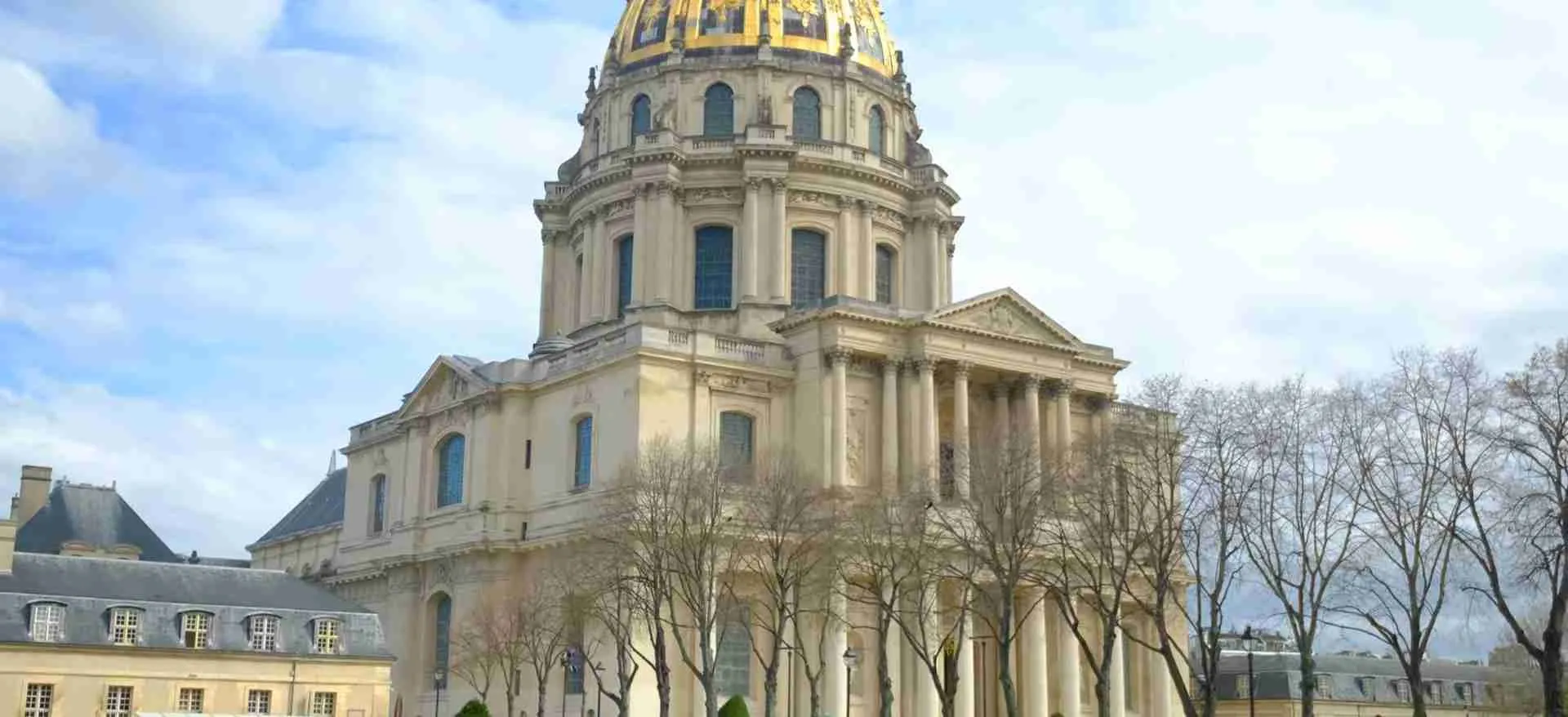
The Eiffel Tower summit at 276 meters reveals Paris’s geographic layout with the Seine curving through the city center, Trocadéro gardens spreading northwest, the golden Invalides dome gleaming south, and Montmartre’s Sacré-Cœur basilica visible on the northern horizon. Allow 45-60 minutes on the summit and second floor for views from all four sides, photographs, and perhaps champagne from the summit bar (€16-20 per glass, premium addition to the ticket cost). Descend by 11:30 AM to avoid the midday arrival crush and exit onto the Champ de Mars gardens for Seine riverbank walks toward Pont d’Iéna and Trocadéro return or continue east along the Left Bank toward Invalides.
Lunch in the 7th arrondissement surrounding the Eiffel Tower offers bistros along Rue Cler market street (10-minute walk from tower base) where casual lunch costs €18-28 for traditional French dishes in authentic neighborhood settings away from tourist-trap restaurants immediately surrounding the monument. Alternatively, continue to Saint-Germain-des-Prés via Musée d’Orsay for lunch at €20-35 per person in cafés along Boulevard Saint-Germain. Budget option: purchase picnic supplies from Franprix or Monoprix supermarkets (€10-15 total) and eat in Jardins du Trocadéro with tower views before continuing afternoon monument visits.
Afternoon proceeds to Arc de Triomphe (metro Charles de Gaulle-Étoile, lines 1, 2, 6) for rooftop access (€13, stairs only, 284 steps) providing 360-degree Paris panorama from the Champs-Élysées hub. The monument’s observation platform enables photograph compositions including the Eiffel Tower within the broader Paris skyline, a perspective impossible from the tower itself. Bas-relief sculptures on the monument’s facades depict French Revolutionary and Napoleonic military victories, with the Tomb of the Unknown Soldier beneath the arch honoring World War I dead through eternal flame rekindled daily at 6:30 PM. Allow 60-90 minutes total including the climb, summit time, and exploration of the ground-level arch inscriptions.
Descend the Champs-Élysées from Arc de Triomphe toward Place de la Concorde, a 2-kilometer gradual decline requiring 30-40 minutes at tourist pace with frequent window-shopping pauses at flagship stores (Louis Vuitton, Cartier, Sephora). While the avenue’s commercial character feels more international shopping district than quintessentially Parisian, the grand urban scale and historic significance merit the walk once as part of the Paris monuments circuit. Conclude Day 1 at Pont Alexandre III for sunset photographs of the ornate bridge’s gilded sculptures with Invalides dome background, then dinner in the Latin Quarter or Le Marais after metro transfer.
Day 1 cost summary: Eiffel Tower summit €36.70, Arc de Triomphe €13, lunch €18-28, dinner €25-40, metro Navigo Jour €12.30. Total day cost: €105-130 per person (excluding accommodation). Calculation verification: 36.70+13+18+25+12.30 = 105 (low); 36.70+13+28+40+12.30 = 130 (high). Advance bookings required: Eiffel Tower summit reservation (book 60 days ahead for optimal time slots).
Day 2 Itinerary: Louvre Museum and Latin Quarter Exploration 2026
Day 2 shifts from monuments to museums and neighborhoods, dedicating the morning to the Louvre’s overwhelming collections before afternoon exploration of the Latin Quarter’s medieval streets, Shakespeare and Company bookshop, and Saint-Germain-des-Prés cafés where existentialist philosophers debated in the 1940s-1950s. This combination balances the Louvre’s intense 3-4 hour art immersion with outdoor walking that processes the museum experience while discovering Paris’s intellectual and literary heritage in neighborhoods less visually spectacular than Eiffel Tower environs but more revealing of authentic Parisian culture.
Arrive at the Louvre (metro Palais Royal-Musée du Louvre, lines 1 and 7) at 9 AM opening with pre-booked timed-entry tickets (€32 for non-EU visitors, €22 for EU residents). Enter through the Pyramid, pass security screening (allow 15-20 minutes), and proceed directly to the Denon wing’s Mona Lisa gallery on the first floor to view Leonardo da Vinci’s masterpiece before 10 AM crowds transform the room into shoulder-to-shoulder congestion. The painting hangs in a climate-controlled case surrounded by protective barriers, photographable though difficult to approach closer than 4-5 meters during busy periods. Most visitors spend 5-10 minutes in the Mona Lisa room before the density becomes oppressive.
Strategic Louvre routing focuses on 2-3 thematic circuits rather than attempting comprehensive coverage of 35,000 artworks across 72,735 square meters of galleries. Recommended 3-hour route: Denon wing for Mona Lisa, Winged Victory of Samothrace staircase, Italian Renaissance paintings including Veronese’s Wedding at Cana, and French 19th-century paintings in rooms 75-77. Continue to Sully wing for ancient Egyptian collections including the Temple of Dendur and Seated Scribe sculpture, then conclude in Richelieu wing for French sculptures and Mesopotamian artifacts including the Code of Hammurabi. This circuit covers the museum’s greatest hits while providing thematic variety between painting, sculpture, and ancient civilizations that maintains engagement across 3-4 hours.
Alternatively, art history enthusiasts can dedicate entire Louvre visits to single departments: Italian Renaissance spanning rooms 1-14 in the Denon wing, French Neoclassical and Romantic painting in rooms 75-77, or ancient Greek and Roman sculpture in ground floor galleries. The museum’s scale rewards focused exploration over rushed superficial coverage, with detailed viewing of 50 exceptional works producing deeper satisfaction than photographing 500 pieces during frantic navigation through endless corridors. Exit the Louvre by 12:30-1 PM with mental capacity for new experiences rather than pushing to 3-4 hours where museum fatigue diminishes appreciation.
Cross the Seine via Pont des Arts (the former “love locks” bridge, locks removed but pedestrian views retained) to the Left Bank for lunch in the Latin Quarter. Rue Mouffetard market street offers casual bistros with €18-30 lunch menus featuring daily specials, roast chicken, and traditional French onion soup in authentic neighborhood settings. Higher-end option: bistros near Panthéon or Jardin du Luxembourg charging €25-40 for refined lunch preparations. Budget approach: market picnic from Marché Mouffetard’s produce vendors and fromageries (€12-18 total) consumed in Luxembourg Gardens with architectural surroundings rivaling expensive restaurant terraces.
Afternoon Latin Quarter exploration begins at Shakespeare and Company bookshop on Rue de la Bûcherie facing Notre-Dame’s southern façade, the legendary English-language bookstore serving as Paris literary pilgrimage site since the 1950s when it provided haven for Beats and expatriate writers. The cramped multilevel shop tolerates extended browsing and photograph opportunities, with the upstairs reading library open to visitors willing to climb narrow staircases between floor-to-ceiling book stacks. Continue to Notre-Dame Cathedral (free admission, though interior may have capacity limits during peak hours) to view the restored Gothic architecture, rose windows, and sculptural programs following the 2019 fire and multi-year reconstruction.
Walk through the Latin Quarter’s medieval streets including Rue de la Huchette’s tourist-trap Greek restaurants (skip for dinner but interesting for atmospheric afternoon wandering), Boulevard Saint-Michel’s bookshops and university supply stores, and eventually to Luxembourg Gardens for late-afternoon respite in formal French gardens with free admission, rental chairs surrounding the central fountain, puppet shows entertaining children, and locals reading newspapers in afternoon sun. Conclude with aperitifs in Saint-Germain-des-Prés at historic cafés Café de Flore or Les Deux Magots (€8-12 for coffee, €15-20 for wine or cocktails at sidewalk tables), followed by dinner at neighborhood bistros like Le Comptoir du Relais or Brasserie Lipp.
Day 2 cost summary: Louvre admission €32, lunch €18-30, Latin Quarter café €10-15, dinner €30-50, metro €6-8 (3 rides) or Navigo Jour €12.30. Total day cost: €96-139 per person (excluding accommodation). Calculation verification with individual tickets: 32+18+10+30+6 = 96 (low); with Navigo: 32+30+15+50+12.30 = 139.30 ≈ 139 (high). Advance bookings required: Louvre timed-entry reservation (book 1-2 weeks ahead minimum, mornings fill fastest).
Day 3 Itinerary: Palace of Versailles Day Trip 2026
Day 3 dedicates a full day to Versailles, the spectacular 17th-century palace and 800-hectare estate located 20 kilometers southwest of Paris, requiring minimum 5-6 hours for palace interior, formal gardens, and Trianon palaces exploration. This change of setting from central Paris’s urban density provides grandeur relief while maintaining the cultural immersion through France’s most opulent royal residence, Hall of Mirrors symbolizing Louis XIV’s absolute monarchy, and Marie Antoinette’s pastoral escape fantasy at the Petit Trianon demonstrating pre-Revolutionary aristocratic disconnect from French social realities.
Depart central Paris by 8 AM using RER C train from Saint-Michel Notre-Dame, Musée d’Orsay, Invalides, or Pont de l’Alma stations to Versailles Château Rive Gauche terminus (€7.60 round-trip or included in Navigo Jour €12.30 day pass). Trains depart every 15-20 minutes with 40-minute journey time, arriving at Versailles station 5 minutes’ walk from the palace entrance. Alternative SNCF trains from Gare Montparnasse reach Versailles Chantiers in 15 minutes but require 15-minute walks to the palace versus RER C’s direct arrival. Arrive before 9:30 AM opening to be among the first 500-1,000 visitors entering the State Apartments, crucial for viewing the Hall of Mirrors, King’s Bedchamber, and Queen’s apartments before overwhelming crowds develop by 11 AM.
Palace admission for non-EU visitors costs €35 in high season (April-October) versus €32 for EU residents, with the Passport ticket including the main palace, Trianon palaces, and Marie Antoinette’s Estate spread across the vast grounds. The palace visit follows a mandatory circuit through State Apartments, Hall of Mirrors, and royal private chambers, typically requiring 2-2.5 hours for thorough appreciation including audioguide commentary (included in admission) explaining each room’s historical significance and artistic programs. The Hall of Mirrors’ 73-meter gallery lined with 357 mirrors opposite 17 arched windows produces the most photographed Versailles interior, though crowds make capturing the space’s grandeur challenging except during early morning or late afternoon periods.
The formal gardens designed by André Le Nôtre spread across 800 hectares with geometric parterres, ornamental lakes, marble statuary, and the Grand Canal extending 1.5 kilometers west from the palace. Gardens access is free except during Musical Fountains shows (April-October weekends and Tuesdays, €11 additional charge) when synchronized water displays accompany Baroque music throughout the grounds. Most visitors walk the main garden axis viewing the Latona Fountain and Apollo Fountain before continuing to the Grand Trianon palace, a 15-20 minute walk from the main palace through landscaped paths.
The Trianon palaces and Marie Antoinette’s Estate provide fascinating counterpoint to the main palace’s overwhelming formality. The Grand Trianon’s pink marble columns and Italianate architecture served Louis XIV as intimate retreat from court ceremonies, while the Petit Trianon became Marie Antoinette’s refuge where she created the Hameau de la Reine, a romanticized peasant village complete with functional farm allowing the queen to play shepherdess in idealized pastoral fantasy disconnected from actual rural French poverty. The estate’s gardens transition from formal French parterres to English landscape style, demonstrating late-18th-century aesthetic shifts toward naturalism that paralleled Enlightenment philosophical developments.
Lunch options at Versailles include expensive on-site restaurants in Angelina tea room (€25-40 per person for salads and pastries) or mediocre tourist cafeterias near the palace entrance, making picnic lunches purchased before departure from Paris supermarkets (€12-18 total) the superior choice for both quality and cost. Eat in the gardens near the Grand Canal with palace views, or at Petit Trianon grounds for quieter settings away from main palace congestion. Alternatively, exit the estate around 1-2 PM to eat in Versailles town center at bistros along Rue de Satory (15-minute walk from palace, €18-28 lunch menus) before returning for afternoon Trianon visits.
Return to Paris by 4-5 PM via RER C for evening free time in neighborhoods not yet explored, or extend Versailles visit until 6:30 PM closing to experience the gardens in late afternoon light with diminished crowds. Total Versailles day requires 8-9 hours including transit from central Paris, making dinner in Paris around 7-8 PM realistic for typical visitor pacing. The physically demanding day involves 10,000-15,000 steps across palace interiors and extensive grounds, necessitating comfortable walking shoes and realistic assessment of mobility capabilities before committing to the full circuit.
Day 3 cost summary: Versailles admission €35, RER C round-trip €7.60 (or Navigo Jour €12.30), lunch €12-28, dinner in Paris €25-45. Total day cost: €80-120 per person (excluding accommodation). Calculation verification with RER: 35+7.60+12+25 = 79.60 ≈ 80 (low); with Navigo: 35+12.30+28+45 = 120.30 ≈ 120 (high). Advance bookings required: Versailles timed-entry reservation (book 1-2 weeks ahead, Mondays closed, Musical Fountains shows require additional €11 garden admission).
Day 4 Itinerary: Montmartre and Le Marais Neighborhoods 2026
Day 4 explores Paris’s most characterful neighborhoods, beginning with Montmartre’s artistic heritage on the butte overlooking northern Paris, followed by afternoon immersion in Le Marais’s medieval streets, Jewish quarter, and contemporary gallery scene. This itinerary delivers the authentic Parisian neighborhood experience beyond monument circuits, revealing how contemporary Parisians live, shop, and socialize in historic settings that maintain village atmosphere within the metropolis while connecting to the city’s artistic legacy through Montmartre’s Impressionist history and Le Marais’s cultural institutions.
Start at Montmartre (metro Abbesses, line 12) by 9 AM to climb to Sacré-Cœur Basilica before tour bus arrivals transform the hilltop into congested chaos. The approach via Rue Foyatier’s staircases or the funicular (one metro ticket, €2.55) ascends the 130-meter butte to the white Romano-Byzantine basilica dominating Paris’s northern skyline. Sacré-Cœur offers free admission to the nave with its massive mosaic depicting Christ in Glory across the apse, while dome access costs €8 for panoramic Paris views rivaling the Arc de Triomphe’s perspective at lower cost and significantly reduced tourist presence. The basilica’s parvis provides free city views across Paris to the Eiffel Tower and Montparnasse Tower on clear days.
Descend from Sacré-Cœur into Montmartre’s village streets via Rue du Chevalier de la Barre to Place du Tertre, the tourist-trap square filled with portrait artists and café terraces charging premium prices for mediocre food with atmosphere. While the square epitomizes tourist kitsch, its location at Montmartre’s historic heart makes it unavoidable, best experienced through brief passage rather than extended time or dining. Continue to genuine Montmartre atmosphere in streets radiating from Place du Tertre: Rue Norvins for art galleries and shuttered windows with flower boxes, Rue des Saules for vineyard Clos Montmartre and photogenic staircases, and Rue Lepic where Van Gogh lived with his brother Theo at number 54.
Le Bateau-Lavoir on Place Émile-Goudeau marks the studio building where Picasso painted Les Demoiselles d’Avignon in 1907, revolutionizing modern art alongside fellow residents Braque, Modigliani, and Max Jacob during Montmartre’s artistic golden age 1900-1920. The original building burned in 1970, but the reconstructed façade and commemorative plaques contextualize Montmartre’s role as laboratory for Cubism, Fauvism, and early modern art movements. Continue to Moulin de la Galette, the windmill immortalized in Renoir’s 1876 Impressionist masterpiece, now surrounded by residential buildings but maintaining its hilltop presence as Montmartre landmark.
Lunch in Montmartre focuses on side streets away from tourist-trap restaurants on Place du Tertre. Rue Lepic’s local bistros serve €18-25 lunch menus to neighborhood residents rather than tour groups, while Rue des Abbesses near the metro station offers contemporary cafés with creative lunch plates at €16-28. Budget option: boulangeries along Rue Lepic sell quiches, sandwiches, and pastries for picnic lunch in Square Suzanne Buisson or Parc de la Turlure with Sacré-Cœur views, total cost €8-15 per person.
Afternoon transitions to Le Marais via metro from Abbesses to Saint-Paul station (line 1, one transfer at Châtelet), arriving in the 4th arrondissement’s preserved medieval quarter by 2-3 PM for exploration of Place des Vosges, Rue des Rosiers Jewish quarter, contemporary galleries, and boutique shopping. Place des Vosges, Paris’s oldest planned square completed in 1612, provides arcaded galleries surrounding formal gardens with perfect symmetry demonstrating Renaissance urban design principles. Victor Hugo’s house at number 6 offers free museum admission to the writer’s apartments filled with period furnishings and manuscripts.
Rue des Rosiers forms Le Marais’s historic Jewish quarter with Central European delicatessen windows displaying traditional foods, bakeries selling challah and babka, and falafel restaurants competing for the “best falafel in Paris” distinction. L’As du Fallafel (no relation to quality, despite tourist acclaim) draws queues for €8-12 falafel sandwiches, though neighboring competitors provide equivalent quality without waits. The street’s transformation from working-class Jewish immigrant quarter to trendy shopping destination represents Le Marais’s broader gentrification, with high-end boutiques displacing traditional shops while maintaining historic façades and street character.
Le Marais’s contemporary art scene concentrates in galleries between Rue de Turenne and Rue Vieille du Temple, with openings typically Thursday-Saturday evenings providing free access to cutting-edge contemporary art in repurposed medieval buildings. The Picasso Museum at 5 Rue de Thorigny (€14 admission, €11 for EU ages 18-25, free under 18) presents the artist’s personal collection in the Hôtel Salé’s elegant 17th-century mansion, providing comprehensive Picasso survey from Blue Period through late ceramics in intimate setting contrasting with the Louvre’s overwhelming scale.
Conclude Day 4 with aperitifs in Le Marais’s gay quarter (Rue Sainte-Croix de la Bretonnerie, Rue des Archives) where bars spill onto sidewalks creating village atmosphere, or return toward Hôtel de Ville for sunset Seine walks before dinner. Le Marais offers exceptional dining density across all price points: budget Breton crêperies (€12-20 for savory galette and sweet crêpe), mid-range bistros (€25-40), and gastronomic restaurants earning Michelin recognition in historic settings. The neighborhood’s vitality extends into evening with shops open until 8-9 PM unlike traditional Paris 7 PM closures, making it ideal for last-day Paris immersion before departure.
Day 4 cost summary: Sacré-Cœur dome €8, Picasso Museum €14, lunch €15-25, dinner €25-45, metro Navigo Jour €12.30. Total day cost: €74-104 per person (excluding accommodation). Calculation verification: 8+14+15+25+12.30 = 74.30 ≈ 74 (low); 8+14+25+45+12.30 = 104.30 ≈ 104 (high). No advance bookings required, though Picasso Museum lines develop midday; morning or late afternoon visits recommended.
Accommodation Strategies and Neighborhood Selection for Paris 2026
Paris accommodation in 2026 spans €30-600+ nightly depending on location, property type, and comfort level, with strategic neighborhood selection significantly impacting daily transportation time and authentic Parisian experience quality. Budget travelers find hostel dormitories at €30-50 nightly in outer arrondissements (11th, 18th, 19th, 20th) with metro access to central attractions in 15-25 minutes, while budget hotels near major train stations (Gare du Nord, Gare de l’Est, République) charge €60-90 for basic private rooms with shared or private bathrooms in areas less charming than Left Bank or Le Marais but functionally adequate for sleep between sightseeing days.
Mid-range accommodation at €120-250 nightly provides comfortable 3-star hotels or quality Airbnb apartments in desirable neighborhoods including Le Marais (4th arrondissement), Latin Quarter (5th), Saint-Germain-des-Prés (6th), and canal-side 10th arrondissement. These locations enable walking to major attractions like Notre-Dame, Luxembourg Gardens, and Musée d’Orsay while providing immediate access to authentic bistros, markets, and neighborhood cafés where Parisians conduct daily life. Le Marais particularly suits first-time visitors seeking charming medieval streets, excellent dining, gay-friendly atmosphere, and central location accessing both Right and Left Bank attractions within 10-15 minute metro rides.
Luxury properties at €250-600+ occupy prime addresses in Saint-Germain-des-Prés, 7th arrondissement near Musée d’Orsay, and 8th arrondissement approaching Champs-Élysées, delivering historic building charm, professional concierge services, and locations where neighborhood strolls reveal Paris at its most elegant. Boutique hotels in converted Haussmann-era buildings provide high ceilings, period moldings, small elevators, and breakfast rooms with authentic Parisian atmosphere lacking in international chain properties. Four nights in this tier costs €1,000-2,400, representing the largest budget component for luxury travelers seeking elevated Paris experience.
Arrondissement selection priorities for first-time 4-day visits emphasize centrality and character over budget optimization. Optimal neighborhoods: 4th (Le Marais), 5th (Latin Quarter), 6th (Saint-Germain), and 7th (Musée d’Orsay area) place visitors within walking distance or single metro ride to most major attractions while surrounding them with authentic Parisian architecture, bistros, and local life. Acceptable alternatives: 1st (Louvre proximity, expensive), 9th (Opéra area, excellent shopping and dining), 10th (canal-side, increasingly trendy, affordable). Less ideal: 15th-20th arrondissements save money but require 20-40 minute commutes to central attractions and lack the quintessential Paris atmosphere that justifies premium accommodation pricing.
Airbnb apartment rentals provide kitchenettes enabling breakfast and picnic lunch preparation that reduces dining costs by €15-30 daily, though cleaning fees and service charges often inflate total costs above advertised nightly rates, particularly for stays under 5 nights. Compare final total prices including all fees against hotels, and verify neighborhood character through Google Street View before booking apartments in areas seeming central on maps but located in characterless modern developments far from authentic Parisian atmosphere. Properties with Seine views or Luxembourg Gardens proximity command 30-50% premiums over equivalent apartments without such amenities, premiums difficult to justify given minimal in-room time during packed 4-day itineraries.
Dining Guide: Breakfast, Lunch, Dinner Strategies for Paris 2026
Parisian dining in 2026 maintains traditional meal patterns with light breakfasts (7-10 AM), substantial lunches (12-2 PM), and late dinners (8-10 PM or later) that foreigners often find challenging to adapt to but which structure optimal sightseeing days when morning museum visits conclude around noon for long lunches, followed by afternoon neighborhood exploration and evening dining after 8 PM when restaurants achieve full atmosphere. Understanding French dining customs, pricing structures, and neighborhood restaurant selection significantly impacts both budget and cultural authenticity of the Paris experience.
Breakfast approaches range from €1.50-30 depending on locations and aspirations. Budget authentic: bakery croissants (€1.50-2.50), pain au chocolat (€1.80-3), or baguette sandwiches (€4-6) purchased from neighborhood boulangeries and consumed walking to first attraction or in hotel rooms. Mid-range café: espresso or café crème (€2.50-4.50), croissant and tartine with jam (€7-12 total) at sidewalk café tables perfect for people-watching and easing into Parisian rhythms. Luxury hotel: breakfast buffets (€20-30) provide comprehensive spreads though atmosphere often feels international hotel generic rather than authentically Parisian; better value comes from café breakfasts in actual Parisian settings.
Lunch strategies balance budget, time, and experience quality. Efficient budget: supermarket picnics assembled from Franprix, Monoprix, or Carrefour City purchasing baguettes (€1.50), cheese (€3-6), charcuterie (€4-8), fruit (€2-4), and wine (€5-10), totaling €12-20 for substantial meals consumed in gardens, along Seine embankments, or park benches with architectural views rivaling expensive restaurant terraces. Mid-range authentic: bistro plat du jour (daily specials) at €16-25 featuring classic French preparations (coq au vin, duck confit, steak frites) in neighborhood restaurants frequented by local office workers rather than tourists, identifiable by French-language-only menus and 12-2 PM lunch rushes.
Dinner represents the primary daily dining investment, with choices between casual bistros (€25-45 per person for three courses with wine), mid-range restaurants (€45-70), and gastronomic experiences (€80-200+). Neighborhood bistros in Le Marais, Latin Quarter, and Montmartre’s residential sections provide authentic French cooking in convivial atmospheres where locals dine regularly, indicated by advance reservations required even weekdays and French conversation dominating dining room acoustics. Tourist-trap restaurants cluster near major monuments (Eiffel Tower, Notre-Dame, Champs-Élysées) charging inflated prices for mediocre food while authentic options operate within 5-10 minute walks in residential streets.
Classic Parisian dining experiences warranting splurge allocations include traditional brasseries like Bofinger or Brasserie Lipp (€40-70 per person) serving oysters, choucroute, and steak tartare in belle époque interiors with professional service maintaining century-old traditions. Bistros earning Michelin Bib Gourmand designations deliver exceptional cooking at €35-55 per person, offering superior value to tourist restaurants while introducing refined French technique without formal gastronomic intimidation. True gastronomic restaurants at €100-300+ per person merit single dinner splurge for visitors seeking Michelin-starred cuisine showcasing contemporary French innovation, though reservations require 2-6 weeks advance booking depending on restaurant prestige.
Wine navigation in Paris restaurants begins with understanding that house wine (vin de la maison) by glass (€5-9) or carafe (€15-25 for 500ml) provides reliable quality at accessible prices, while bottle selections start at €25-35 for decent regional wines escalating to hundreds for prestigious appellations. French dining culture expects wine with dinner, though beer (€6-8) and soft drinks (€4-6) remain acceptable alternatives. Tap water (eau du robinet) arrives free when requested, saving €6-8 per bottled water that restaurants automatically offer to uninformed tourists accepting unnecessary charges.
Dining cost optimization strategies for 4-day Paris visits include allocating breakfast to bakery pastries (€2-3), lunch to market picnics or casual bistros (€12-25), and dinner to mid-range restaurants (€35-55), creating daily food budgets of €50-85 per person while maintaining excellent quality and authentic French culinary experiences. Reserve one or two dinner splurges for Michelin-caliber restaurants or historic brasseries (€70-120 per person) while balancing budget with remaining casual meals, avoiding the trap of paying €60+ daily for mediocre tourist restaurants when superior authentic options charge €35-45 in neighborhood locations.
Money-Saving Strategies and Free Experiences in Paris 2026
Paris delivers exceptional value alongside its luxury reputation when travelers understand free attractions, timing strategies, and budget optimization techniques that reduce costs without compromising experience quality. The city offers numerous UNESCO World Heritage elements, world-class museums with free admission days, spectacular gardens requiring no entrance fees, and architectural treasures viewable from public streets, enabling rich cultural experiences on limited budgets for those willing to walk extensively, picnic frequently, and prioritize wisely among paid attractions.
Free major attractions in Paris include Notre-Dame Cathedral interior (though capacity may be limited), Sacré-Cœur Basilica nave, all public gardens (Luxembourg, Tuileries, Jardin des Plantes, Parc Monceau, Buttes-Chaumont), Seine riverside walks from Eiffel Tower to Notre-Dame encompassing 8 kilometers of continuous architectural spectacle, window-shopping along Champs-Élysées and Rue de Rivoli, exploring neighborhood markets (Marché Bastille Thursdays and Sundays, Marché d’Aligre daily, Marché des Enfants Rouges), and attending gallery openings in Le Marais Thursday-Saturday evenings providing contemporary art access without admission charges.
First Sunday free admission applies to most Paris museums October-March, including the Louvre, Musée d’Orsay, Centre Pompidou, Musée Rodin, and Musée de l’Orangerie, though timed-entry reservations remain mandatory even for free admission and popular museums reach capacity quickly. This program enables significant savings for winter visitors willing to structure itineraries around first Sunday museum marathons, though summer visitors (April-September) cannot access this benefit as museums charge full admission year-round during peak season. Free permanent collection admission for EU residents under 26 provides substantial savings for qualifying visitors at Louvre (€22 saved), Versailles (€32-35 saved), and other national museums, though non-EU visitors receive no equivalent discount.
Public transportation optimization reduces daily costs from potential €20-30 in individual tickets to €12.30 through Navigo Jour day passes purchased strategically for days involving multiple neighborhood visits while limiting metro use to essential long-distance trips on other days when walking routes connect clustered attractions. Four-day visitors might purchase day passes for Days 1 and 3 (Versailles RER journey makes pass essential) while using 3-4 individual tickets (€7.65-10.20) on Days 2 and 4 with primarily walking-based itineraries, reducing total transportation costs to €32-35 (calculation: 2×12.30 + 7.65 = 32.25 low; 2×12.30 + 10.20 = 34.80 high) versus €49.20 for four daily passes (calculation: 4×12.30 = 49.20).
Dining budget optimization implements the picnic lunch strategy for 2-3 of 4 days, purchasing market or supermarket supplies (€12-18 daily) while reserving restaurant lunches for one special meal at a classic bistro. Breakfast from bakeries (€2-4) rather than hotel buffets (€15-25) saves €50-85 over four mornings (calculation: low 4×13 = 52; high 4×21 = 84, rounded to €50-85). Wine purchased from supermarkets (€5-10 per bottle for quality regional wines) and consumed as picnic accompaniment delivers superior value to restaurant by-the-glass charges (€7-12 per glass), though restaurants prohibit bringing personal wine.
Alternative viewpoint strategies reduce monument costs while maintaining spectacular Paris vistas. Free Sacré-Cœur parvis provides panoramic city views comparable to Arc de Triomphe rooftop (€13) from different perspective. Galeries Lafayette department store rooftop terrace offers free 360-degree views including Eiffel Tower and Opéra Garnier without admission charges, accessible during store hours (10 AM-8 PM Monday-Saturday, 11 AM-7 PM Sunday). Montparnasse Tower (€18-20) provides the only Paris panorama including the Eiffel Tower within the skyline, superior for photographers to Eiffel Tower summit views that cannot capture the tower itself.
Paris Museum Pass (€74 for 4 consecutive days) becomes cost-effective for visitors planning 5+ major museum/monument visits, covering Louvre (€32), Versailles (€35), Arc de Triomphe (€13), Musée d’Orsay (€16), Sainte-Chapelle (€22), Conciergerie (€11), and 50+ additional sites. The pass delivers €44+ savings on this itinerary (calculation: 32+35+13+16+22 = 118 individual total; 118-74 = 44 savings) while providing skip-ticket-line benefits at participating monuments, though not skip-security-line privileges which remain mandatory for all visitors. Calculate actual planned visits before purchasing to verify savings versus individual tickets, as casual museum visitors planning only 3-4 entries pay more for unused pass days.
Practical Tips: Weather, Clothing, Safety, and Logistics for Paris 2026
Paris weather in 2026 varies dramatically by season, with spring (April-May) and fall (September-October) offering optimal touring conditions through mild temperatures (12-20°C), moderate rainfall requiring occasional rain jacket use, and blooming gardens or autumn foliage enhancing photographic conditions. Summer (June-August) brings peak tourist crowds, extended daylight until 10 PM enabling late-evening monument visits, and occasional heat waves reaching 30-35°C when air conditioning absence in most hotels and restaurants becomes uncomfortable, particularly in top-floor rooms under heated roofs. Winter (November-March) delivers budget advantages through lower accommodation rates and first Sunday free museum admission, though short daylight (sunset by 5 PM December-January) limits afternoon itinerary options and cold rain requires substantial layering.
Clothing for Paris emphasizes stylish comfort over athletic wear, as Parisians favor tailored jeans, leather shoes, scarves, and structured jackets even for casual neighborhood walks while reserving running shoes and athletic clothing exclusively for actual exercise rather than sightseeing. Visitors wearing obviously American athletic gear (baseball caps, running shoes with jeans, college sweatshirts, shorts in spring/fall) identify themselves as tourists inviting unwanted attention from pickpockets and aggressive petition scammers. Pack comfortable walking shoes (leather sneakers, ankle boots) suitable for 15,000+ daily steps across cobblestones and metro stairs, layering pieces for variable weather, and at least one moderately dressy outfit for nice restaurant dinners where shorts and sandals appear inappropriate.
Safety in Paris requires vigilance against pickpockets and scammers operating in tourist-dense areas including metro lines 1 and 4, Eiffel Tower vicinity, Sacré-Cœur approaches, and Champs-Élysées, though violent crime against tourists remains extremely rare and the city generally feels safe for solo travelers including women at night in well-lit central neighborhoods. Common scams include petition clipboard signature requests followed by aggressive donation demands, friendship bracelet weavers on Sacré-Cœur steps who tie bracelets on wrists then demand payment, gold ring “finders” claiming discovery and requesting reward, and distraction techniques where one person engages conversation while accomplice steals bags or phones.
Pickpocket prevention strategies include front pocket phone/wallet storage, cross-body bags worn to front in crowded metros, maintaining awareness in tight spaces where bumping feels suspicious, and never leaving bags on vacant chairs in cafés or hooked on stroller handles in museums where thieves execute grab-and-run thefts in seconds. The metro remains safe transportation with minimal risk outside rush hours (8-9 AM, 5-7 PM), though late-night services after 11 PM warrant increased vigilance particularly for solo travelers. Taxis and Uber provide safer late-night alternatives to metro, though cost increases from €2.55 metro to €15-25 taxi for equivalent distances.
Language basics enhance Paris experiences as French cultural pride expects minimal effort toward French language use rather than immediate English assumption. Essential phrases: “Bonjour” (hello) when entering shops/restaurants, “Parlez-vous anglais?” (do you speak English?) before launching English questions, “S’il vous plaît” (please), “Merci” (thank you), and “Au revoir” (goodbye) when departing. Waiters, hotel staff, and younger Parisians generally speak functional English, though attempting French first significantly improves service quality and local interactions versus entitled English-only approaches that reinforce negative tourist stereotypes.
Practical logistics for 2026 Paris visits include confirming accommodation location via Google Maps before booking to verify proximity to metro stations and avoid peripheral locations marketed as “near Eiffel Tower” when actually requiring 40-minute commutes. Credit cards work universally though small purchases under €10 at bakeries or market stalls may encounter cash-only policies requiring ATM withdrawals (use bank ATMs rather than independent exchange kiosks charging excessive fees). European outlet adapters (Type C/E round two-pin) become essential for charging phones and cameras, available at Paris airport shops for €8-12 or Amazon before departure for €5-8. Pharmacies (marked with green crosses) provide over-the-counter medications for minor ailments, with English-speaking pharmacists in central arrondissements assisting tourists with common issues.
Sample 4-Day Budget Breakdown: Costs by Traveler Type 2026
Budget-conscious travelers can experience Paris meaningfully for approximately €330-500 total over four days excluding flights, allocating €120-200 for hostel accommodation, €120-180 for food through picnic lunches and casual dinners, €55-80 for selective paid attractions, and €35-40 for transportation primarily using strategic Navigo day passes. This tier requires accepting dormitory accommodation, market picnics for most lunches, limiting paid museums to 2-3 top priorities while maximizing free attractions, stairs access at monuments rather than elevators, and extensive walking to minimize metro costs while discovering neighborhood Paris beyond landmark circuits.
Budget 4-day breakdown: Accommodation €30-50 nightly × 4 nights = €120-200 (calculation: 30×4 = 120; 50×4 = 200). Dining €30-45 daily (bakery breakfast €2-3, picnic lunch €12-15, casual bistro dinner €20-30, occasional café €5-8) × 4 days = €120-180 (calculation: 30×4 = 120; 45×4 = 180). Attractions: Eiffel Tower stairs to second floor €14.80, Louvre €32, Sacré-Cœur dome €8, selective free attractions (Notre-Dame, gardens, neighborhoods) = €55-80. Transportation: Navigo Jour 2 days for Eiffel/Versailles €24.60, individual tickets 2 days €10-15 = €35-40 (calculation: 24.60+10 = 34.60 ≈ 35; 24.60+15 = 39.60 ≈ 40). Total: €330-500 per person for four days excluding flights (calculation: 120+120+55+35 = 330; 200+180+80+40 = 500), creating accessible Paris experience on limited budget without sacrificing essential highlights or cultural immersion.
Mid-range travelers budget €900-1,400 for four days excluding flights, providing €480-800 for comfortable 3-star hotel or apartment accommodation, €300-460 for balanced dining (café breakfasts, mix of picnic and restaurant lunches, quality bistro dinners), €191-201 for comprehensive attraction access, and €50 for unlimited metro passes. This tier delivers comfortable Paris experience with private accommodation, regular restaurant meals while maintaining occasional picnic cost savings, access to all major museums and monuments, and transportation freedom through unlimited passes eliminating per-trip calculations.
Mid-range 4-day breakdown: Accommodation €120-200 nightly × 4 nights = €480-800 (calculation: 120×4 = 480; 200×4 = 800). Dining €75-115 daily (café breakfast €10-15, bistro lunch €25-35 or picnic €15, restaurant dinner €45-70 including wine) × 4 days = €300-460 (calculation: 75×4 = 300; 115×4 = 460). Attractions: Eiffel Tower summit €36.70, Louvre €32, Versailles €35, Arc de Triomphe €13, Sacré-Cœur dome €8, Picasso Museum €14, Sainte-Chapelle €22 = €160.70 base, with additional sites bringing total to €191-201 (calculation: 36.70+32+35+13+8+14+22 = 160.70). Transportation: Navigo Jour €12.30 × 4 days = €49.20 (calculation: 12.30×4 = 49.20). Total: €1,020-1,510 per person for four days excluding flights (calculation: 480+300+191+49.20 = 1,020.20 ≈ 1,020; 800+460+201+49.20 = 1,510.20 ≈ 1,510), representing the most popular budget tier among first-time Paris visitors seeking quality without luxury pricing.
Luxury travelers allocate €2,000-4,000+ for four days excluding flights, covering €1,000-2,400 for boutique hotel accommodation, €880-1,720 for elevated dining including Michelin experiences, €505-705 for private tours and premium monument access, and €100-200 for taxi and premium transportation. This tier provides 4-star+ hotels in prime neighborhoods, gastronomic dining experiences, guided museum tours avoiding DIY navigation, and convenience maximization through private drivers and skip-line services.
Luxury 4-day breakdown: Accommodation €250-600 nightly × 4 nights = €1,000-2,400 (calculation: 250×4 = 1,000; 600×4 = 2,400). Dining €220-430 daily (hotel breakfast €20-30, Michelin lunch €80-150 or quality bistro €40-60, gastronomic dinner €120-250 including wine) × 4 days = €880-1,720 (calculation: 220×4 = 880; 430×4 = 1,720). Attractions: Eiffel Tower summit with champagne €55, Louvre private tour €150-200, Versailles private guide €200-300, additional museums and special access €100-150 = €505-705 (calculation: 55+150+200+100 = 505; 55+200+300+150 = 705). Transportation: taxi transfers and premium services €25-50 daily × 4 days = €100-200 (calculation: 25×4 = 100; 50×4 = 200). Total: €2,485-5,025 per person for four days excluding flights (calculation: 1,000+880+505+100 = 2,485; 2,400+1,720+705+200 = 5,025), creating refined Paris experience emphasizing exceptional dining, private guidance, and accommodation luxury in historic settings.
Alternative Itinerary Options and Customization Ideas for Paris 2026
The standard 4-day itinerary focusing on Eiffel Tower, Louvre, Versailles, and neighborhood exploration serves first-time visitors well but can be customized for specific interests, repeat visitors, or travelers with particular Paris fascinations. Art enthusiasts might replace Versailles with dedicated museum days exploring Musée d’Orsay’s Impressionist collections, Musée de l’Orangerie’s Monet Water Lilies, Musée Rodin’s sculpture gardens, and Picasso Museum’s comprehensive survey. This creates concentrated art immersion across four institutions revealing French artistic evolution from Neoclassicism through Impressionism to Cubism and beyond, though sacrificing the palace grandeur and historical breadth that Versailles provides.
History-focused customization emphasizes Revolutionary and Napoleonic sites including Conciergerie (Marie Antoinette’s prison cell), Panthéon (great figures’ tombs including Rousseau, Voltaire, Hugo), Napoleon’s Tomb at Les Invalides, and Versailles for ancien régime context. Add walking tours through Marais’s medieval streets and Latin Quarter’s Roman ruins (Arènes de Lutèce, Cluny Museum thermal baths) to create chronological progression from Roman Lutetia through medieval Paris to Revolutionary transformation and Napoleonic grandeur. This approach sacrifices contemporary neighborhood exploration for deep historical immersion revealing the layers of Paris’s 2,000-year urban development.
Food-centric itineraries replace museum time with market visits (Marché d’Aligre, Marché des Enfants Rouges, Marché Bastille), cooking classes at Le Cordon Bleu or smaller studios, wine tastings in Saint-Germain cellars, pastry shops including Pierre Hermé and La Pâtisserie des Rêves, cheese specialist Fromagerie Laurent Dubois, and reserved tables at Michelin-starred restaurants including lunch at more affordable price points. Maintain Eiffel Tower and essential monuments while dedicating afternoons to culinary exploration revealing French gastronomic excellence from markets through bistros to haute cuisine, creating memorable edible Paris documentation alongside visual landmarks.
Literary Paris traces Hemingway, Fitzgerald, and Lost Generation haunts in Montparnasse cafés (La Closerie des Lilas, Le Dôme), Shakespeare and Company bookshop, Père Lachaise Cemetery (Oscar Wilde, Marcel Proust, Gertrude Stein graves), and George Sand’s apartments. Add Balzac’s House in Passy, Victor Hugo’s Place des Vosges residence, and Musée Carnavalet’s Revolutionary exhibits for French literary context. This creates intellectual Paris immersion appealing to readers and writers seeking creative inspiration from the city’s unmatched literary heritage, though requiring significant background knowledge to appreciate locations’ significance beyond pleasant café atmospheres.
Family-friendly modifications replace intensive museum days with Luxembourg Gardens boat rentals and carousel rides, Jardin d’Acclimatation amusement park, Cité des Sciences hands-on exhibits, Seine river cruise providing transportation plus entertainment, and Versailles gardens where children run freely versus palace interior behavioral restrictions. Reduce walking distances through strategic metro use, incorporate frequent snack breaks at crêpe stands, and balance one major museum (Louvre highlights tour 90 minutes maximum) with outdoor activities maintaining children’s engagement without cultural deprivation. Families discover that Paris’s gardens, playgrounds, and riverside paths create exceptional children’s experiences when monument intensity gets calibrated to ages and attention spans.
Day Trip Extensions Beyond Paris for 5-6 Day Visits 2026
Travelers extending Paris visits to 5-6 days can incorporate additional day trips revealing French heritage beyond the capital’s urban concentration. Giverny, Claude Monet’s house and gardens 80 kilometers northwest of Paris, presents the Impressionist master’s preserved studio, Japanese bridge immortalized in Water Lilies series, and vibrant garden compositions that inspired his revolutionary color experiments. Trains from Gare Saint-Lazare reach Vernon in 45 minutes (€15-20 round-trip), followed by 5-kilometer bus connection to Giverny village. The house and gardens charge €12 admission with April-October seasonal opening enabling spring tulip or summer water lily viewing that reproduces Monet’s paintings in living botanical form.
Château de Fontainebleau, 60 kilometers southeast of Paris, rivals Versailles in historical significance while receiving fraction of tourist crowds through lesser international fame. The Renaissance and Classical palace served French monarchs from François I through Napoleon, who signed his 1814 abdication in the ornate interiors now preserved as museum. Trains from Gare de Lyon reach Fontainebleau-Avon in 40 minutes (€10 round-trip), with local buses completing the journey to palace entrance. Admission costs €13 for palace apartments and Napoleon museum, with extensive forest surrounding the estate providing hiking and rock climbing opportunities for active visitors seeking natural escape from urban sightseeing.
Champagne region day trips from Paris enable cellar tours and tastings at prestigious houses in Reims (45 minutes by TGV) or Épernay (90 minutes), introducing méthode champenoise production while exploring Gothic Reims Cathedral and Belle Époque Épernay avenue de Champagne lined with Moët & Chandon, Perrier-Jouët, and other legendary cellars. Organized tours from Paris cost €150-250 including transportation, tastings, and lunch, while independent travelers using trains (€30-40 round-trip) and booking direct cellar visits (€20-40 per tasting) reduce costs to €60-90 total. The region’s rolling vineyards and underground chalk cellars create distinctive landscape absent from Paris’s urban setting.
Loire Valley châteaux present Renaissance architecture and formal gardens across multiple estates including Chambord’s symmetrical perfection, Chenonceau spanning the Cher River, and Amboise where Leonardo da Vinci spent final years. Distance from Paris (200+ kilometers) makes independent day trips challenging without car rental, though organized tours (€80-150) provide transportation to 2-3 châteaux with guided commentary. Multi-day Loire visits staying in Tours or Blois enable comprehensive château exploration beyond day-trip constraints, though this requires extending Paris itineraries to week-long stays or accepting reduced Paris time for Loire immersion.
Mont-Saint-Michel, the spectacular island abbey 360 kilometers west of Paris in Normandy, represents France’s most dramatic Gothic monument though 3.5-hour train journey plus bus connection makes day trips exhausting with minimal abbey time. Organized bus tours from Paris (€120-180) provide comfortable transportation and guided visits while eliminating navigation stress, departing 7 AM and returning 9 PM for 14-hour days that satisfy the “seen Mont-Saint-Michel” checkbox but offer limited reflection time at the sublime site. Two-day Normandy trips combining Mont-Saint-Michel with D-Day beaches create richer experiences than rushed single-day marathons.
Seasonal Considerations: Best Time to Visit Paris in 2026
Spring in Paris (April-May) delivers optimal touring conditions through mild temperatures averaging 12-18°C, blooming chestnuts along boulevards, Luxembourg Gardens tulips, and moderate tourist levels building toward summer peaks but remaining manageable at major attractions. Hotel rates rise from winter lows but stay below summer peaks, museum crowds remain tolerable even without advance reservations at most sites except Eiffel Tower weekends, and extended daylight (sunset 8-9 PM by late May) enables full sightseeing days. Rain occurs 10-12 days monthly requiring flexible umbrellas or rain jackets, though brief showers rarely disrupt full days and often create dramatic lighting for photography between storms.
Summer (June-August) brings peak tourist congestion, premium hotel pricing (€150-300 for properties costing €100-180 in shoulder seasons), and advance booking requirements 4-8 weeks ahead for Eiffel Tower, Versailles, and popular restaurants. Extended daylight until 10 PM enables magical late-evening monument visits when golden hour illuminates stone façades and temperatures cool from afternoon heat, though many days reach uncomfortable 28-32°C when hotel air conditioning absence becomes problematic particularly in top-floor rooms. Parisians depart for August vacations, creating paradoxical situation where tourist sites overflow while neighborhood restaurants and shops close for annual congés, reducing authentic Parisian atmosphere precisely when most visitors experience the city.
Fall (September-October) matches spring as optimal Paris season through pleasant temperatures (10-18°C), autumn foliage in Luxembourg Gardens and Tuileries, manageable crowds as families return to school schedules, and improved hotel availability versus summer peaks. September maintains late summer warmth without August crowds, while October introduces crisp mornings ideal for café breakfast lingering and afternoon walks through golden-lit neighborhoods. First Sunday free museum admission begins October 1, benefiting fall visitors able to structure itineraries around this monthly benefit. Rain frequency increases versus summer (12-14 days monthly) though temperature moderation makes wet weather more tolerable than spring chill.
Winter (November-March) delivers budget advantages through lowest hotel rates (€80-150 for properties costing €150-250 in shoulder seasons), minimal crowds at all attractions enabling spontaneous museum visits without advance reservations, and first Sunday free admission providing monthly major savings. December brings Christmas markets along Champs-Élysées and holiday window displays at Galeries Lafayette creating festive atmosphere, though extremely short daylight (sunset 5 PM December-January) limits afternoon itineraries and necessitates accepting evening dining in darkness versus summer’s extended twilight. Cold rain and occasional snow require substantial layering, waterproof footwear, and psychological preparation for gray skies that test commitment to outdoor sightseeing.
Optimal 4-day Paris timing for first-time visitors prioritizes late April-early May or late September-early October, capturing pleasant weather, moderate crowds, reasonable hotel rates, and operational normalcy (versus August shop closures). These shoulder season windows balance cost savings versus summer peaks with weather reliability superior to winter uncertainty, creating conditions where rain remains possible but unlikely to dominate entire visits and where attraction booking 2-3 weeks ahead suffices versus summer’s 6-8 week requirements. Visitors constrained to summer travel should embrace late evenings when temperatures cool and crowds thin, while winter visitors maximize indoor museum time and café culture that thrives regardless of exterior weather.
Frequently Asked Questions About Paris 4-Day Itinerary 2026
What are the essential advance bookings needed for Paris in 2026?
Essential advance bookings for Paris in 2026 include Eiffel Tower timed-entry tickets (book 60 days ahead for summit access during peak season, sunset slots sell out within hours), Louvre Museum timed-entry reservations (book 1-2 weeks ahead minimum, required even for free-admission visitors), and Versailles Palace tickets (book 1-2 weeks ahead, remembering Monday closures). Additionally, book accommodation 2-3 months ahead for April-October travel to secure preferred neighborhoods at reasonable rates, and reserve tables at Michelin-starred or highly-regarded restaurants 2-6 weeks ahead depending on prestige. Most other Paris attractions including Arc de Triomphe, Musée d’Orsay, and Sainte-Chapelle accept same-day ticket purchase or require only 2-3 days advance booking during shoulder seasons, though summer peak may demand longer planning windows.
Can I visit Paris with minimal French language skills in 2026?
Paris tourism infrastructure accommodates English-speaking visitors extensively in 2026, with hotel staff, museum personnel, major restaurant servers, and younger Parisians generally speaking functional English enabling successful trip completion without French language skills. However, attempting basic French phrases (“Bonjour,” “S’il vous plaît,” “Merci,” “Parlez-vous anglais?”) before defaulting to English significantly improves service quality and local interactions, as French cultural pride values linguistic effort even when execution proves imperfect. Neighborhood bakeries, small bistros away from tourist zones, and markets may involve more challenging communication, though pointing, smiling, and translation apps enable successful transactions. Download Google Translate offline dictionary before departure and learn 10-15 essential phrases to navigate common situations while signaling respect for French language rather than assuming English universal availability.
How do I handle tipping and service charges in Paris restaurants 2026?
French law requires service charges (15% typically) to be included in all restaurant menu prices, meaning the displayed €28 steak-frites actually costs €28 total with no mathematical addition required. Additional tipping remains optional rather than mandatory, with French diners leaving small amounts (€2-5 for casual meals, €5-10 for upscale dining) only when service exceeds expectations rather than automatically. Tourists comfortable with American 15-20% tipping customs can leave 5-10% additional on excellent service, though matching French norms through minimal additional tipping proves culturally appropriate and financially reasonable. Cafés expect coin rounding (€3.50 coffee rounded to €4) rather than percentage calculations. Never leave American-style 20% tips as this establishes unsustainable expectations distorting local norms, and verify bills don’t include both service compris and additional service suggestions attempting double-charging of inattentive tourists.
Is Paris safe for solo travelers and solo women in 2026?
Paris ranks among Europe’s safest major cities for solo travelers including women, with violent crime against tourists extremely rare and central neighborhoods feeling comfortable for solo evening dining and walking until midnight or later in well-lit areas. Solo women should exercise normal urban vigilance including avoiding isolated metro stations after 11 PM, staying aware of surroundings in crowded tourist zones where pickpockets operate, and declining unsolicited “help” from strangers approaching at ATMs or metro ticket machines. Aggressive street harassment occasionally occurs though less frequently than in some Southern European or Middle Eastern destinations, with firm refusals and walking away effectively ending unwanted attention in most cases. Solo travel enables flexible pacing, spontaneous neighborhood exploration, and café lingering without coordinating group preferences, while facilitating local interactions as Parisians more readily engage solitary travelers versus obvious tourist groups.
What should I pack for a 4-day Paris trip in 2026?
Pack comfortable leather sneakers or walking boots capable of 15,000+ daily steps across cobblestones and metro stairs rather than running shoes that identify tourist status, along with dark jeans or trousers appropriate for restaurant dinners and neighborhood exploration. Include layering pieces (cardigan, light jacket) for variable spring/fall weather, rain jacket or compact umbrella for likely precipitation, and at least one moderately dressy outfit for nice dinner reservations where shorts and athletic wear appear inappropriate. Essential accessories: European outlet adapter (Type C/E), portable phone charger for heavy navigation and photography use, cross-body bag or pickpocket-resistant daypack worn front-facing in crowded areas, and photocopies of passport stored separately from original. Skip extensive toiletries as Paris pharmacies stock all necessities, avoid packing excessive “just in case” items as hotel laundry or quick shopping solves unanticipated needs, and remember that Parisian style emphasizes quality over quantity with versatile pieces mixed across multiple days rather than outfit changes for every occasion.
How do I maximize photography opportunities during a Paris 4-day visit 2026?
Maximize Paris photography through strategic timing at major monuments, arriving at Trocadéro for Eiffel Tower shots at sunrise (summer 6 AM, winter 8 AM) or blue hour after sunset when tower illumination creates magical glow, photographing Notre-Dame and Sainte-Chapelle during morning light streaming through stained glass, and capturing Sacré-Cœur at sunset when western light bathes the white stone. Shoot from elevated perspectives at Arc de Triomphe, Sacré-Cœur parvis, and Galeries Lafayette rooftop to capture Paris skyline compositions, from Seine bridges (Pont Alexandre III, Pont Neuf, Pont des Arts) for river-monument combinations, and from street level in Le Marais and Montmartre’s narrow lanes where intimate architectural details reward close observation. Avoid midday harsh overhead light at outdoor monuments, instead photographing museum interiors during 11 AM-3 PM when natural window light illuminates gallery spaces beautifully. Pack wide-angle lens for architectural interiors, telephoto for distant Eiffel Tower shots, and polarizing filter to enhance sky contrast while reducing window reflections.
What are the best neighborhoods for authentic Parisian experiences in 2026?
Le Marais delivers quintessential Parisian village atmosphere through medieval architecture, contemporary galleries, Jewish quarter delis, gay-friendly bars, and café-lined squares while maintaining central location enabling walking access to Notre-Dame and Louvre. Canal Saint-Martin in the 10th arrondissement provides emerging neighborhood creativity with waterside picnic culture, independent boutiques, and locally-focused restaurants where actual Parisians eat rather than tourist-trap establishments. Belleville’s multicultural hillside streets reveal working-class Paris with immigrant communities, street art, and affordable dining contrasting with polished central arrondissements. Rue Mouffetard and Rue des Martyrs offer market street atmospheres with food shops, wine merchants, and morning market culture demonstrating daily Parisian provisioning rituals. Avoid exclusively tourist-focused zones like Champs-Élysées (international shopping street lacking Parisian character) and areas immediately surrounding Eiffel Tower (tourist trap restaurants, souvenir shops, aggressive vendors) in favor of residential neighborhoods where Parisians actually live and conduct authentic daily life.
Should I purchase Paris Museum Pass for a 4-day visit in 2026?
The Paris Museum Pass becomes cost-effective for visitors planning 5+ major museum and monument visits during the 4 consecutive day validity period, delivering savings when itinerary includes expensive sites like Louvre (€32), Versailles (€35), Sainte-Chapelle (€22), Arc de Triomphe (€13), and Musée d’Orsay (€16), which total €118 (calculation: 32+35+22+13+16 = 118) versus €74 pass price, saving €44 (calculation: 118-74 = 44). Additional benefits include skip-ticket-line privileges at participating sites (though not skip-security-line which remains mandatory) and psychological freedom to enter museums spontaneously without calculating per-visit costs. However, casual museum visitors planning only 2-3 entries save money purchasing individual tickets, while travelers prioritizing neighborhood exploration over cultural institutions find the pass encourages overscheduled museum marathons disrupting the leisurely Paris pacing that reveals authentic city character. Calculate specific planned visits before purchasing rather than assuming the pass automatically delivers value, and recognize that unlimited access creates subtle pressure to “get your money’s worth” through excessive museum time when spontaneous café lingering might produce more memorable Paris experiences.
What are common mistakes first-time Paris visitors make in 2026?
Common Paris visitor mistakes include overscheduling itineraries with 8-10 attractions daily when 3-4 quality experiences interspersed with neighborhood wandering produces deeper satisfaction, attempting comprehensive Louvre coverage in 2 hours versus focused 3-4 hour circuits through selected departments, eating at tourist-trap restaurants near monuments when superior bistros operate within 5-minute walks, purchasing bottled water in restaurants rather than requesting free tap water (eau du robinet), and assuming afternoon dining flexibility when French restaurants close 2-4 PM between lunch and dinner services. Additional errors: expecting American-style customer service enthusiasm when Parisian reserve proves normal cultural baseline, walking Champs-Élysées entire length rather than selective segments as the avenue offers minimal authentic Parisian charm, booking accommodation based on map centrality without verifying actual neighborhood character through photos and reviews, and arriving without essential attraction advance reservations during peak season when Eiffel Tower summit and Louvre slots sell out weeks ahead.
How do I navigate Paris metro system efficiently as first-time visitor 2026?
Navigate Paris metro through pre-downloaded RATP app providing real-time route planning, station maps, and service alerts in English, eliminating paper map confusion and enabling dynamic route adjustments when lines experience delays or closures. Purchase Navigo Easy card (€2) at any metro station and load with day passes (€12.30) for days involving 5+ rides or individual tickets (€2.55) for limited-use days, tapping card on yellow validators at entry turnstiles and again at transfer points. Follow clearly-marked direction signs indicating terminal station names rather than cardinal directions (Line 1 toward La Défense versus Line 1 toward Château de Vincennes determine opposite directions on same line), and note that Correspondance signs indicate transfer connections between lines while Sortie signs mark exits to street level. Avoid rush hours (8-9 AM, 5-7 PM) when overcrowding creates uncomfortable conditions, keep bags secured and phones pocketed in crowded cars protecting against pickpockets, and verify final departure times (typically 12:30 AM weekdays, 1:30 AM weekends) to avoid getting stranded requiring expensive taxi returns.