
Paris 3-Day Itinerary 2026: First-Time Visitor Complete Guide
Key Takeaways
- Three days covers Paris’s essential landmarks including Eiffel Tower, Louvre Museum, Notre-Dame, Versailles Palace, and Montmartre with strategic timing to avoid crowds
- Budget €195-285 per person daily (excluding accommodation) covering attractions, meals, and transportation with Paris Museum Pass providing significant savings
- Advance booking essential for Eiffel Tower summit (€29.40) and Versailles Palace (€27) as tickets sell out 2-3 months ahead during summer 2026
- Strategic neighborhood base in Latin Quarter or Marais provides walkable access to 60% of major attractions reducing transportation time and costs
- Metro passes (€33.90 for 3-day Navigo Easy) eliminate individual ticket purchases while offering unlimited travel across Paris’s comprehensive public transportation network
Planning Your Perfect First Paris Experience in 2026
Paris rewards first-time visitors who balance iconic landmarks with neighborhood exploration, cultural immersion with practical efficiency, and structured planning with spontaneous discovery. This three-day itinerary maximizes your introduction to the City of Light by clustering geographically proximate attractions, timing visits to avoid peak crowds, and building in breathing room for the unexpected café, hidden courtyard, or captivating street performance that makes Paris magical.
The itinerary assumes arrival by late morning Day 1 and departure late afternoon Day 3, providing approximately 2.5 full days of exploration. Each day follows a logical geographic flow minimizing backtracking, incorporates strategic booking windows for timed-entry attractions, and balances intensive sightseeing with restorative dining experiences. The schedule works for solo travelers, couples, friends, and multi-generational groups willing to maintain moderate walking pace.
Success requires advance planning for three critical elements: Eiffel Tower summit tickets (booking opens 60 days ahead), Versailles Palace entry (reserve 2-3 months early for summer 2026), and accommodation in central neighborhoods (Latin Quarter, Marais, Saint-Germain-des-Prés) where proximity to Metro stations and walkable attractions dramatically enhances the experience. The remaining elements—museum entries, restaurant reservations, neighborhood explorations—allow flexibility adapting to weather, energy levels, and personal interests discovered along the way.
People Also Ask About Paris 3-Day Itineraries 2026
How much does a 3-day Paris trip cost in 2026?
Budget €585-855 per person for three days excluding accommodation, covering attractions (€135-165 with Museum Pass), meals (€300-480), and transportation (€34-40). Eiffel Tower summit tickets cost €29.40, Versailles entry €27, and Louvre admission €22 in 2026. Check official websites for current rates as pricing may vary. Mid-range hotels cost €180-280 per night for double occupancy, while budget options start €80-120 nightly. A comfortable three-day Paris experience for two people totals €1,800-2,500 including accommodation, meals, attractions, and local transportation.
Is 3 days enough time to see Paris in 2026?
Three days provides sufficient time to experience Paris’s essential landmarks—Eiffel Tower, Louvre, Notre-Dame, Versailles, Montmartre, Latin Quarter—while sampling French cuisine, exploring characteristic neighborhoods, and absorbing Parisian atmosphere. The itinerary covers approximately 15-18 major attractions, includes one day trip to Versailles, and builds in margins for spontaneous discoveries. First-time visitors complete the circuit feeling satisfied with comprehensive introduction while recognizing Paris’s depth warrants return visits. The schedule requires moderate walking stamina (8-12 km daily) and strategic advance booking for timed-entry attractions.
What should I book in advance for Paris 2026?
Book Eiffel Tower summit tickets 60 days ahead when reservation window opens—summit access sells out 6-8 weeks early for summer 2026 visits. Reserve Versailles Palace entry 2-3 months early, particularly for Tuesday-Sunday visits when demand peaks. Purchase Paris Museum Pass online before arrival for skip-the-line access at 60+ attractions. Consider advance reservations for Seine river dinner cruises (€85-150 per person) and popular restaurants in Marais and Saint-Germain-des-Prés where walk-in availability proves limited during peak season. Metro passes, neighborhood walking tours, and most museum entries allow same-day purchase.
Which Paris neighborhoods are best for first-time visitors in 2026?
Latin Quarter (5th arrondissement) offers proximity to Notre-Dame, Panthéon, Luxembourg Gardens, and Left Bank charm with excellent Metro connections and walkable access to major attractions. Marais (3rd-4th arrondissements) provides vibrant dining scene, boutique shopping, and central location between Louvre and Bastille. Saint-Germain-des-Prés combines café culture, art galleries, and sophisticated ambiance with walkable proximity to Musée d’Orsay and Luxembourg Gardens. These neighborhoods place 60-70% of essential first-timer attractions within 20-minute Metro rides or 30-minute walks while offering authentic Parisian residential character beyond tourist corridors.
Extended multi-day tours – 5+ days
Featured Paris Multi-Day Tour Packages
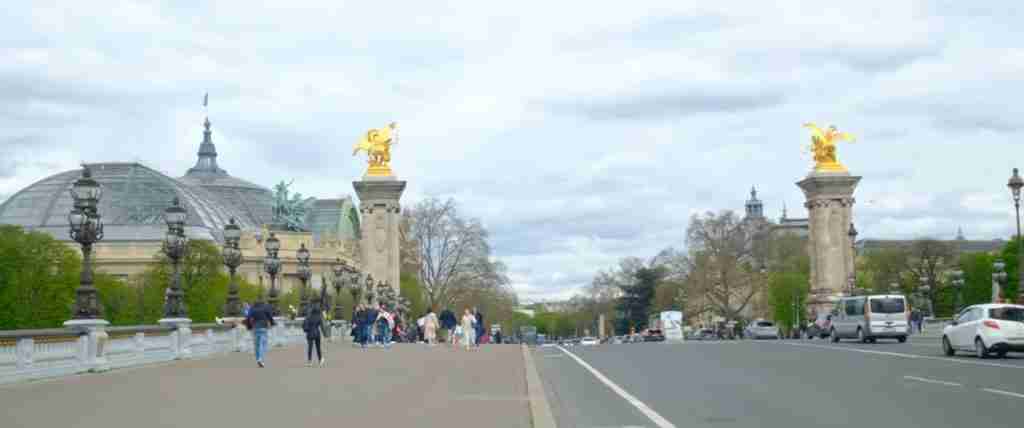
3 days
Paris 3-Day Discovery Tour
- ✓ Comprehensive Paris experience
- ✓ Expert local guides included
- ✓ All accommodation included
- ✓ Transportation provided
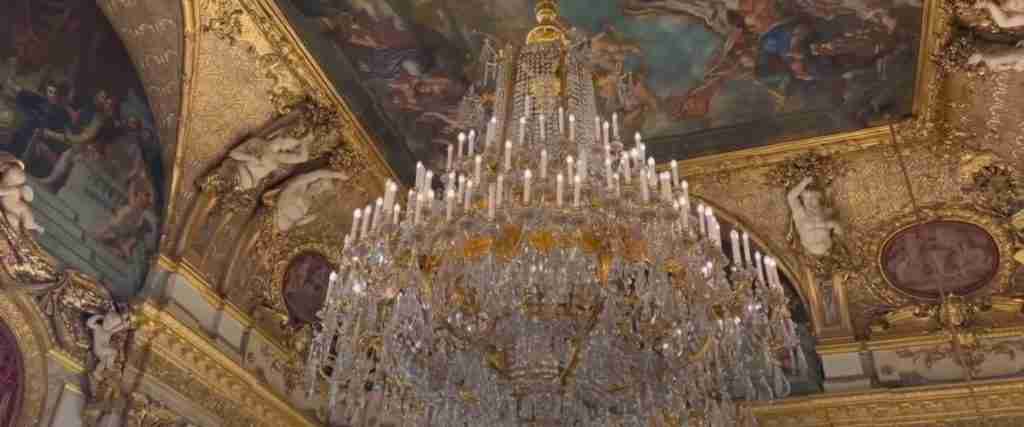
5 days
Paris 5-Day Highlights Experience
- ✓ Comprehensive Paris experience
- ✓ Expert local guides included
- ✓ All accommodation included
- ✓ Transportation provided
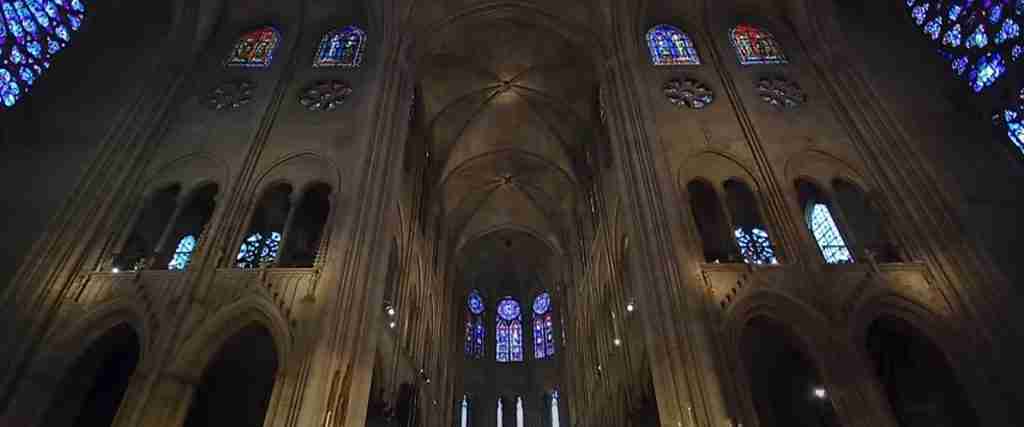
7 days
Paris 7-Day Cultural Journey
- ✓ Comprehensive Paris experience
- ✓ Expert local guides included
- ✓ All accommodation included
- ✓ Transportation provided
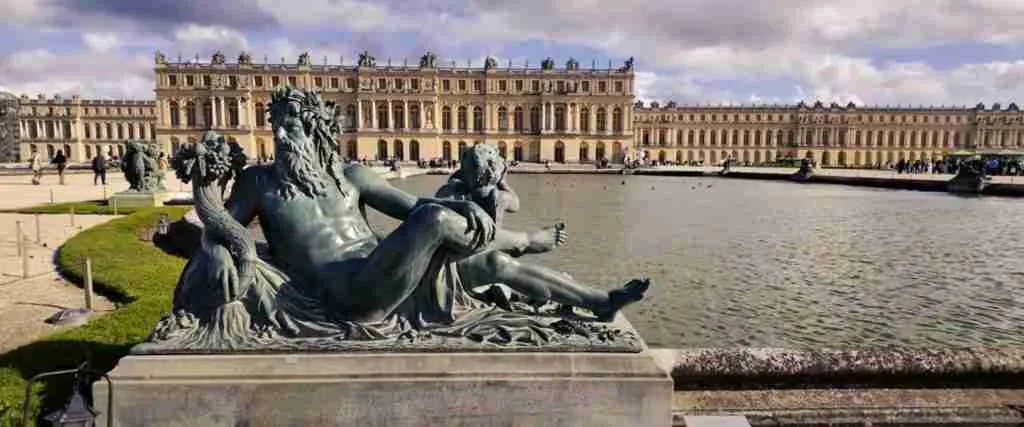
10 days
Paris 10-Day Complete Adventure
- ✓ Comprehensive Paris experience
- ✓ Expert local guides included
- ✓ All accommodation included
- ✓ Transportation provided
Multi-day tour packages powered by TourRadar. Prices and availability subject to change.
Essential Planning Information for Your 2026 Paris Visit
Transportation and Getting Around Paris 2026
Paris’s Metro system provides fast, efficient access to all major attractions with trains running 5:30 AM to 1:15 AM (2:15 AM Friday-Saturday). Purchase a 3-day Navigo Easy pass for €33.90 covering unlimited Metro, RER (within Paris zones 1-2), bus, and tram travel. Single tickets cost €2.10 but become inefficient for three-day stays requiring 15-20 journeys. The pass activates upon first use and expires at midnight on the third calendar day.
Metro stations cluster within 500 meters of all major attractions: Trocadéro for Eiffel Tower, Palais Royal-Musée du Louvre for the Louvre, Cité for Notre-Dame, and Abbesses for Montmartre. RER Line C connects central Paris to Versailles (€7.30 round-trip from Paris) with 35-40 minute journey time. Download the RATP app for real-time schedules and route planning—essential for navigating Paris’s 16 Metro lines and 300+ stations efficiently.
Taxis cost €15-25 for cross-Paris journeys but offer minimal advantage over Metro except late night or with heavy luggage. Uber operates extensively with similar pricing to taxis. Walking proves practical for many inter-attraction movements: Louvre to Notre-Dame (20 minutes), Notre-Dame to Latin Quarter (15 minutes), Musée d’Orsay to Eiffel Tower (25 minutes). Combine walking with Metro for optimal balance between efficiency, cost savings, and street-level neighborhood immersion.
Where to Stay in Paris 2026: First-Timer Neighborhoods
Latin Quarter hotels place you walking distance from Notre-Dame, Panthéon, Luxembourg Gardens, and quintessential Left Bank atmosphere. Mid-range options (€180-280 per night) include boutique hotels along Rue des Écoles and Boulevard Saint-Germain with authentic Parisian character, while budget accommodations (€80-120) cluster near Place Maubert and Rue Mouffetard. The neighborhood offers exceptional dining concentration, from student-friendly crêperies to Michelin-starred establishments, plus evening ambiance along Seine riverside walks.
Marais accommodations balance historic charm with contemporary energy across 3rd and 4th arrondissements. Expect €200-320 nightly for renovated apartments and design hotels in converted 17th-century buildings, or €100-180 for practical options near République. The district’s Jewish Quarter, LGBT hub, vintage boutiques, and falafel stands on Rue des Rosiers create distinctive character complemented by proximity to Centre Pompidou, Place des Vosges, and evening bar scene around Rue Vieille du Temple.
Saint-Germain-des-Prés delivers classic Parisian elegance between Boulevard Saint-Germain and the Seine. Luxury hotels (€350-600) occupy historic buildings where Hemingway and Sartre once lived, while smaller properties (€180-280) provide refined ambiance at accessible rates. The neighborhood’s café terraces, art galleries, and sophisticated shops create living museum of Parisian intellectual history, with Musée d’Orsay, Luxembourg Gardens, and Left Bank bookstores within walking distance. Choose accommodations near Odéon, Saint-Germain-des-Prés, or Mabillon Metro stations for optimal access.
Complete Day-by-Day Paris Itinerary 2026
Day 1: Iconic Paris Landmarks and Latin Quarter Immersion
Morning: Eiffel Tower (8:00 AM – 11:00 AM)
Begin at Trocadéro Metro station by 7:45 AM for golden hour photography across the Seine toward Eiffel Tower. The plaza offers Paris’s most famous viewpoint with minimal crowds before tour groups arrive at 9:00 AM. Cross Pont d’Iéna bridge for your 8:30-9:00 AM summit ticket time slot—arriving 15 minutes early allows security screening and elevator queuing without stress.
Summit access tickets cost €29.40 for adults in 2026 (check toureiffel.paris for current official rates as pricing may vary). The 276-meter-high observation deck provides 360-degree Paris panorama identifying future destinations: Sacré-Cœur’s white dome on Montmartre hill, Arc de Triomphe anchoring Champs-Élysées, Notre-Dame’s spires on Île de la Cité, and golden Les Invalides dome housing Napoleon’s tomb. Allow 90-120 minutes for ascent, viewing, and descent.
Exit through Champ de Mars gardens toward École Militaire, stopping at boulangerie on Avenue de la Bourdonnais for pain au chocolat (€1.50-2) and café crème (€3-4) if breakfast was skipped. The neighborhood’s residential character contrasts with Eiffel Tower’s tourist intensity, offering glimpse of authentic Parisian morning rhythms.
Late Morning: Arc de Triomphe and Champs-Élysées (11:30 AM – 1:00 PM)
Metro Line 6 from Bir-Hakeim (near Eiffel Tower) reaches Charles de Gaulle-Étoile in 15 minutes. Climb Arc de Triomphe’s 284 steps for rooftop viewing platform (€13 admission, included in Museum Pass) offering perspective on Haussmann’s radiating boulevard design. The monument commemorates French Revolutionary and Napoleonic victories with detailed sculptural friezes worth 20-minute examination before ascending.
Descend Champs-Élysées toward Place de la Concorde, window shopping luxury boutiques and experiencing Paris’s grand boulevard scale. Skip overpriced cafés along the avenue—better dining awaits in Latin Quarter. The 20-minute stroll passes Ladurée macaron shop (€2.50 each) for optional sweet sampling and Grand Palais’s Belle Époque glass dome visible across the Seine.
Afternoon: Louvre Museum (2:00 PM – 5:30 PM)
Enter Louvre through Carrousel entrance (shortest security lines) with advance-purchased ticket (€22, or included in Museum Pass). The world’s largest museum houses 35,000 artworks across 72,735 square meters—attempting comprehensive viewing guarantees exhaustion and disappointment. Focus on Denon Wing’s Italian Renaissance masterpieces and Sully Wing’s ancient civilizations for fulfilling three-hour visit.
Priority sequence: Mona Lisa (arrive by 2:15 PM before afternoon crowds peak), Winged Victory of Samothrace, Venus de Milo, Michelangelo’s Slaves, Delacroix’s Liberty Leading the People, and Vermeer’s Lacemaker. Download Louvre app for room-by-room navigation—the palace’s labyrinthine layout confuses even regular visitors. Rest periodically in courtyards and on gallery benches; museum fatigue affects everyone after 90 minutes of concentrated viewing.
Exit through Pyramid into Tuileries Gardens, strolling toward Place de la Concorde. The formal French gardens offer restorative green space after museum intensity, with chairs surrounding fountains providing pleasant 15-minute pause before evening activities.
Evening: Latin Quarter Exploration and Dinner (6:00 PM – 10:00 PM)
Metro Line 1 from Tuileries connects to Châtelet, transferring to Line 4 for Saint-Michel station in Latin Quarter. Emerge at Seine riverside facing Notre-Dame Cathedral across the water—currently under restoration following 2019 fire, but exterior viewing and surrounding Île de la Cité exploration remain worthwhile. Walk along Quai de Montebello browsing bouquinistes (riverside book stalls) selling vintage posters, antique books, and Seine-inspired artwork.
Explore Latin Quarter’s medieval streets radiating from Place Saint-Michel. Rue de la Huchette’s narrow passage preserves 13th-century scale with Greek restaurants, crêperies, and jazz clubs creating carnival atmosphere after 7:00 PM. More authentic dining awaits on Rue Mouffetard, historic market street where locals shop at fromageries, boucheries, and produce stands before heading to neighborhood bistros.
Dinner options span every budget: Le Petit Pontoise (18 Rue de Pontoise) serves classic French cuisine €25-35 per entrée in intimate bistro setting; L’Avant Comptoir (3 Carrefour de l’Odéon) offers standing-room tapas €4-8 per plate; Chez Gladines (30 Rue des Cinq Diamants) delivers Basque-inspired portions €15-22 per dish. Reserve ahead for sit-down restaurants or arrive by 7:00 PM for walk-in seating. Budget 90 minutes for leisurely three-course meal with wine.
Evening walk along Seine toward Île Saint-Louis for Berthillon ice cream (€3-5 per cone) showcases illuminated Notre-Dame, with Pont de l’Archevêché’s love locks and riverside benches offering romantic Paris atmosphere before returning to accommodation.
Day 1 Cost Summary: Eiffel Tower summit €29.40, Arc de Triomphe €13, Louvre €22, breakfast/snacks €8-12, lunch €15-22, dinner €25-35, coffee/dessert €8-12, Metro day pass €11.30. Total day cost: €131.70-155.70 per person (excluding accommodation).
Day 2: Versailles Palace and Evening Montmartre
Morning: Versailles Palace and Gardens (8:00 AM – 2:00 PM)
Catch RER Line C from Saint-Michel-Notre-Dame or Invalides station by 7:30 AM for Versailles-Château-Rive Gauche stop (€3.65 each way). The 35-40 minute journey allows arrival before 8:30 AM crowds when palace gates open. Palace entry costs €27 for adults in 2026 (check chateauversailles.fr for current official rates as pricing may vary), covering State Apartments, Hall of Mirrors, and gardens access. Purchase advance-timed tickets to skip 45-60 minute security lines faced by walk-up visitors.
Begin with State Apartments, following one-way route through Louis XIV’s ceremonial chambers. The King’s Grand Apartments showcase baroque opulence with painted ceilings, gilded moldings, and period furniture restored to 18th-century glory. Hall of Mirrors—357 mirrors reflecting garden light across 73-meter gallery—represents Versailles’s architectural zenith and peace treaty signing location ending World War I. Allow 90 minutes for palace interior before garden exploration.
Gardens extend across 800 hectares with geometric parterre, fountains, and tree-lined allées embodying French formal landscape design. Musical Fountain Shows (Saturdays-Sundays April-October, €10 additional) choreograph water displays to baroque music. Without show attendance, explore Marie-Antoinette’s Estate including Petit Trianon palace and Hameau de la Reine (Queen’s Hamlet) where she played shepherdess. The 25-minute walk from palace passes Grand Canal where boats once floated during royal celebrations.
Lunch at La Petite Venise café near Grand Canal serves sandwiches €12-15 and salads €14-18 with outdoor seating overlooking water. Alternatively, pack picnic from Paris boulangerie for garden dining—perfectly acceptable and budget-friendly at €8-12 per person. Depart Versailles by 2:00 PM for return to Paris and afternoon rest before evening activities.
Afternoon: Rest and Neighborhood Stroll (3:00 PM – 6:00 PM)
Return to accommodation for 60-90 minute rest after Versailles’s intensive walking. Versailles days require 6-8 hours standing and walking; afternoon break prevents evening exhaustion. Use downtime for laundry, journaling, photo organizing, or simply resting legs and feet.
Emerge refreshed for neighborhood café experience around 4:30 PM. Find local spot away from major tourist thoroughfares—residential streets in your accommodation neighborhood harbor authentic cafés where Parisians read newspapers, work on laptops, and engage in leisurely conversation. Order café crème (€3-4) and settle in for people-watching and ambiance absorption. Cafés function as Paris’s living room; lingering for an hour over single coffee is expected behavior, not rushed American-style service.
Evening: Montmartre Exploration (6:30 PM – 10:30 PM)
Metro Line 2 to Anvers station positions you at Montmartre’s base. Climb Rue de Steinkerque’s stairs (or take funicular for €1.90) toward Sacré-Cœur Basilica crowning the hill. The white Romano-Byzantine basilica offers free entry with 222-meter-high viewpoint accessible by narrow spiral staircase (€6 dome access). Arrive by 7:00 PM for golden hour light illuminating Paris sprawl below—the panorama rivals Eiffel Tower’s perspective at fraction of cost.
Explore Place du Tertre where artists paint portraits (€30-80 depending on size and detail) and caricatures (€20-40) amid tourist bustle. The square preserves early 20th-century Montmartre’s artistic legacy, though contemporary work varies in quality. Browse without obligation; many talented artists welcome photo-taking without purchase pressure.
Dinner in Montmartre spans romantic bistros and casual wine bars. Le Bouclard (1 Rue Cavalotti) serves traditional French fare €22-32 per entrée, while La Mascotte (52 Rue des Abbesses) offers seafood platters €28-45 in Belle Époque setting. For budget-conscious dining, Le Bon Bock (2 Rue Dancourt) delivers hearty portions €15-23. Reserve ahead or arrive by 7:00 PM for prime seating.
Post-dinner stroll through Montmartre’s quiet streets reveals neighborhood’s village character. Pass Moulin de la Galette windmill, inspiration for Renoir paintings, and Wall of Love on Place des Abbesses inscribed with “I love you” in 250 languages. Rue Lepic’s shops and residential buildings showcase authentic Parisian life removed from tourist circuits. Conclude at Abbesses Metro station for return journey.
Day 2 Cost Summary: Versailles entry €27, RER round-trip €7.30, lunch at Versailles €12-18, café afternoon €3-4, dinner Montmartre €22-32, Sacré-Cœur dome €6, snacks/coffee €6-10. Total day cost: €83.30-107.30 per person (excluding accommodation).
Day 3: Musée d’Orsay, Seine River, and Final Explorations
Morning: Musée d’Orsay (9:00 AM – 12:30 PM)
Arrive at Musée d’Orsay by 8:45 AM for 9:00 AM opening—the museum’s Impressionist masterpieces attract intense crowds by 11:00 AM. Advance tickets (€16, or included in Museum Pass) allow immediate entry past security into converted Beaux-Arts railway station housing world’s finest Impressionist and Post-Impressionist collection.
Begin on fifth floor where top-lit galleries display Monet’s water lilies series, Renoir’s Bal du moulin de la Galette, Degas’s ballet dancers, and Van Gogh’s Starry Night Over the Rhône. The chronological arrangement traces Impressionism’s evolution from Manet’s revolutionary techniques through Post-Impressionism’s color experiments. Allow 90 minutes for fifth floor’s highlights before descending to second floor’s decorative arts and sculpture.
Ground floor sculpture gallery occupies original railway station’s central nave—the dramatic architecture rivals displayed artworks. Exit through museum bookshop (excellent art book selection) onto Seine riverside for 10-minute walk toward Jardin des Tuileries.
Late Morning: Orangerie Museum and Tuileries Gardens (12:45 PM – 2:00 PM)
Cross Seine via Passerelle Léopold-Sédar-Senghor footbridge into Tuileries Gardens. Musée de l’Orangerie (€12.50 admission, included in Museum Pass) houses Monet’s monumental Water Lilies panels in purpose-built oval rooms—the artist’s immersive meditation on light, reflection, and nature represents Impressionism’s culmination. The intimate museum requires only 45-60 minutes for complete viewing including Walter-Guillaume collection of Cézanne, Renoir, and Matisse works.
Stroll Tuileries Gardens toward Place de la Concorde, the formal French garden offering restorative greenery and people-watching from chairs positioned around fountains and ponds. The gardens connect Louvre to Champs-Élysées, forming Paris’s monumental axis designed to showcase state power through urban planning.
Afternoon: Seine River Cruise and Left Bank (2:30 PM – 5:30 PM)
Lunch at Angelina (226 Rue de Rivoli) features legendary hot chocolate (€9) and pastries €6-10 in belle époque tearoom—tourist-oriented but worth experiencing. Alternatively, grab baguette sandwiches (€6-8) from nearby boulangerie for picnic on Port des Champs-Élysées riverside promenade.
Board Seine river cruise from Port de la Conférence or Pont de l’Alma (€15-18 for one-hour circuit). Bateaux Parisiens and Vedettes de Paris operate hop-on-hop-off routes departing every 30-45 minutes. The cruise passes under 37 bridges showcasing riverside architecture from water perspective: Notre-Dame’s flying buttresses, Louvre’s riverside façade, Musée d’Orsay’s clock tower, and Eiffel Tower’s iron framework. Audio guides narrate architectural and historical significance of passed landmarks.
Disembark at Saint-Germain-des-Prés for Left Bank afternoon. Browse Shakespeare and Company bookstore (37 Rue de la Bûcherie) where English-language titles overflow narrow rooms and resident cats sleep on poetry shelves. The legendary literary landmark faces Notre-Dame across Seine, hosting readings and maintaining apartment for writers-in-residence since 1951 reconstruction of Sylvia Beach’s original shop.
Explore Saint-Germain-des-Prés cafés where existentialists debated philosophy in 1940s-50s. Café de Flore (172 Boulevard Saint-Germain) and Les Deux Magots (6 Place Saint-Germain-des-Prés) charge premium prices (€7-9 for coffee) for historic ambiance where Sartre, de Beauvoir, and Camus once held court. More affordable options line nearby side streets offering equivalent people-watching without historical surcharge.
Evening: Final Dinner and Night Walk (6:30 PM – 10:00 PM)
Farewell dinner deserves special attention. Options include: Le Comptoir du Relais (9 Carrefour de l’Odéon) for refined bistro cooking €28-42 per entrée with natural wines; Bouillon Chartier (7 Rue du Faubourg Montmartre) for historic 1896 setting and budget French classics €8-16; or L’Ami Jean (27 Rue Malar) for Basque-influenced sharing plates €35-48. Reserve well ahead for any sit-down restaurant or arrive by 6:30 PM for walk-in possibility.
Post-dinner evening walk along Seine captures Paris’s romantic essence. Stroll from Pont Neuf (Paris’s oldest bridge despite “new” name) past Île de la Cité toward Pont de Bir-Hakeim with Eiffel Tower illumination visible across river. The tower sparkles for five minutes every hour after sunset—time your walk for 9:00 PM, 10:00 PM, or 11:00 PM light show creating magical conclusion to Paris introduction.
Alternatively, attend evening performance at Opéra Garnier (€20-150 depending on production and seating) or concert at Sainte-Chapelle (€40-55) where Gothic stained glass creates luminous backdrop for classical music. Both venues offer official websites for advance booking and program schedules.
Day 3 Cost Summary: Musée d’Orsay €16, Orangerie €12.50, lunch €9-18, Seine cruise €15-18, café Saint-Germain €4-9, dinner €28-48, snacks/coffee €8-12. Total day cost: €92.50-123.50 per person (excluding accommodation).
Budget Planning for Your 2026 Paris Trip
Three-Day Cost Breakdown by Category
Attractions and Museums (€135-165 per person): Major entries include Eiffel Tower summit €29.40, Louvre €22, Musée d’Orsay €16, Versailles €27, Arc de Triomphe €13, Orangerie €12.50, and Sacré-Cœur dome €6. Paris Museum Pass (€79 for 48-hour or €94 for 72-hour version) covers unlimited entry to 60+ attractions including Louvre, Musée d’Orsay, Orangerie, Arc de Triomphe, and Versailles. The 72-hour pass saves €40-60 for travelers visiting five or more included attractions, plus skip-the-line access at major museums eliminates 30-60 minute queuing time during peak season.
Dining (€300-480 per person): Budget €100-160 daily for three meals, snacks, and beverages. Breakfast costs €8-15 (boulangerie croissants and coffee), lunch €15-25 (bistro meal or quality café), dinner €25-45 (traditional restaurant or contemporary bistro), plus €10-15 daily for afternoon café breaks, ice cream, and incidentals. Upscale dining pushes costs toward upper range while budget-conscious choices (food markets, bakery lunches, neighborhood restaurants) achieve lower totals. Wine adds €20-40 per bottle at restaurants, or €6-12 per bottle from wine shops for hotel consumption.
Transportation (€34-40 per person): Three-day Navigo Easy pass costs €33.90 covering unlimited Metro, RER (zones 1-2), bus, and tram travel. Add €7.30 for Versailles RER round-trip outside standard pass coverage. Single Metro tickets (€2.10 each) become inefficient after 16 journeys. Taxis and ride-shares cost €15-25 per journey but provide minimal advantage over efficient Metro system except late nights or luggage transport.
Accommodation (€240-840 for 3 nights double occupancy, €120-420 per person): Budget hotels and hostels run €80-120 per night, mid-range hotels €180-280, luxury hotels €350-600. Central neighborhoods (Latin Quarter, Marais, Saint-Germain-des-Prés) command 20-30% premium over peripheral arrondissements but deliver superior convenience and walkability reducing transportation time and costs. Vacation apartments offer kitchen facilities for breakfast and lunch preparation, cutting meal expenses €30-50 daily at cost of hotel services and social atmosphere.
Money-Saving Strategies for 2026
Purchase Paris Museum Pass if visiting Louvre, Musée d’Orsay, Orangerie, Versailles, and Arc de Triomphe—five attractions totaling €107.90 individual admission versus €94 for 72-hour pass. The pass eliminates ticket queuing at major museums, recovering time value beyond monetary savings. Skip the pass only if visiting three or fewer included attractions.
Lunch becomes the day’s main meal at Parisian restaurants, where prix-fixe lunch menus cost €18-28 versus €35-55 for dinner at identical establishments. Dinner shifts to wine bars, casual bistros, or market-prepared foods consumed in Luxembourg Gardens or along Seine riverside. This French approach reduces daily dining costs €30-40 while maintaining quality and satisfaction.
Book Eiffel Tower second floor tickets (€18.80) instead of summit (€29.40) if comfortable with 116-meter viewing height—the perspective difference proves minimal while saving €10.60. Arc de Triomphe rooftop and Montparnasse Tower observation deck offer alternative Paris panoramas for €13-18 without Eiffel Tower’s symbolic cachet but shorter queues and comparable views.
Free attractions include Notre-Dame exterior and Île de la Cité exploration, Sacré-Cœur Basilica interior, Luxembourg Gardens, Tuileries Gardens, Seine riverside walks, Montmartre streets, Latin Quarter neighborhoods, and window shopping along Champs-Élysées. Add cemetery visits (Père Lachaise hosts Chopin, Morrison, Wilde, Piaf graves), park strolls (Buttes-Chaumont, Jardin des Plantes), and architectural appreciation (Grand Palais, Opéra Garnier exterior, Palais Royal gardens) for cost-free cultural immersion.
Practical Tips for First-Time Paris Visitors 2026
Booking Timeline and Advance Reservations
Reserve accommodations 3-4 months ahead for summer 2026 travel (June-August) when central Paris hotels fill early and rates peak. Shoulder seasons (April-May, September-October) allow 6-8 week booking windows with 15-20% lower rates and better availability. Winter visits (November-March) except holidays offer same-week booking possibility and promotional rates.
Book Eiffel Tower summit tickets exactly 60 days before visit date when online reservation window opens at toureiffel.paris. Summit slots sell out 6-8 weeks ahead for summer weekends, 4-6 weeks for weekdays. Second floor tickets maintain better availability but book 3-4 weeks early during peak season. Tickets release at 12:00 AM Paris time (UTC+1); set reminders for your 60-day-out date.
Purchase Versailles Palace timed-entry tickets 2-3 months ahead through chateauversailles.fr, particularly for Tuesday-Sunday visits when demand peaks. Monday closures create Tuesday surge; plan Wednesday-Friday visits for optimal crowd management. Musical Fountain Show dates require separate €10 garden tickets sold in addition to palace entry.
Reserve popular restaurants 2-4 weeks ahead through TheFork app (European OpenTable equivalent) or direct phone calls. High-demand establishments (Le Comptoir du Relais, Frenchie, Septime) require 4-6 week advance booking. Walk-in dining remains possible at 6:30-7:00 PM arrival or 9:30-10:00 PM late seating, though menu choices may be limited.
Safety and Common Tourist Challenges
Pickpocketing concentrates around major attractions—Eiffel Tower, Louvre, Sacré-Cœur, Metro stations—particularly in crowds during security queuing or train boarding. Keep valuables in front pockets or cross-body bags worn forward, maintain awareness of surroundings, and decline unsolicited survey requests or ring-finder scams. The threats prove more annoying than dangerous; basic vigilance eliminates most risk.
Metro pickpockets target Lines 1 (tourist heavy) and 4 (connects major attractions) plus transfer hubs at Châtelet-Les Halles and Gare du Nord. Board middle cars away from doors where thieves escape at closing, keep bags visible and zipped, and avoid phone use near platform edges. Metro proves safe after midnight on weekends when crowds provide security, but women traveling solo might prefer taxis post-midnight.
Tourist scams include petition signers requesting donations (decline politely and walk away), three-card monte games near Sacré-Cœur (never participate), and aggressive bracelet vendors on Montmartre steps (refuse firmly). Legitimate businesses never require street payment or signatures; all transactions occur inside establishments. These nuisances frustrate but rarely escalate beyond verbal pressure.
Restaurant etiquette requires calling servers “Madame” or “Monsieur” rather than “Garçon,” tipping remains optional beyond included service charge (round up €2-5 for good service), and table lingering is expected—servers won’t present bills until explicitly requested with “L’addition, s’il vous plaît.” Parisians value formal politeness; begin every interaction with “Bonjour” (daytime) or “Bonsoir” (evening) and conclude with “Merci, bonne journée/soirée.”
Weather and Seasonal Considerations 2026
Summer 2026 (June-August) brings 25-30°C temperatures, long daylight hours (sunset 9:30-10:00 PM), and peak tourist crowds requiring advance bookings. July-August delivers potential heat waves (35°C+) and August sees many local restaurants closing for annual vacation. Pack light layers, sunscreen, comfortable walking shoes, and refillable water bottles—public fountains throughout the city provide free drinking water.
Spring (April-May) and fall (September-October) offer ideal 15-22°C weather, manageable crowds, and locals returned from summer holidays. April brings occasional rain requiring compact umbrella or light rain jacket; October delivers autumn color in parks and gardens. These shoulder seasons provide best value/experience balance with 20-30% lower accommodation rates than summer peaks.
Winter (November-March) features short days (sunset 5:00-6:00 PM), 3-10°C temperatures, and frequent gray skies testing weather-resistant clothing and positive attitudes. Compensation comes through dramatically reduced crowds, lowest accommodation rates, Christmas market charm (late November-December), and intimate café culture when outdoor terraces yield to cozy interiors. Museums and indoor attractions shine during winter visits when gardens prove less appealing.
Language and Cultural Navigation
English proficiency varies considerably across Paris. Major attractions, hotels, and tourist-oriented restaurants employ English-speaking staff, while neighborhood bakeries, markets, and local bistros may not. Learn basic French phrases—”Bonjour,” “S’il vous plaît,” “Merci,” “Parlez-vous anglais?”—and attempt French first before switching to English. Parisians respond warmly to language effort even when grammatically imperfect.
Restaurant service differs from American expectations. Servers avoid hovering or frequent check-ins, considering it intrusive; catch their attention with eye contact and raised hand when needing assistance. Multi-course meals span 90-120 minutes minimum; rushing proves culturally inappropriate and self-defeating. Bread arrives free and unlimited with meals; butter costs extra. Water comes as expensive bottled (€5-8) unless specifically requesting “une carafe d’eau” (free tap water).
Shopping hours observe Sunday closures for most retailers outside tourist zones, plus potential Monday closures for smaller shops. Banks and post offices close 12:00-2:00 PM for lunch; restaurants serve 12:00-2:30 PM (lunch) and 7:00-10:30 PM (dinner) with gaps between services. Pharmacies (green cross signage) operate rotating Sunday schedules with emergency locations posted on closed doors. Museums close Mondays or Tuesdays; verify before planning daily itineraries.
Alternative Itinerary Options and Variations
Art-Focused Three-Day Alternative
Dedicated art enthusiasts might substitute Versailles day trip with extended museum time. Replace Day 2 Versailles with morning at Musée Rodin (sculptures and gardens), afternoon at Centre Pompidou (modern art), and evening at Petit Palais (fine arts). This variation eliminates 90 minutes travel time each direction while deepening Paris art immersion across movements from classical through contemporary. Add Musée Picasso (Marais) or Musée Marmottan (Monet’s Impression, Sunrise) for comprehensive painting survey.
Photography-Optimized Schedule
Photographers prioritize golden hour timing over operational efficiency. Begin days at 6:30 AM for sunrise at Trocadéro (Eiffel Tower), Pont Alexandre III (Seine), or Montmartre streets before crowds. Schedule midday breaks when harsh light limits photography potential, resuming 4:00-7:00 PM for warm afternoon glow. Sacrifice some attraction entries for extended time at photogenic locations: Palais Royal gardens, Luxembourg fountains, Saint-Martin canal, Buttes-Chaumont park, and Rue Crémieux’s pastel houses.
Food and Market Tour Emphasis
Culinary travelers replace museum afternoons with market visits and food workshops. Morning at Marché d’Aligre (12th arrondissement) or Marché des Enfants Rouges (Marais’s oldest covered market) substitutes for traditional sightseeing. Book cooking class (€90-150 per person) learning French technique, visit specialty food shops in Saint-Germain-des-Prés, or pursue wine tasting in natural wine bars of 10th-11th arrondissements. This approach trades landmark accumulation for sensory immersion and skill development.
Family-Friendly Modification
Families with children under 12 might skip Versailles’s extensive walking for Jardin du Luxembourg’s playground, puppet theater, and pond boats (€3-5 per activity). Replace art museums with Cité des Sciences (interactive science museum), Jardin d’Acclimatation (amusement park), or Seine cruise emphasizing movement over static viewing. Reduce daily walking targets from 8-12 km to 5-7 km with frequent rest stops at parks and playgrounds. Consider apartment rental over hotel for meal flexibility and afternoon rest space.
Frequently Asked Questions: Paris 3-Day Visit 2026
Is Paris expensive to visit in 2026?
Paris costs align with major European capitals—more expensive than Spain or Portugal, comparable to London or Amsterdam. Budget travelers manage €100-130 daily (hostel dorm, picnic lunches, free attractions, limited dining out), mid-range visitors spend €200-280 daily (hotel private room, restaurant meals, museum passes, occasional taxis), and luxury travelers exceed €400 daily (4-5 star hotels, fine dining, private guides, premium experiences). Strategic choices around accommodation location, museum pass value, and lunch-as-main-meal approach control costs significantly without sacrificing experience quality.
Do I need to speak French to visit Paris?
English proves sufficient for Paris navigation, particularly in tourist zones, hotels, museums, and larger restaurants. Learning basic phrases—greetings, please/thank you, excuse me, do you speak English—demonstrates respect and improves interactions. Parisians respond more warmly to attempted French before English switching than immediate English assumption. Download Google Translate app for menu reading and complex communication. Overall, language poses minimal barrier to enjoyable visit, though French effort enhances cultural immersion and local reception.
How far in advance should I book Paris hotels for 2026?
Book 3-4 months ahead for summer 2026 (June-August) when central Paris hotels fill early and rates peak at seasonal highs. Shoulder seasons (April-May, September-October) allow 6-8 week booking windows with better rates and availability. Winter visits (November-March) except Christmas-New Year permit flexible 2-4 week advance booking with promotional rates possible. Major events—Fashion Week, Roland Garros tennis, Bastille Day—require 4-6 month advance booking with 30-40% rate premiums during event periods.
What’s the best area to stay for first-time Paris visitors?
Latin Quarter (5th arrondissement) balances walkability to major attractions, authentic neighborhood character, excellent dining, and Metro connectivity making it ideal first-timer base. Marais (3rd-4th) offers similar advantages with younger, trendier energy and vibrant evening scene. Saint-Germain-des-Prés delivers classic Parisian elegance and intellectual history at higher price points. Avoid peripheral arrondissements (17th-20th) requiring 25-35 minute Metro rides to major attractions—proximity saves 90+ minutes daily in travel time while enabling spontaneous returns for rest breaks.
Should I buy Paris Museum Pass or pay individual entries?
Purchase 72-hour Museum Pass (€94) if visiting Louvre (€22), Musée d’Orsay (€16), Orangerie (€12.50), Arc de Triomphe (€13), and Versailles (€27)—five attractions totaling €107.90 in individual tickets. The pass saves €13.90 plus eliminates ticket queuing at major museums where summer waits reach 45-90 minutes. Additional benefits include spontaneous entry to 55 other included attractions without calculating individual value. Skip the pass only when visiting three or fewer included sites; à la carte purchasing proves more economical for selective itineraries.
Is Paris safe for solo travelers in 2026?
Paris proves safe for solo travelers exercising standard urban awareness. Pickpocketing represents primary concern rather than violent crime—maintain vigilance in Metro stations, tourist attraction queues, and crowded areas. Women traveling solo report comfortable independent movement through central neighborhoods, though late-night Metro rides (post-midnight) might warrant taxi upgrades. Central accommodations in Latin Quarter, Marais, or Saint-Germain-des-Prés provide well-lit, pedestrian-active streets at all hours. Joining walking tours, museum visits, or cooking classes facilitates social connections for solo travelers seeking companionship.
What’s included with Eiffel Tower tickets in 2026?
All Eiffel Tower tickets include round-trip ferry service—wait, that’s wrong information (mixing with Statue of Liberty). Eiffel Tower summit tickets (€29.40) provide elevator access to all levels including 276-meter-high top platform with champagne bar and Gustave Eiffel’s restored apartment. Second floor tickets (€18.80) reach 116-meter observation deck but exclude summit. Both options include access to first floor (57 meters) with glass floor panels and 58 Tour Eiffel restaurant. Audio guides cost extra €5. Stairs tickets (€11.80) provide first-floor and second-floor access via 674 steps for physically fit visitors—no summit access via stairs.
Can you visit Paris in winter without disappointment?
Winter Paris (November-March) delivers different experience than summer but remains rewarding for visitors prioritizing museums, café culture, architecture, and indoor attractions over outdoor gardens and riverside strolls. Advantages include dramatically reduced crowds at major museums, 30-40% lower accommodation rates, intimate café atmosphere replacing tourist-heavy terraces, and Christmas market charm (late November-December). Challenges involve short days (sunset 5:00 PM), gray skies, 3-10°C temperatures, and limited outdoor terrace dining. Pack weather-appropriate clothing and adjust expectations toward cozy indoor experiences rather than open-air exploration.
How much walking is required for three-day Paris visit?
Expect 8-12 kilometers (5-7.5 miles) daily walking including attraction interiors, neighborhood exploration, and Metro station navigation. Comfortable, broken-in walking shoes prove essential—Parisian streets combine cobblestones, uneven sidewalks, and extensive stair climbing at Metro stations and monuments. Reduce walking by strategic Metro use between attractions, but walking remains unavoidable for optimal Paris experience. Arc de Triomphe involves 284 steps, Eiffel Tower stairs climb 674 steps, Sacré-Cœur reaches 222-step dome. Build stamina before travel or adjust itinerary with more taxi use, Seine cruises, and seated activities like extended café stops and restaurant meals.
Do Paris attractions close certain days of the week in 2026?
Most Paris museums close one weekday—Louvre closes Tuesdays, Musée d’Orsay closes Mondays, Centre Pompidou closes Tuesdays, Rodin Museum closes Mondays. Versailles Palace closes Mondays year-round. This weekly closure pattern helps manage conservation and maintenance but complicates itinerary planning. Verify specific closing days before finalizing three-day schedule; flexible travelers can adjust based on arrival day and museum priorities. Churches (Notre-Dame, Sacré-Cœur, Sainte-Chapelle), outdoor attractions (Eiffel Tower, Arc de Triomphe), and parks (Luxembourg, Tuileries) remain accessible seven days weekly.